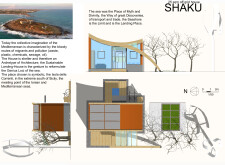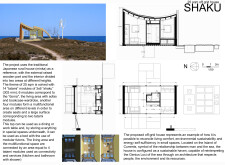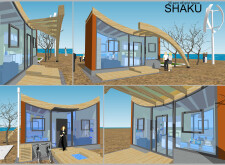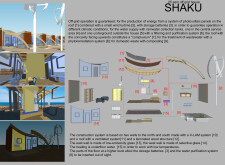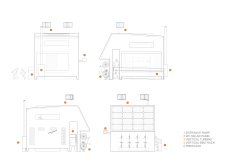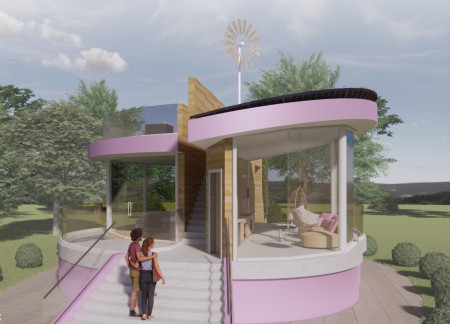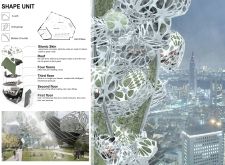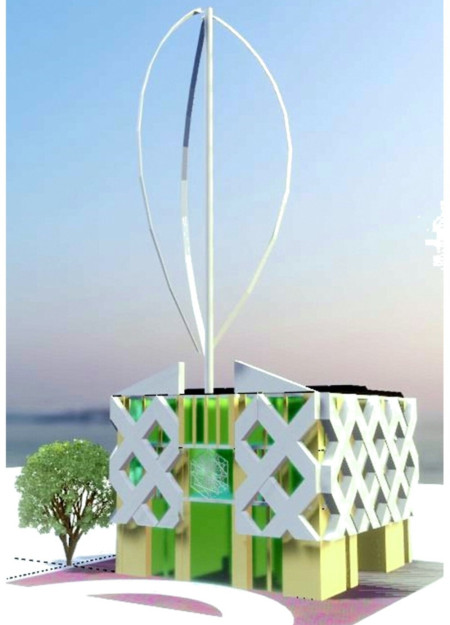
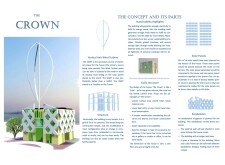
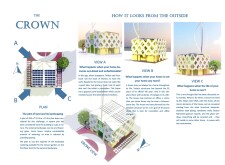
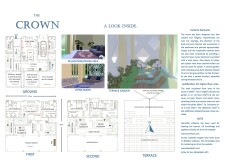
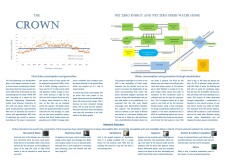
The integration of a gypsum exoskeleton and vertical axis wind turbine enables a sustainable energy-efficient residential structure designed for adaptability and cultural relevance in the United Arab Emirates.
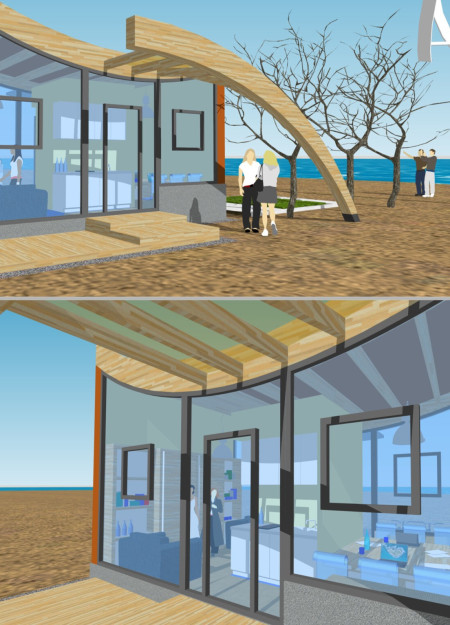
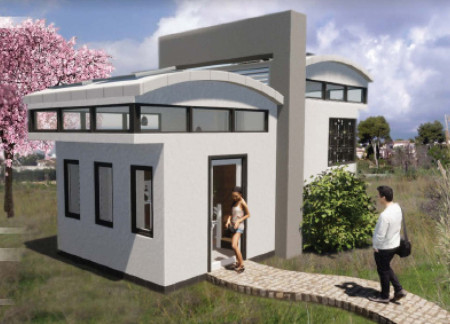
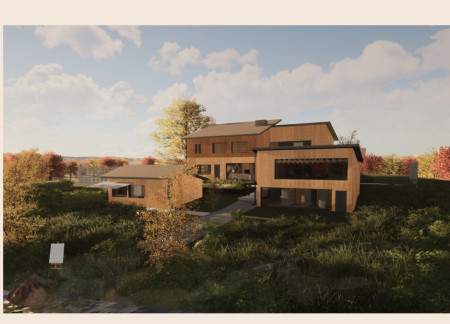
Curved X-LAM walls and charred wooden shingles define a compact off-grid house on the Sicilian coast, merging sustainable materials with efficient design for a modern living experience.
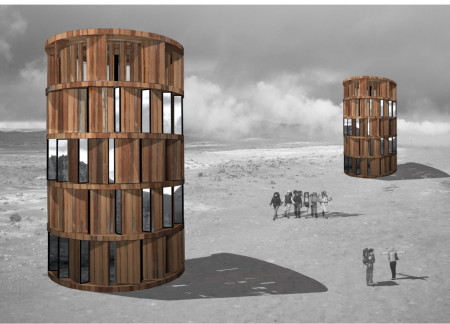
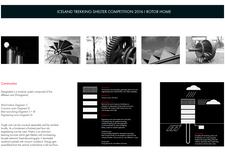
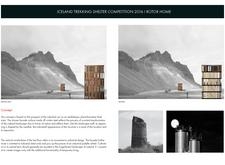
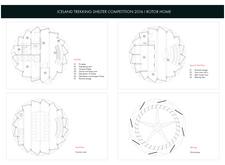
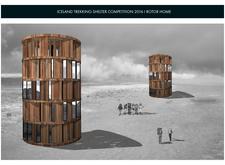
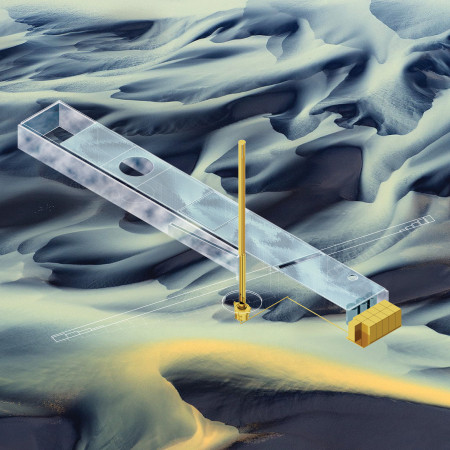
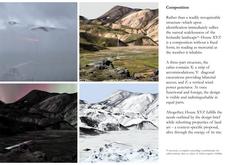
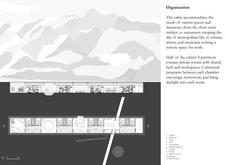
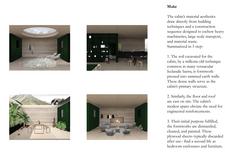
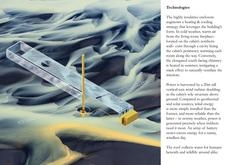
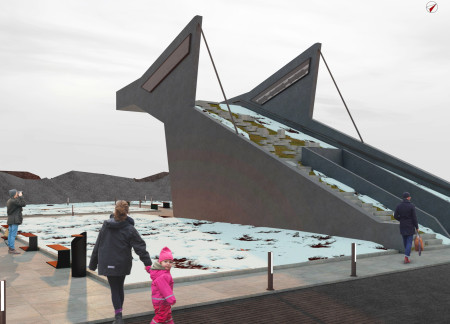
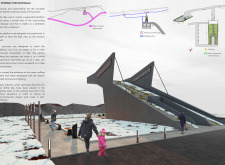
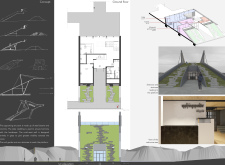
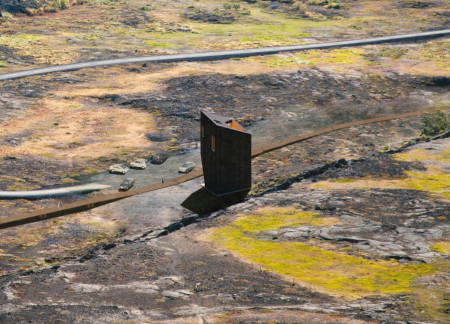
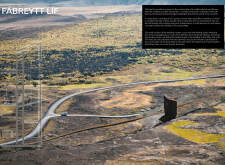
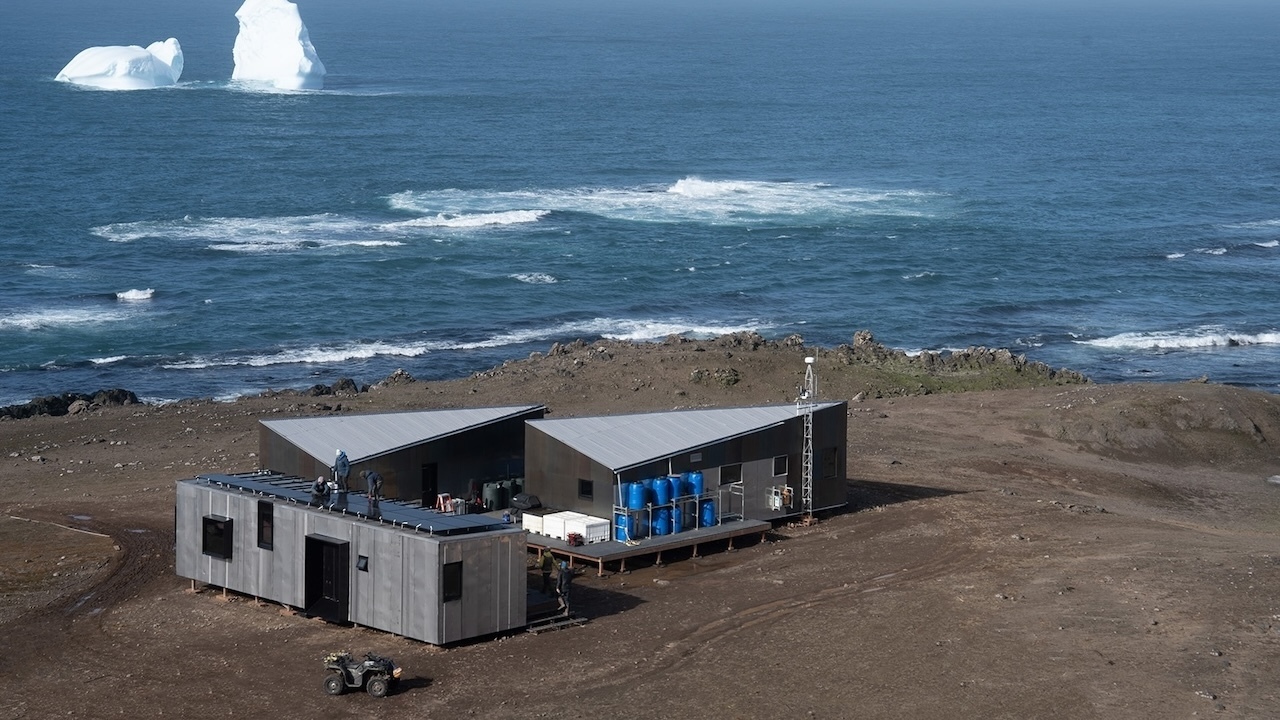
Constructed from corten steel and designed with an integrated wind turbine and geothermal heating, the shelter provides an efficient and sustainable accommodation solution for trekkers navigating the harsh Icelandic landscape.
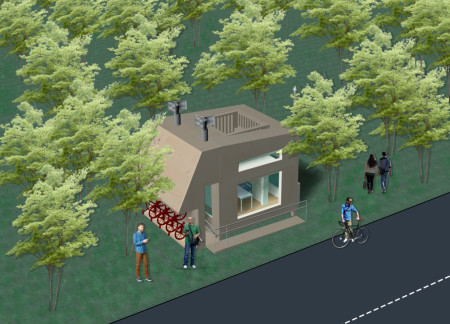
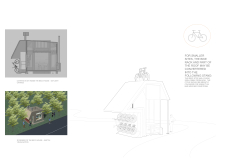
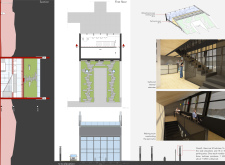
A vertical wind turbine powers a compact plywood shelter that integrates a daylight atrium, providing an efficient and sustainable living space for its residents.
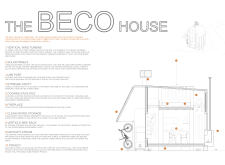
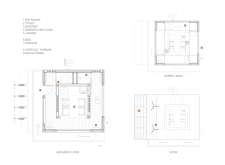
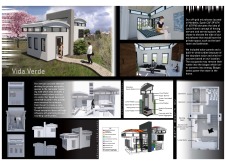
A vertical concrete rainwater wall, integrated with a wind turbine and built using hempcrete and cross-laminated timber, serves as the backbone of this microhome designed for sustainable living.
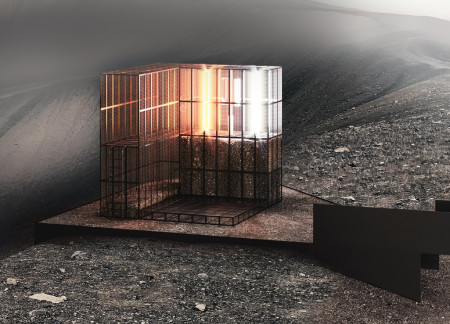
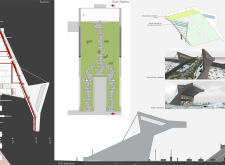
Constructed with gabion walls and powered by a small wind turbine, the installation invites visitors to engage with the natural landscape while providing a functional lookout point at the peak of the Hverfjall volcano.
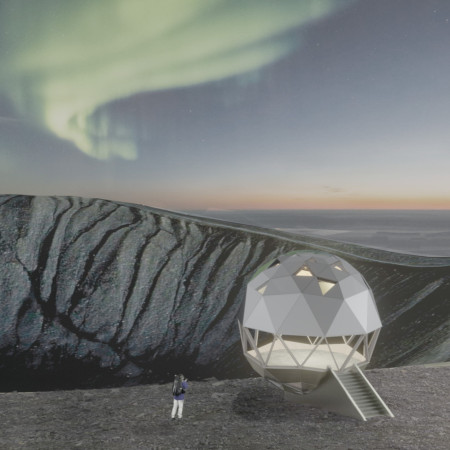
A geodesic dome with kaleidoscopic windows provides 360-degree views over the Hverfjall volcano, combining renewable energy and prefabrication methods to create an inviting lookout space for visitors.
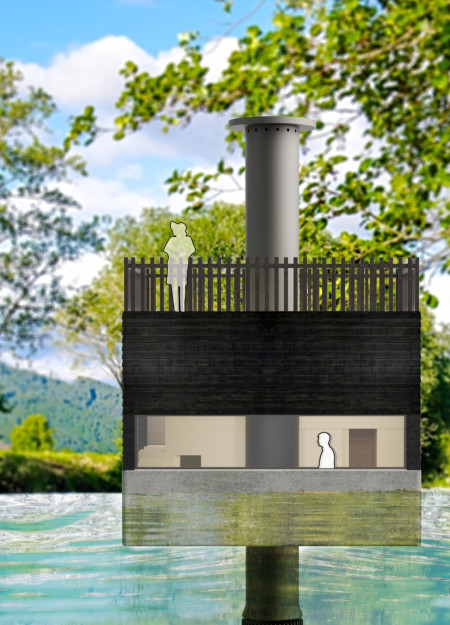
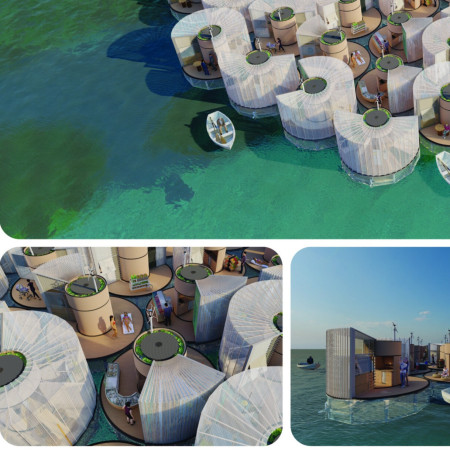
Constructed from ecological concrete and finished with charred wood, this floating habitat adapts to rising water levels while offering a sustainable living solution.

Constructed using Scots pine and featuring a wind turbine wall for energy efficiency, the cottage integrates reflection pools and a graywater recycling system, providing an eco-friendly residence that fosters artistic expression by the lake.
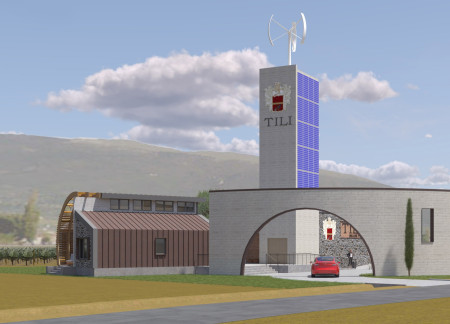
Arranged in a radial pattern and constructed with board-formed concrete, five guest homes provide a unique blend of communal and private spaces, set against the backdrop of a vineyard landscape.
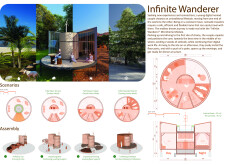
A central wind turbine serves as both a power generator and living space, constructed with a metal exoskeleton and insulated panels to create a sustainable community environment that prioritizes energy efficiency and adaptability.
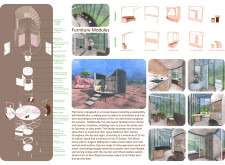
Utilizing solar fabric and a vertical wind turbine, this circular microhome embodies adaptability and sustainability while providing a versatile living space for modern inhabitants.
Constructed from locally sourced rammed earth and incorporating a vertical-axis wind turbine, this cabin seamlessly integrates with its Icelandic landscape to provide an eco-friendly retreat for visitors.
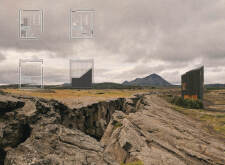
A suspended slate platform with expansive glass views overlooks a tectonic fault, while integrated pathways and wind turbines create a sustainable visitor experience in a natural landscape.
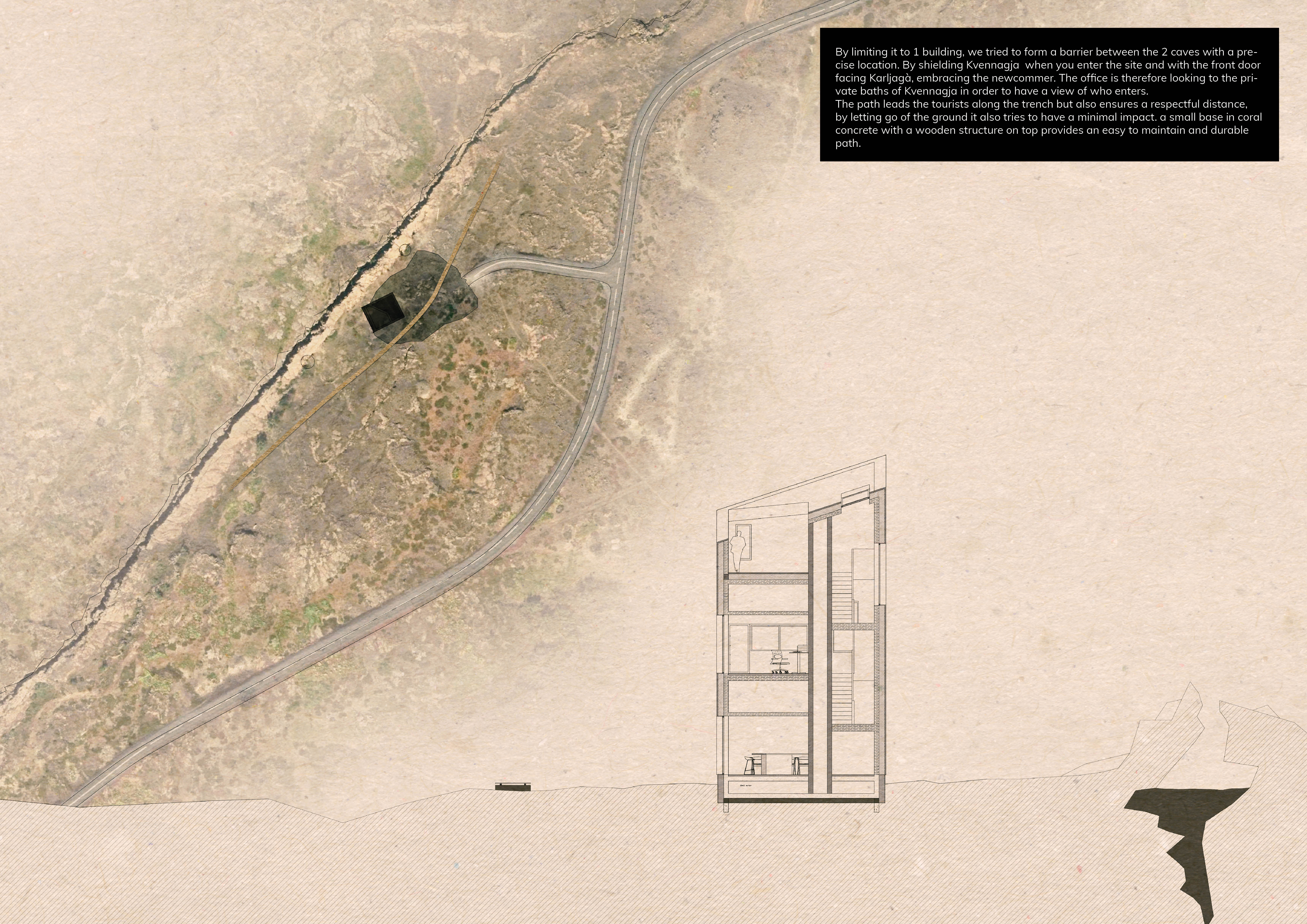
Constructed from coral concrete and cross-laminated timber, the watchtower integrates thermal regulation features to create a functional space for visitors to explore the surrounding landscape.
Utilizing reflective surfaces and a wind turbine, the design creates a serene retreat that encourages self-reflection and connection to nature within an intimate cabin setting.
With wooden shear walls that enhance structural integrity and a roof terrace that frames scenic lake views, the design creates a sustainable retreat focused on comfort and private relaxation.
Surrounded by mature trees, the sustainable community incorporates refuge cabins and a shared terrace to foster cultural exchange and engagement within the Latvian landscape.
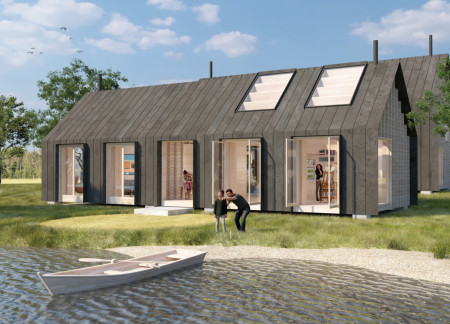
Black steel cladding and notched beams define a flexible community space that balances individual artist studios with communal gathering areas, all while prioritizing views of the adjacent lake.
Incorporating recycled materials and organic forms, the village features a rainwater collection system that supports a community designed for artistic collaboration and sustainable living.
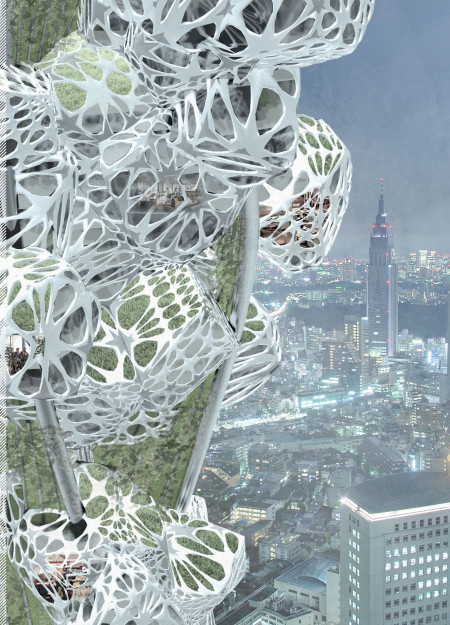
Shiyen Wu,Jun-han Huang,Pei-shan Chen,Chun-teng Lin
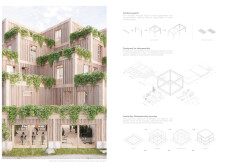
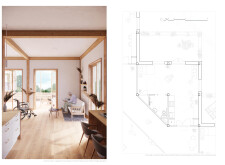
Constructed with charred wooden shingles and enhanced by biophilic green walls, the design integrates residential and commercial spaces to promote community interaction within an urban setting.
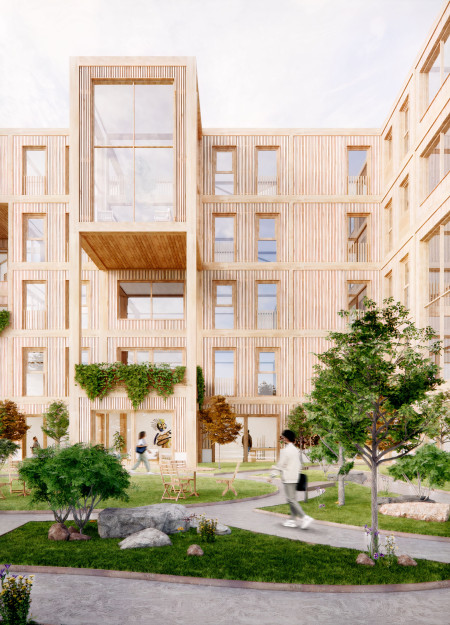
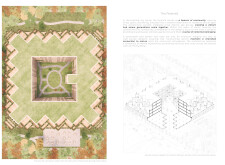
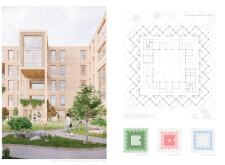
Constructed with modular cross-laminated timber panels and green roof systems, the design establishes a contemporary urban hub that supports intergenerational living and promotes social cohesion.
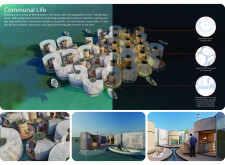
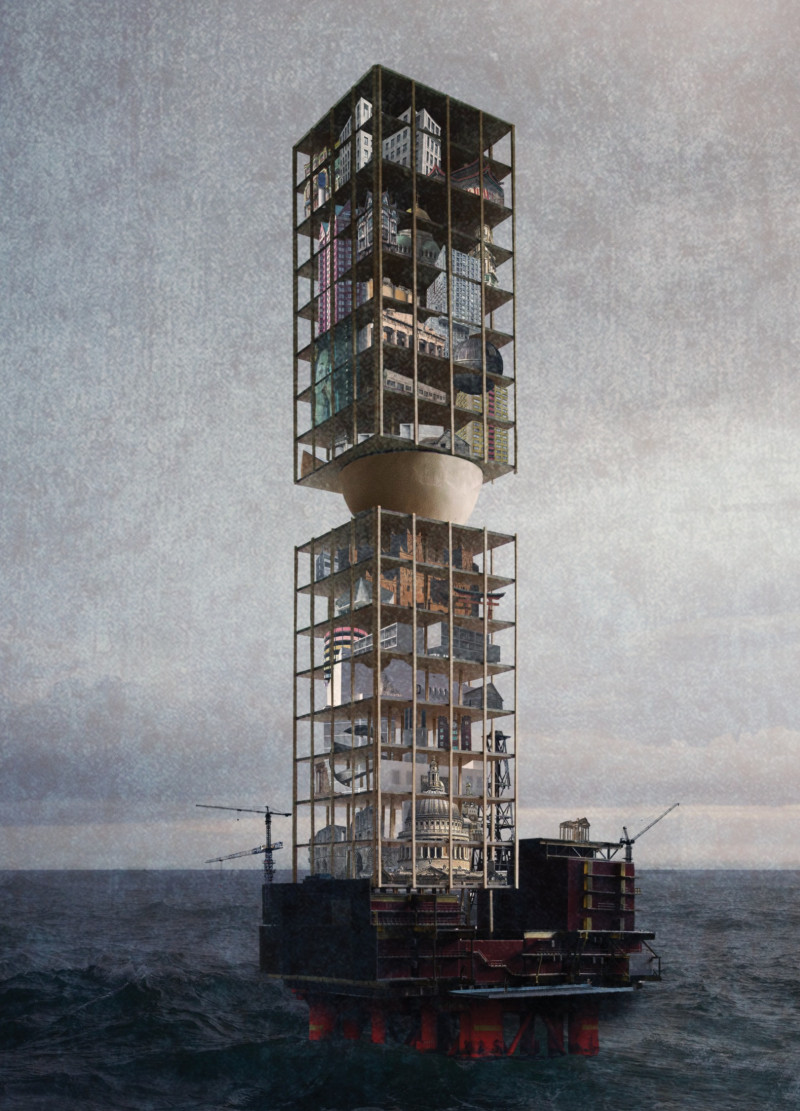
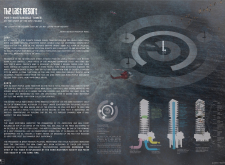
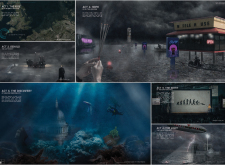
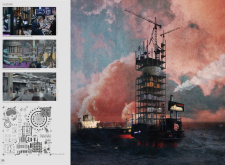
Repurposed oil rigs form the foundation for a resilient water-based community, integrating fish farms and urban agriculture to create a sustainable habitat for future residents.
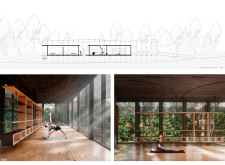
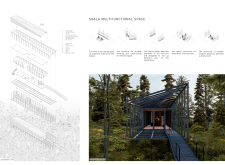
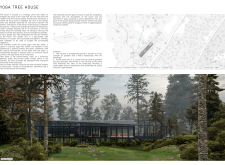
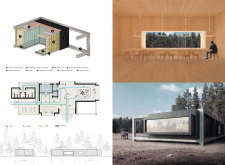
The project is a wellness retreat that brings together yoga, meditation, and communal living through an architecture focused on minimal environmental impact. Using ecologically responsible materials and passive design strategies, it fosters a balanced relationship between daily life and the surrounding natural landscape.
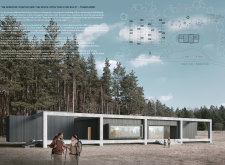
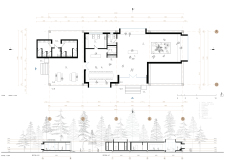
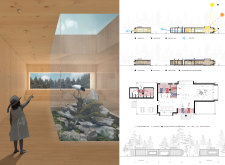
Positioned between the Baltic Sea and the Jaunupes River, the Pilgrimage Yoga House is a multifunctional space designed for yoga, meditation, and communal gathering. The project combines sustainable construction with a strong sensitivity to its landscape and users, offering a setting that supports both individual reflection and shared experience.
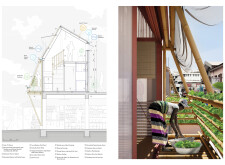
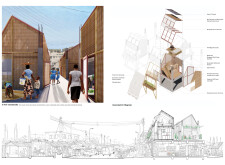
Utilizing bamboo and recycled steel, the design incorporates vertical gardens to enhance urban living environments while fostering community engagement through adaptable micro-housing units.
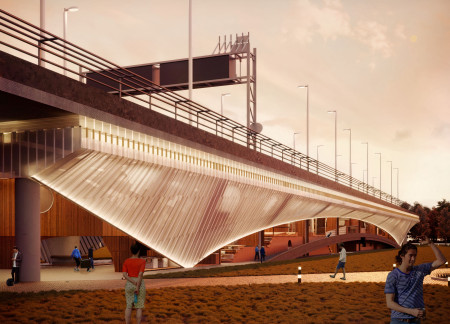
The project addresses the complexities of urban density while fostering social engagement and pedestrian accessibility by integrating flexible office spaces with vibrant communal areas. The design not only enhances functionality within a constrained urban footprint but also strengthens connections between disparate elements of the city’s fabric.
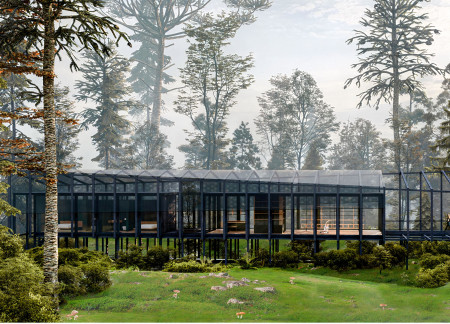
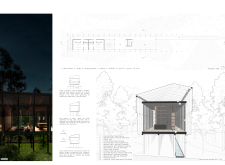
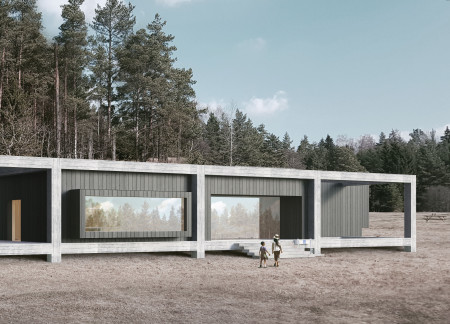
This study examines a multi-volume building designed to connect users with the forest landscape while accommodating communal and educational functions. Architectural strategies in these contexts can balance visual distinction with environmental sensitivity, providing spaces for learning and observation.
Use architecture to create different emotional states
Edition #9ideas COMPETITIONSILENT CONTEST For this competition, NO DESCRIPTION TEXT is allowed. The architecture ideas must be communicated strictly with visuals.
Prize Monetary award
Eligibility Open to all
Advance registration deadline 12 November 2026
Open architecture competitions
Closest deadline first
Project competitions first
Selected winning projects have the potential to be constructed
Ideas competitions
Experimental competitions with the focus on pushing the boundaries of creativity
Use architecture to create different emotional states
Edition #9ideas COMPETITIONSILENT CONTEST For this competition, NO DESCRIPTION TEXT is allowed. The architecture ideas must be communicated strictly with visuals.
Only participants selected and invited by Buildner can enter these closed competitions. To be considered for future opportunities, please set up your account on Architects' Network Plus.