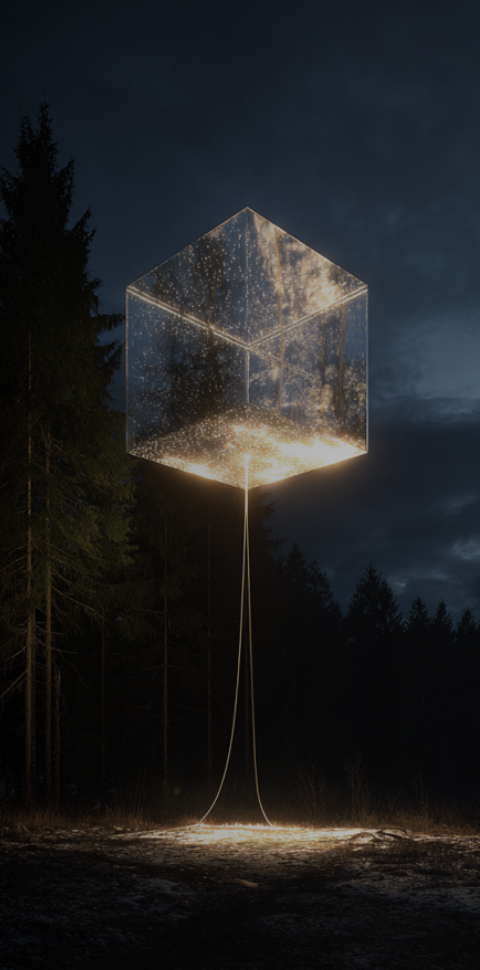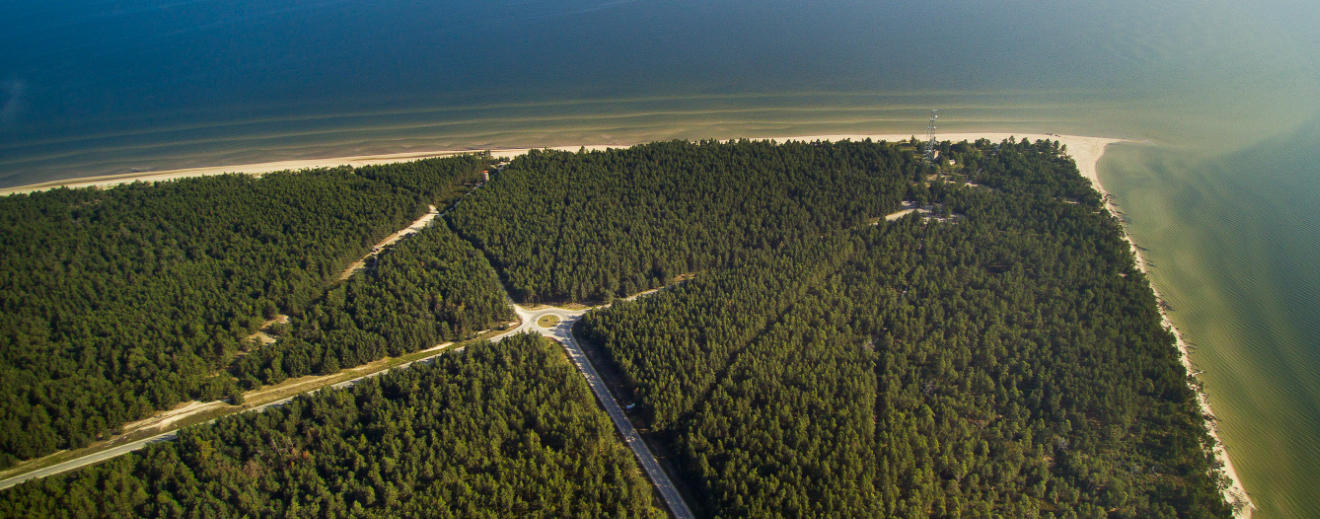
The project is initiated by a private owner developing the property as a retreat focused on simplicity, presence, and connection to nature. Instead of creating a traditional tourist destination, the vision is to offer visitors a place to slow down, disconnect from everyday routines, and experience the atmosphere of the Baltic coast through landscape, weather, silence, and observation. The future tower is imagined not simply as a viewing platform, but as a lookout ritual, a room above the trees, a sheltered pause within nature, or a contemporary object inspired by the spirit of the coastline.
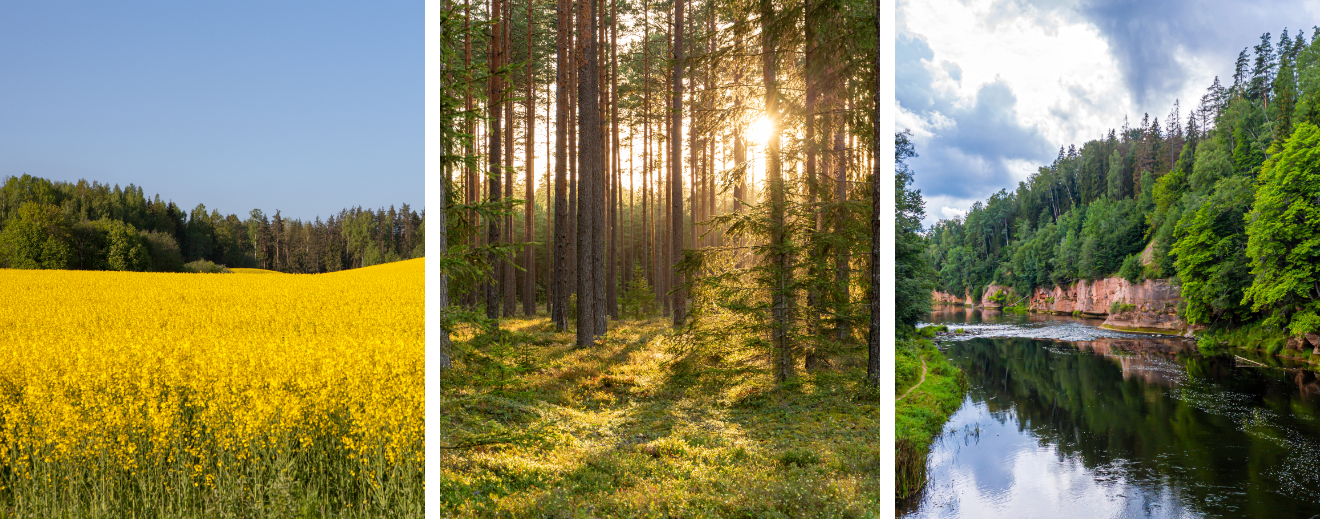
Not a Tower, but a Vertical Experience
Participants are invited to rethink the observation tower as more than a functional structure. Rather than designing an iconic landmark, the competition encourages proposals that create atmosphere, emotional connection, and a unique relationship between visitor and landscape. The Quiet Tower may become a place for reflection, conversation, photography, watching sunsets, or observing changing weather and distant horizons. Inspired by fire lookout towers, dune watchpoints, pilgrimage shelters, and Nordic retreat culture, the project should explore how simple architecture can create memorable experiences through sensitivity, restraint, and connection to place.
Download the full competition brief for more information!
Competition is open to all. No professional qualification is required. Design proposals can be developed individually or by teams (4 team members maximum). Correspondence with organizers must be conducted in English; All information submitted by participants must be in English.