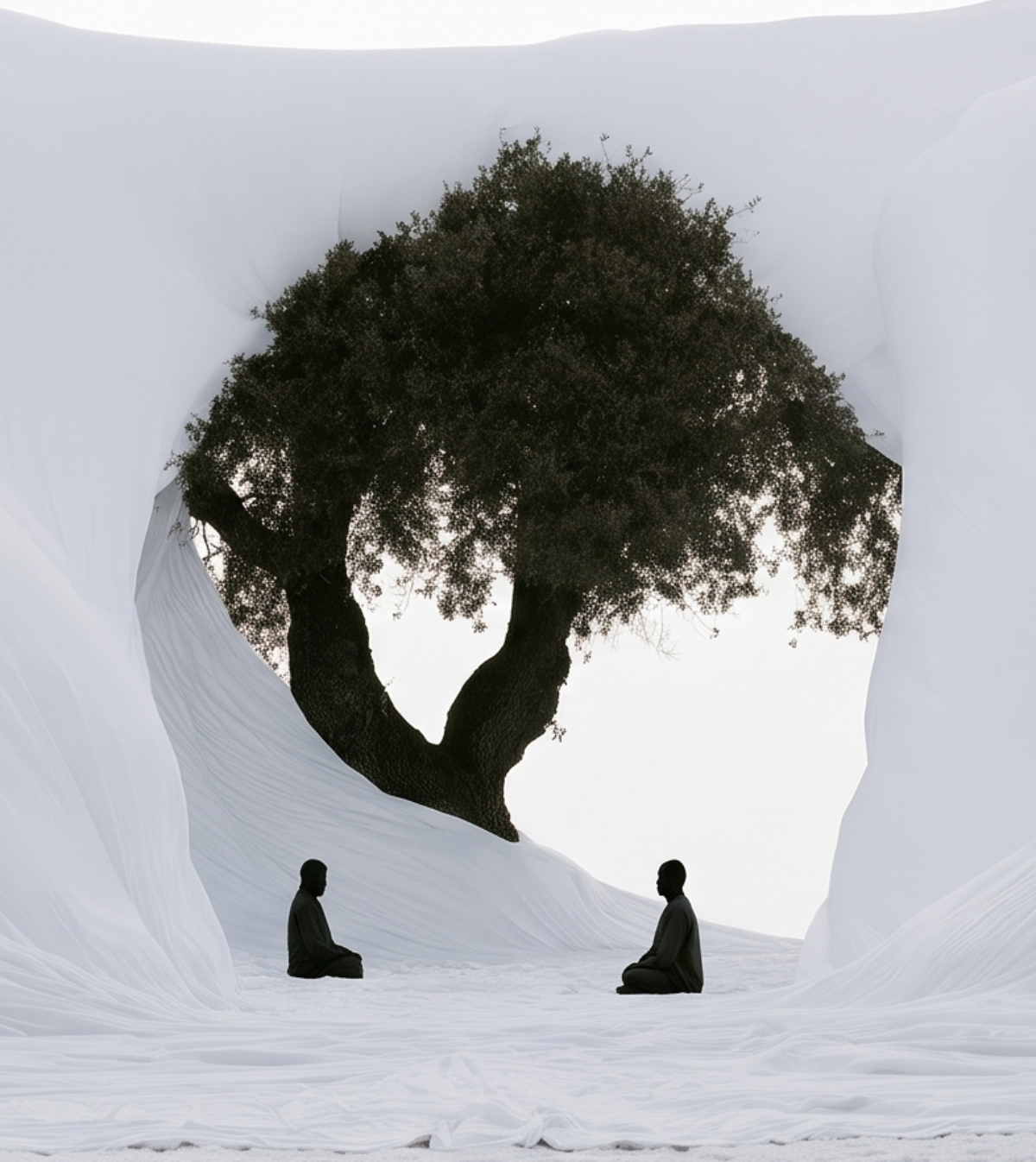
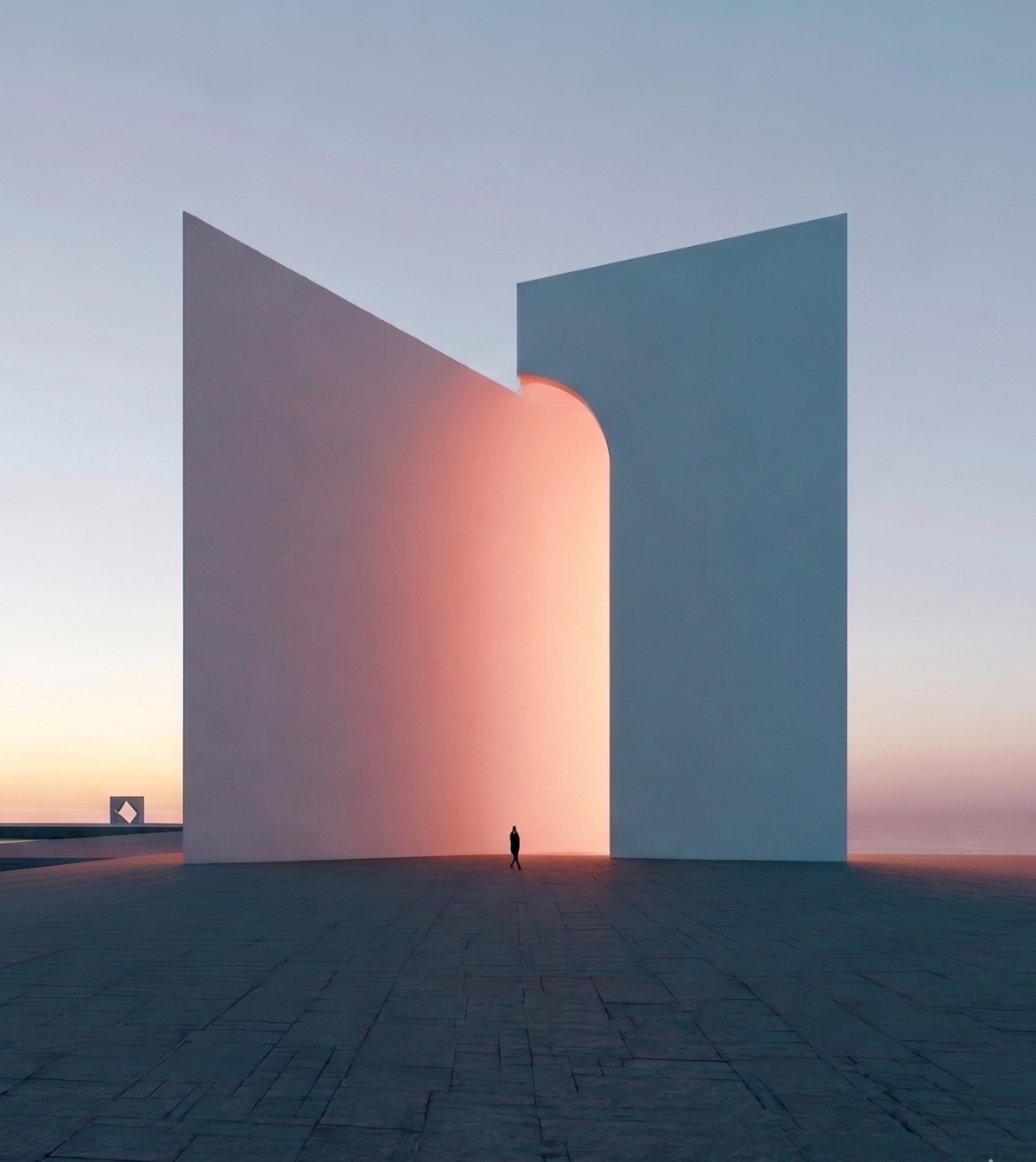
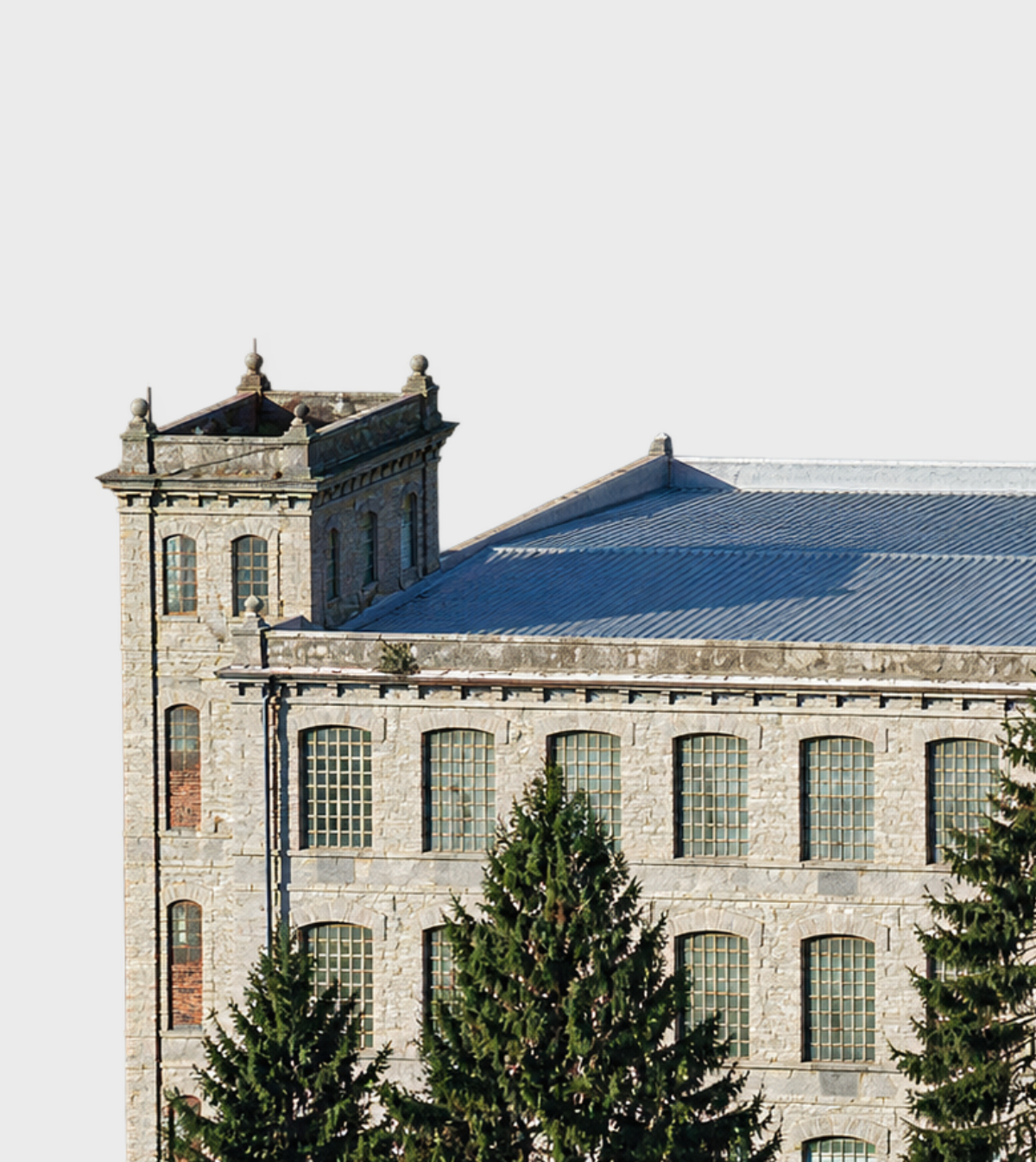
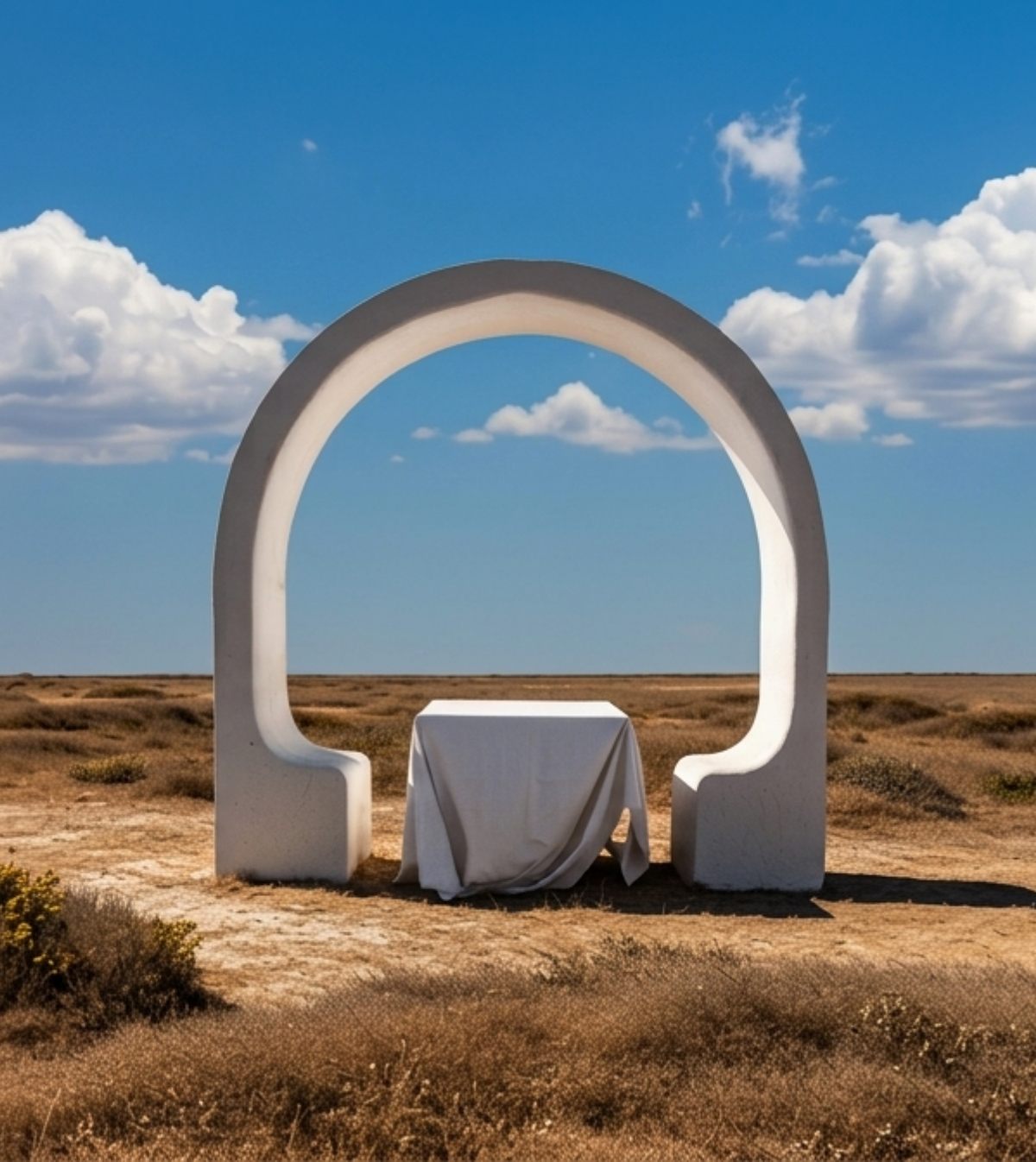
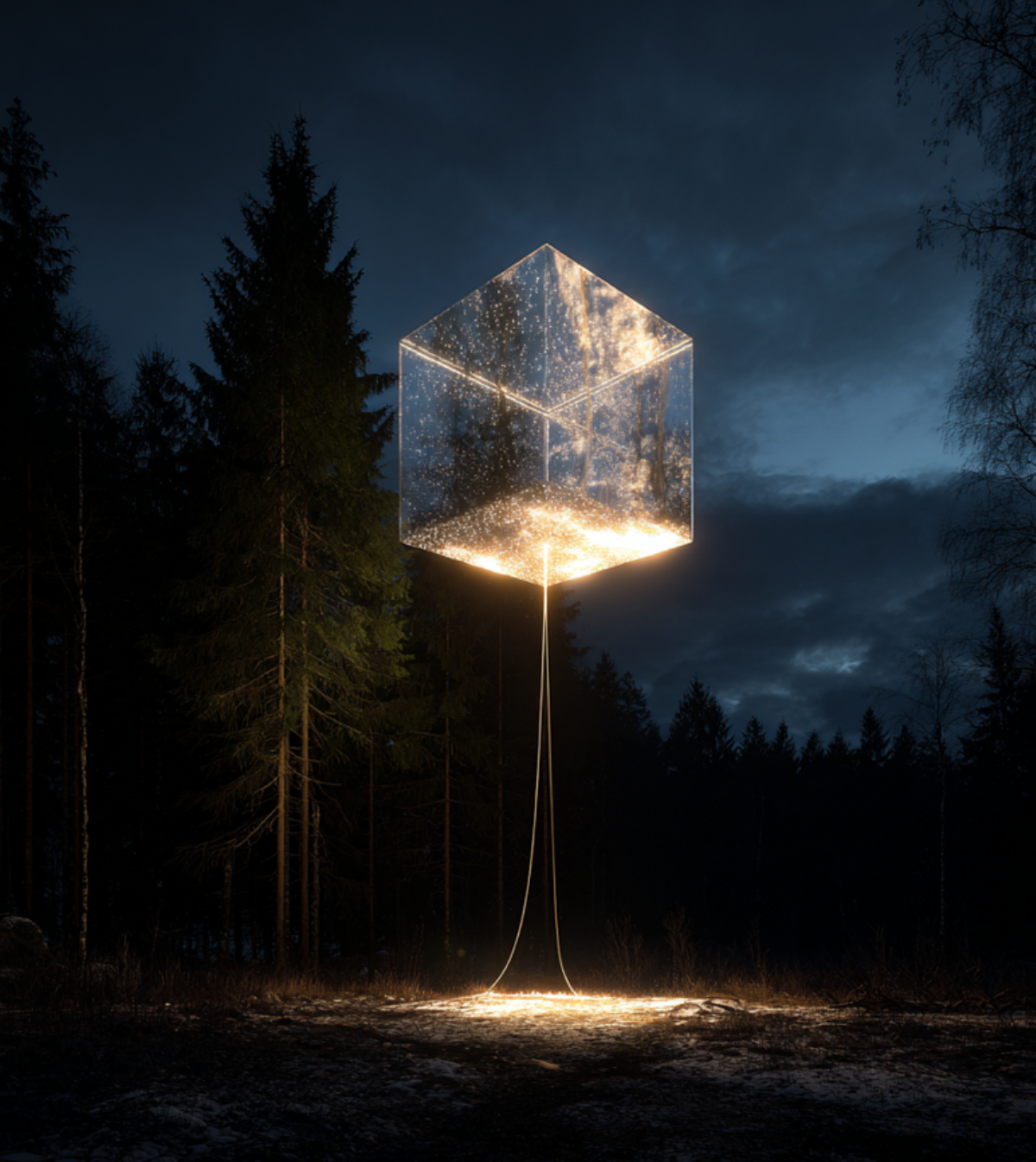
We’d like to take the opportunity to introduce you to the 2nd Prize winners of our Iceland Slow Sauna competition – Jeremy T Anderson and Pascal Henle from Australia!
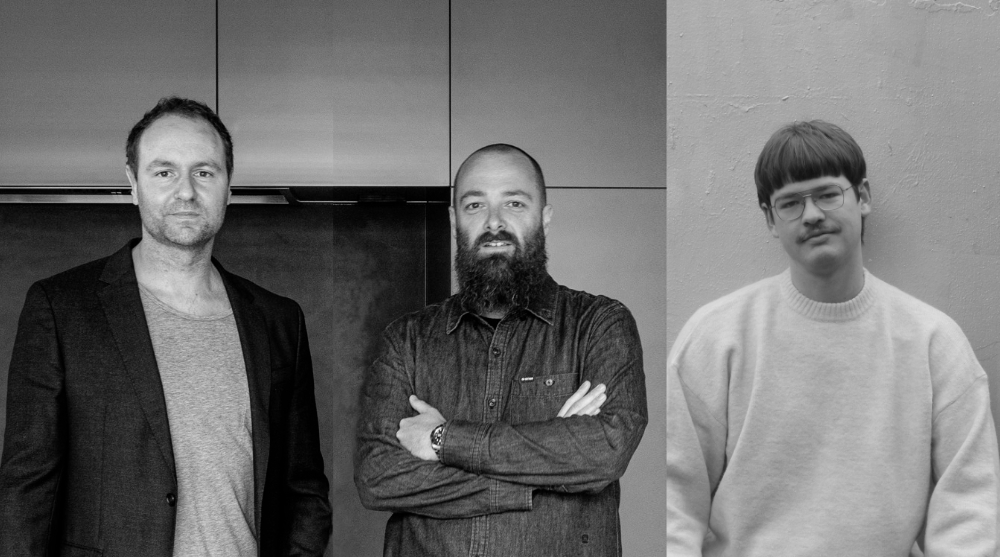
Jeremy Anderson, Scott Eldridge and Pascal Henle
Please tell us about your company (when it was founded, where it is based, how many employees, etc) Alternatively, if you do not have a company, please give us some insights on your own professional/academia background.
Eldridge Anderson Architects was established by directors Scott Eldridge and Jeremy Anderson in Jan Juc, Australia in 2014. We are a practice of 4 specialising in the creation of thoughtful and refined works of architecture. 877c is a design studio focused on a collaborative way of practice, exchange of knowledge and research, currently based in Melbourne and led by Pascal Henle.
Brief information about the projects that you/your company have been involved with. For instance, what scale have you focused on/preferred, any significant projects where the company/ individuals have been Involved?
Eldridge Anderson has worked on projects in the city, by the coast, and in rural locations. Focussing primarily on residential work, each building speaks to the place it occupies, to the lives it shelters. They aim to bring together the place, the need, and the rituals of those who will live there. Each project is a conversation with the land. A conversation about light, about shadow, about the rhythm of the seasons. It is about the people who will experience the place, who will touch the walls, who will walk the floors. And in this quiet exchange, something enduring is made. Notable projects for the practice include Jan Juc Studio which was awarded at the Australian Institute of Architects awards and Ballarat House which has been extensively published. 877c is interested in the spatial value provided through the assemblage of ‘unremarkable’ elements into qualitative spaces. With a strong focus on rural dwellings, suburban houses and alterations, 877c has established strong notions of structural clarity, efficiency and longevity through research, speculative explorations, and built projects.
What does architecture mean to you and what is the role of an architect in your society?
Each project is a conversation with the land. A conversation about light, shadow, about the rhythm of the seasons and the passage of time. It is about the people who will inhabit a place, who will touch its surfaces, gather within its rooms and form memories through everyday rituals. In this quiet exchange between site, building and occupant, something enduring is made.
We believe architecture begins with listening. Before drawing, before building, there is an obligation to understand and to read the contours of a landscape, to observe the movement of light, to recognise the stories embedded within a place and the communities that surround it. Every site carries its own character and intelligence. Our work seeks not to dominate these conditions, but to reveal them; to create architecture that feels inevitable, as though it has emerged naturally from its setting.
We see the architect not as a creator of objects, but as a custodian of relationships - between people and place, between culture and landscape, between the present moment and the future that follows. Architecture occupies a unique position within society. It shapes how we live, how we connect with one another, and how we understand our place within the world.
We believe the most meaningful architecture does not demand attention. Instead, it enriches everyday life through careful consideration and quiet generosity. It is found in the warmth of natural materials, the comfort of a sheltered courtyard, the framing of a distant view, or the way a building settles gently into the landscape. These moments may appear modest, yet collectively they shape how people feel, interact and belong.
For us, architecture is ultimately an act of stewardship. We borrow from the landscape, from culture and from future generations, and our responsibility is to return something of lasting value. Every project becomes an opportunity to contribute positively to the places we inhabit - to strengthen connections between people and their environment.
Through this lens, architecture becomes more than the making of structures. It becomes a means of caring for place. A way of shaping experiences that are grounded, meaningful and enduring. And it is through this ongoing conversation with land, climate and community that we seek to define our role in society: not simply as designers of buildings, but as thoughtful custodians of the environments in which life unfolds.
Why do you participate in architecture competitions?
Architecture competitions are an opportunity to collaborate, conduct research, and contribute to architectural discourse. They allow architects to explore questions that may not emerge within conventional commissions and to develop ideas that push beyond established norms. Often, speculative and unbuilt proposals become a means of revisiting, refining, and expanding upon ideas that emerge from longstanding interests and research. Even when a proposal is not realised, the concepts developed through competitions can continue to evolve, generate conversation, or find their way back into projects down the line.
What advice would you give to individuals who struggle to decide whether it would be beneficial for them to participate in architecture competitions?
Competitions create space to ask questions, test unconventional ideas, and engage deeply with research and design processes that may not always be possible in everyday professional practice. Even speculative or unbuilt proposals can influence discussions, inspire future projects, and contribute meaningfully to the discipline. They provide an opportunity to further develop your interests and establish your own position within the broader architectural discourse. Some of our most valuable lessons have come from projects that never progressed beyond the competition or early design stage. The real value lies in engaging deeply with a brief, forming a position, and putting your ideas into the world. Every competition is an opportunity to refine your voice, challenge your assumptions, and contribute to a broader conversation about architecture and its role in society.
Top 3 Reasons Why You Should Enter Architecture Competitions
Curious about the value of architecture competitions? Discover the transformative power they can have on your career - from igniting creativity and turning designs into reality, to gaining international recognition.
Learn more