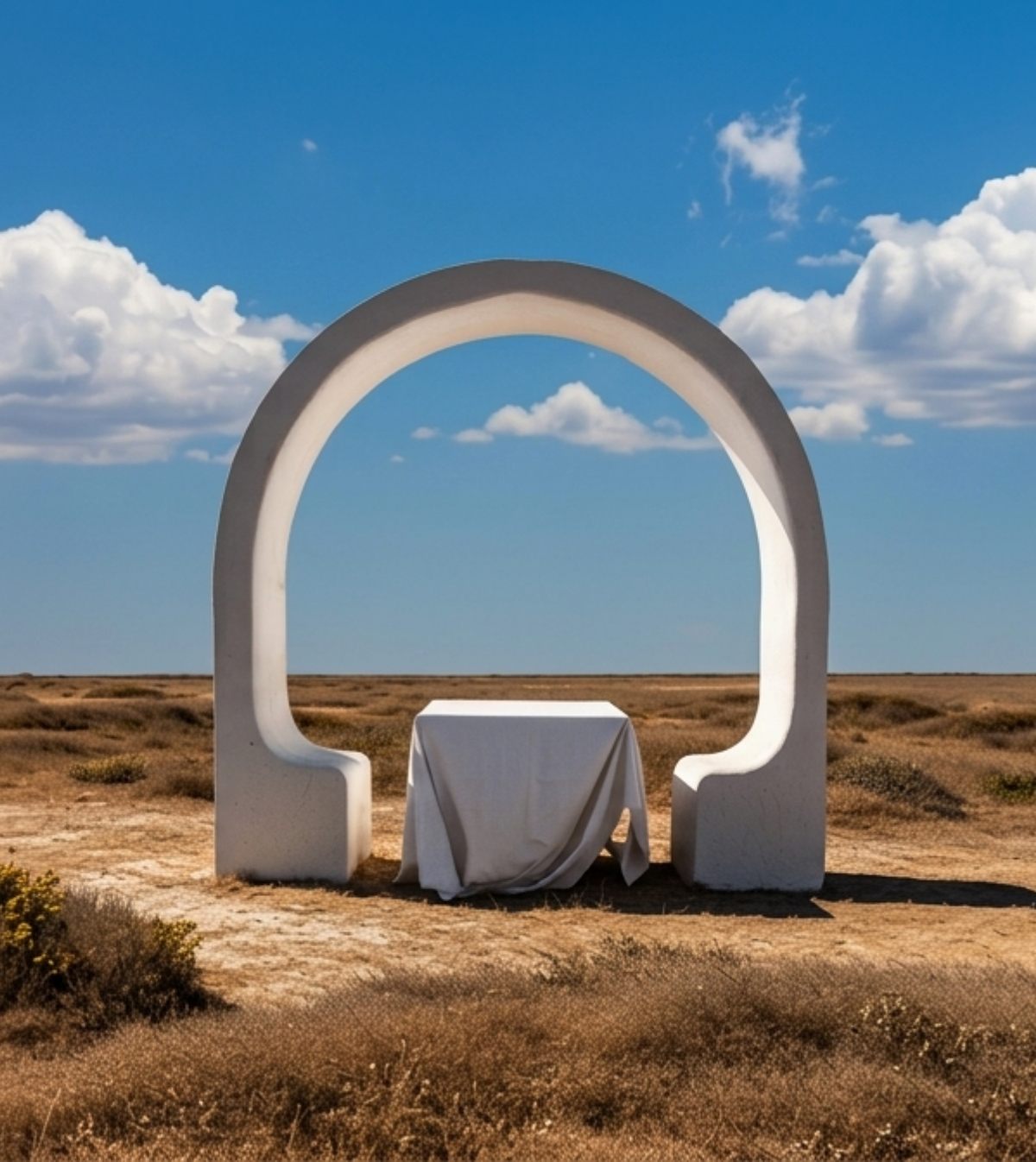
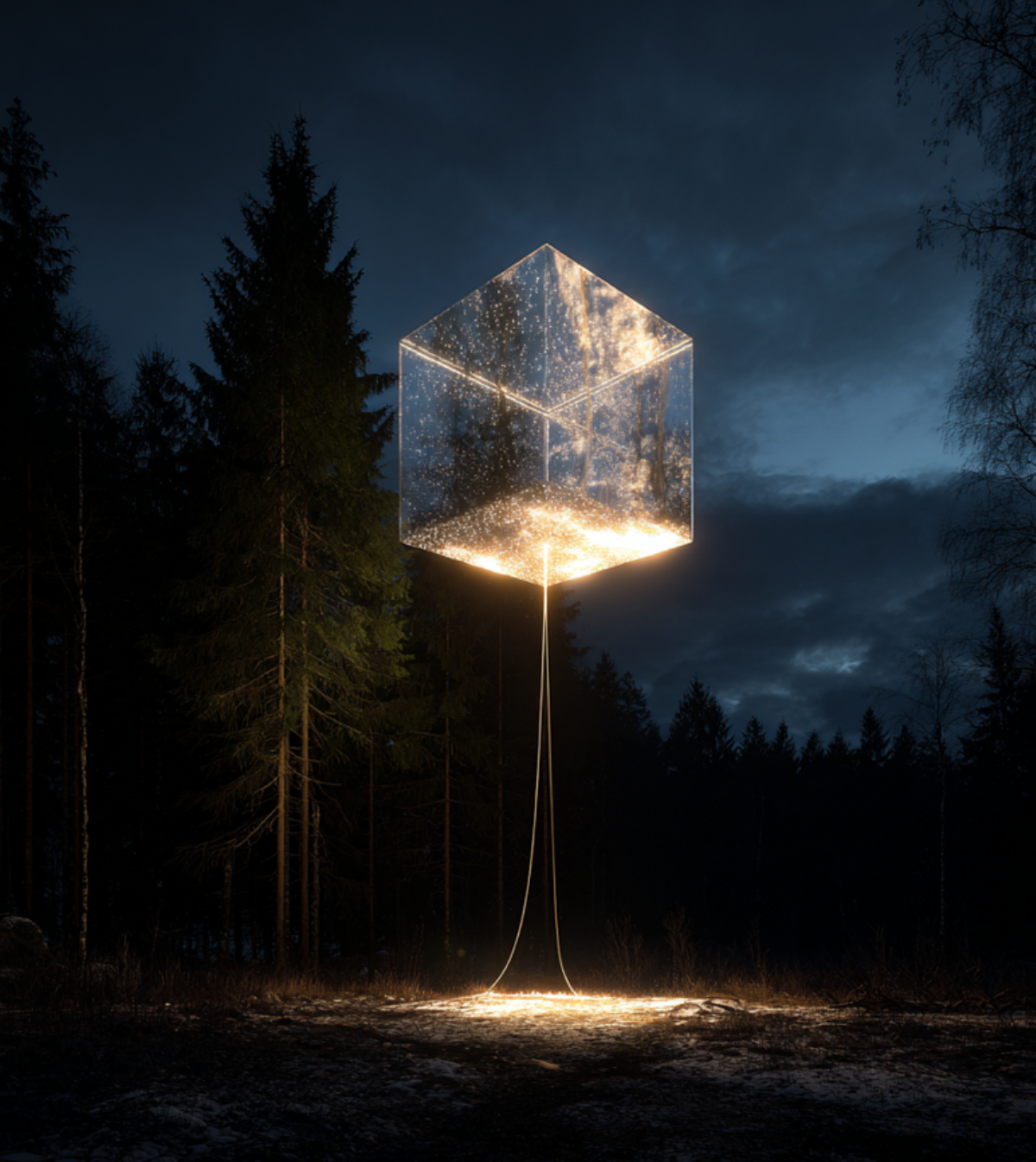
We’d like to take the opportunity to introduce you to the Honorable mention winner of our Iceland Slow Sauna competition – Ilira Salihu and Julius Maria Meier from Switzerland!

Ilira Salihu and Julius Maria Meier
Please tell us about your company (when it was founded, where it is based, how many employees, etc) Alternatively, if you do not have a company, please give us some insights on your own professional/academia background.
We are Julius Meier and Ilira Salihu, and we recently completed our Bachelor’s degree in Architecture at HafenCity University Hamburg. In autumn 2026, we will begin our Master’s studies while continuing to expand our professional experience. Throughout our education, we have worked in several architectural offices, including Diener & Diener and jessenvollenweider Architektur in Basel, as well as as student assistants at bbp Architekten in Kiel, where we both currently work and are based. The Iceland Slow Sauna competition marks our first architectural competition as a team, but we see it as the beginning of a long-term collaboration. We share a common understanding of architecture while complementing each other through our individual strengths. What brings us together is a shared curiosity, a collaborative way of working, and the ambition to keep learning through every project. Looking ahead, we hope to continue designing together and, one day, establish our own architectural practice.
Brief information about the projects that you/your company have been involved with. For instance, what scale have you focused on/preferred, any significant projects where the company/ individuals have been Involved?
As part of our Bachelor’s theses, we each independently designed a cluster school in Finkenwerder. Both projects were awarded first prize in the student competition “Schulbau” by Cubus Medienverlag, recognizing our shared interest in educational architecture and carefully considered learning environments. Beyond this focus, our academic work has covered a broad range of scales and typologies, including museum projects, residential and mixed-use buildings, as well as smaller-scale architectural interventions. In professional practice, we have contributed to a variety of projects, including corporate headquarters, residential buildings, and currently fire stations. Our involvement has ranged from architectural competitions and concept design to detailed design and construction documentation, giving us valuable insight into both the creative and technical aspects of architecture. We are particularly drawn to small-scale, carefully crafted architecture, as well as residential and public buildings. Across all scales, we are especially interested in the relationship between people, architecture, and the surrounding environment—a perspective that continues to shape our work.
What does architecture mean to you and what is the role of an architect in your society?
For us, architecture is about creating places that people genuinely enjoy inhabiting. Beyond fulfilling functional requirements, we believe architecture has the ability to shape atmosphere, bring people together, and give places a distinct identity. The spaces we create influence everyday life, making architecture both a creative discipline and a lasting responsibility. As architects, we see ourselves as designers of the built environment with a responsibility that extends far beyond the completion of a building. Every project is an opportunity to carefully balance human needs, environmental responsibility, and the unique qualities of a place. We believe that architecture should respond to its context rather than dominate it, creating spaces that feel natural, meaningful, and enduring. Our work is guided by an appreciation for honest materials, thoughtful construction, and timeless design instead of short-lived trends. We are equally fascinated by the process of building, believing that thoughtful construction is inseparable from good design. Sustainability, in our view, is not an additional feature but a fundamental principle that informs every design decision. We aspire to create architecture that ages gracefully, can be appropriated by its users, and continues to contribute positively to both society and its surroundings for generations to come.
Why do you participate in architecture competitions?
From our point of view, architecture competitions are an opportunity to step outside the routines of everyday practice and explore ideas with greater freedom. They encourage experimentation, challenge us to test our own design approach, and allow us to engage with places, cultures, and architectural questions that we might not encounter in our daily work. The Iceland Slow Sauna competition was particularly appealing because of its unique setting and intimate scale, inviting a thoughtful response to both landscape and atmosphere. Competitions also provide a valuable space for collaboration. As this is our first competition as a team, it allowed us to develop ideas together, combine our individual perspectives, and discover how we complement each other throughout the design process. At the same time, competing alongside participants from around the world motivates us to continuously improve and learn from different ways of thinking about architecture. Regardless of the outcome, we believe every competition is worthwhile. Each project strengthens our design process, sharpens our ability to communicate ideas, and teaches us something new about architecture and ourselves. Every challenge becomes another step in our professional development, giving us greater confidence and a deeper understanding that we can carry into future projects. We see competitions as an essential part of our growth as architects and hope to continue participating regularly in the years to come.
What advice would you give to individuals who struggle to decide whether it would be beneficial for them to participate in architecture competitions?
Our advice would be simple: don’t wait until you feel completely ready—just start. Competitions are one of the few opportunities to explore ideas entirely on your own terms, challenge yourself creatively, and develop your own architectural voice. Try not to measure the experience solely by the final result. Every competition is an opportunity to discover new perspectives, gain confidence in your own ideas, and enjoy the process of designing. As first-time participants ourselves, we found the experience incredibly rewarding. It confirmed that taking the first step was worthwhile and motivated us to continue participating in competitions in the future. We would encourage anyone with an interest in architecture to do the same.
Top 3 Reasons Why You Should Enter Architecture Competitions
Curious about the value of architecture competitions? Discover the transformative power they can have on your career - from igniting creativity and turning designs into reality, to gaining international recognition.
Learn more