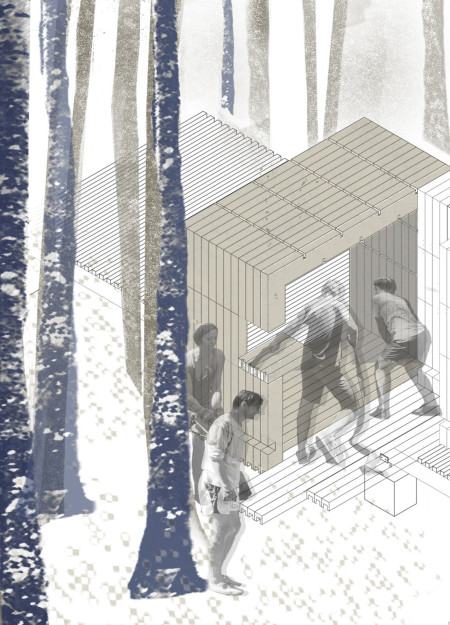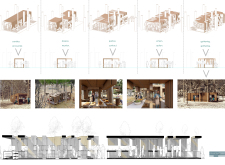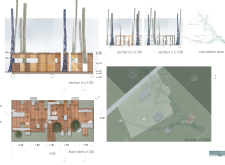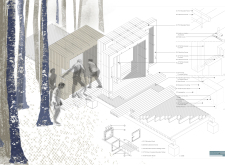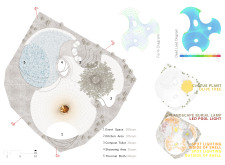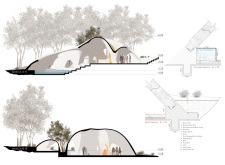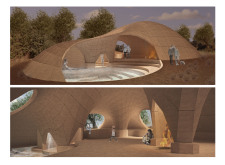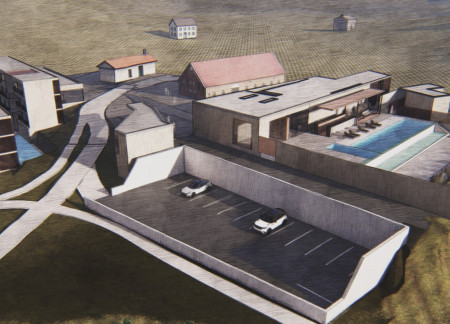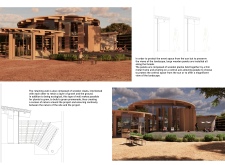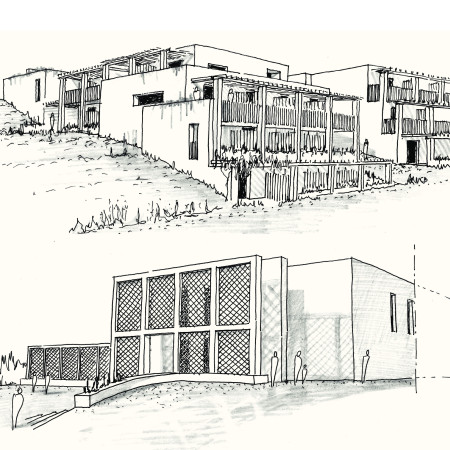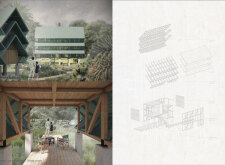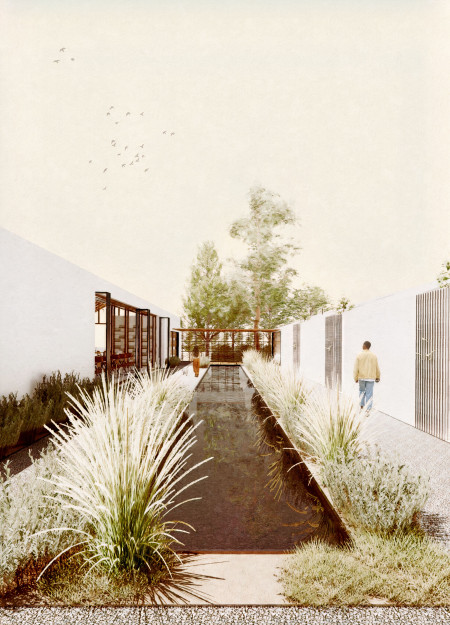
Verde House is a small-scale guesthouse located in a rural Portuguese olive grove. The design responds to the agricultural terrain by weaving around existing trees, using them for natural shade and spatial orientation. Architecture, landscape, and materials are combined to produce a low-impact and adaptable structure grounded in community and climate.
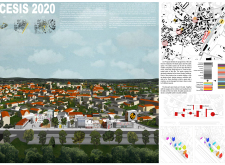
Constructed with charred wooden shingles and integrated flexible spaces, the design serves as a cultural hub that fosters creativity and community engagement in Cesis, Latvia.
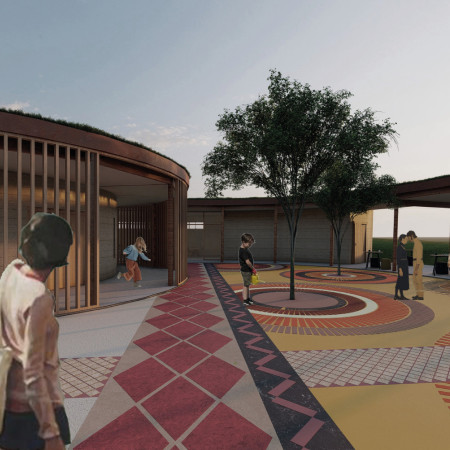
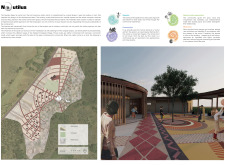
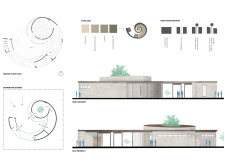
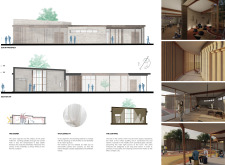
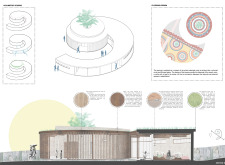
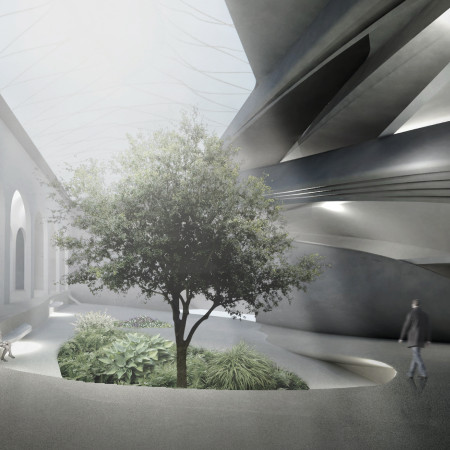
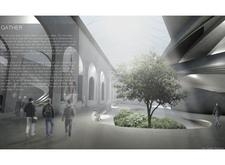
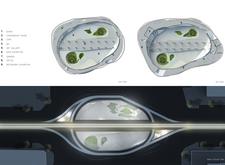
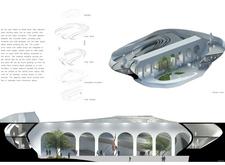
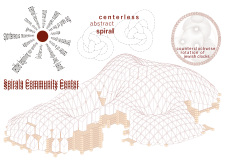
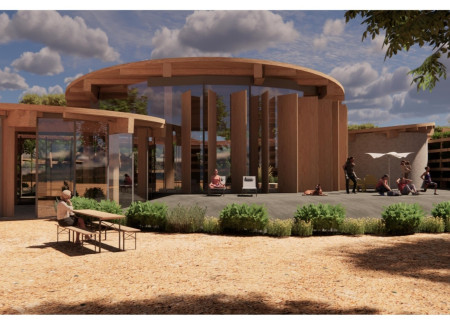
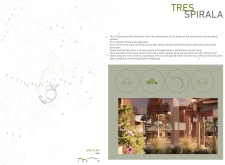
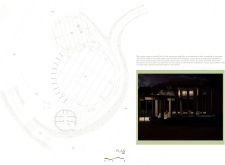
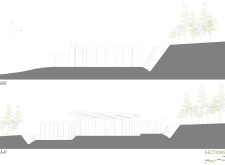
A half-moon shaped entrance and central tree within a spiraled layout create a unique community hub constructed with locally sourced timber and corten steel, promoting sustainability and connection while serving as an event space.
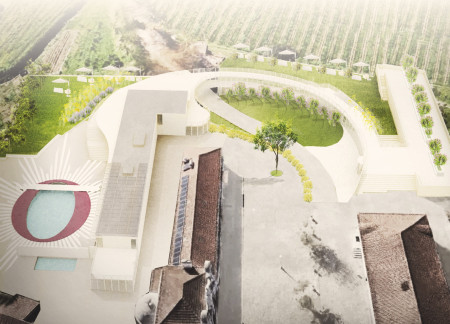
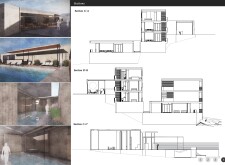
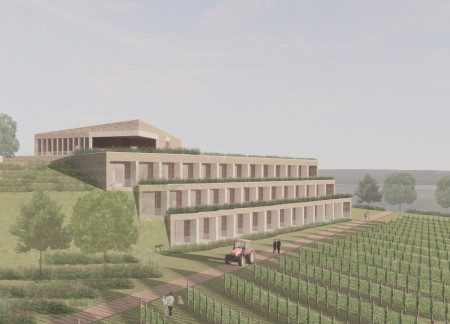
A rooftop garden and ceramic facades define a hotel designed to immerse guests in vineyard views, emphasizing sustainability and functionality in a tranquil setting.
A panoramic sky bar offers sweeping views while providing a central hub in a sustainable wellness retreat set within a picturesque vineyard, emphasizing connections to nature and modern comfort.
Employing curvilinear forms and a natural plaster facade to harmonize with the vineyard landscape, the hospitality complex maximizes panoramic views while offering engaging outdoor promenades for guests.
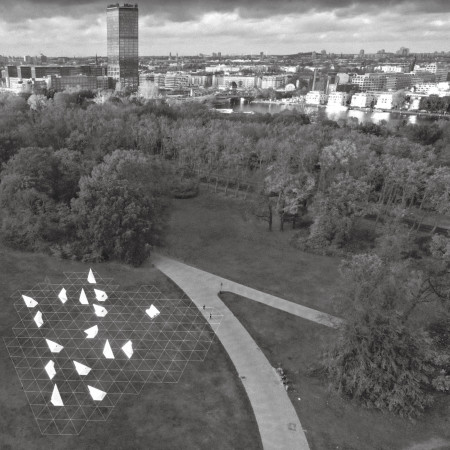
Constructed from recycled fabric and aluminum, the triangular poly booths create distinct individual spaces that enhance the techno music experience in an urban nightlife setting.
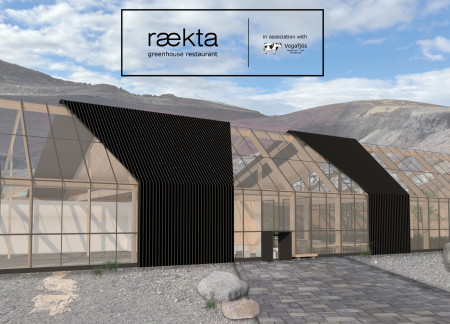
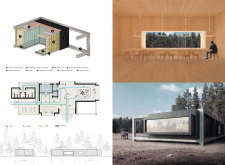
Utilizing cross-laminated timber and a Deep Winter Greenhouse design, the facility offers a unique environment where communal dining is enhanced by views of Iceland's natural landscape and onsite cultivated produce.
Muhammet kerem Yavuz,Gülhis Duygun,Orhun Ince,Burcu Saral
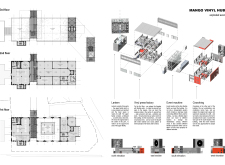
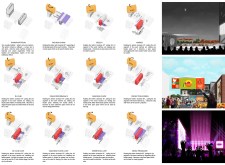
Constructed with modular counters and wooden planks, the design creates a series of communal spaces enriched by acoustic considerations, serving as a vibrant center for music and cultural gatherings.
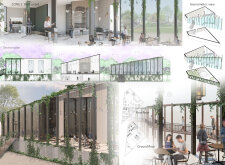
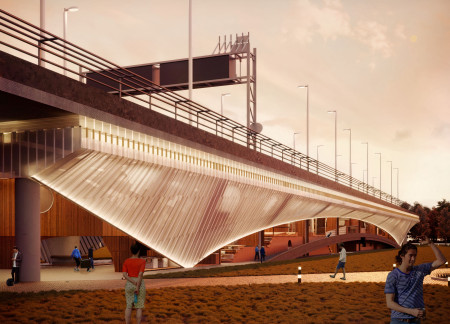
The innovative use of concrete and extensive glazing creates a seamless integration of nature and urbanity, establishing a multifunctional gathering space that fosters community engagement and artistic expression.
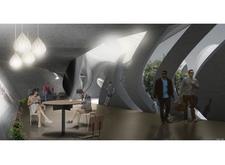
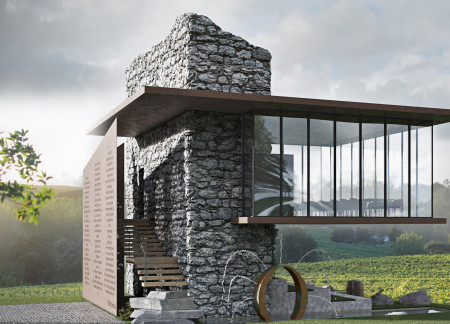
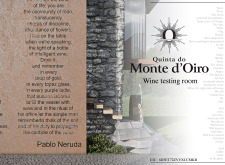
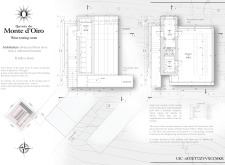
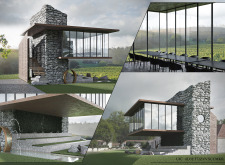
Corten steel and masonry converge in a thoughtfully designed wine tasting room that emphasizes the natural landscape while providing an immersive experience centered around local winemaking traditions.
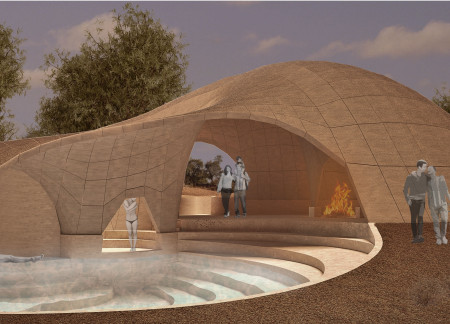
Counterclockwise rotation in design and the use of rammed earth showcase a deep engagement with cultural heritage, creating a communal space that promotes wellness and social interaction.
With weathering steel planters and light concrete walls, the design integrates seamlessly into the vineyard landscape to create a hospitality experience that emphasizes connection to the surroundings.
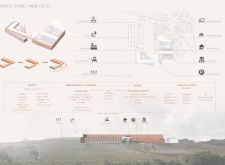
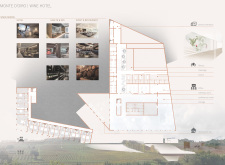
Utilizing charred wooden shingles and local stone, the design integrates seamlessly with its vineyard surroundings to create a mixed-use facility that encompasses hotel accommodations, wellness spaces, and hospitality venues.
Timber panels pivot to control sunlight while framing expansive views in a community-focused space designed to encourage interaction and accessibility.
Screens of perforated bricks and natural wood elements enhance the connection between indoor and outdoor spaces in a vineyard setting, providing a multifunctional retreat for visitors.
A living roof integrates charred wooden shingles and concrete elements, creating a sustainable environment that fosters community interaction within a multifunctional space.
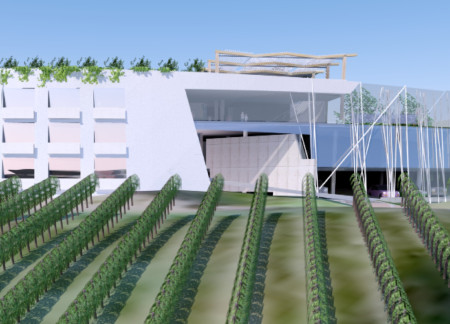
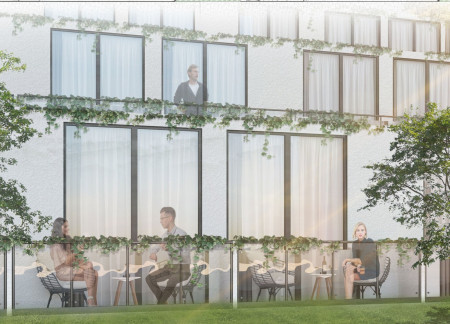
An exploited roof enhances the functionality of a hotel complex designed with glazed facades and communal spaces that connect with the lush vineyard, offering guests a unique blend of hospitality and nature.
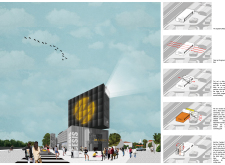
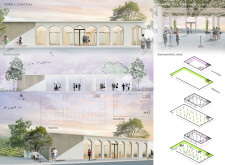
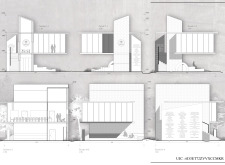
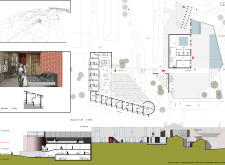
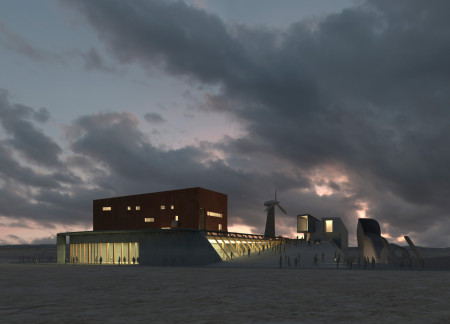
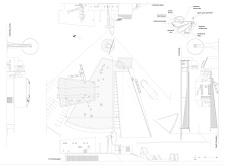
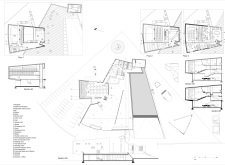
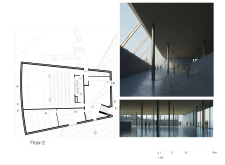
The use of sustainable cork cladding enhances thermal performance and acoustics while large windows provide panoramic views, creating a vibrant community space that houses a cinema, multifunctional areas, and an archive.
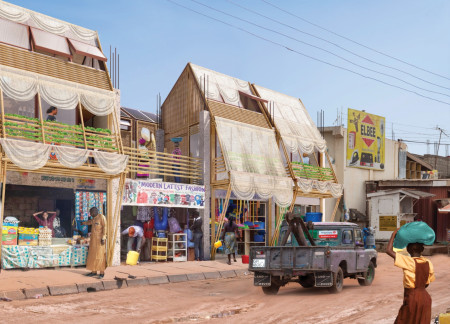
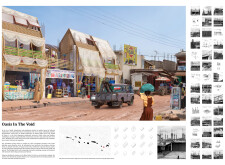
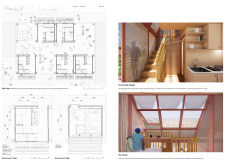
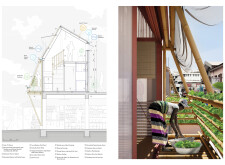
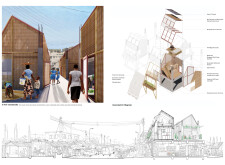
Utilizing bamboo and recycled steel, the design incorporates vertical gardens to enhance urban living environments while fostering community engagement through adaptable micro-housing units.
The project addresses the complexities of urban density while fostering social engagement and pedestrian accessibility by integrating flexible office spaces with vibrant communal areas. The design not only enhances functionality within a constrained urban footprint but also strengthens connections between disparate elements of the city’s fabric.
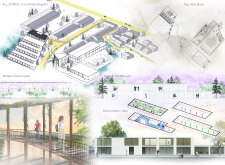
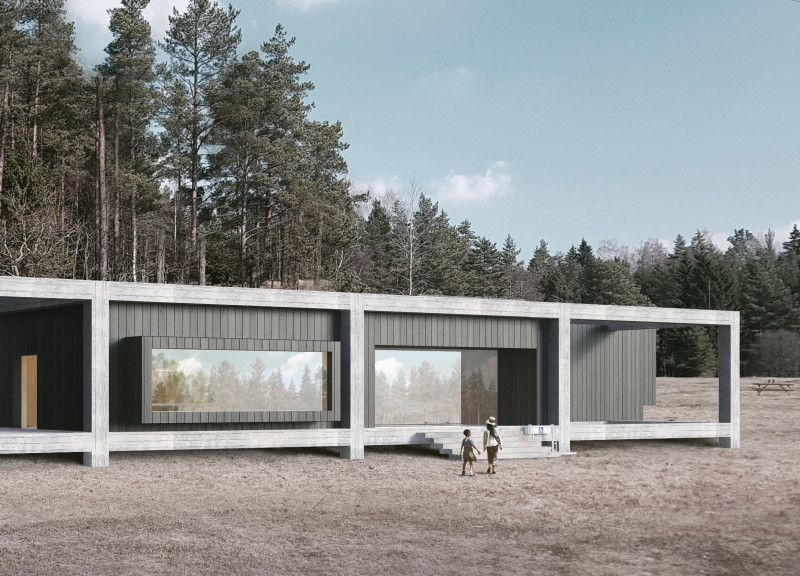
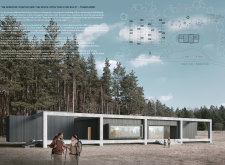
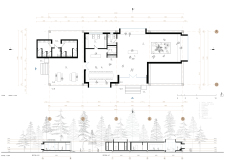
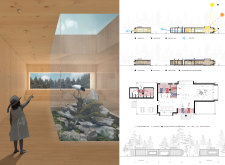
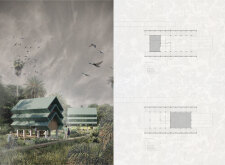
This study examines a multi-volume building designed to connect users with the forest landscape while accommodating communal and educational functions. Architectural strategies in these contexts can balance visual distinction with environmental sensitivity, providing spaces for learning and observation.
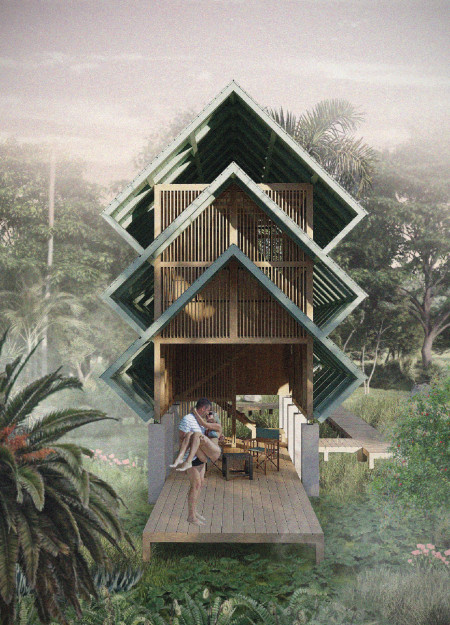
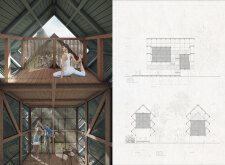
With a design that utilizes stacked roofs to create unobstructed jungle views, this wooden retreat fosters a close connection to nature while providing essential shelter and spaces for relaxation and meditation.
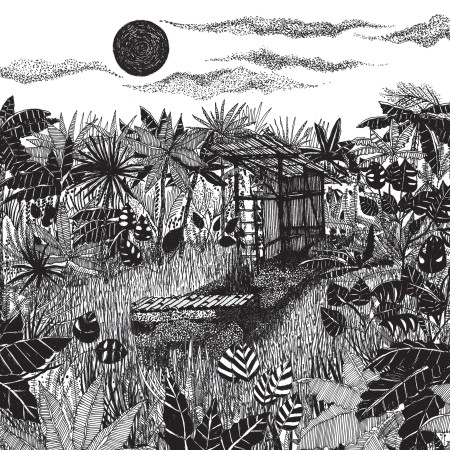
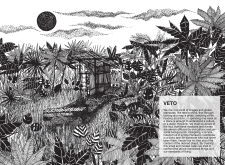
Crafted with natural brown tones and a focus on simplicity, the hut integrates into the Cambodian landscape, offering a serene retreat for reflection and relaxation.
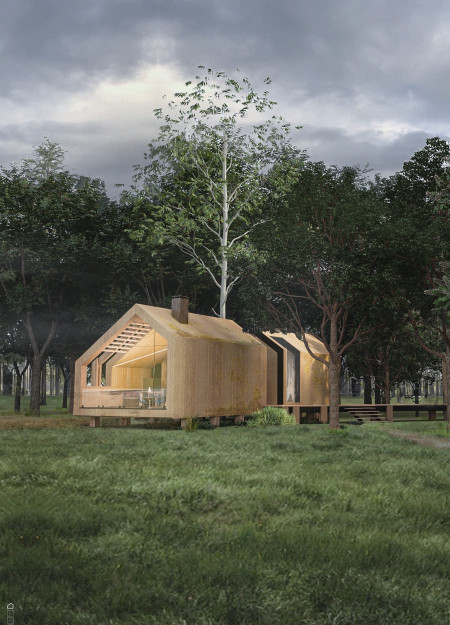
A central tree anchors a gabled cabin designed for relaxation and self-discovery, while cross ventilation and sustainable wood construction enhance the connection with nature.
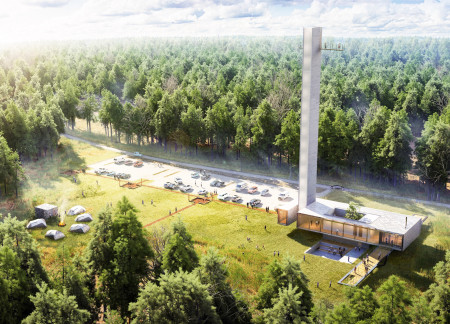
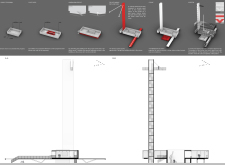
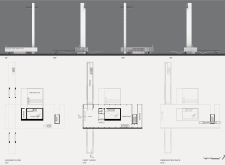
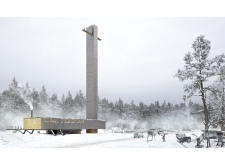
The proposal examines a visitor-oriented facility situated within a natural park landscape, designed to accommodate both recreational and educational functions. The study considers how spatial organization, vertical circulation, and cultural elements can enhance the visitor experience while addressing operational needs such as security and staff requirements.
Maria Paz Debarre,Maria Azul Fontao,Eliana Daniela Lejtman
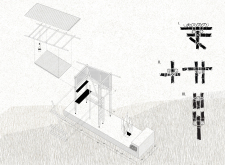
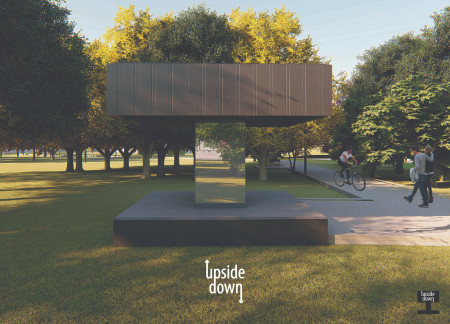
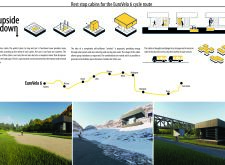
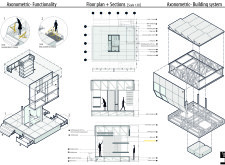
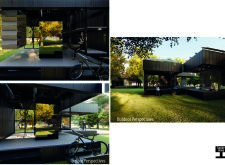
The proposal examines a series of modular cabins designed to support cyclists along a major European route. The study focuses on how compact structures equipped with essential facilities can provide comfort and rest while maintaining a low impact on the natural environment.
Use architecture to create different emotional states
Edition #9ideas COMPETITIONSILENT CONTEST For this competition, NO DESCRIPTION TEXT is allowed. The architecture ideas must be communicated strictly with visuals.
Prize Monetary award
Eligibility Open to all
Advance registration deadline 12 November 2026
Open architecture competitions
Closest deadline first
Project competitions first
Selected winning projects have the potential to be constructed
Ideas competitions
Experimental competitions with the focus on pushing the boundaries of creativity
Use architecture to create different emotional states
Edition #9ideas COMPETITIONSILENT CONTEST For this competition, NO DESCRIPTION TEXT is allowed. The architecture ideas must be communicated strictly with visuals.
Only participants selected and invited by Buildner can enter these closed competitions. To be considered for future opportunities, please set up your account on Architects' Network Plus.