Jon David Fielding,Beduro Bae,Eun Hwi Roh,Kin Kei Karina Hung,Jae Hyuk Choi
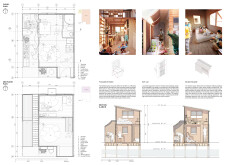
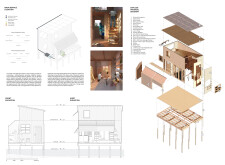
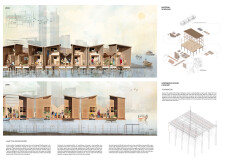
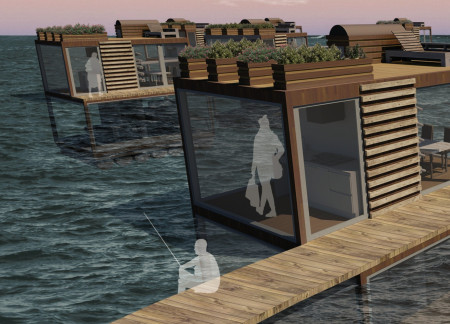
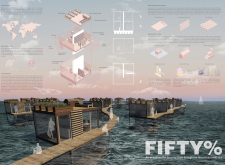
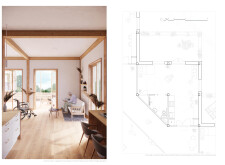
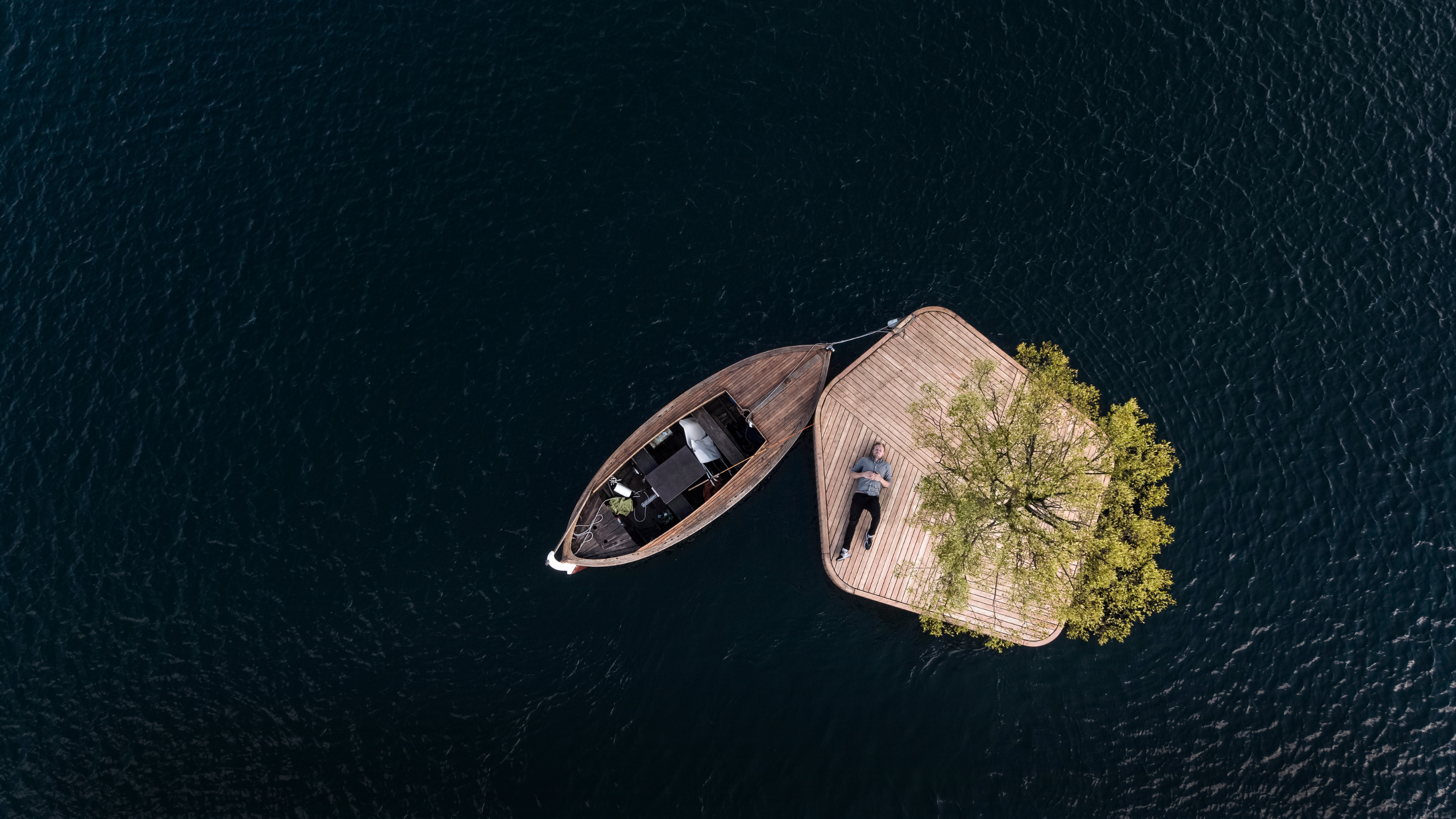
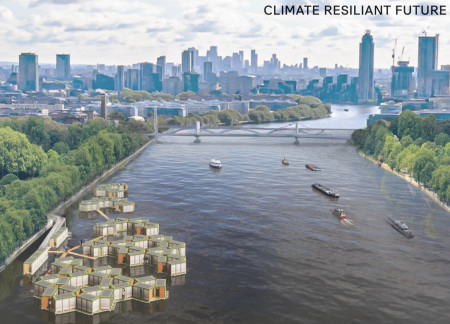
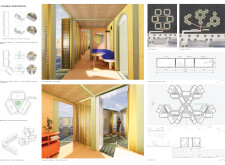
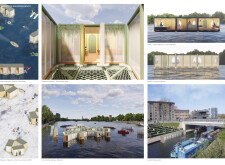
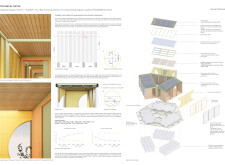
Constructed on floating platforms using recycled translucent panels and a sustainable timber framework, these microhomes offer adaptable living solutions that respond effectively to urban flooding challenges.
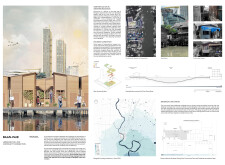
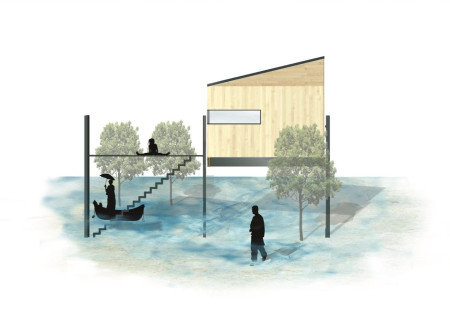
Amphibious foundations elevate fiber-cement façades, allowing for resilient living spaces that adapt to the flooding challenges of Khlong San while fostering community integration through open-plan layouts.
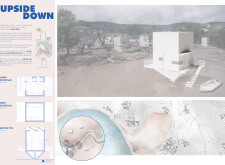
Utilizing prefabricated panels and a buoyant foundation, the design addresses the challenges of flooding in Eldorado do Sul by creating adaptable housing that promotes community resilience.
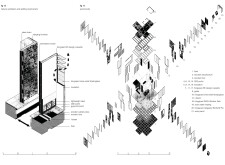
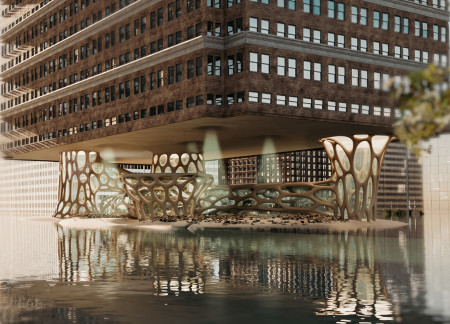
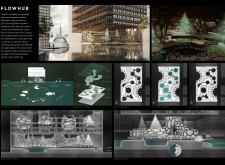
Elevated above potential flooding, the structure utilizes reinforced concrete and glass to create an engaging community space that integrates marine ecosystems through natural filtration along the Hudson River.
Kai Horng,Gayatri Narayan,Camilla Dayrit,Simone Arora
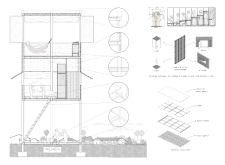
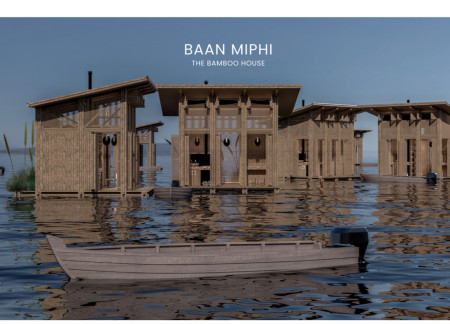
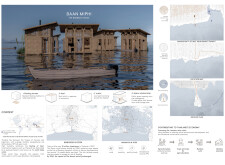
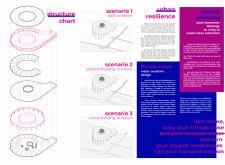
The innovative pulley system elevates a bamboo structure designed to withstand flooding, integrating photovoltaic glass to enhance energy efficiency in a compact living space.
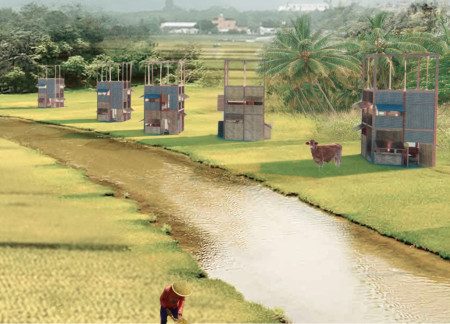
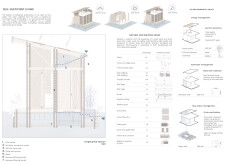
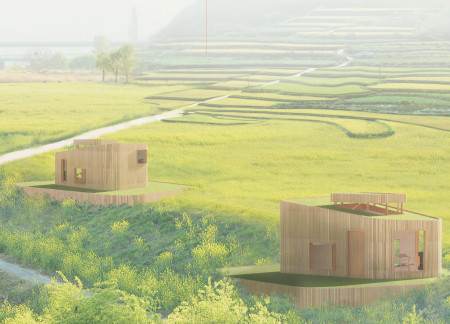
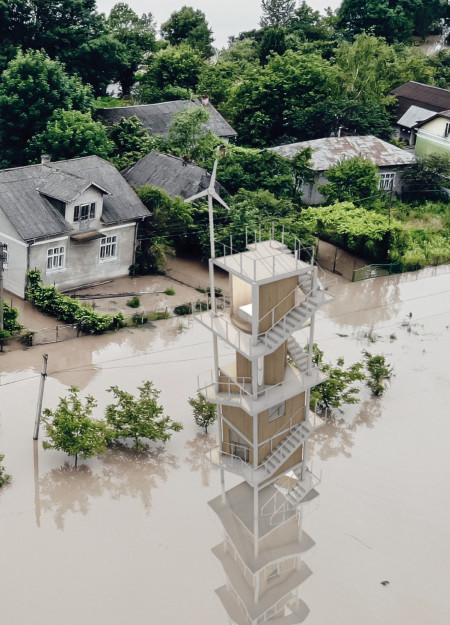
Elevated modular living spaces crafted from lightweight wood offer adaptable resilience against seasonal flooding in the Mekong Delta, providing a sustainable housing solution for low-income residents.
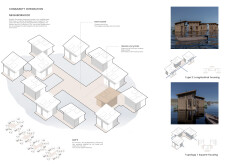
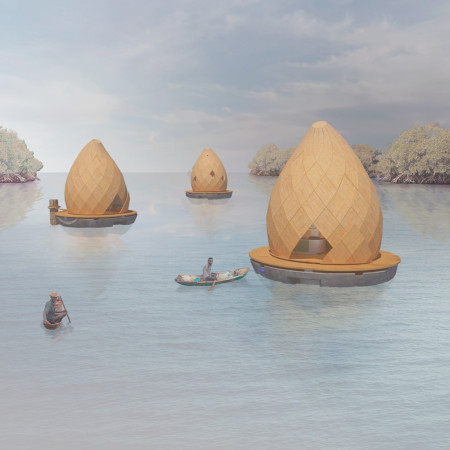
Utilizing processed timber and bamboo, this floating community addresses the challenges of rising sea levels in Ho Chi Minh City by providing sustainable, modular housing solutions for young professional couples.
Elevated structures integrated with local mangrove ecosystems provide a resilient solution for coastal living in Florida, addressing the challenges of rising sea levels while promoting community engagement and ecological balance.
With the ability to float during floods and constructed from bamboo complemented by a hydroponic farming system, this microhome provides a resilient living space designed for community members facing environmental challenges.
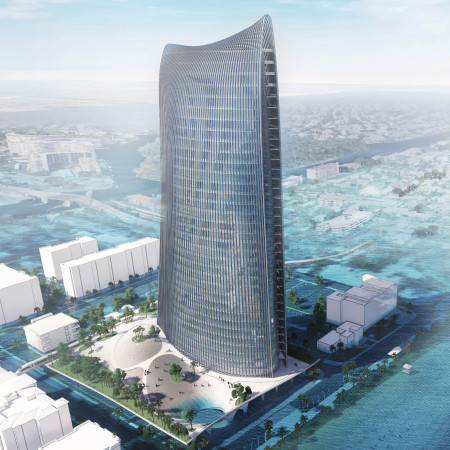
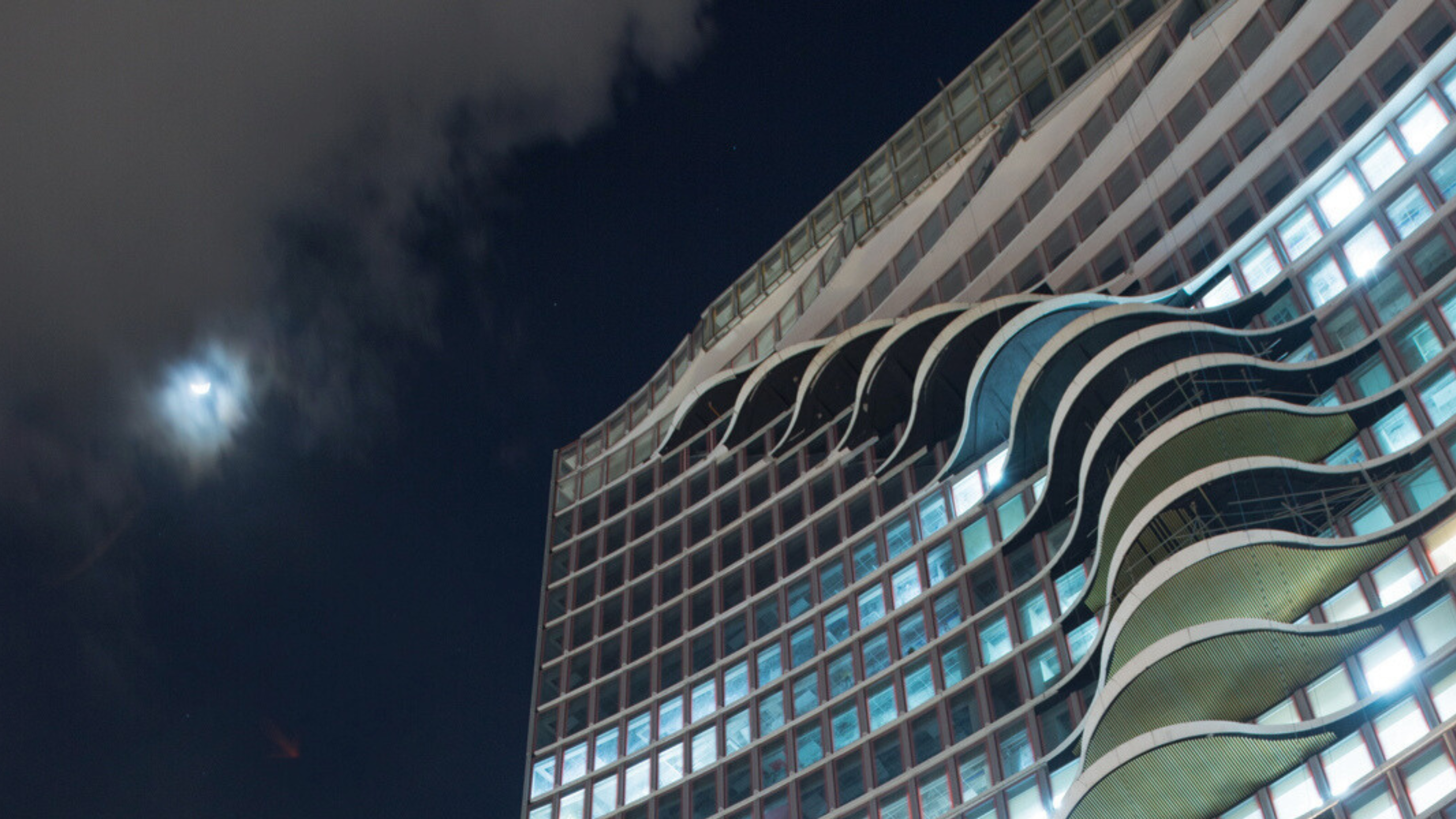
Curved scales reflect the local dragon mythology while robust cement mortar and gutter tile address flooding concerns in a library designed for educational engagement and community interaction.
João Paulo Espindola Martins Silva ,Vinicius Goncalves Garcia ,Mariana Cesar Chaves ,Cristiane Tiemi Urakawa
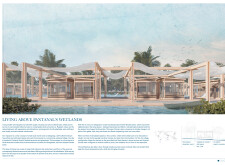
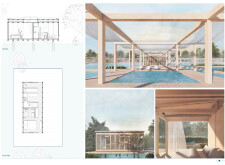
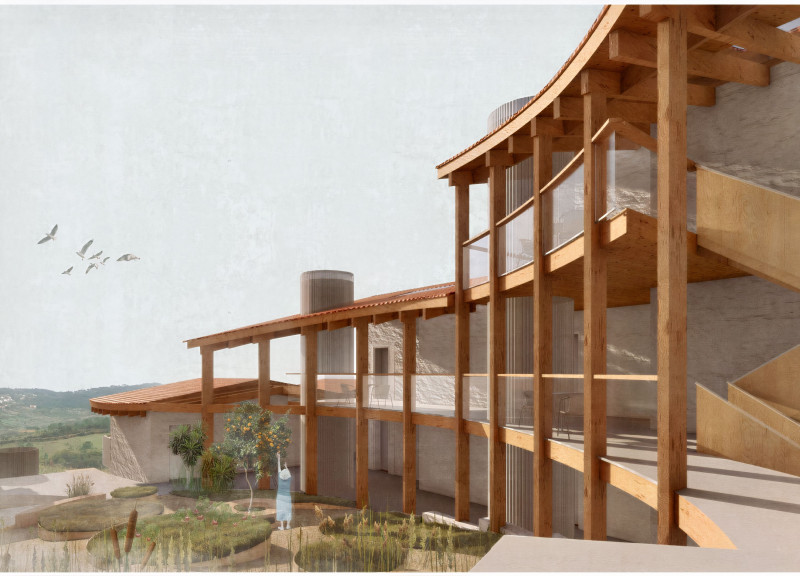
Elevated above seasonal flooding, this residential design utilizes local wood and integrates green roofs to harmonize sustainable living with the rich ecosystem of the Pantanal wetlands.
Utilizing an elevated design with plywood construction and recycled plastic panels, this residence offers a sustainable solution to flood resilience while maximizing adaptable living spaces.
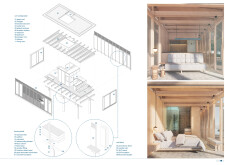
Constructed with bamboo and designed as floating structures, these homes provide a resilient housing solution for communities facing urban flooding while utilizing solar energy for autonomous living.
Constructed with modular elements and permeable pavement, the facility effectively manages urban rainwater while enhancing community interaction through integrated public spaces and sustainable timber features.
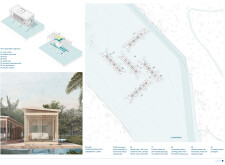
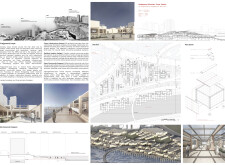
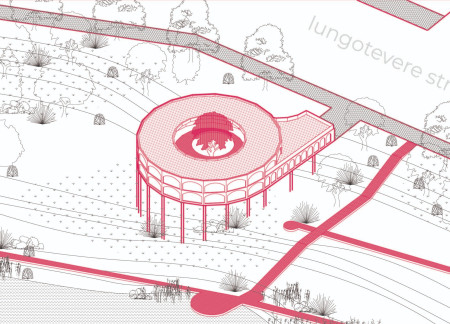
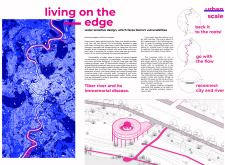
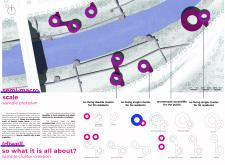
Elevated living spaces along the Tiber River integrate water-sensitive design principles to create a resilient community environment that encourages social interaction and adaptability.
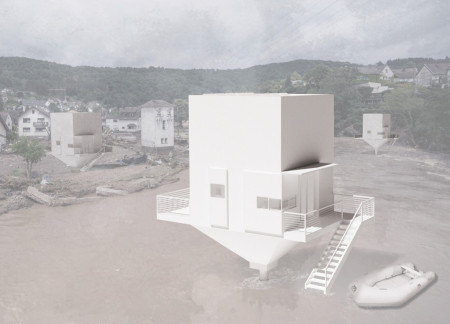
Elevated above potential flooding, this residential design integrates modular wooden units and incorporates renewable energy systems to create a sustainable living environment.
Constructed within concrete trays that manage stormwater, the design utilizes green roofs and off-grid hydrokinetic power to create resilient communal living spaces in a flood-prone area.
Constructed on a floating concrete base with waterproof panels, this microhome offers a sustainable housing solution specifically designed to withstand flooding in Haiti.
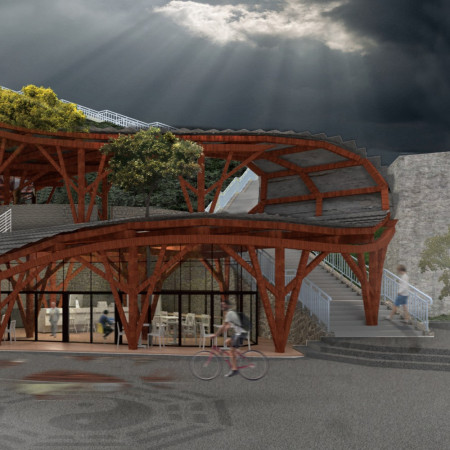
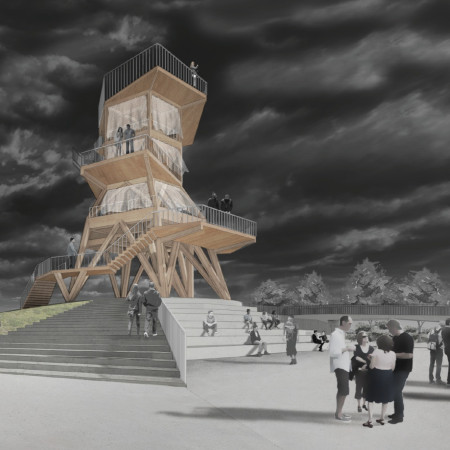
A timber pavilion situated on a levee provides a dual function of community engagement and tsunami protection, reflecting the region's historical ties to lumber while offering a safe recreational space.
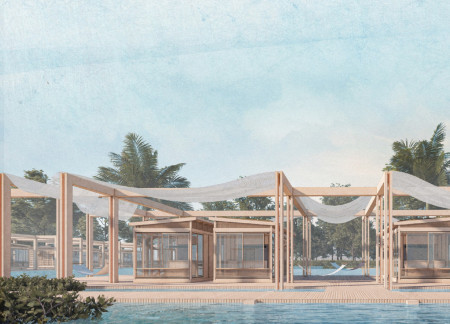
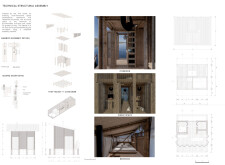
Elevated on pillars, the design integrates cross-laminated timber and modular units to create adaptable living spaces that respond to flooding challenges while enhancing privacy for residents.
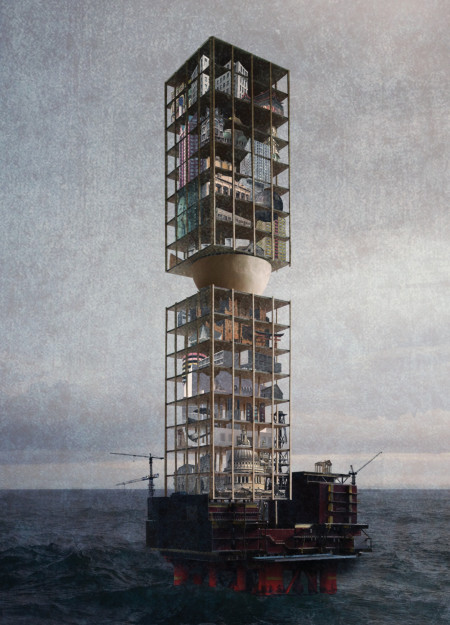
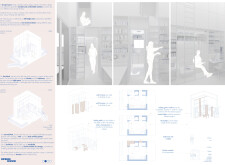
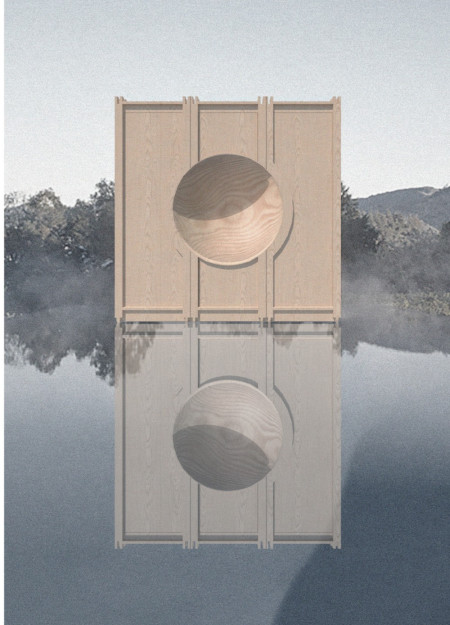
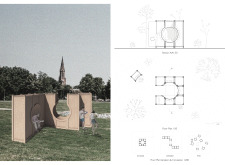
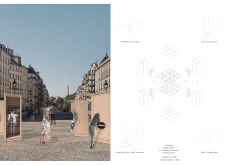
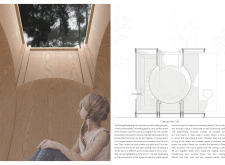
The integration of nine modular wooden boxes forms a serene inner dome that offers a versatile reading space, balancing private retreat with community interaction.
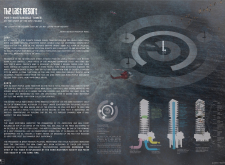
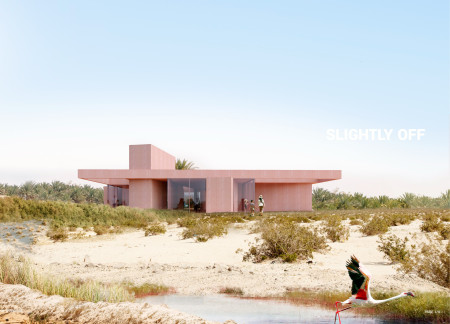
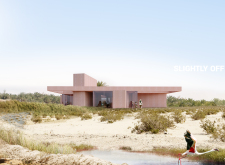
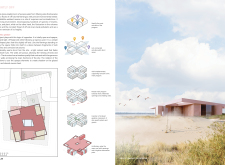
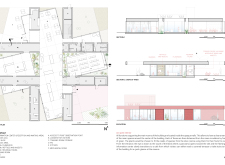
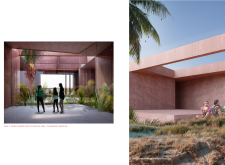
Light-colored sand and pinkish hues define an educational facility that merges porous walls with the natural landscape of a wetland, promoting biodiversity while enhancing visitor engagement.
Incorporating traditional azulejos and sustainable photovoltaic panels, the facility fosters community interaction among elderly residents through thoughtfully designed spaces that blend functionality with regional cultural elements.
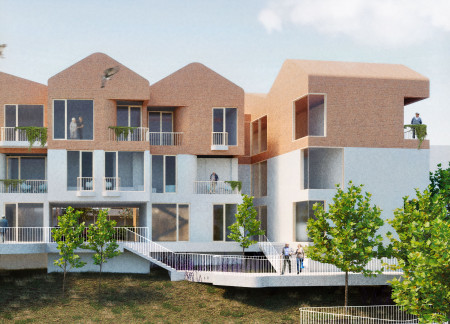
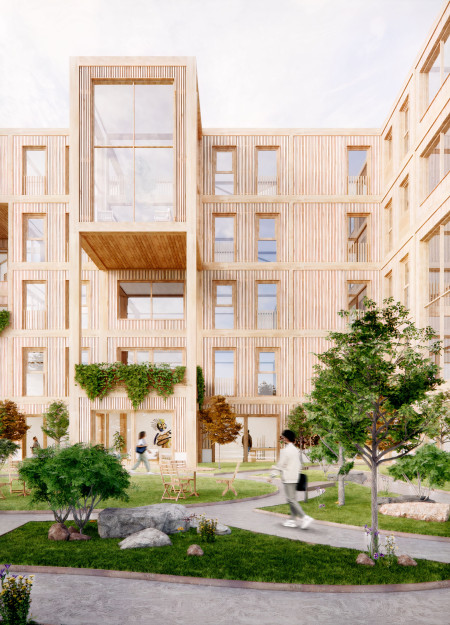
This residential complex is designed to enhance active ageing to support its elderly residents. It prioritizes autonomy and community engagement, offering a unique blend of individual living spaces and communal areas.
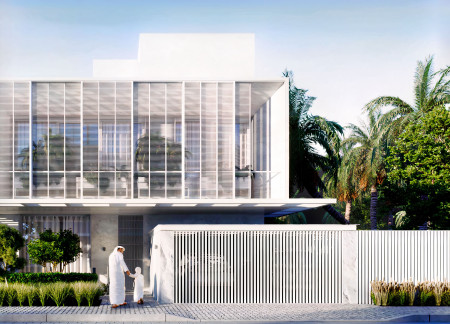
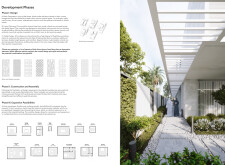
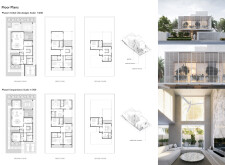
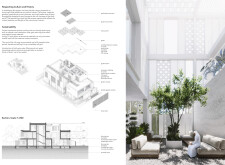
Located within a uniform residential landscape in the United Arab Emirates, the design introduces a contemporary response to the region’s repetitive built environment. It proposes a modular residential typology that accommodates changing household needs while engaging with its environmental and social context.
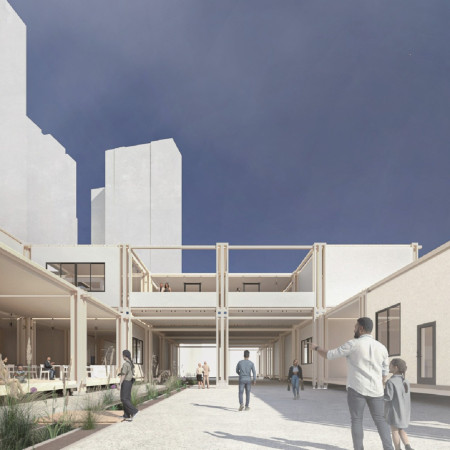
Constructed with modular cross-laminated timber panels and green roof systems, the design establishes a contemporary urban hub that supports intergenerational living and promotes social cohesion.
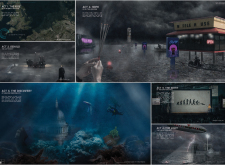
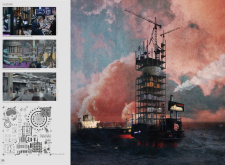
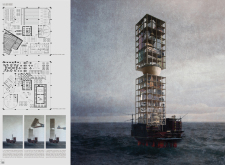
Repurposed oil rigs form the foundation for a resilient water-based community, integrating fish farms and urban agriculture to create a sustainable habitat for future residents.
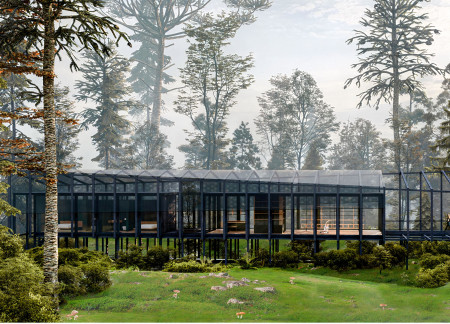
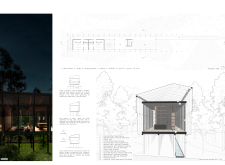
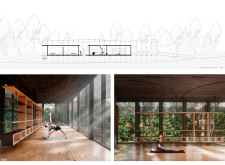
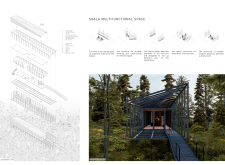
The project is a wellness retreat that brings together yoga, meditation, and communal living through an architecture focused on minimal environmental impact. Using ecologically responsible materials and passive design strategies, it fosters a balanced relationship between daily life and the surrounding natural landscape.
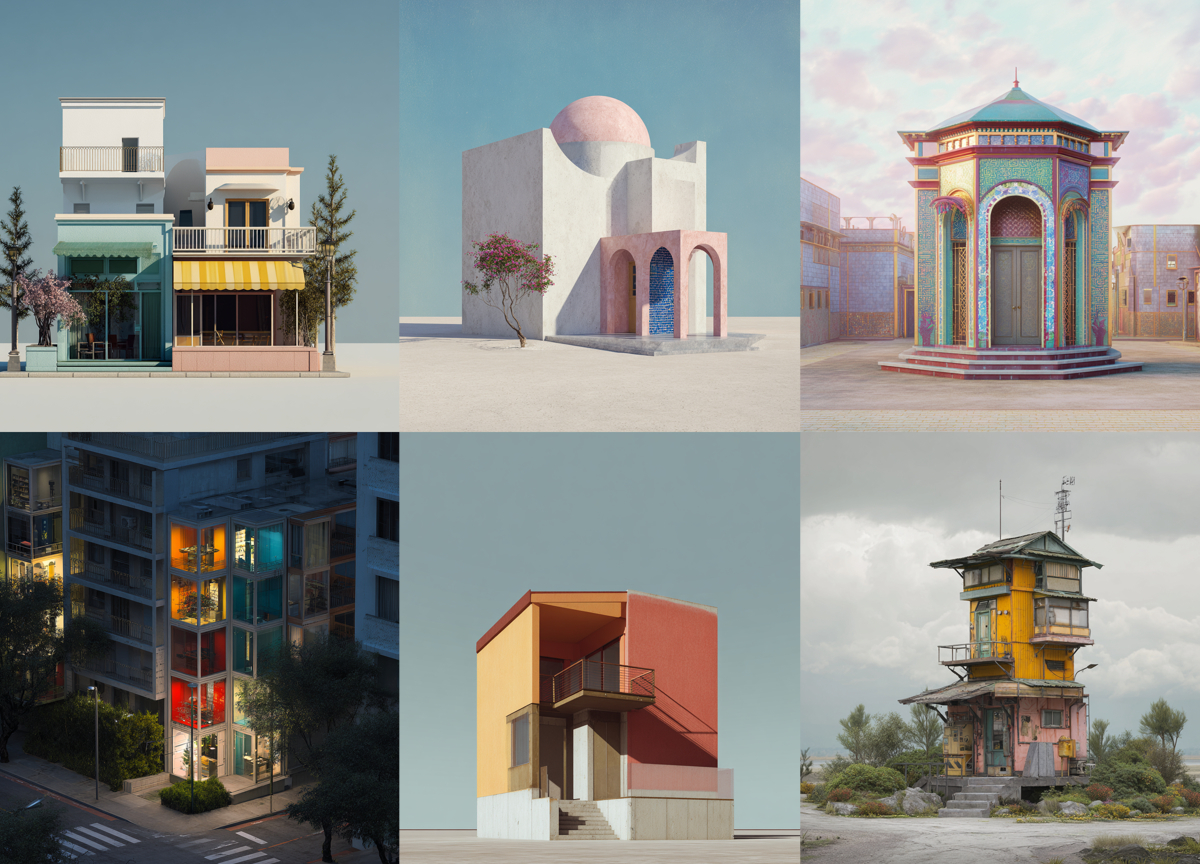
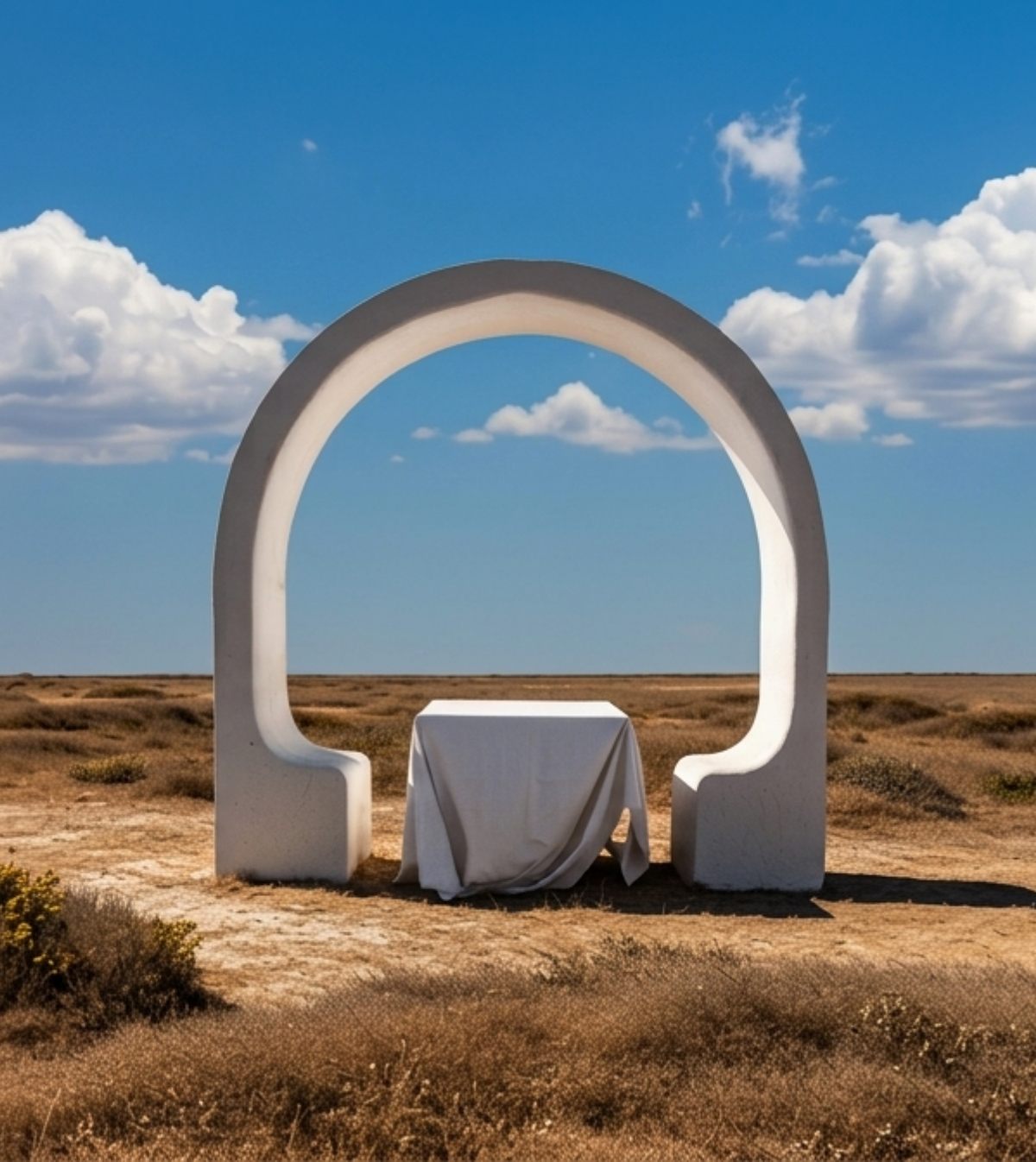
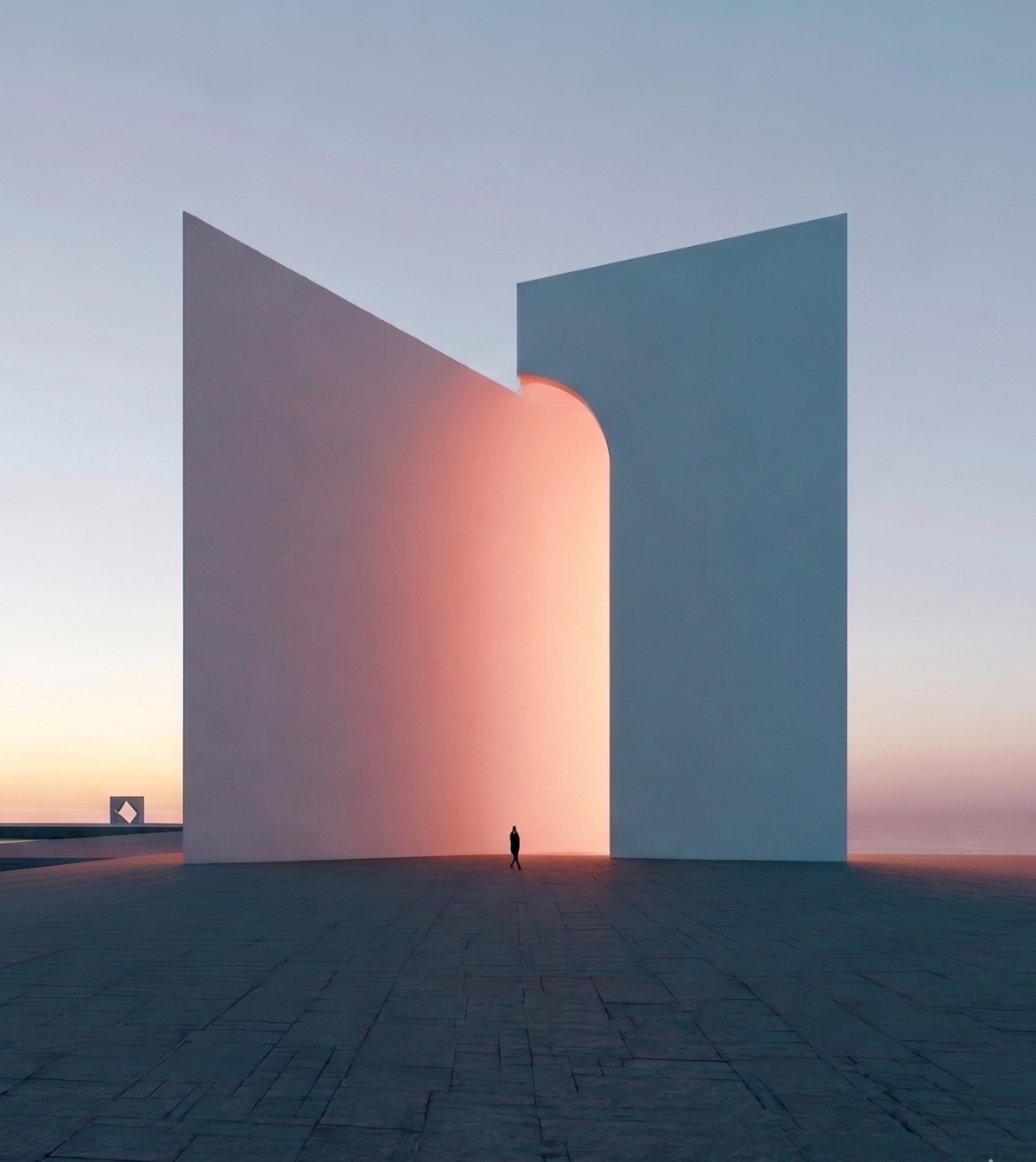
Use architecture to create different emotional states
Edition #9ideas COMPETITIONSILENT CONTEST For this competition, NO DESCRIPTION TEXT is allowed. The architecture ideas must be communicated strictly with visuals.
Prize Monetary award
Eligibility Open to all
Advance registration deadline 12 November 2026
Open architecture competitions
Closest deadline first
Project competitions first
Selected winning projects have the potential to be constructed
Ideas competitions
Experimental competitions with the focus on pushing the boundaries of creativity
Use architecture to create different emotional states
Edition #9ideas COMPETITIONSILENT CONTEST For this competition, NO DESCRIPTION TEXT is allowed. The architecture ideas must be communicated strictly with visuals.
Only participants selected and invited by Buildner can enter these closed competitions. To be considered for future opportunities, please set up your account on Architects' Network Plus.