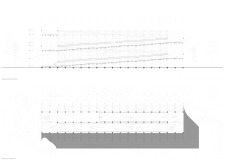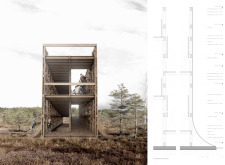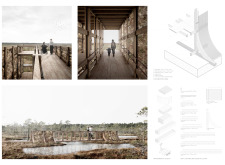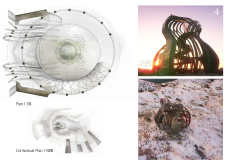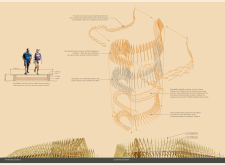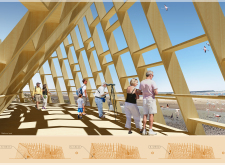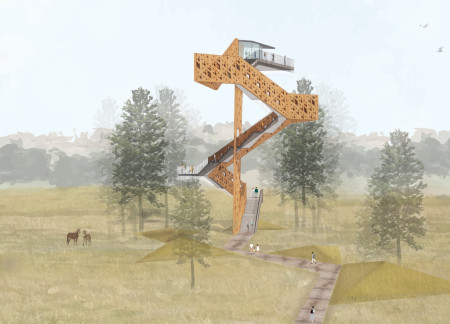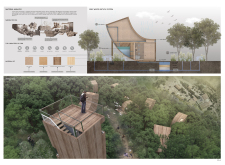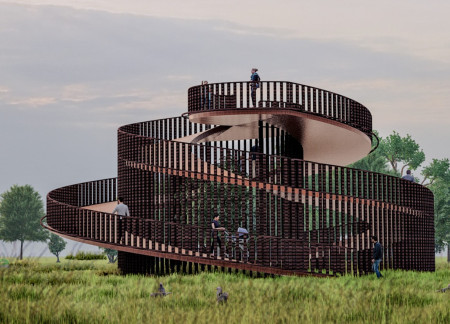
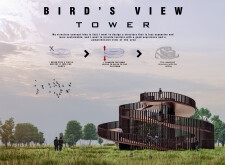
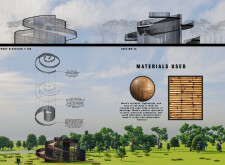
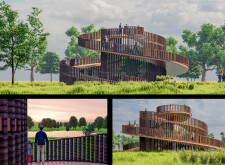
The spiral structure, constructed with sustainable wood materials, provides an accessible vantage point that enhances the connection between visitors and the surrounding landscape through carefully designed viewing platforms.
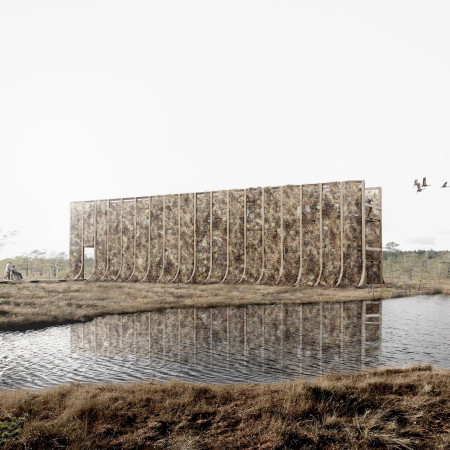
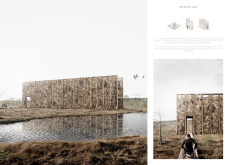
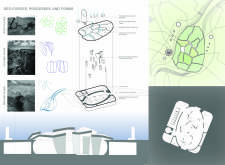
A moss-covered wall rises organically from the landscape, inviting visitors to explore and engage with its diverse textures and colors while enhancing their connection to the surrounding park.
Amr ibrahim mohamed Ismaeil (amr mousa),Mohammed abdullah elsayed abdelsalam Mater,Mohammed mahmoud hassan ahmed Taha
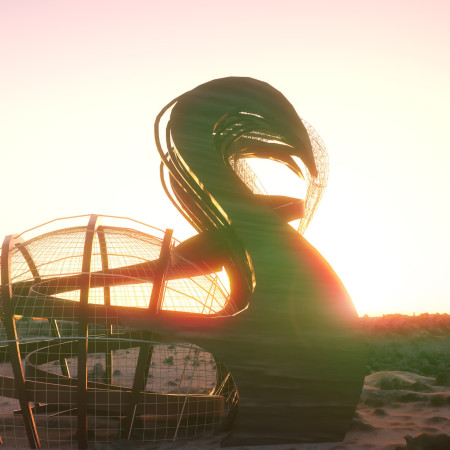
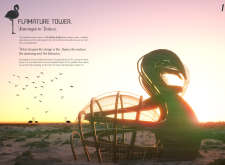
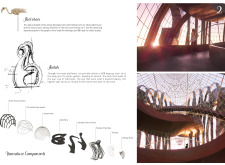
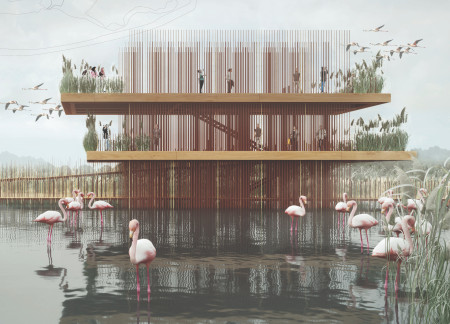
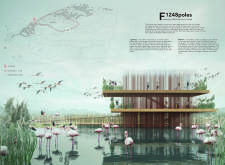
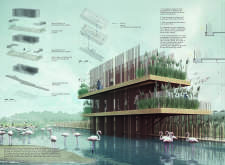
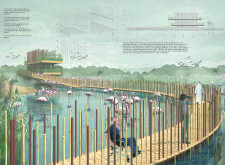
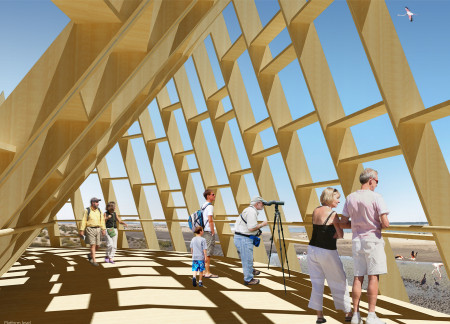
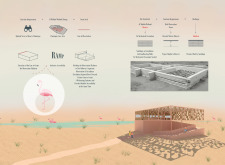
Inspired by the anatomy of flamingos, the observation tower incorporates a timber mesh structure that enhances visitor engagement with the Al Wathba Wetland, serving as a platform for wildlife observation and ecological appreciation.
Constructed with corten structures and elevated platforms, the observation facility provides a unique vantage point for wildlife enthusiasts to engage with flamingos in their natural wetland habitat.
Francisco Contreras,Melina Morris,John peter Acayan,Ronald Ng-Alberto
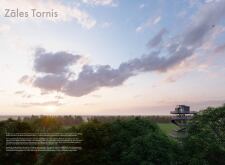
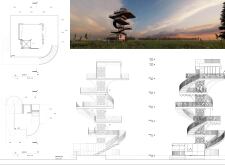
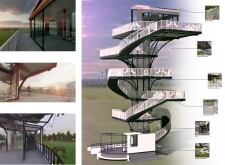
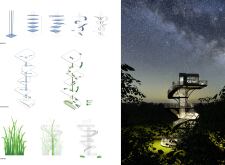
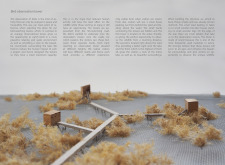
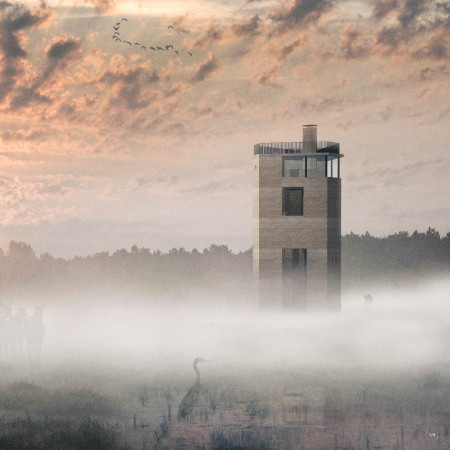
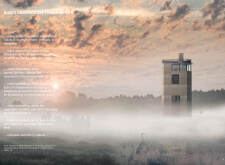
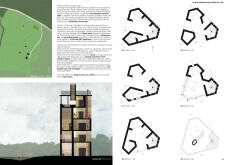
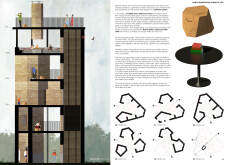
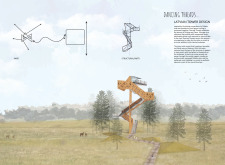
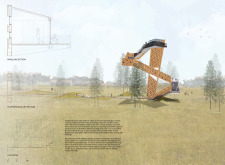
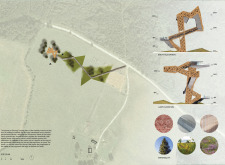
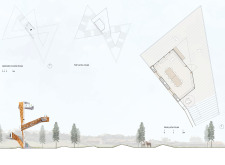
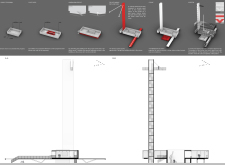
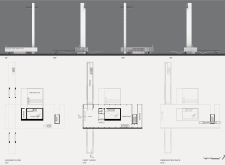
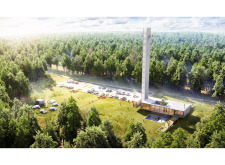
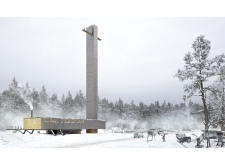
Inspired by the swaying of grass, a tower constructed with local materials offers sweeping 360-degree views while enhancing the visitor experience in the North Latvia Biosphere Reserve.
The reinforced concrete lookout tower offers a unique vantage point over the geothermal landscape while integrating visitor amenities and sustainable practices for educational engagement within the caves.
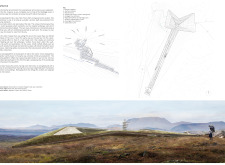
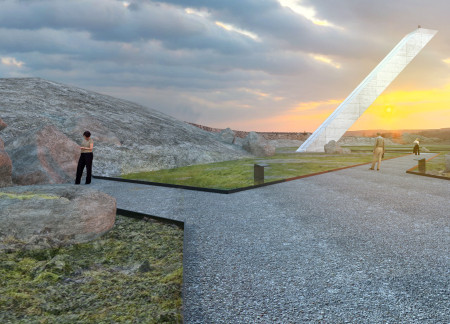
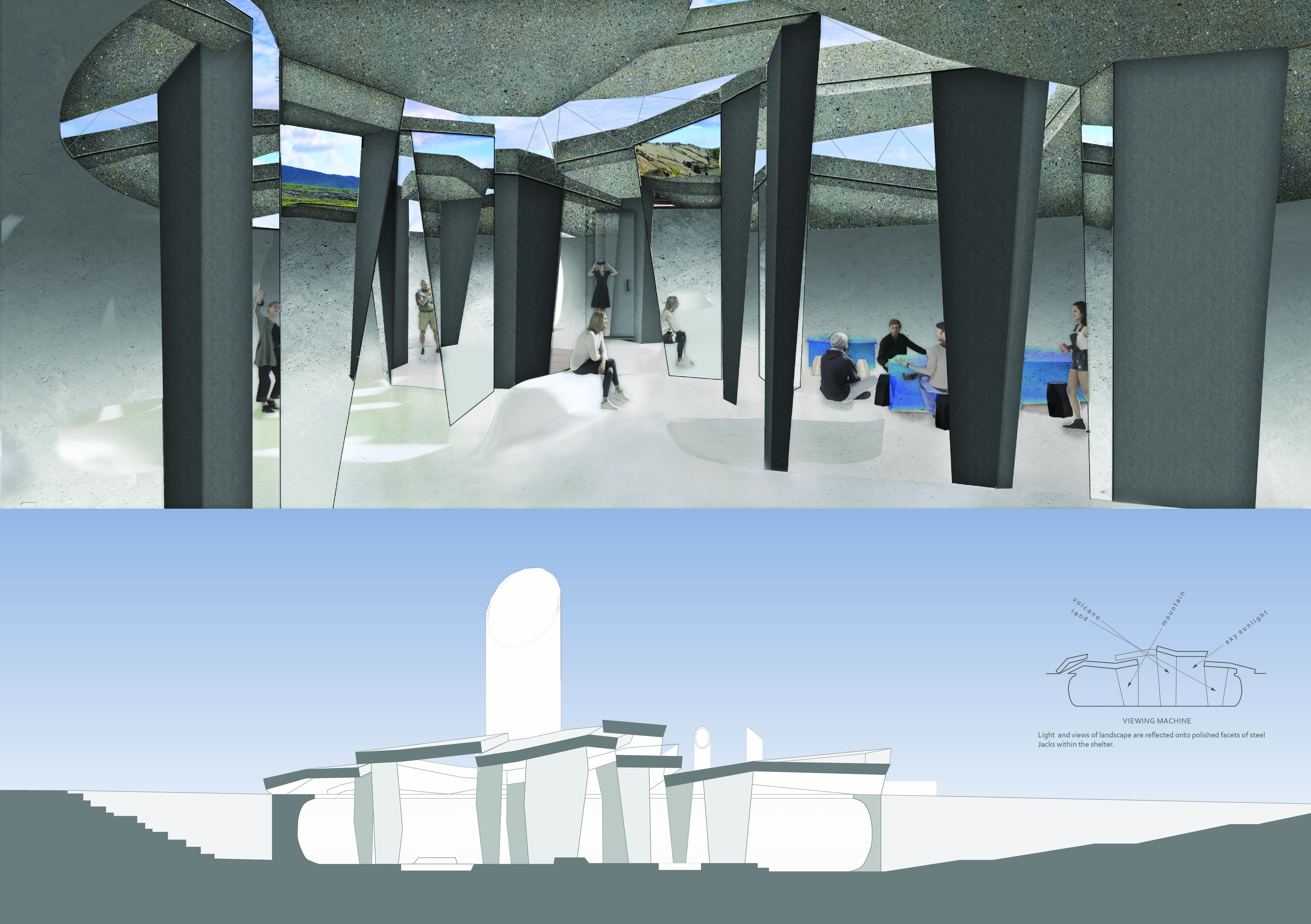
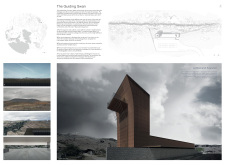
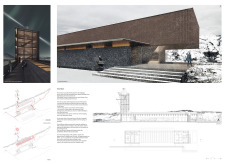
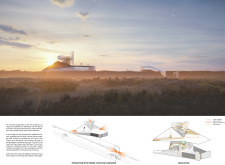
Lichen-covered roof plates and a corten steel observation tower create a harmonious blend of natural and constructed environments, providing shelter and panoramic views for visitors exploring the geological features of the landscape.
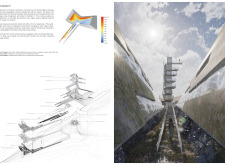
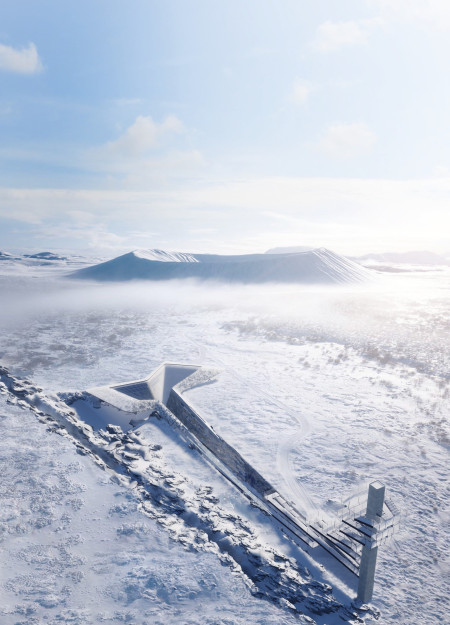
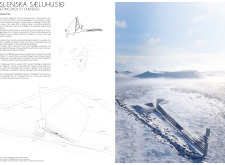
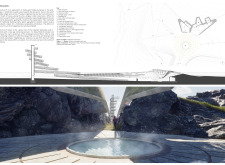
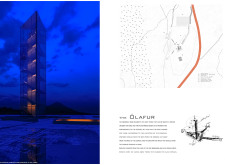
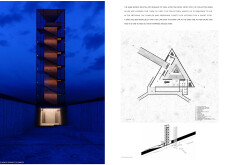
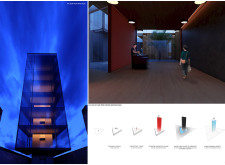
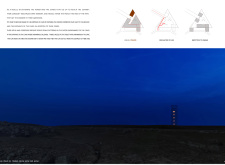
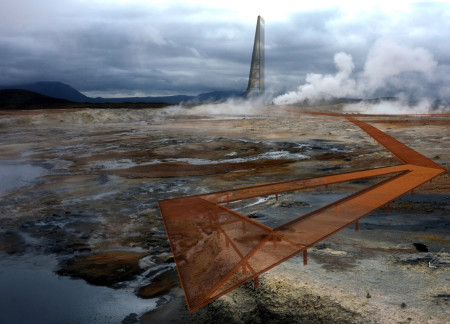
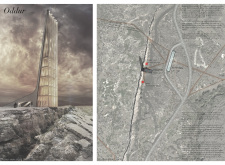
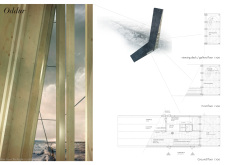
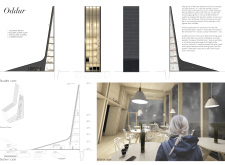
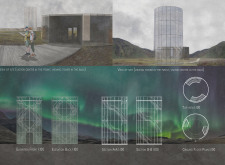
The observation tower, designed with stone and wood, merges with the volcanic landscape of Iceland while offering panoramic views and access to geothermal hot springs for visitor engagement.
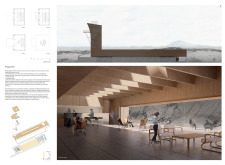
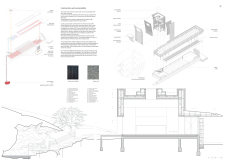
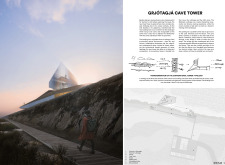
Crafted from charred wooden shingles and local stone, the structure merges seamlessly with the Icelandic landscape, offering a contemporary shelter for visitors exploring the Grjótagjá caves.
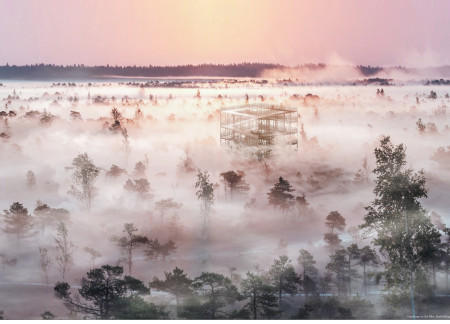
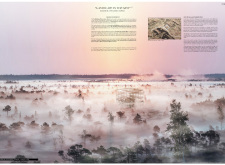
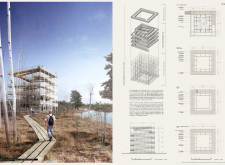
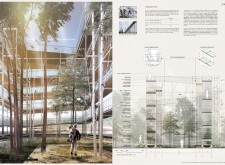
Constructed from recycled scaffolding, the observation tower offers a transparent platform that invites visitors to engage with the unique landscape of Kemeri National Park, enhancing community interaction and accessibility.
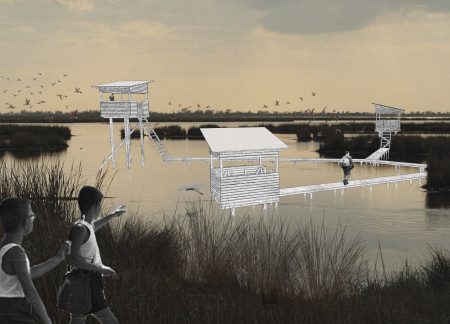
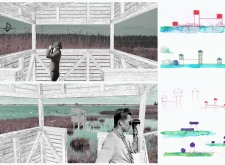
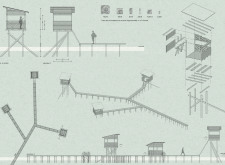
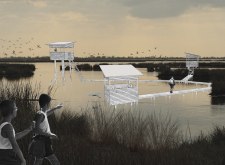
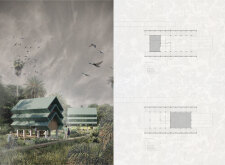
Elevated observation towers constructed with charred wooden shingles and local timber provide a harmonious vantage point for birdwatching while seamlessly integrating into the surrounding wetland environment.
Ji-hwan Park,Blake Pettus,Philip Giang,Hyung jun Park
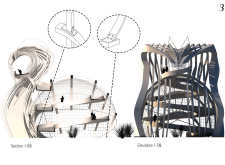
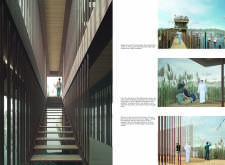
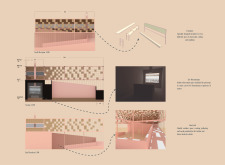
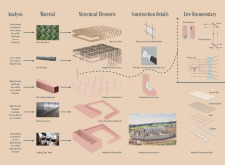
Rising from the desert floor, the observation tower combines flitch-engineered teak and steel elements with shaded pathways, creating a distinctive vantage point for visitors to engage with the Al Wathba Wetland landscape.
Elevated above the wetlands, the observation tower constructed with woven palm leaves offers panoramic views of flamingos, promoting environmental engagement and accessibility in a sensitive ecological area.
Constructed from rammed earth, the observation tower integrates with the surrounding ecology, offering visitors immersive views and a space for connection with nature.
Ryan Mcclanaghan,Laura Whittingham,Jill Robertson,Jason Heinrich
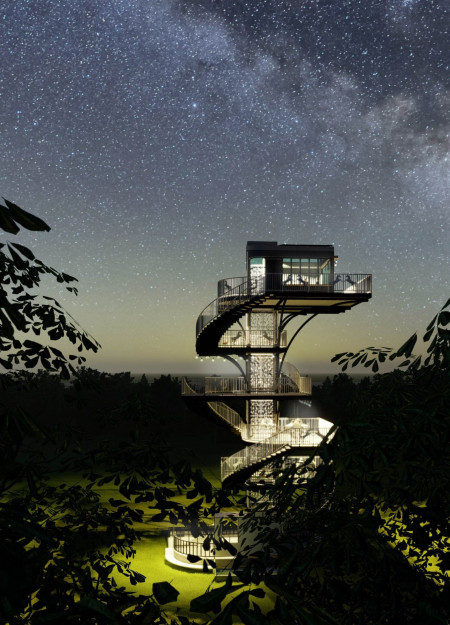
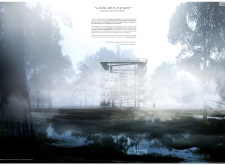
The tower's spiral steel truss structure seamlessly merges with a timber-framed pavilion, offering expansive views of the Vidzeme bioreserve while inviting visitors to explore the natural landscape and engage in reflection.
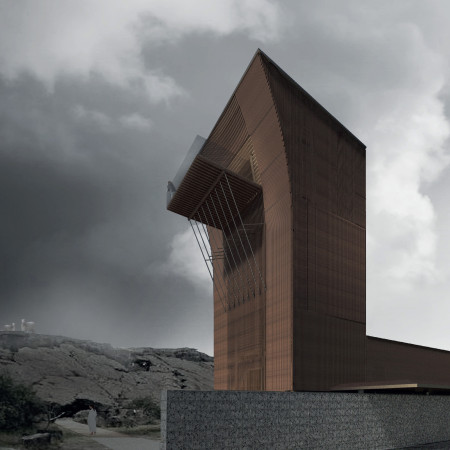
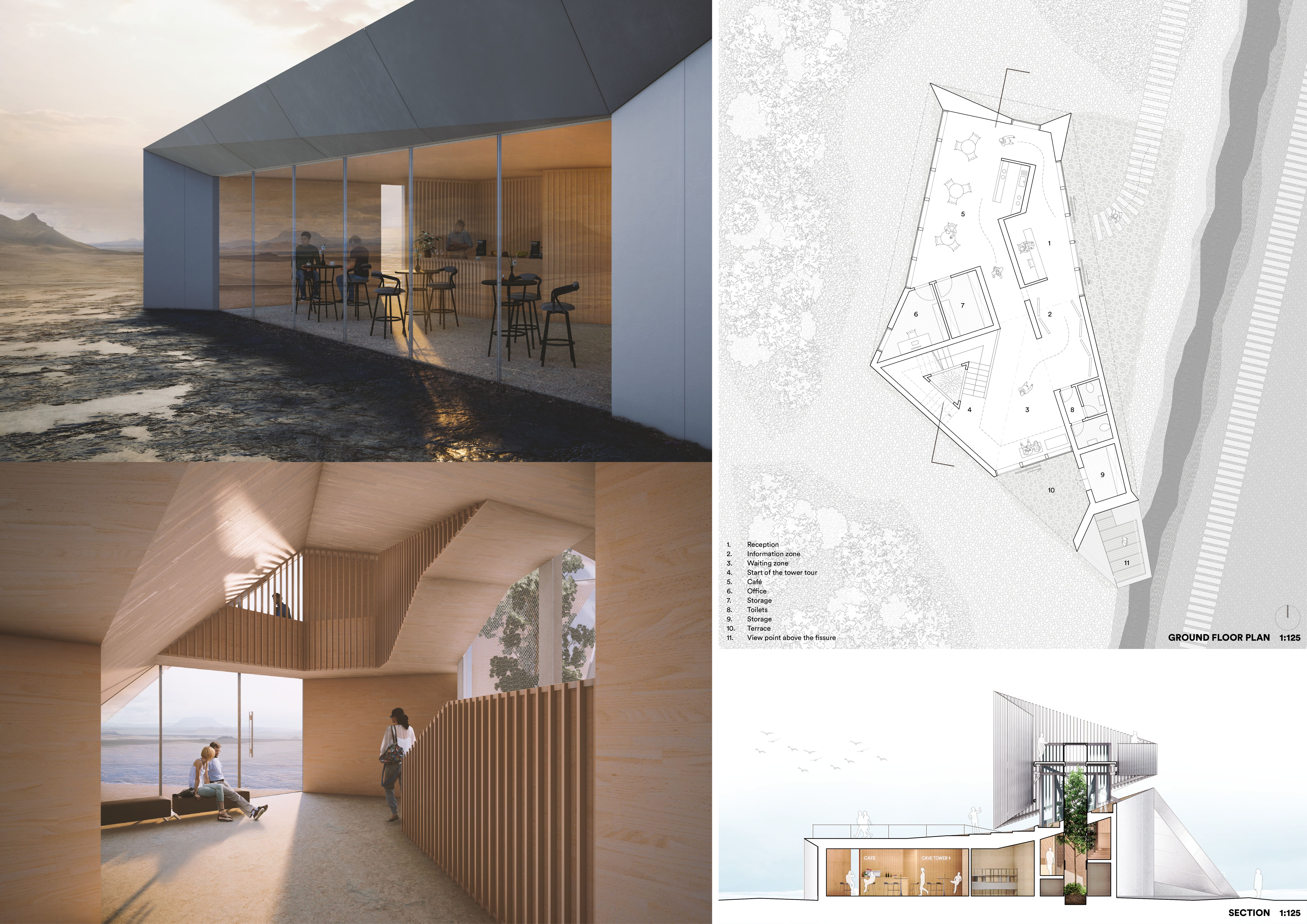
A cantilevered aluminum crown and timber roof create a dynamic viewing experience over a geological fissure, serving as a functional visitor center for exploration of the surrounding caves.
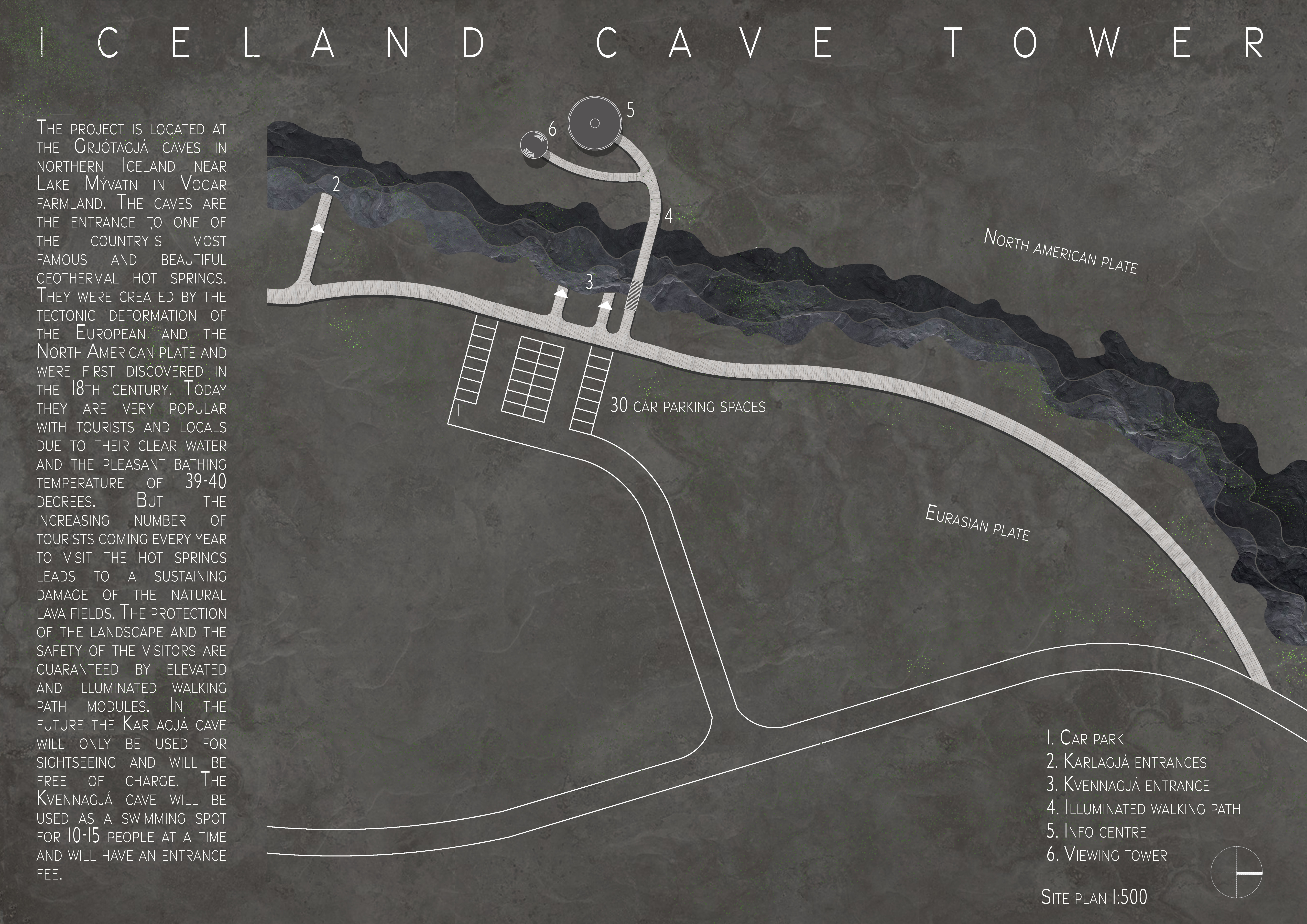
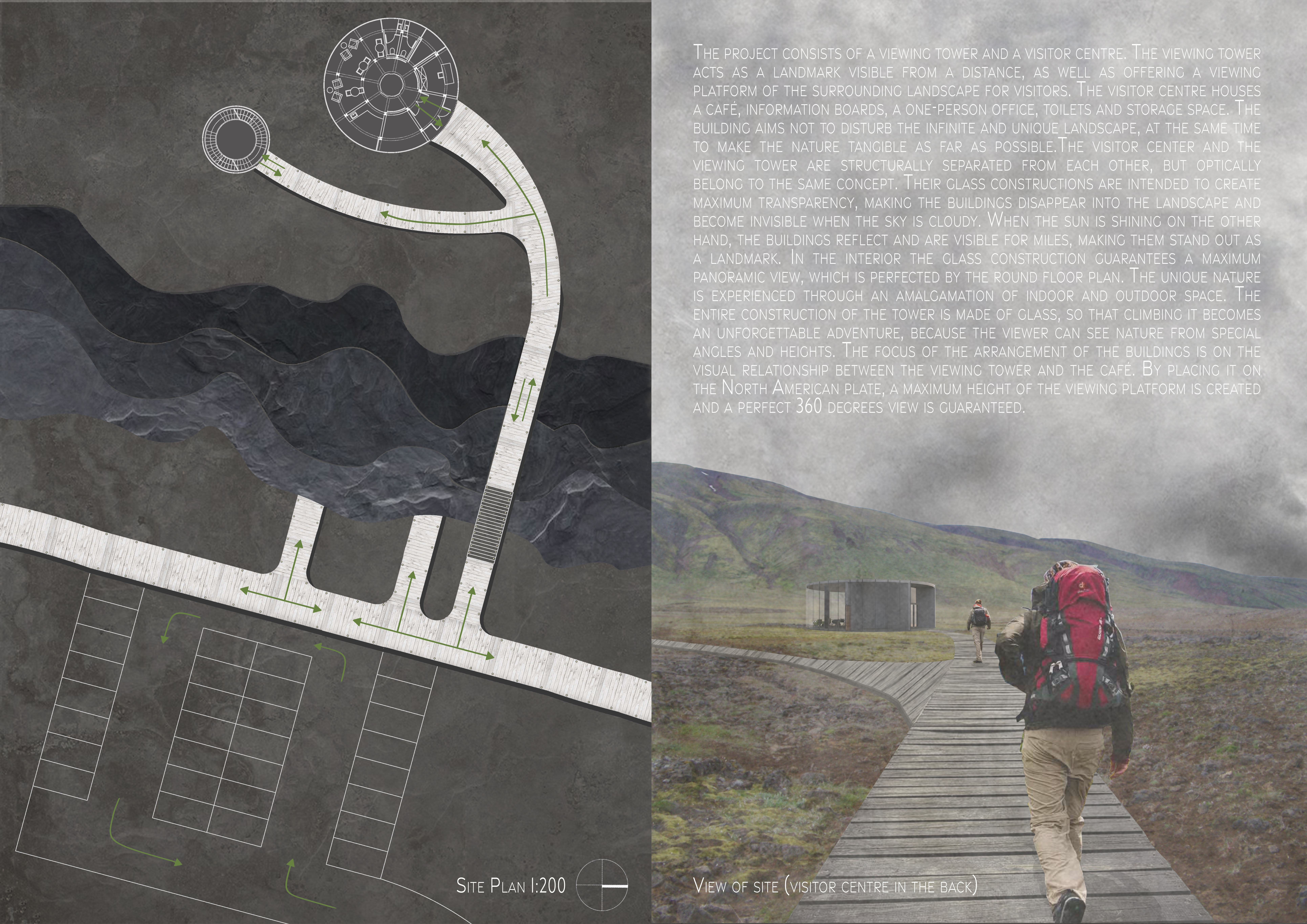
A carefully crafted pathway leads visitors through an engaging experience that culminates in elevated viewpoints, connecting them to the geological wonder of the Karlagja and Kvennagja caves while providing essential visitor amenities.
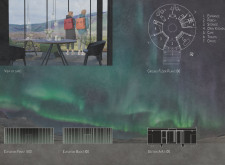
A glass viewing platform extends over a dramatic fissure, complemented by sustainably sourced wood and corten steel, creating a visitor center that enhances interactions with the unique geological landscape.
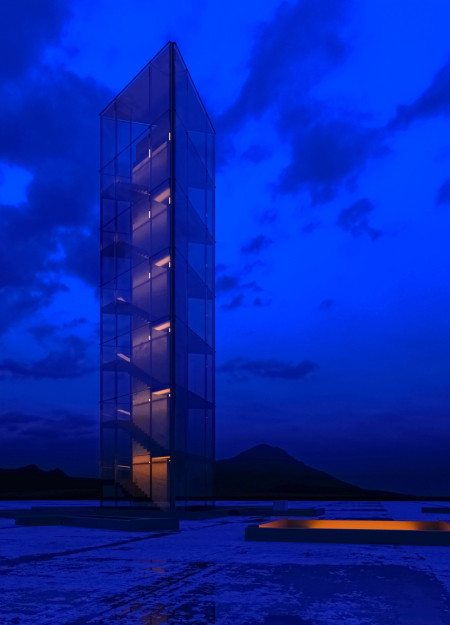
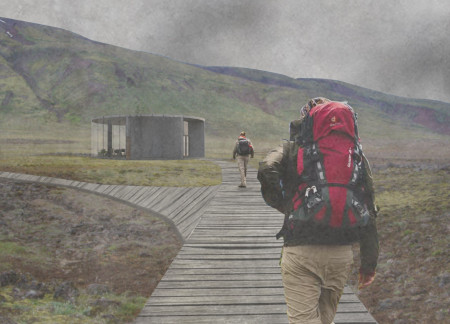
Clear glass structures provide unobstructed panoramic views of geothermal features, while elevated pathways ensure visitor safety in the unique landscape surrounding the visitor center and viewing tower.
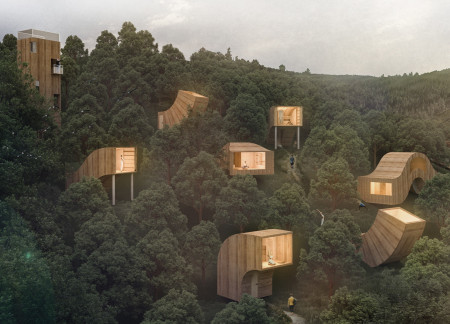
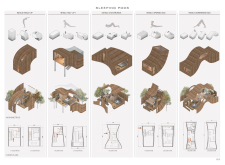
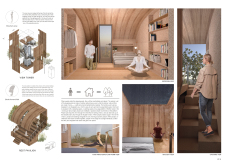
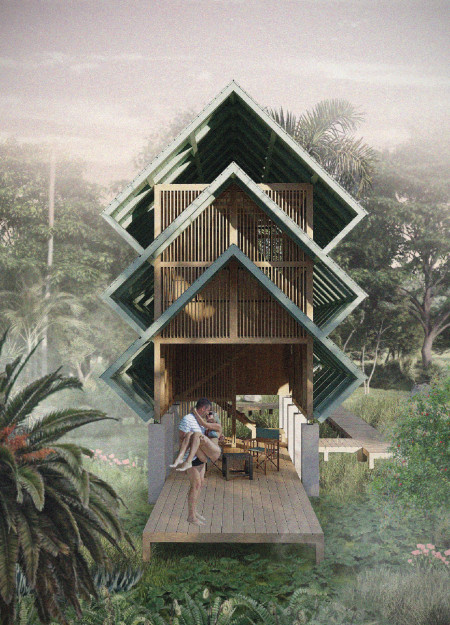
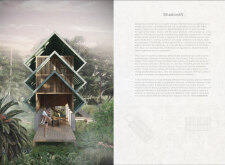
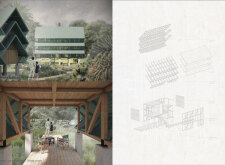
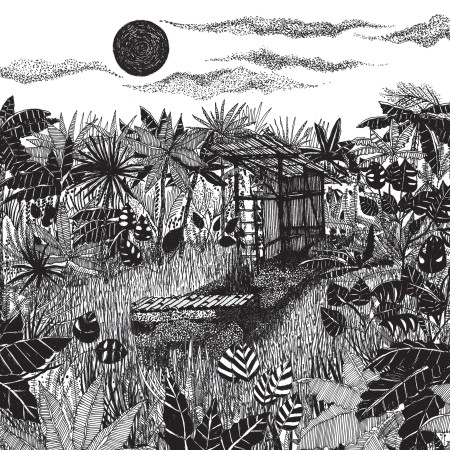
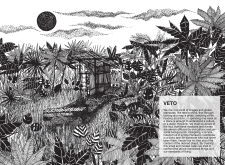
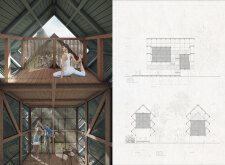
With a design that utilizes stacked roofs to create unobstructed jungle views, this wooden retreat fosters a close connection to nature while providing essential shelter and spaces for relaxation and meditation.
Crafted with natural brown tones and a focus on simplicity, the hut integrates into the Cambodian landscape, offering a serene retreat for reflection and relaxation.
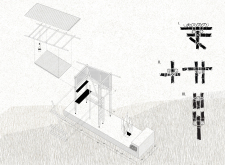
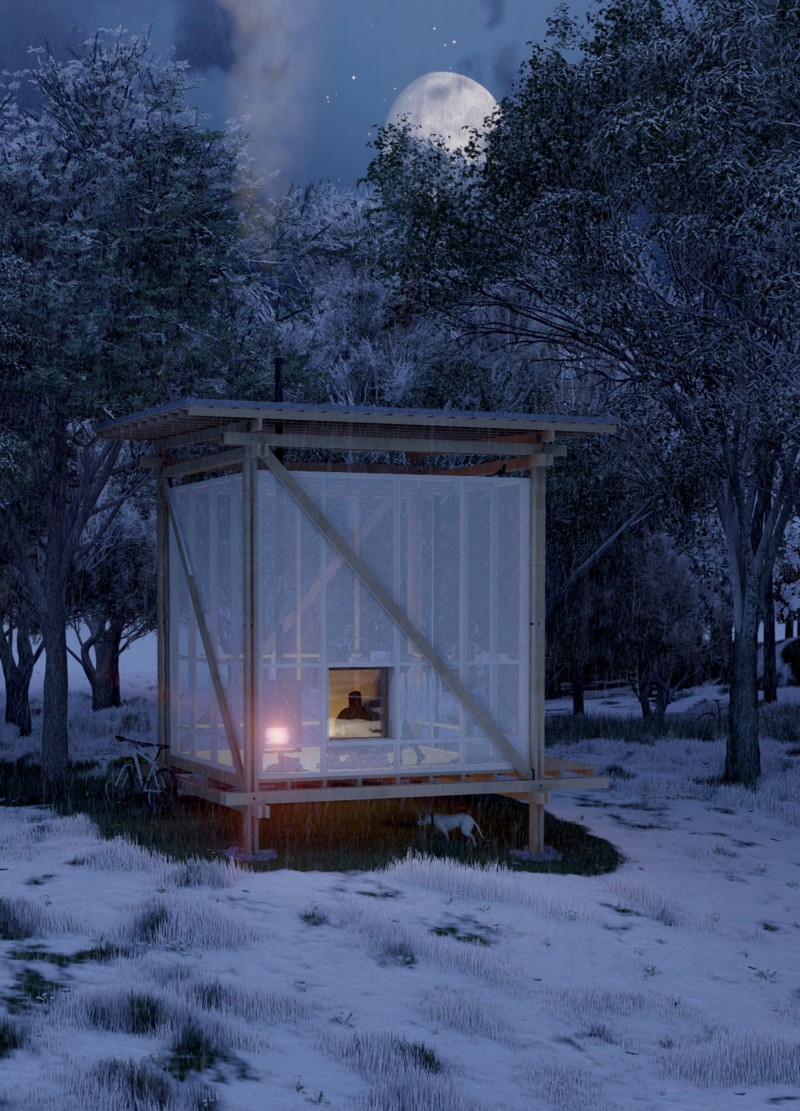
Elevated on stilts, the structure utilizes cross-laminated timber panels and translucent surfaces to create a harmonious integration with the surrounding environment, serving as a serene space for meditation and reflection.
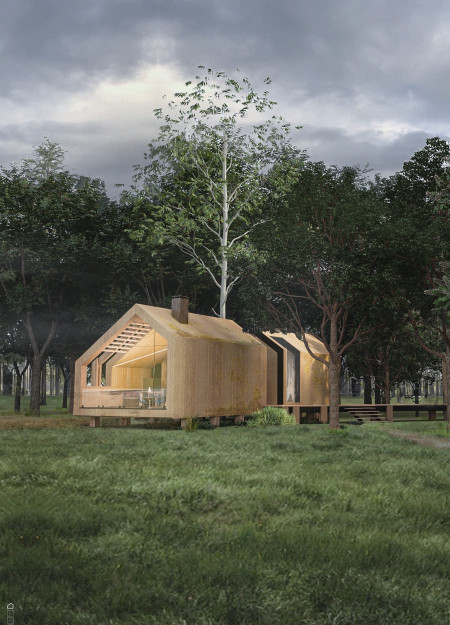
A central tree anchors a gabled cabin designed for relaxation and self-discovery, while cross ventilation and sustainable wood construction enhance the connection with nature.
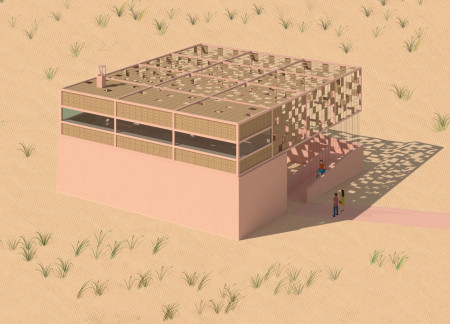
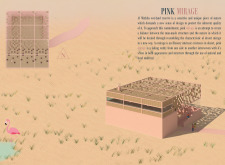
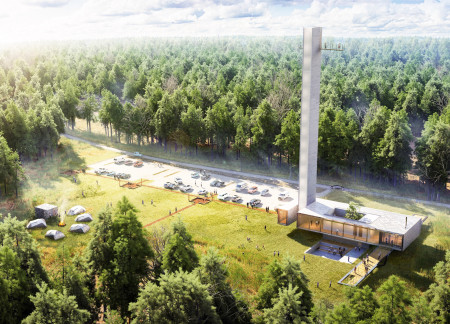
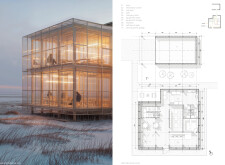
The proposal examines a visitor-oriented facility situated within a natural park landscape, designed to accommodate both recreational and educational functions. The study considers how spatial organization, vertical circulation, and cultural elements can enhance the visitor experience while addressing operational needs such as security and staff requirements.
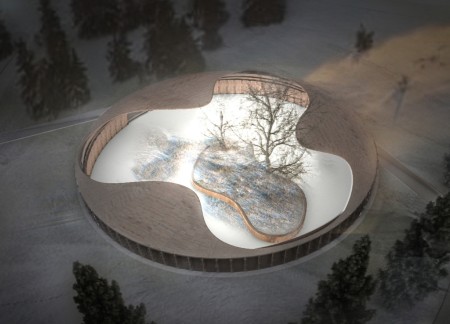
The undulating roof structure, supported by wooden elements and complemented by a reflection garden featuring preserved mature trees, creates a contemplative memorial space honoring the lives lost during the Sri Lankan Civil War.
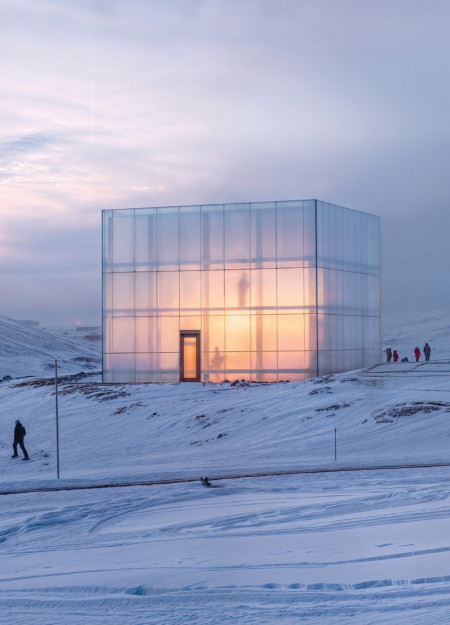
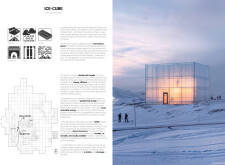
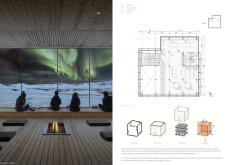
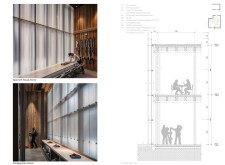
Incorporating a double-skin facade of translucent polycarbonate and locally sourced timber, the structure harmonizes with the volcanic landscape while providing essential facilities for winter recreation.
Maria Turcu,Mihai Mitrică,Alina Măldărescu,Alina Lixeanu
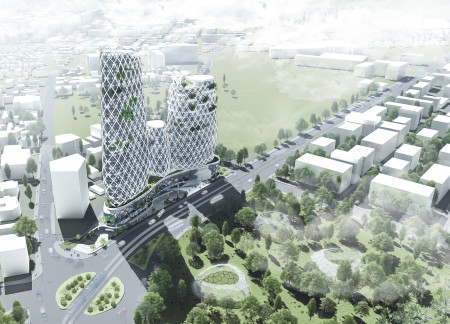
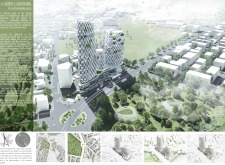
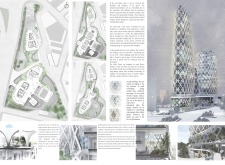
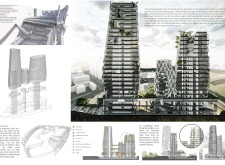
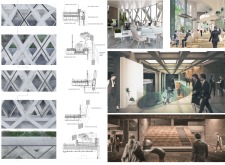
Incorporating vertical gardens and green façades, the design enhances urban connectivity and sustainability while providing multi-functional spaces for offices and public interaction.
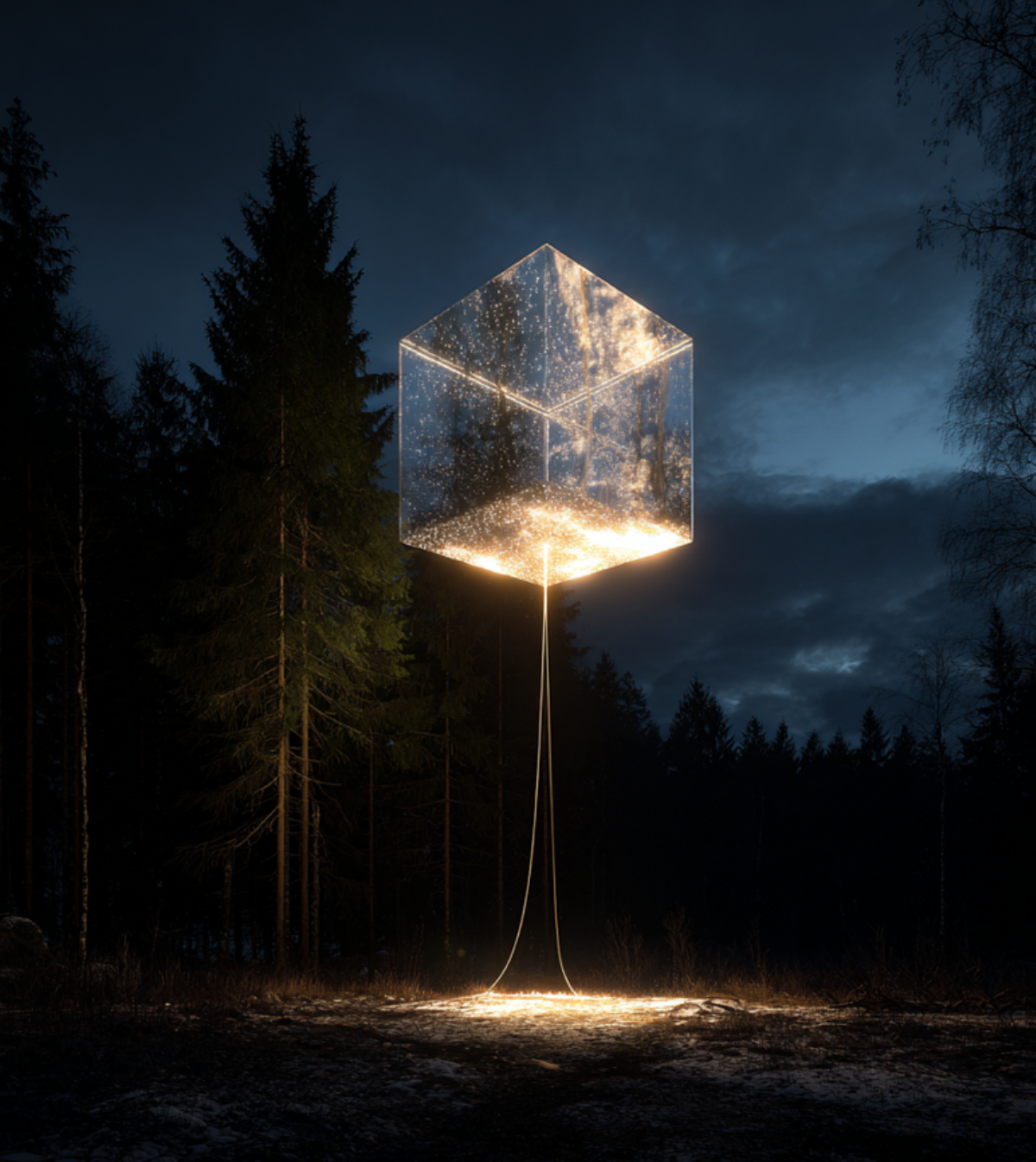
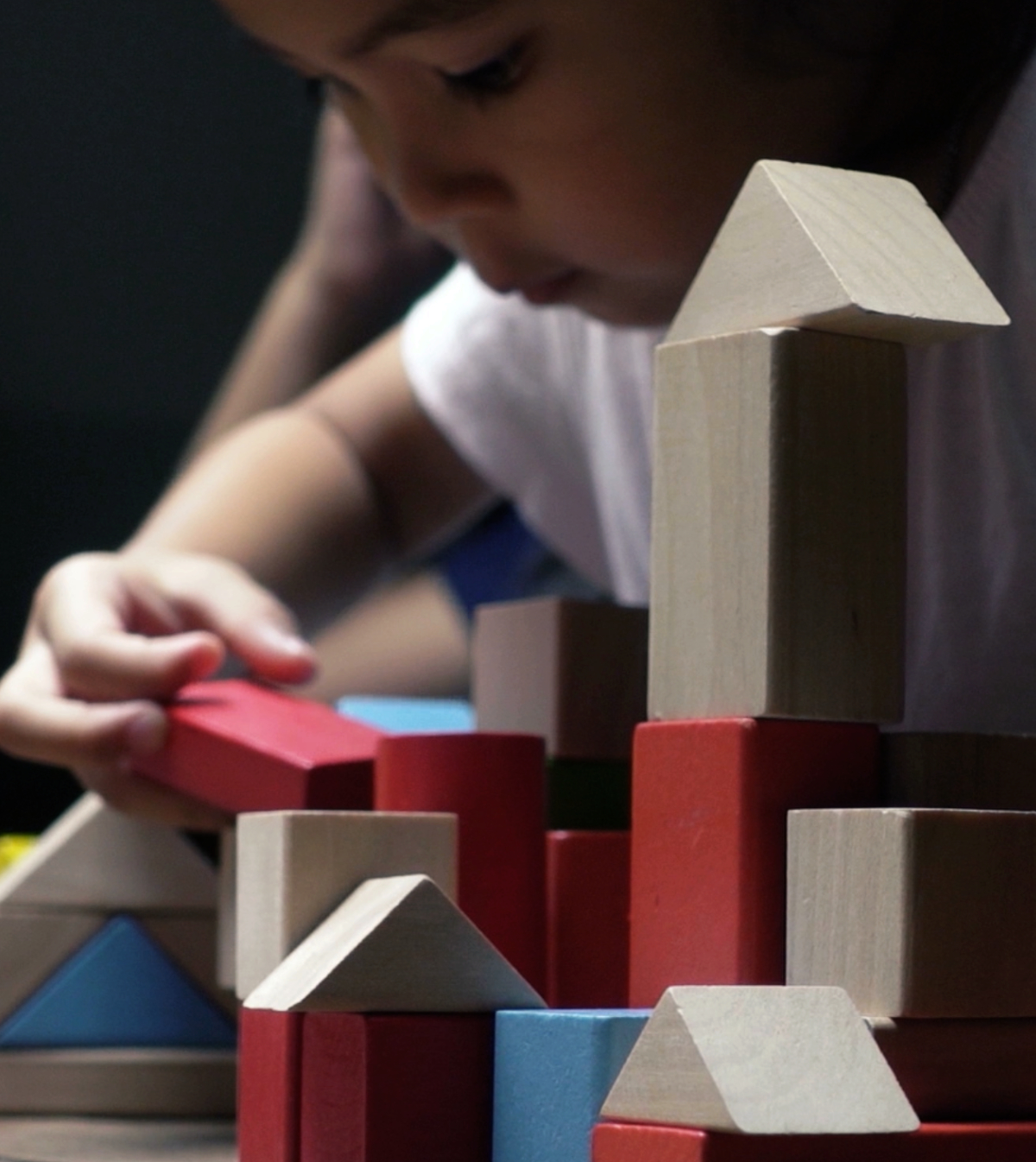
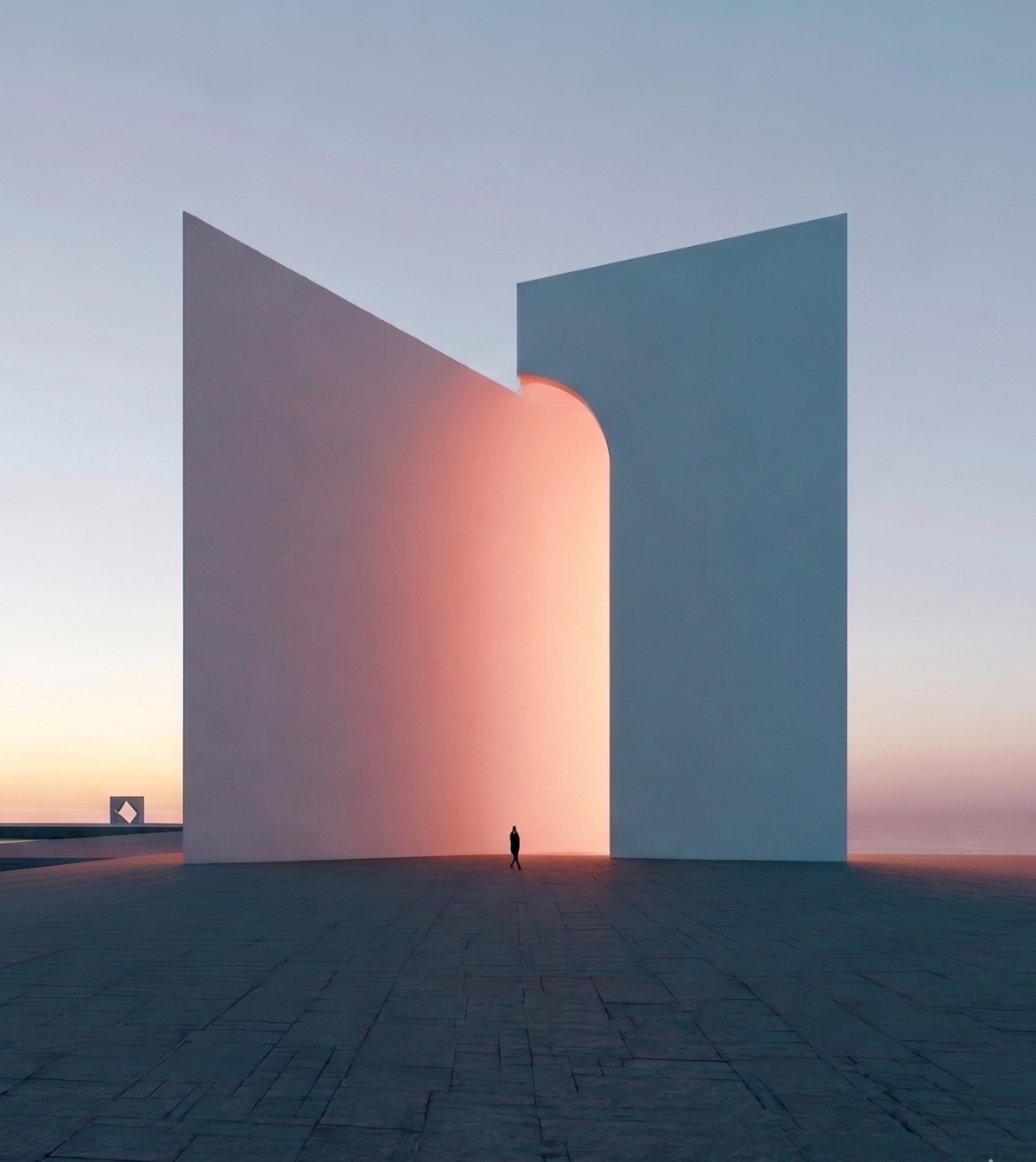
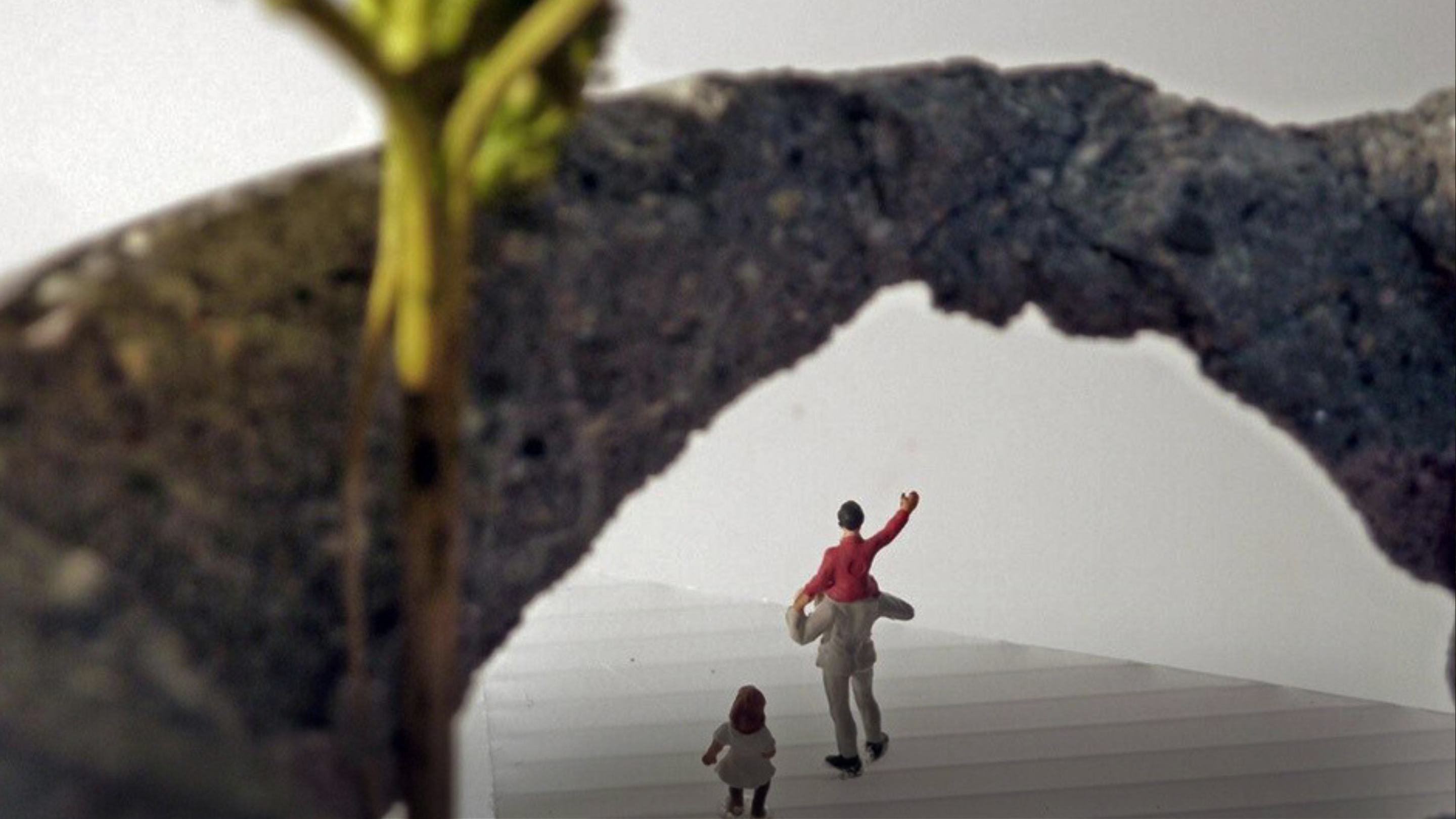
Use architecture to create different emotional states
Edition #9ideas COMPETITIONSILENT CONTEST For this competition, NO DESCRIPTION TEXT is allowed. The architecture ideas must be communicated strictly with visuals.
Prize Monetary award
Eligibility Open to all
Advance registration deadline 12 November 2026
Open architecture competitions
Closest deadline first
Project competitions first
Selected winning projects have the potential to be constructed
Ideas competitions
Experimental competitions with the focus on pushing the boundaries of creativity
Use architecture to create different emotional states
Edition #9ideas COMPETITIONSILENT CONTEST For this competition, NO DESCRIPTION TEXT is allowed. The architecture ideas must be communicated strictly with visuals.
Only participants selected and invited by Buildner can enter these closed competitions. To be considered for future opportunities, please set up your account on Architects' Network Plus.