Buildner and the Mujassam Watan Initiative are pleased to announce the results of the Mujassam Watan Urban Sculpture Challenge, Edition 8. Organized in partnership with the Mujassam Watan Initiative, an initiative of the Al Fozan Social Foundation, the competition invited architects, artists and designers to propose public sculptures for two sites in Saudi Arabia’s Eastern Province. In the context of Vision 2030, the brief asked participants to consider how public art can express the Kingdom’s cultural identity and ambitions while contributing to the everyday experience of its public spaces.
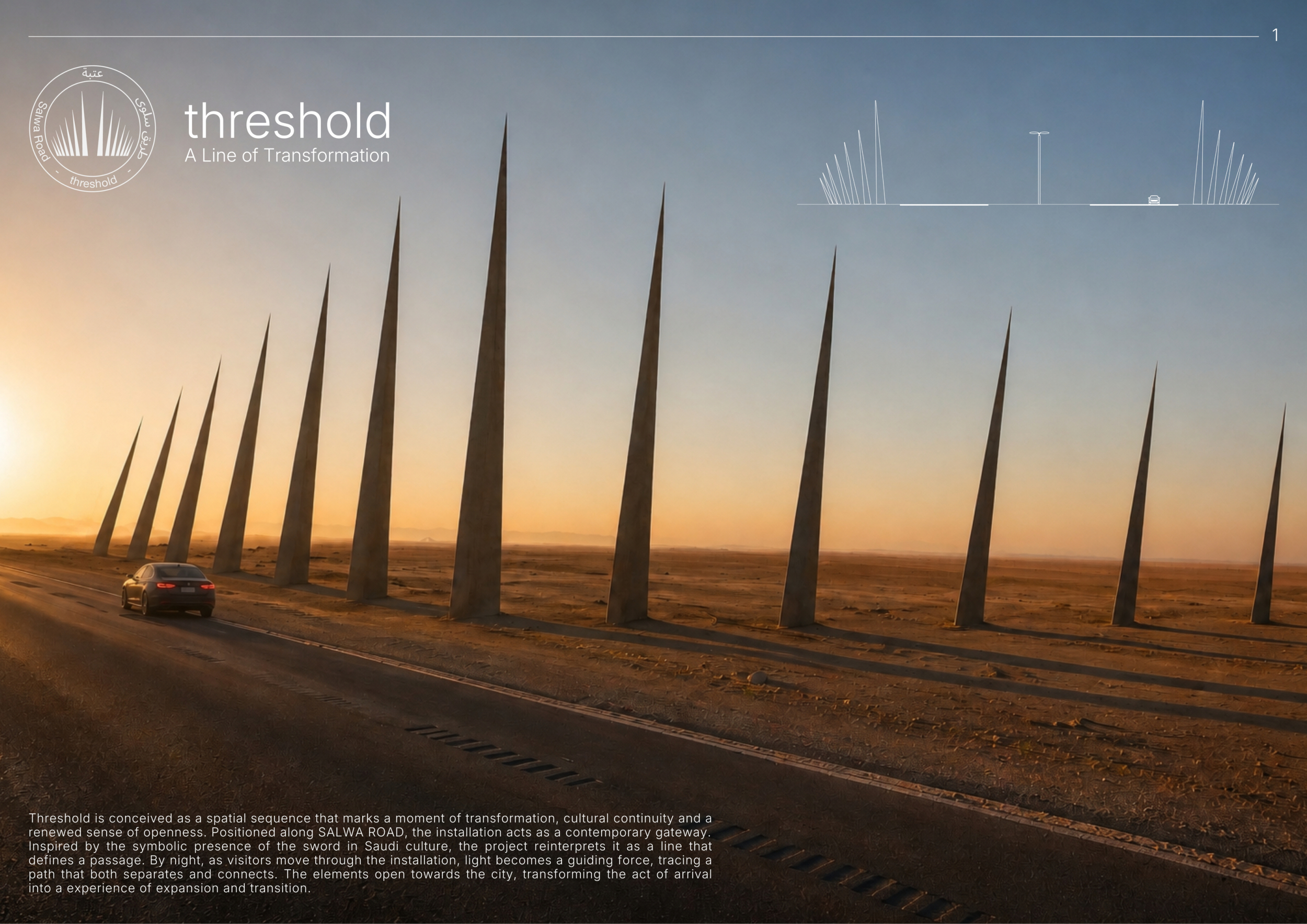
This year’s locations presented different challenges. Salwa Road, a highway connecting Saudi Arabia with Qatar, required forms that could be understood from a moving vehicle. Tharwa Sea Front, on the Al-Khobar waterfront, offered opportunities for closer engagement, inviting people to walk around, enter or spend time with a work. Both sites required careful consideration of climate, materials, safety and construction.
An international response
The eighth edition received 320 submissions from 64 countries, broadening its geographic reach beyond the previous edition. Saudi Arabia led participation with 60 entries, followed by the United States with 35 and Italy with 22. Germany, the United Kingdom, the United Arab Emirates and Spain also had strong representation. With a total prize fund of €50,000 and the possibility of construction, the competition offered designers an opportunity to contribute to the region’s public landscape.
The jury discussions took place on 16 September 2026 in Al-Khobar, with members participating in person and remotely. The seven-member panel brought together experience in architecture, public art, education, municipal planning and development.
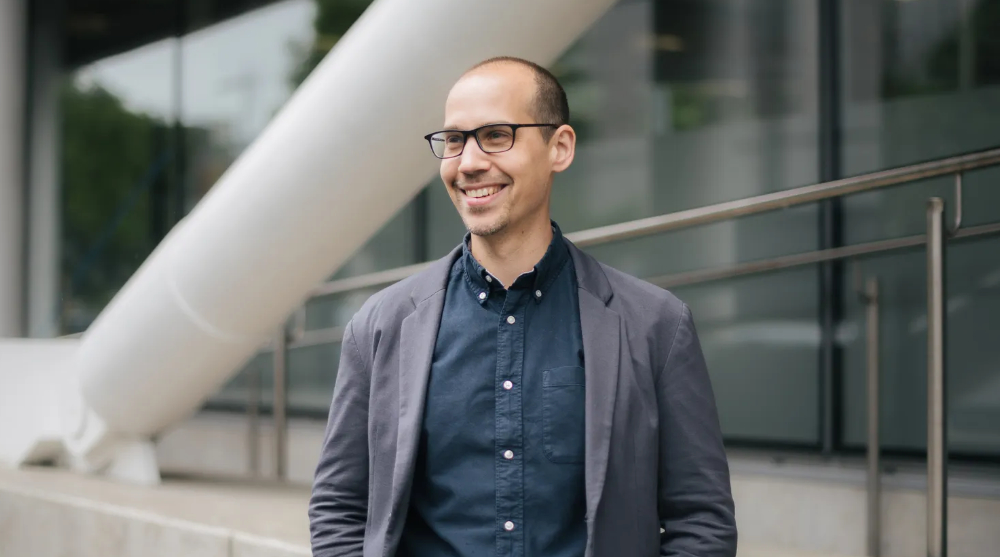
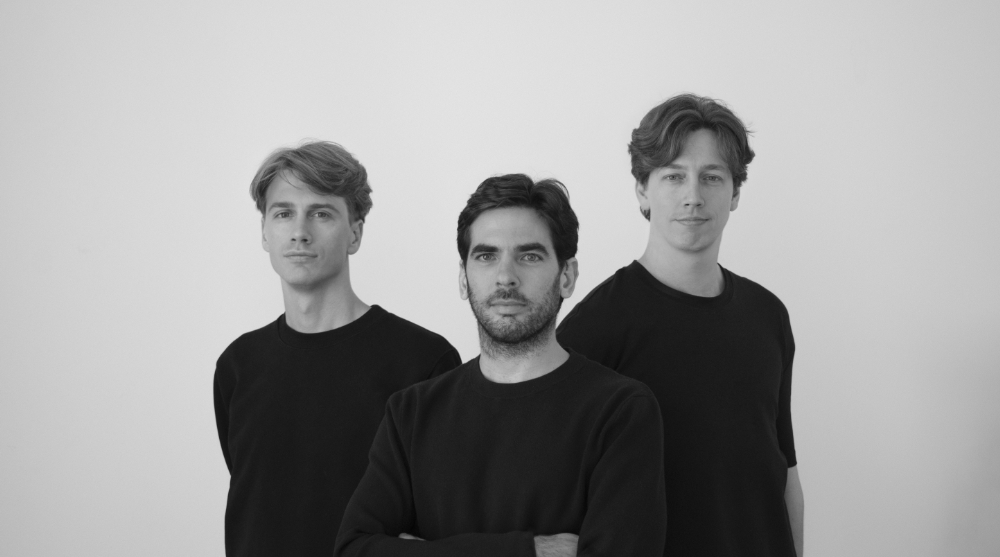
The panel comprised Prince Nawaf Bin Ayyaf, CEO of the Architecture and Design Commission at the Saudi Ministry of Culture; Eli Synnevåg, Senior Architect and Director for Acquisition at Snøhetta; Javier Peña Ibáñez, Founder and Director of Concéntrico; and Abdulrahman AlMuaibid, Chairman of AAM Group. They were joined by Dr. Abdullah S. Junaideb, Architect and Assistant Professor at AbdulAziz University; Ahmed Baageel, Architect, Production Designer and Founder of Makzn7; and Eng. Amna Anwar, Project Manager at the Eastern Province Municipality.
Cultural references and collective memory
A recurring subject in the jury’s discussions was how cultural references could inform a contemporary sculpture without becoming overly literal. Proposals drew on the region’s maritime history, natural environment and traditions, giving jurors an opportunity to consider how familiar subjects could take on new meaning through form and material. There was particular interest in ideas that communicated clearly while leaving room for interpretation. A simple gesture could carry several associations, and materials could tell a story without relying on written explanation. The discussion also acknowledged that symbols may be read differently by different audiences, making their public reception an important consideration.
Historical narratives prompted a related discussion about the role of public art in preserving collective memory. Jurors valued the potential for a work to introduce people to local events and encourage them to learn more. The distinction between a landmark and a memorial was especially relevant: alongside providing a recognizable presence in the city, a sculpture could offer a place for remembrance and bring less familiar histories into public view.
Movement, scale and public experience
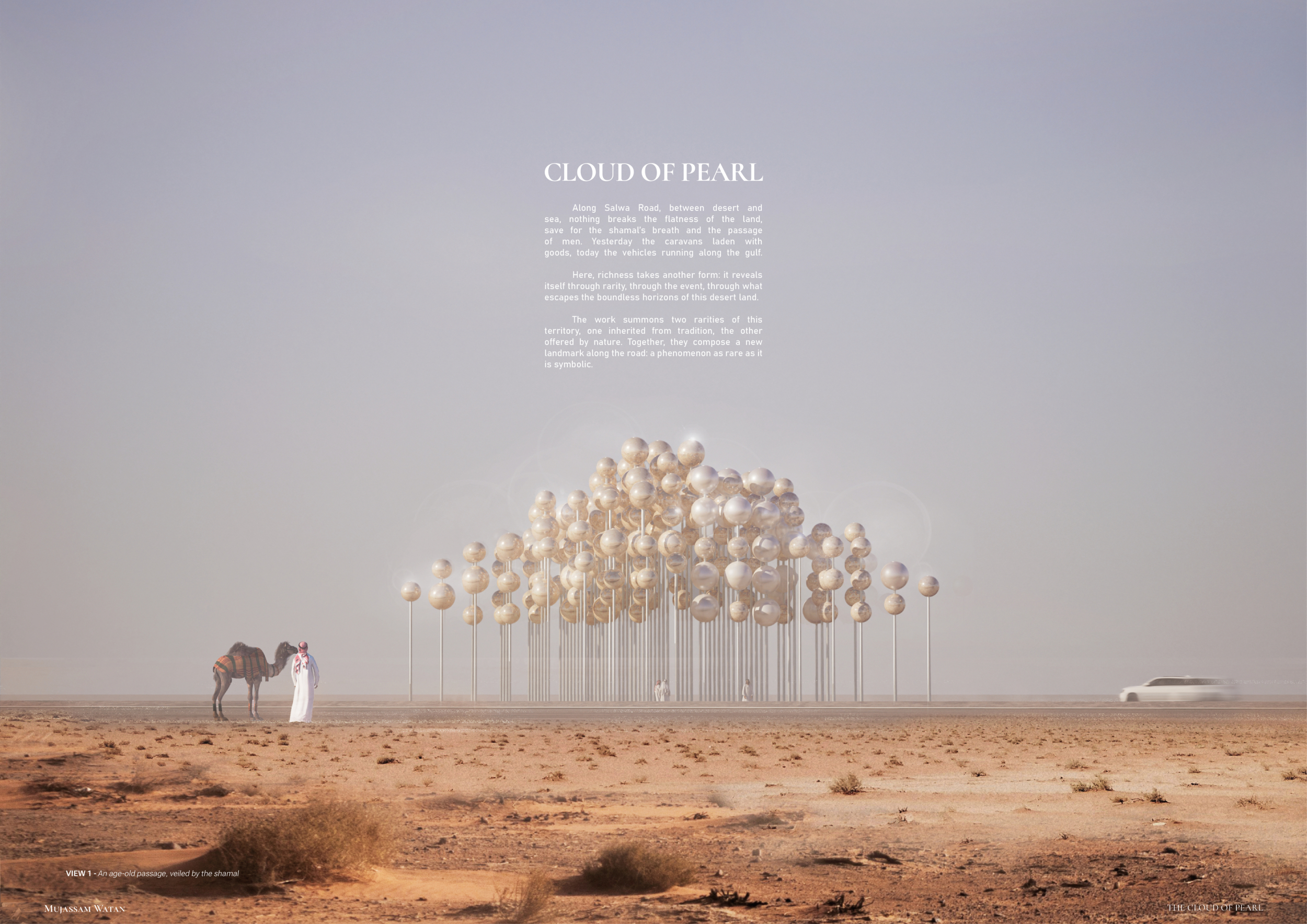
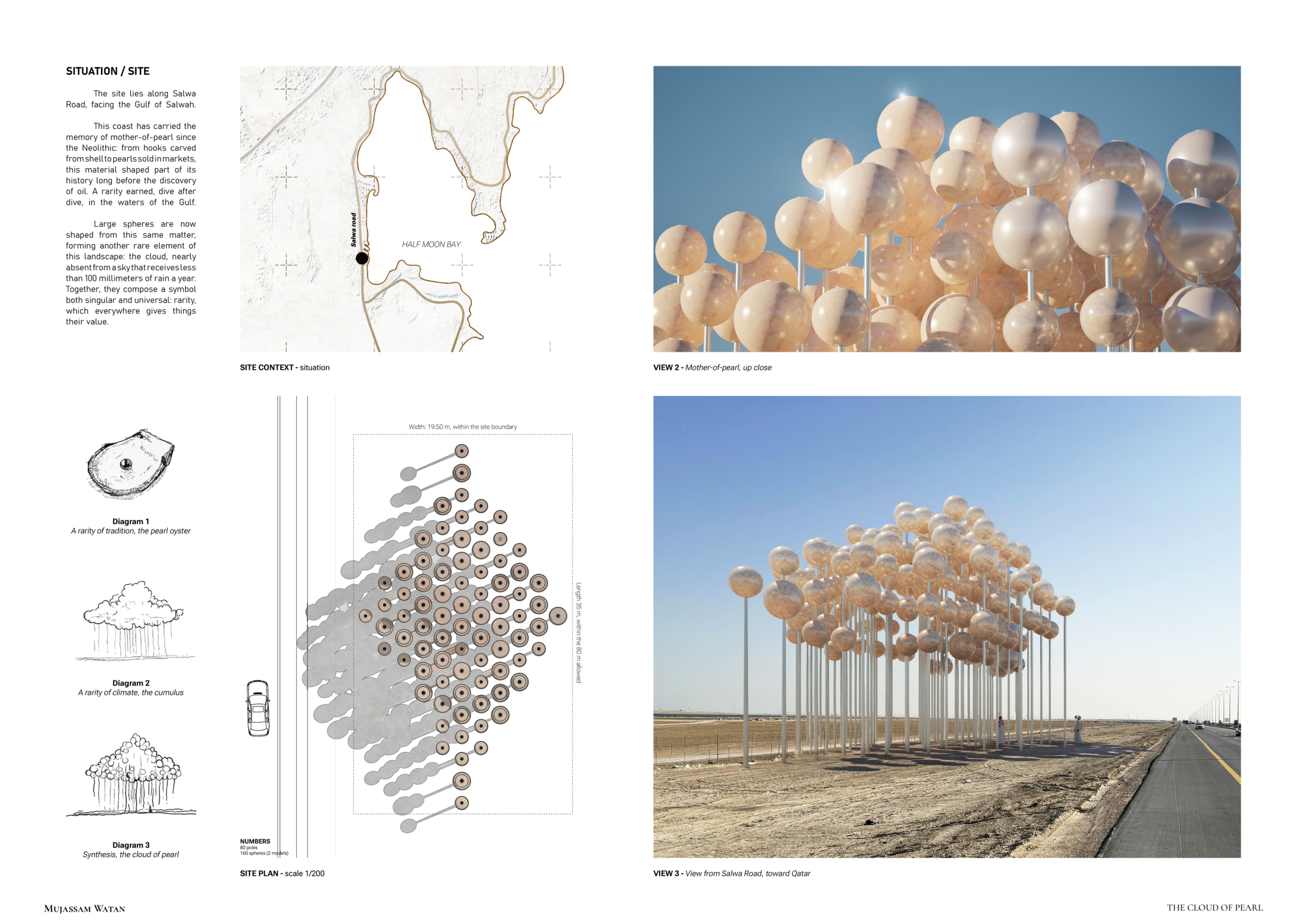
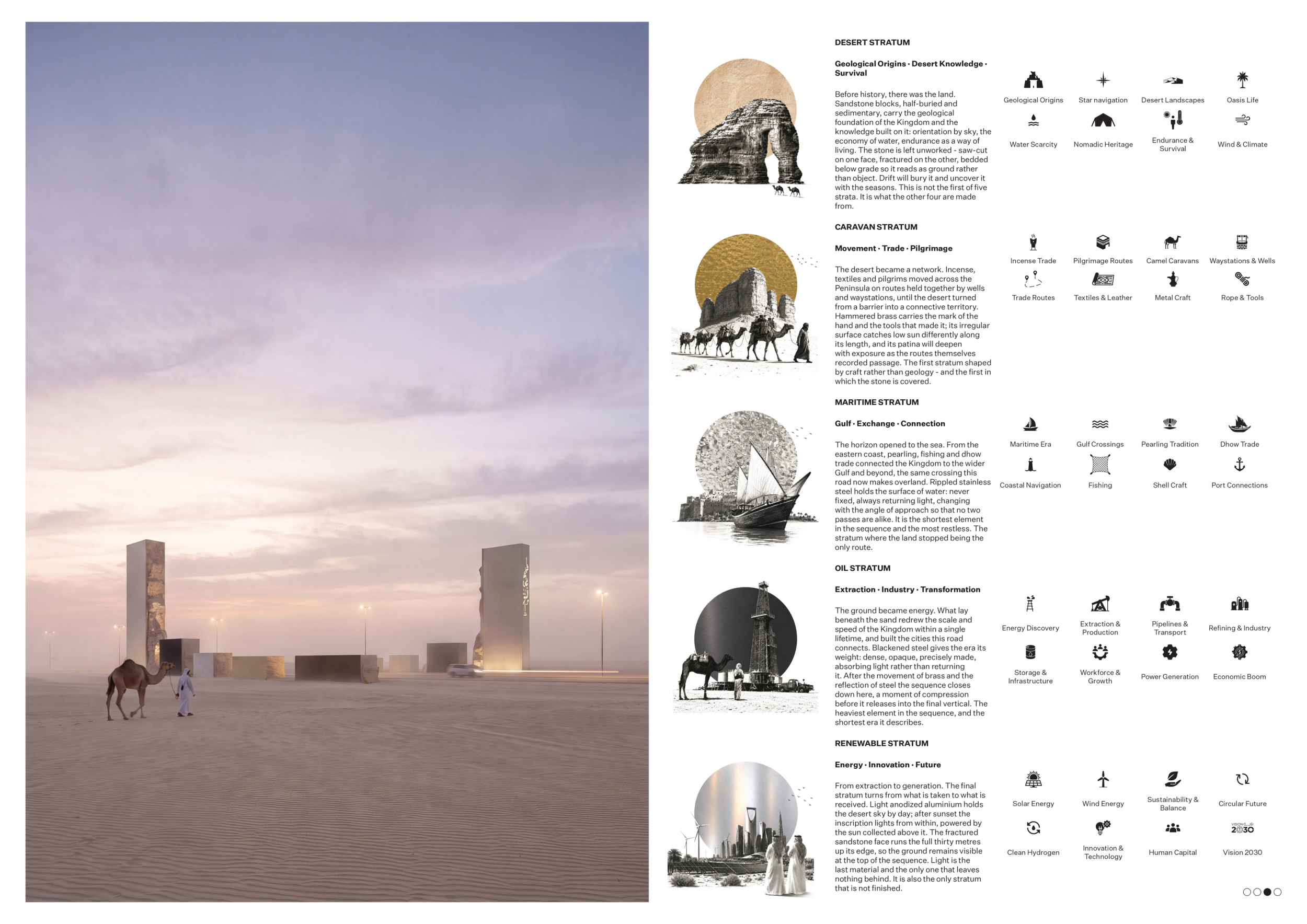
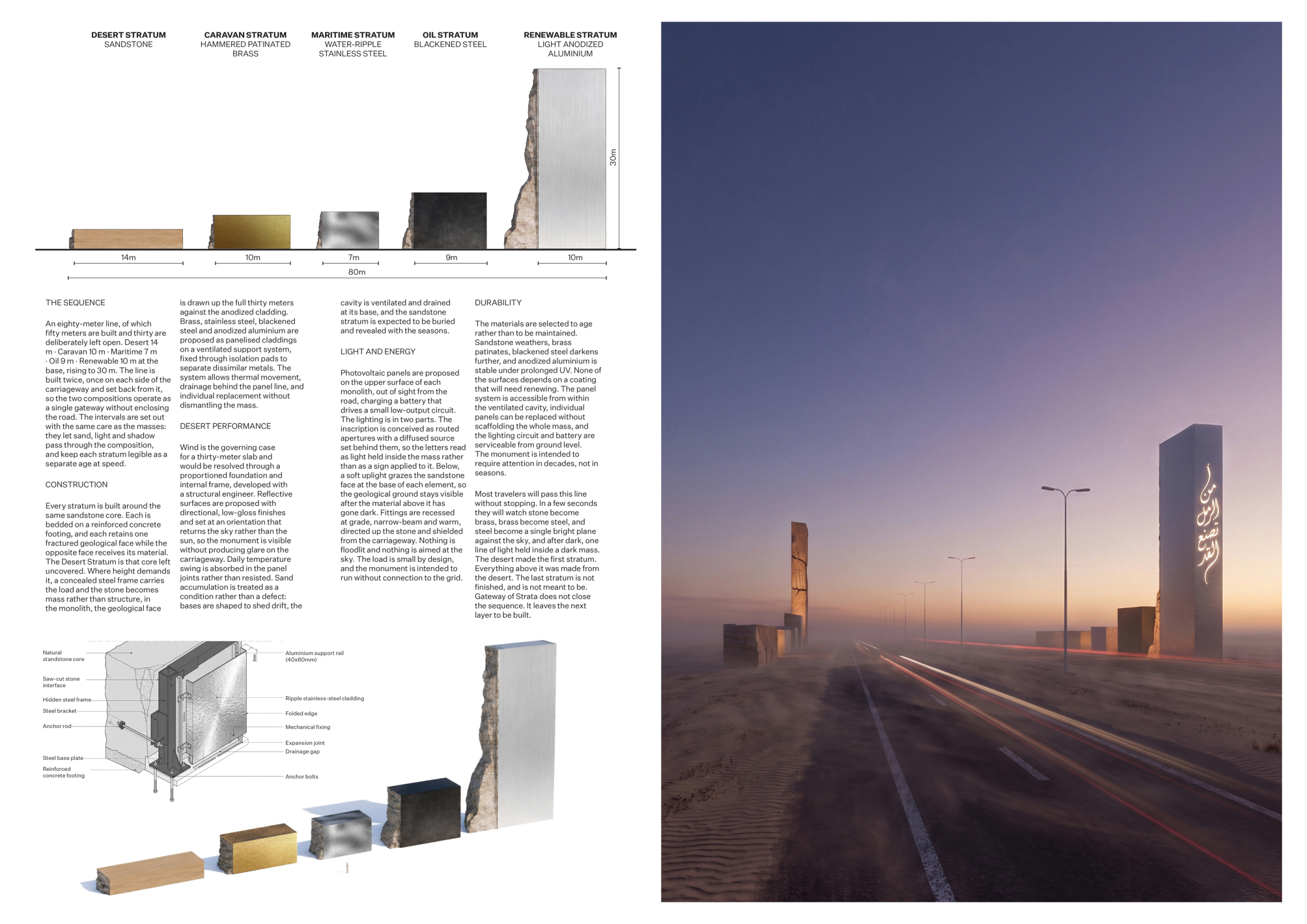
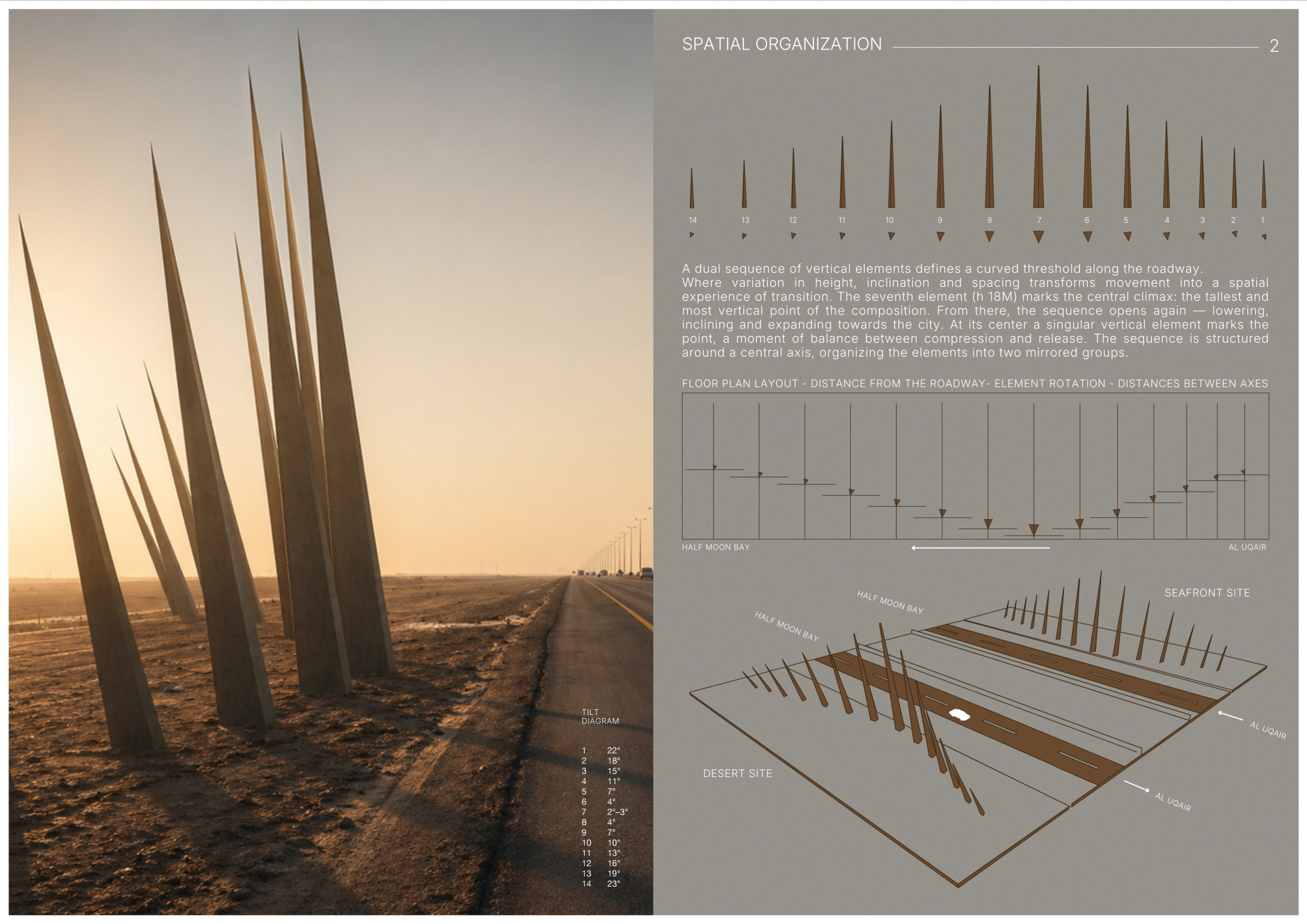
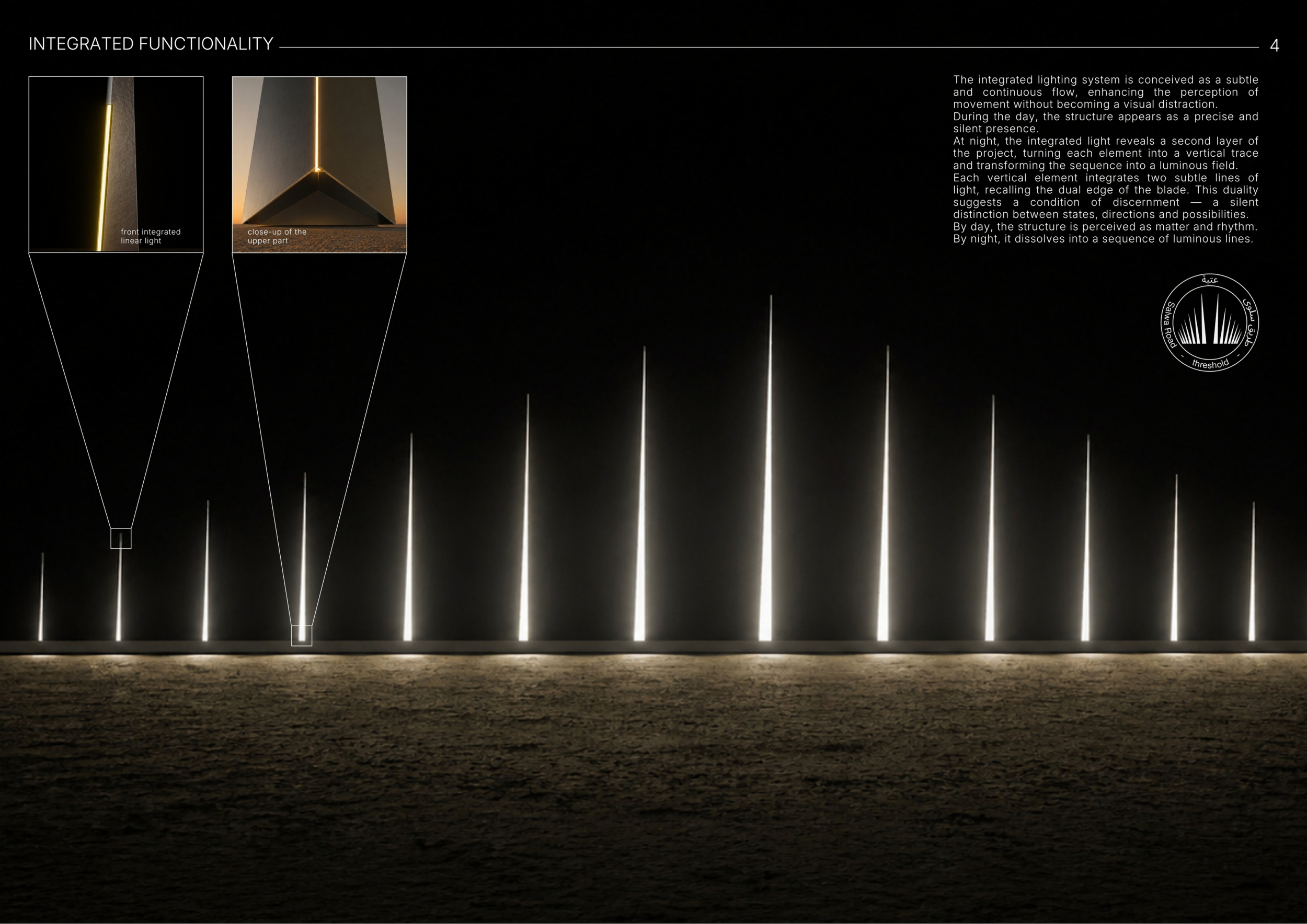
For Salwa Road, the speed of passing traffic shaped much of the evaluation. A roadside sculpture has only a brief opportunity to register, making its outline, scale and sequence important to how it is understood. Jurors discussed how repeated forms, changing materials and different views on arrival and departure could create a sense of progression along the route. Color, lighting and the suggestion of movement offered further ways to engage travelers.
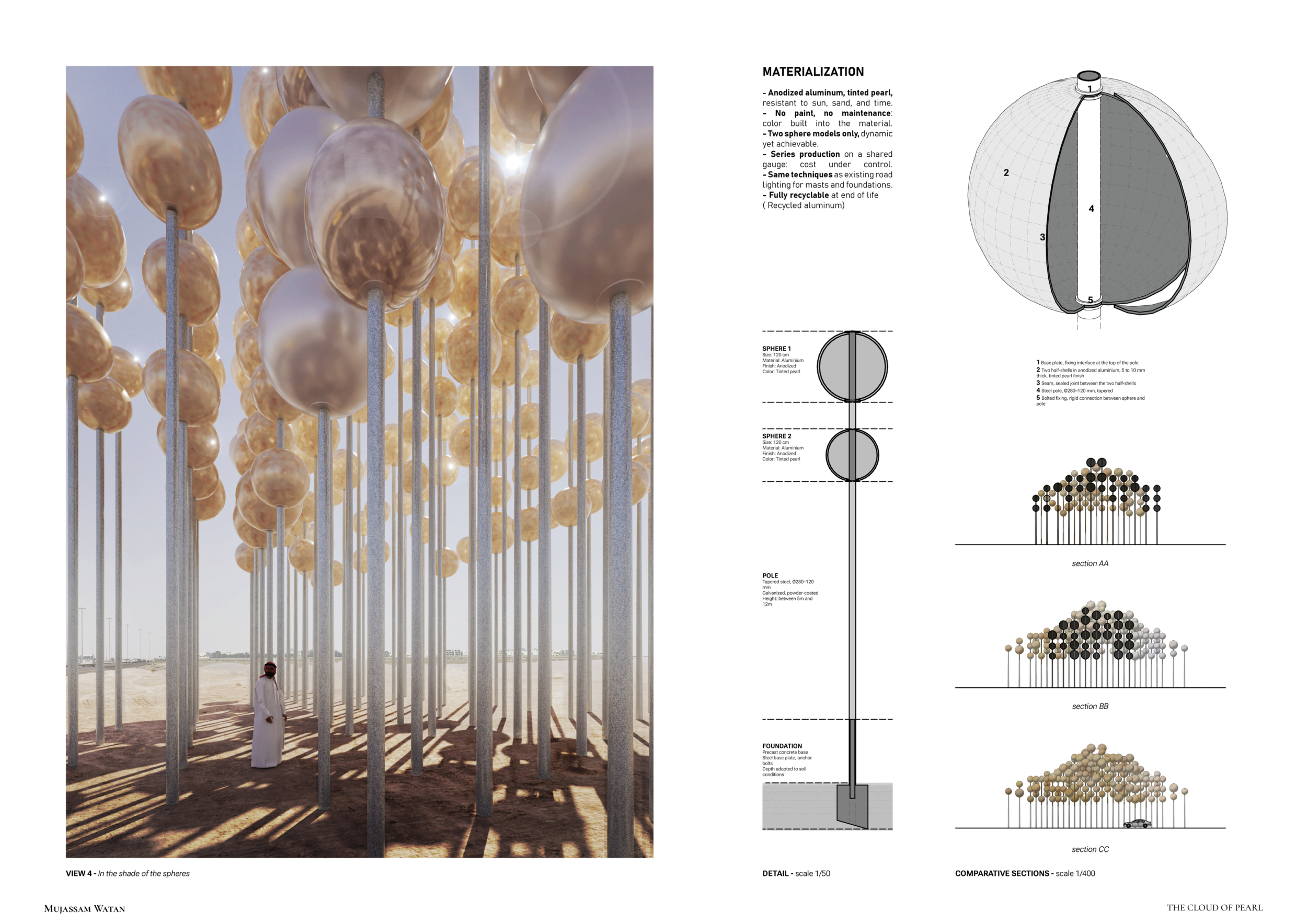
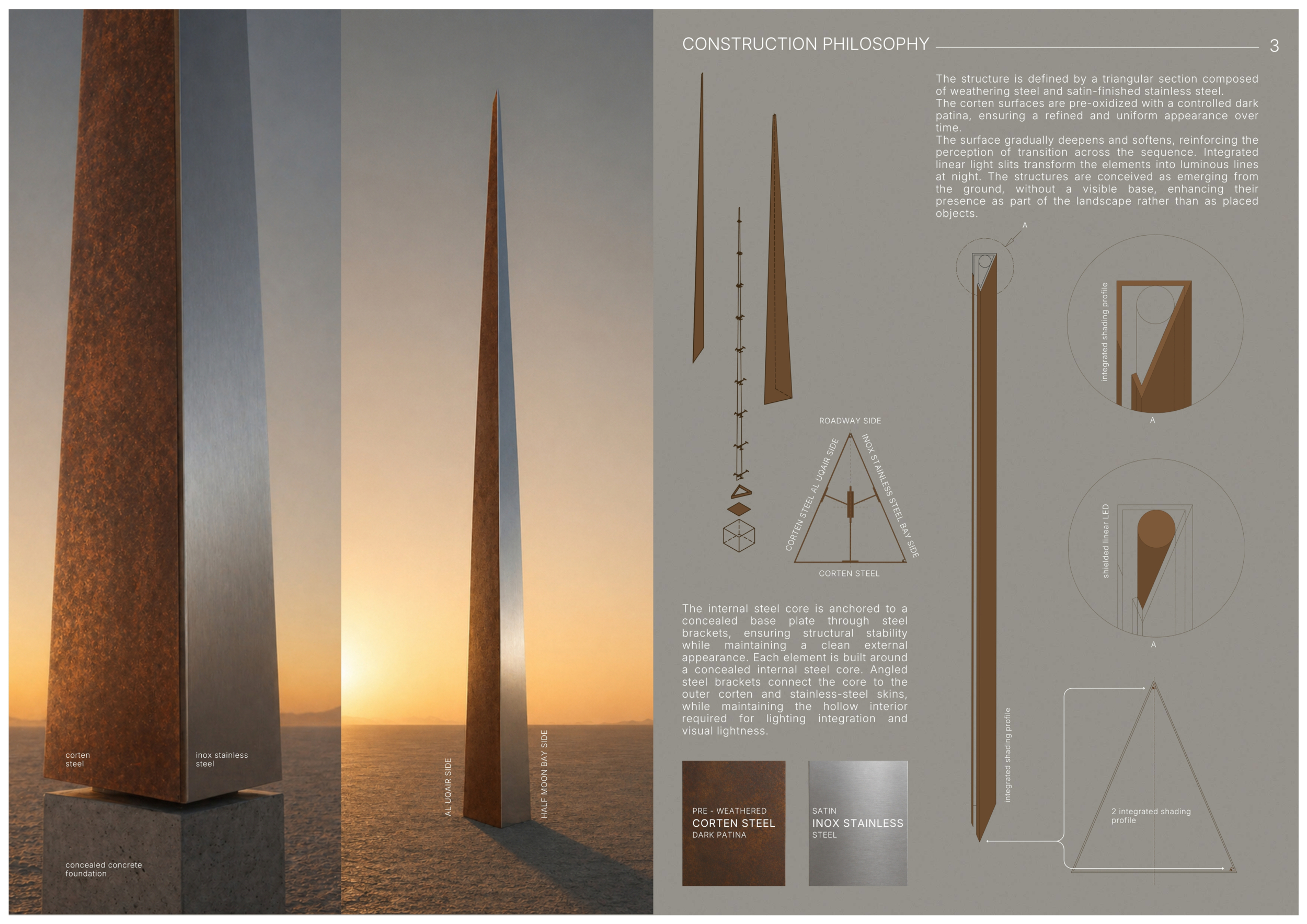
Wind and the exposed landscape were also part of this discussion. Lightweight structures suggested possibilities for responding to these conditions, while raising questions about structural behavior, durability and maintenance. Jurors considered how these ideas could be developed into installations that retain their intended character over time. At Tharwa Sea Front, attention shifted toward the experience of approaching a sculpture on foot. Jurors considered how a form seen from across a road or along the coast would change at close range, where scale, access and its connection to the ground become more immediate. Some proposals offered interiors for gathering or performances; others invited engagement through a framed view or a changing perception of the surroundings.
These different approaches opened a discussion about the boundary between public art and architecture. The value of a proposal could lie in the space it offered people to occupy, or in the clarity of a sculptural idea. In either case, the relationship between the work, its setting and its visitors remained central.
Three prizes were awarded for each site, recognizing six proposals in total. The jury’s reflections identified both the strengths of the selected concepts and areas for further development, particularly in material choices, pedestrian scale, public use and technical execution. Buildner and the Mujassam Watan Initiative thank all participants for their contributions and congratulate the winning teams and honorable mentions.
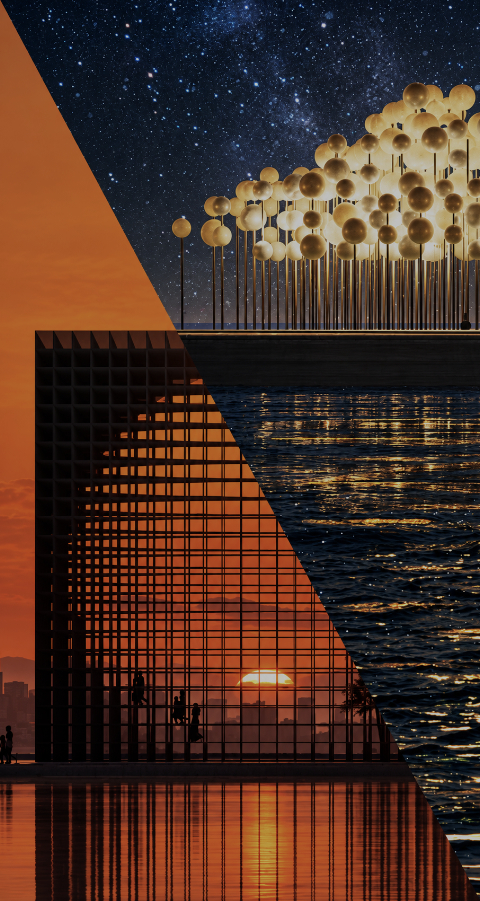













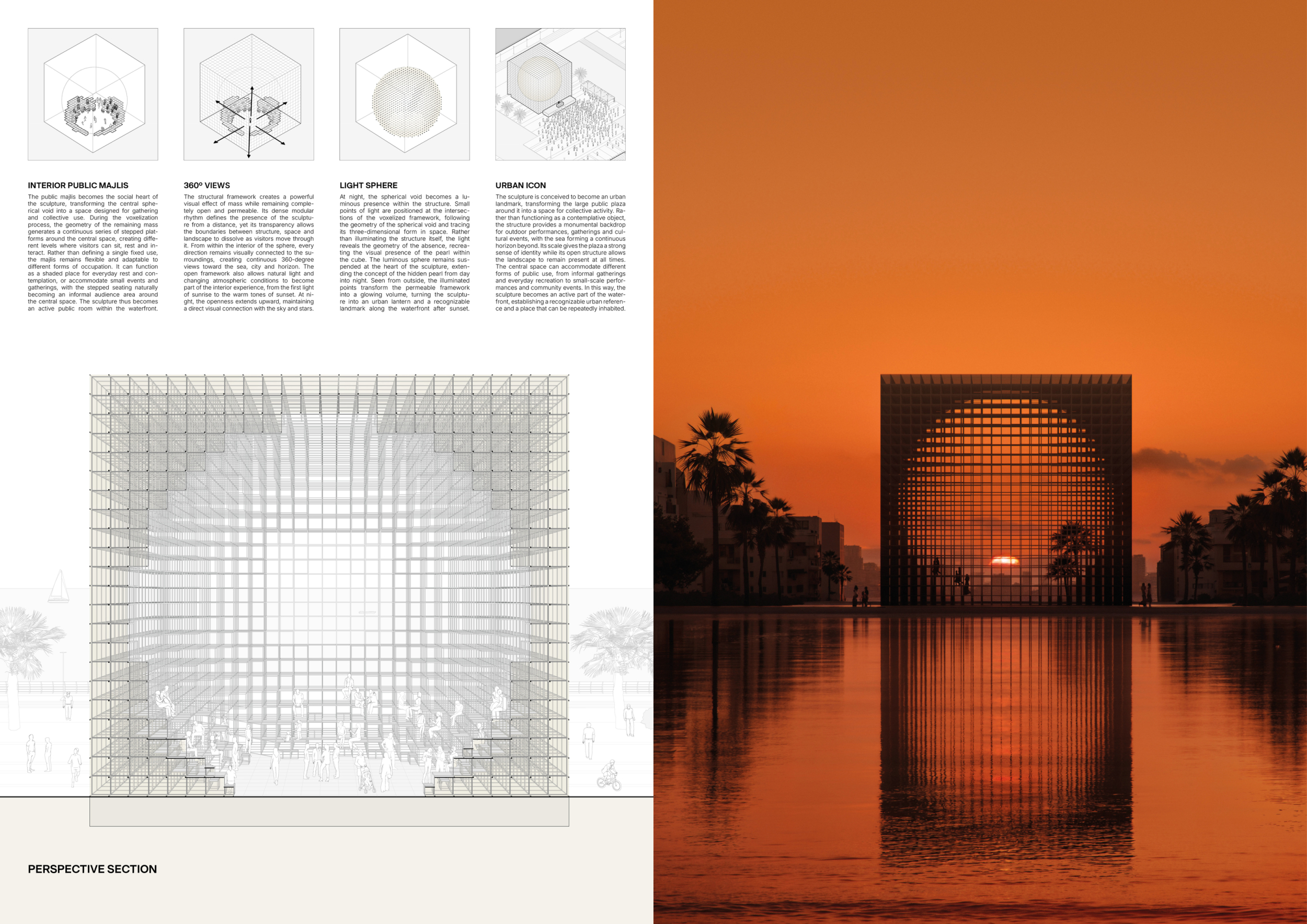
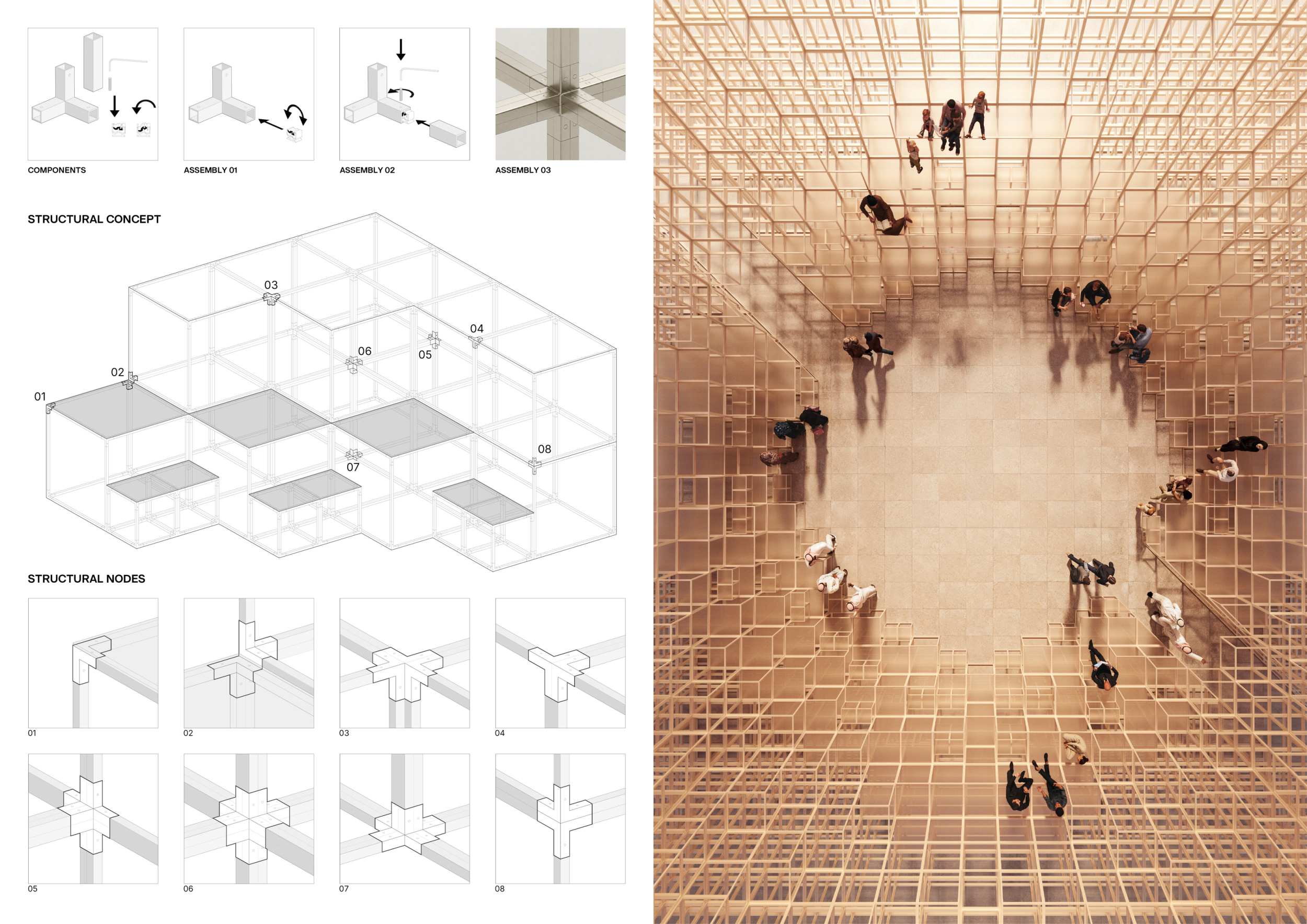
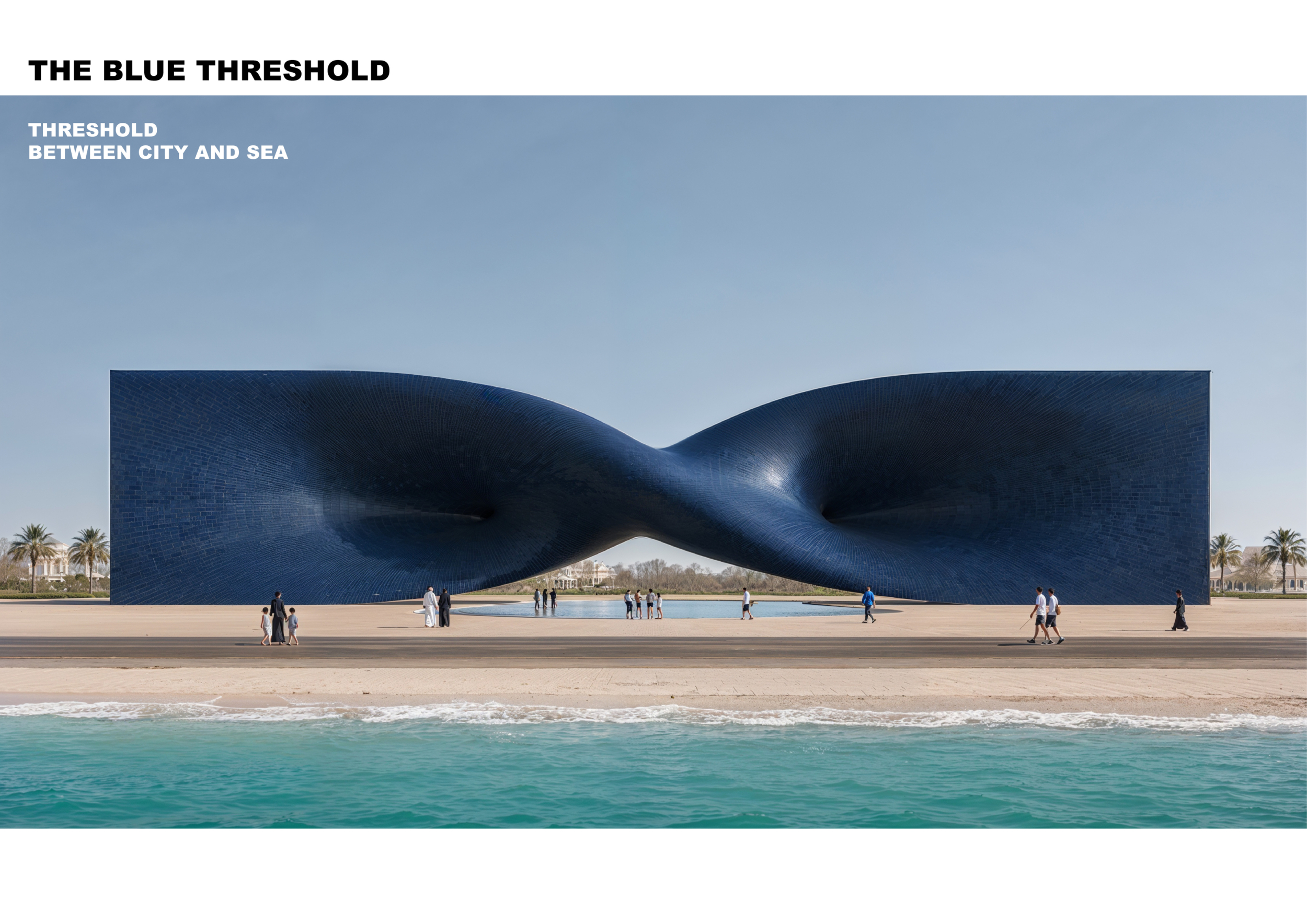
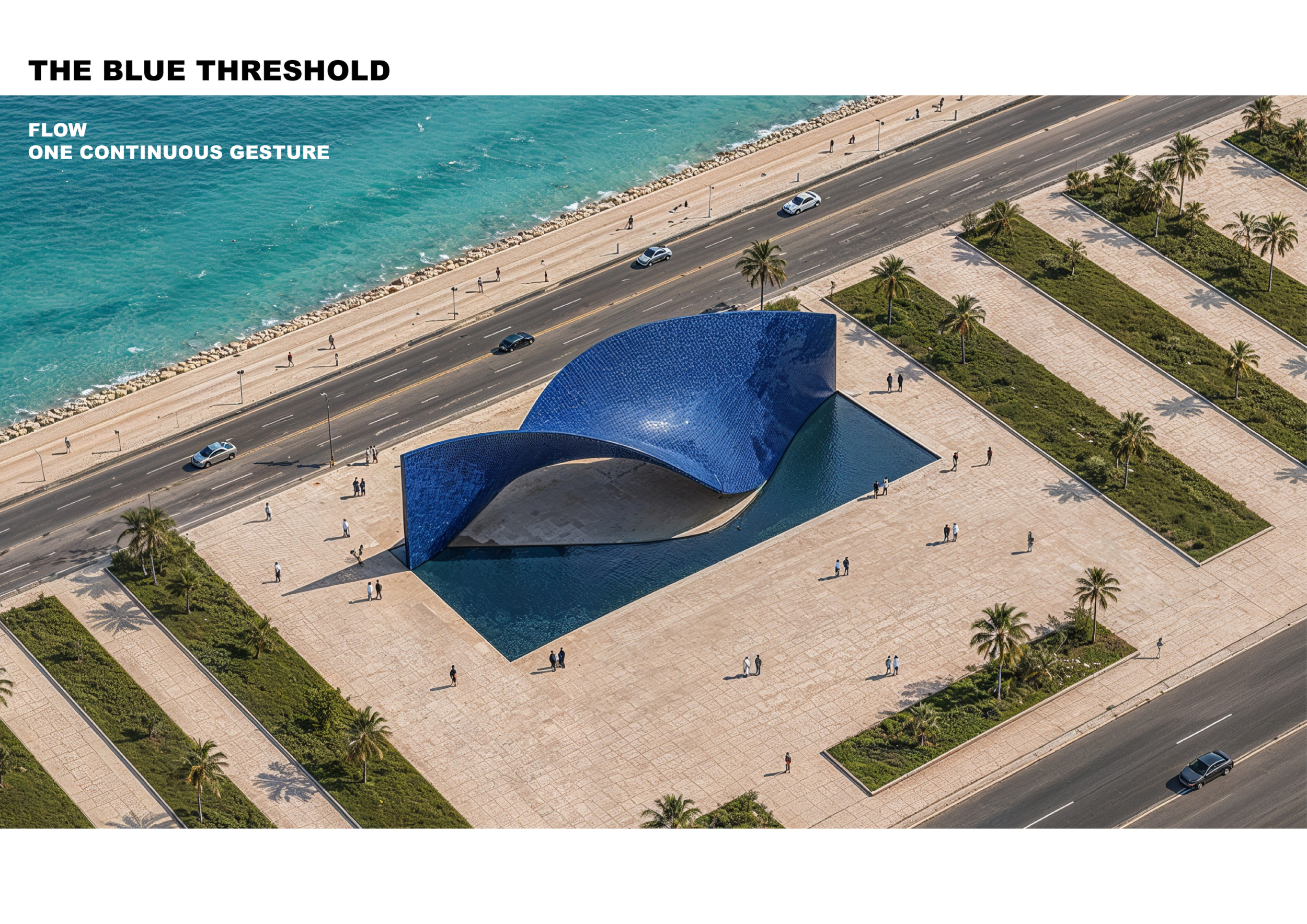
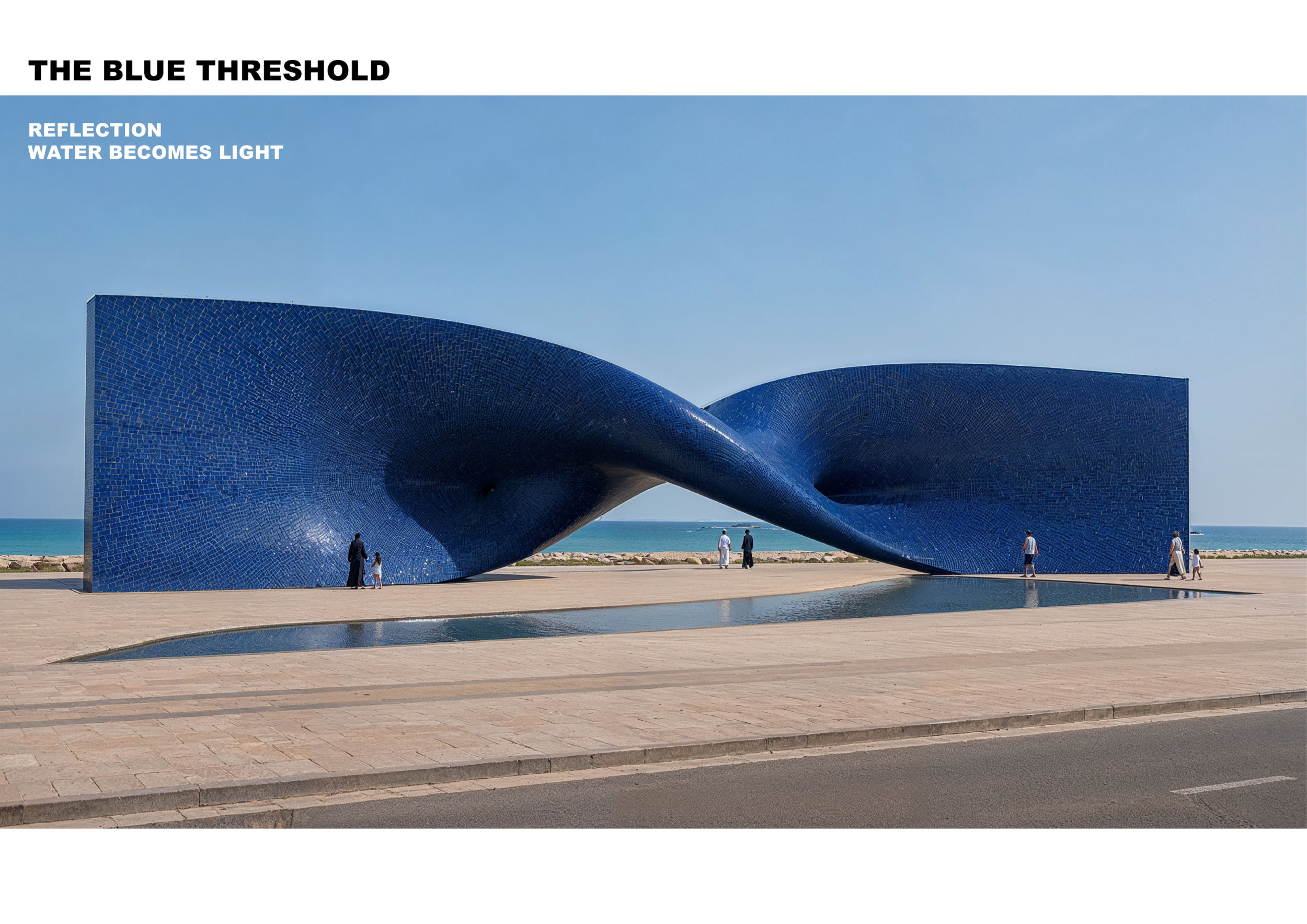
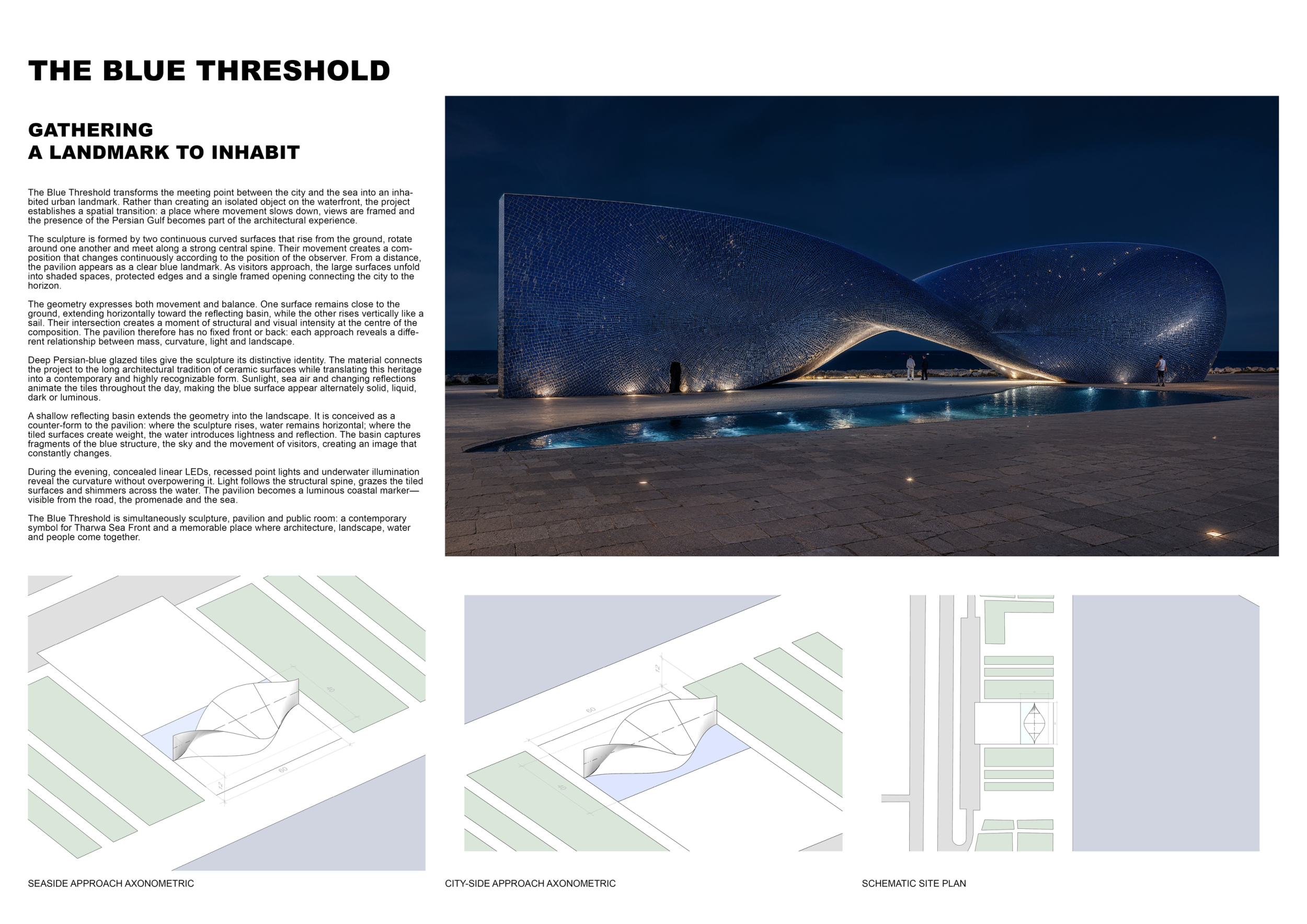


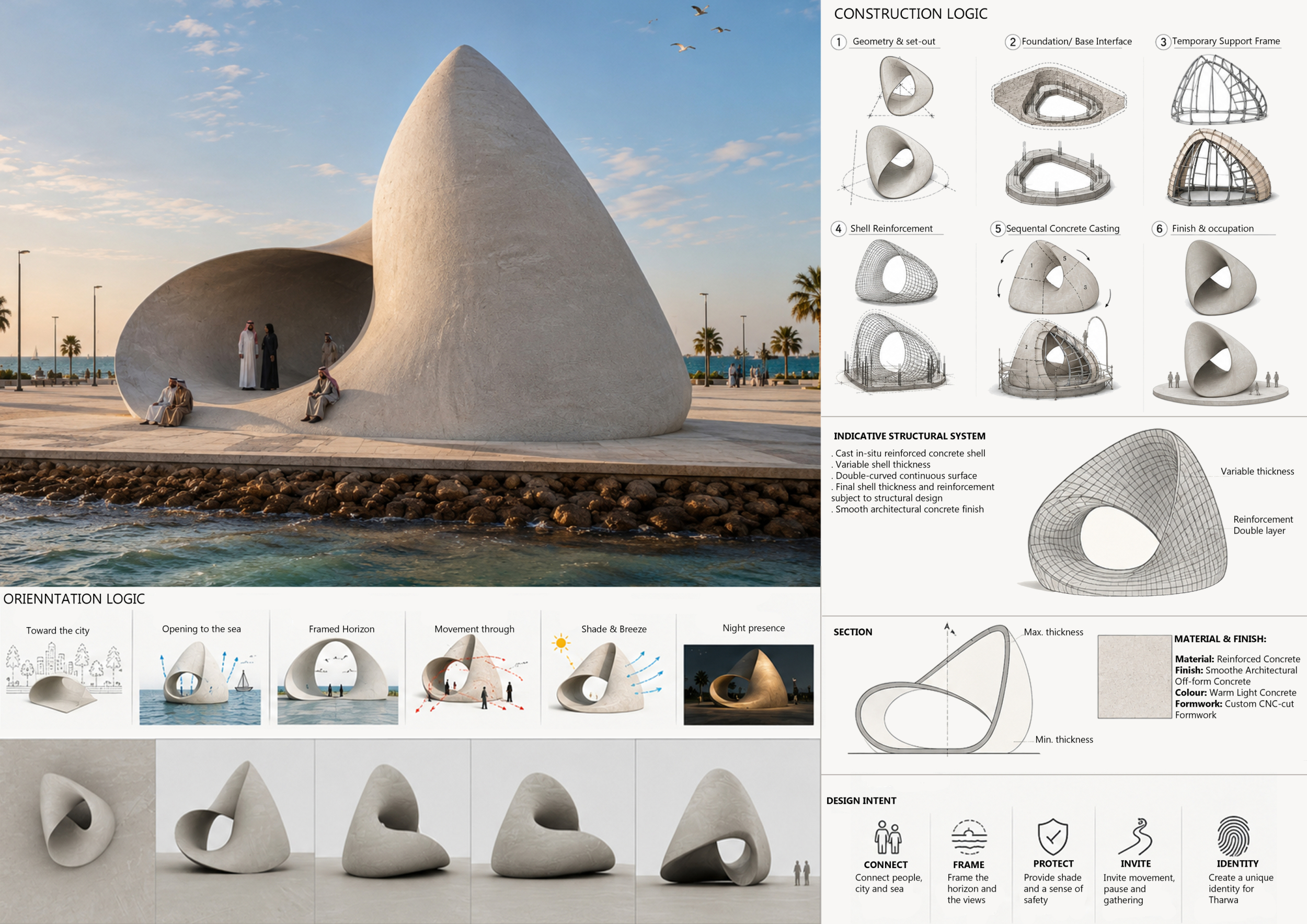

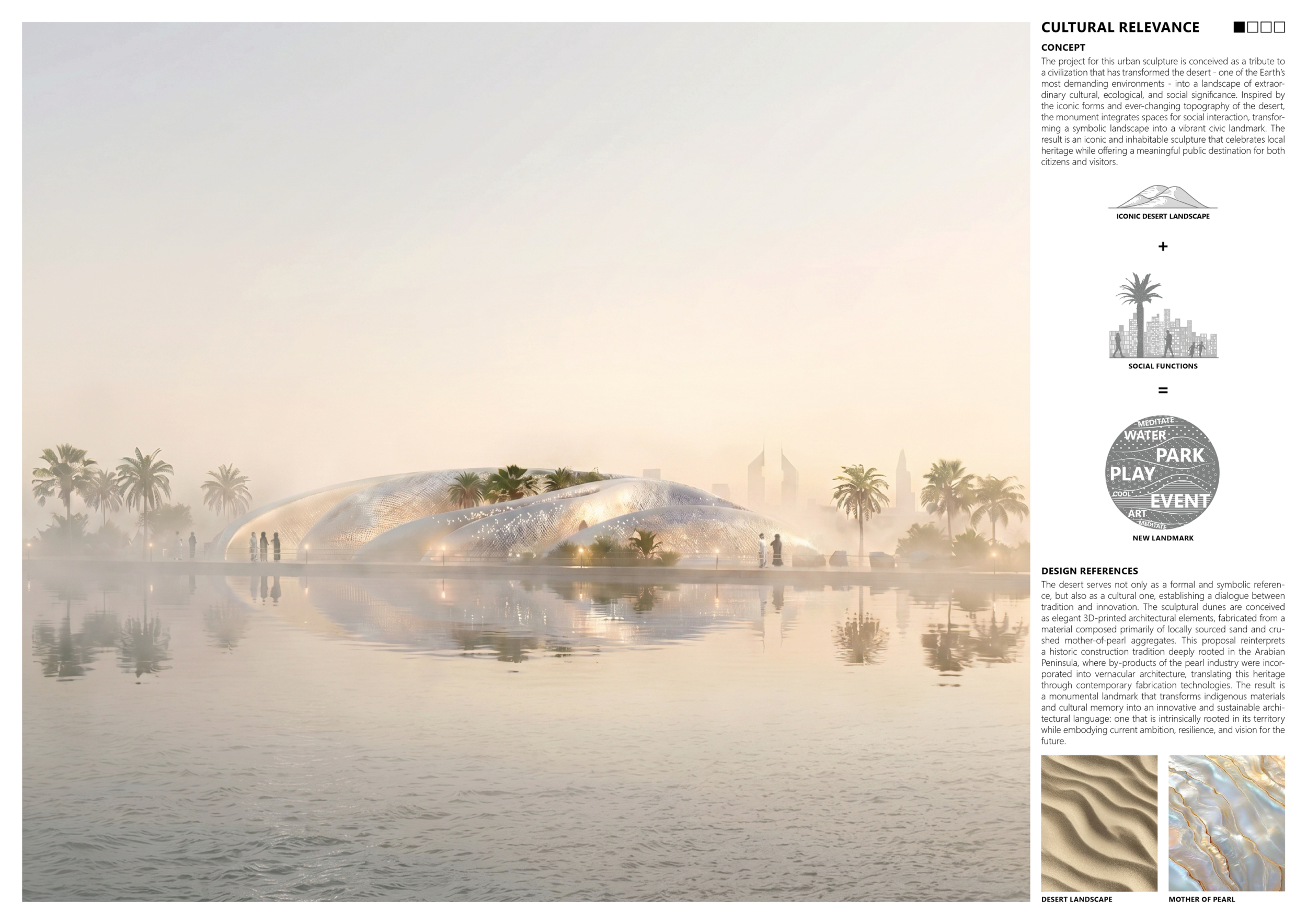
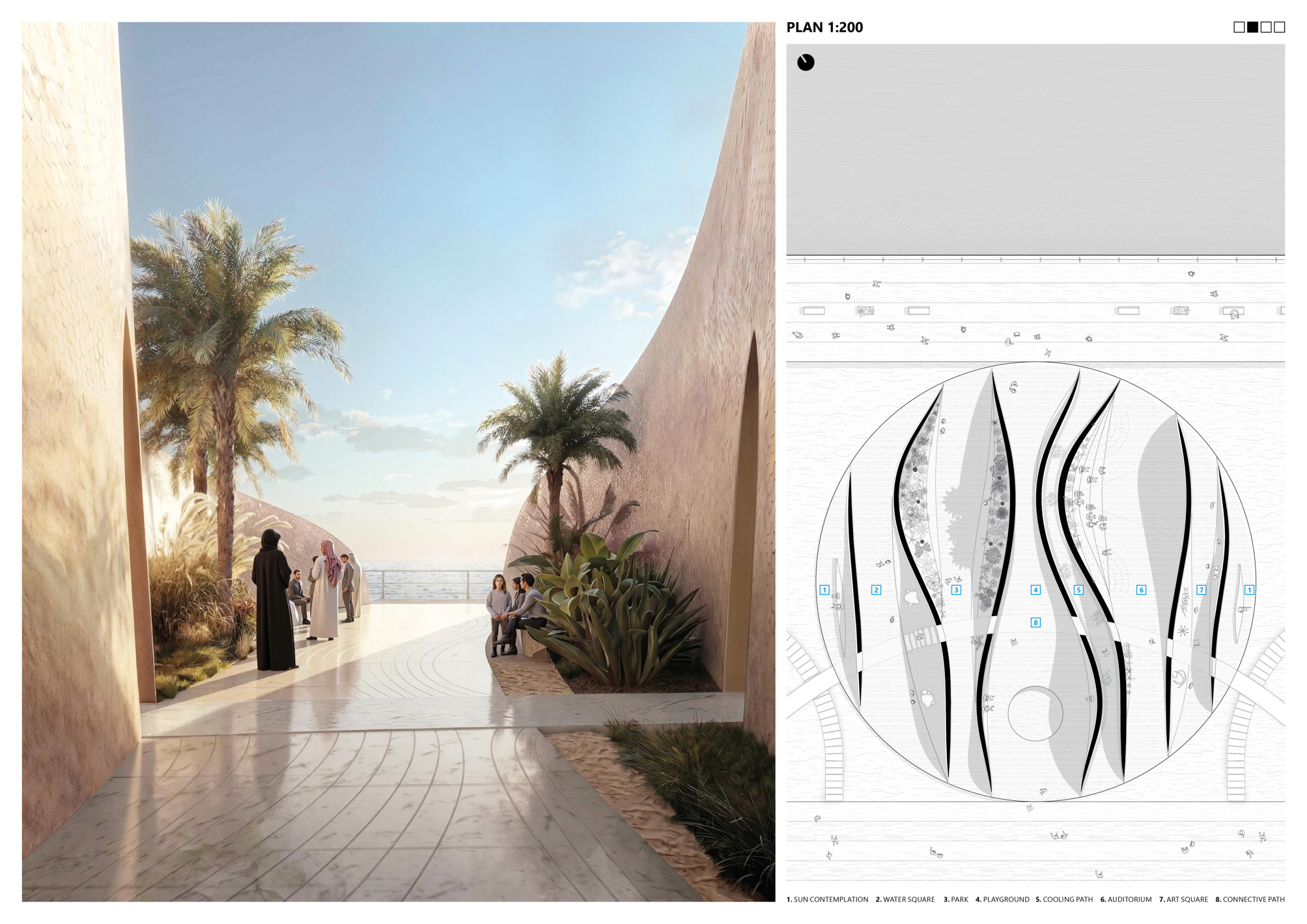
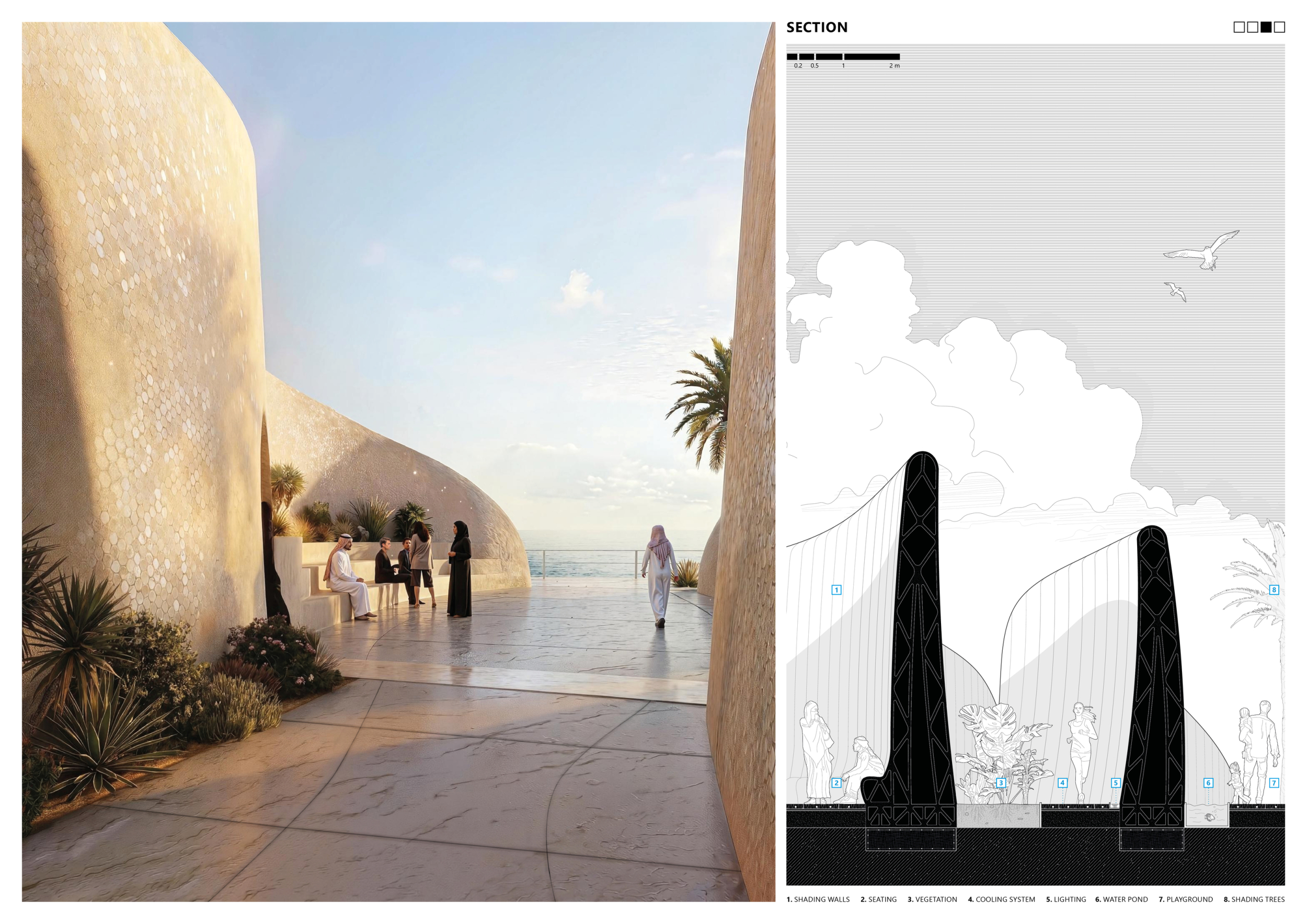
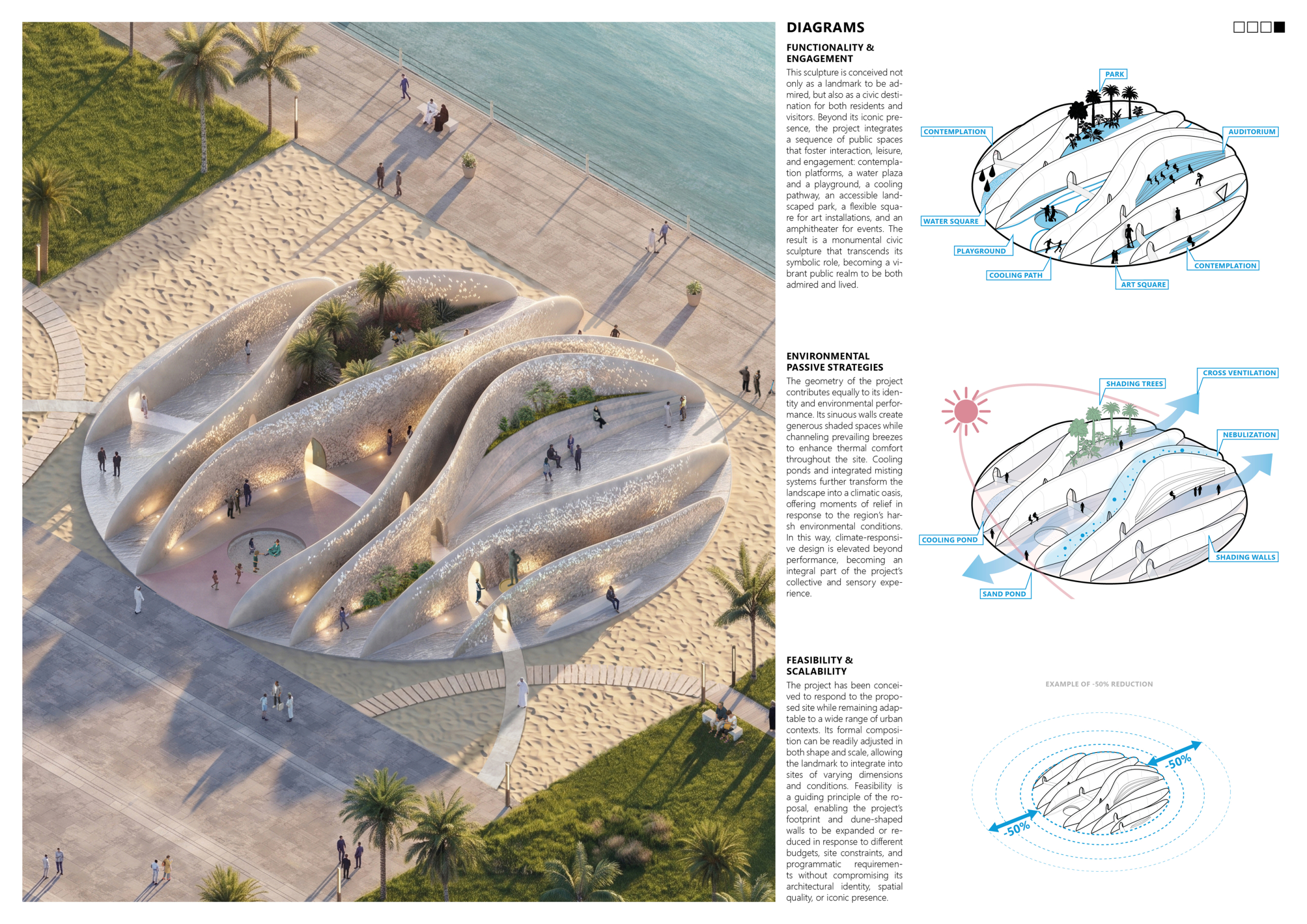
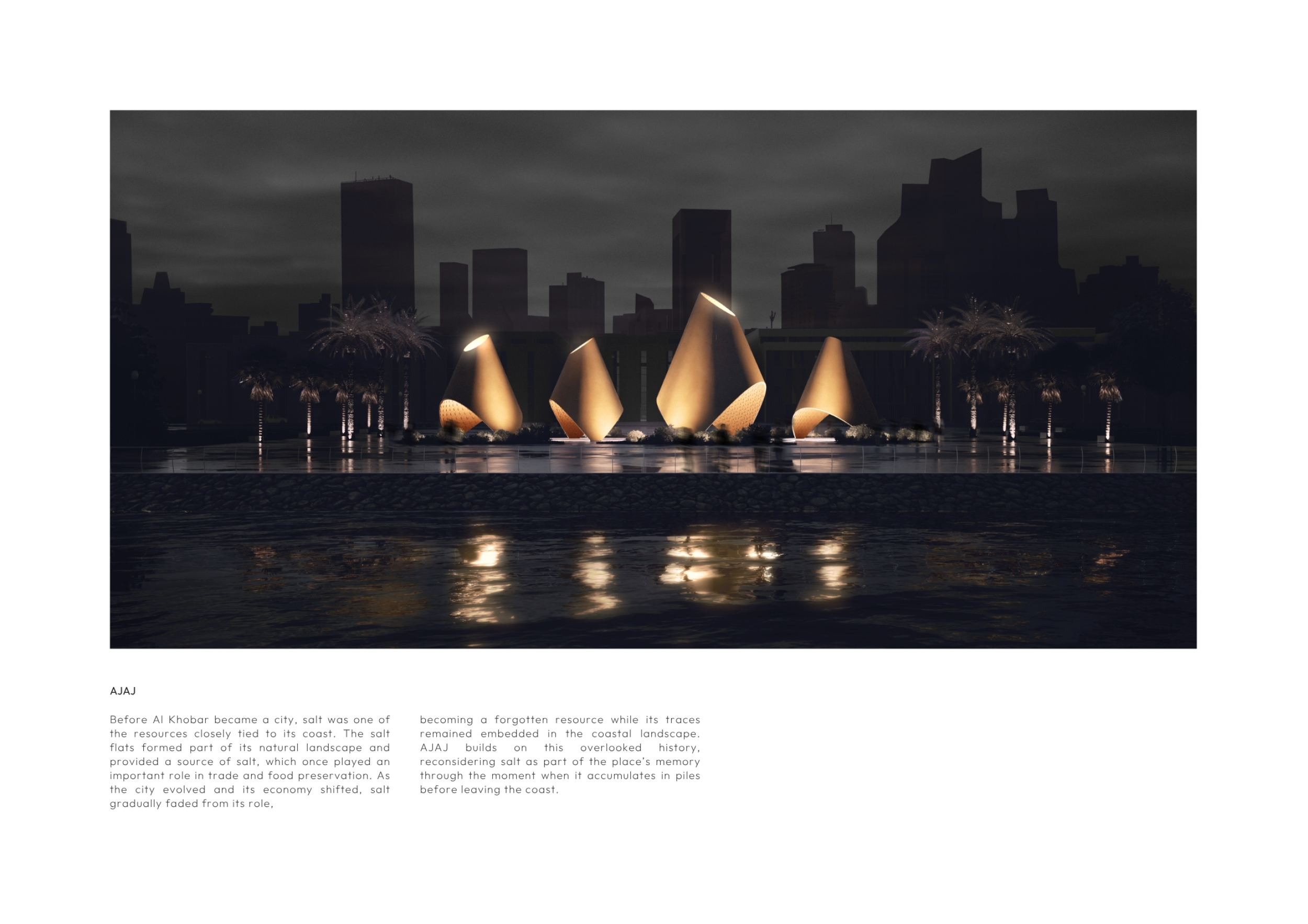
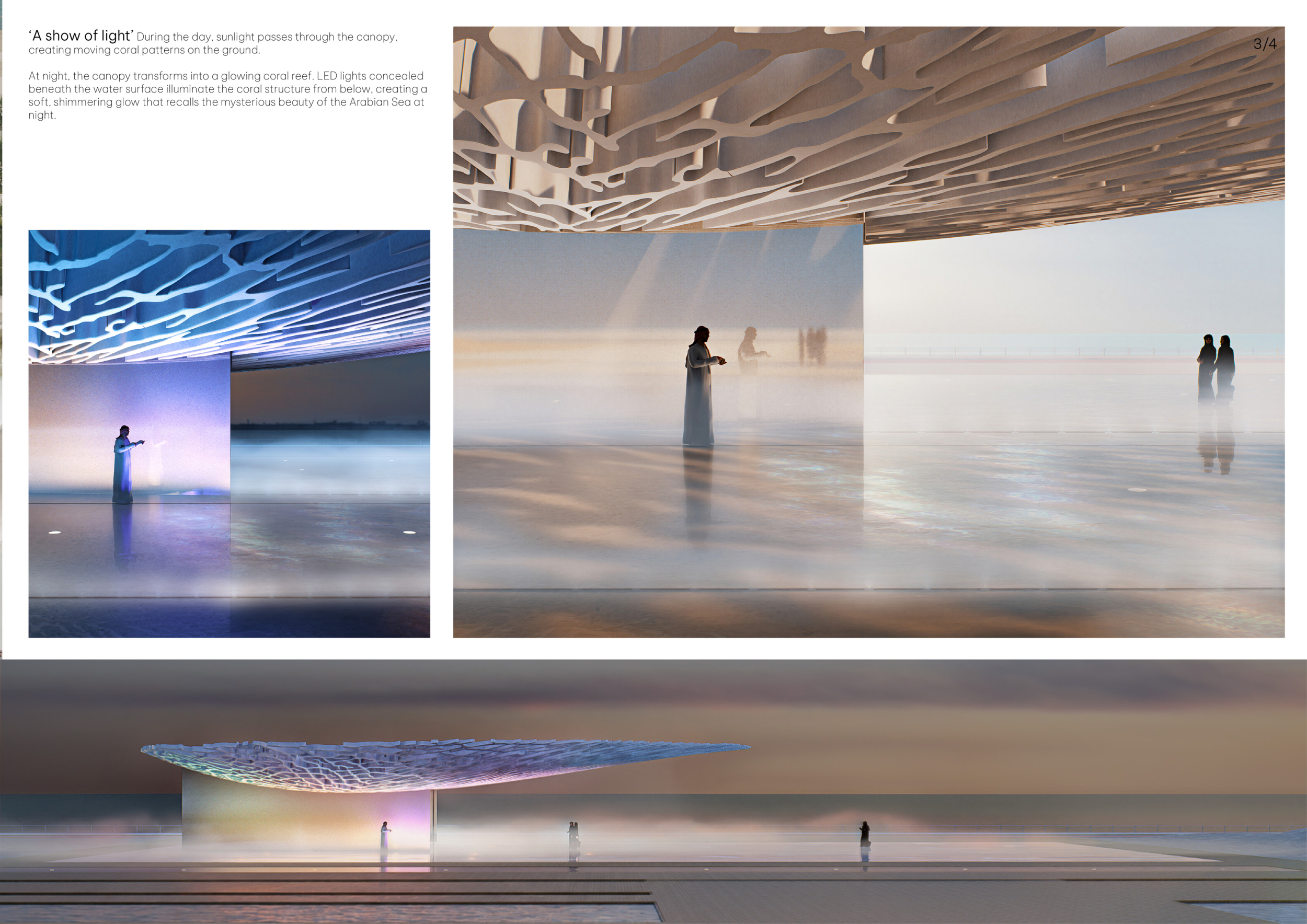
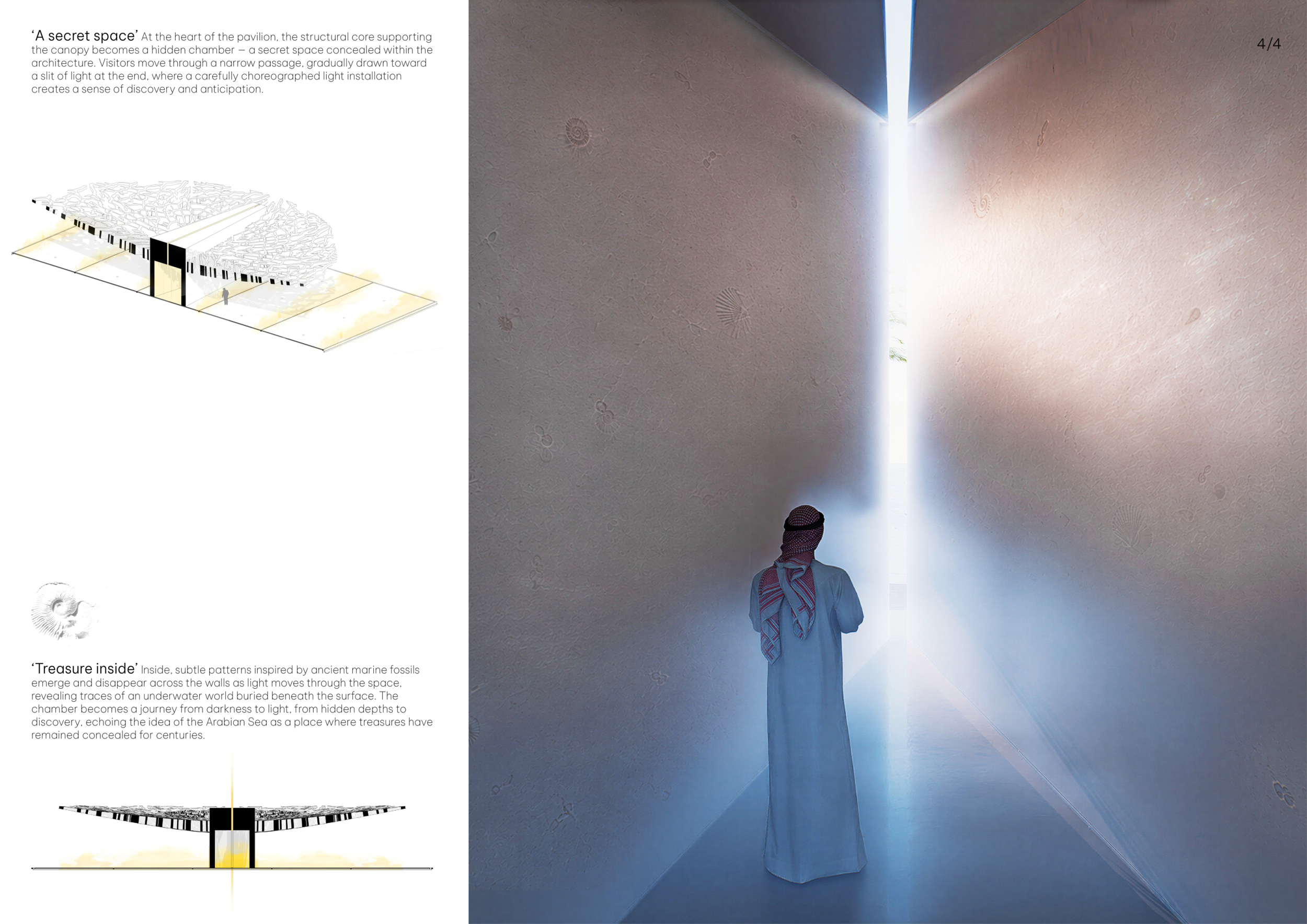

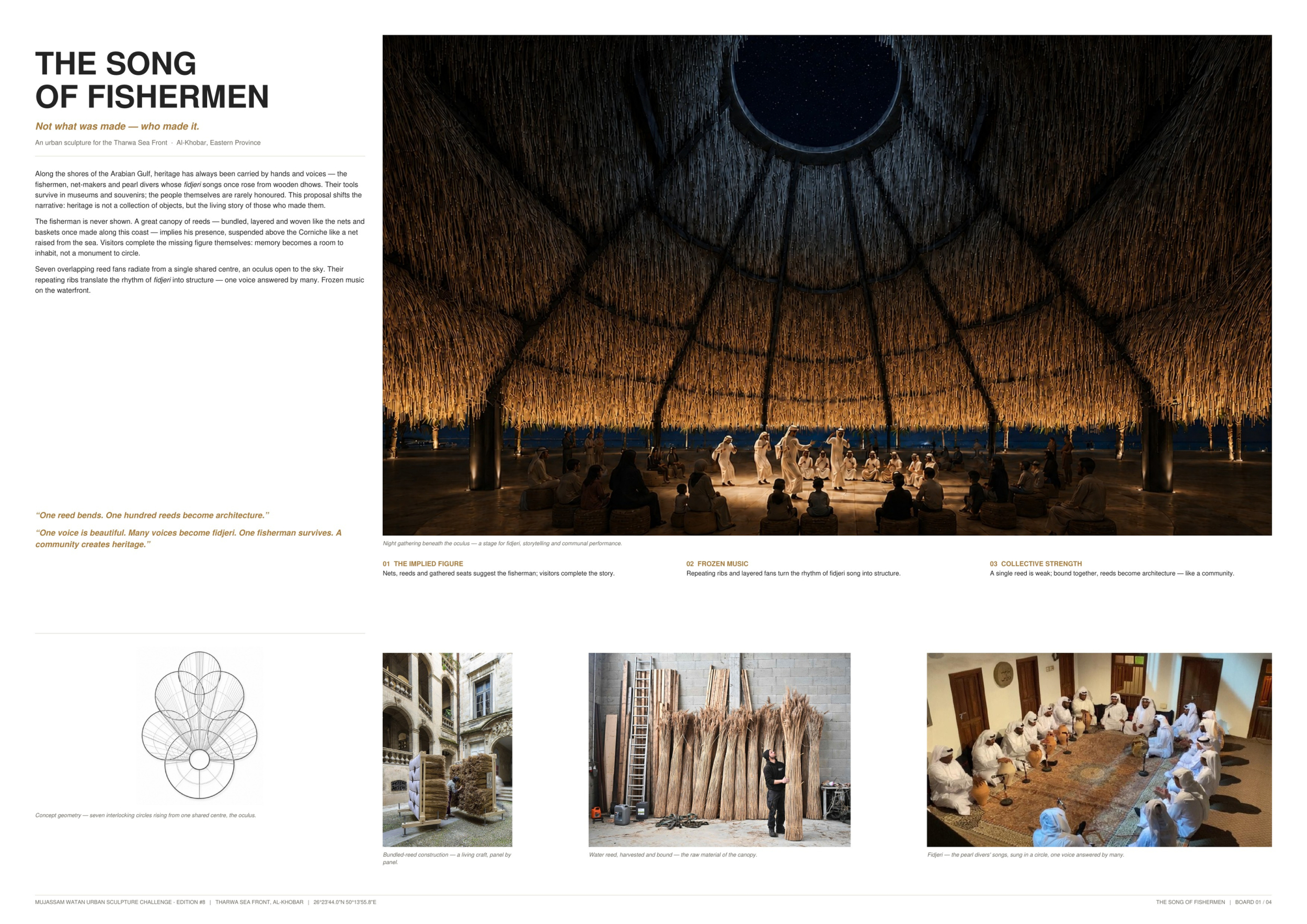

The Blue Threshold explores the meeting point between city and sea through two continuous curved surfaces that rise from the ground, turn around one another and meet along a central spine. Their changing orientation creates sheltered spaces and a passage framing the horizon, with different views emerging as visitors approach from the waterfront or the city. Read more Deep blue glazed tiles cover the sculpture, drawing on the architectural tradition of ceramic surfaces while responding to sunlight and reflections from the surrounding water. One surface extends toward a shallow reflecting basin, while the other rises like a sail, establishing a relationship between horizontal water and vertical form. The basin reflects fragments of the sculpture, sky and passing visitors. After dark, concealed lighting follows the central spine and washes across the tiled surfaces, while underwater illumination extends the composition into the pool.