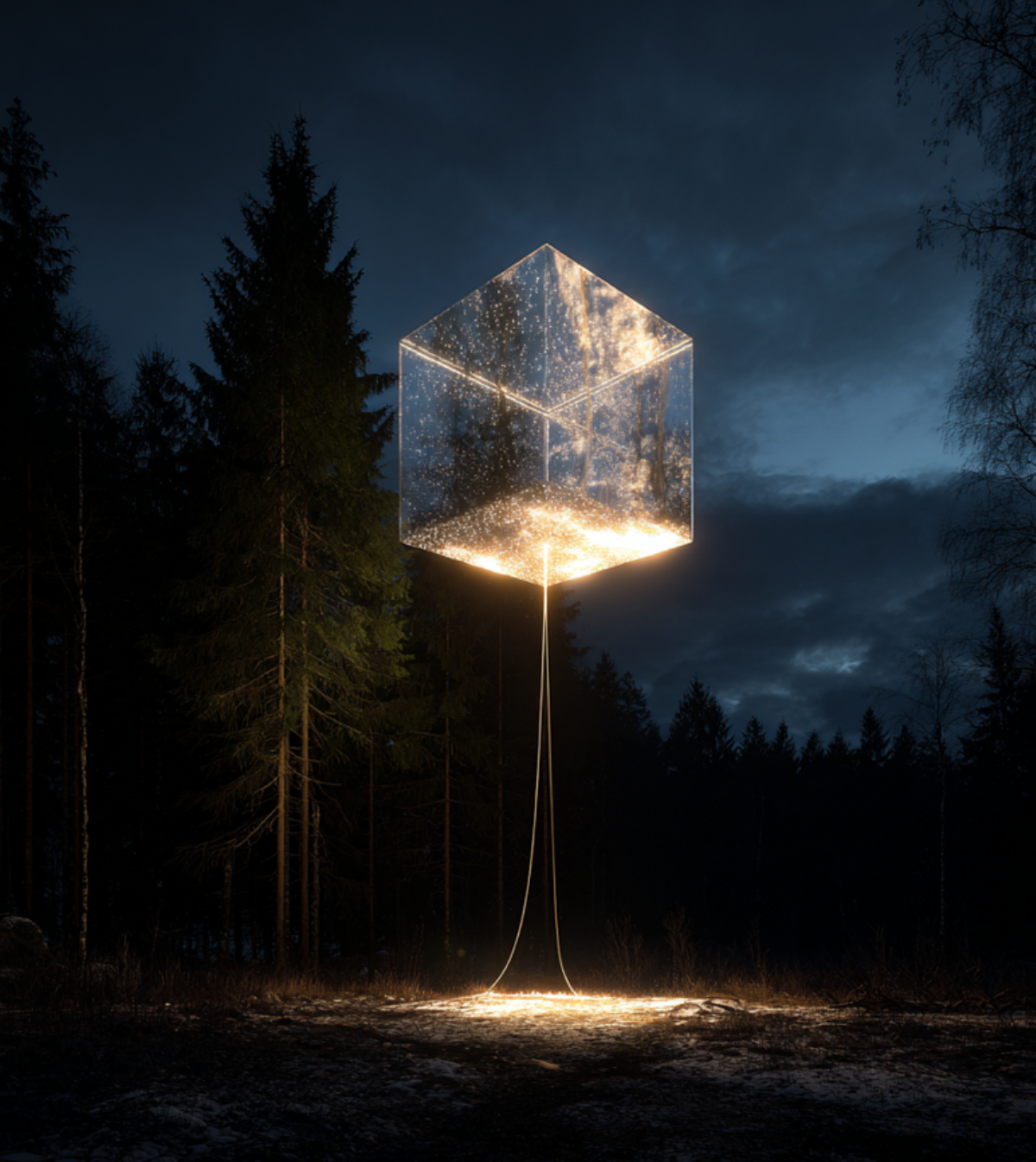
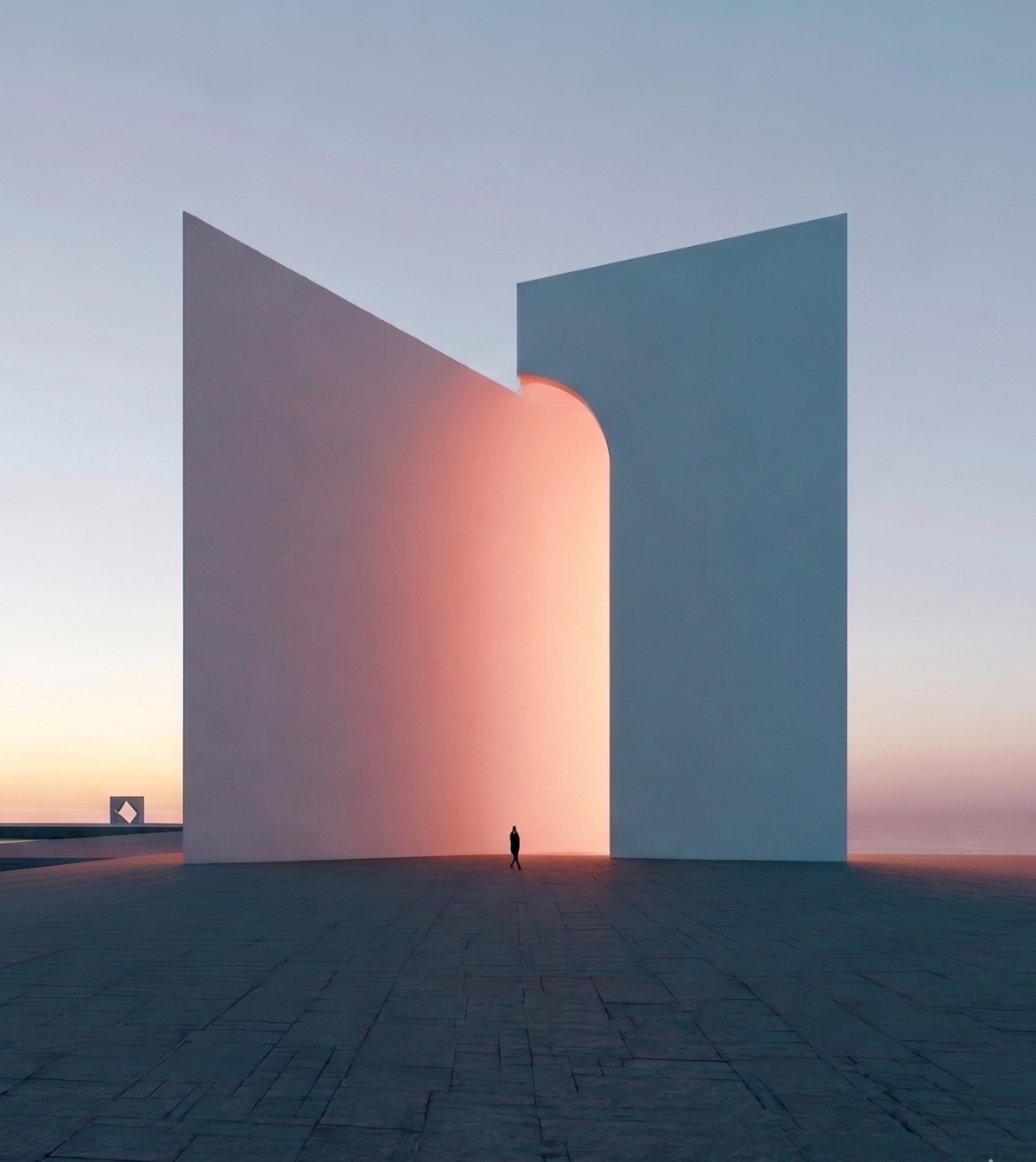
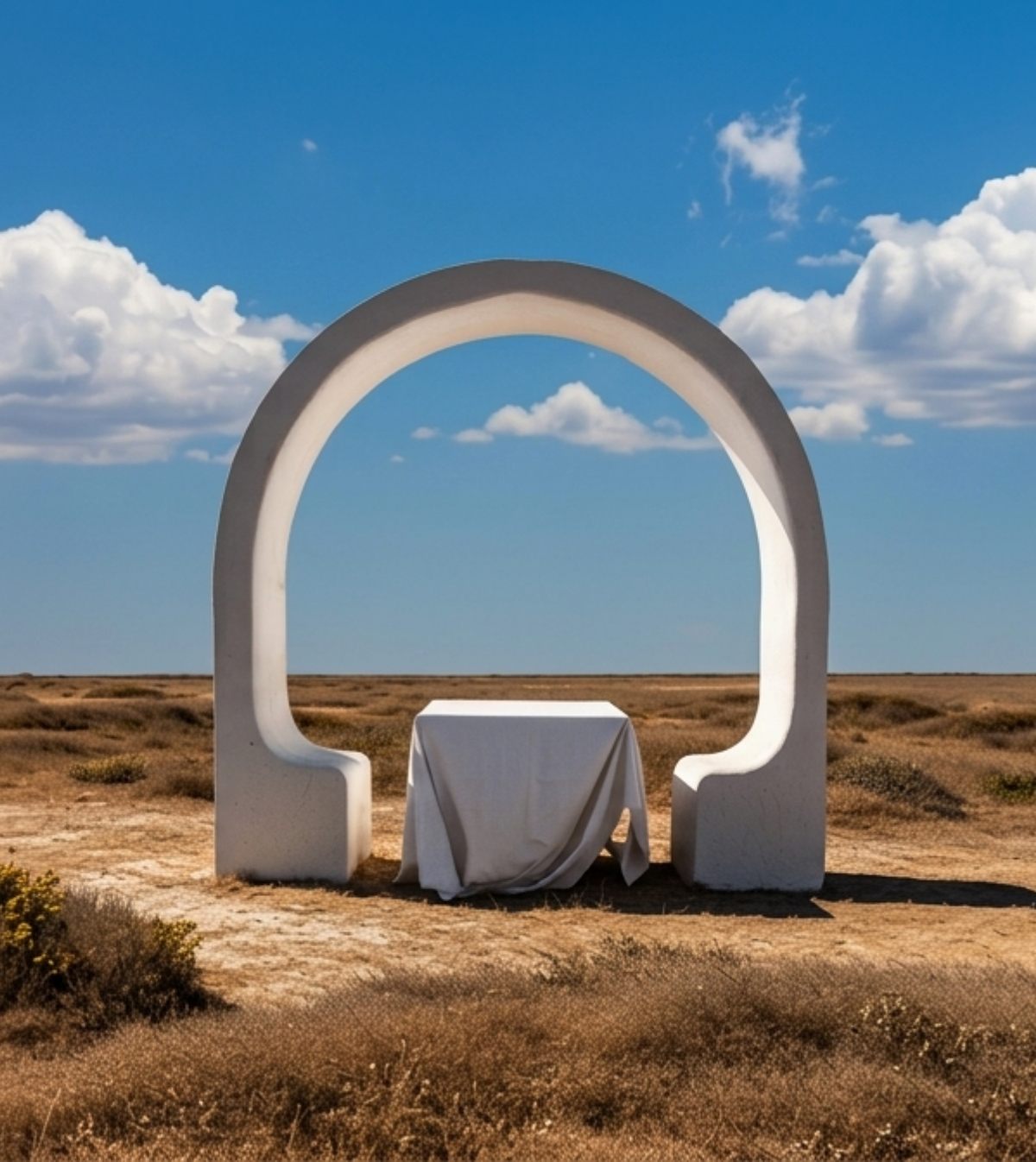
We’d like to take the opportunity to introduce you to the Honorable mention winner of our Rome Rain Rooms competition – Hongrun Che from Australia!

Hongrun Che from Australia
Please tell us about your company (when it was founded, where it is based, how many employees, etc) Alternatively, if you do not have a company, please give us some insights on your own professional/academia background.
I am an architectural designer with an architectural background spanning China, Australia, and the Netherlands. I hold a Bachelor of Architecture from China and a Master of Architecture from the University of Melbourne, and have experience in architectural practice, design research, and university- level tutoring. I currently work at an architectural practice based in Melbourne.
Brief information about the projects that you/your company have been involved with. For instance, what scale have you focused on/preferred, any significant projects where the company/ individuals have been Involved?
My focus is on microclimate and the interaction between people and the visible and invisible aspects of the environment. I am interested in how subtle moments in nature — a drop of rain on a leaf, tree shadows shifting in the breeze, or changes in light and air — can create unexpected and meaningful experiences. I seek to capture these moments of natural serendipity and bring them into our everyday environments and architecture, creating spaces that encourage people to notice, interact with, and reconnect with the living environment around them.
What does architecture mean to you and what is the role of an architect in your society?
My paper architecture is a way of sharing what I see and care about in the world. It gives me the freedom to imagine and dream — not only as a form of personal expression, but also as a way of thinking about how I can contribute to others. In practice, however, being an architect is not an easy path. Many enter the profession with genuine ambition and idealism, but that vision can easily get lost under the pressures of business and deadlines. I believe part of the architect’s role in society is to hold onto that original sense of purpose, and to keep pushing for design that serves people and place, even within these constraints.
Why do you participate in architecture competitions?
I have always been deeply fascinated by nature, its creativity, and human imagination, and I believe they are essential to finding meaning in life. I nurtured this curiosity during my university years while studying architecture, and it is something I definitely do not want to lose as I grow older and become more immersed in professional life. Architecture competitions are a form of continued learning that I intentionally chose after graduation. They give me the opportunity to keep imagining, experimenting, and exploring ideas freely—and to hold on to that sense of curiosity and creativity beyond everyday practice.
What advice would you give to individuals who struggle to decide whether it would be beneficial for them to participate in architecture competitions?
In many cases, paying for an architecture competition is more worthwhile than paying for a learning course. Producing something is often the best way to grow — through doing, testing, making mistakes, and pushing your ideas further. Design competitions are subjective, and there is no single ultimate answer. Choose a topic you are genuinely interested in and take it as an opportunity to explore, push your creativity, and see how far you can go. Make something you genuinely like, rather than trying to make something you think the jury might like. Even if you don't win, what you create and learn can stay with you longer than the result itself. A deadline can be stressful, but it is also one of the best motivations to actually finish something, especially if you are a perfectionist or tend to procrastinate. Join early or join with friends to save a bit on the entry fee.
Top 3 Reasons Why You Should Enter Architecture Competitions
Curious about the value of architecture competitions? Discover the transformative power they can have on your career - from igniting creativity and turning designs into reality, to gaining international recognition.
Learn more