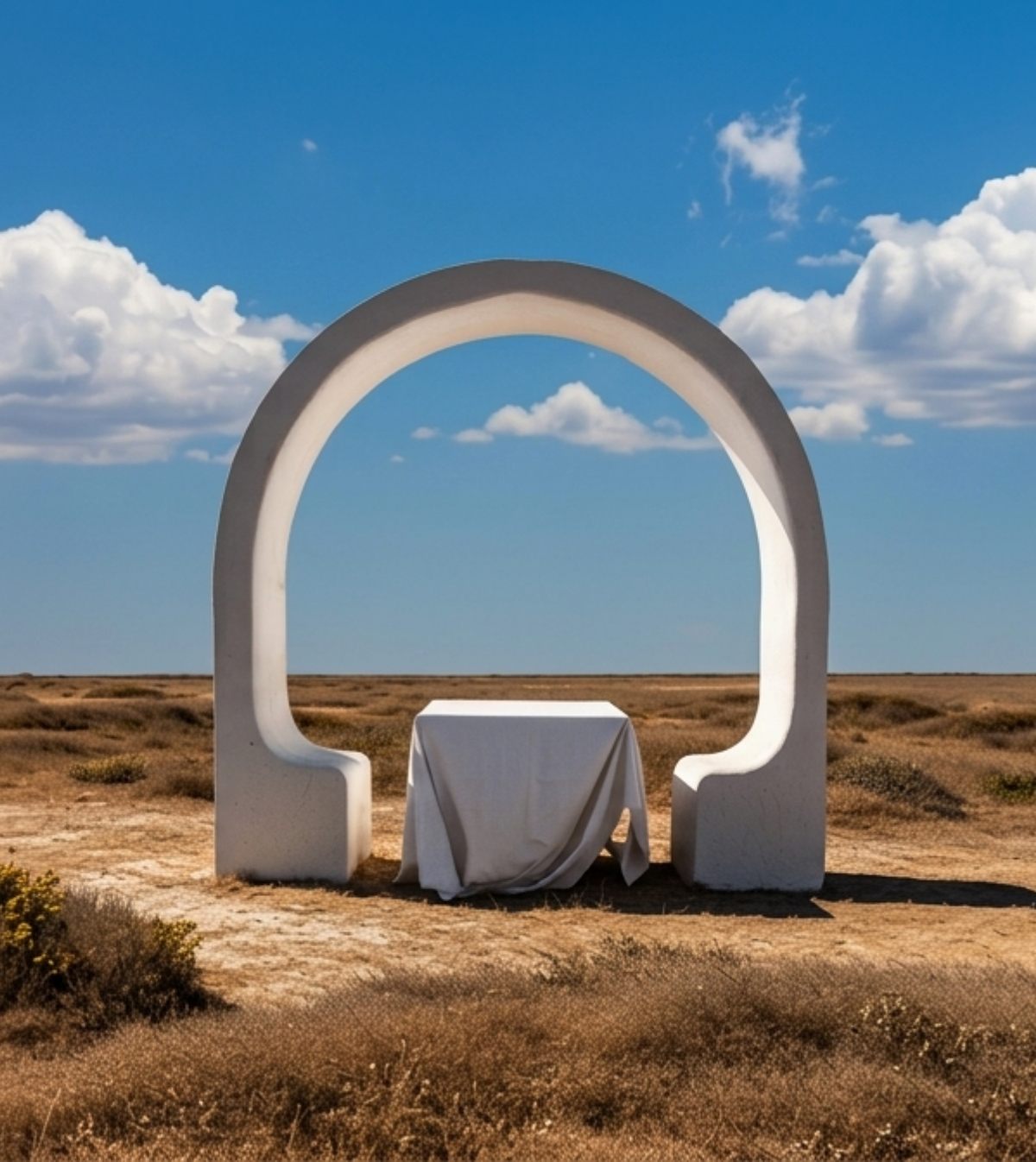
We’d like to take the opportunity to introduce you to the Honorable mention winners of our Rome Rain Rooms competition – Alexandra Maria Afrasinei and Andreea Elena Istrate from Italy!
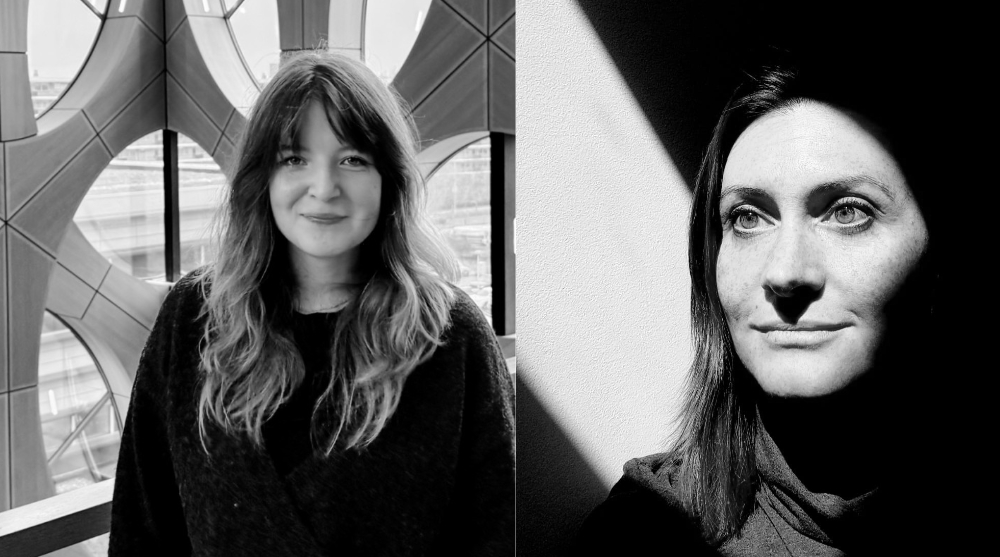
Alexandra Maria Afrasinei and Andreea Elena Istrate from Italy
Please tell us about your company (when it was founded, where it is based, how many employees, etc) Alternatively, if you do not have a company, please give us some insights on your own professional/academia background.
A Contemporary Impluvium was developed as a collaborative project between Alexandra-Maria Afrăsinei and Andreea Elena Istrate, bringing together listening to and reading a place, the discovery of its genius loci, and the process of becoming. Alexandra-Maria Afrăsinei is an architect and lecturer at the Ion Mincu University of Architecture and Urbanism in Bucharest, as well as a collaborator at Sapienza University of Rome. Her work combines architectural theory, research, design practice and teaching, with a particular interest in reading the city and landscape as interconnected fields of architectural intervention. Andreea Elena Istrate is an architect and PhD candidate at the Doctoral School of Architecture, UAUIM Bucharest. Her work focuses on contemporary operative methods of reading cities, exploring how observation, mapping and interpretation can inform architectural interventions within existing urban contexts.
Brief information about the projects that you/your company have been involved with. For instance, what scale have you focused on/preferred, any significant projects where the company/ individuals have been Involved?
Beyond our individual architectural and research projects, our work encompasses different scales and fields of architectural investigation. A recurring focus of our work is the reading of the city and landscape, where the architectural object and the urban texture are considered together, allowing the context to become an active component of the project rather than simply its background. Our projects and research address various physical, natural, urban and social contexts, with particular attention to peripheral areas, disadvantaged communities and questions of dwelling, identity and the relationship between place and time. This approach extends from the urban fabric and landscape to the architectural object and the smaller-scale spatial intervention, while maintaining a strong interest in context, materiality, perception and the processes through which places acquire meaning.
What does architecture mean to you and what is the role of an architect in your society?
For us, architecture is a way of understanding and transforming the conditions of a place. It begins with looking beyond its visible and physical dimension, seeking the relationships, meanings and layers of time that give a place its particular character. Architecture is therefore not simply the production of form, but a process through which the tangible and the intangible can meet and acquire spatial expression. The role of the architect is, in this sense, both interpretative and transformative. It involves observing, questioning and connecting different layers of reality, while remaining attentive to the ways in which people inhabit and experience places. We believe architecture can reveal relationships that are already present, establish new ones, and create the conditions for a deeper sense of inhabitation and belonging.
Why do you participate in architecture competitions?
Architecture competitions offer us a valuable space for experimentation, where research and design can come together around a specific place, question or programme. They allow us to investigate an idea through the act of designing, to test relationships between context, space, material and use, and to explore architectural possibilities. In this sense, the competition becomes not only a way of proposing a project, but also a way of thinking through architecture.
What advice would you give to individuals who struggle to decide whether it would be beneficial for them to participate in architecture competitions?
We would suggest participating when the question behind the competition genuinely interests you. Not every competition needs to become a winning project to be valuable; instead, the process itself can be an opportunity to research, develop or experiment with an idea. We believe that approaching the process with sensitivity and openness allows its own sense of discovery and joy to emerge.
Top 3 Reasons Why You Should Enter Architecture Competitions
Curious about the value of architecture competitions? Discover the transformative power they can have on your career - from igniting creativity and turning designs into reality, to gaining international recognition.
Learn more