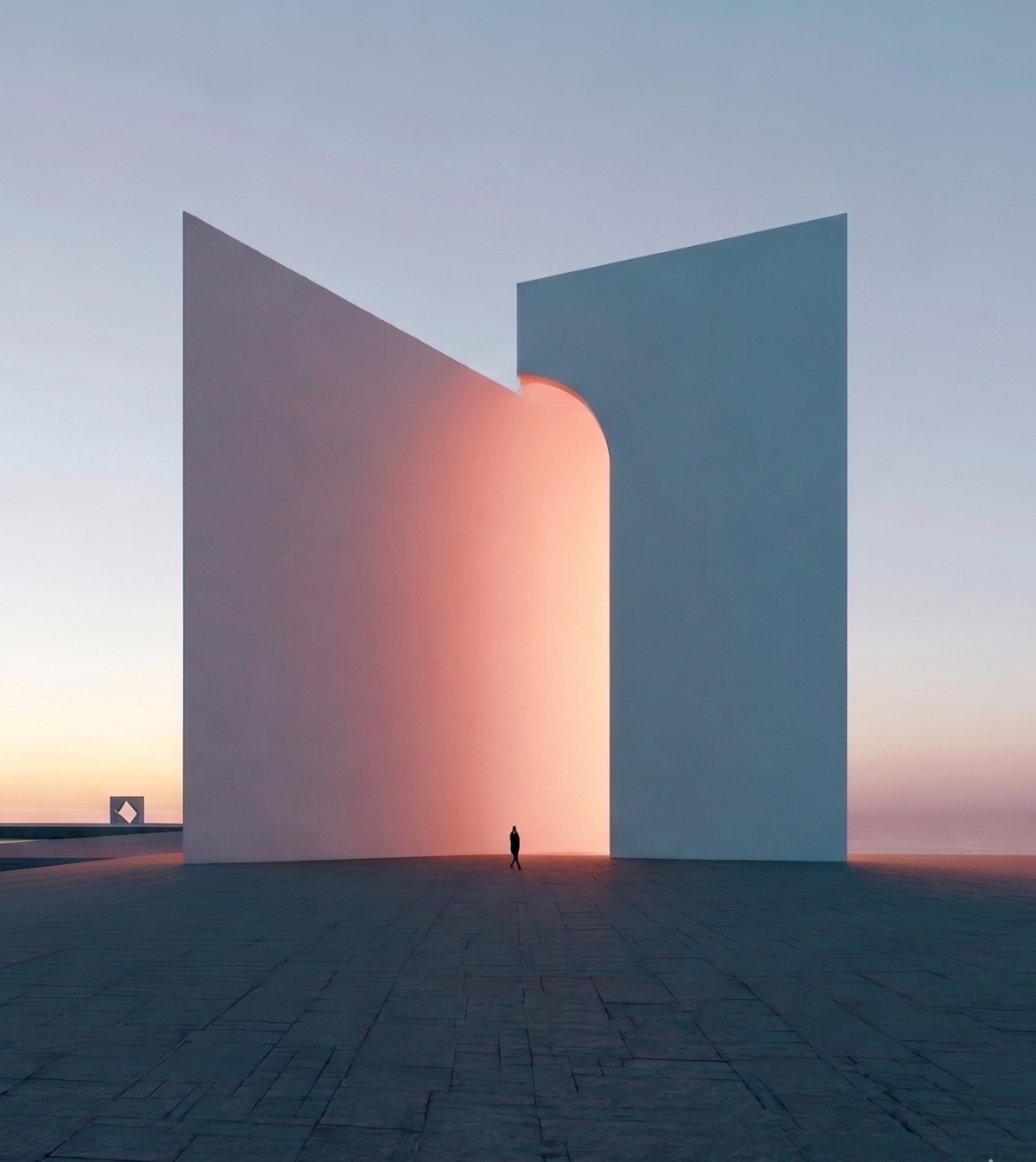
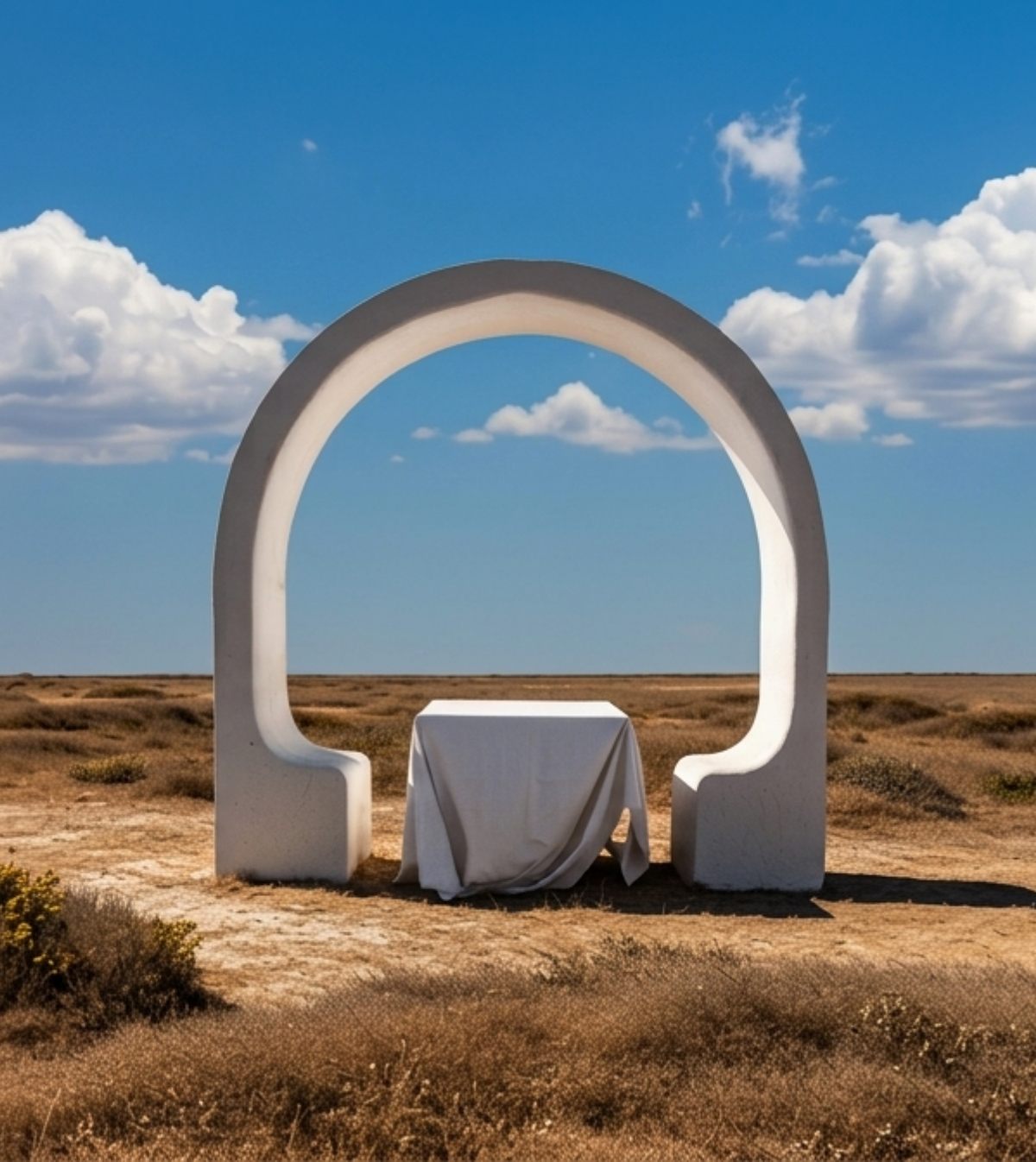
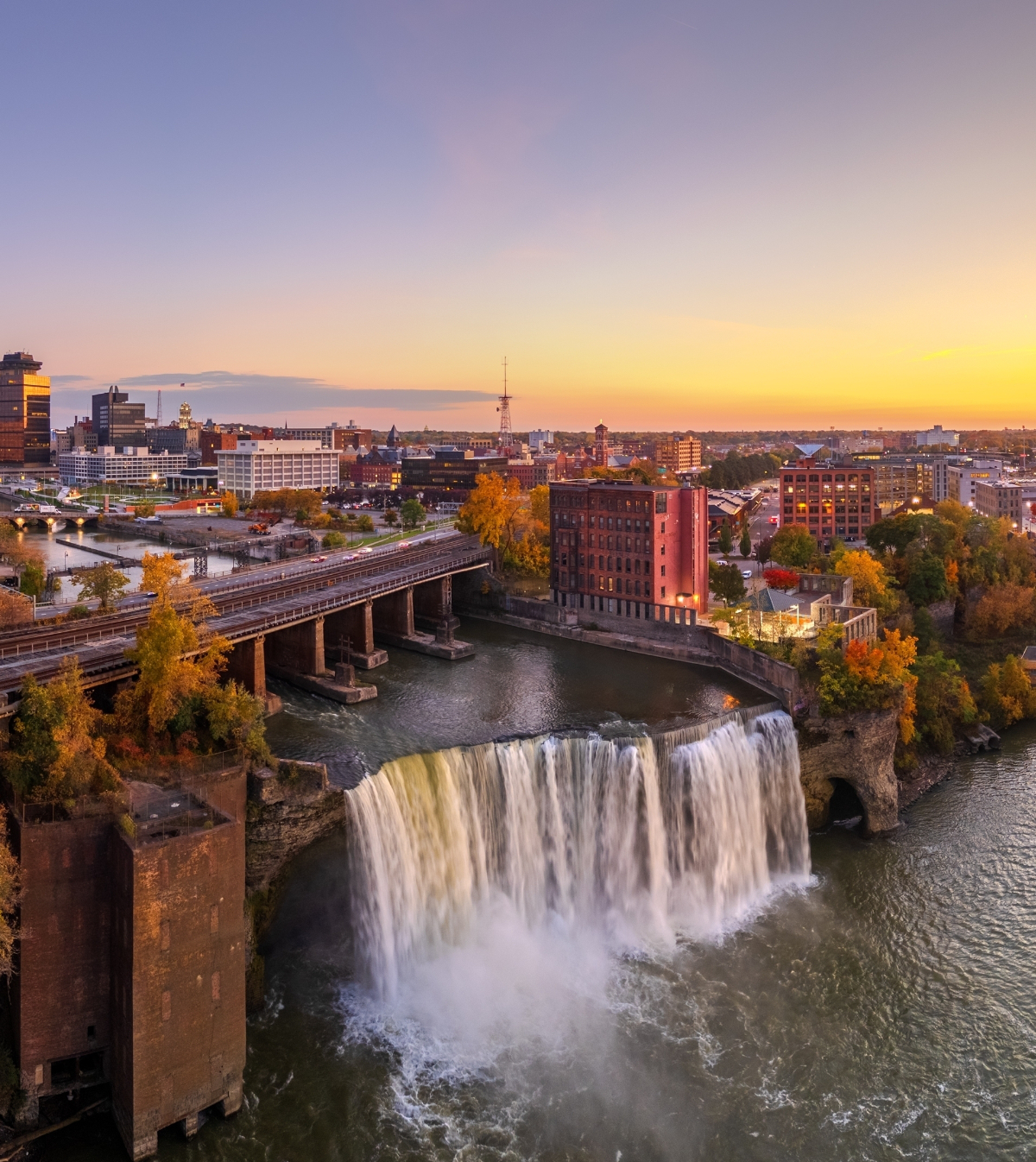
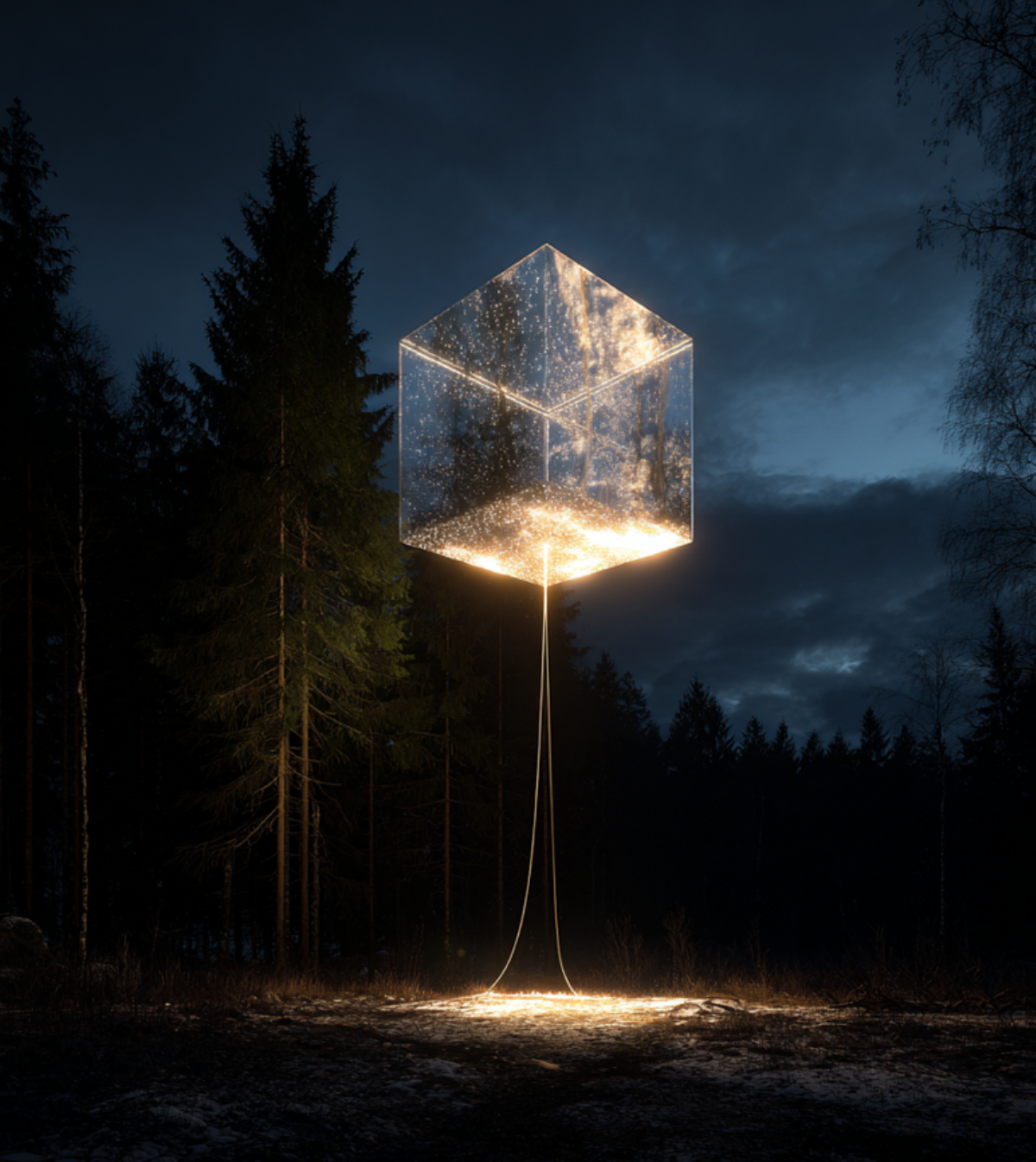
We’d like to take the opportunity to introduce you to the Honorable mention winner of our Museum of Emotions #8 competition – Luis Johannes Meyer, Angela Bianca Ballheimer and Sophie Maria Rodriguez Schurer from Austria!
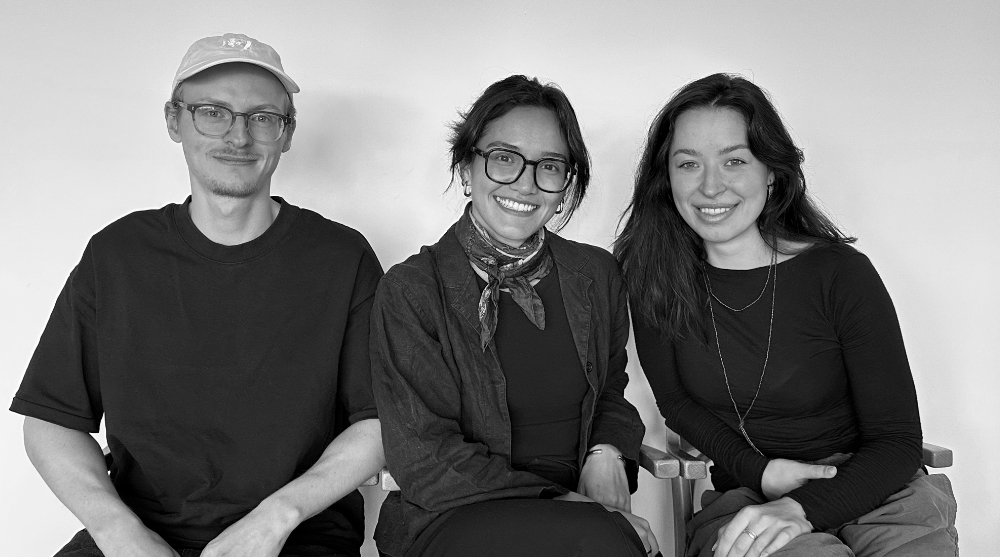
Luis Johannes Meyer, Angela Bianca Ballheimer and Sophie Maria Rodriguez Schurer from Austria
Please tell us about your company (when it was founded, where it is based, how many employees, etc) Alternatively, if you do not have a company, please give us some insights on your own professional/academia background.
We are a team of three architecture students currently studying at the University of Innsbruck in Austria. All three of us are currently completing our Master’s degrees and working on our Master’s theses. We come from the same academic environment, but each of us has developed different interests and areas of expertise throughout our studies. We came together through our shared interst in exploring approaches to spatial design beyond conventional architectural practice.
Brief information about the projects that you/your company have been involved with. For instance, what scale have you focused on/preferred, any significant projects where the company/ individuals have been Involved?
Most of our experience so far comes from university projects, where we have worked across different scales, contexts and types of architecture. This has allowed us to explore very different approaches to spatial and architectural problems throughout our studies. Alongside university, all three of us have gained professional experience in architectural practices, ranging from smaller offices to larger firms. We have also worked independently in related fields such as scenography, stage design and exhibition design. These experiences have influenced how we approach architecture, especially in terms of atmosphere, material, movement and the way people experience and interact with space.
What does architecture mean to you and what is the role of an architect in your society?
For us, architecture is about shaping the three-dimensional space in which both individual and collective life takes place. We think this comes with a huge responsibility, even though we are probably still learning to fully understand what that responsibility means. Architecture is often strongly influenced by economic, political and functional requirements. Because of this, it can easily be reduced to something purely practical or measurable - an object that simply has to fulfil a certain function within certain constraints. At the same time, we think architecture can be much more than that. The spaces around us influence how we move, interact, think and ultimately how we live together. For us, the role of the architect is therefore not only to solve functional or spatial problems. It is also about questioning the conditions in which architecture is produced and thinking about what kind of social impact a space can have.
Why do you participate in architecture competitions?
We participate in competitions because none of us had much experience with the competition process before, and we wanted to experience it for ourselves. We like that competitions create a very specific working environment: there is a clear task, a fixed deadline and a set of constraints. At the same time, there is a lot of freedom in how you approach the problem and develop your own idea. Of course, the competitive aspect is part of the attraction. But we are equally interested in the process itself and in seeing how far we can develop an idea within a limited amount of time. For us, it is also a way to test different ways of working together and to see how we can turn an initial idea into a coherent architectural proposal.
What advice would you give to individuals who struggle to decide whether it would be beneficial for them to participate in architecture competitions?
We would simply recommend trying it at least once. You can read about competitions or hear about other people's experiences, but you only really understand what they involve once you have gone through the process yourself. A competition forces you to set priorities, make decisions and manage your time. You start with an idea and have to develop it into a complete proposal within a fixed period of time. Working as a team adds another layer, because different perspectives, skills and ways of working have to come together. You learn when to push an idea, when to compromise and how to make decisions together. And even if you don't win, the experience can still be valuable. It gives you a good understanding of how you work under pressure, how you develop ideas and how you turn an initial thought into a coherent architectural proposal.
Top 3 Reasons Why You Should Enter Architecture Competitions
Curious about the value of architecture competitions? Discover the transformative power they can have on your career - from igniting creativity and turning designs into reality, to gaining international recognition.
Learn more