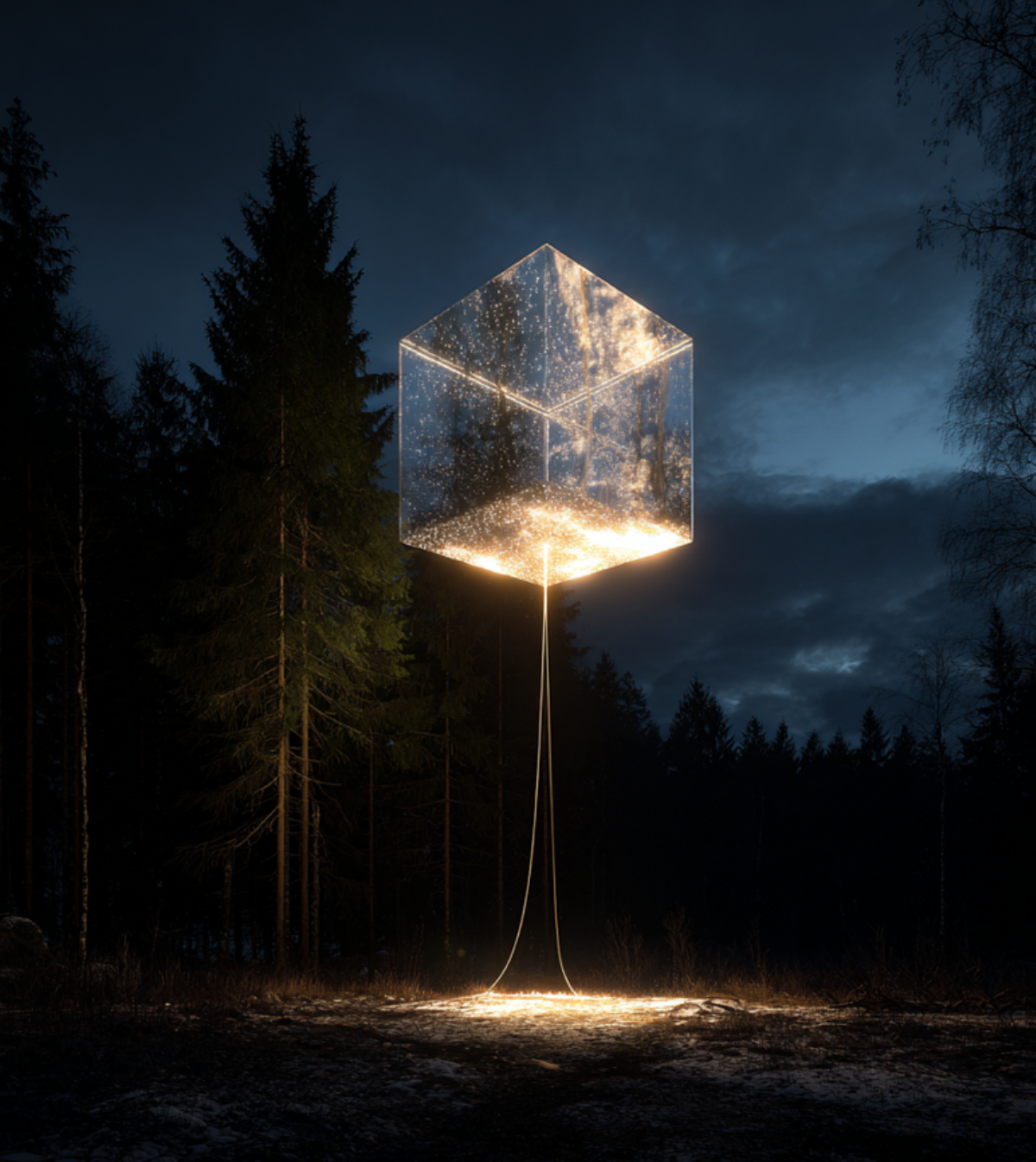
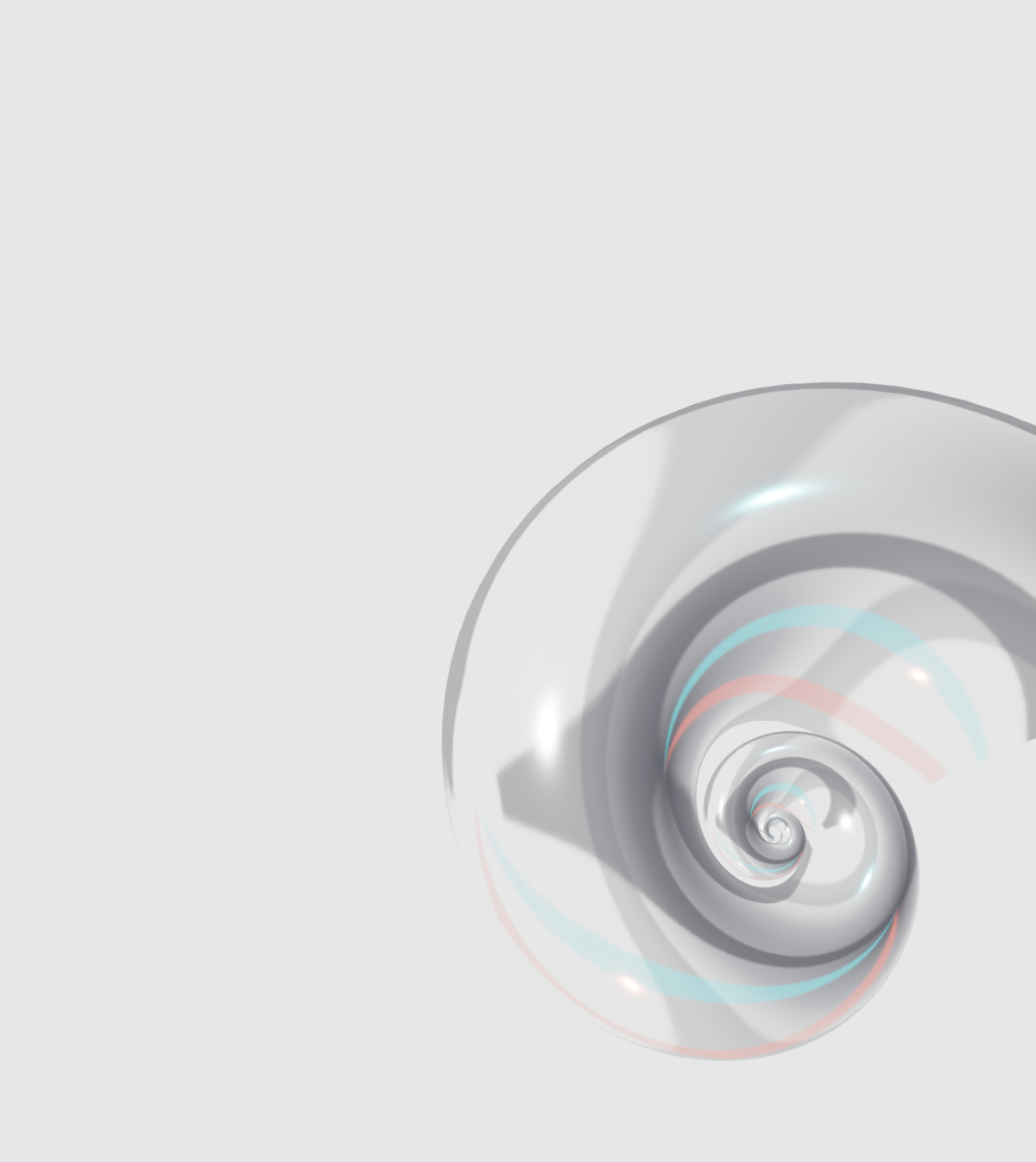
We’d like to take the opportunity to introduce you to the 1st Prize and Student Award winners of our Museum of Emotions #8 competition - Tal Ben Barak and Salma Bsul from Israel!
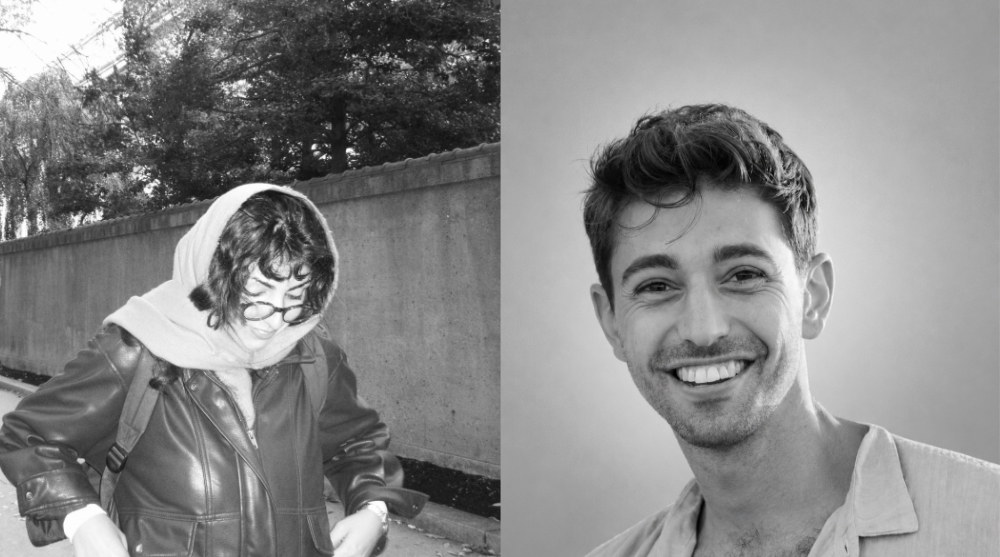
1st Prize and Student Award winners
Please tell us about your company (when it was founded, where it is based, how many employees, etc) Alternatively, if you do not have a company, please give us some insights on your own professional/academia background.
We are Salma Bsul and Tal Ben Barak, fourth-year architecture students at Tel Aviv University. We first met through our architecture studio at the university. Our studio instructor helped bring us together as design partners and encouraged us to take part in an architecture competition as a team. Tal is a Jewish Israeli and Salma is an Arab Muslim Israeli, and coming from different cultural and religious backgrounds naturally shaped the way we approached the collaboration. Through the process of developing The Loop Within together, we gradually got to know one another beyond the academic setting, and the collaboration grew into a close friendship. Working together taught us how much can emerge from exchanging different perspectives, questioning assumptions, and finding common ground through design. This experience became an important part of the project itself and strengthened our interest in architecture as a space for shared human experience.
Brief information about the projects that you/your company have been involved with. For instance, what scale have you focused on/preferred, any significant projects where the company/ individuals have been Involved?
As architecture students, most of our work so far has been developed within the academic studio environment at Tel Aviv University. Our studies have encouraged us to think about architecture not only as the design of buildings, but as a way of shaping relationships between people, space, movement, landscape, and experience. Museum Of Emotions is the first architecture competition we have ever submitted to. It gave us the opportunity to work together outside the regular academic framework and to develop a project independently from beginning to end. Instead of treating the museum as a container for exhibited objects, we imagined architecture itself as the exhibition, with light, darkness, water, sound, movement, and the human senses becoming the means through which emotion is experienced. The process also allowed us to develop a shared architectural language and gave us the confidence to continue exploring competitions as a platform for experimentation and collaboration.
What does architecture mean to you and what is the role of an architect in your society?
For us, architecture is fundamentally about human experience. Space can influence how we move, meet, remember, feel, and understand our surroundings. Architecture therefore has the ability to communicate without words and to create experiences that can be shared by people with very different backgrounds. Coming from two different communities within the same society has made us particularly aware of both difference and commonality. We believe architecture can acknowledge different identities while also creating moments in which those distinctions become less important. This idea became central to The Loop Within. The project focuses on experiences that are universal to human life — childhood, aging, vulnerability, fear, memory, loss, and acceptance — and allows each visitor to interpret them through their own personal memories, hopes, and fears. Project Description Project Description We see the role of the architect as not only solving functional problems, but creating conditions for encounter, reflection, empathy, and shared experience.
Why do you participate in architecture competitions?
Architecture competitions give us the freedom to explore ideas beyond the constraints of a conventional client or program. For The Loop Within, this meant exploring emotion and the cycle of human life through architecture — moving between openness and enclosure, light and darkness, joy, uncertainty, fear, and acceptance. Our collaboration was also an important part of the process. Coming from different cultural and religious backgrounds, we became interested not in emphasizing what separates us, but in exploring the experiences that ultimately make us alike. Competitions give us the freedom to test these ideas and develop our own architectural voice.
What advice would you give to individuals who struggle to decide whether it would be beneficial for them to participate in architecture competitions?
For us, the most meaningful part of the competition was not only the project itself, but the relationship that grew through the process. We began as two students who were encouraged to work together, and through the long hours of designing, discussing, disagreeing, and making decisions together, we got to know each other deeply and became close friends. So our advice would be to see competitions not only as a professional opportunity, but also as a chance to meet people, build meaningful collaborations, and create relationships that can become just as valuable as the final project.
Top 3 Reasons Why You Should Enter Architecture Competitions
Curious about the value of architecture competitions? Discover the transformative power they can have on your career - from igniting creativity and turning designs into reality, to gaining international recognition.
Learn more