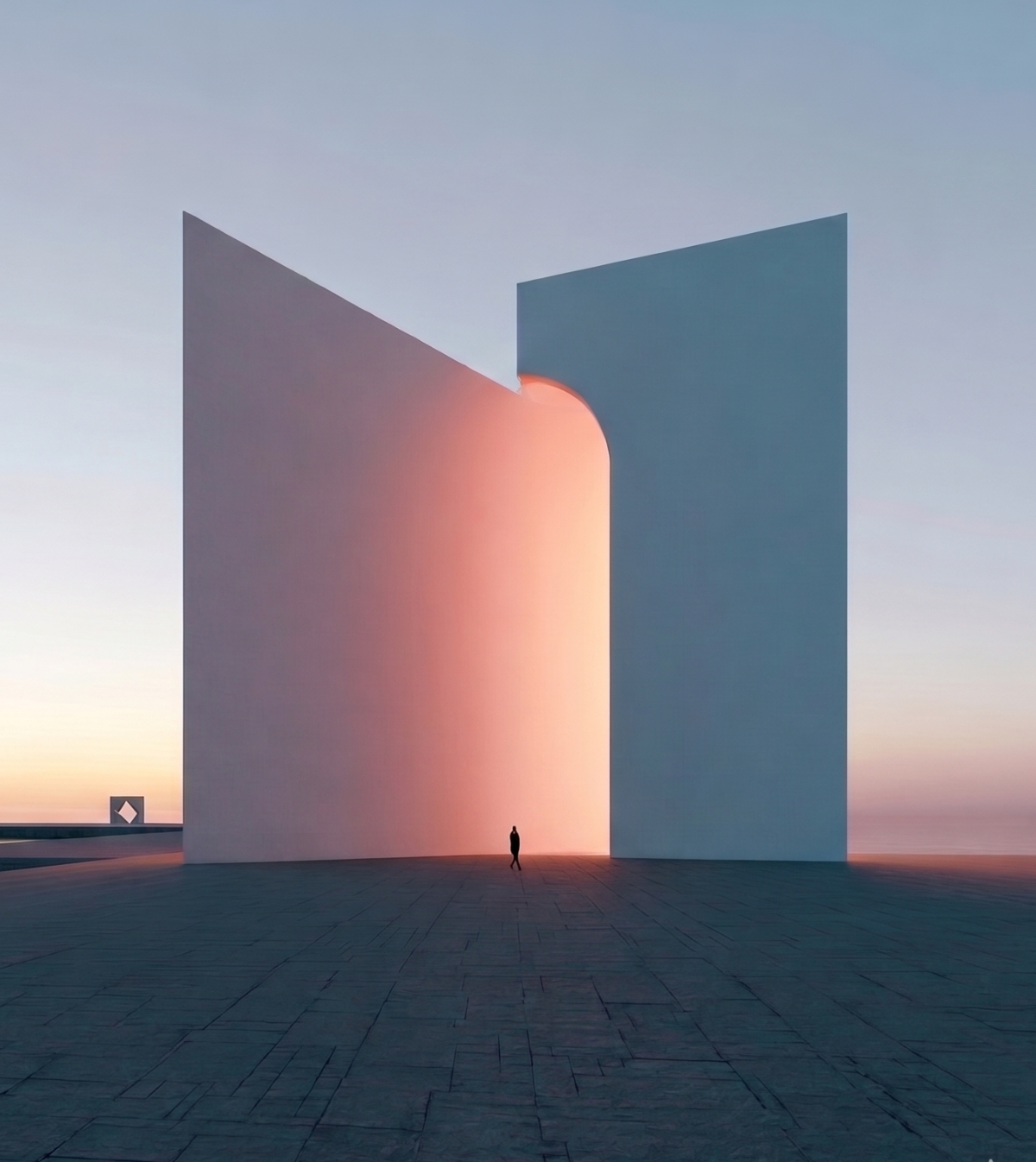
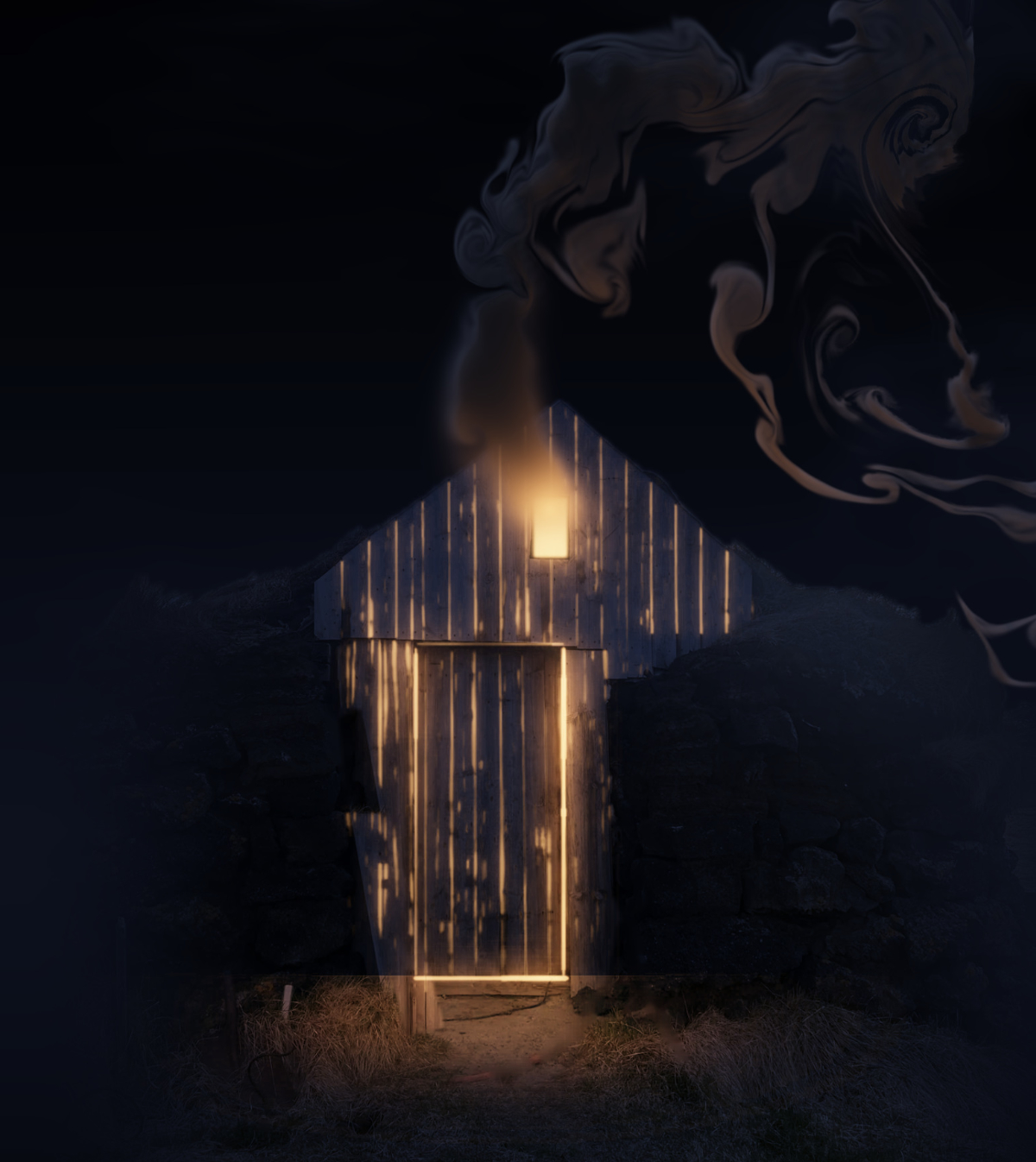
We’d like to take the opportunity to introduce you to the 3rd prize winners of our Underbridge #2 competition - Ayorinde Fadayiro and Adeoluwa Abolaji Fadayiro from United Kingdom!
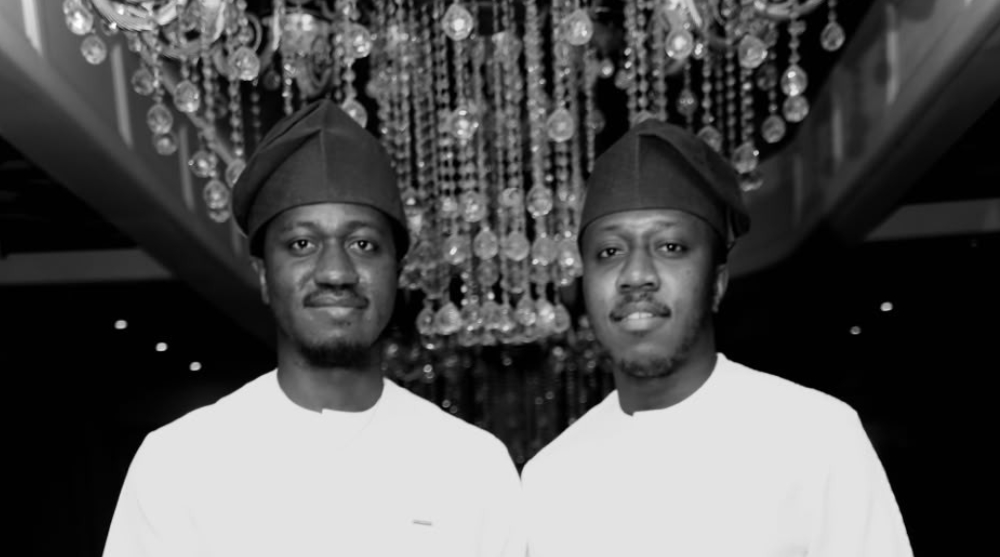
Ayorinde Fadayiro and Adeoluwa Abolaji Fadayiro from United Kingdom
Please tell us about your company (when it was founded, where it is based, how many employees, etc) Alternatively, if you do not have a company, please give us some insights on your own professional/academia background.
We are two Nigerian designers based in the UK, working together on Independent projects and competitions. Both of us took our first degrees in architecture in Nigeria and worked in practice there. One of us completed a master’s at the Architectural Association’s Design Research Laboratory in London this year; the other is currently completing a master’s at the University of Portsmouth. Nigeria is still where most of our interest sits: the pressure on housing in fast-growing African cities, and how settlements get made when formal provision never reaches the people who need it. The DRL’s work on generative and rule-based design has shaped how we work; we tend to build a project from a rule that can repeat and grow, rather than from a fixed composition. We use competitions as the place to test ideas that practice does not often make room for.
Brief information about the projects that you/your company have been involved with. For instance, what scale have you focused on/preferred, any significant projects where the company/ individuals have been Involved?
Our work ranges from individual public buildings; a community centre, a museum, a school to housing at settlement scale, which is where our interest keeps returning. What draws us to that scale is that the unit of design stops being a single building and becomes a repeatable piece that aggregates into something larger. A consistent thread across the work is an interest in vernacular building traditions and in community involvement: the way people already build, and their part in deciding what gets built. That comes directly out of working in Nigeria.
What does architecture mean to you and what is the role of an architect in your society?
Architecture, for us, is not a finished object. A building is handed over and then it keeps changing; people extend it, divide it, repair it, use it for things it was never meant for. We would rather design for that than against it. That shapes how we work at every scale. In a school or a museum it means a structure that can be reorganised without being rebuilt. In housing it means a unit a family can add to when they can afford to. We tend to design a rule that can repeat and grow, and let the particular building come out of it. In Nigeria the architect’s role is more pointed. There is no shortage of architects, but the people who most need housing are almost never the ones who can hire one. They build for themselves, and they build resourcefully. What they lack is not skill, it is secure ground, clean water, somewhere for waste to go, and some reason to believe that what they build will not be knocked down. So much of the job is to provide those conditions rather than the building itself, and sometimes simply to argue: to show, in drawings, that there is another way. Architecture, for us, is less about authorship than about what lasts. Building is the part people can do for themselves. Staying is the part they cannot do alone.
Why do you participate in architecture competitions?
Competitions let us choose the question. Some questions worth asking have no client behind them; a competition is one of the few places to work on them, and to put the result in front of people who might act on it.
What advice would you give to individuals who struggle to decide whether it would be beneficial for them to participate in architecture competitions?
Participate in competitions that ask a question you care about.
Top 3 Reasons Why You Should Enter Architecture Competitions
Curious about the value of architecture competitions? Discover the transformative power they can have on your career - from igniting creativity and turning designs into reality, to gaining international recognition.
Learn more