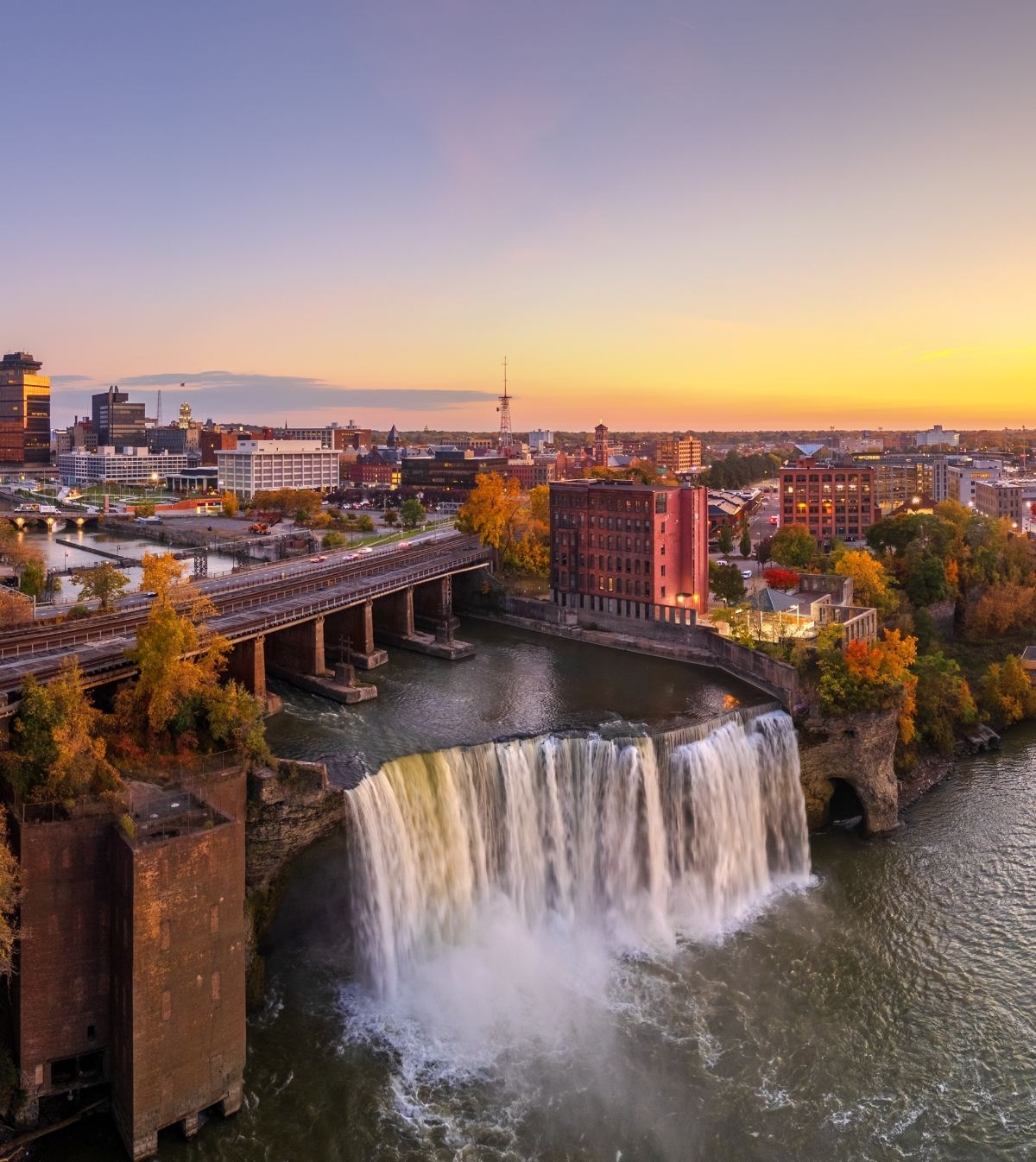
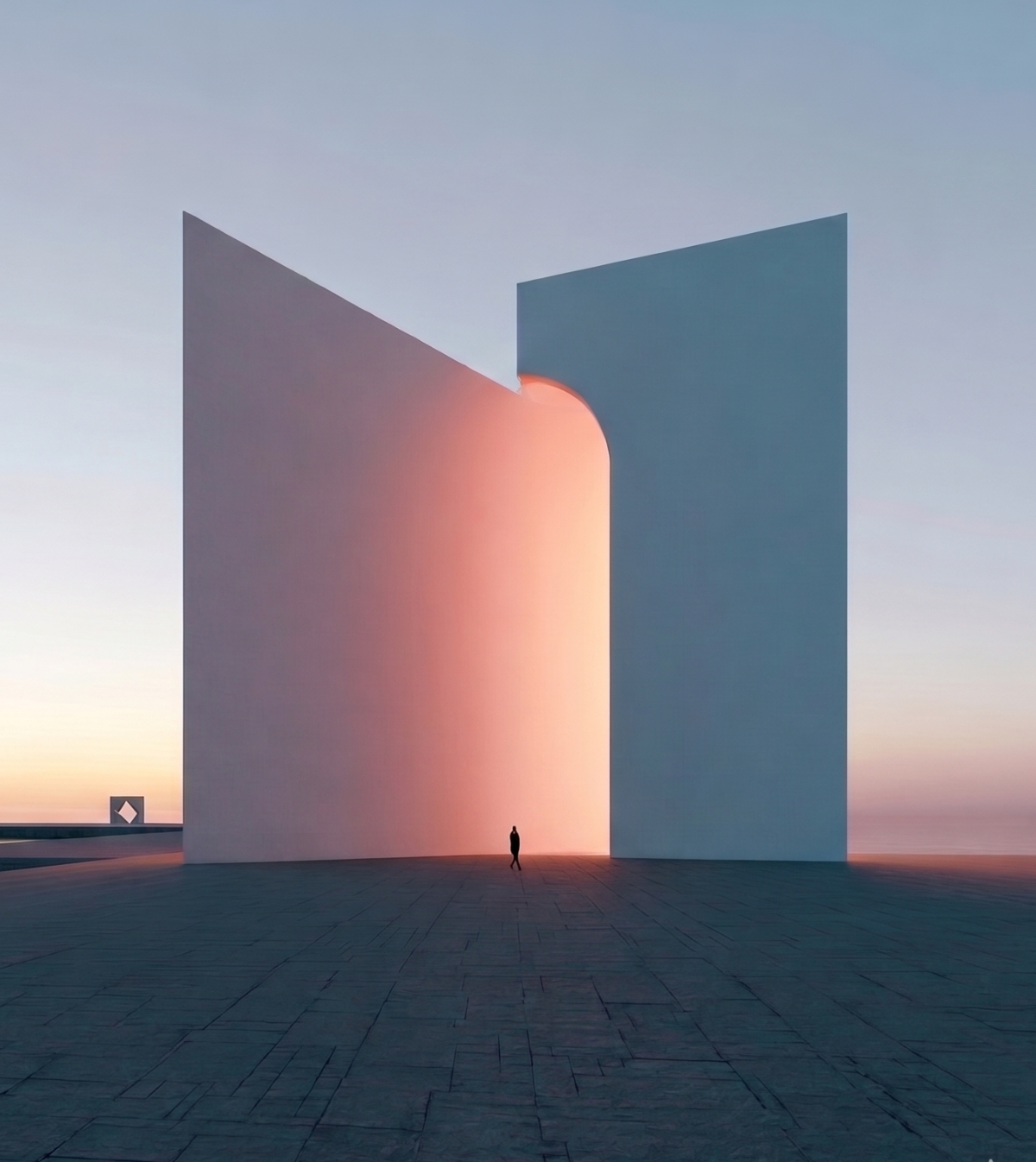
We’d like to take the opportunity to introduce you to the Honorable mention winner of our Underbridge #2 competition - Ashley Lane from United Kingdom!

Ashley Lane from United Kingdom
Please tell us about your company (when it was founded, where it is based, how many employees, etc) Alternatively, if you do not have a company, please give us some insights on your own professional/academia background.
n-1 is an independent architectural think tank based in London and Australia and founded by Ashley Lane, an architect with a background in urban design and a degree in philosophy. The practice operates as a platform for research, design and speculation, exploring how architecture, infrastructure and urban systems can contribute to more resilient, equitable and sustainable cities. Rather than focusing solely on conventional commissions, n-1 investigates emerging challenges in housing, mobility, climate adaptation and public infrastructure through both built projects and speculative design proposals. The studio's work is driven by the belief that architecture should extend beyond individual buildings to address broader environmental, social, and civic questions. Through research-led design, n-1 seeks opportunities where architecture can create lasting public benefit while working sensitively with landscape and place.
Brief information about the projects that you/your company have been involved with. For instance, what scale have you focused on/preferred, any significant projects where the company/ individuals have been Involved?
The practice's work spans a range of scales, from private residential projects to large-scale urban and infrastructure proposals. Recent investigations include self-sufficient off-grid housing in regional Western Australia, a competition proposal for the historic Joseph Paxton Glass House site in London, and a concept for an international news media facility in St Georges Terrace, Perth. Across these varied projects, there is a consistent interest in the relationship between people, landscape, and infrastructure. The practice is particularly focused on low-rise medium-density housing, urban infill, transit-oriented development, active mobility networks, and public realm improvements. Our projects seek to demonstrate how architecture can act as a social framework that supports both environmental stewardship and community wellbeing. The Underbridge proposal continues this line of research by reimagining existing bridge infrastructure as a multi-layered public asset incorporating light rail, micromobility, pedestrian movement, retail opportunities, and affordable housing. The project transforms infrastructure that currently serves only vehicle traffic into a civic and social framework for the city.
What does architecture mean to you and what is the role of an architect in your society?
Architecture is the design of relationships: between people and place, built form and landscape, present needs, and future possibilities. It should not only provide shelter or accommodate functions but also improve the quality of daily life and strengthen social, environmental, and cultural connections. The role of the architect is therefore broader than that of a building designer. Architects should act as collaborators, facilitators, and advocates, helping communities imagine better futures while working responsibly within environmental limits. In a period defined by housing pressures, climate change and changing patterns of mobility, architects have a responsibility to question existing systems and propose alternatives that deliver long-term public value.
Why do you participate in architecture competitions?
Competitions provide a unique opportunity to test ideas that may not yet have a client, funding source, or formal brief. They create a space for experimentation and allow architects to engage with questions that conventional commissions often cannot accommodate. For our practice, competitions are an important form of research. They enable us to explore emerging challenges and investigate alternative futures for cities, infrastructure, and housing. Many of our most ambitious ideas originate in competitions because they encourage open-ended thinking and reward the strength of a concept rather than the constraints of a project delivery process.
What advice would you give to individuals who struggle to decide whether it would be beneficial for them to participate in architecture competitions?
Participate. Competitions offer a rare opportunity to develop your own architectural voice and test your ideas against an international audience. Unlike commissioned work, where many decisions are shaped by clients, budgets and regulations, competitions allow you to define the question as much as the answer. Even when a competition entry is unsuccessful, the value lies in the research, design thinking and critical reflection generated during the process. Competitions build confidence, develop technical and conceptual skills, expand professional networks, and can often lead to future opportunities that would not have emerged otherwise. The experience of pursuing an idea rigorously is itself worthwhile.
Top 3 Reasons Why You Should Enter Architecture Competitions
Curious about the value of architecture competitions? Discover the transformative power they can have on your career - from igniting creativity and turning designs into reality, to gaining international recognition.
Learn more