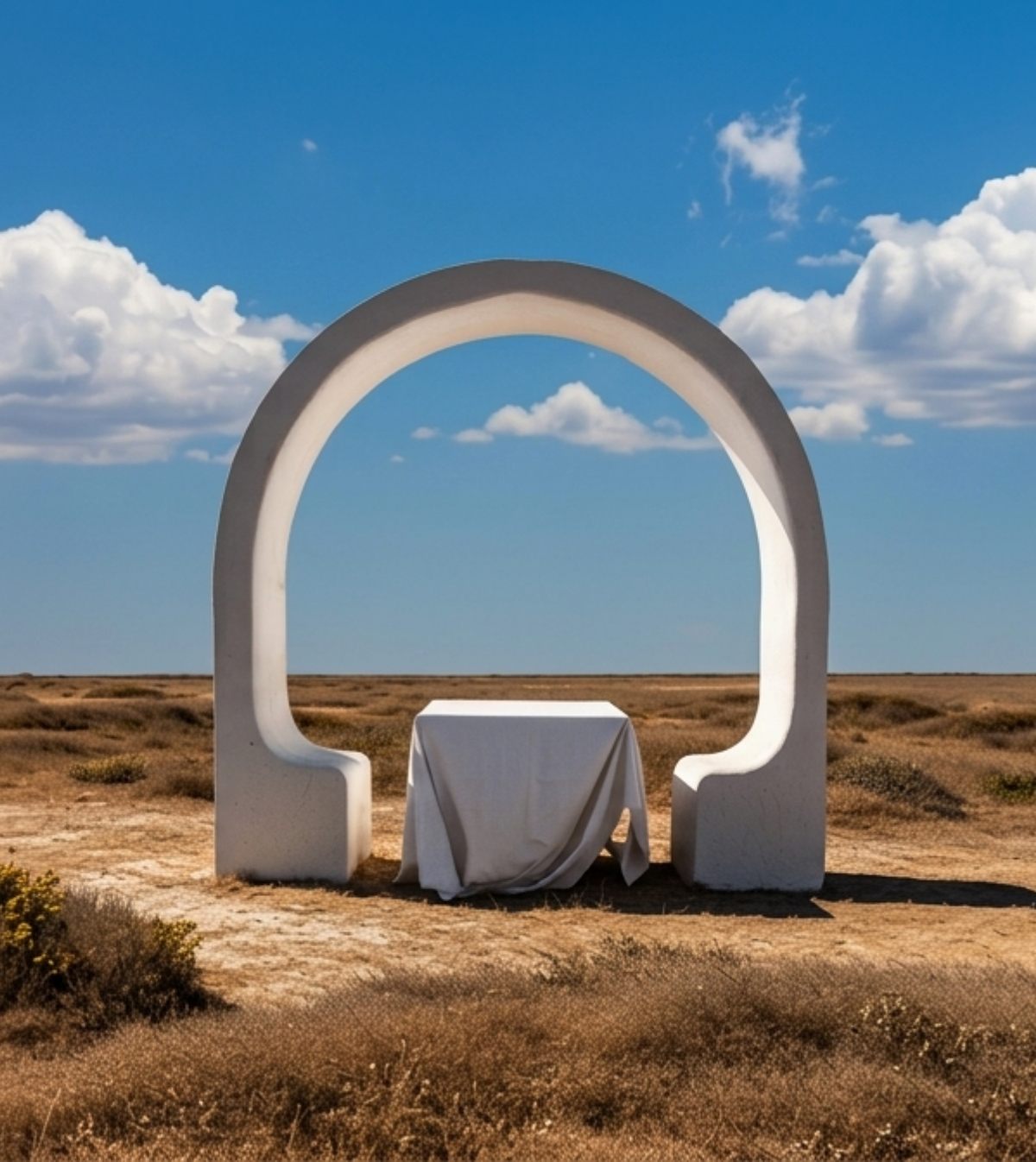
We’d like to take the opportunity to introduce you to the 2nd Prize winner of our The Next House: USA competition – Diego Rodriguez from France!
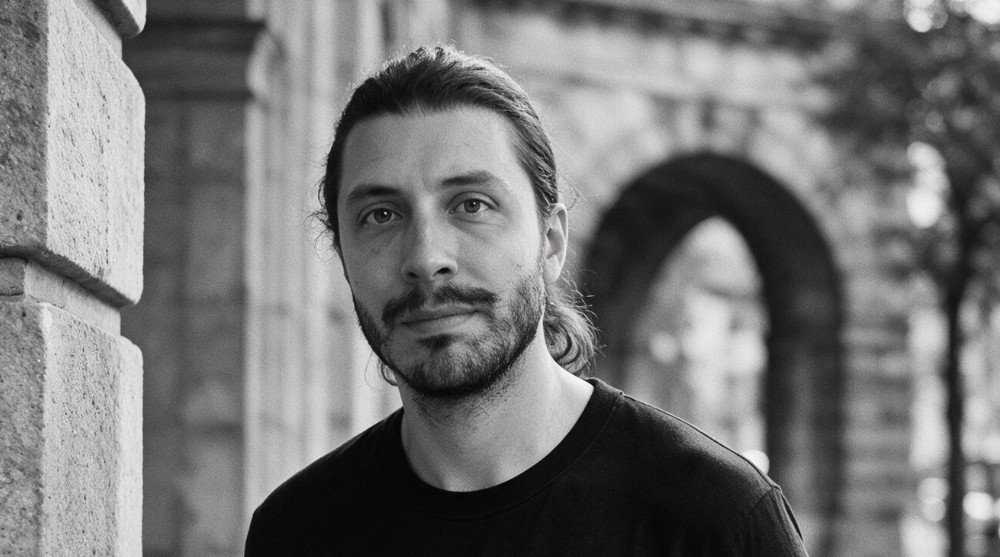
Diego Rodriguez from France
Please tell us about your company (when it was founded, where it is based, how many employees, etc) Alternatively, if you do not have a company, please give us some insights on your own professional/academia background.
I am an architect based in France. I began abroad, in China, on large competitions where a single sheet could carry an entire district. When I came back to France, the work changed scale: smaller, slower, closer to the ground. What survived the change was a sense of what a drawing is for. Before it is an instruction to build, it is a way of bringing people together — the client, the engineer, the builder, the inhabitant — around a single idea, made legible enough that everyone can stand on it. That is the practice I run today: small, exact, and organised around ideas that can be shared. Two activities have shaped it from the start, and I have never separated them: designing and writing. They keep each other honest. A drawing is tested by the text that has to explain it; a text is tested by the drawing that has to carry it out. When either one fails, the idea was not yet clear
Brief information about the projects that you/your company have been involved with. For instance, what scale have you focused on/preferred, any significant projects where the company/ individuals have been Involved?
The work has kept the whole range of scale that China opened up. At the XXL end, a campus I directed in China: 225,000 square metres of offices, shops, a congress centre and a hotel, organised not as towers but as a sequence of courtyards and garden terraces, the way the old Asian palaces were. At the other end, a house: 250 square metres on a plot that drops seven metres in twenty-five, resolved by a single figure — a square of 13.5 metres divided into nine, with a patio at its centre that opens as it rises and becomes a terrace facing a mountain. The same relation, at two scales. And between the two, the practice's current work — a village hall and library, for instance, in a former farm on the edge of Paris, inside a protected site. This is not versatility for its own sake. Each scale calls on its own instruments, and instruments take part in thought. Nietzsche, learning to write on a typewriter, noticed that his tools were shaping his sentences. The same is true in architecture. The campus was decided on a massing model and a diagram; the house on a pencil sketch and a section at 1:20. Neither tool is better than the other, but each imposes its own way of designing, and I try to stay alert to whatever changes them, because that is where new ways of designing come from. Architecture is everywhere, at every scale, from the tower to the iPhone.
What does architecture mean to you and what is the role of an architect in your society?
Moving between scales taught me what does not change. An architect needs a philosophy — an attitude that runs from the way the work is thought to the way it is built — and, before that, an idea of the discipline. By idea I do not mean a concept in the marketing sense. I mean an idea in the strict sense: a single relation, simple enough to be said in one sentence, that organises everything else. An extent set against a height. Each of the two terms names a necessity of architecture: height answers to gravity and calls for matter; extent answers to the walk and calls for a horizon. To decide how the one meets the other is already to have an idea. Everything that follows — the composition, then the way the building stages its own use — is the working-out of that idea, and can be judged against it. This is what makes architecture teachable and discussable: not taste, but the distance between an idea and its realisation. The architect's role follows from this. It is not to deliver a finished object, nor to be the technician of other people's decisions. It is to hold the idea: to formulate it clearly enough that a client can want it, an engineer can build it, and an inhabitant can go on living with it long after everyone else has left.
Why do you participate in architecture competitions?
Holding an idea is easier said than done, and this is why I keep entering competitions. Everyday work answers to programmes; a competition lets me formulate the programme. It is the only place where a question can be raised before a client raises it. The project awarded here began with such a question: what a suburb could become if the parcel layout were drawn last — after the walk, after the park, after the possibility of change had been built in. No client asks for that; a competition lets you answer it anyway. It is a rare chance to make an attempt: to try a new way of thinking, to test my instincts and my beliefs, and to ask myself what I really want to share.
What advice would you give to individuals who struggle to decide whether it would be beneficial for them to participate in architecture competitions?
Enter one, and enter it as an opportunity to change something, to take a stand, to share a point of view honestly. A certain naivety is necessary; without it, nothing new gets drawn. The reward is not the result. It is the position you are forced to take, and that you will keep long after the competition is over. The best competitions oblige you to state what you believe; look for those. It does not matter whether you are a student or twenty years into practice, alone or in a large office: the exercise is the same, and so is the reward. A competition is a way of founding your philosophy — or, if you already have one, of finding out whether it still holds.
Top 3 Reasons Why You Should Enter Architecture Competitions
Curious about the value of architecture competitions? Discover the transformative power they can have on your career - from igniting creativity and turning designs into reality, to gaining international recognition.
Learn more