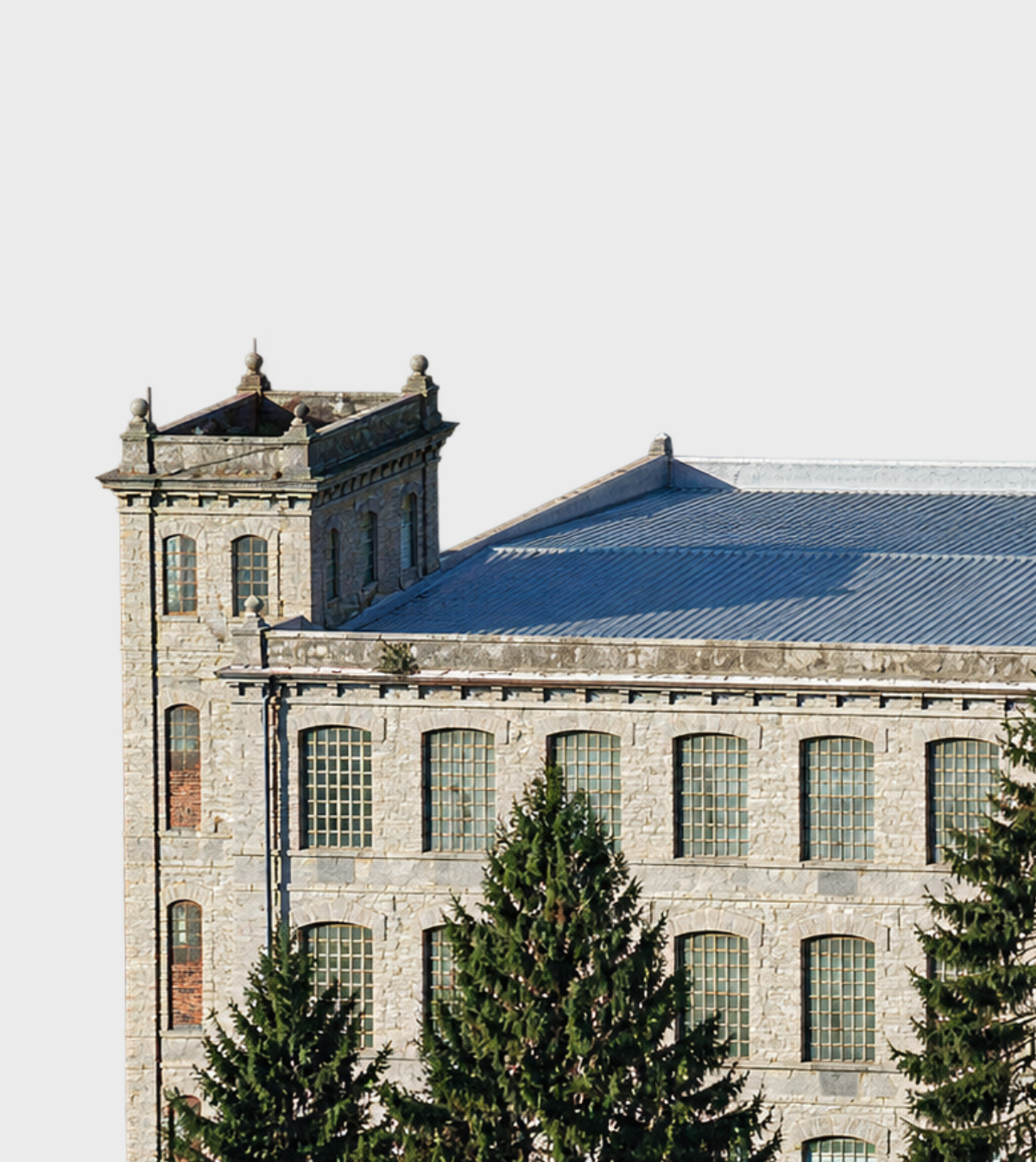
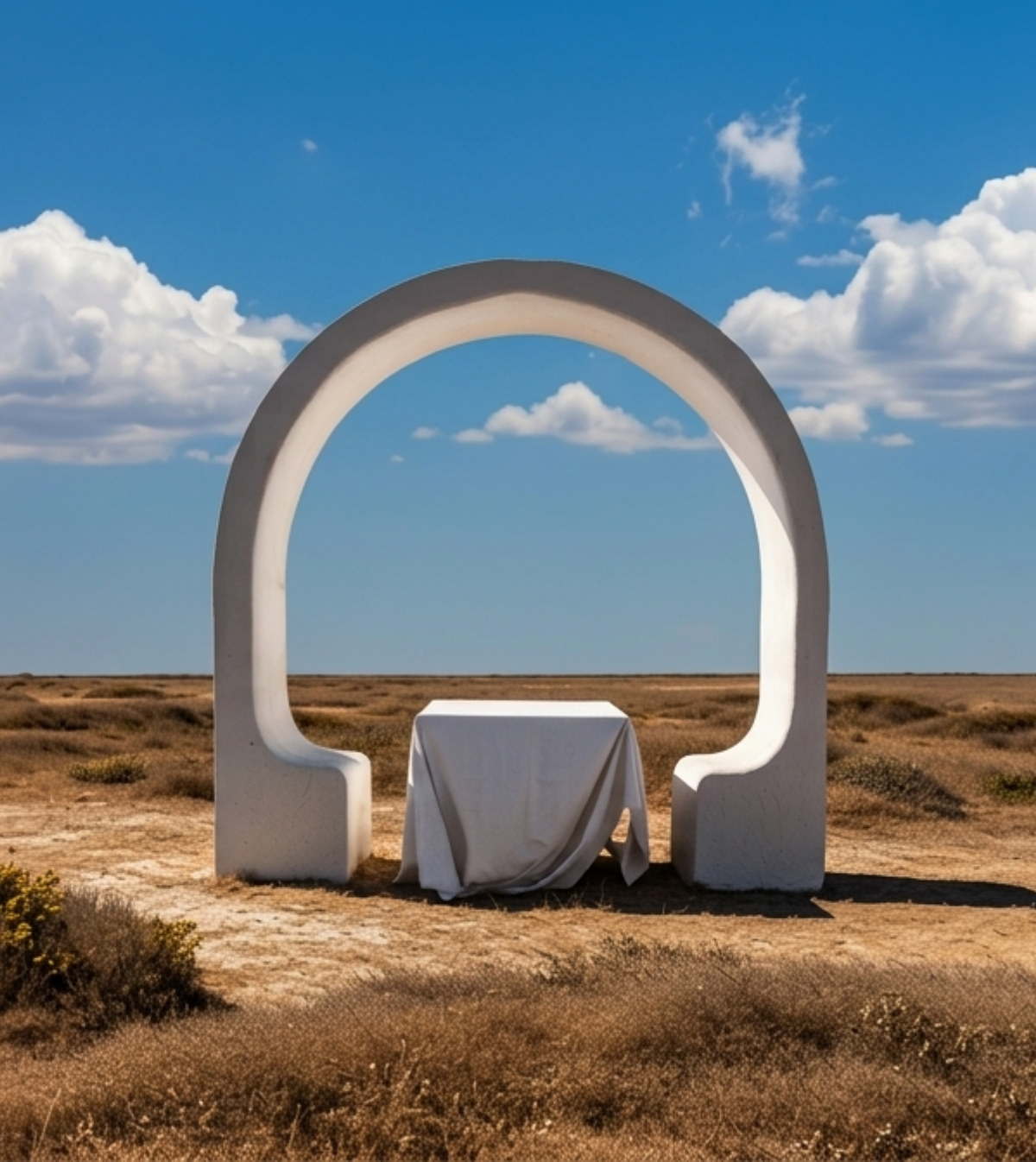
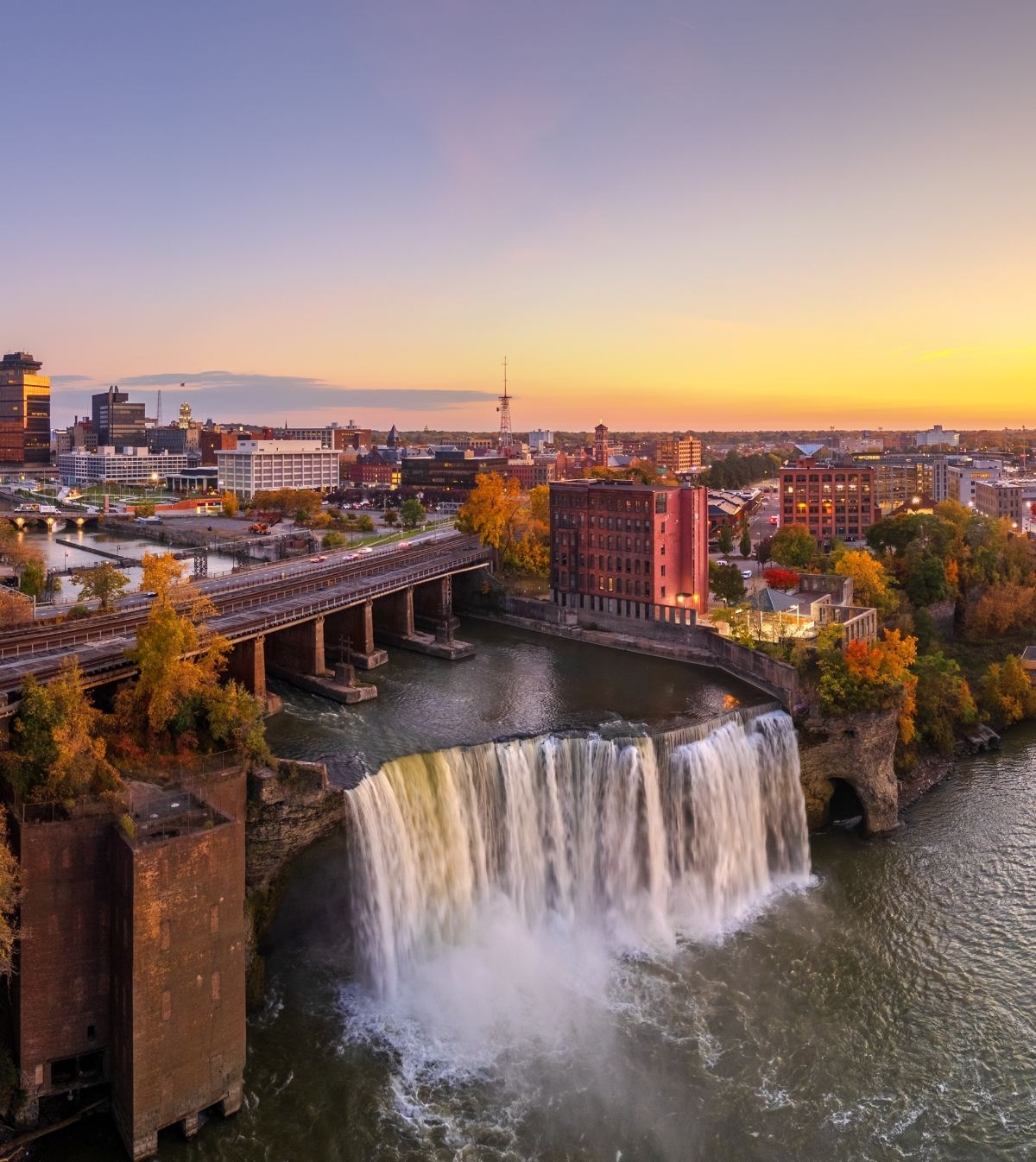
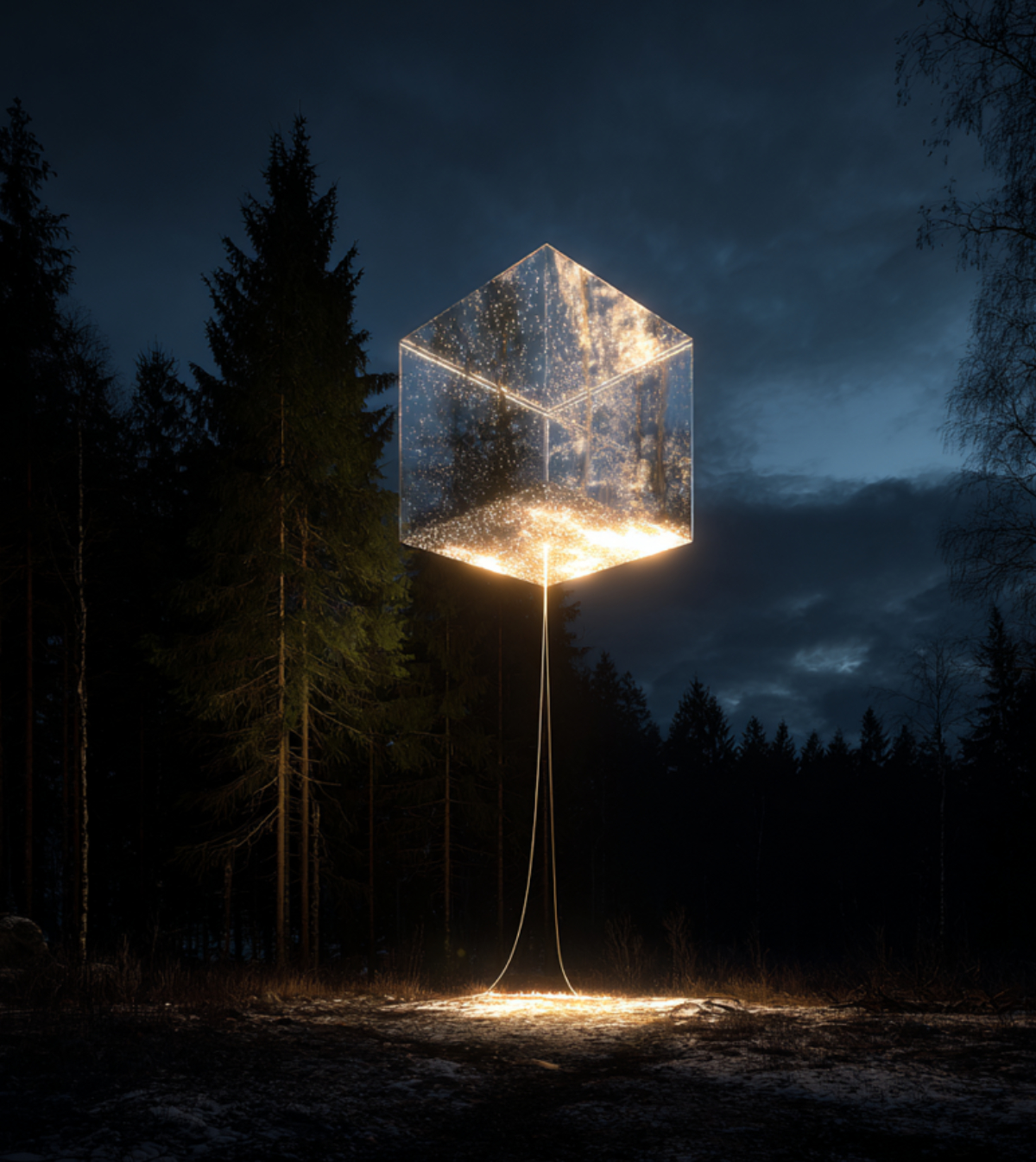
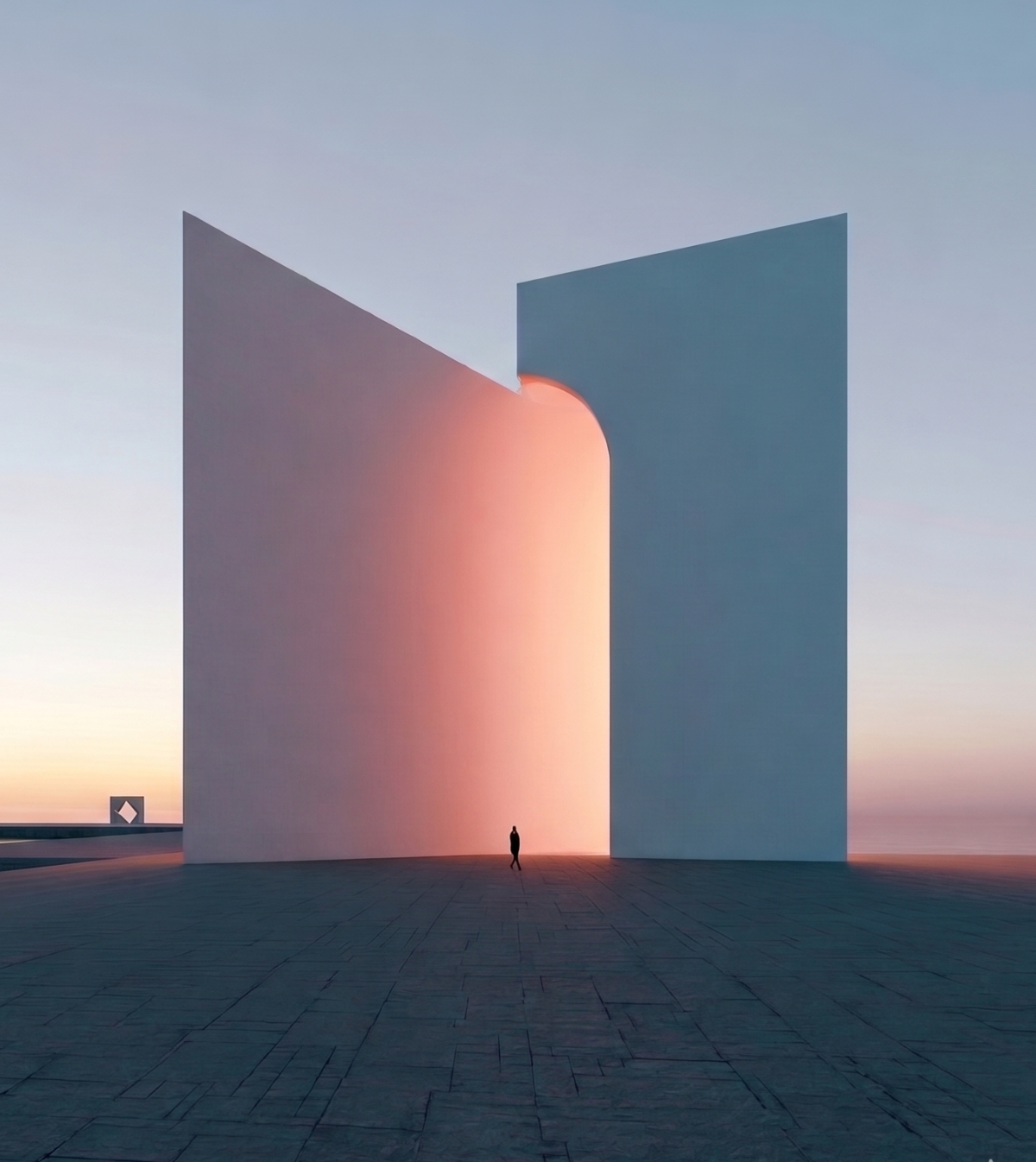
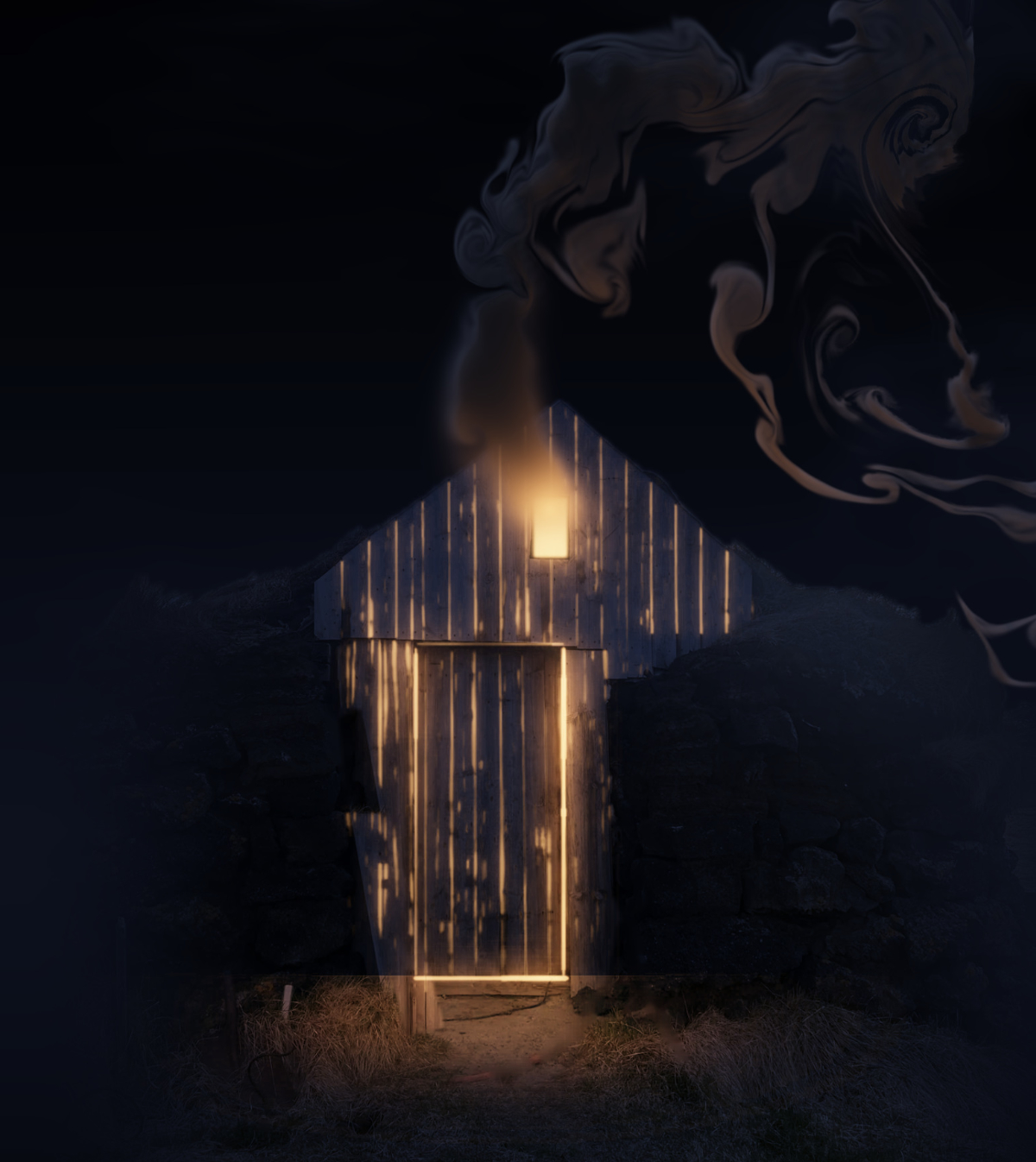
We’d like to take the opportunity to introduce you to the 3rd prize winner of our Re:Form - New Life for Old Spaces #3 competition - Martynas Kasiulevicius from United Kingdom!
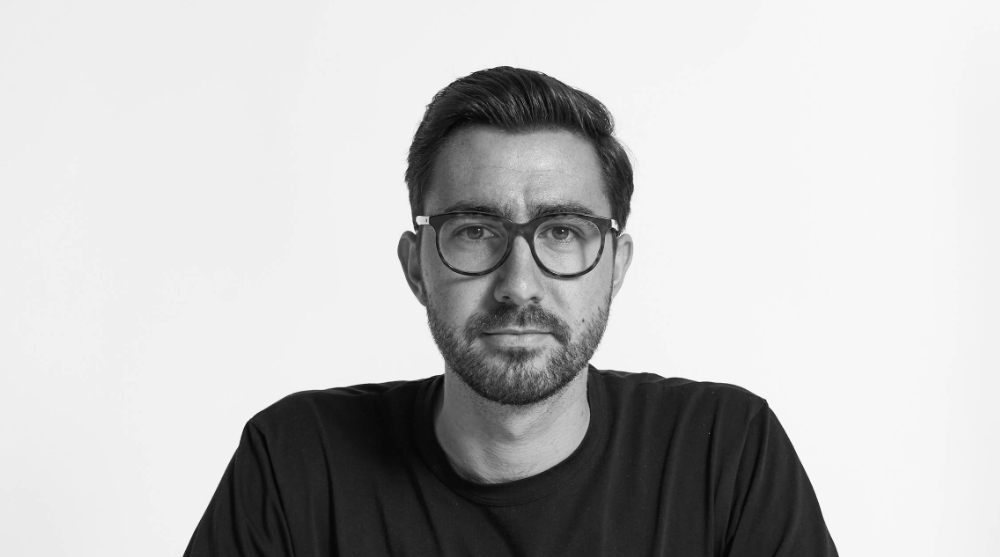
Martynas Kasiulevicius from United Kingdom
Please tell us about your company (when it was founded, where it is based, how many employees, etc) Alternatively, if you do not have a company, please give us some insights on your own professional/academia background.
Originally from Lithuania and currently based in London, I am a UK-registered Architect with over ten years of experience in architecture and design. For the past five years, I have practiced as a fully qualified architect, working across a range of complex projects and scales. My professional interests are rooted in the earliest stages of the design process, where research, strategy, and creative thinking converge to shape a project's direction. I specialise in conceptual and competition-led design, focusing on developing clear architectural narratives, innovative design frameworks, and transformative interventions for existing and emerging urban environments.
Brief information about the projects that you/your company have been involved with. For instance, what scale have you focused on/preferred, any significant projects where the company/ individuals have been Involved?
My professional experience has centred on large-scale transport and infrastructure projects in the UK and internationally. These projects involve complex operational, technical, and urban challenges, requiring close collaboration across multidisciplinary teams. Within this context, I focus on creating intuitive, contextually responsive, and memorable environments that support efficient passenger movement while maintaining a strong architectural identity. Working at this scale carries significant responsibility, but it is also deeply rewarding and continues to broaden my understanding of how architecture can shape everyday public experience.
What does architecture mean to you and what is the role of an architect in your society?
To me, architecture is the careful orchestration of spaces, systems, and experiences that shape our everyday lives. It brings together imagination and pragmatism, translating complex social, cultural, environmental, and functional needs into places that feel intuitive, meaningful, and enduring. The architect’s role therefore extends far beyond designing buildings. We must listen, question, coordinate, and ultimately advocate for the people and communities affected by our work. At its best, architecture improves daily life by creating environments that are inclusive, accessible, adaptable, and rooted in their context.
Why do you participate in architecture competitions?
I participate in architecture competitions because they create space to question familiar assumptions and explore alternative ways of addressing contemporary challenges. I deliberately seek out briefs that take me beyond my previous experience, compelling me to research unfamiliar contexts, acquire new skills, and develop new design methodologies. Competitions offer a rare freedom to experiment, but they also demand clarity: an idea must be distilled into a compelling architectural proposition. For me, each competition is therefore both a testing ground for new ideas and an opportunity to broaden my perspective, refine my architectural voice, and contribute to a wider design conversation.
What advice would you give to individuals who struggle to decide whether it would be beneficial for them to participate in architecture competitions?
I would advise approaching competitions not as a test of whether you are already good enough, but as an opportunity to become better. Begin with three questions: Does the brief genuinely excite you? Is the challenge intellectually stimulating? Will it take you beyond what you already know? If the answers are yes, it is probably worth pursuing. Do not measure the value of participation solely by whether you win. A competition can be worthwhile if it helps you develop a new skill, test an unfamiliar methodology, or produce an idea you would not have encountered through everyday practice. Let curiosity initiate the process, but support it with discipline, realistic ambitions, and a clear understanding of what you want to learn.
Top 3 Reasons Why You Should Enter Architecture Competitions
Curious about the value of architecture competitions? Discover the transformative power they can have on your career - from igniting creativity and turning designs into reality, to gaining international recognition.
Learn more