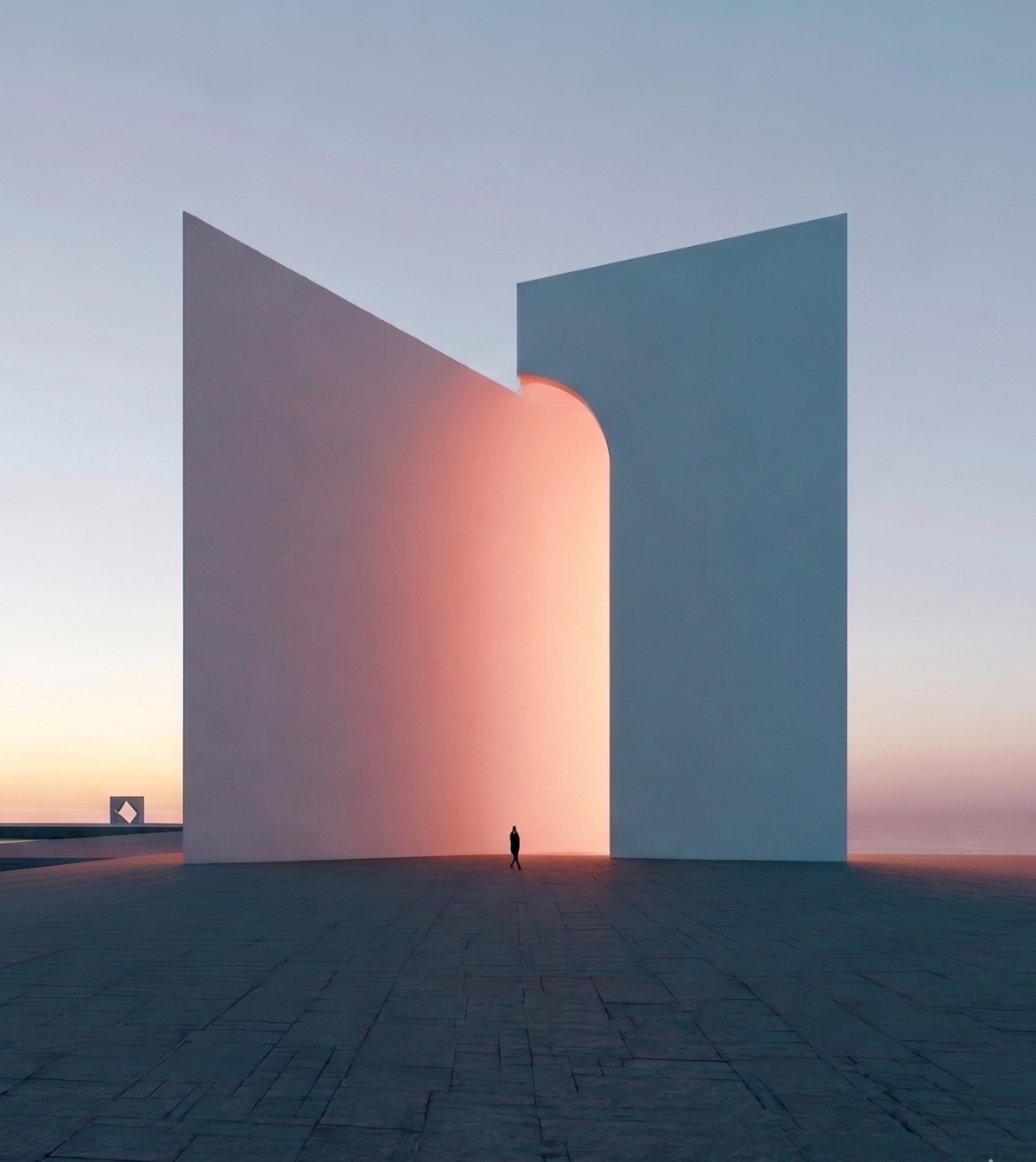
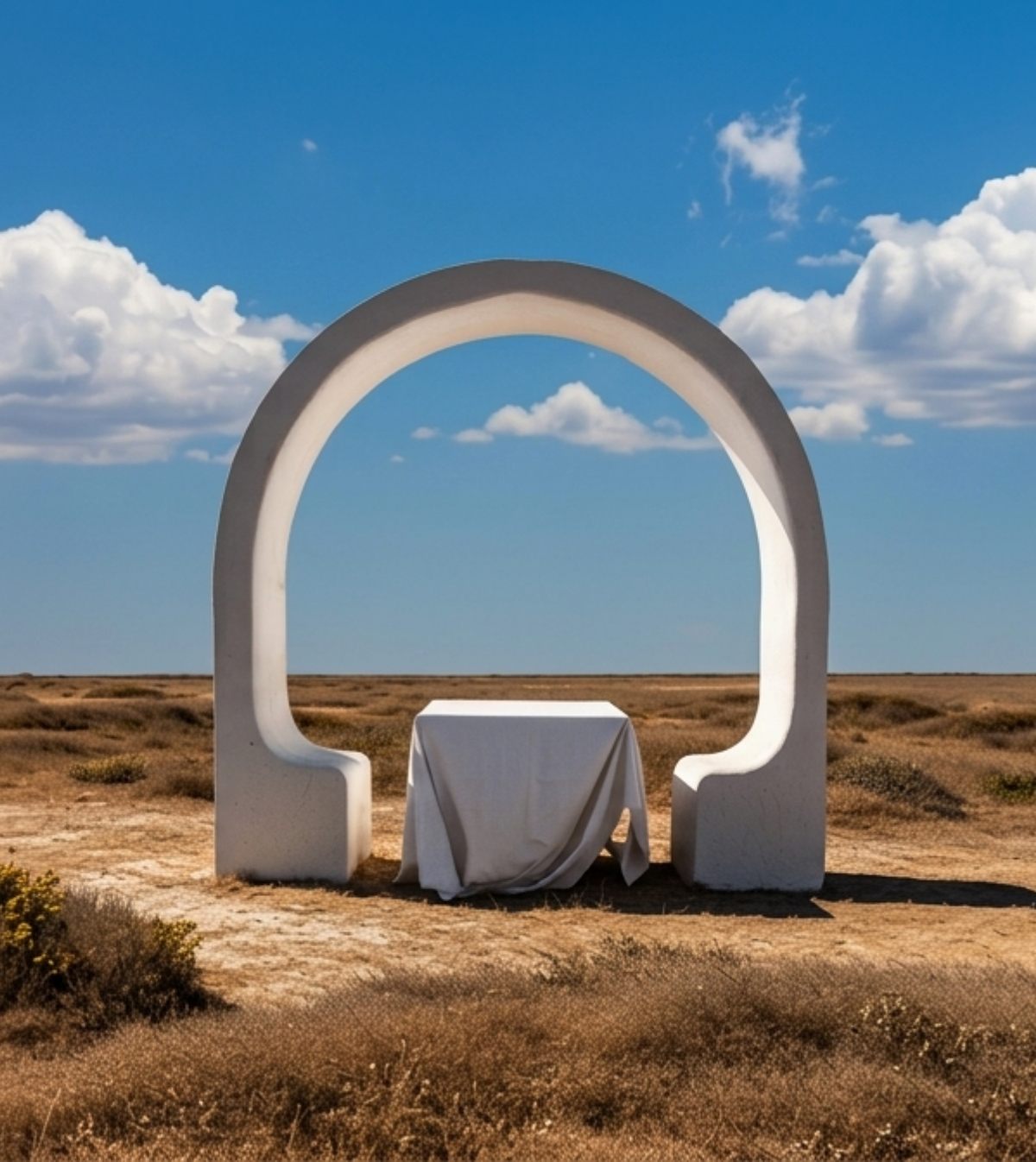
We’d like to take the opportunity to introduce you to the Honorable mention winner of our The Architect's Chair #5 competition – Didier Alejandro Iriarte Fattel from Australia!

Didier Alejandro Iriarte Fattel
Please tell us about your company (when it was founded, where it is based, how many employees, etc) Alternatively, if you do not have a company, please give us some insights on your own professional/academia background.
I studied at The University of Melbourne my undergraduate degree where I started studying civil engineering before pivoting towards architecture after enjoying more the creative side of design. This led me to pursue my Master of Architecture where I took an interest in systems, ecology and woodworking. During my studies I had the opportunity to work in practice and since graduating I have been working full time at a medium firm in different projects. Currently I am a package lead for bridges in Torrens to Darlington, South Australia.
Brief information about the projects that you/your company have been involved with. For instance, what scale have you focused on/preferred, any significant projects where the company/ individuals have been Involved?
I have worked on a diverse range of projects, spanning large-scale infrastructure like the Torrens to Darlington project in South Australia, to medium-scale commercial buildings, small-scale Passive House residential homes and furniture design. I believe that engaging with different scales offers a unique perspective on the built environment and is essential to becoming a well-rounded designer. That said, I find the most satisfaction in working at smaller scales, where I can explore the human experience in finer detail.
What does architecture mean to you and what is the role of an architect in your society?
Whilst in today’s discourse what Architecture is can be expressed in many ways, for me it is the ability to bring different perspectives and worlds of design into one cohesive narrative, where the user of said space, object, field or ecology is positively affected, not just in the pragmatic way but also in the sense of beauty. We as architects and designers have the ability to create these spaces that give meaning to the lives we live, that create community and unite people. However, we also can destroy our ecology through building itself. We owe it to our society and our planet to use this power cautiously.
Why do you participate in architecture competitions?
Architecture competitions allow me to delve into something that I would normally would not be involved in within my professional work. It allows me to be creative and challenges me to think in new and exciting ways, giving me a sense of satisfaction that I would otherwise not get. It’s an opportunity to investigate, research and come up with solutions in an environment that allows for innovation, and at times without the restraints that stifle new imagined realities.
What advice would you give to individuals who struggle to decide whether it would be beneficial for them to participate in architecture competitions?
I think the atmosphere of architecture competitions allows our creativity to be constrained in a manner where it becomes a source of inspiration and realisation of design. I would urge any individuals to participate in architecture competitions and have their skill set arsenal expanded, as an opportunity to imagine a better place, and as a moment to reflect on the implications of architecture on people’s every day.
Top 3 Reasons Why You Should Enter Architecture Competitions
Curious about the value of architecture competitions? Discover the transformative power they can have on your career - from igniting creativity and turning designs into reality, to gaining international recognition.
Learn more