
5 key facts about this project
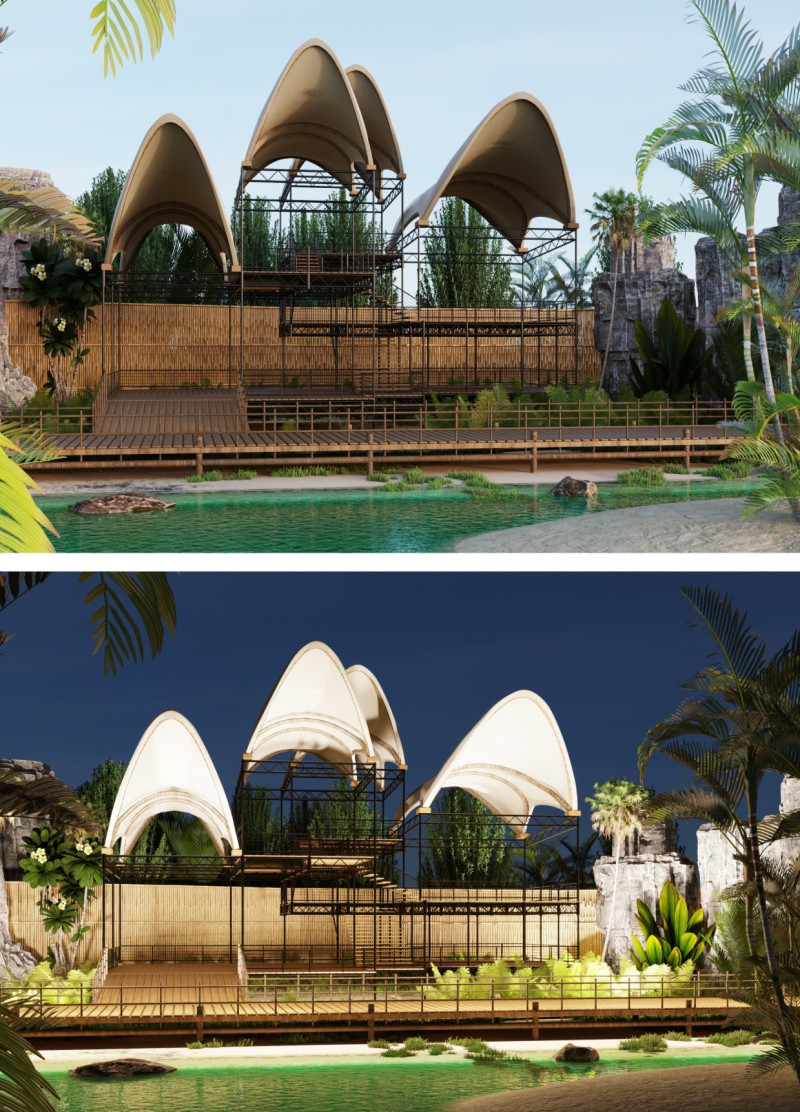
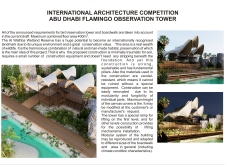
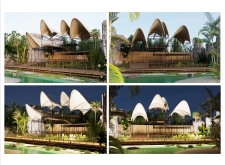
The Abu Dhabi Flamingo Observation Tower is located within the Al Wathba Wetland Reserve, aiming to provide visitors with a unique viewpoint for observing diverse wildlife. This structure is designed to enhance interaction with the natural environment while respecting the ecological balance of the area. The overall concept focuses on integrating human activity with nature, creating a space that allows for appreciation of the wetlands.
Design Concept and Structure
The design emphasizes a thoughtful relationship between the observation tower and the adjacent boardwalk. By adopting a lightweight construction method, the project minimizes disruption to the existing environment, particularly the soil and vegetation. This approach aligns with principles of sustainable development, ensuring that the architecture fits well within its ecological context.
Modular Construction Approach
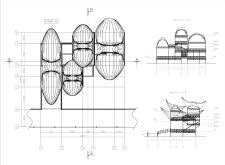
A key element is the modular construction system, which allows the design to be adjusted based on various site characteristics. Structures can be built in different sizes and configurations, making them suitable for specific conditions of the wetland area. This flexibility not only aids in meeting functional needs but also enhances the overall visitor experience as they navigate the space.
Material Considerations
Durability is a priority in the material choices for the tower and boardwalk. The project incorporates vandal-resistant materials that are designed to withstand environmental challenges. This careful selection helps maintain the structural integrity and appearance over time, ensuring that the observation areas remain safe and welcoming for visitors.
Visitor Experience and Interaction
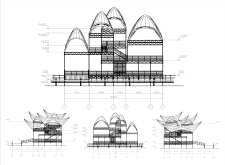
The observation tower reaches a height of 9 meters, providing excellent views of the surrounding wetland landscape. A ramp allows for easy access, and the design includes the possibility of installing lifting mechanisms for convenience. This attention to detail ensures that visitors can comfortably engage with the wildlife and surroundings, fostering an understanding of the importance of wetland conservation.
The architectural form suggests dynamic lines that draw the eye towards the natural beauty of the wetlands. This connection not only enhances the visitor experience but also reinforces a sense of belonging to the environment, inviting a deeper appreciation of the rich biodiversity present in the area.