Get inspired!

17,725 architecture projects

Learn from past Buildner architecture competition participants through our extensive project library, curated over more than 15 years!

Pedestrian-Friendly Mews Addressing the Housing Crisis Through Road Network Transformation

Authors:
Ella Nystrom, Matilda Svensk
Pedestrian-Friendly Mews Addressing the Housing Crisis Through Road Network Transformation
Explore the full project presentation!
Subscribers only
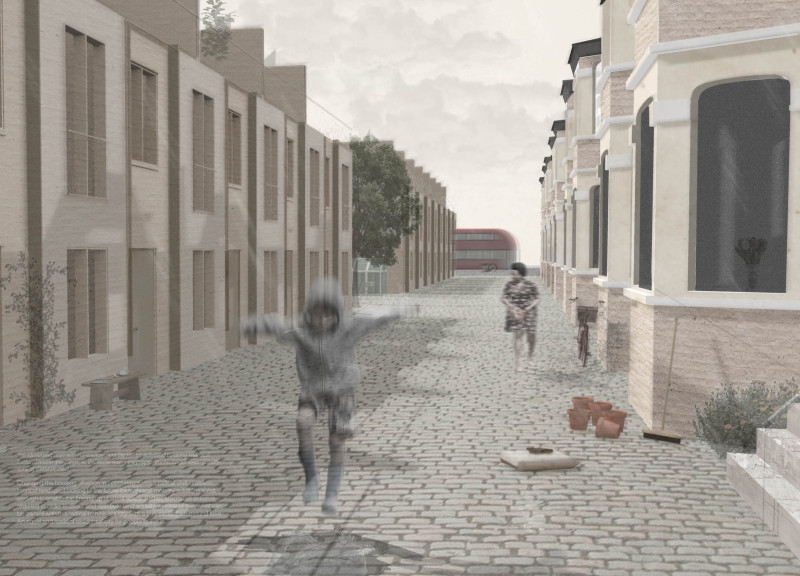
By transforming under-utilized road networks into vibrant mews, the design creates accessible community living spaces that prioritize sustainability and enhance urban connectivity.
5 key facts about this project
01
Transformative use of under-utilized road networks for residential living.
02
Integration of green infrastructure to manage stormwater effectively.
03
Adaptation of historical mews typology to foster community connection.
04
Focus on creating multi-functional streets that support diverse mobility.
05
Incremental densification strategy tailored to existing urban infrastructure.

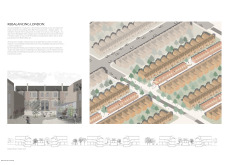
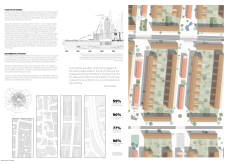
ReBalancing London aims to address London's significant housing crisis while working within the constraints of its Green Belt. Rising land prices are making it difficult to find affordable housing, and the proposal focuses on converting under-used road networks into lively residential and public spaces. It seeks to create environments that are friendly to pedestrians, allowing more people to live in accessible areas while keeping costs manageable. This concept highlights the need for connectivity and community engagement in urban planning.

Urban Planning and Infrastructure

The design emphasizes a gradual approach to increasing housing density, particularly in central areas where existing infrastructure can support development. By improving public transport options and redesigning suburban areas, the plan intends to turn streets into mixed-use neighborhoods. This not only enhances accessibility to jobs and services but also helps integrate green spaces into the daily lives of residents.

Sustainability and Green Infrastructure

Incorporating green infrastructure is a key element of the plan, focusing on the need for environmentally friendly solutions. The design proposes better systems for managing stormwater, addressing the challenges posed by climate change. These features aim to improve air quality and promote overall health among residents, offering access to parks and natural areas within urban settings.

Adaptation of Historical Typologies

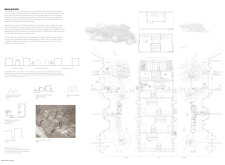
The design looks to historical precedents, such as mews that historically served as stable areas, for inspiration. It suggests building additional housing along existing streets, creating small private and community spaces that reflect the character of these neighborhoods. This approach connects the history of the city with modern living needs, fostering community connections.

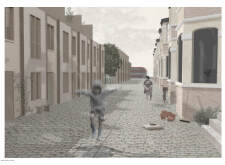
The vision presents a redefined urban area that emphasizes pedestrian experiences, linking housing, public spaces, and sustainability into a cohesive community. The aim is to create a livable environment that meets the needs of residents while respecting the city’s historical context.

Noticed a mistake?
Highlight the text and click on
Noticed a mistake

Vancouver Tall Challenge: Building Higher Downtown

`
Competition organisers

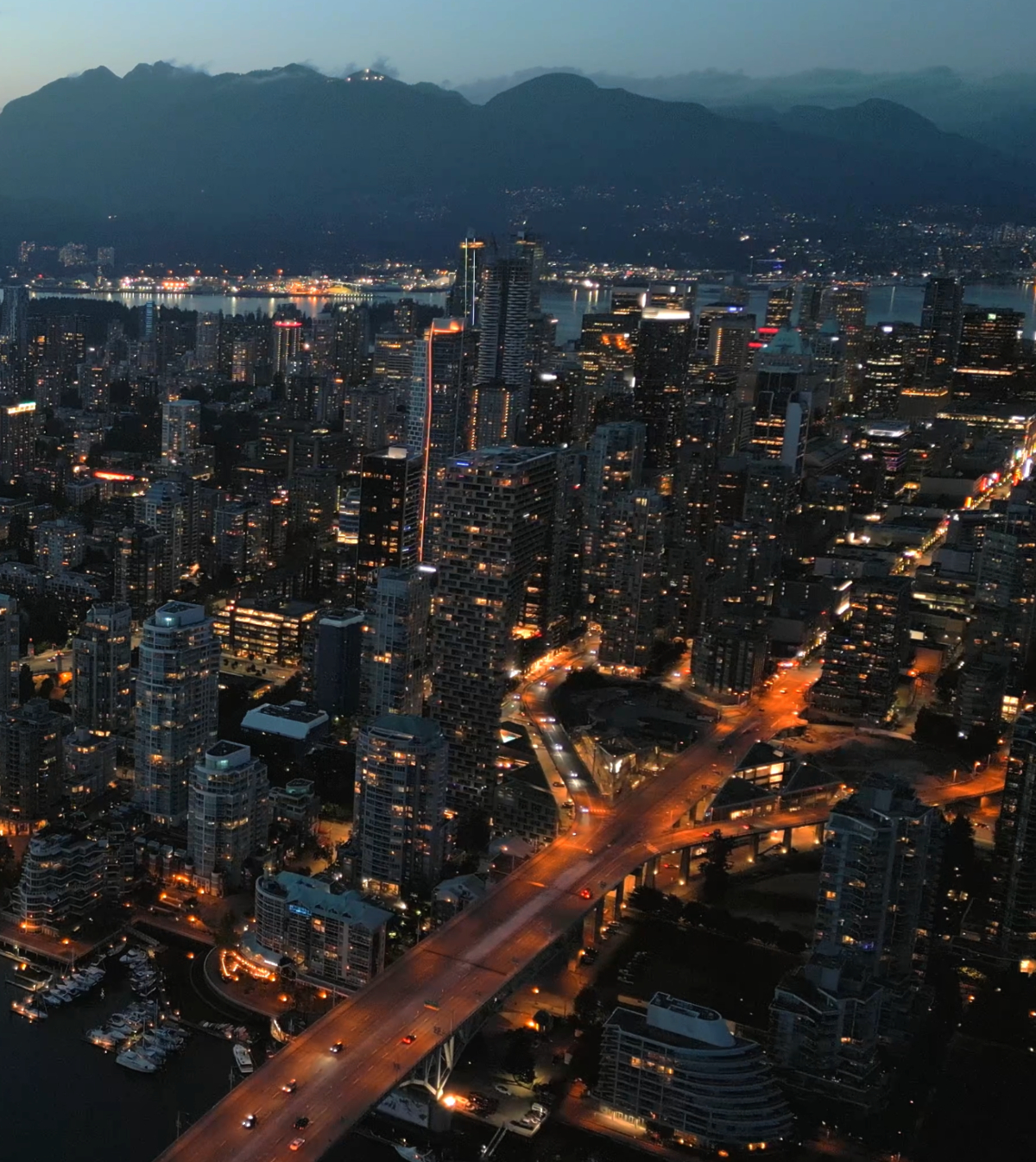
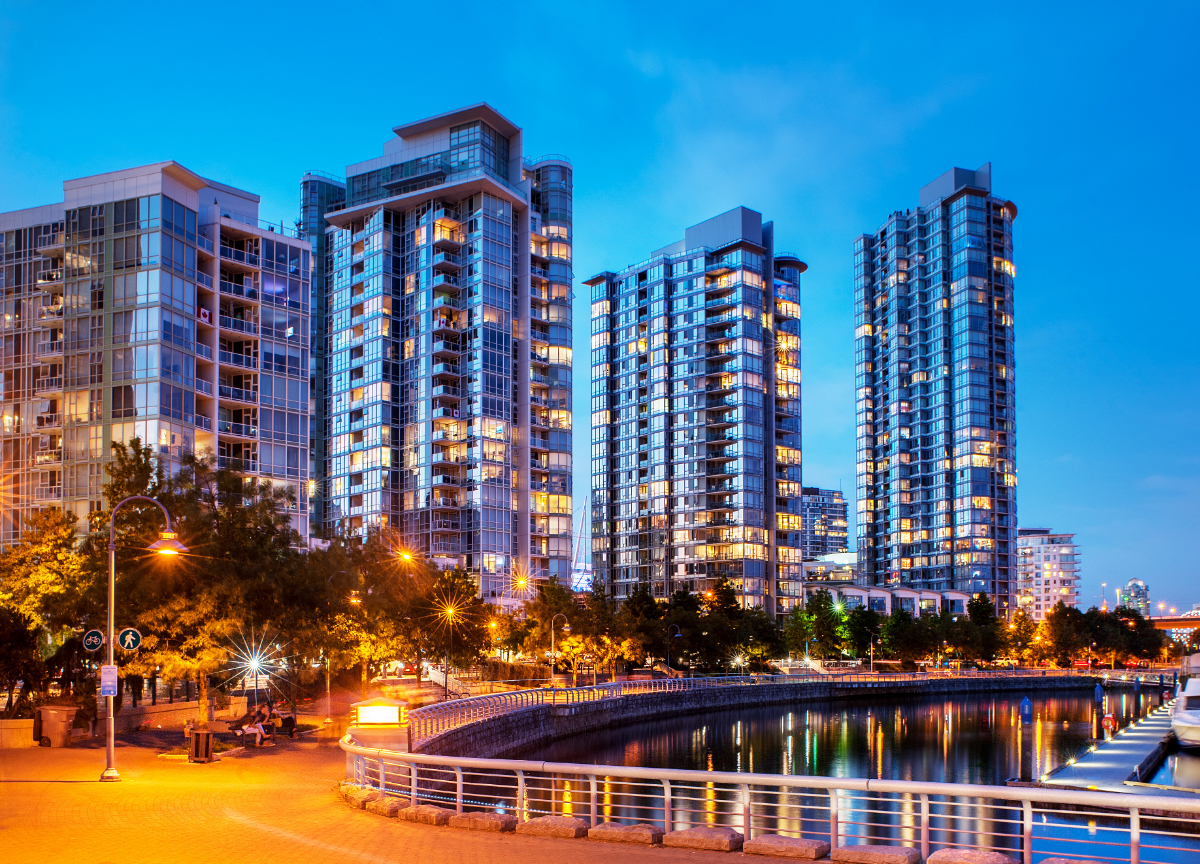
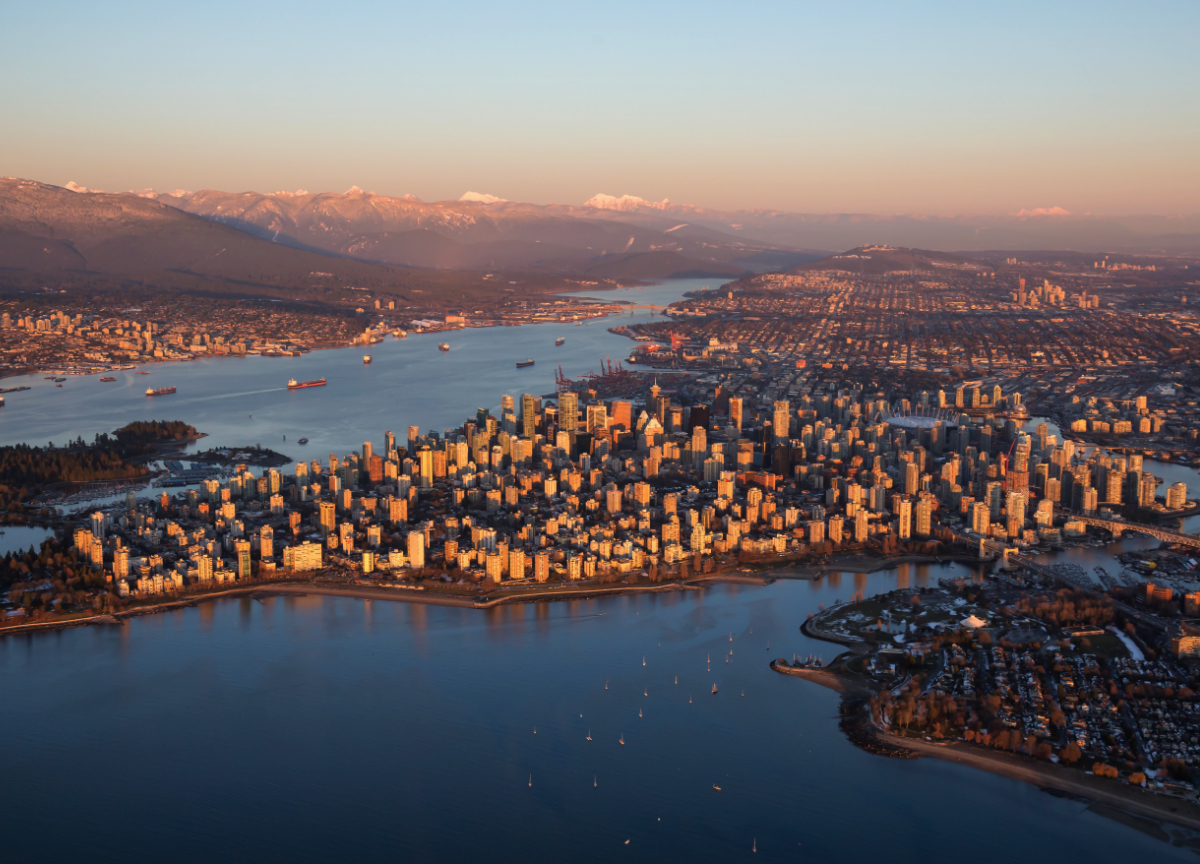
The Vancouver Tall Challenge: Building Higher Downtown is an international architecture competition organized by Buildner in collaboration with the City of Vancouver and the University of British Columbia’s School of Architecture and Landscape Architecture (SALA). The competition invites architects, designers, planners, and creative thinkers to explore innovative approaches to tall buildings in Vancouver’s downtown core, focusing on sustainability, livability, urban density, public space, and the city’s strong connection to nature. As Vancouver continues to grow, participants are challenged to rethink how vertical development can enhance urban life and contribute to a more vibrant, inclusive, and resilient city identity.

The competition offers a total prize fund of $15,000 CAD, with winning proposals selected by an international jury of architects, planners, academics, and city-building professionals. Key dates include the final registration deadline on October 29, 2026, submission deadline on November 30, 2026, and winners announcement on January 26, 2027. Full competition details, requirements, and registration information are available at architecturecompetitions.com/VancouverTallChallenge

Vancouver Tall Challenge

Design the future of Vancouver’s skyline

Building higher downtown ideas COMPETITION
Prize Monetary award
Eligibility Open to all
Final registration deadline 29 October 2026

Open architecture competitions

  • Closest deadline first
  • Project competitions first
    Selected winning projects have the potential to be constructed
  • Ideas competitions
    Experimental competitions with the focus on pushing the boundaries of creativity
New York High Falls 
Riverfront Market

Design a New Riverfront Market in Rochester, New York

ideas COMPETITION
Prize Monetary award
Eligibility Open to all
Advance registration deadline 7 October 2026
Valli Wine 
Tasting Room

Design a wine tasting room in Italy

project COMPETITION
Prize Monetary award
Eligibility Open to all
Advance registration deadline 8 October 2026
The 
Quiet 
Tower

Design an observation tower in Latvia

project COMPETITION
Prize Monetary award
Eligibility Open to all
Advance registration deadline 15 October 2026
Vancouver 
Tall Challenge

Design the future of Vancouver’s skyline

Building higher downtown ideas COMPETITION
Prize Monetary award
Eligibility Open to all
Final registration deadline 29 October 2026
The Oak 
Moon 
Pavilion

Design a yoga pavilion in Italy

project COMPETITION
Prize Monetary award
Eligibility Open to all
Advance registration deadline 5 November 2026
Portugal Long Table 
Restaurant

Design a slow-living restaurant in Portugal

project COMPETITION
Prize Monetary award
Eligibility Open to all
Final registration deadline 9 December 2026

Recurring architecture competitions

Kinderspace

Design a kindergarten of tomorrow

Architecture for Children’s Development #4 ideas COMPETITION
Prize Monetary award
Eligibility Open to all
Final registration deadline 28 October 2026
Museum of 
Emotions

Use architecture to create different emotional states

Edition #9 ideas COMPETITION SILENT CONTEST For this competition, NO DESCRIPTION TEXT is allowed. The architecture ideas must be communicated strictly with visuals.
Prize Monetary award
Eligibility Open to all
Advance registration deadline 12 November 2026
The 
Architect's 
Chair

Take a seat and make a statement!

Stockholm Furniture Fair Edition #6 ideas COMPETITION
Prize Monetary award + Exhibition at Stockholm Furniture Fair
Eligibility Open to all
Final registration deadline 3 December 2026
new
Buildner's Unbuilt Award

Celebrating your unbuilt architecture visions with a 50,000€ prize

50,000€ Prize / 2027 ideas COMPETITION
Prize 50,000 €
Eligibility Open to all
Early bird registration deadline 4 February 2027

Media, partners and clients

To view this project in detail,
please log in with your
Architects’ Network Plus account.
Subscription instantly unlocks all the architecture projects plus other member-only benefits:
  • Access the 17,725 Concept Library
  • Professional tools including file transfer, email, portfolio management, and more
Register now
Already a member? Log in