Get inspired!

17,725 architecture projects

Learn from past Buildner architecture competition participants through our extensive project library, curated over more than 15 years!

Healing Spaces Enhanced by Natural Landscaping and Sustainable Features

Authors:
Julie Piper, Tanya Anderson, Tim Oates, Lou Pallay
Healing Spaces Enhanced by Natural Landscaping and Sustainable Features
Explore the full project presentation!
Subscribers only
Integrating water features with native landscaping, the design enhances its surroundings while providing a supportive environment for patients in terminal care.
5 key facts about this project
01
The design incorporates a co-location strategy with a nearby daycare, fostering intergenerational interaction.
02
Water features enhance stormwater management while creating tranquil spaces for reflection.
03
Native landscaping minimizes irrigation needs and promotes local wildlife habitats.
04
The layout emphasizes natural light and open pathways to reduce the emotional burden of terminal care.
05
Intimate room scales facilitate comfort and privacy for patients and families.

The "Hospice - Home for the Terminally Ill" sits within a calm environment tailored to provide comfort and support for patients nearing the end of their lives. It is designed to foster a peaceful atmosphere where families can spend meaningful time together. The overall concept of the hospice emphasizes the importance of nature in creating a healing space, which guides the design approach throughout the facility.

Design Concept

The layout encourages interaction with both the interior and the surrounding landscape. Natural light floods the spaces, creating bright and airy environments. Pathways throughout the building are thoughtfully arranged to facilitate movement and exploration. This design helps users experience the various rooms and areas in a way that alleviates the pressures often felt in traditional healthcare settings.

Co-location Strategy

Placing the hospice alongside a school or daycare allows for a unique blend of activity and tranquility. This strategy not only maximizes staffing efficiency but also brings a youthful energy into the environment. Families can find support and distraction, while children can learn about compassion in a real-world context, creating a community atmosphere that softens the weight of terminal care.

Water Features and Landscaping

Water plays a vital role in the overall design, serving both functional and aesthetic purposes. These features assist with stormwater management while enhancing visual appeal. The inclusion of ponds and wetlands reduces the need for additional irrigation and helps create a habitat that encourages wildlife. Together, these elements strengthen the connection to the natural environment, promoting a sense of peace for patients and families.

Sustainability and Community Spaces

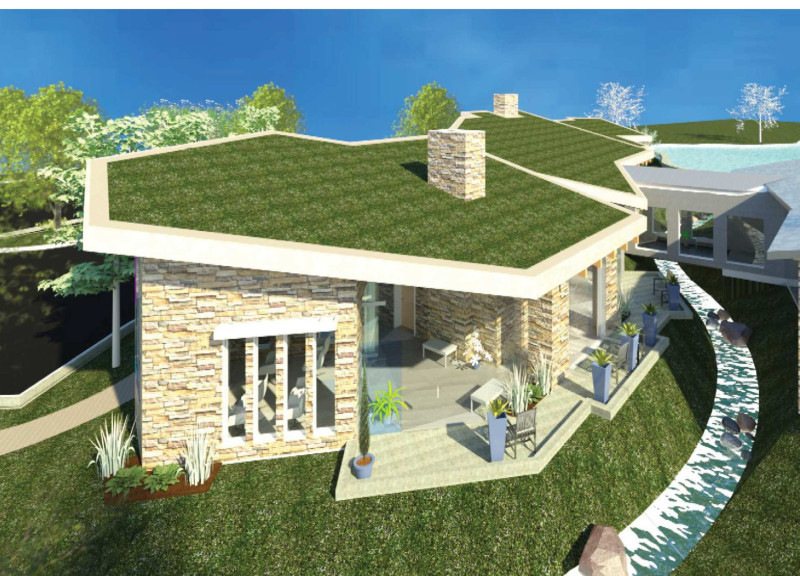
Sustainability is integrated into the design through the use of solar panels and a green roof. These elements not only reduce energy consumption but also contribute to the connection between the building and nature. Communal areas, such as gathering rooms and a library, provide cozy spaces for social interaction. An accessible boardwalk encourages all visitors to engage with the natural surroundings, offering quiet places for reflection and connection.

The hospice includes landscaped gardens featuring a variety of plants, providing serene settings where patients can focus on nature and find moments of calm.

Noticed a mistake?
Highlight the text and click on
Noticed a mistake

Vancouver Tall Challenge: Building Higher Downtown

`
Competition organisers

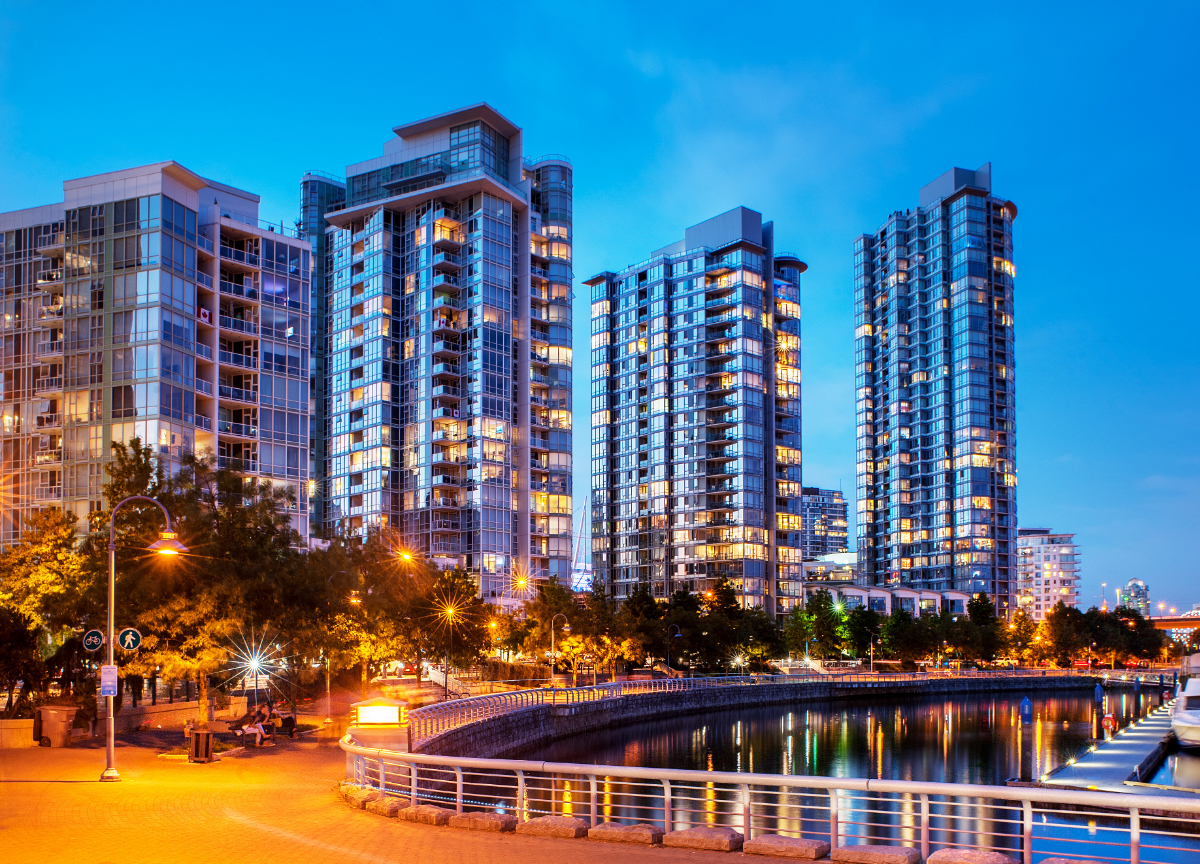
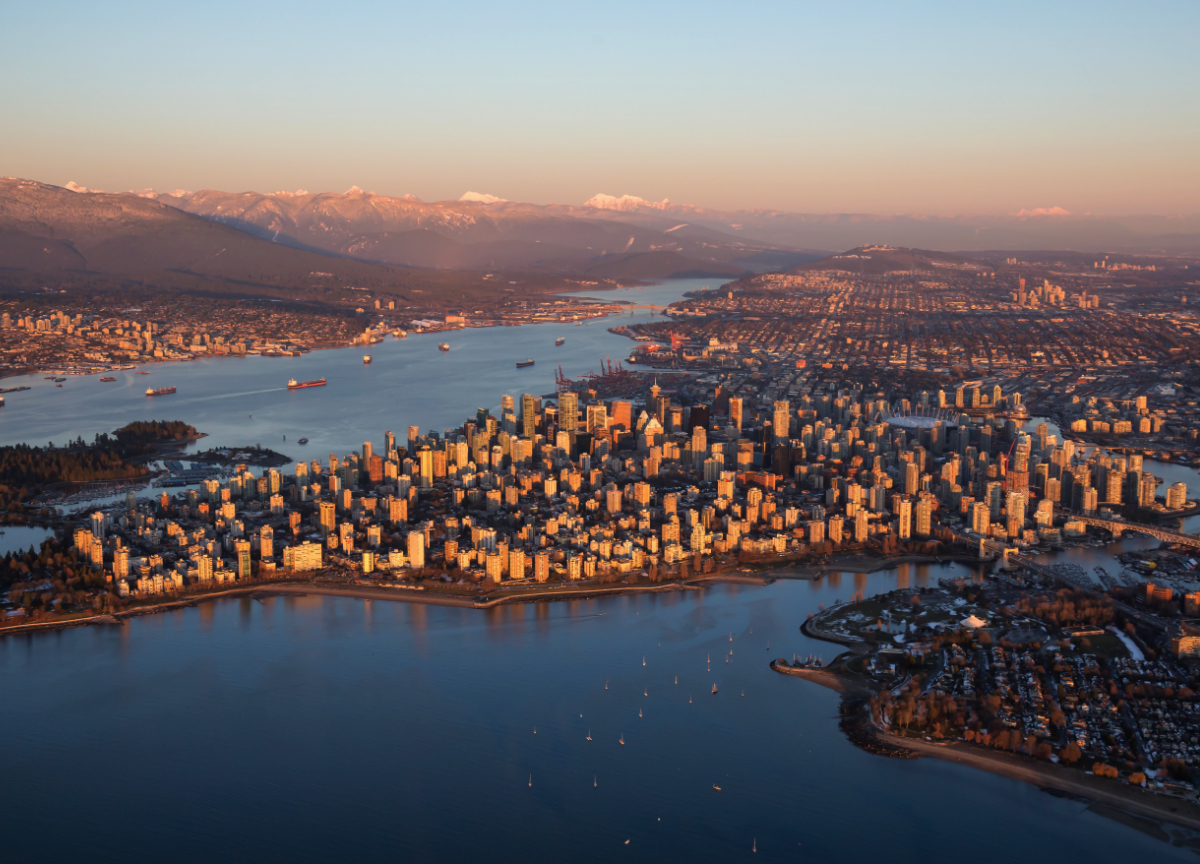
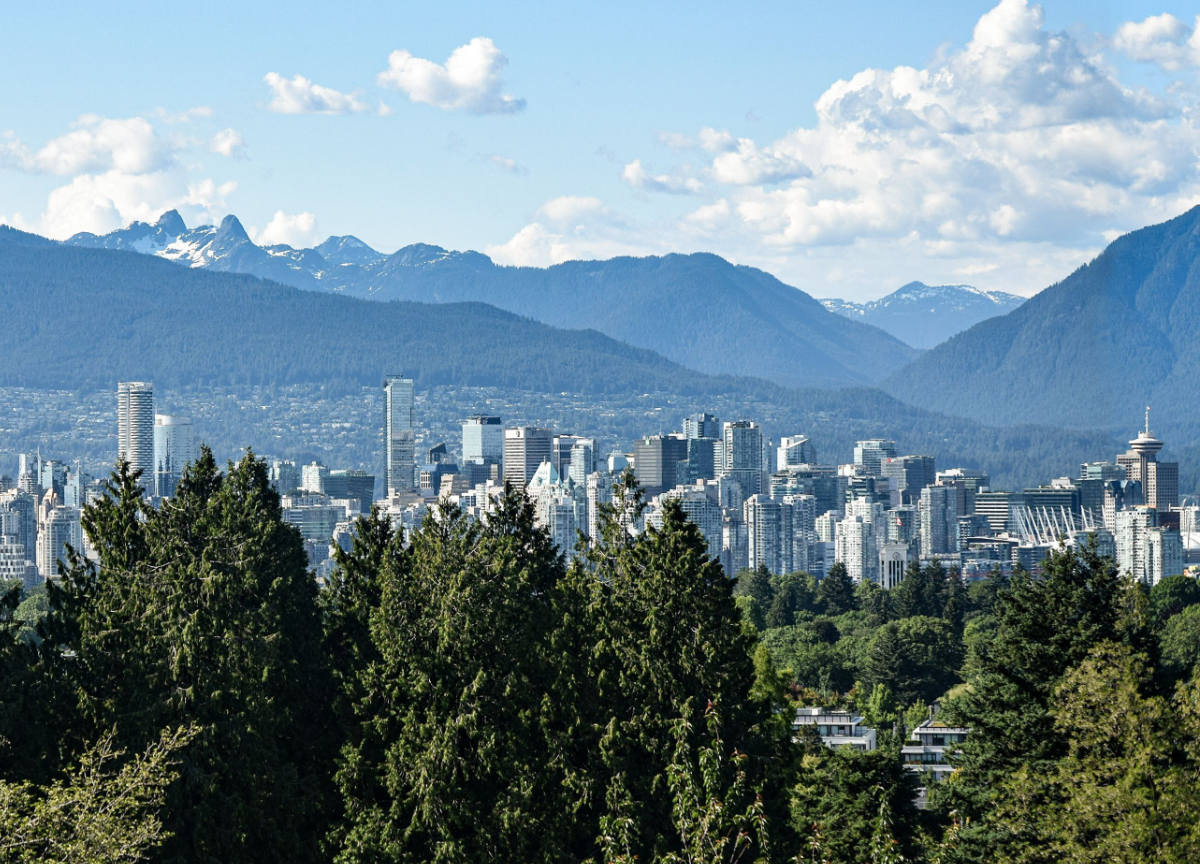
The Vancouver Tall Challenge: Building Higher Downtown is an international architecture competition organized by Buildner in collaboration with the City of Vancouver and the University of British Columbia’s School of Architecture and Landscape Architecture (SALA). The competition invites architects, designers, planners, and creative thinkers to explore innovative approaches to tall buildings in Vancouver’s downtown core, focusing on sustainability, livability, urban density, public space, and the city’s strong connection to nature. As Vancouver continues to grow, participants are challenged to rethink how vertical development can enhance urban life and contribute to a more vibrant, inclusive, and resilient city identity.

The competition offers a total prize fund of $15,000 CAD, with winning proposals selected by an international jury of architects, planners, academics, and city-building professionals. Key dates include the final registration deadline on October 29, 2026, submission deadline on November 30, 2026, and winners announcement on January 26, 2027. Full competition details, requirements, and registration information are available at architecturecompetitions.com/VancouverTallChallenge

Vancouver Tall Challenge

Design the future of Vancouver’s skyline

Building higher downtown ideas COMPETITION
Prize Monetary award
Eligibility Open to all
Final registration deadline 29 October 2026

Open architecture competitions

  • Closest deadline first
  • Project competitions first
    Selected winning projects have the potential to be constructed
  • Ideas competitions
    Experimental competitions with the focus on pushing the boundaries of creativity
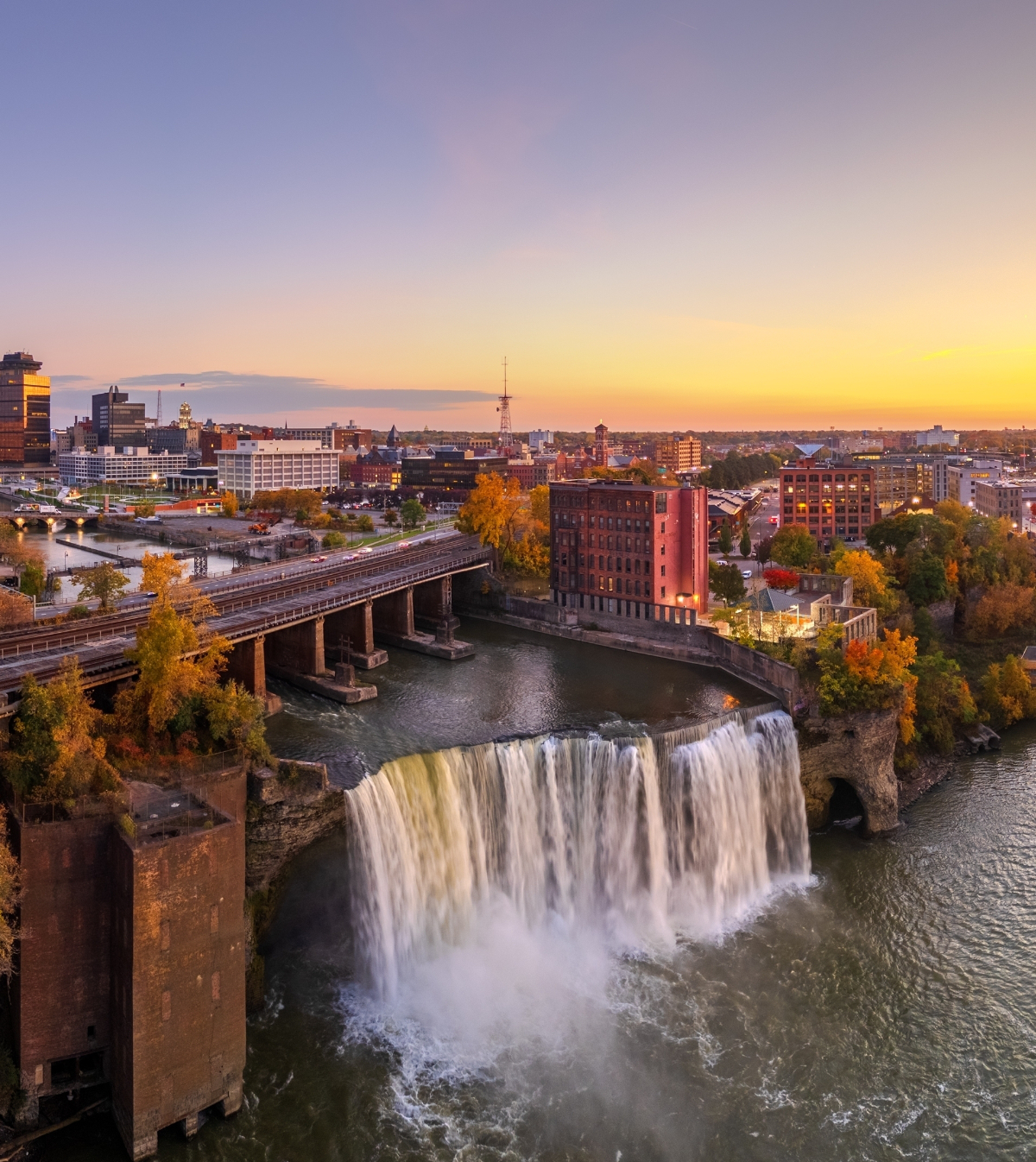
New York High Falls 
Riverfront Market

Design a New Riverfront Market in Rochester, New York

ideas COMPETITION
Prize Monetary award
Eligibility Open to all
Advance registration deadline 7 October 2026
Valli Wine 
Tasting Room

Design a wine tasting room in Italy

project COMPETITION
Prize Monetary award
Eligibility Open to all
Advance registration deadline 8 October 2026
The 
Quiet 
Tower

Design an observation tower in Latvia

project COMPETITION
Prize Monetary award
Eligibility Open to all
Advance registration deadline 15 October 2026
Vancouver 
Tall Challenge

Design the future of Vancouver’s skyline

Building higher downtown ideas COMPETITION
Prize Monetary award
Eligibility Open to all
Final registration deadline 29 October 2026
The Oak 
Moon 
Pavilion

Design a yoga pavilion in Italy

project COMPETITION
Prize Monetary award
Eligibility Open to all
Advance registration deadline 5 November 2026
Portugal Long Table 
Restaurant

Design a slow-living restaurant in Portugal

project COMPETITION
Prize Monetary award
Eligibility Open to all
Final registration deadline 9 December 2026

Recurring architecture competitions

Kinderspace

Design a kindergarten of tomorrow

Architecture for Children’s Development #4 ideas COMPETITION
Prize Monetary award
Eligibility Open to all
Final registration deadline 28 October 2026
Museum of 
Emotions

Use architecture to create different emotional states

Edition #9 ideas COMPETITION SILENT CONTEST For this competition, NO DESCRIPTION TEXT is allowed. The architecture ideas must be communicated strictly with visuals.
Prize Monetary award
Eligibility Open to all
Advance registration deadline 12 November 2026
The 
Architect's 
Chair

Take a seat and make a statement!

Stockholm Furniture Fair Edition #6 ideas COMPETITION
Prize Monetary award + Exhibition at Stockholm Furniture Fair
Eligibility Open to all
Final registration deadline 3 December 2026
new
Buildner's Unbuilt Award

Celebrating your unbuilt architecture visions with a 50,000€ prize

50,000€ Prize / 2027 ideas COMPETITION
Prize 50,000 €
Eligibility Open to all
Early bird registration deadline 4 February 2027

Media, partners and clients

To view this project in detail,
please log in with your
Architects’ Network Plus account.
Subscription instantly unlocks all the architecture projects plus other member-only benefits:
  • Access the 17,725 Concept Library
  • Professional tools including file transfer, email, portfolio management, and more
Register now
Already a member? Log in