Get inspired!

17,725 architecture projects

Learn from past Buildner architecture competition participants through our extensive project library, curated over more than 15 years!

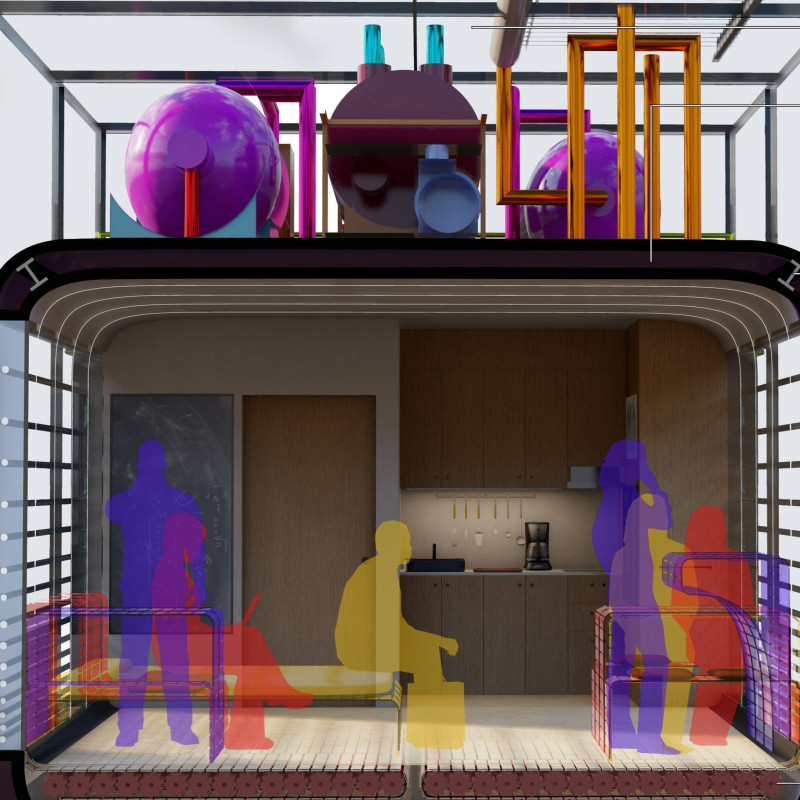
Flexible Living with PV Thermal Collectors and Greywater Systems

Authors:
Adil Ahmet Bahadır Sezer, Selcan Ezgi Şen, Bartu Lokumcu
Flexible Living with PV Thermal Collectors and Greywater Systems
Explore the full project presentation!
Subscribers only
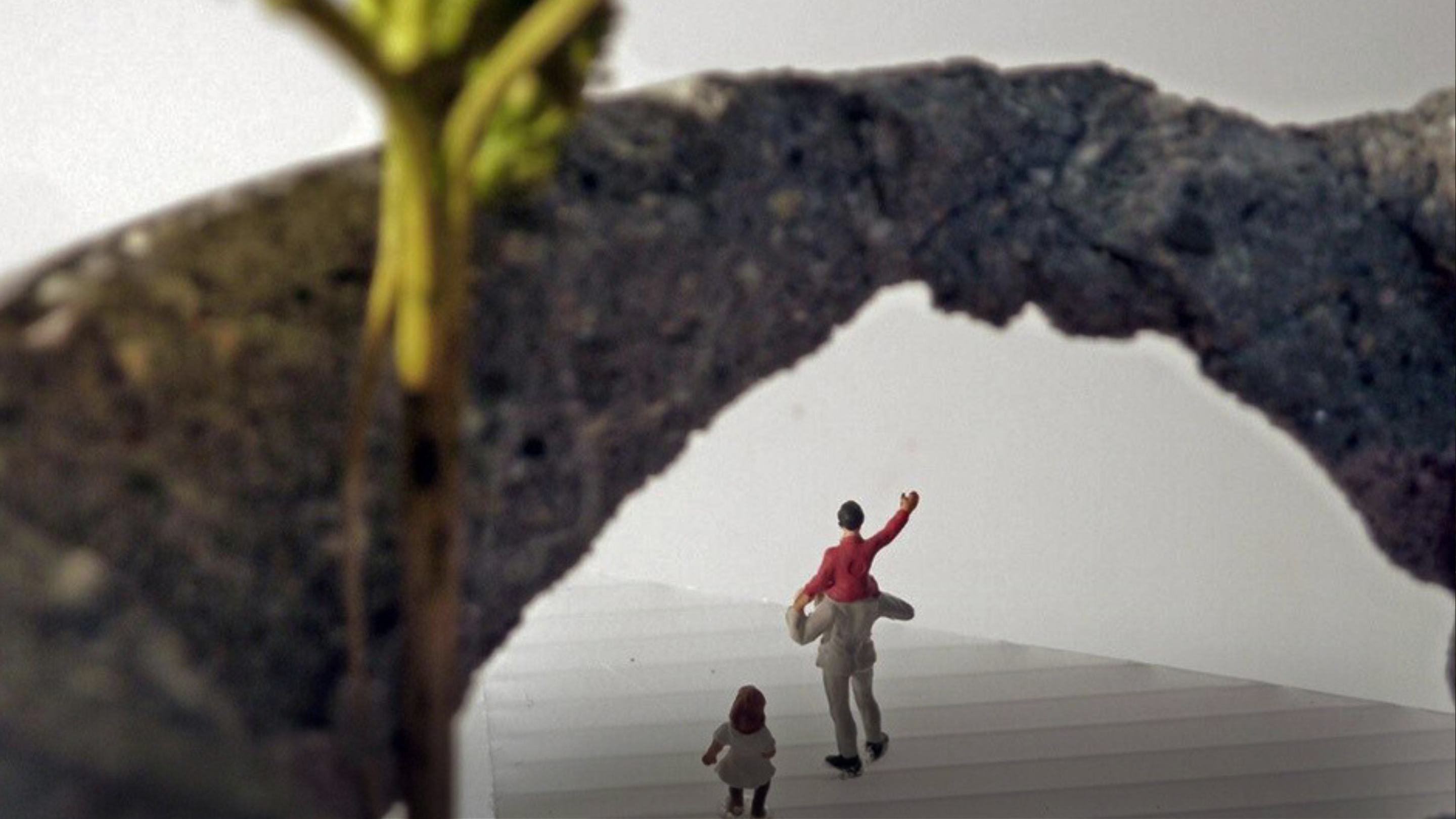
Utilizing foldable furniture and greywater systems, the design offers a self-sufficient living environment powered by PV thermal collectors, adaptable to the changing needs of its residents.
5 key facts about this project
01
Flexible folding furniture allows for customizable living arrangements.
02
Hybrid PV thermal collectors provide both electricity and hot water.
03
Innovative greywater systems recycle water for reuse.
04
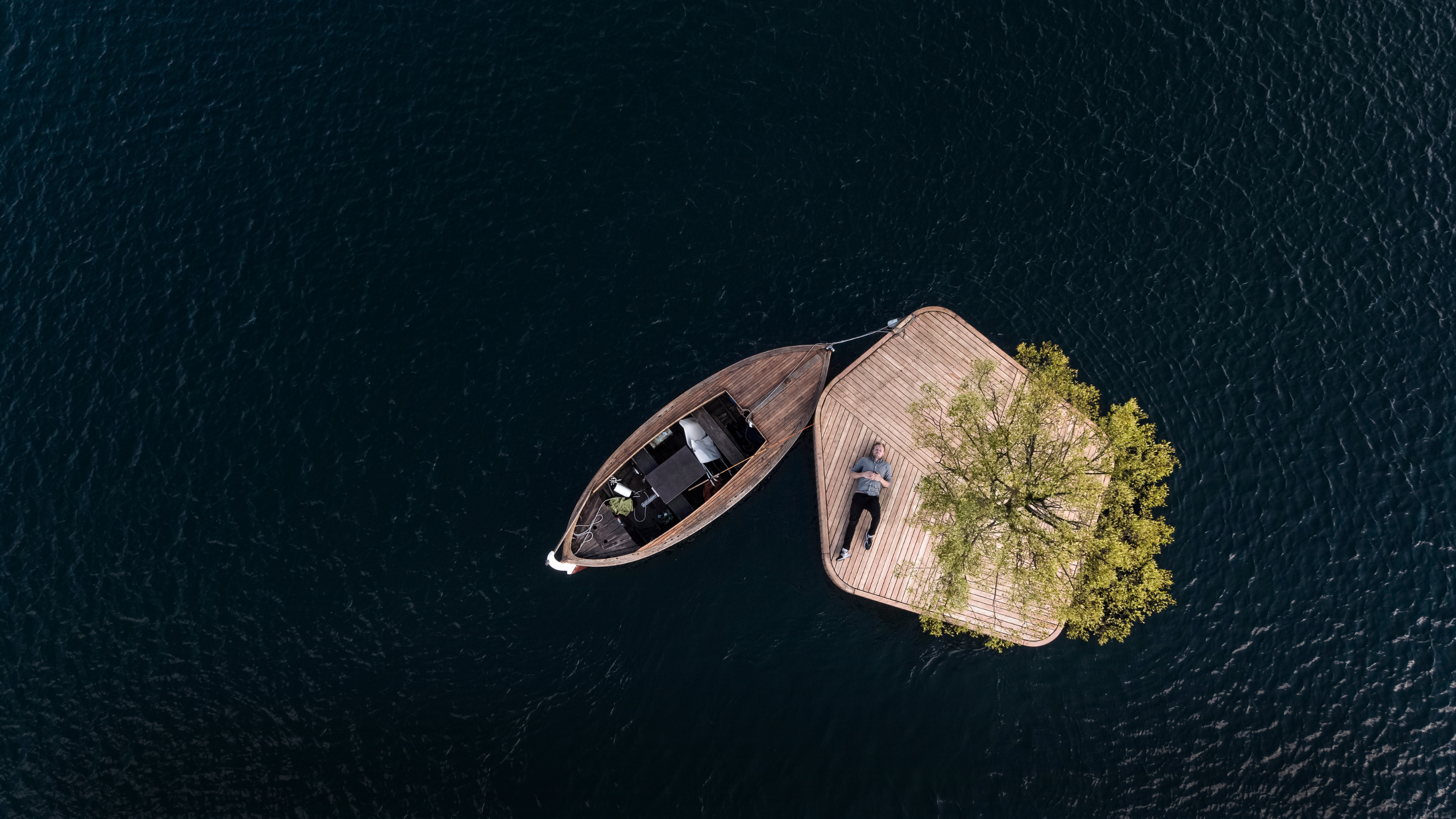
Structure can be adapted for both land and sea environments.
05
Strategically placed glass maximizes natural light and views.

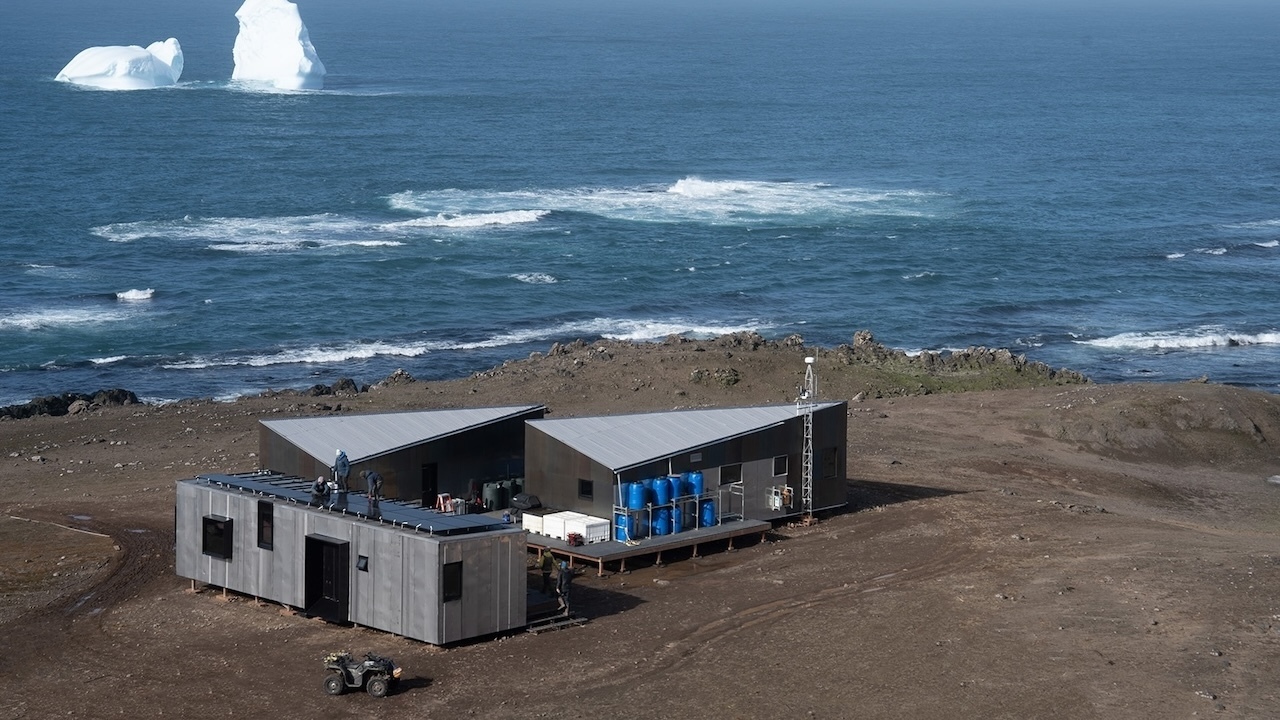
The Folding House is an architectural concept that combines flexibility and sustainability, situated in an environment affected by the challenges of pollution and climate change, particularly near the Marmara Sea. This residential structure responds to the needs of modern living by offering adaptable spaces. By limiting fixed furniture to essential wet areas and storage, the design emphasizes an open interior that can easily change to meet the varied needs of its inhabitants.

Design Concept

At the core of the design is the idea of creating open, uninterrupted space. The use of foldable furniture that operates through a rail system allows residents to customize their living area. Users can reshape their surroundings as required, making it possible to accommodate different activities or family dynamics within a single setting.

Energy and Sustainability

The house operates off the grid, using hybrid PV thermal collectors to generate its own electricity. These systems also provide hot water for a radiant heating system, which contributes to energy efficiency. By relying on renewable energy sources, the design reduces dependence on external utilities and highlights a commitment to sustainable living.

Material and Performance

The structure is built with a steel framework, ensuring strength and durability. Triple glazed low-e glass panels are employed throughout to improve thermal performance, helping to keep indoor temperatures stable. Clear glass is strategically placed to allow ample natural light into the home, creating a bright and welcoming environment. Foldable components further enhance the versatility of the space, allowing homeowners to arrange their interior as they see fit.

Water Management Systems

A key feature of the design is its approach to water management. The house purifies seawater to provide drinking and tap water, supporting self-sufficiency. Additionally, greywater generated from everyday activities is collected and reused within the system. This efficient use of resources reflects a forward-thinking strategy for sustainable living.

The Folding House represents a practical response to modern challenges in residential design. It prioritizes adaptability and efficiency while addressing environmental concerns. This offers a living experience that embraces both comfort and responsibility, highlighting the importance of thoughtful design.

Noticed a mistake?
Highlight the text and click on
Noticed a mistake

Vancouver Tall Challenge: Building Higher Downtown

`
Competition organisers

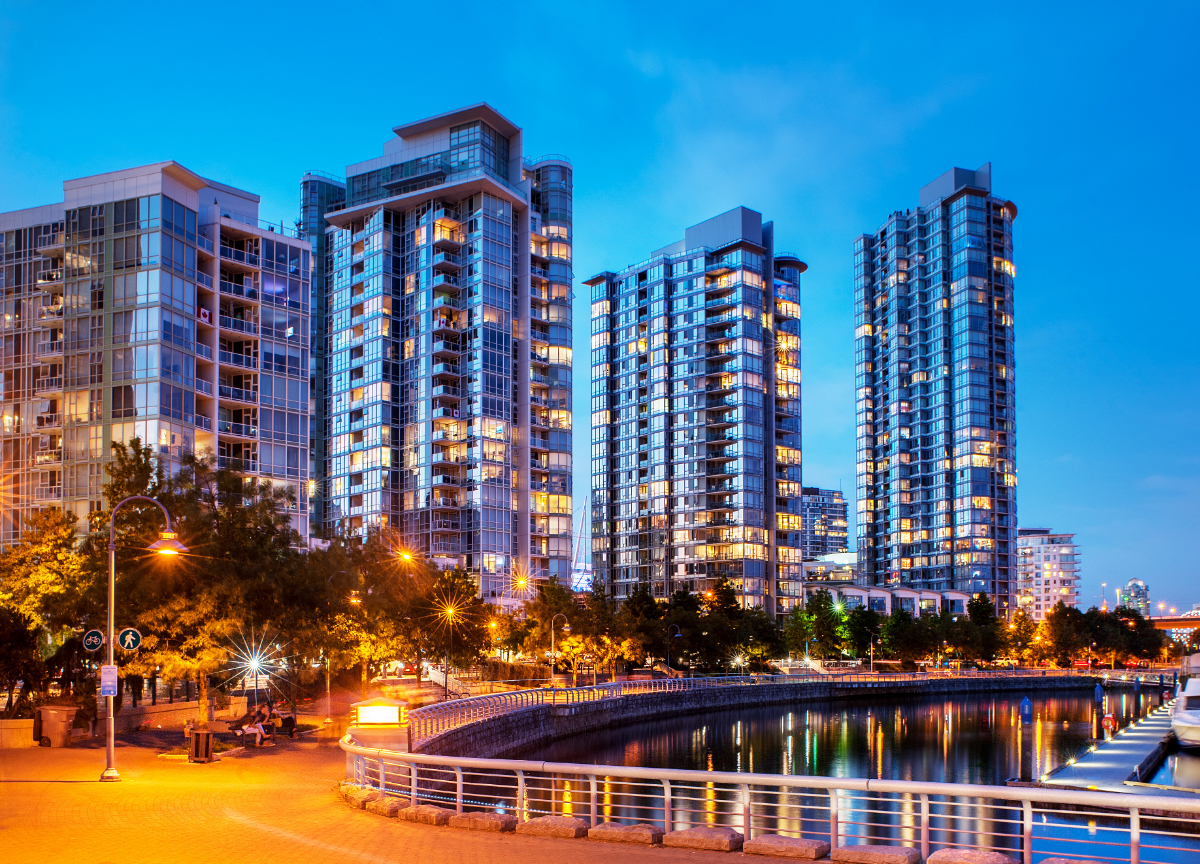
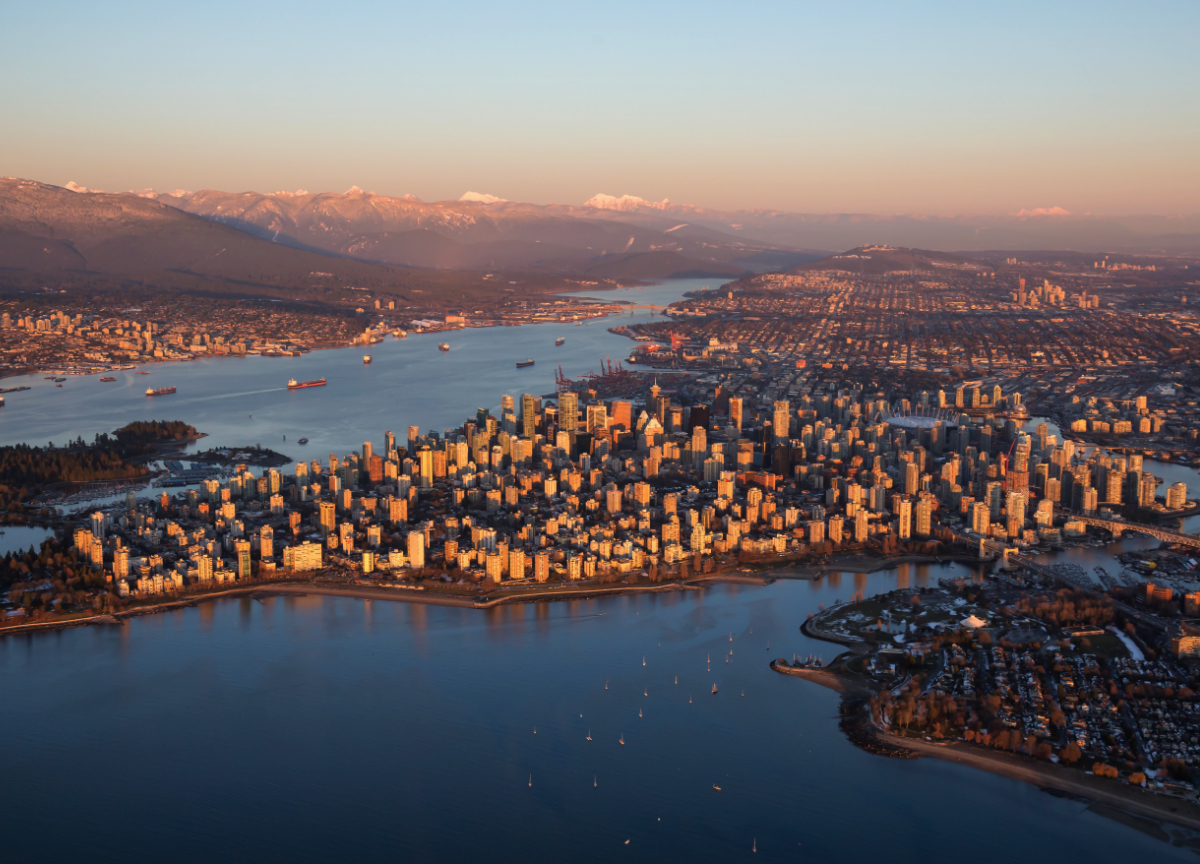
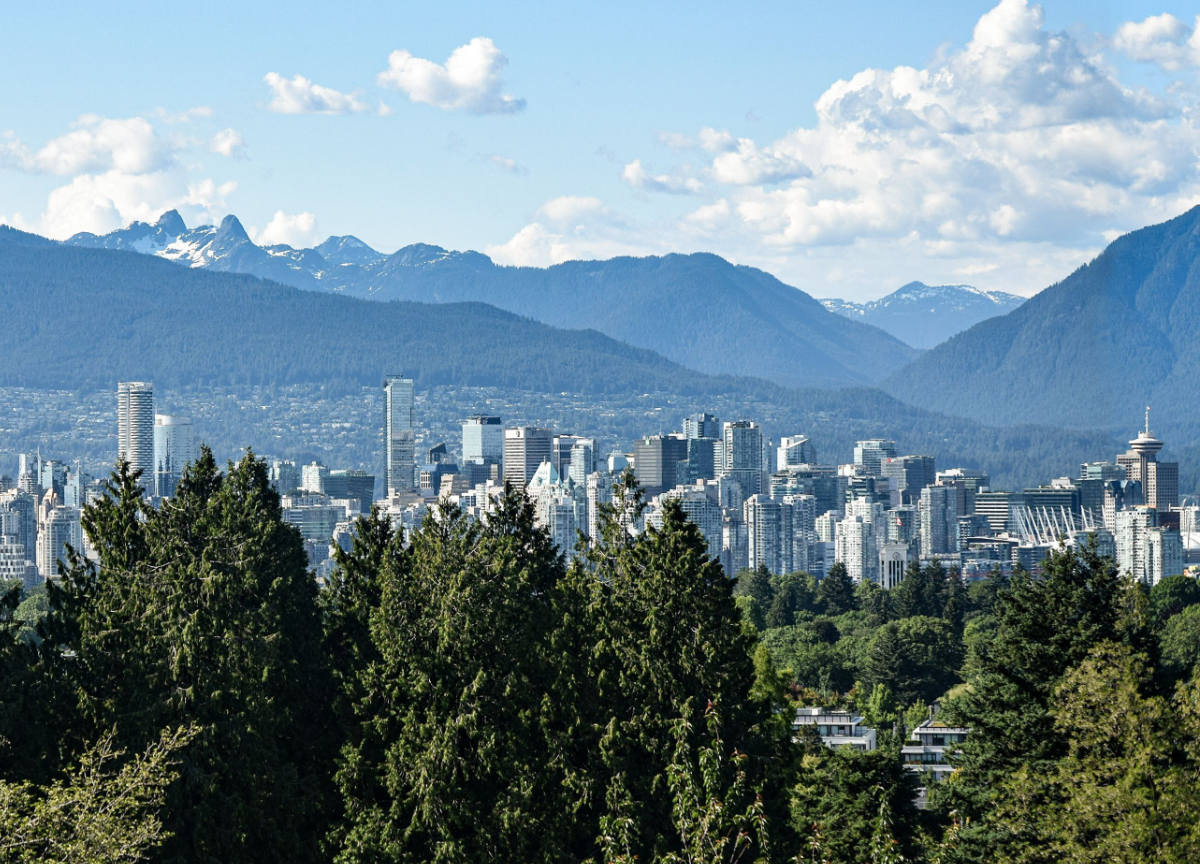
The Vancouver Tall Challenge: Building Higher Downtown is an international architecture competition organized by Buildner in collaboration with the City of Vancouver and the University of British Columbia’s School of Architecture and Landscape Architecture (SALA). The competition invites architects, designers, planners, and creative thinkers to explore innovative approaches to tall buildings in Vancouver’s downtown core, focusing on sustainability, livability, urban density, public space, and the city’s strong connection to nature. As Vancouver continues to grow, participants are challenged to rethink how vertical development can enhance urban life and contribute to a more vibrant, inclusive, and resilient city identity.

The competition offers a total prize fund of $15,000 CAD, with winning proposals selected by an international jury of architects, planners, academics, and city-building professionals. Key dates include the final registration deadline on October 29, 2026, submission deadline on November 30, 2026, and winners announcement on January 26, 2027. Full competition details, requirements, and registration information are available at architecturecompetitions.com/VancouverTallChallenge

Vancouver Tall Challenge

Design the future of Vancouver’s skyline

Building higher downtown ideas COMPETITION
Prize Monetary award
Eligibility Open to all
Final registration deadline 29 October 2026

Open architecture competitions

  • Closest deadline first
  • Project competitions first
    Selected winning projects have the potential to be constructed
  • Ideas competitions
    Experimental competitions with the focus on pushing the boundaries of creativity
New York High Falls 
Riverfront Market

Design a New Riverfront Market in Rochester, New York

ideas COMPETITION
Prize Monetary award
Eligibility Open to all
Advance registration deadline 7 October 2026
Valli Wine 
Tasting Room

Design a wine tasting room in Italy

project COMPETITION
Prize Monetary award
Eligibility Open to all
Advance registration deadline 8 October 2026
The 
Quiet 
Tower

Design an observation tower in Latvia

project COMPETITION
Prize Monetary award
Eligibility Open to all
Advance registration deadline 15 October 2026
Vancouver 
Tall Challenge

Design the future of Vancouver’s skyline

Building higher downtown ideas COMPETITION
Prize Monetary award
Eligibility Open to all
Final registration deadline 29 October 2026
The Oak 
Moon 
Pavilion

Design a yoga pavilion in Italy

project COMPETITION
Prize Monetary award
Eligibility Open to all
Advance registration deadline 5 November 2026
Portugal Long Table 
Restaurant

Design a slow-living restaurant in Portugal

project COMPETITION
Prize Monetary award
Eligibility Open to all
Final registration deadline 9 December 2026

Recurring architecture competitions

Kinderspace

Design a kindergarten of tomorrow

Architecture for Children’s Development #4 ideas COMPETITION
Prize Monetary award
Eligibility Open to all
Final registration deadline 28 October 2026
Museum of 
Emotions

Use architecture to create different emotional states

Edition #9 ideas COMPETITION SILENT CONTEST For this competition, NO DESCRIPTION TEXT is allowed. The architecture ideas must be communicated strictly with visuals.
Prize Monetary award
Eligibility Open to all
Advance registration deadline 12 November 2026
The 
Architect's 
Chair

Take a seat and make a statement!

Stockholm Furniture Fair Edition #6 ideas COMPETITION
Prize Monetary award + Exhibition at Stockholm Furniture Fair
Eligibility Open to all
Final registration deadline 3 December 2026
new
Buildner's Unbuilt Award

Celebrating your unbuilt architecture visions with a 50,000€ prize

50,000€ Prize / 2027 ideas COMPETITION
Prize 50,000 €
Eligibility Open to all
Early bird registration deadline 4 February 2027

Media, partners and clients

To view this project in detail,
please log in with your
Architects’ Network Plus account.
Subscription instantly unlocks all the architecture projects plus other member-only benefits:
  • Access the 17,725 Concept Library
  • Professional tools including file transfer, email, portfolio management, and more
Register now
Already a member? Log in