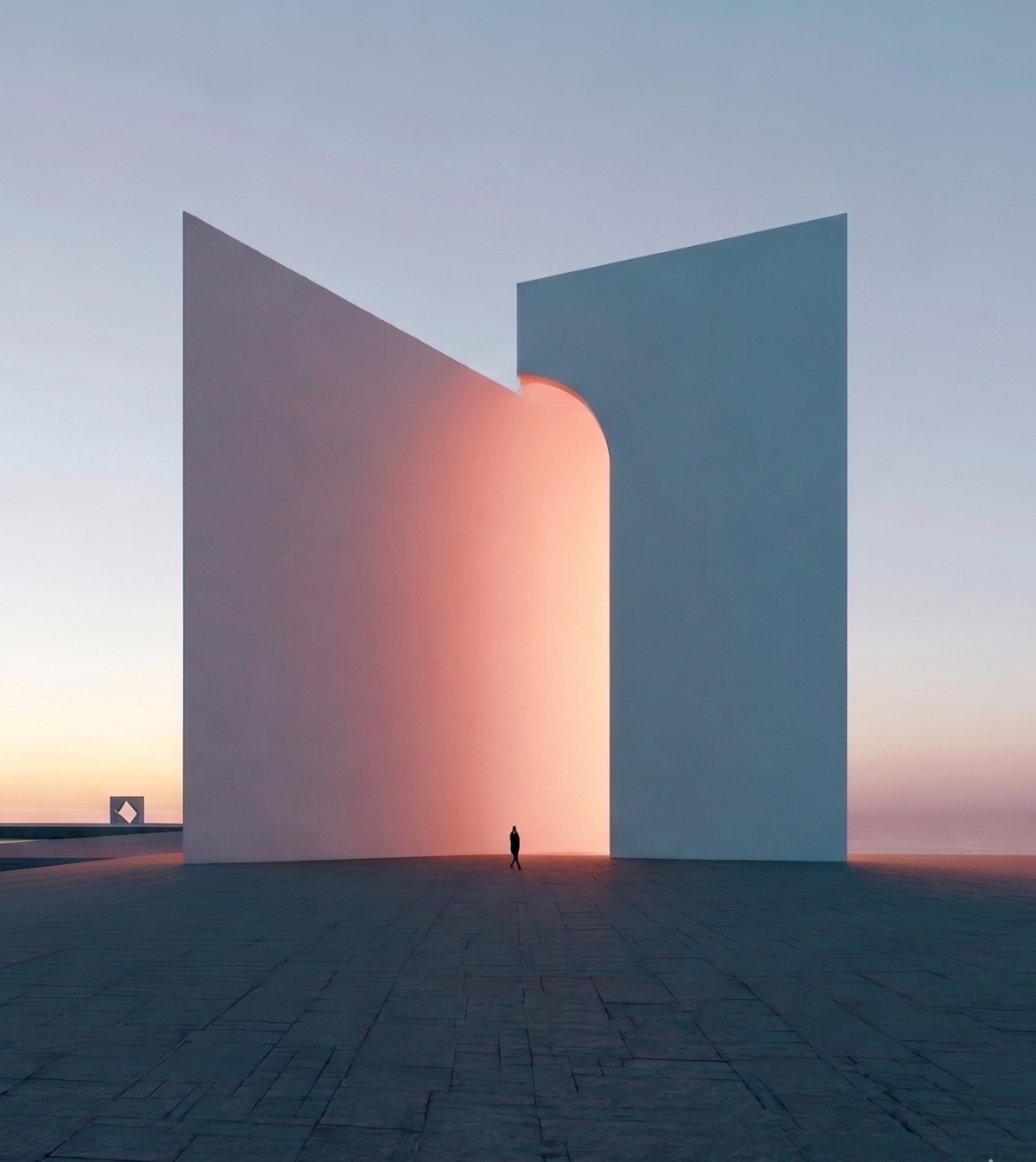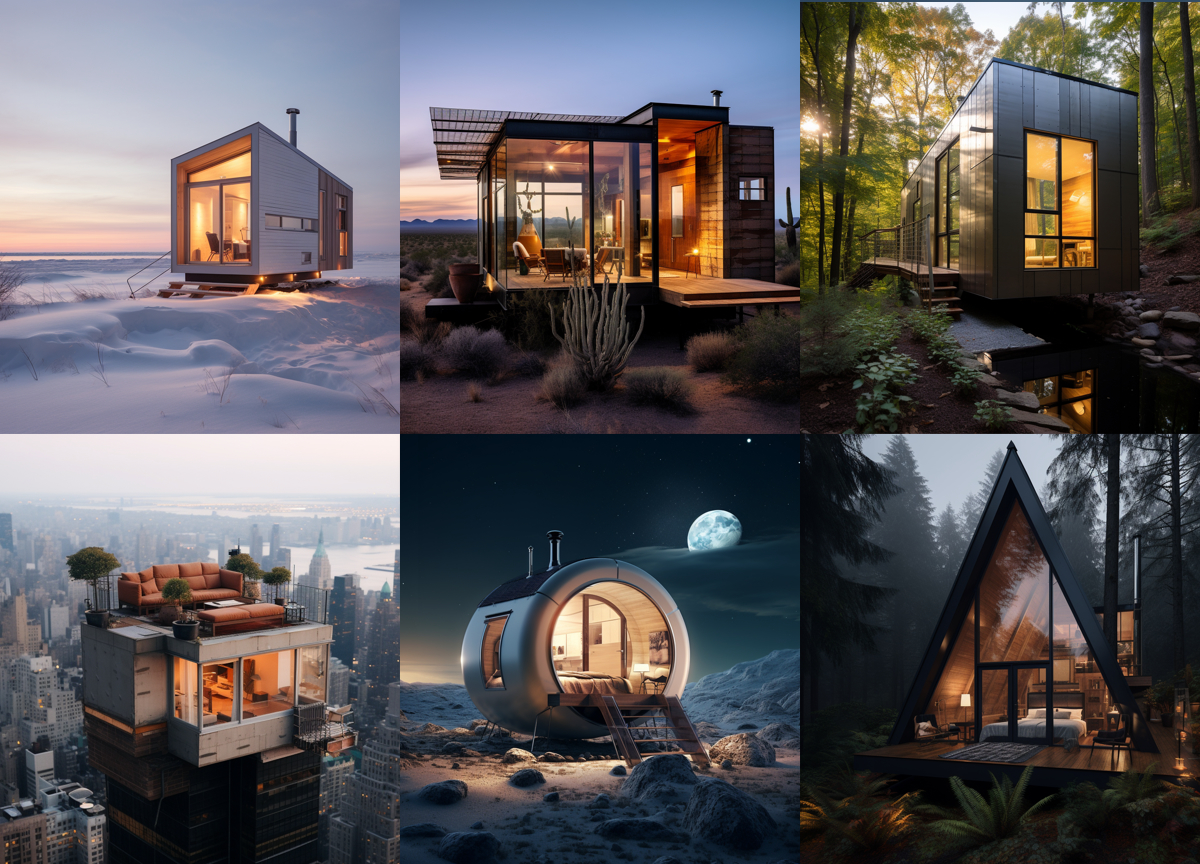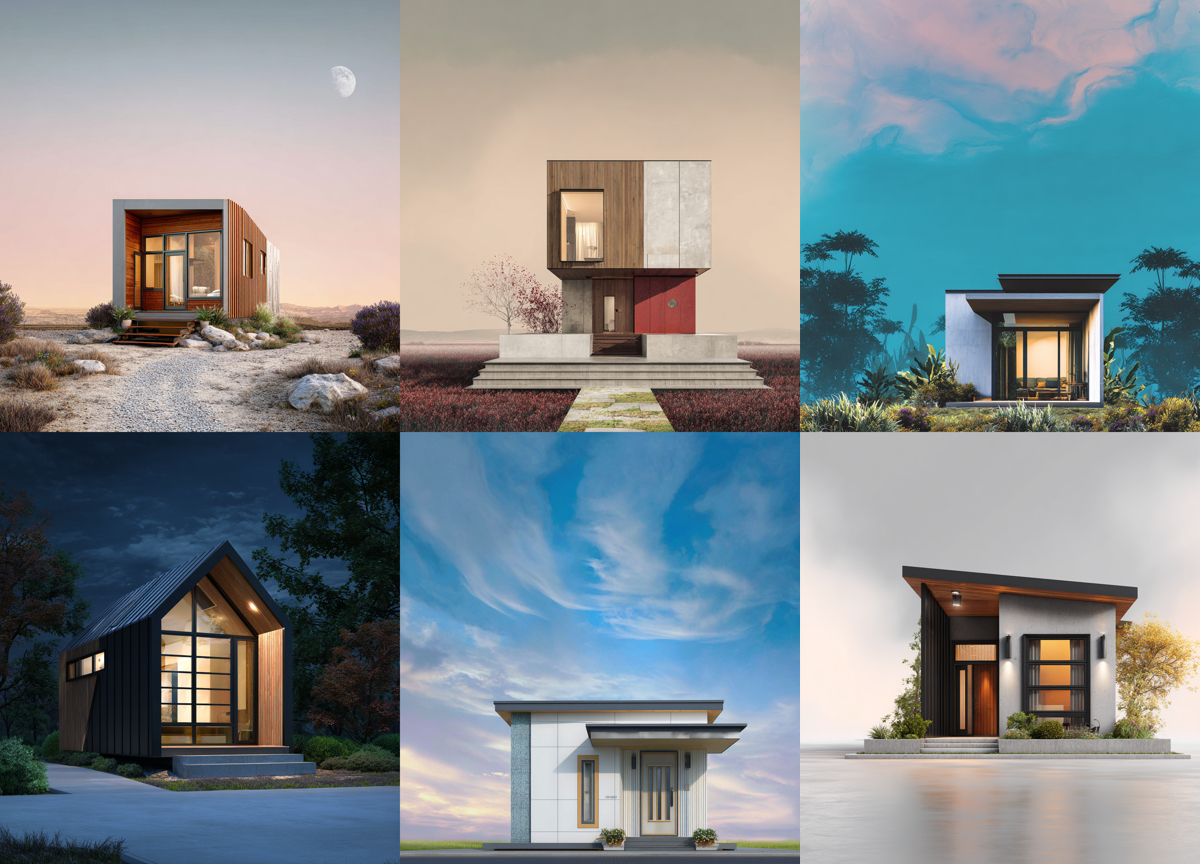


5 key facts about this project
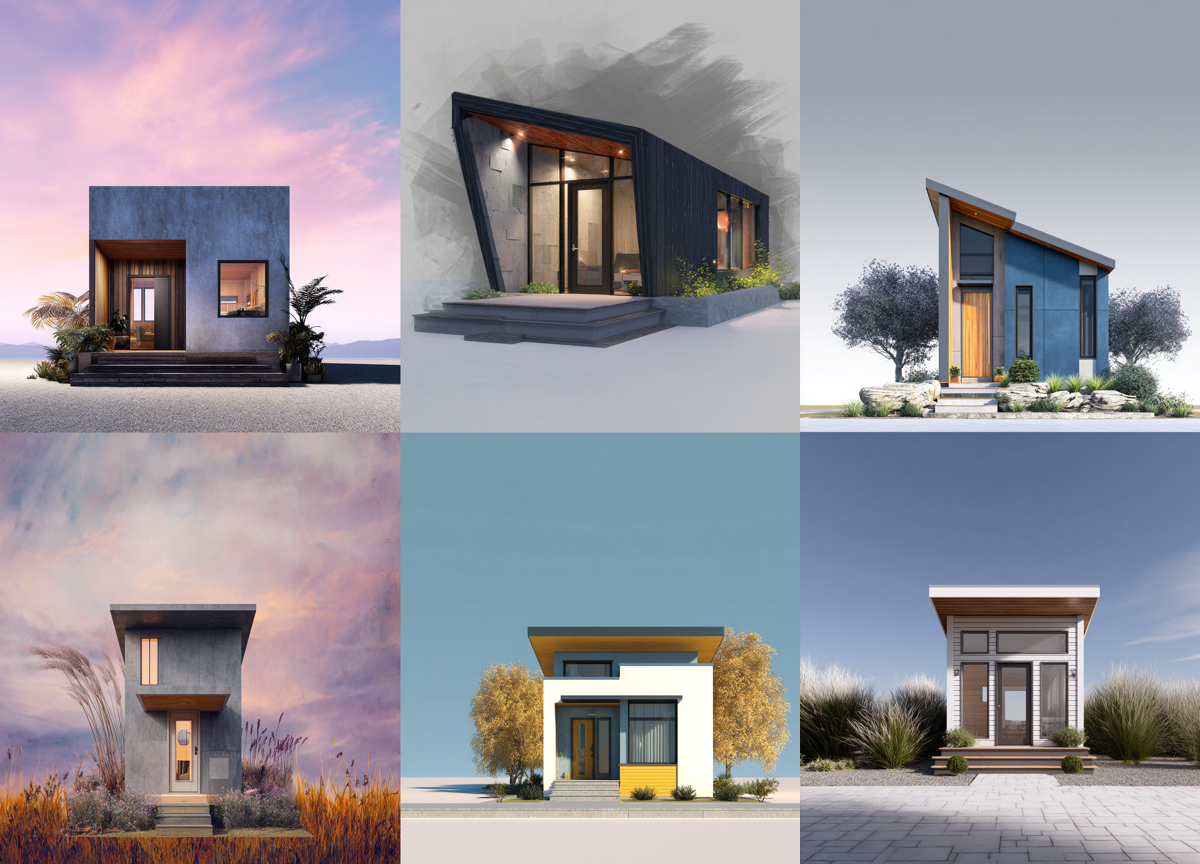
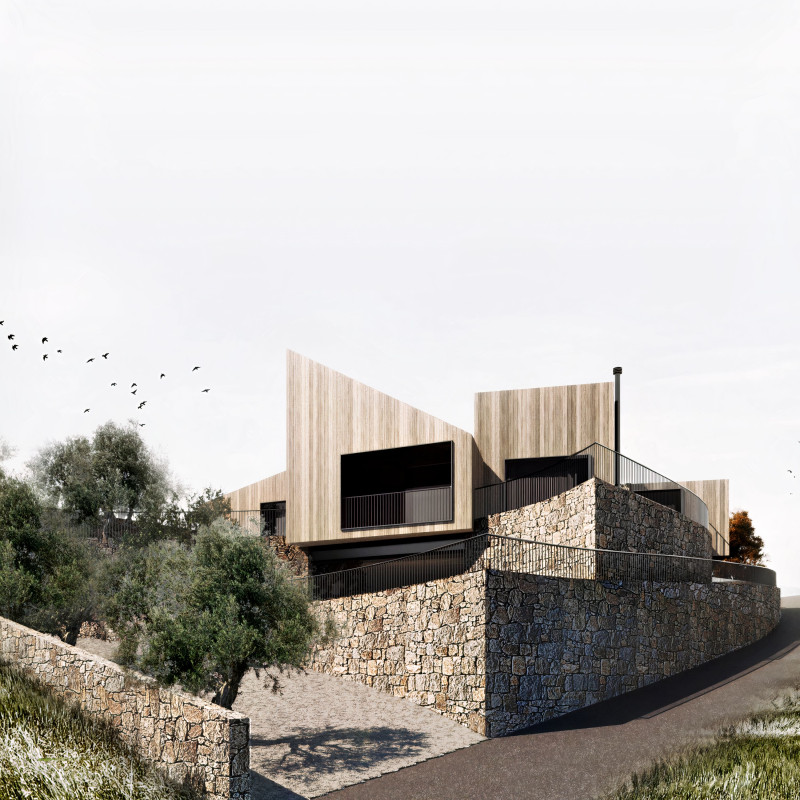
Set among olive trees, this residential project responds to its rural context through a blend of cultural reference and contemporary design. The house serves as both a private dwelling and a model for sustainable living, integrating architectural form with the surrounding landscape.
Form, Layout, and Accessibility
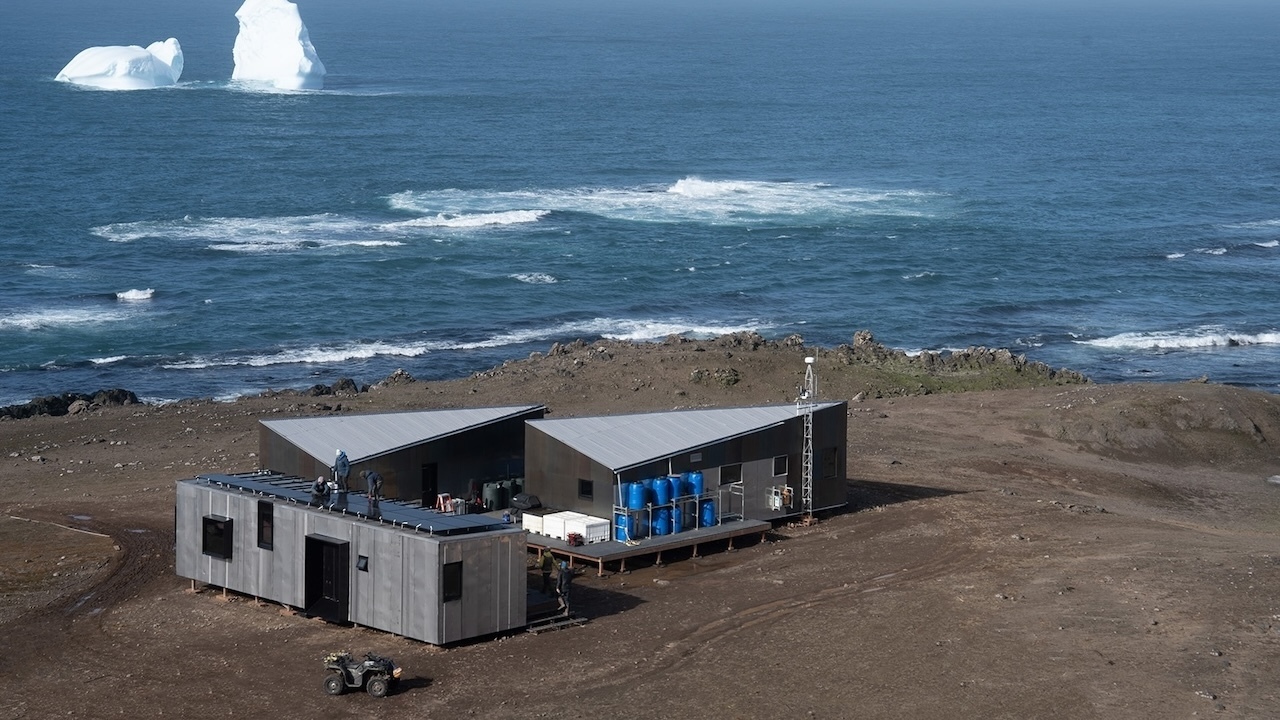
The building is composed of interconnected volumes that create a balance between shared and private spaces. Angular rooflines support rainwater management and thermal performance, while outdoor terraces extend the living areas into the landscape. The layout includes accessible routes throughout the house, incorporating ramps to accommodate users with different mobility needs.
Material Palette and Environmental Performance
Local stone clads the exterior, providing thermal mass and reducing environmental impact. Natural wood finishes introduce warmth to interior spaces, while reinforced concrete ensures structural durability. Generous glazing supports visual continuity between indoors and outdoors, enhancing the relationship with the surrounding grove. The integration of solar panels further reduces energy demand, reinforcing the project’s sustainable ambitions. Spaces for gathering are embedded within the plan, supporting community life within a rural setting.