
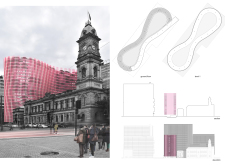
5 key facts about this project
**Project Overview**
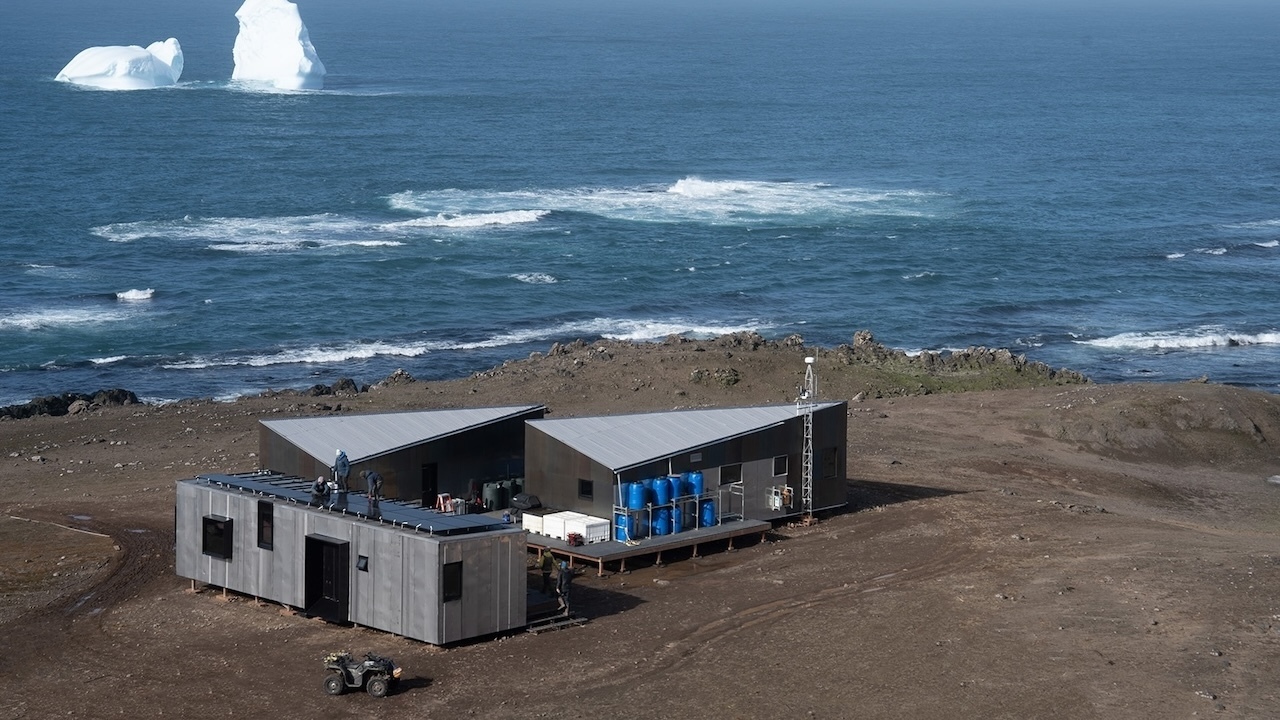
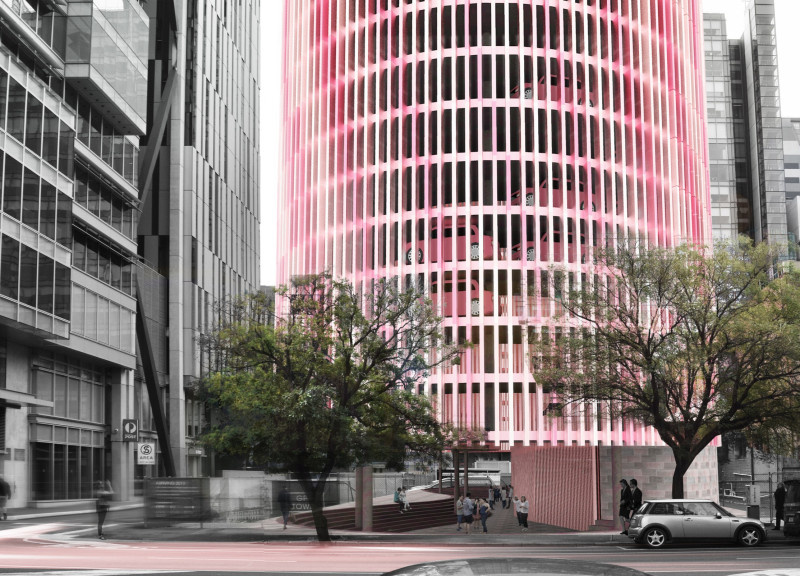
Located in [specify geographical location], the design aims to [describe the intent, e.g., foster community interaction, integrate with the natural landscape]. Developed by [insert architects or design team names] and completed in [insert completion date], this project responds to its context by reflecting [describe local culture, historical significance, or environmental factors]. The design approach prioritizes [mention foundational concepts such as connectivity, sustainability, or user-centric principles].
**Spatial Strategy**
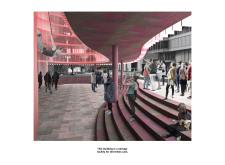
The project's layout employs an organized spatial strategy that facilitates interaction and movement. Open communal areas are interspersed with defined functional zones, allowing for a fluid transition between spaces. Key areas such as [list important zones, e.g., entryways, gathering spaces, administrative sections] are designed to enhance accessibility and usability, catering to various user needs. The architectural arrangement allows for both individual reflection and communal engagement, embodying a balance of privacy and interaction.
**Material Selection and Sustainability**
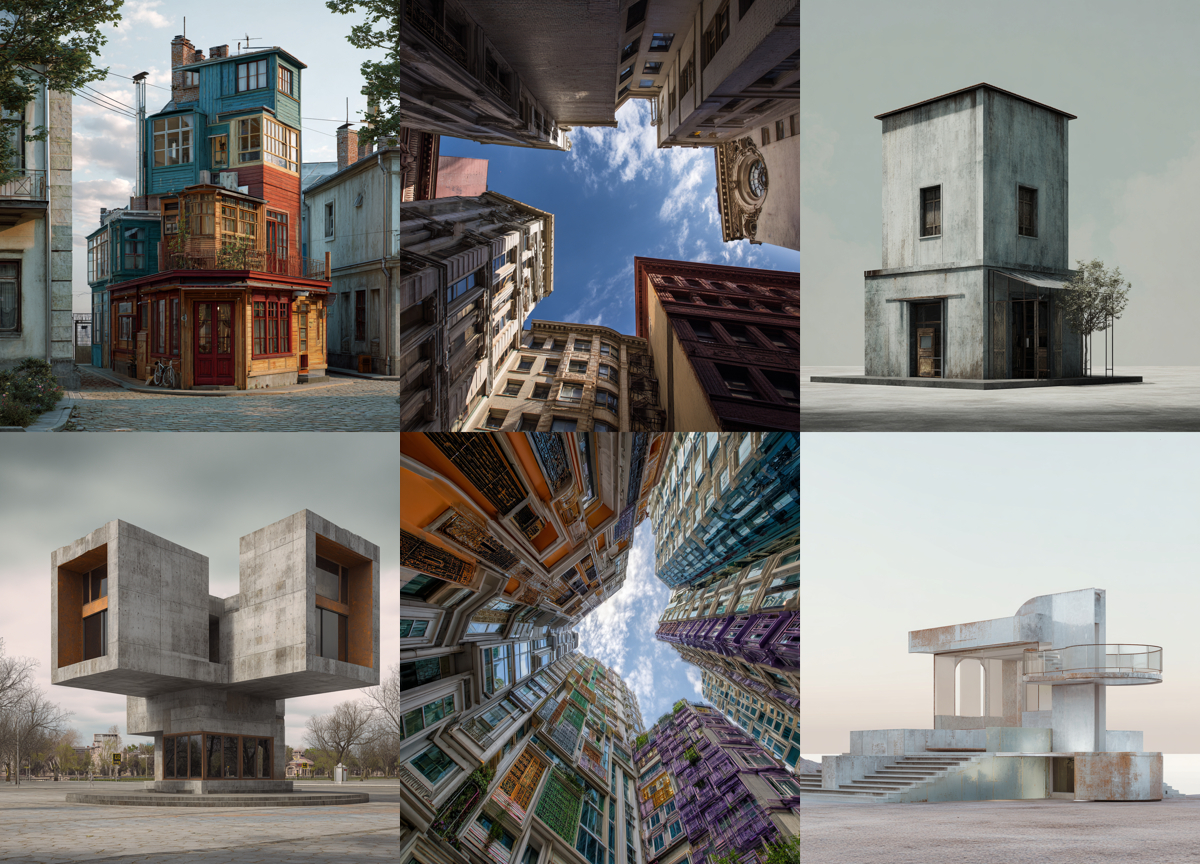
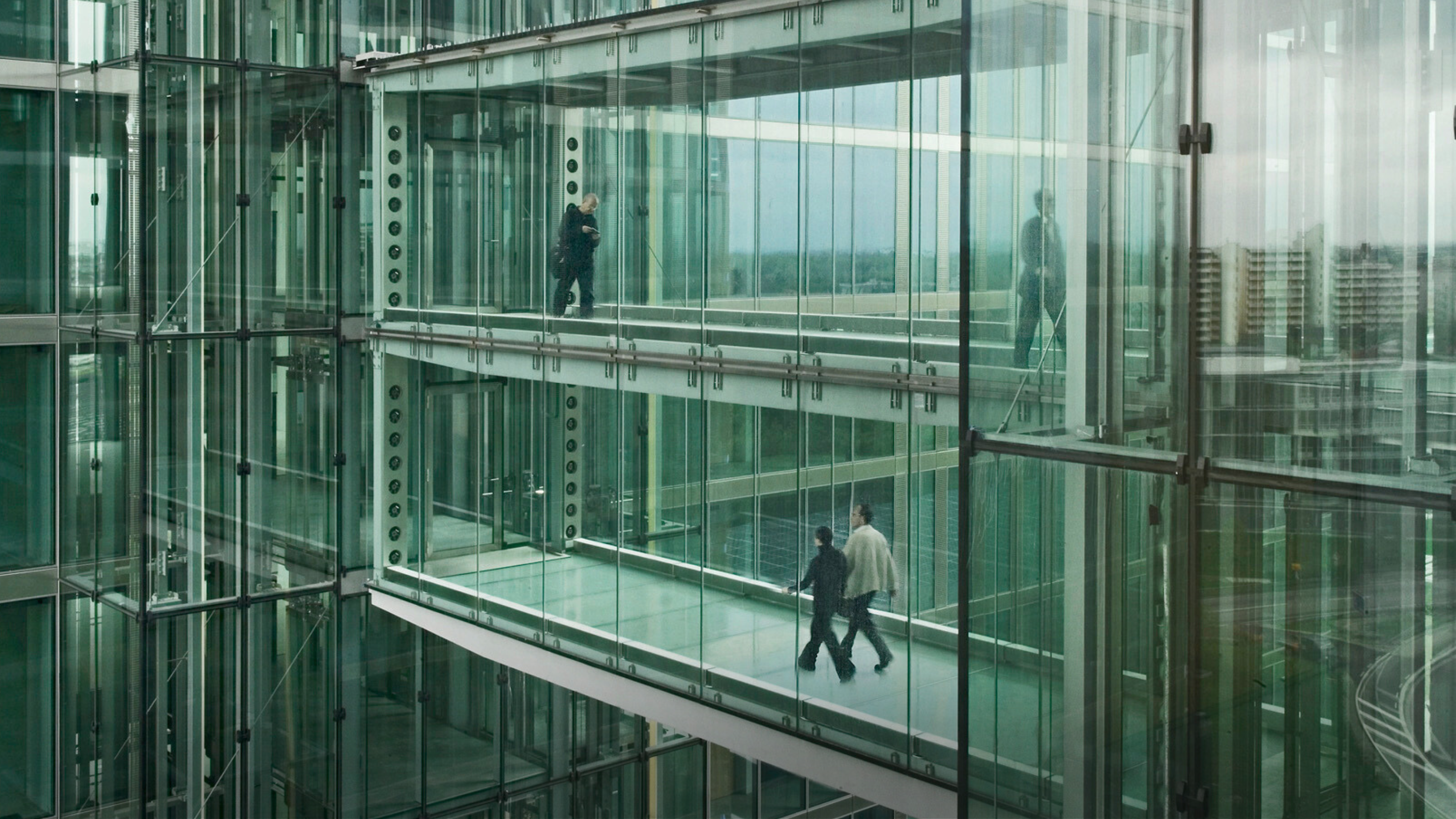
The selection of materials plays a critical role in both the aesthetic and functional dimensions of the design. A combination of **concrete**, **glass**, and **wood** serves to create a tactile experience, with concrete providing structural integrity and glass maximizing natural light while maintaining energy efficiency. The use of sustainable wood not only adds warmth but also meets ecological standards. Additionally, the integration of green roofs and rainwater harvesting systems demonstrates a commitment to environmental stewardship. Through these sustainable practices, the project aims to minimize its ecological footprint while enhancing the overall experience for its users.