
5 key facts about this project
## Project Overview
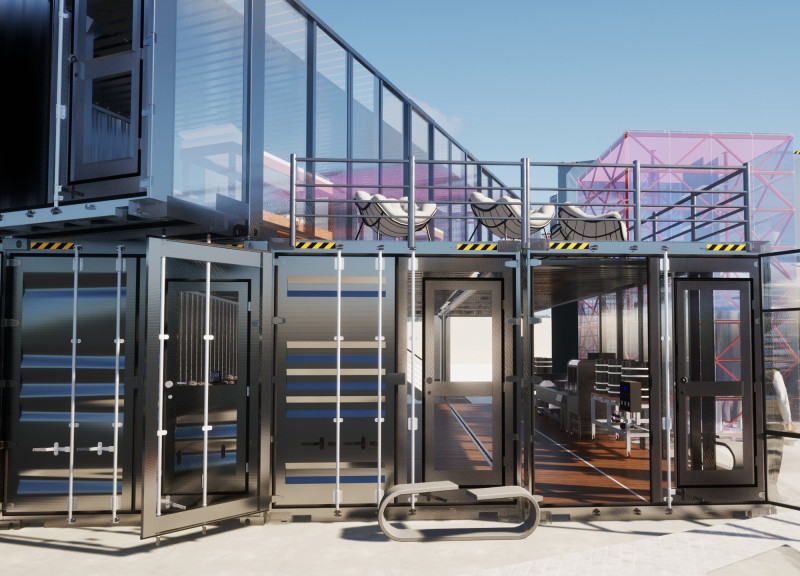
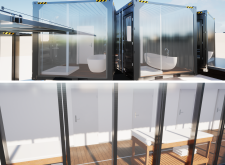
Located in an urban setting, the design employs a contemporary modular approach that reflects innovative spatial and environmental principles. It integrates functional and aesthetic elements to create a versatile architectural response, allowing for various configurations and uses. The intent is to foster both communal interaction and private enjoyment through a thoughtful balance of open and enclosed spaces.
### Spatial Strategy and User Interaction
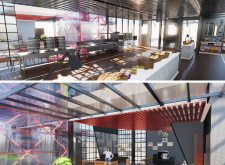
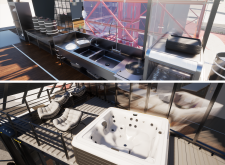
The layout emphasizes spatial flexibility, with the modular design allowing for adaptable configurations suitable for commercial, communal, or residential functions. Distinct zones are established to facilitate various activities, including areas for dining, relaxation, and social interaction. This organization encourages engagement among users while preserving opportunities for privacy. Noteworthy features include professional-grade kitchen areas and inviting social spaces that enhance the overall user experience.
### Materiality and Environmental Considerations
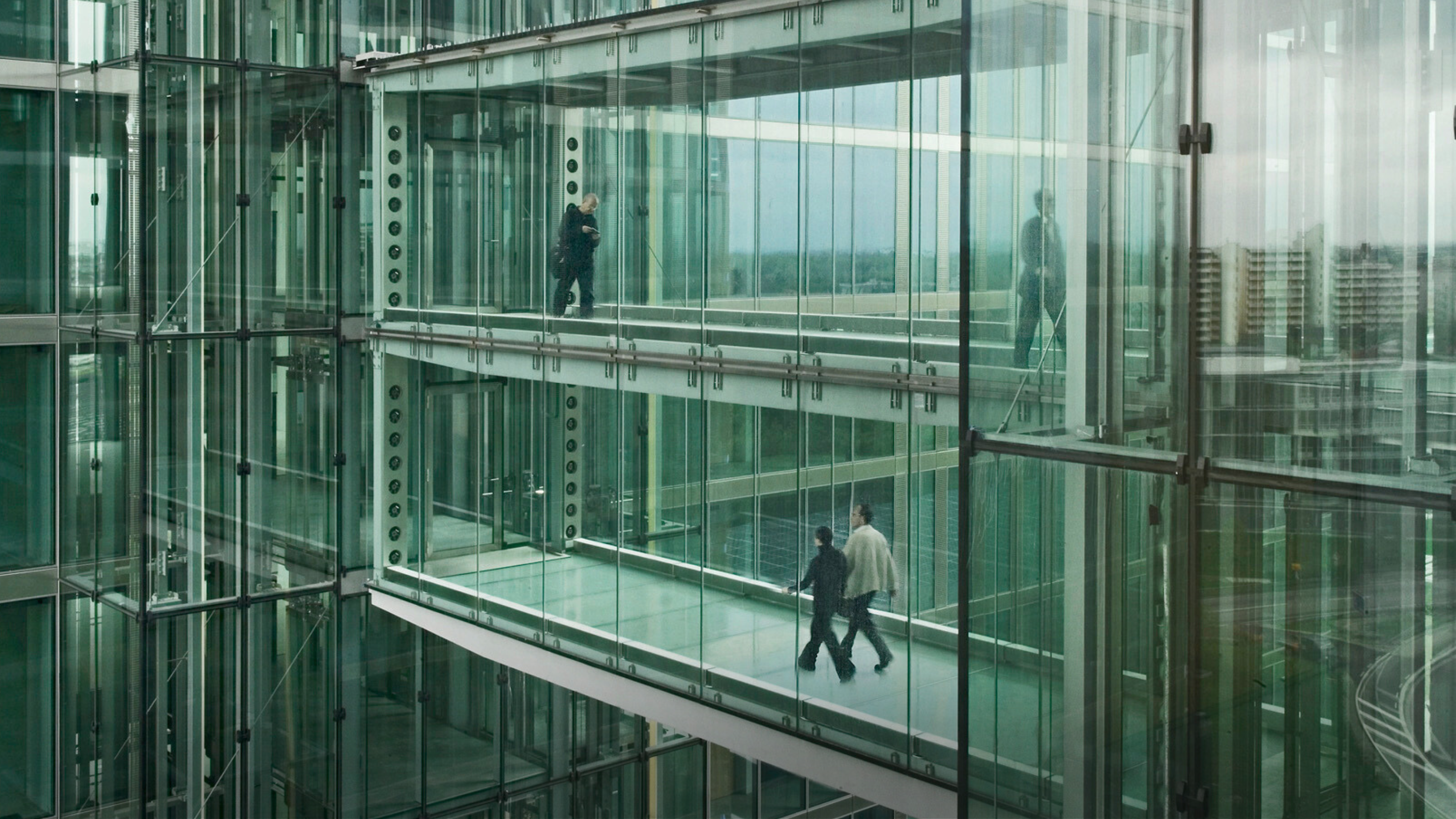
The project utilizes a diverse range of materials that emphasize both durability and aesthetic appeal. Structural components primarily include steel for strength, while glass is extensively used to maximize natural light and connect interior spaces to the outdoors. Wood may be employed for flooring and furniture, introducing warmth, and aluminum is likely used in railings for a modern touch. Composite materials serve functional needs in surfaces, and plastics or fiberglass may be applied in outdoor furnishings, highlighting durability and versatility. The extensive use of glass not only enhances visual appeal but also aligns with sustainability goals by reducing reliance on artificial lighting.