
5 key facts about this project
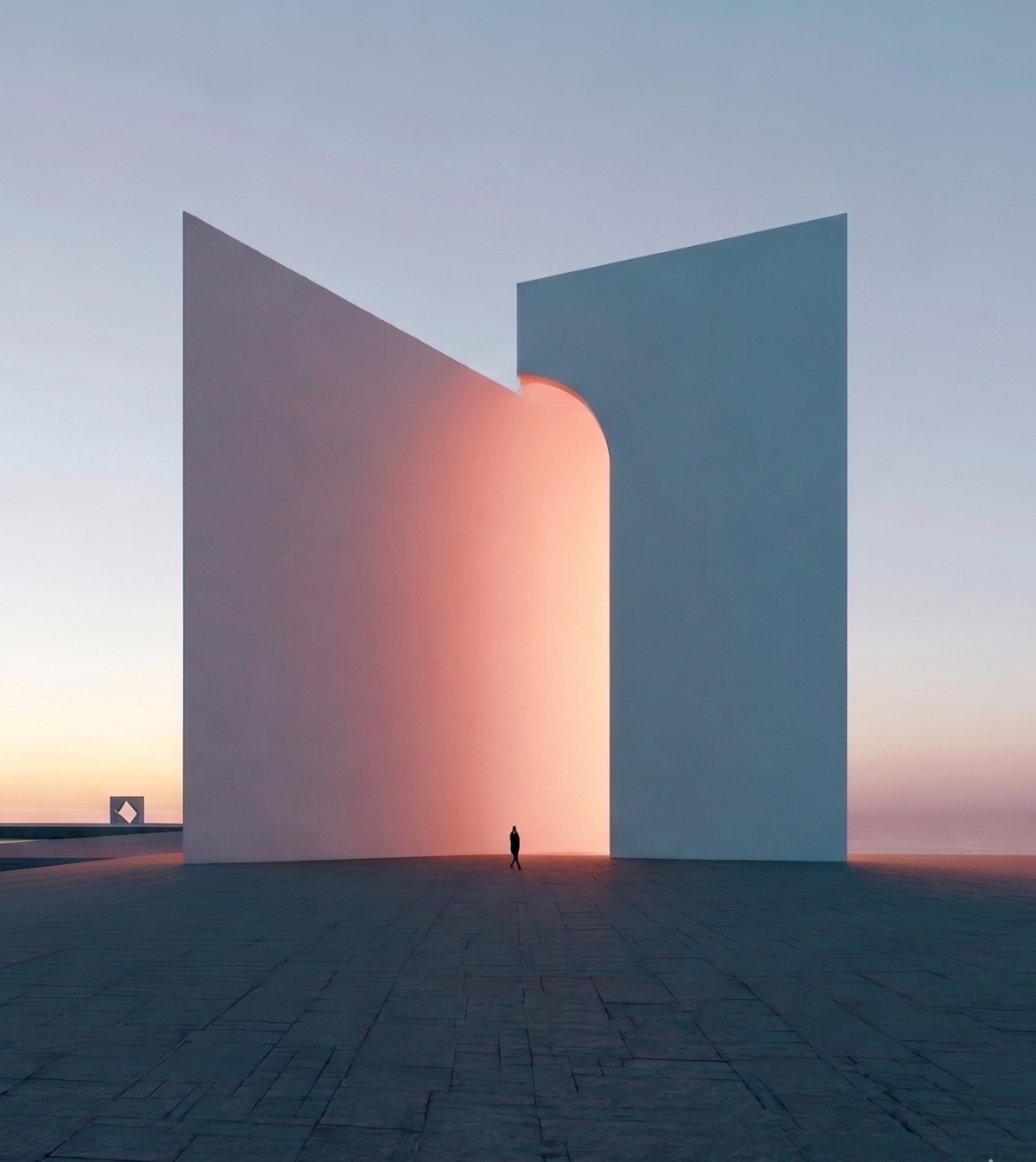
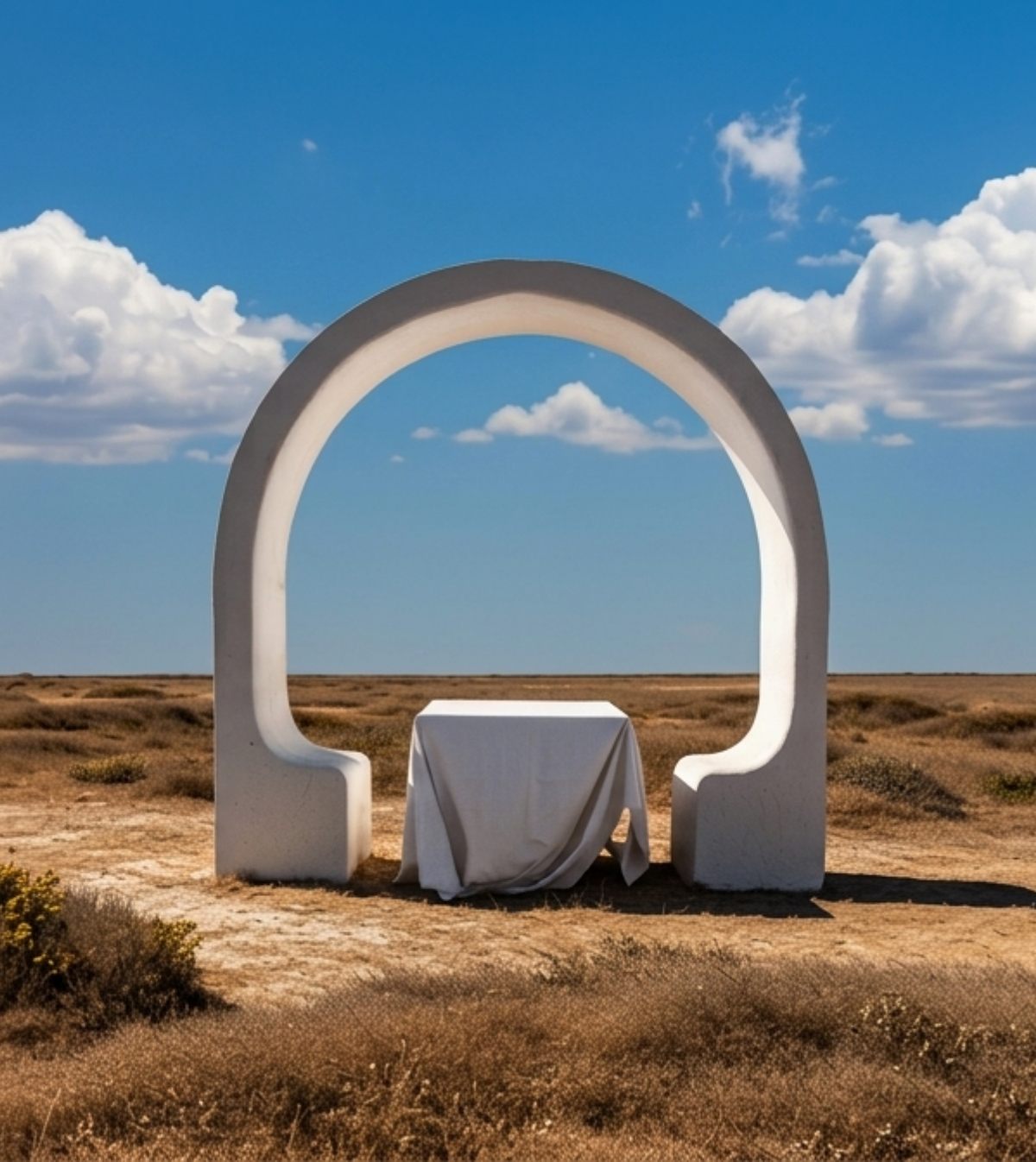
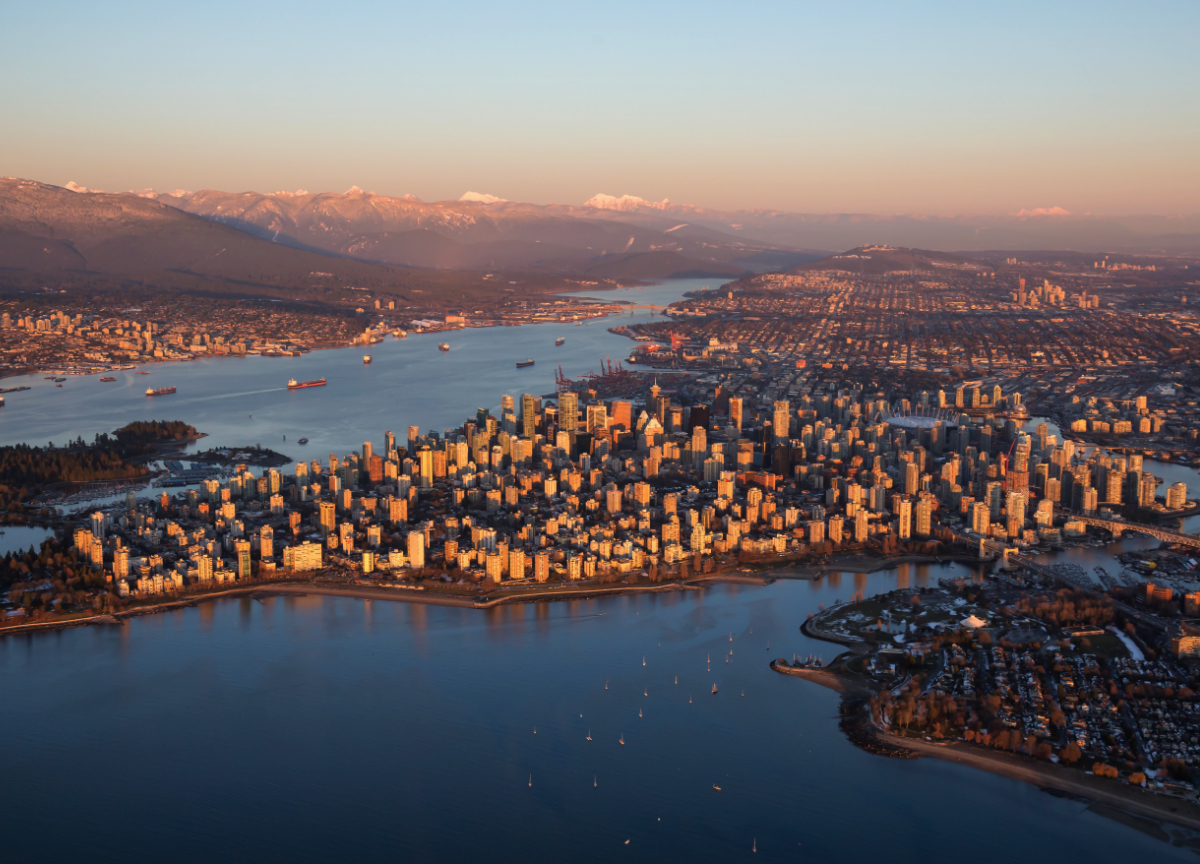
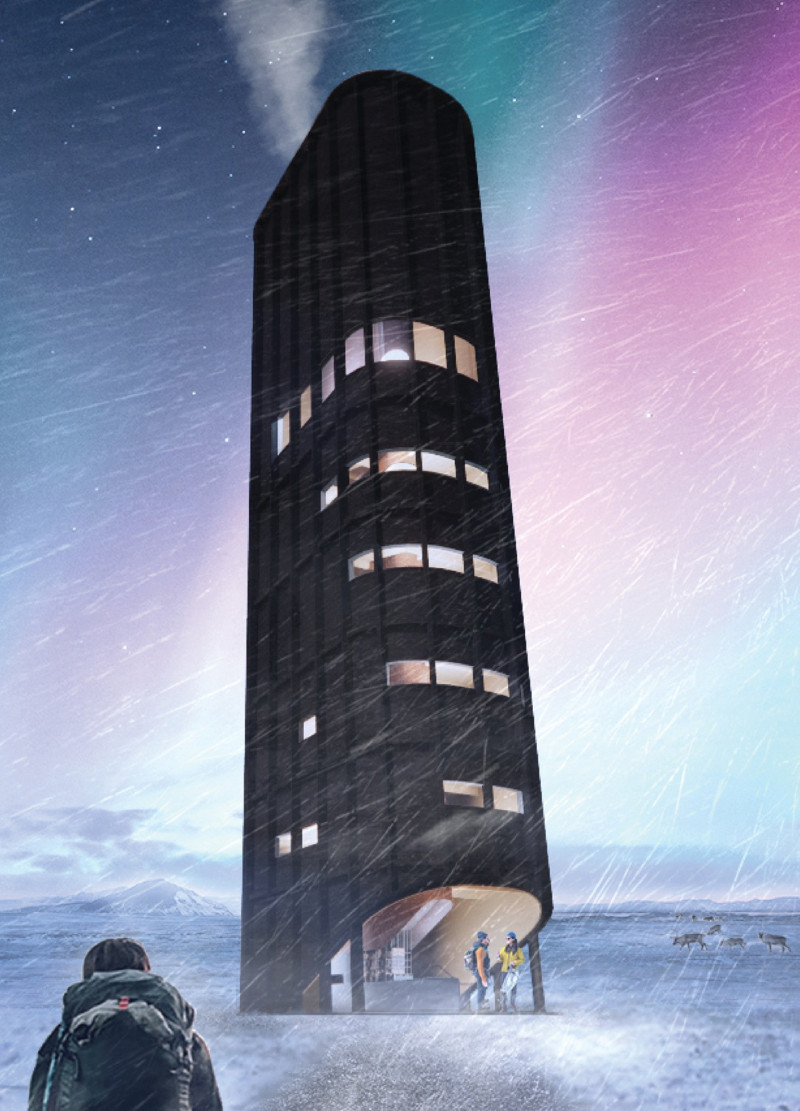
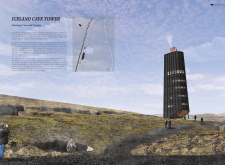
The architectural project under analysis showcases a thoughtful approach that integrates functionality with a focus on sustainability and community engagement. This design emphasizes a balance between indoor and outdoor spaces, directly responding to the surrounding environment. The architectural concept reflects a commitment to using locally sourced materials and innovative technologies, enhancing the building's ecological footprint while ensuring practicality in its daily usage.
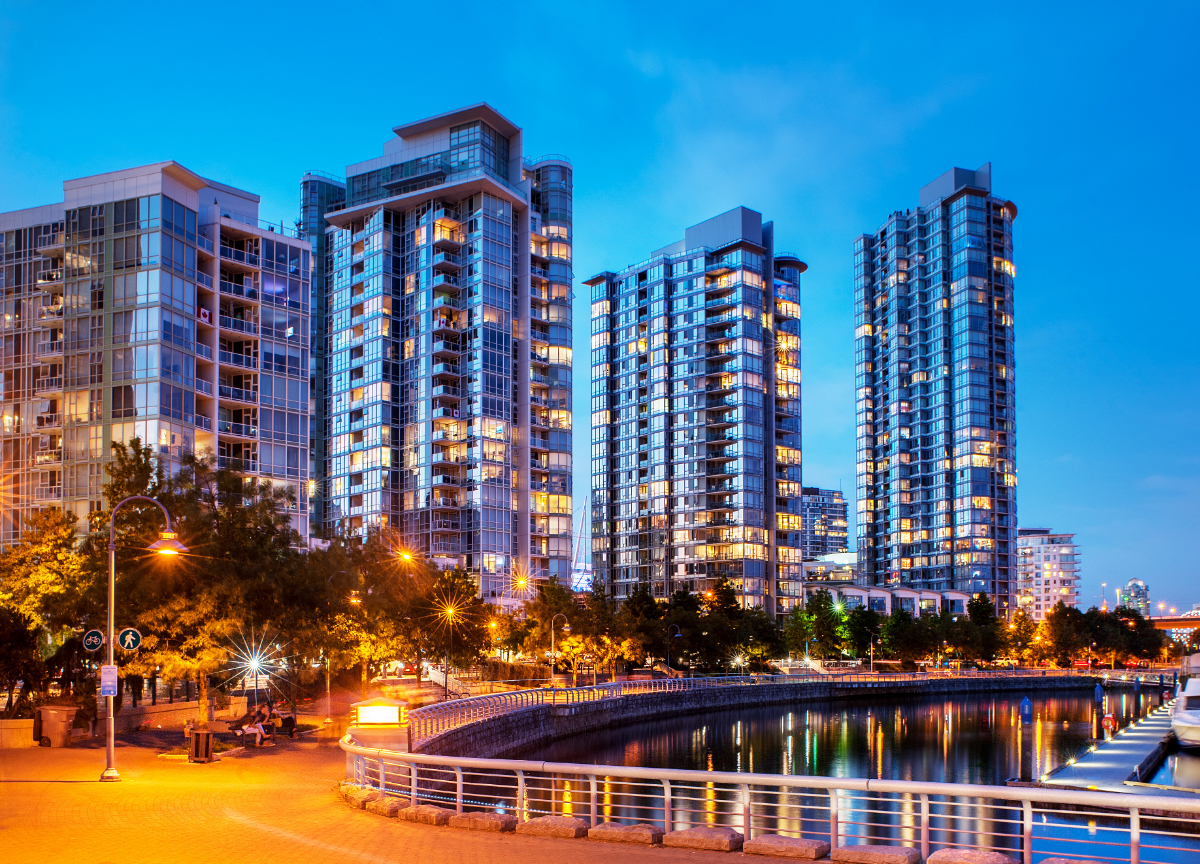
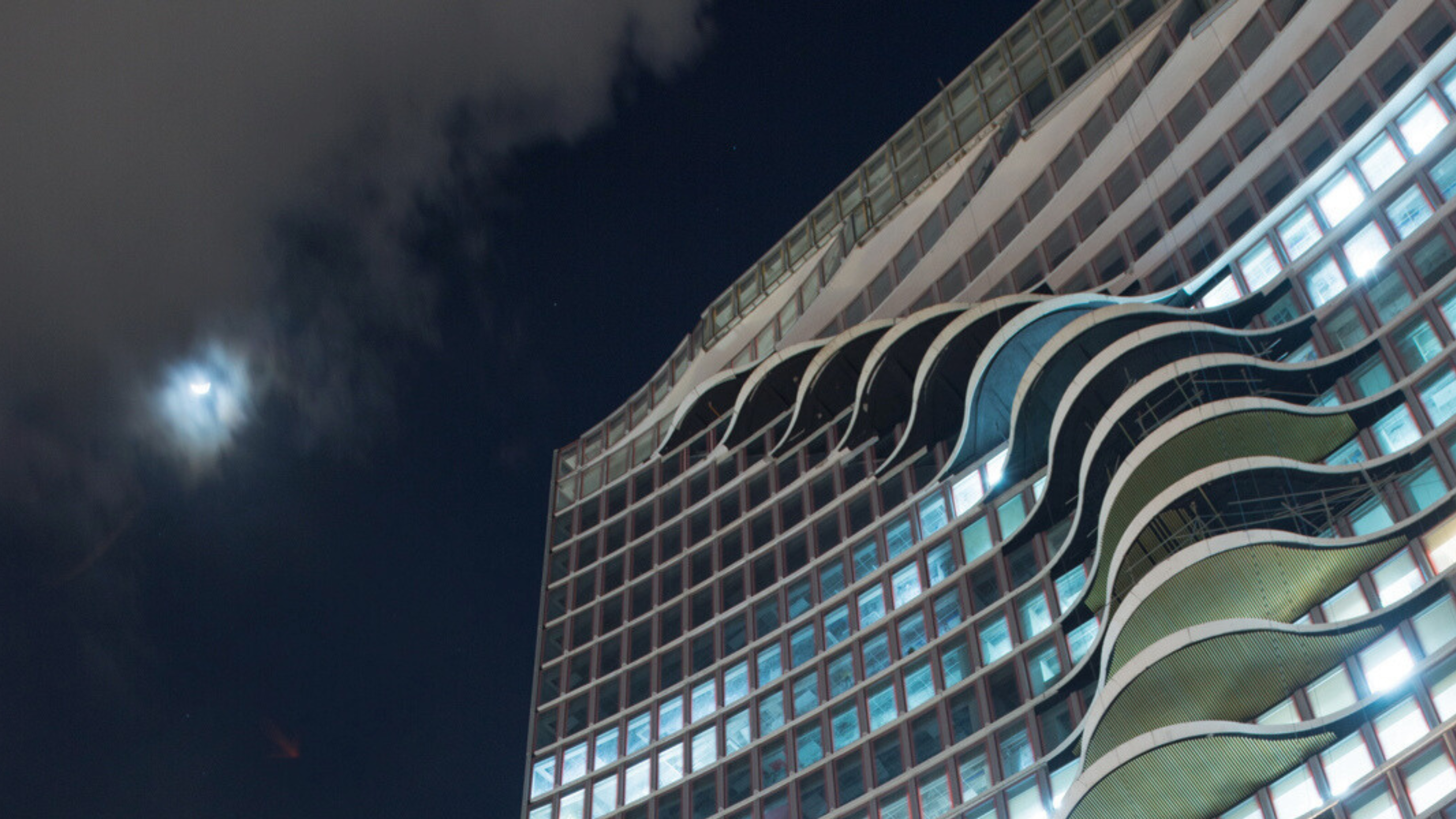
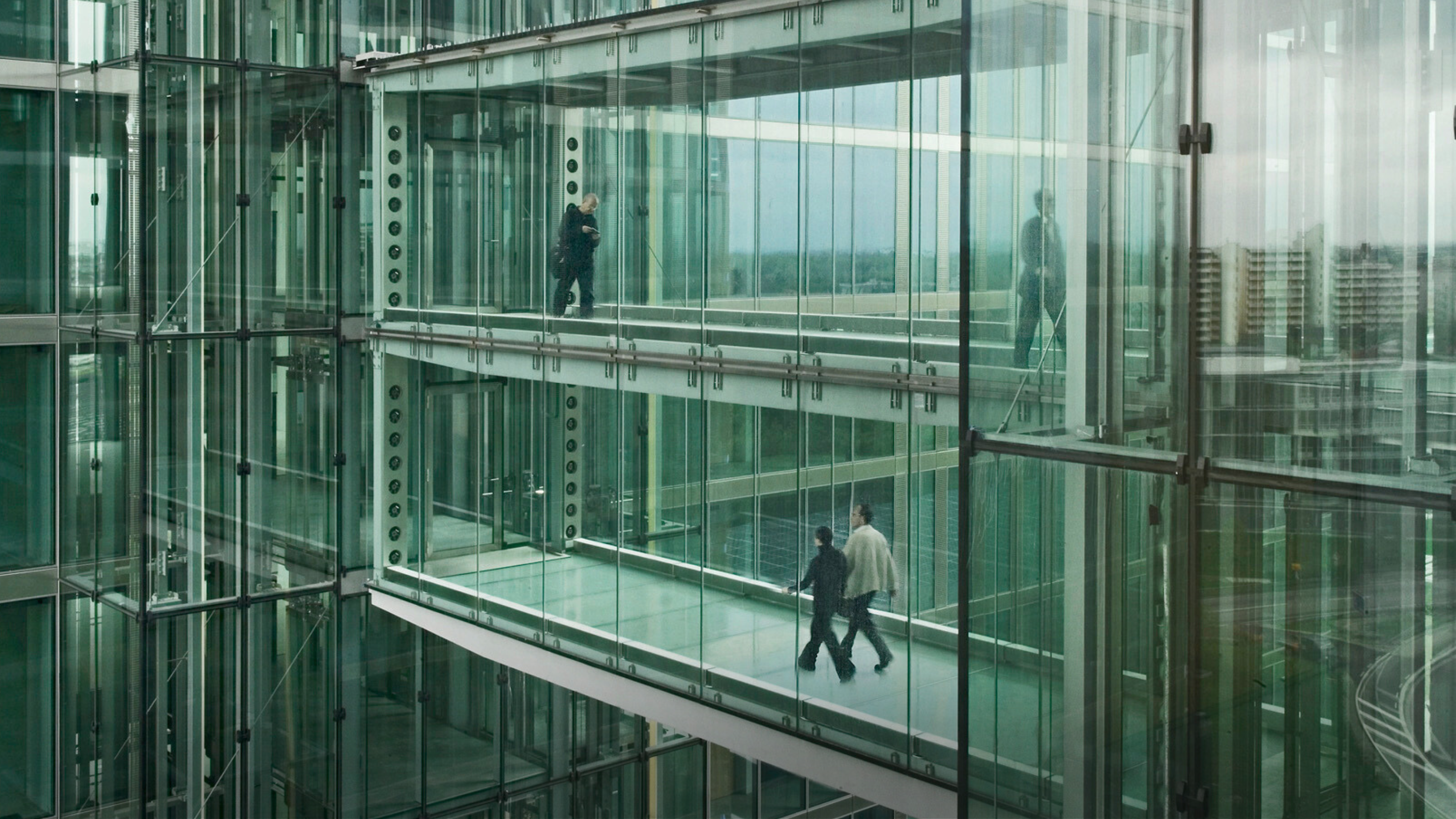
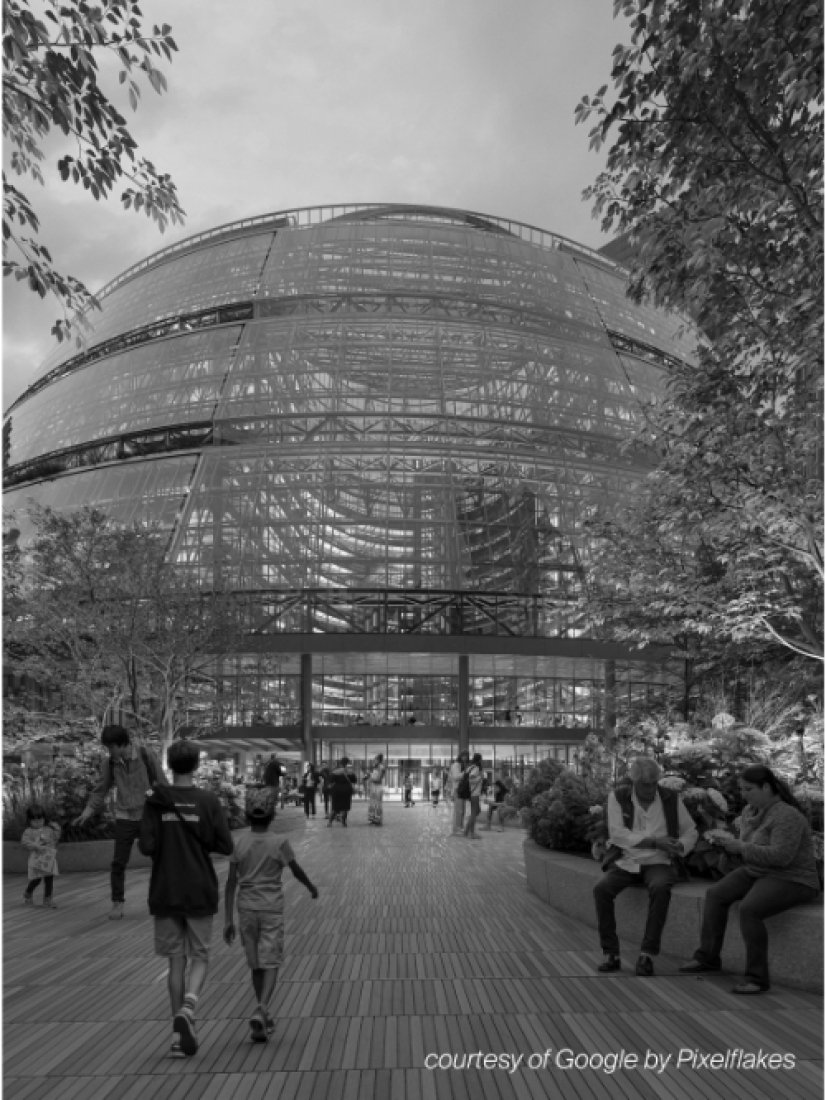
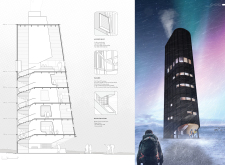
The overall structure is characterized by a contemporary aesthetic, integrating various geometric forms that contribute to both visual interest and structural integrity. The facade is treated with a combination of glass and natural materials, creating a dialogue between the internal and external environments. This interaction is purposeful, allowing natural light to permeate interior spaces and promoting a sense of connection with the landscape.
Unique Design Approaches
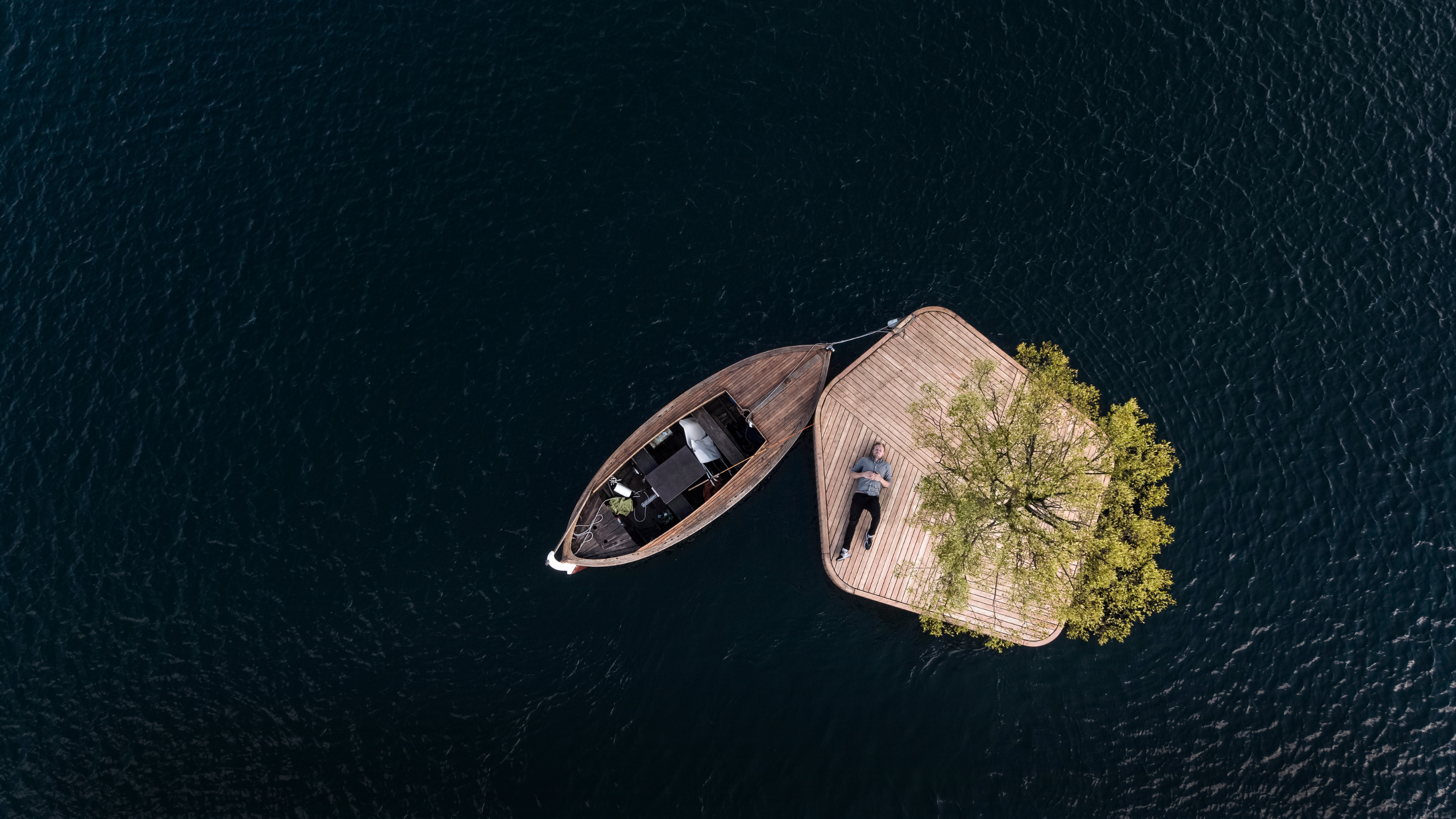
One of the distinctive aspects of this project is its emphasis on biophilic design principles. By incorporating elements such as green roofs and vertical gardens, the architecture not only provides visual appeal but also serves functional roles in enhancing biodiversity and improving air quality. The integration of outdoor terraces encourages social interaction and outdoor activities, fostering a vibrant community atmosphere.
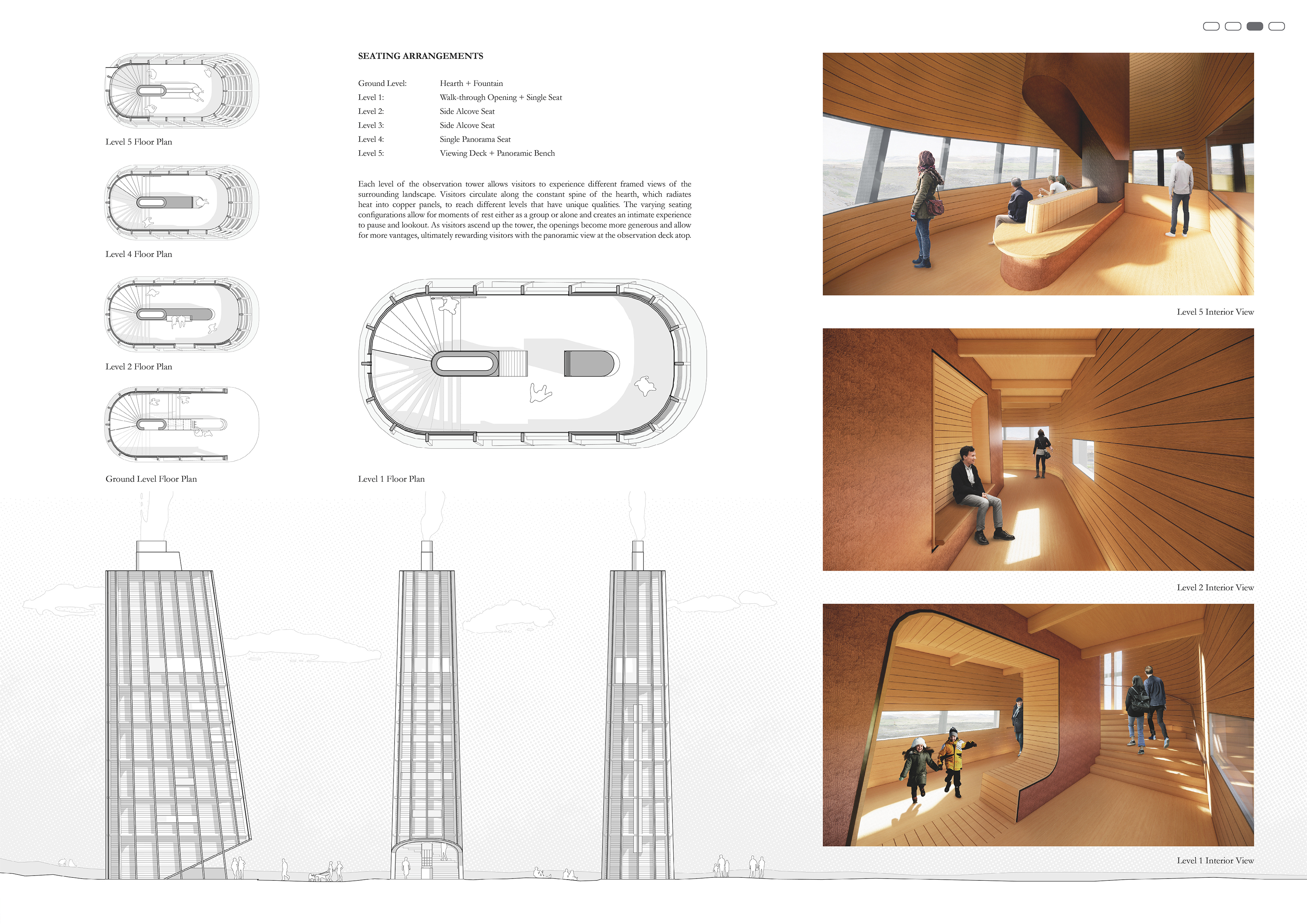
Another notable design feature is the flexible spatial organization within interior layouts. The open floor plans are designed to adapt to various usages, catering to both individual and communal needs. This adaptability requires careful consideration of circulation patterns and connectivity, ensuring that movement throughout the space is intuitive and fluid.
Sustainable Practices
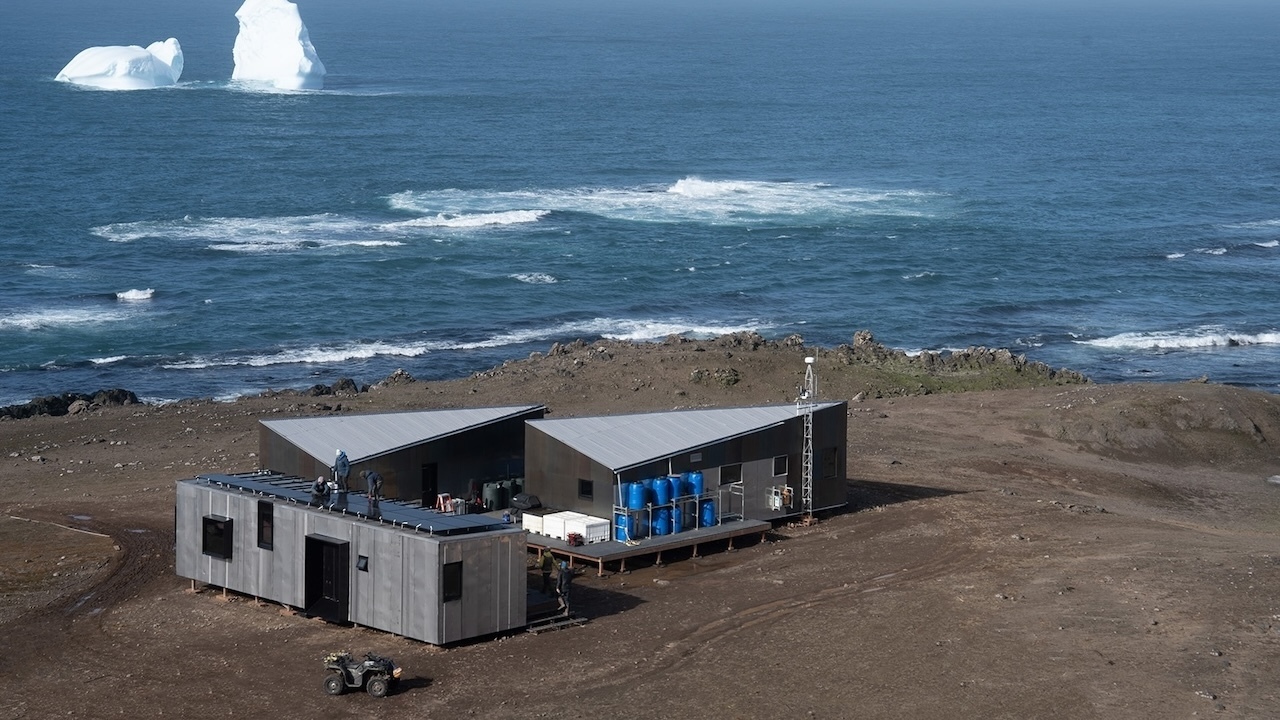
Sustainability is at the core of the project's objectives. Renewable energy sources, such as photovoltaic panels, are seamlessly incorporated into the architectural design, minimizing reliance on non-renewable energy. Rainwater harvesting systems contribute to resource efficiency, promoting responsible water usage.
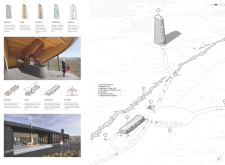
The choice of materials reflects a commitment to environmental stewardship, utilizing local resources to reduce transportation impacts and support the local economy. Natural stone, timber, and metal are selected not only for their durability but also for their low environmental impact, contributing to the overall sustainability goals of the project.
This architectural project serves as a relevant case study in integrating sustainable practices with modern design principles. For further insights into the architectural plans, architectural sections, and the specific architectural ideas that underpin this project, readers are encouraged to explore the complete project presentation.