Get inspired!

17,725 architecture projects

Learn from past Buildner architecture competition participants through our extensive project library, curated over more than 15 years!

Bridges of Glass and Concrete Connecting Continents Through Tectonic Forms

Author:
Bryan Dunkelberger
Bridges of Glass and Concrete Connecting Continents Through Tectonic Forms
Explore the full project presentation!
Subscribers only
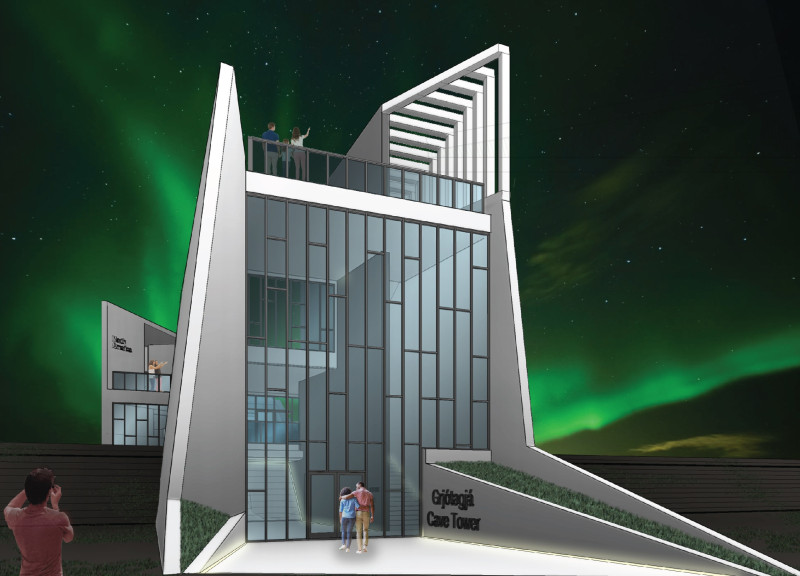
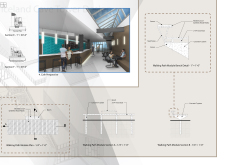
Unique bridges connect two continents, with expansive glass facades and layered viewing platforms that immerse visitors in Iceland's tectonic landscape, serving as a focal point for exploration and interaction.
5 key facts about this project
01
The design features two separate buildings connected by bridges across continental divides.
02
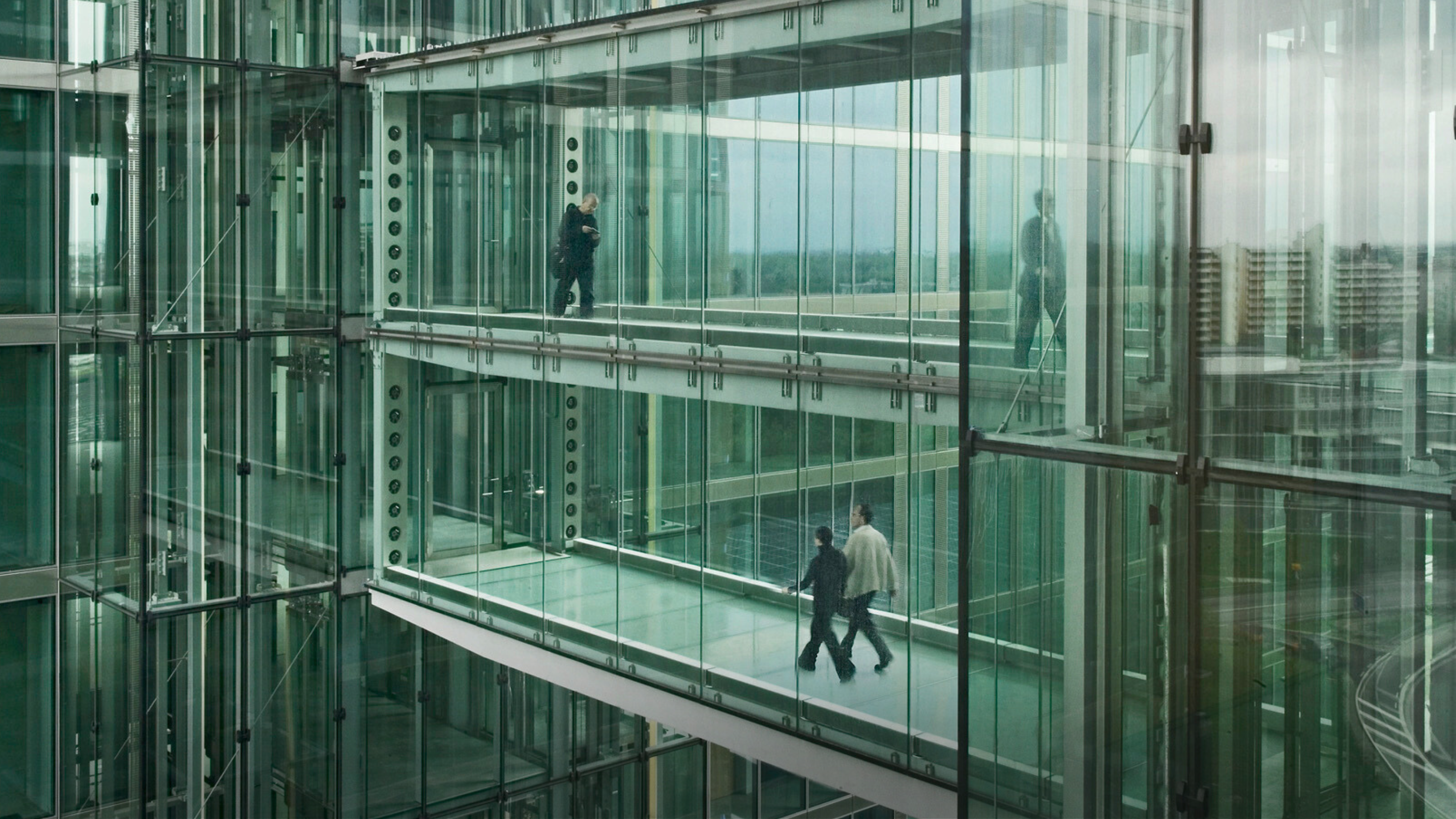
Extensive glazing systems maximize natural light and views of the surrounding landscape.
03
Layered viewing platforms create diverse perspectives of unique geological features.
04
Strategically placed floor lighting minimizes light pollution while aiding navigation.
05
The project emphasizes a strong connection to the tectonic movements of the region.

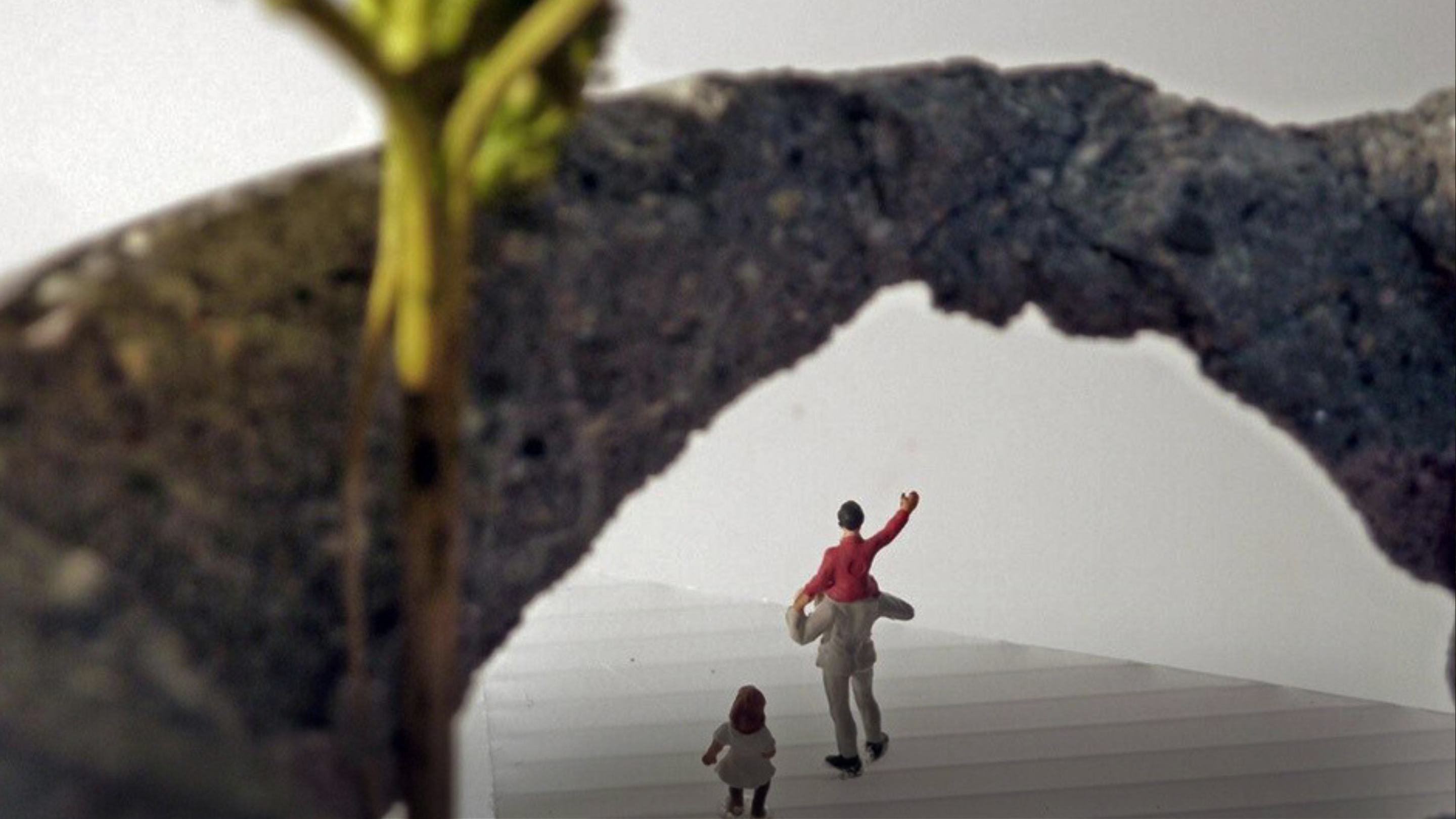
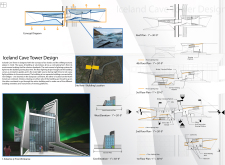
The Iceland Cave Tower is located in the dramatic landscape of Iceland, designed to explore the connection between built environments and nature. The design takes inspiration from the shapes of ice shards and the movements of tectonic plates. It consists of two distinct buildings connected by bridges that span the divide between the European and North American continents, inviting visitors to explore and engage with its setting.

Concept and Design Inspiration

The design focuses on the relationship between architecture and the natural world. The structure features a complex form that reflects the characteristics of Iceland's geological features. Visitors are encouraged to move between the two buildings, creating an interactive experience that emphasizes the beauty of the earth beneath their feet.

Daylight and Lighting Strategy

A key aspect of the design is the large glazing system, which allows natural light to fill the interior rooms during the day, creating a bright and welcoming atmosphere. This use of glass connects the interior spaces with the outdoor scenery. At night, the design includes floor lighting strips that serve as guides for movement while reducing light pollution, allowing the natural nighttime landscape to remain undisturbed.

Spatial Organization and Interaction

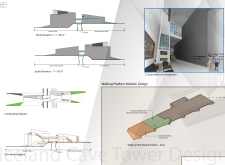
The internal layout promotes movement and accessibility across different levels. Each level offers elevated platforms that provide wide views of significant geological features, such as the Grjótagjá Cave. This arrangement encourages visitors to engage not only with the building itself but also with the surrounding environment, creating a strong link between indoor and outdoor experiences.

Materials and Construction

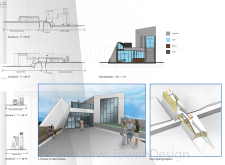
The presentation mentions several materials used in the construction, including concrete, glass, wood, and steel. These materials work together to create a sturdy structure while maintaining a visually appealing design. Their selection reflects a commitment to both functionality and aesthetic cohesion, enhancing the overall experience of the site while connecting it to Iceland's rich landscape.

The Iceland Cave Tower features layered viewing platforms that encourage exploration and interaction. The design fosters a deep engagement with the geological narrative of the area, providing visitors with a unique opportunity to appreciate the natural beauty of Iceland.

Noticed a mistake?
Highlight the text and click on
Noticed a mistake

Vancouver Tall Challenge: Building Higher Downtown

`
Competition organisers

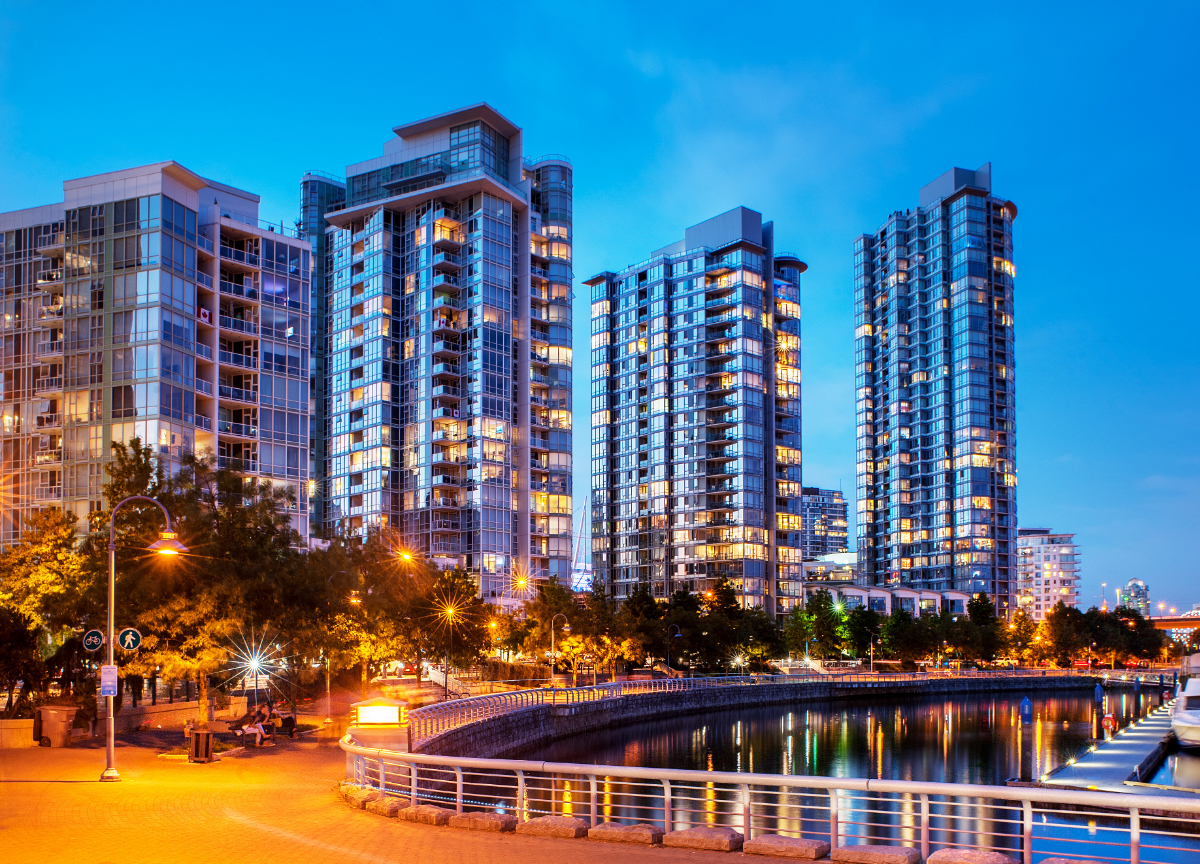
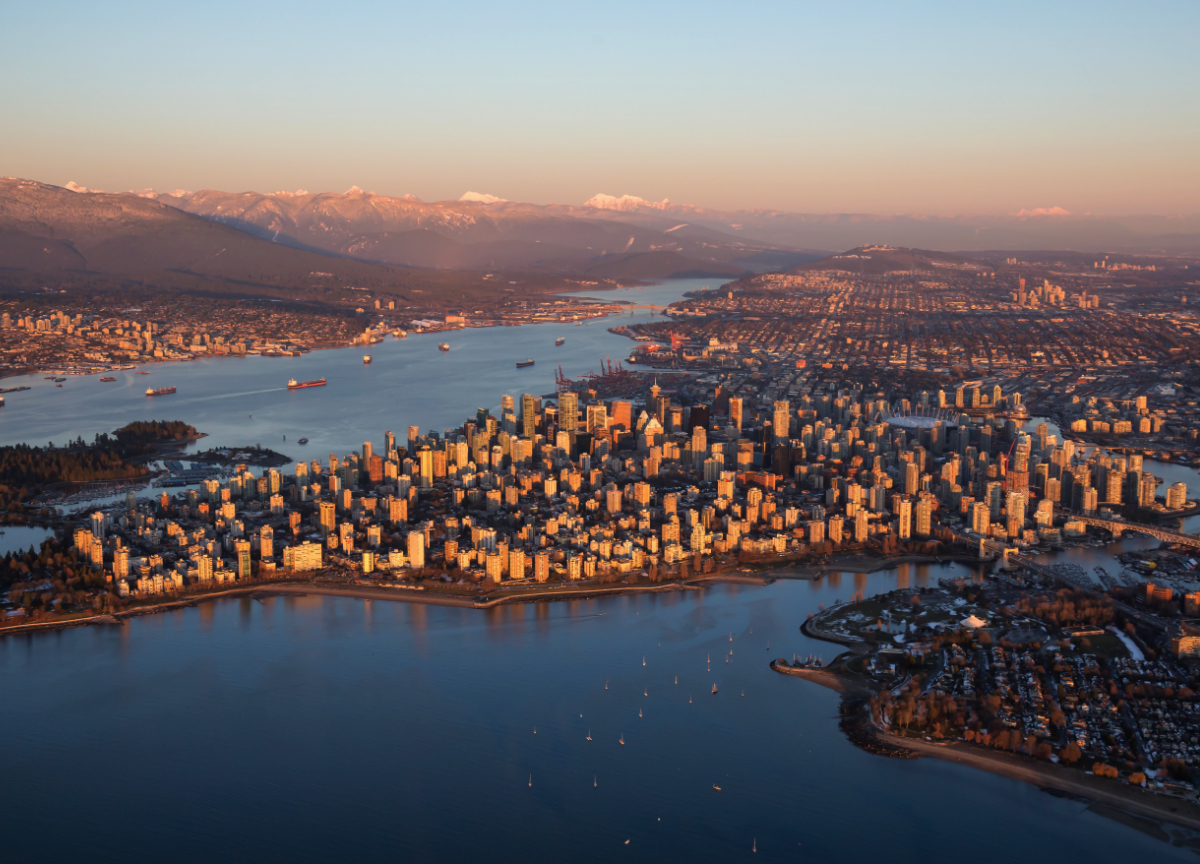
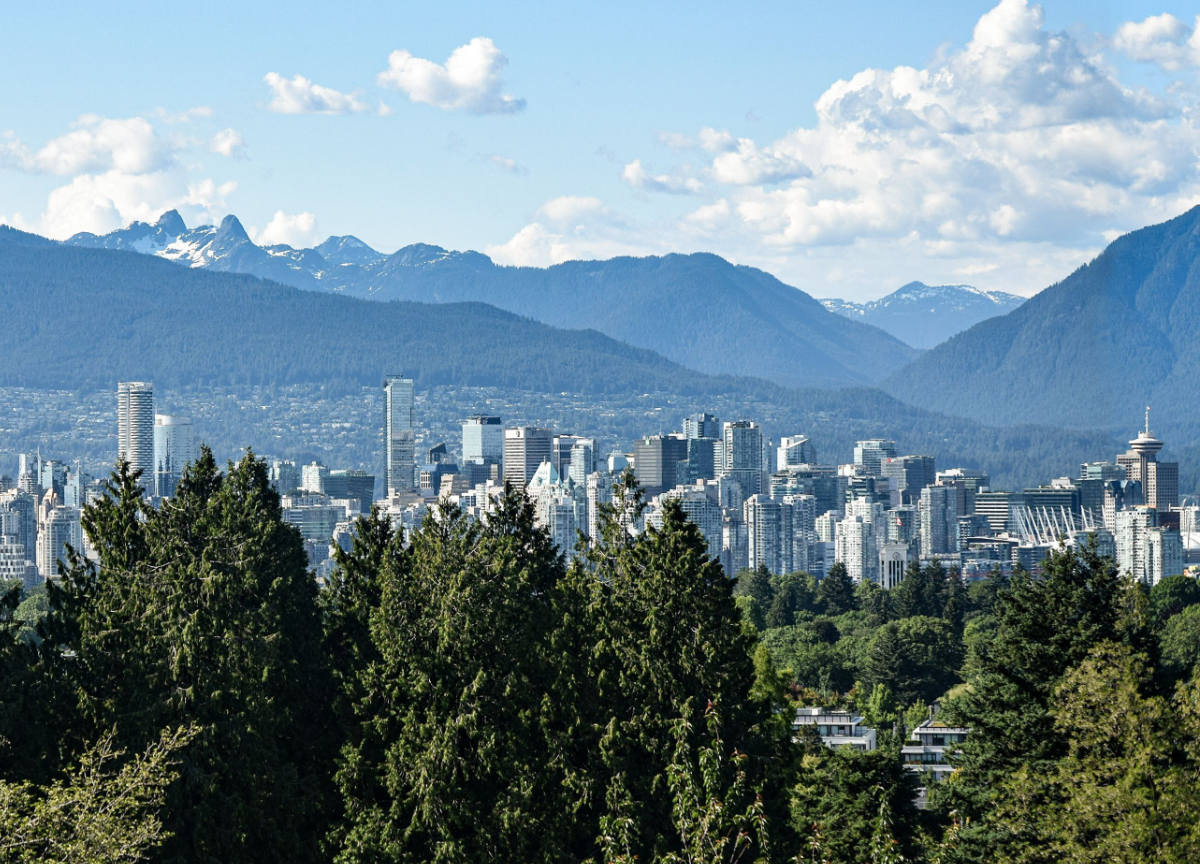
The Vancouver Tall Challenge: Building Higher Downtown is an international architecture competition organized by Buildner in collaboration with the City of Vancouver and the University of British Columbia’s School of Architecture and Landscape Architecture (SALA). The competition invites architects, designers, planners, and creative thinkers to explore innovative approaches to tall buildings in Vancouver’s downtown core, focusing on sustainability, livability, urban density, public space, and the city’s strong connection to nature. As Vancouver continues to grow, participants are challenged to rethink how vertical development can enhance urban life and contribute to a more vibrant, inclusive, and resilient city identity.

The competition offers a total prize fund of $15,000 CAD, with winning proposals selected by an international jury of architects, planners, academics, and city-building professionals. Key dates include the final registration deadline on October 29, 2026, submission deadline on November 30, 2026, and winners announcement on January 26, 2027. Full competition details, requirements, and registration information are available at architecturecompetitions.com/VancouverTallChallenge

Vancouver Tall Challenge

Design the future of Vancouver’s skyline

Building higher downtown ideas COMPETITION
Prize Monetary award
Eligibility Open to all
Final registration deadline 29 October 2026

Open architecture competitions

  • Closest deadline first
  • Project competitions first
    Selected winning projects have the potential to be constructed
  • Ideas competitions
    Experimental competitions with the focus on pushing the boundaries of creativity
New York High Falls 
Riverfront Market

Design a New Riverfront Market in Rochester, New York

ideas COMPETITION
Prize Monetary award
Eligibility Open to all
Advance registration deadline 7 October 2026
Valli Wine 
Tasting Room

Design a wine tasting room in Italy

project COMPETITION
Prize Monetary award
Eligibility Open to all
Advance registration deadline 8 October 2026
The 
Quiet 
Tower

Design an observation tower in Latvia

project COMPETITION
Prize Monetary award
Eligibility Open to all
Advance registration deadline 15 October 2026
Vancouver 
Tall Challenge

Design the future of Vancouver’s skyline

Building higher downtown ideas COMPETITION
Prize Monetary award
Eligibility Open to all
Final registration deadline 29 October 2026
The Oak 
Moon 
Pavilion

Design a yoga pavilion in Italy

project COMPETITION
Prize Monetary award
Eligibility Open to all
Advance registration deadline 5 November 2026
Portugal Long Table 
Restaurant

Design a slow-living restaurant in Portugal

project COMPETITION
Prize Monetary award
Eligibility Open to all
Final registration deadline 9 December 2026

Recurring architecture competitions

Kinderspace

Design a kindergarten of tomorrow

Architecture for Children’s Development #4 ideas COMPETITION
Prize Monetary award
Eligibility Open to all
Final registration deadline 28 October 2026
Museum of 
Emotions

Use architecture to create different emotional states

Edition #9 ideas COMPETITION SILENT CONTEST For this competition, NO DESCRIPTION TEXT is allowed. The architecture ideas must be communicated strictly with visuals.
Prize Monetary award
Eligibility Open to all
Advance registration deadline 12 November 2026
The 
Architect's 
Chair

Take a seat and make a statement!

Stockholm Furniture Fair Edition #6 ideas COMPETITION
Prize Monetary award + Exhibition at Stockholm Furniture Fair
Eligibility Open to all
Final registration deadline 3 December 2026
new
Buildner's Unbuilt Award

Celebrating your unbuilt architecture visions with a 50,000€ prize

50,000€ Prize / 2027 ideas COMPETITION
Prize 50,000 €
Eligibility Open to all
Early bird registration deadline 4 February 2027

Media, partners and clients

To view this project in detail,
please log in with your
Architects’ Network Plus account.
Subscription instantly unlocks all the architecture projects plus other member-only benefits:
  • Access the 17,725 Concept Library
  • Professional tools including file transfer, email, portfolio management, and more
Register now
Already a member? Log in