
5 key facts about this project
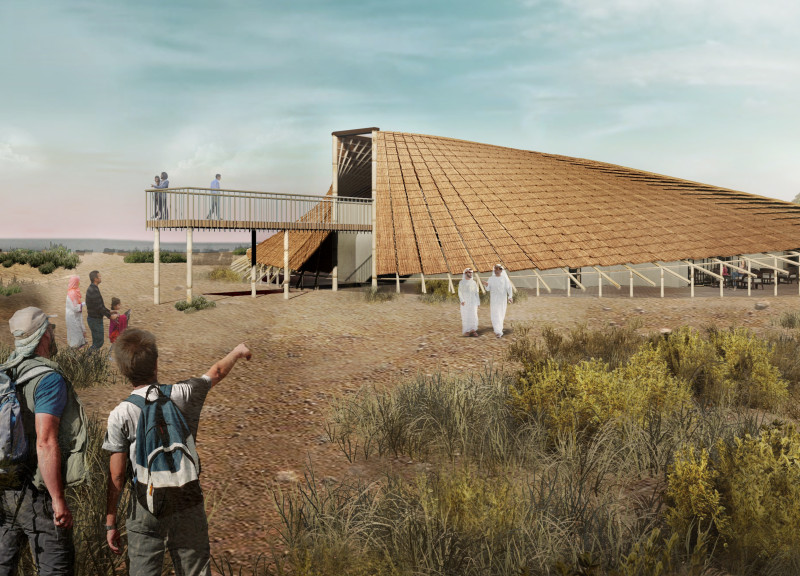
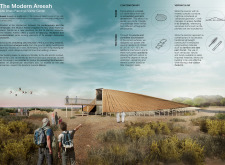
The Modern Areesh, located in Abu Dhabi's Al Wathba wetlands, functions as a visitor center and educational facility focused on the surrounding ecosystem. This architectural project emphasizes a blend of traditional materials and contemporary design principles.
Structural Concept
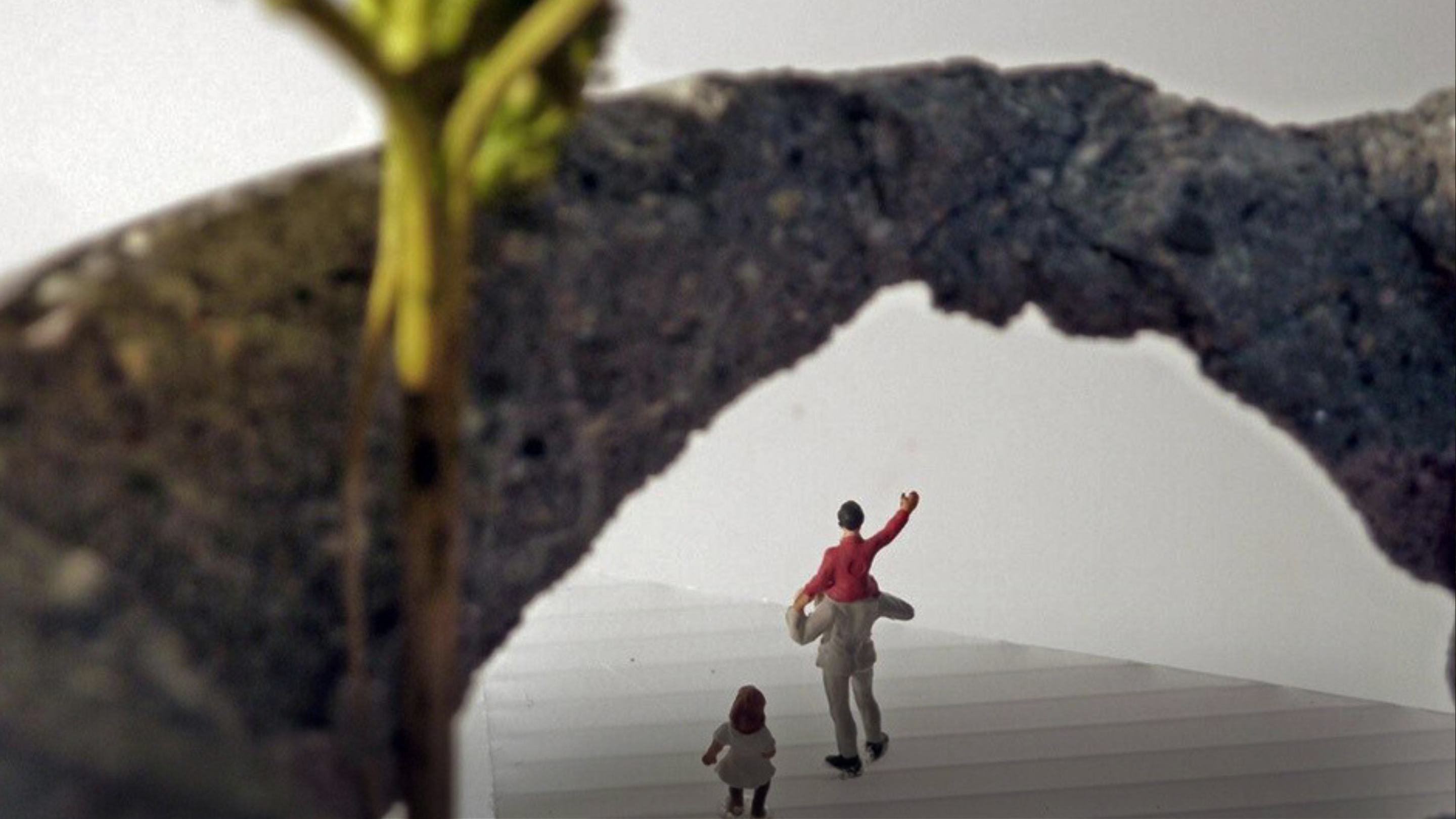
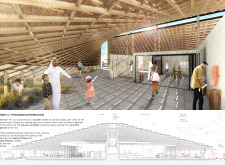
The structure promotes appreciation for the area's unique ecology, serving as a valuable resource for locals and tourists alike. Its adjustable conoid roof, crafted from compressed date palm fronds, reflects vernacular architecture with a modern aesthetic, regulating light and airflow for visitor comfort. A central ramp connects the interior's functional areas while providing views of the wetlands.
Innovative Design Approaches
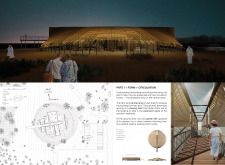
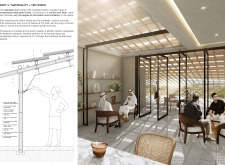
One notable aspect of The Modern Areesh is its orientation towards the prevailing wind direction, optimizing natural ventilation and passive heating. The building aligns with cultural and spiritual markers by directing sightlines towards Mecca, reflecting both environmental considerations and local customs. The inclusion of folding and rotating glass door systems enhances the interaction between indoor and outdoor spaces, allowing for a dynamic experience as activities spill over into the surrounding natural environment.
Another unique design feature is the use of locally sourced materials, such as bamboo and concrete, reinforcing the project's commitment to sustainability while minimizing its carbon footprint. The combination of innovative construction techniques with traditional building practices highlights a respect for the cultural heritage of the UAE, setting this project apart from others that may rely solely on modern materials and methods.
Spatila Design and Functionality
The spatial arrangement within The Modern Areesh focuses on facilitating interaction among visitors. Along the central ramp, the diverse rooms provide educational exhibits and interactive displays related to the wetlands. The integration of operable roof sections allows for customizable lighting and ventilation, aligning the building’s functions with the ever-changing conditions of the environment.
The facility's design also promotes community engagement, enabling gatherings and events that bring together residents and tourists. The architectural elements not only serve practical functions but also contribute to a cohesive narrative that emphasizes the relationship between architecture, nature, and cultural identity.