Get inspired!

17,725 architecture projects

Learn from past Buildner architecture competition participants through our extensive project library, curated over more than 15 years!

A Community Living Through Modular Wood Components and Tree Nails

Authors:
Marcus Froste, Elin Delmar
A Community Living Through Modular Wood Components and Tree Nails
Explore the full project presentation!
Subscribers only
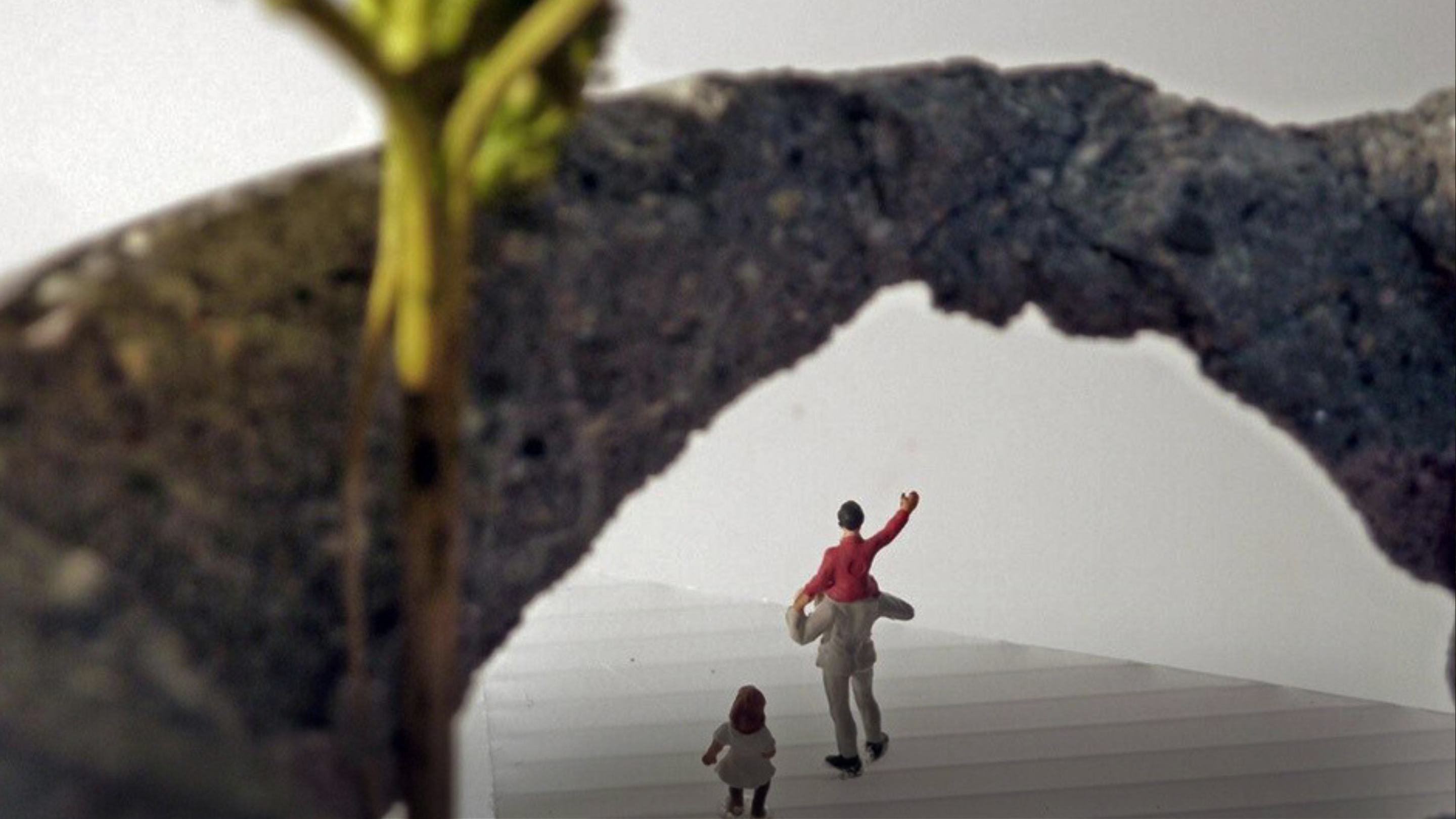
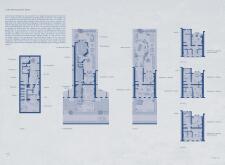
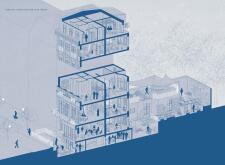
Using modular wood components assembled with tree nails, the design revitalizes vacant homes in London, creating communal living spaces that foster community interaction and engagement.
5 key facts about this project
01
Repurposes vacant homes in London into multi-family communal units.
02
Utilizes a modular system for flexible and adaptive living spaces.
03
Incorporates wood components joined with tree nails for sustainability.
04
Transforms basement areas into public spaces to encourage interaction.
05
Design emphasizes a balance of shared amenities and private areas.

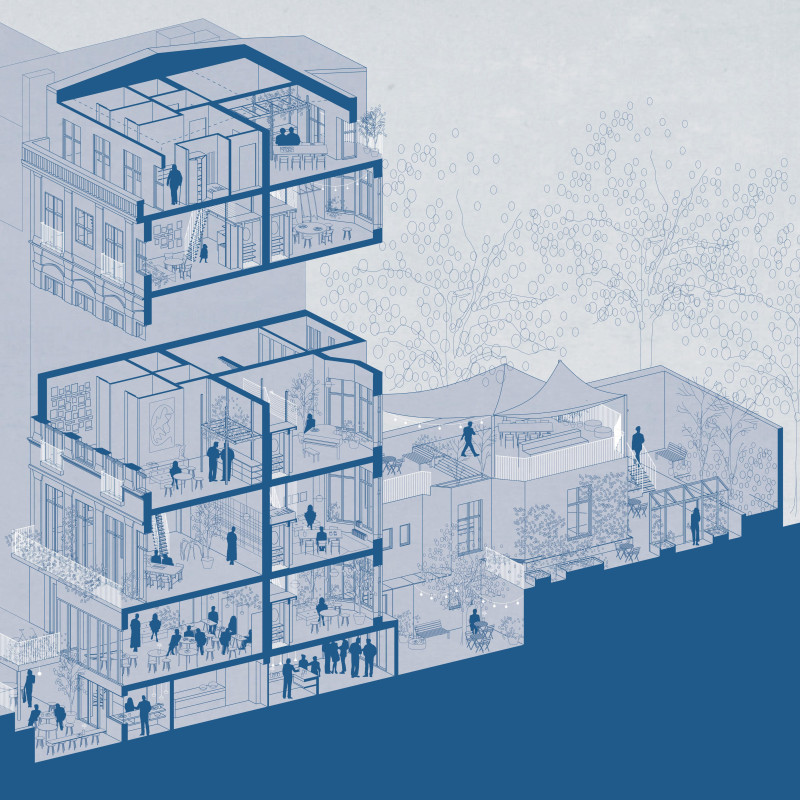
Half an Apartment aims to tackle the crucial issue of affordable housing in London by turning empty properties into multi-family communal living spaces. Situated in a densely populated urban area, the focus is on maximizing existing structures instead of constructing new ones. By doing so, it aims to minimize environmental impact while efficiently using available resources. The design draws inspiration from Elemental's "Half a House" concept, aiming to breathe new life into abandoned neighborhoods and foster community interaction.

Design Concept

The concept emphasizes the thoughtful reuse of vacant homes in London. By prioritizing communal living, the design fosters social connections among residents, something that is essential in a city known for its isolating nature. The layout promotes both shared and private areas, allowing for interaction while providing individual privacy. This approach creates a living environment that is both functional and welcoming, adapting to the needs of a diverse community.

Modular Structure

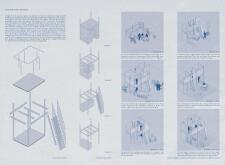
A significant aspect of the design is its modular structure. This system allows flexible arrangements of space, enabling residents to personalize their living areas without major alterations. Communal facilities, including kitchens and lounges, play a vital role in nurturing a sense of community. These shared amenities encourage residents to engage with one another, enhancing the overall experience of communal life.

Materials

Wood components are the main materials used in the construction. These elements can be easily assembled using tree nails or a click-together mechanism. This method supports sustainable practices and fits well with the DIY spirit of the project. Wood brings warmth to the spaces, while also providing the necessary strength and stability for a multi-family building.

Integration with Urban Fabric

The design maintains many existing architectural elements, such as walls and windows, which help preserve the character of the structures. By doing so, it creates a balance between old and new, allowing for better integration into the surrounding environment. The transformation of the basement into a public space is a key feature of this idea, connecting private living areas with the outside urban landscape. This design choice invites residents and pedestrians alike to interact and enjoy the environment, enhancing the sense of community.

Noticed a mistake?
Highlight the text and click on
Noticed a mistake

Vancouver Tall Challenge: Building Higher Downtown

`
Competition organisers

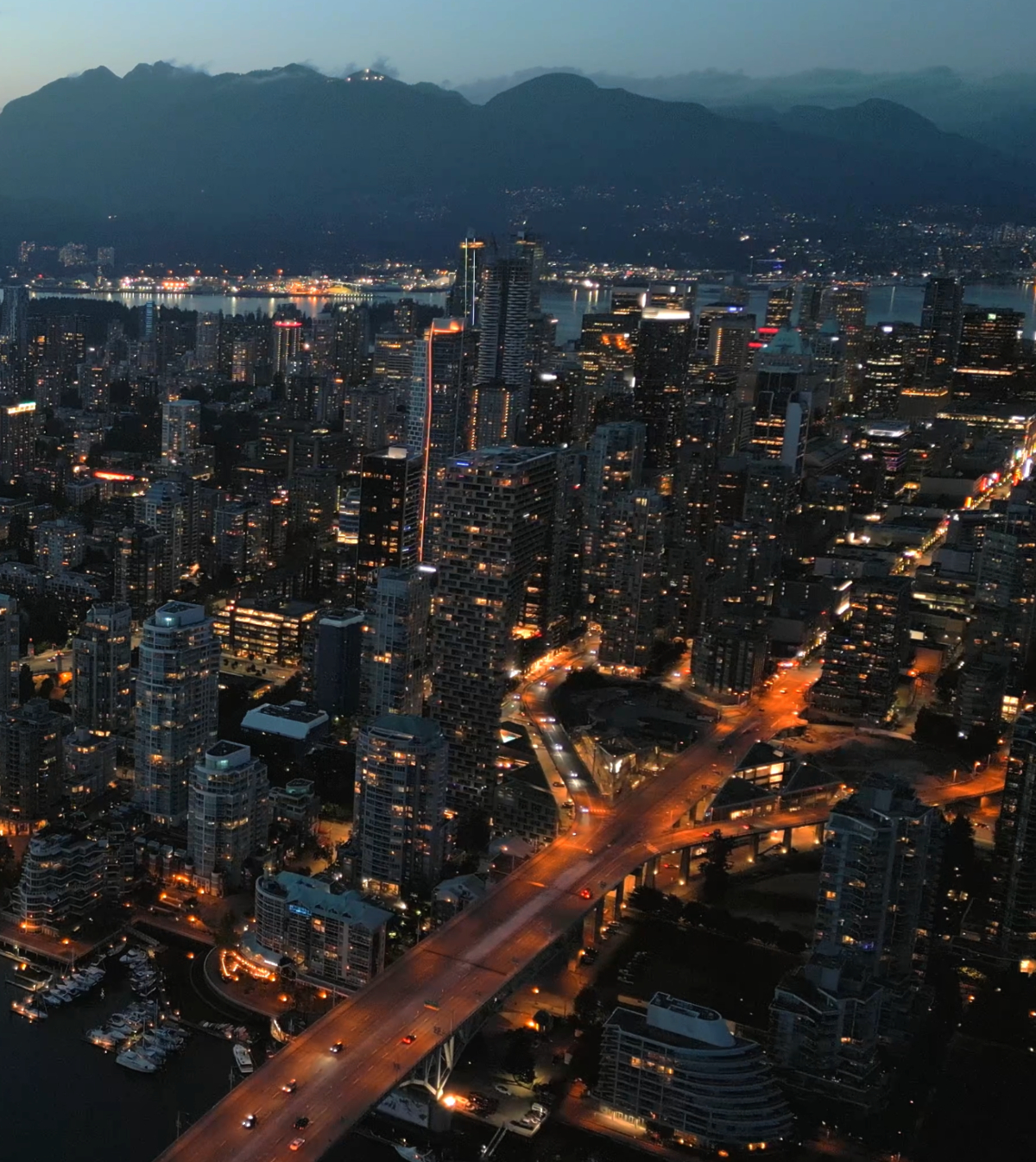
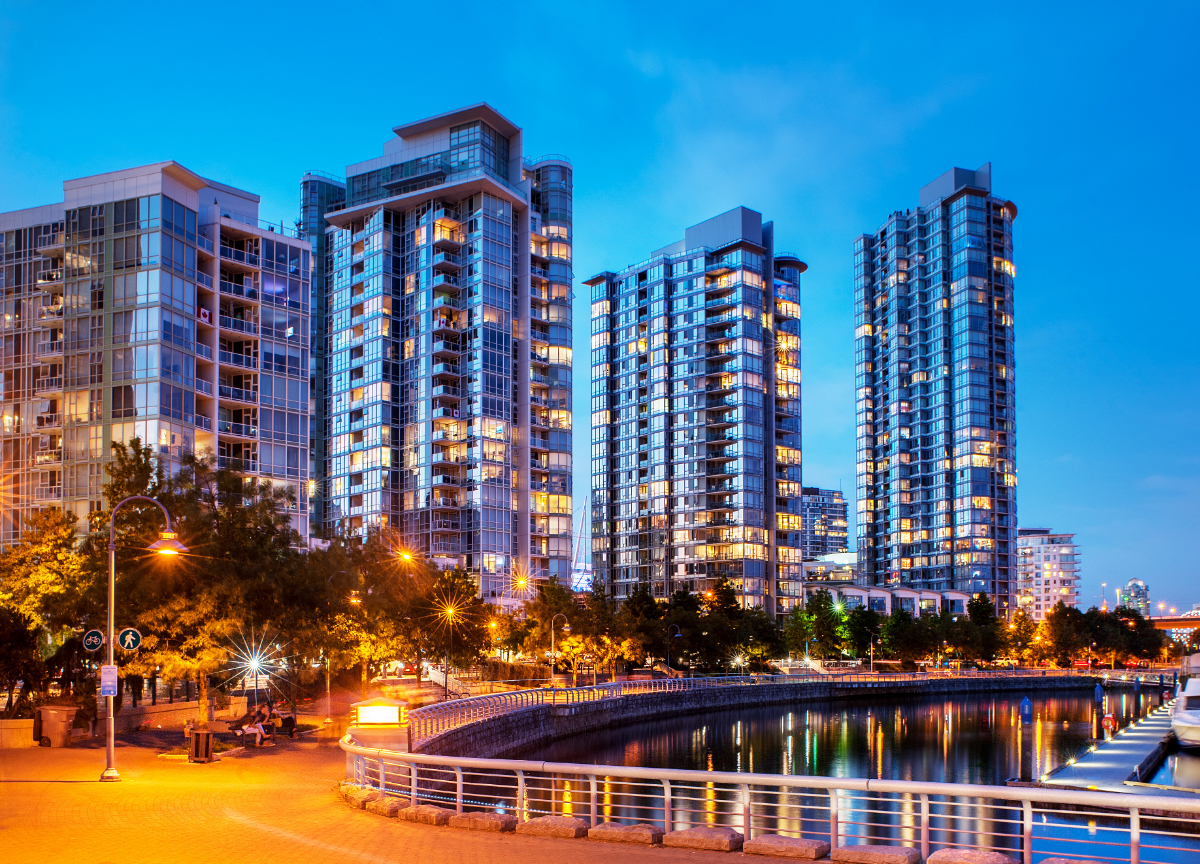
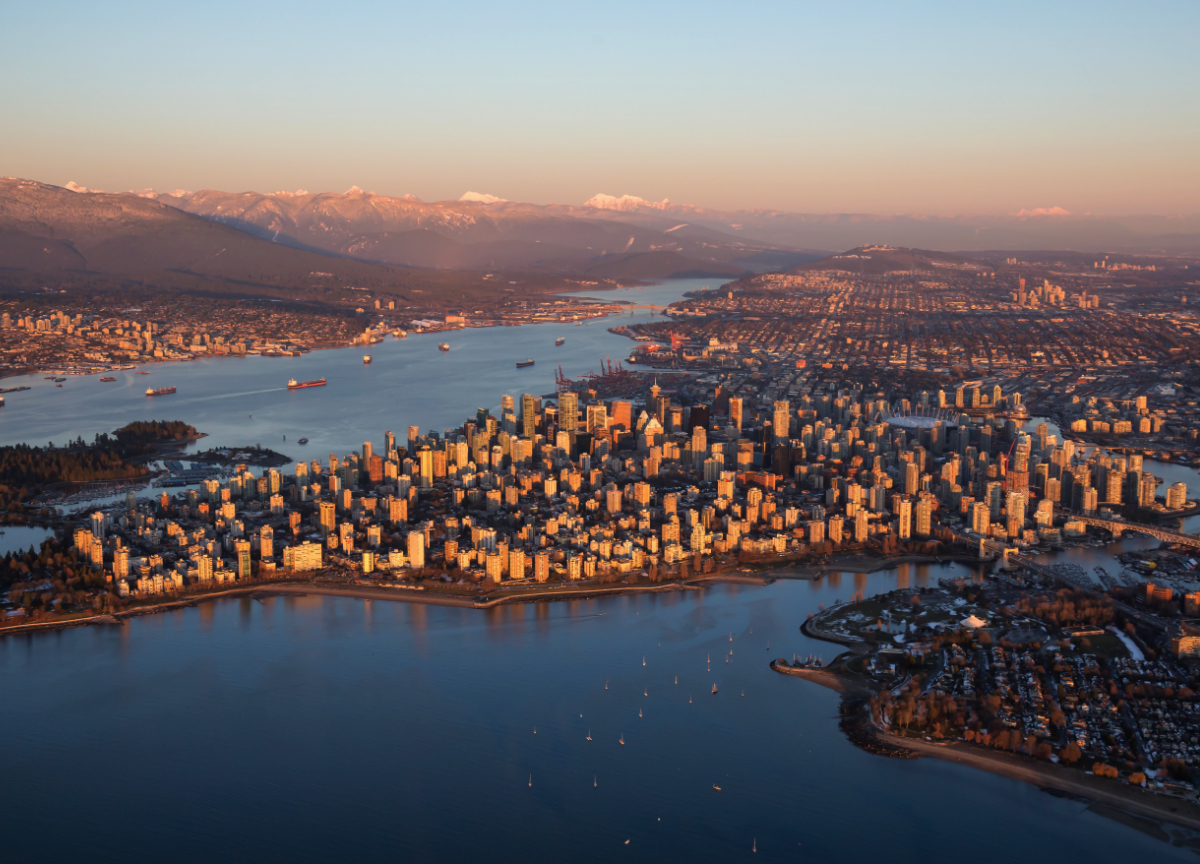
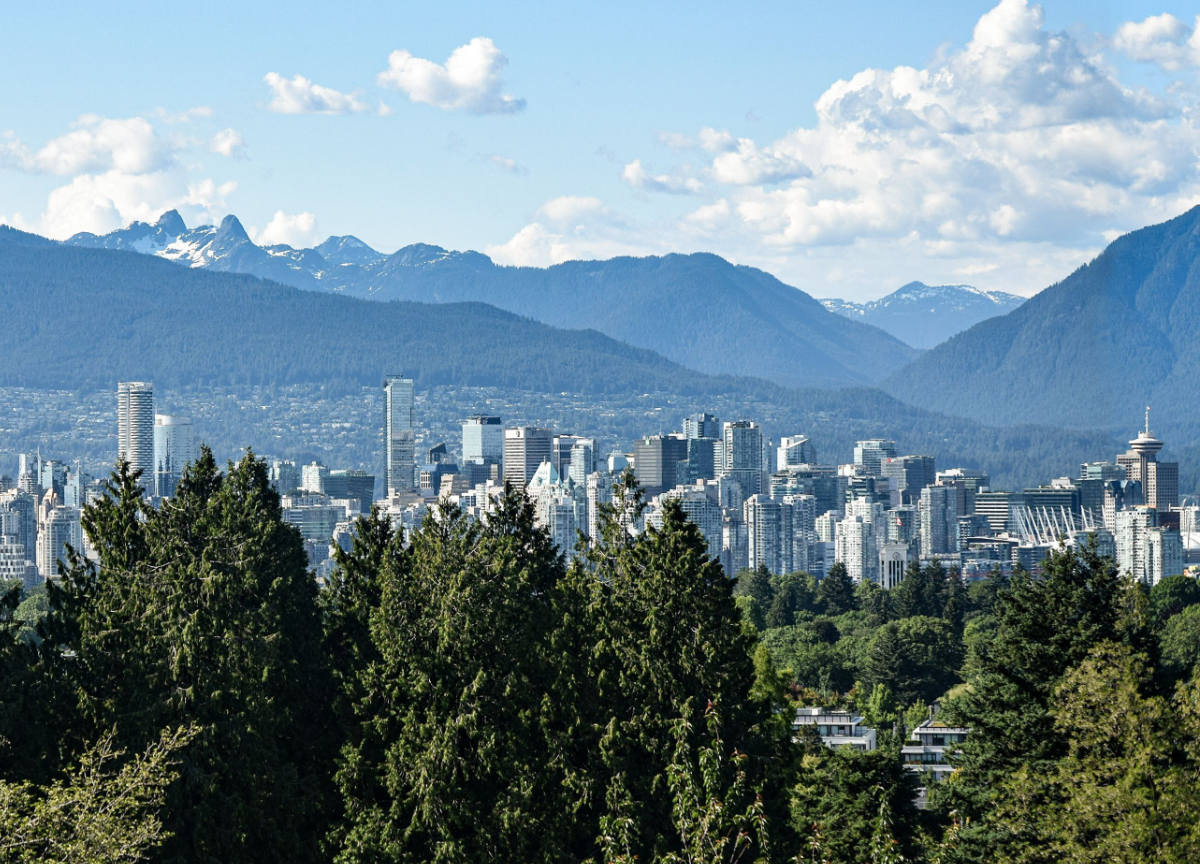
The Vancouver Tall Challenge: Building Higher Downtown is an international architecture competition organized by Buildner in collaboration with the City of Vancouver and the University of British Columbia’s School of Architecture and Landscape Architecture (SALA). The competition invites architects, designers, planners, and creative thinkers to explore innovative approaches to tall buildings in Vancouver’s downtown core, focusing on sustainability, livability, urban density, public space, and the city’s strong connection to nature. As Vancouver continues to grow, participants are challenged to rethink how vertical development can enhance urban life and contribute to a more vibrant, inclusive, and resilient city identity.

The competition offers a total prize fund of $15,000 CAD, with winning proposals selected by an international jury of architects, planners, academics, and city-building professionals. Key dates include the final registration deadline on October 29, 2026, submission deadline on November 30, 2026, and winners announcement on January 26, 2027. Full competition details, requirements, and registration information are available at architecturecompetitions.com/VancouverTallChallenge

Vancouver Tall Challenge

Design the future of Vancouver’s skyline

Building higher downtown ideas COMPETITION
Prize Monetary award
Eligibility Open to all
Final registration deadline 29 October 2026

Open architecture competitions

  • Closest deadline first
  • Project competitions first
    Selected winning projects have the potential to be constructed
  • Ideas competitions
    Experimental competitions with the focus on pushing the boundaries of creativity
New York High Falls 
Riverfront Market

Design a New Riverfront Market in Rochester, New York

ideas COMPETITION
Prize Monetary award
Eligibility Open to all
Advance registration deadline 7 October 2026
Valli Wine 
Tasting Room

Design a wine tasting room in Italy

project COMPETITION
Prize Monetary award
Eligibility Open to all
Advance registration deadline 8 October 2026
The 
Quiet 
Tower

Design an observation tower in Latvia

project COMPETITION
Prize Monetary award
Eligibility Open to all
Advance registration deadline 15 October 2026
Vancouver 
Tall Challenge

Design the future of Vancouver’s skyline

Building higher downtown ideas COMPETITION
Prize Monetary award
Eligibility Open to all
Final registration deadline 29 October 2026
The Oak 
Moon 
Pavilion

Design a yoga pavilion in Italy

project COMPETITION
Prize Monetary award
Eligibility Open to all
Advance registration deadline 5 November 2026
Portugal Long Table 
Restaurant

Design a slow-living restaurant in Portugal

project COMPETITION
Prize Monetary award
Eligibility Open to all
Final registration deadline 9 December 2026

Recurring architecture competitions

Kinderspace

Design a kindergarten of tomorrow

Architecture for Children’s Development #4 ideas COMPETITION
Prize Monetary award
Eligibility Open to all
Final registration deadline 28 October 2026
Museum of 
Emotions

Use architecture to create different emotional states

Edition #9 ideas COMPETITION SILENT CONTEST For this competition, NO DESCRIPTION TEXT is allowed. The architecture ideas must be communicated strictly with visuals.
Prize Monetary award
Eligibility Open to all
Advance registration deadline 12 November 2026
The 
Architect's 
Chair

Take a seat and make a statement!

Stockholm Furniture Fair Edition #6 ideas COMPETITION
Prize Monetary award + Exhibition at Stockholm Furniture Fair
Eligibility Open to all
Final registration deadline 3 December 2026
new
Buildner's Unbuilt Award

Celebrating your unbuilt architecture visions with a 50,000€ prize

50,000€ Prize / 2027 ideas COMPETITION
Prize 50,000 €
Eligibility Open to all
Early bird registration deadline 4 February 2027

Media, partners and clients

To view this project in detail,
please log in with your
Architects’ Network Plus account.
Subscription instantly unlocks all the architecture projects plus other member-only benefits:
  • Access the 17,725 Concept Library
  • Professional tools including file transfer, email, portfolio management, and more
Register now
Already a member? Log in