
5 key facts about this project
### Project Overview
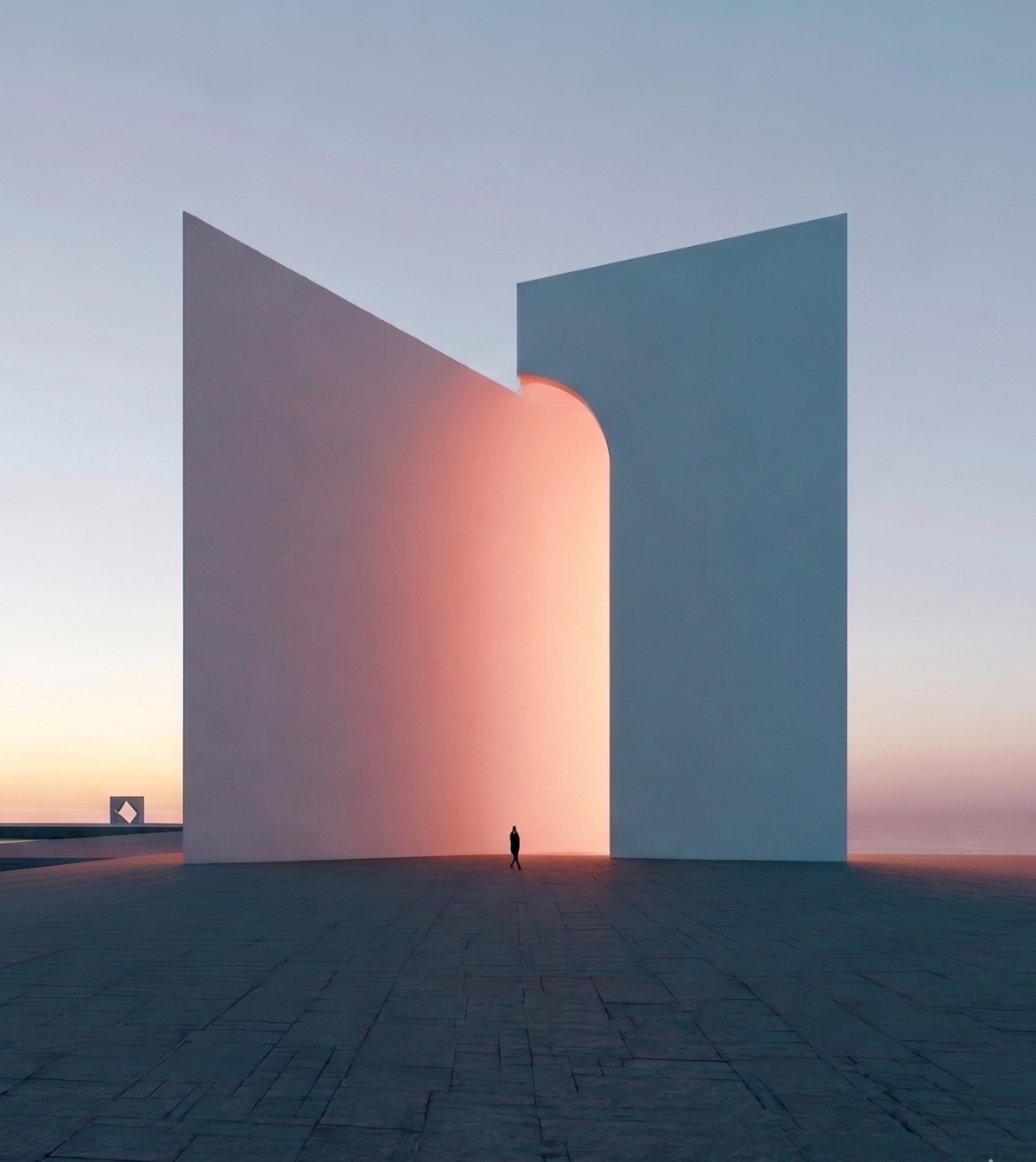
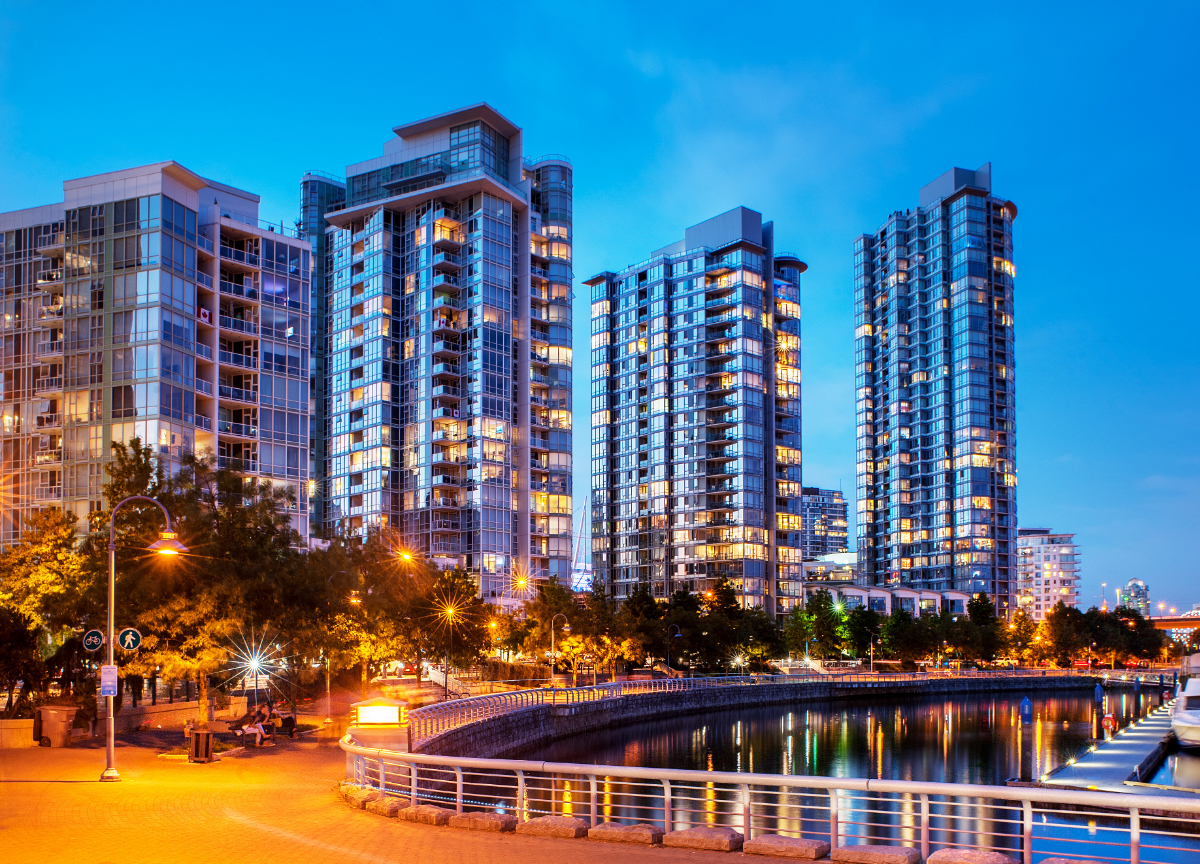
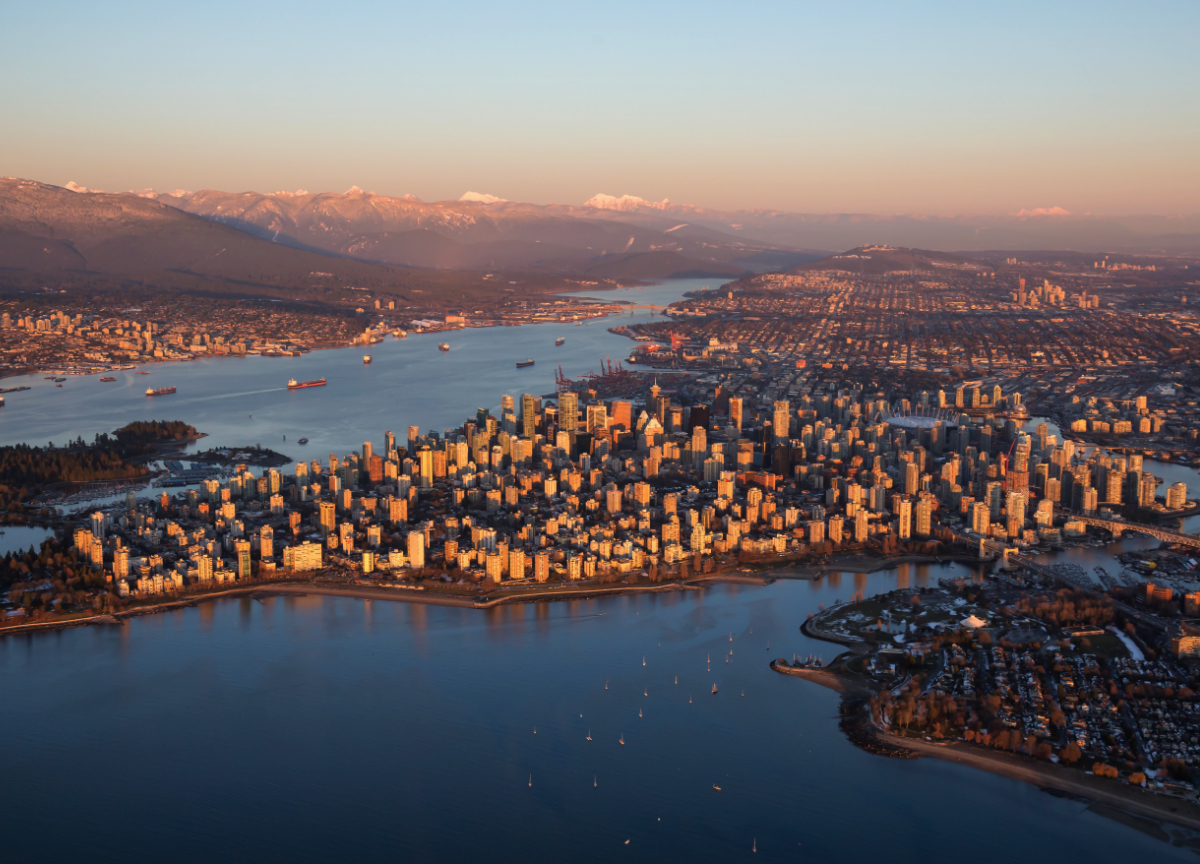
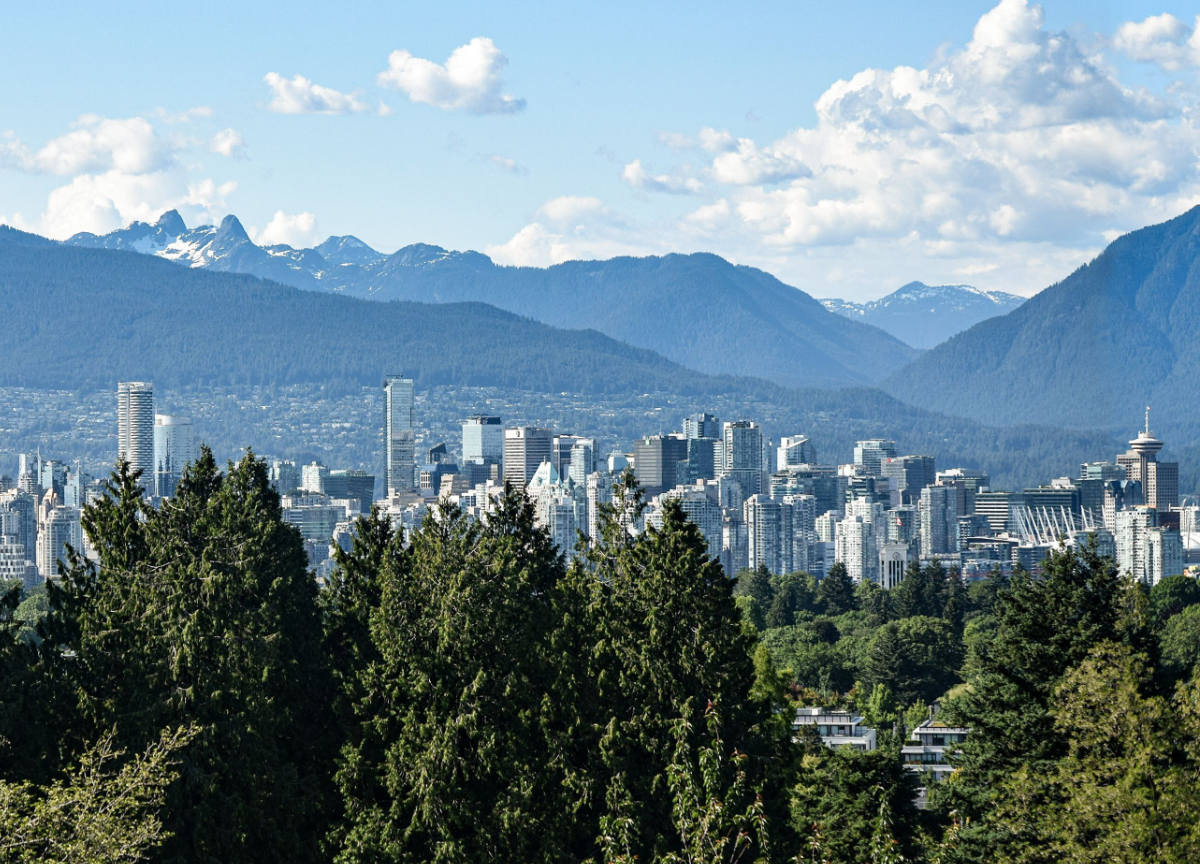
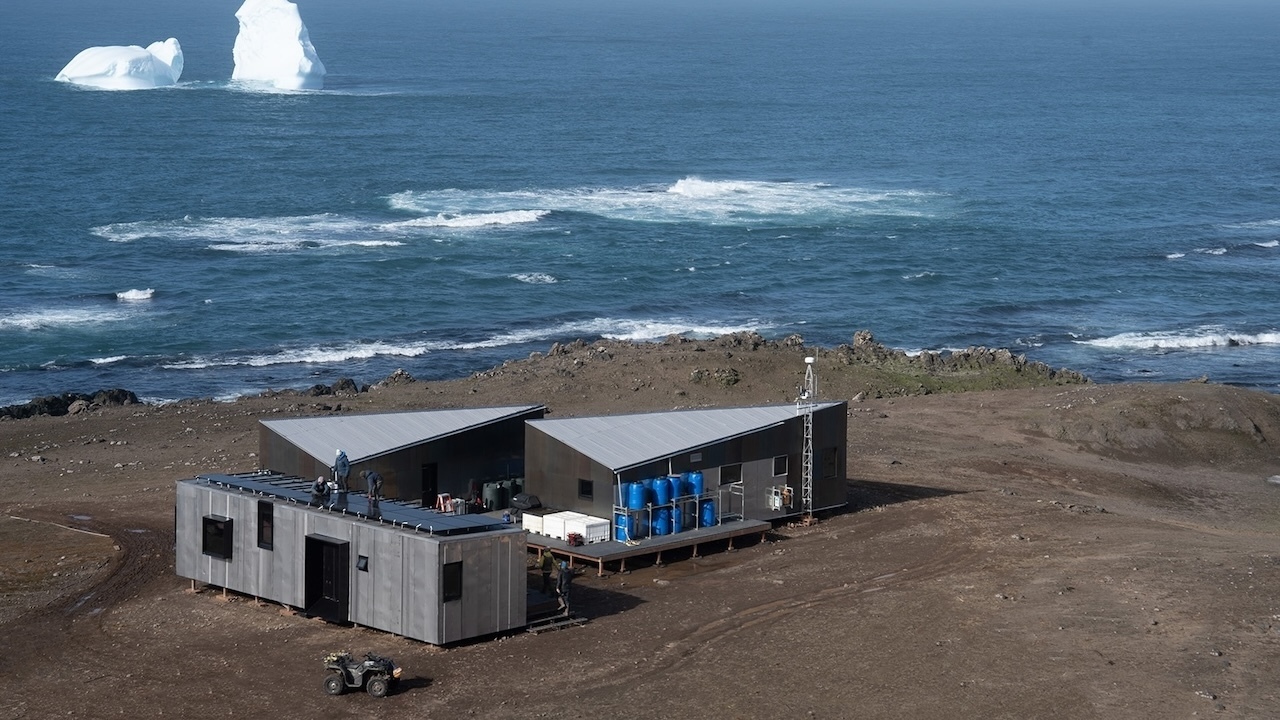
Located in a coastal region, the design takes into consideration local climate conditions, views, and surrounding materials, aligning the architecture with its environment. The main intent is to explore a cohesive relationship between functionality and aesthetic appeal while responding to the needs of the community. By integrating cultural and historical narratives into modern living spaces, the design fosters community engagement and enhances social interaction.
### Spatial Organization
The layout employs an open-plan strategy that encourages movement and interaction among users while accommodating various functions such as residential, commercial, and leisure spaces. Rooms are strategically zoned, and natural light has been prioritized through carefully oriented windows and openings, optimizing ventilation and reducing reliance on artificial lighting. Communal areas are designed to promote collaboration, reflecting a commitment to social connectivity within the architecture.
### Material Selection
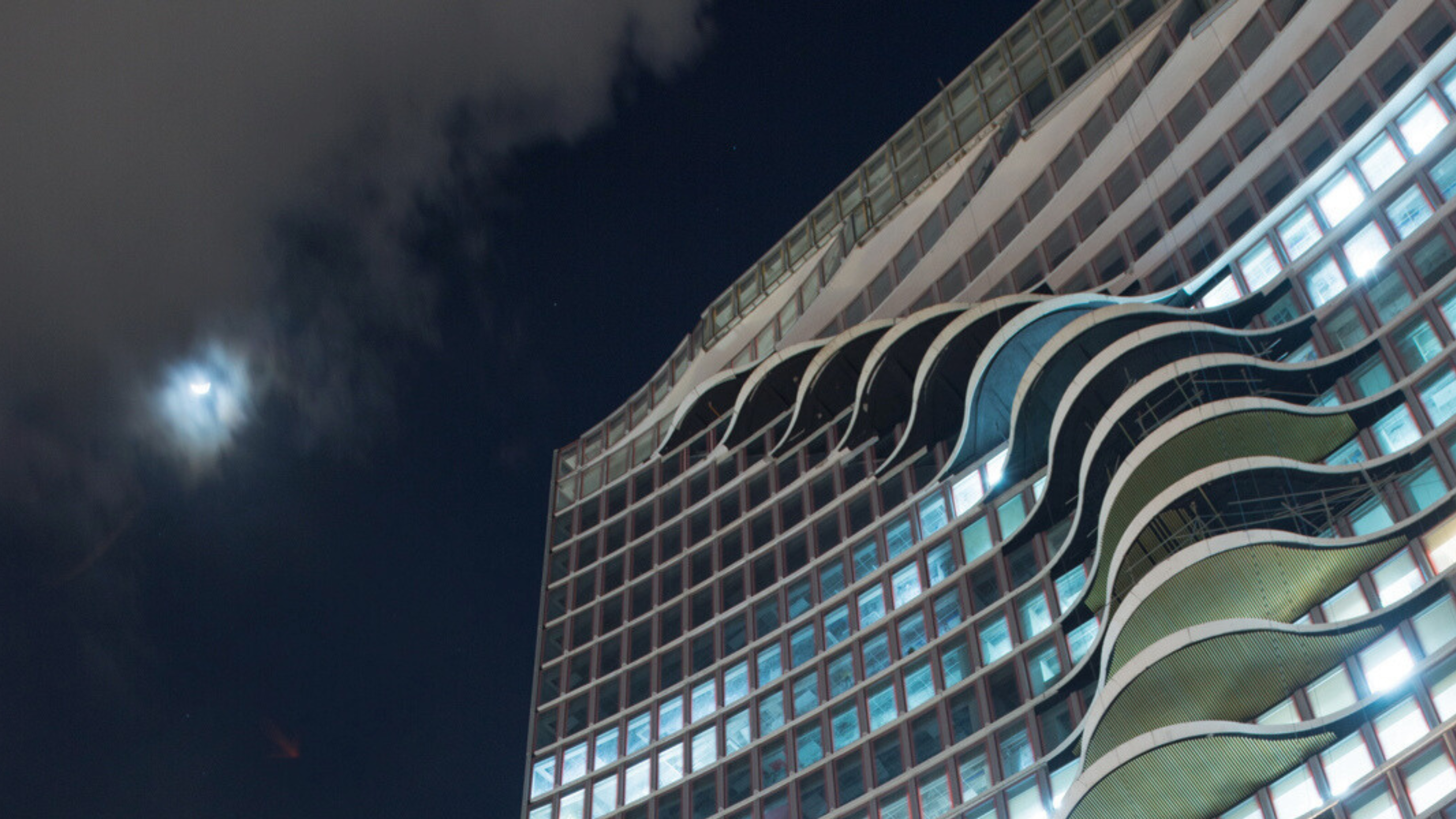
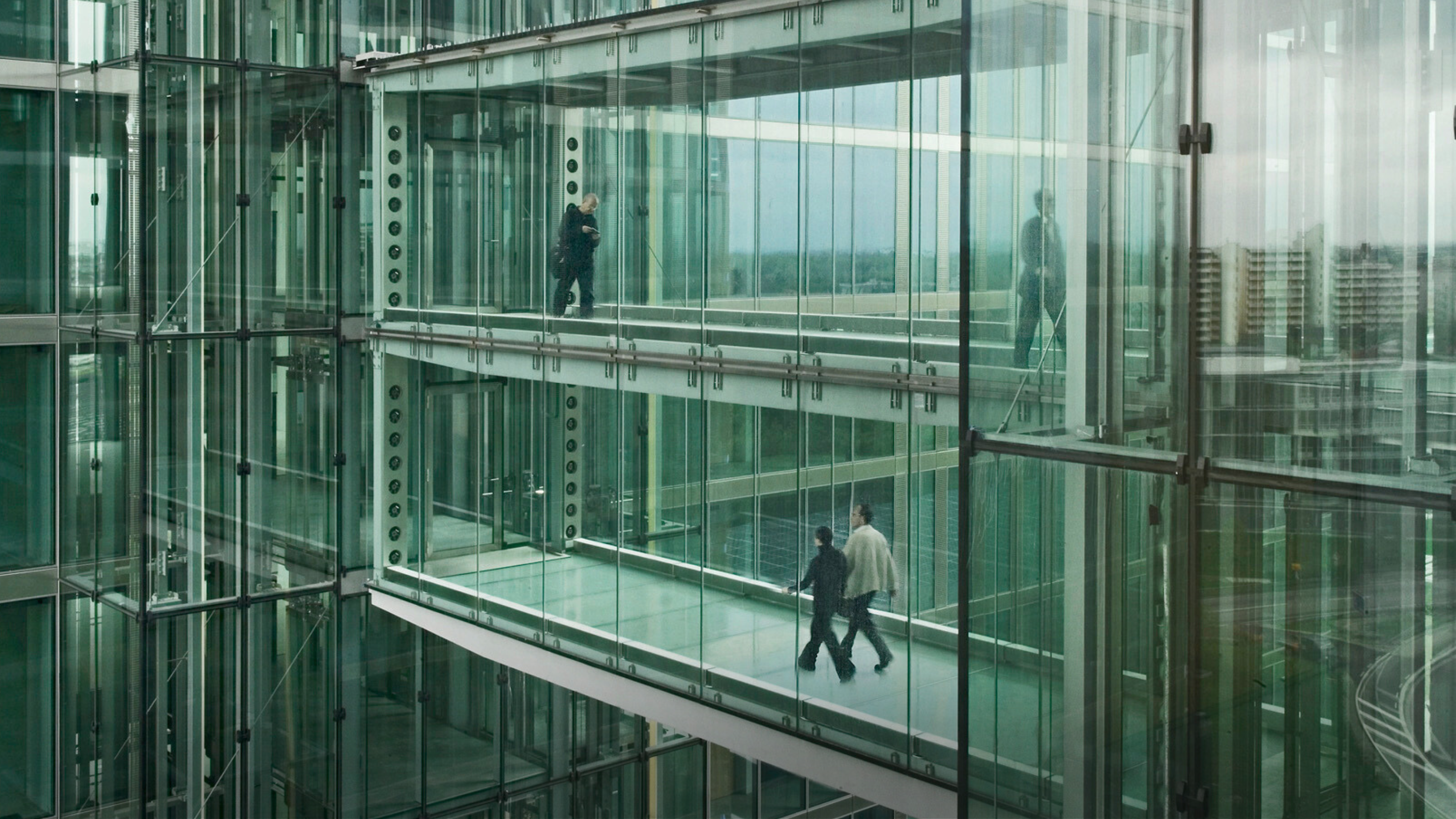
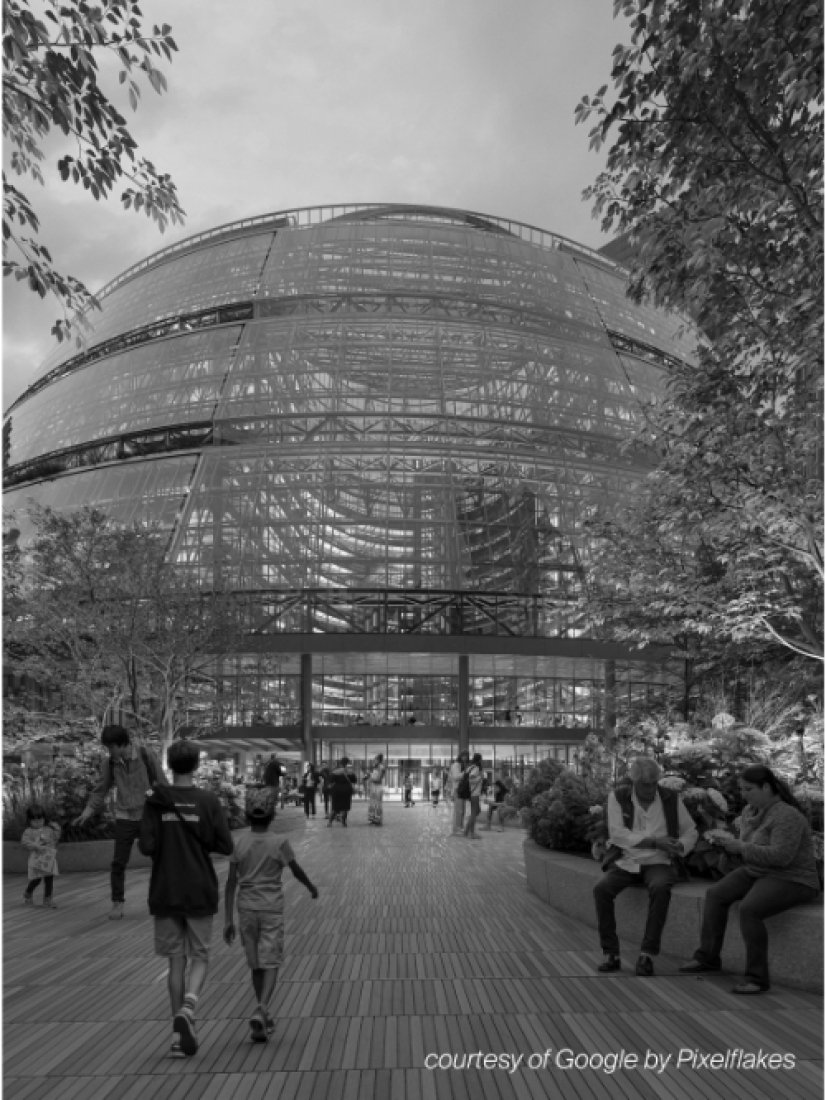
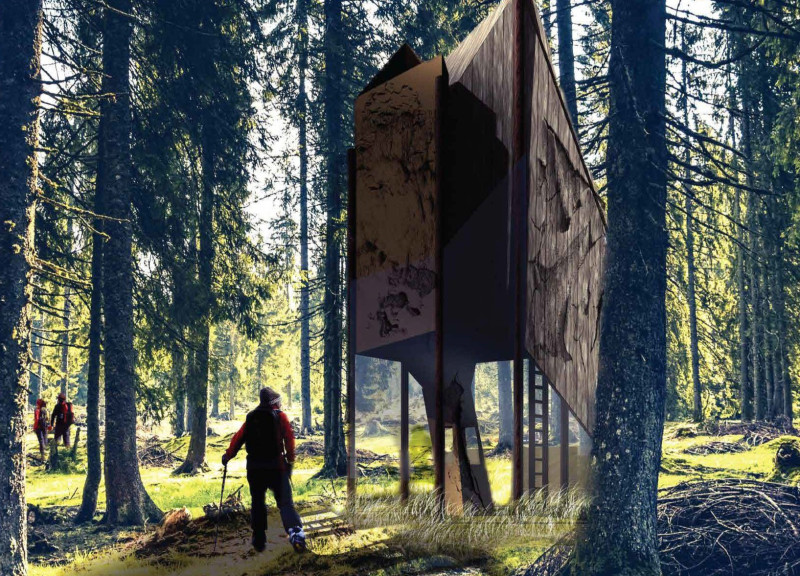
A thoughtful selection of materials plays a crucial role in both the project's sustainability and aesthetic character. Reinforced concrete provides durability and design flexibility, while glass creates transparency, allowing for a seamless connection between indoor and outdoor environments. Timber offers warmth and a tactile quality, especially when sourced sustainably. The use of steel facilitates innovative structural forms, and stone cladding enhances the building's connection to the local geology. This diverse material palette responds effectively to environmental challenges while contributing to the overall design integrity.