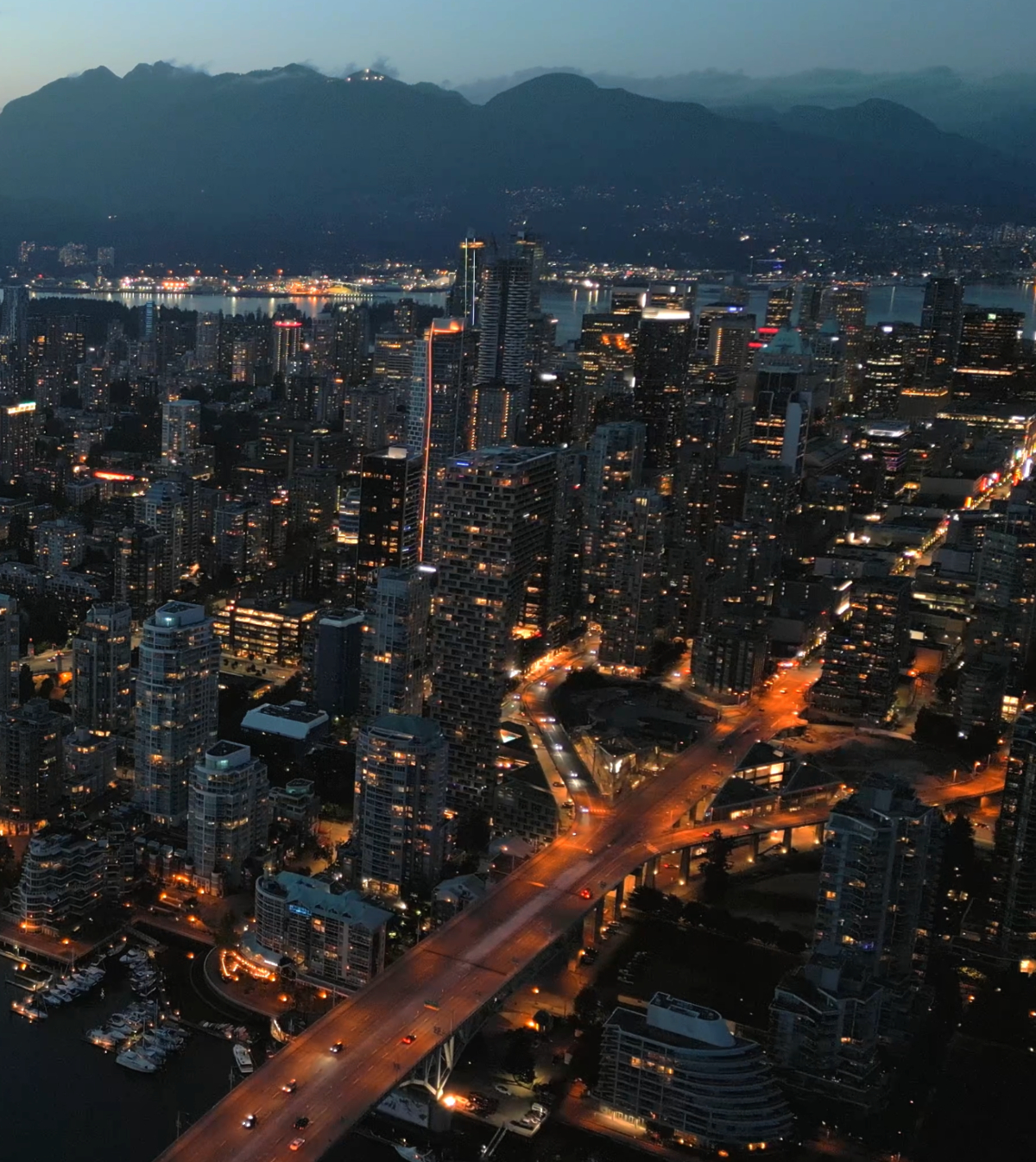
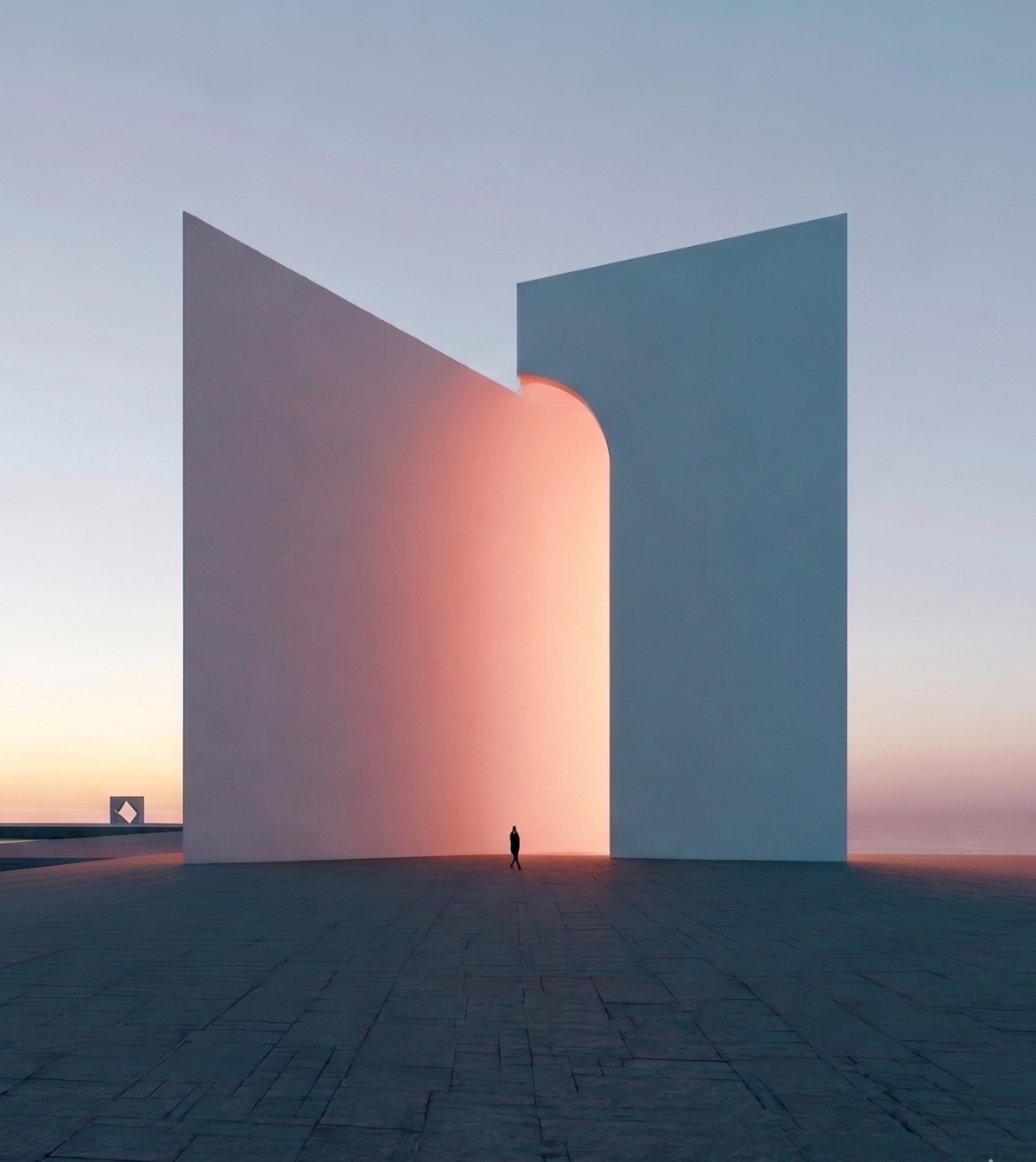
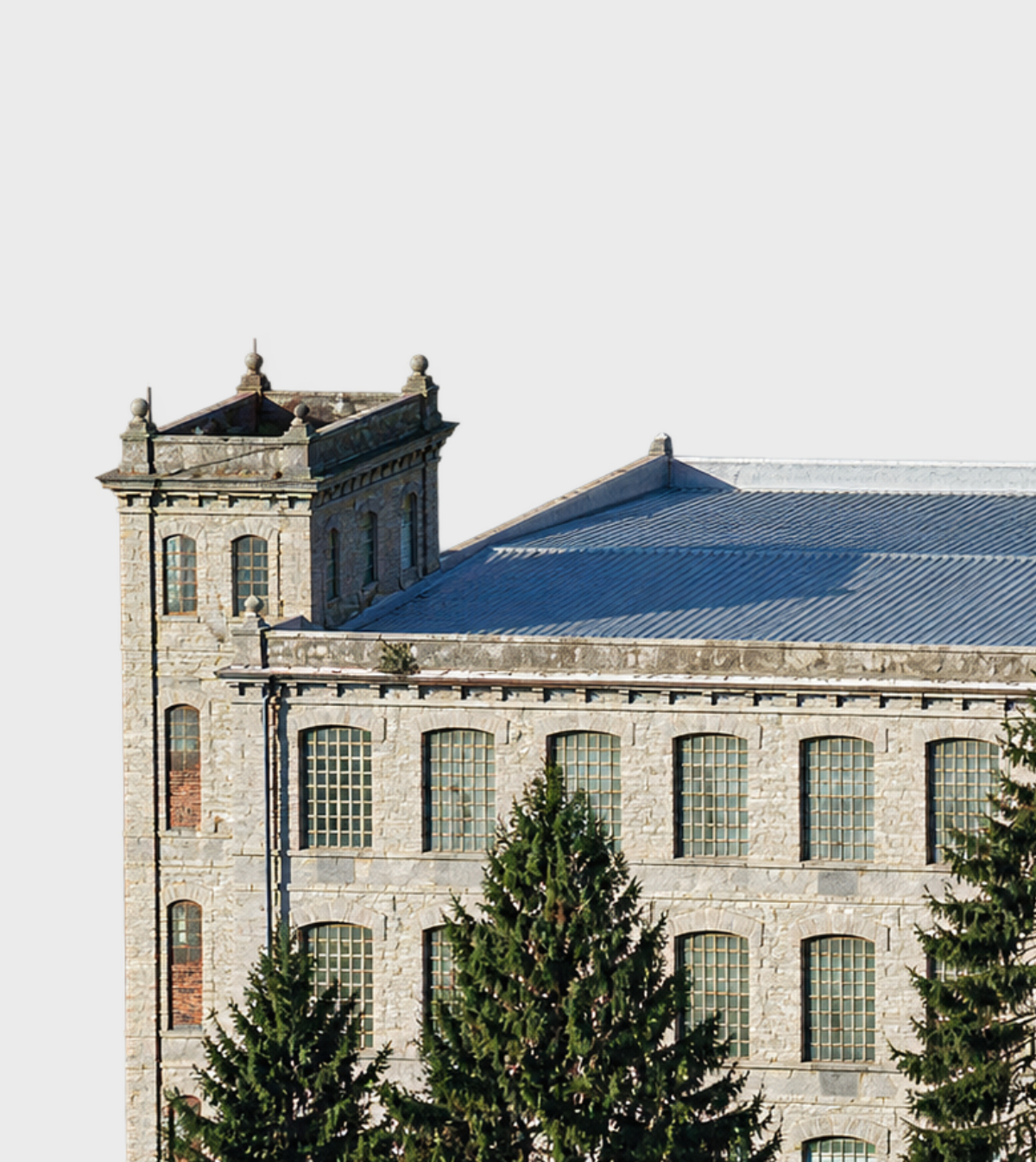
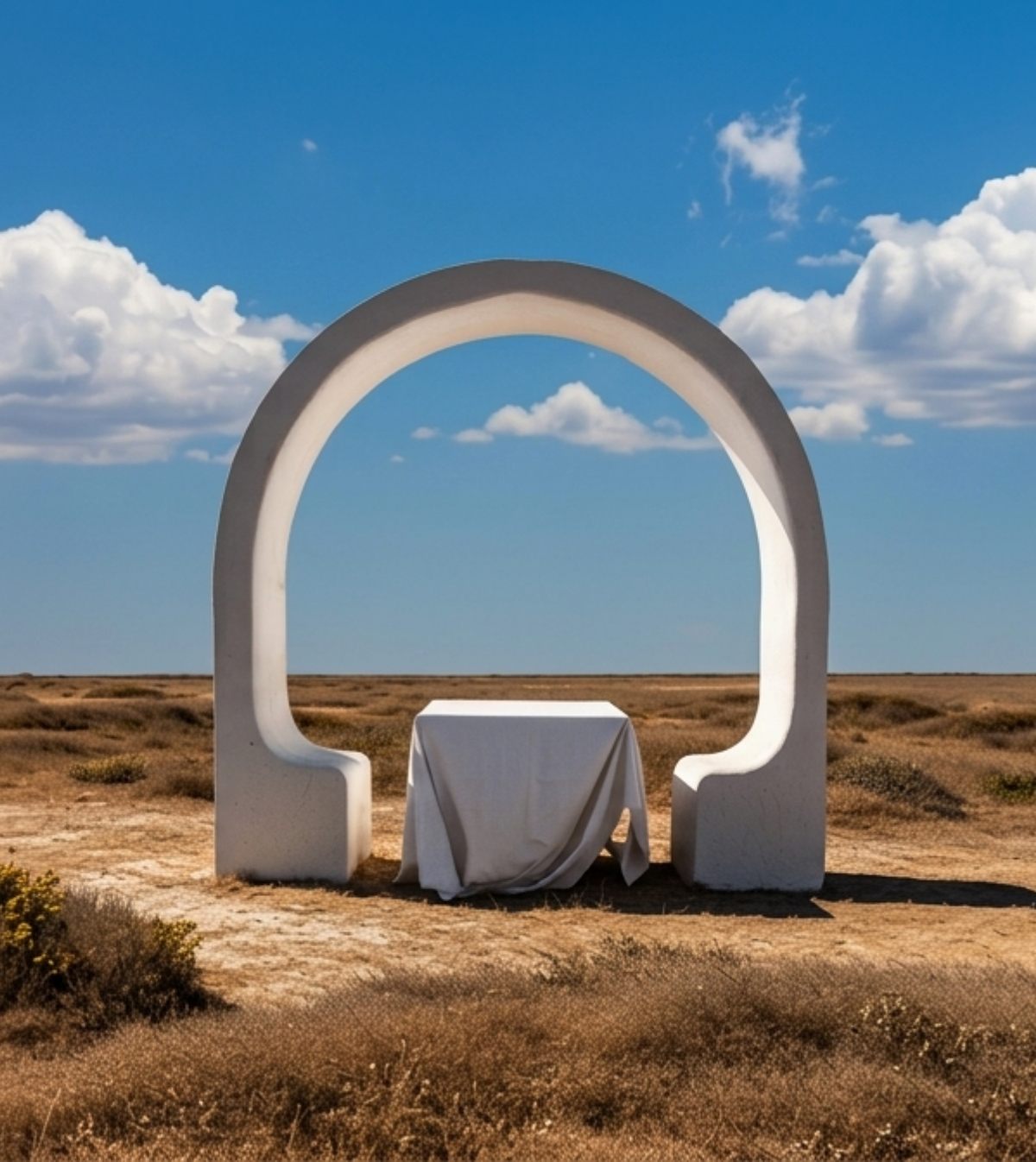
We’d like to take the opportunity to introduce you to the Honorable mention winners of our The Home of Shadows #4 competition – Natasha Jasmin Lopes Rodriguez Florencio and Janquiel Lessa Florencio Rodriguez from Brazil!
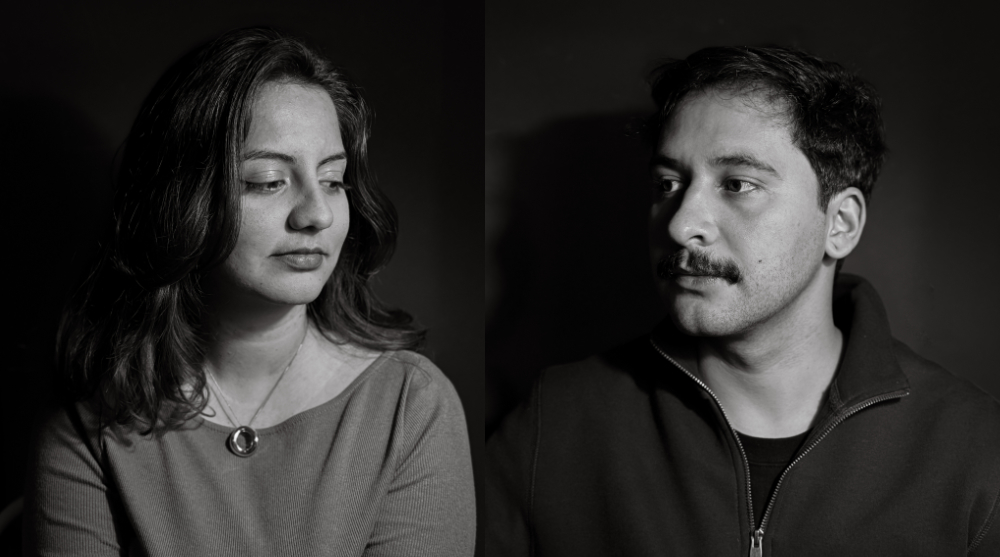
Natasha Jasmin Lopes Rodriguez Florencio and Janquiel Lessa Florencio Rodriguez
Please tell us about your company (when it was founded, where it is based, how many employees, etc) Alternatively, if you do not have a company, please give us some insights on your own professional/academia background.
We are a creative couple formed by professionals from complementary fields: Janquiel Rodriguez, architect and urban planner, and Jasmin Florencio, designer. Our work spans different scales and disciplines, always seeking innovative solutions and unlocking the maximum creative potential of each project.
Janquiel has extensive experience in international architecture competitions, having participated in projects across a wide range of scales,from micro-housing and small-scale architectural interventions to urban regeneration projects and large-scale master plans. He currently works as part of a team dedicated to the development of large-scale projects, where he continues to refine both his creative and technical skills.
Jasmin contributes her background in Design, bringing a strategic perspective focused on visual communication, identity, storytelling, and project presentation. Together, we strive to integrate architecture and design into processes that value both functionality and the human experience, exploring new possibilities to address the contemporary challenges of cities and the built environment.
Brief information about the projects that you/your company have been involved with. For instance, what scale have you focused on/preferred, any significant projects where the company/ individuals have been Involved?
We enjoy working across all scales of architecture and believe that every project holds a unique potential to transform the way people live, interact, and connect with their surroundings.
Jasmin is particularly drawn to small-scale interventions, focusing on micro-housing, urban retreats, and projects that foster intimate, human-centered experiences. Janquiel, on the other hand, is passionate about large-scale planning and design, exploring neighborhoods, cities, and entire regions while seeking to integrate urban development, sustainability, and quality of life.
Throughout our journey, we have had the opportunity to receive important recognitions. Janquiel was awarded in the field of Urbanism for his undergraduate thesis project, titled “Ubatuba 2024 Master Plan Redesign, ” which stood out for its innovative approach to urban regeneration and planning.
We were also recognized in the Golden Sand Waterfront 2024 International Competition with our project “WAVES, ” a proposal for the revitalization of a coastal and lakeside waterfront in Northern Italy. The project was conceived to strengthen the relationship between landscape, public space, and community, creating a more engaging and resilient environment for both residents and visitors.
What does architecture mean to you and what is the role of an architect in your society?
For Jasmin, architecture represents democracy. Through architecture, people from different social classes, cultures, ethnic backgrounds, and beliefs can share the same spaces, coexist, and build collective experiences. Architecture has the power to promote inclusion, foster a sense of belonging, and ensure equal access to the city.
For Janquiel, architecture is a form of expression capable of reflecting the identity, culture, and values of a people. More than simply creating spaces, it materializes stories, behaviors, and ways of life, becoming an important record of how societies evolve over time.
He believes that architecture holds an immense transformative potential, operating across different contexts and scales—from small spaces capable of directly impacting the lives of individuals and communities to urban and territorial interventions that influence the development of entire cities and regions. When thoughtfully designed, architecture can promote inclusion, improve quality of life, strengthen social bonds, and help create a more sustainable future for generations to come.
Why do you participate in architecture competitions?
Because it's the best way to test your creativity to the fullest without limitations.
What advice would you give to individuals who struggle to decide whether it would be beneficial for them to participate in architecture competitions?
We strongly believe that it is far better to test an idea and submit it to a competition than to remain uncertain about its potential. Participating in a competition is, in itself, an opportunity for learning, growth, and professional development, regardless of the final outcome. Every competition challenges us to think differently, refine our skills, and broaden our perspective on architecture.
Even when a project is not awarded, it still contributes to our evolution as professionals. For this reason, our advice is simple: participate, experiment, and share your ideas with the world. Whether you enter a competition or not, the risk is practically the same; the difference is that by participating, you create the opportunity to be recognized, receive valuable feedback, and discover the true potential of your work.
Top 3 Reasons Why You Should Enter Architecture Competitions
Curious about the value of architecture competitions? Discover the transformative power they can have on your career - from igniting creativity and turning designs into reality, to gaining international recognition.
Learn more