

Buildner is a global leader in organizing architecture competitions of all scales — from furniture, cottages, and guesthouses to full city rebranding. With prize budgets ranging from €5,000 to €500,000, Buildner brings proven global experience to every competition.
Launch a competitionLaunch a competition



Introduction
Buildner is proud to announce the results of the Dubai Urban Elements Challenge, a landmark international ideas competition organized in collaboration with Dubai’s Roads and Transport Authority (RTA). This ambitious initiative invited participants to propose new urban elements for the city—modular and adaptive components that shape the pedestrian experience and animate the public realm.
The competition sought designs that respond to Dubai’s unique context: its extreme climate, diverse communities, and rapidly evolving urban fabric. Entrants were challenged to rethink the small-scale elements—such as seating, shading, lighting, wayfinding, rest areas, and micro-retail—that define how people interact with infrastructure, streets, and open spaces. Proposals were encouraged to be scalable, sustainable, and identity-shaping, contributing to Dubai’s vision for a more connected and human-centered city.
This inaugural edition received an exceptional response, with submissions from around the world proposing visionary, grounded, and culturally sensitive solutions. The total prize fund of 2,000,000 AED (approx. €500,000) reflected the city's strong commitment to innovation in the public realm, and to realizing select winning concepts as built prototypes across key locations in Dubai.
The competition received a total of 558 project submissions from participants worldwide!
The Dubai Urban Elements Challenge was evaluated by a distinguished international jury of experts in architecture, urban planning, and design. The panel included:
- Sirine Kalache – Chief Specialist at Dubai’s Roads and Transport Authority (RTA), with over 20 years of experience in sustainable urban development and mobility projects
- Varkki George Pallathucheril – Dean of the College of Architecture, Art and Design at the American University of Sharjah; leading scholar in urban design and planning
- Shaikha AlShaikh – Civil engineer and Strategic Project Manager at RTA, experienced in mega infrastructure projects
- Salma Al Shamsi – Roads Landscaping Manager at RTA and Emirati architect specializing in urban transformation and public space development
- Jette Hopp – Director of Acquisitions at Snøhetta, focused on sustainable international projects
- Ahmed Bukhash – Founder of Archidentity, integrating regional symbolism into contemporary architecture
- Andrew Mason – Director of Contracts at Calatrava International, with over 30 years of experience in high-value international construction and real estate projects
The winning entries explore a diverse range of formal languages and functional strategies: from poetic reinterpretations of local geometries to robust infrastructural systems shaped by climate, memory, and movement. Each proposal demonstrates how thoughtful design at the micro-scale can generate lasting urban value.
Buildner congratulates the winners and extends sincere thanks to all participants and jury members for their contributions to this pioneering initiative.
1st Prize Winner
1 million AED
(approx. 250,000 €)
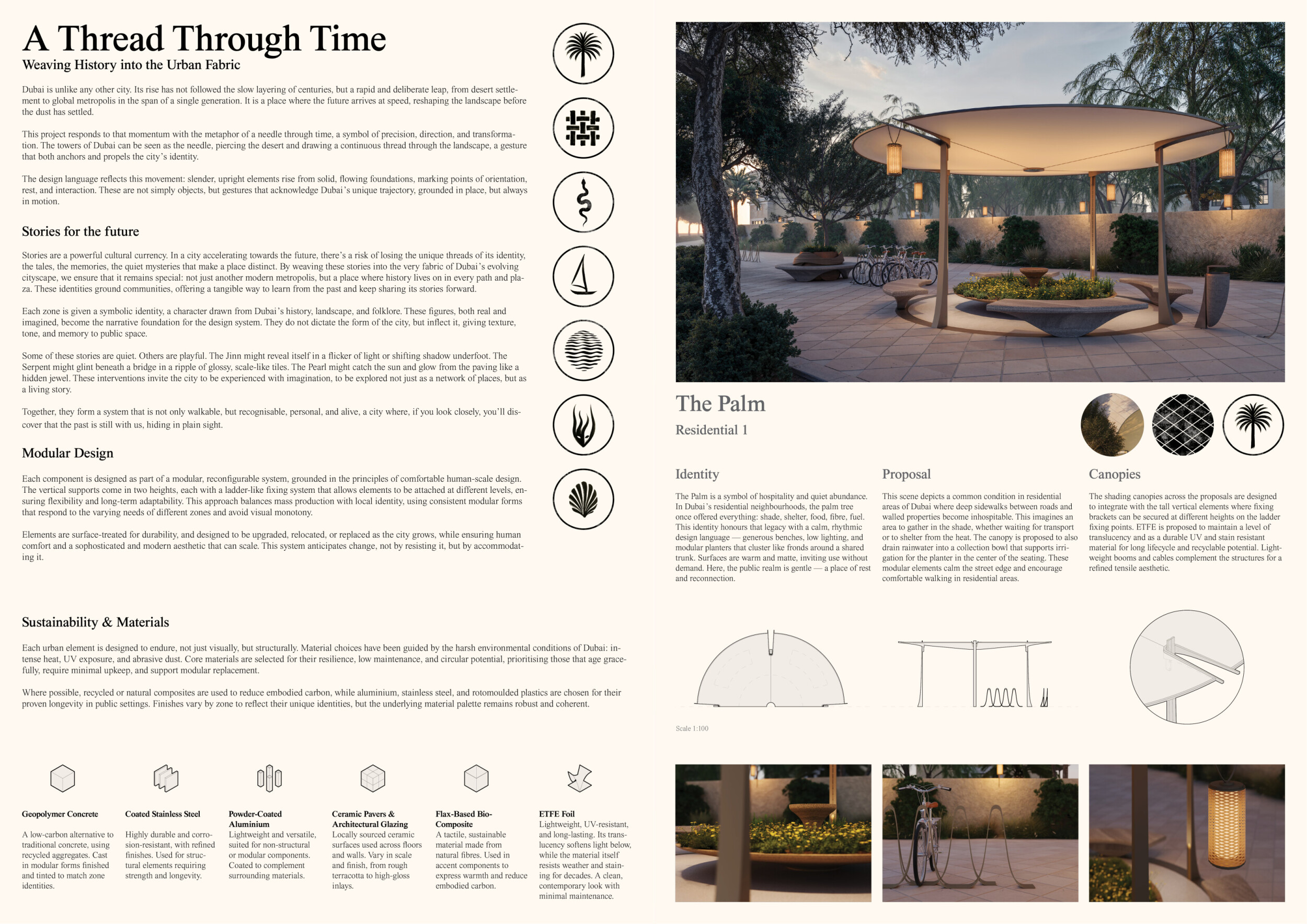
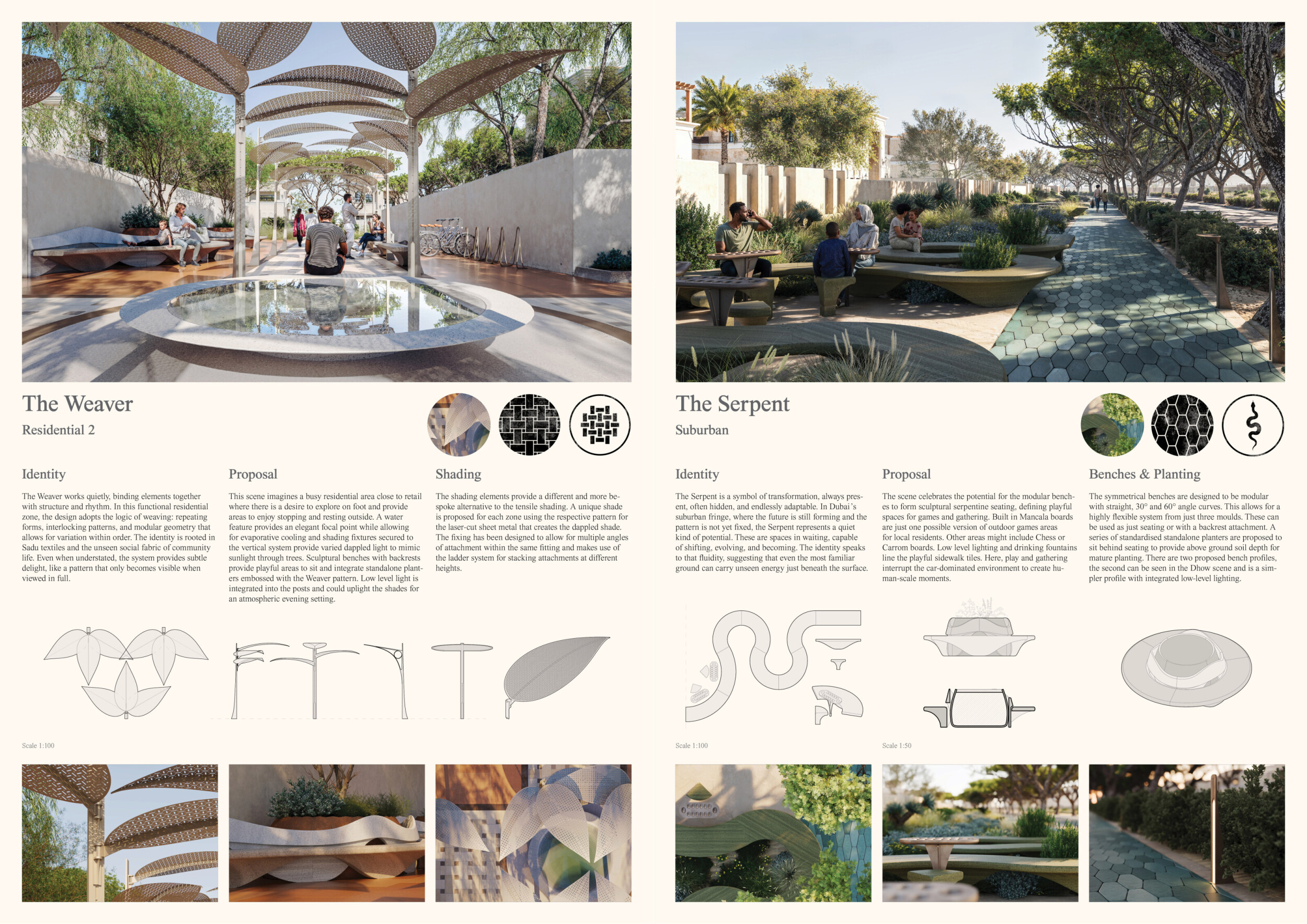
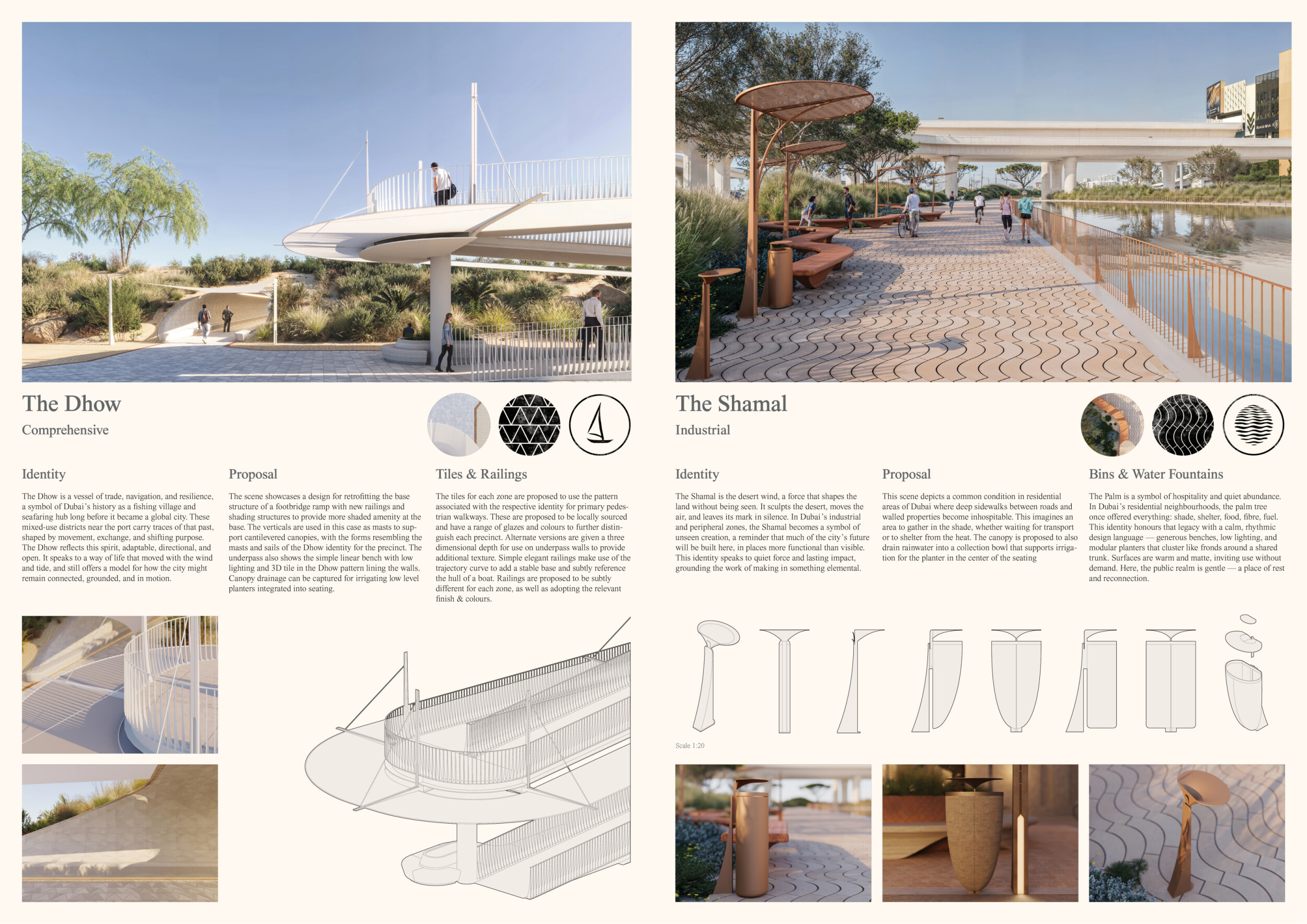
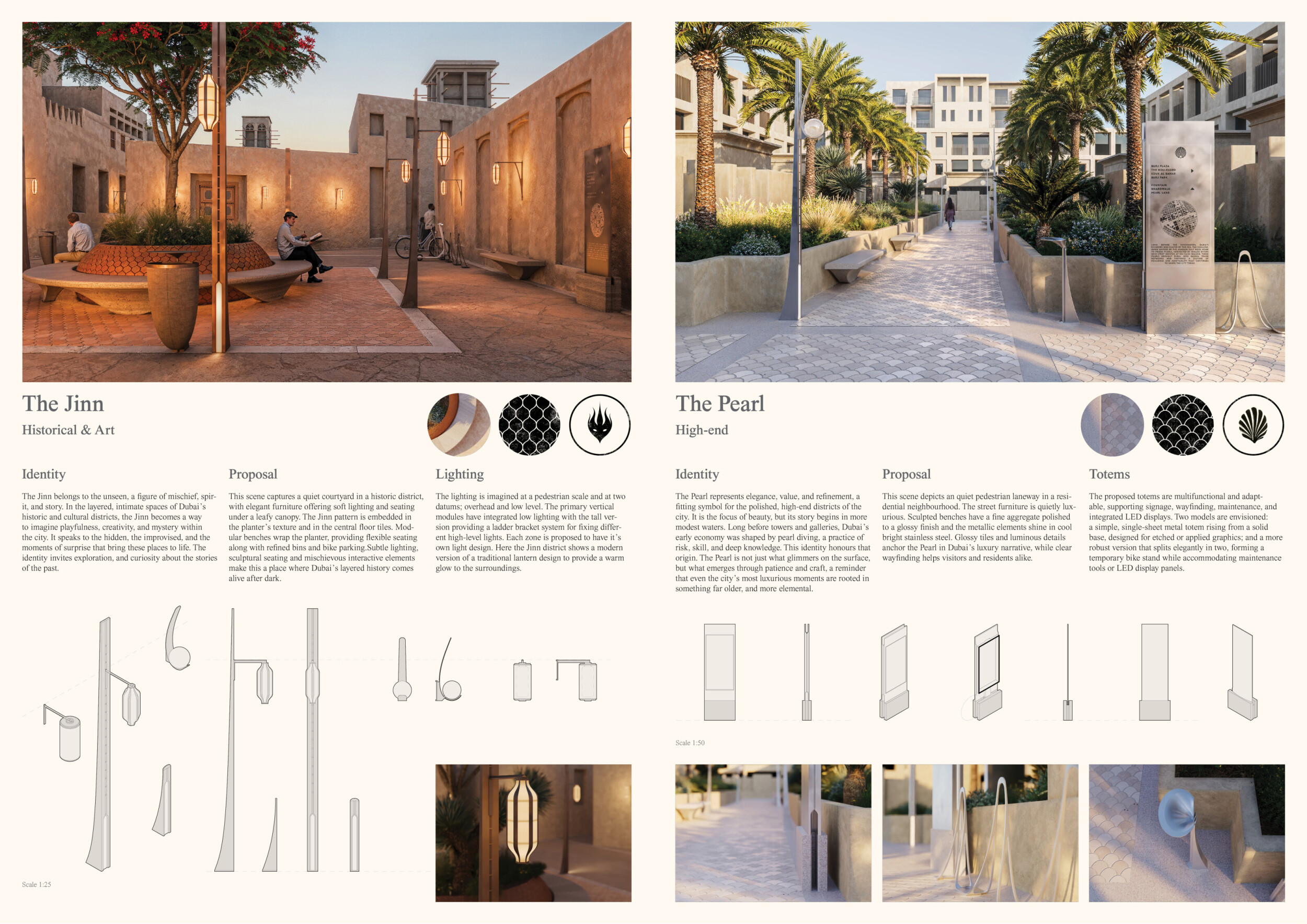
A Thread Through Time
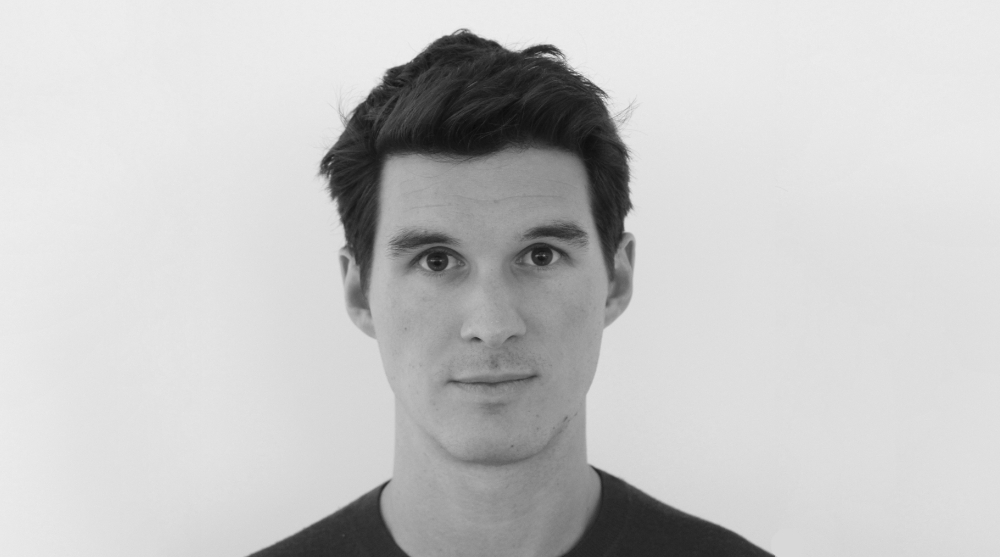
Architecture competitions offer a rare space for focused, unconstrained creativity. They allow ideas to be explored with clarity and intent, often resulting in work that helps define the future direction of a studio. For me, this competition was a deliberate counterpoint to the collaborative nature of daily practice. I chose to work independently in order to test the limits of my own capabilities, carrying a project from concept through to technical resolution with a clear and consistent vision. This process creates space for ideas to develop without dilution. It is an opportunity to produce work I can stand behind fully: a project that is not only a response to a brief, but a considered expression of my design approach and an indication of the direction I hope to continue exploring.
Read full interview
 United Kingdom
Jury feedback summary
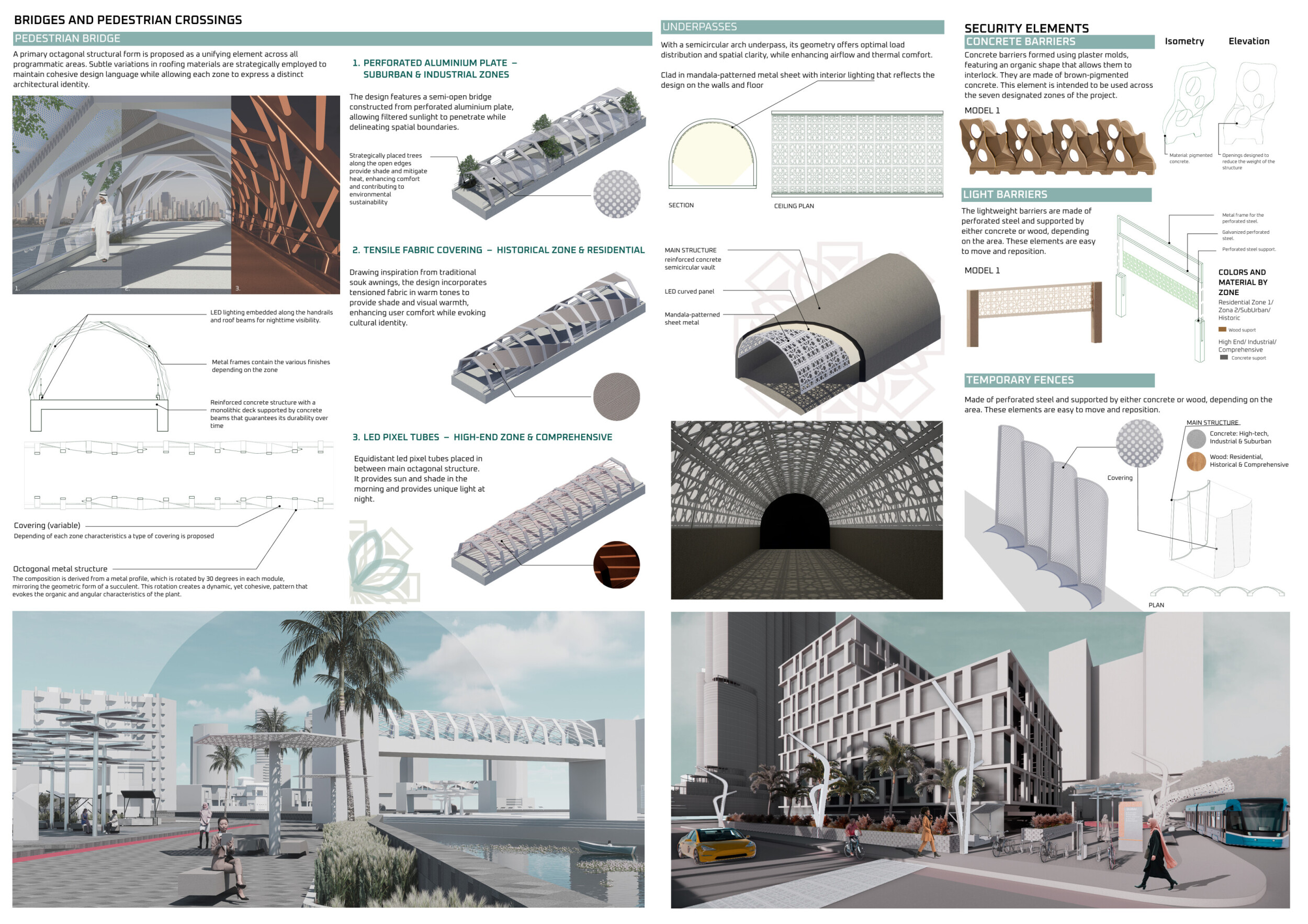
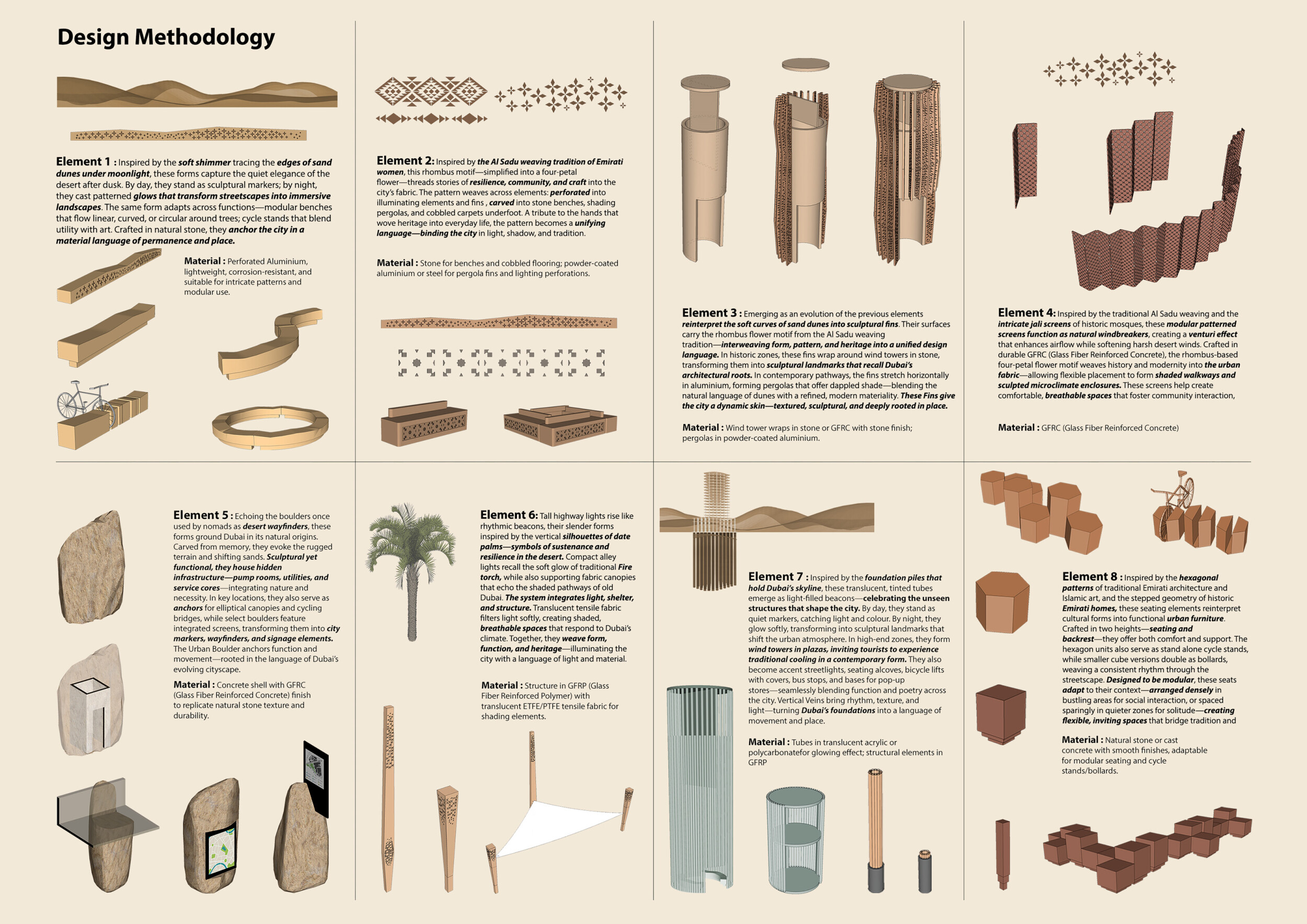
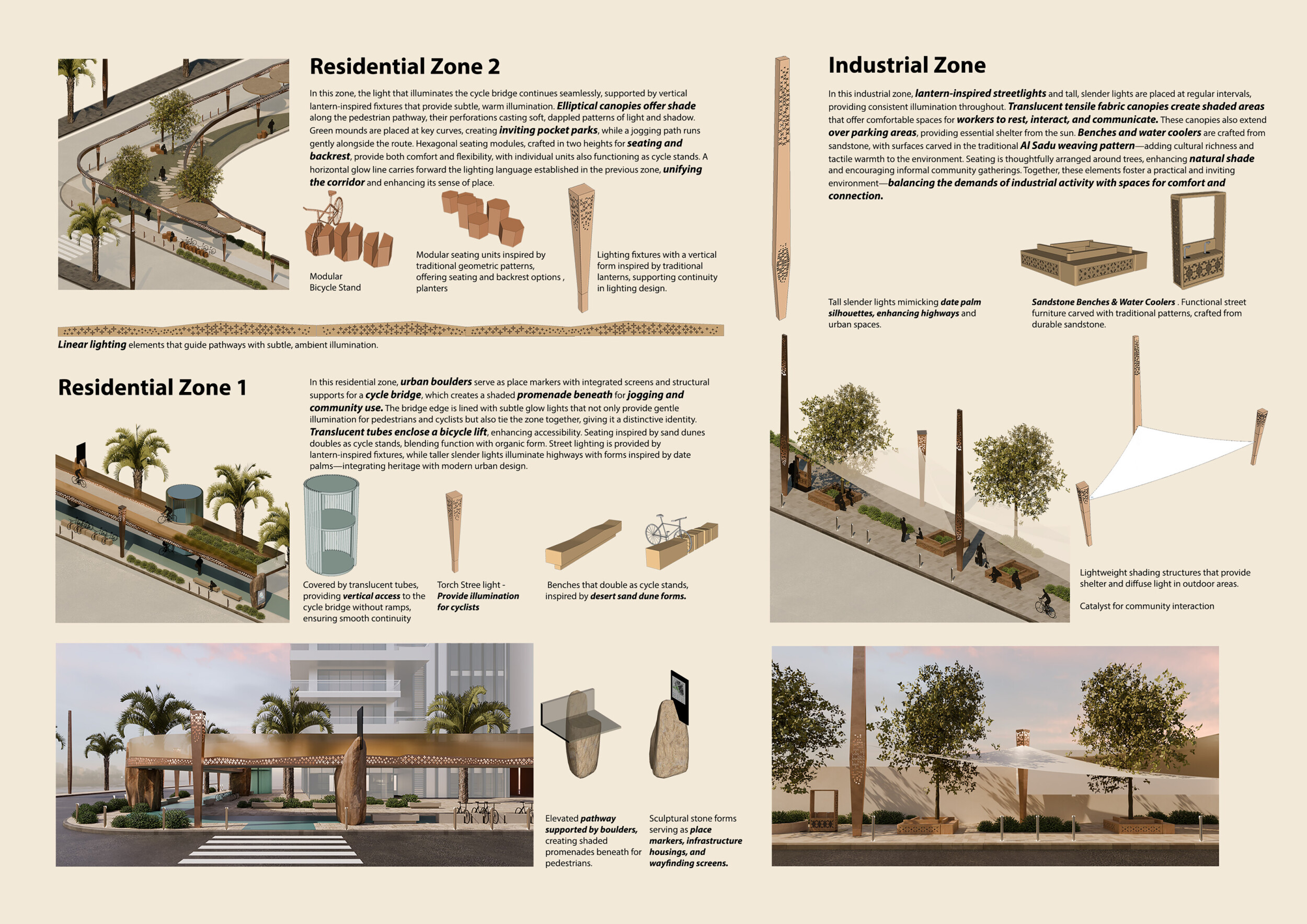
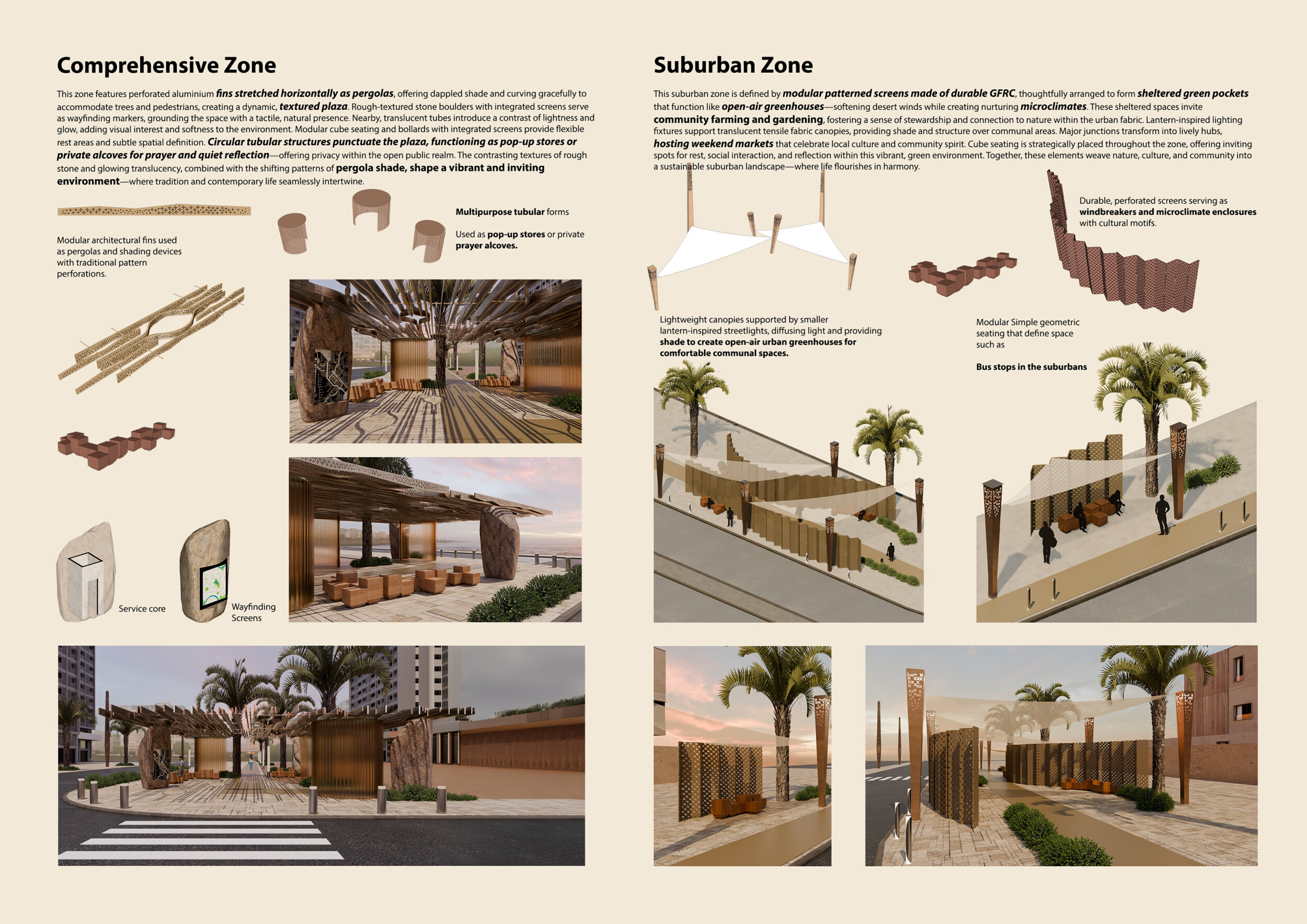
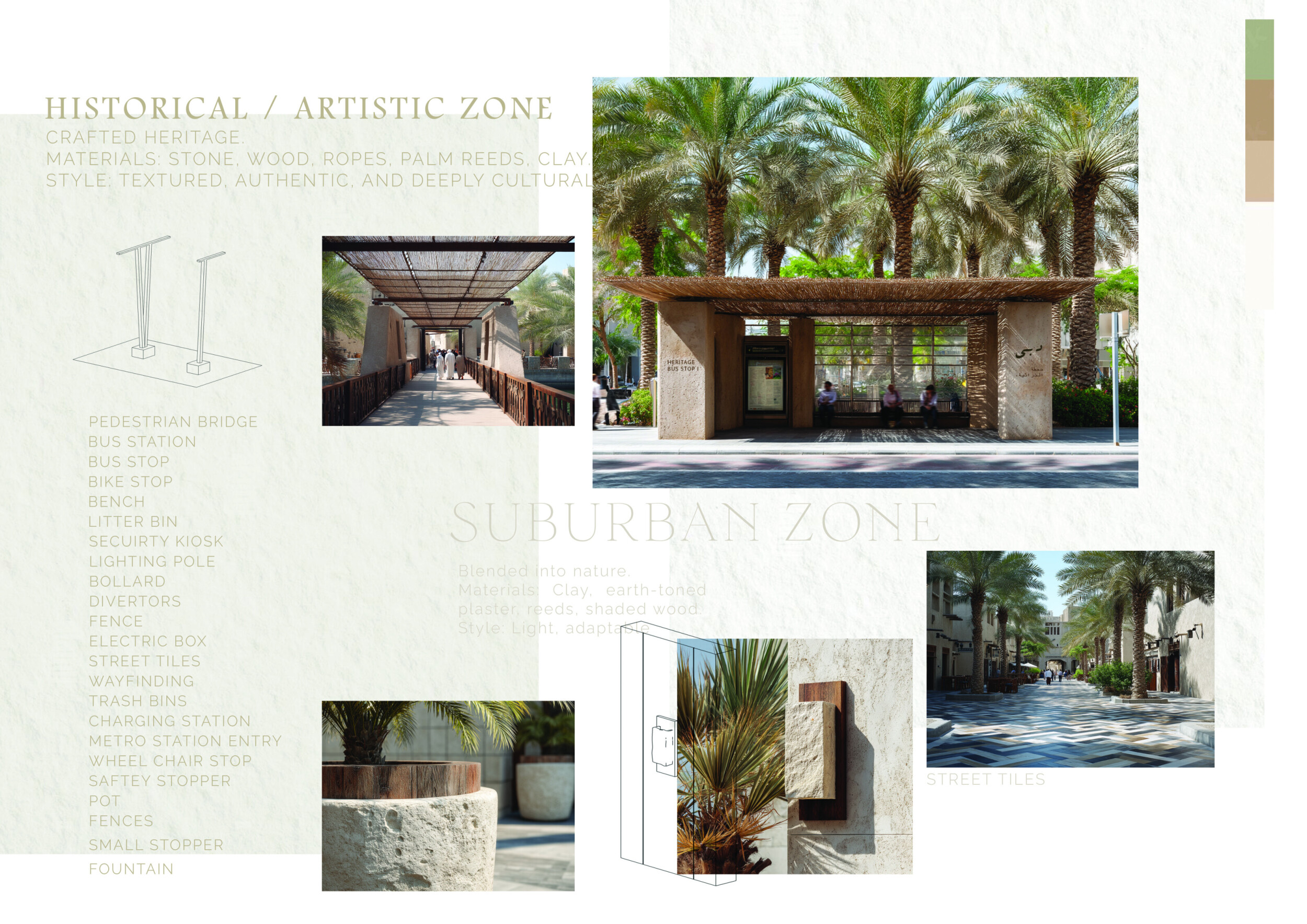
This project proposes a family of urban elements designed as a continuous narrative woven through Dubai’s public realm. Drawing on symbols rooted in local history, landscape, and cultural memory, the system translates motifs such as the palm, weaving, serpents, pearls, and maritime references into site-specific benches, canopies, lighting, railings, bridges, and wayfinding elements.

Rooted in symbols that narrate Dubai’s past, present, and future, this proposal articulates and represents that symbolism in astonishing detail within each urban element. The project is truly captivating, utilizing principles of biomimicry in its aesthetics while remaining functional and sustainable through the materials and strategies adopted to provide shade and recycle water.
Ahmed Bukhash / Buildner guest jury
Founder of Archidentity, UAE

A highly refined and poetic proposal that translates cultural narratives into a coherent and contextually grounded design language. The storytelling, material sensibility, and sense of place are compelling, and the visual presentation exudes calm confidence. However, the typologies themselves remain a bit conventional, reinterpreted with care rather than reimagined. The work convinces through atmosphere and coherence rather than invention, resulting in a series that feels timeless and site-appropriate, if somewhat predictable in its architectural language.
Jette Hopp / Buildner guest jury
Director, Snøhetta, Norway

I very much enjoyed the symbolic connections in this concept, from the palm tree, weaving, serpents, and pearl. All of these are important parts of UAE history, tradition, and culture. With such a powerful idea, I was disappointed not to see more innovative solutions across the zones. Much more could have been done to develop the concept; what was provided was, in my view, a basic visual solution that was not exciting nor innovative. Dubai is the future, not the present.
Andrew Mason / Buildner guest jury
Director of Contracts for Calatrava International, UAE
Enter an open architecture competition now




2nd Prize Winner
500,000 AED
(approx. 140,000 €)
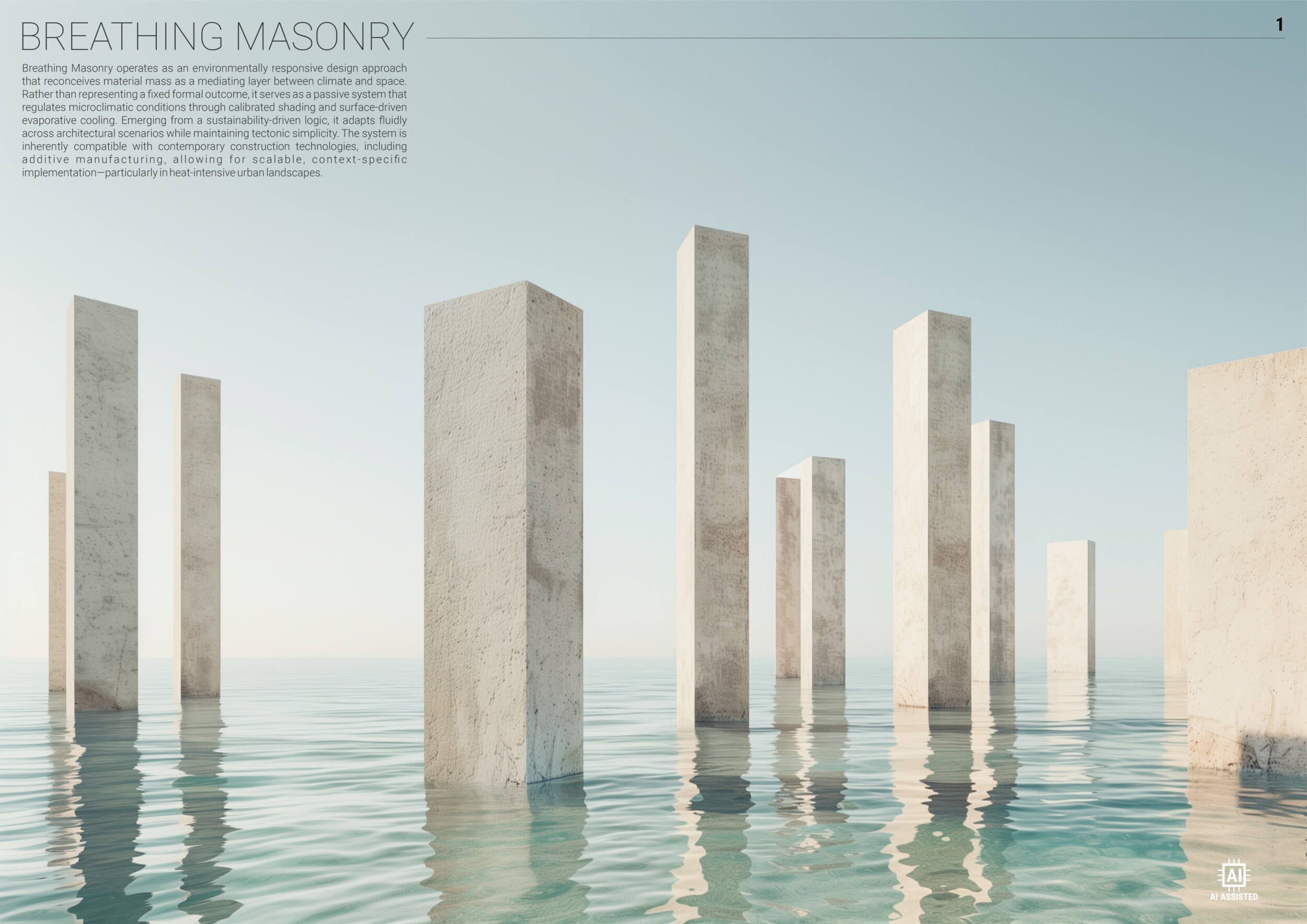
Breathing Masonry
Competitions give me the freedom to think without constraints. I can work on ideas that don’t have to be built immediately, challenge myself, and question my own assumptions. I see them as a chance to say, "This is how architecture could be," even if the proposal is unconventional or hard to realize. It’s a space for learning, dialogue, and experimentation.
Read full interview
 Saudi Arabia
Jury feedback summary
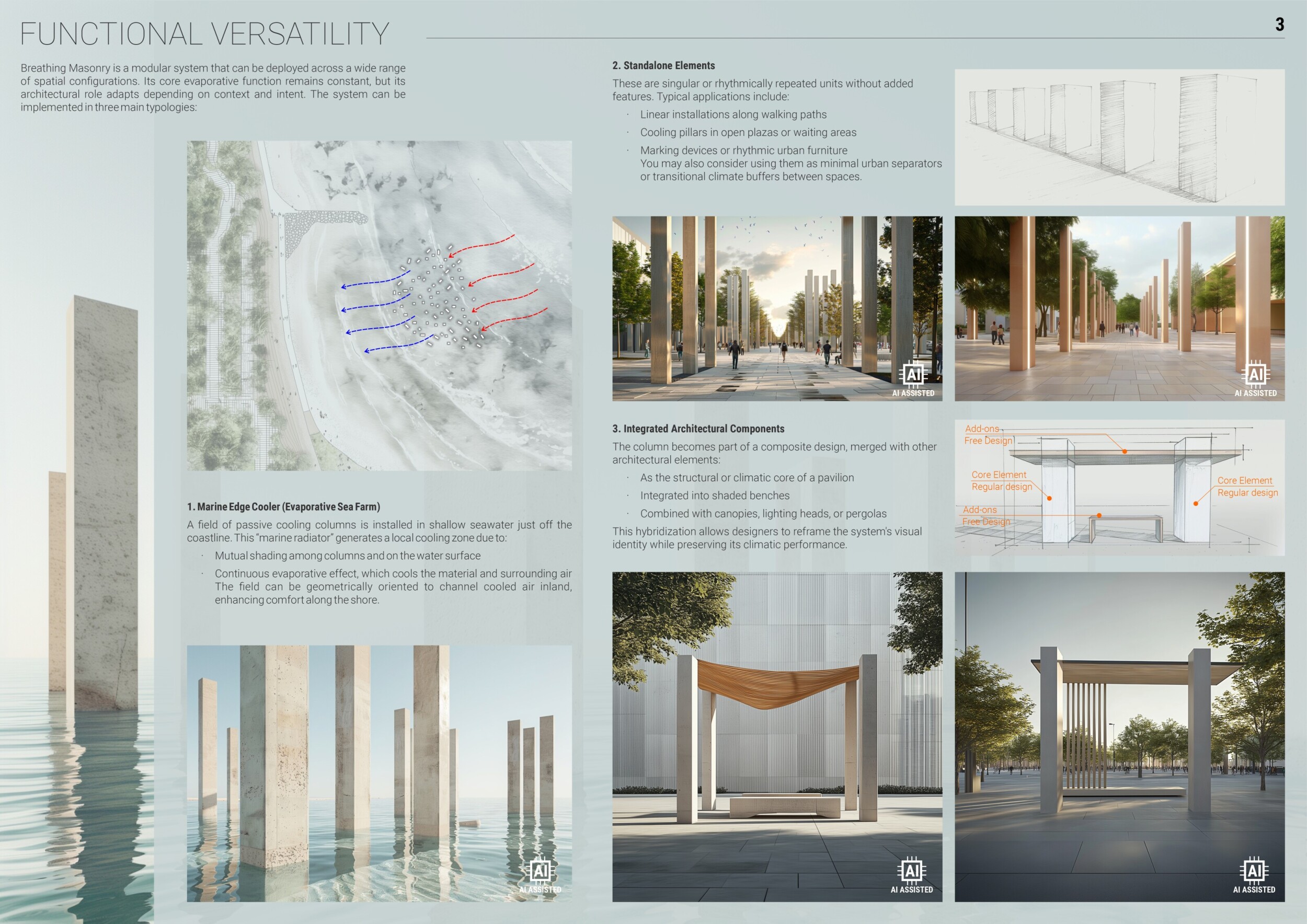
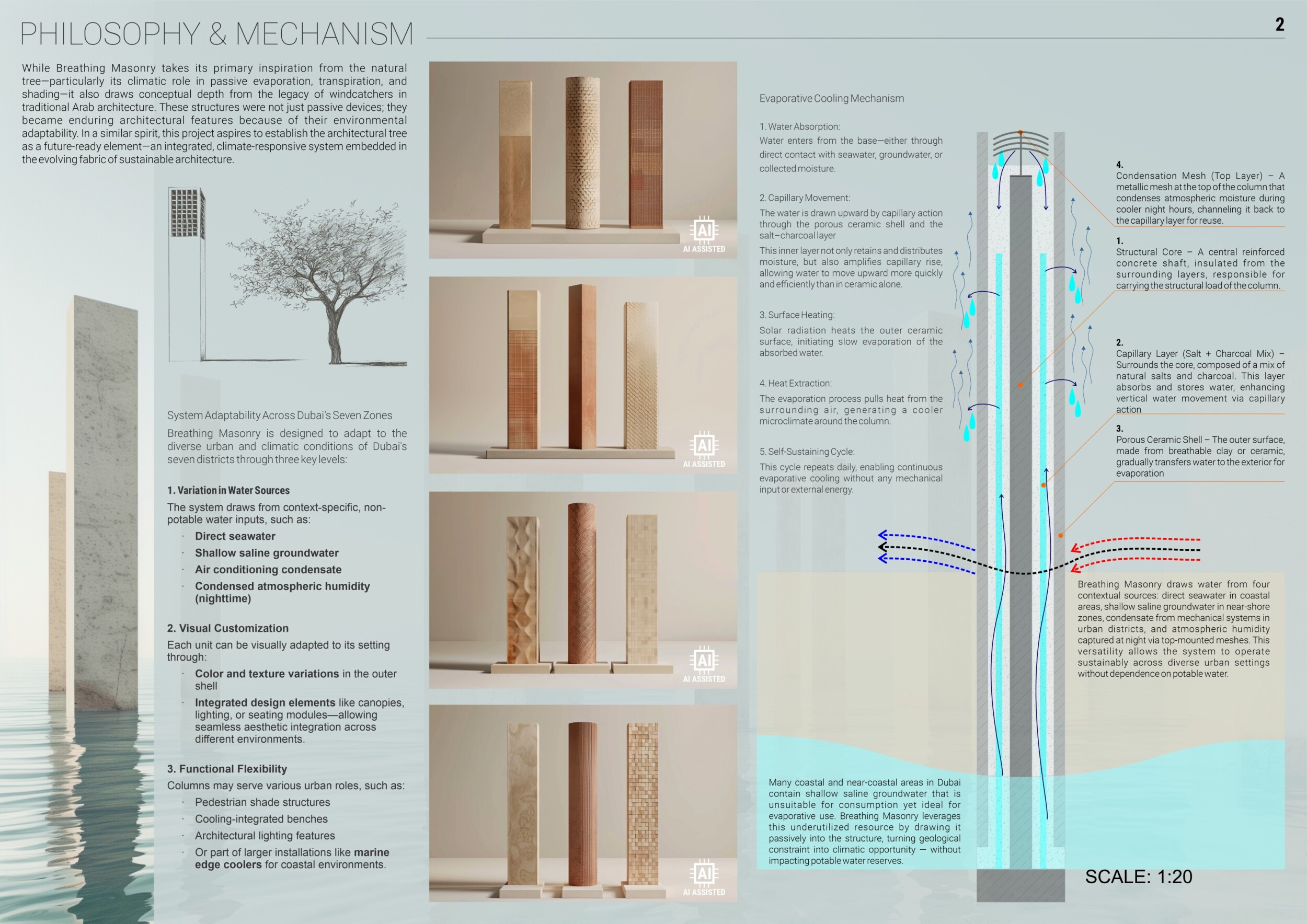
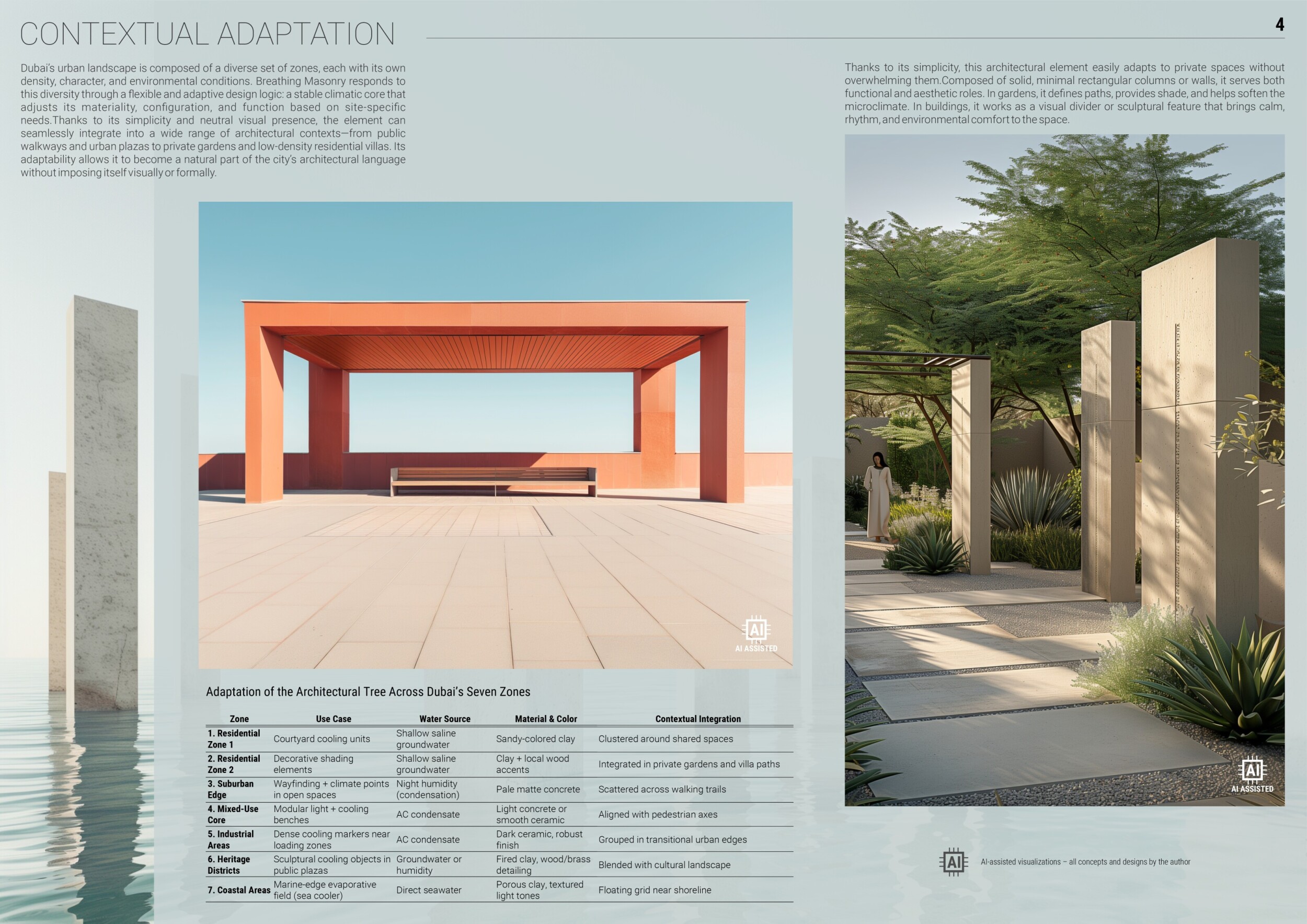
This proposal introduces Breathing Masonry as a modular, climate-responsive architectural system designed to operate across Dubai’s diverse urban and environmental conditions. Drawing inspiration from the natural logic of trees and the passive cooling principles of traditional Middle Eastern architecture, the project rethinks material mass as an active mediator between climate and public space.
I thought this submission, based on the tree, was an incredibly simple but very powerful concept, a variation and extension of the innovation and ideas used in projects such as the Louvre Abu Dhabi. I particularly appreciated the proposed uses, including the cooling columns. My only minor concern relates to environmental performance and adaptability, but overall this is a very creative and forward-thinking proposal, well aligned with the heritage and culture of the UAE. An excellent submission, with clear potential for further development to support the continued growth of Dubai and the wider region.
Andrew Mason / Buildner guest jury
Director of Contracts for Calatrava International, UAE
Commendable sustainability performance; however, the design appears too generic and not yet sufficiently articulated.
Jette Hopp / Buildner guest jury
Director, Snøhetta, Norway
3rd Prize Winner
150,000 AED
(approx. 50,000 €)
echo
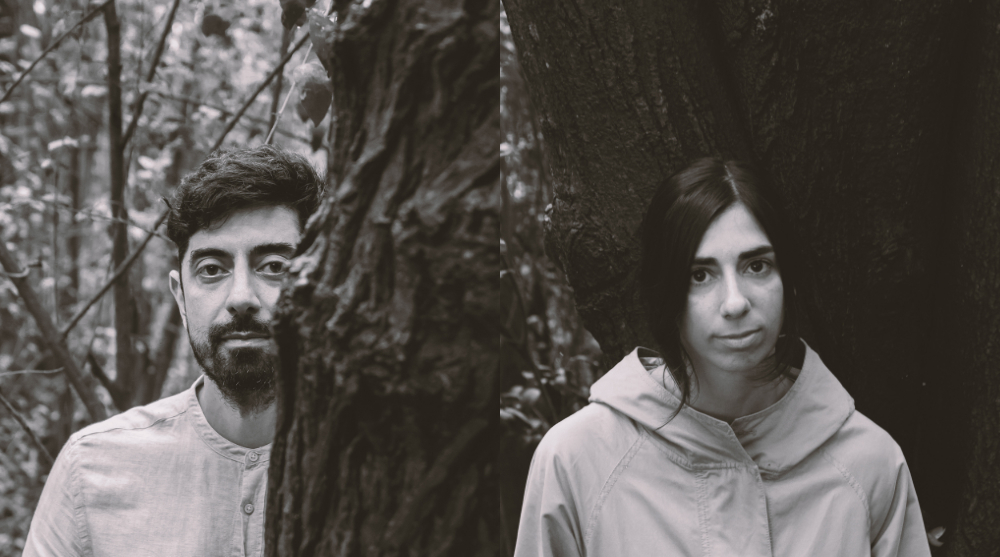
Architecture competitions are a good opportunity to expand our creative side, to get involved in worldwide projects, and to get to know other cultures and places during the investigation process..
Read full interview
 Argentina
Jury feedback summary
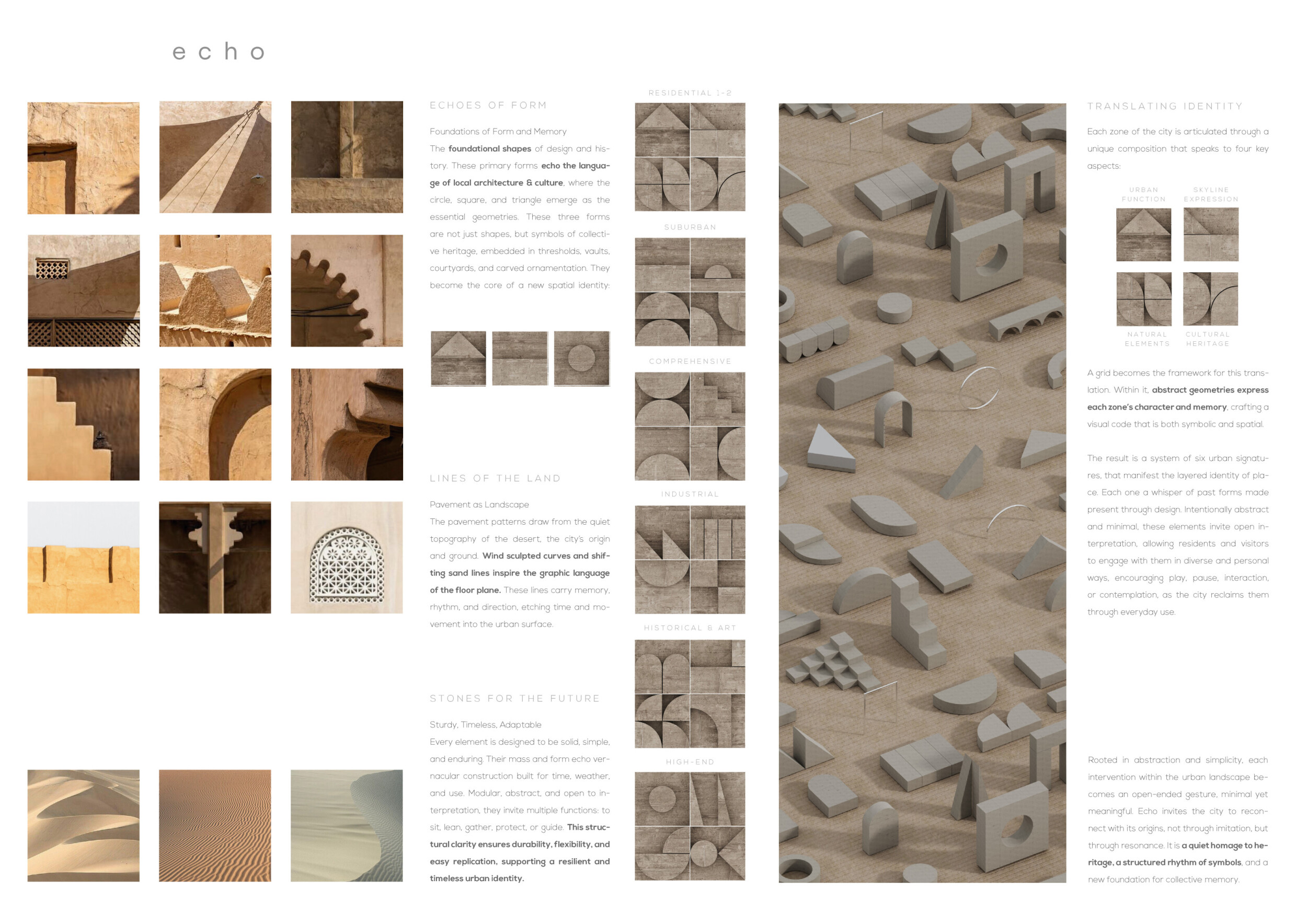
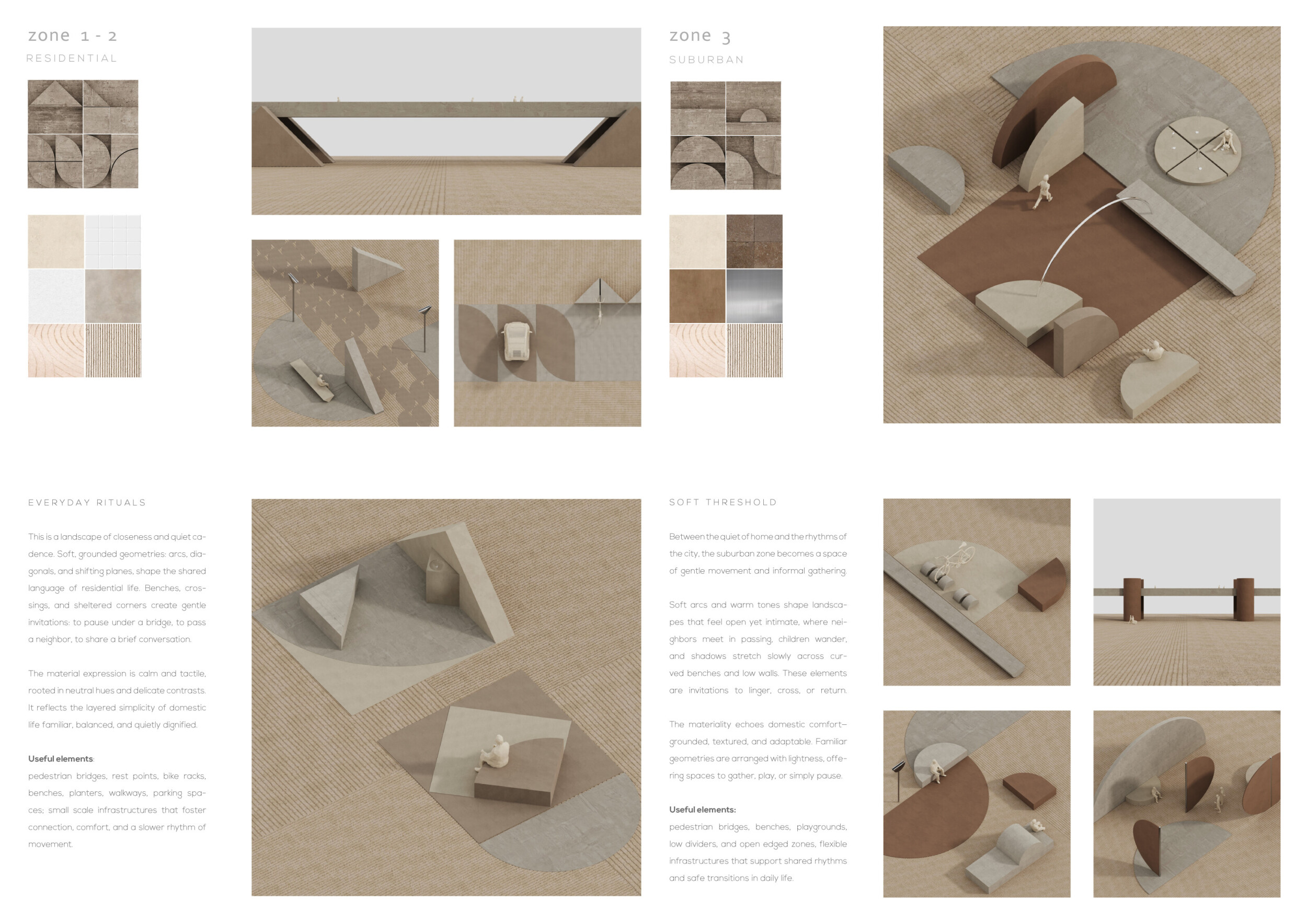
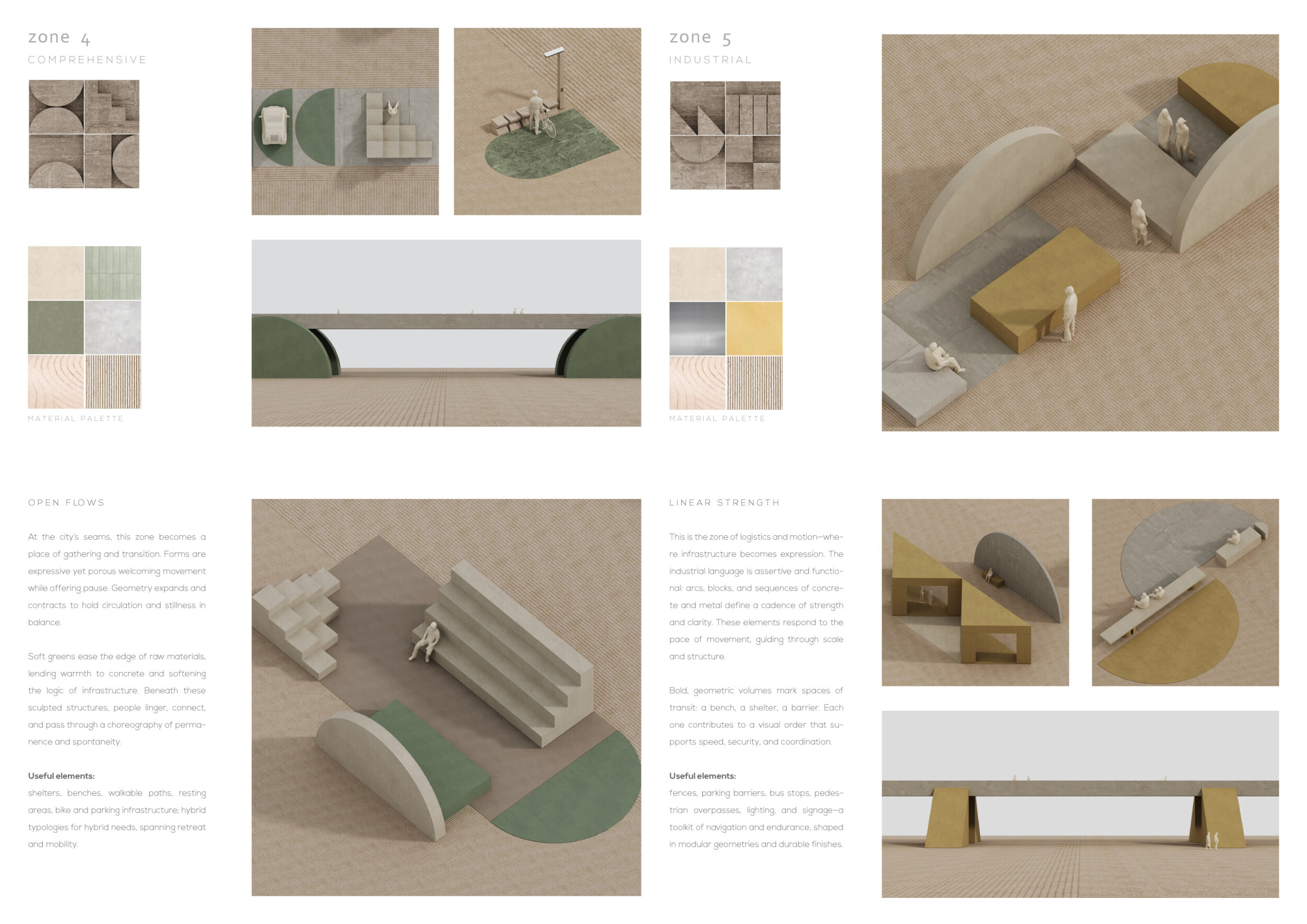
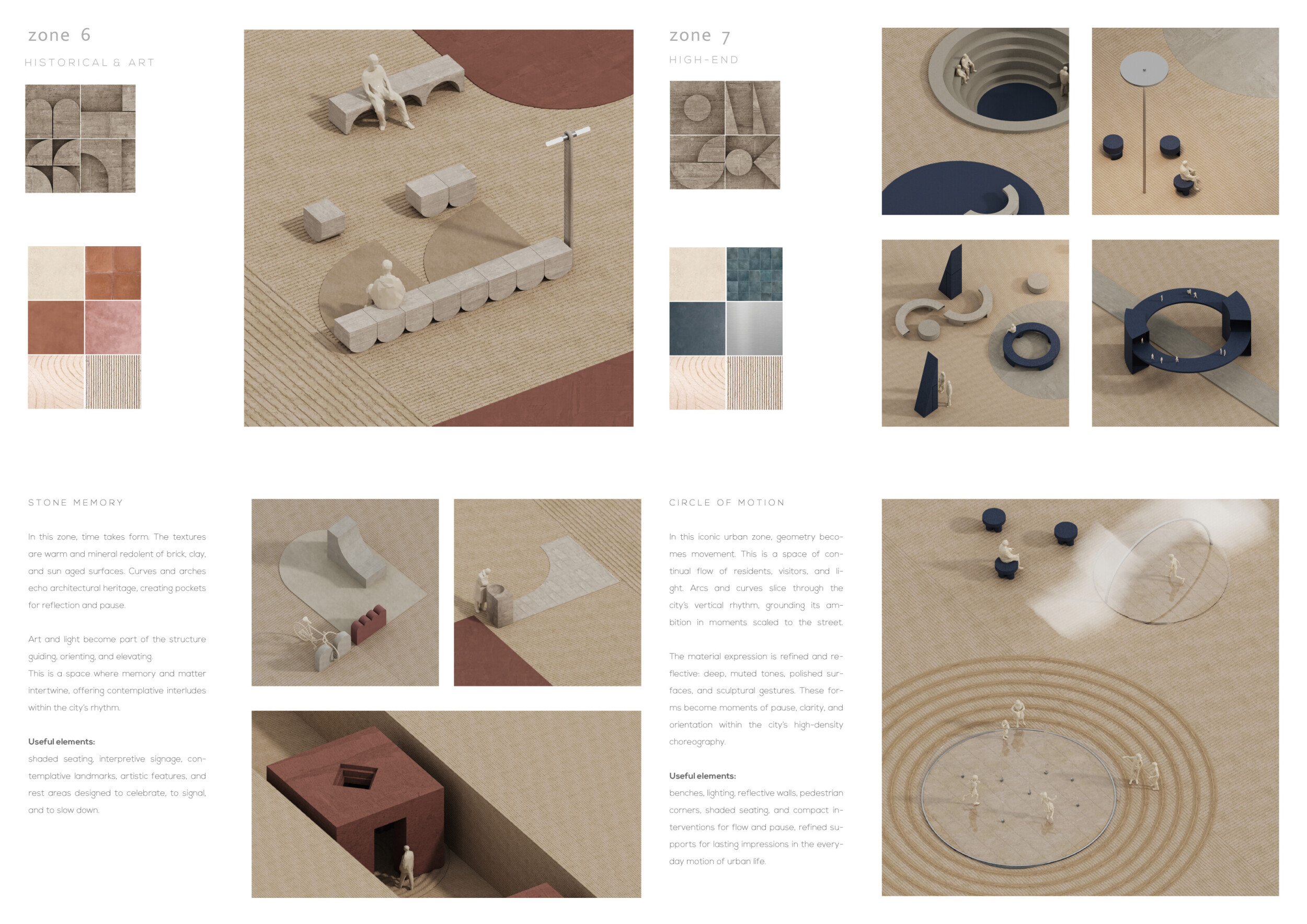
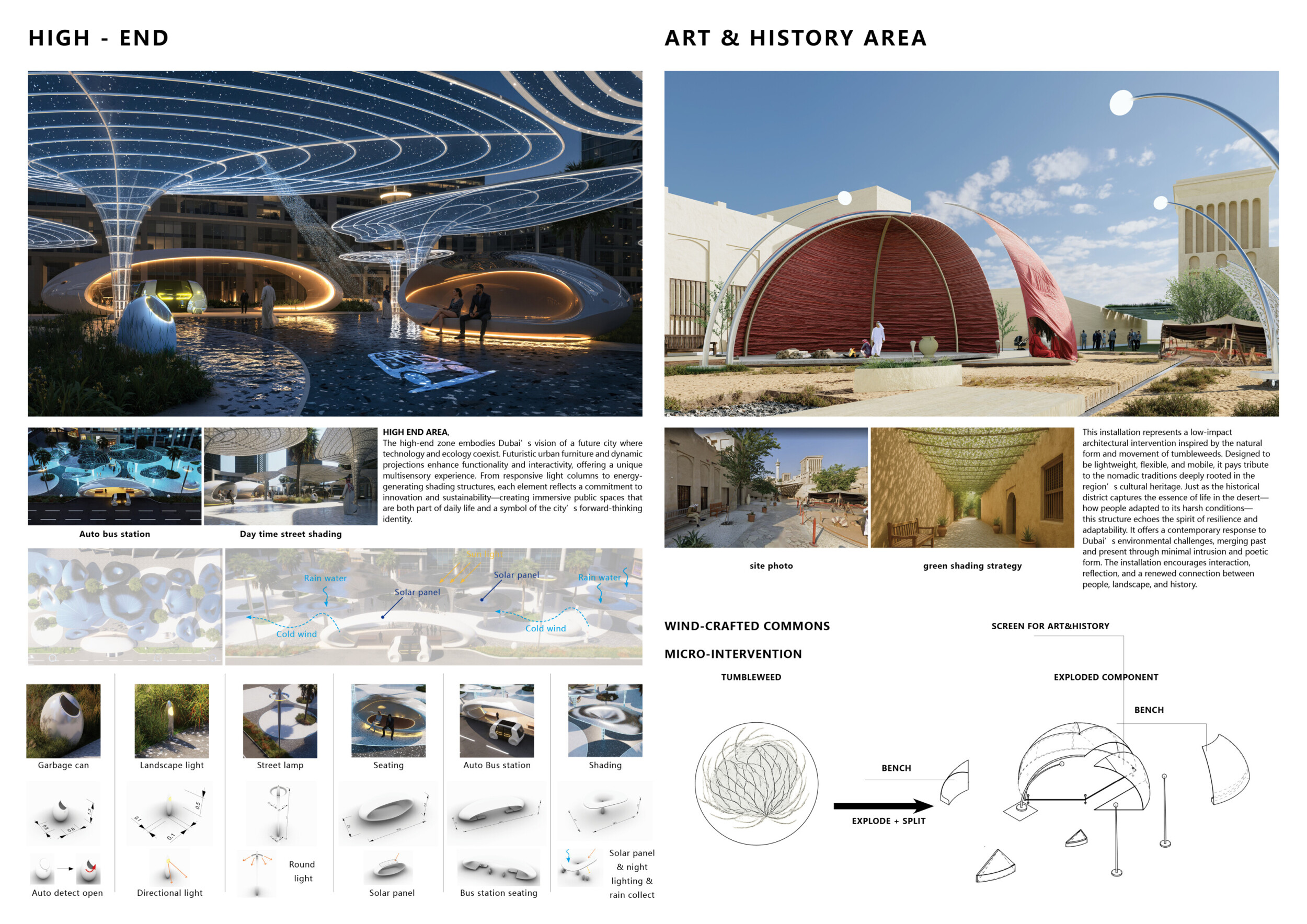
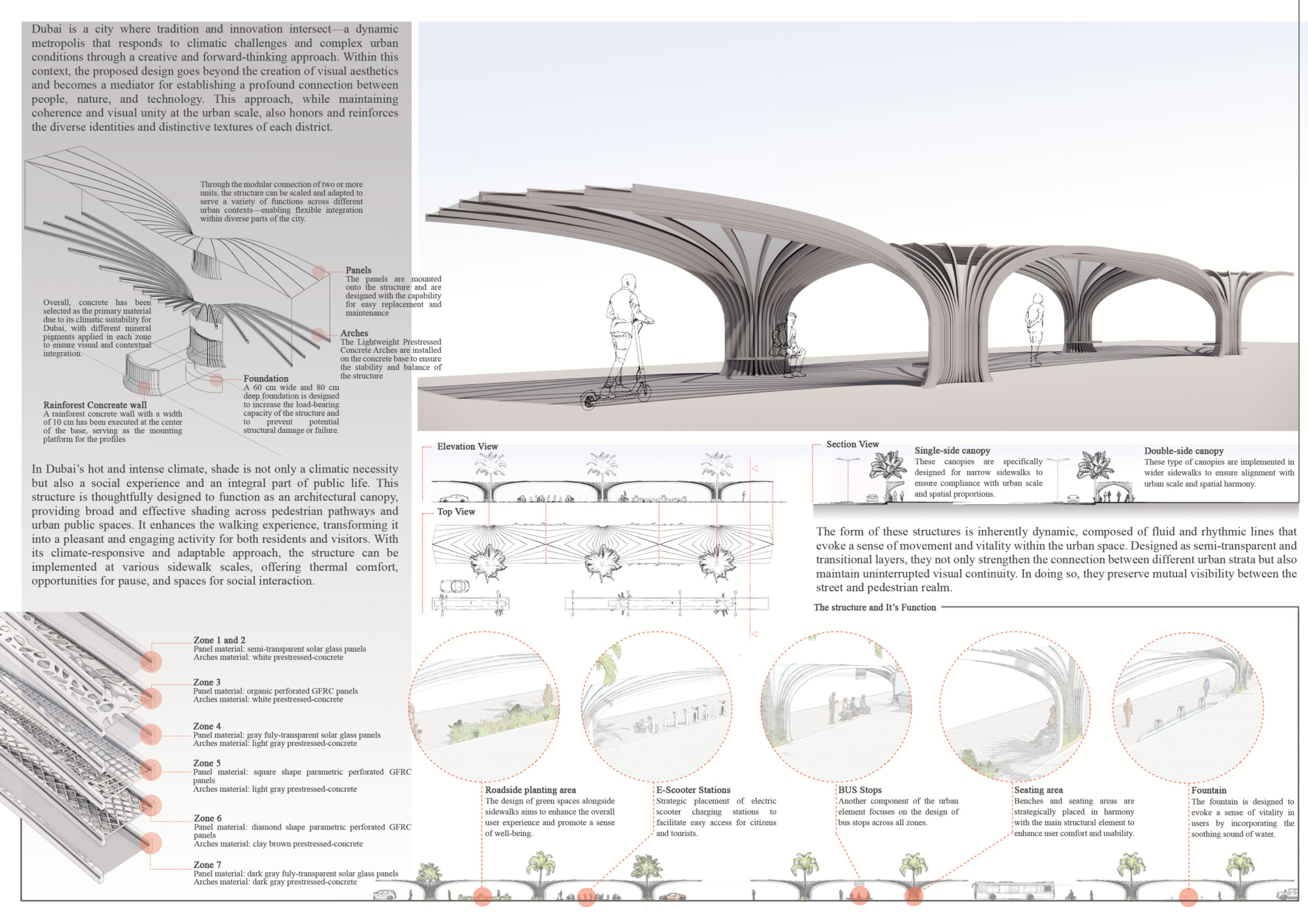
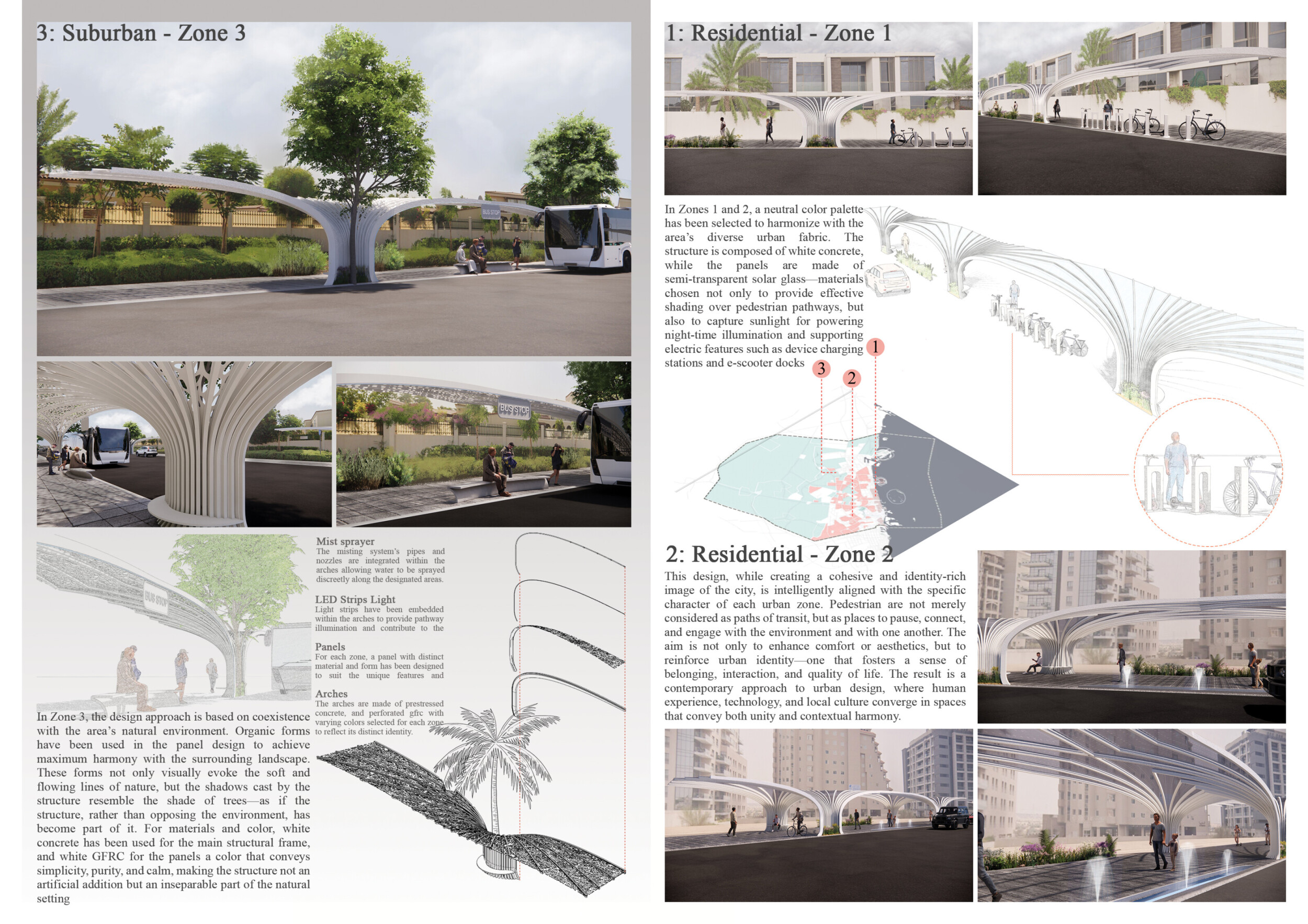
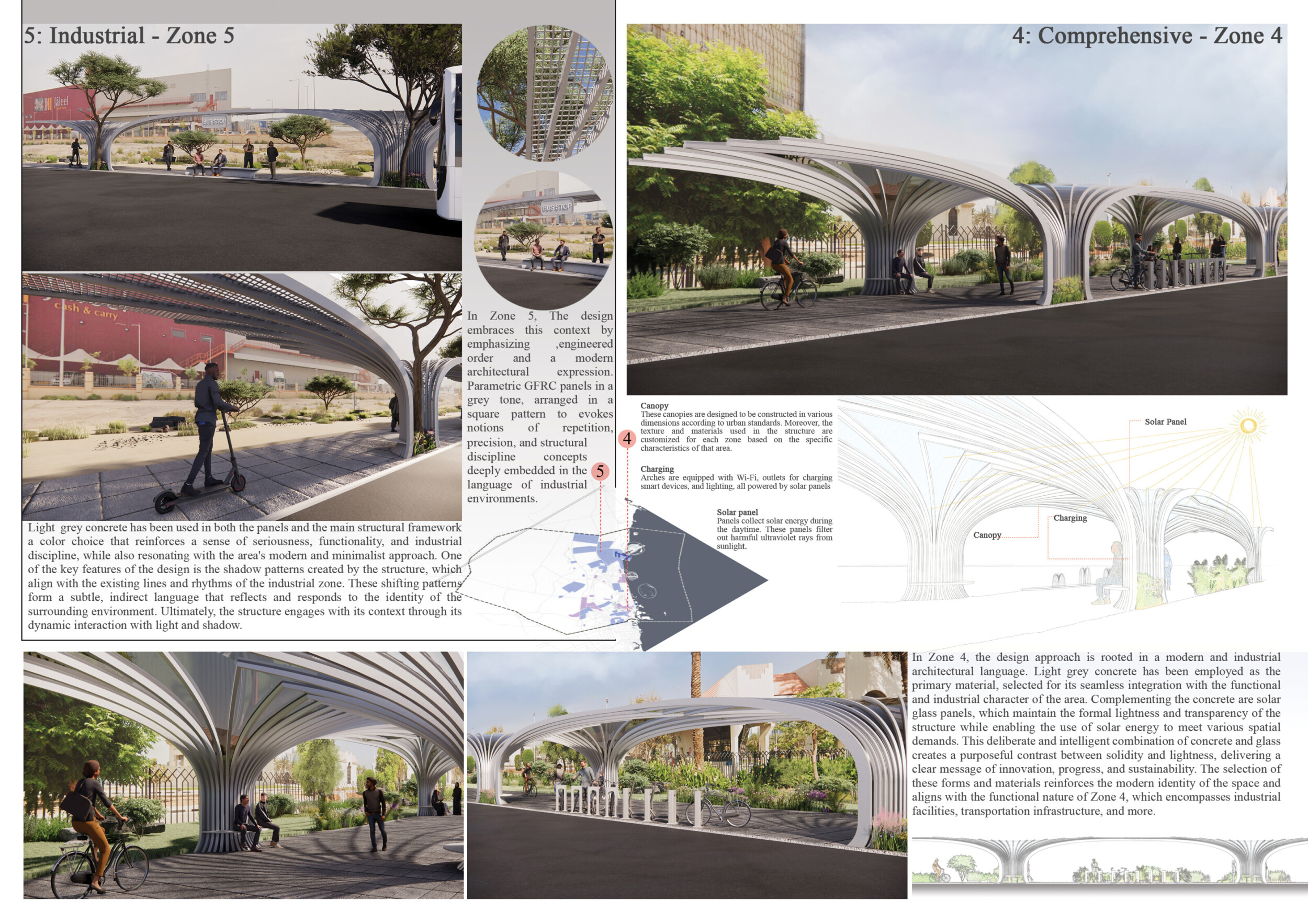
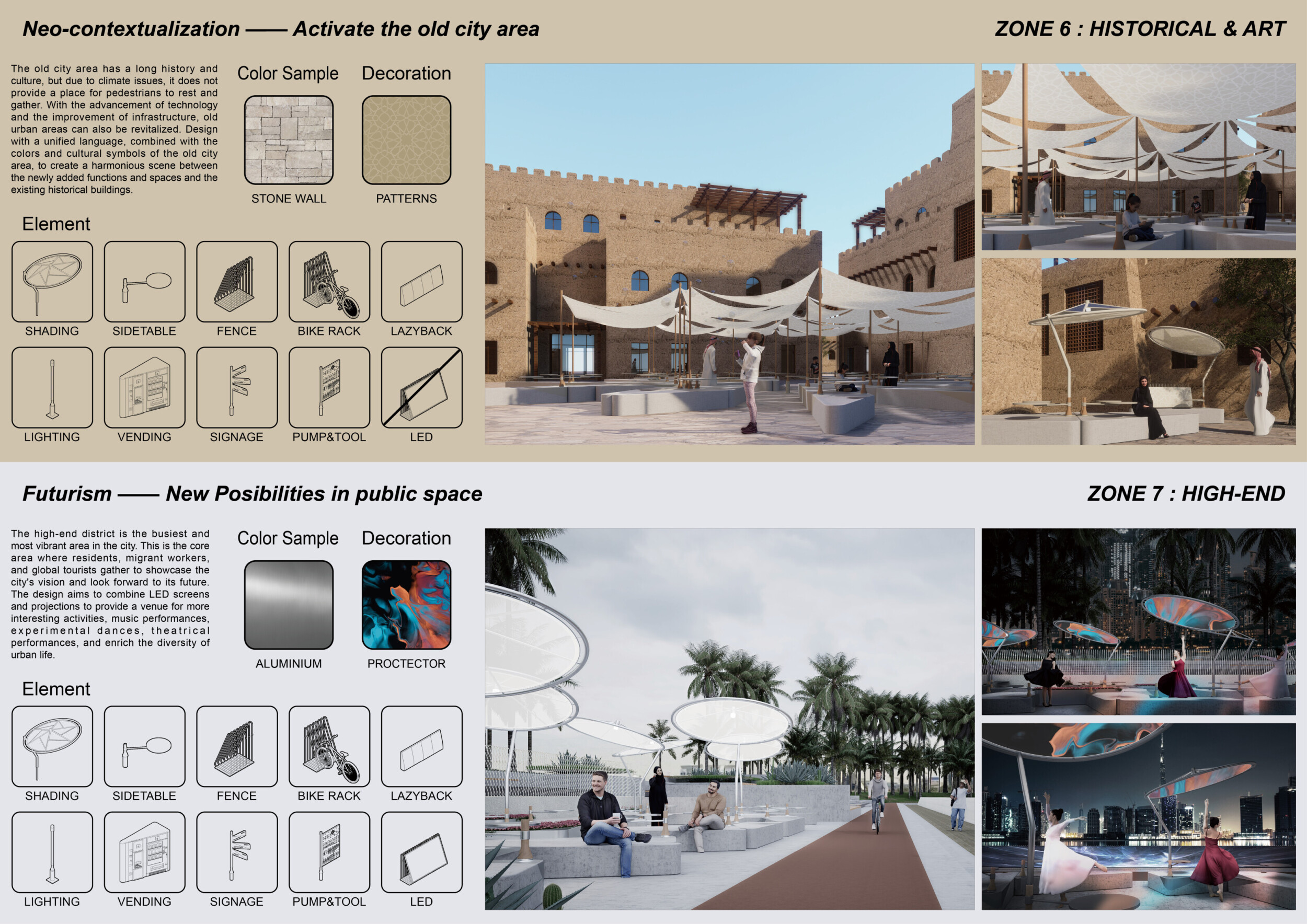
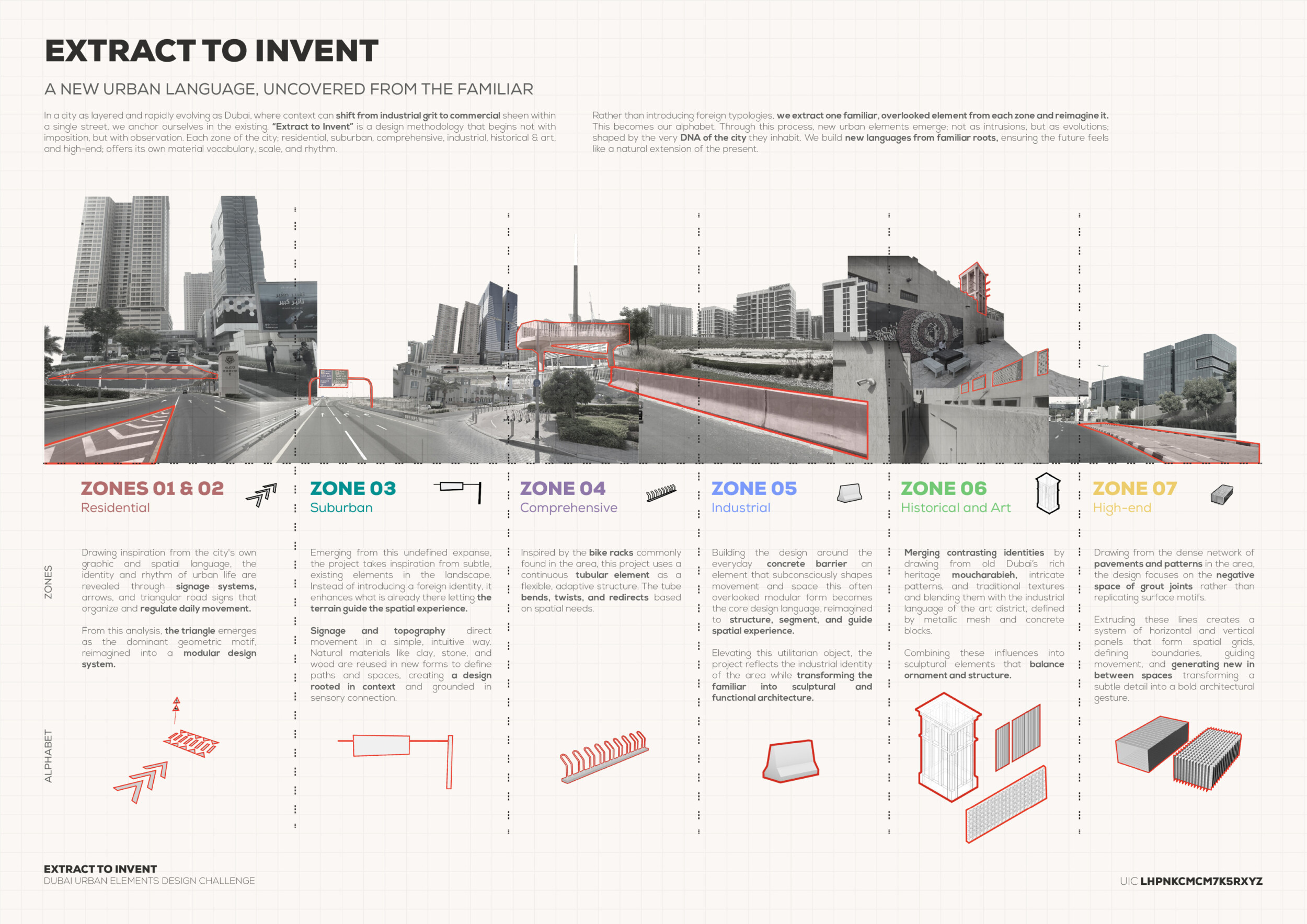
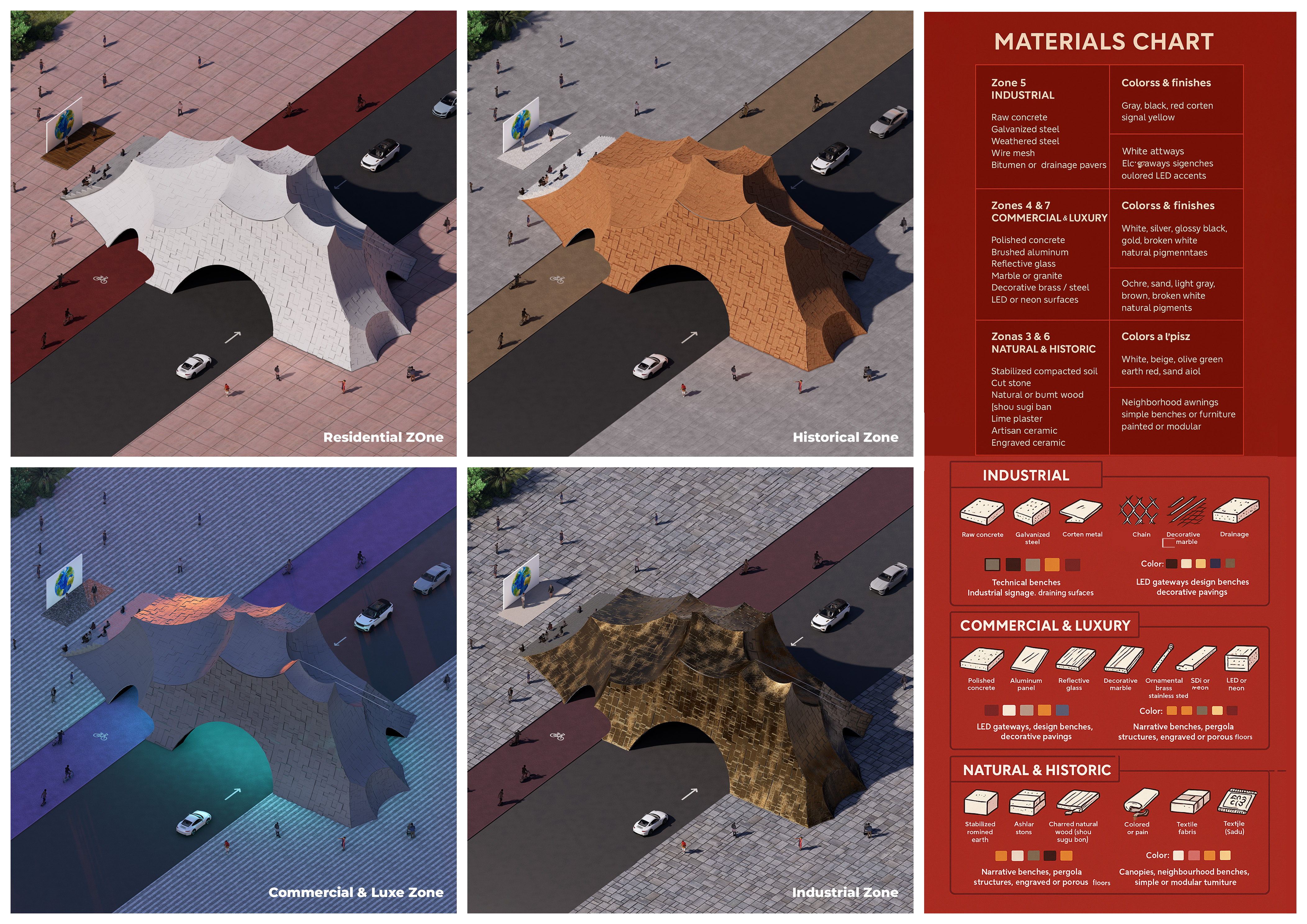
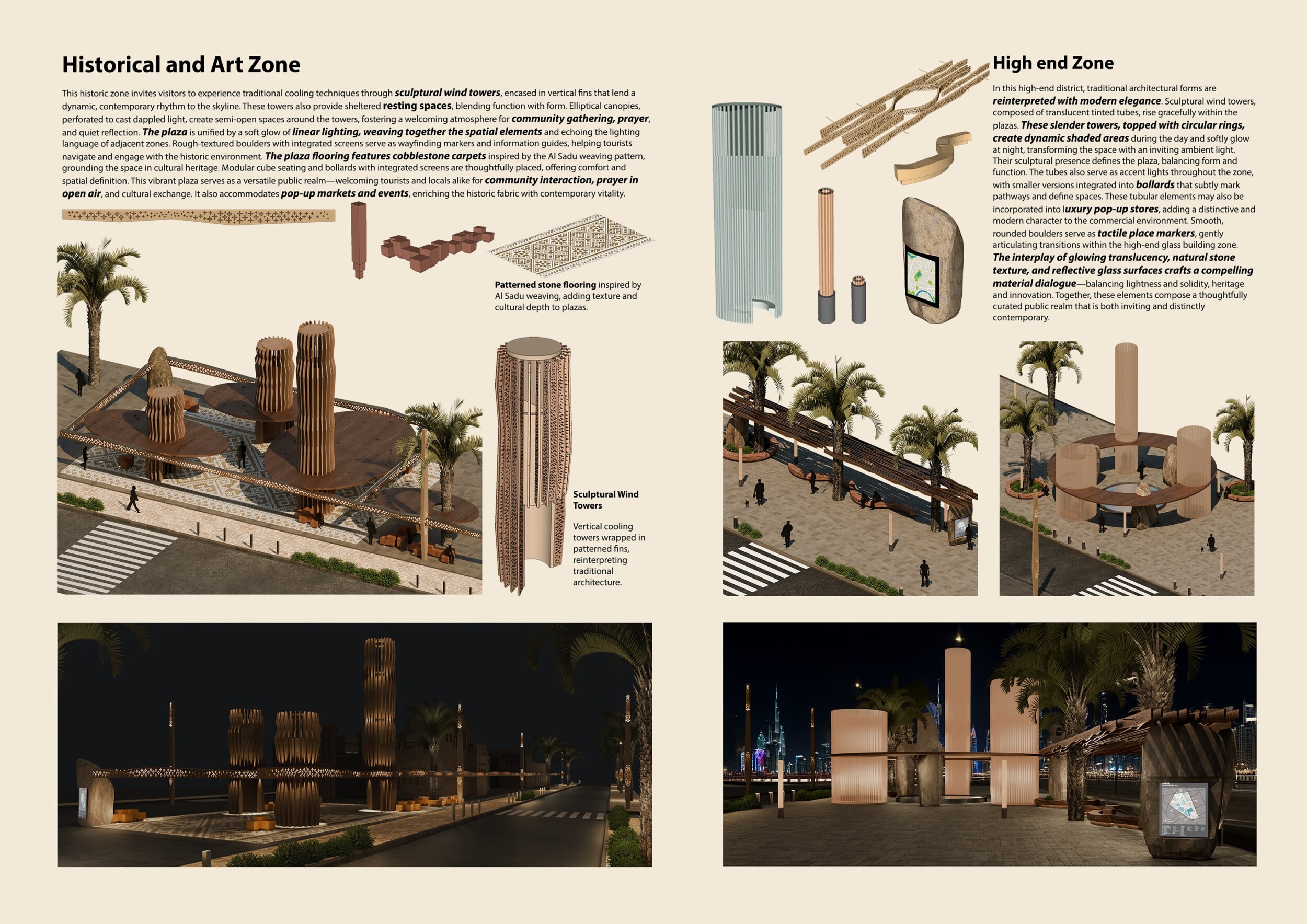
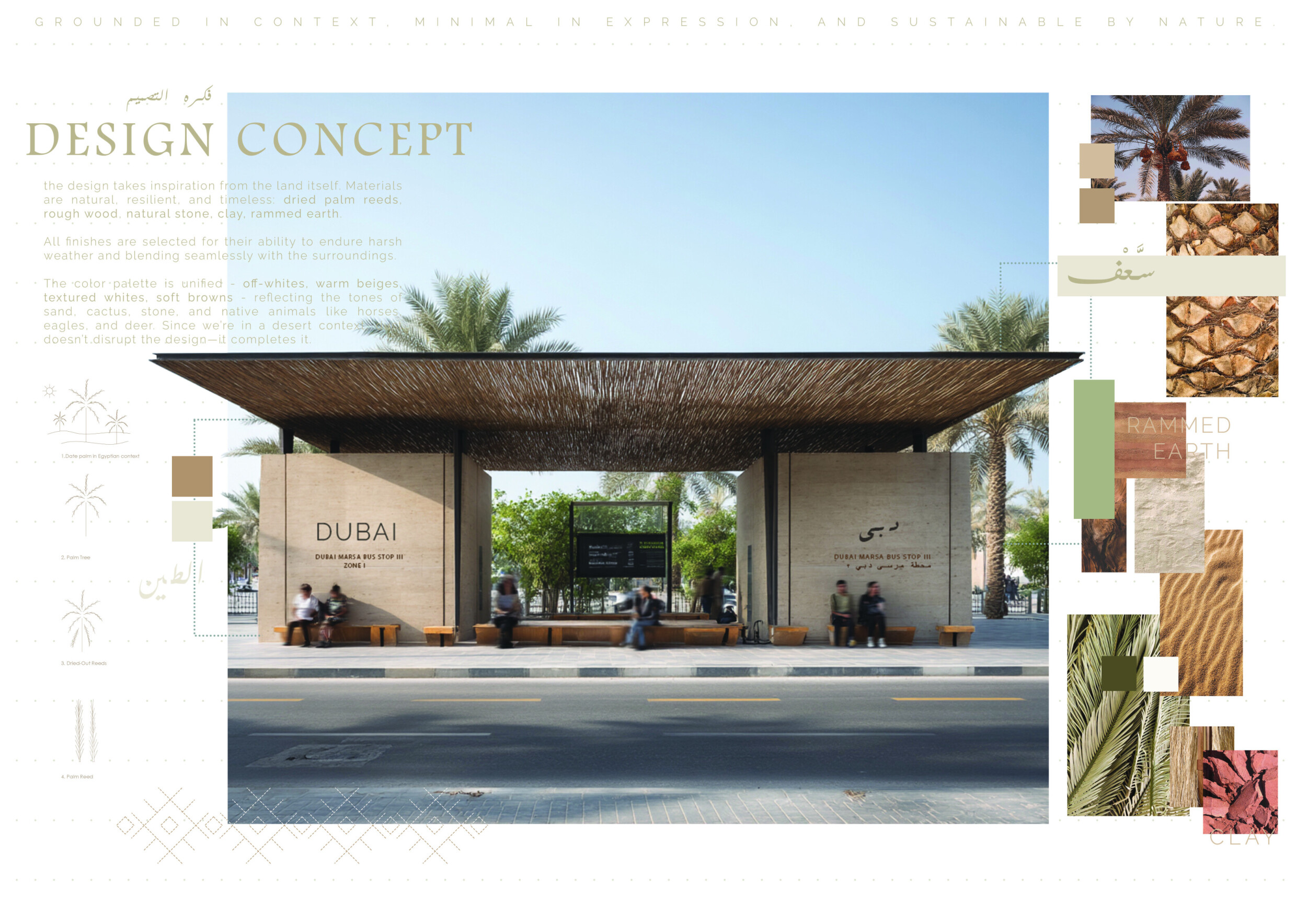
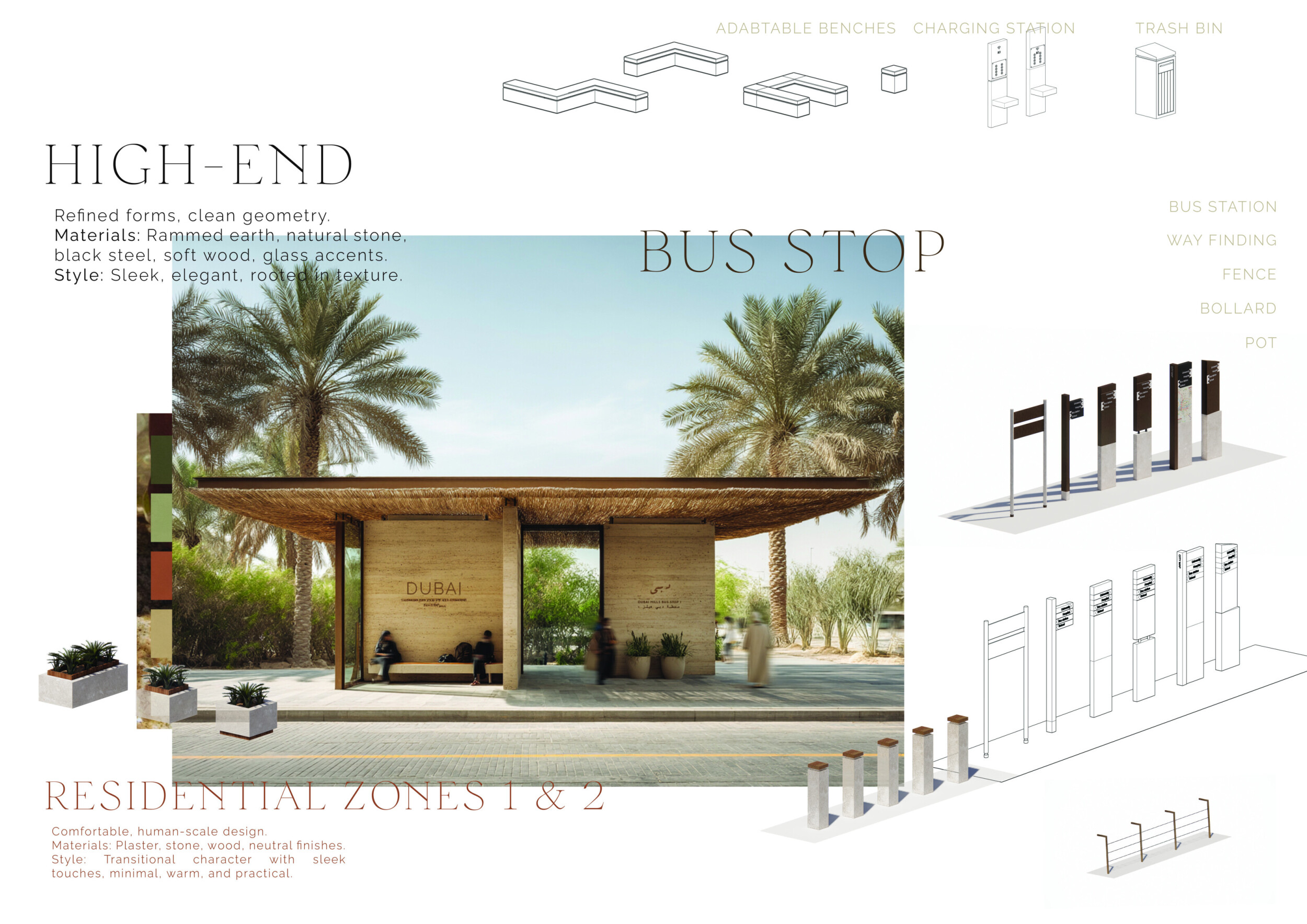
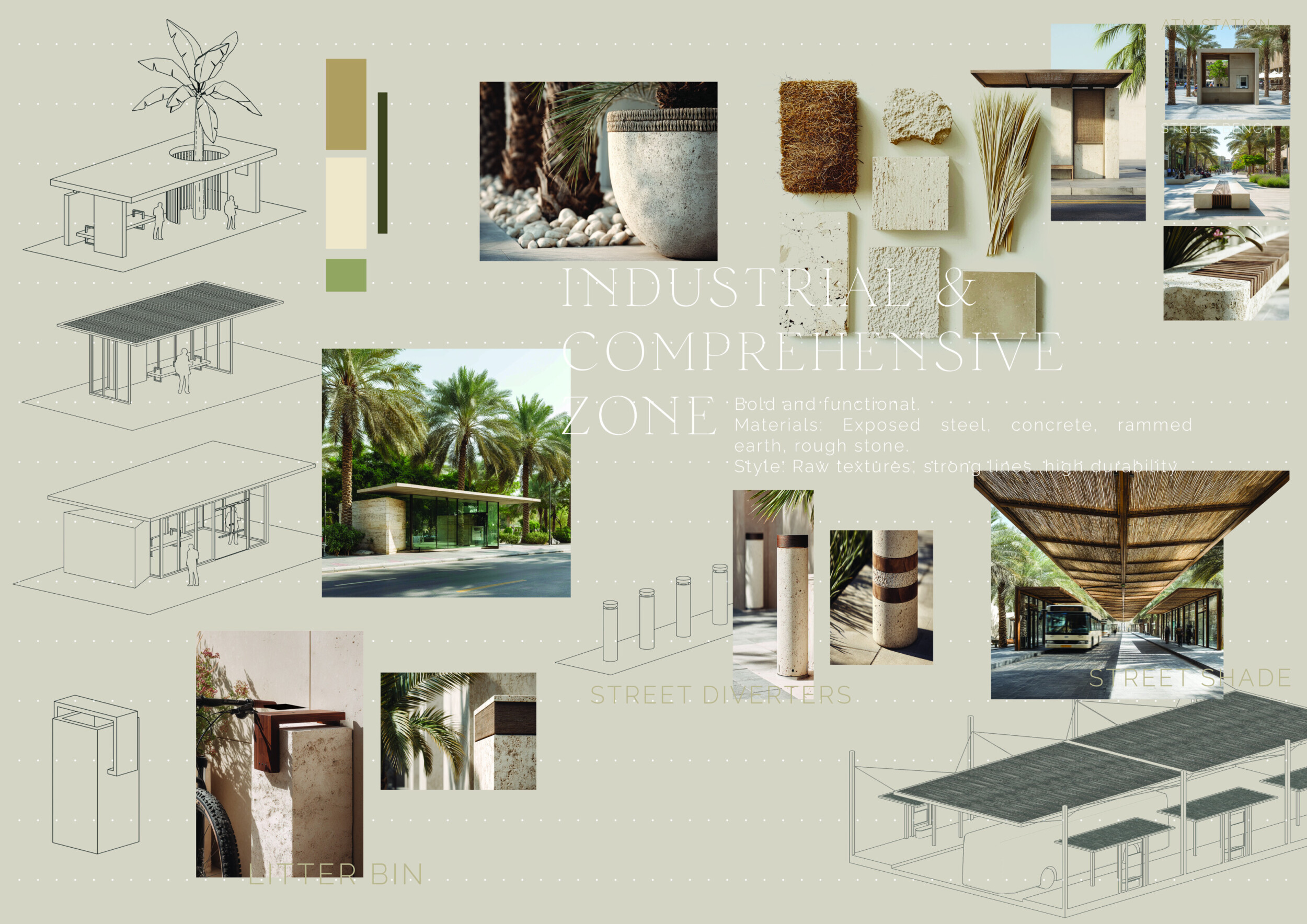
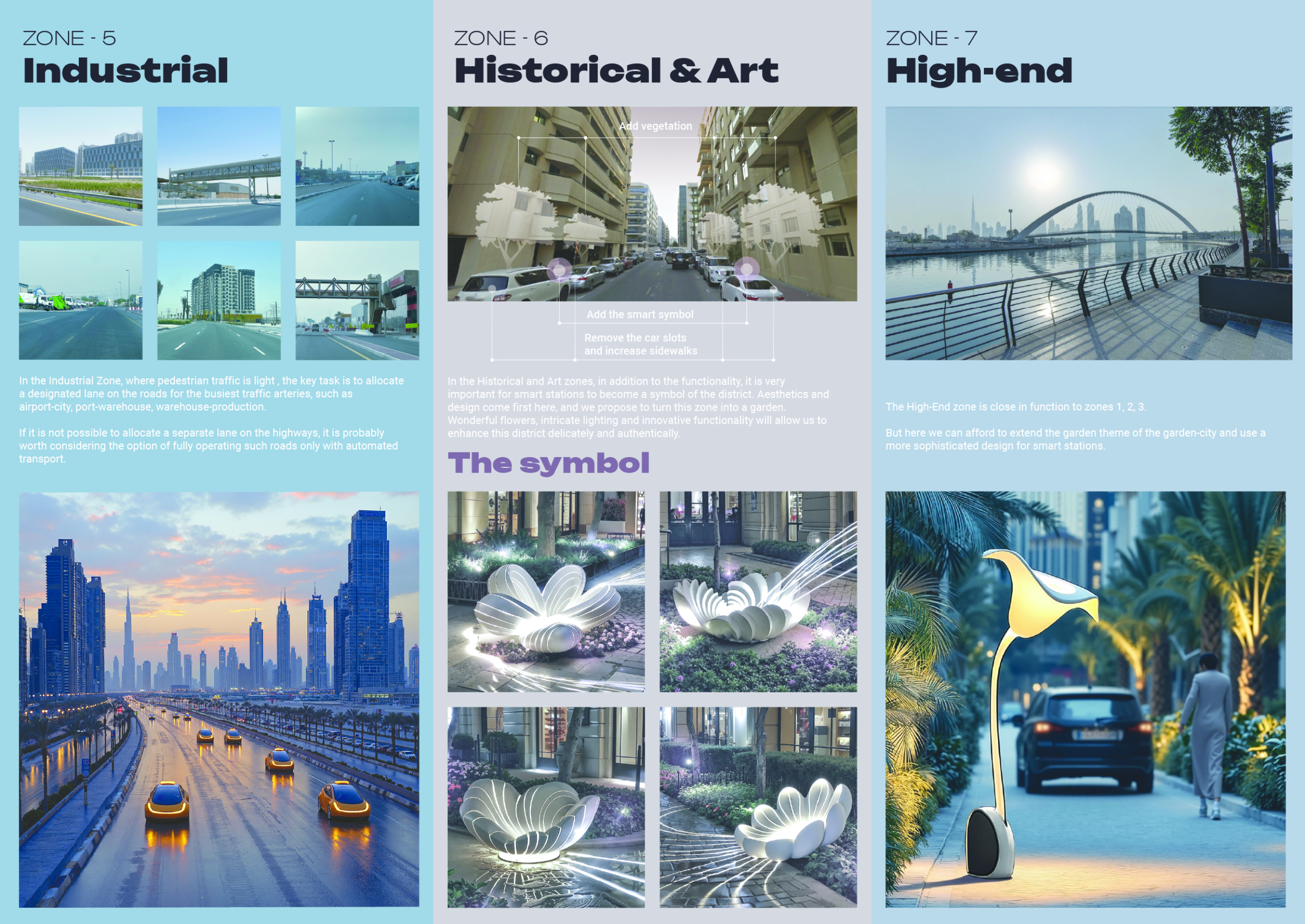
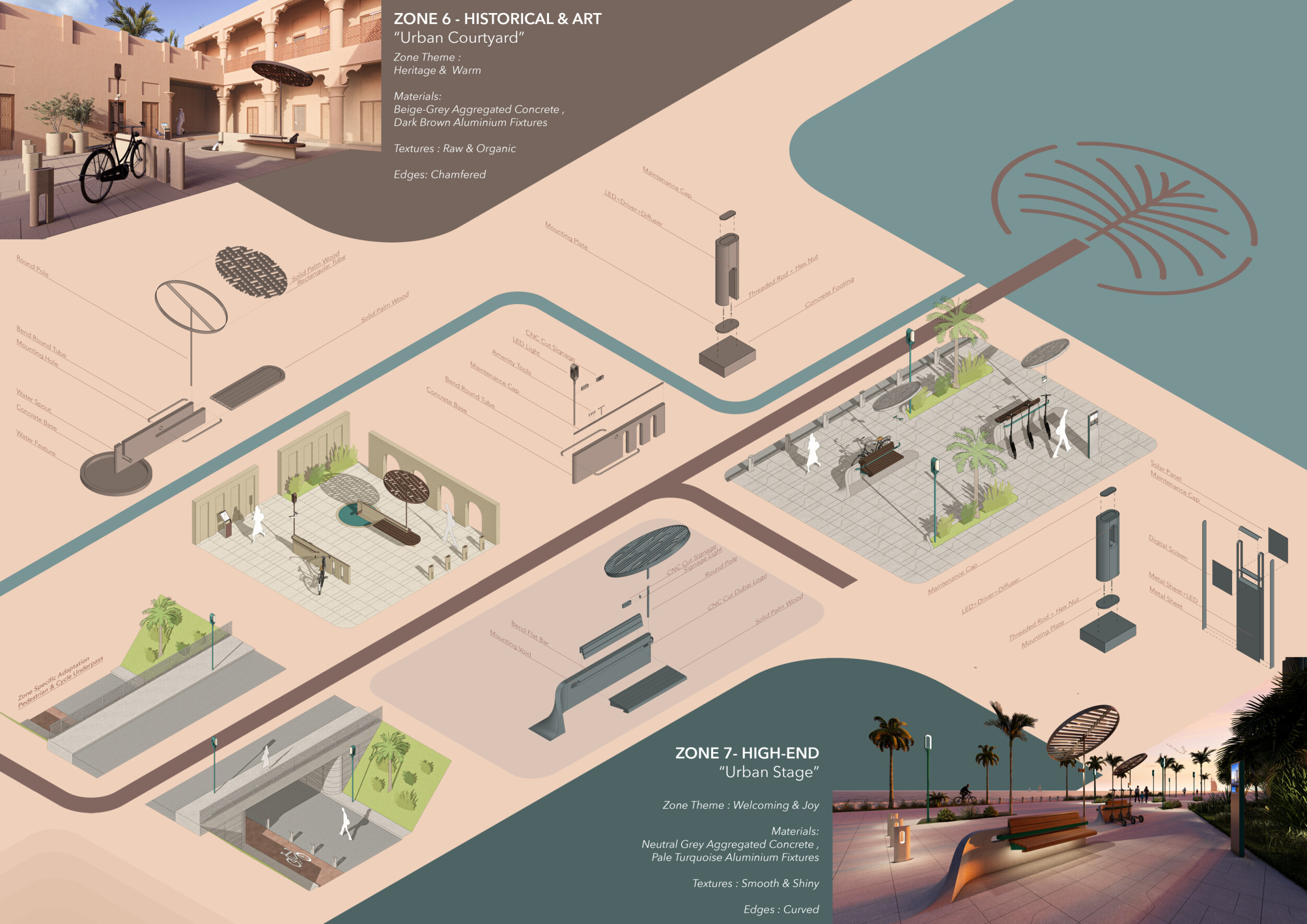
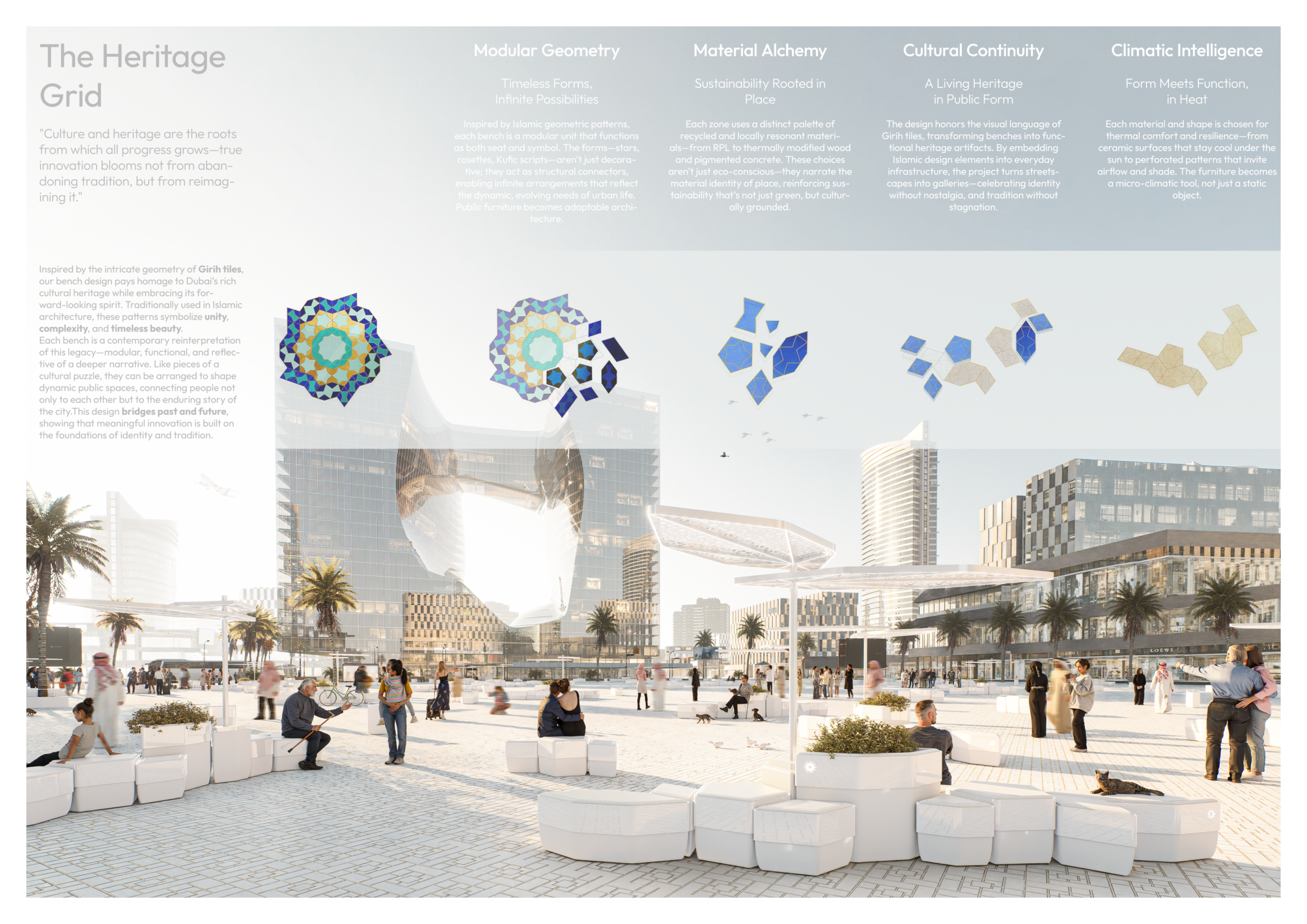
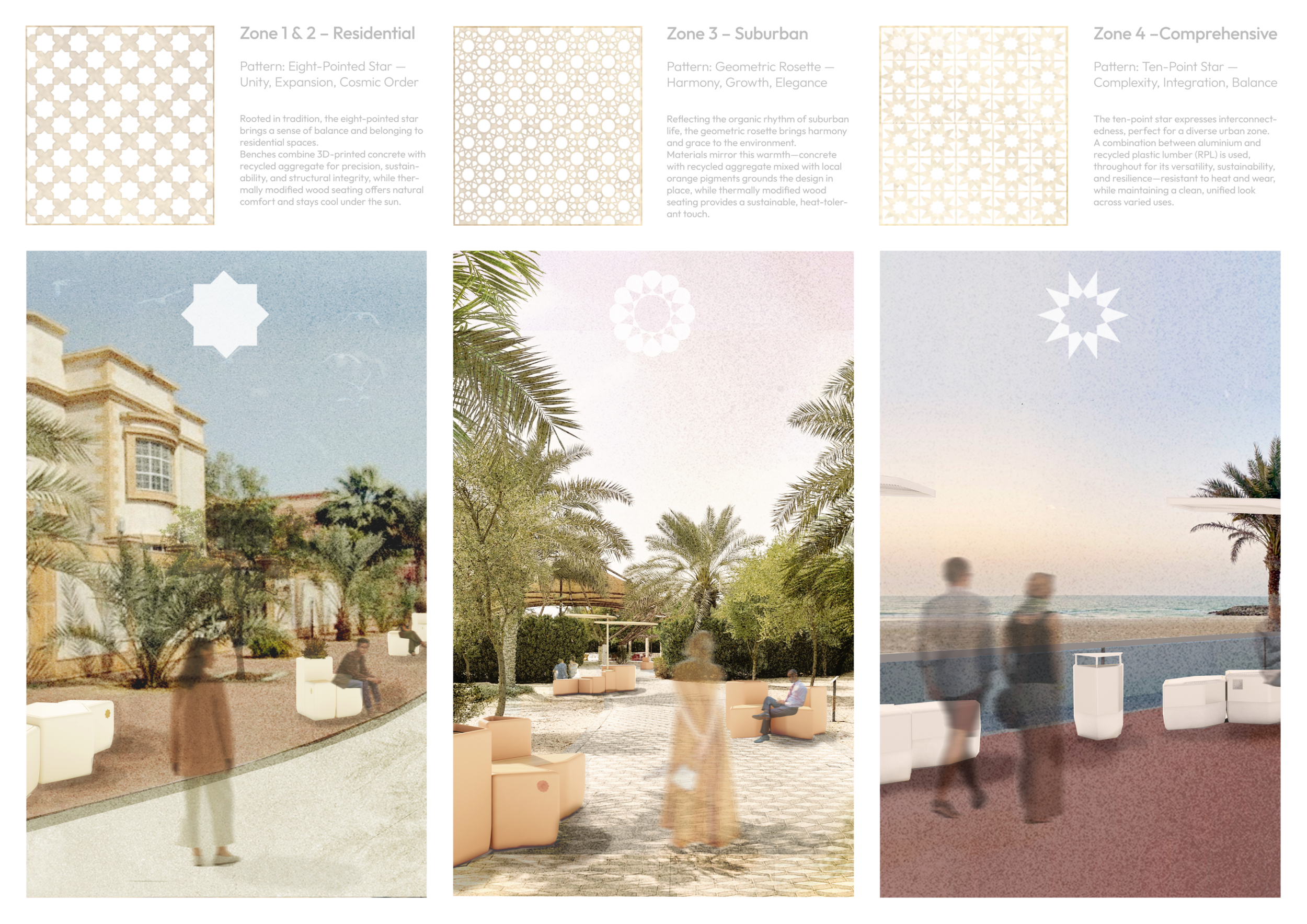
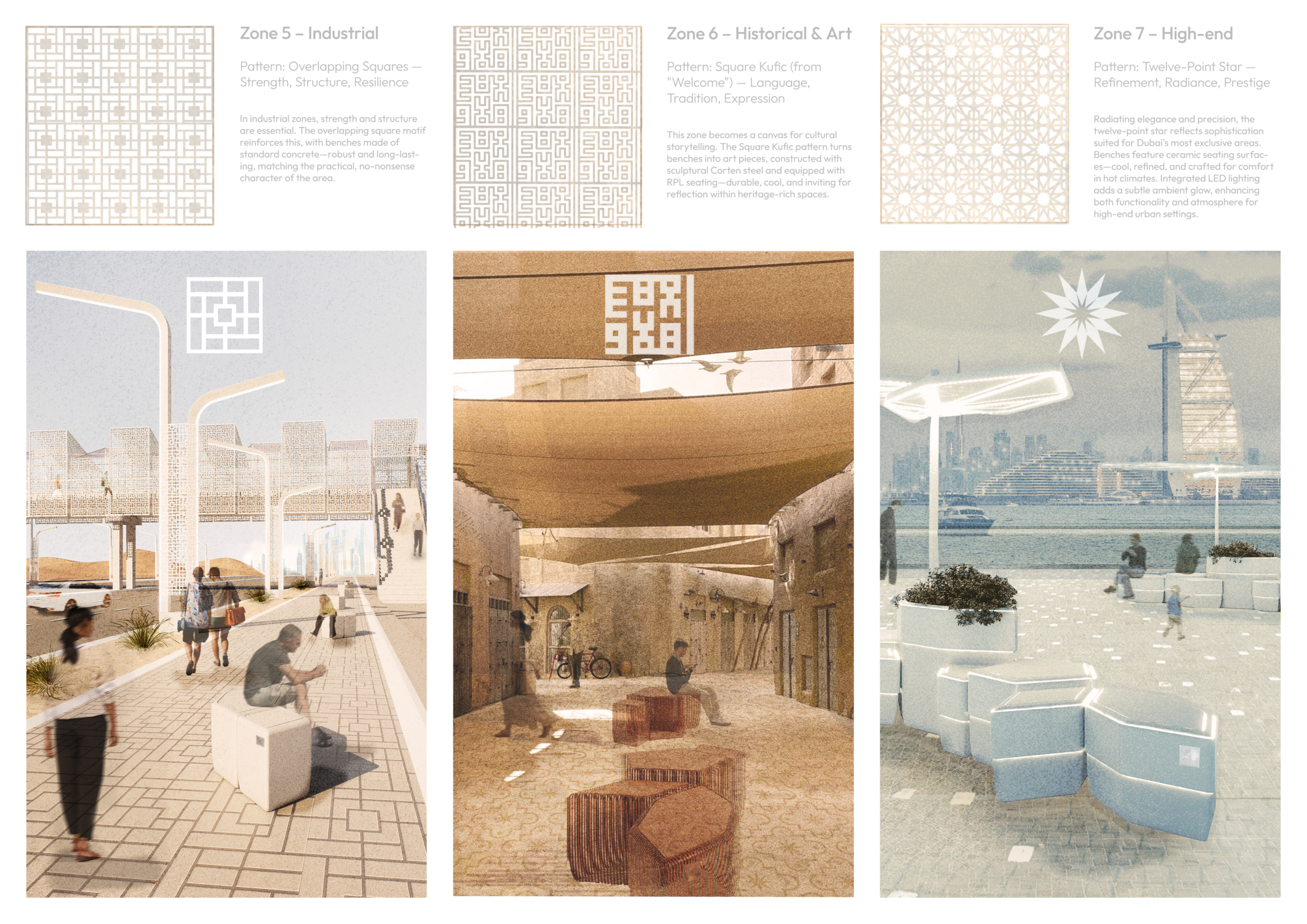
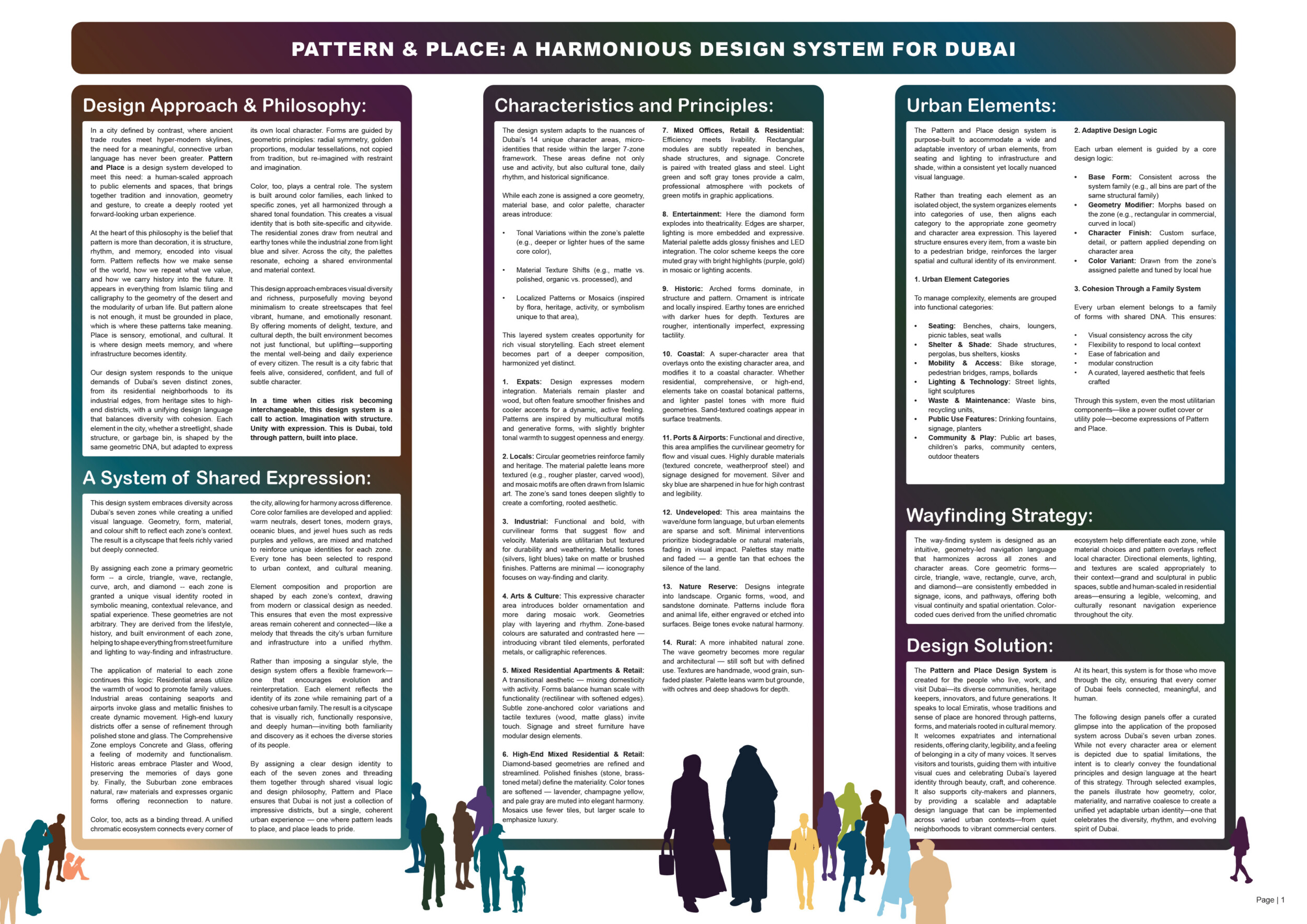
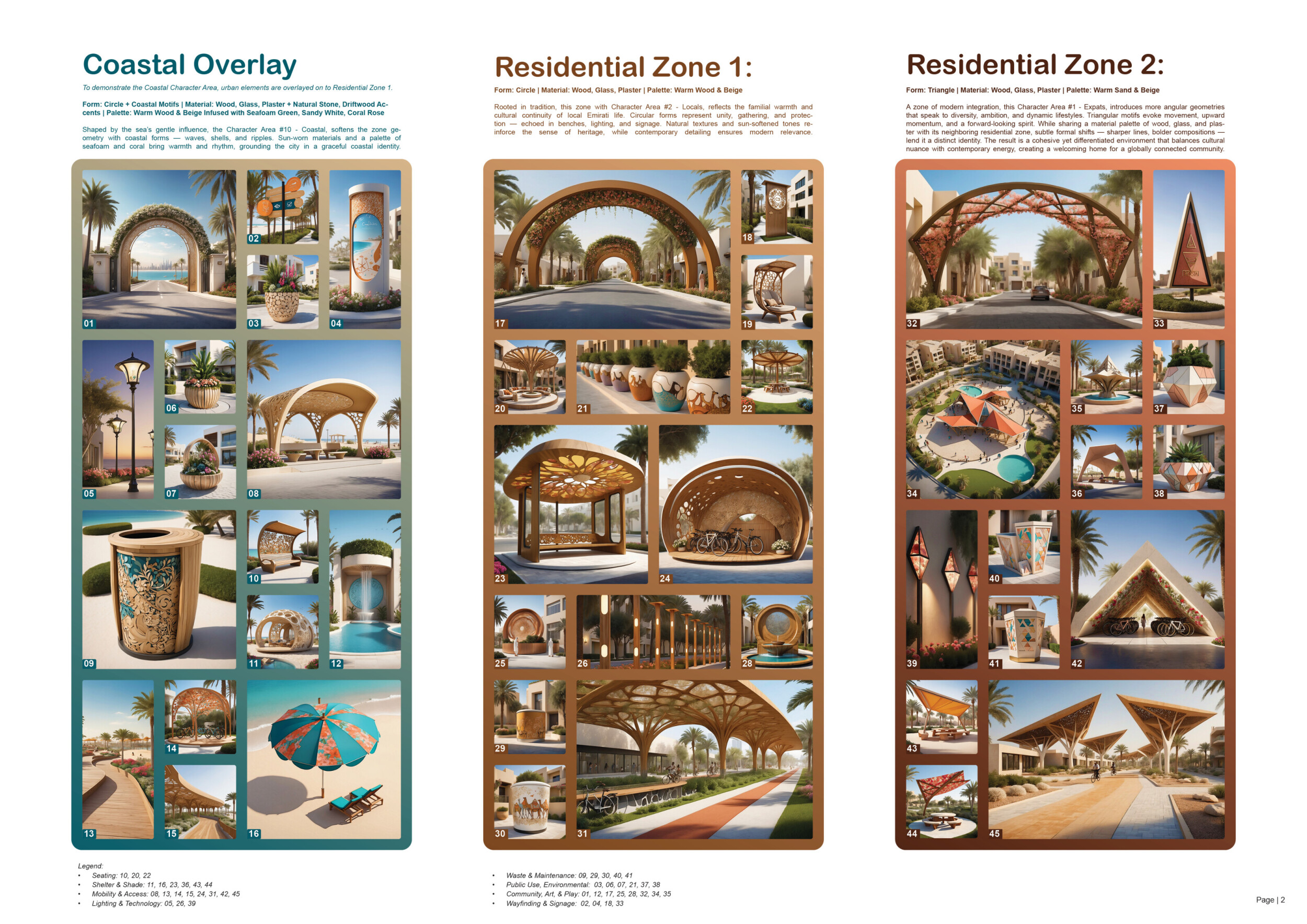
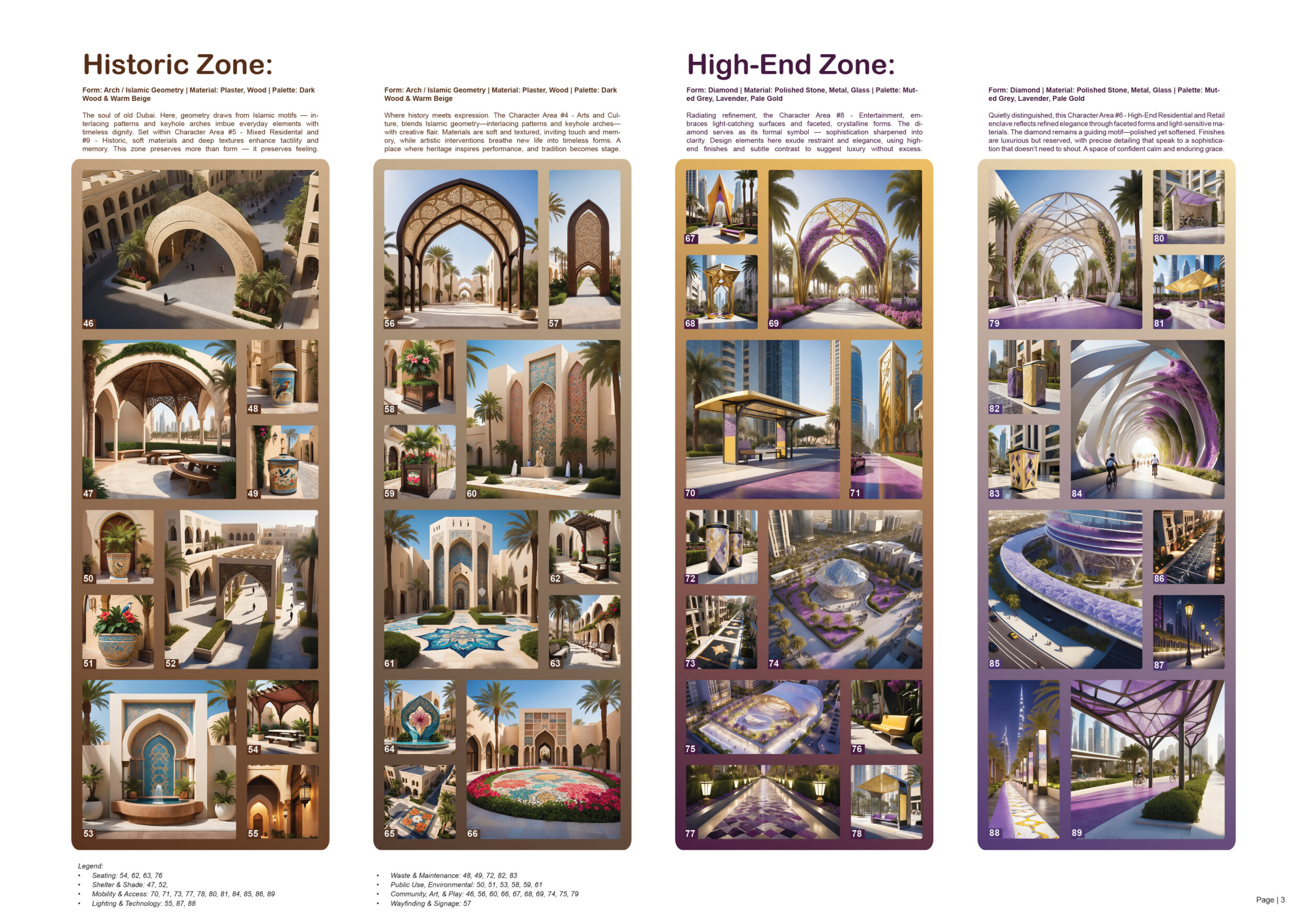
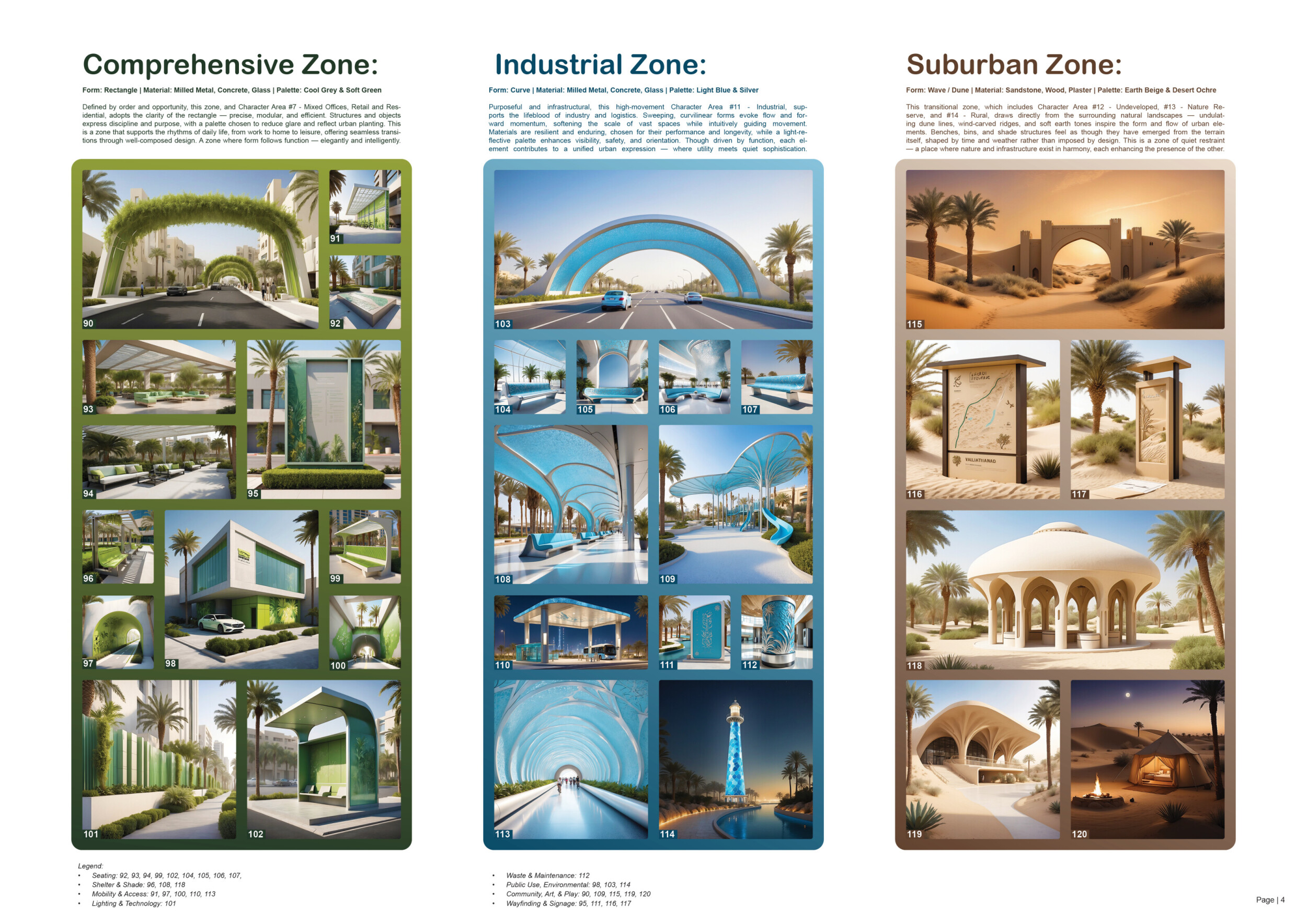
This proposal establishes a modular, scalable urban furniture system rooted in abstraction and symbolism. Drawing on the geometry and textures of local architecture, the design introduces a refined material and formal language across seven urban zones, each tailored to a specific context—from residential to industrial and high-end areas. The result is a coherent and calm spatial identity, where curved and rectilinear elements shape micro-interventions for pause, gathering, or flow.
A coherent and well-structured proposal with a clear visual language and refined presentation. However, the design remains somewhat generic, lacking deeper contextual adaptability and a stronger response to the specific character and diversity of Dubai’s urban environments.
Jette Hopp / Buildner guest jury
Director, Snøhetta, Norway
I thought the alignment of desert to pavement was very innovative and the zonal shapes all make perfect sense; however, I was left a little underwhelmed. This submission could have gone much further to develop these ideas particularly in the use of materials to emphasis and celebrate the Emirati culture and history.
Andrew Mason / Buildner guest jury
Director of Contracts for Calatrava International, UAE
Honorable mentions
50,000 AED
(approx. 10,000 €)
The Brass Thread

Architecture competitions offer an opportunity to develop and expand an architectural premise within a defined period of time through research, rapid design iteration and final presentation. The key outcome is to learn, while in the process broadening your skill set and value offering.
Read full interview
 New Zealand
Jury feedback summary
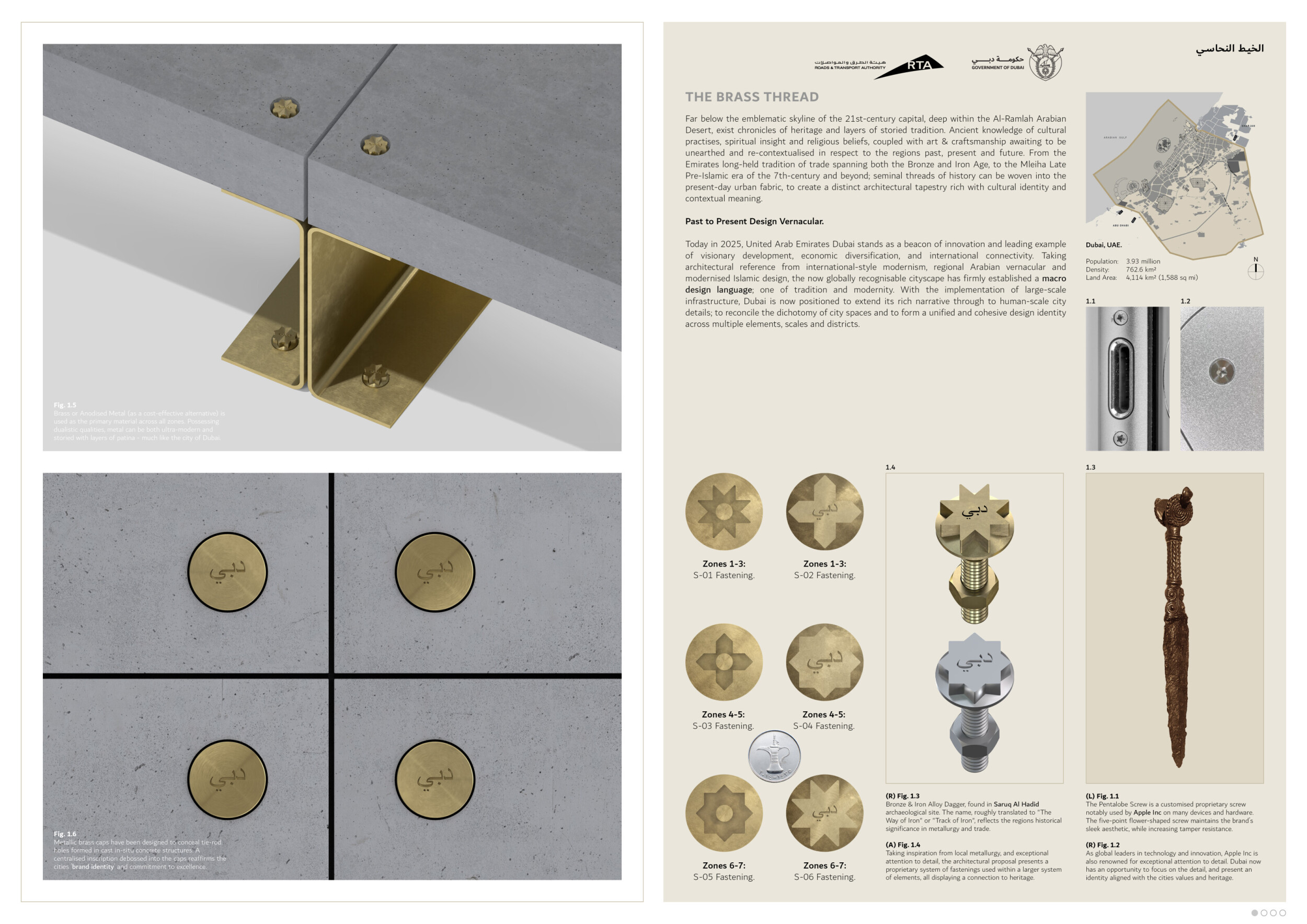
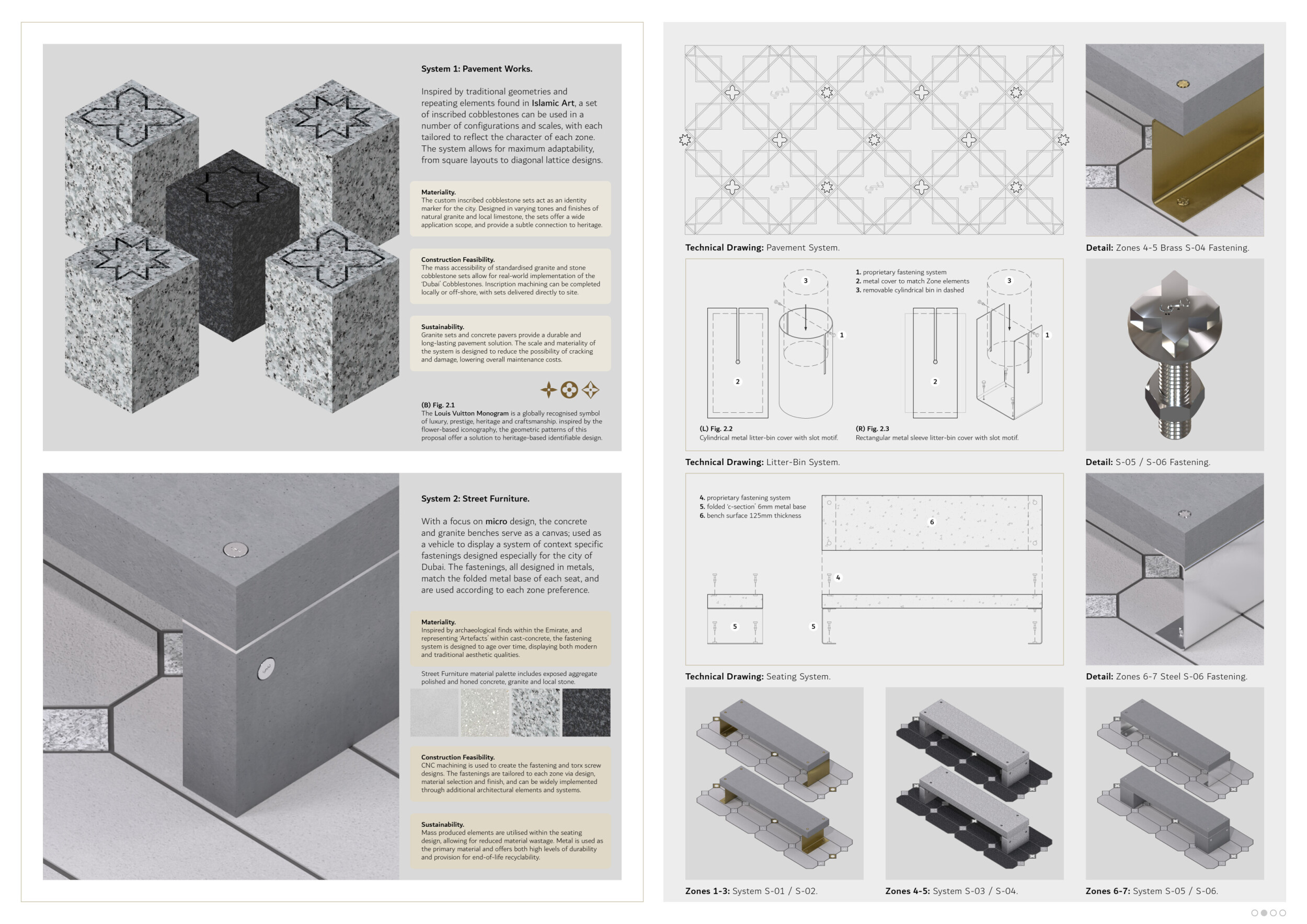
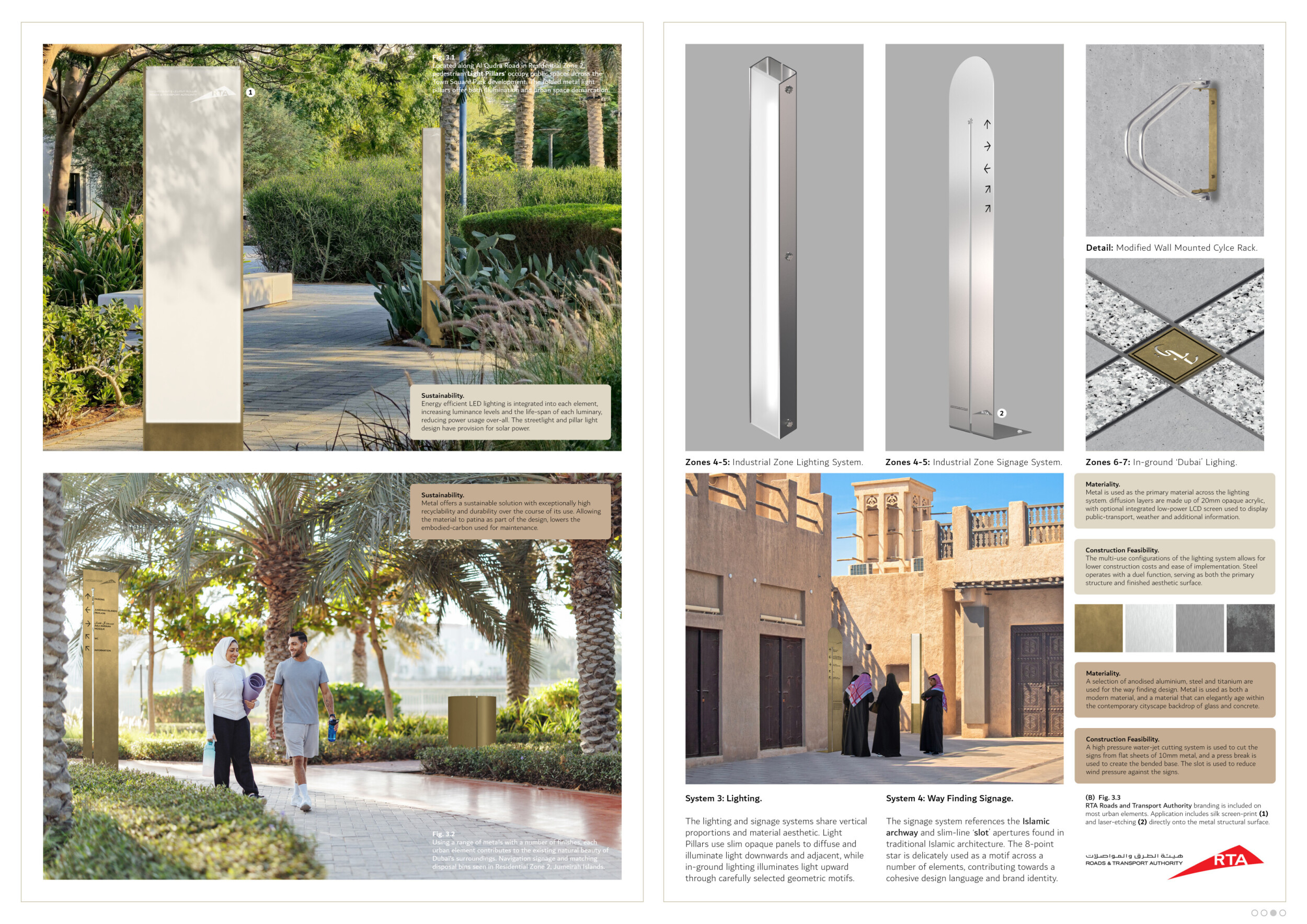
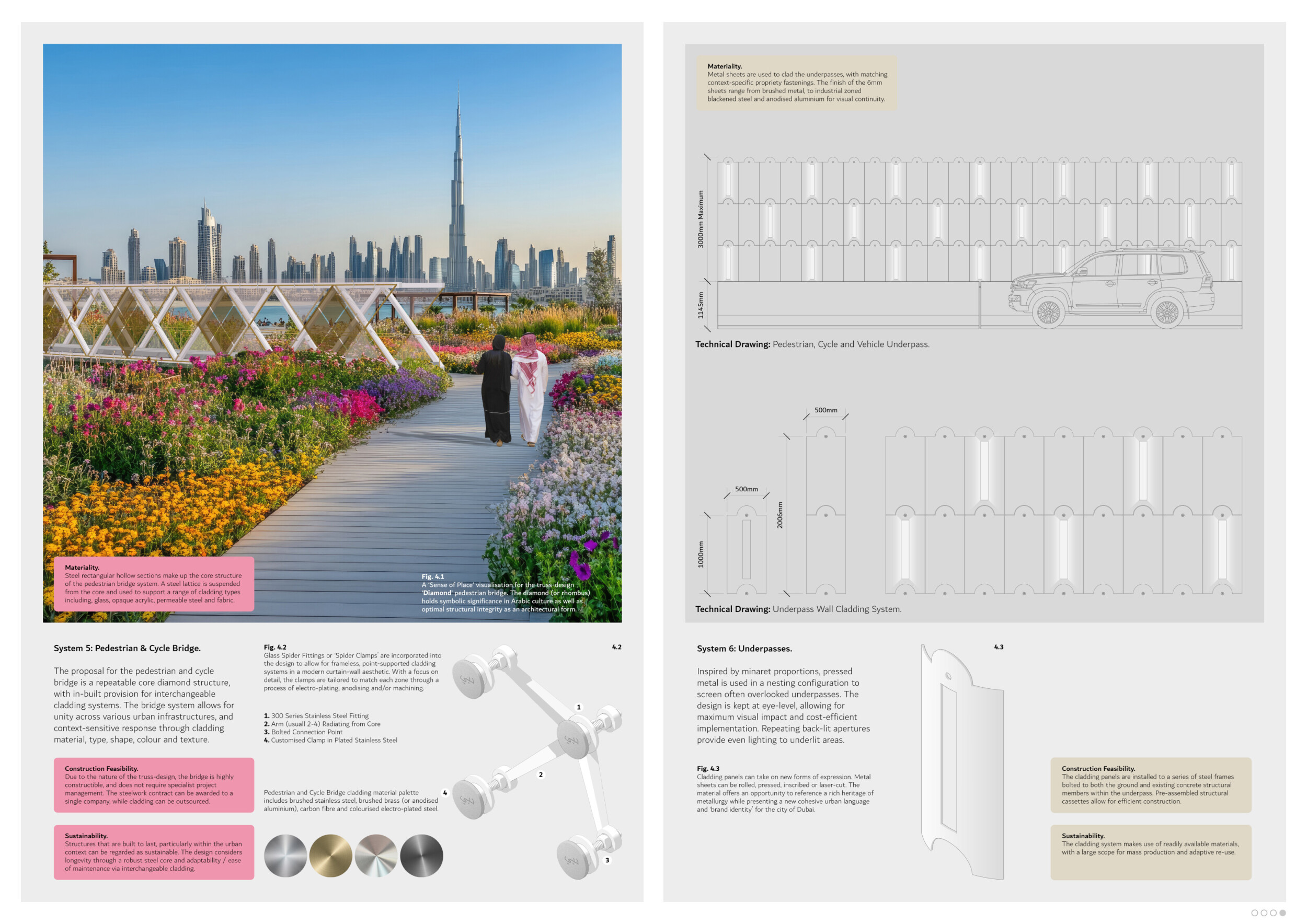
The Brass Thread proposes a network of public realm elements unified through a distinctive brass fastener system used across benches, bins, signage, and lighting components. Drawing on geometric motifs and archeological references, the design integrates materials such as concrete, granite, and anodized metal, with each element tailored to its context.
50,000 AED
(approx. 10,000 €)
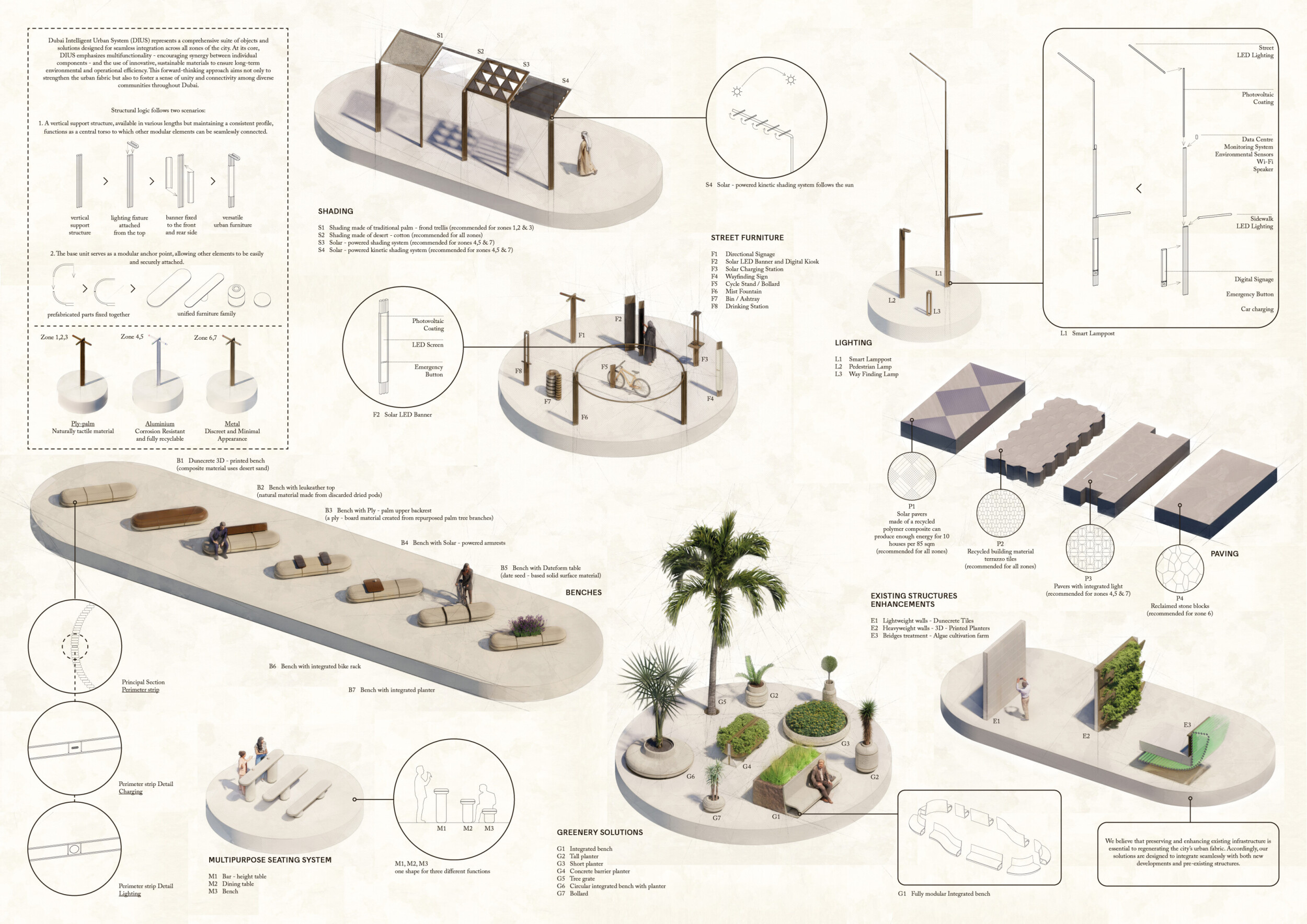
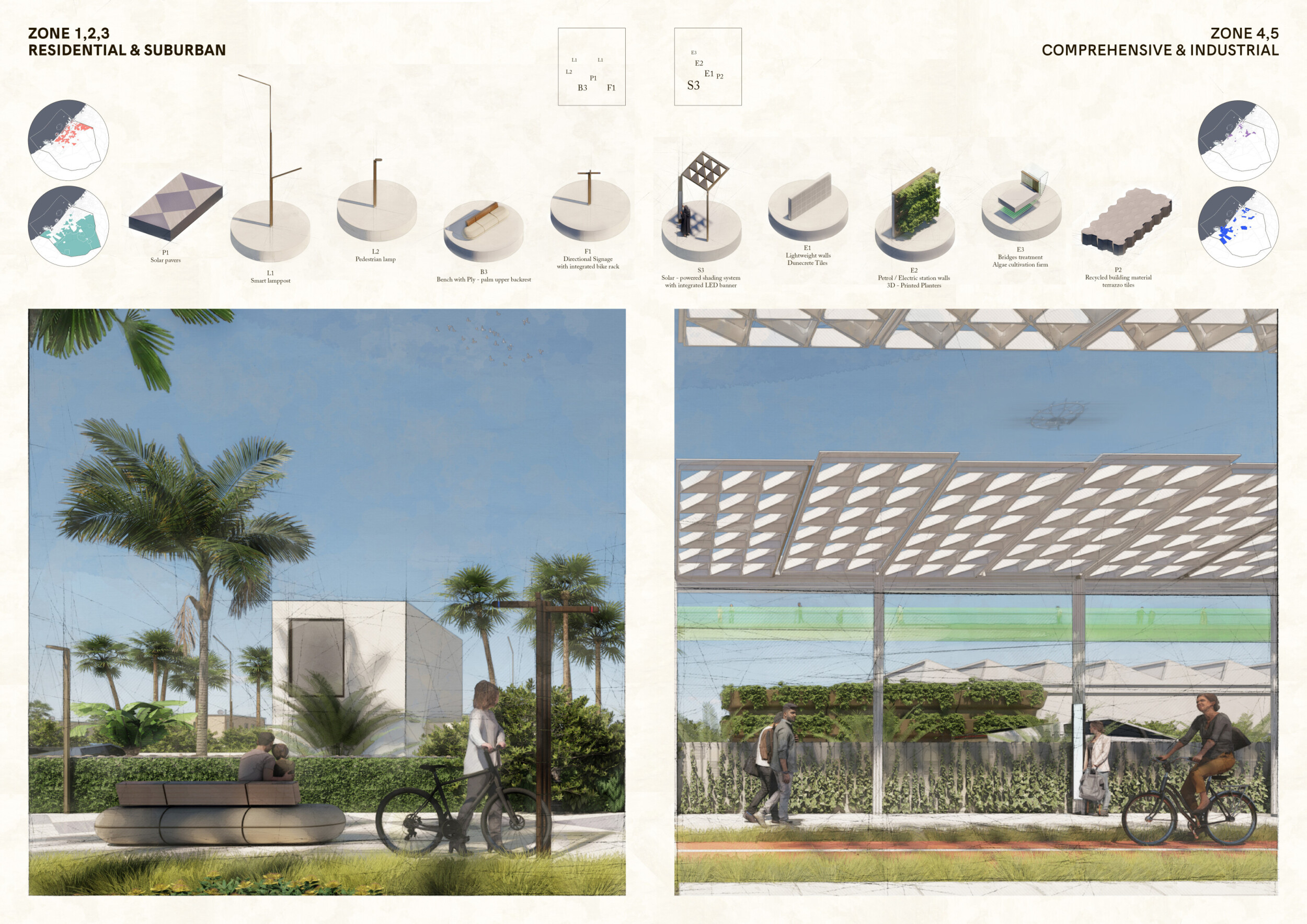
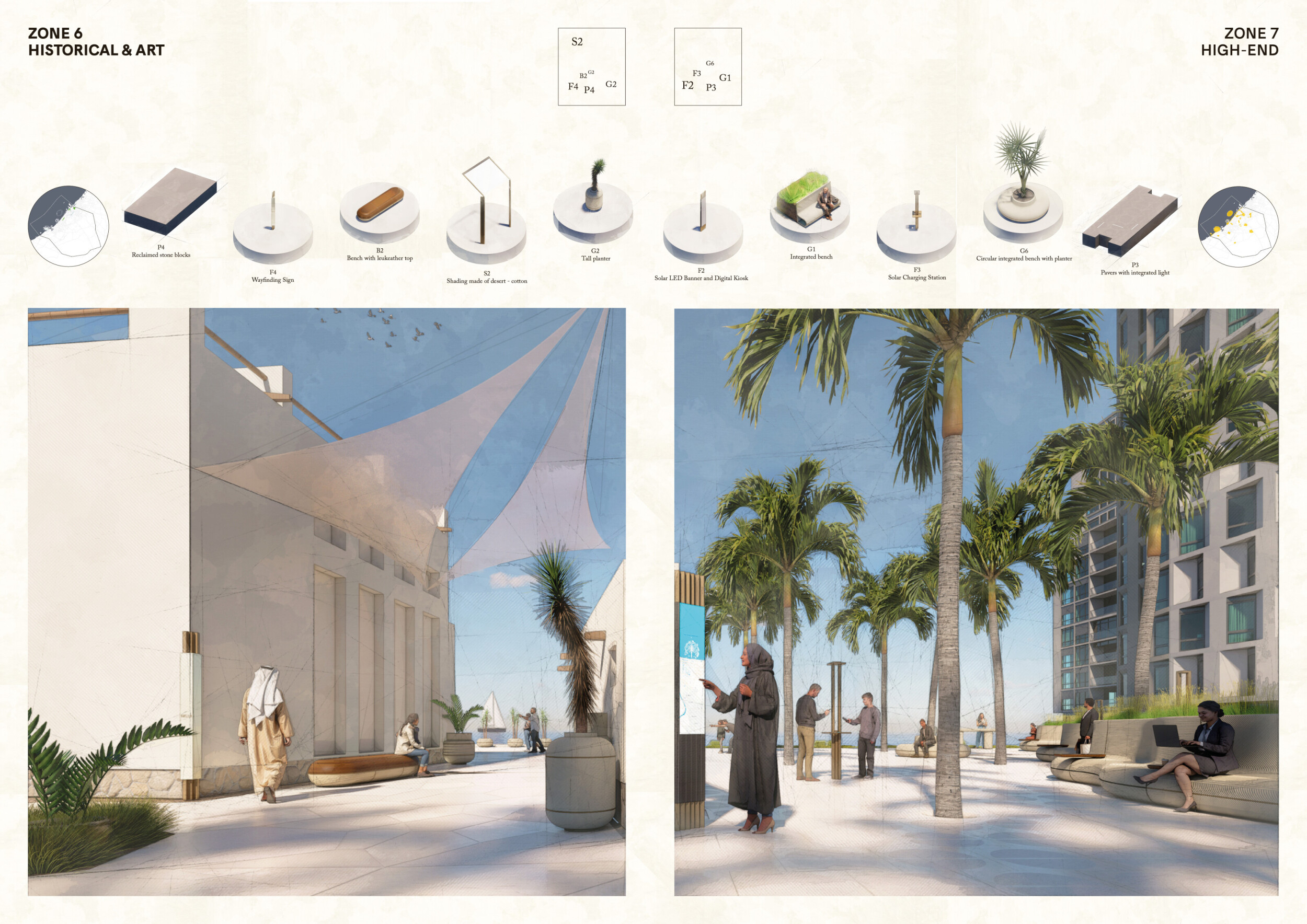
DIUS
The variety of competitions I choose to join reminds me of why I chose architecture as a career and way of life: curiosity, exploration, and the freedom of thought.
Read full interview
United Kingdom
Jury feedback summary
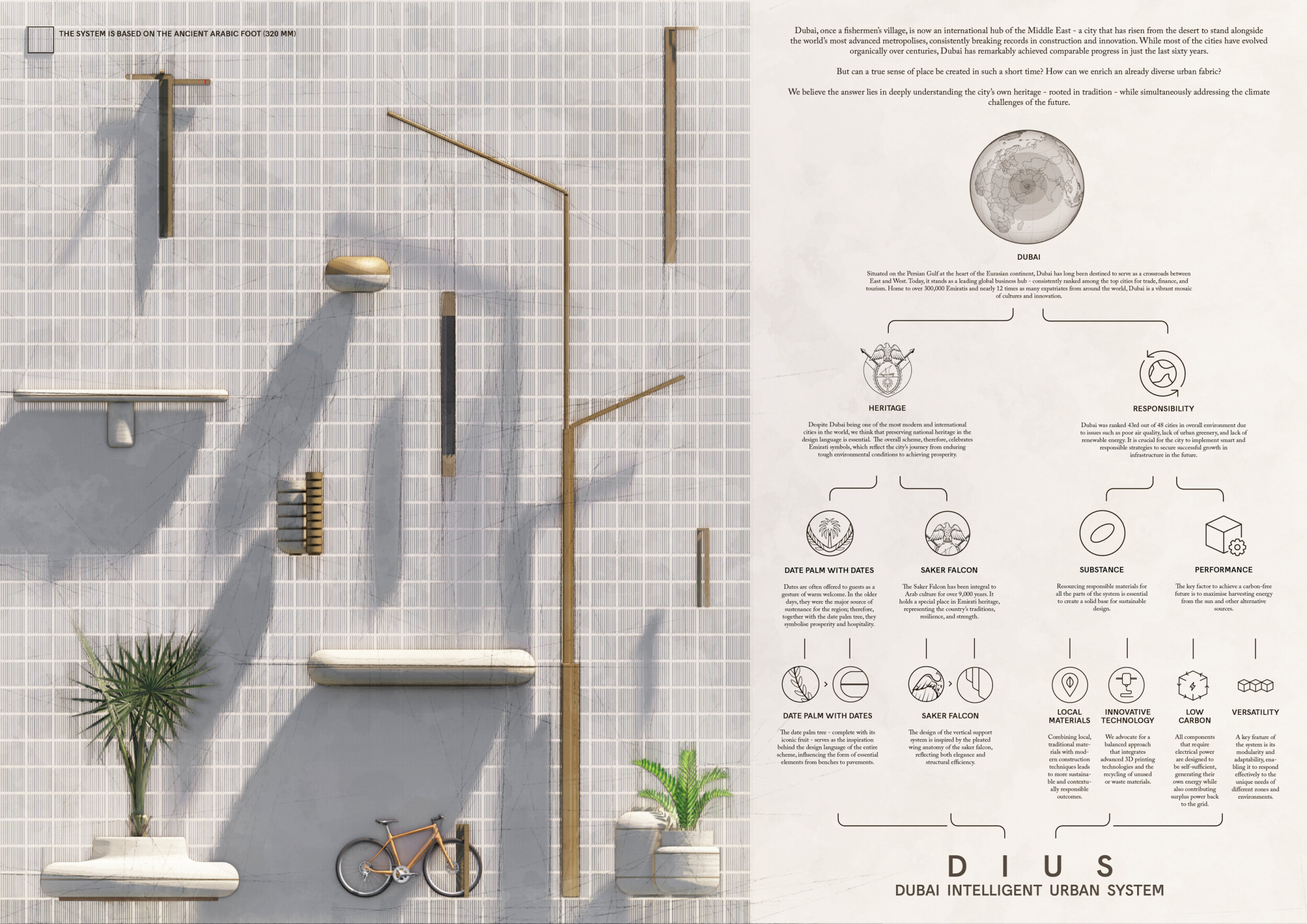
The Dubai Intelligent Urban System (DIUS) outlines a coherent family of modular elements spanning lighting, seating, paving, greenery, and signage, developed around a 280mm grid derived from the ancient Arabic foot. The proposal emphasizes flexibility, local materials, and reduced carbon footprint through interchangeable components that adapt across seven urban zones.
50,000 AED
(approx. 10,000 €)
NOOR_The Calligraphic Light of Form
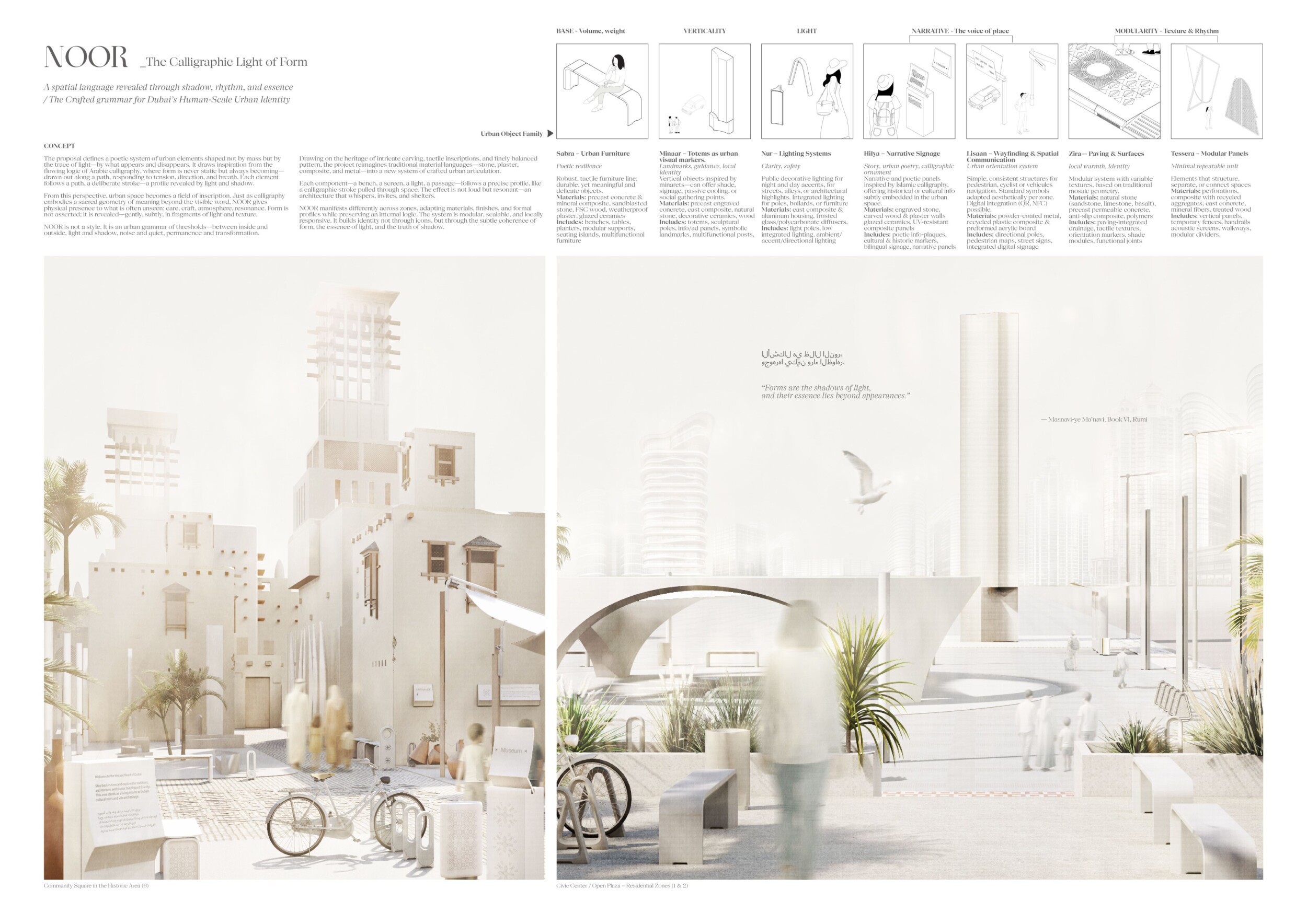
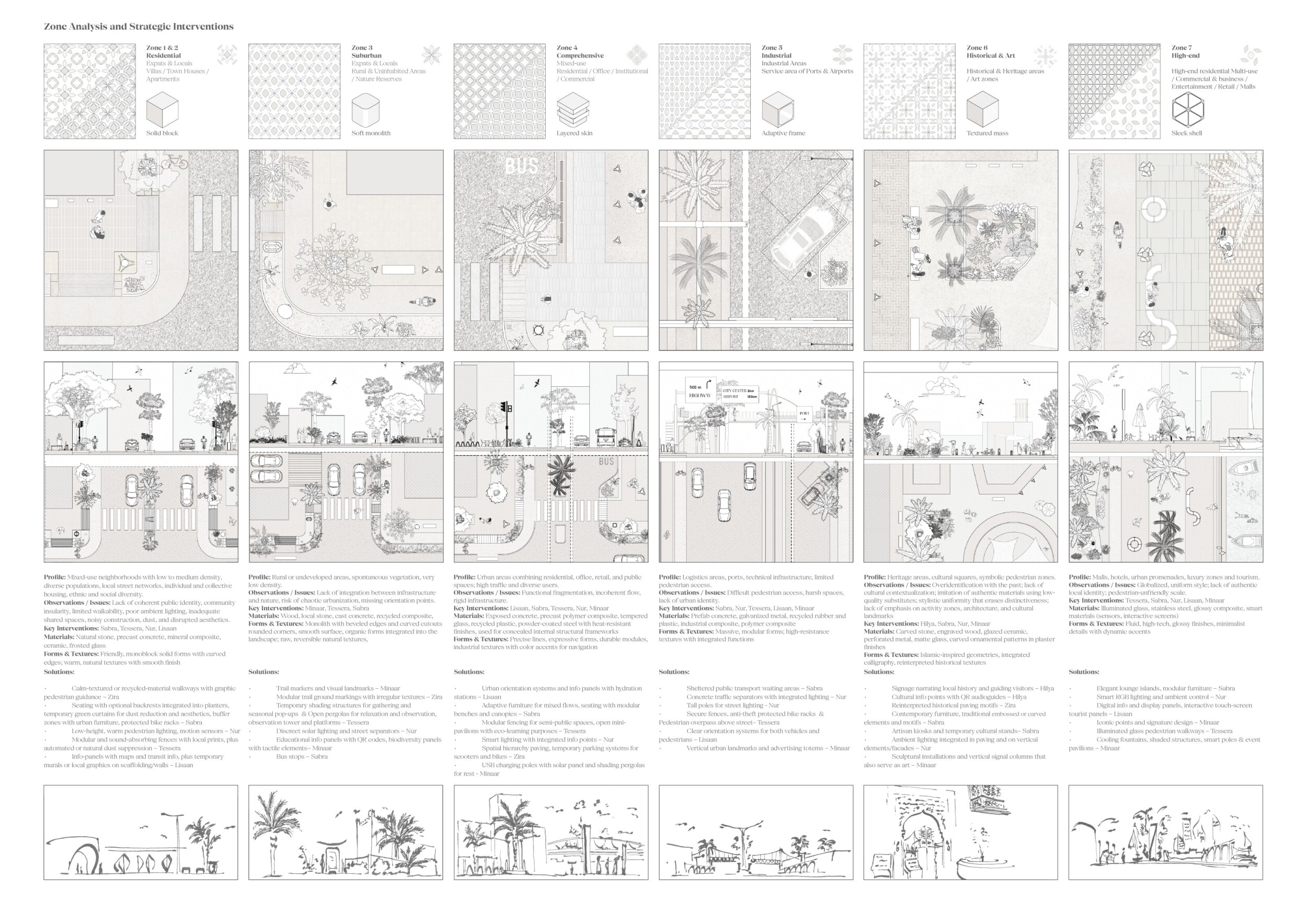
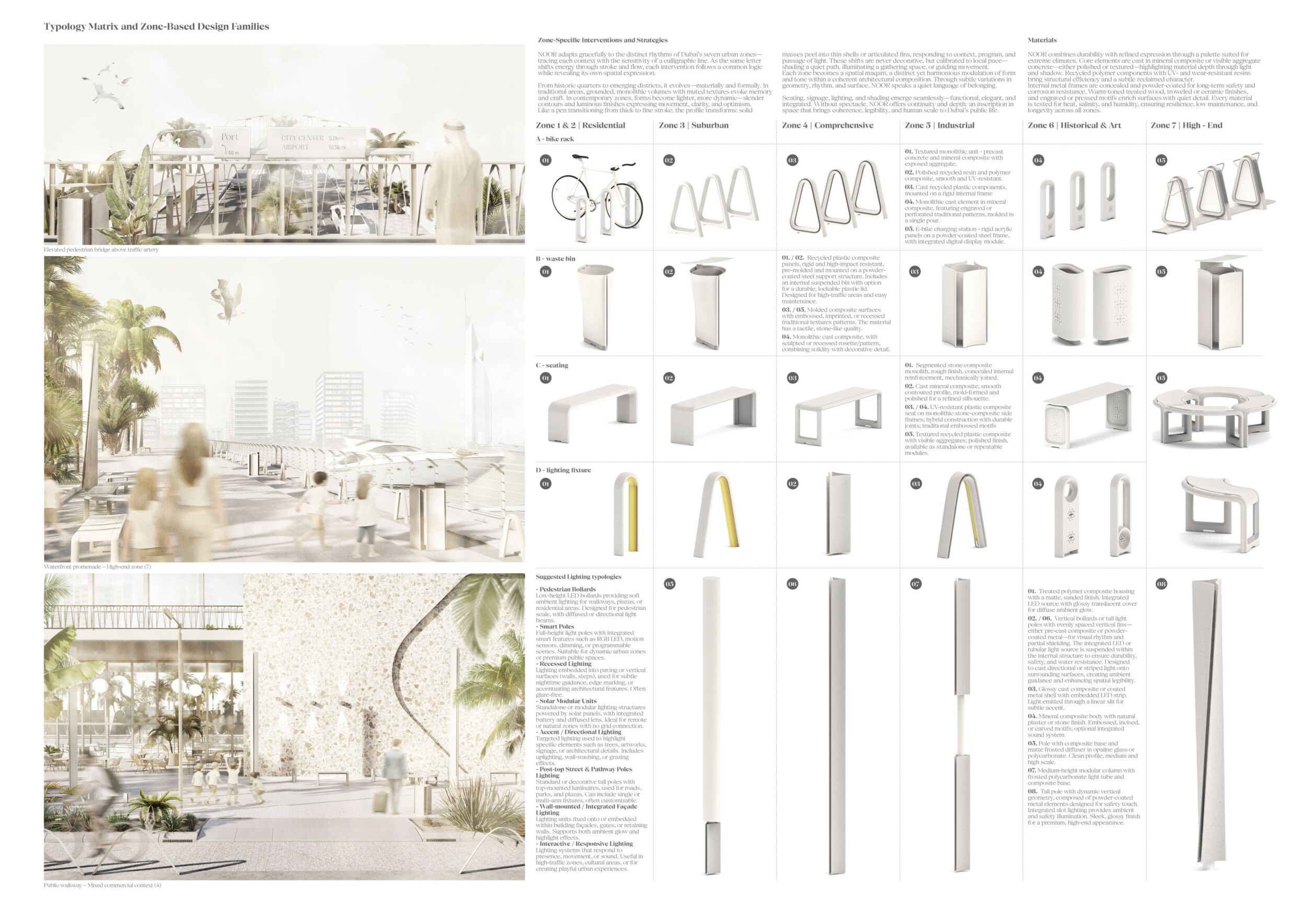
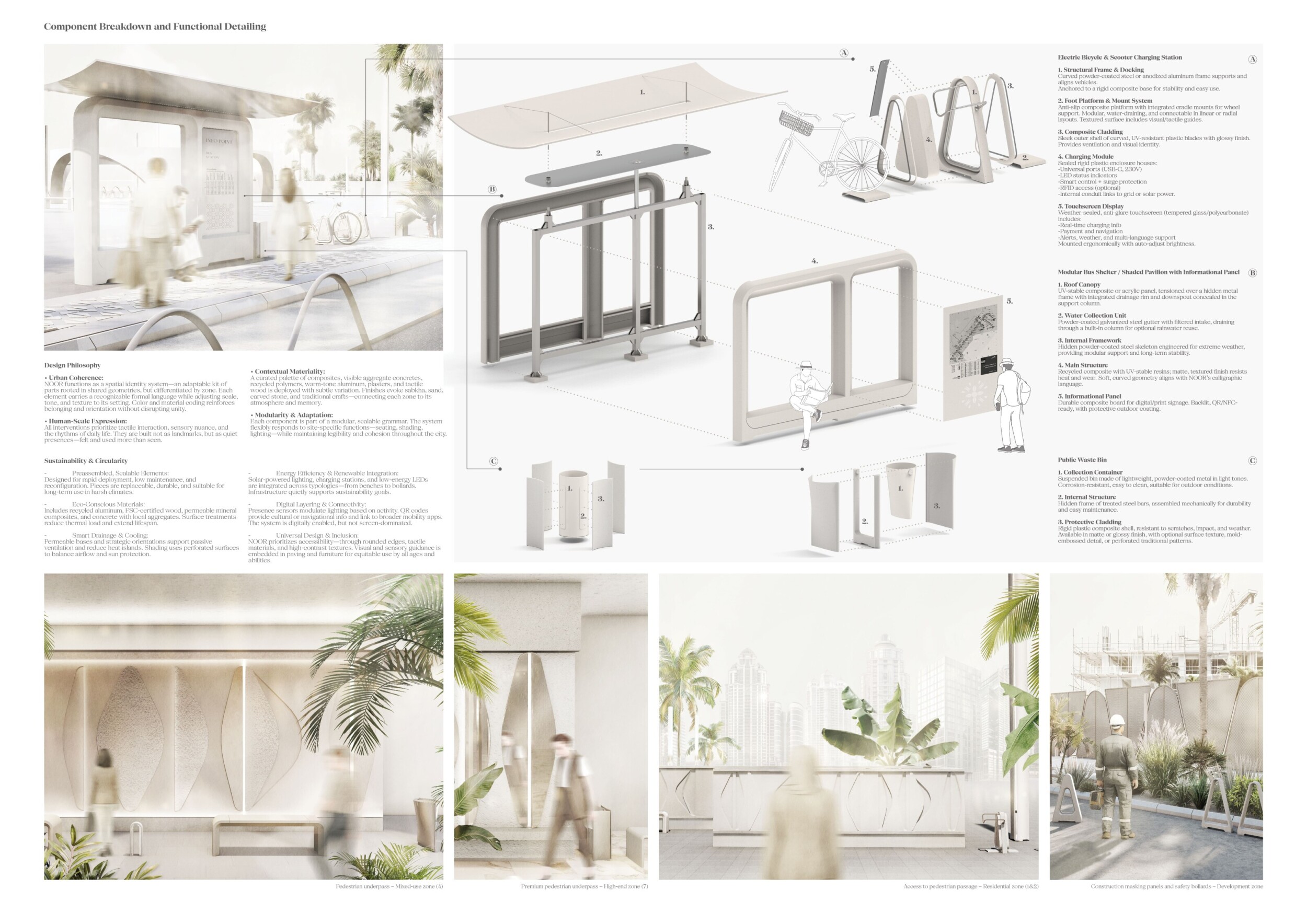
Competitions serve as a platform for us to explore fresh ideas, challenge ourselves, and experiment with cutting-edge design concepts. They grant us the freedom to think creatively and approach problems in unconventional ways, which fosters a culture of innovation within our team. This environment also enables us to continuously refine our skills as we engage with diverse design briefs and problem-solving scenarios, offering a sense of growth and development. Moreover, competitions provide an opportunity to inspire others and, in turn, increase our visibility and recognition within the architectural community and beyond. This exposure can significantly enhance our presence and reputation, amplifying our impact on the field. In essence, participating in architecture competitions resonates with our commitment to innovation, collaboration, social responsibility, and historical preservation. It empowers us to stretch the boundaries of our creativity, advance professionally, expand our professional network, gain acknowledgment, and contribute positively to our society.
Read full interview

Jury feedback summary
NOOR presents a modular urban furniture system unified by soft geometries, chamfered profiles, and a restrained palette of textured concrete, sand-cast aluminum, and translucent surfaces. Tailored to seven distinct urban zones, each element—from benches and bike racks to shaded shelters and signage—is calibrated to local conditions through material variation and compositional hierarchy.
50,000 AED
(approx. 10,000 €)
Dubai Urban Design Elements
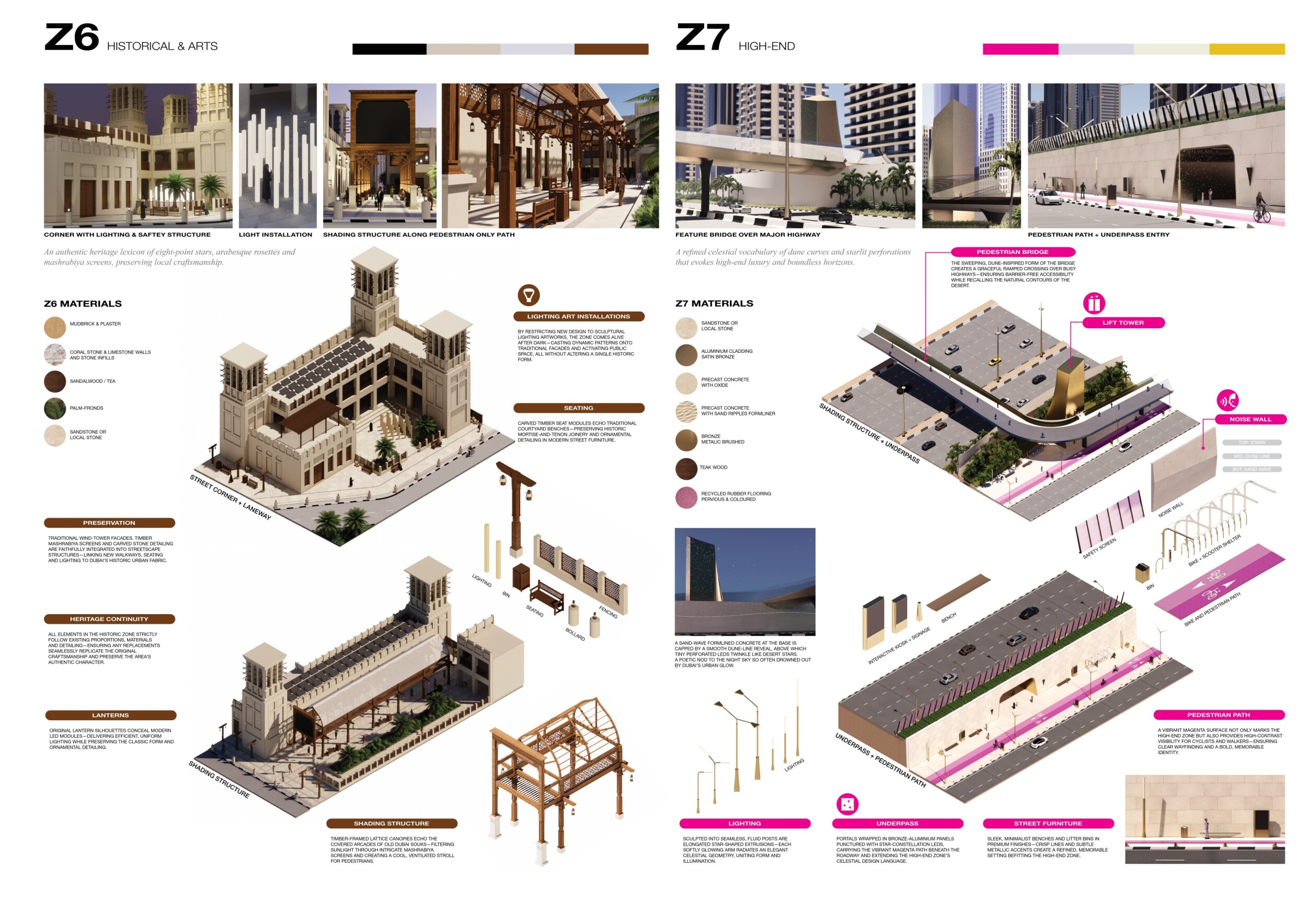
To keep the design muscle honest. It creates a space to test ideas, beyond day-to-day delivery work.
Read full interview
 Australia
Jury feedback summary
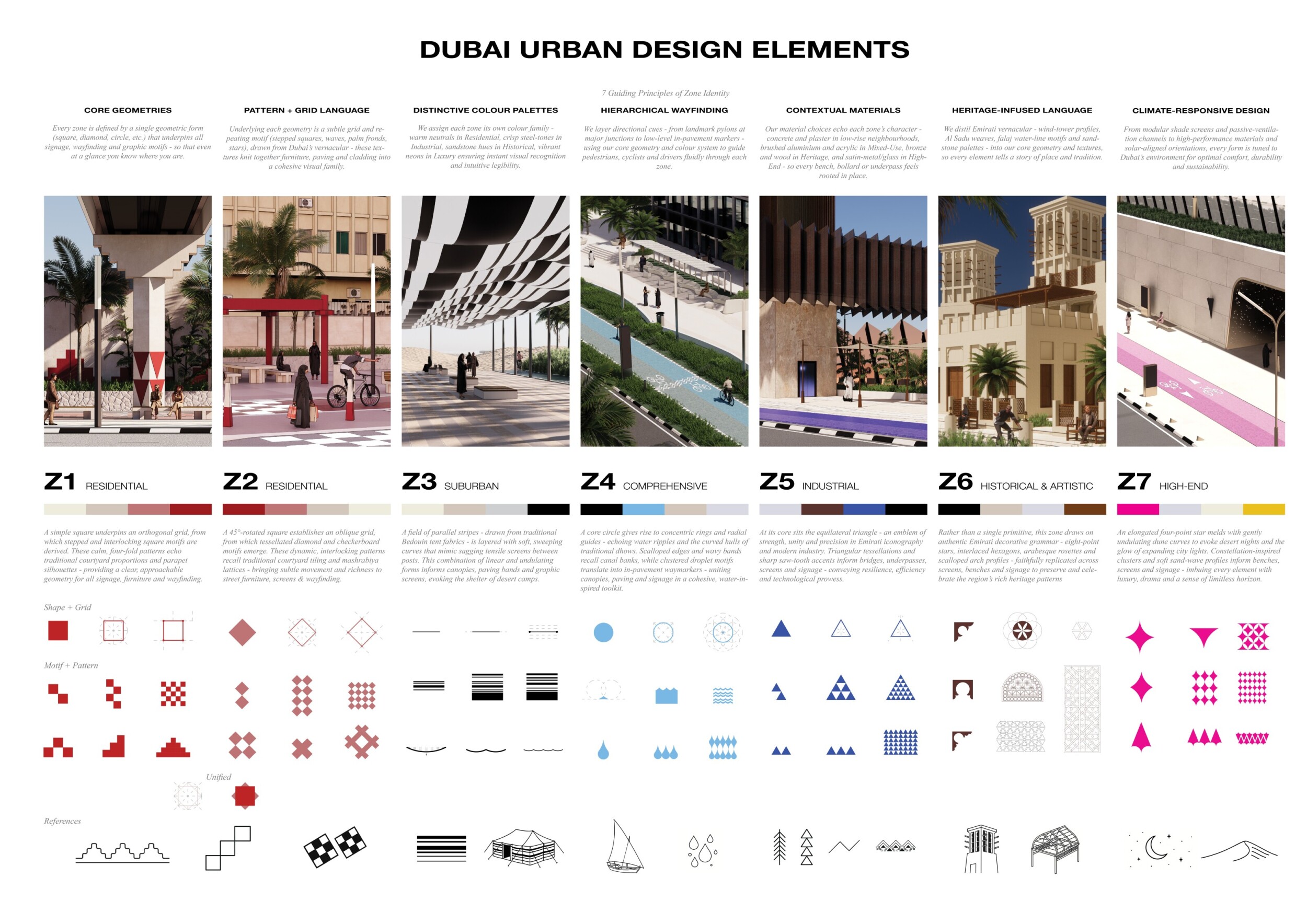
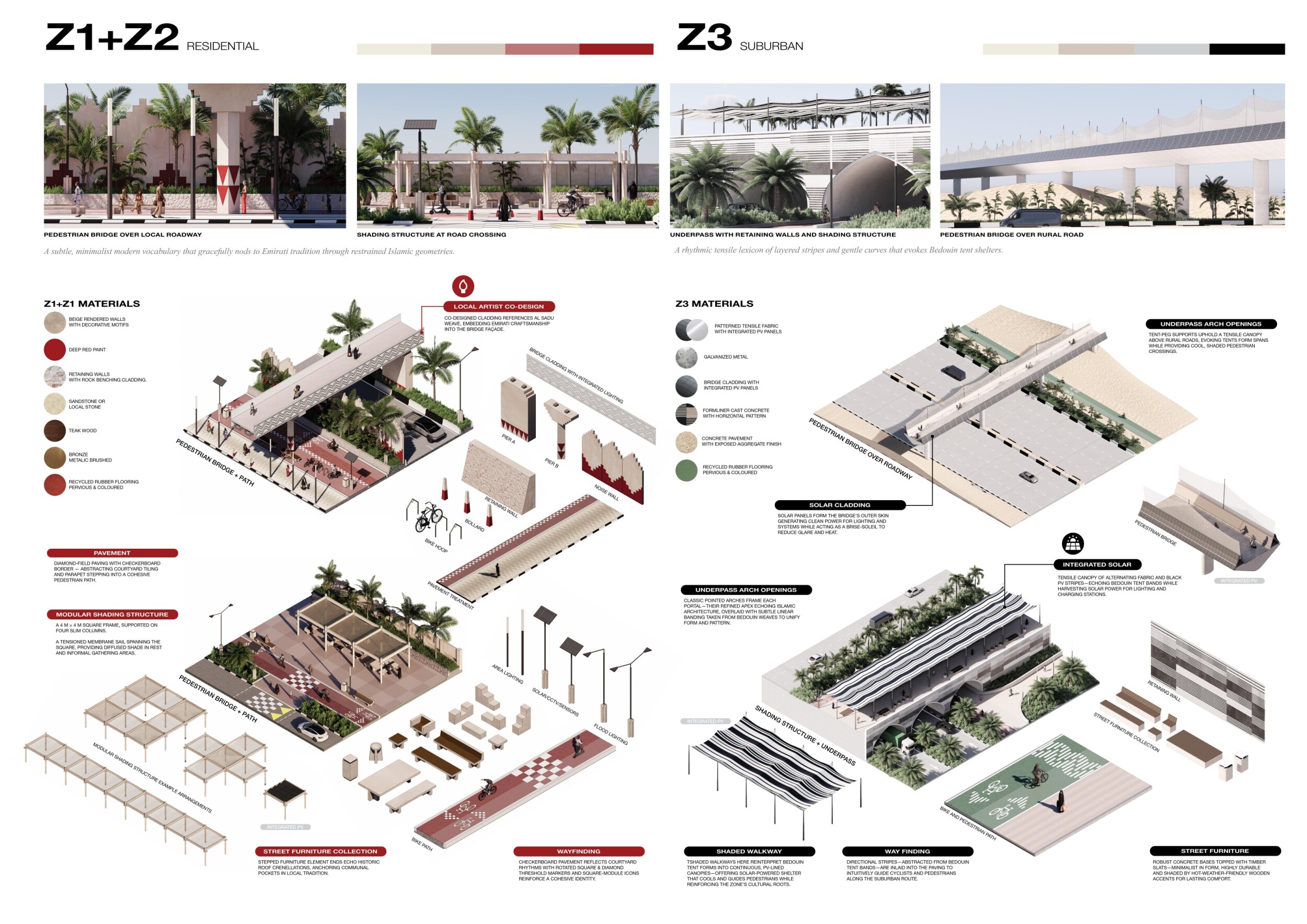
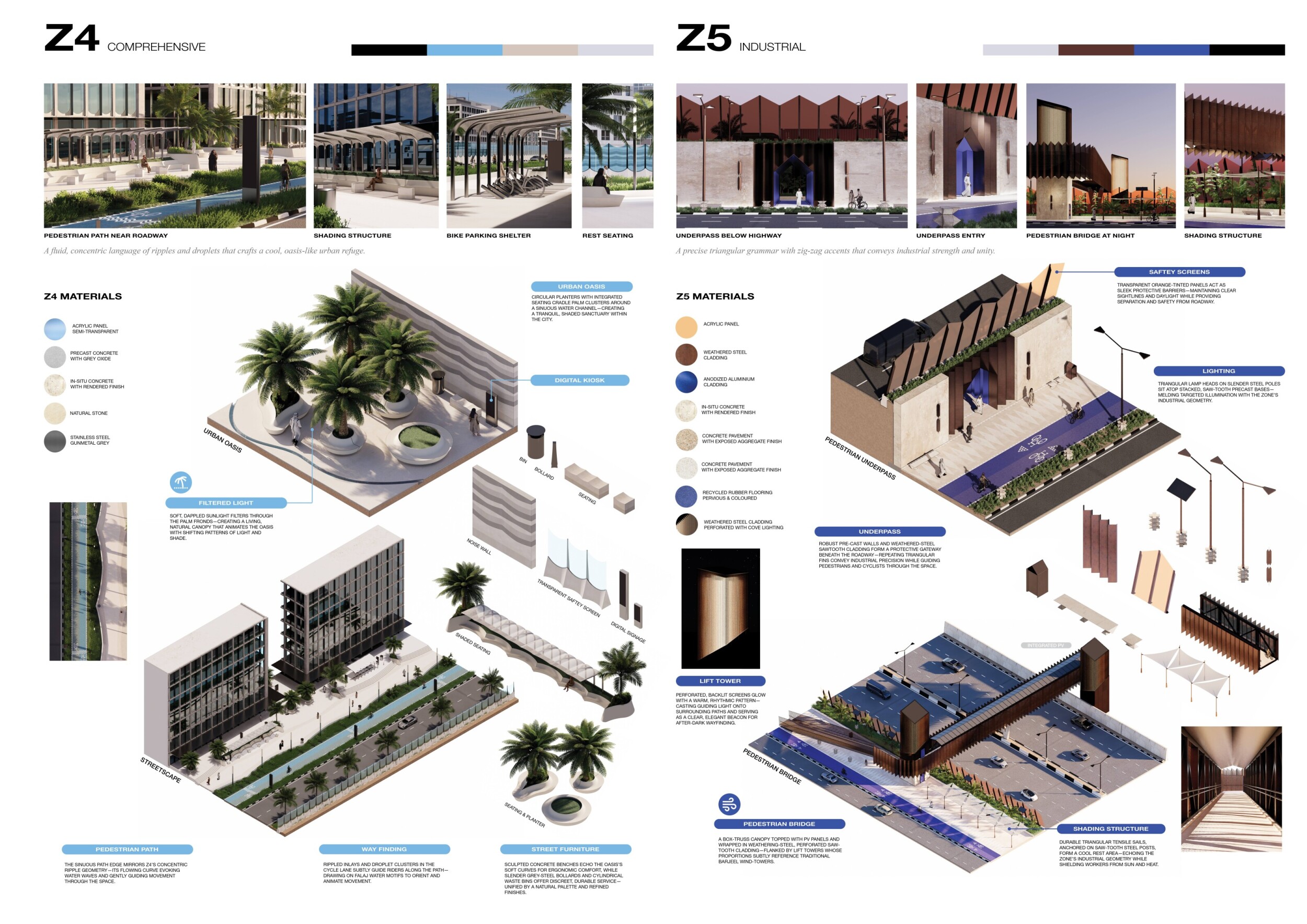
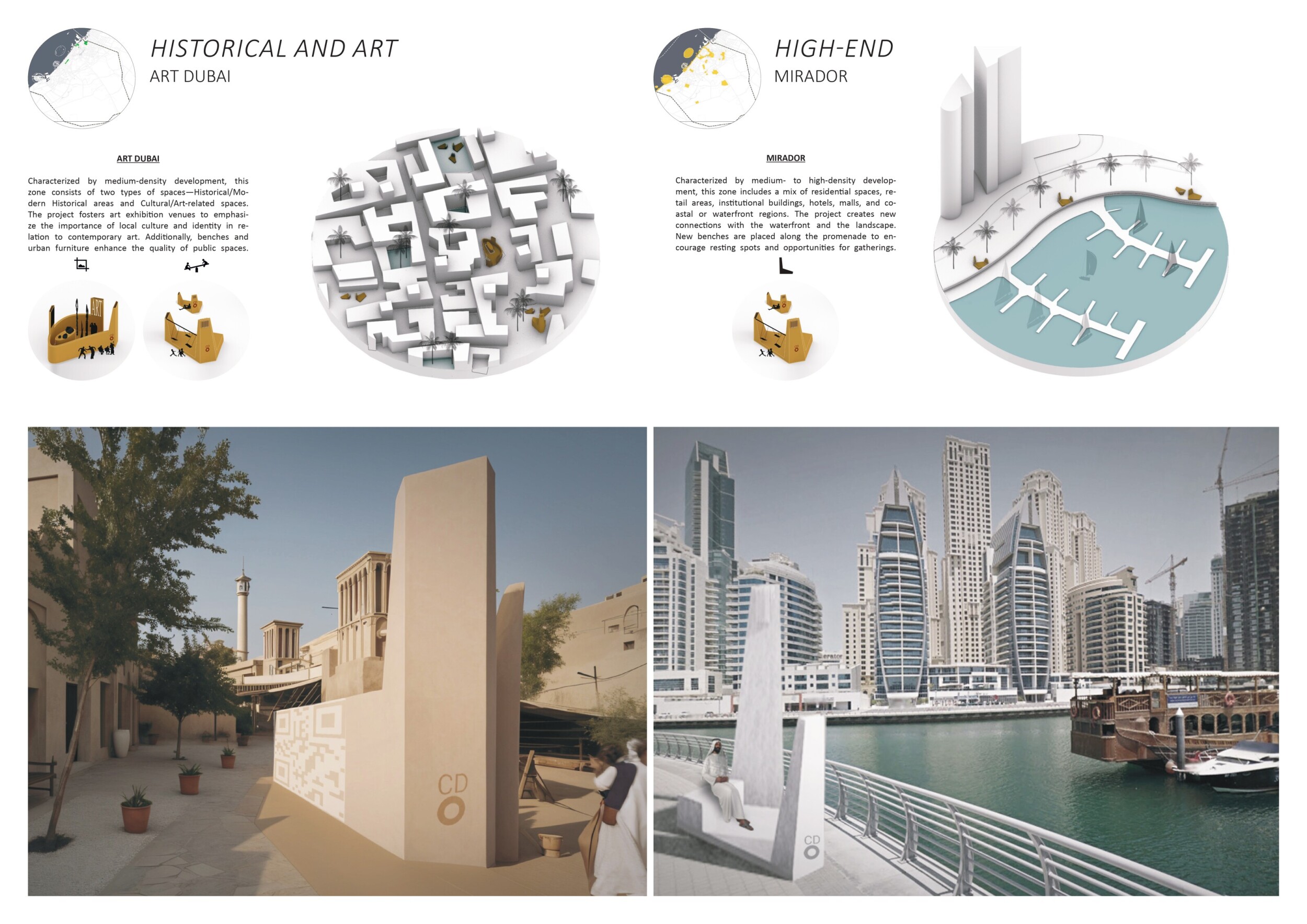
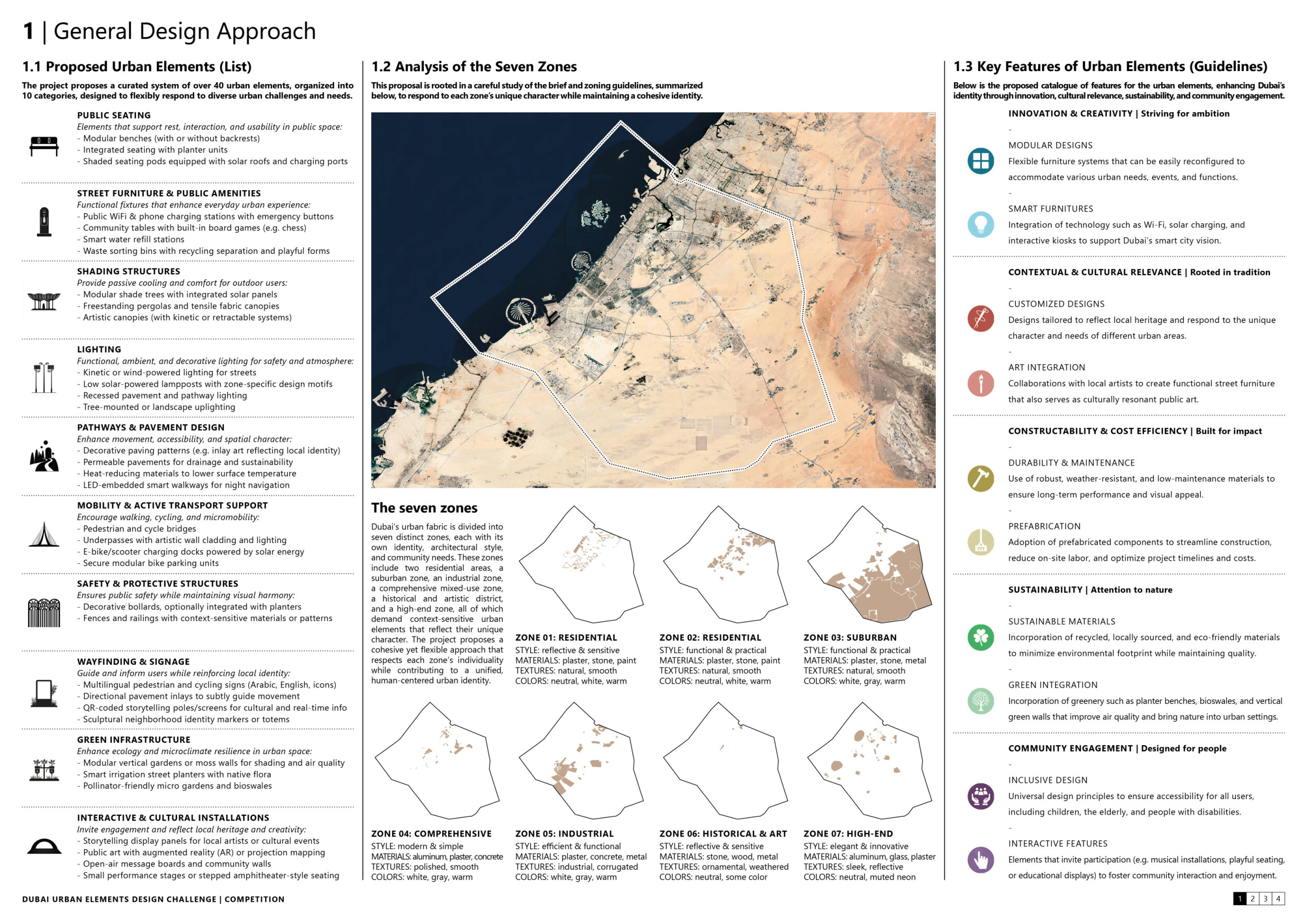
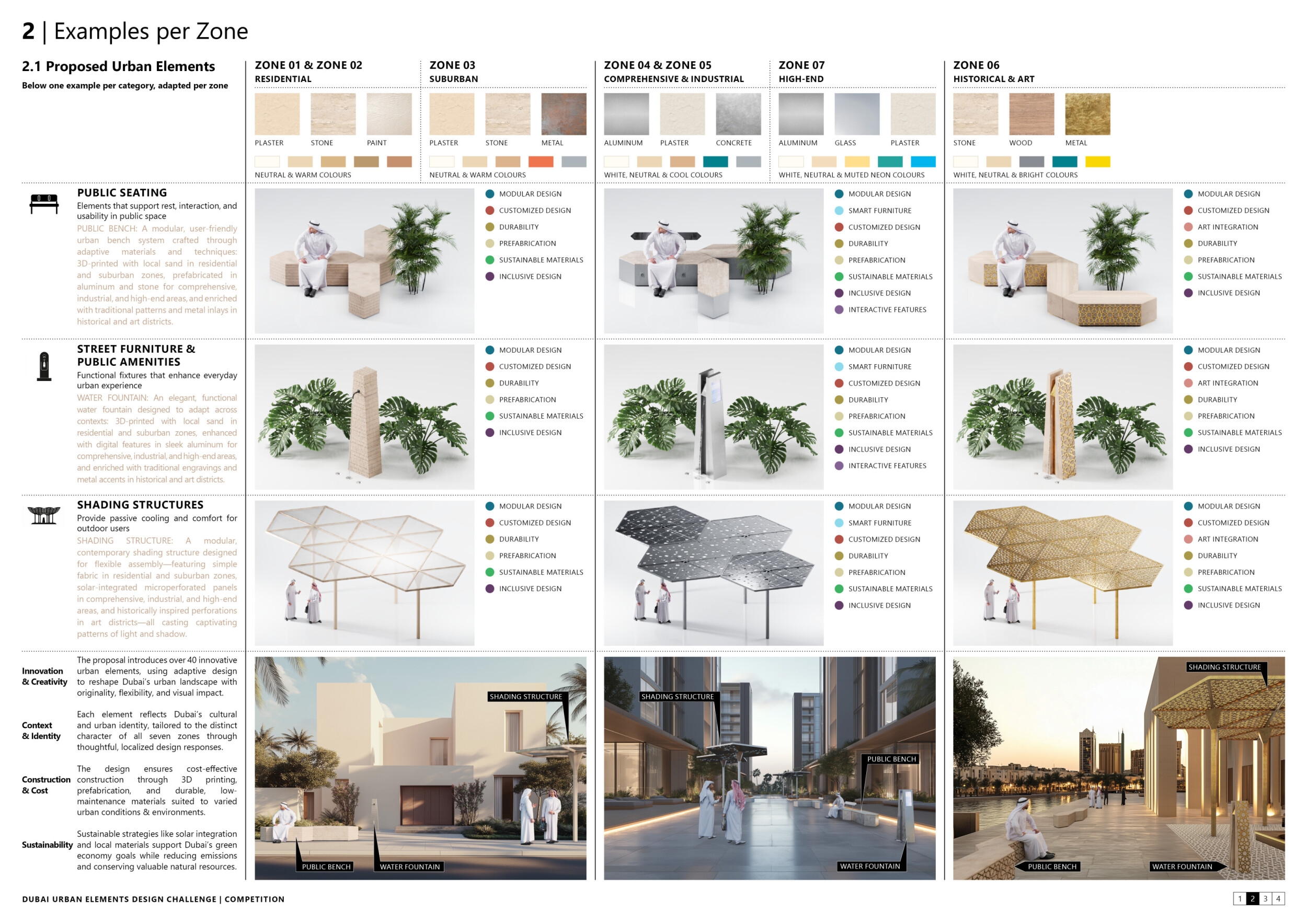
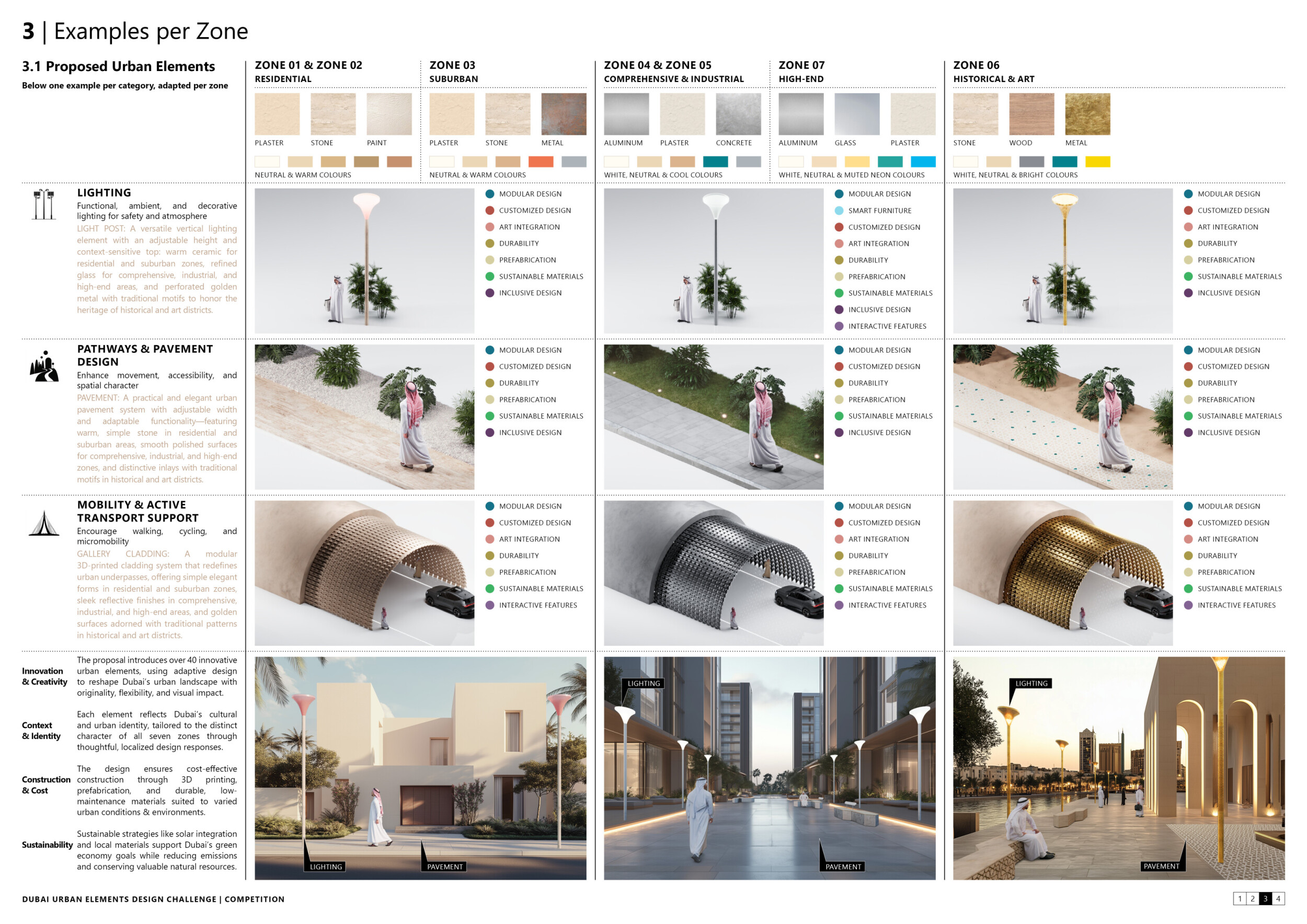
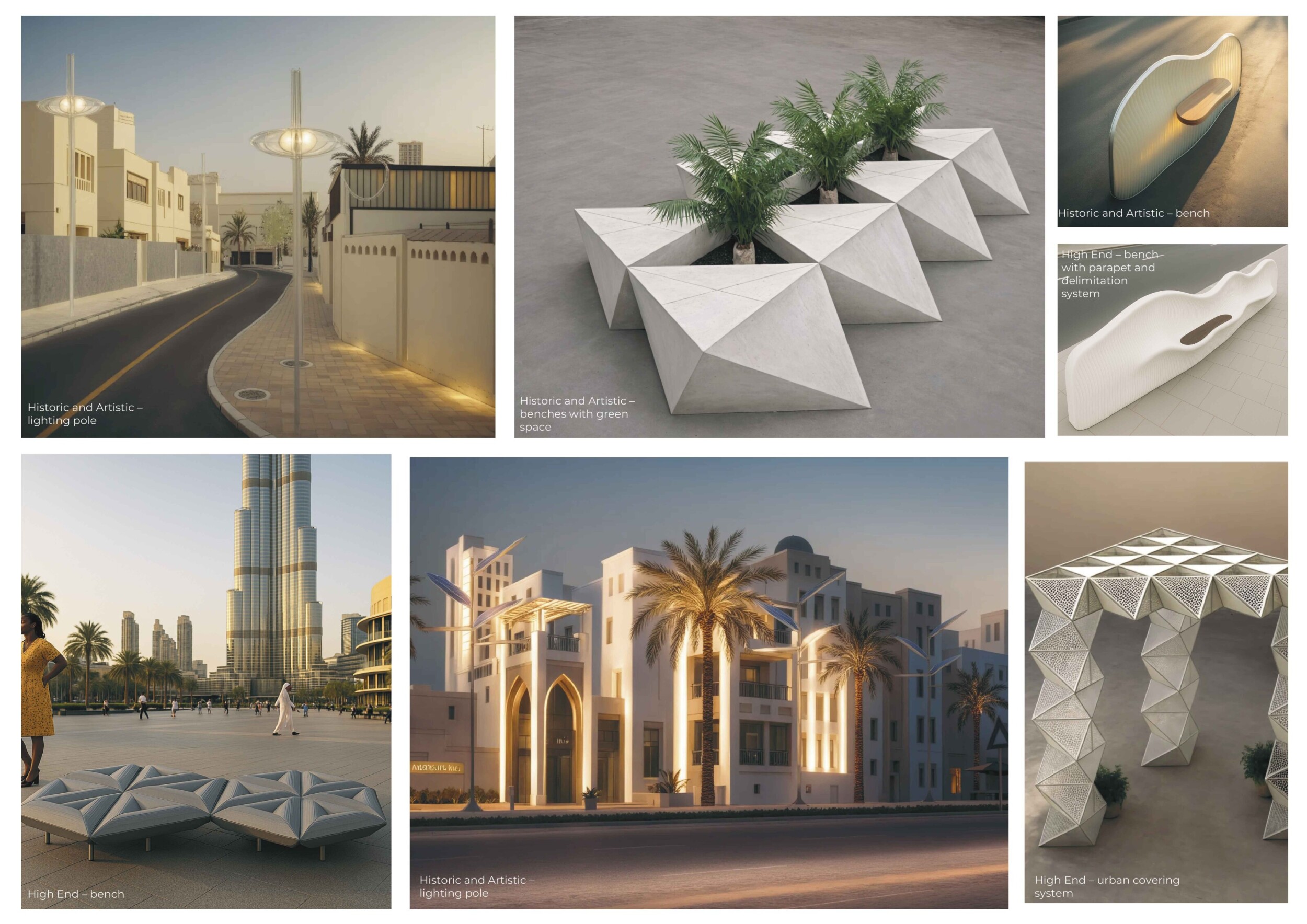
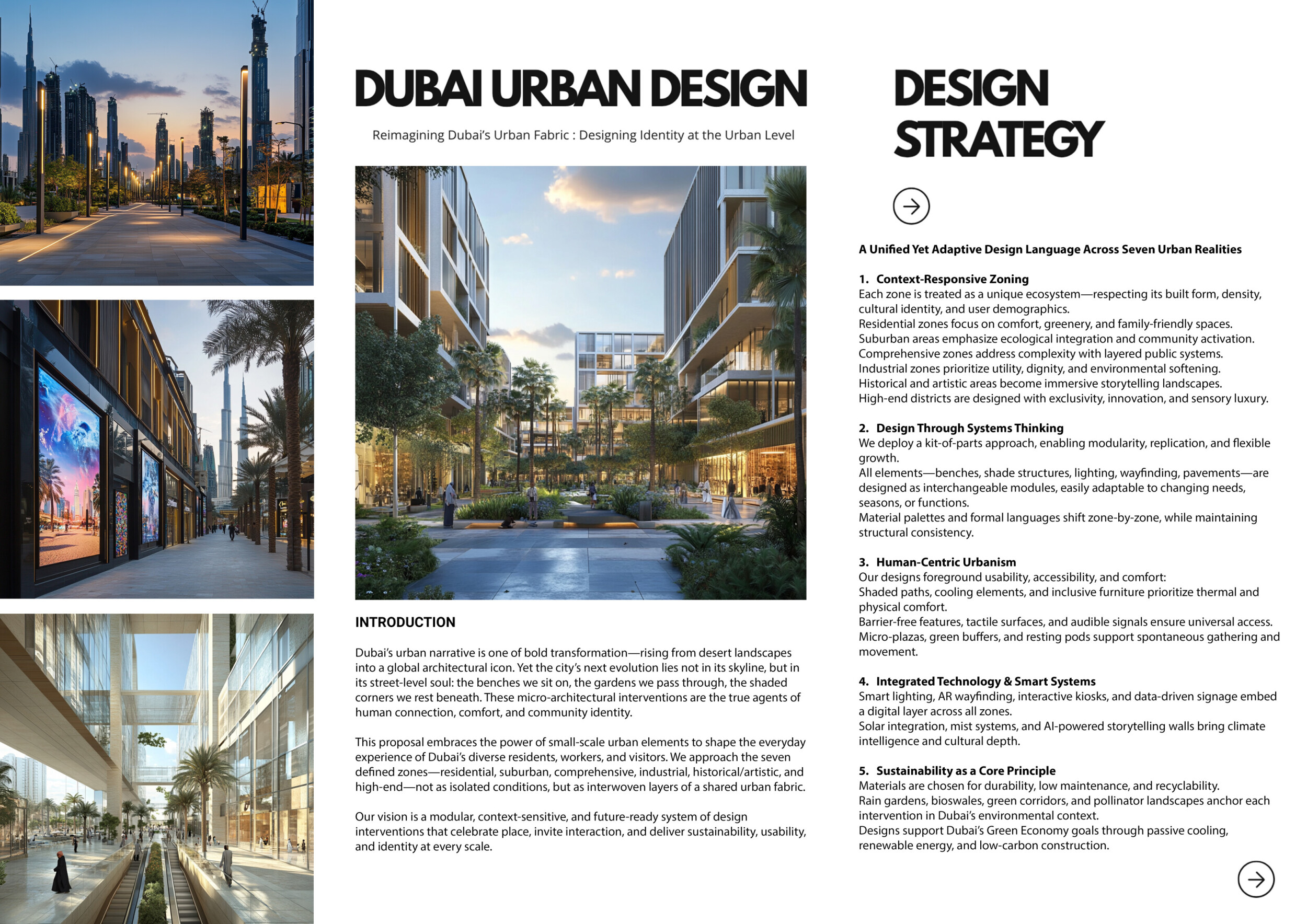
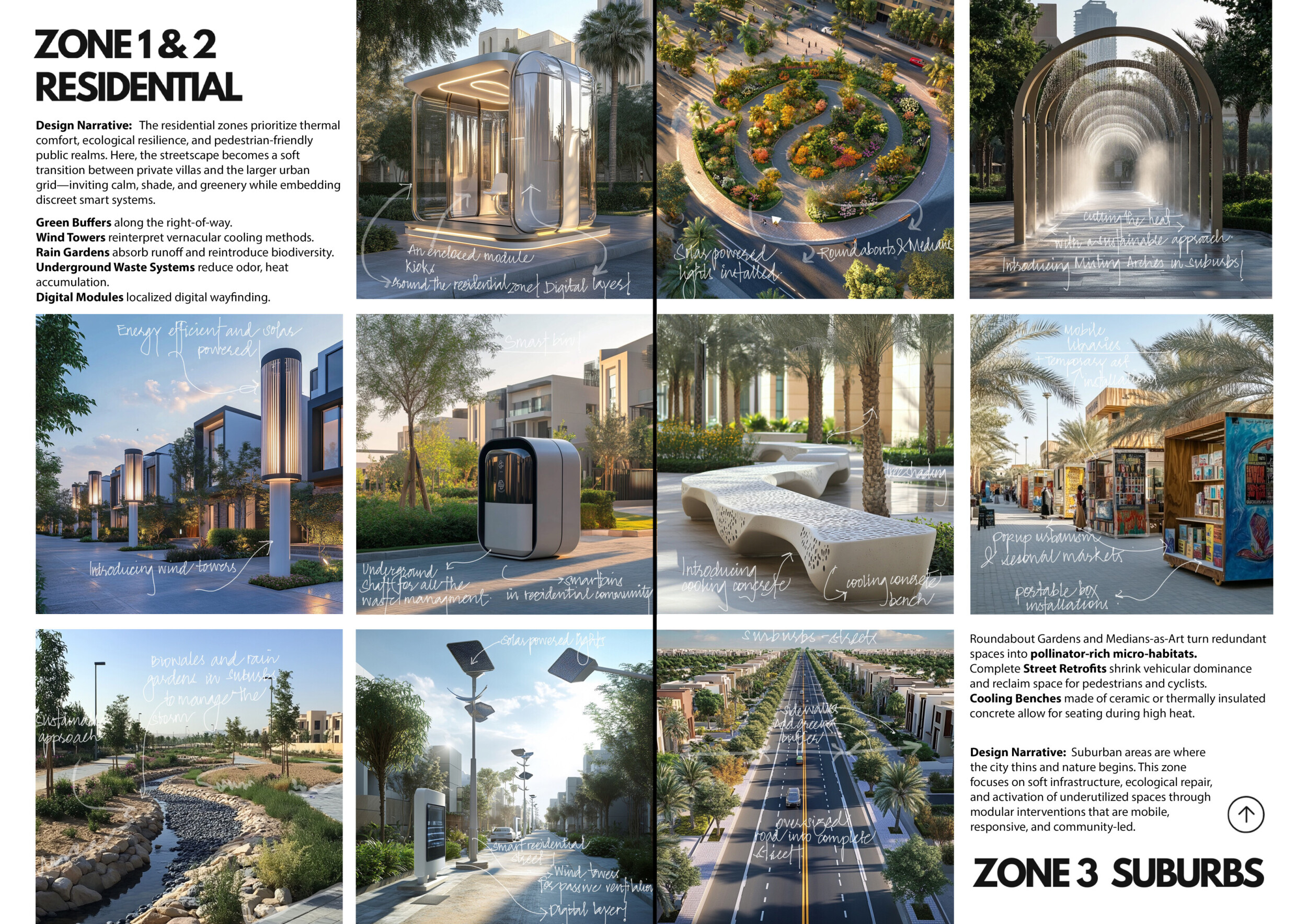
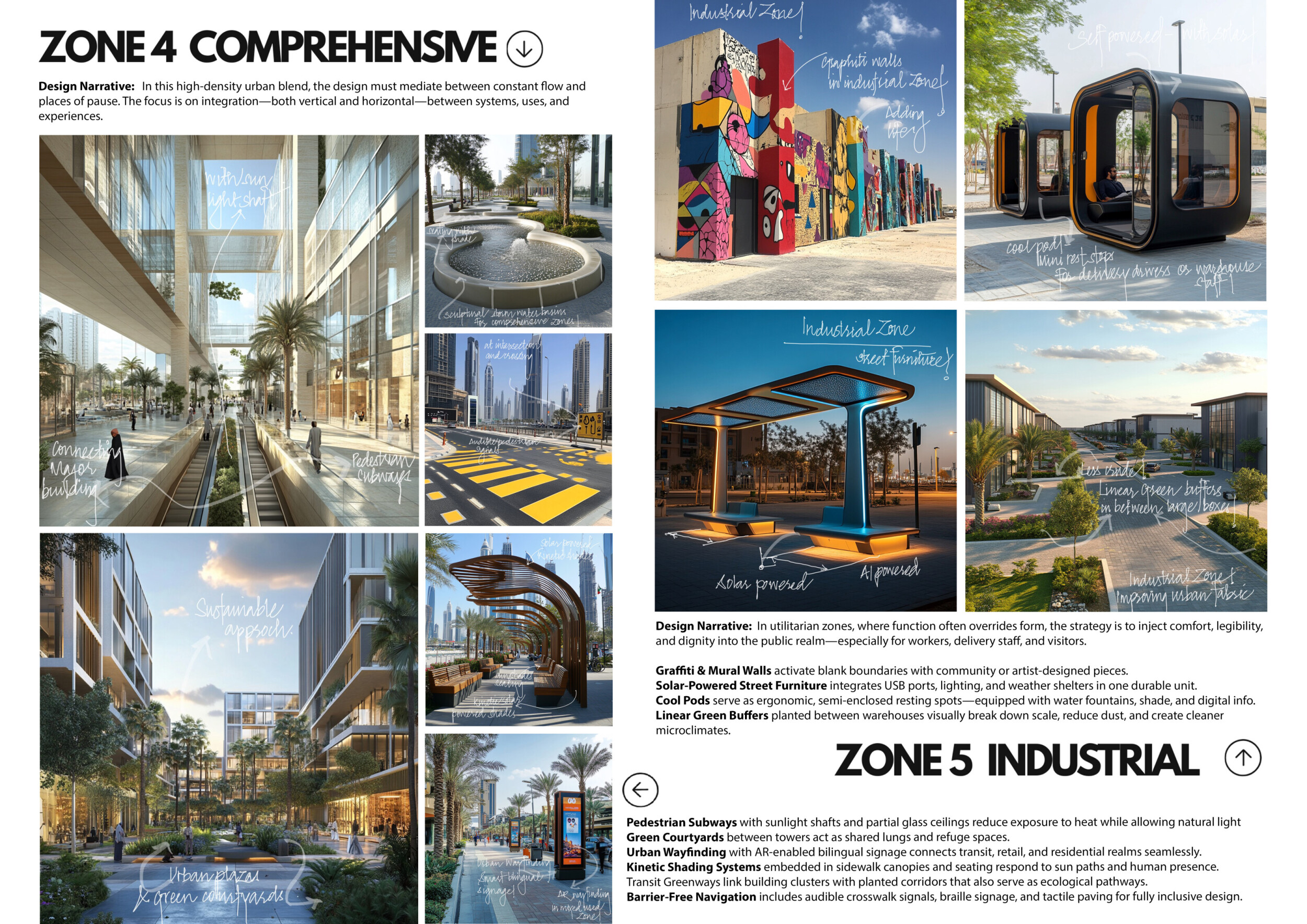
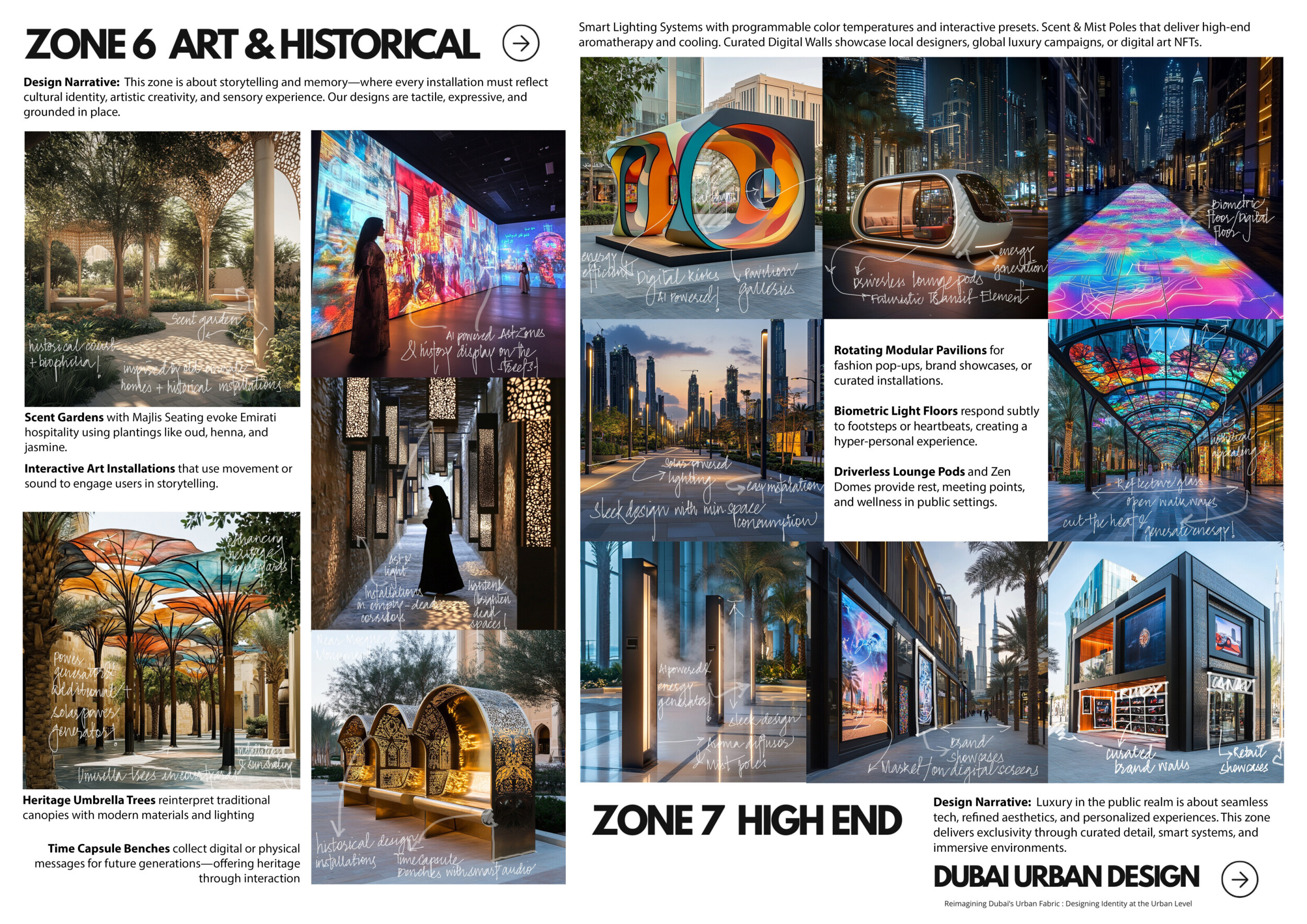
This proposal establishes a cohesive urban design system tailored to Dubai’s diverse zoning contexts, translating each area’s cultural, climatic, and programmatic character into a unified streetscape language. Seven distinct zone typologies—ranging from residential to industrial, heritage, and high-end—are articulated through a matrix of core geometries, modular shading elements, curated material palettes, and contextual wayfinding.
50,000 AED
(approx. 10,000 €)
Urban Fabric of Dubai
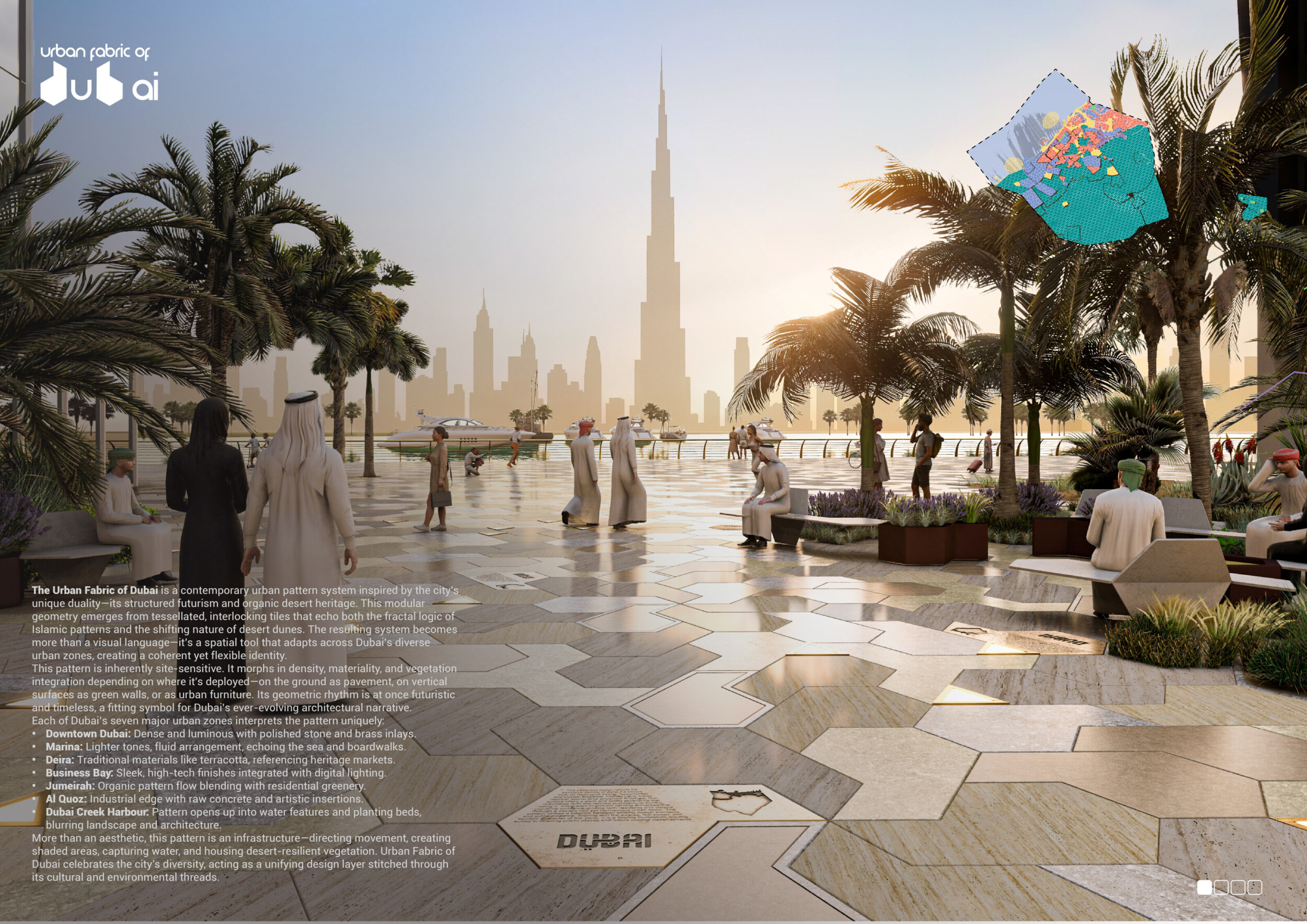
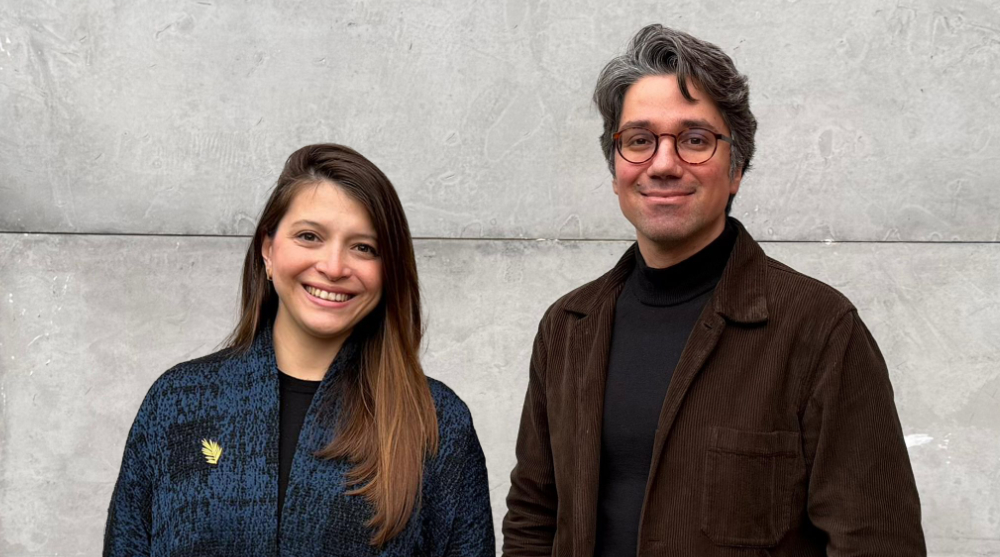
Competitions serve as the freest laboratories for our office. They allow us to step away from the commercial and bureaucratic constraints of daily professional practice to explore ideas that might not otherwise find space testing new geometries, alternative ways of organising space, and more speculative or forward-looking approaches. Competitions also allow us to position our work within a wider, international conversation. Projects such as Urban Fabric of Dubai gave us the opportunity to engage with global design thinking, challenge our own assumptions, and keep our design process active and curious. In that sense, competitions help us stay sharp, experimental, and connected.
Read full interview
Jury feedback summary
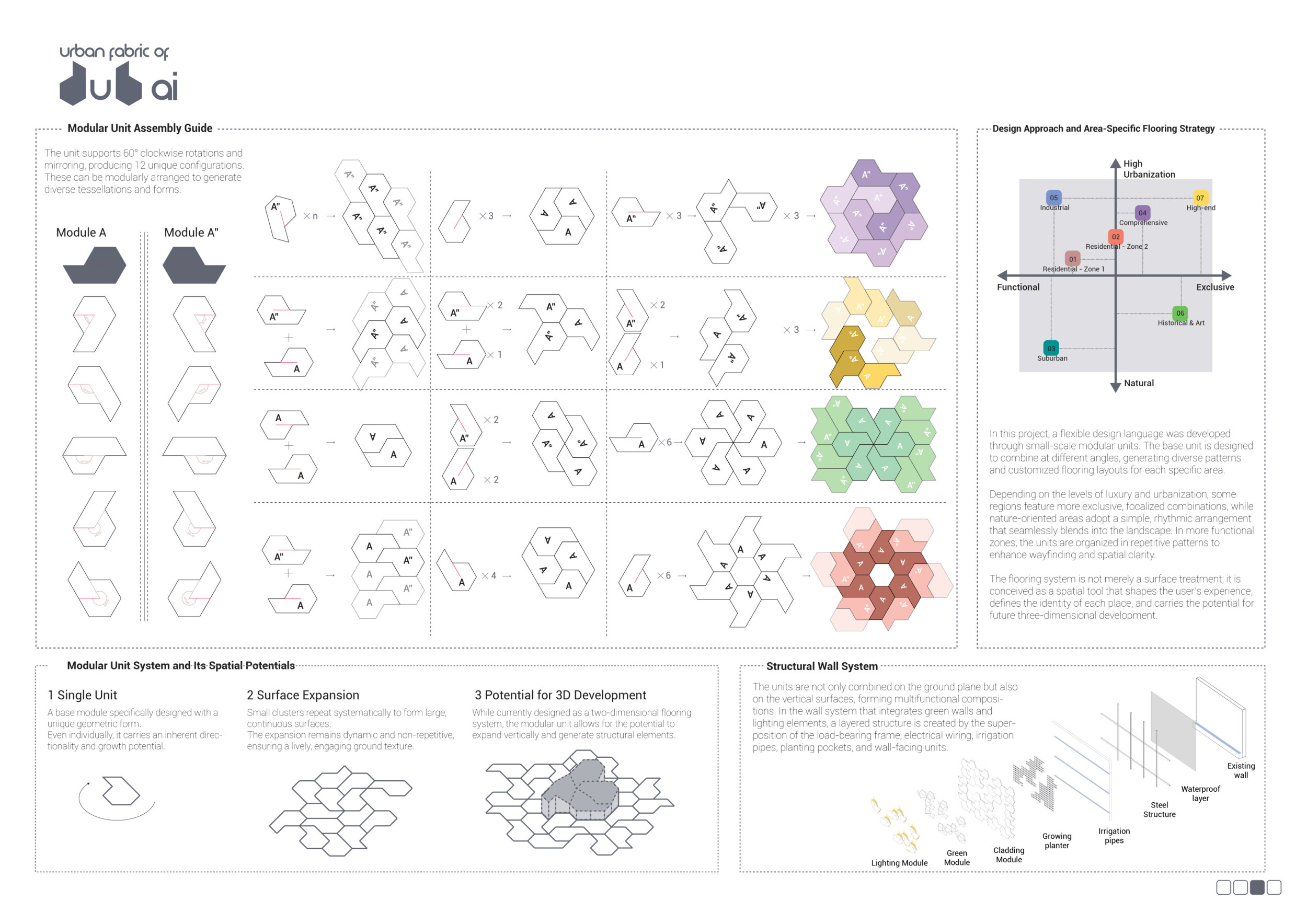
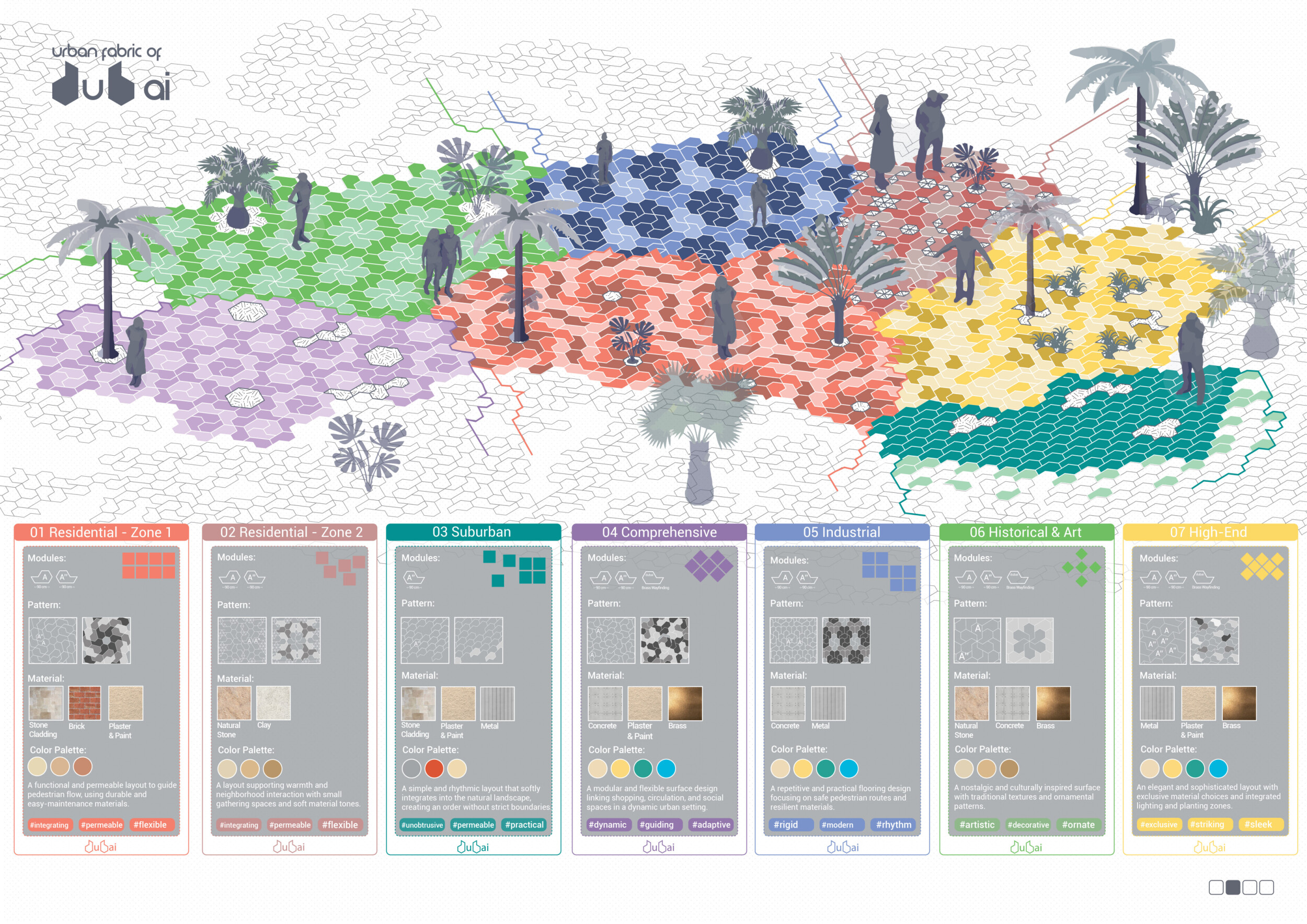
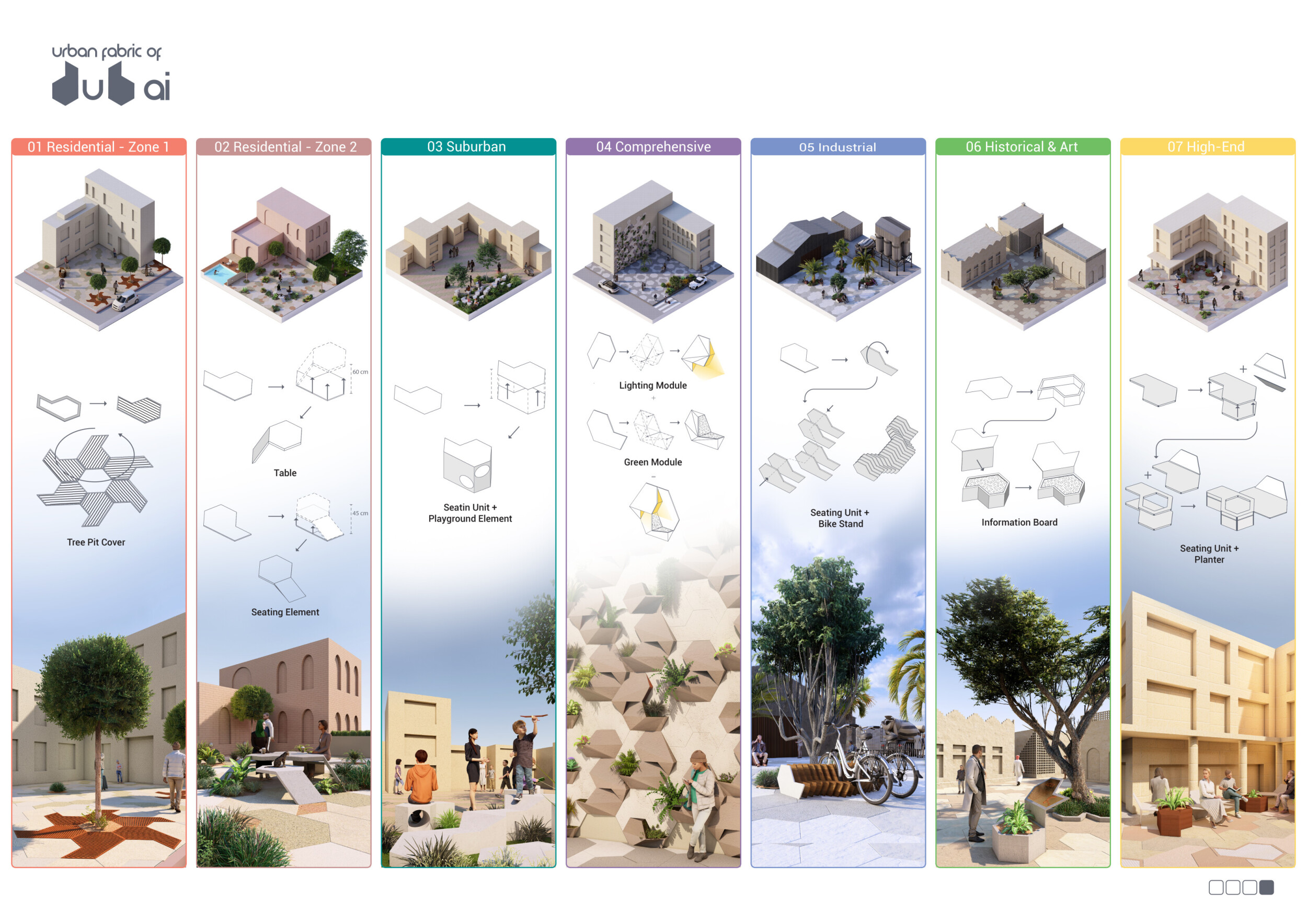
The “Urban Fabric of Dubai” is a modular public realm system designed to unify the city’s diverse neighborhoods through a shared spatial language rooted in Dubai’s dual identity of futuristic ambition and desert heritage. Using two interlocking base tiles rotated and mirrored in 60° increments, the design generates twelve tessellation configurations that define surfaces, vertical structures, and 3D modules across the seven distinct urban typologies.
50,000 AED
(approx. 10,000 €)
Emergent Micro-Urbanisms
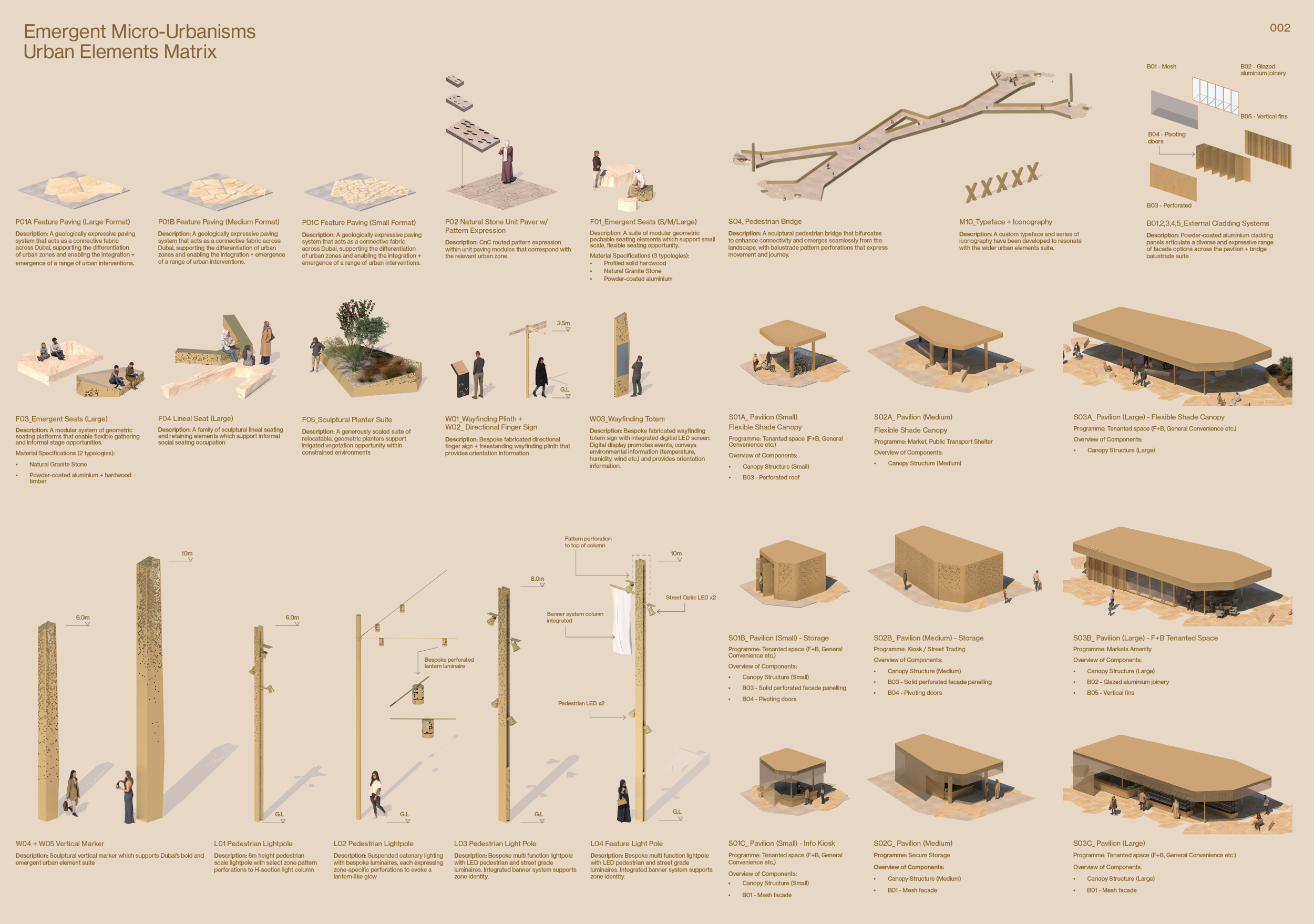
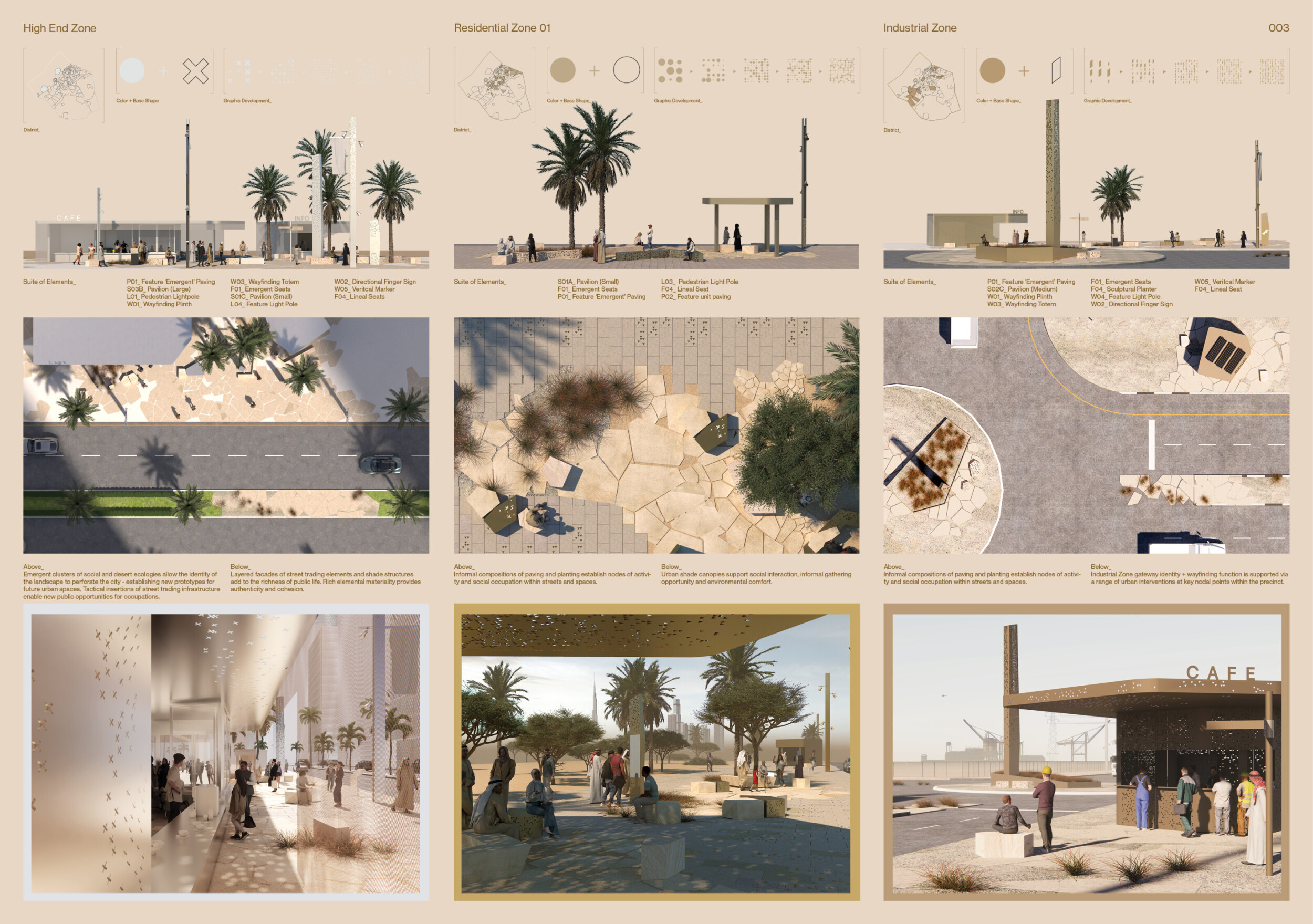
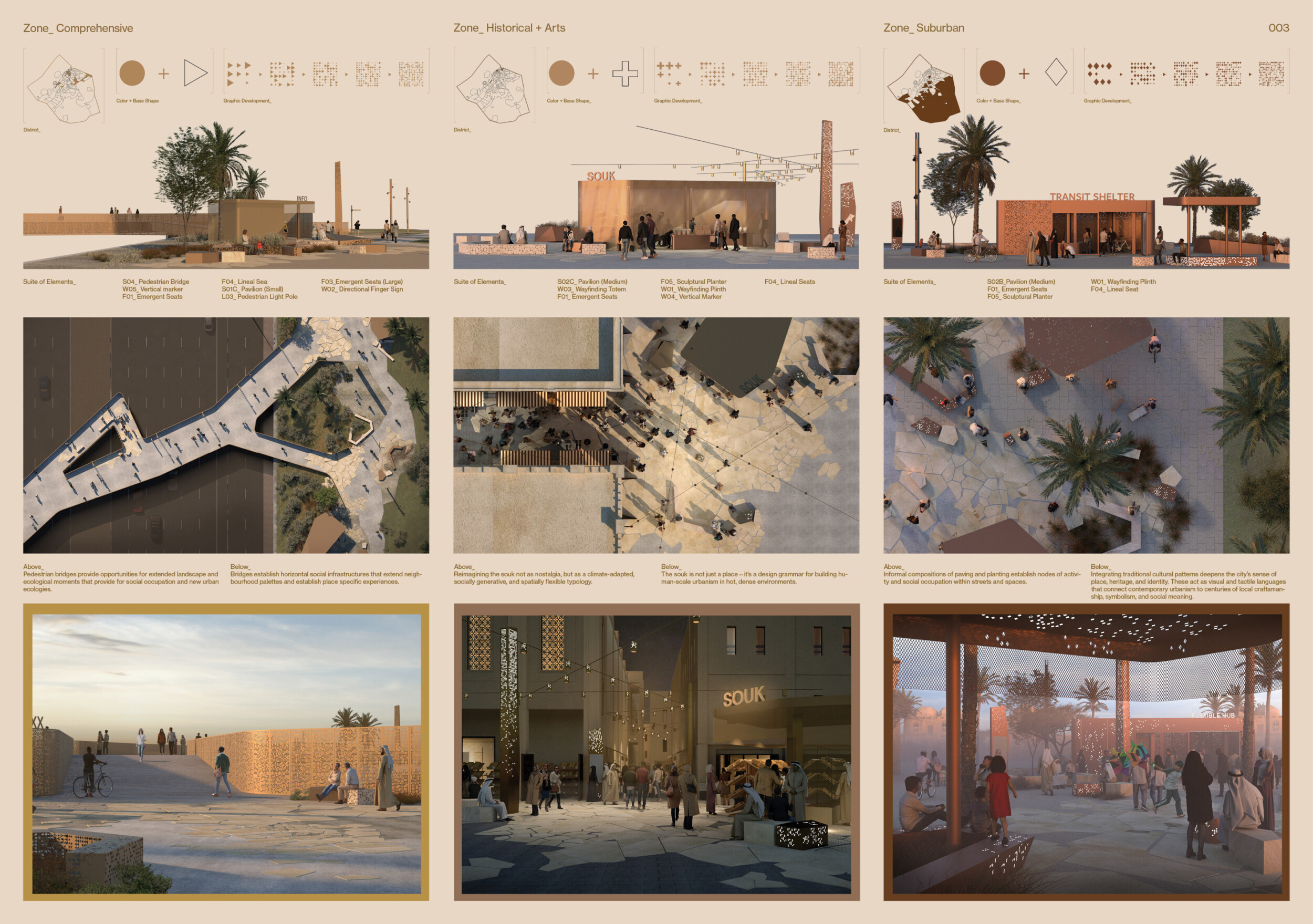
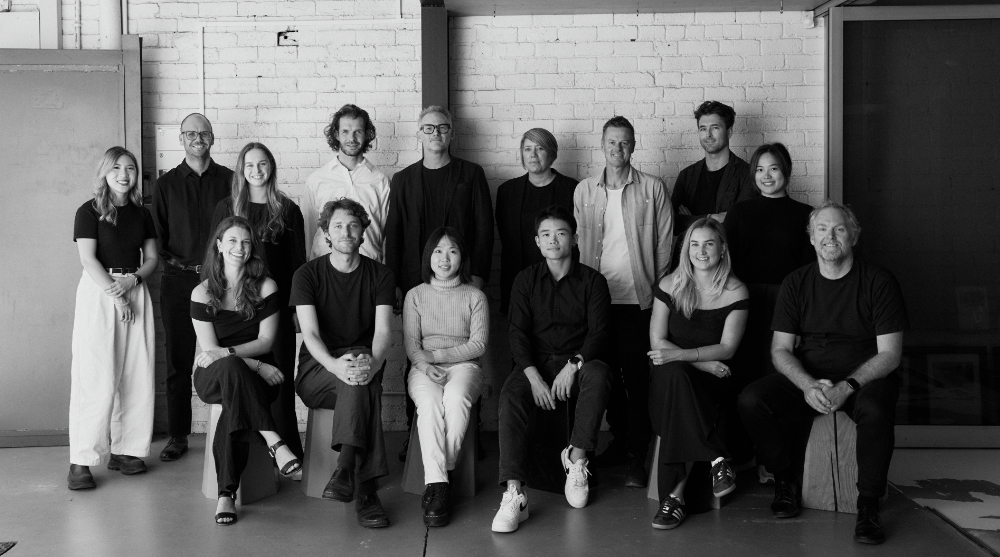
Competitions offer a rare space for ideas to lead before constraints narrow the field. For us, competitions are laboratories for experimentation, opportunities to test new ideas and methods, platforms to collaborate across disciplines and ways to engage in global discourse. Competitions help advance the field, hone our practice and have some fun. They also enable smaller practices like ours to contribute meaningfully to important conversations.
Read full interview
Australia
Jury feedback summary
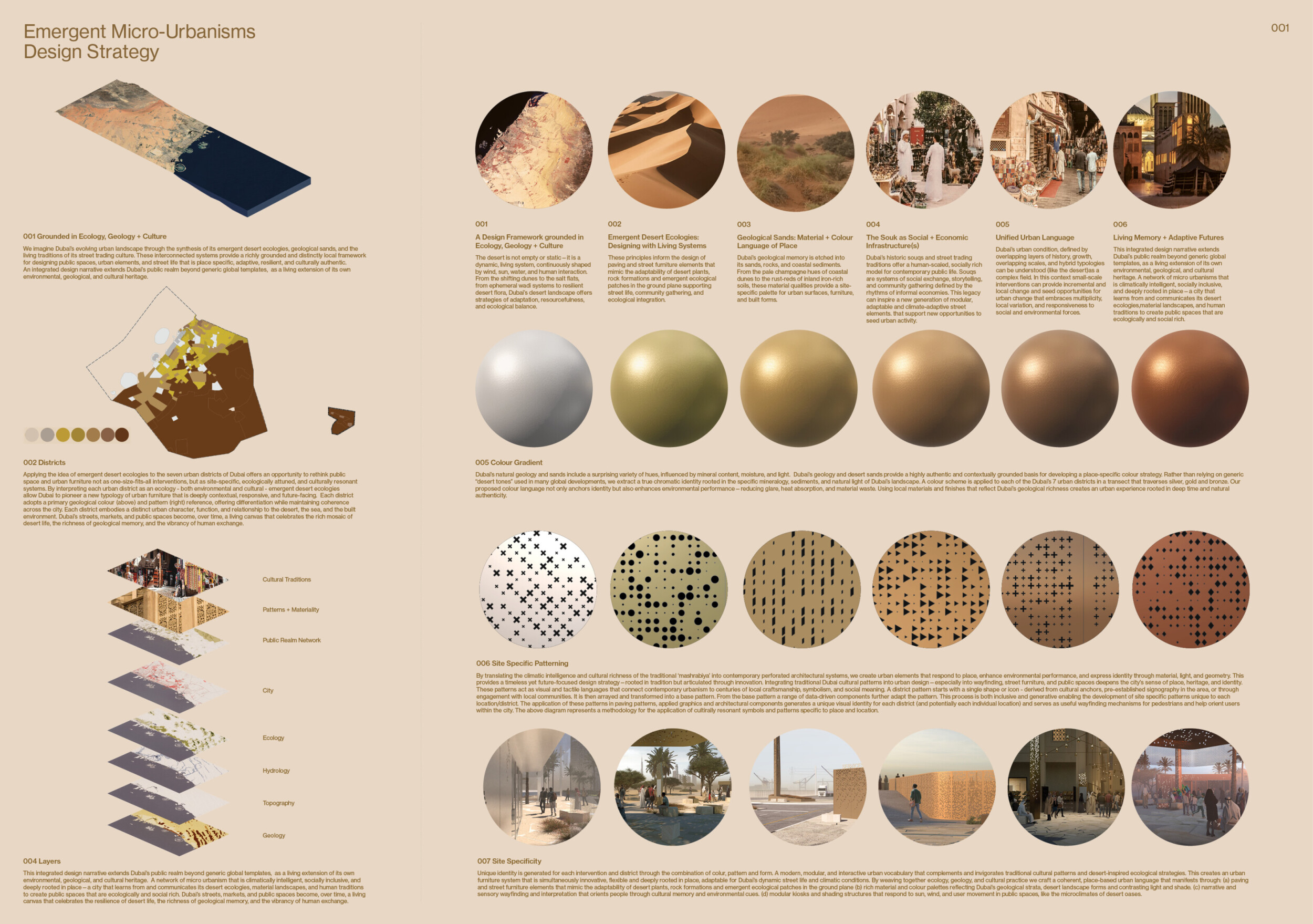
This project establishes a modular system of urban elements grounded in Dubai’s geology, ecology, and vernacular spatial systems. A comprehensive design strategy is first outlined through seven thematic lenses, from geological sands and socio-economic infrastructures to adaptive futures, before translating these into an urban design matrix of over 25 site-specific elements.
50,000 AED
(approx. 10,000 €)
The Ghaf Line
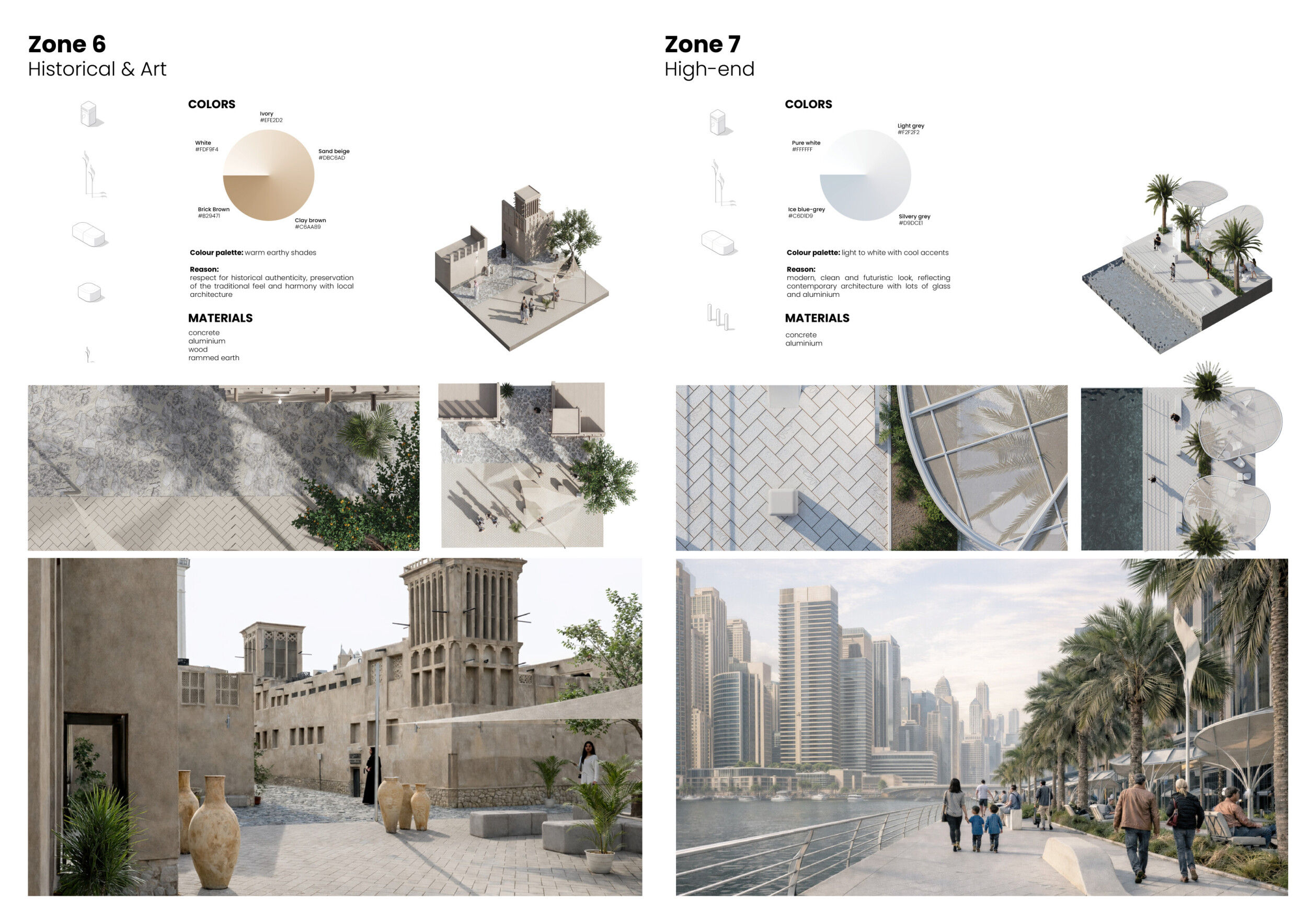
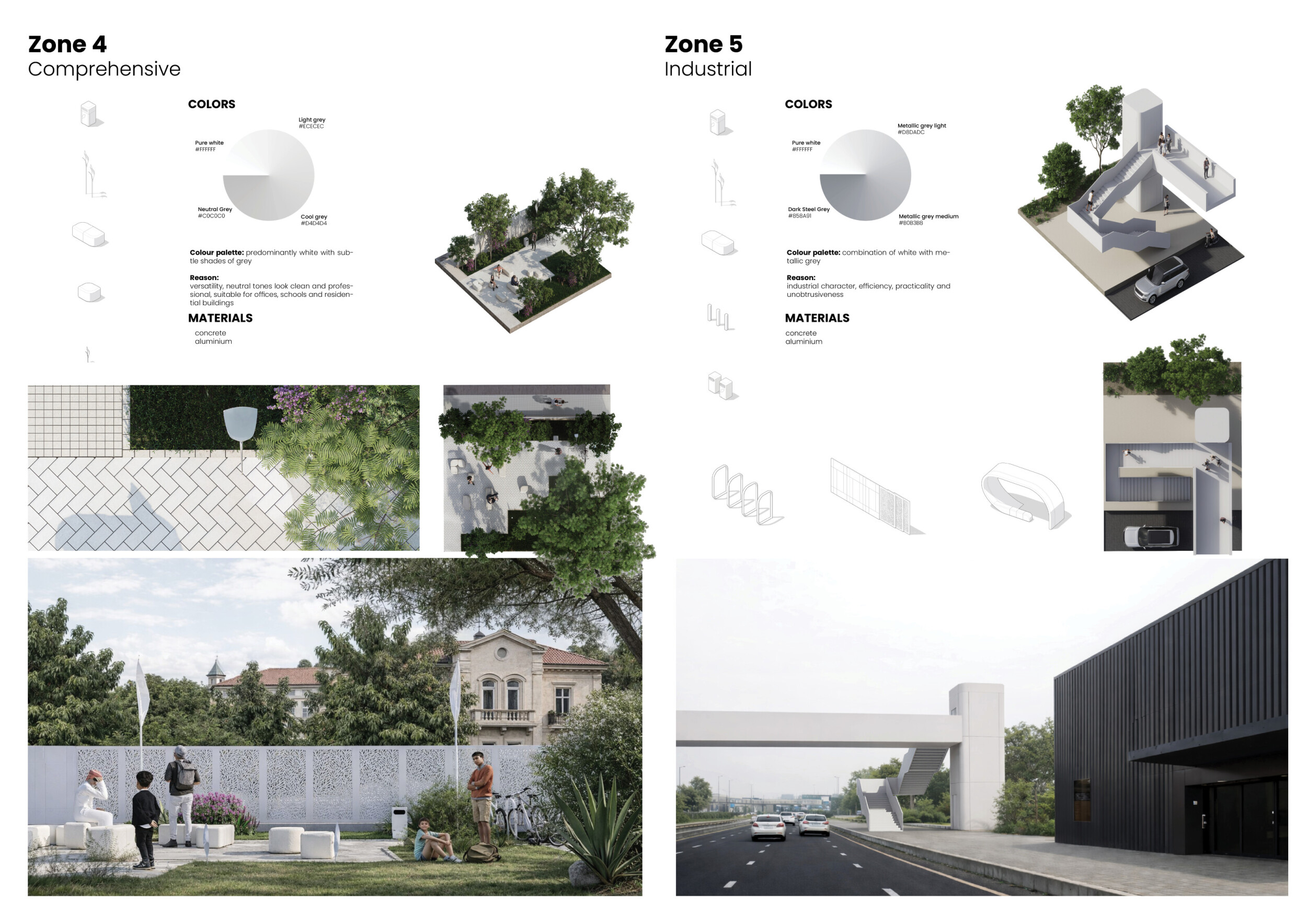
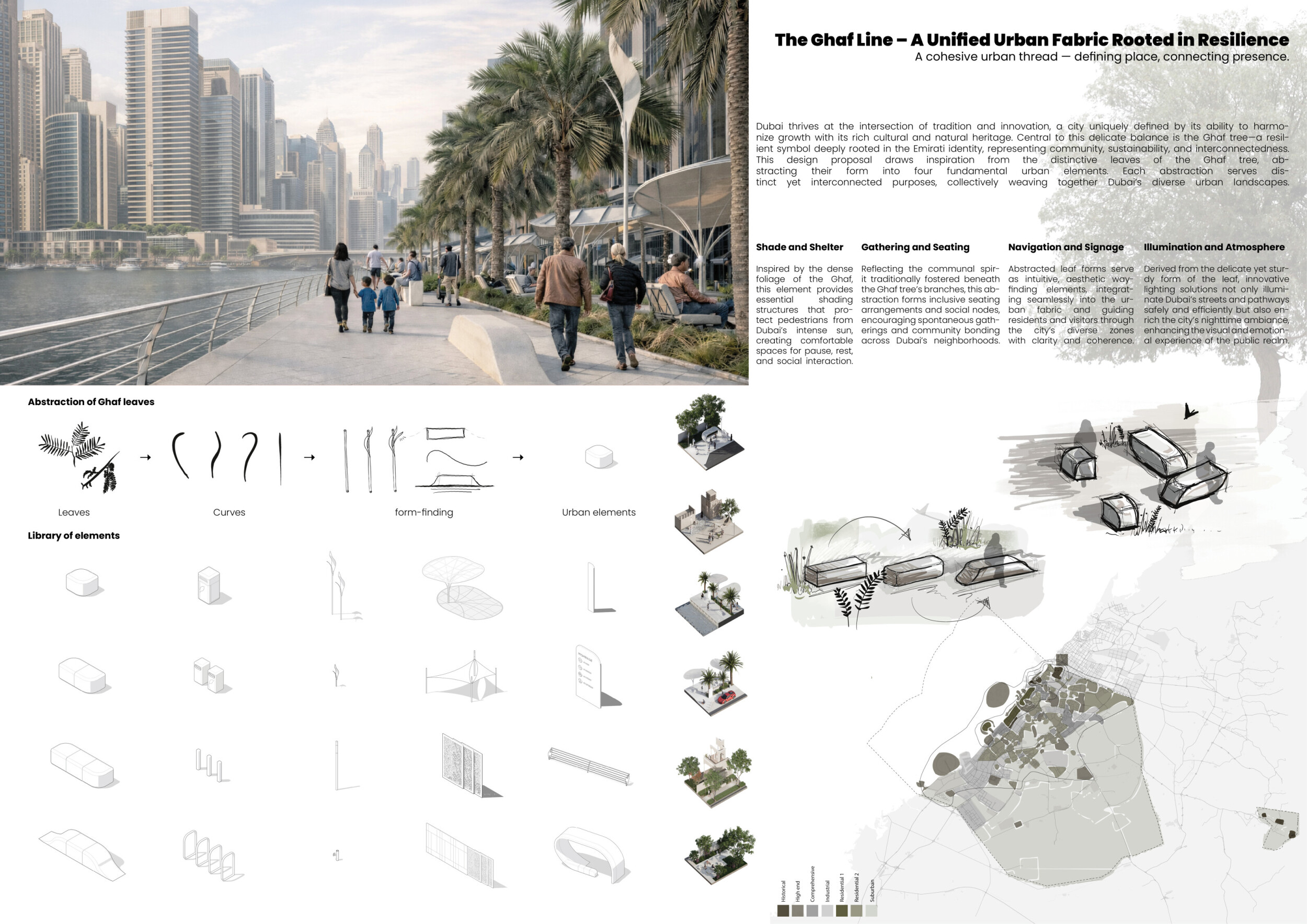
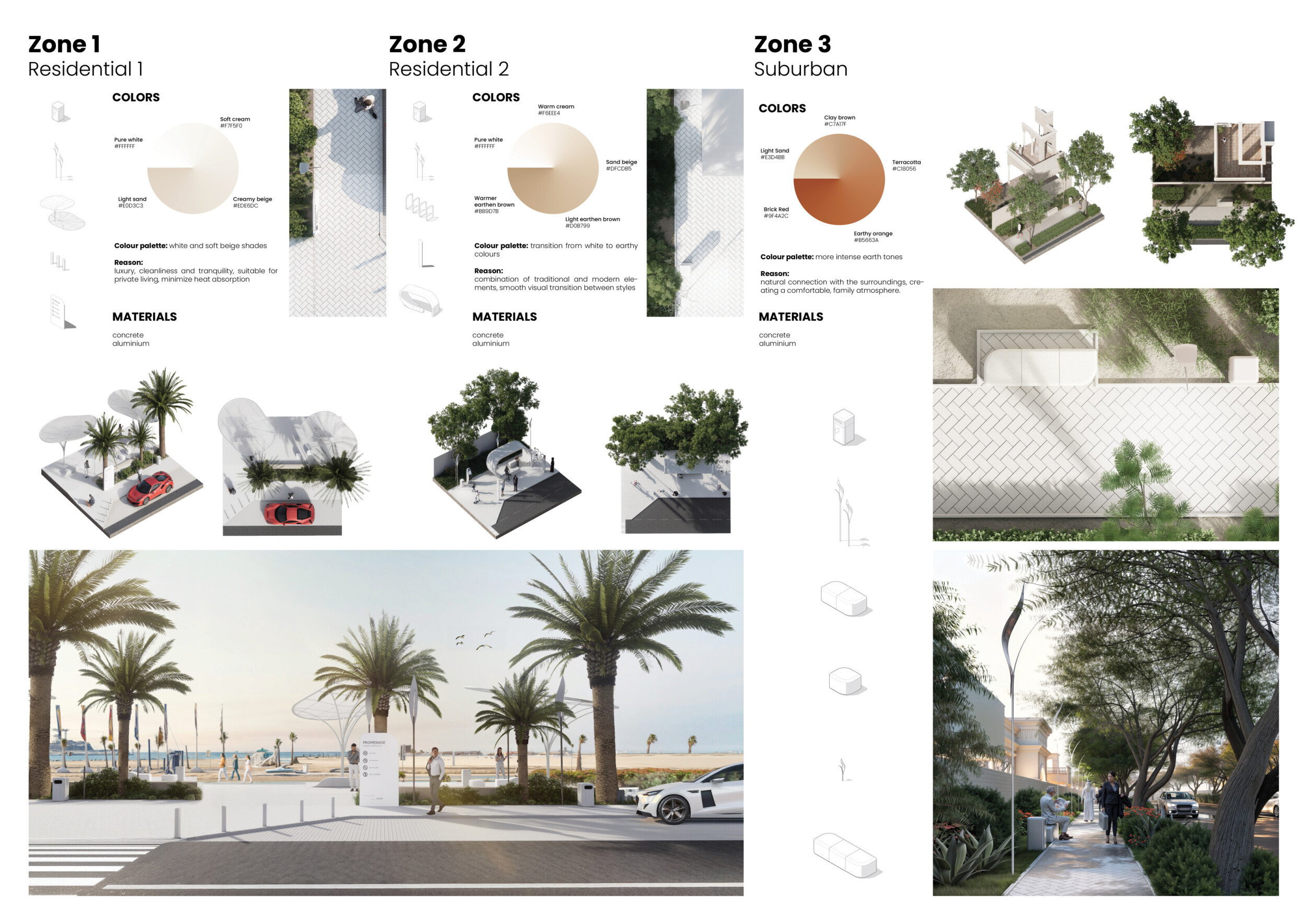
We view competitions as an essential platform for exploring diverse themes beyond the scope of academic assignments. They provide creative freedom, encourage open-minded thinking, and foster professional development. Each competition offers an opportunity to test ideas, gain experience, and deepen our understanding—regardless of the final outcome.
Read full interview
Jury feedback summary
This proposal establishes a cohesive, city-wide design language for Dubai through a modular system of urban elements inspired by the native Ghaf tree. Abstractions of the tree’s leaves inform the geometry of seating, shading structures, lighting, and signage, offering a culturally grounded yet contemporary identity. The design operates at multiple scales, from street-level installations to district-wide coherence.
Shortlisted projects
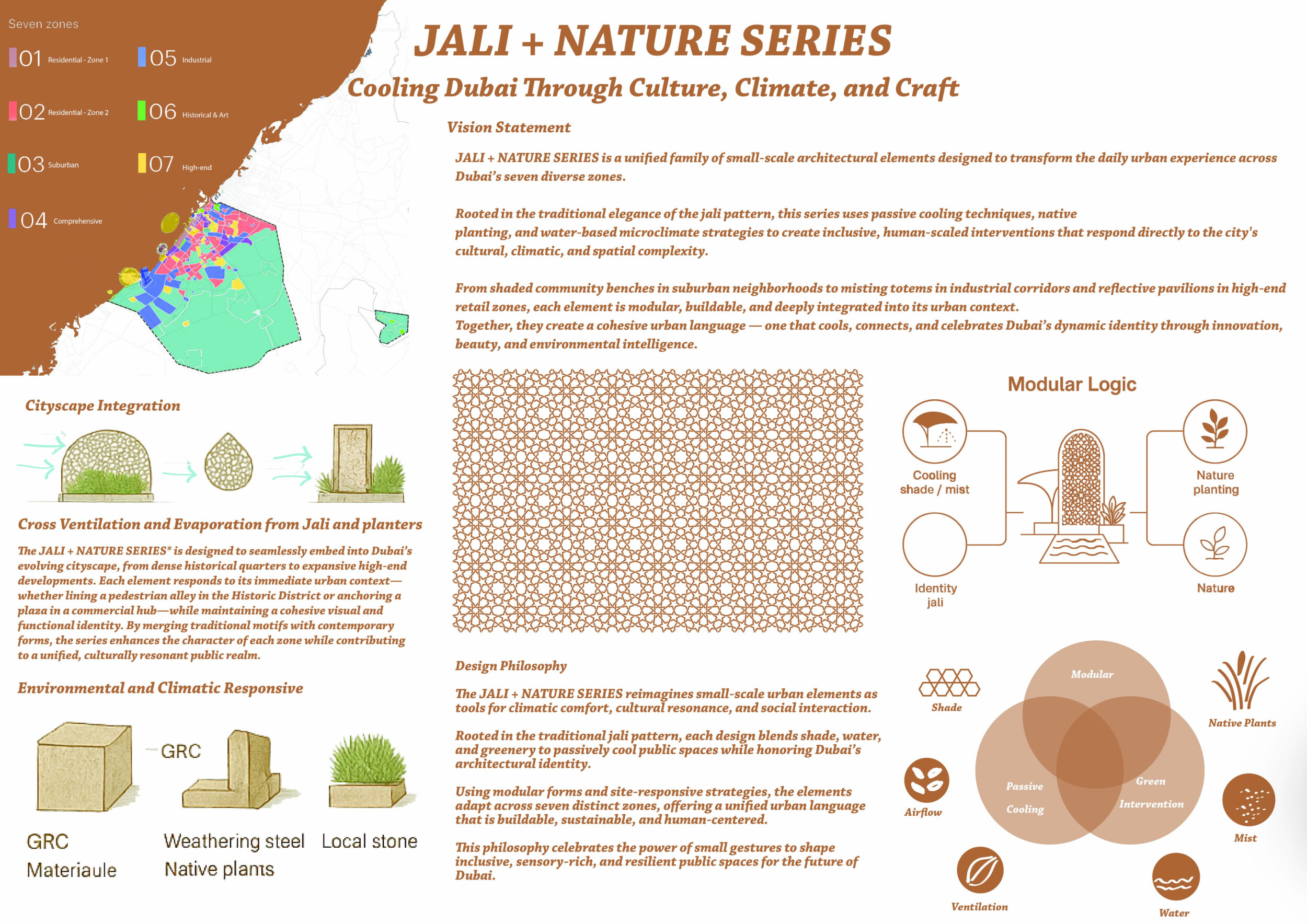
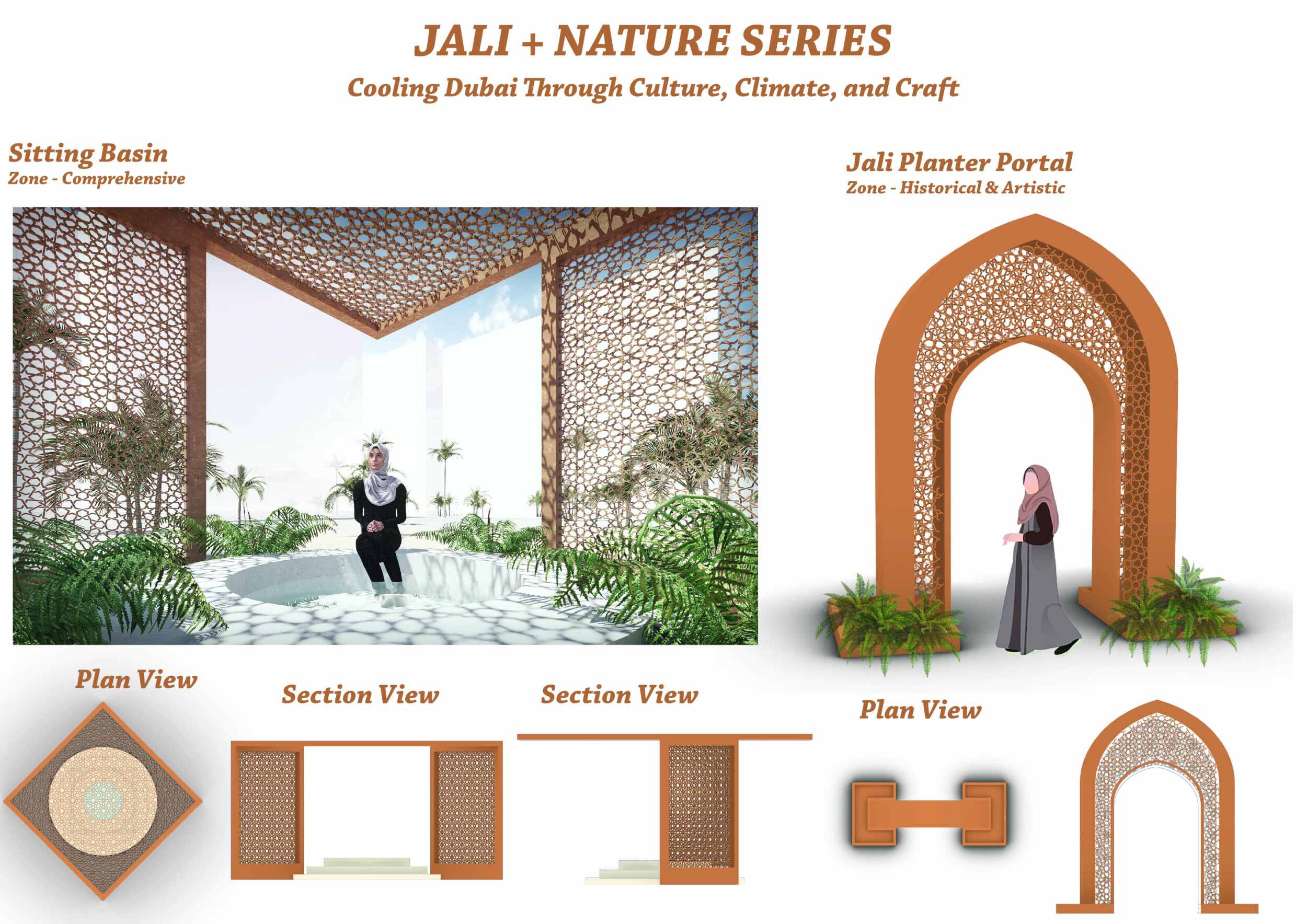
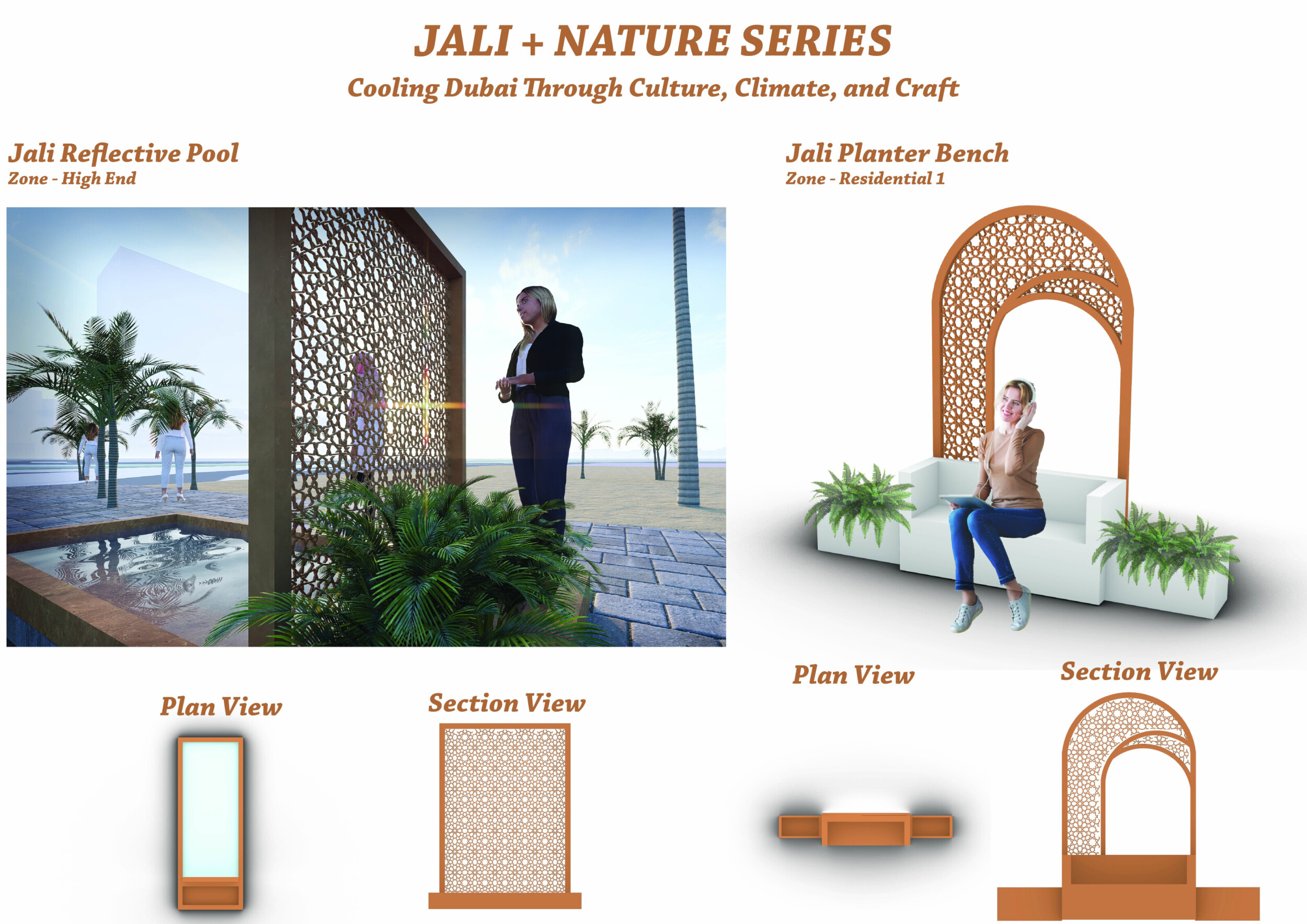
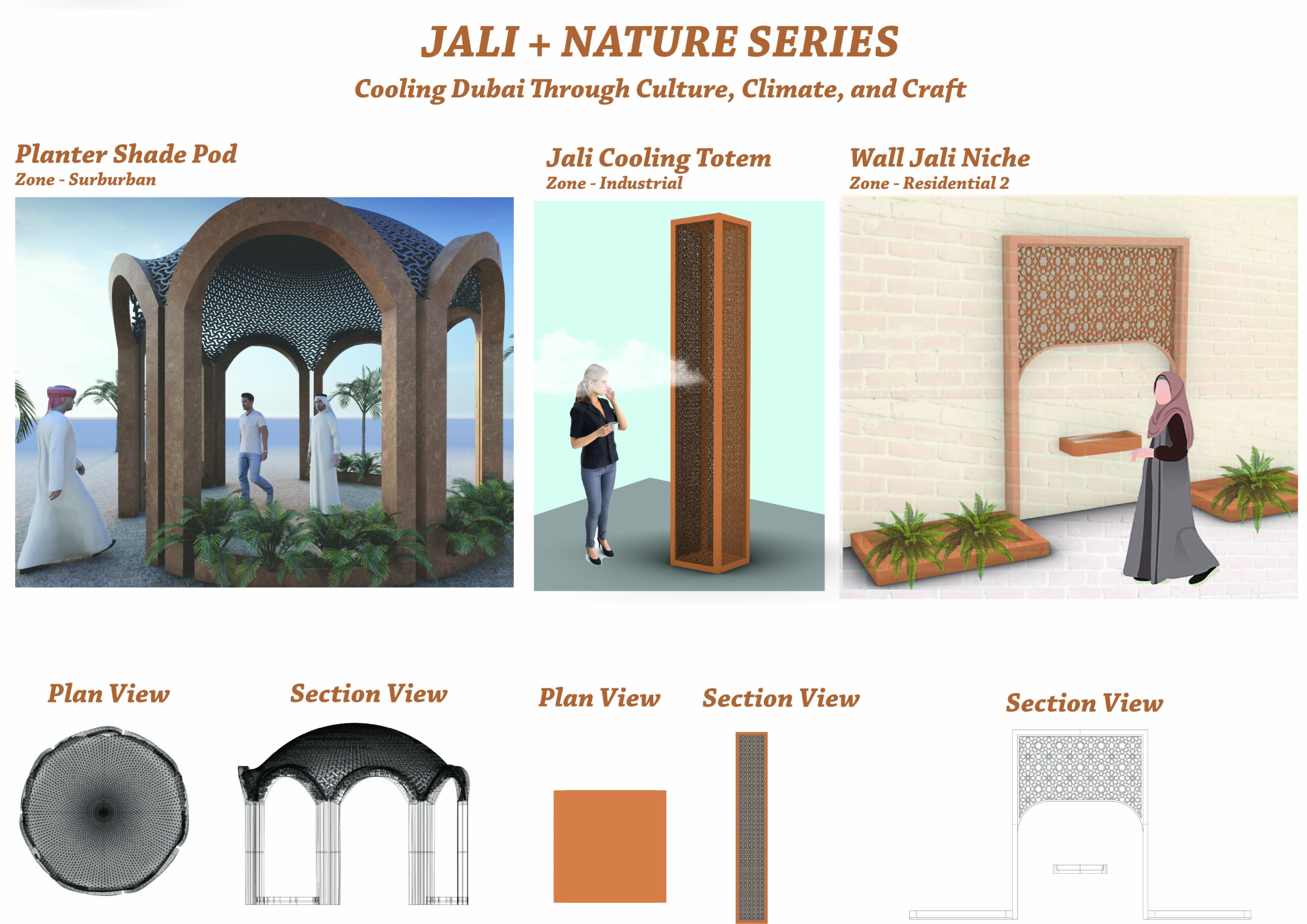
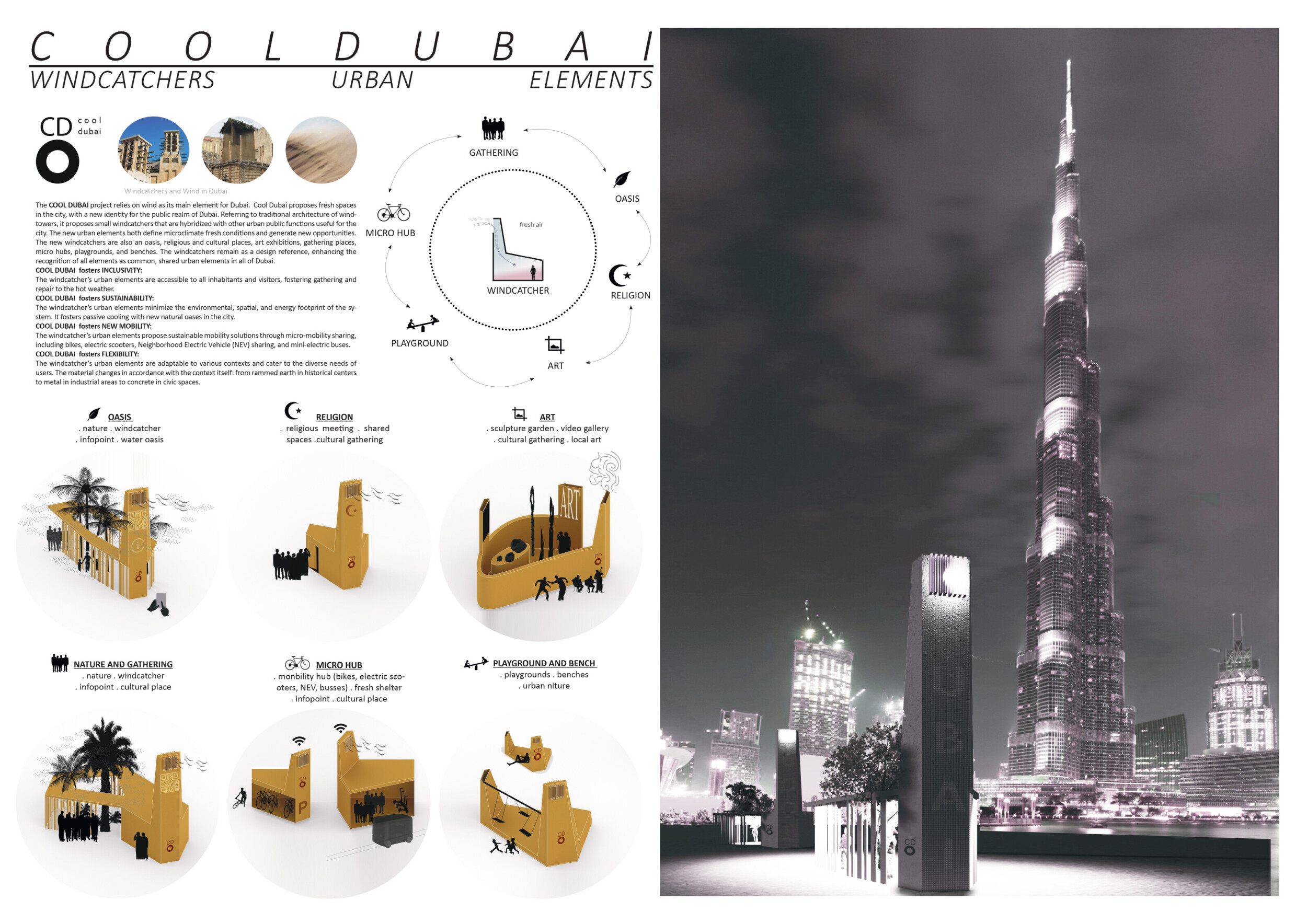
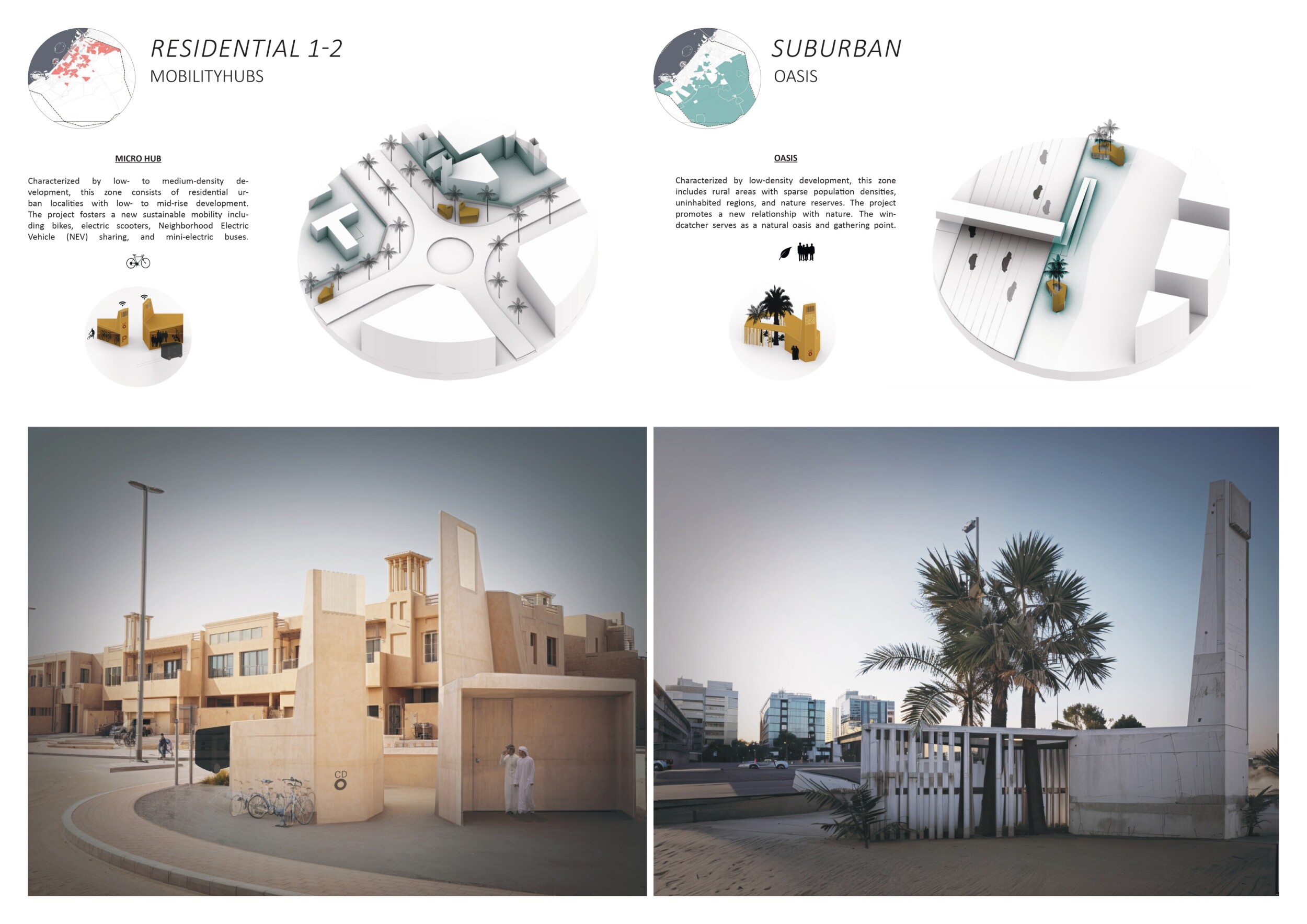
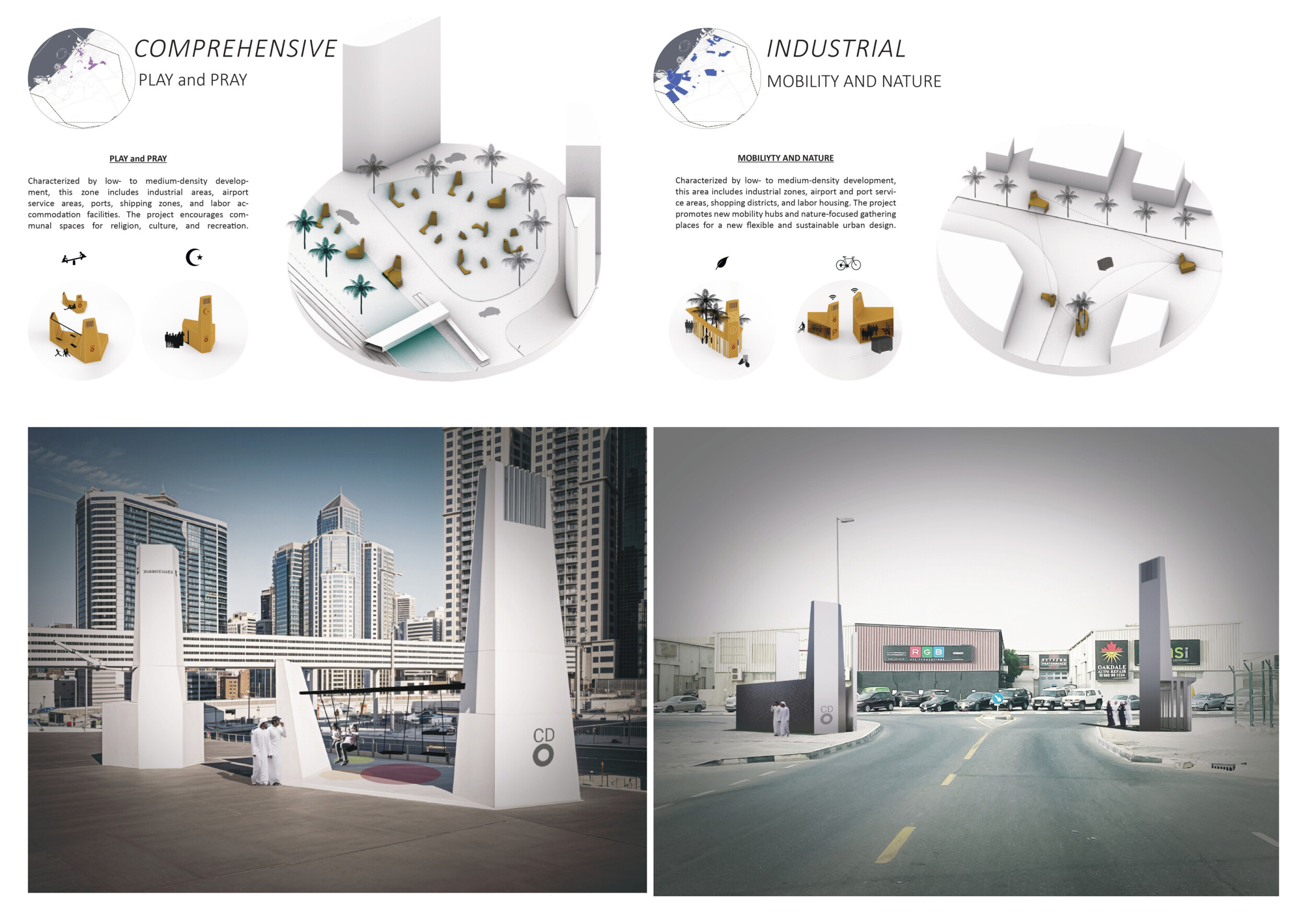
CoolDubai
 Italy
Italy The Language of Place: A Catalogue of Tailored Urban Elements
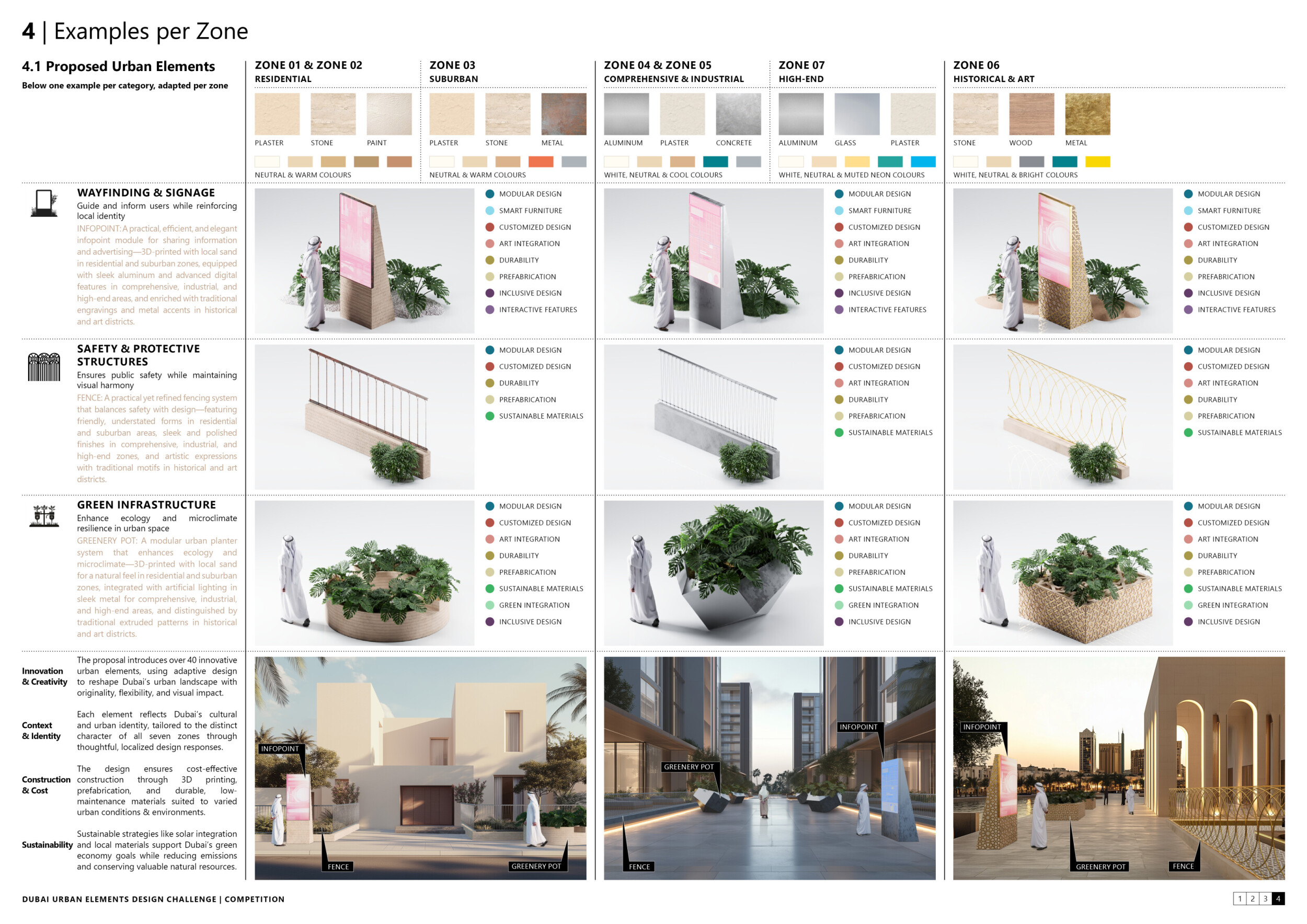
The Ghaf Line
The Living City
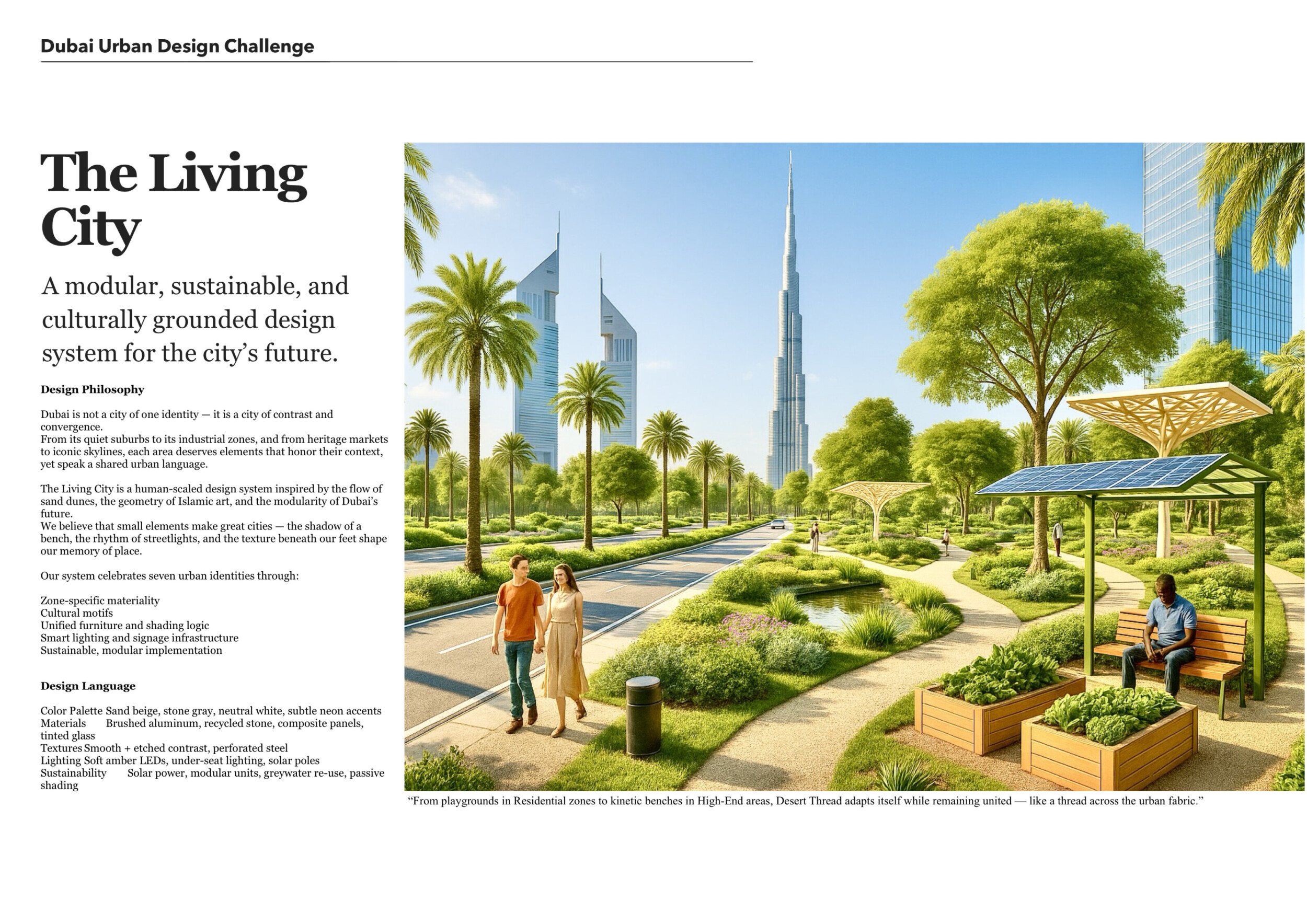
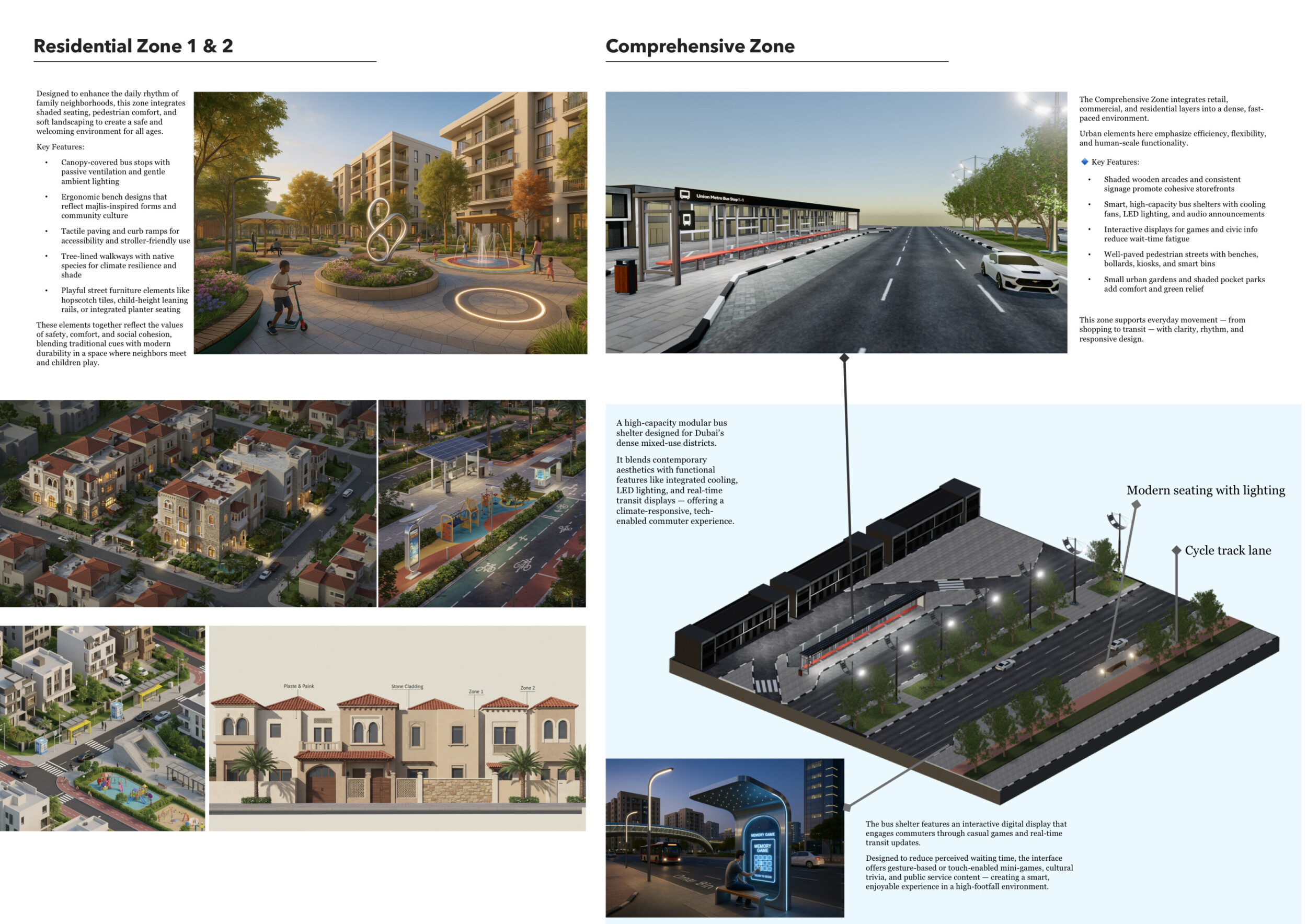
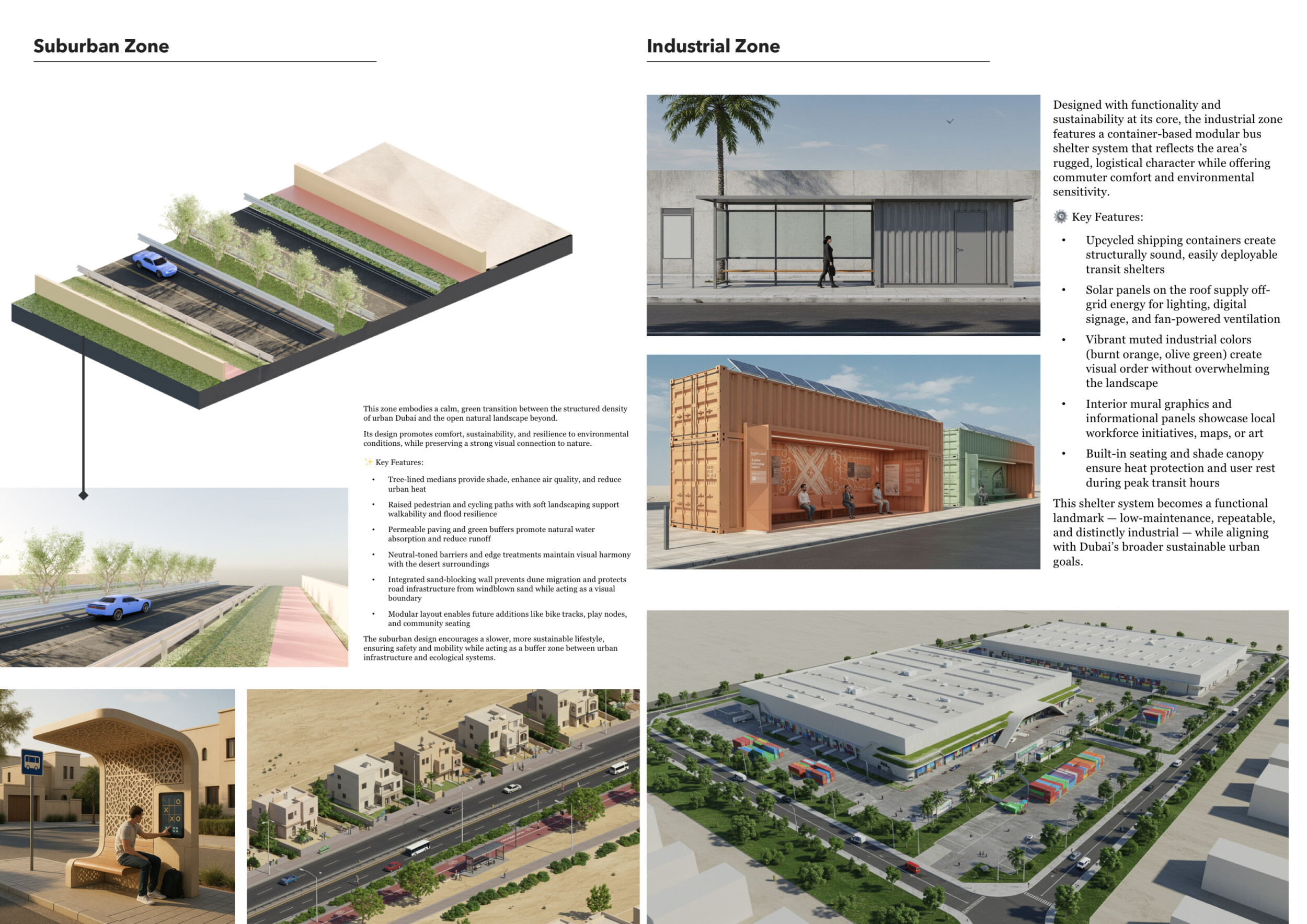
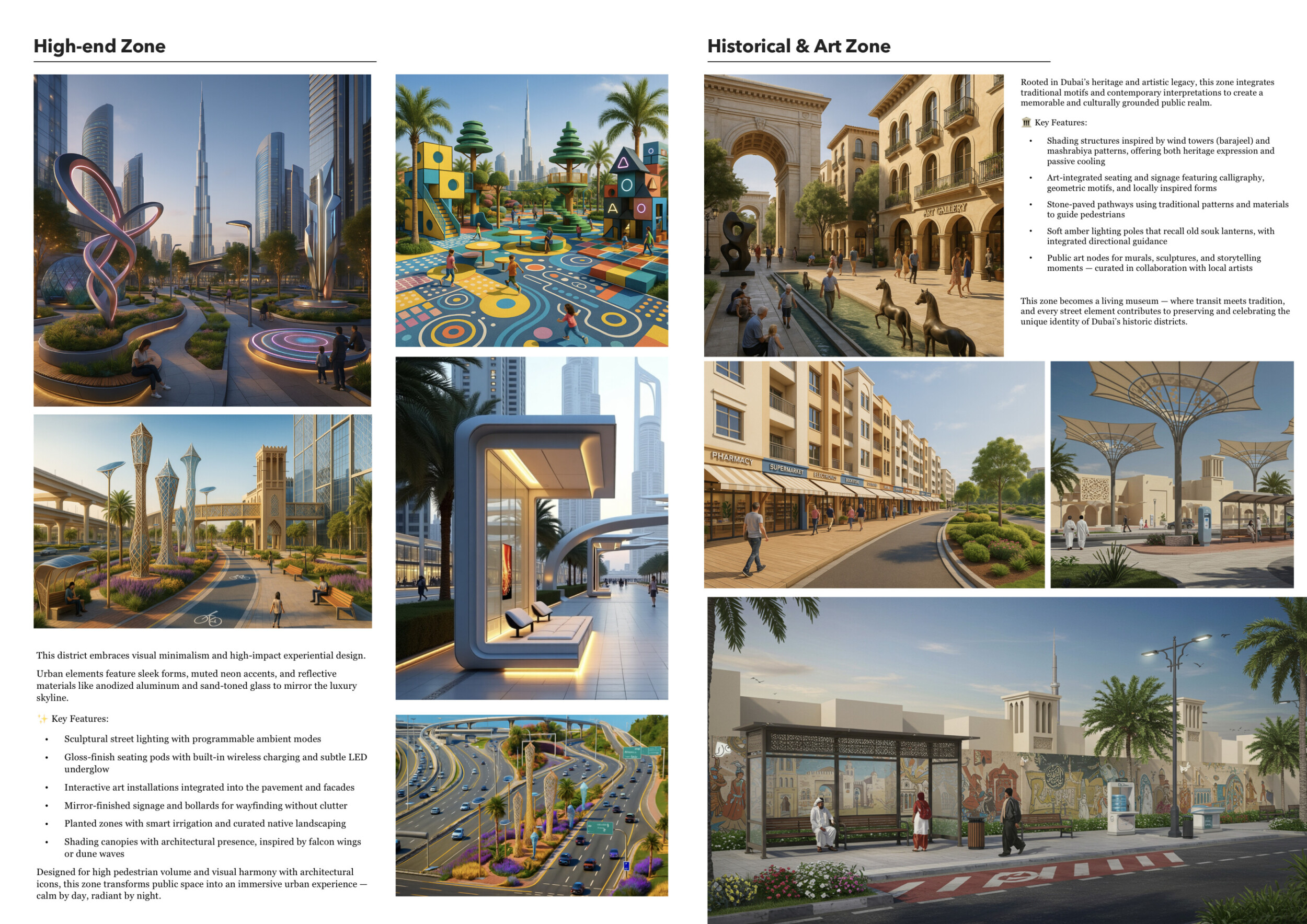

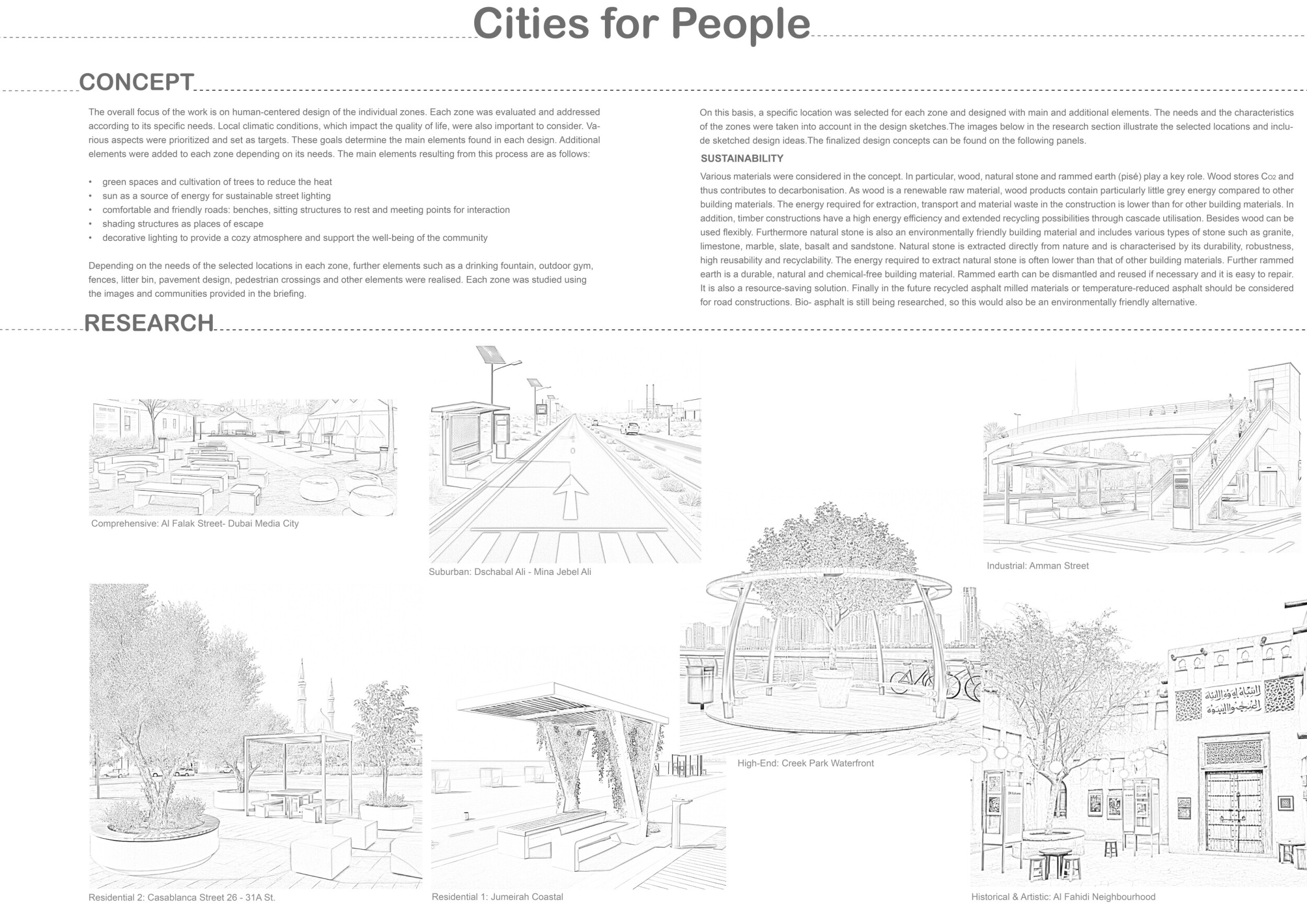
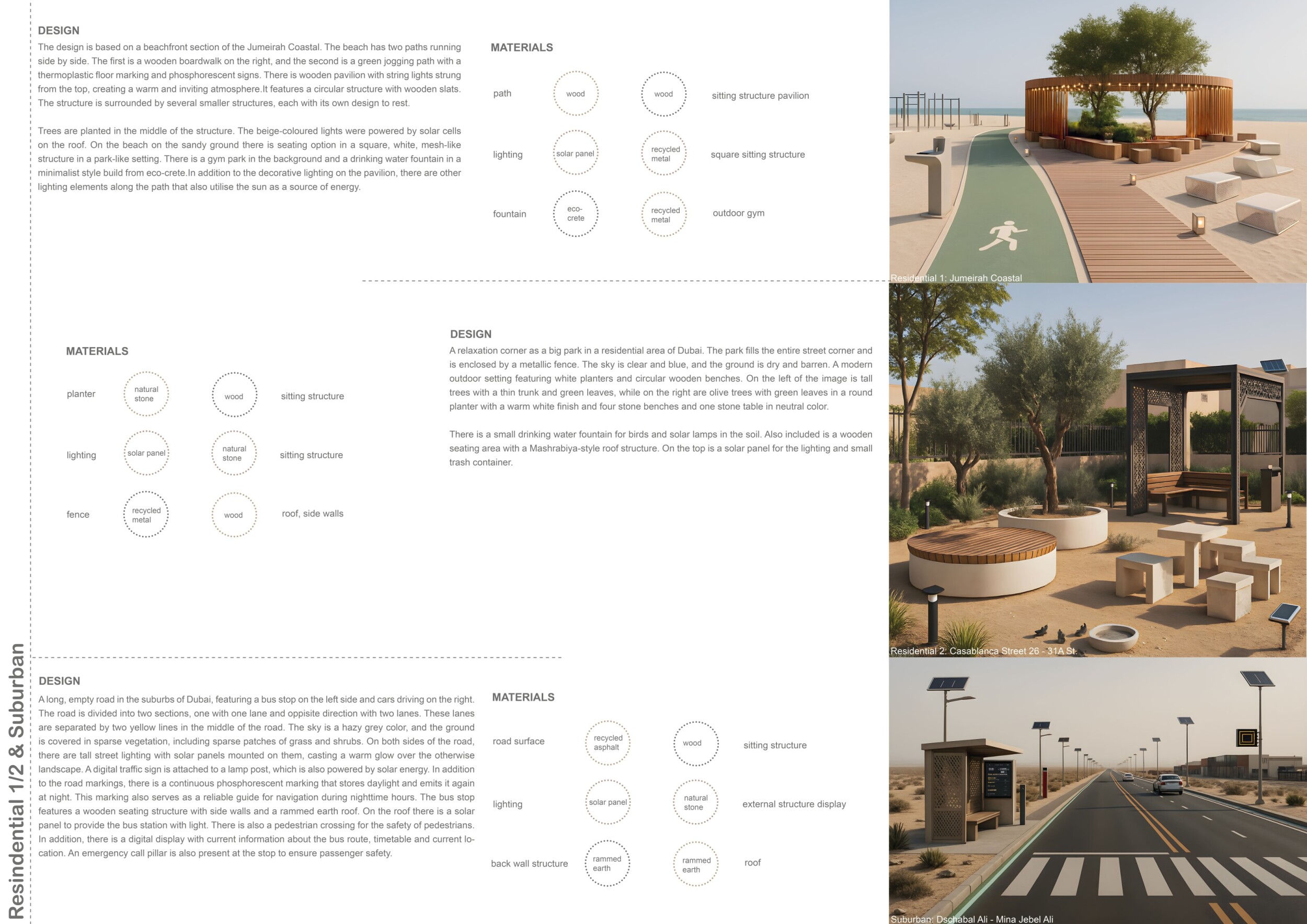
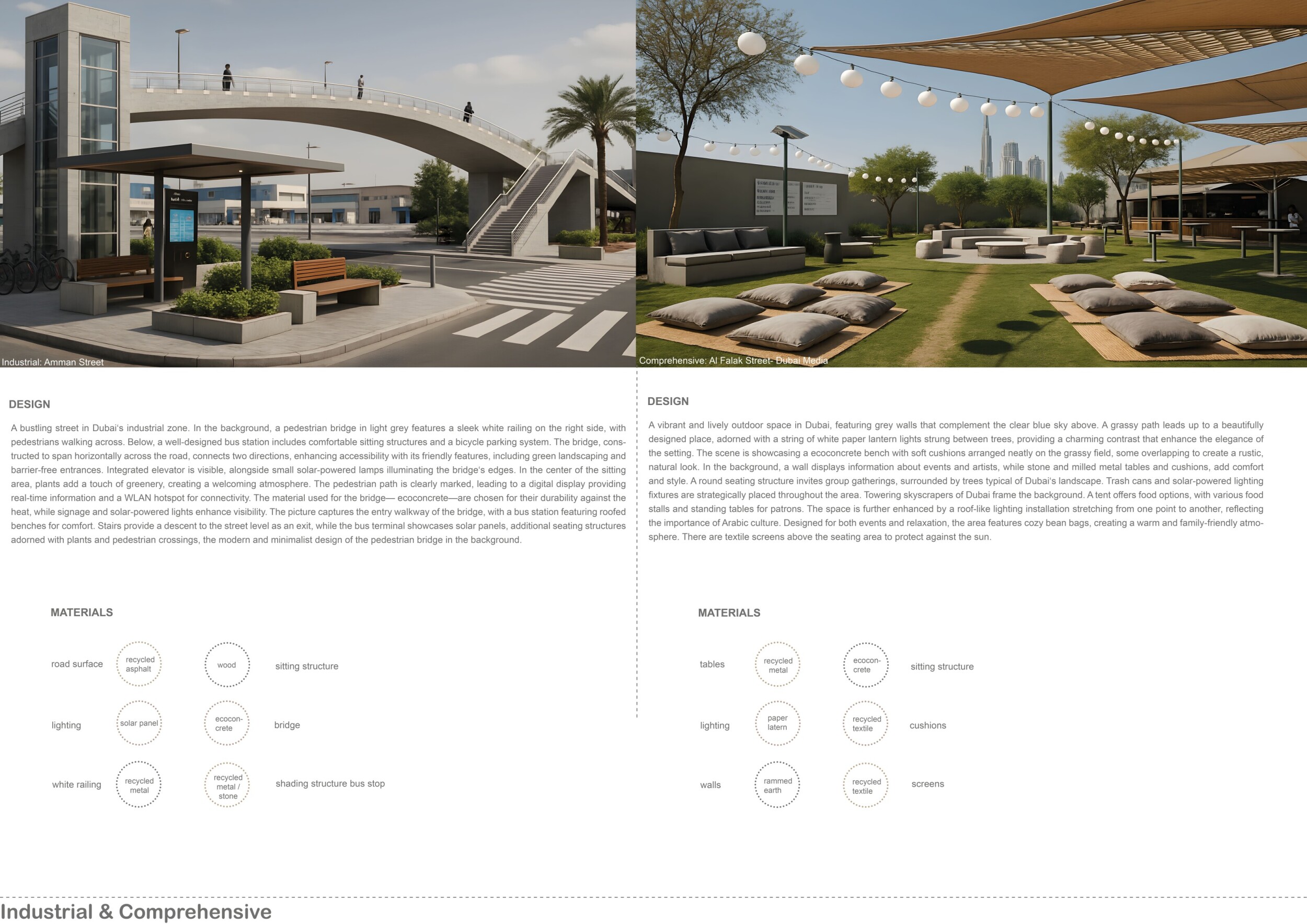
Cities for People

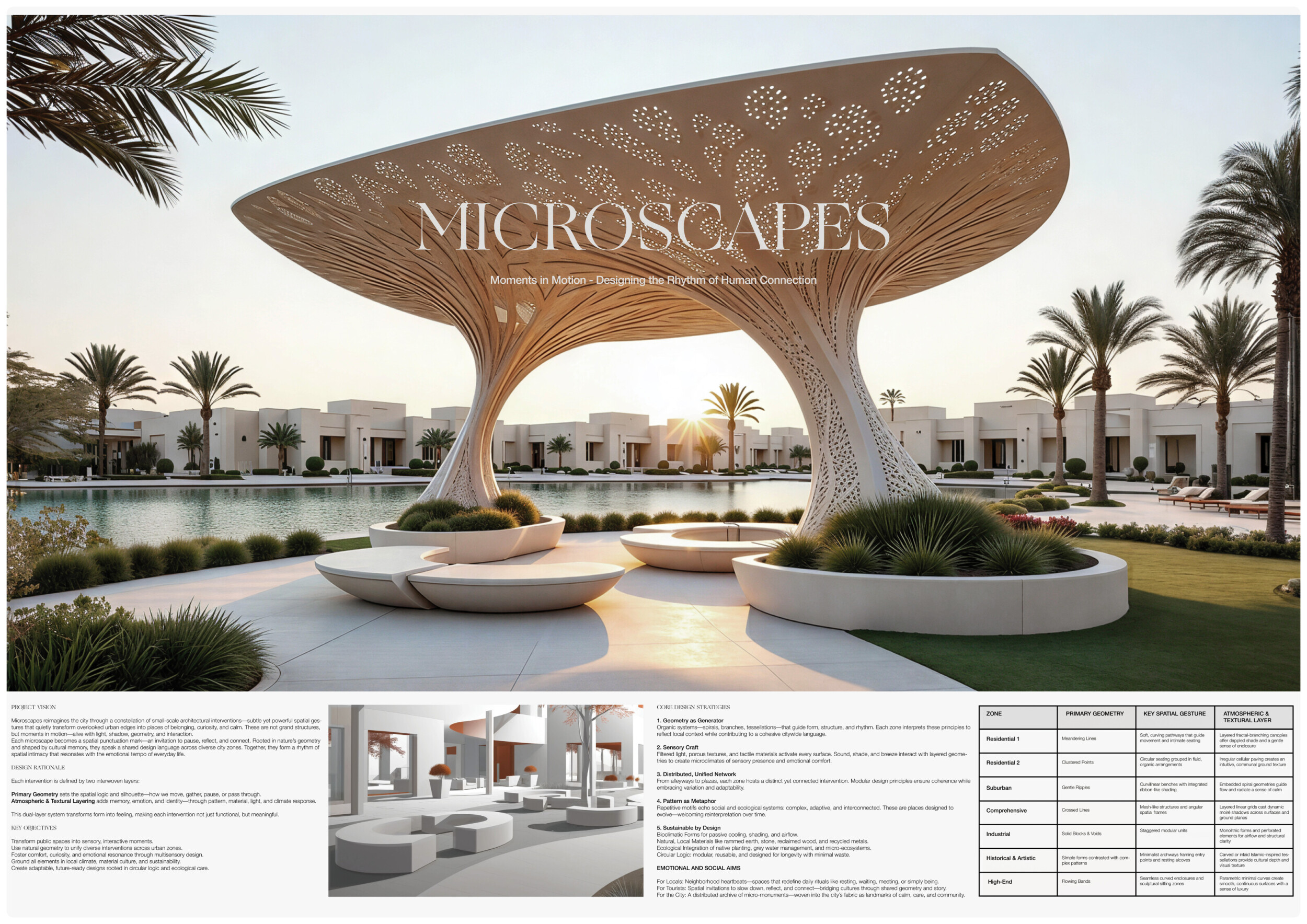
Microscapes
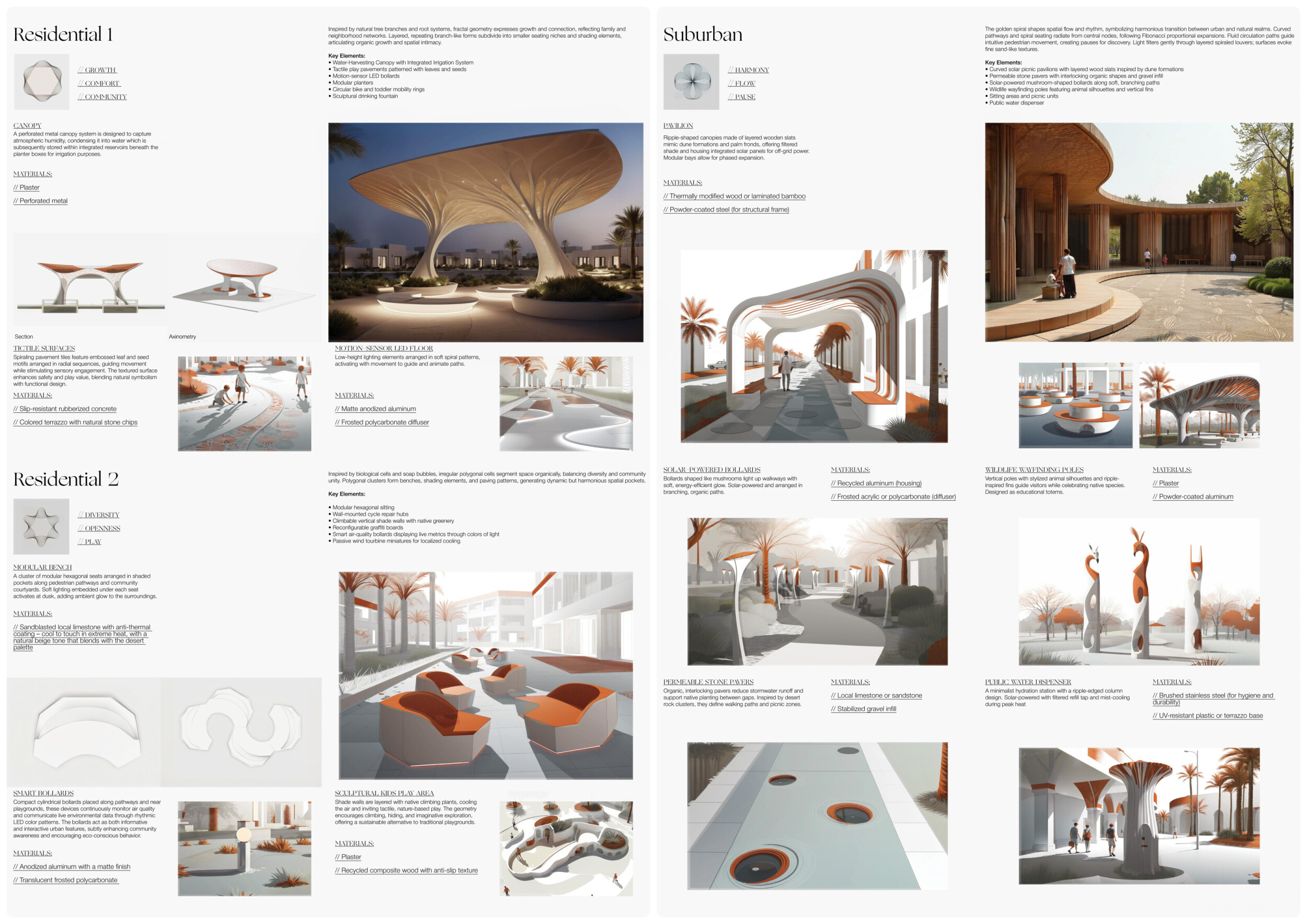
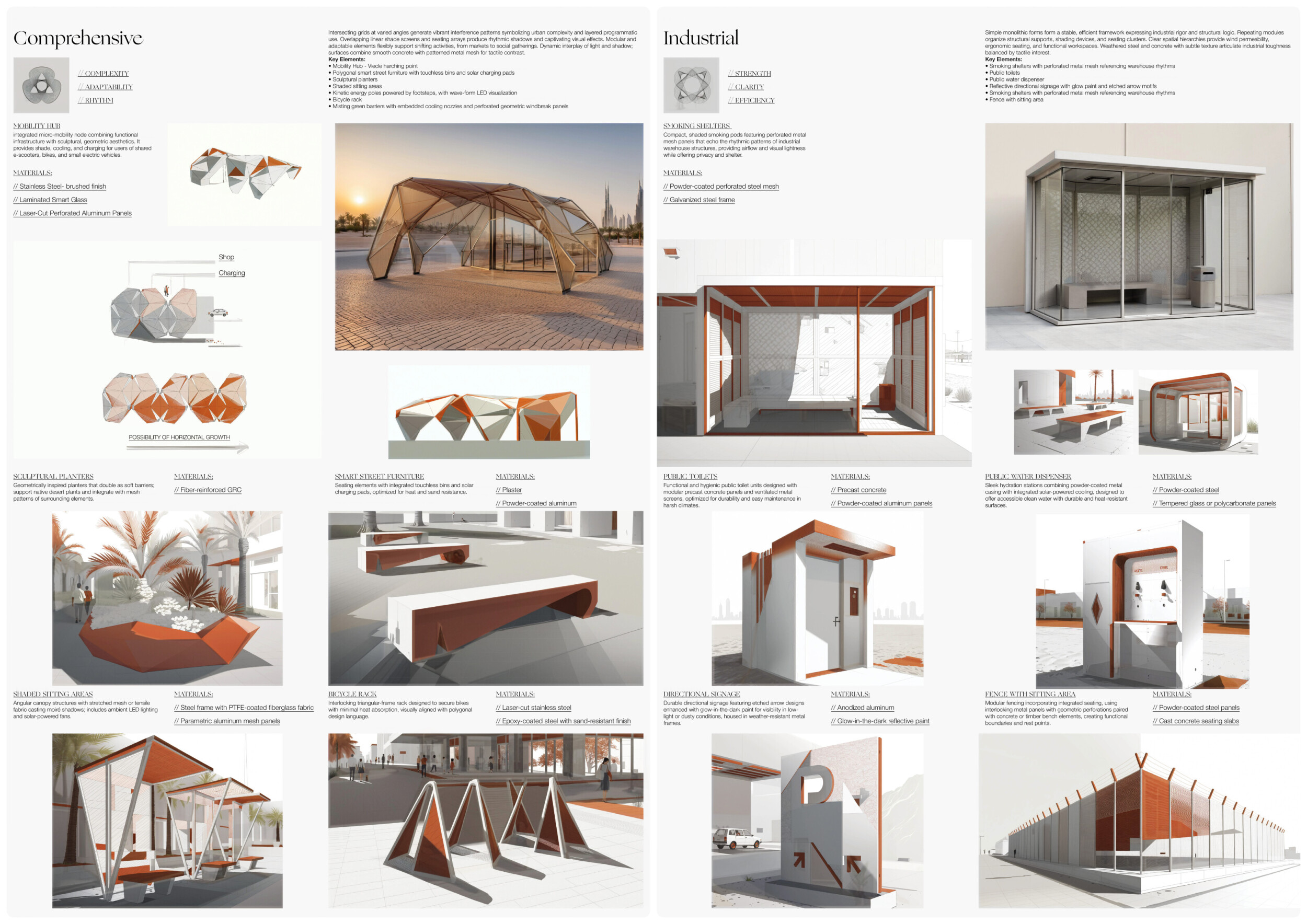
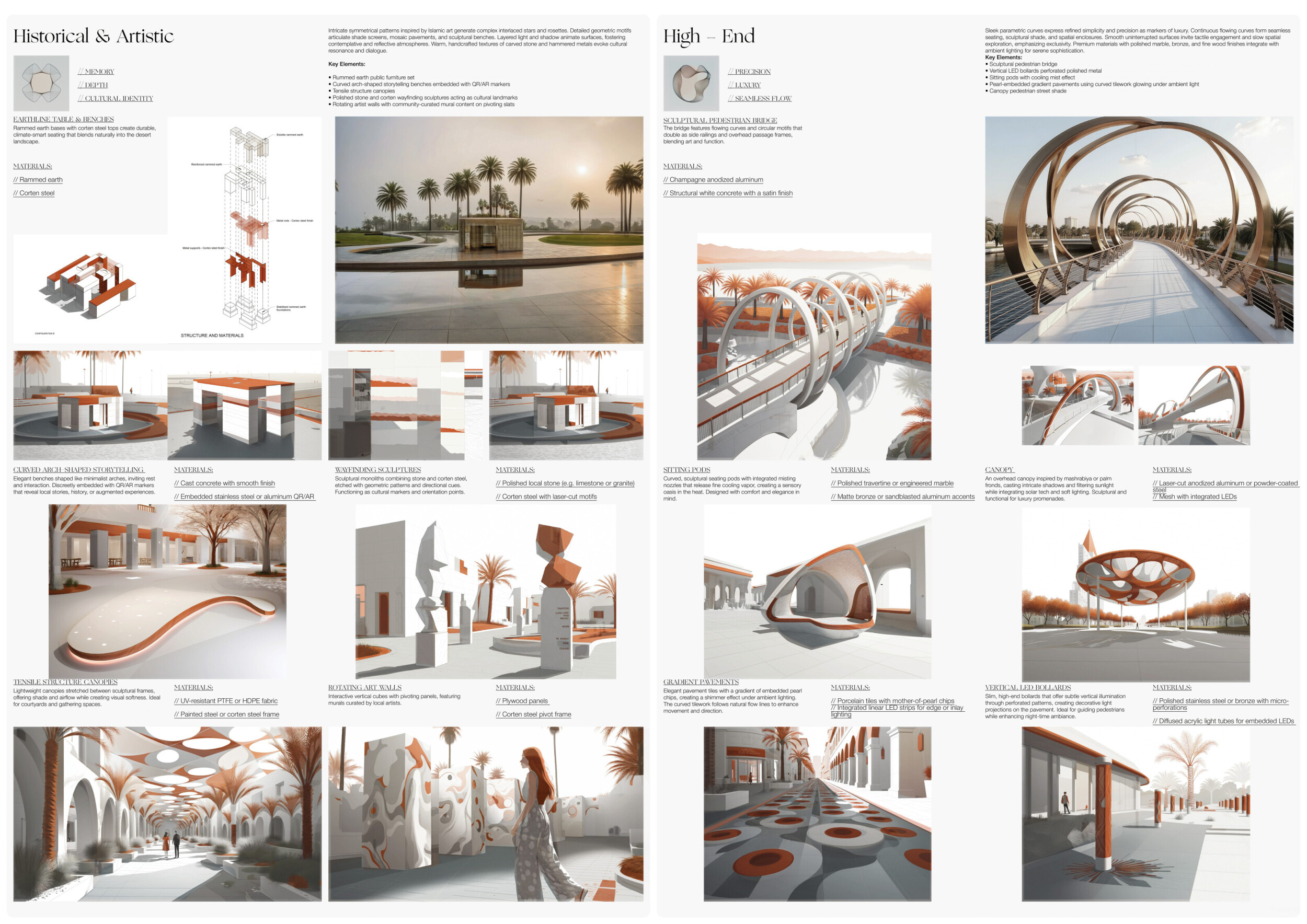
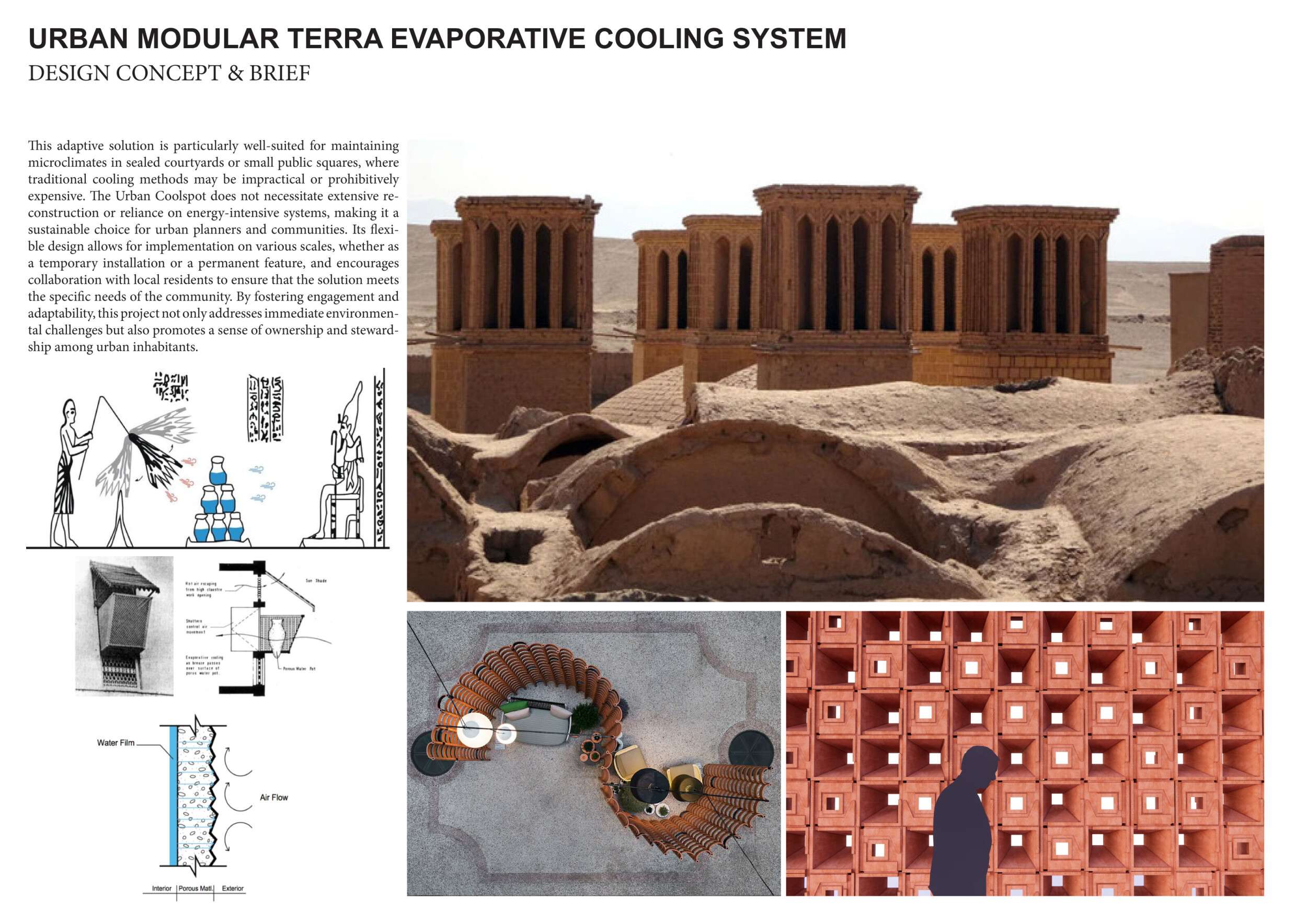
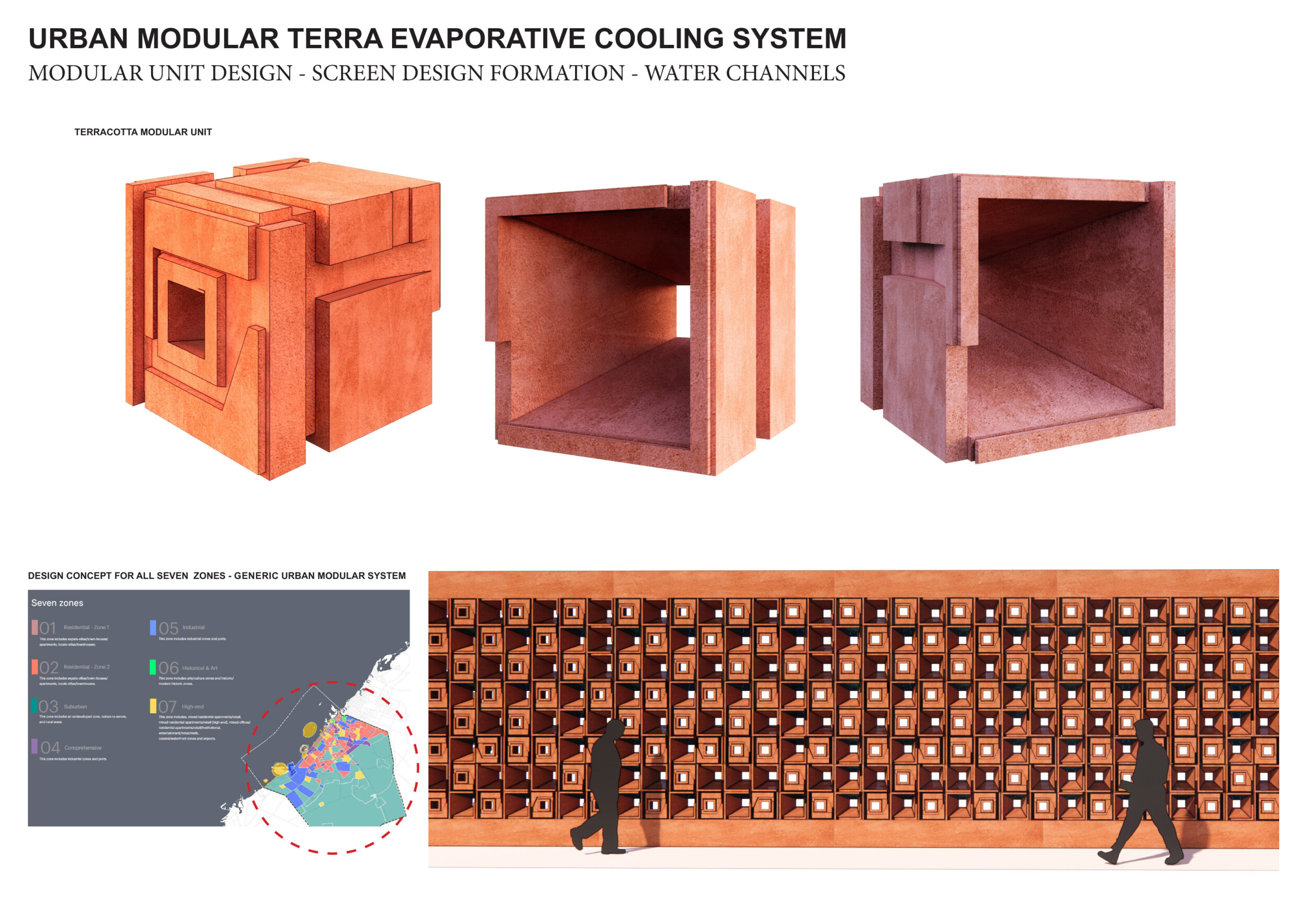
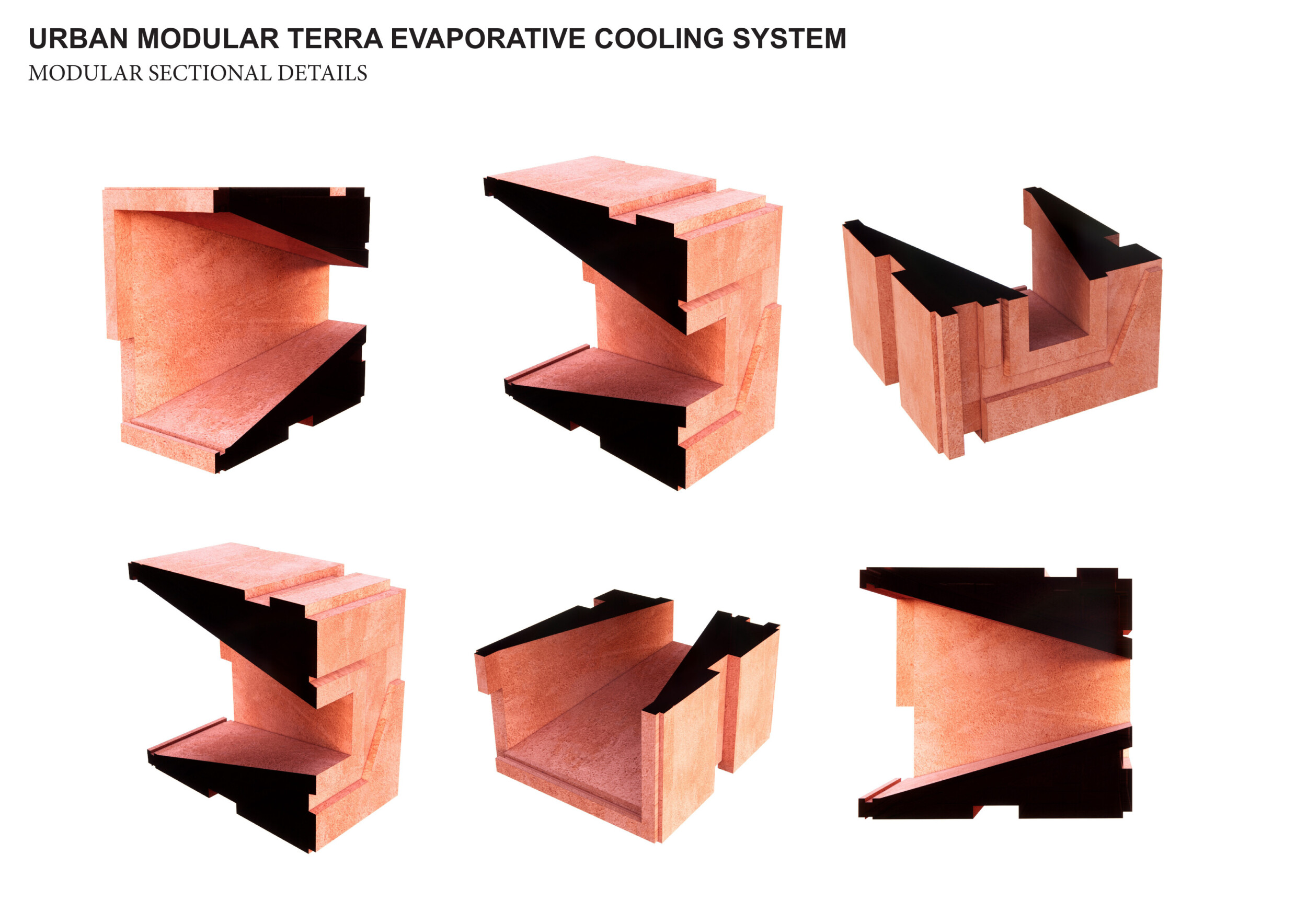
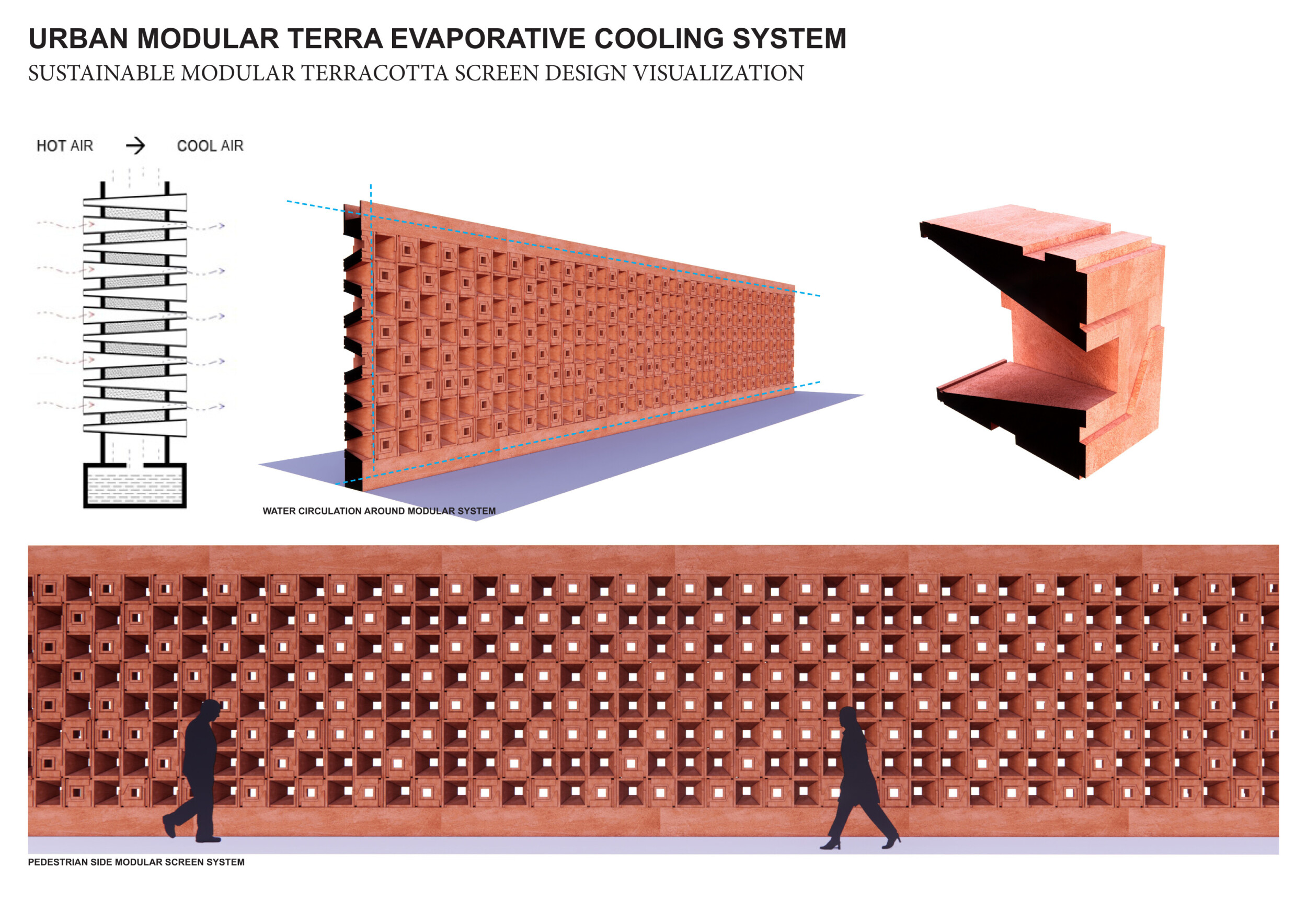
URBAN MODULAR TERRA EVAPORATIVE COOLING SYSTEM

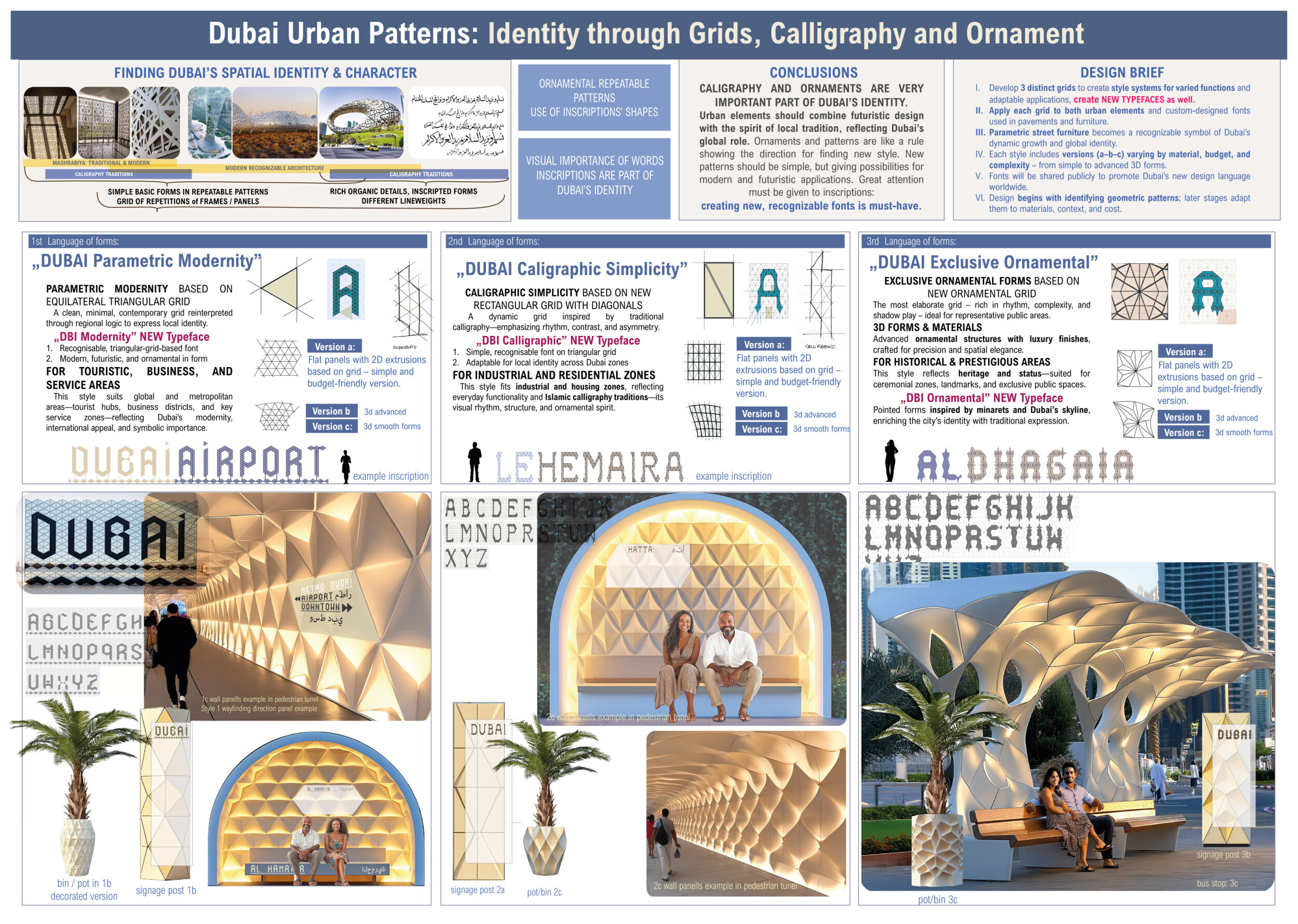
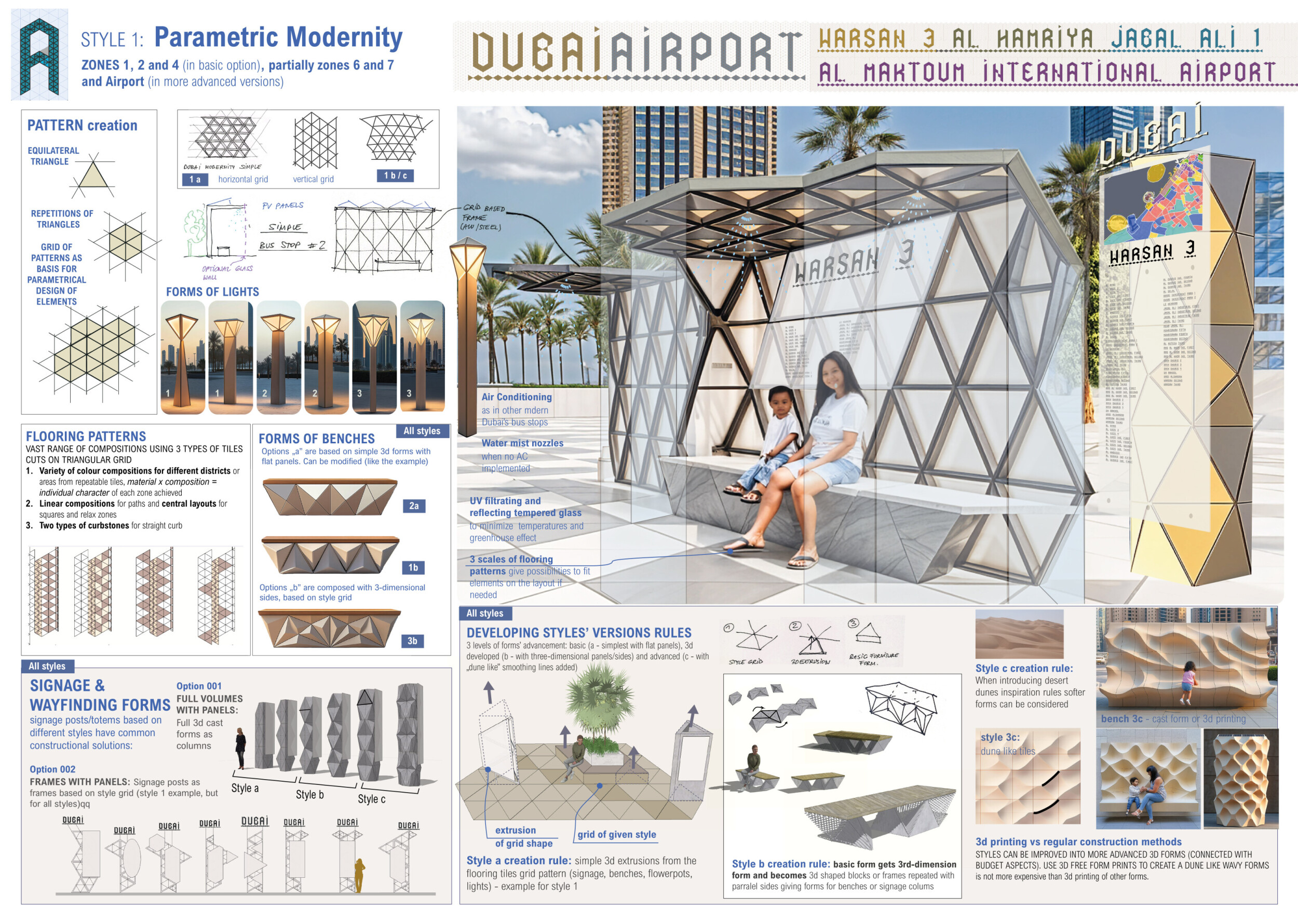
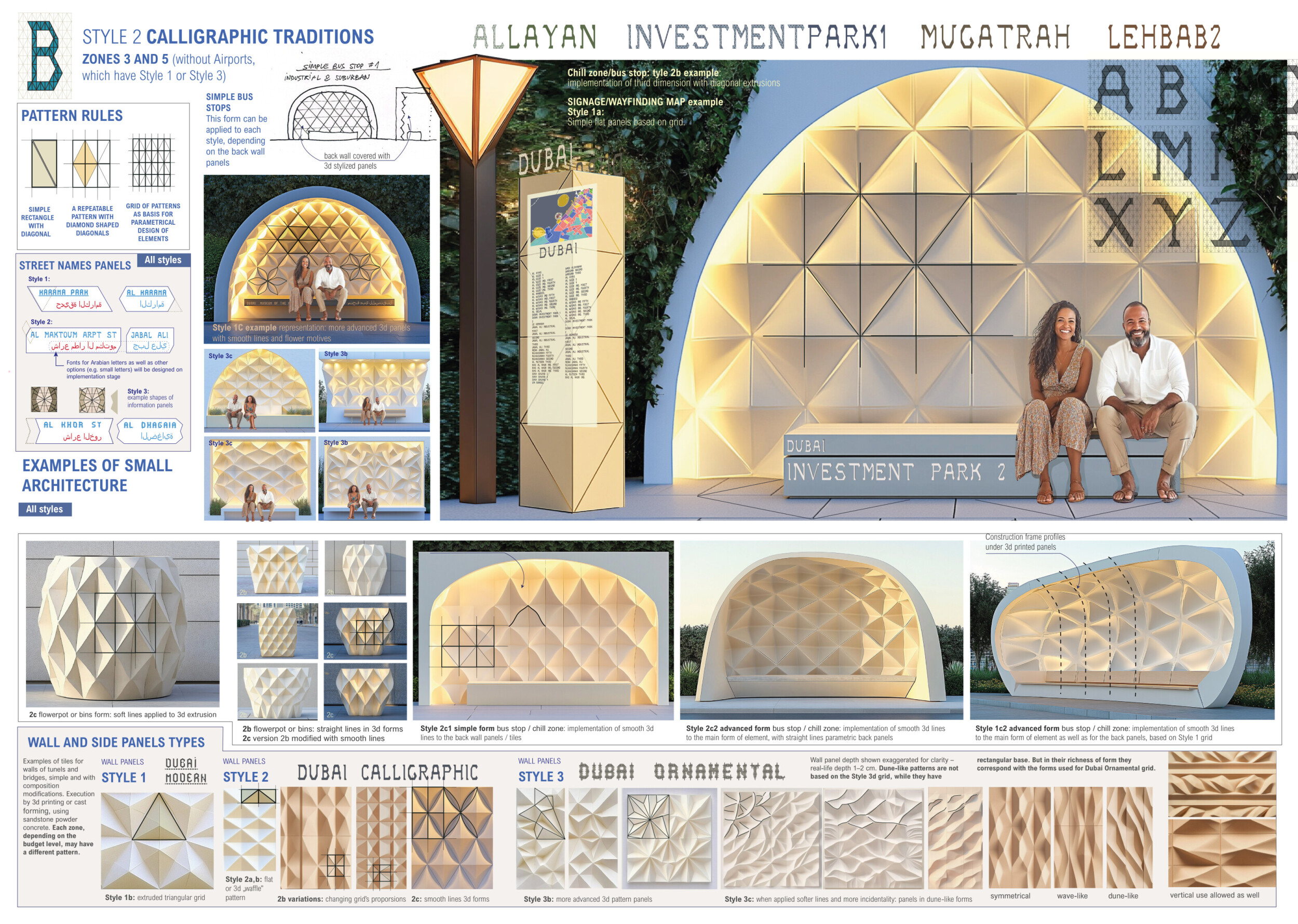
Dubai Urban Patterns
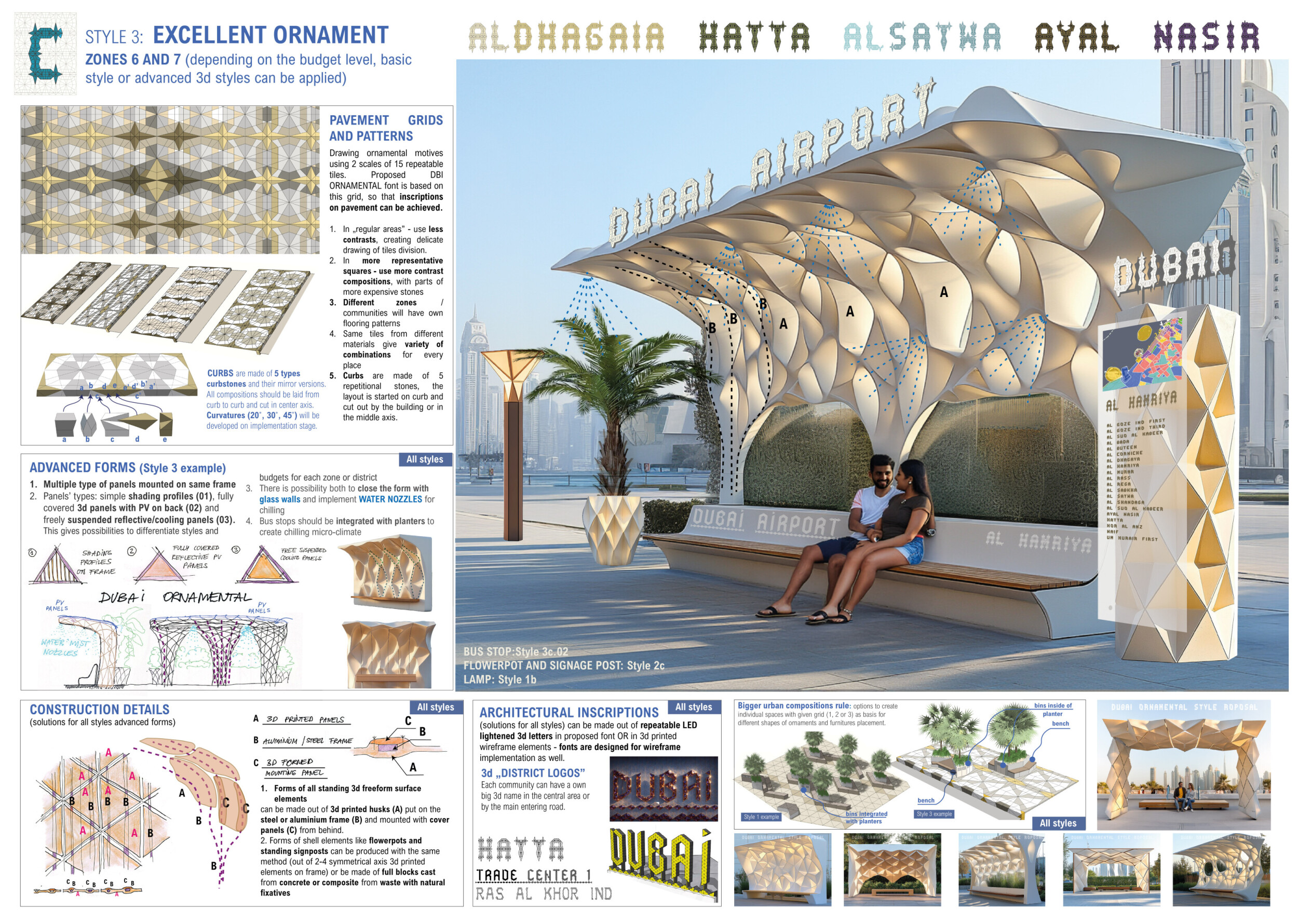

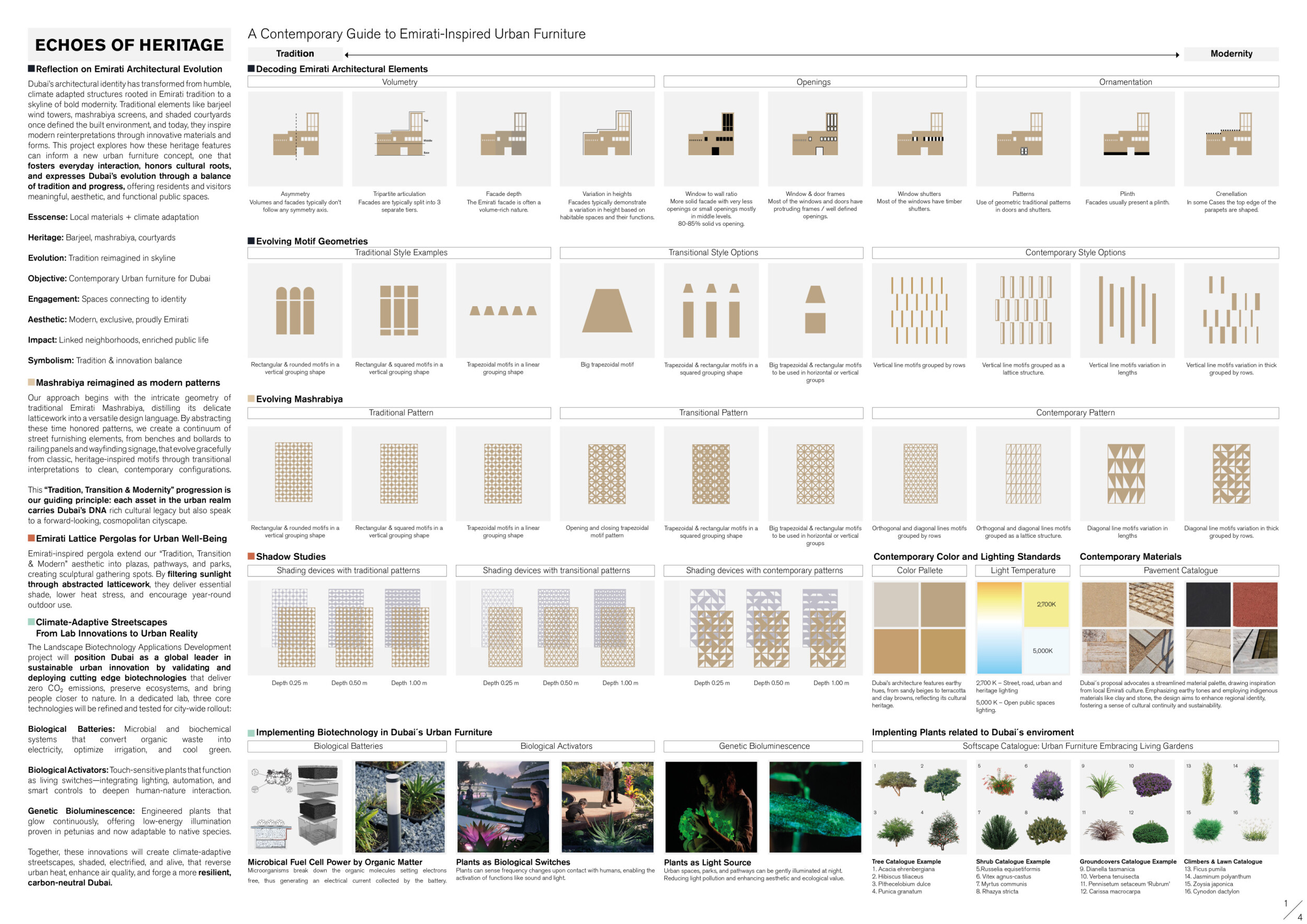
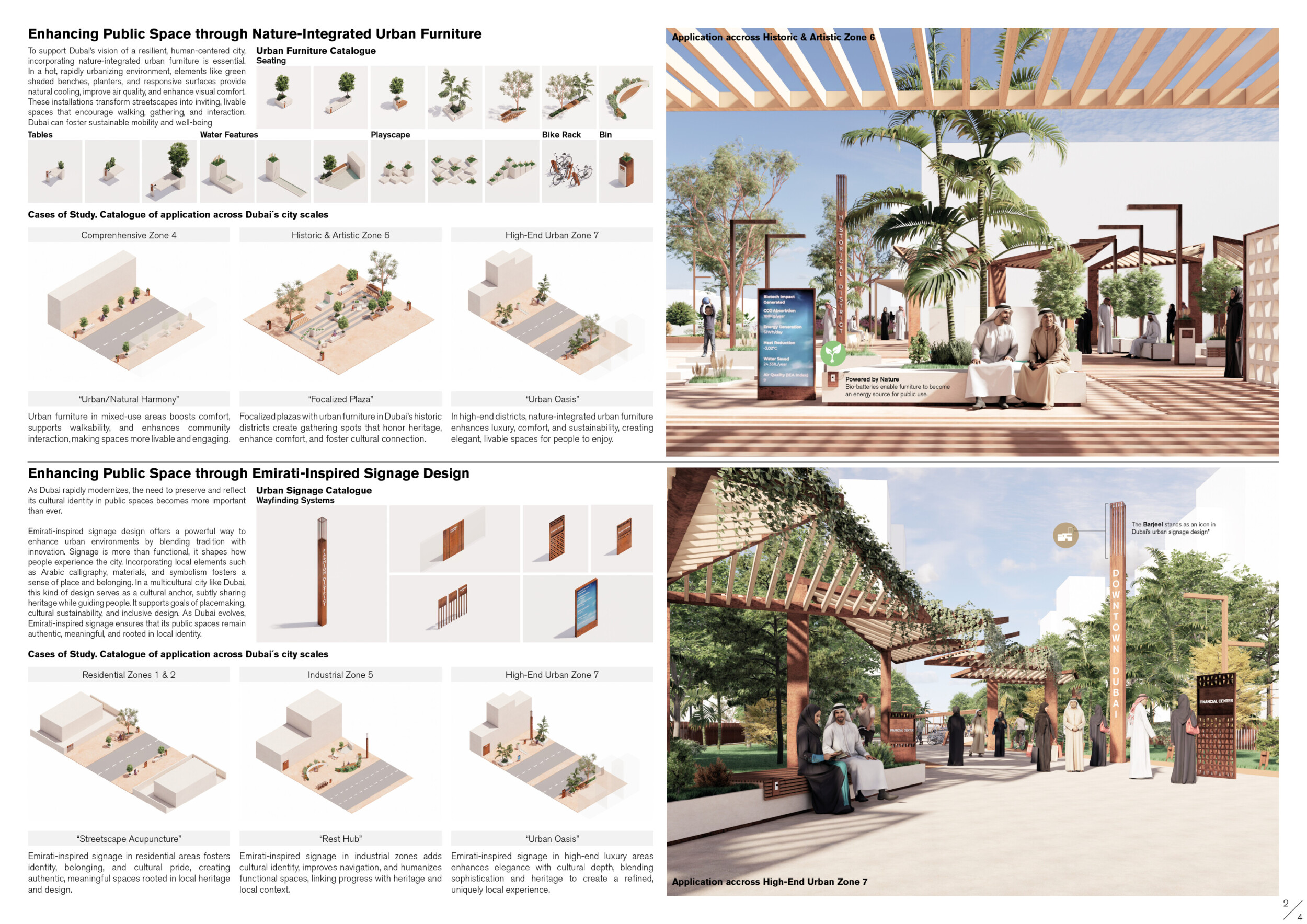
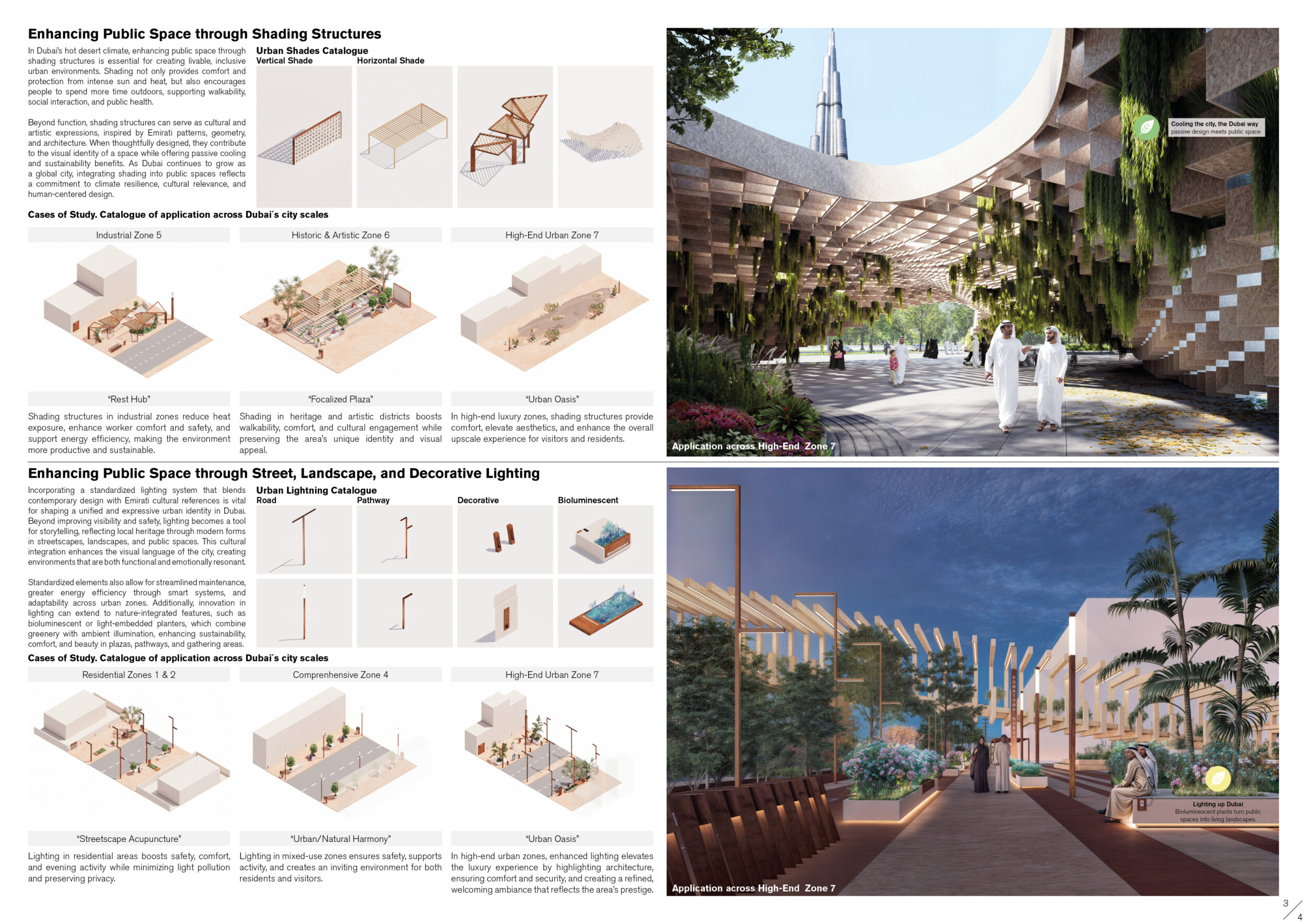
ECHOES OF HERITAGE
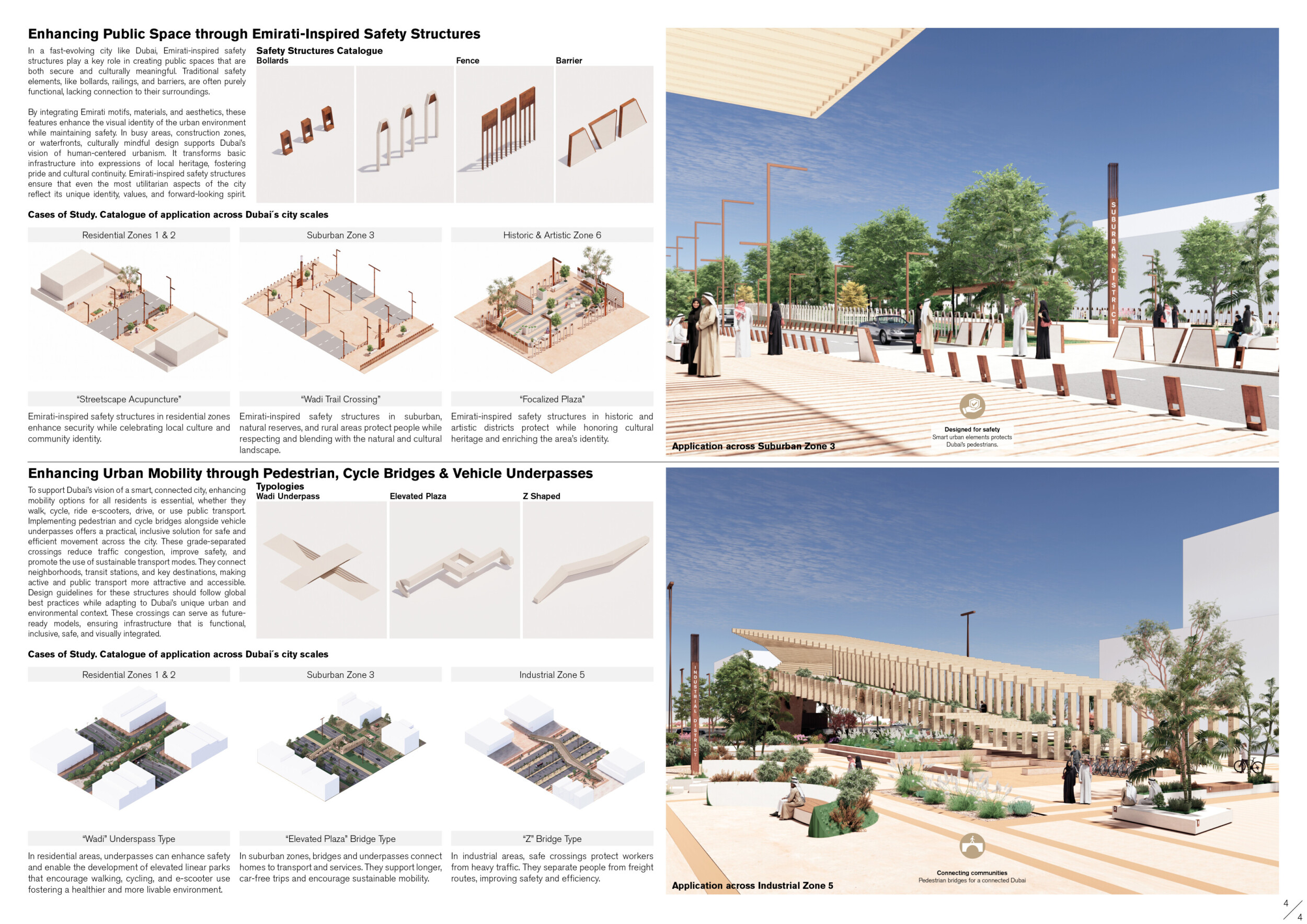

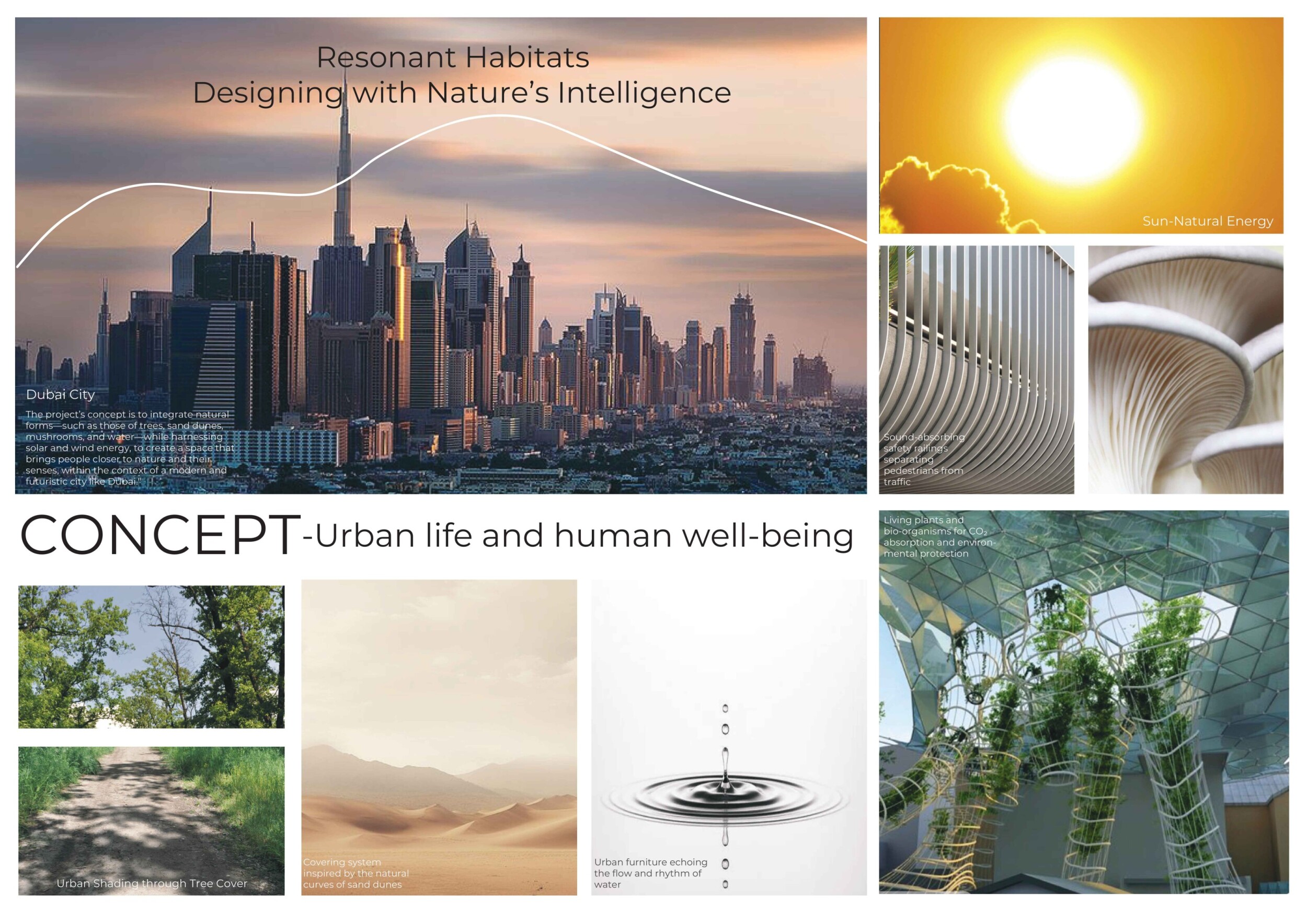
Shape Dubai
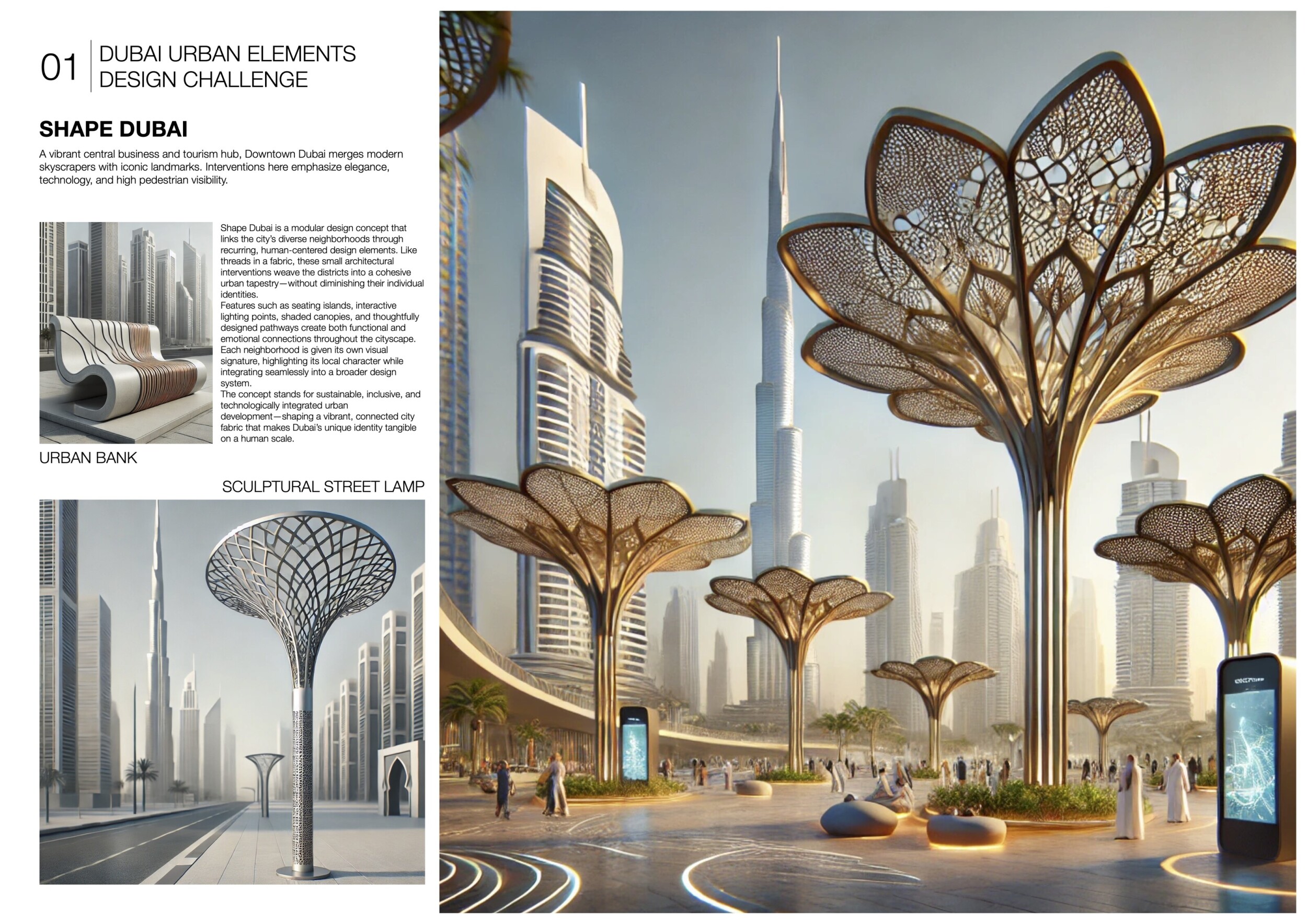
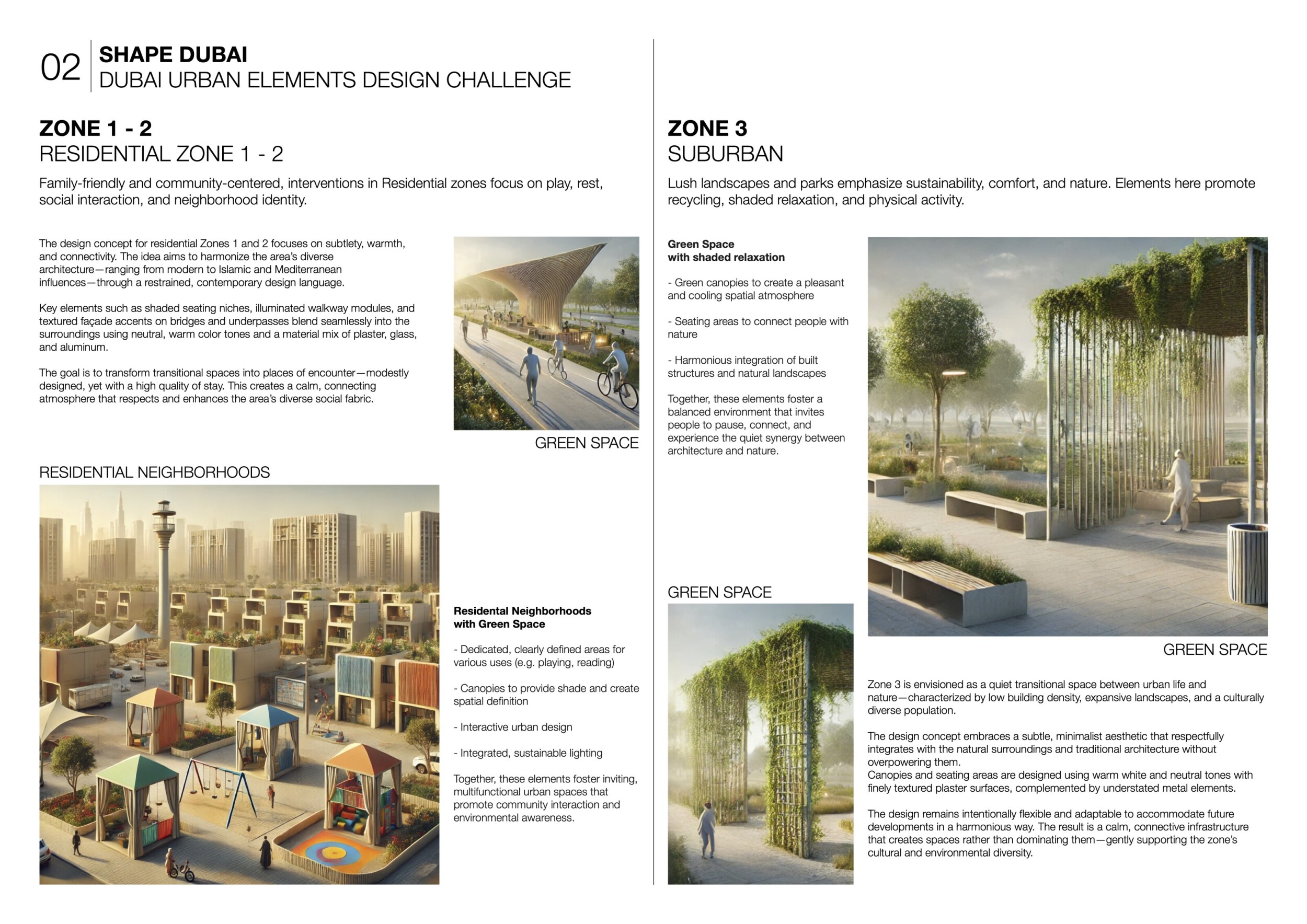
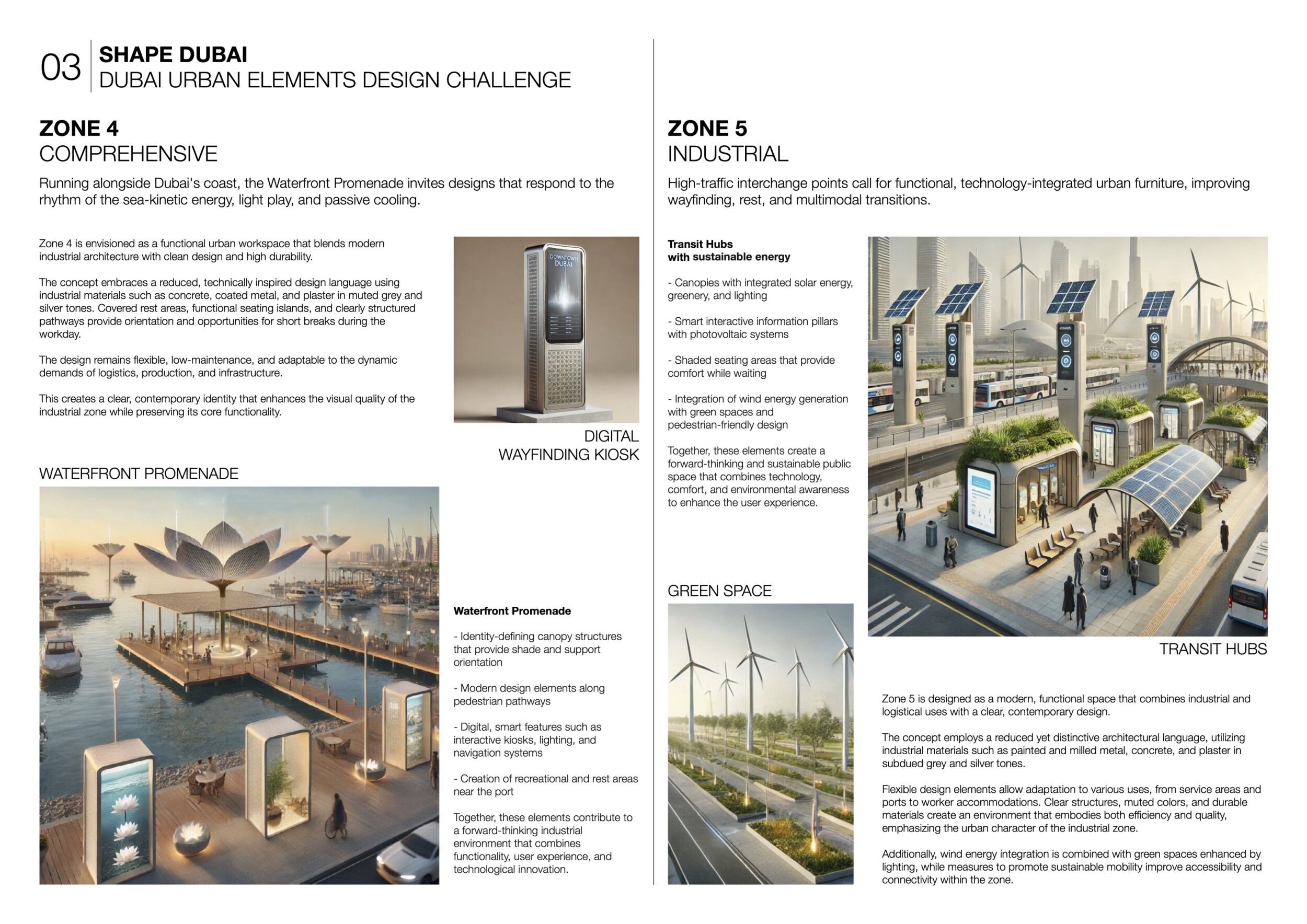
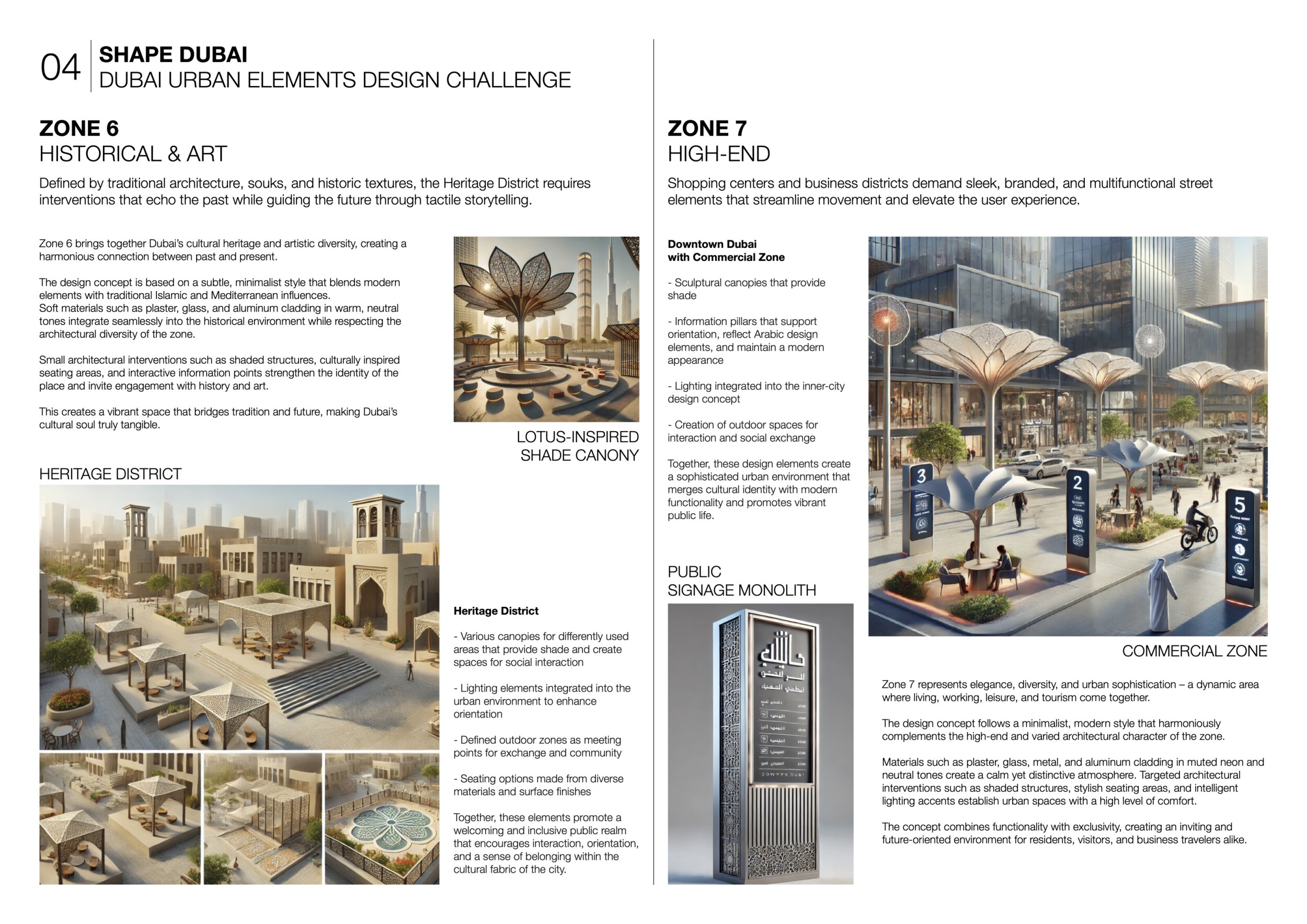
Resonant Habitats – Designing with Nature’s Intelligence
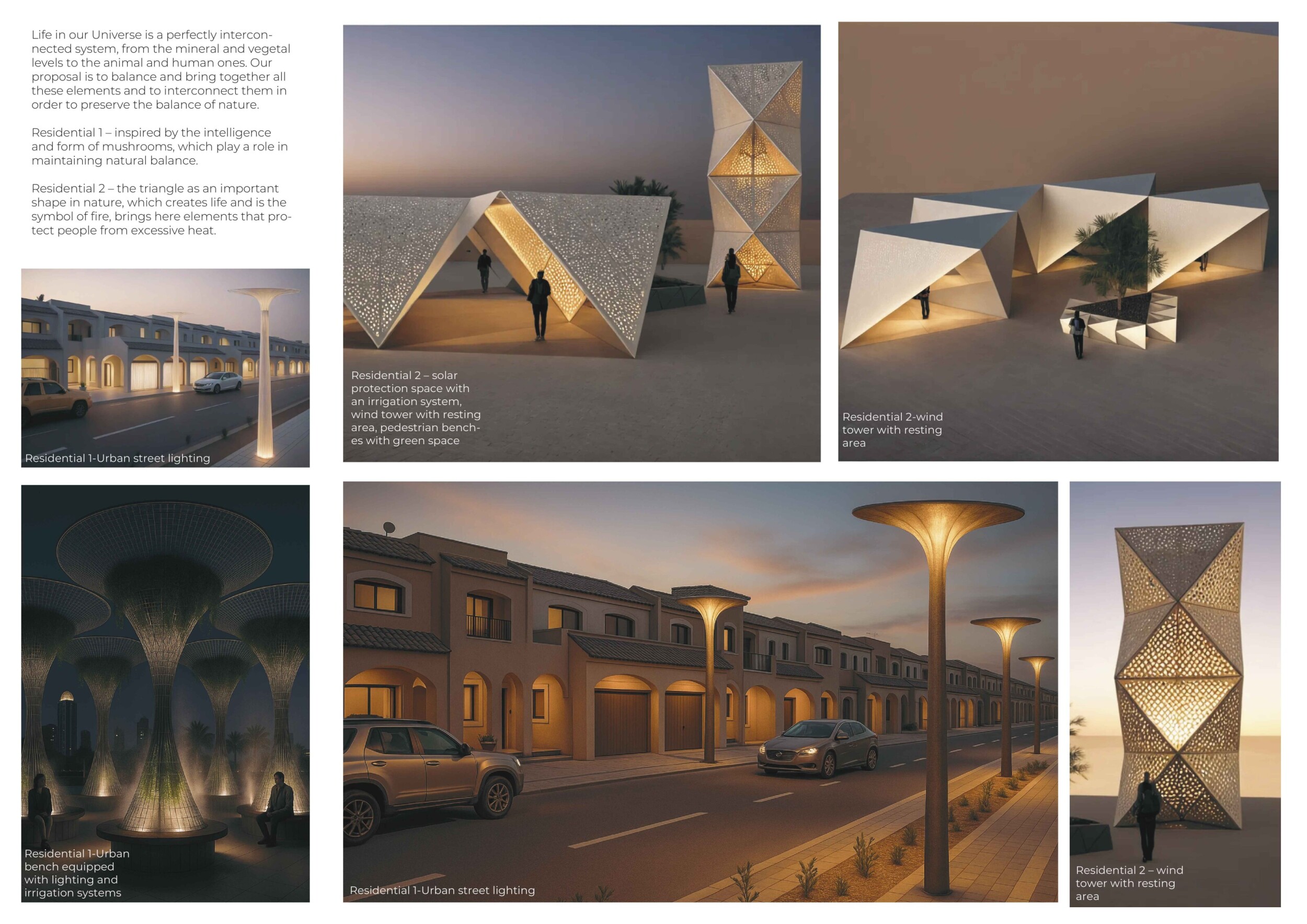
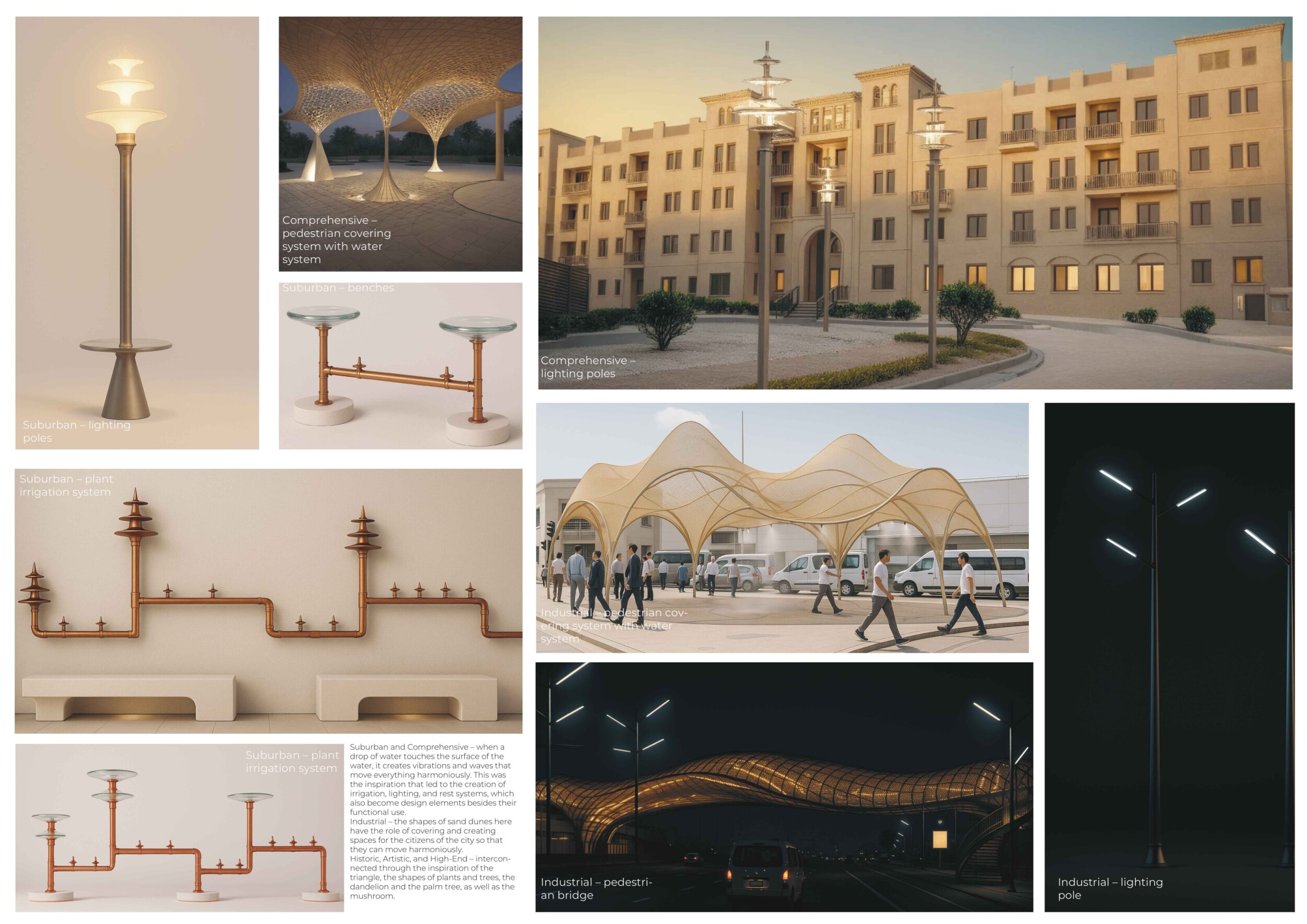
Dubai Urban Elements Design Challenge
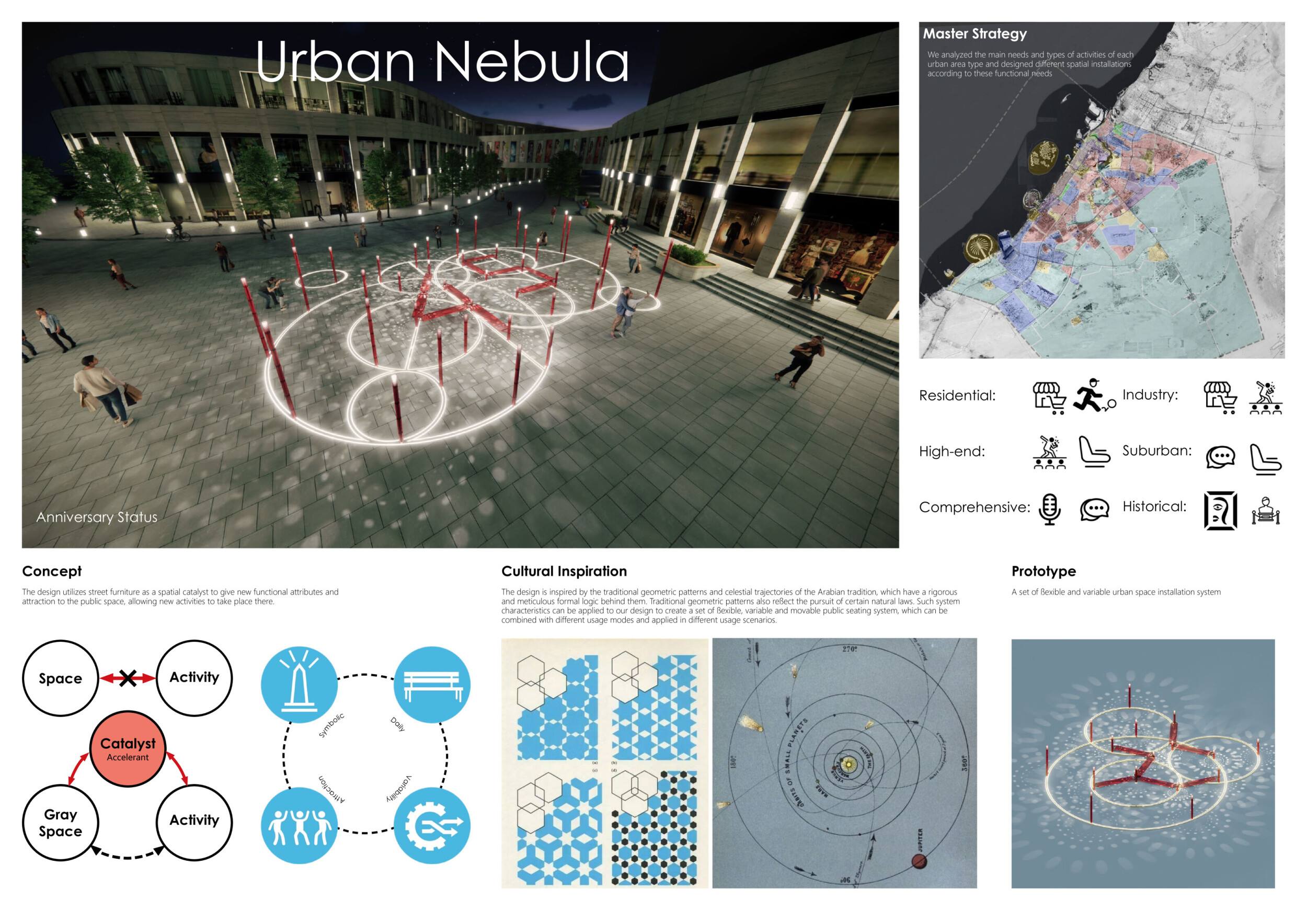
Urban Nebula
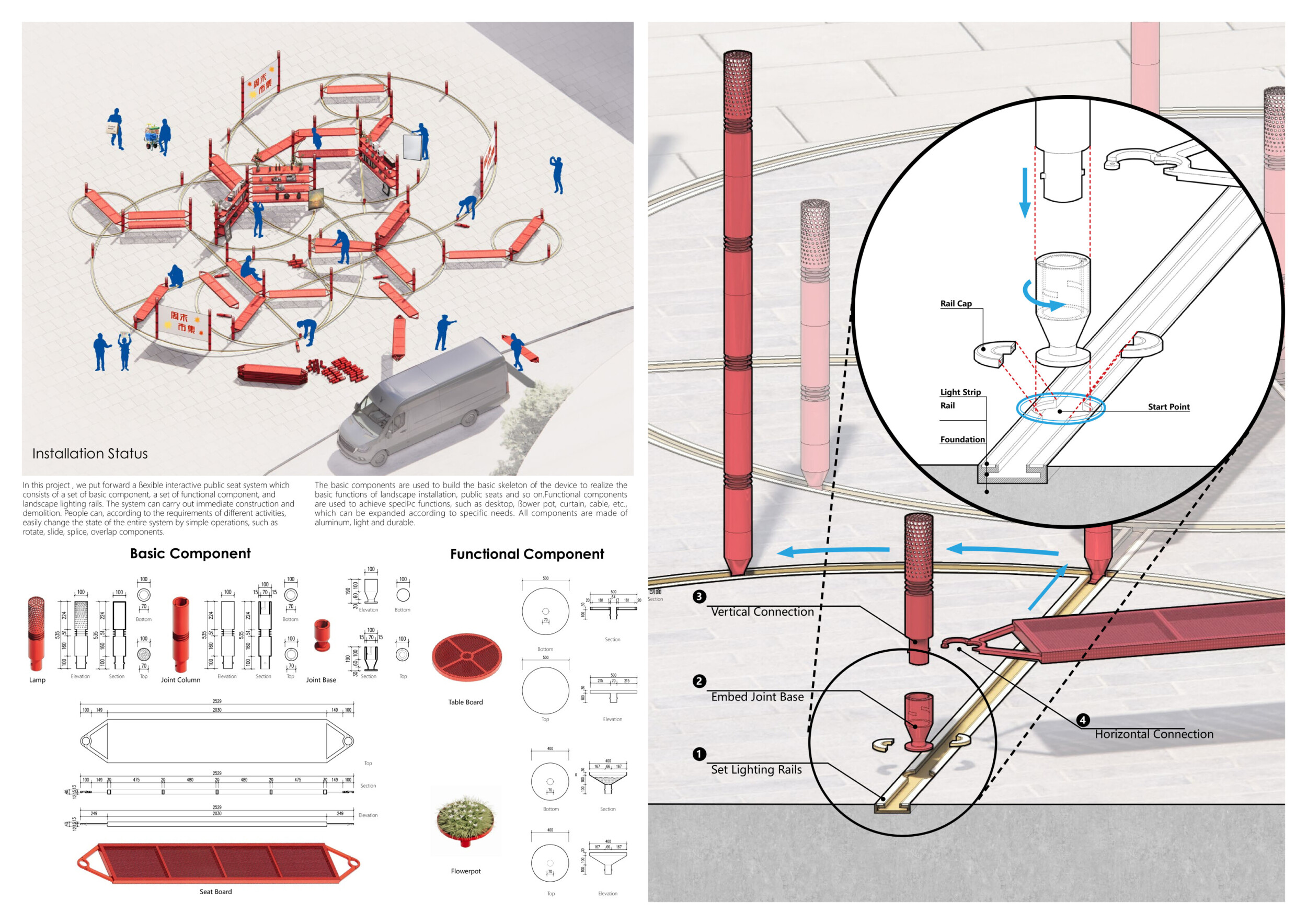
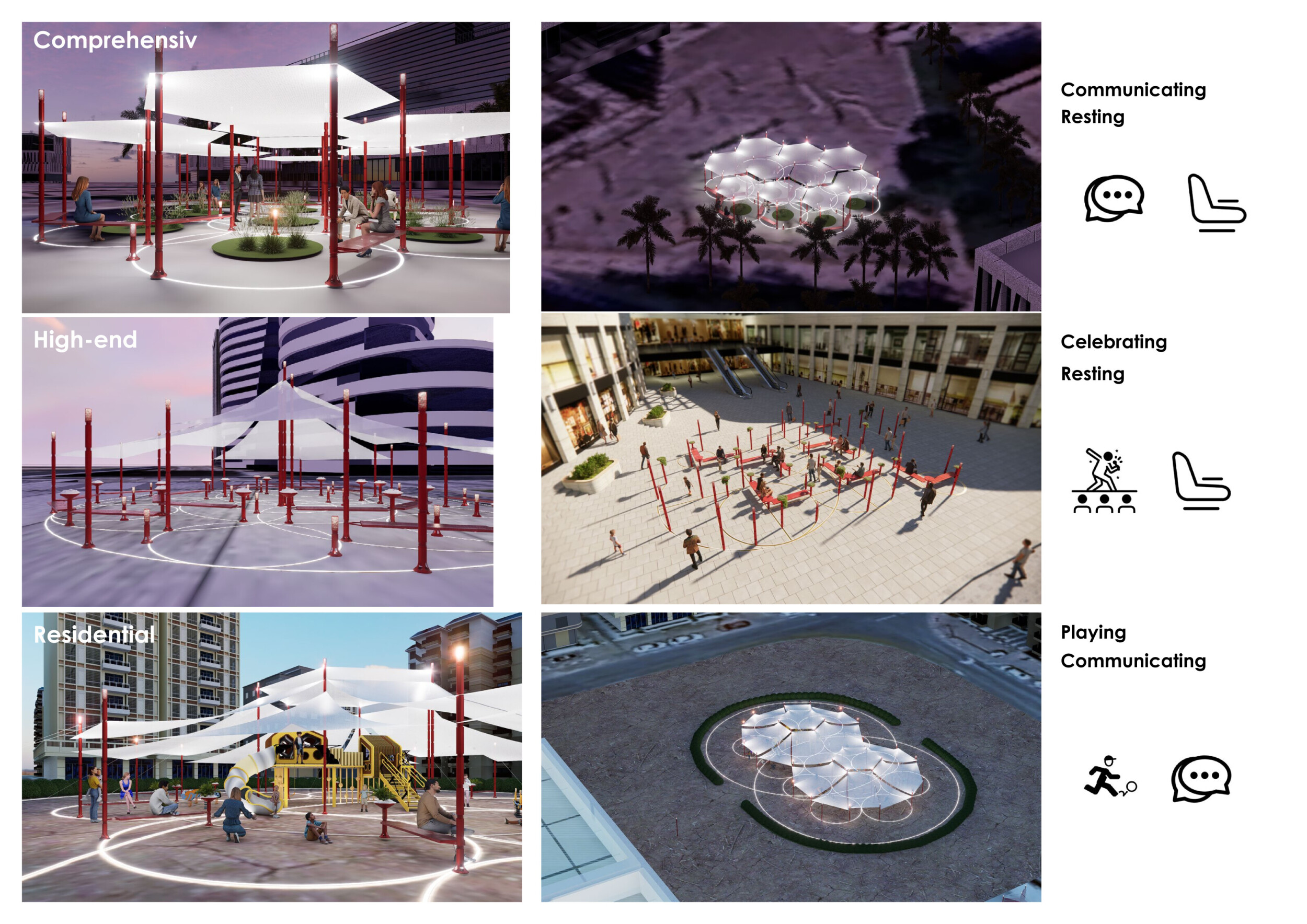
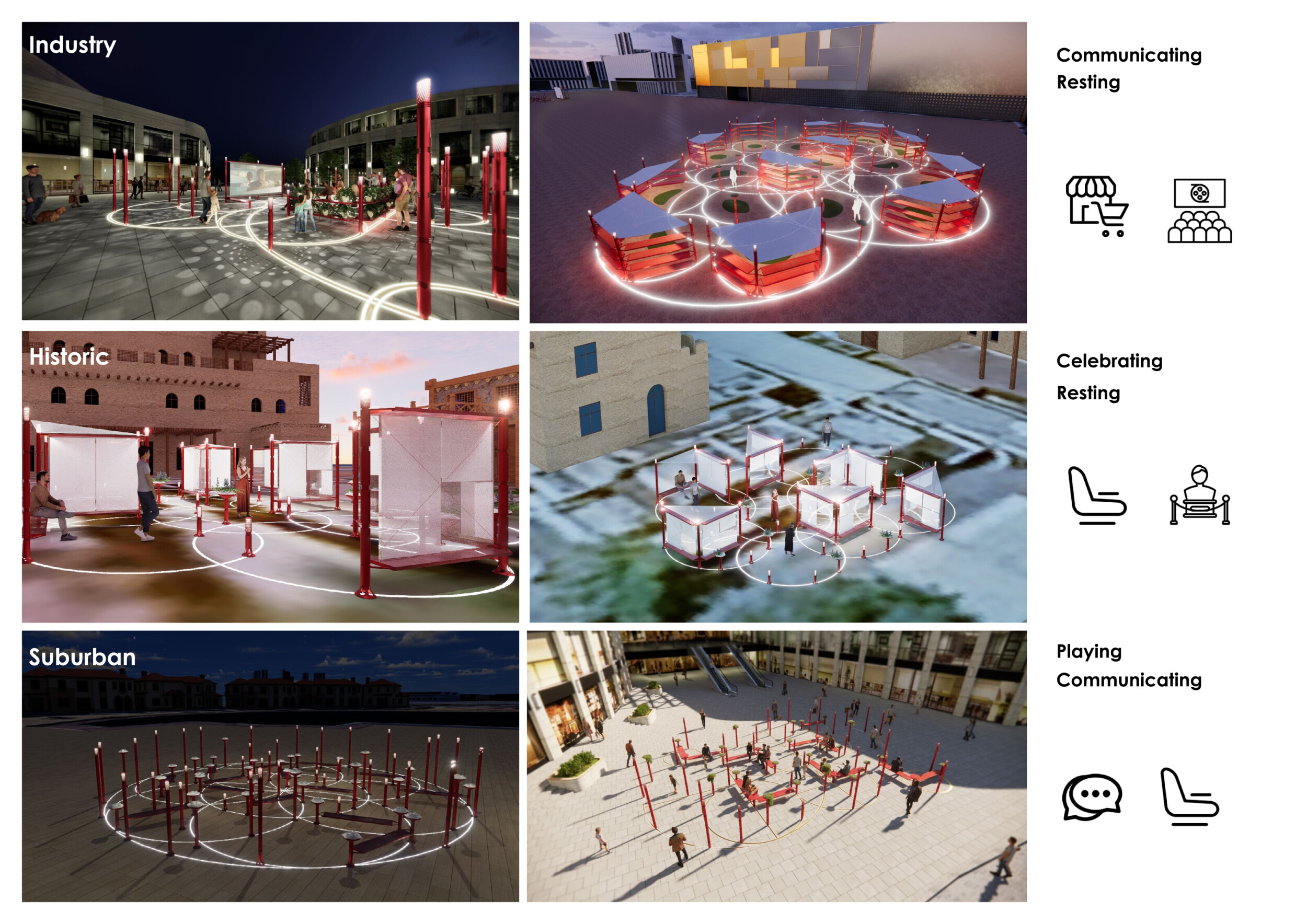

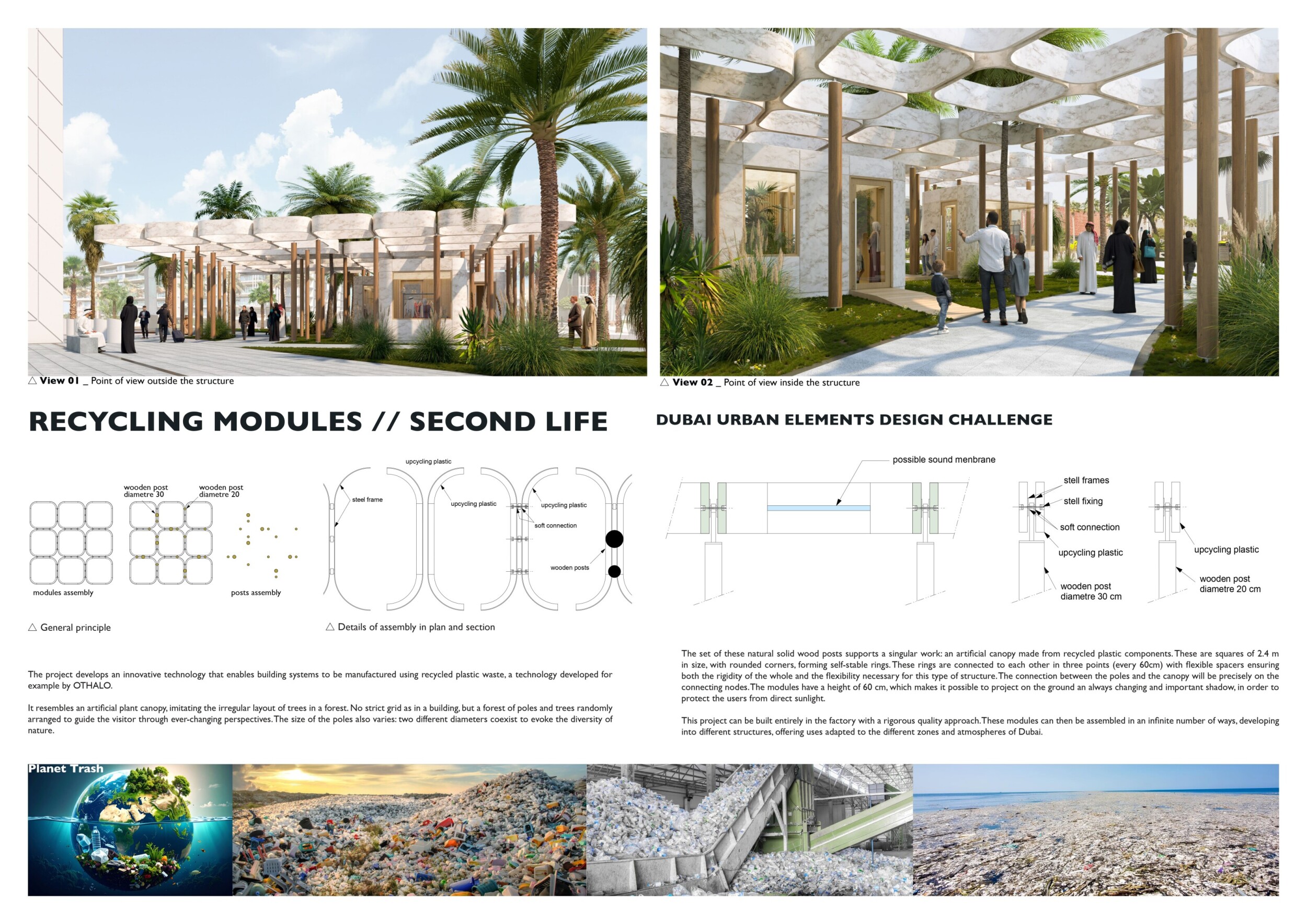
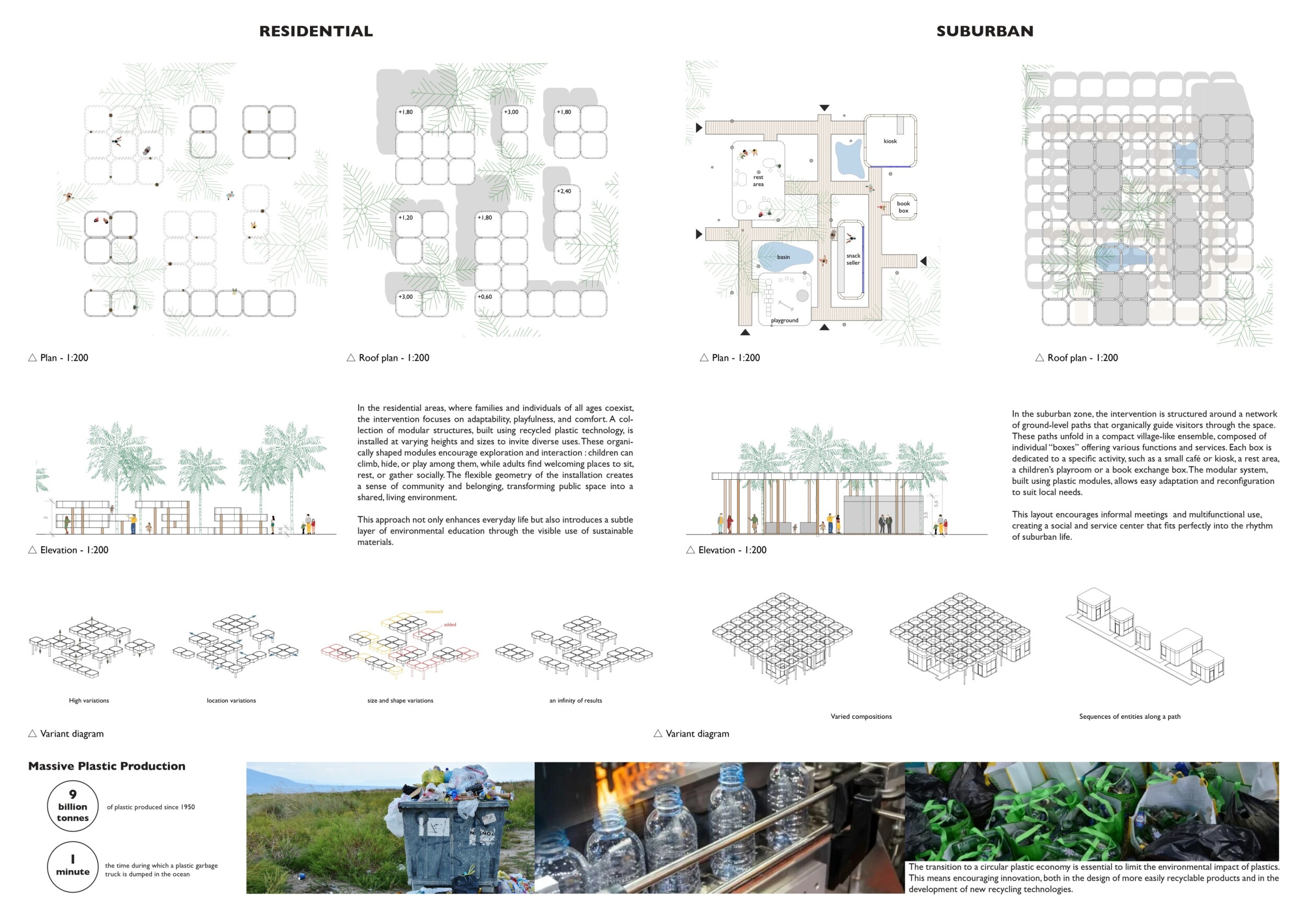
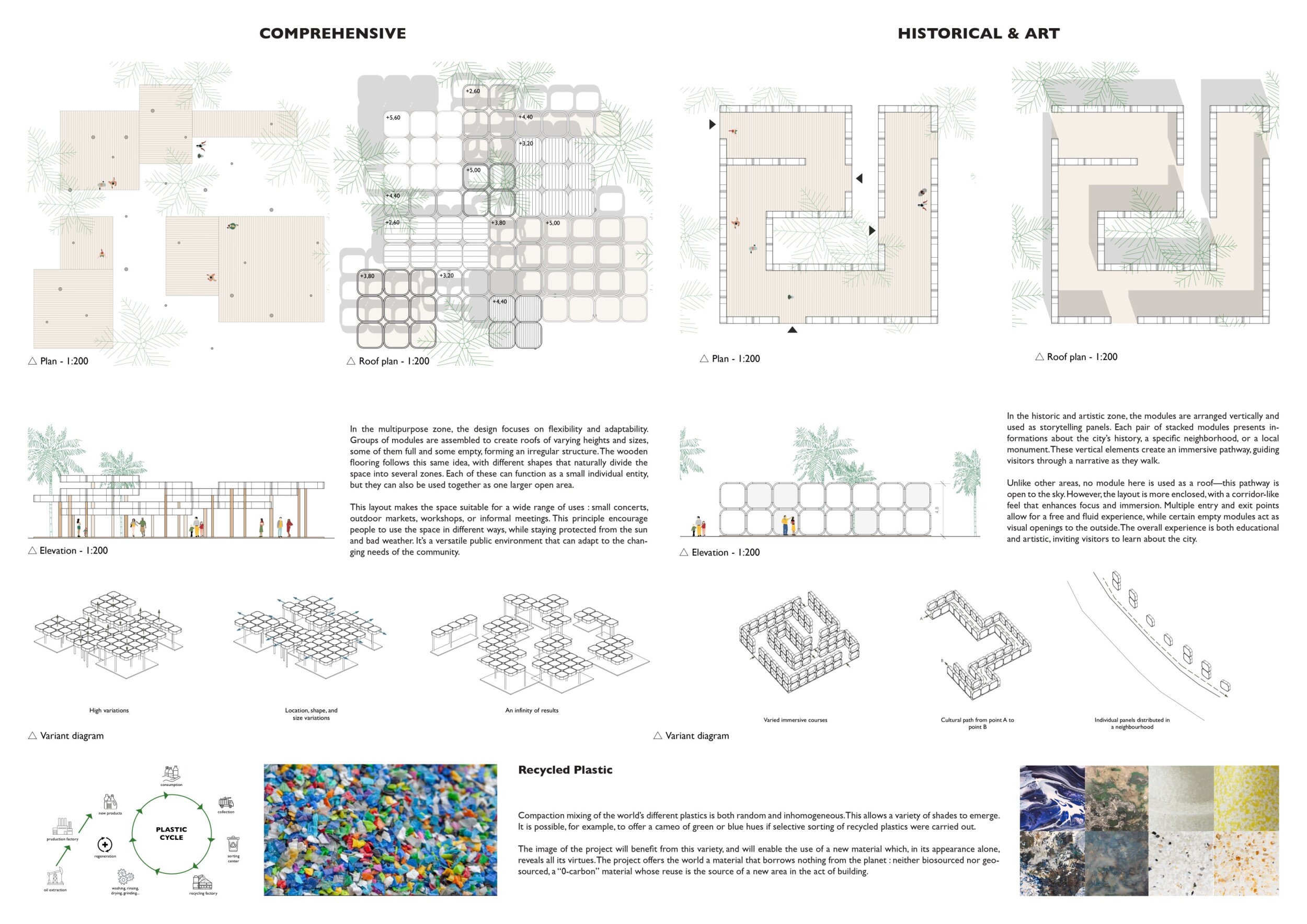
RECYCLING MODULES // SECOND LIFE
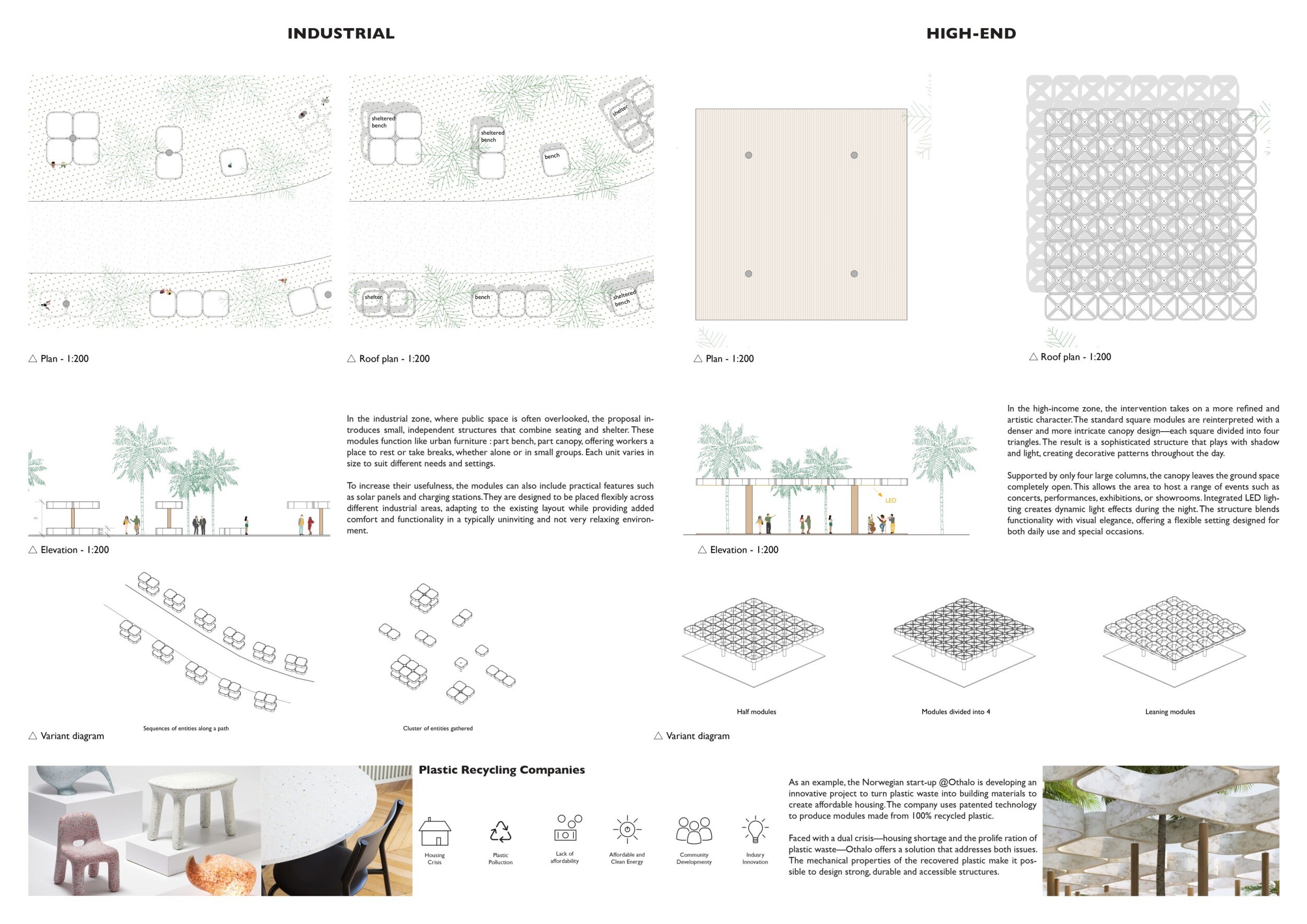

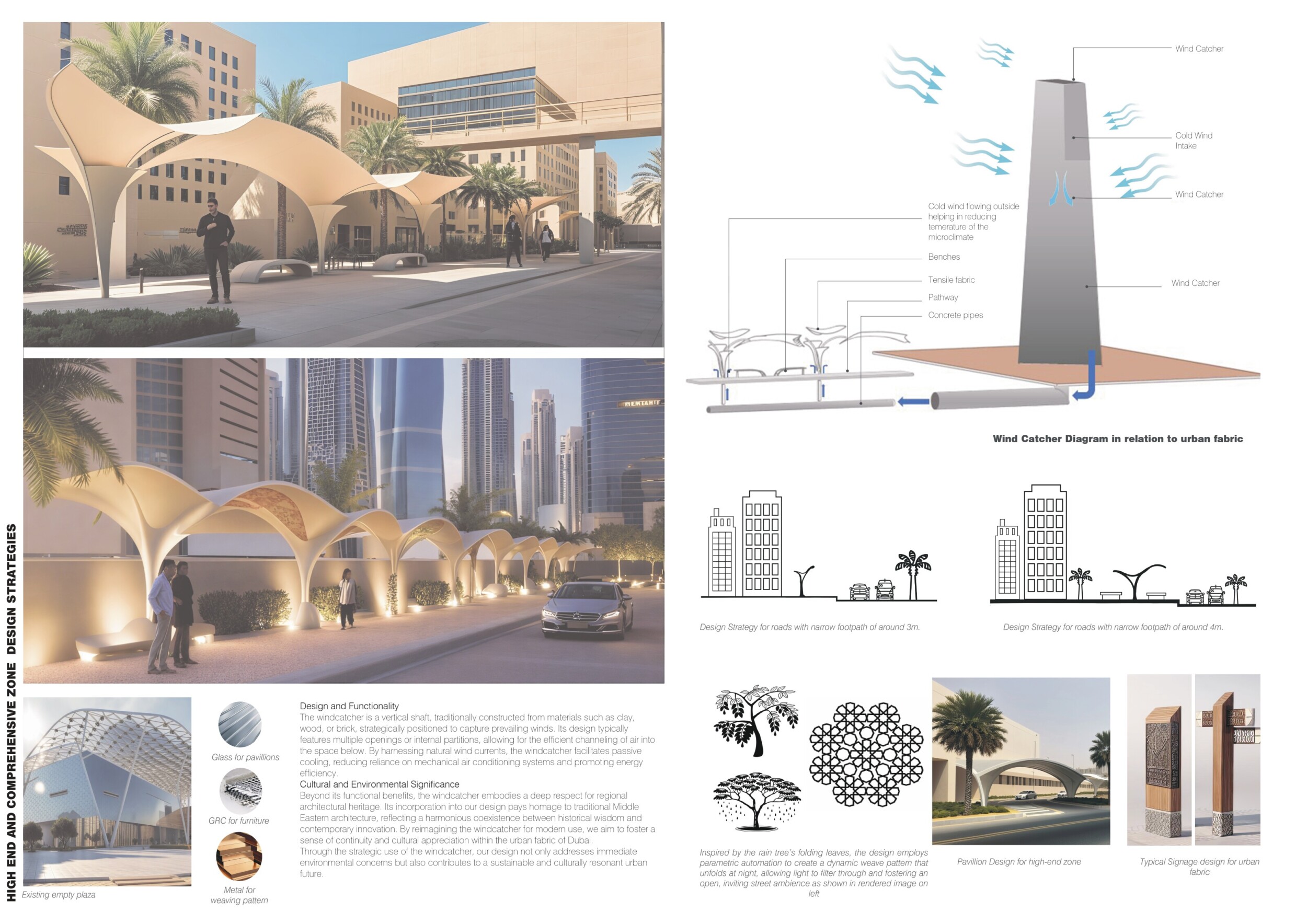
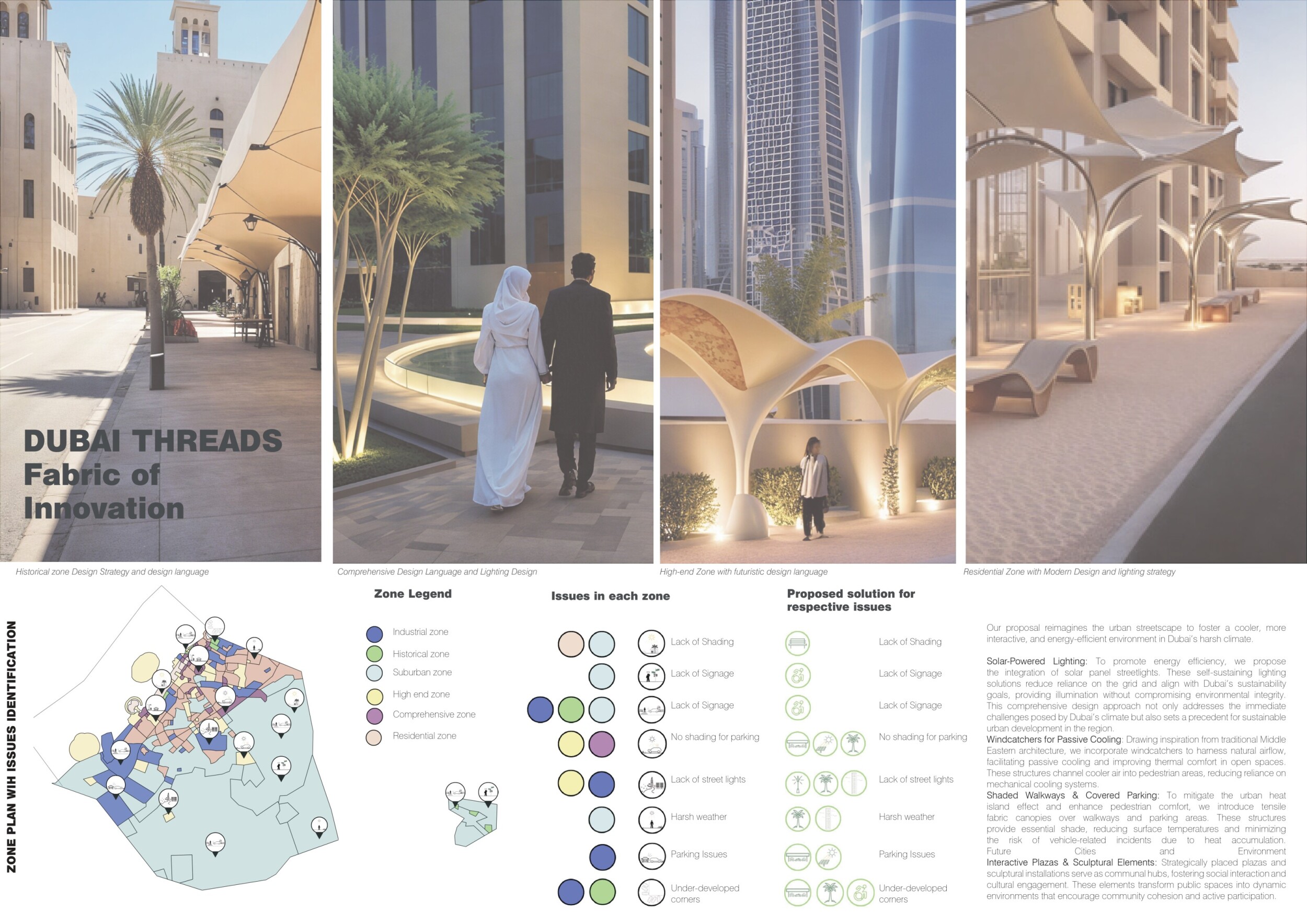
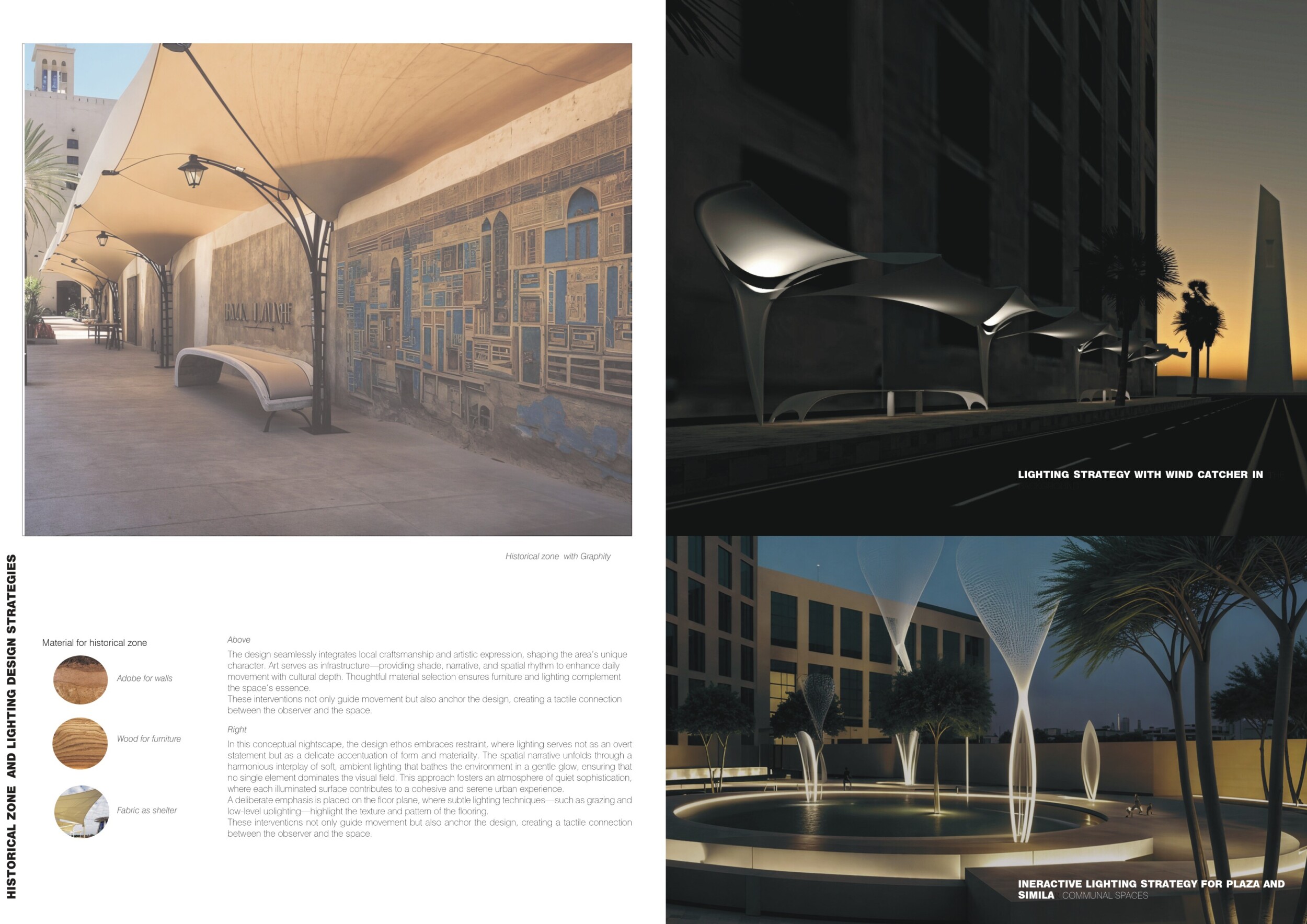
Dubai Threads - Fabric of Innovation
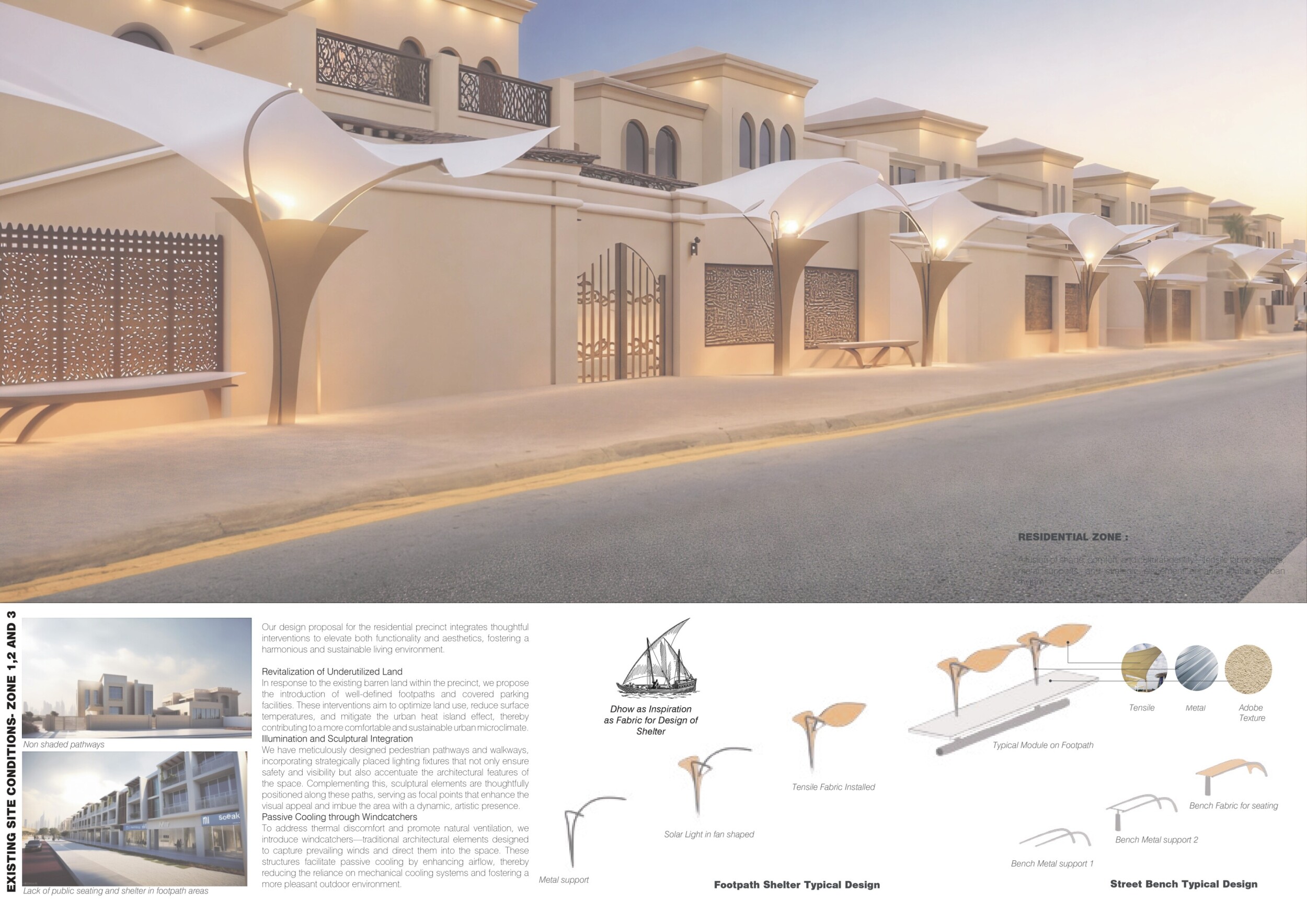

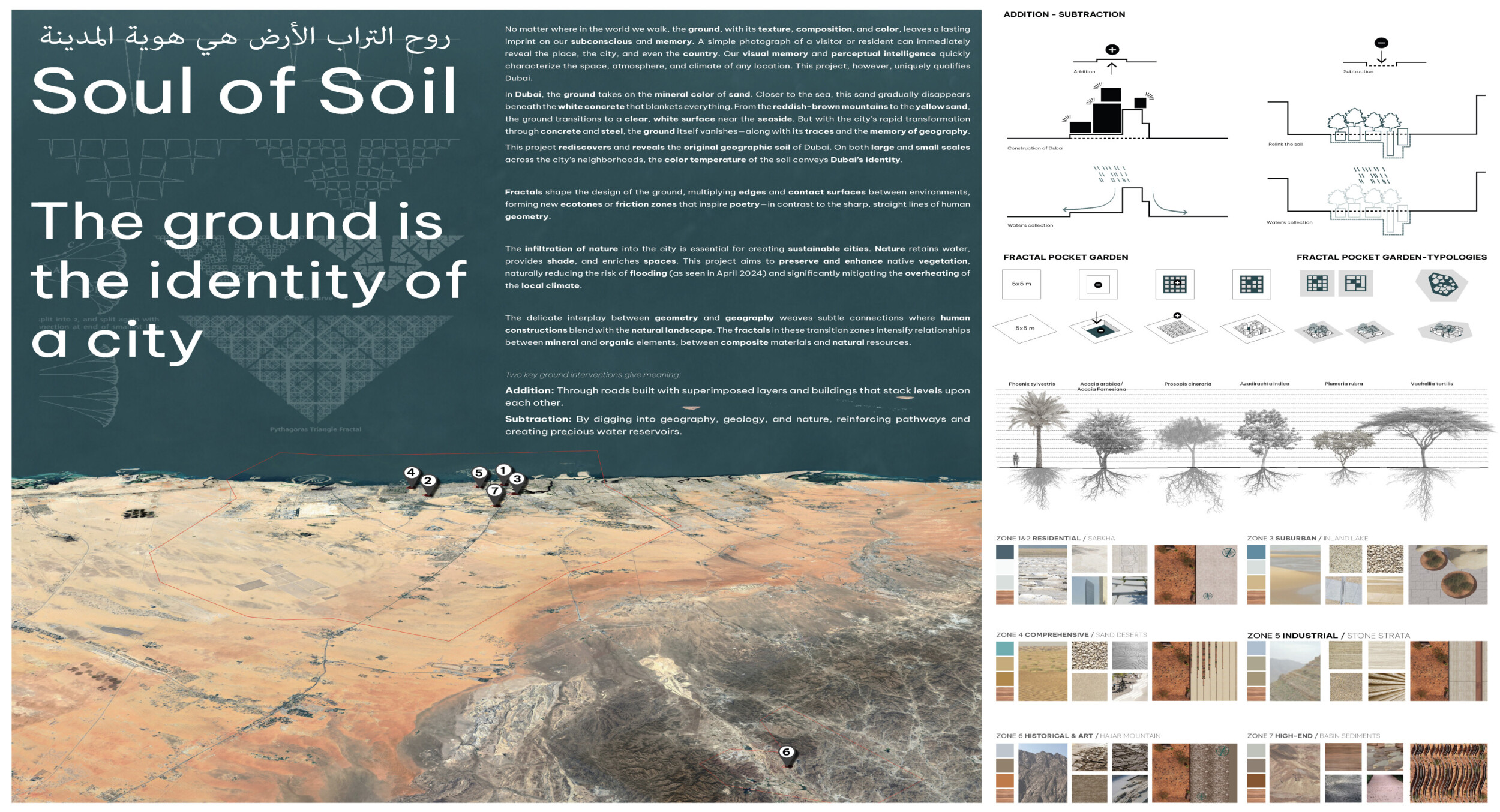
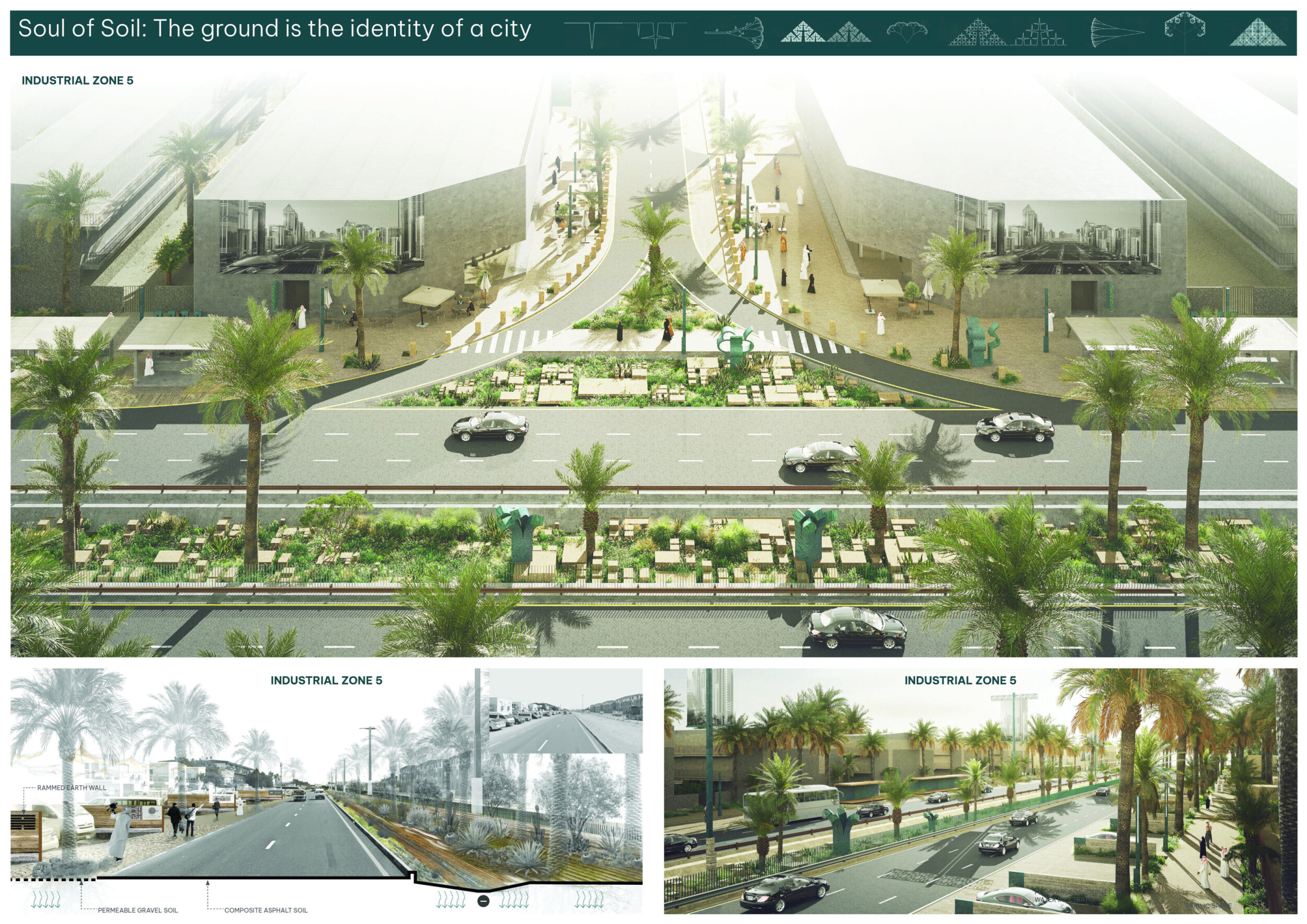
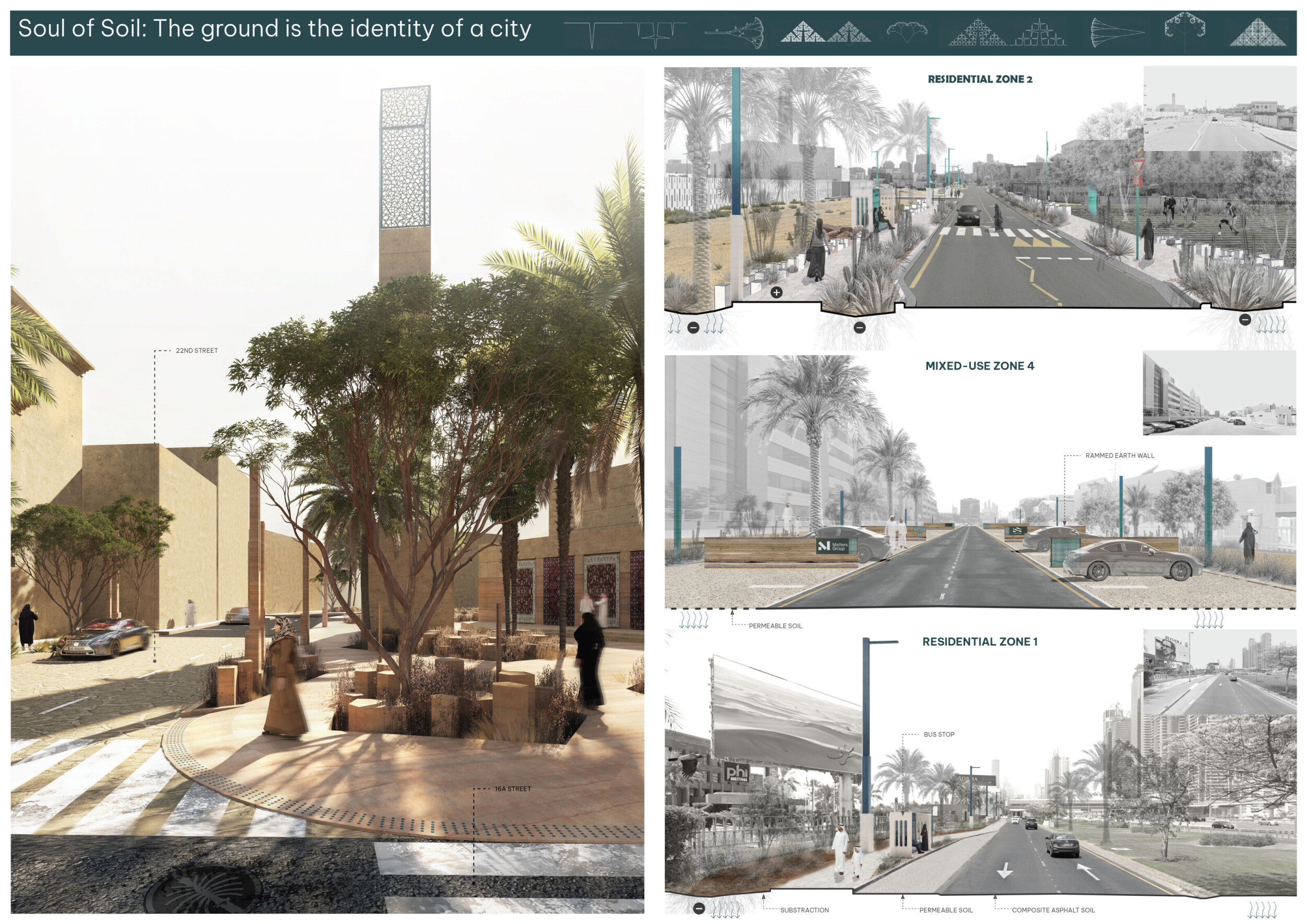
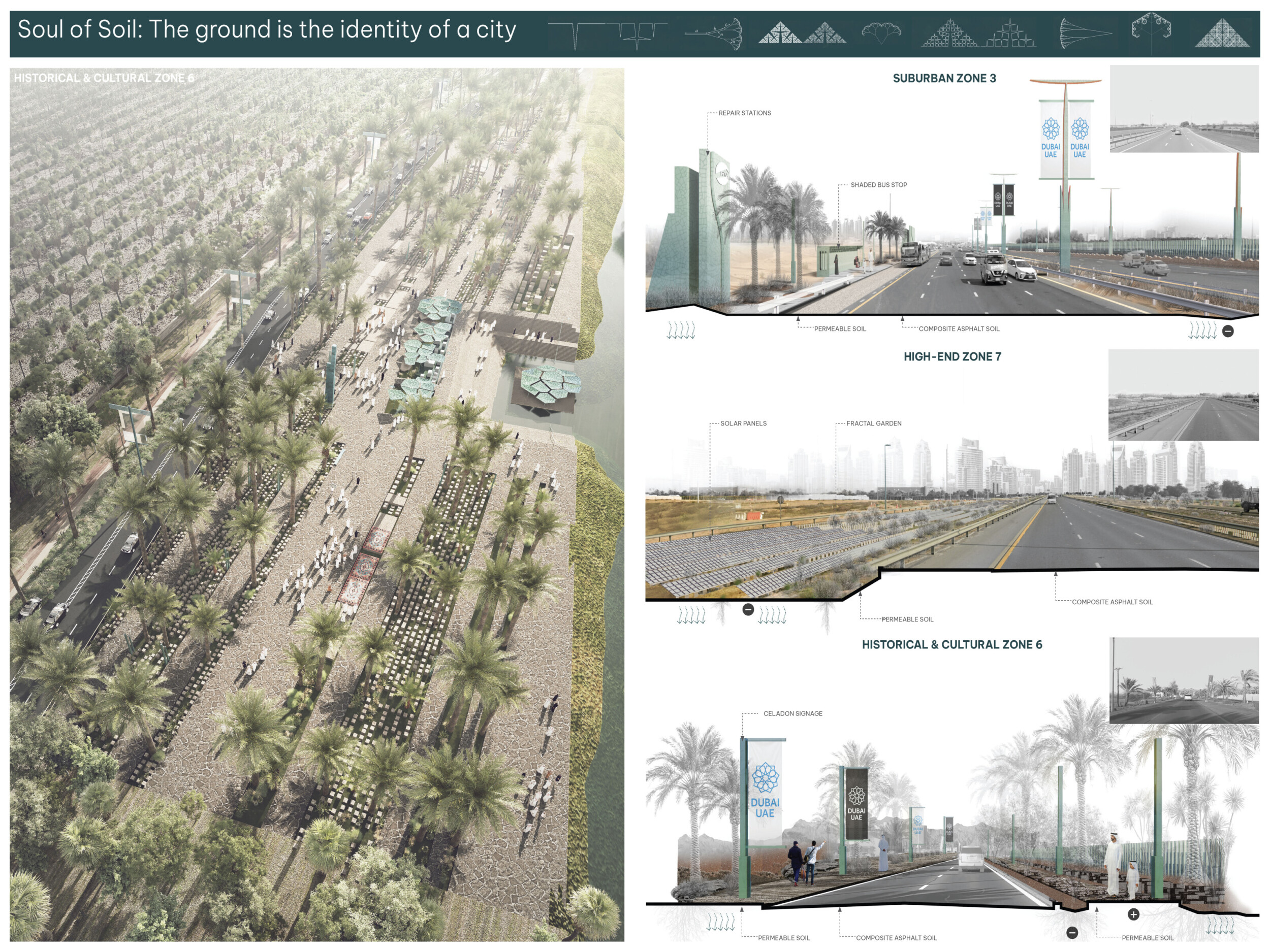
Soul of soil

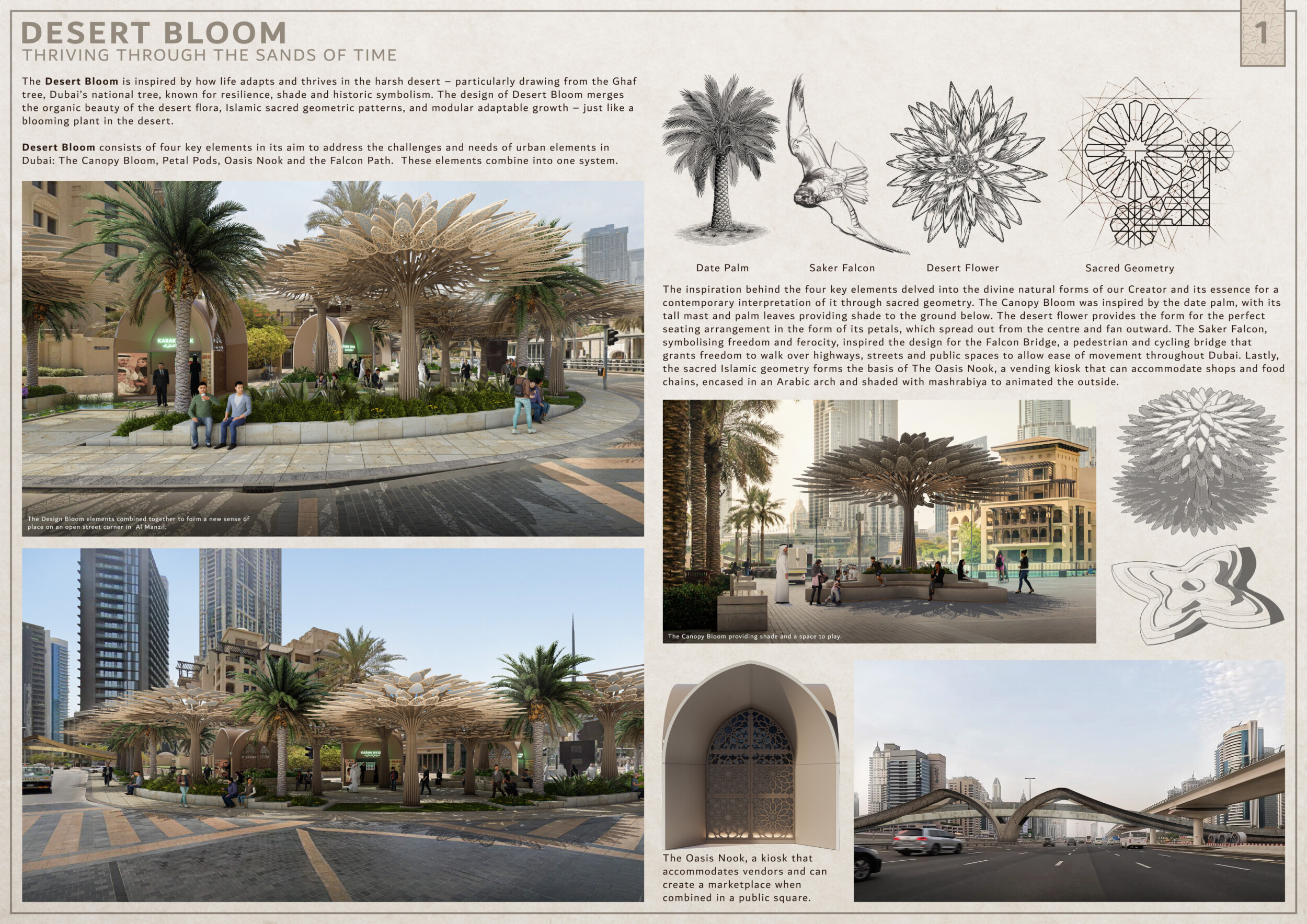
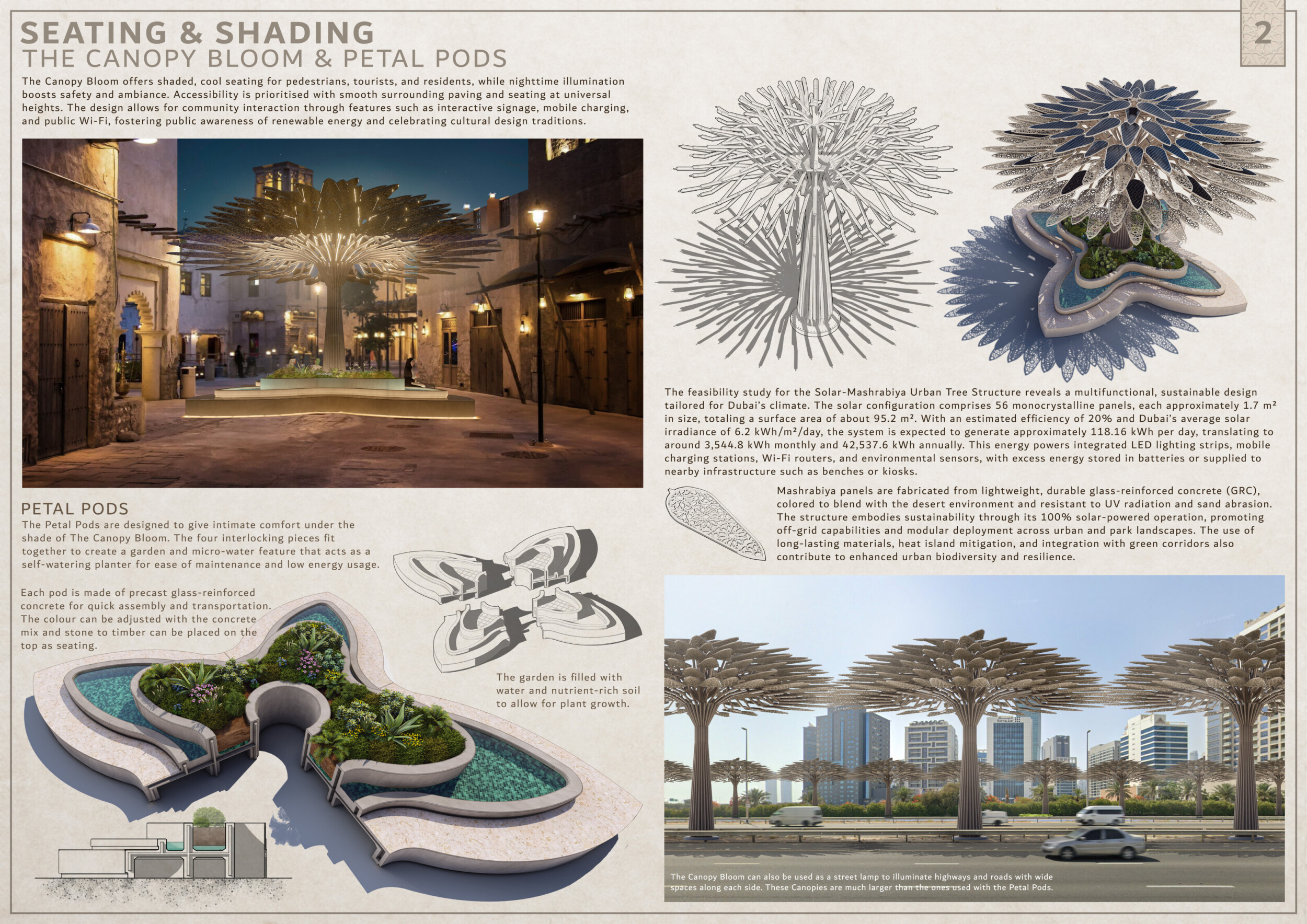
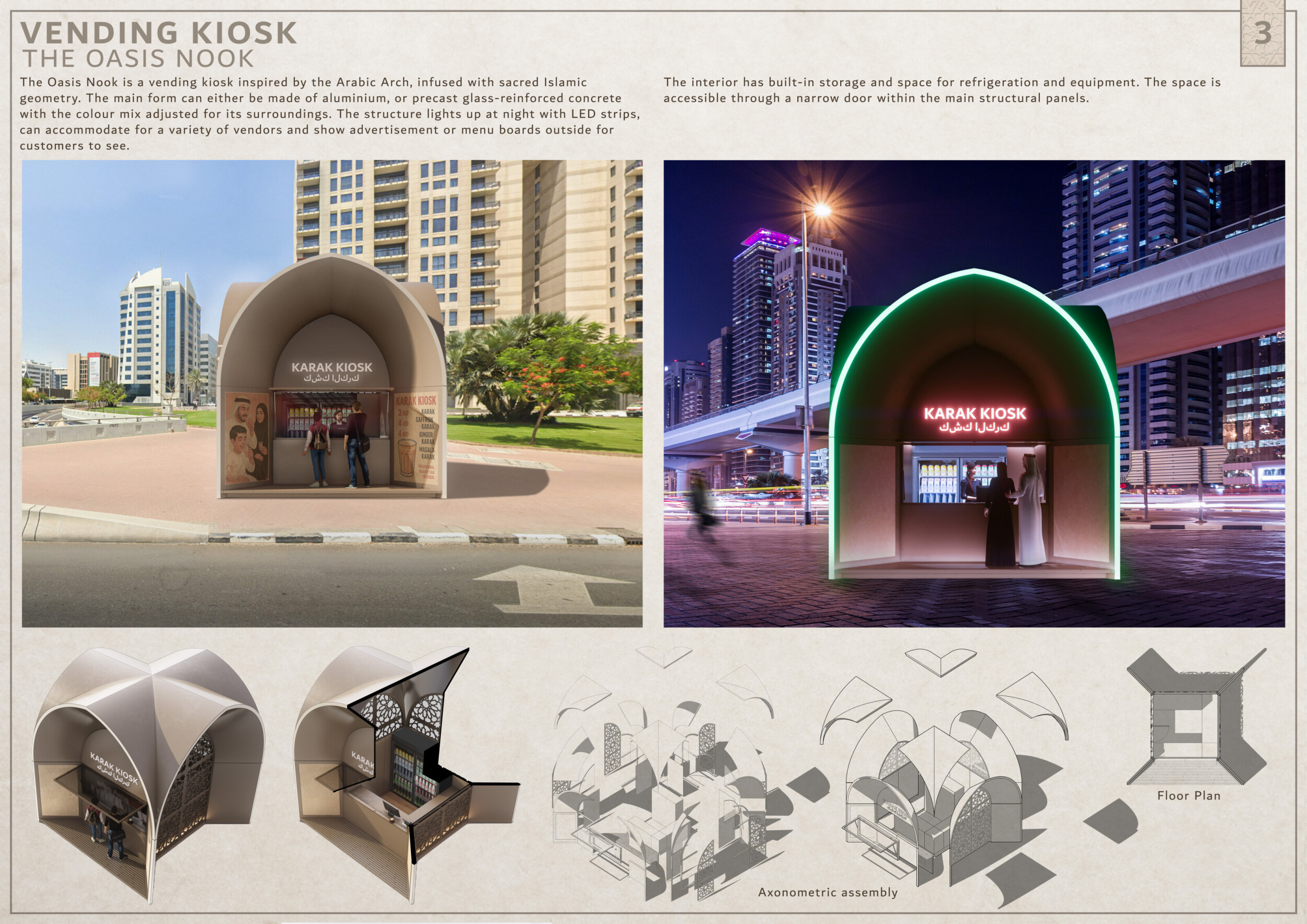
Desert Bloom
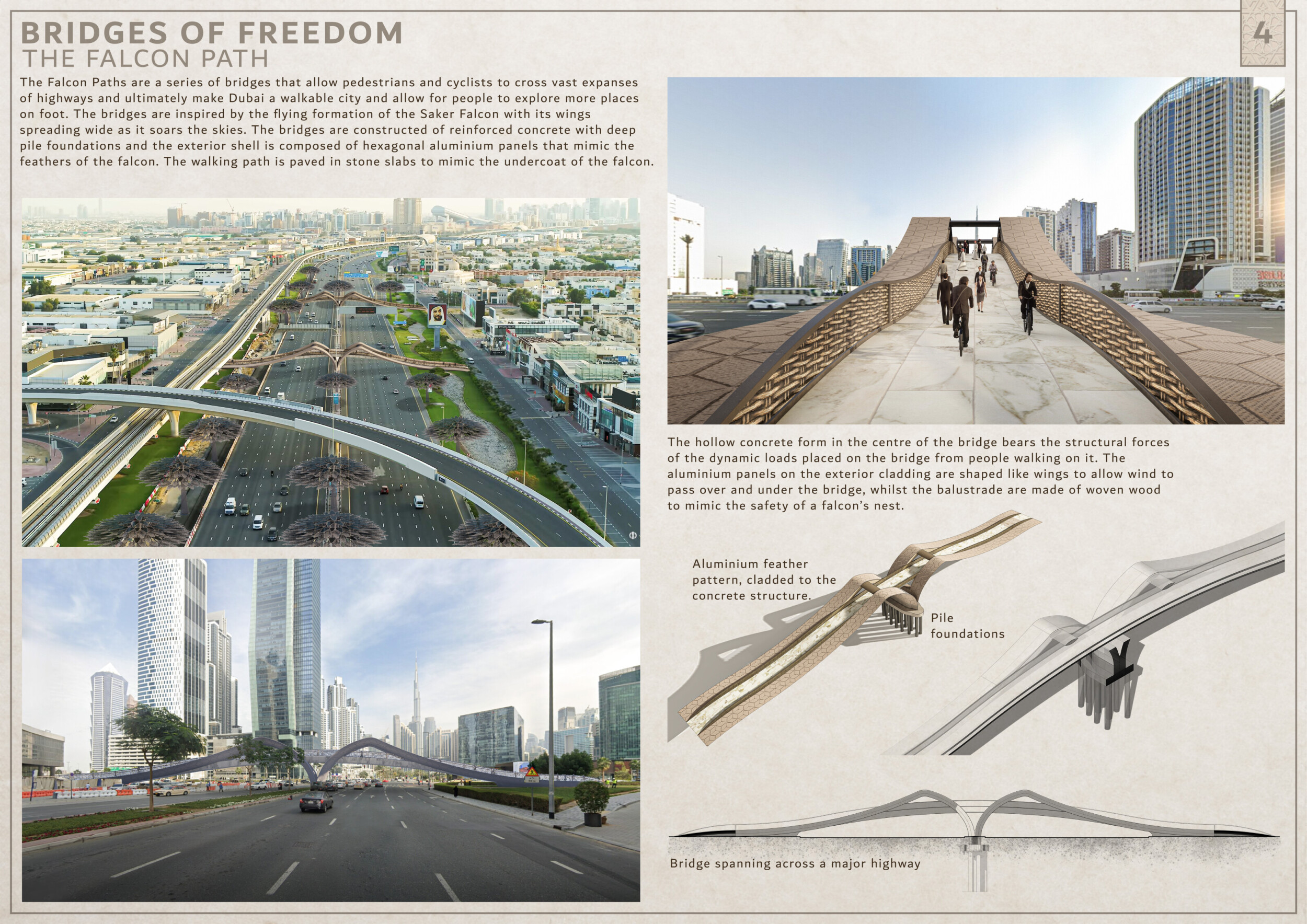

Al Thurayya Path
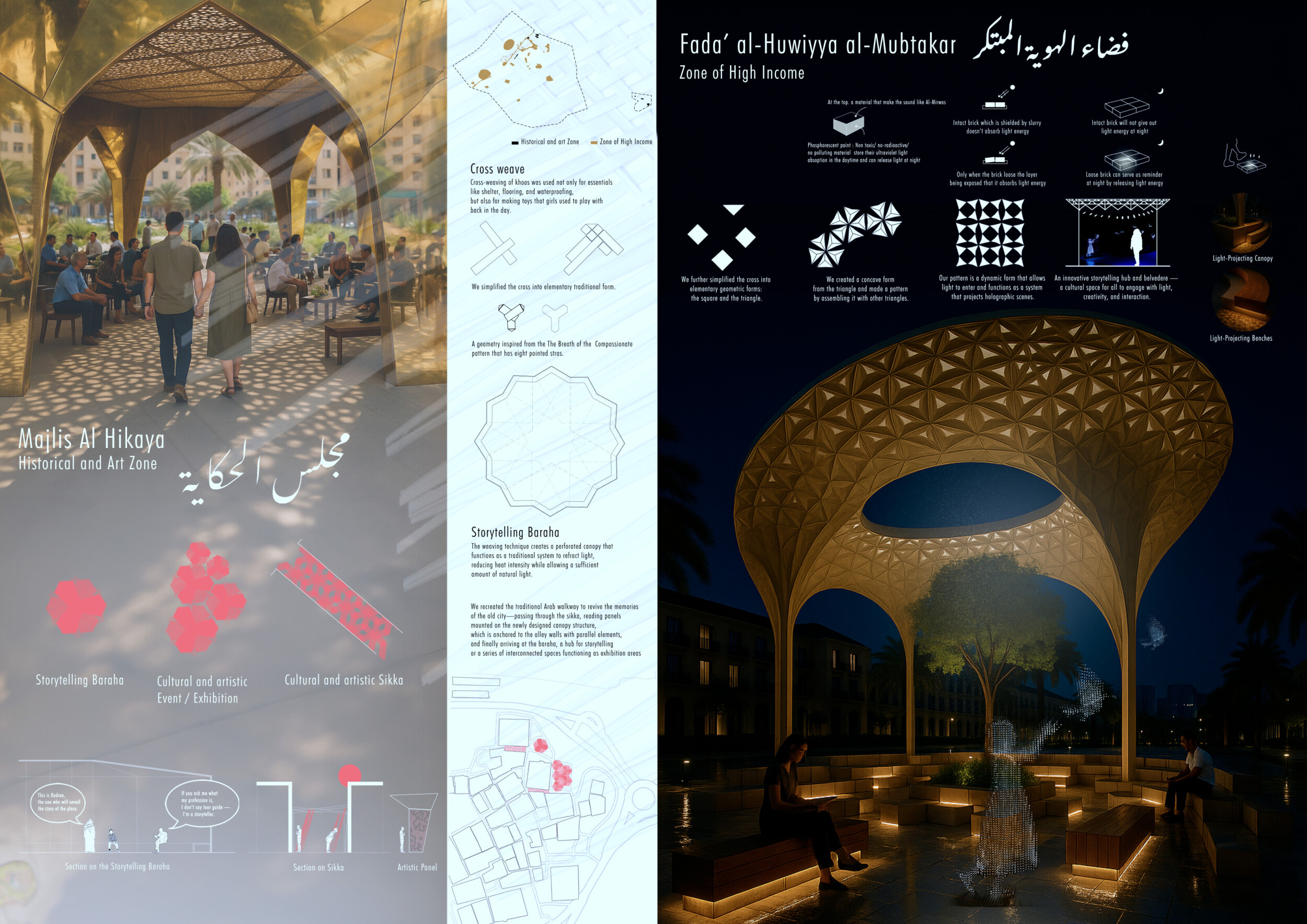
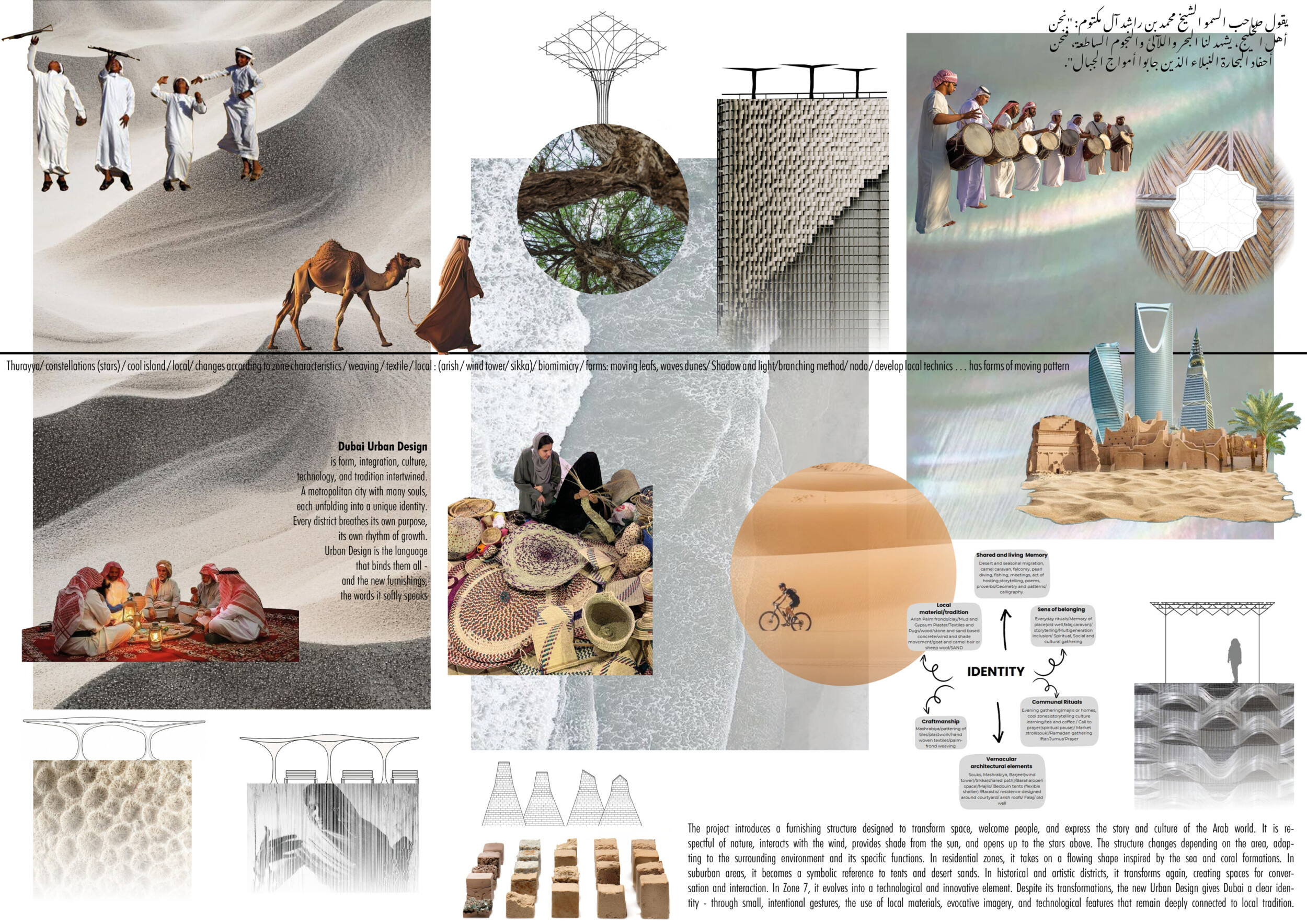
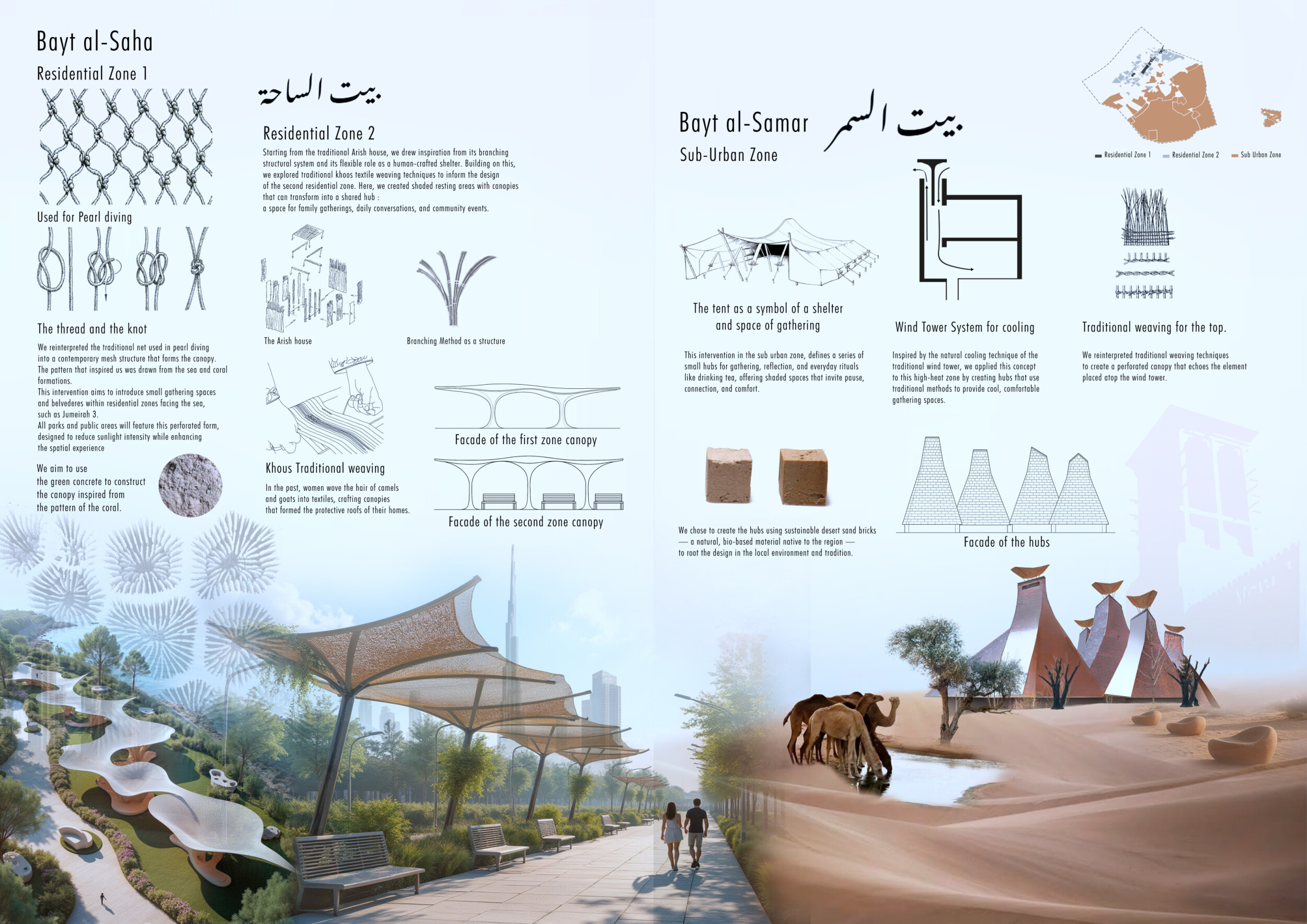
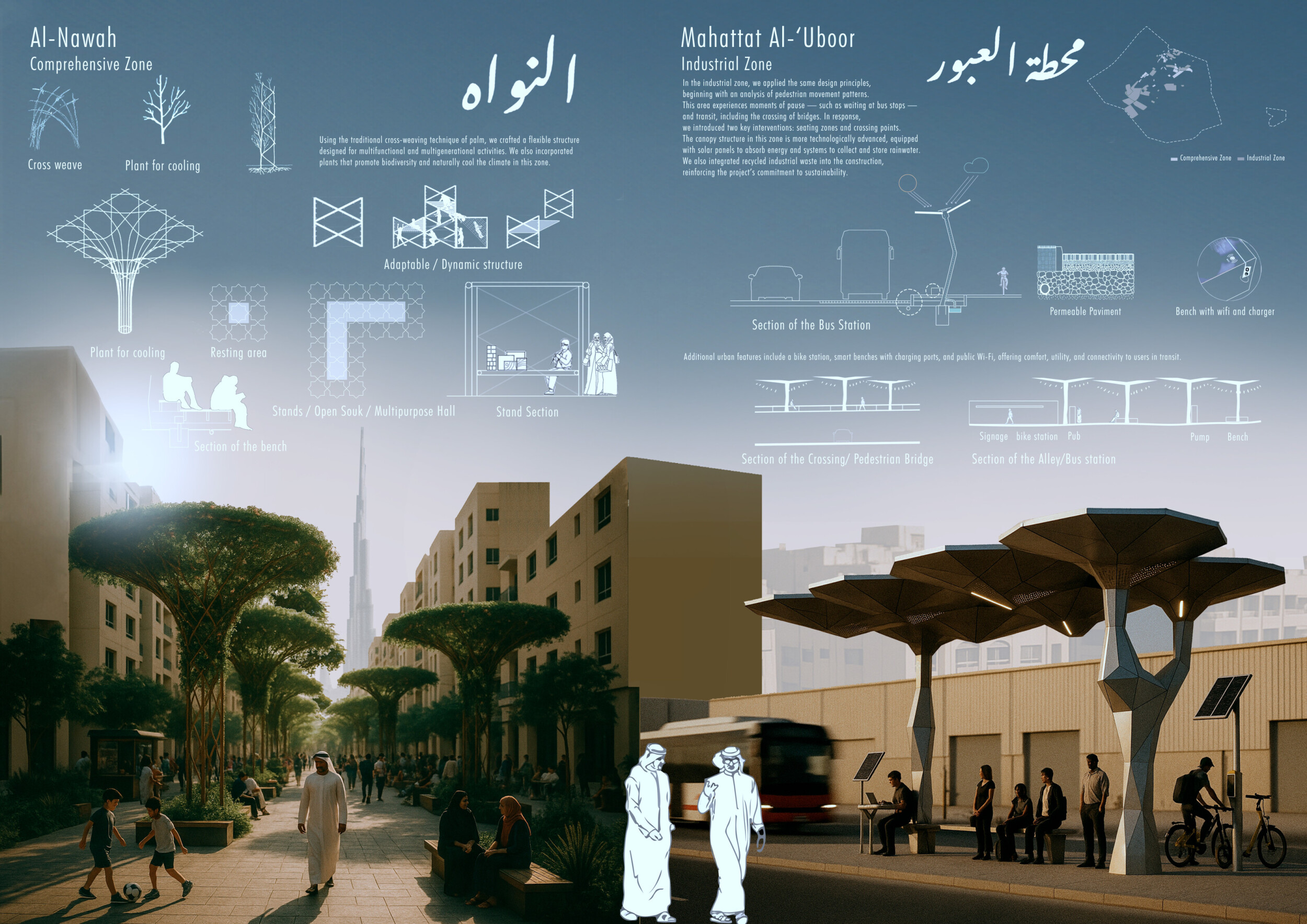
The Falcon and The Fig Tree
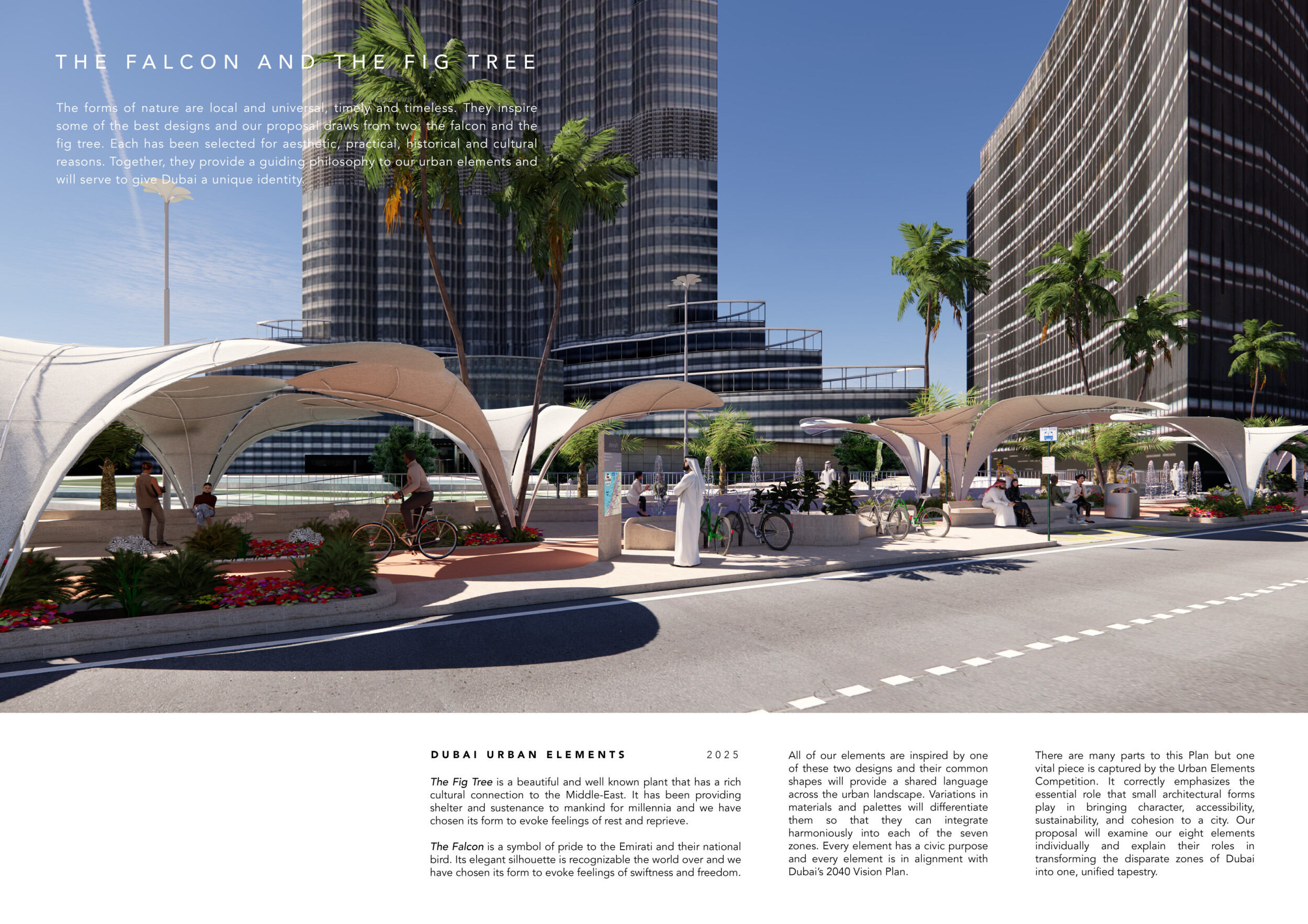
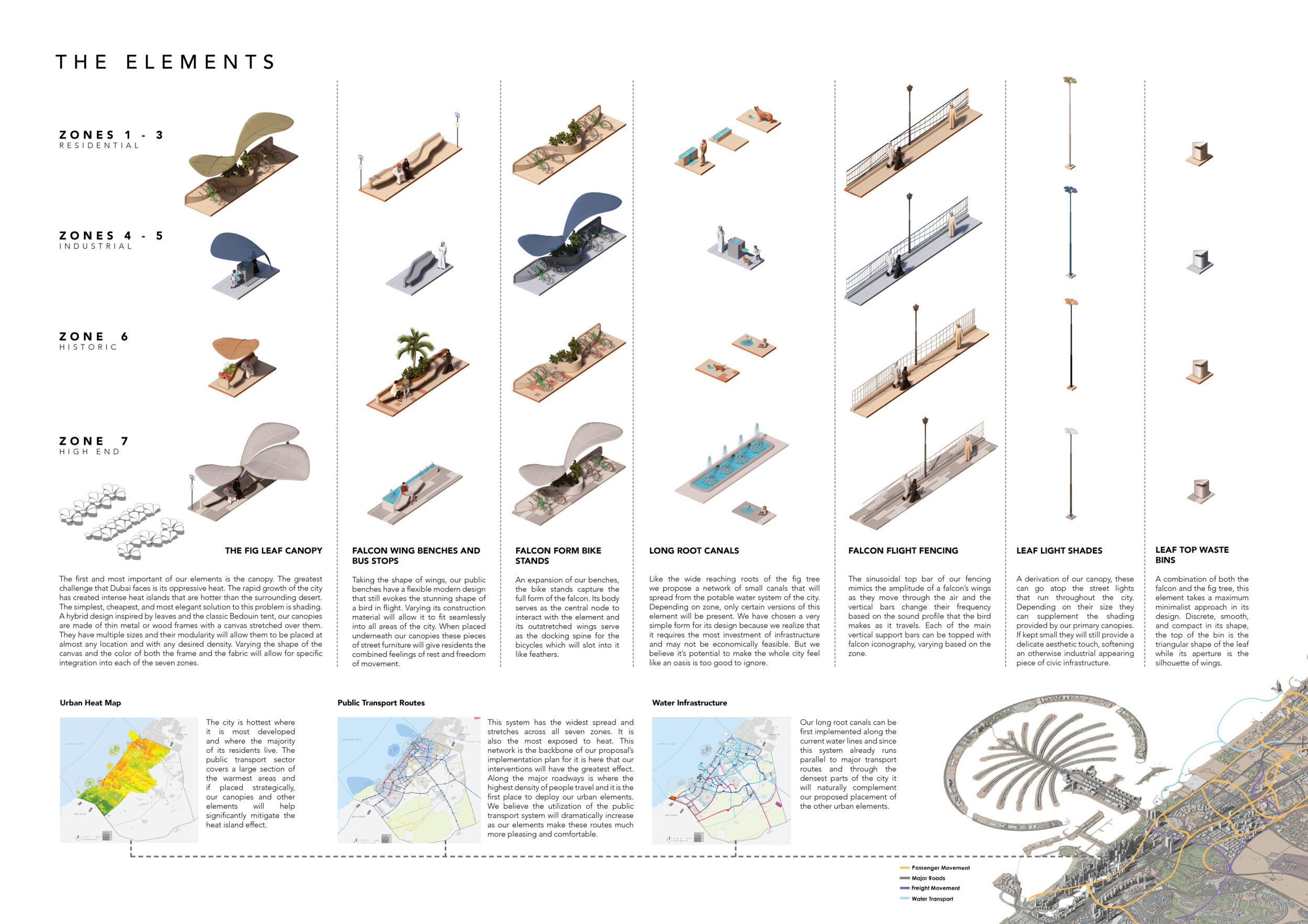
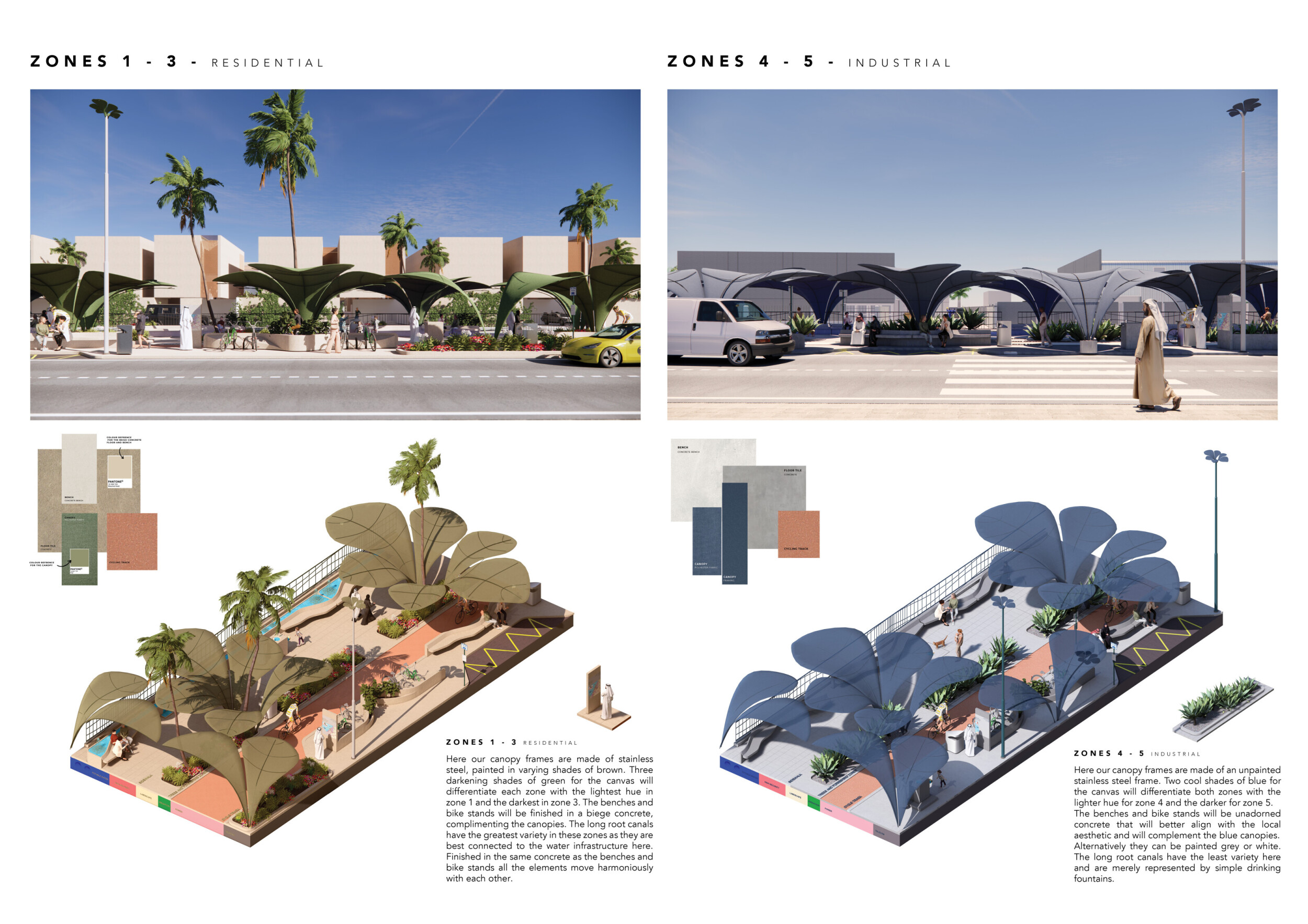
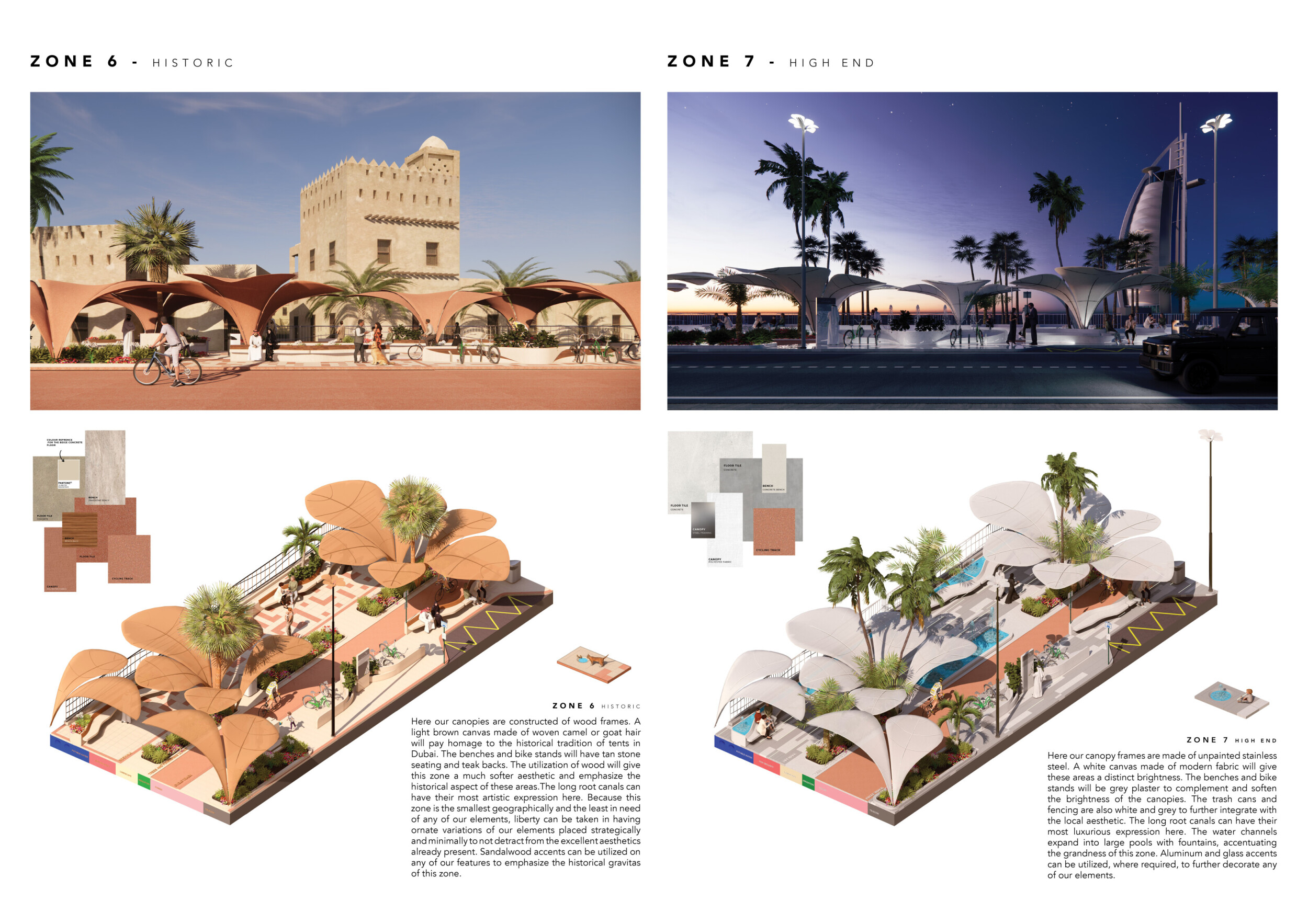

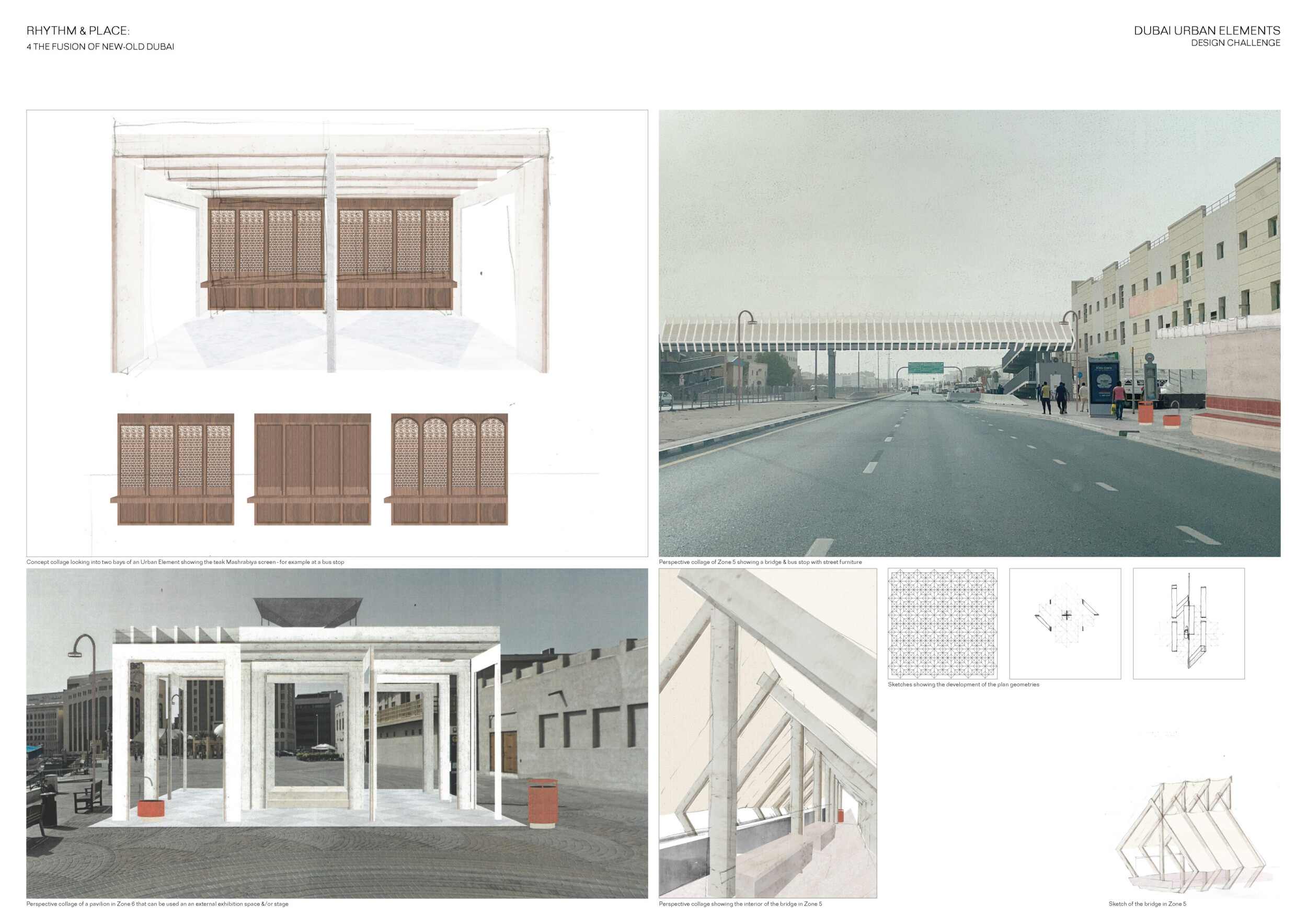
Rhythm & Place - Recuperating Urbanity at Dubai
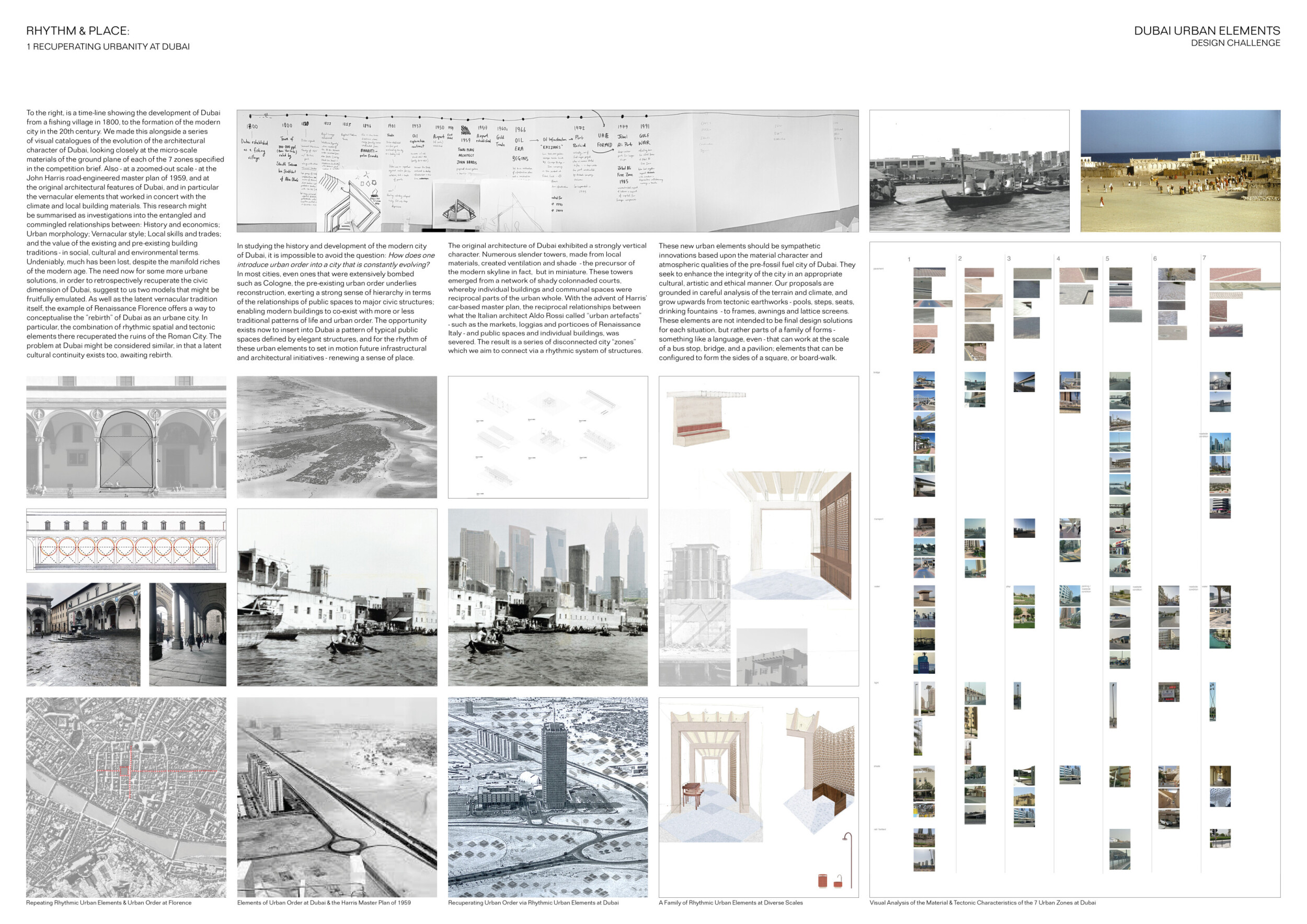
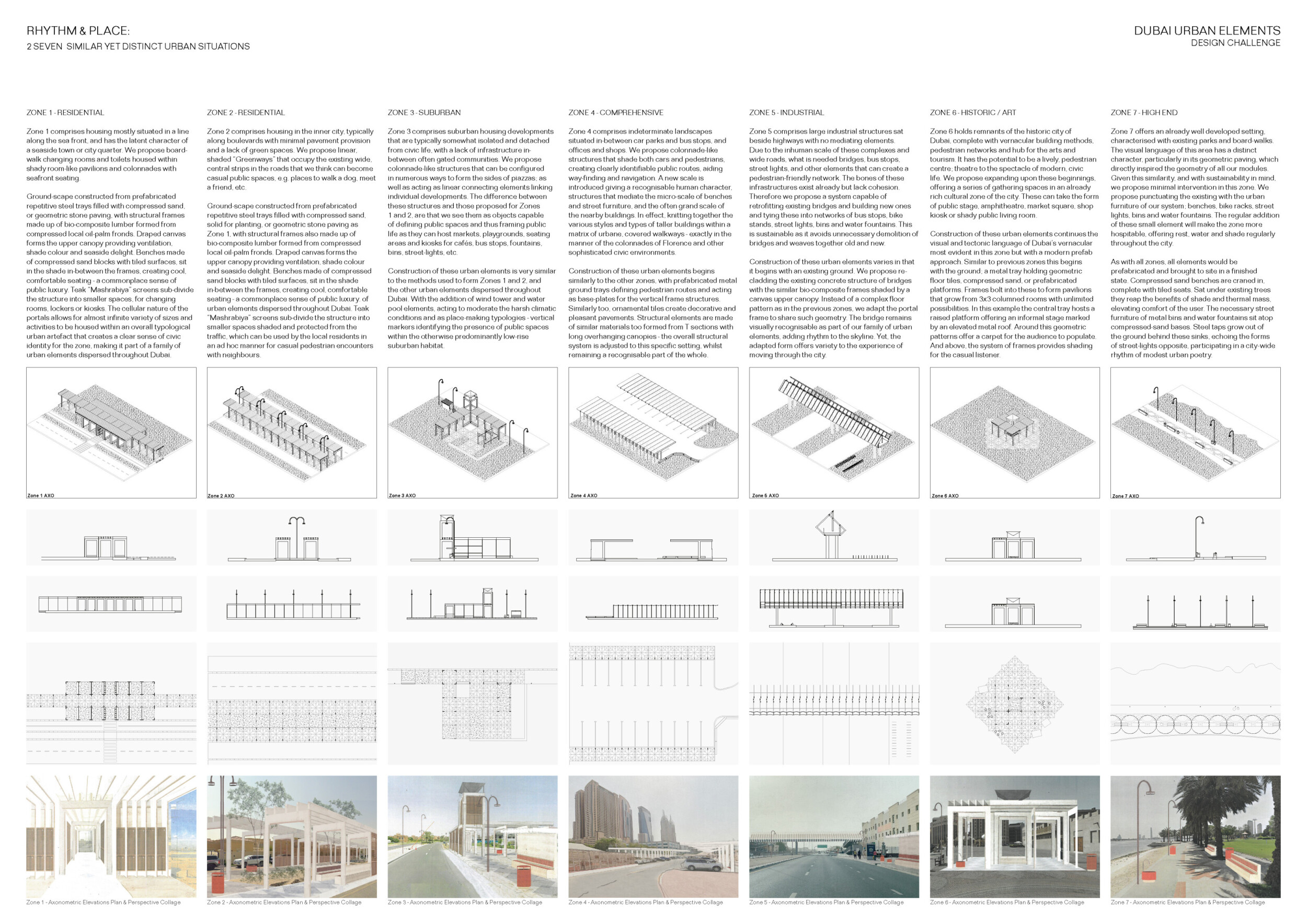
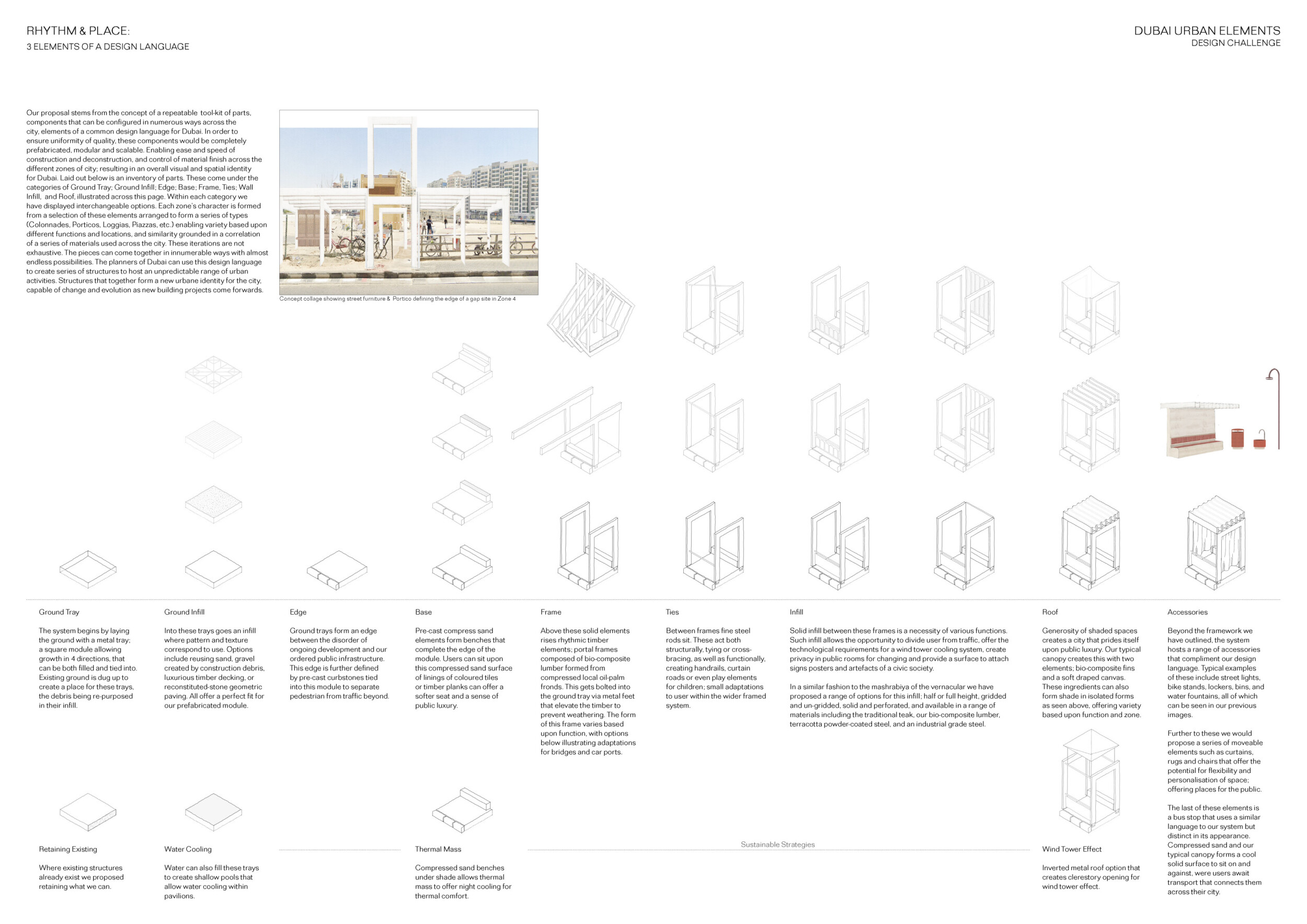
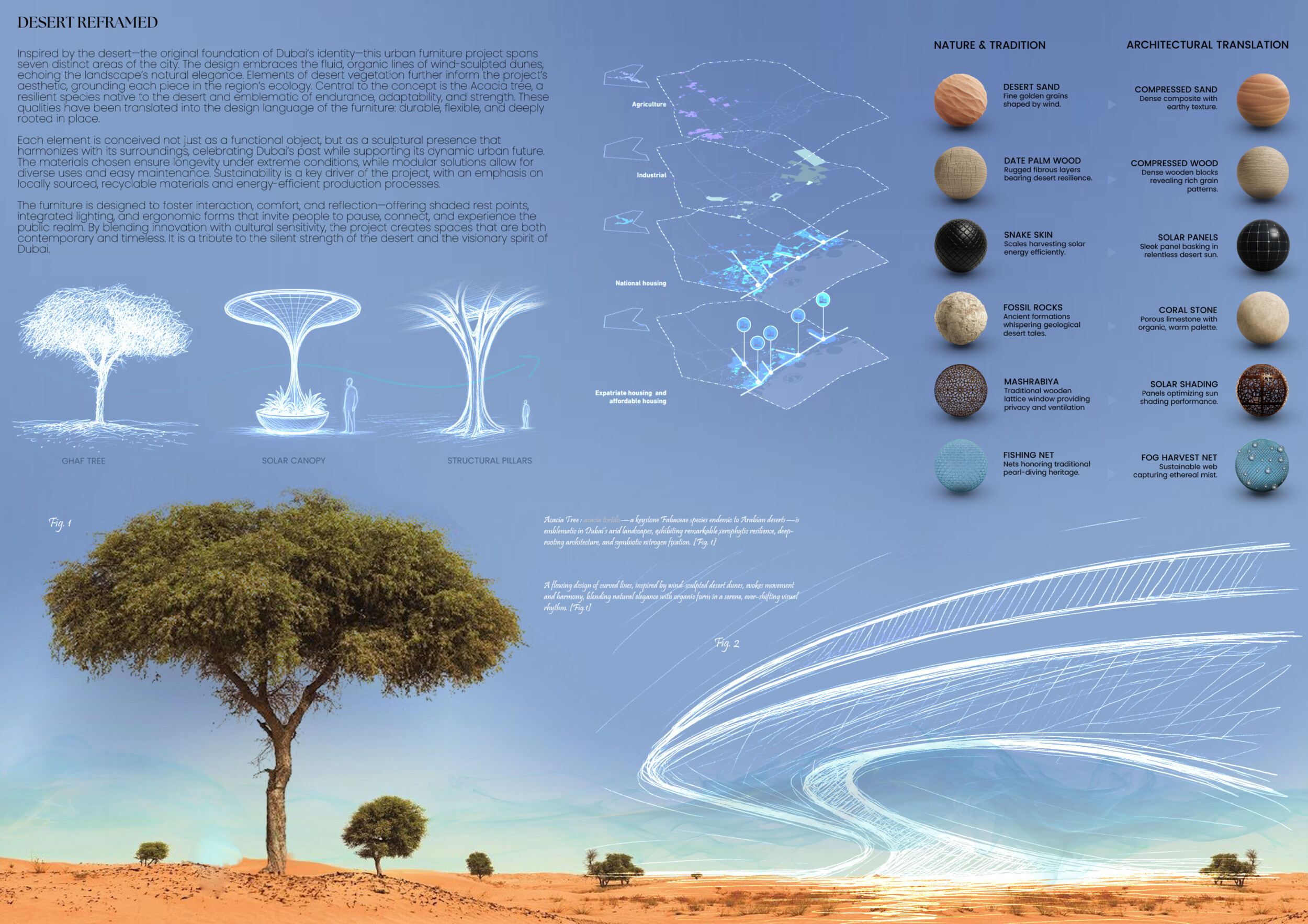
Desert Reframed
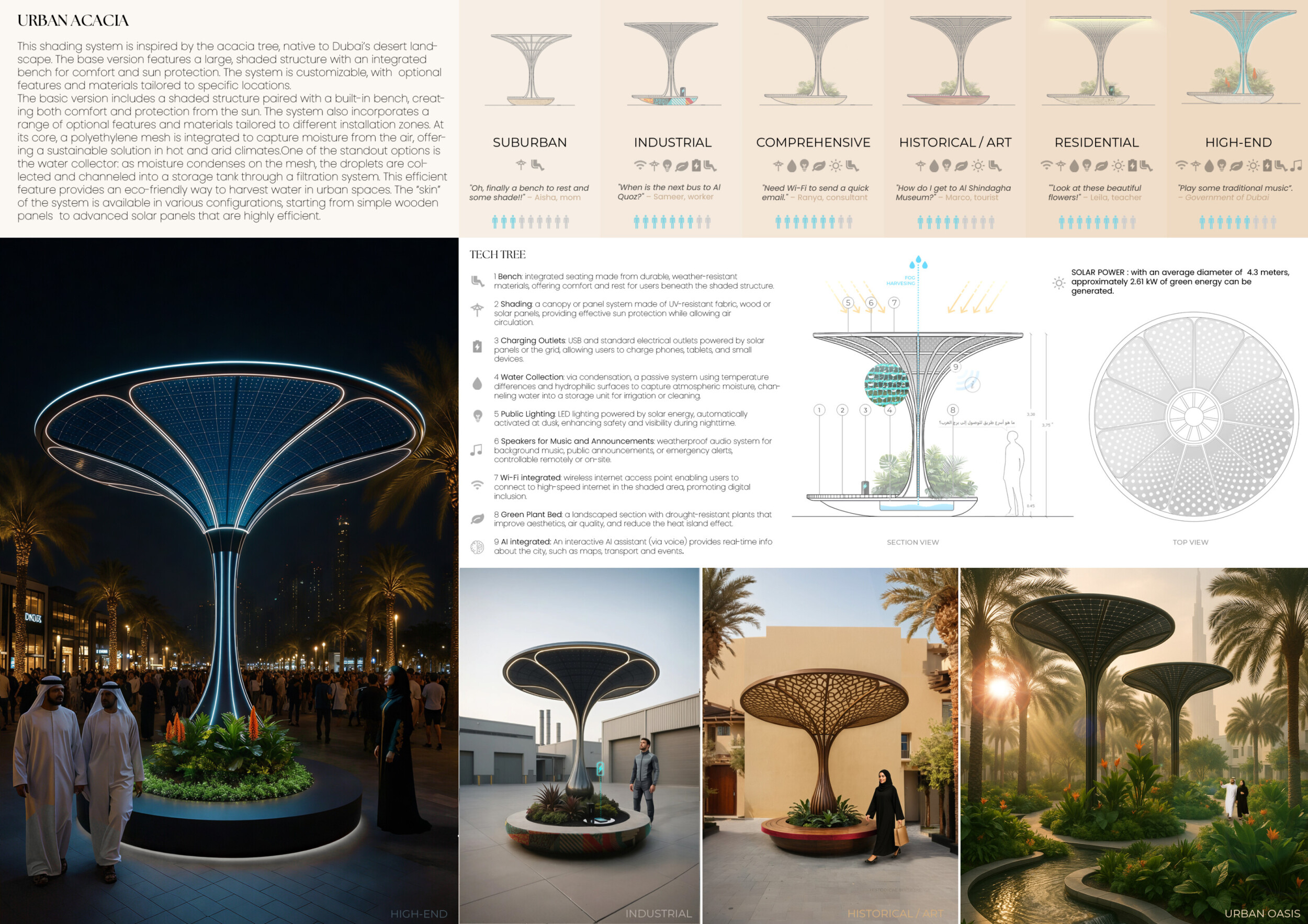
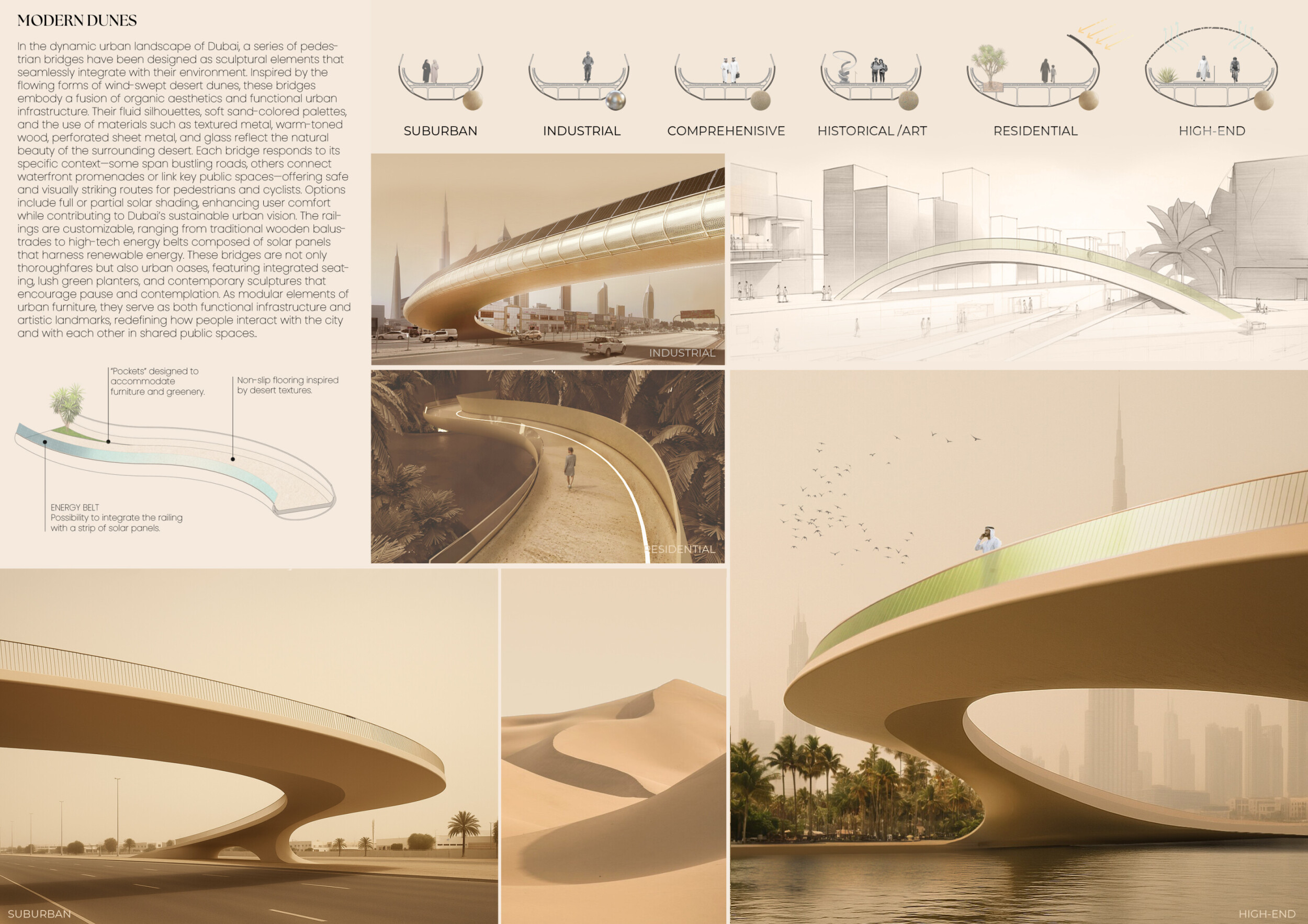
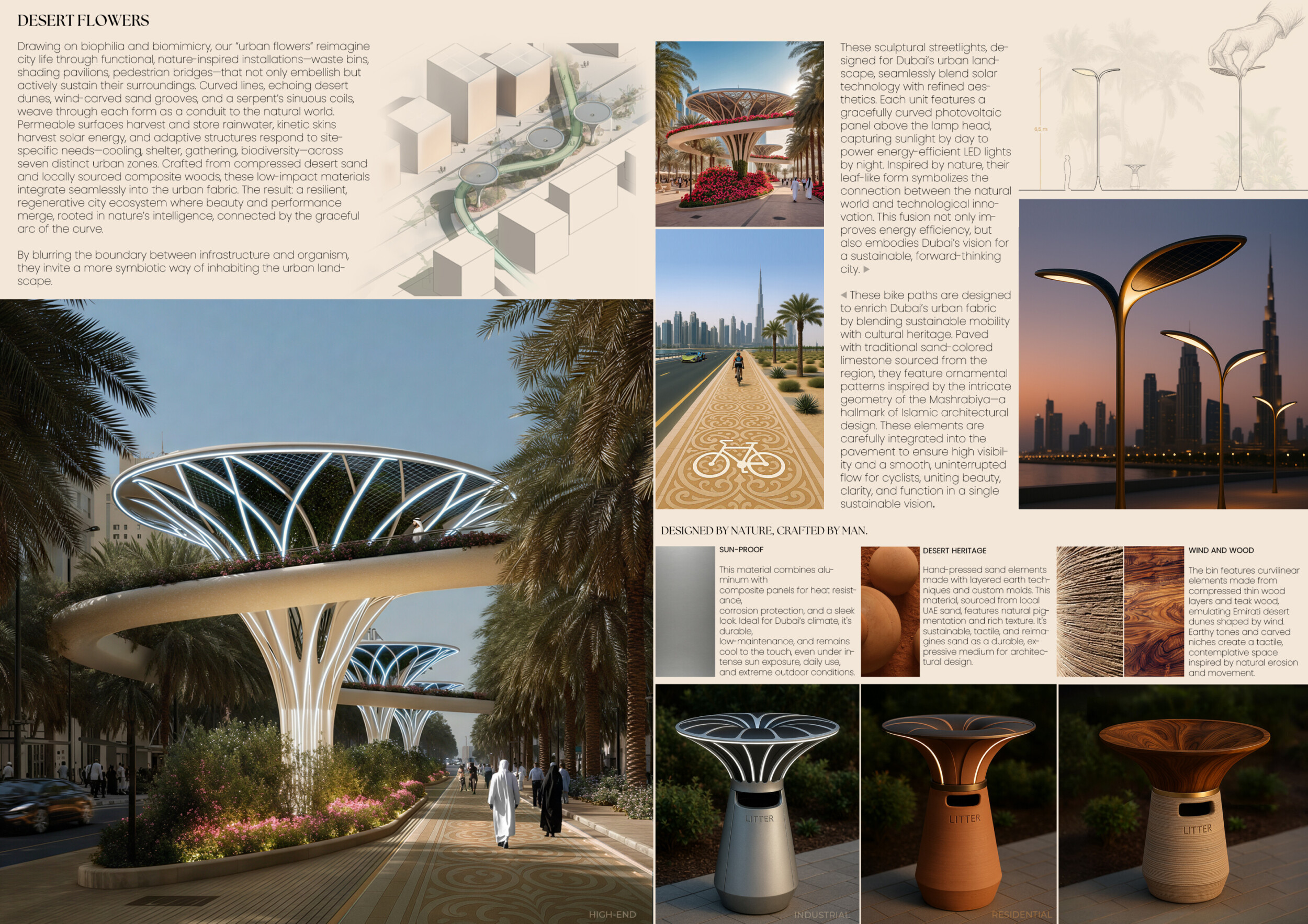
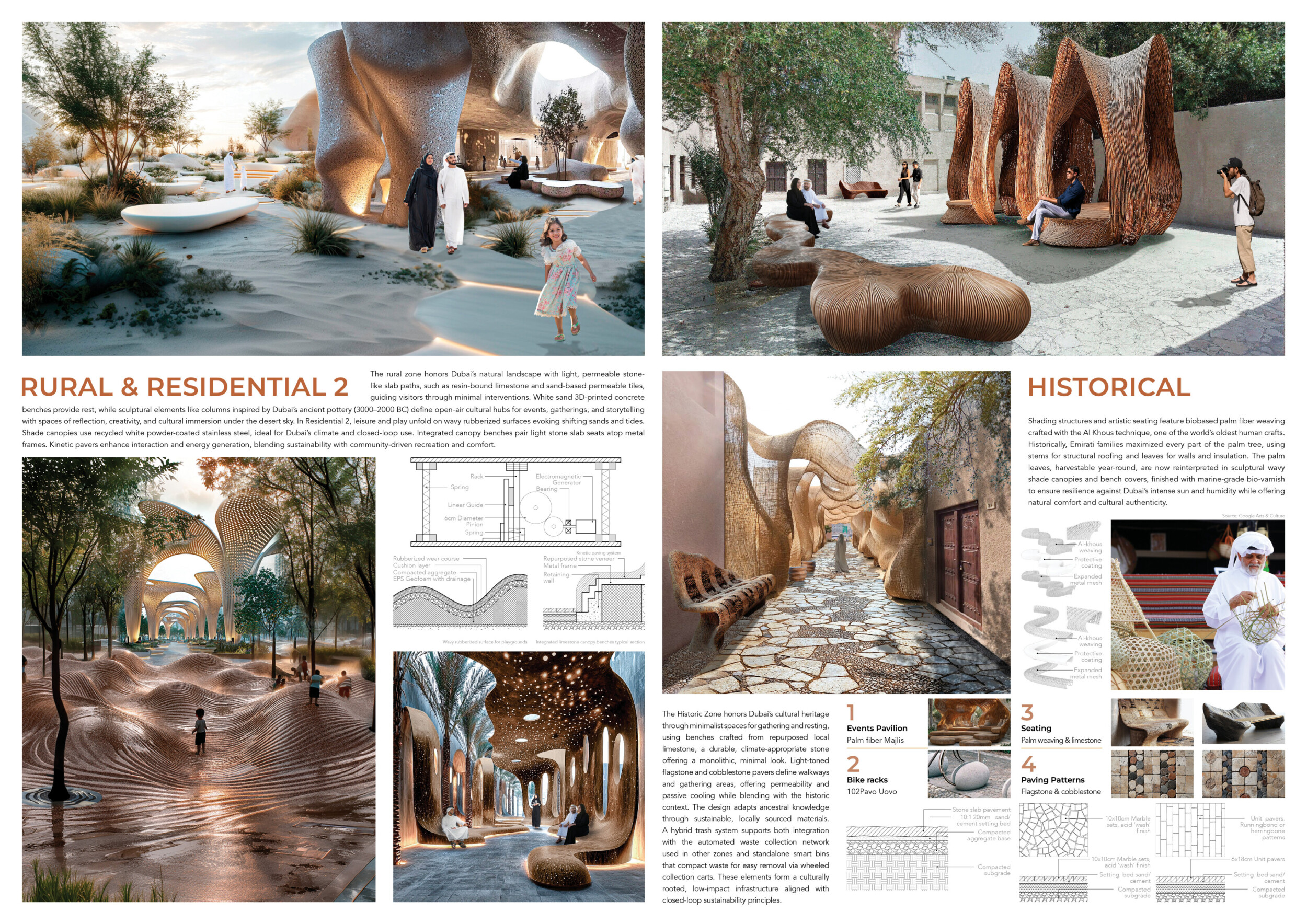
A Thread Through Time
Micro-Climates, Macro-Identity: Dubai’s Living Elements
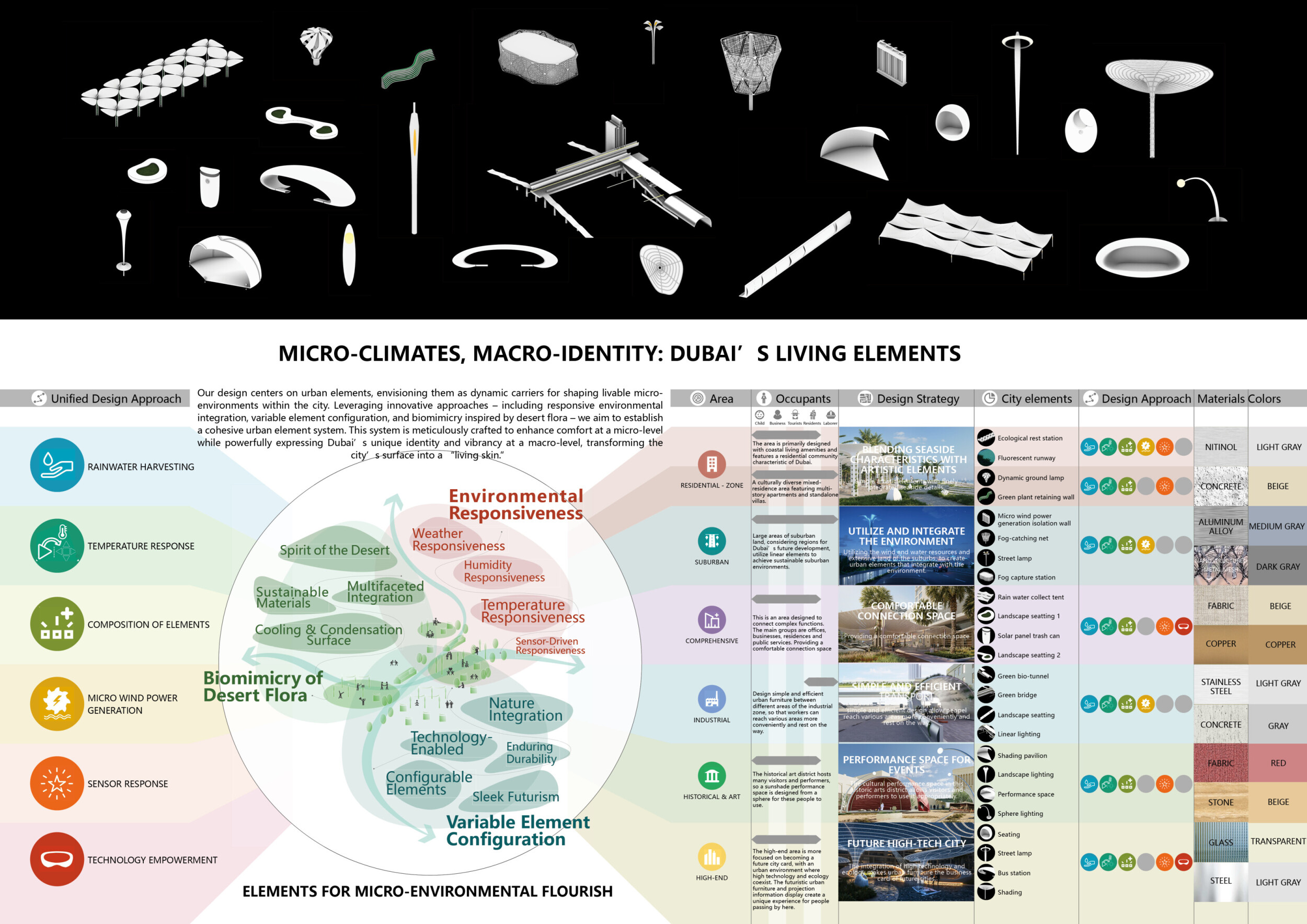
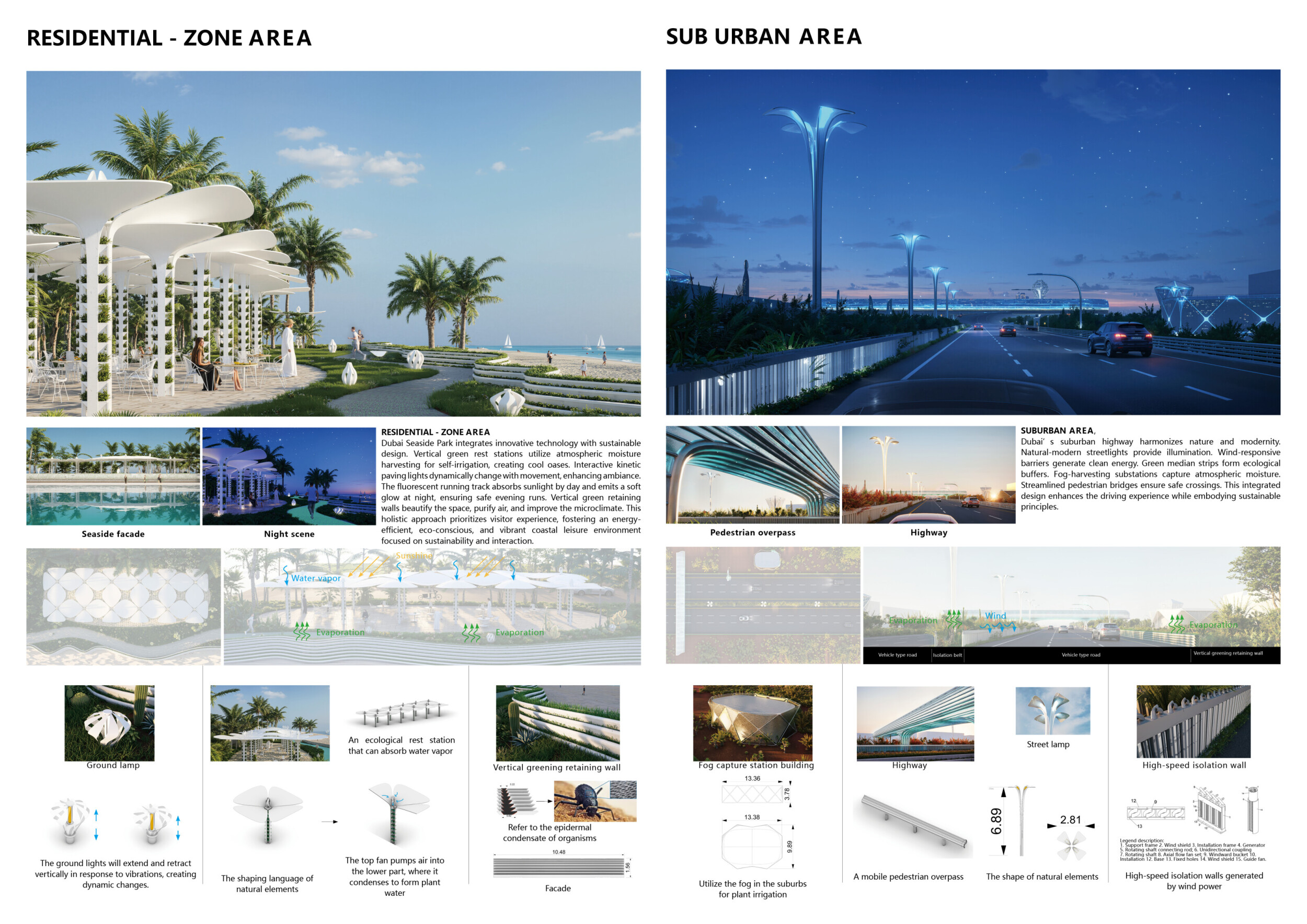
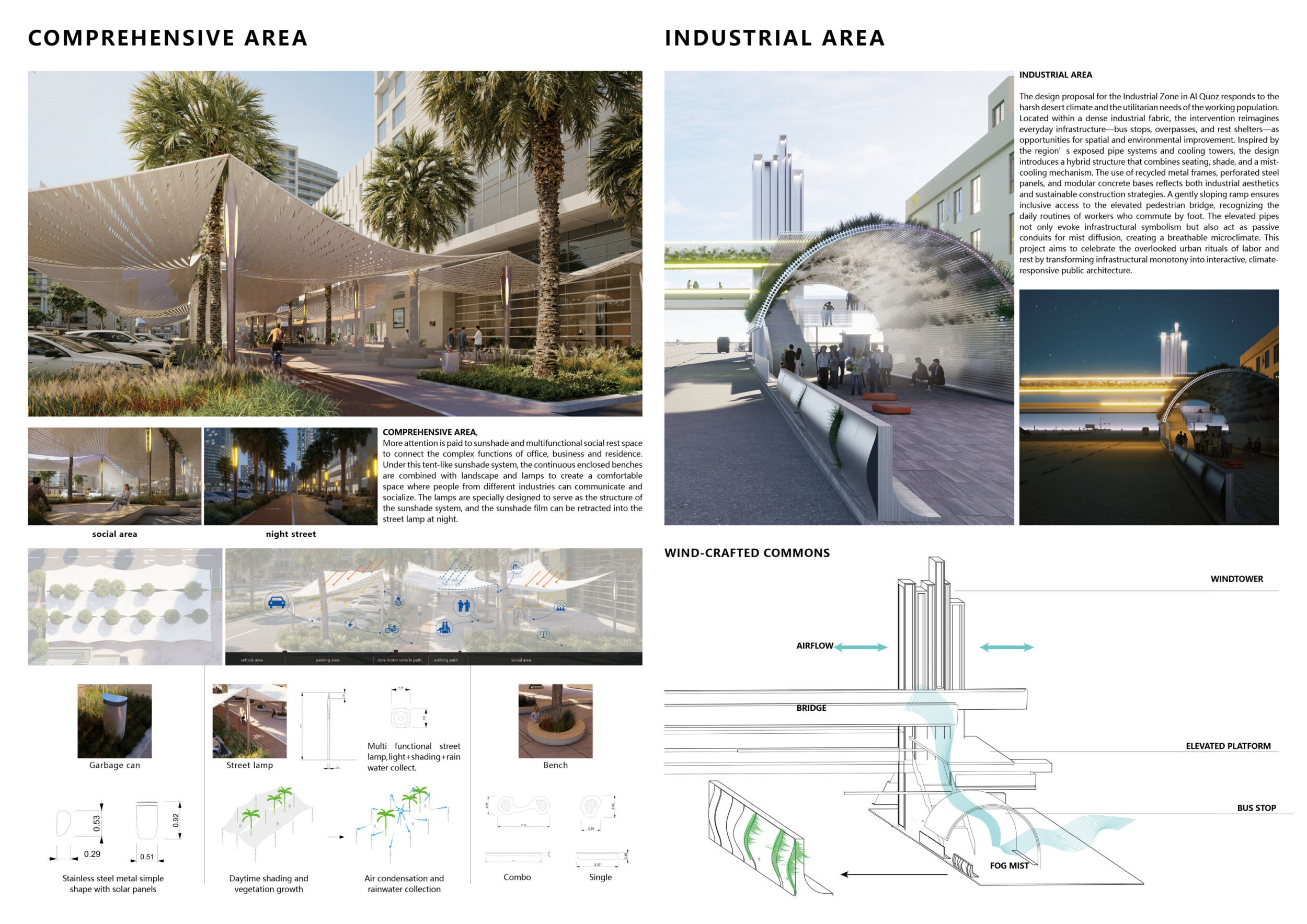

Sayan
DubaiCycle: Dubai’s Coolest Cycling Experience
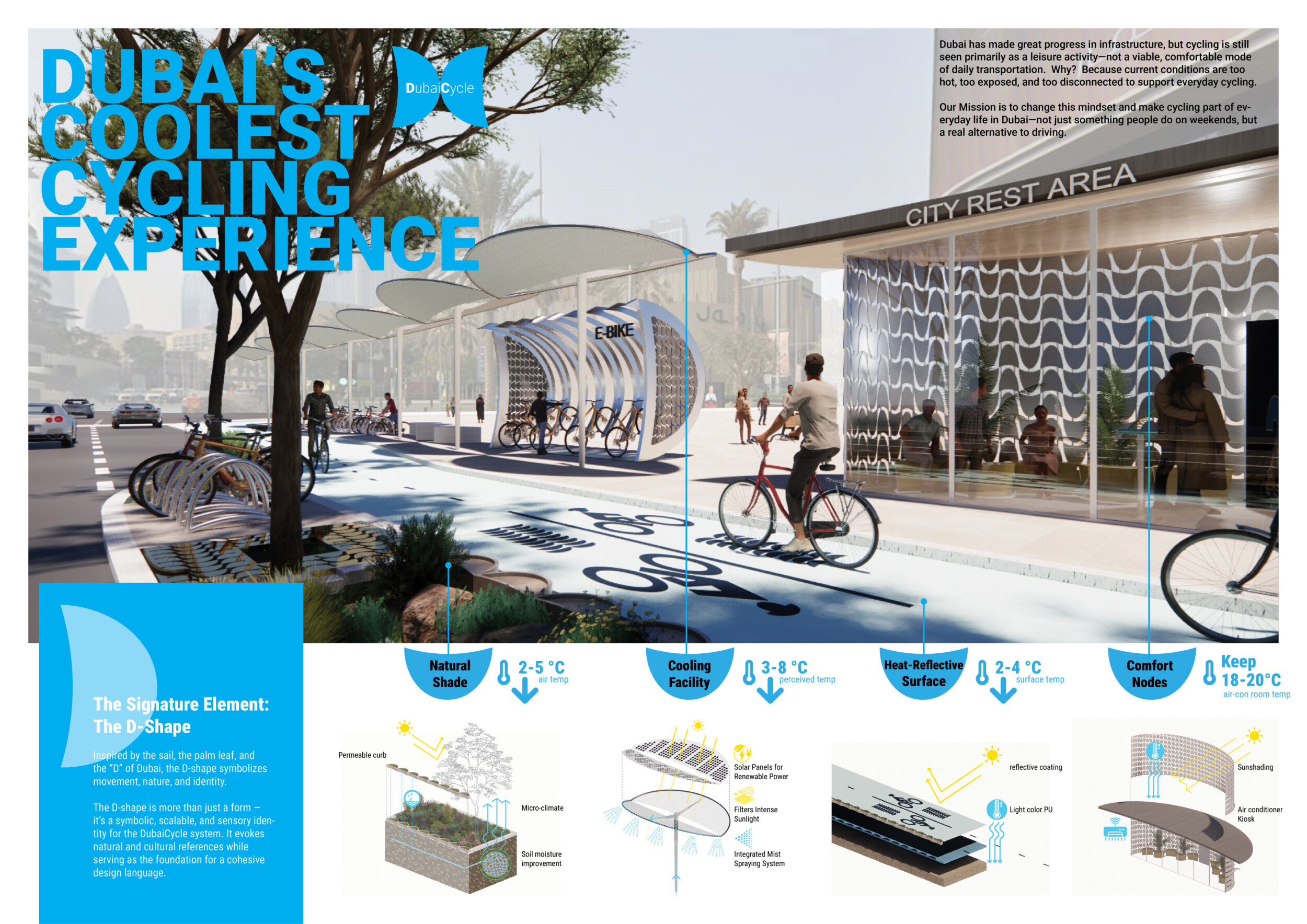
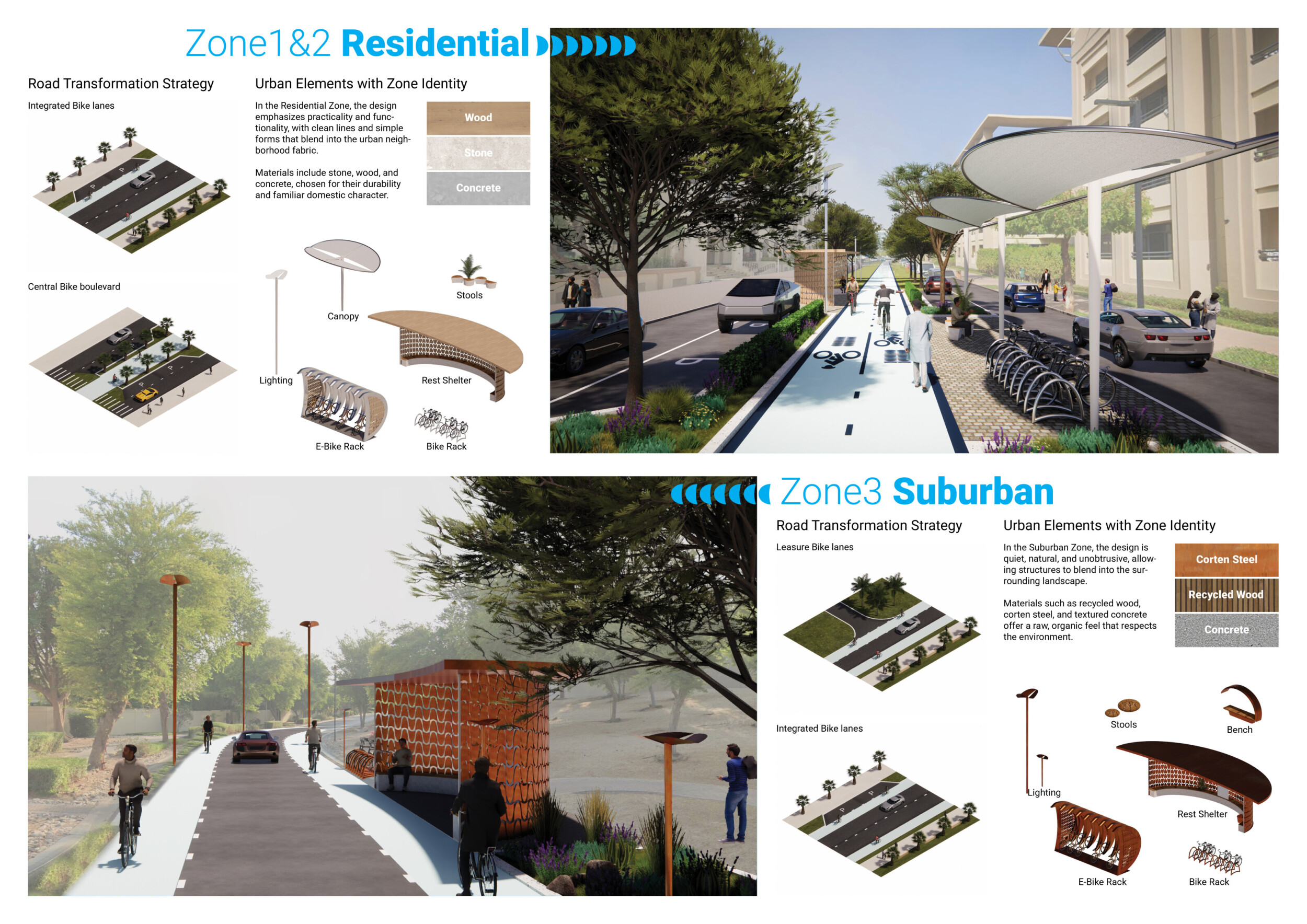
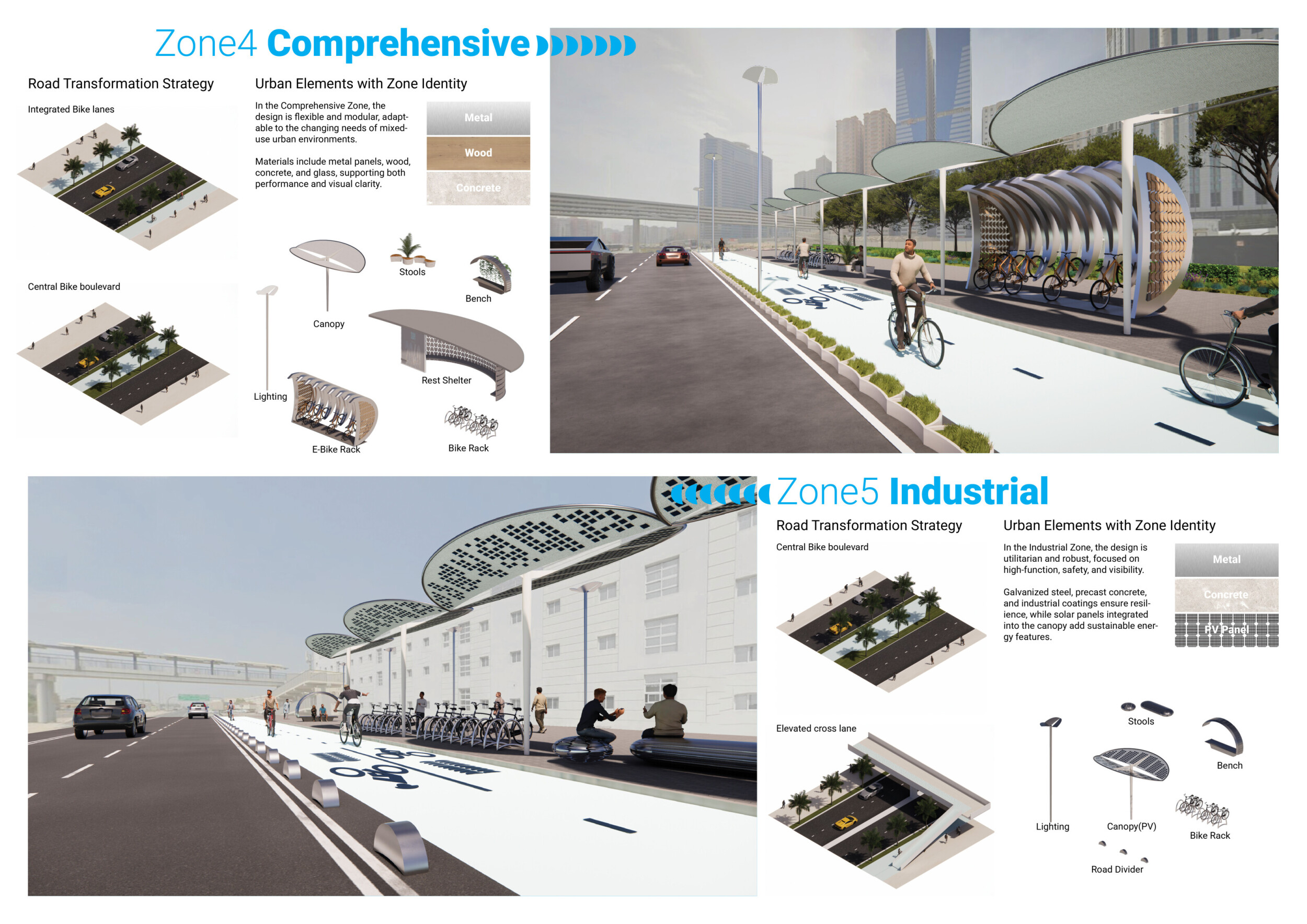
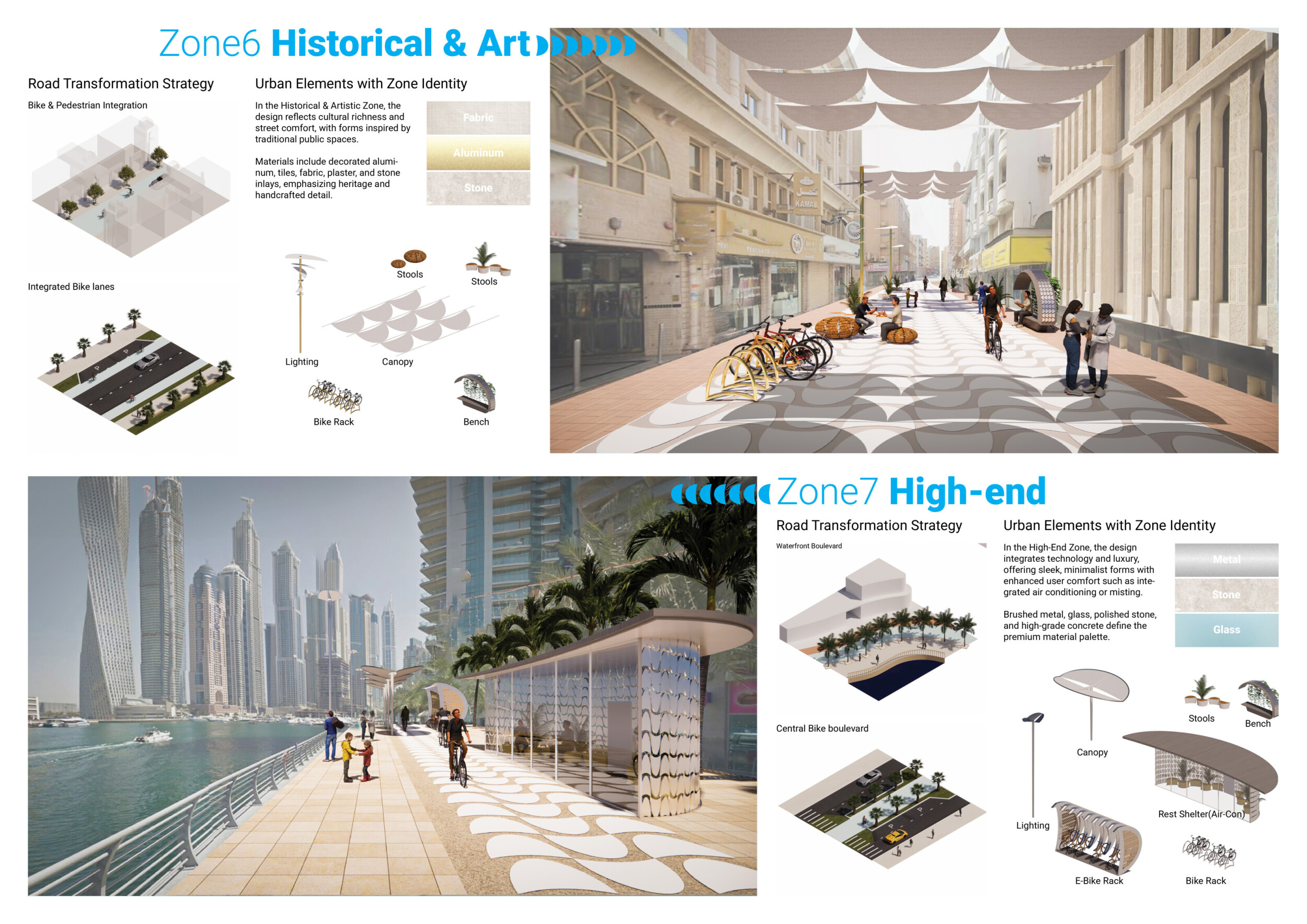

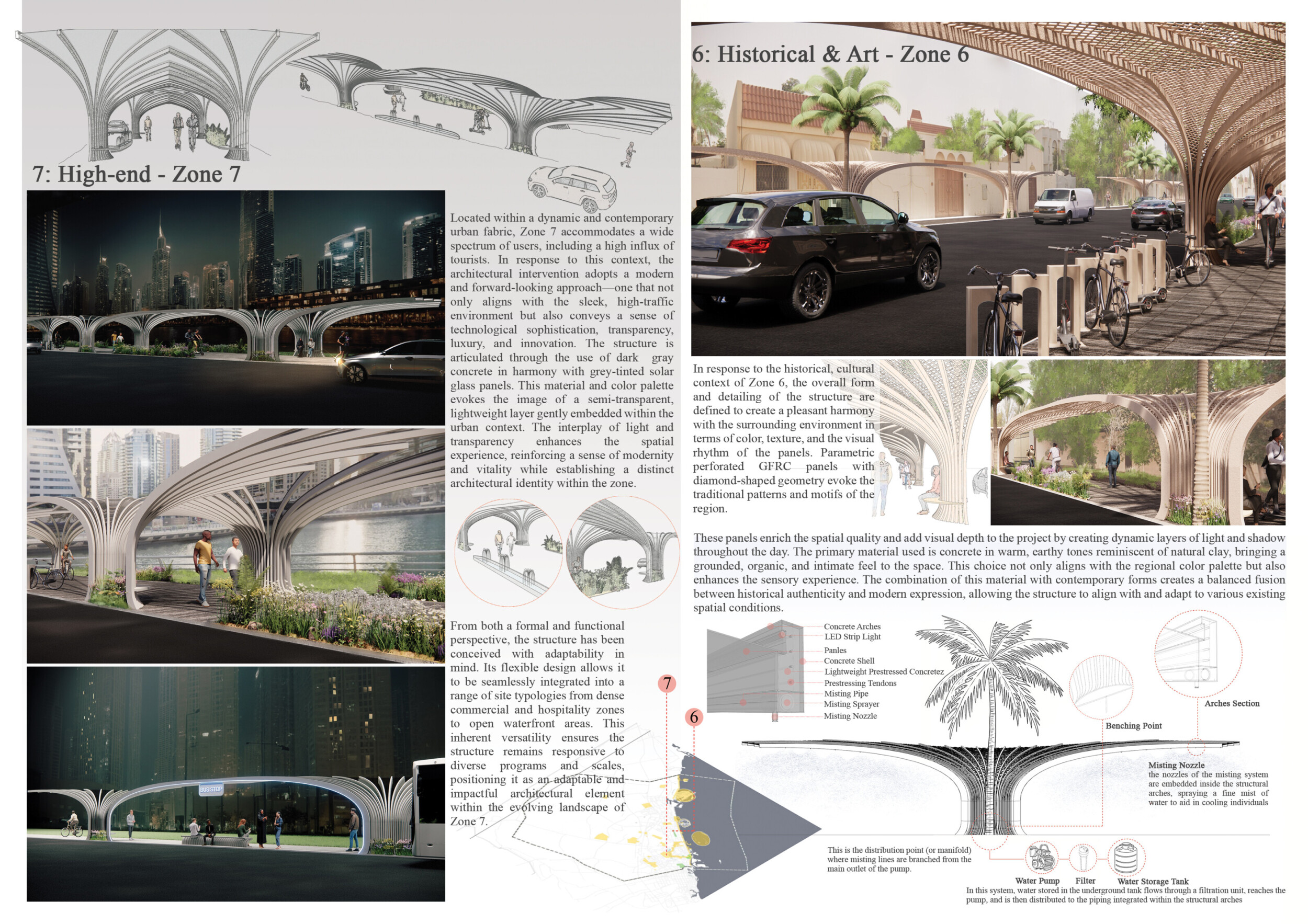
Breathing Masonry
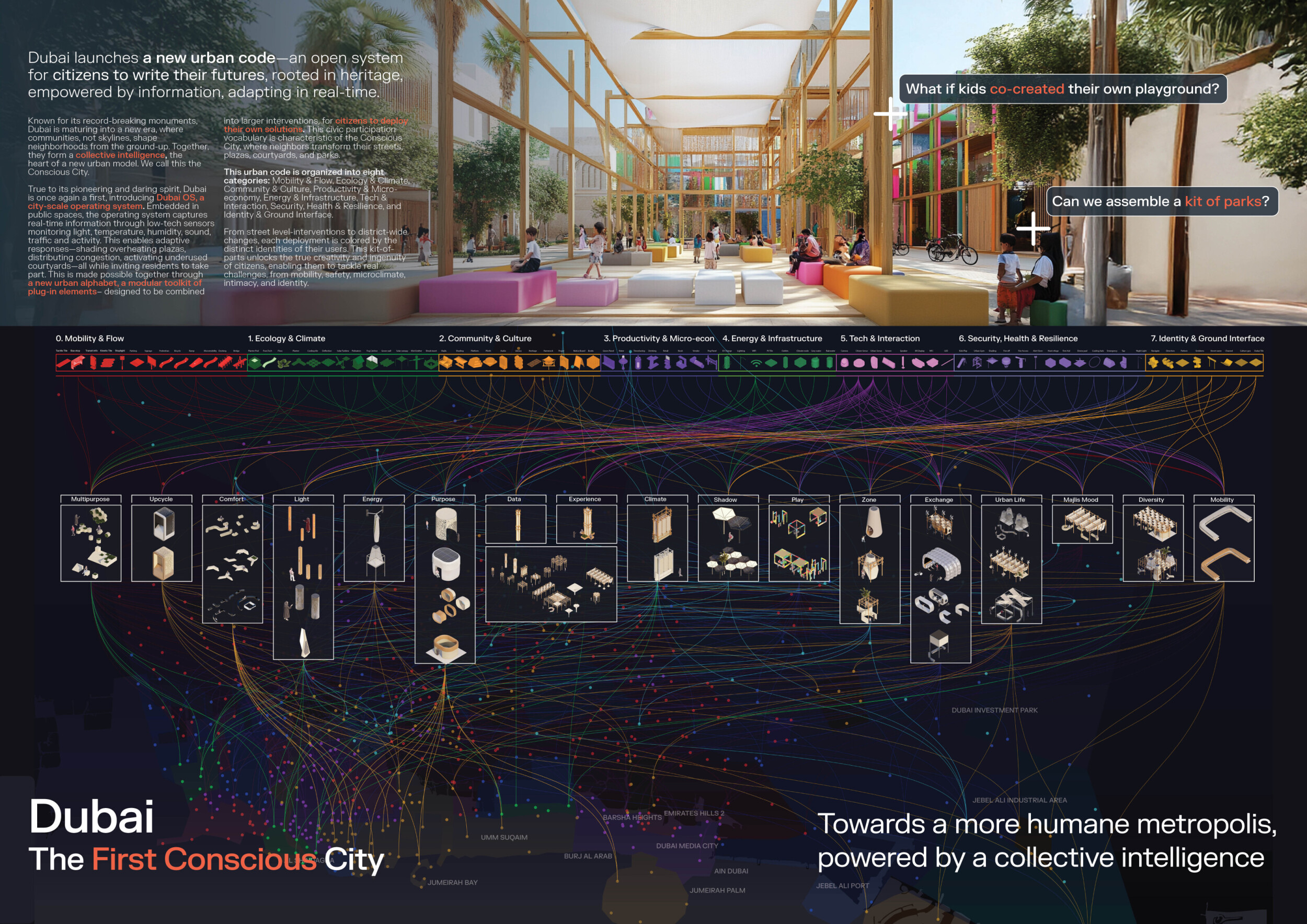
The Conscious City
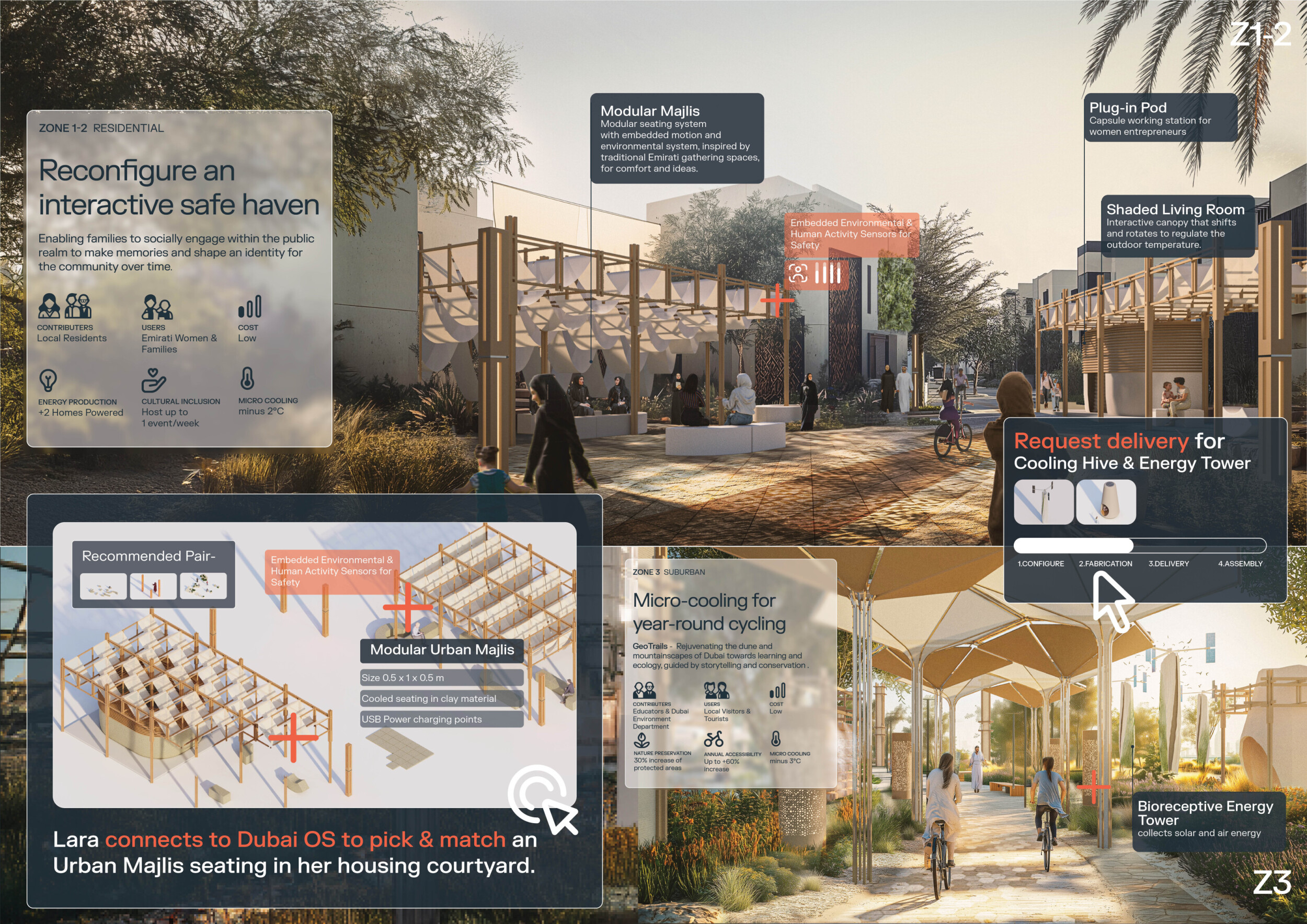
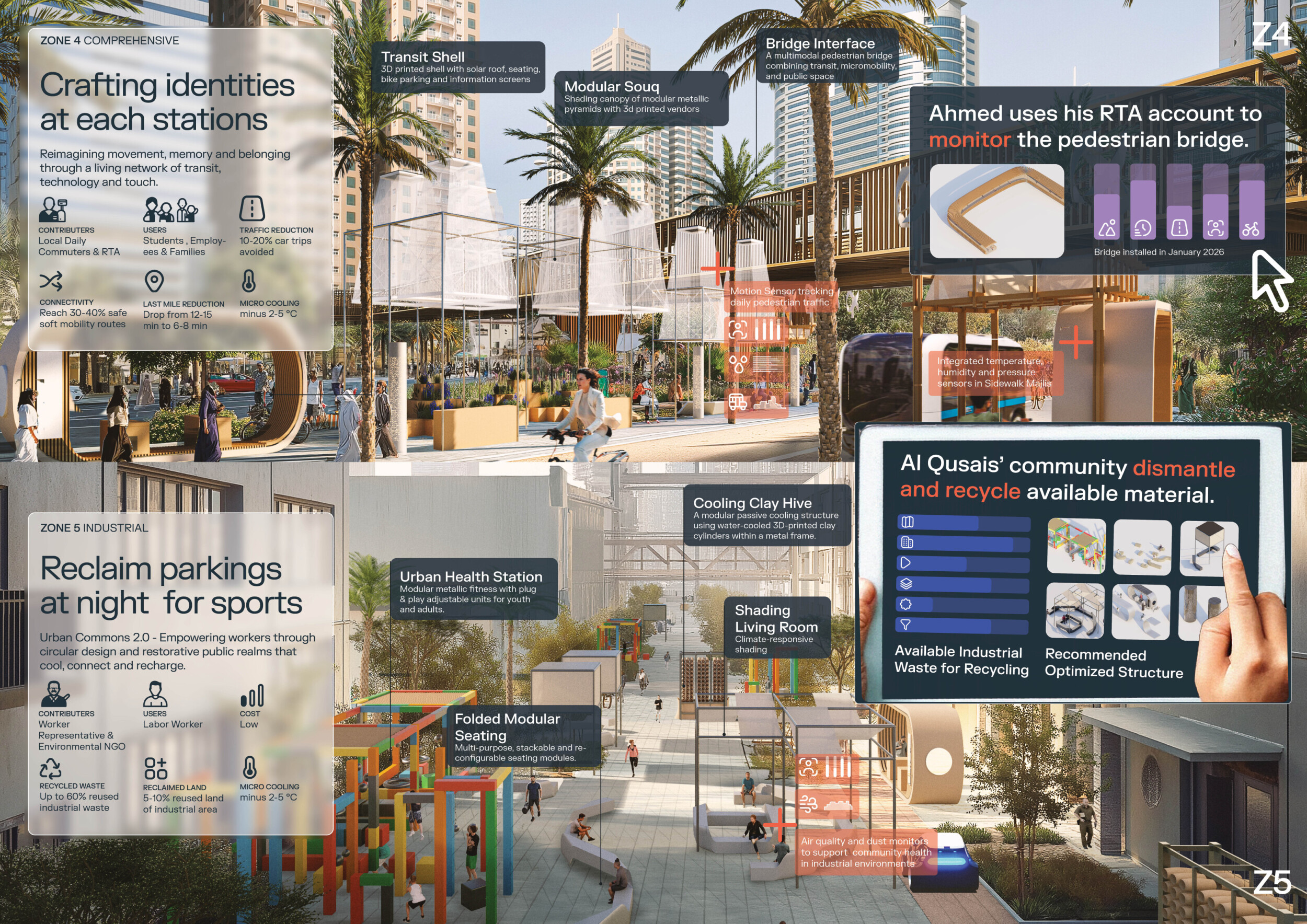
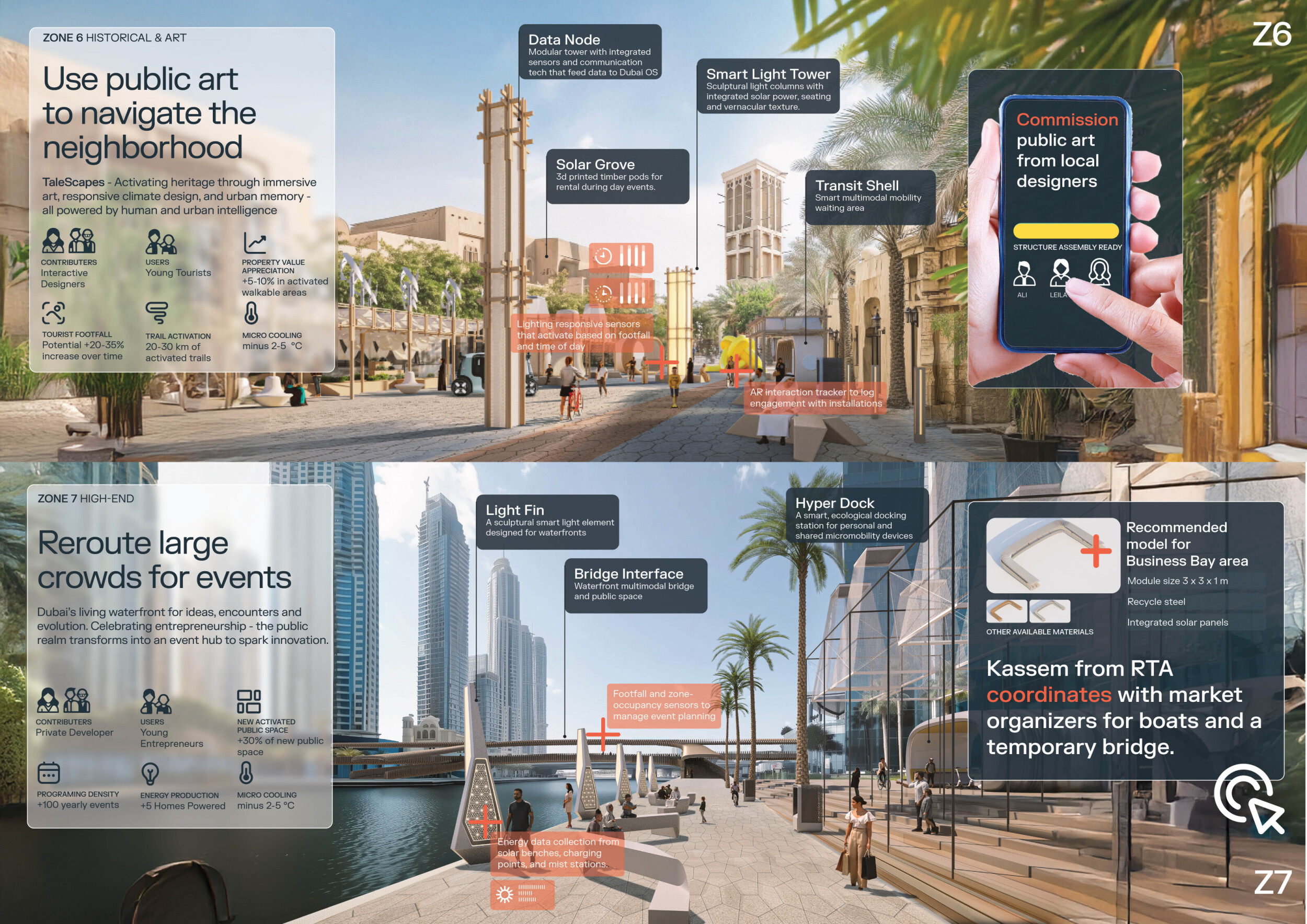
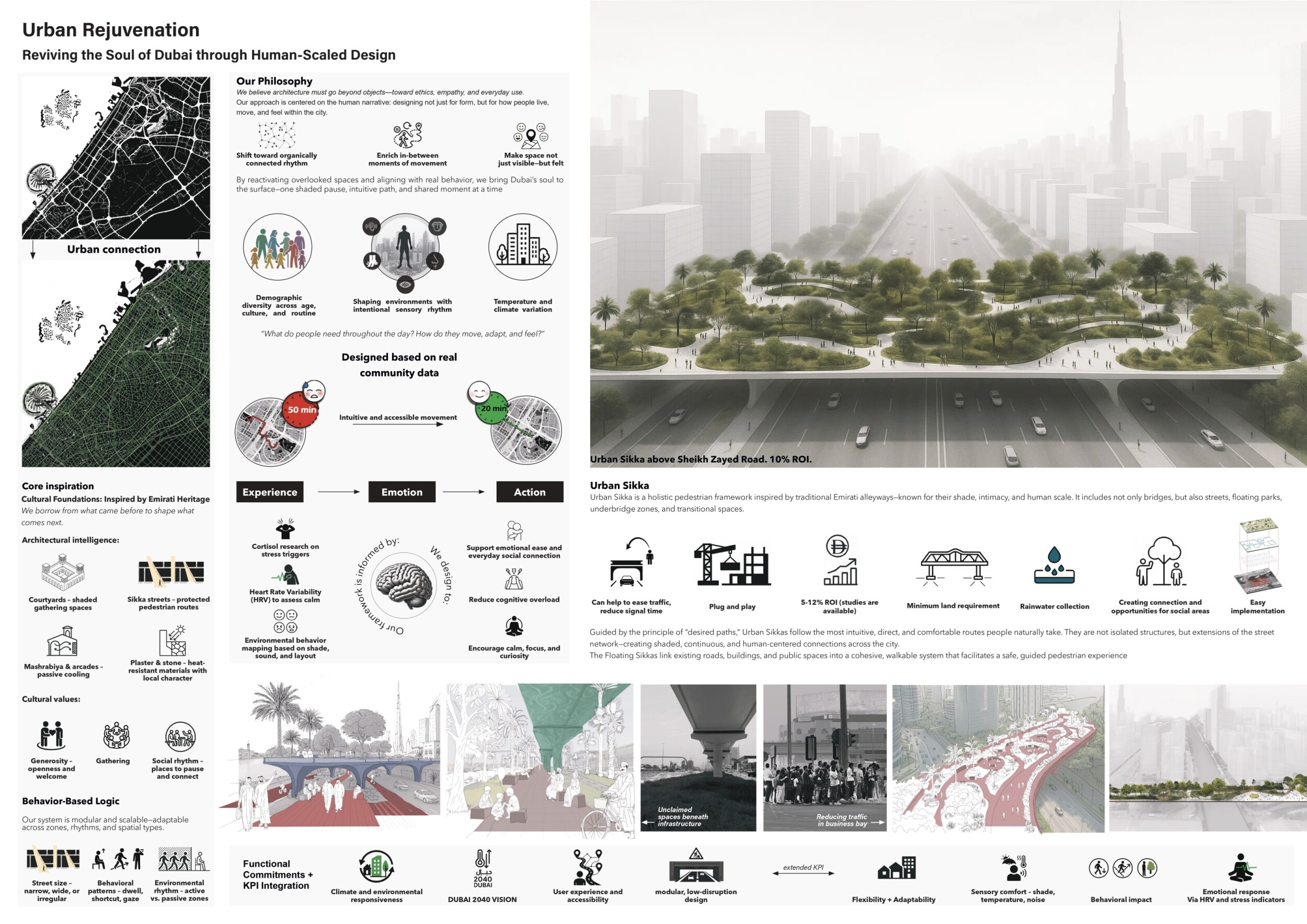
Urban Rejuvenation
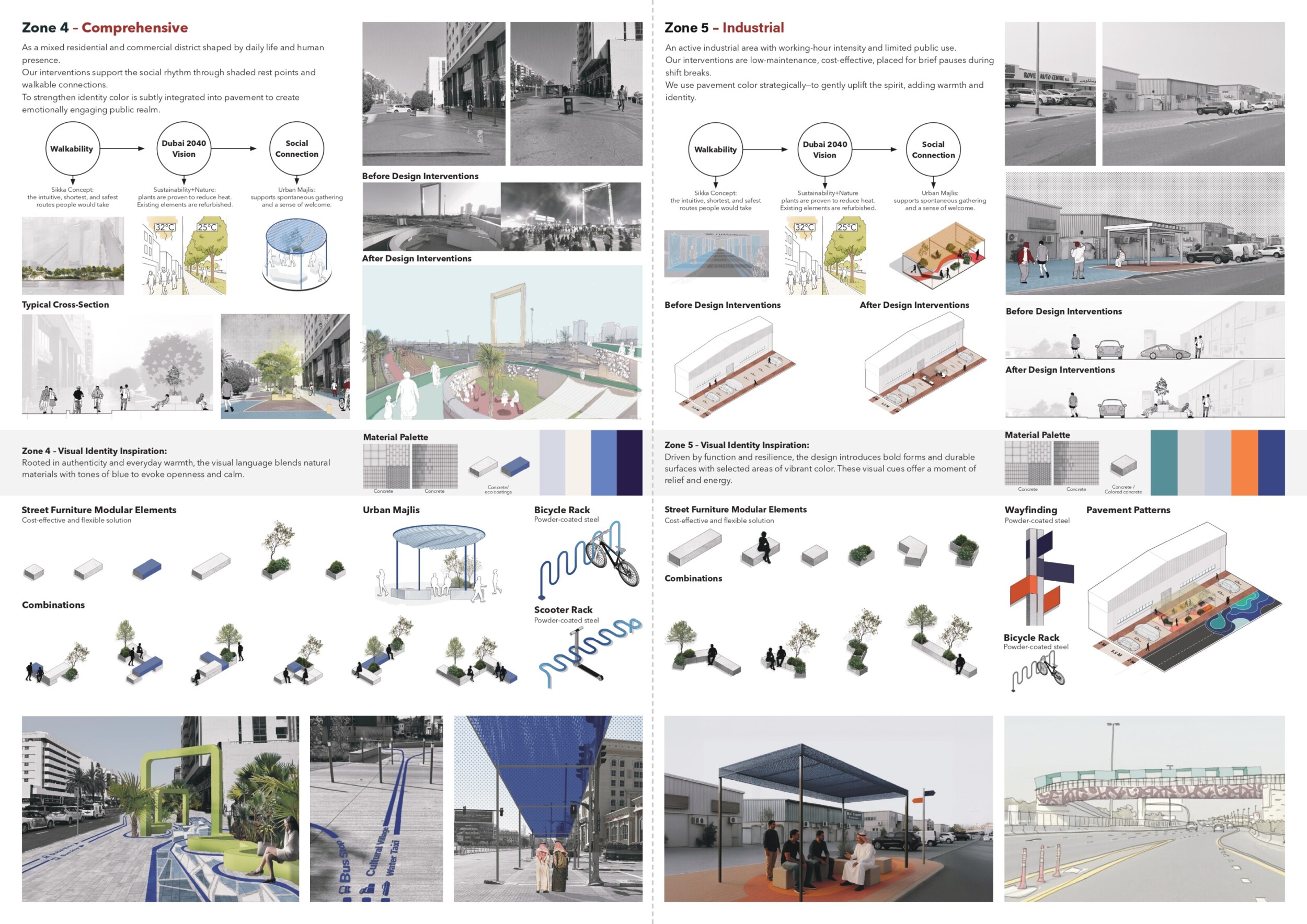
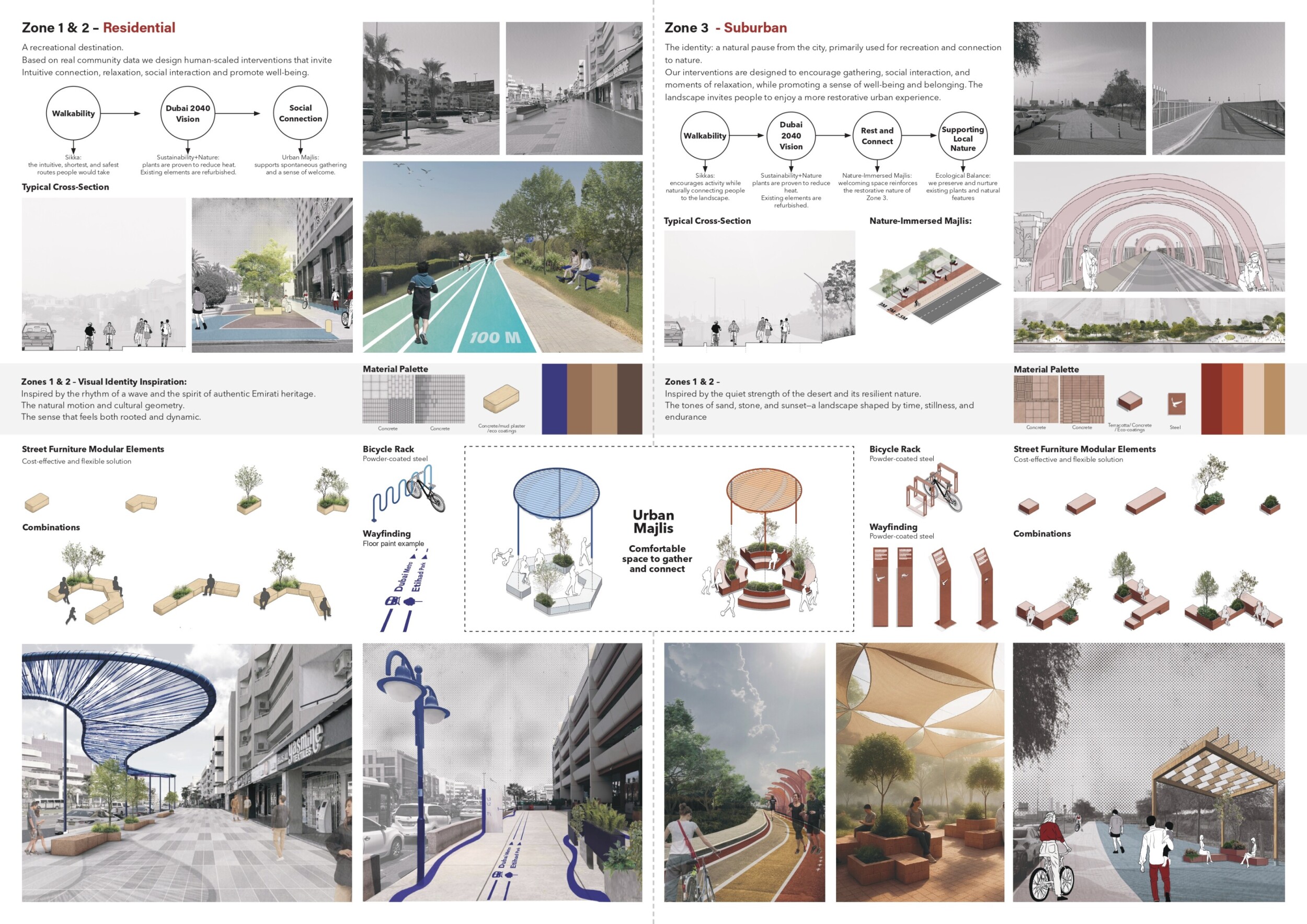
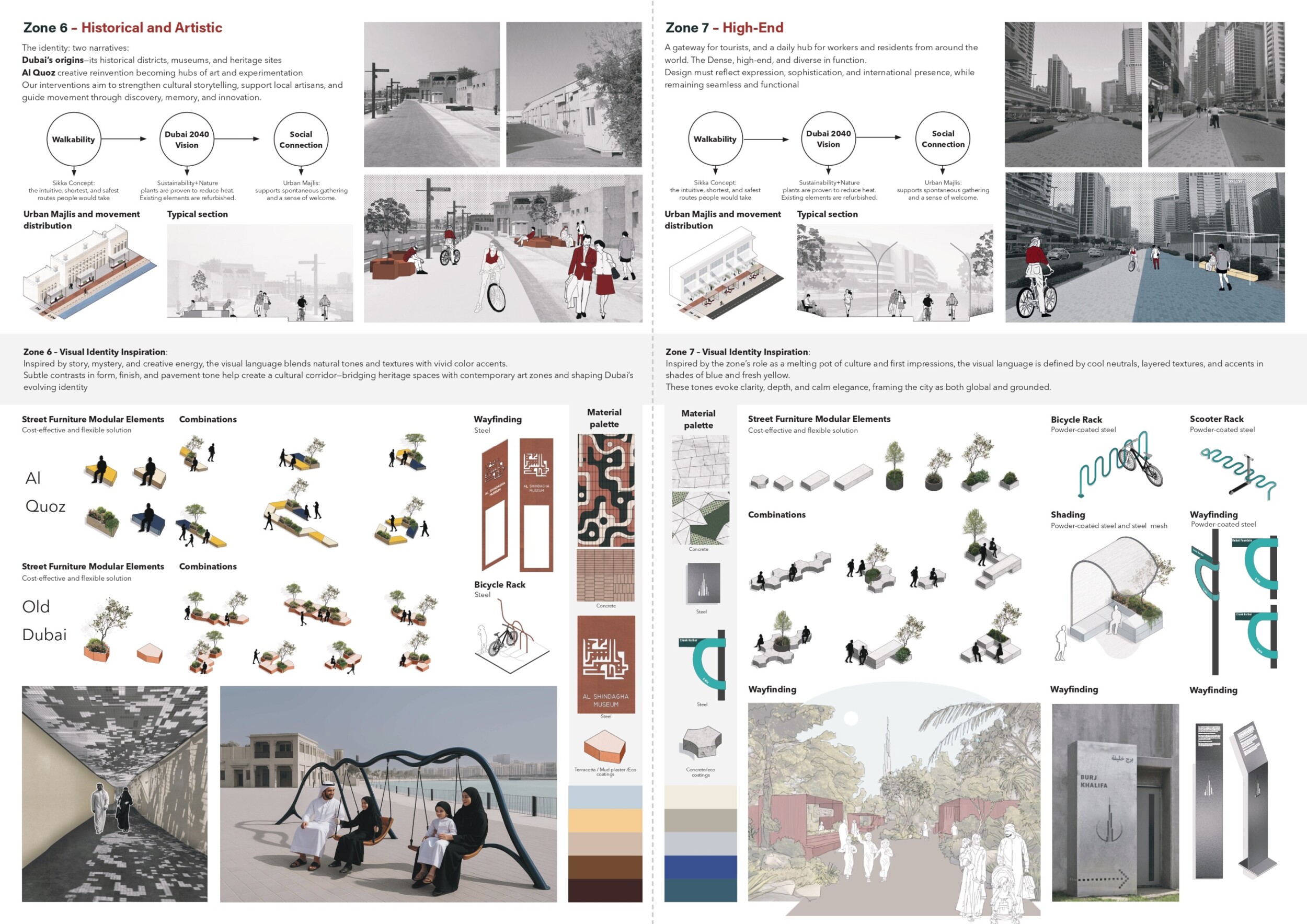
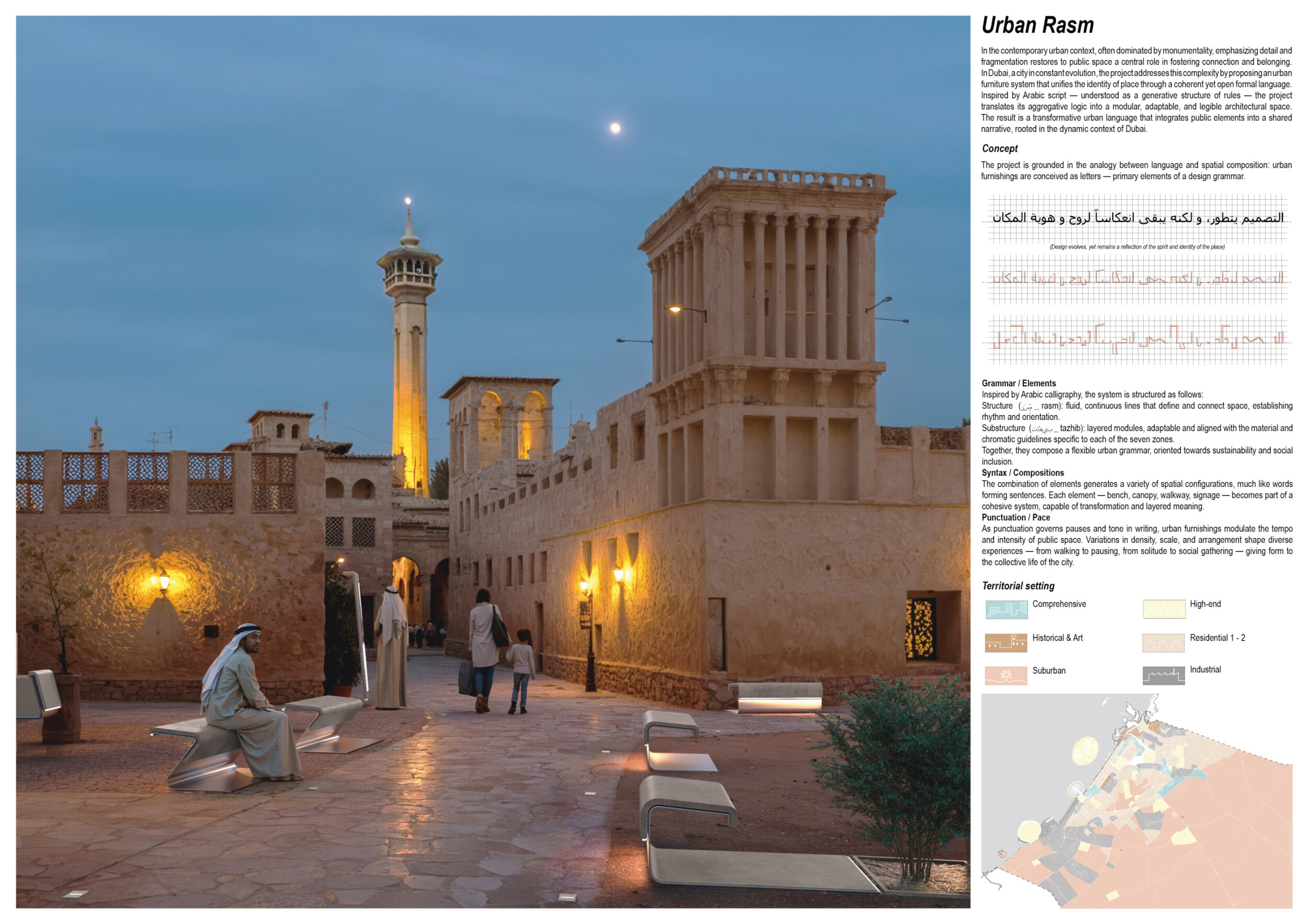
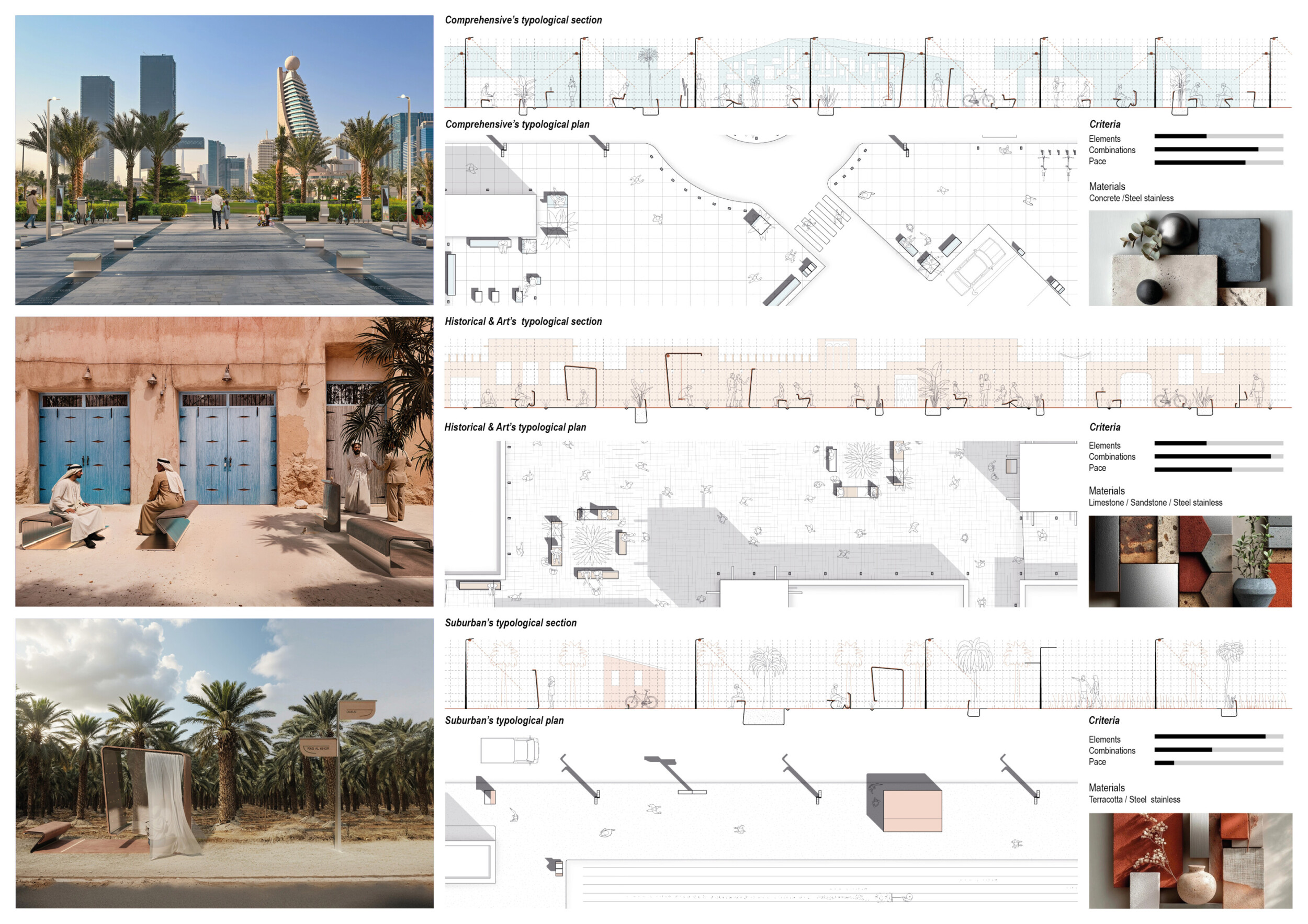
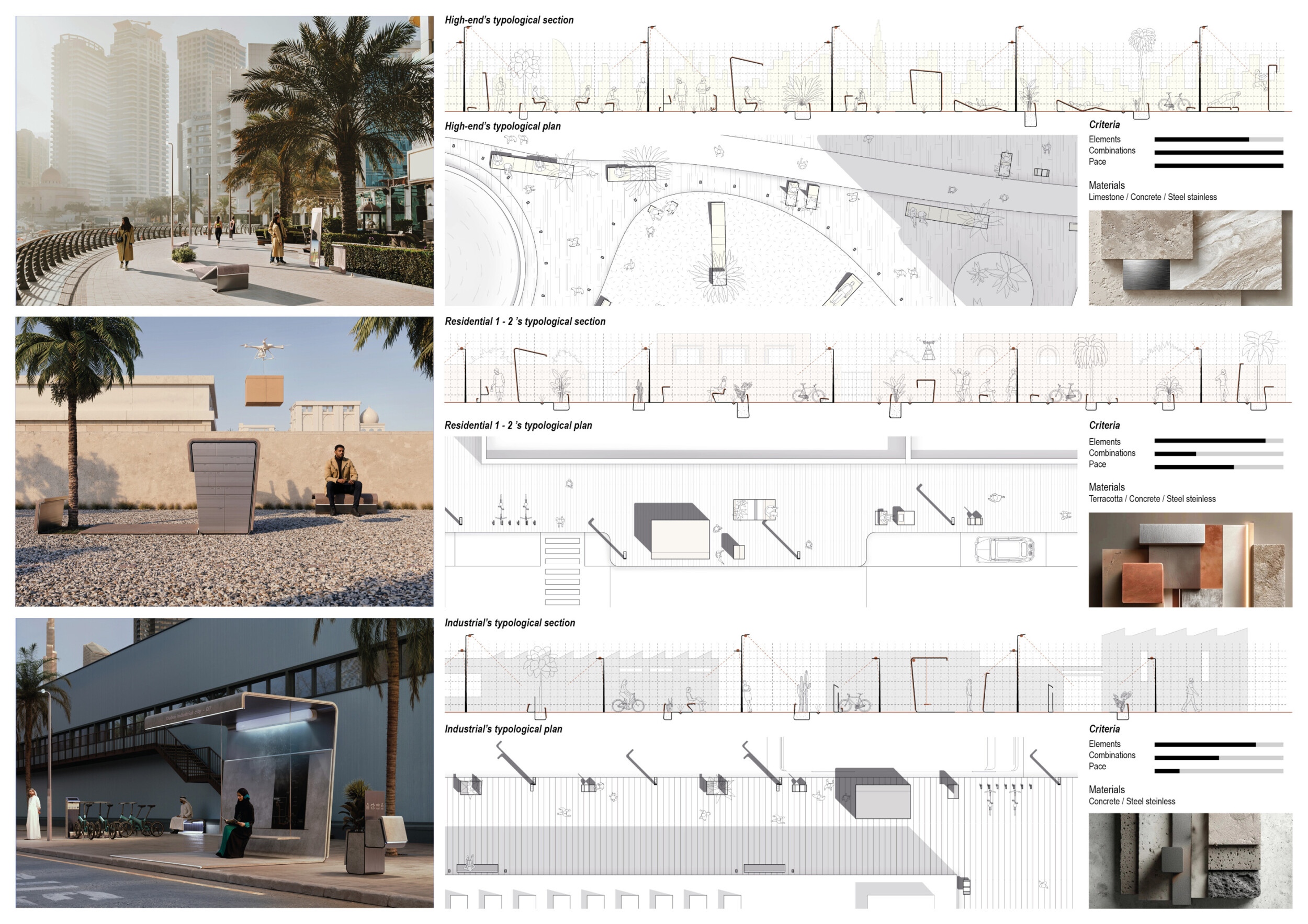
Urban Rasm
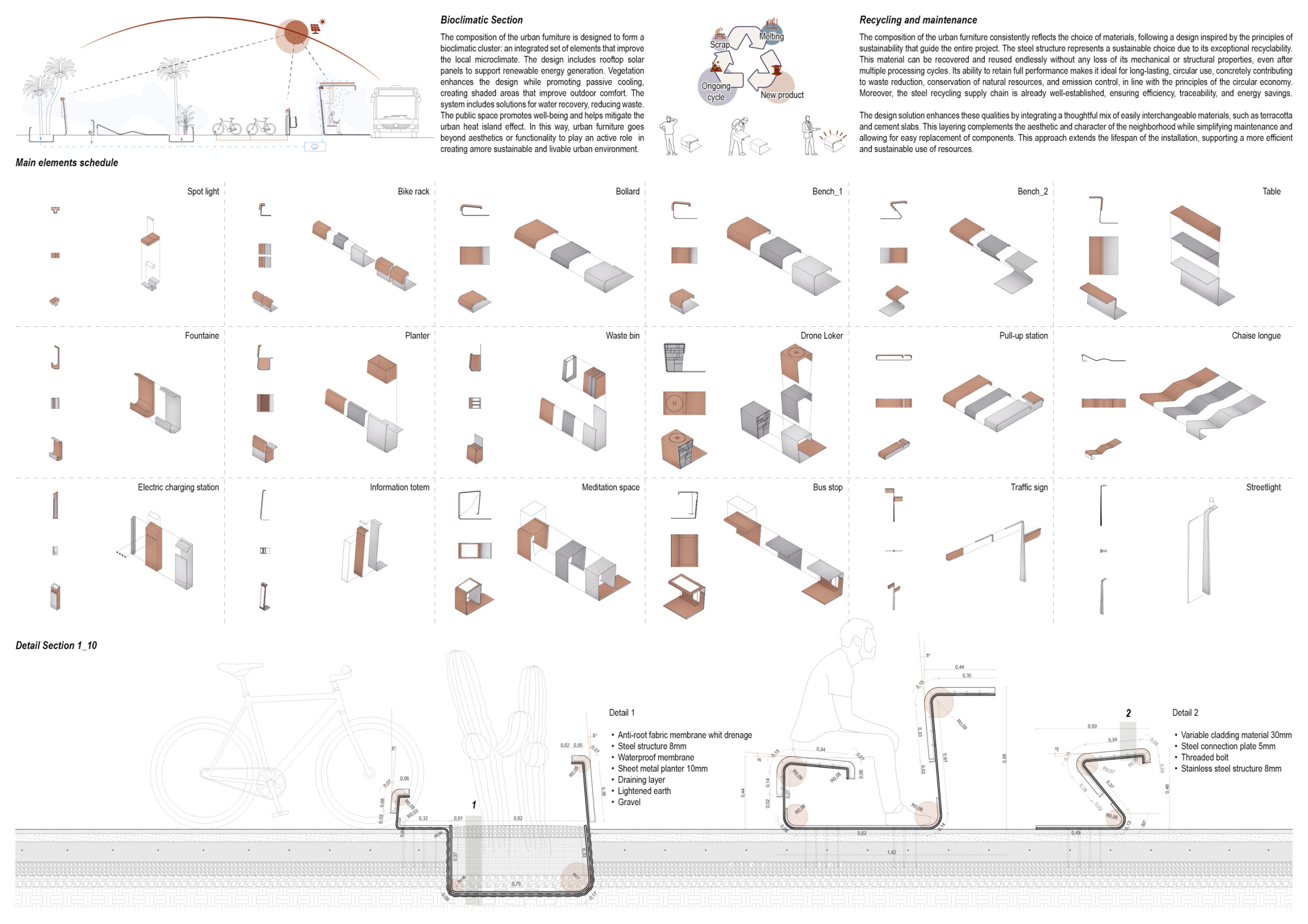
THE GREEN VEIN NETWORK
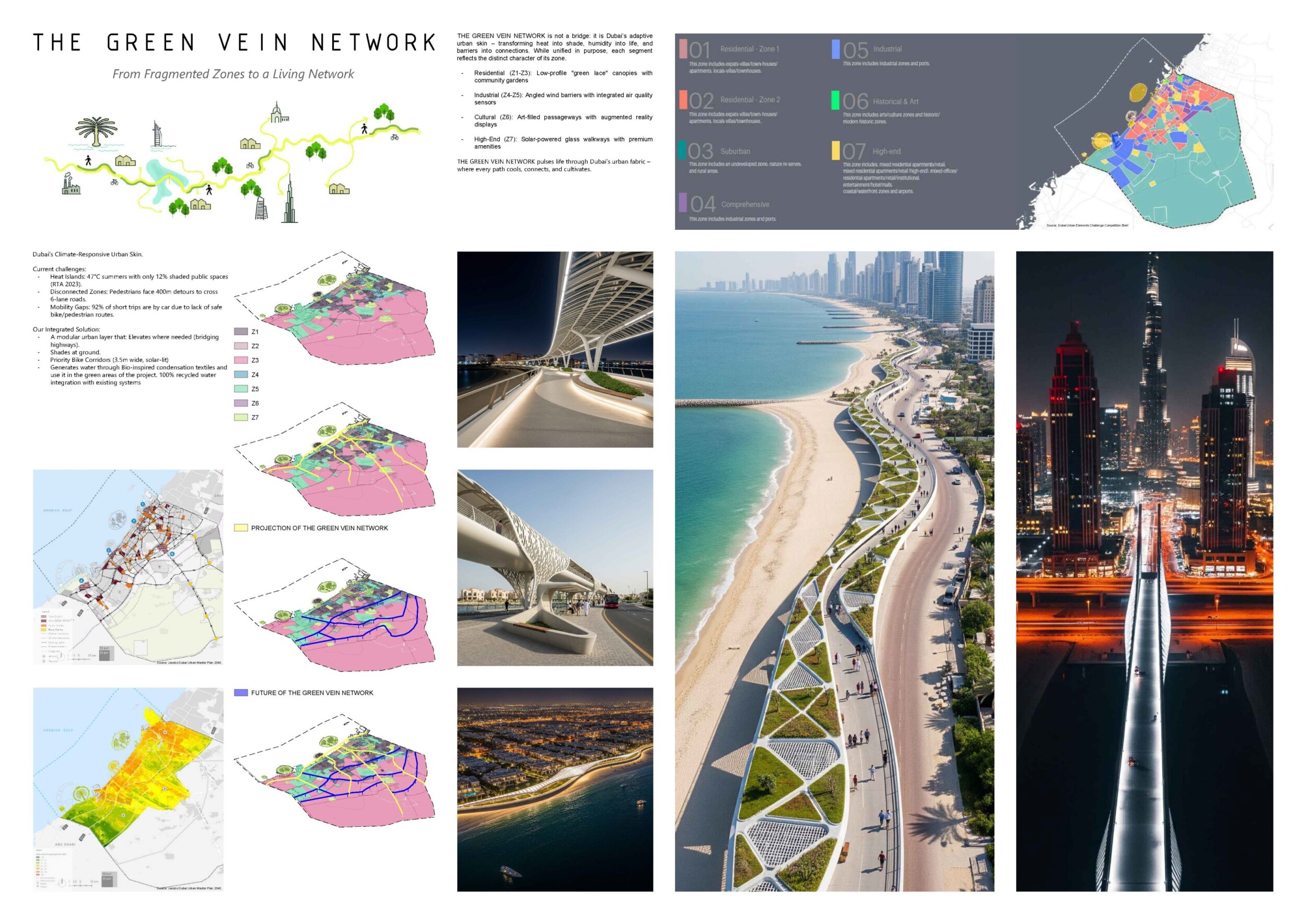
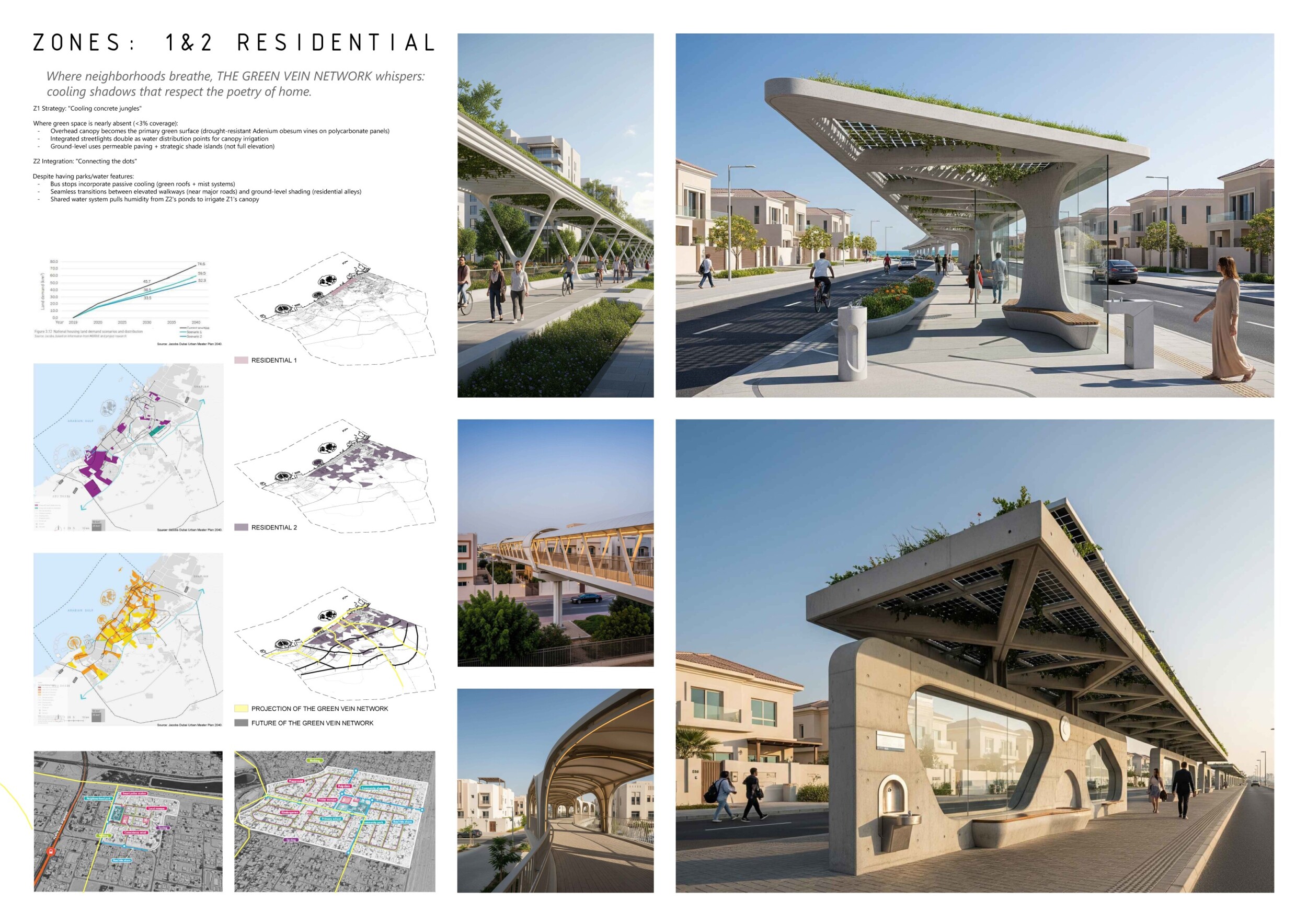
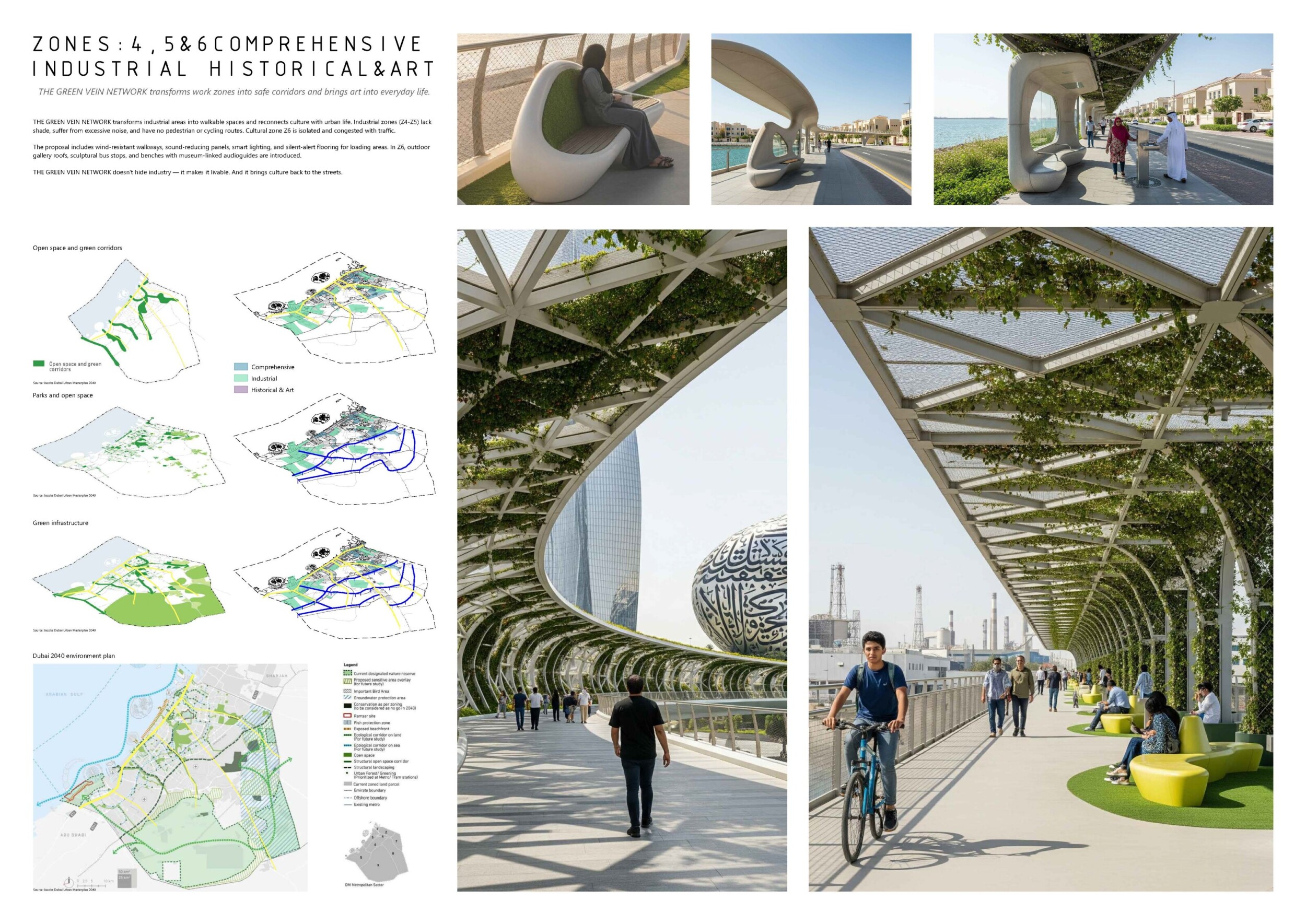
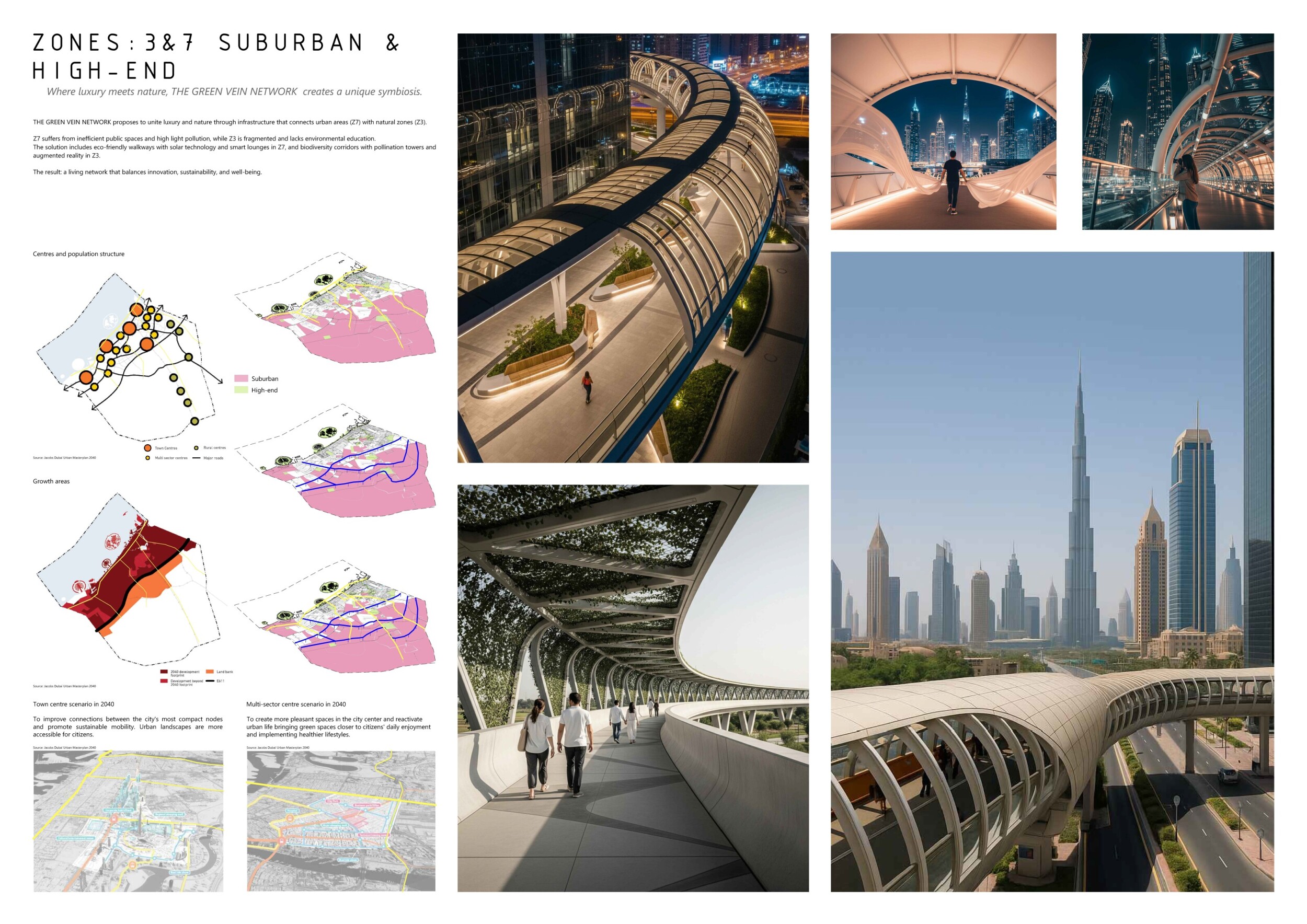
Woven Palm: Integration via the Pedestrian and Bike Network (Micromobility System)
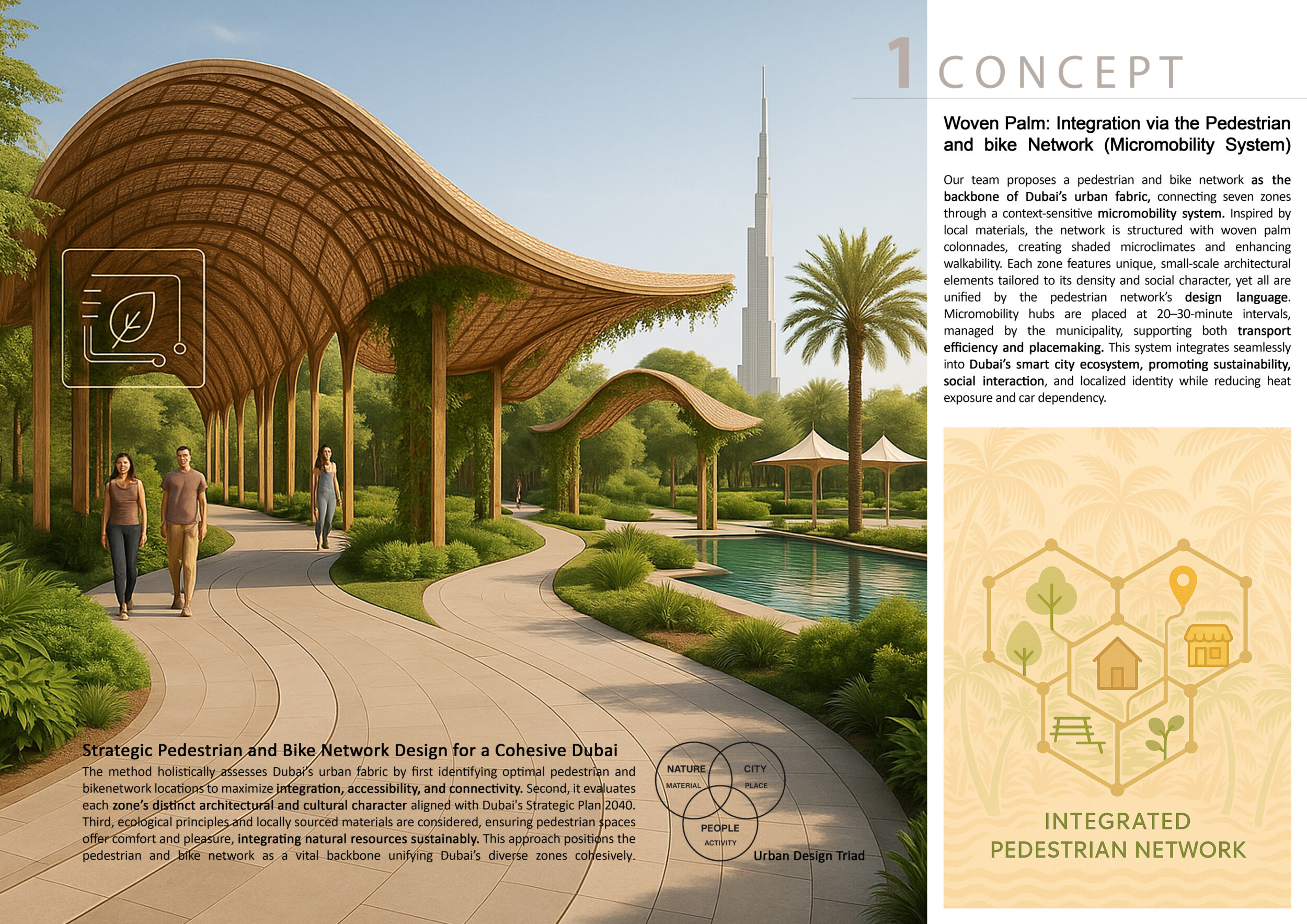
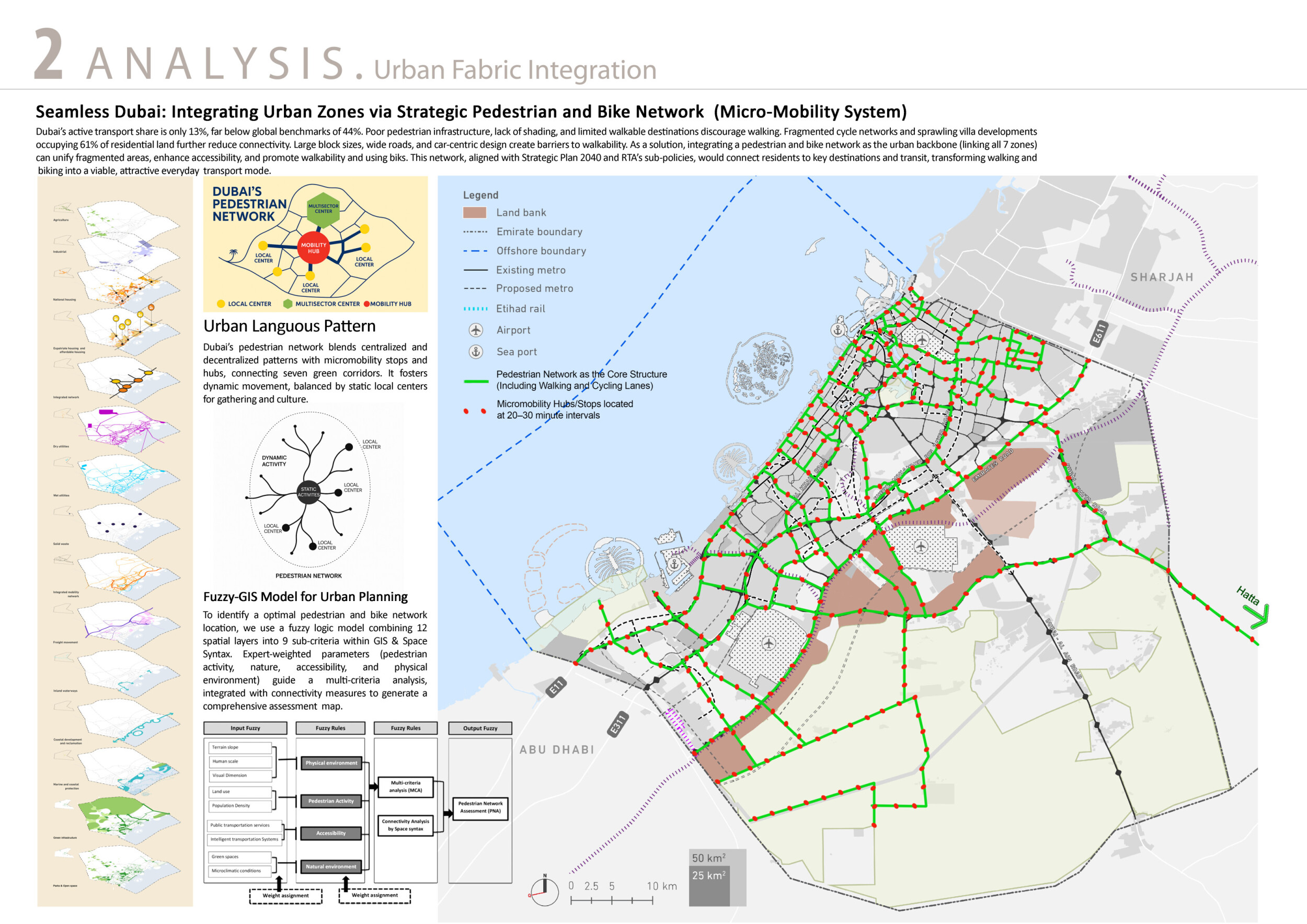
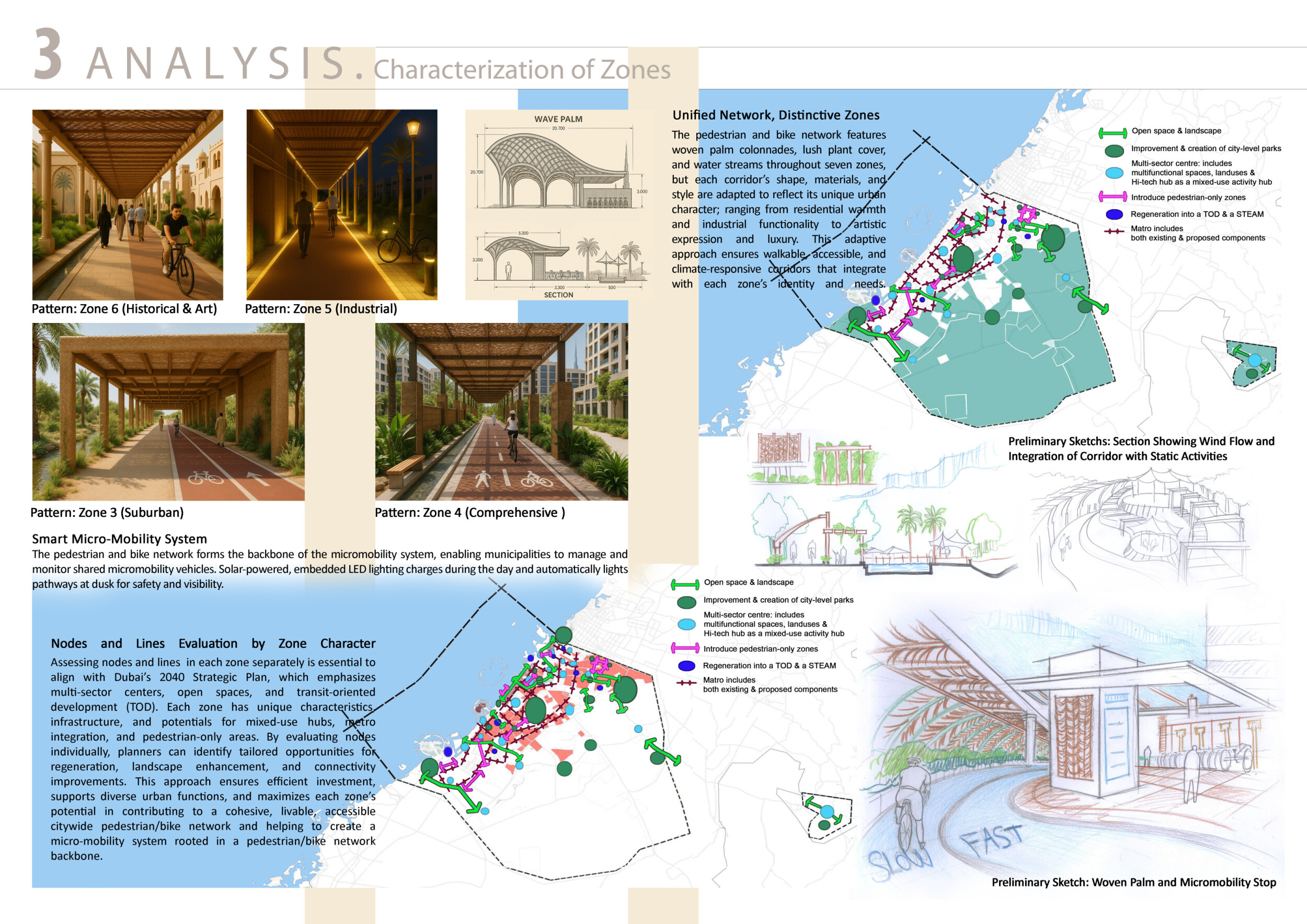
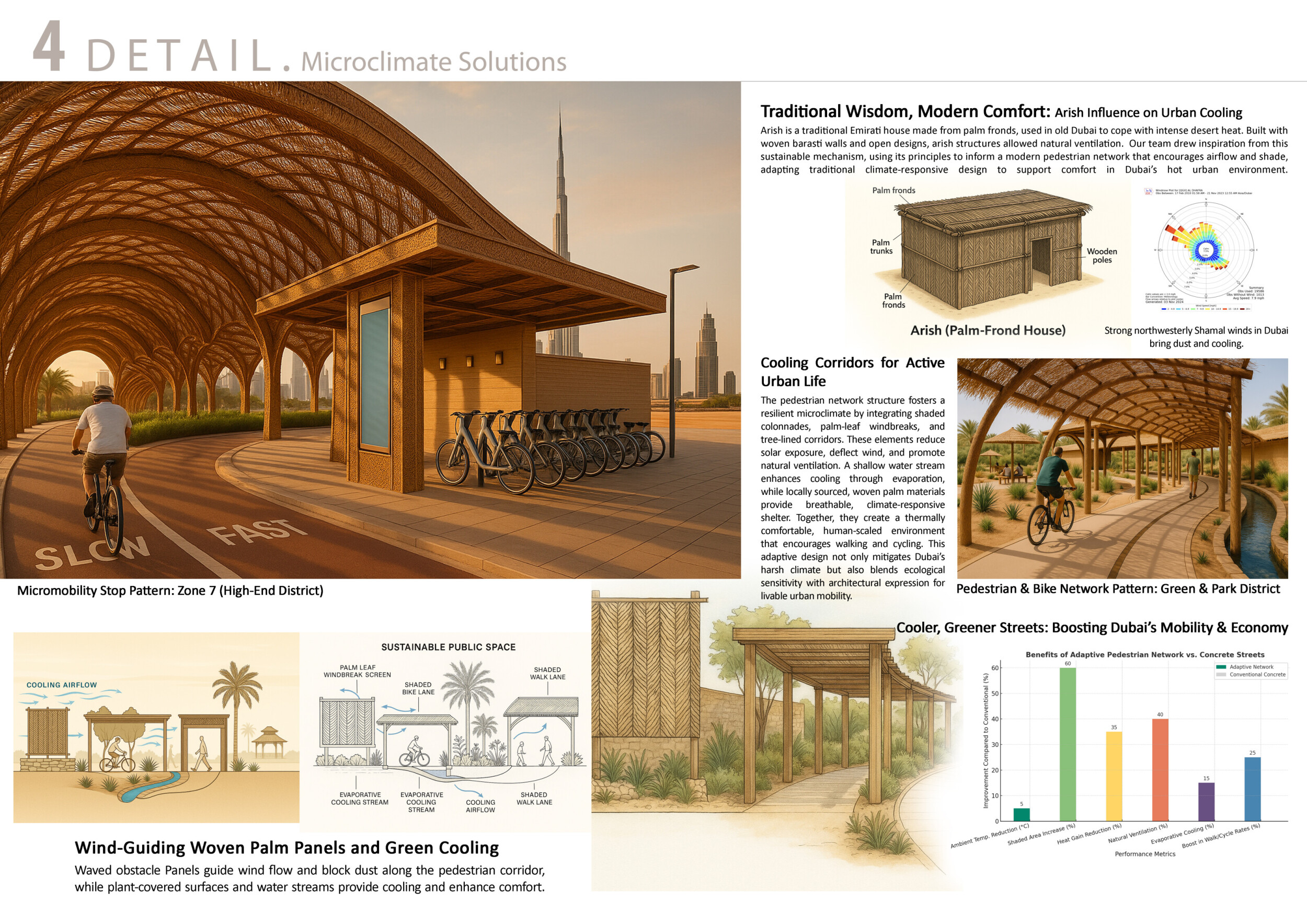

Creating Dubai's Pedestrian Experience
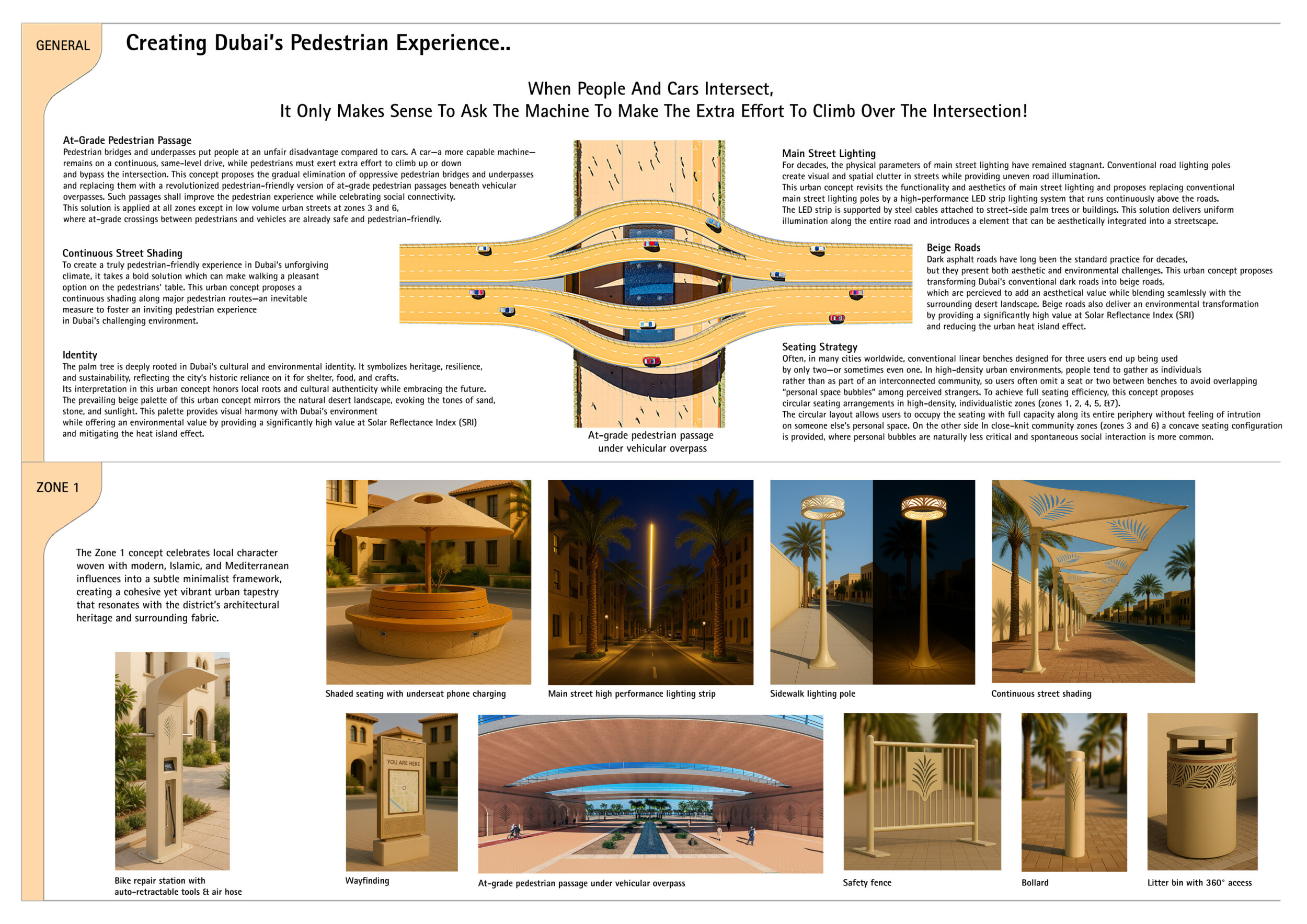
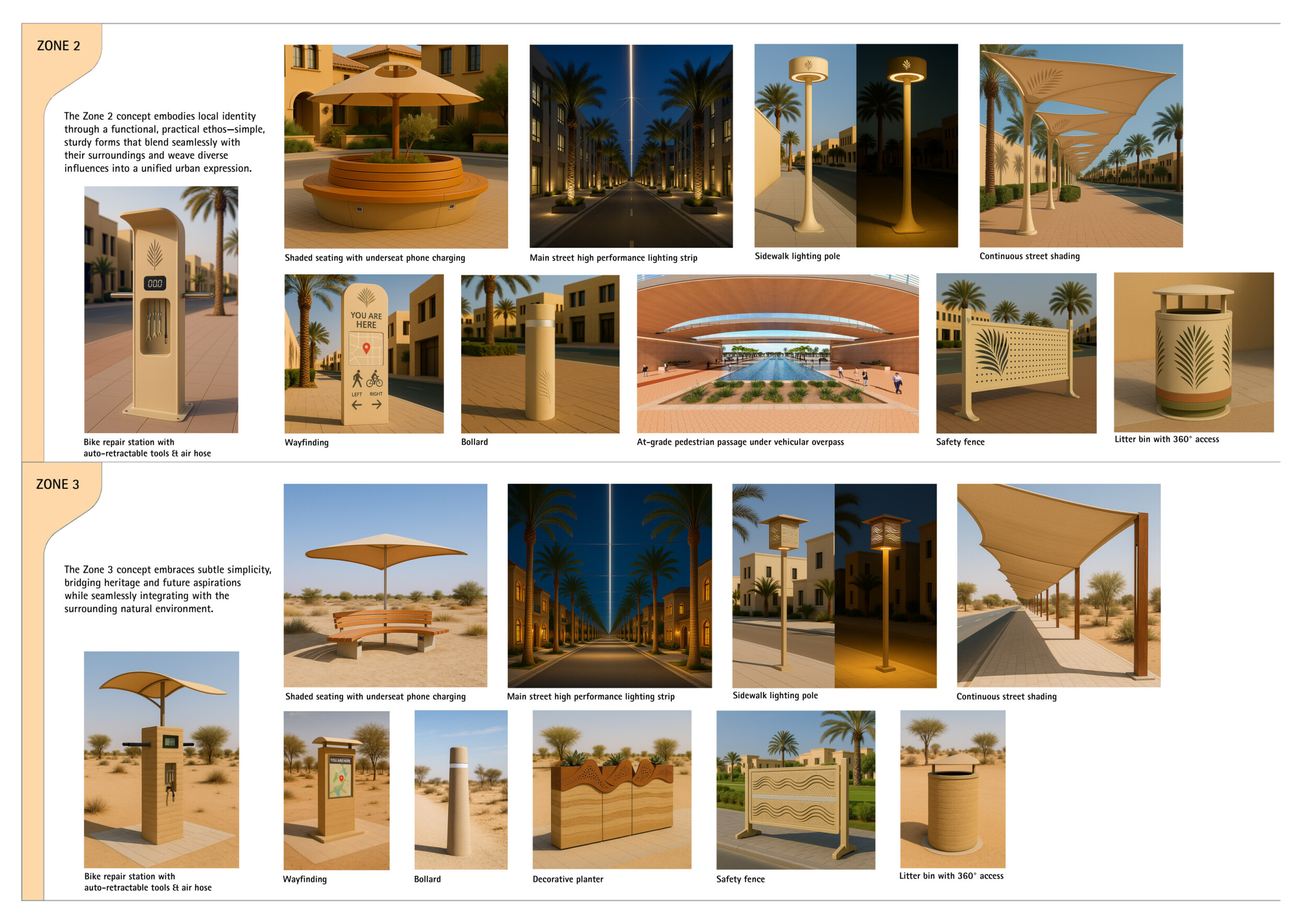
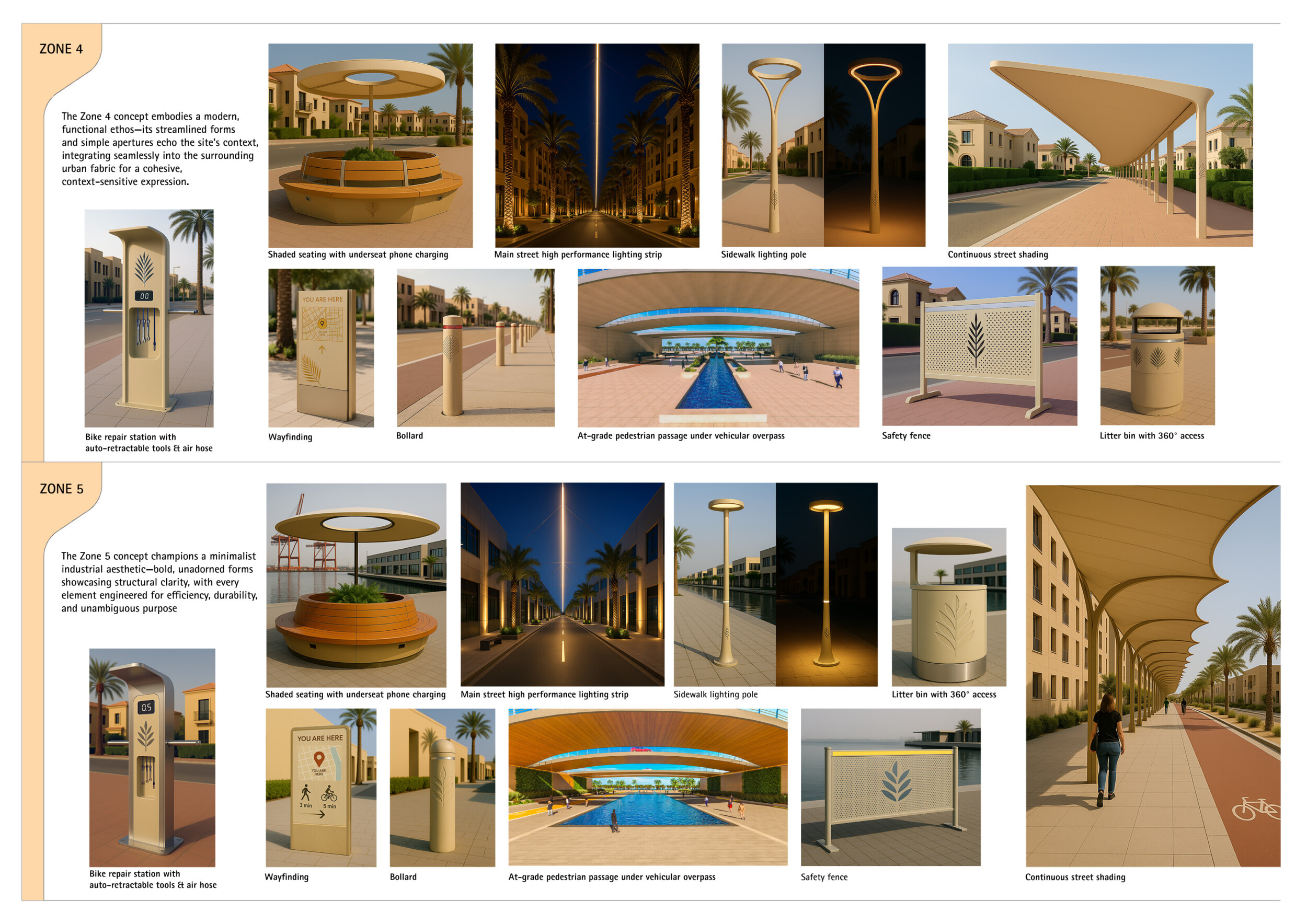
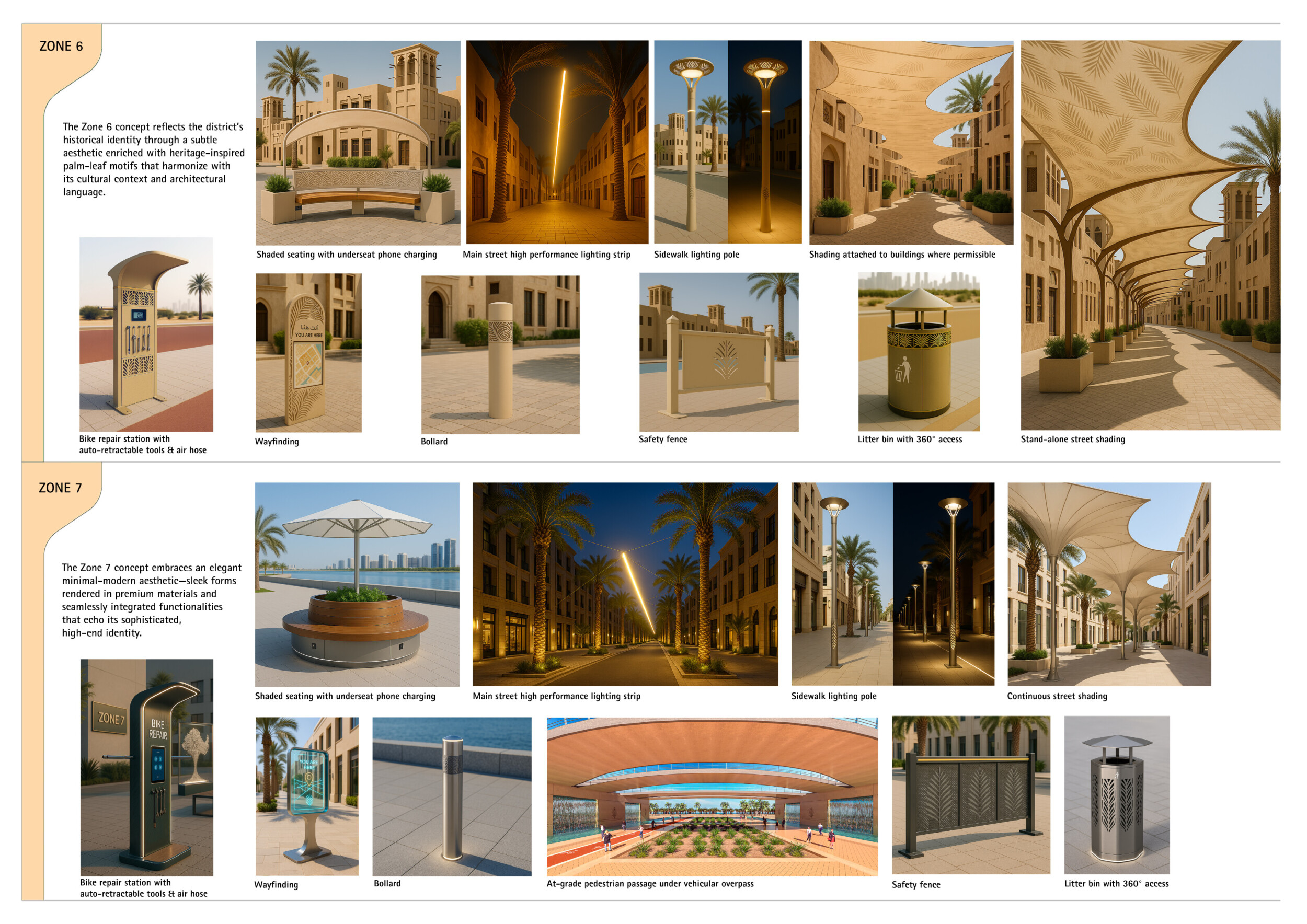

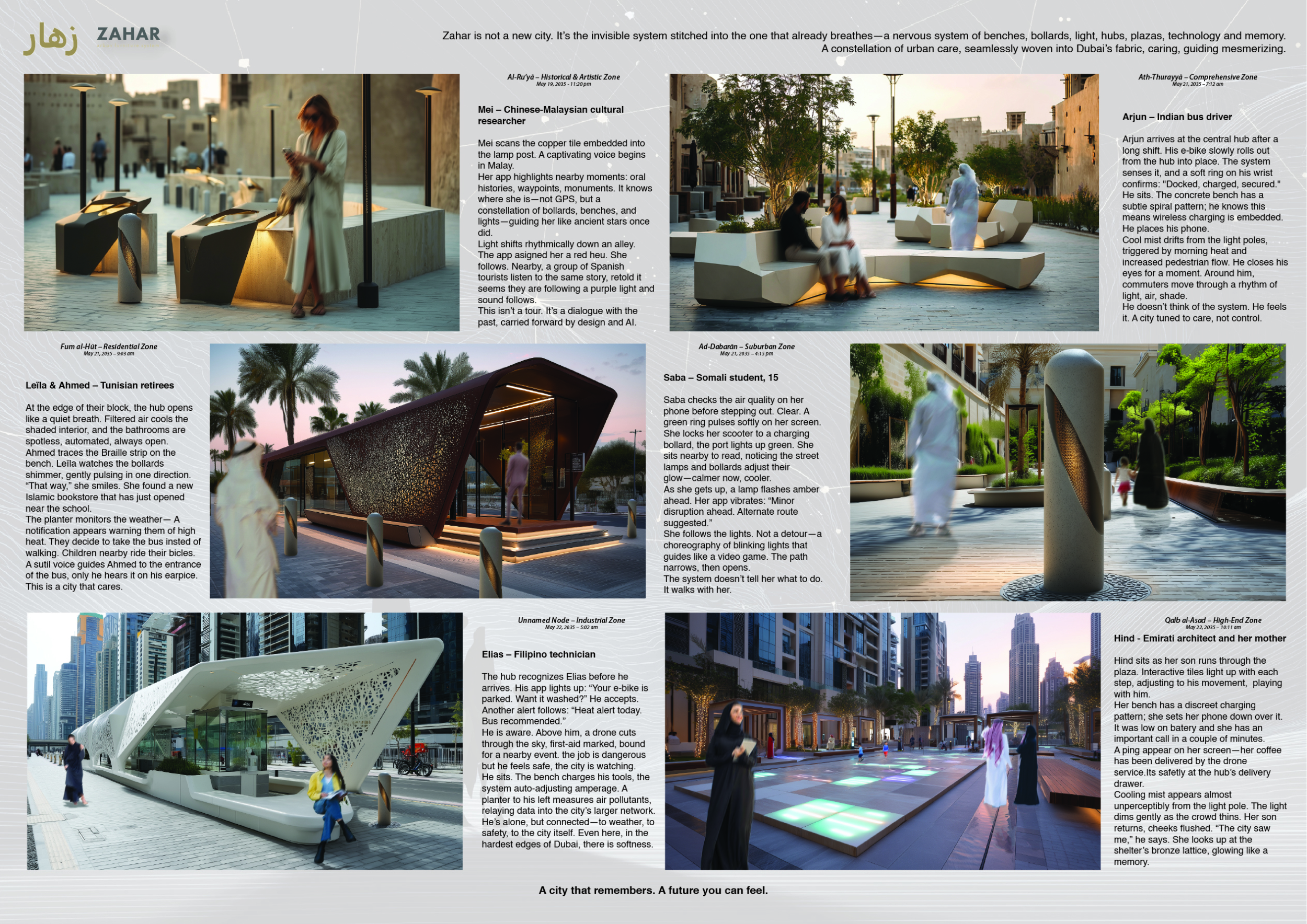
ZAHAR – A Constellation of Urban Encounters
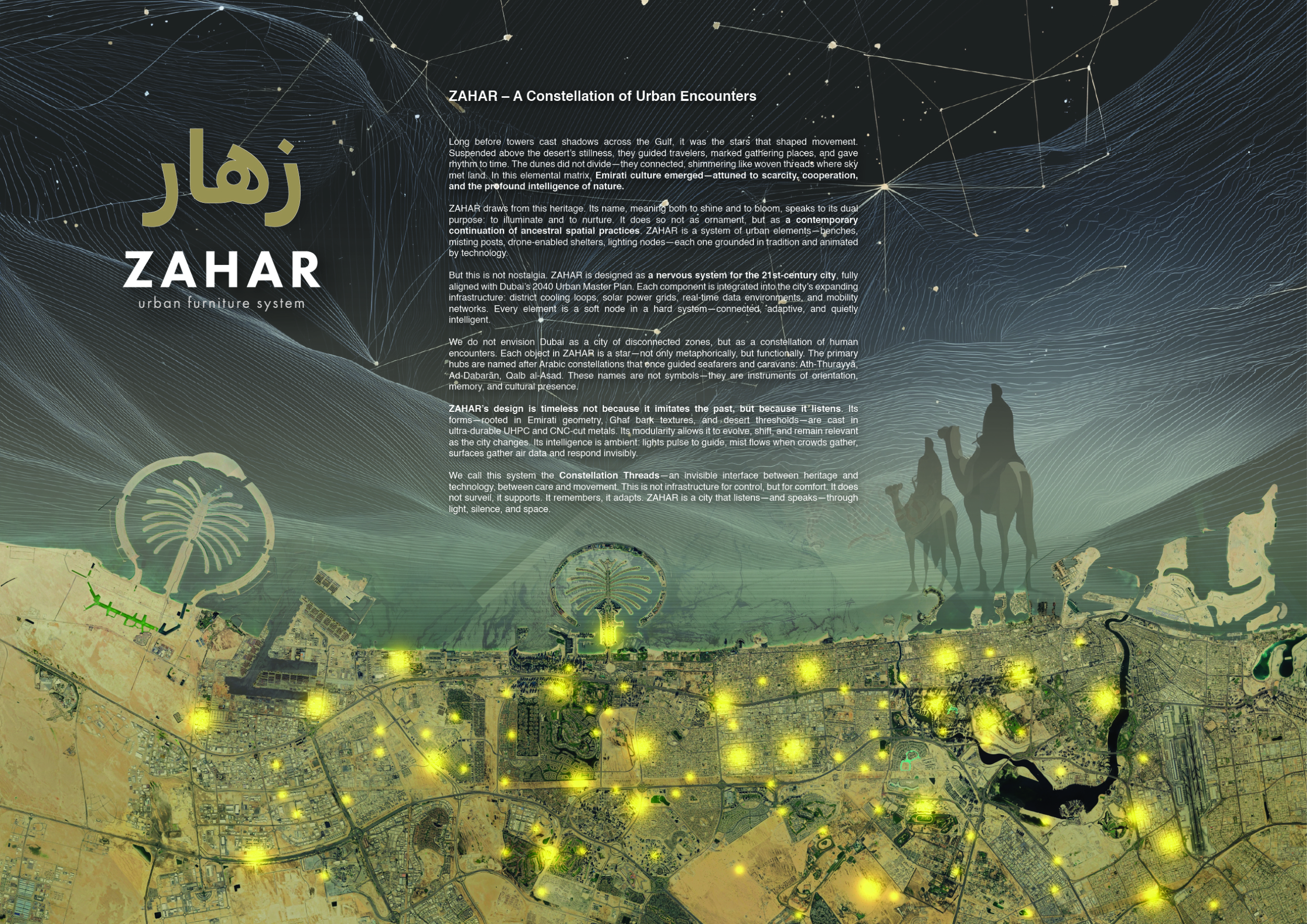
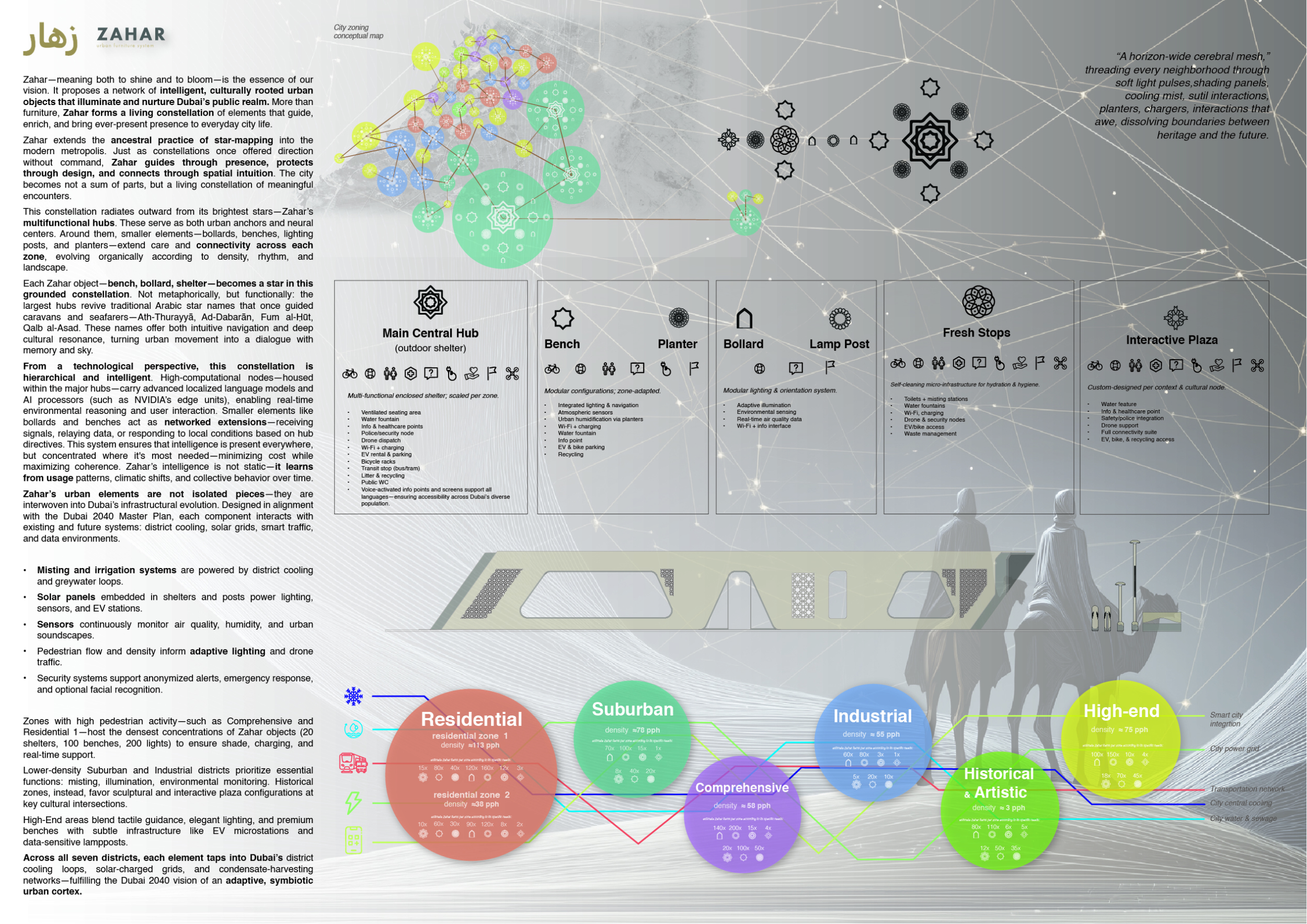
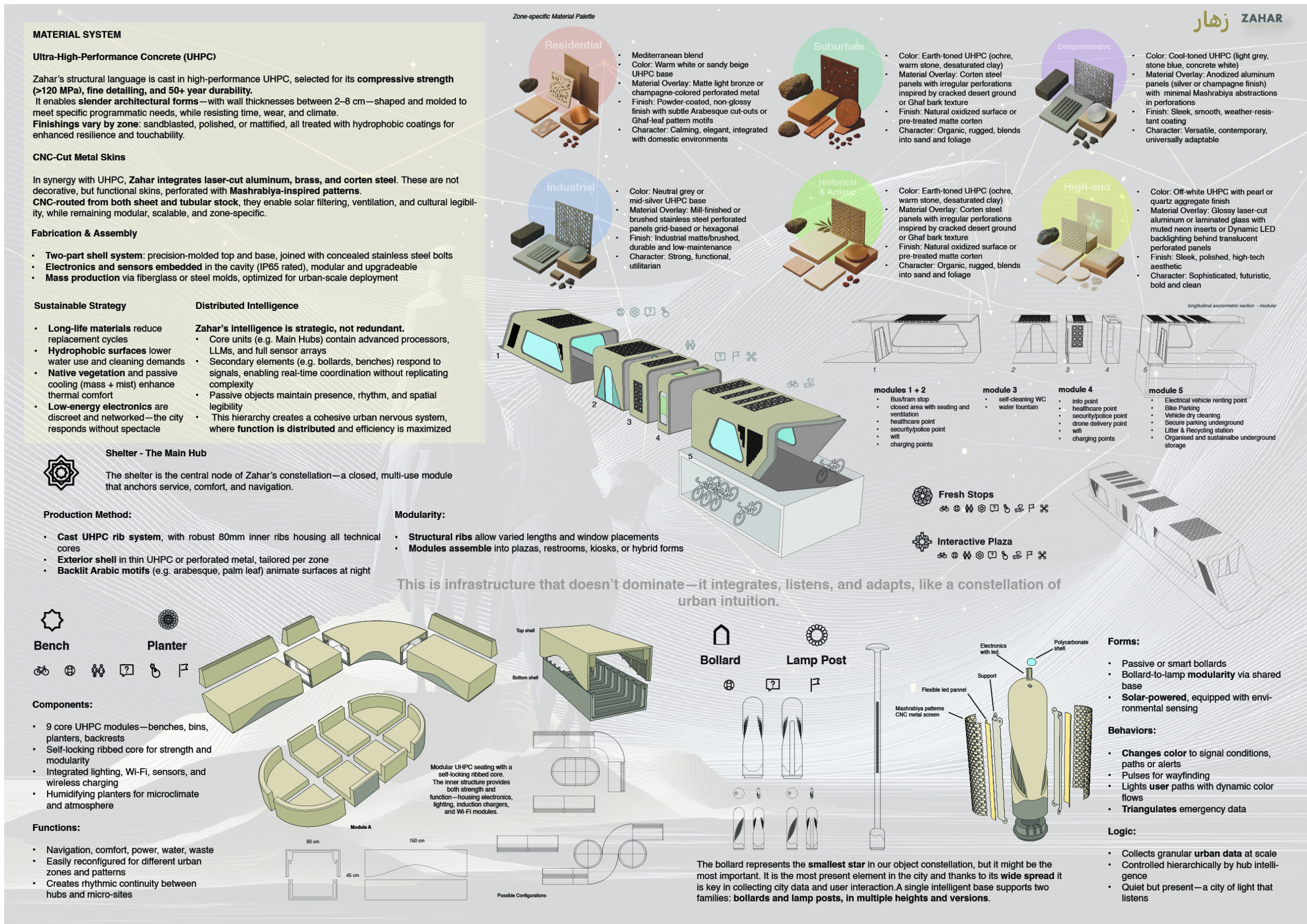

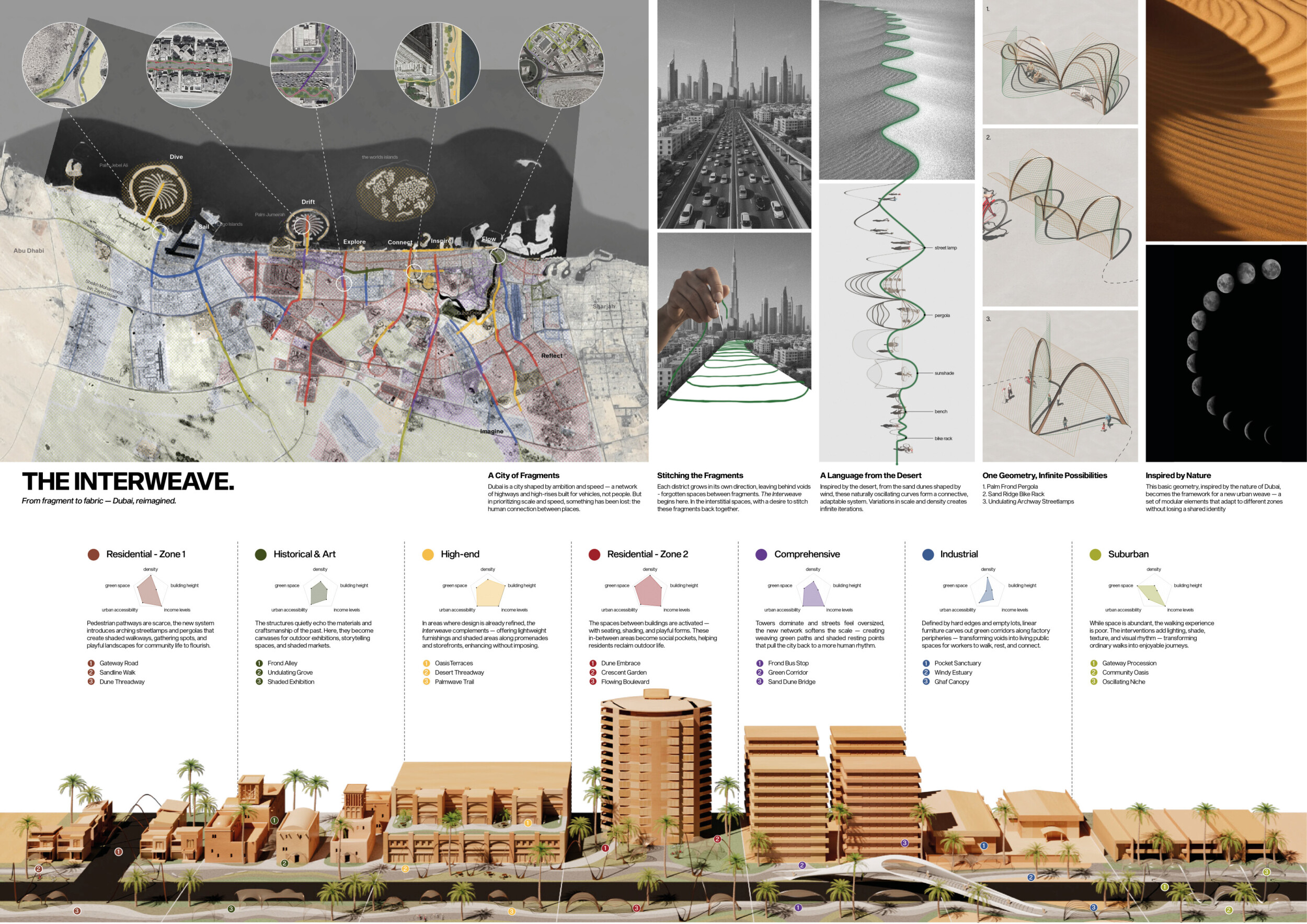
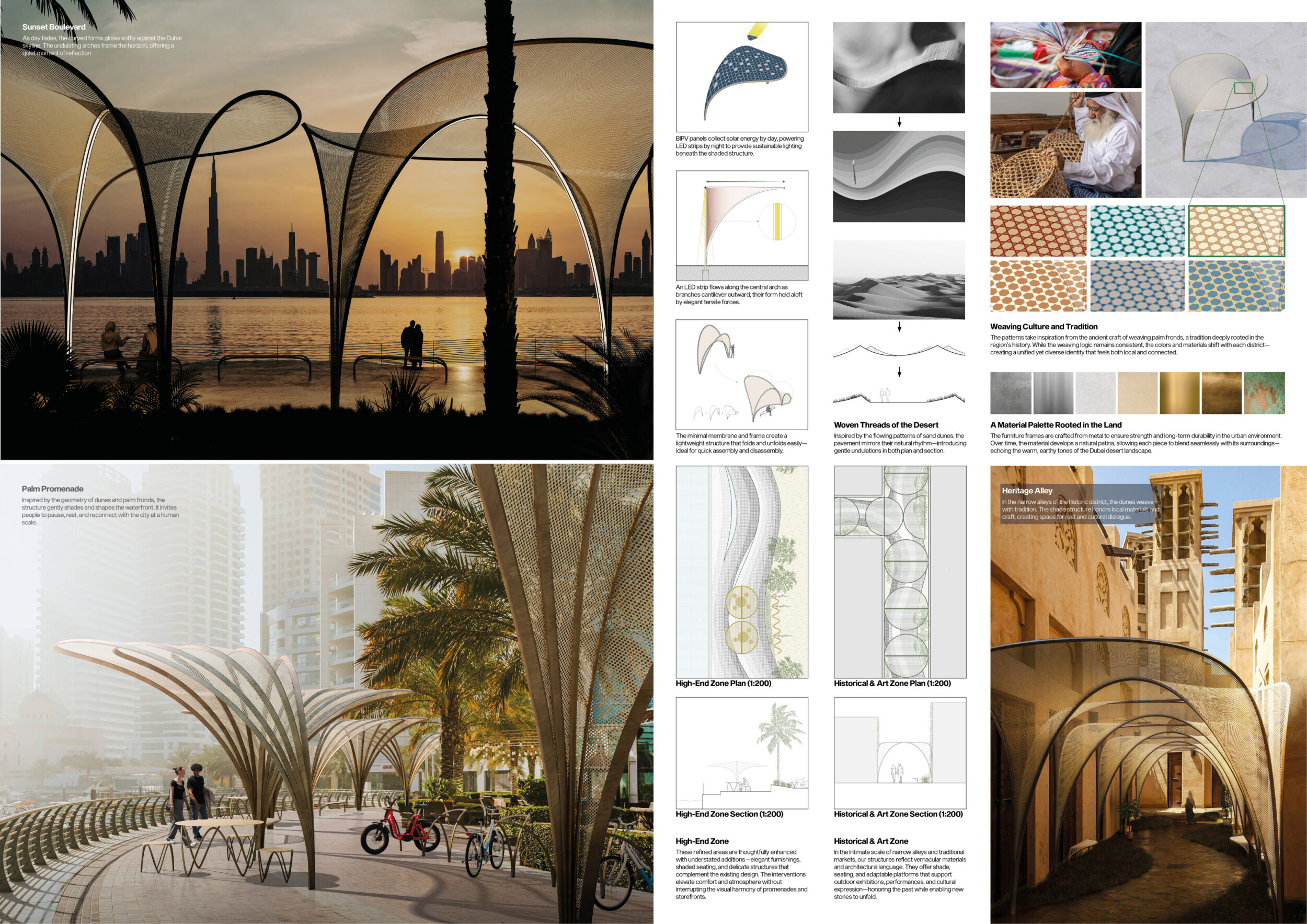
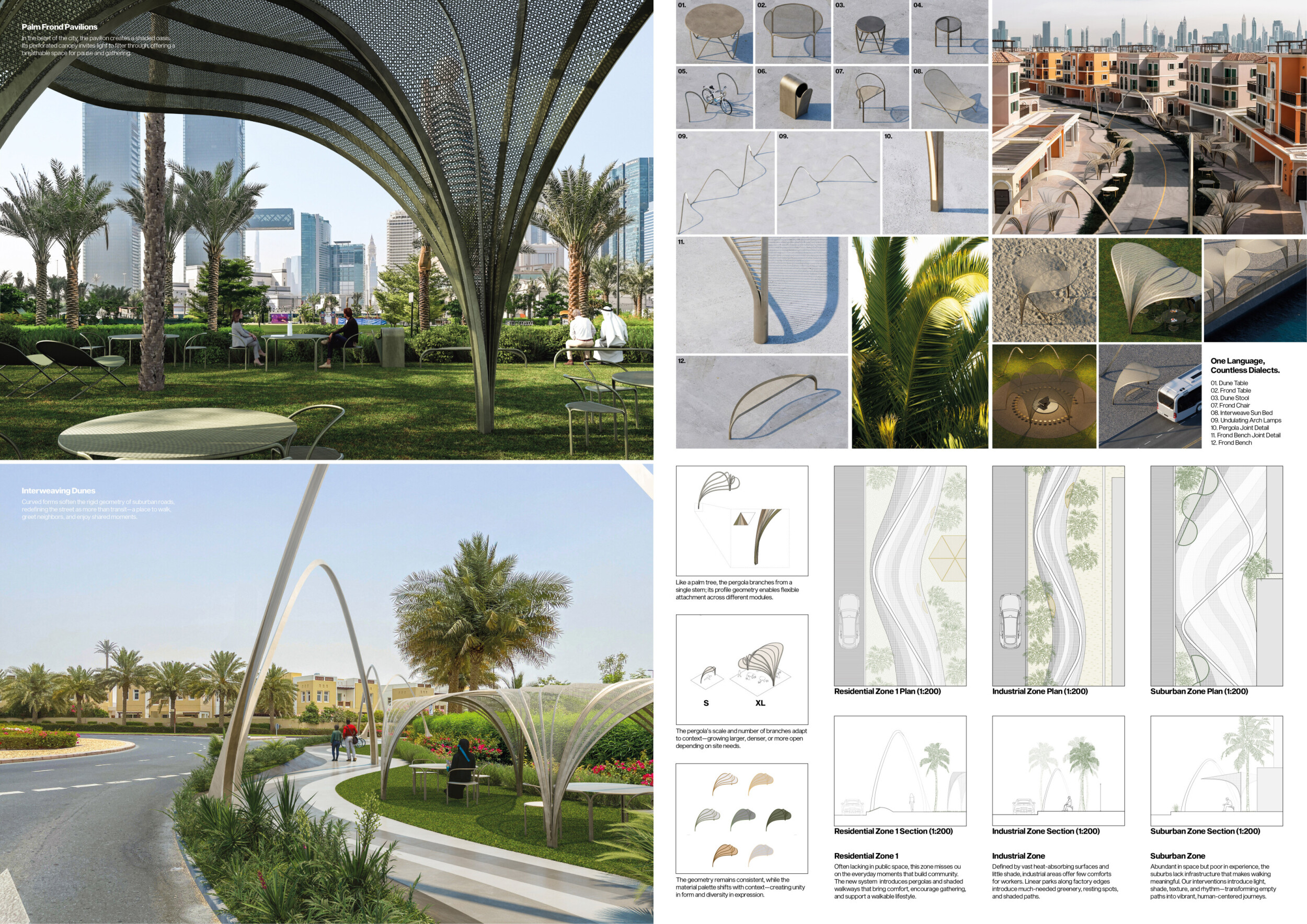
The Interweave
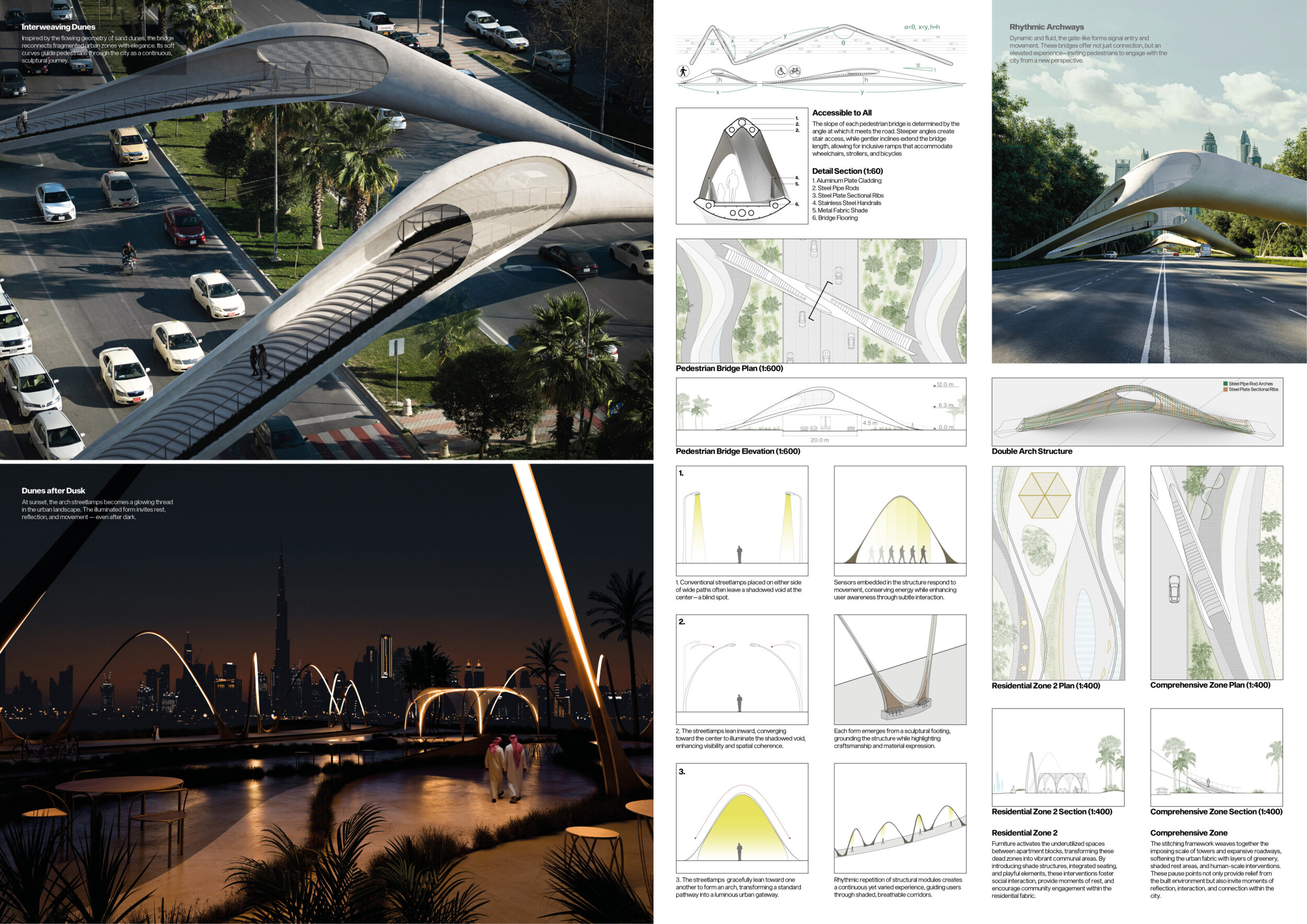
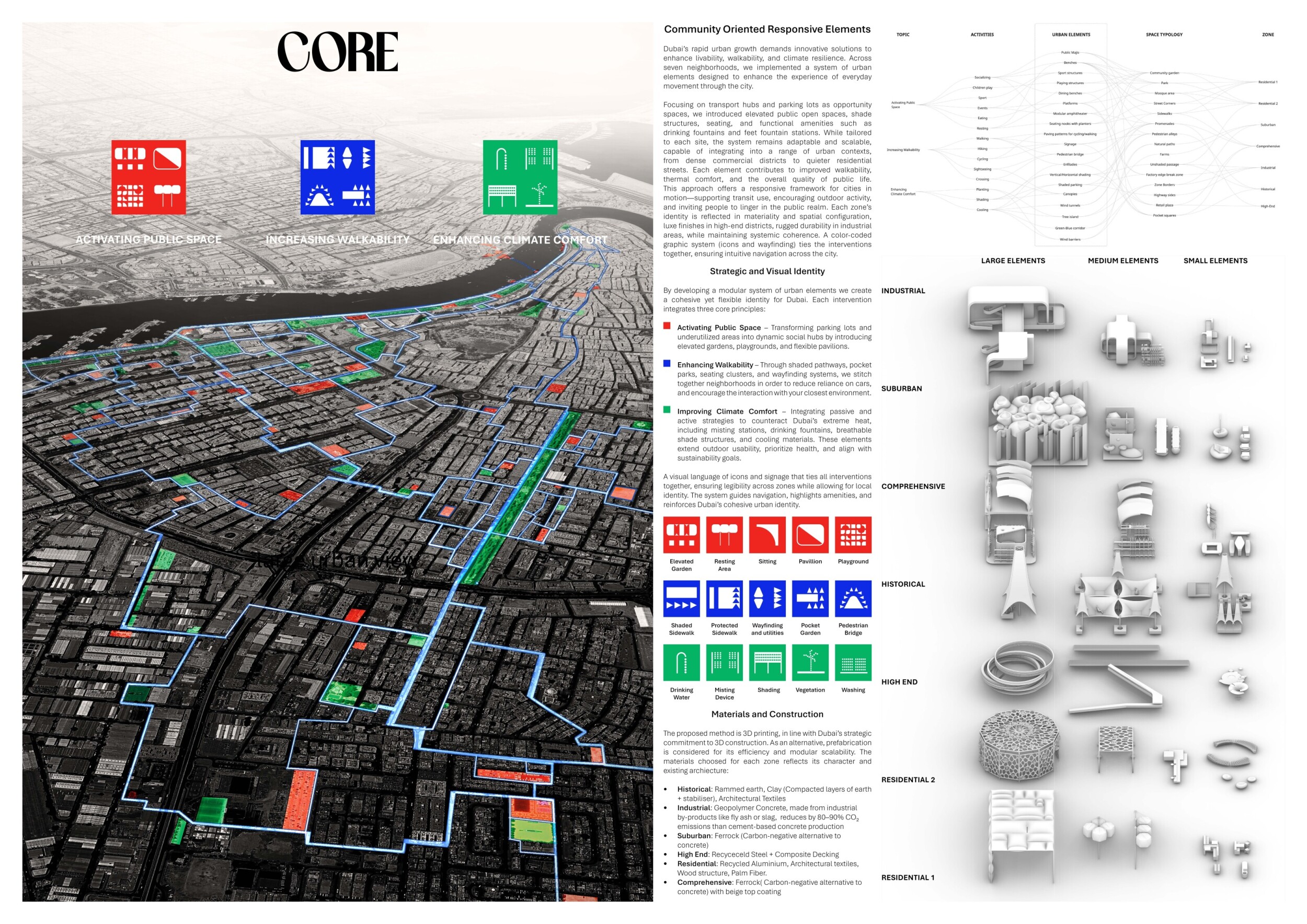
CORE
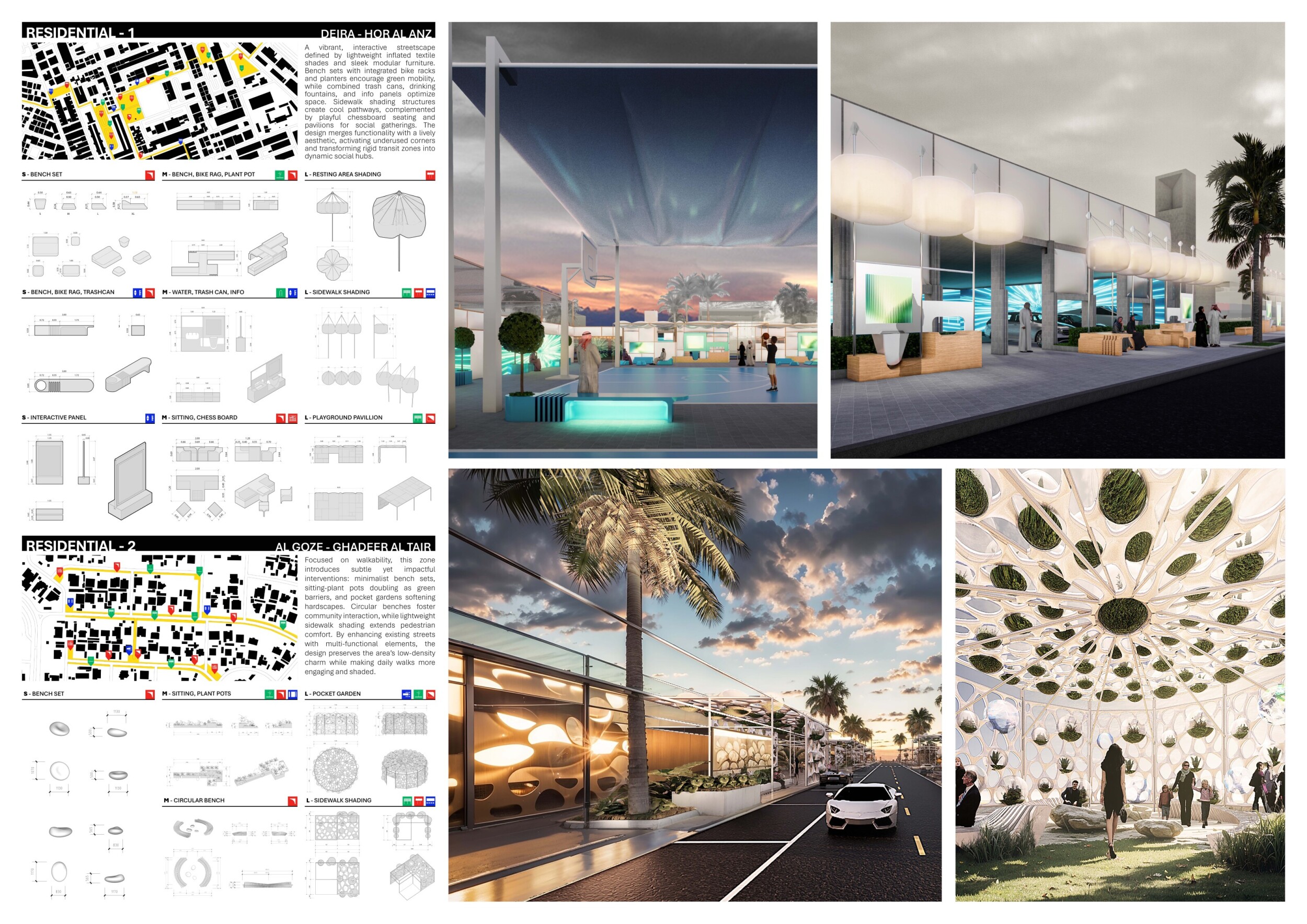
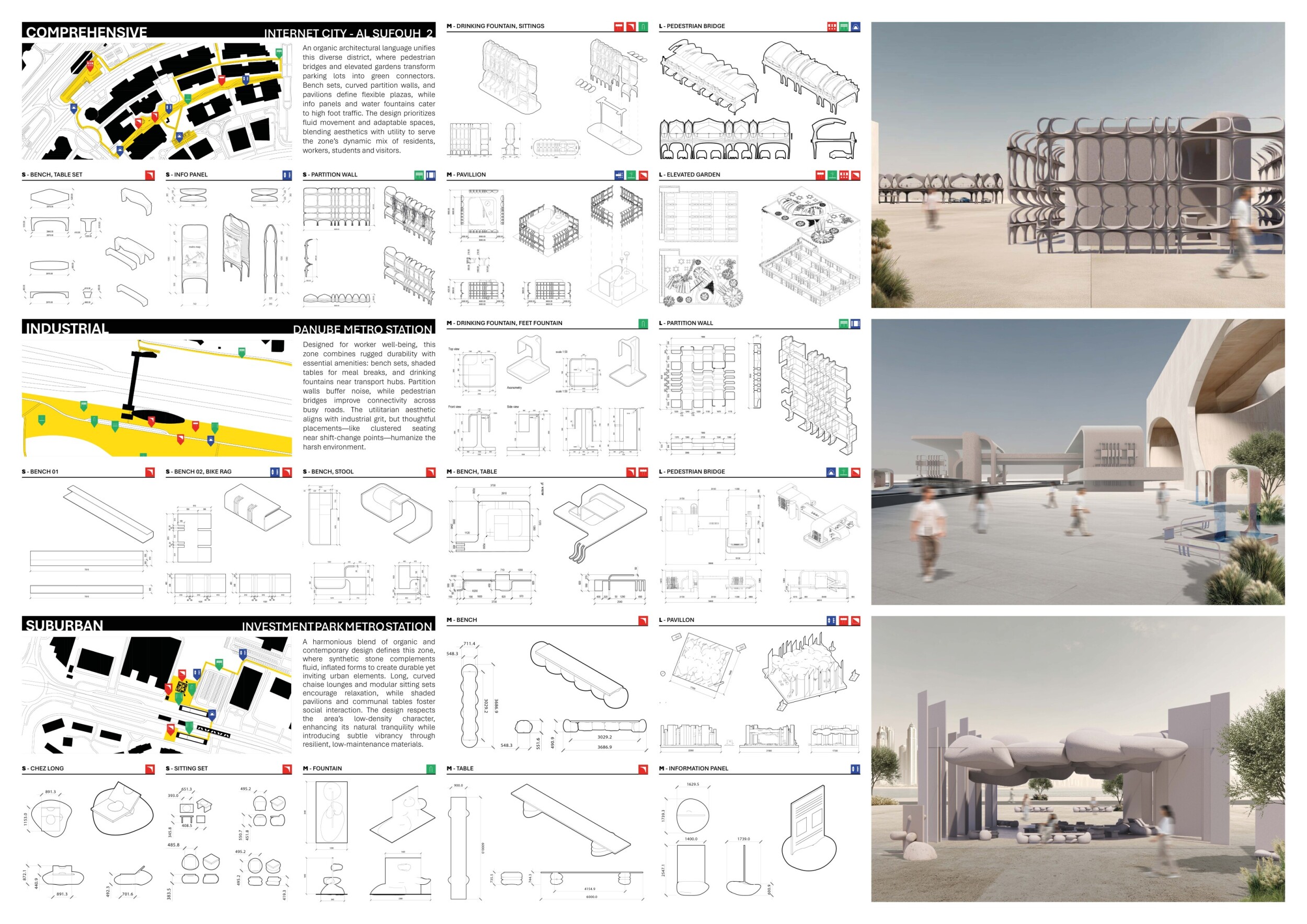
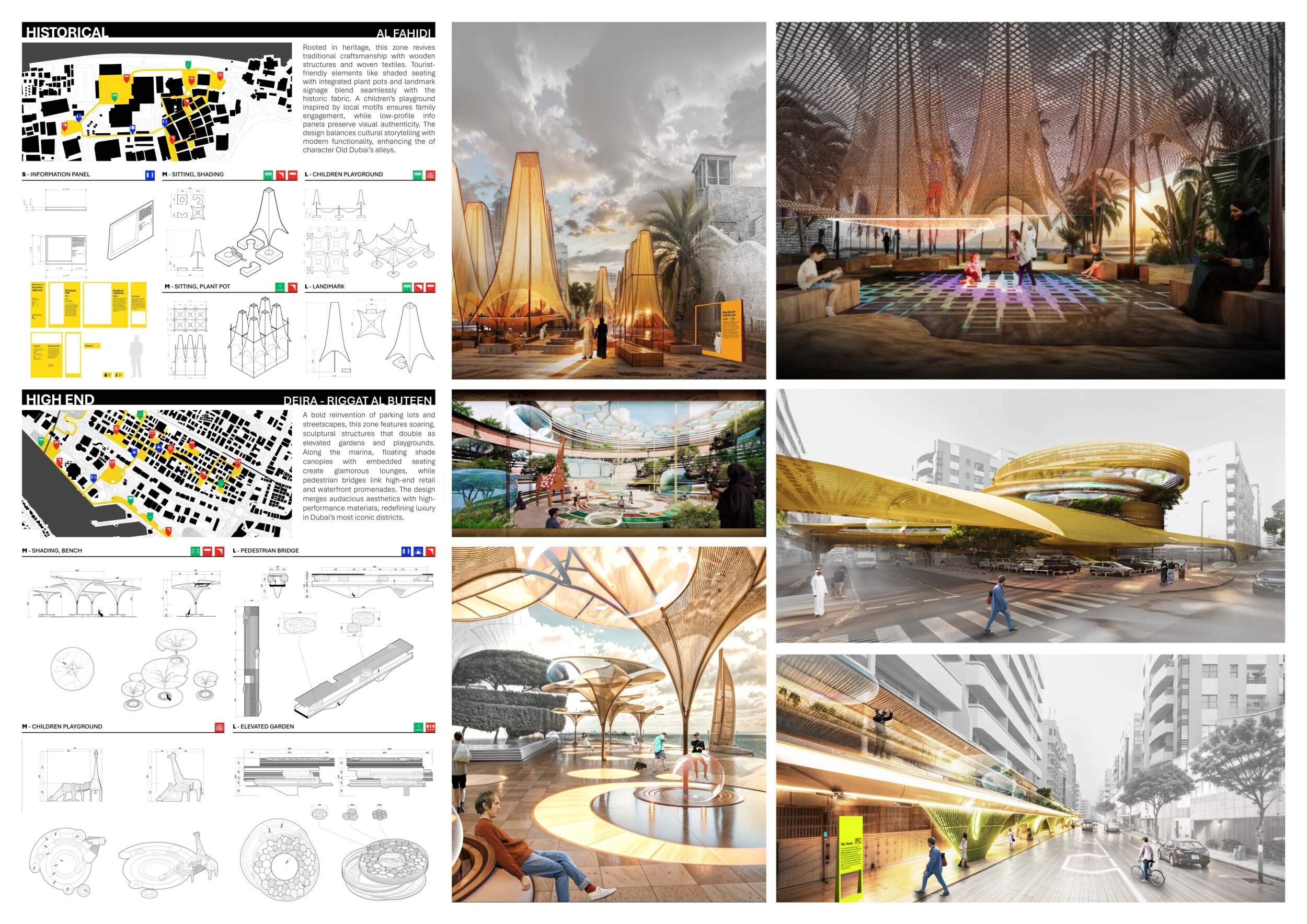
GULF TO DESERT: ECHOES. A Biomimetic Urban Ecosystem for Dubai’s Gradients.
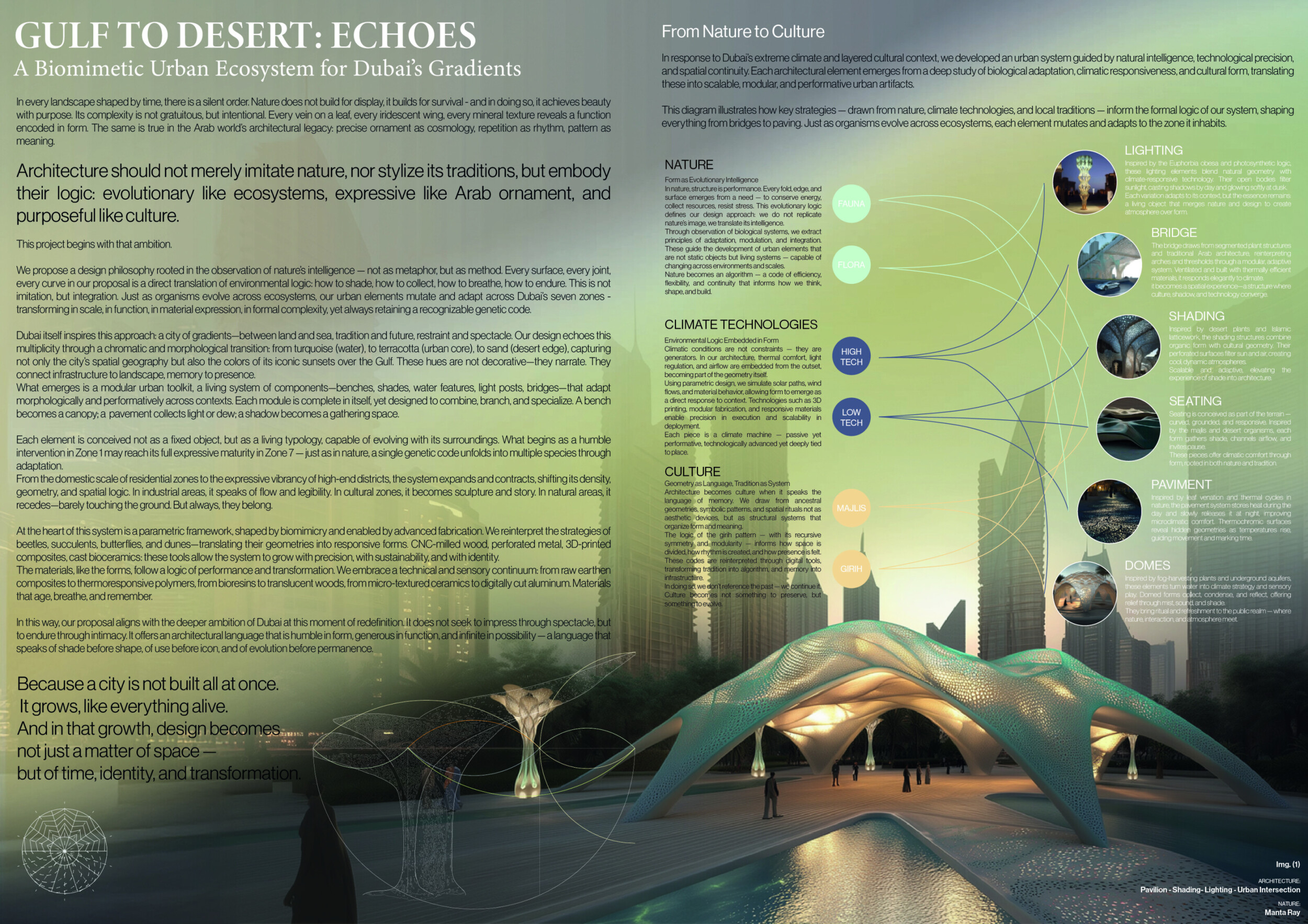
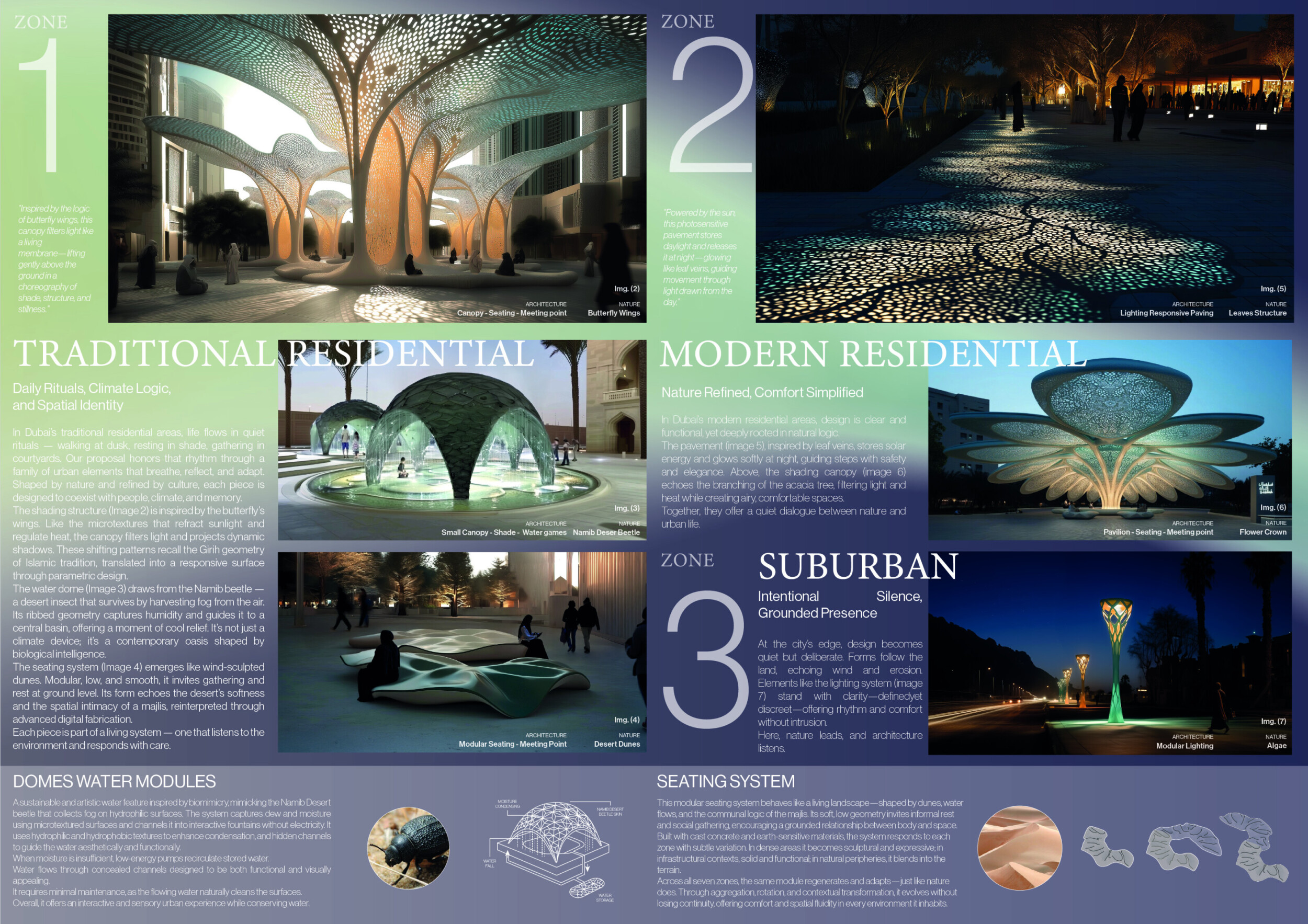
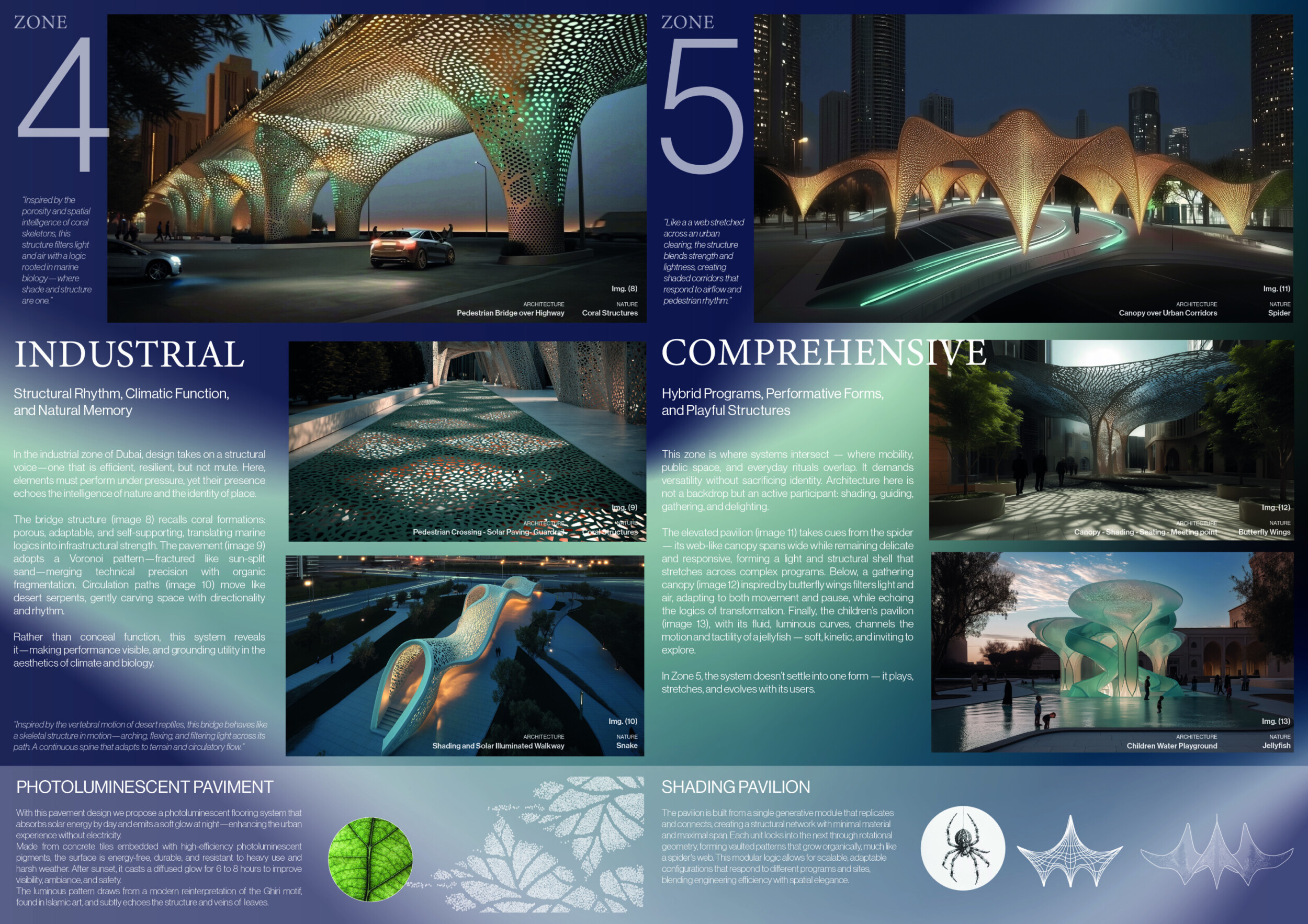
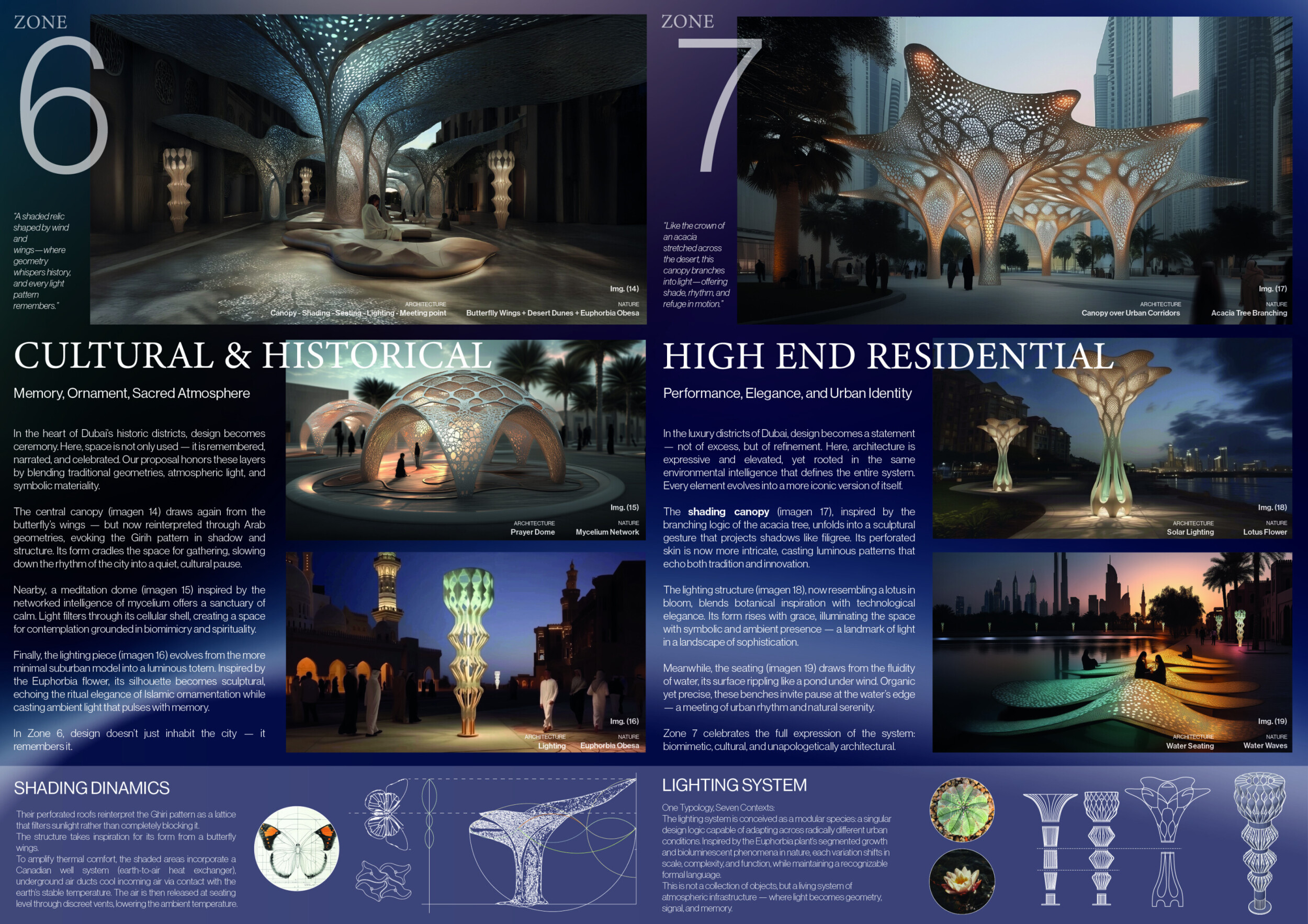
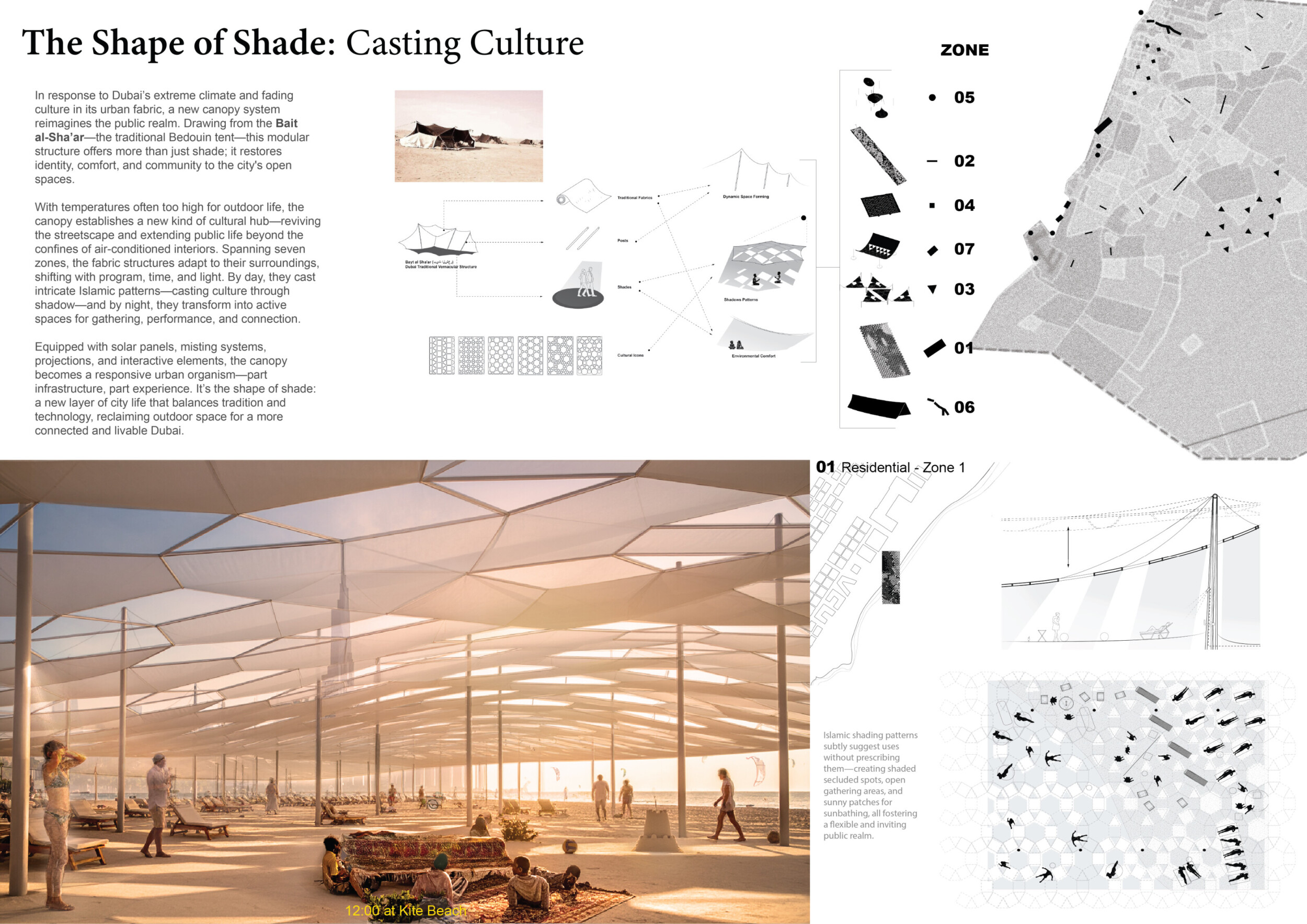
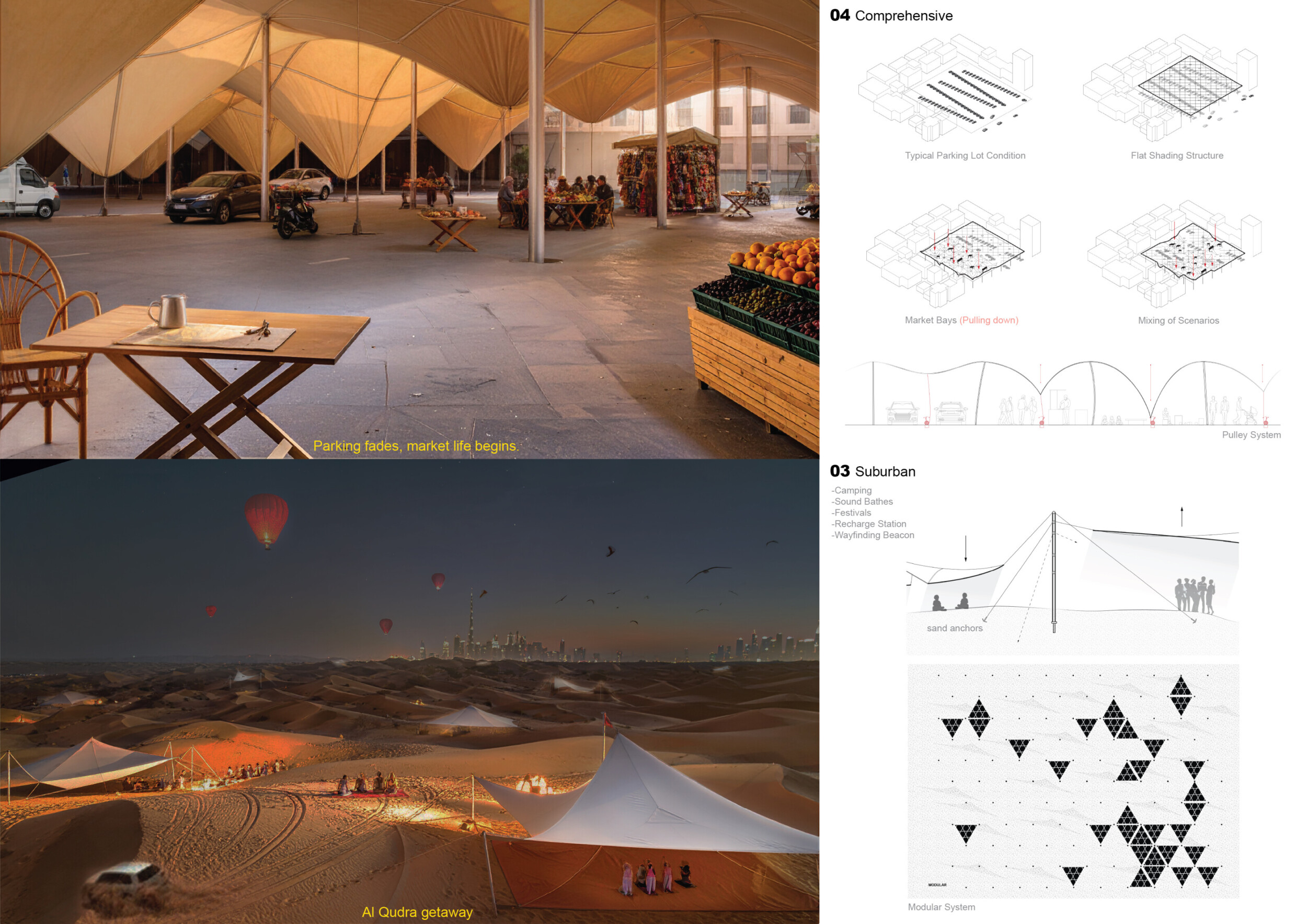
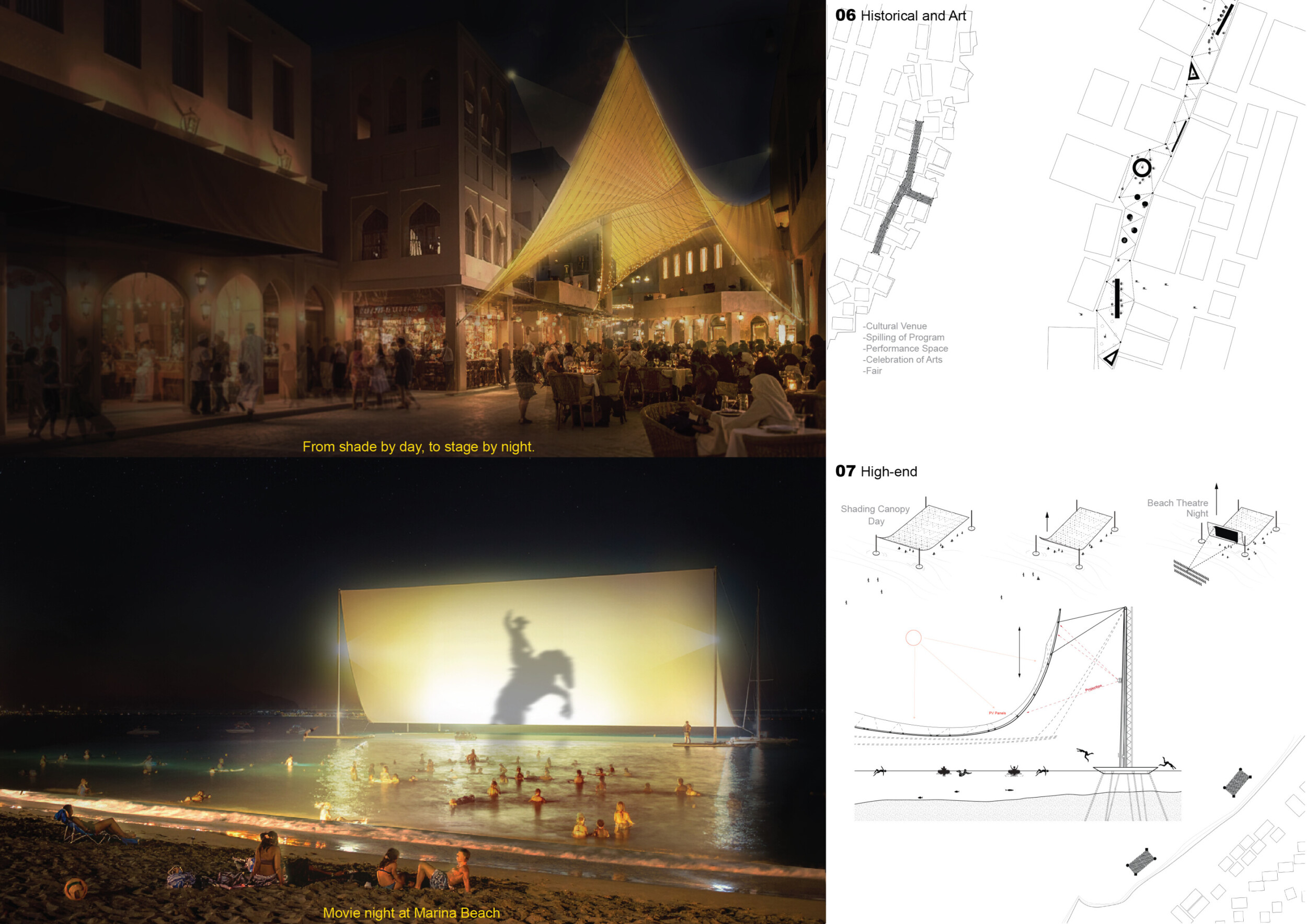
The Shape of Shade: Casting Culture
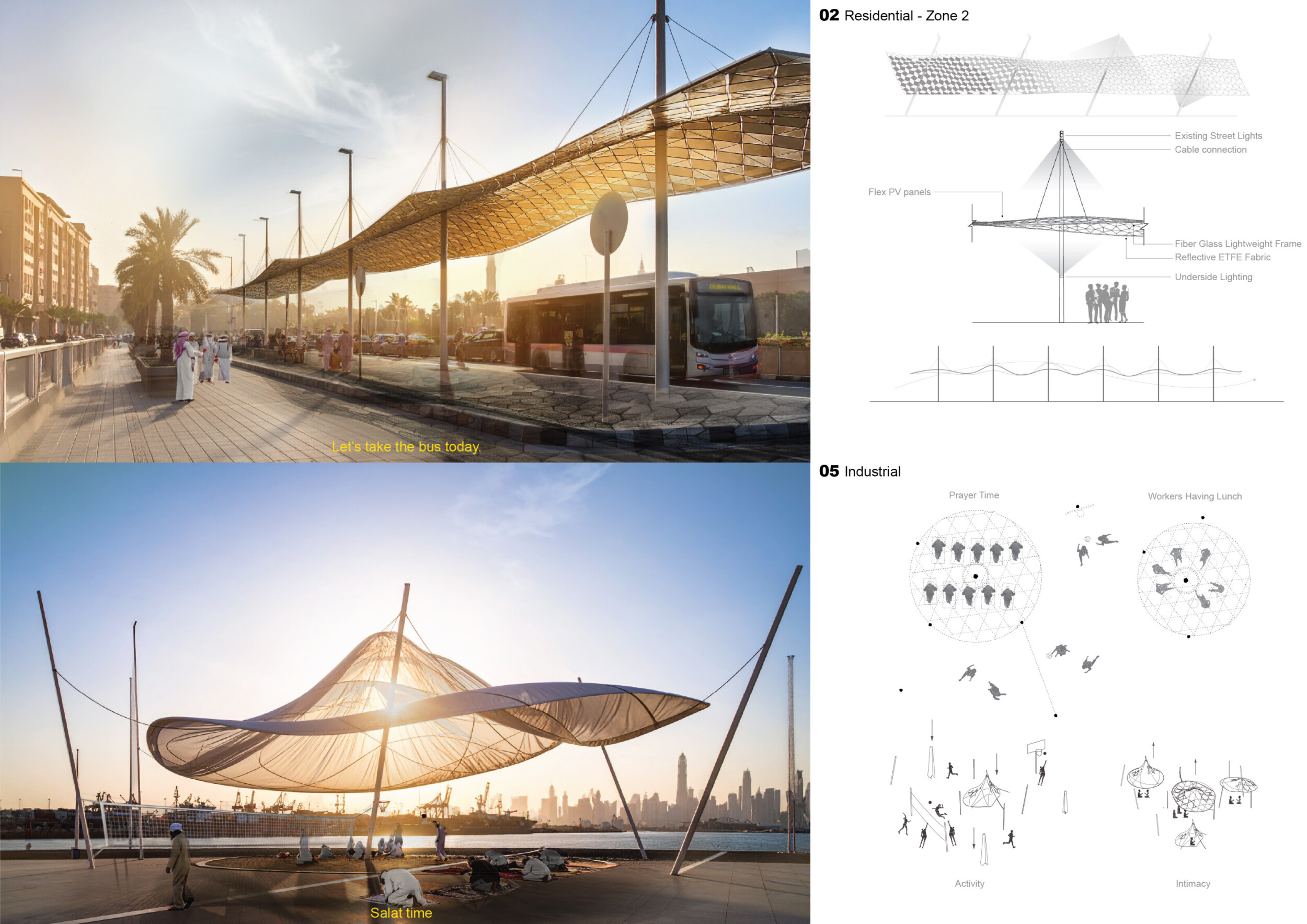
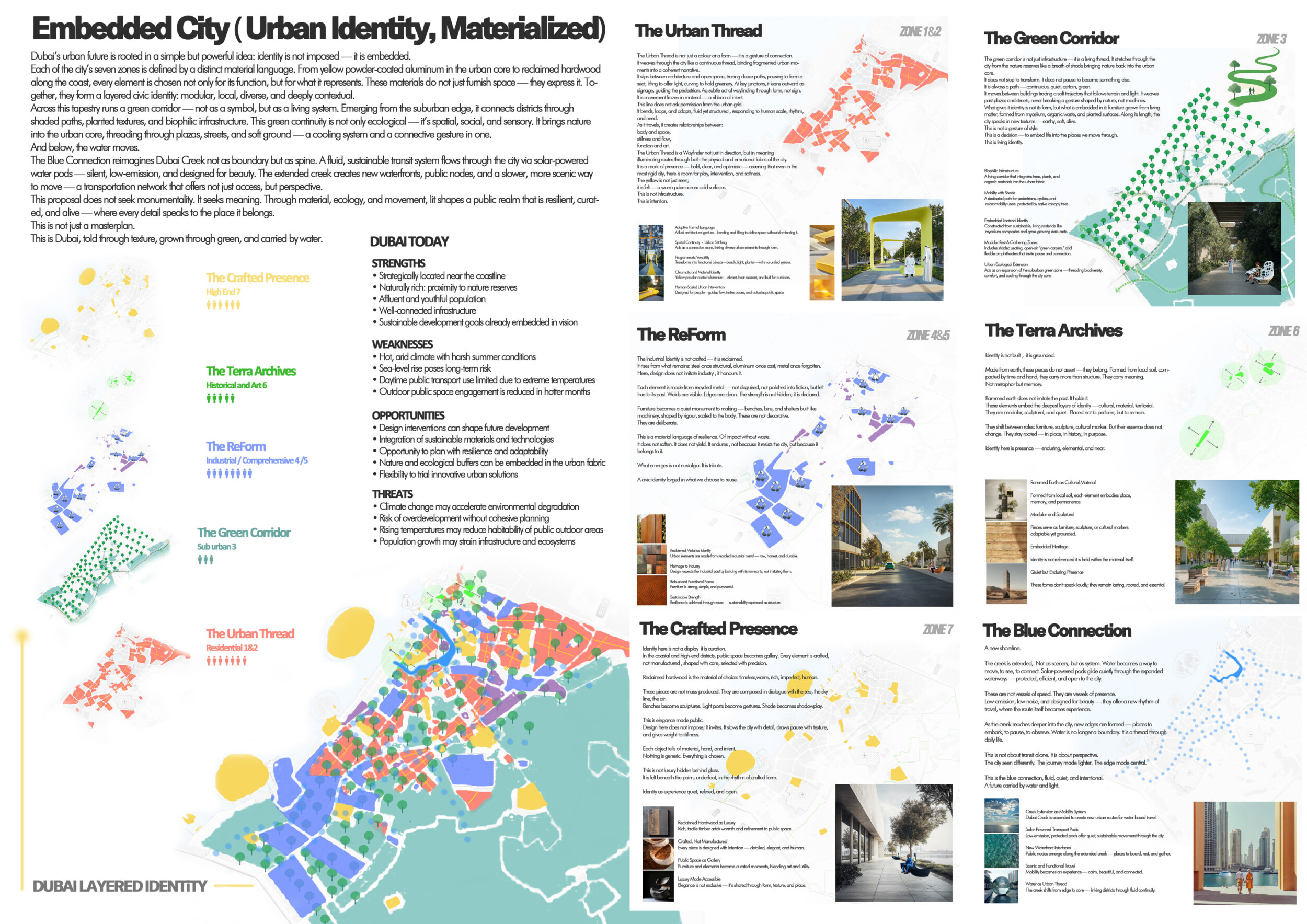
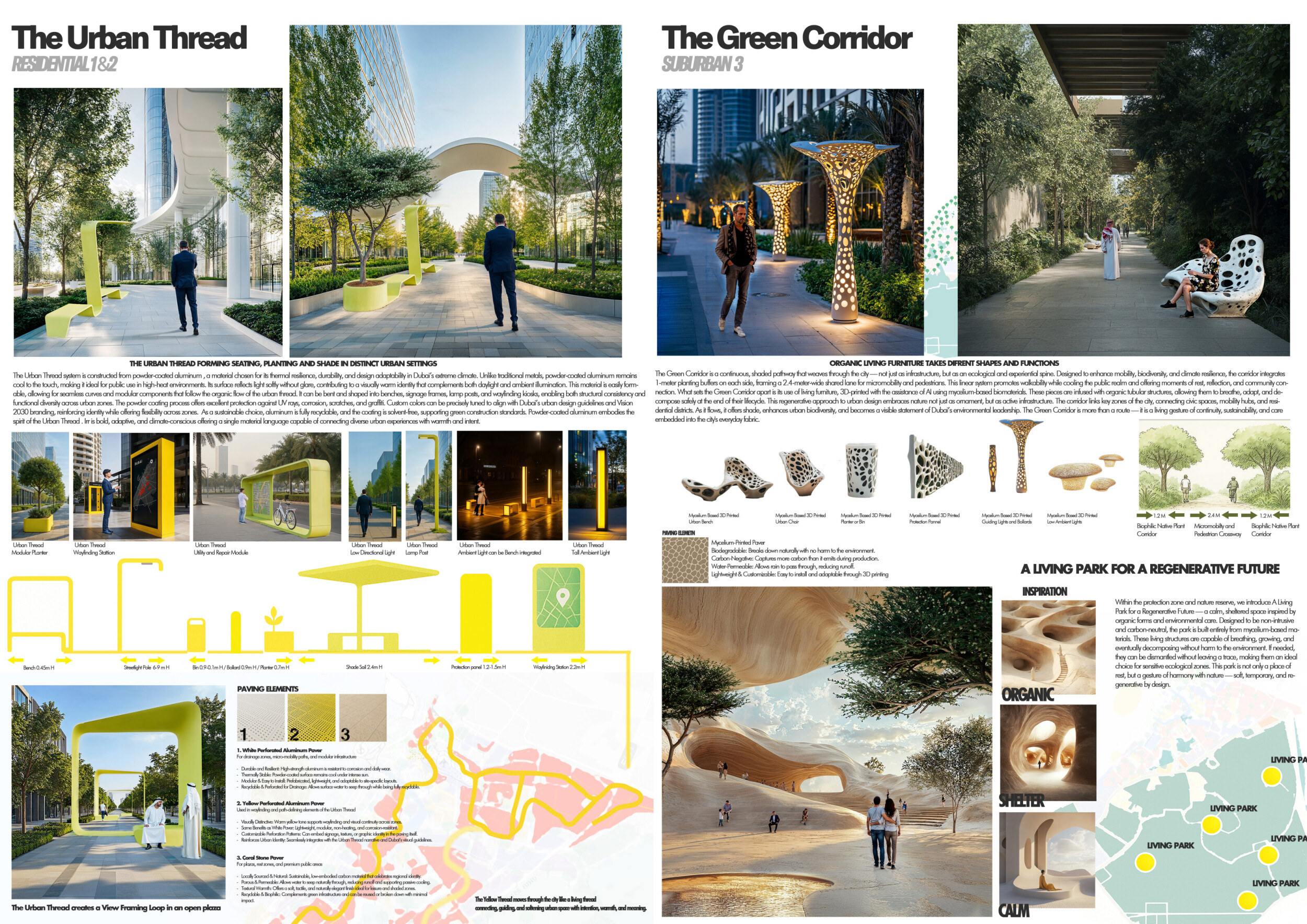
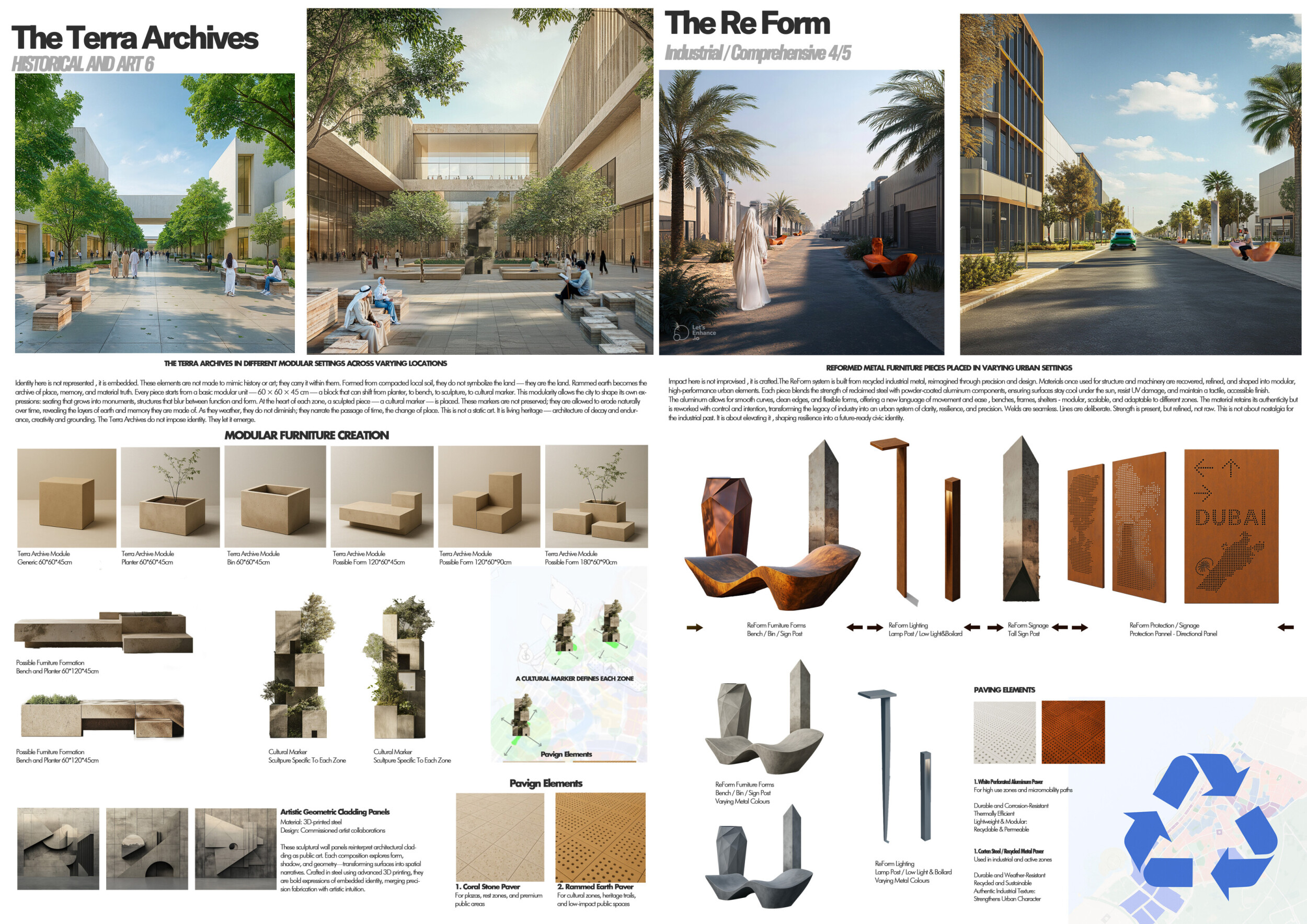
Embedded City (Urban Identity Materialized)
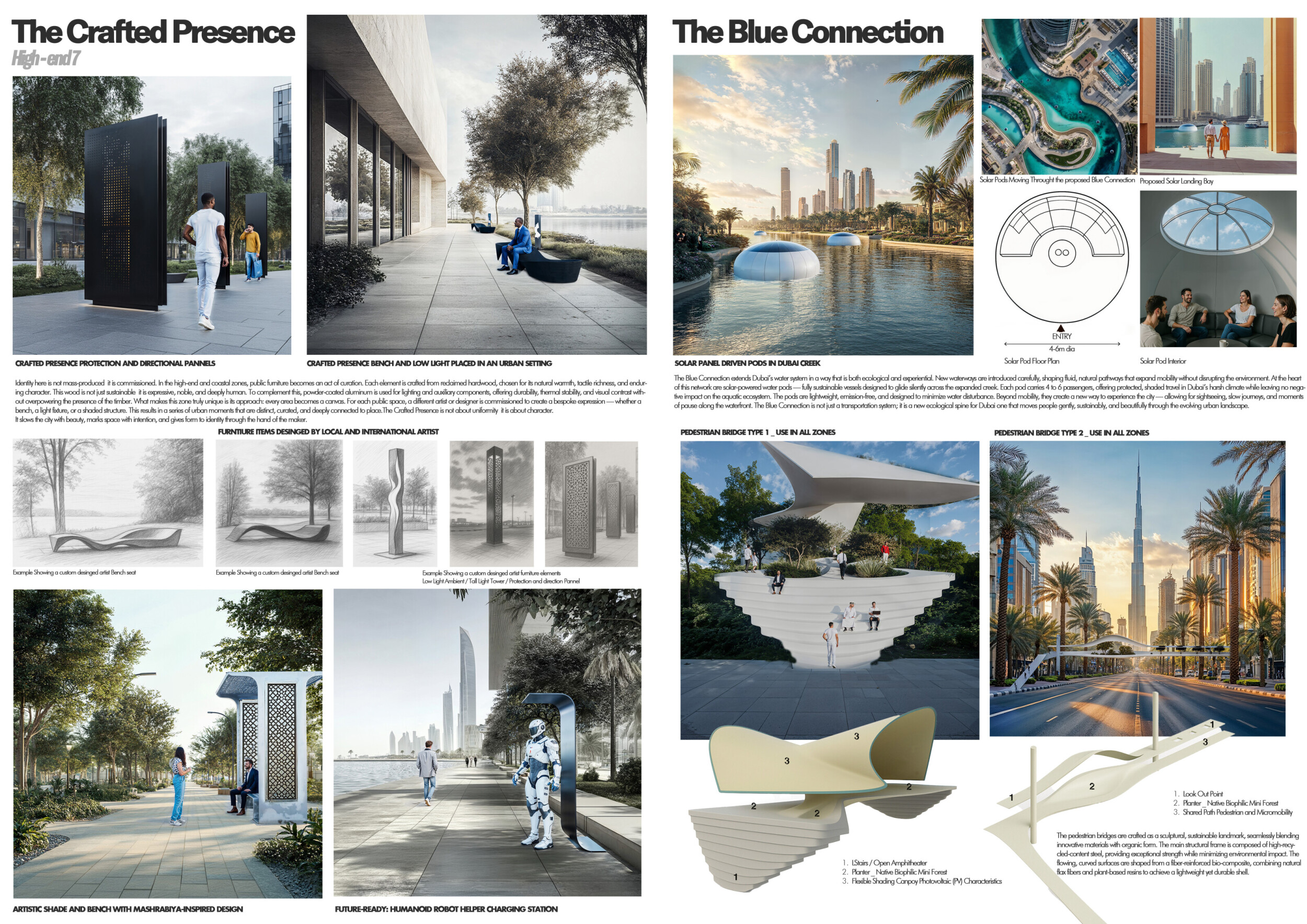

PALM OF SHADE
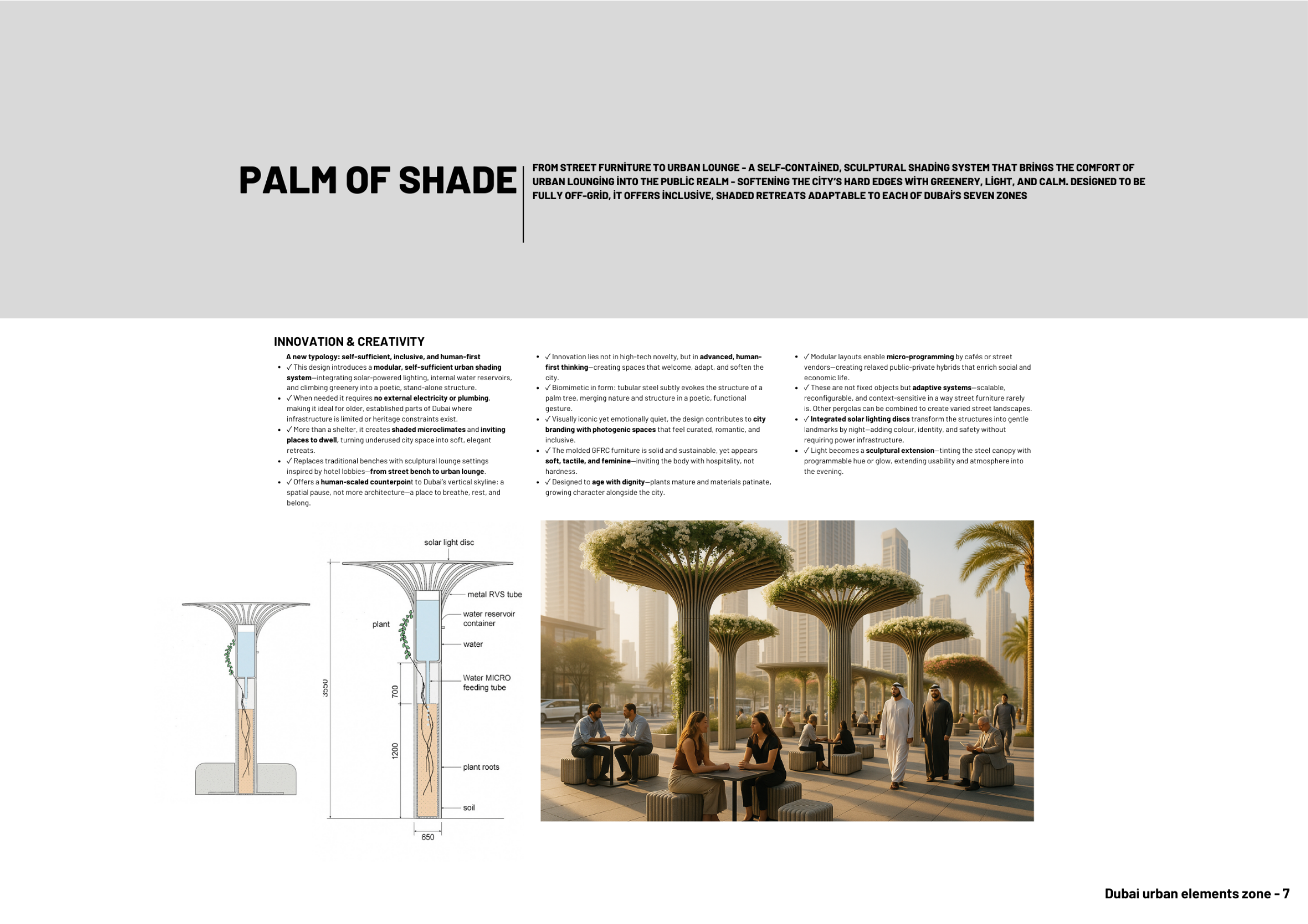
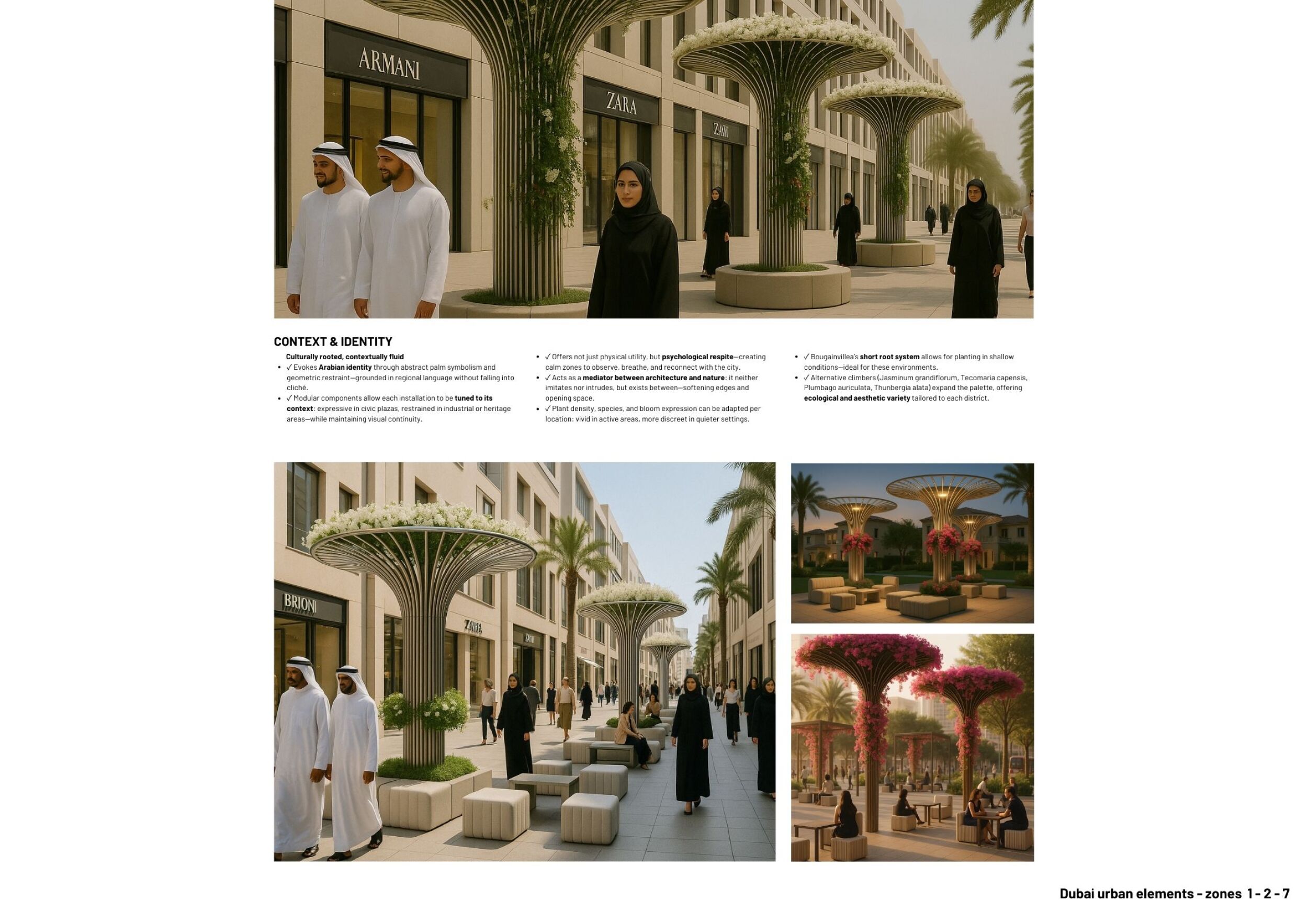
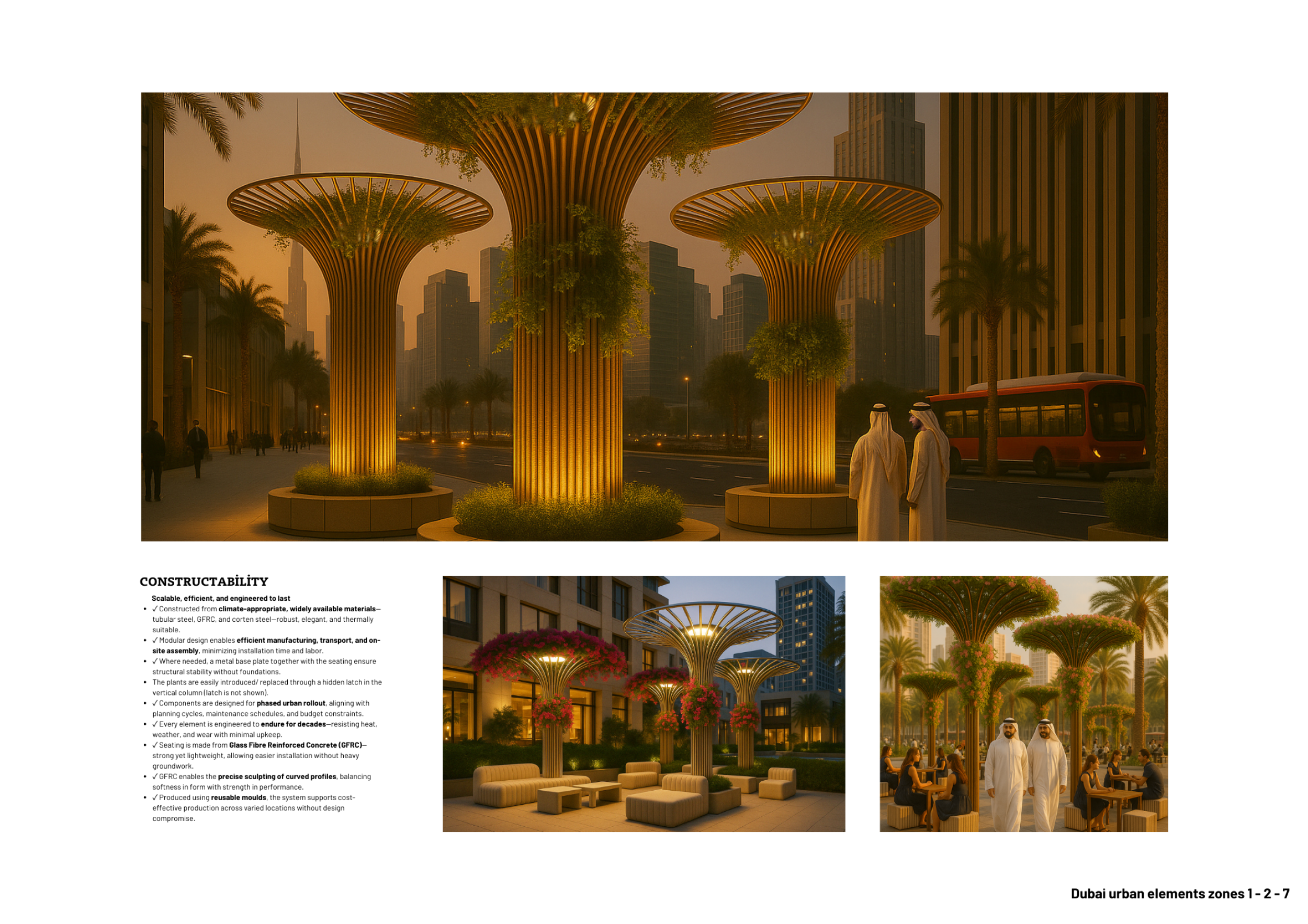
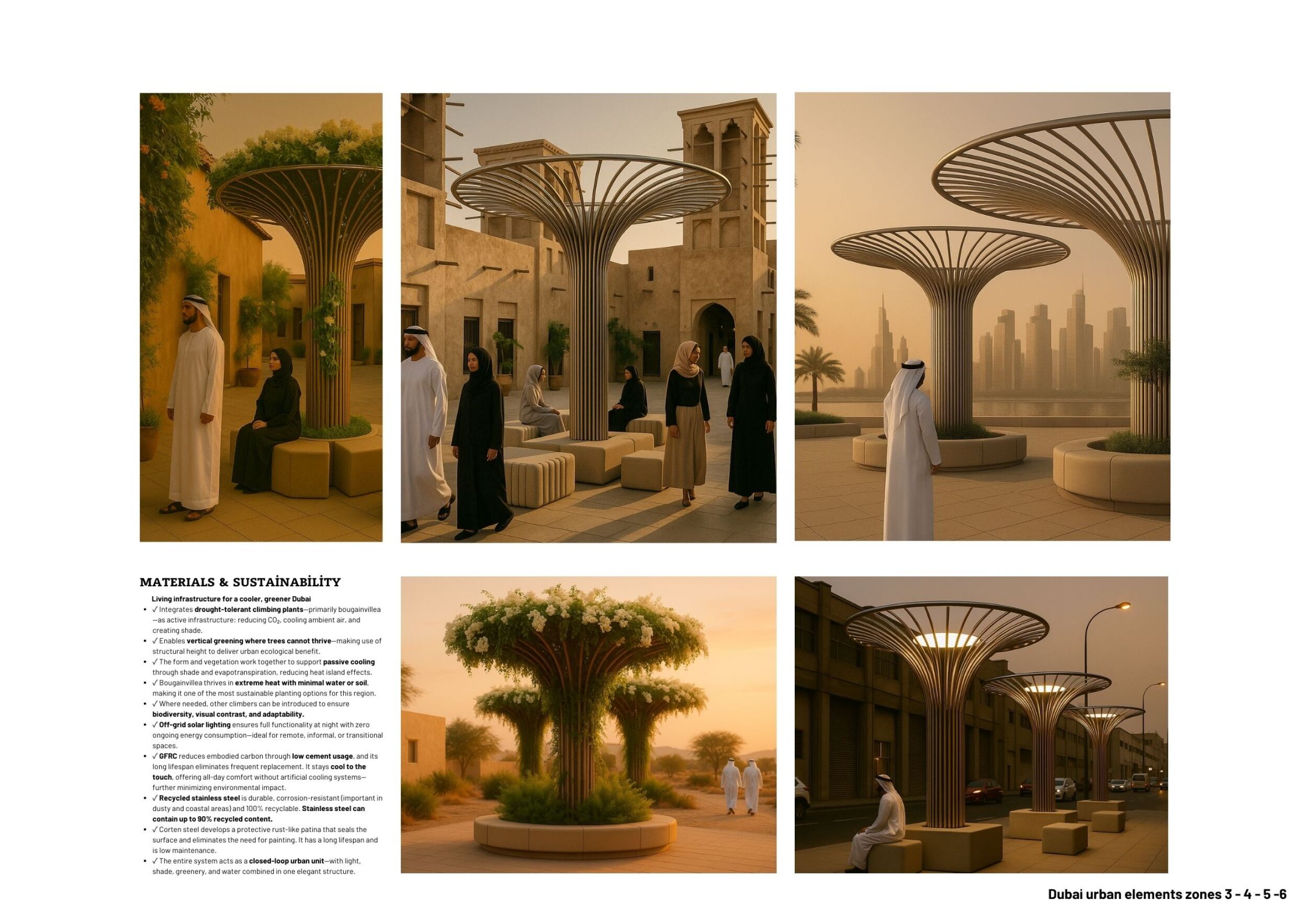

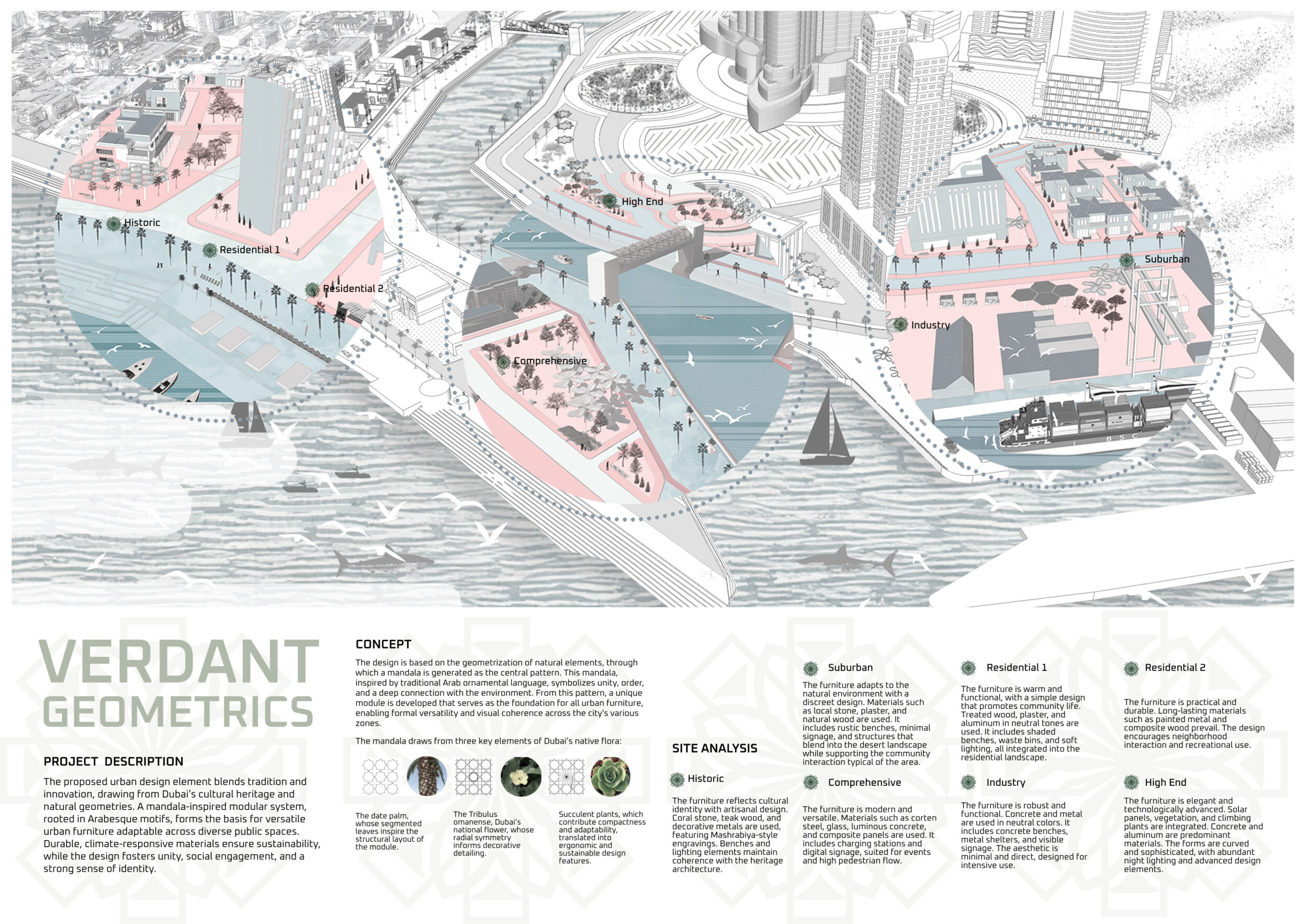
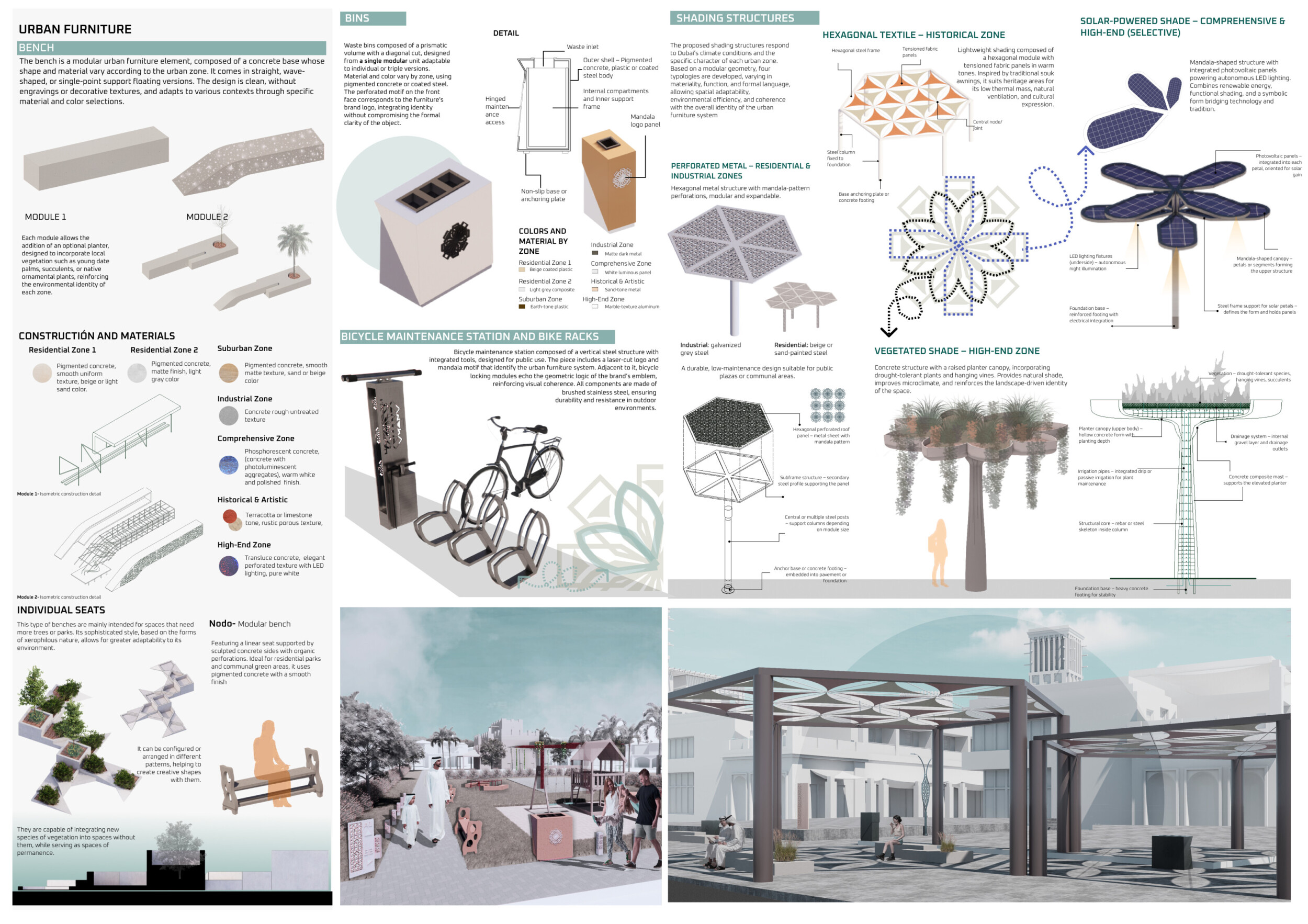
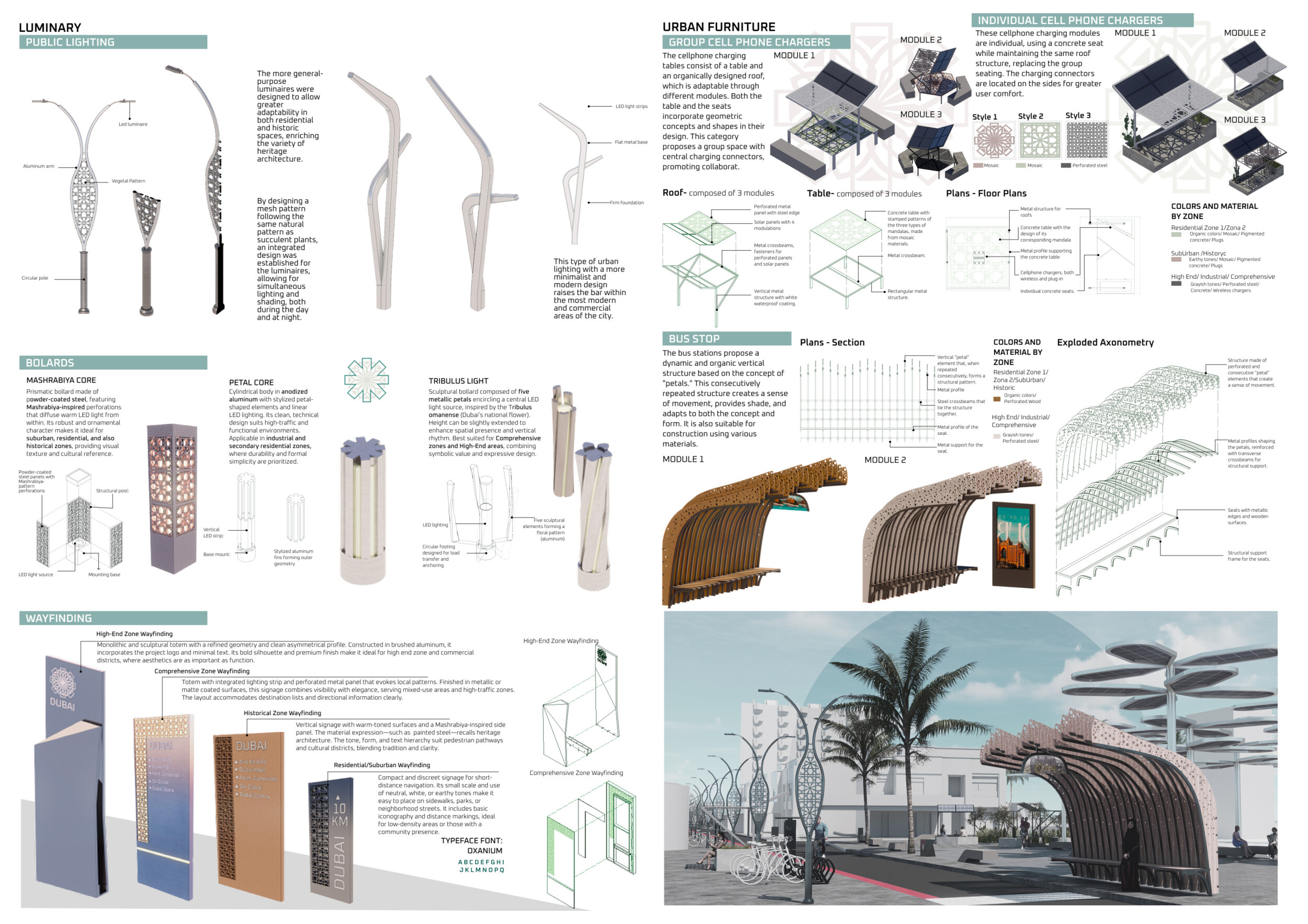
VERDANT GEOMETRICS

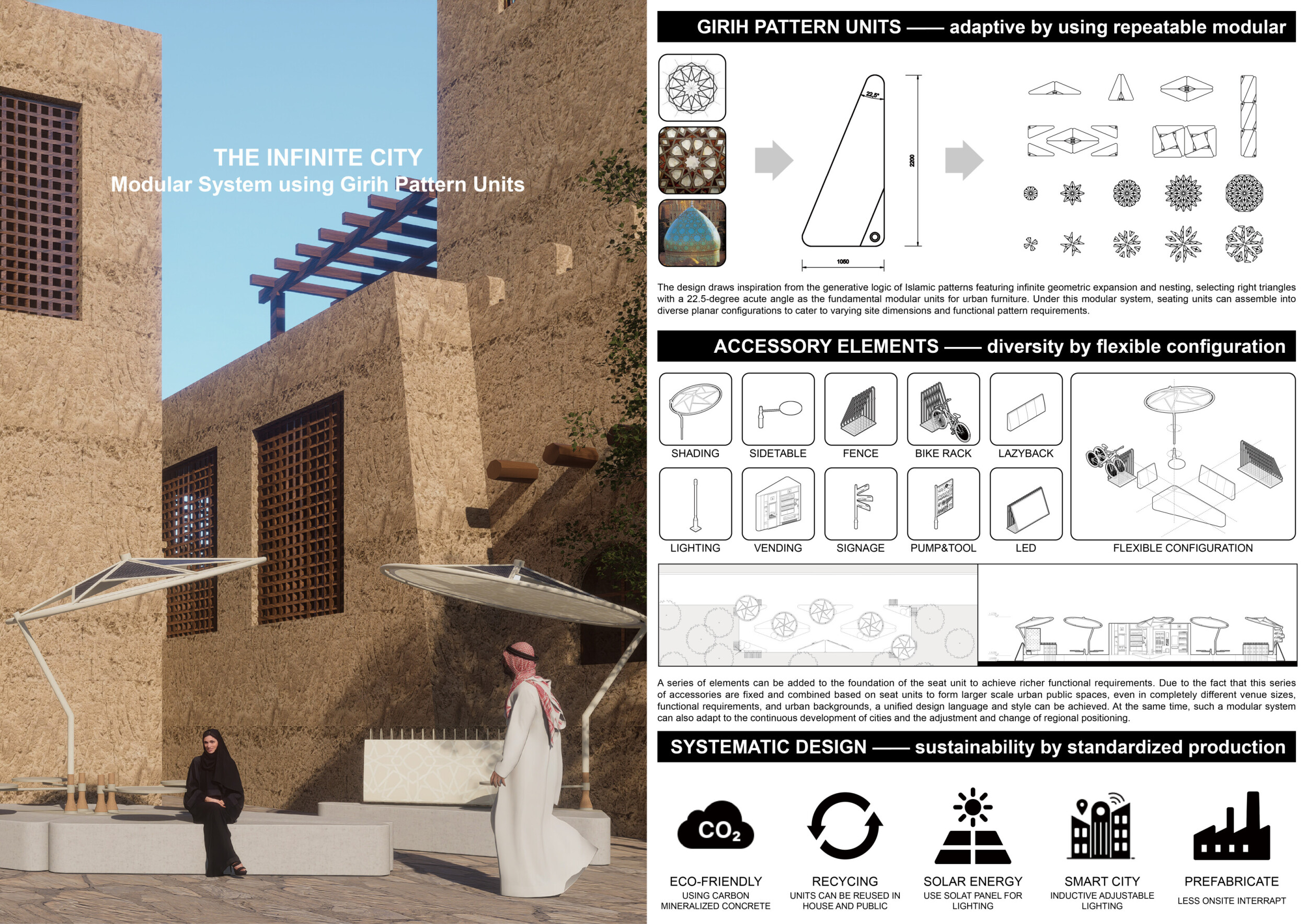
The Infinite City ——Modular System using Girih Pattern Units
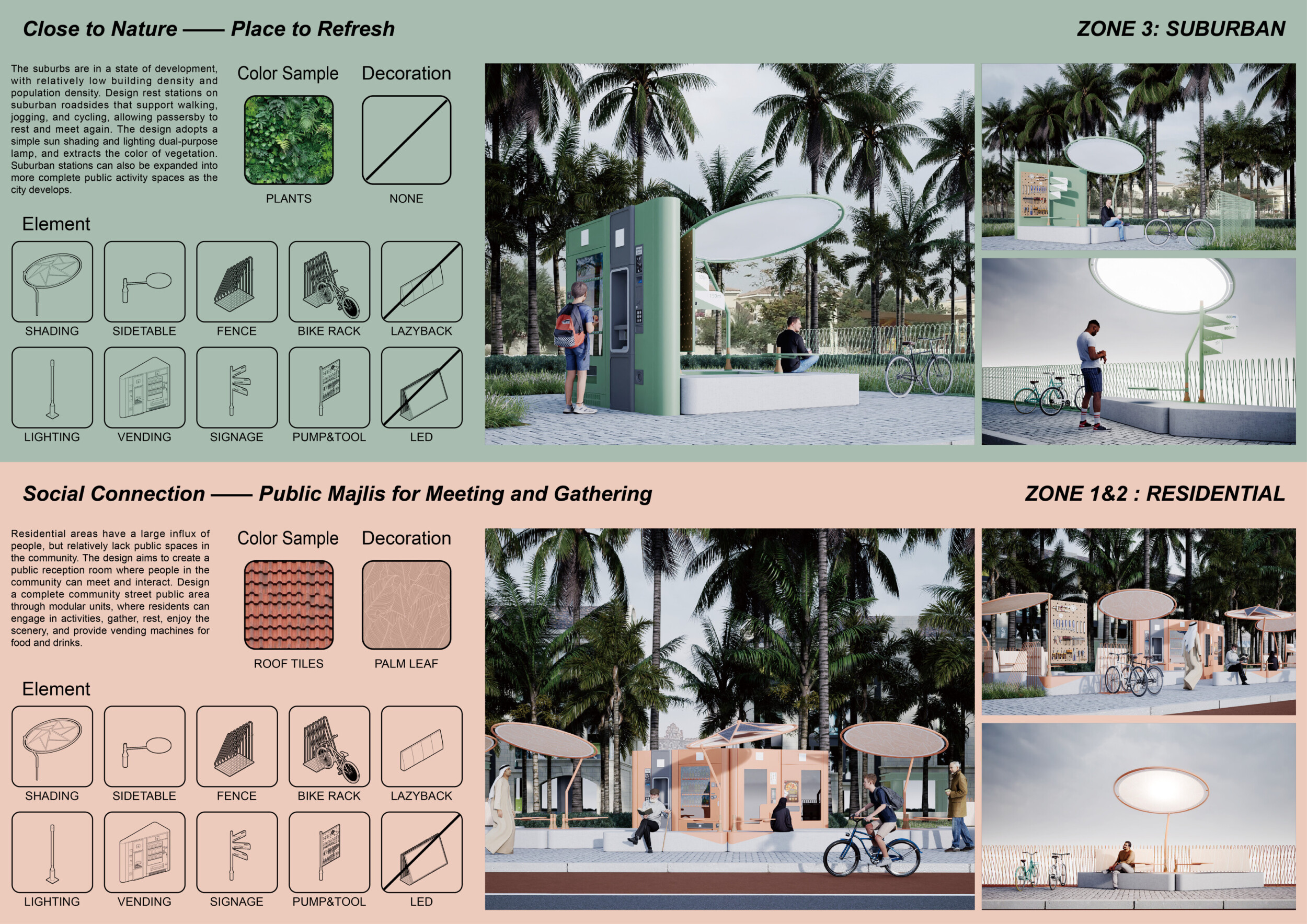
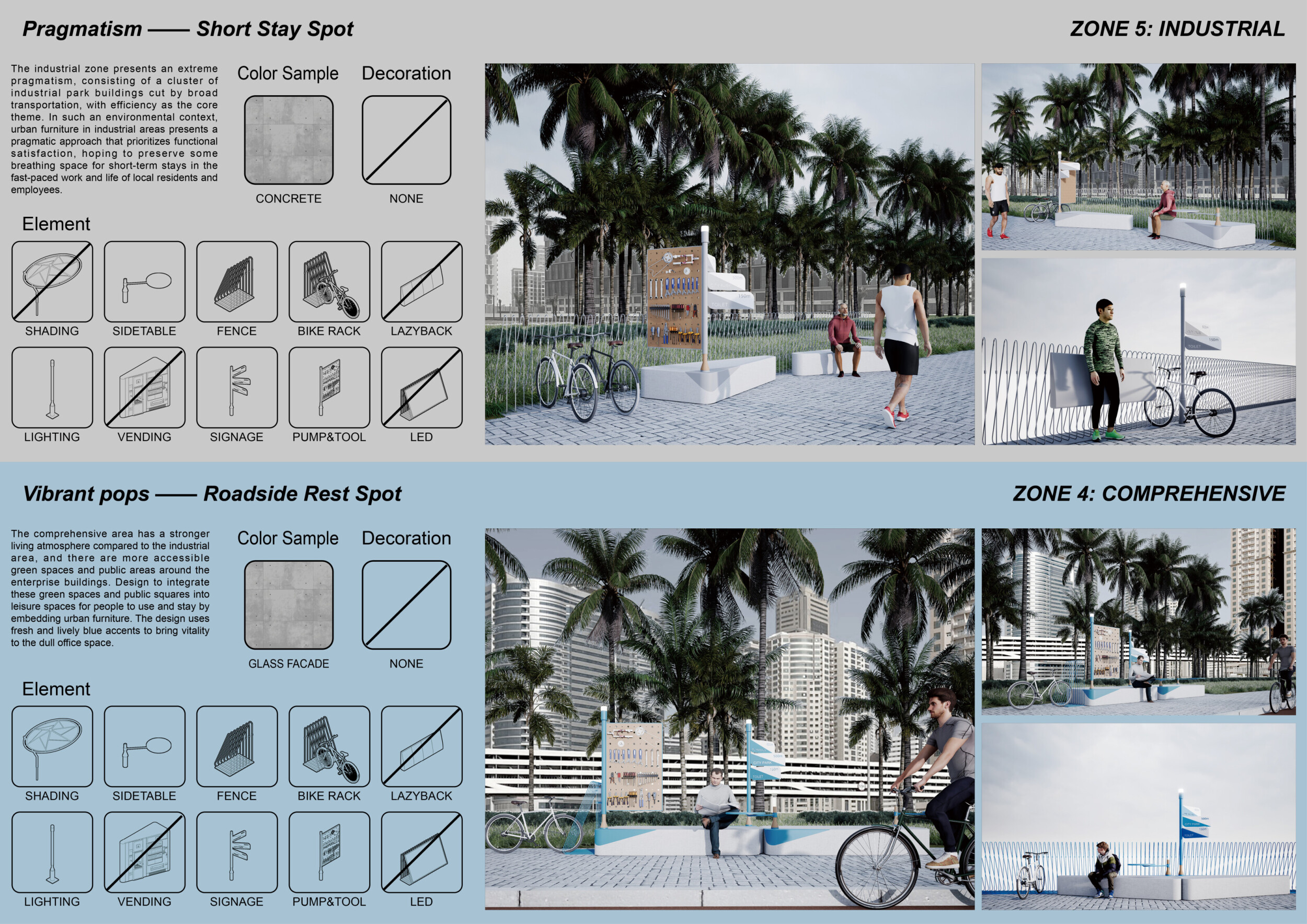
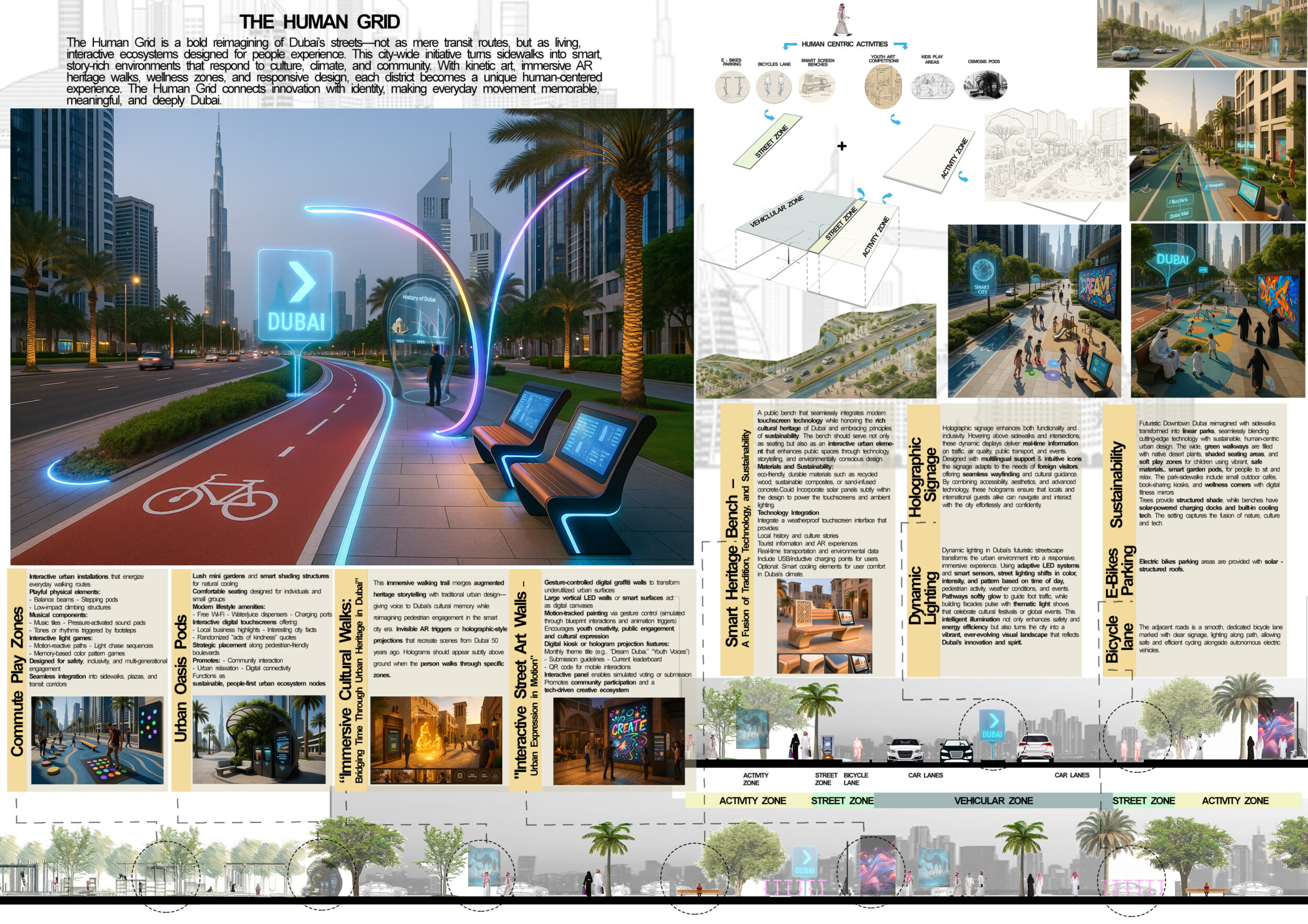
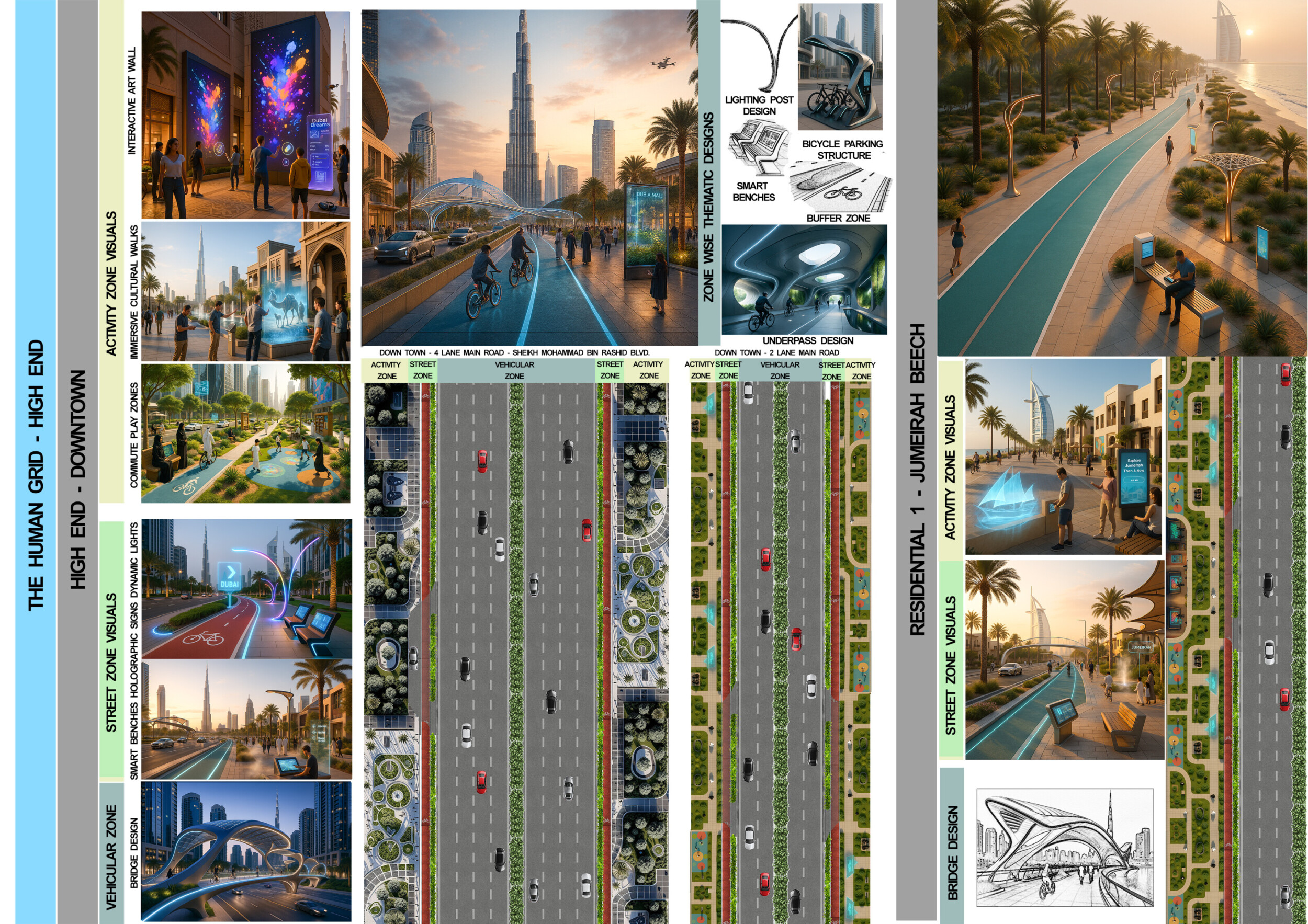
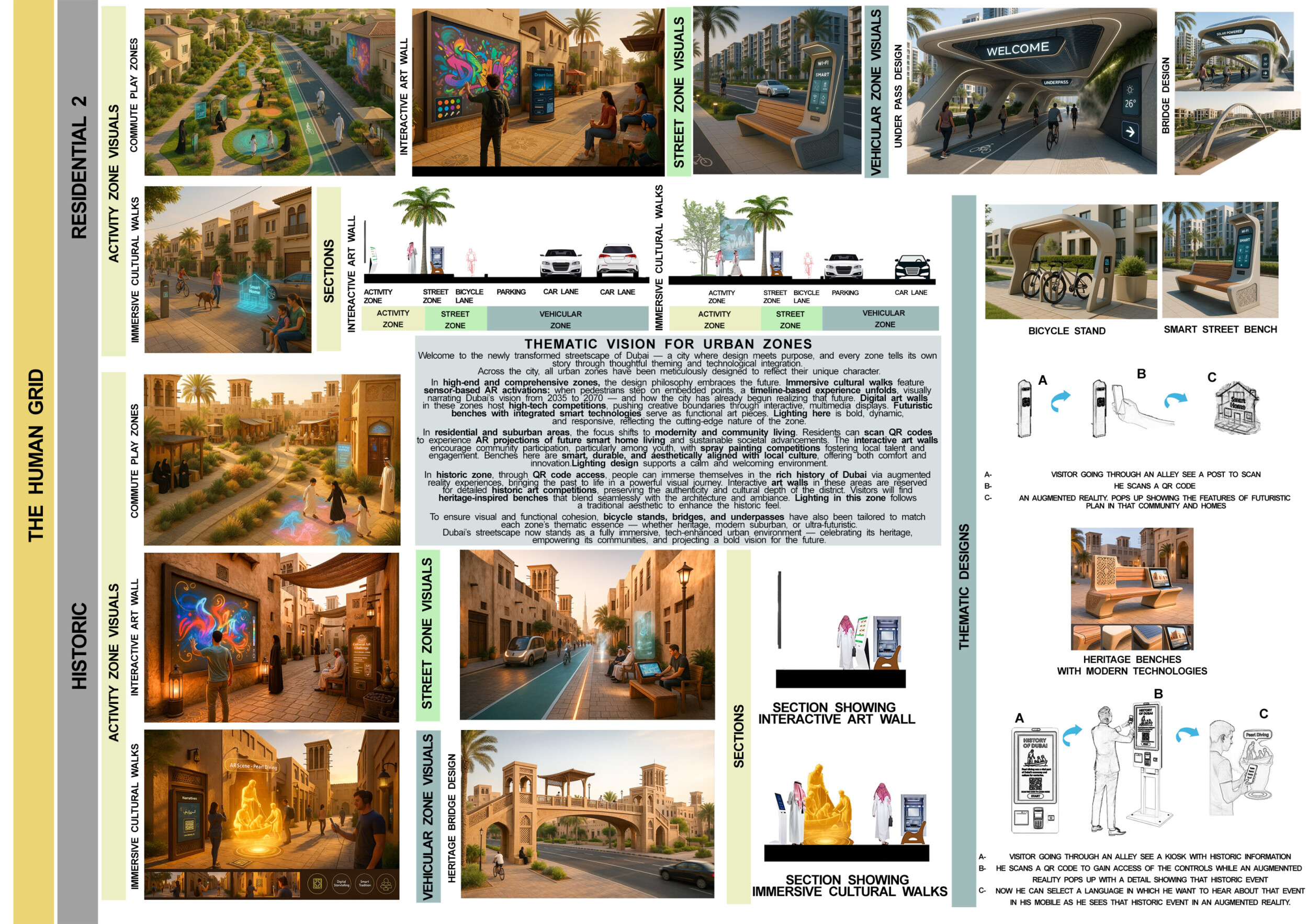
THE HUMAN GRID
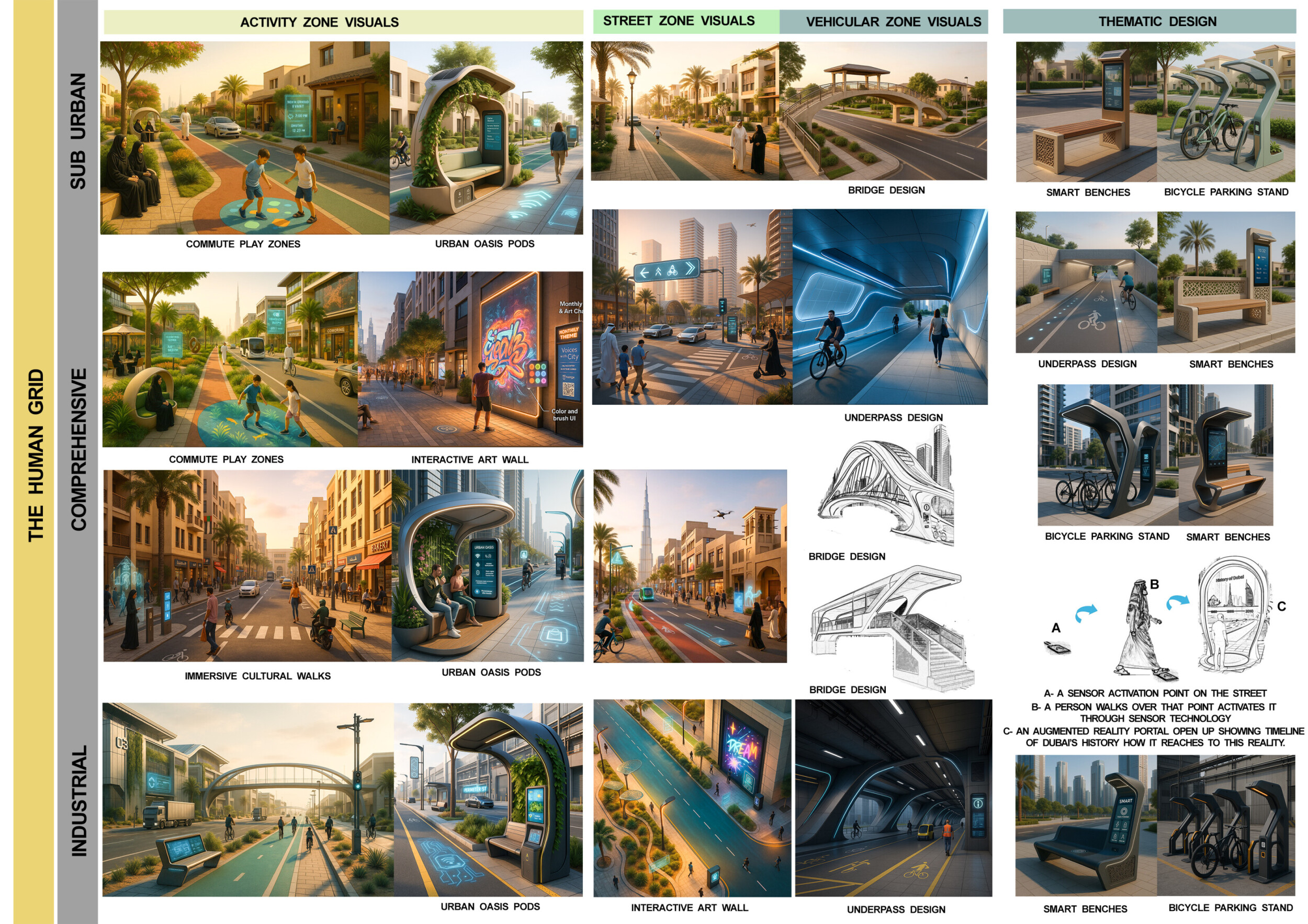
Emergent Micro-Urbanisms
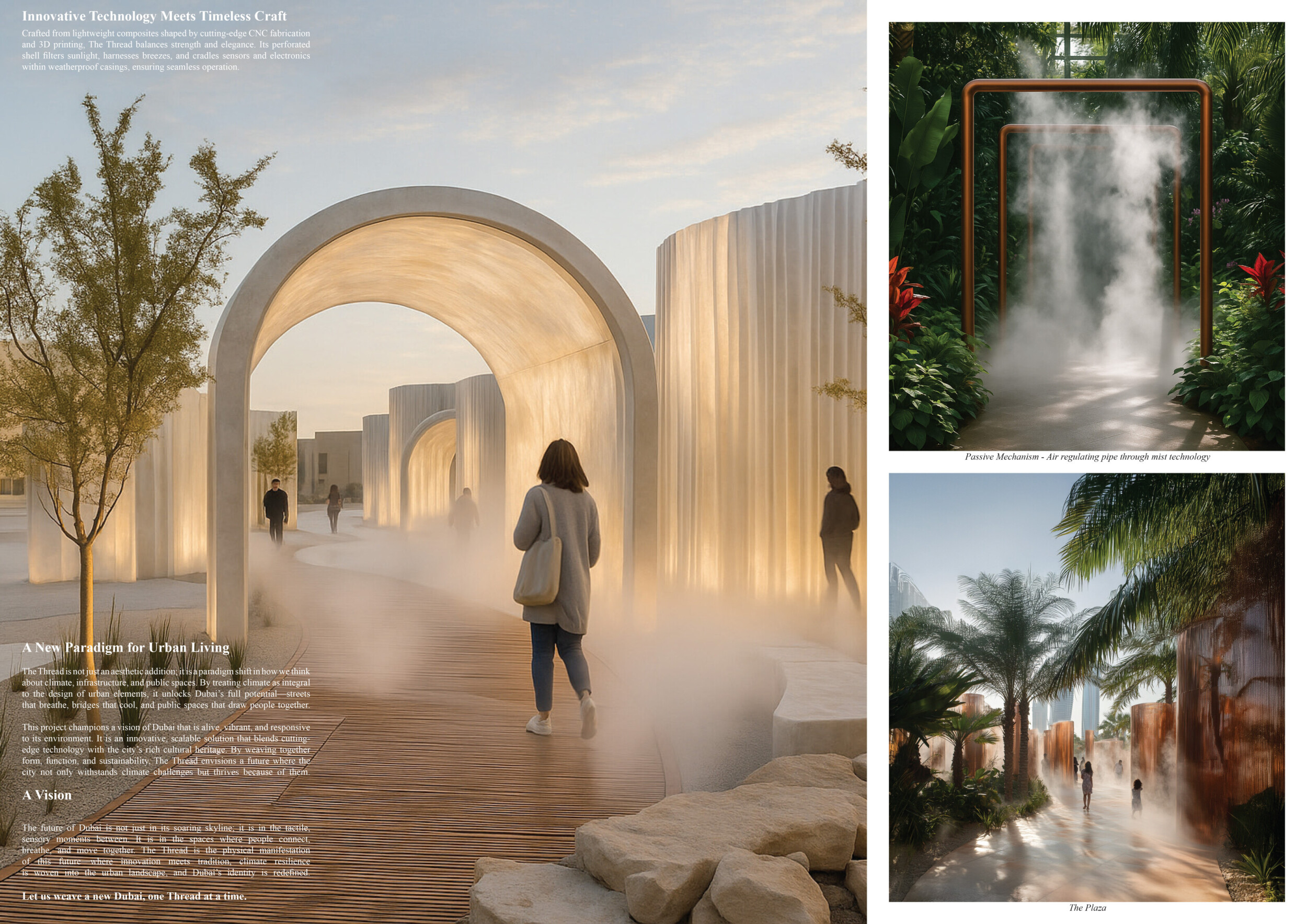
The Thread
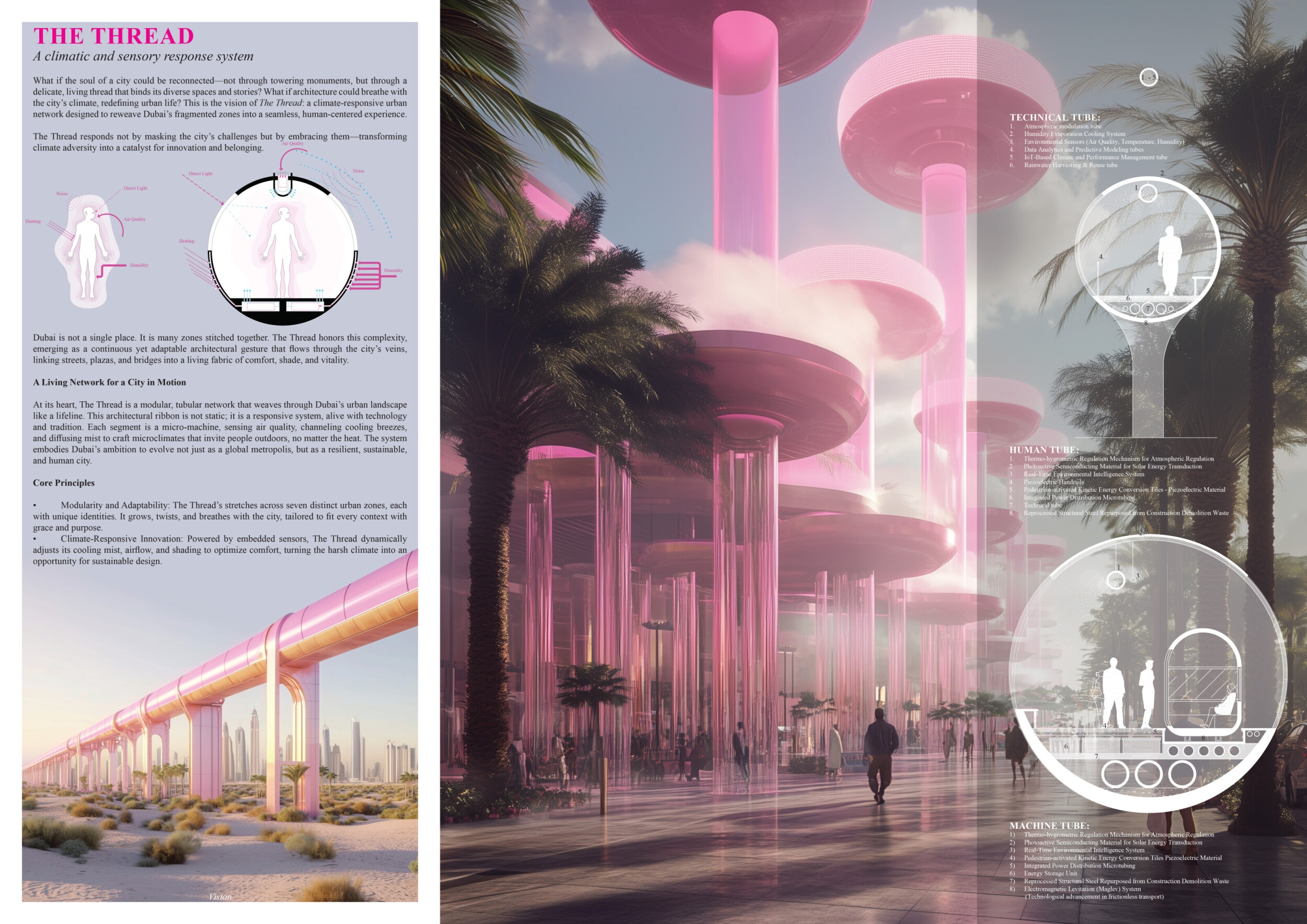
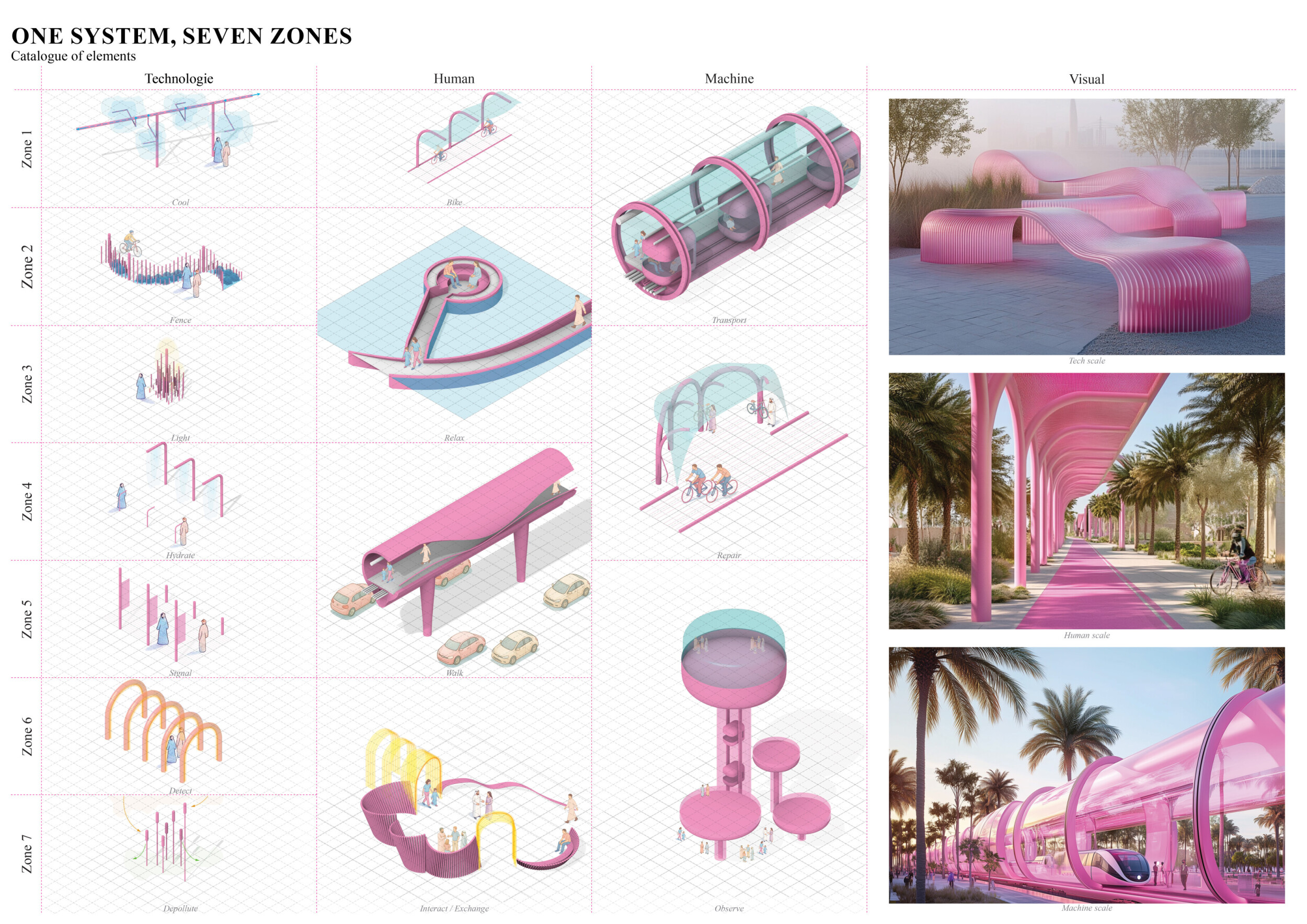
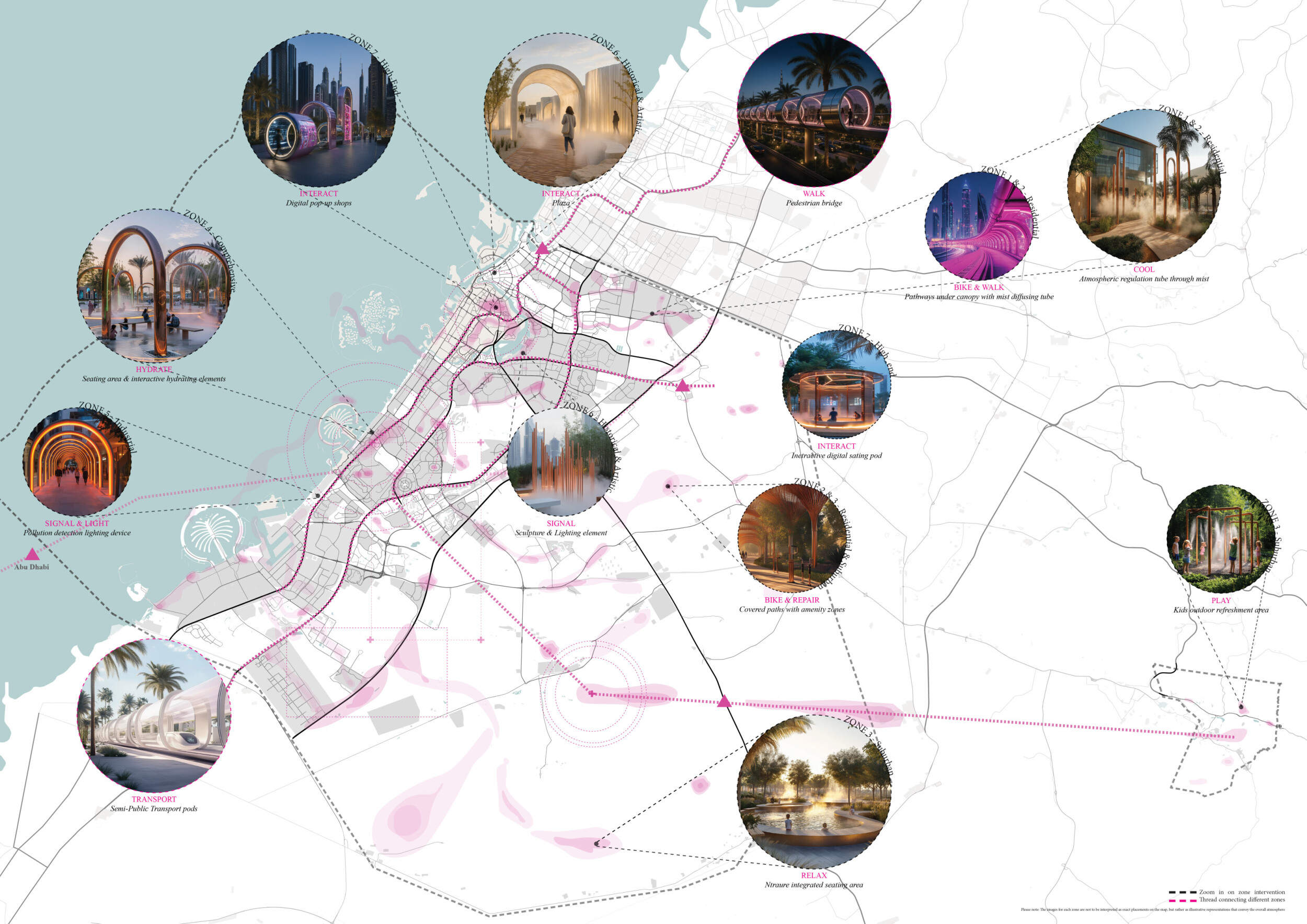
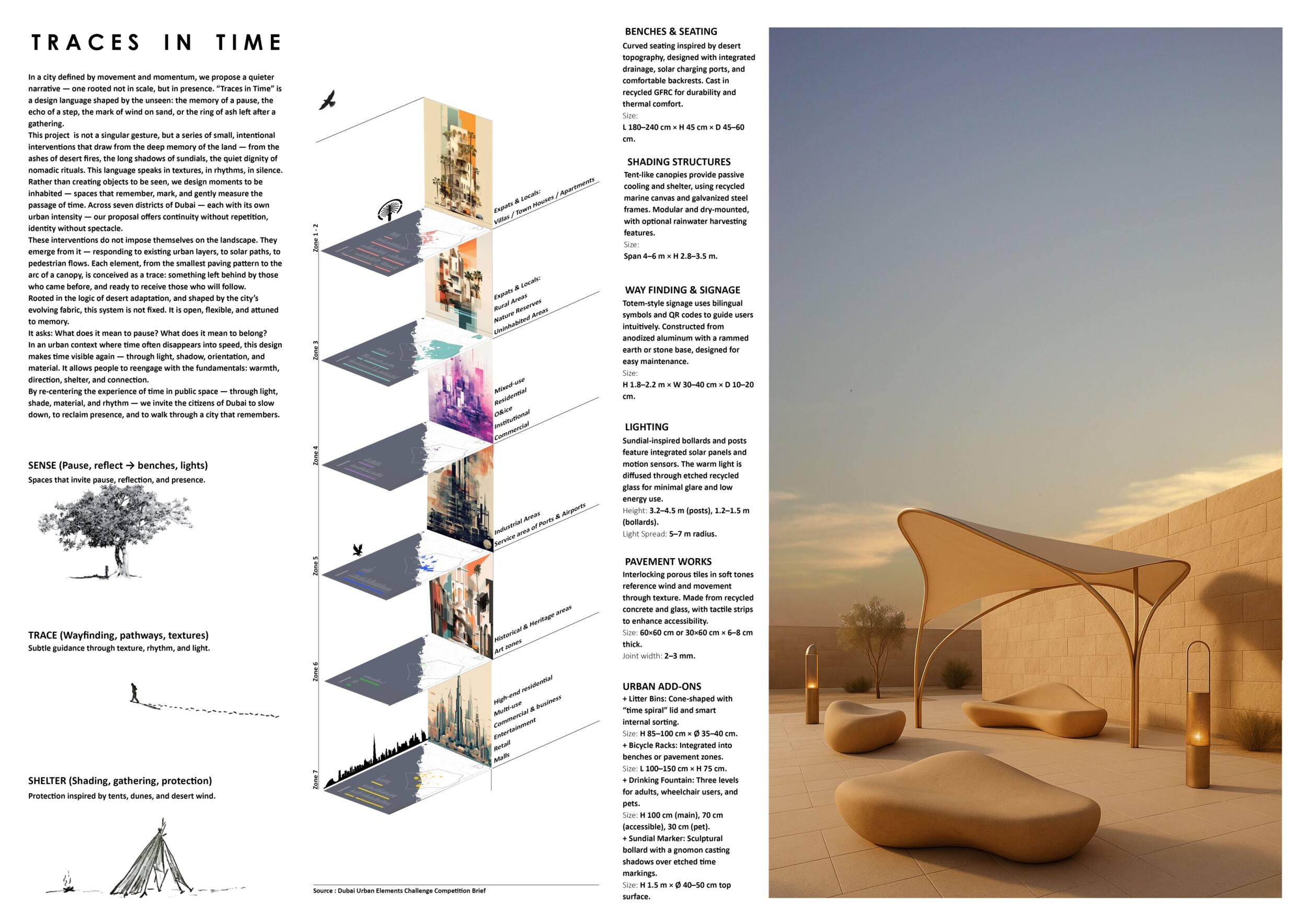
Traces in Time
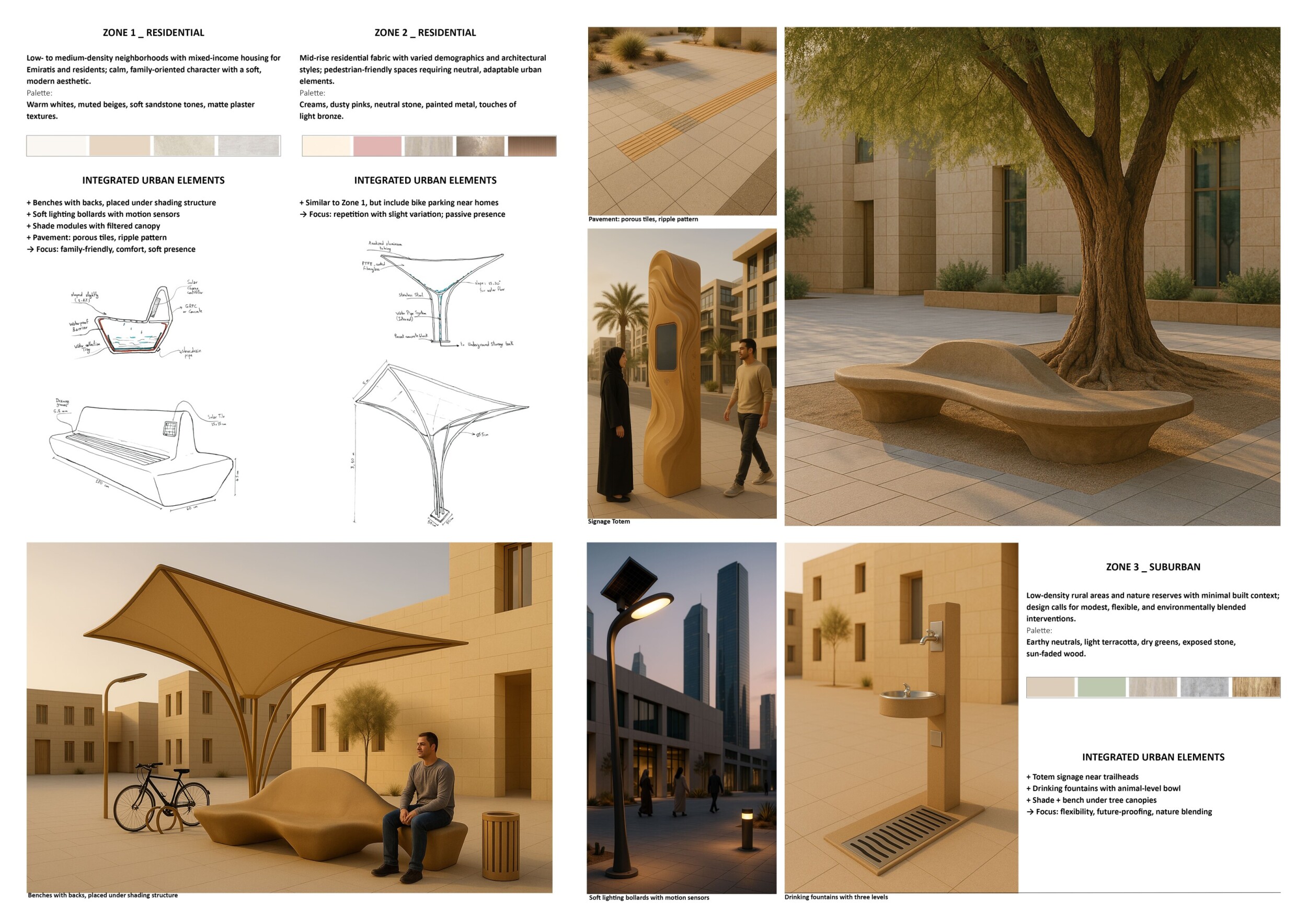
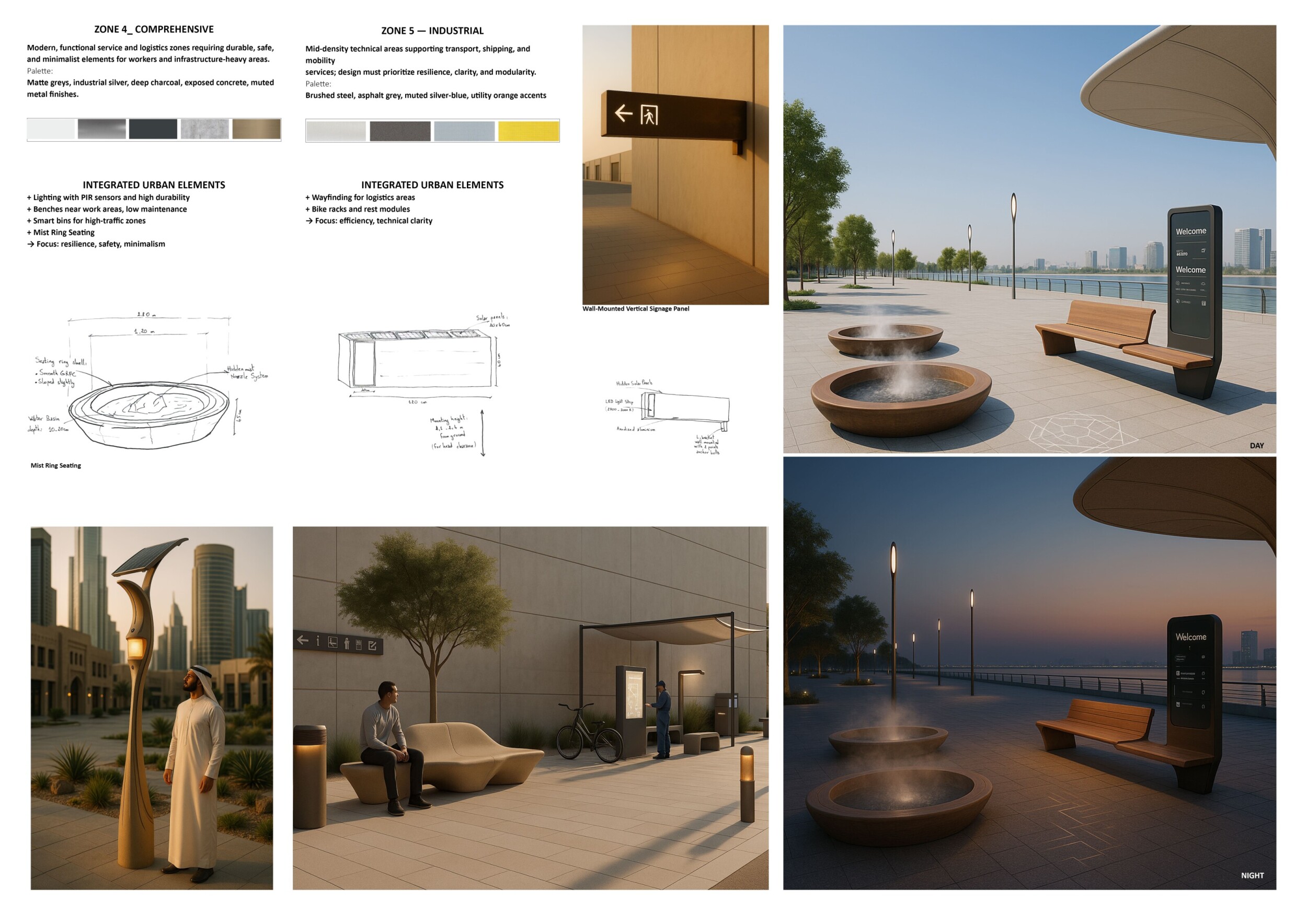
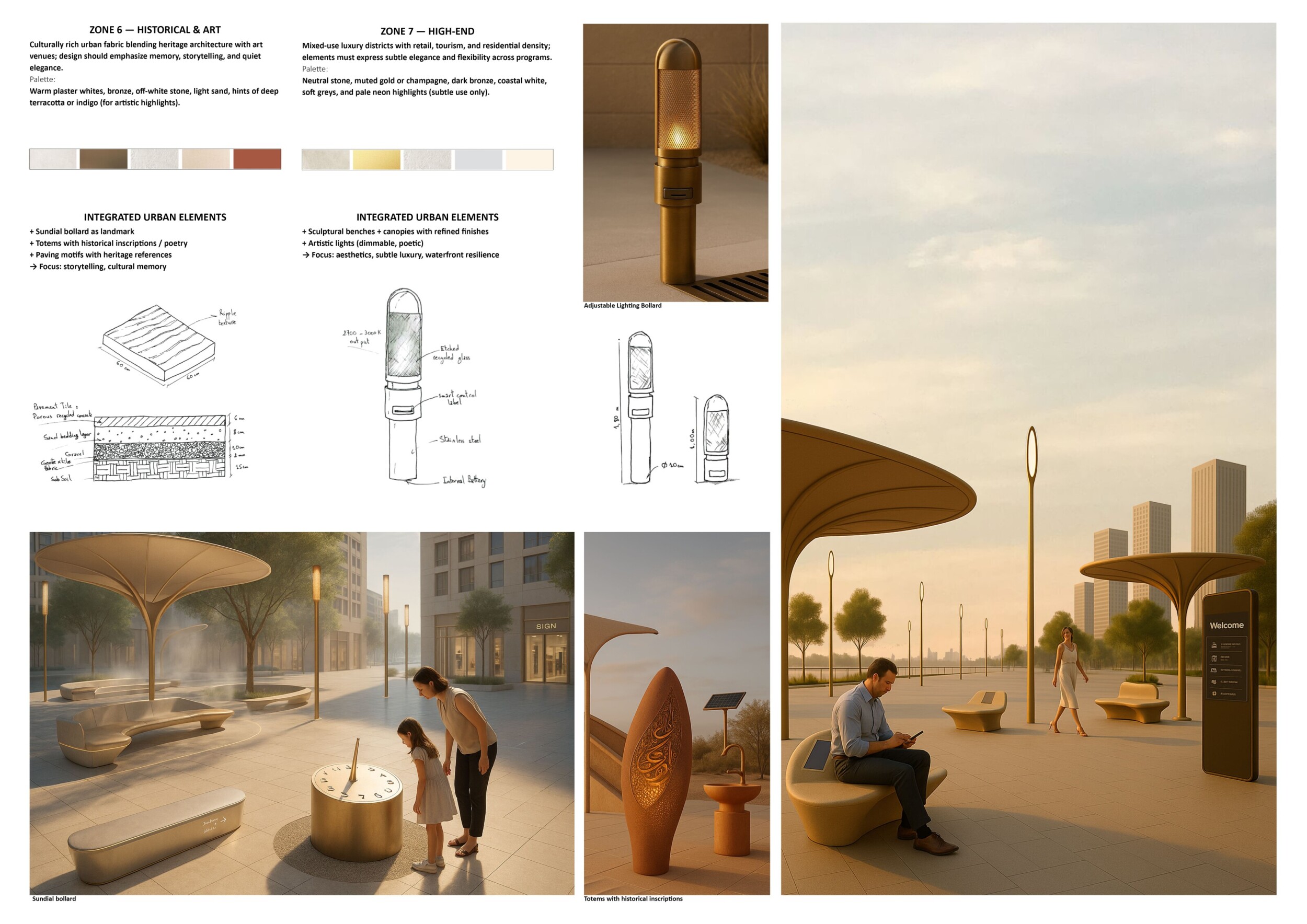

URBAN MICROCLIMATES
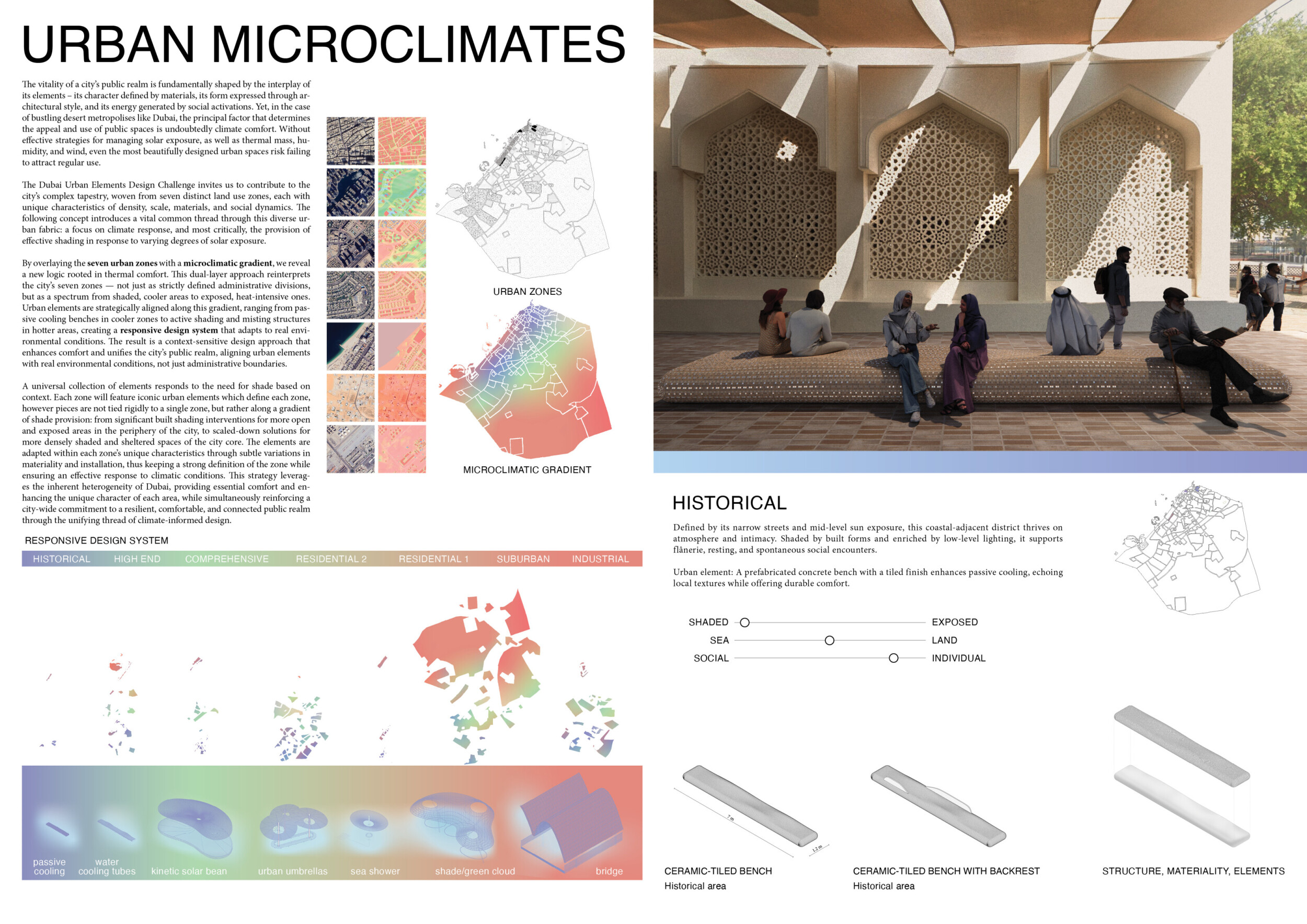
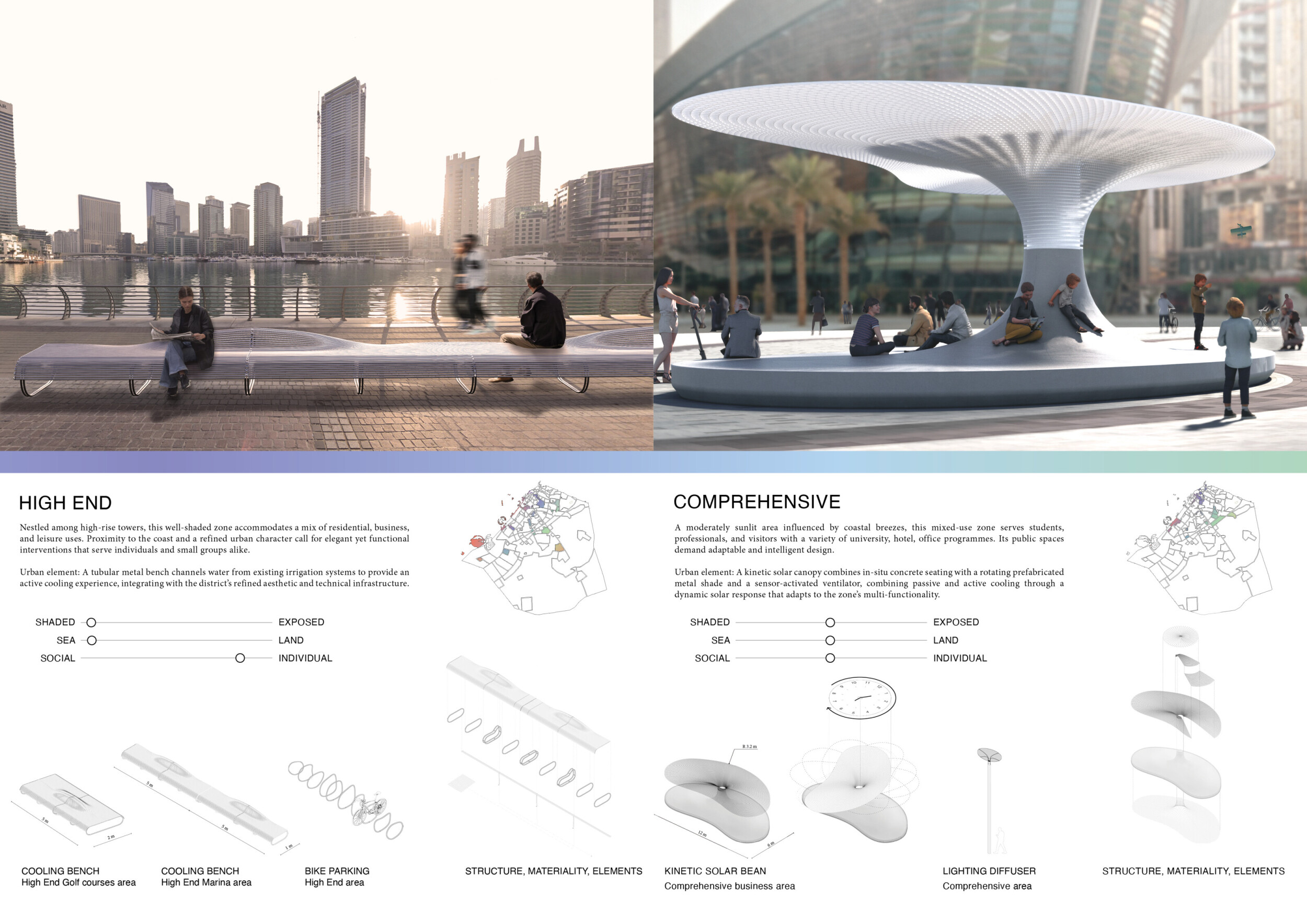
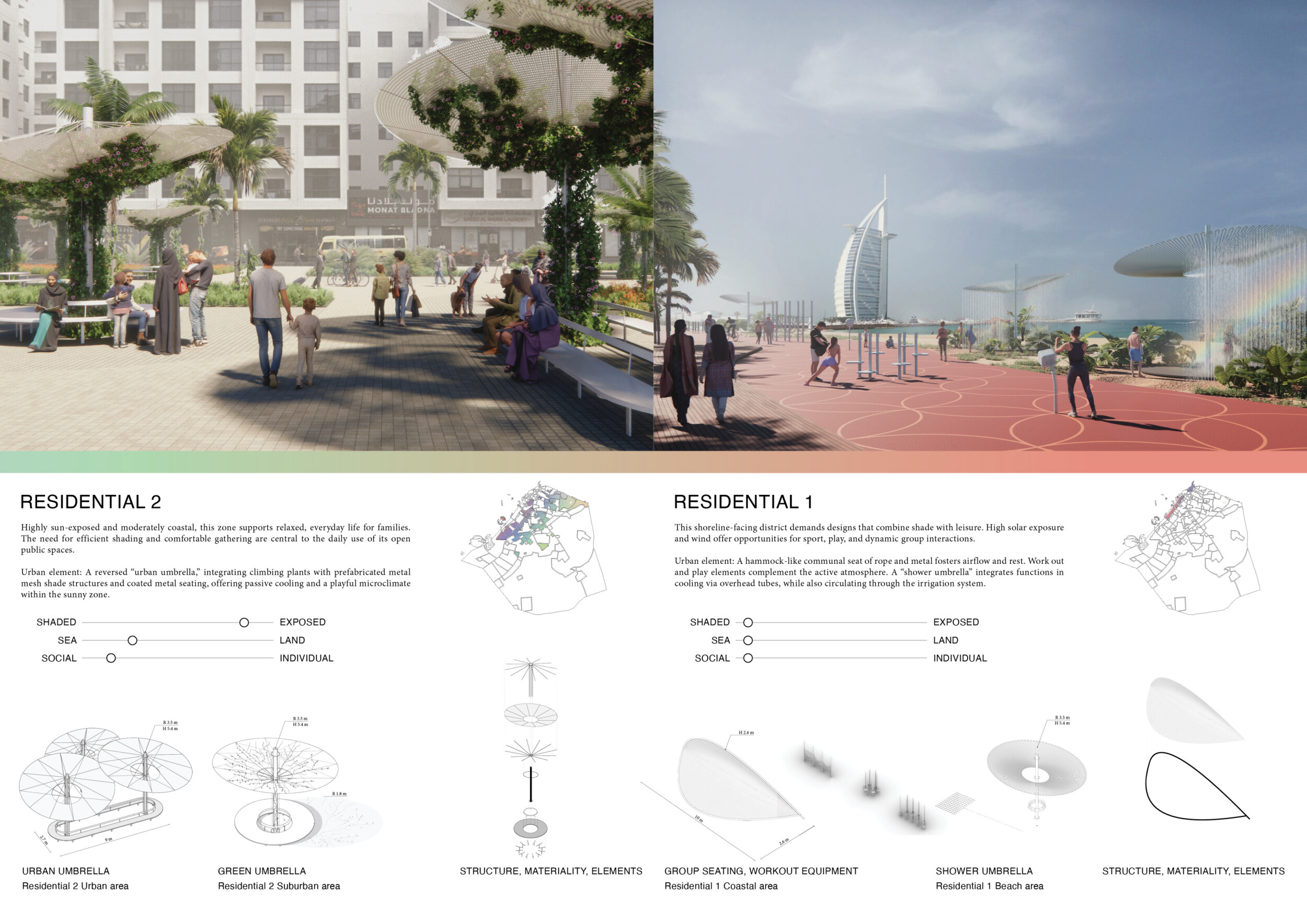
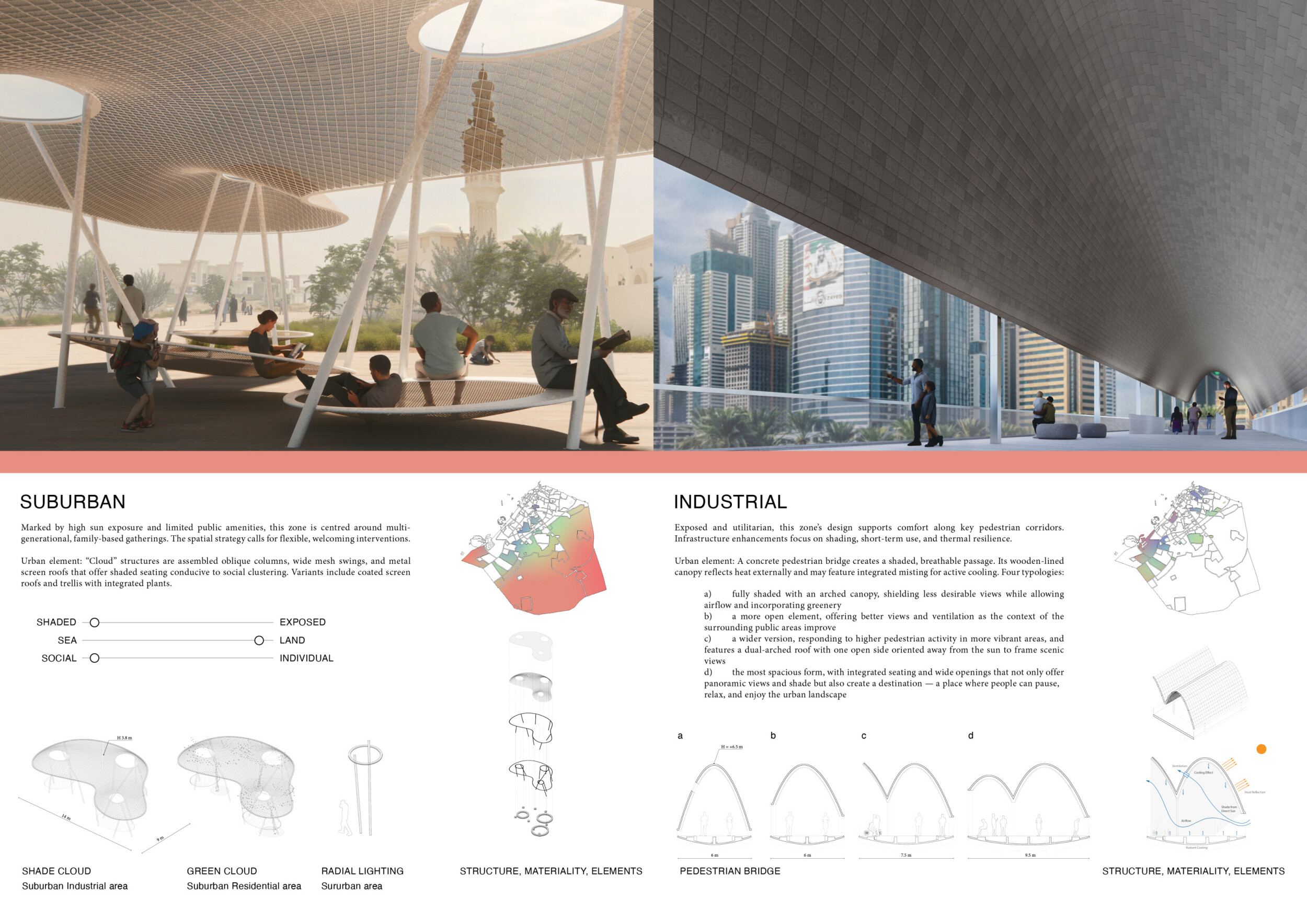

THE THREADS IN THE DUBAI TAPESTRY: SHADING STRUCTURES REIMAGINED
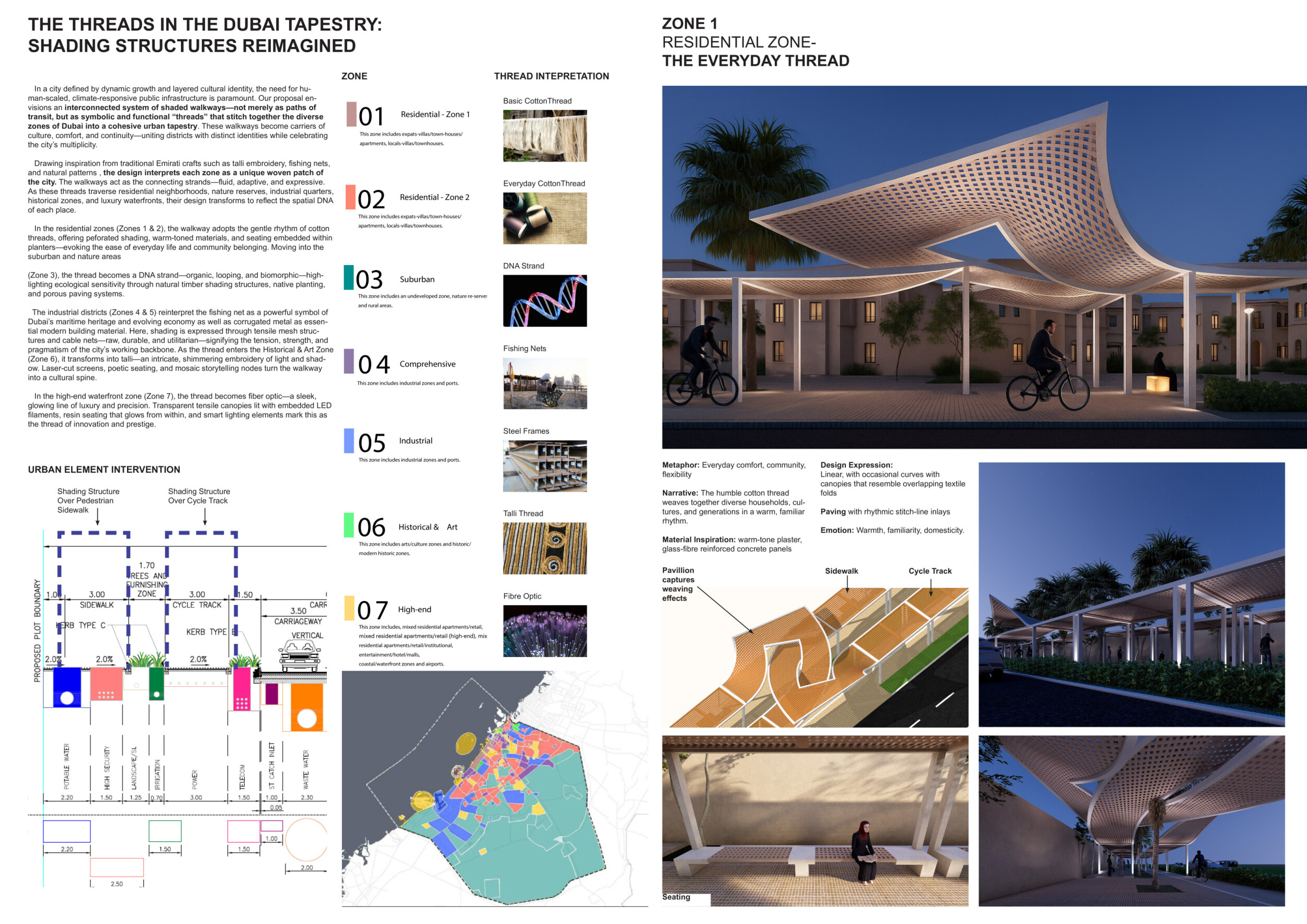
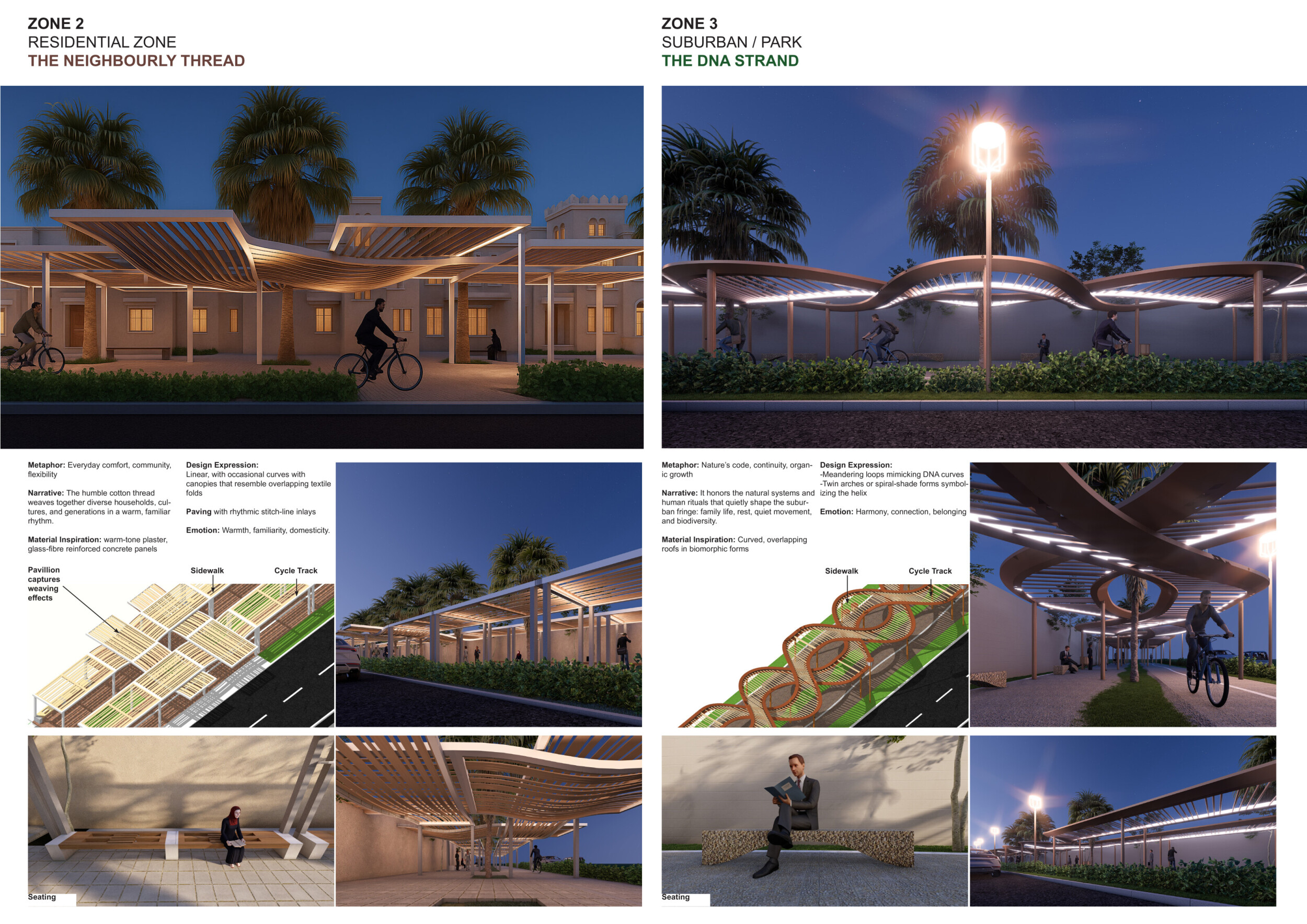
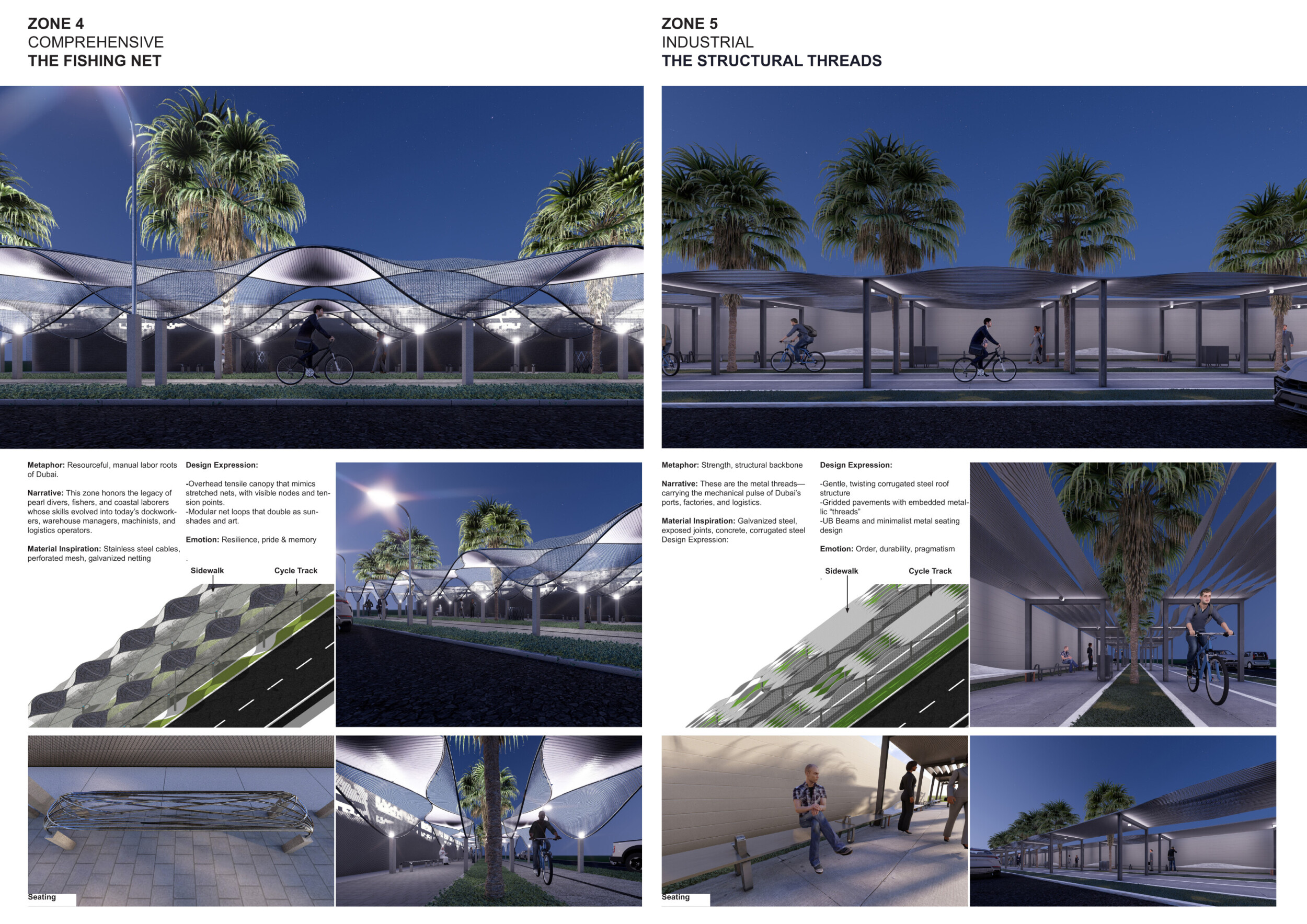
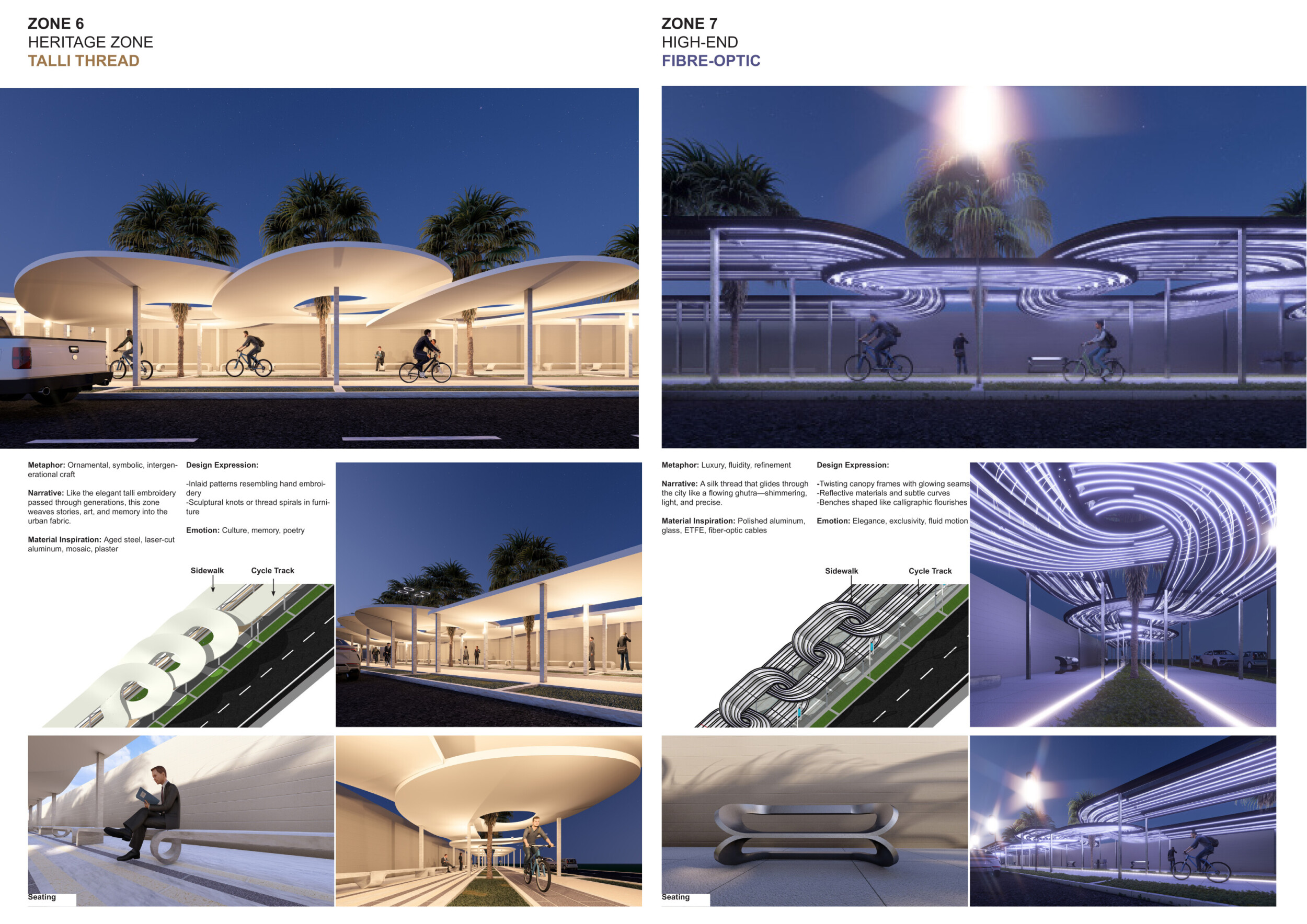

Urban Fabric of Dubai
Dubai Urban Design Elements
DUBAI SPATIAL RESERVES
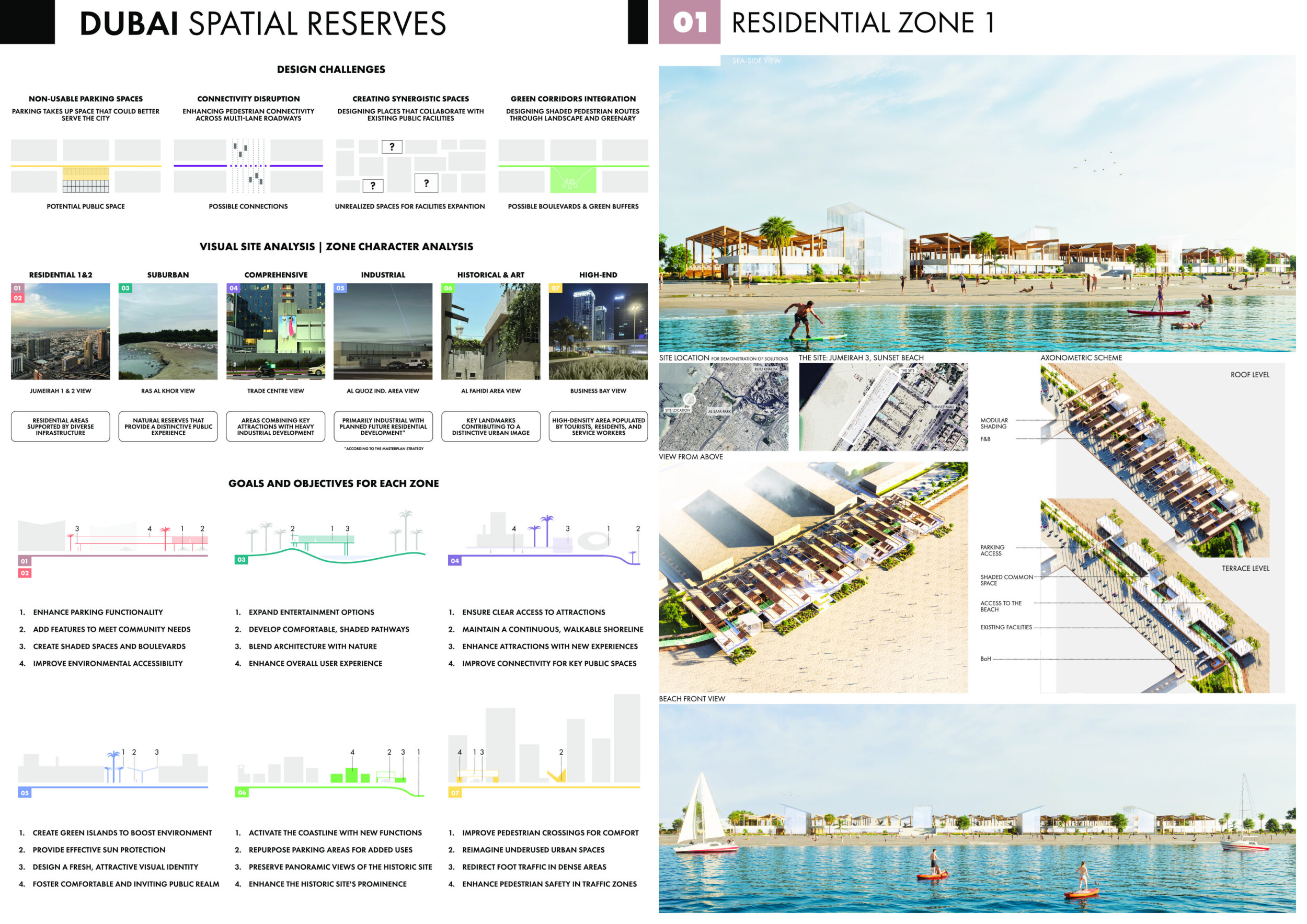
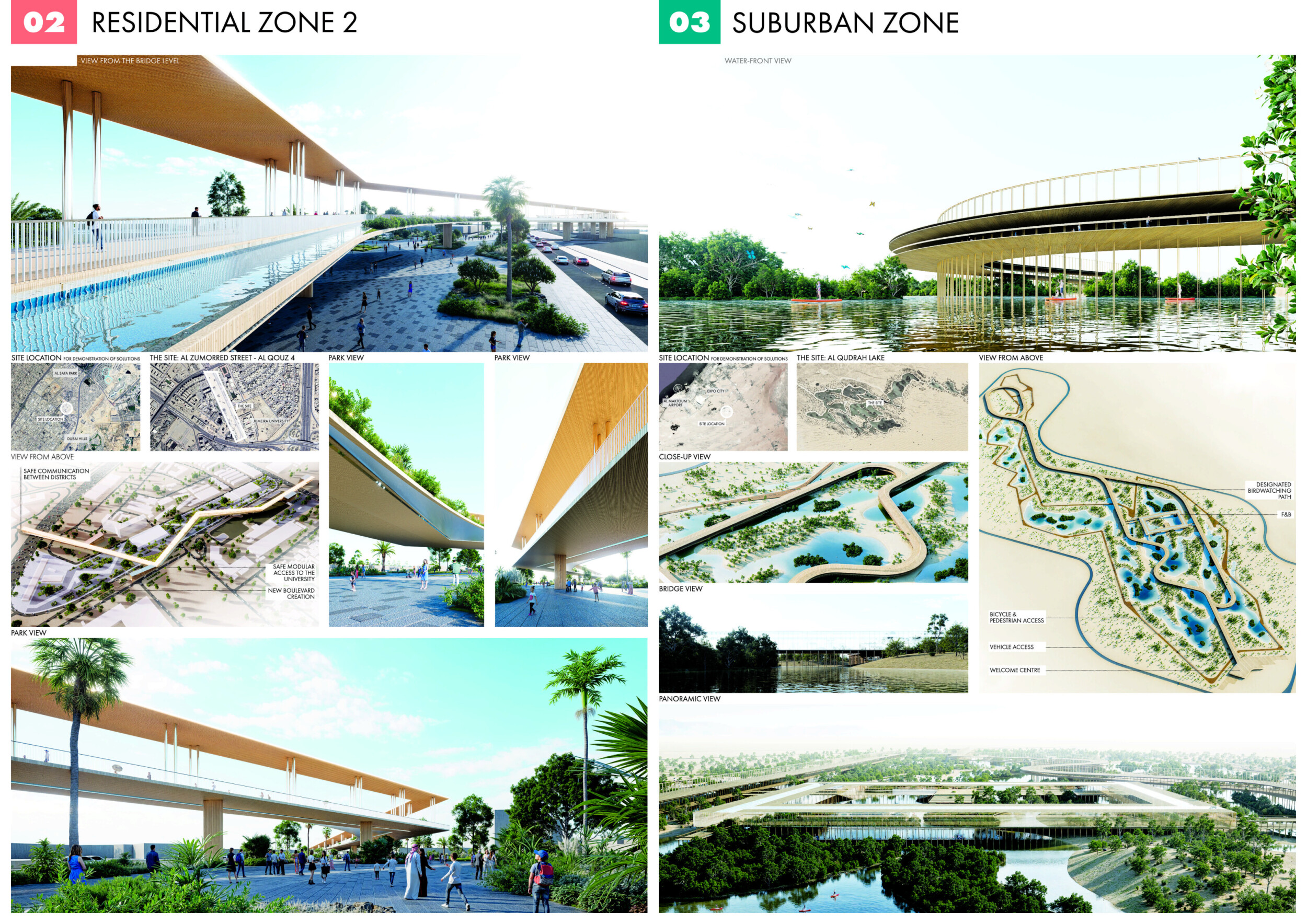
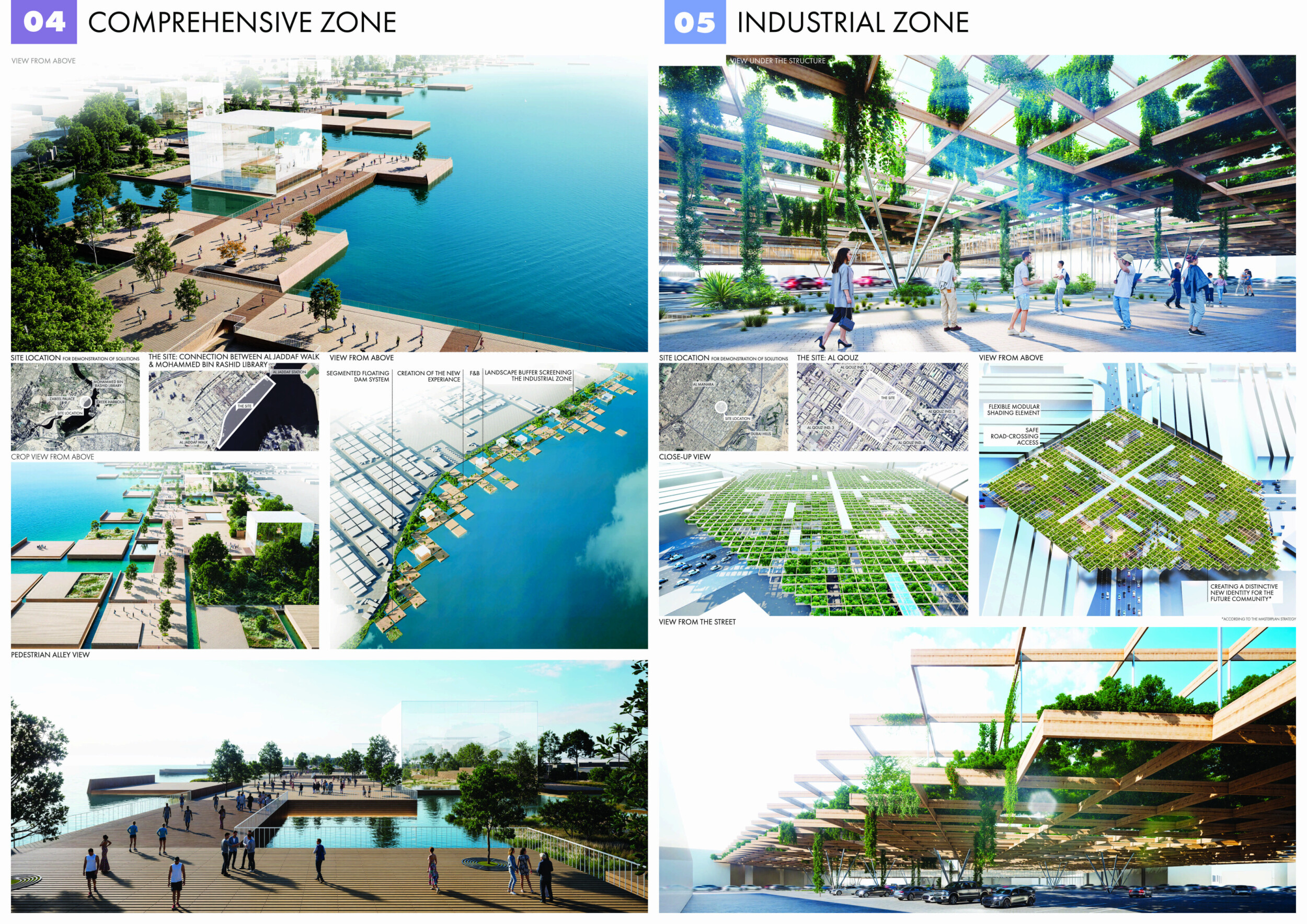
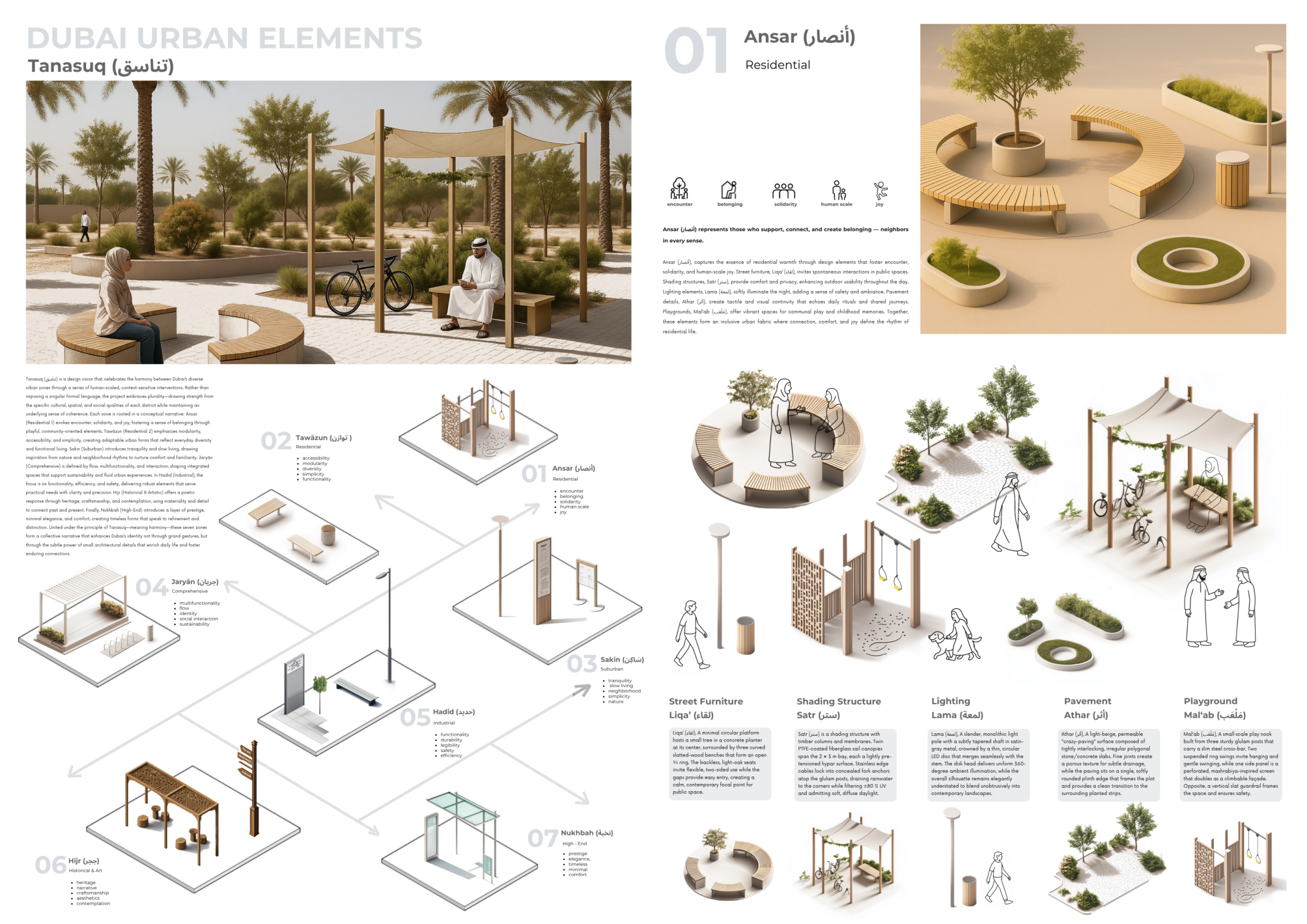
Tanasuq (تناسق)
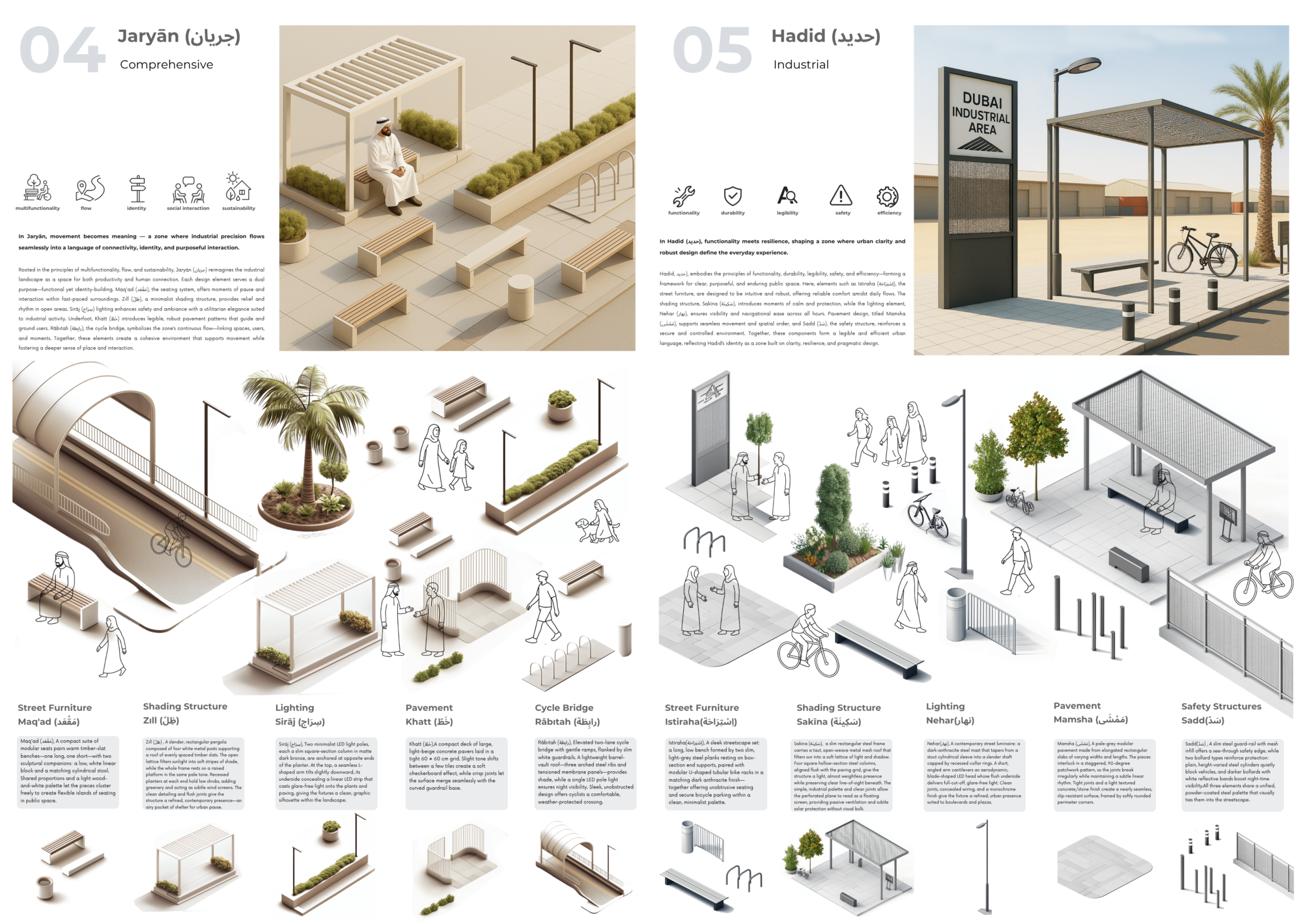
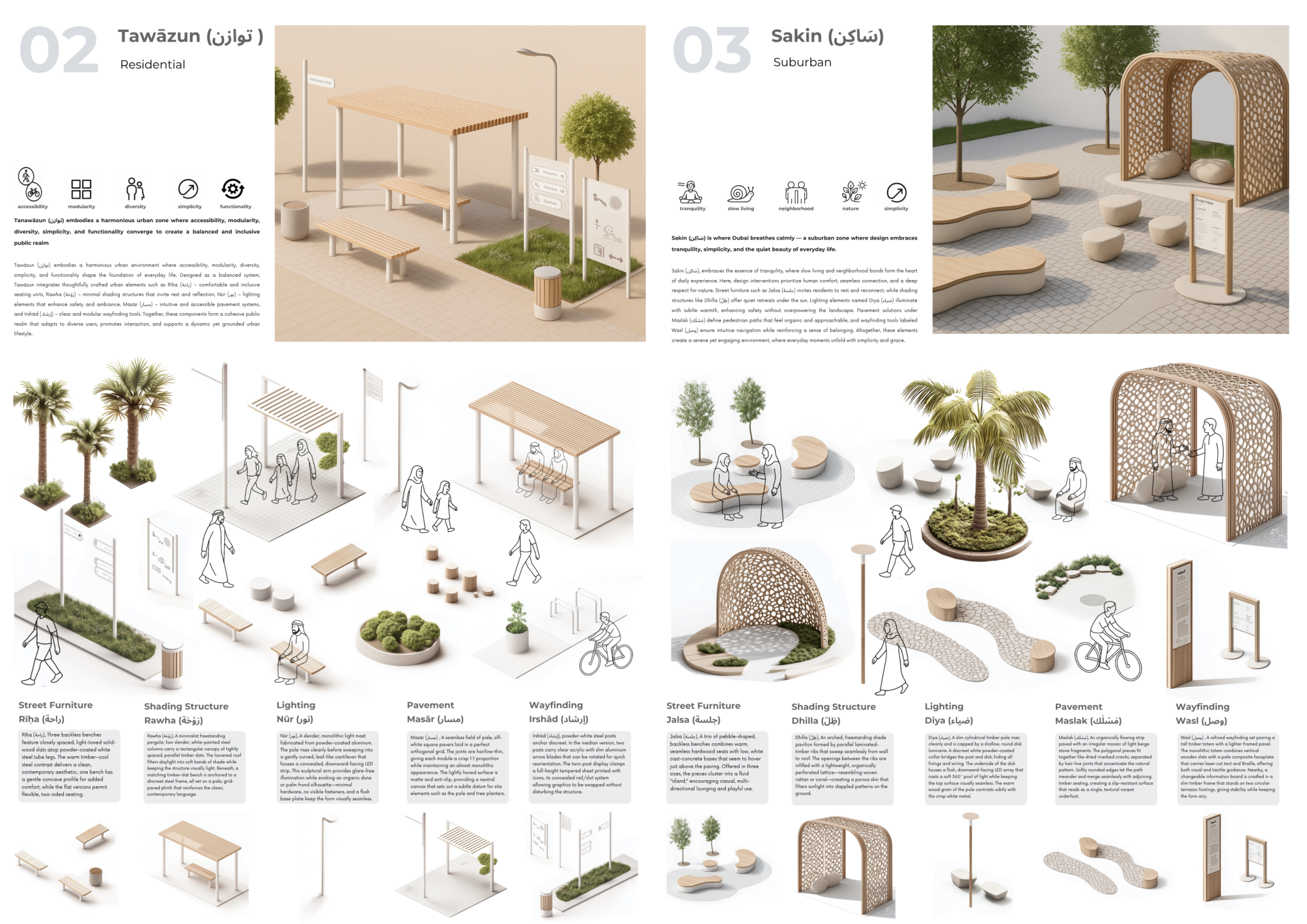
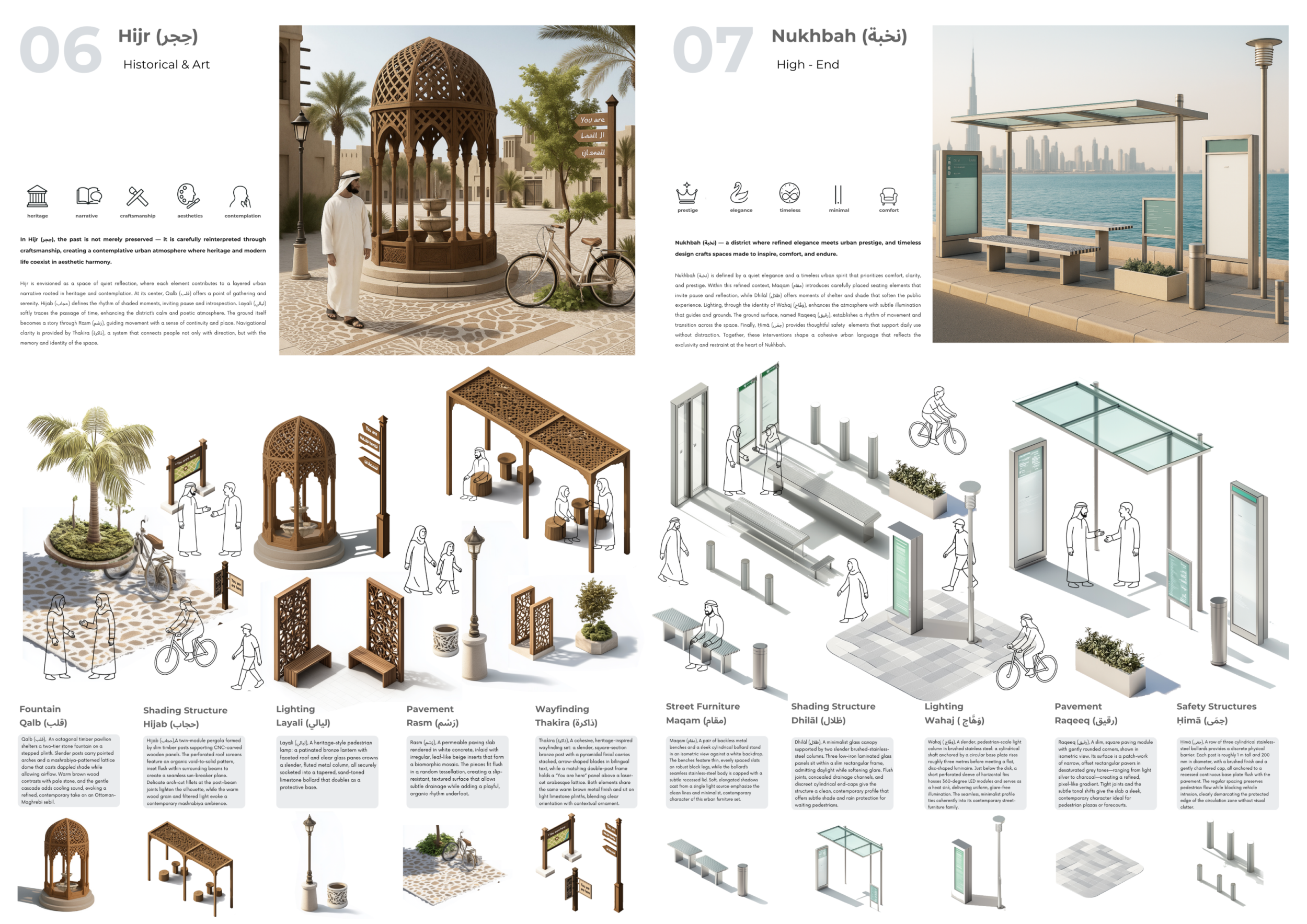
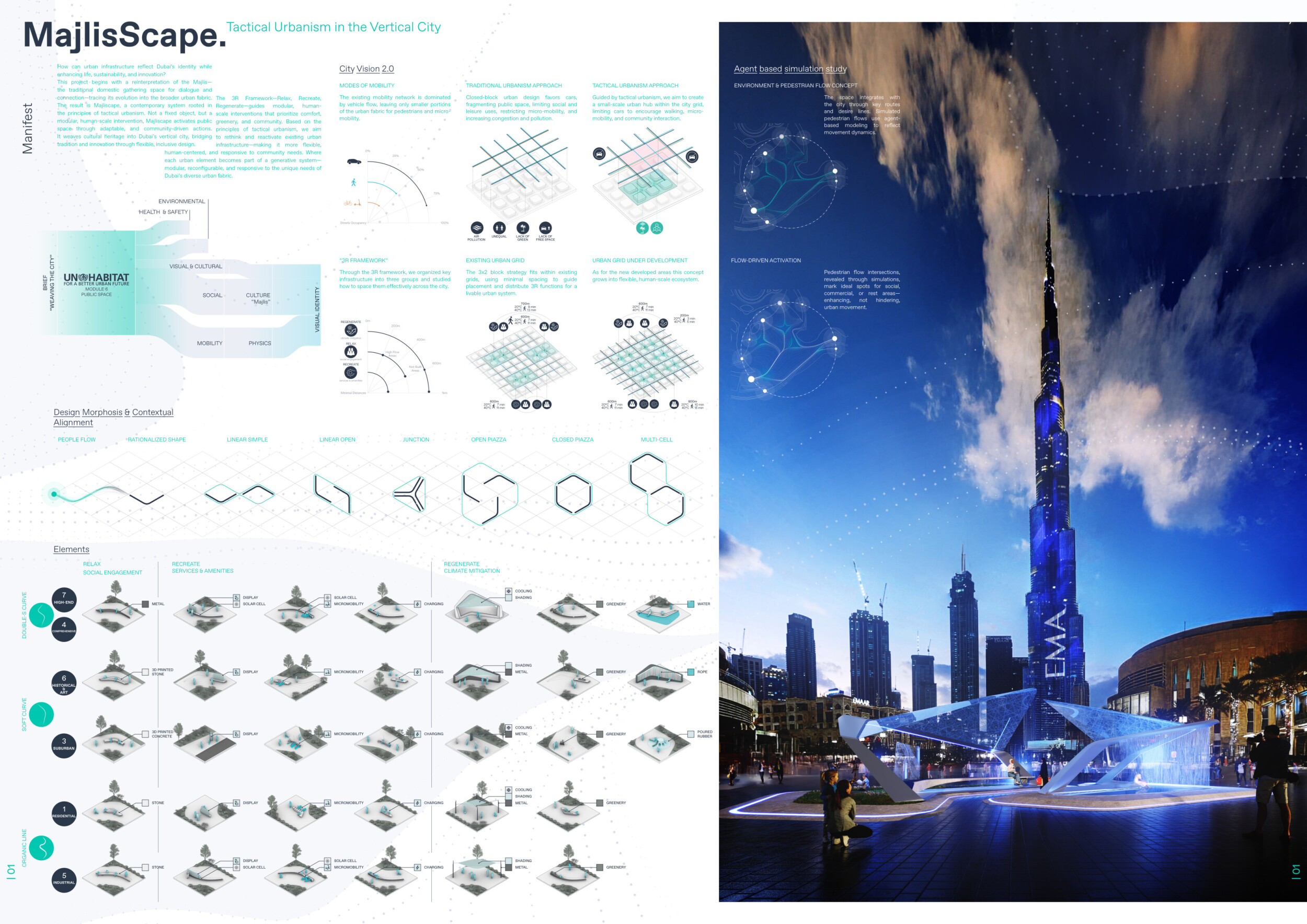
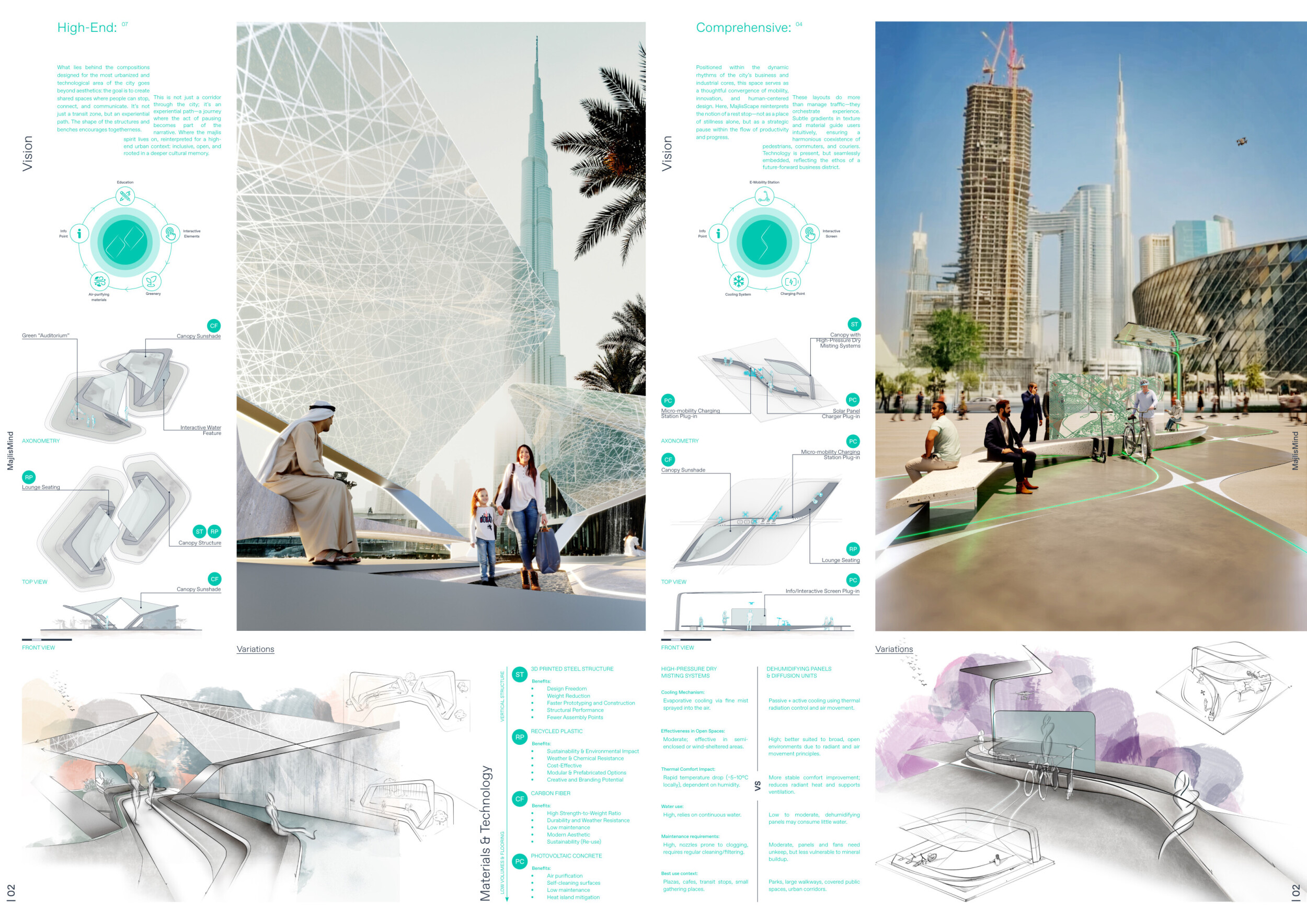
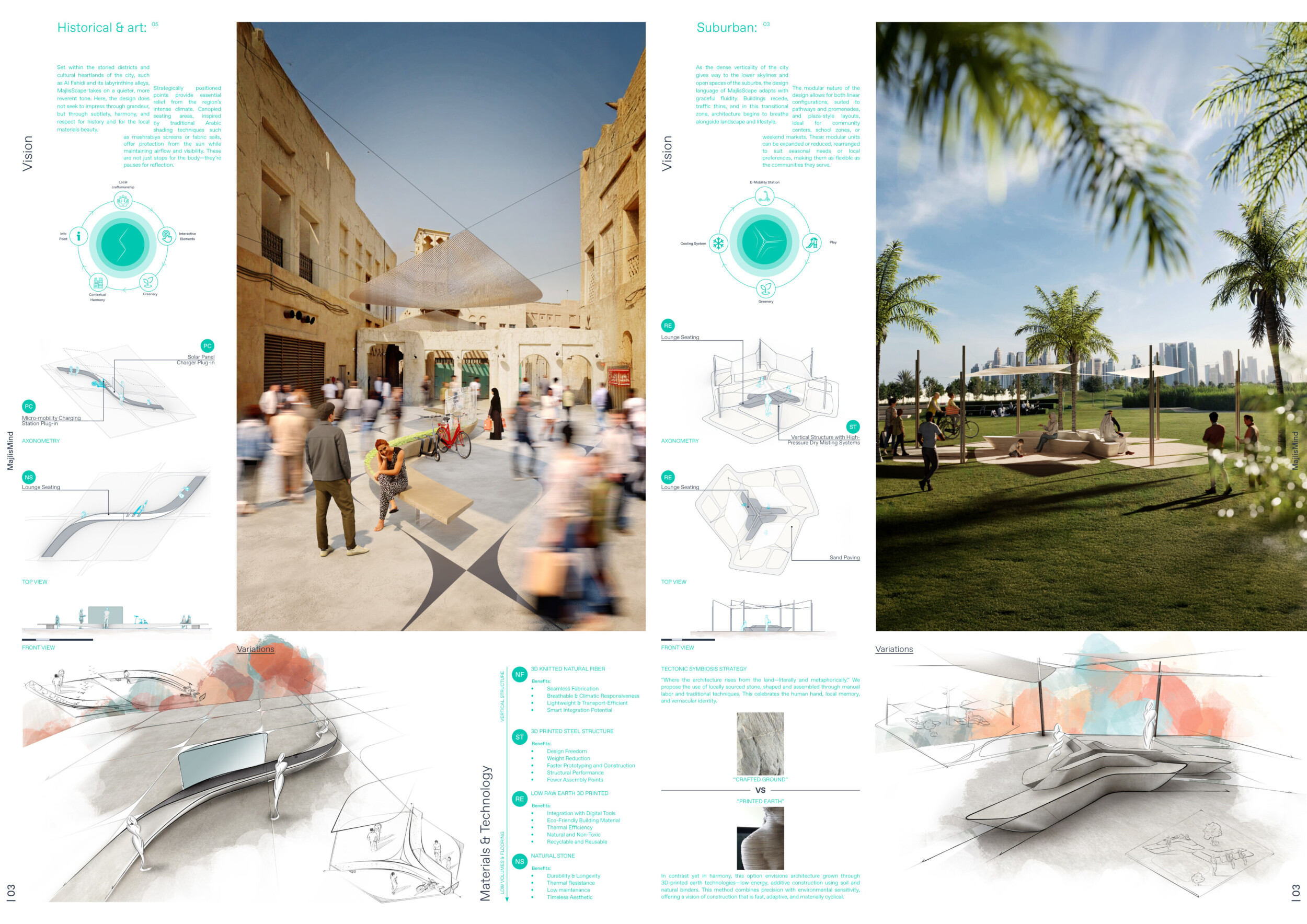
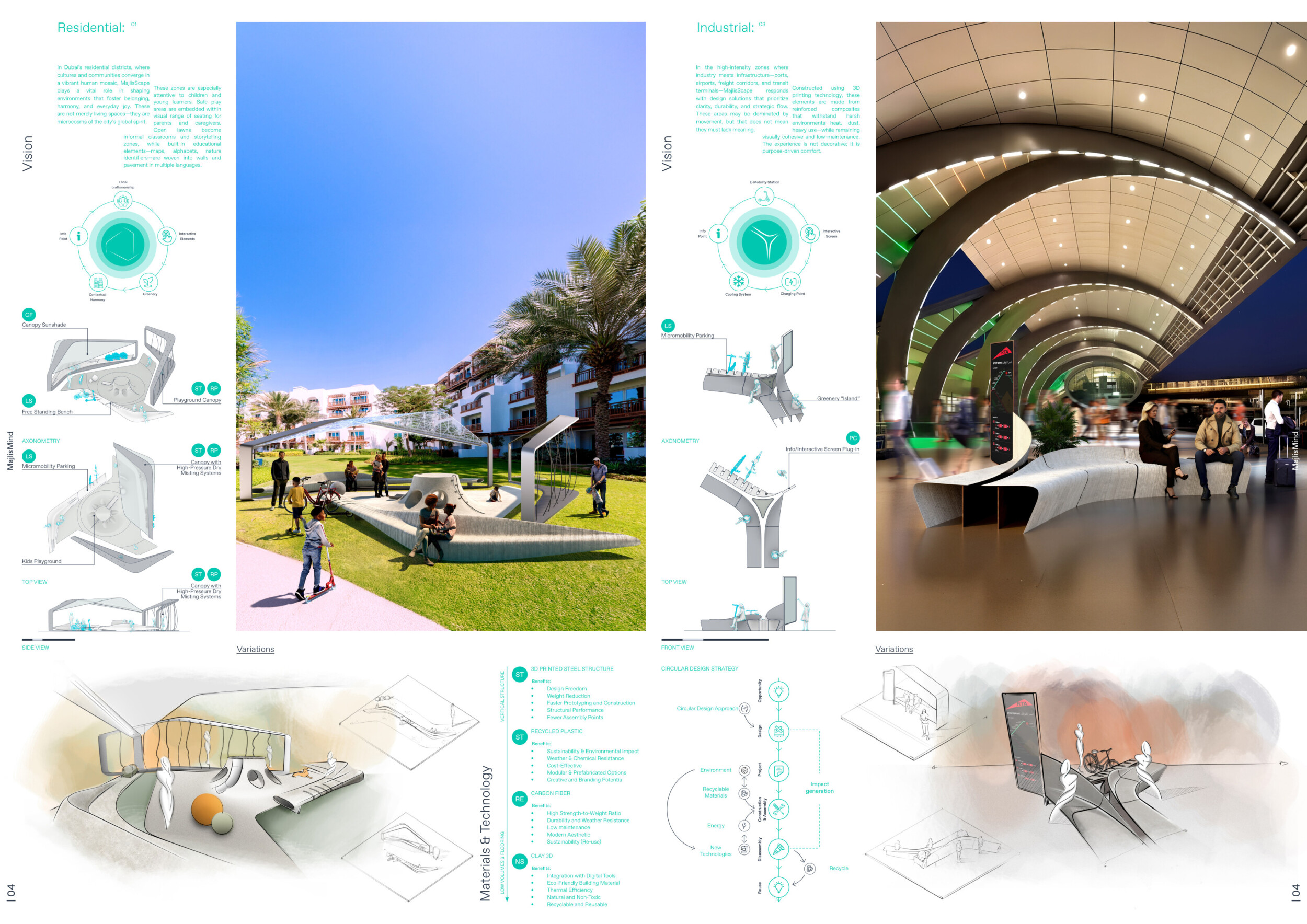
MajlisScape
Extract to Invent
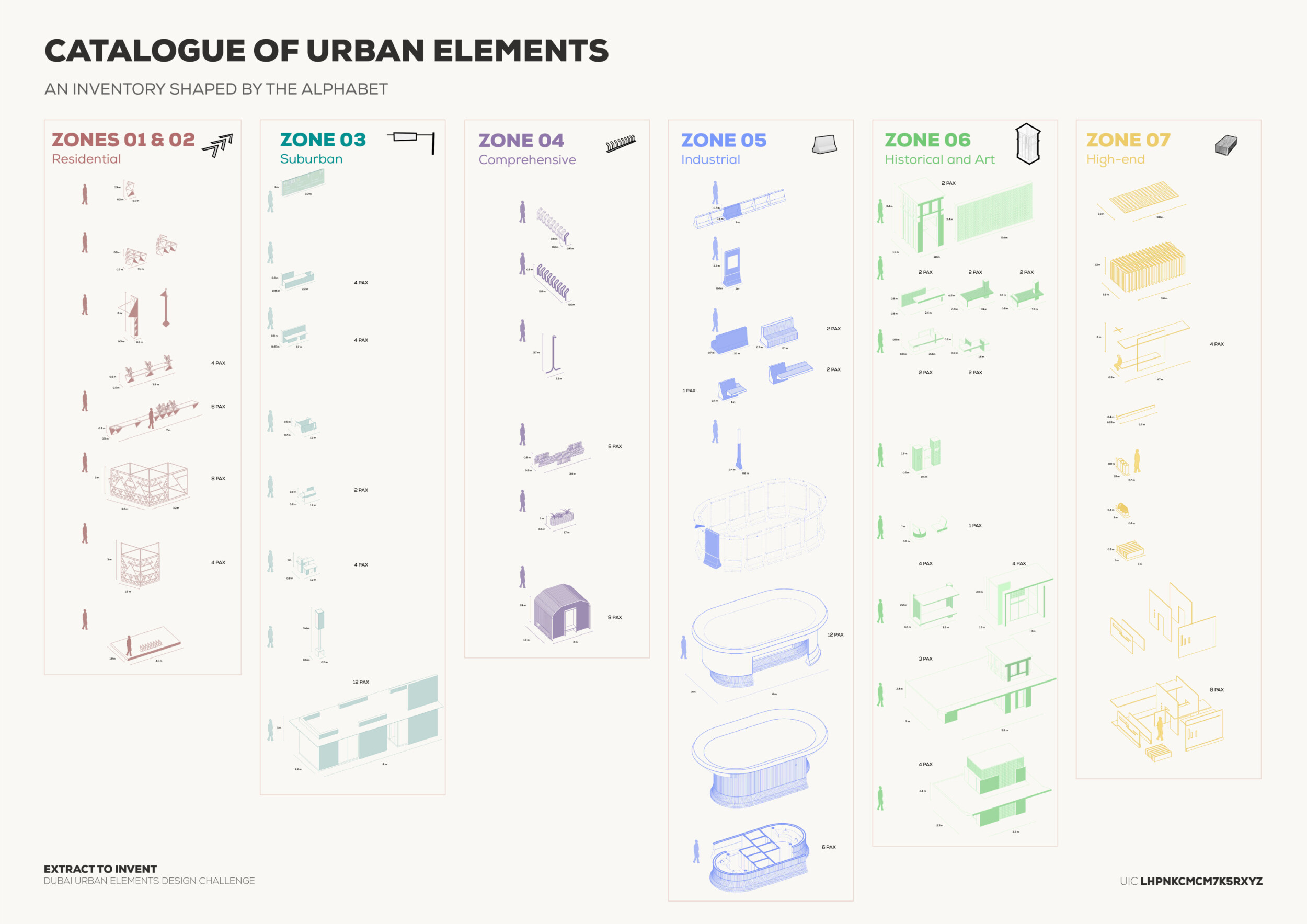
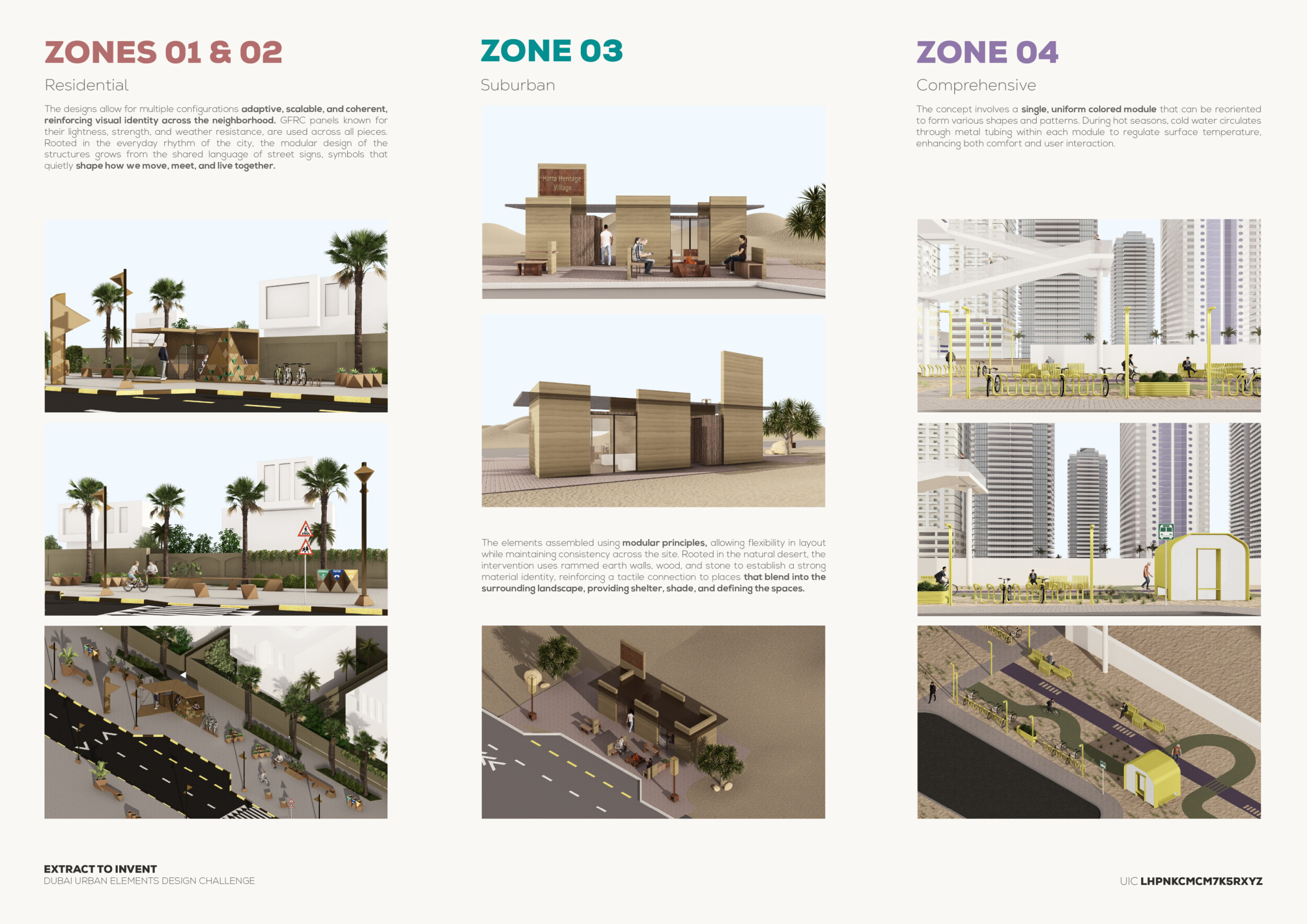
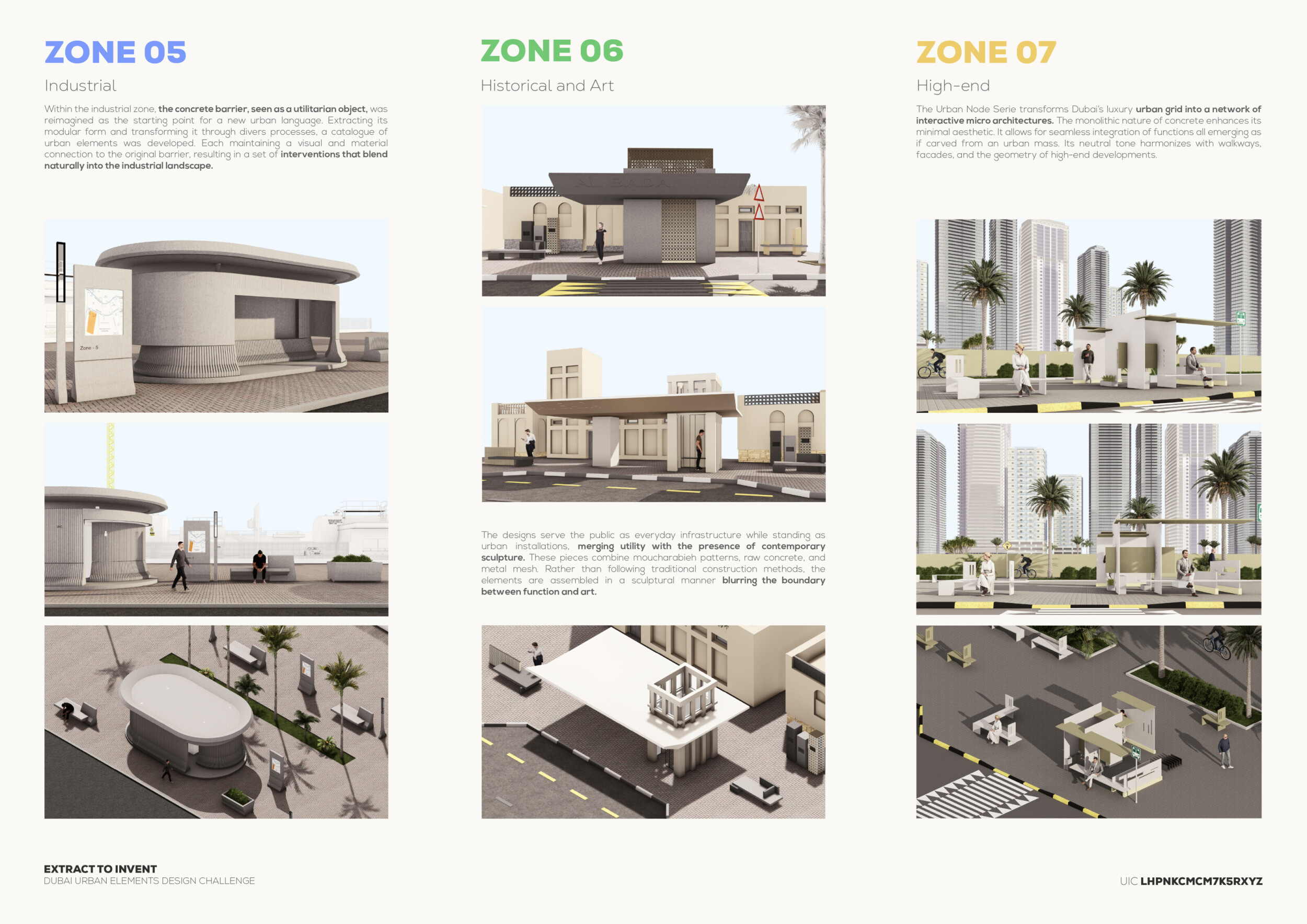
echo
Echoes of Dubai
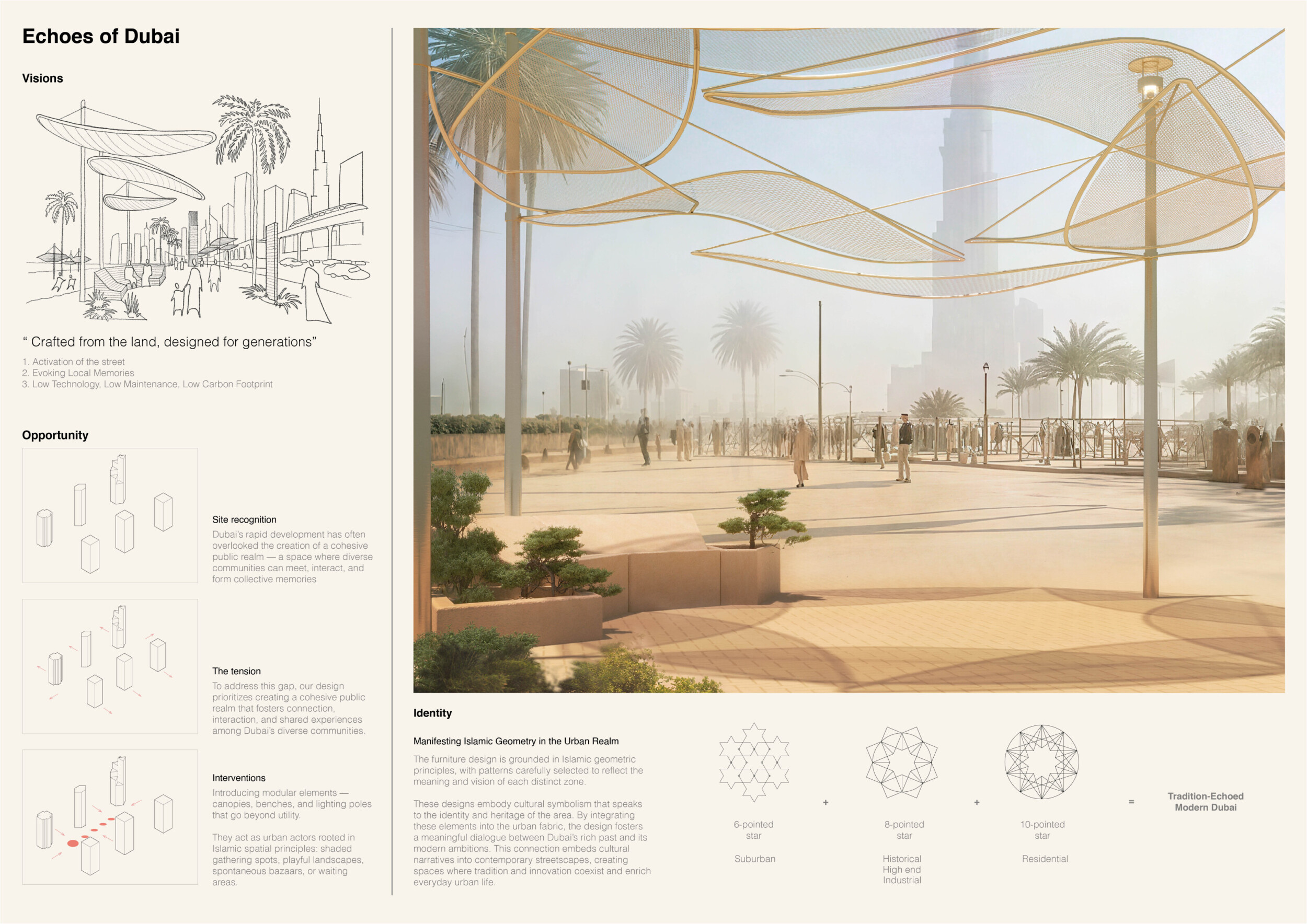
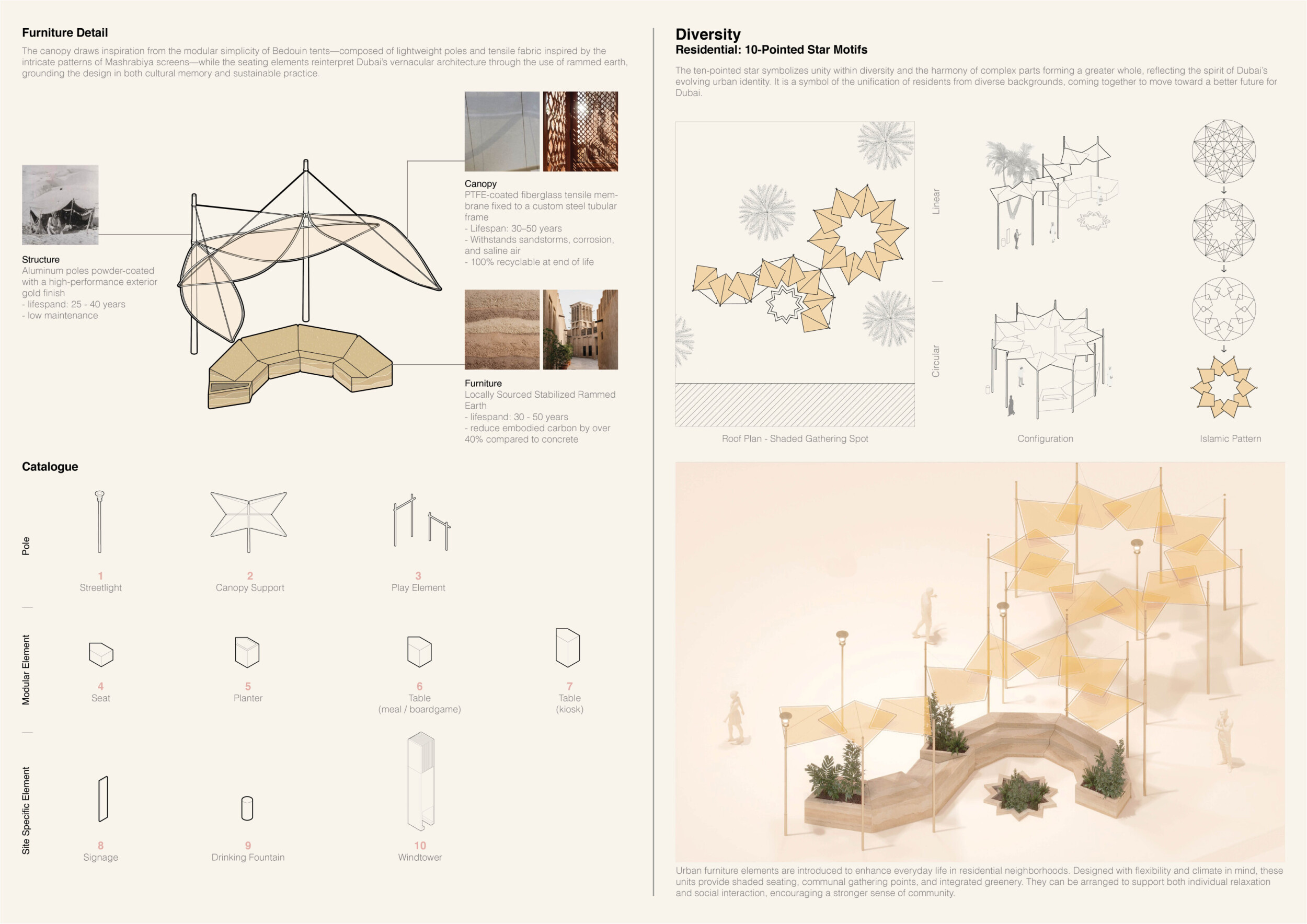
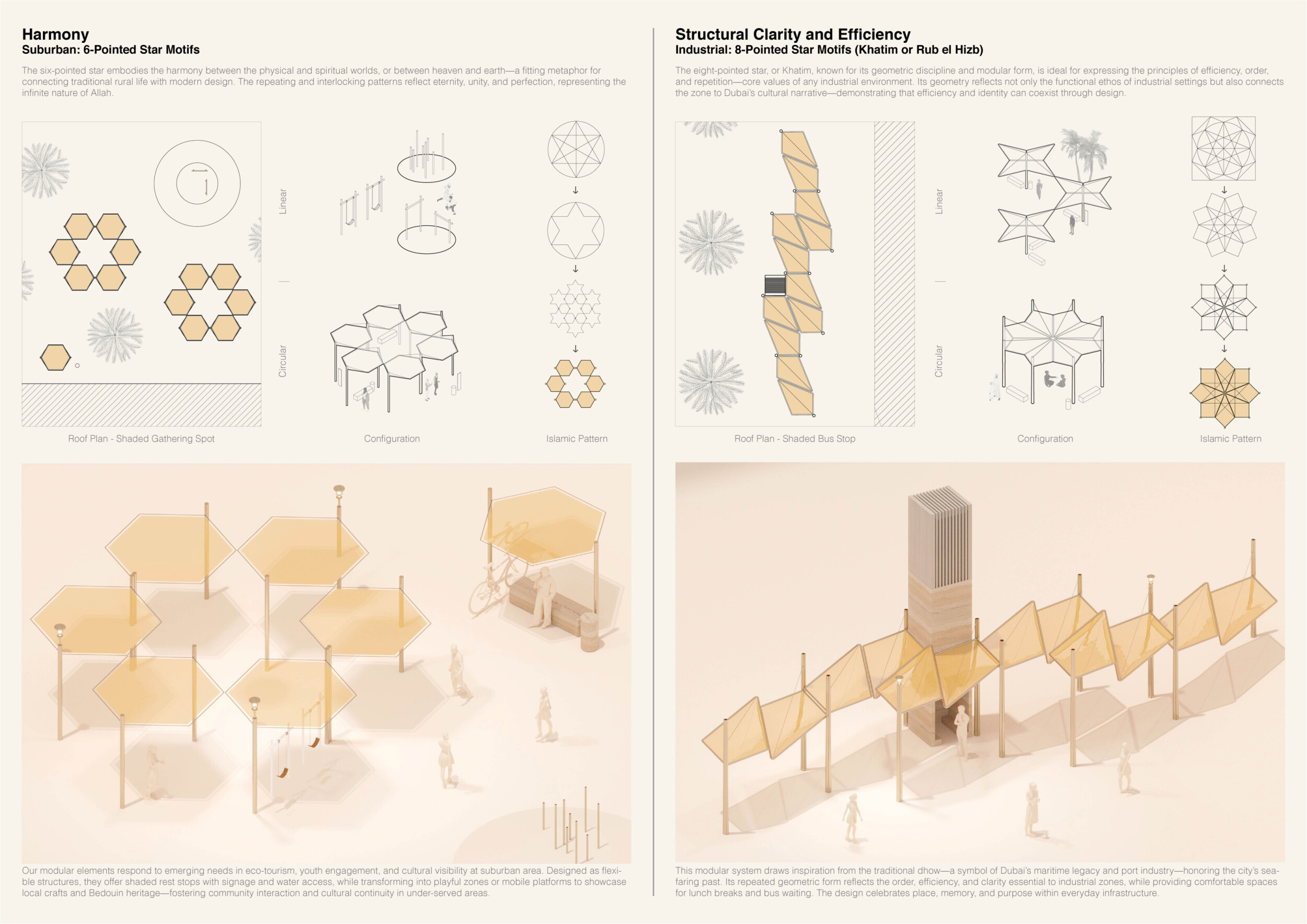
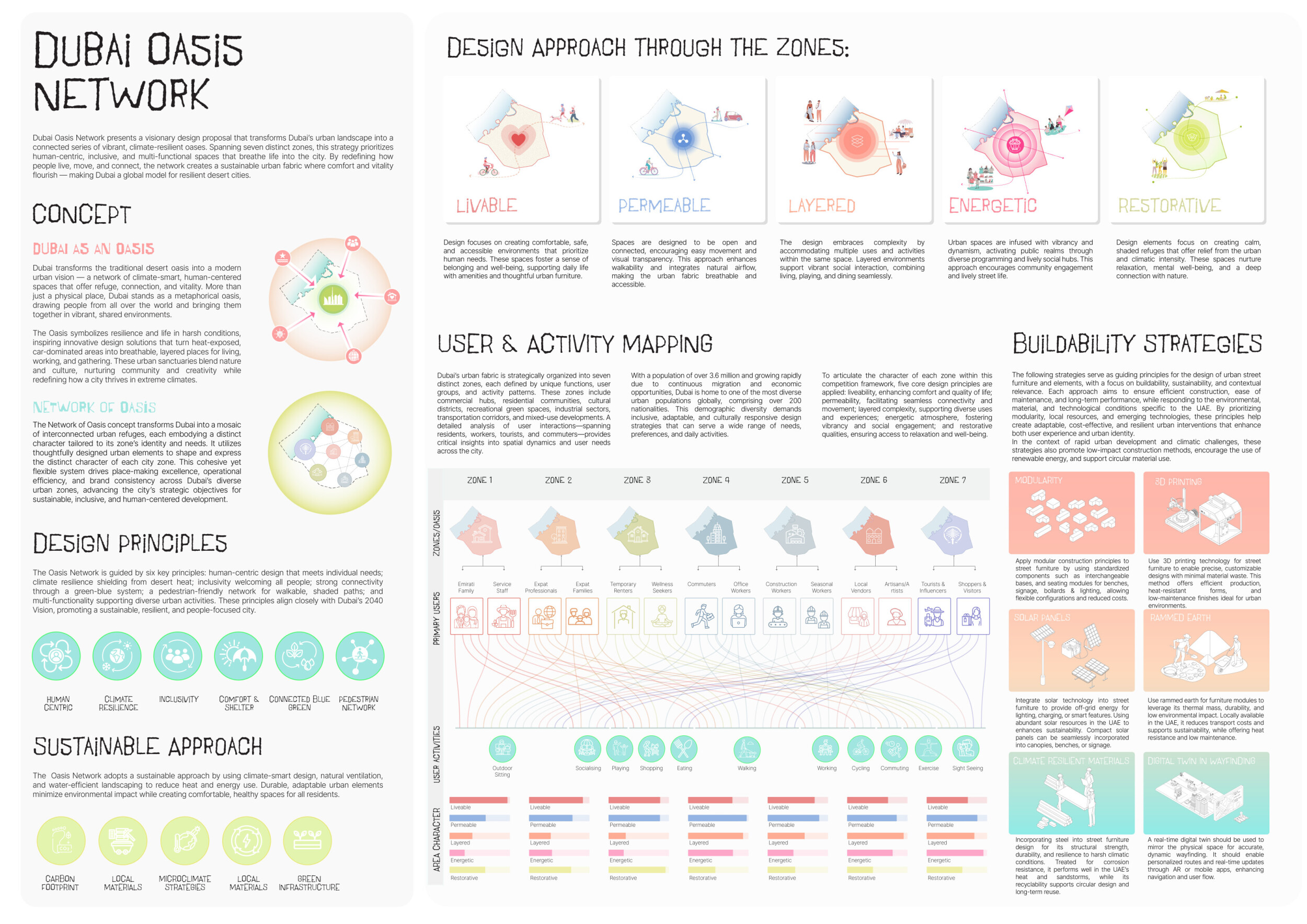
DUBAI OASIS NETWORK
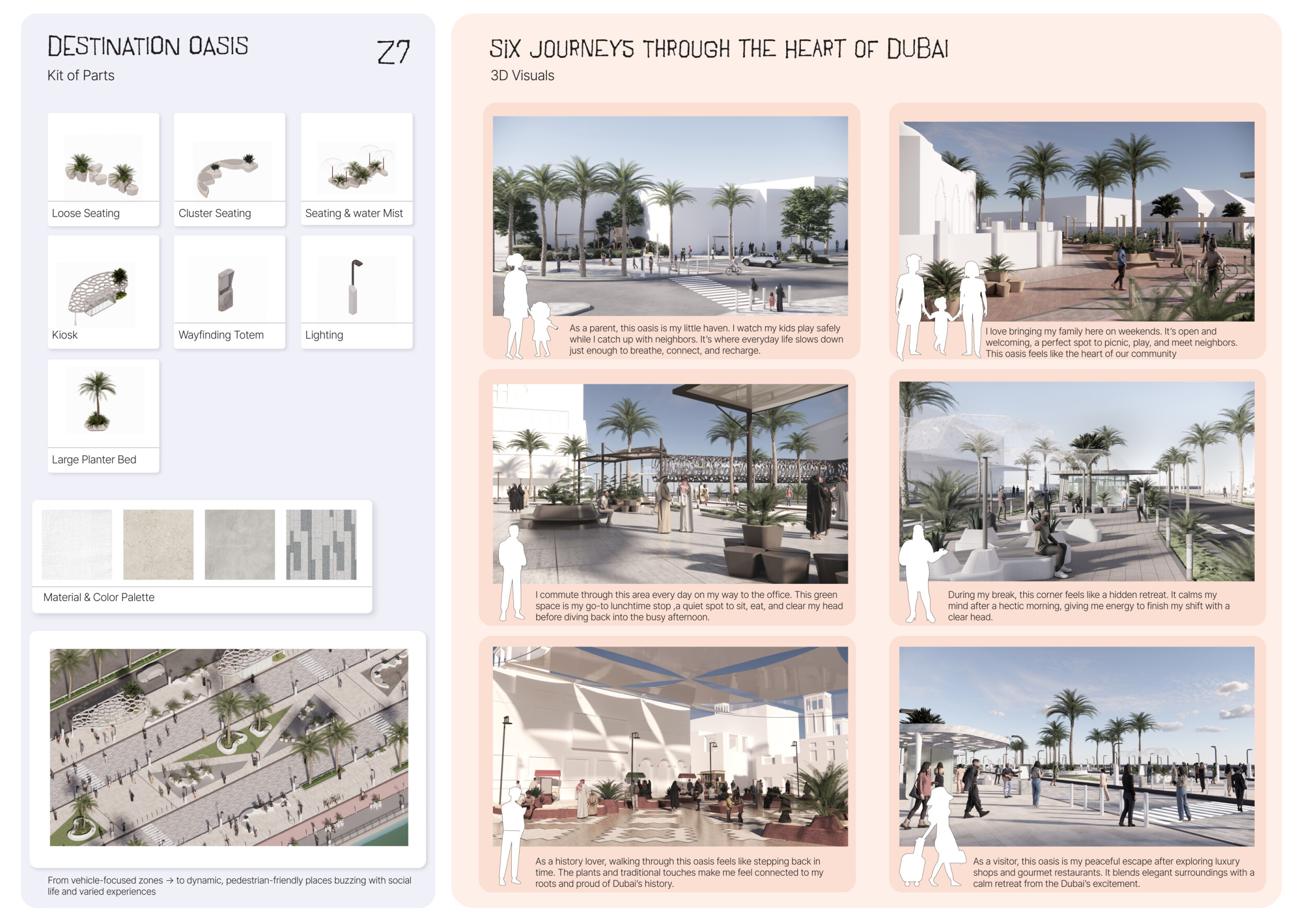
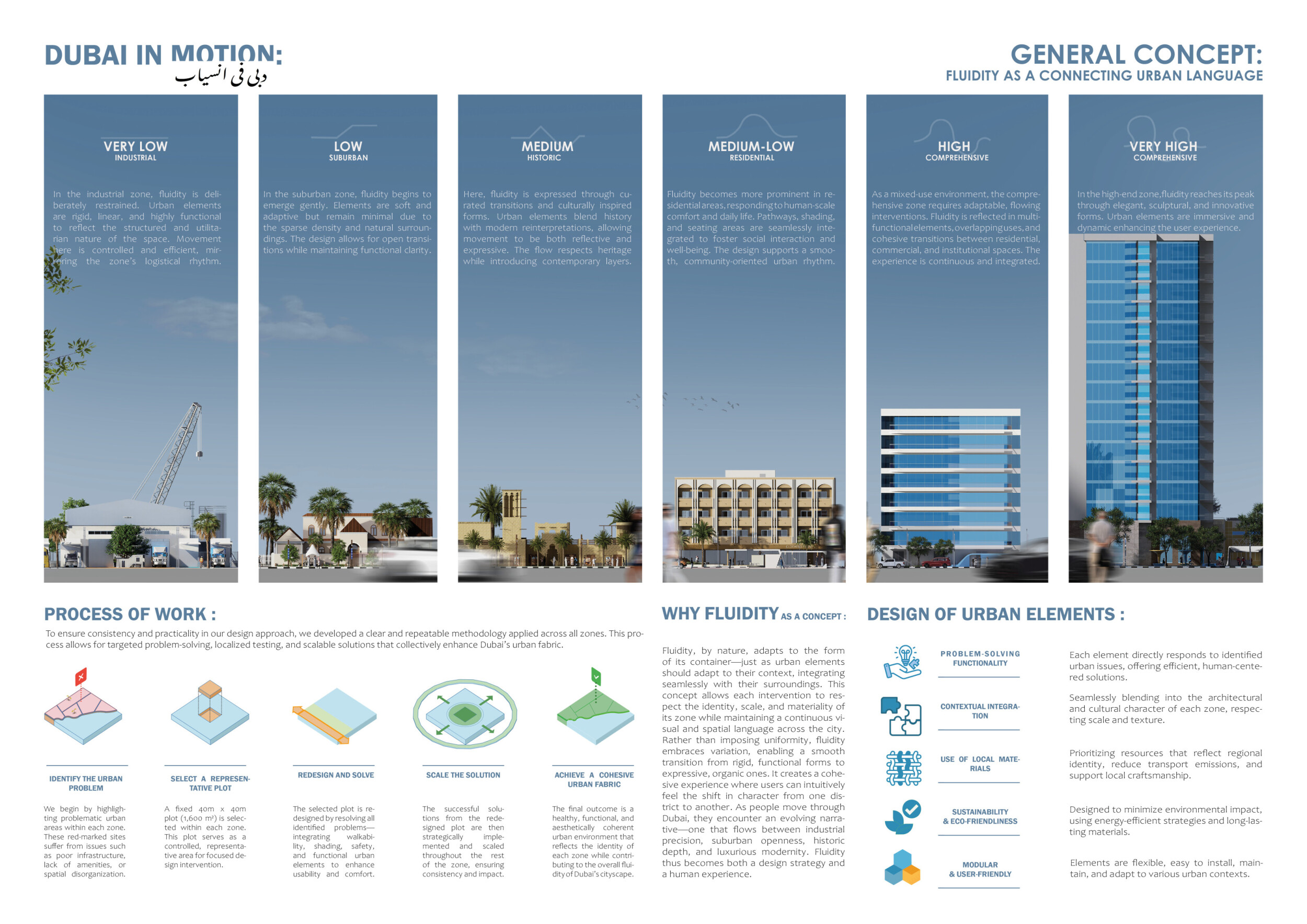
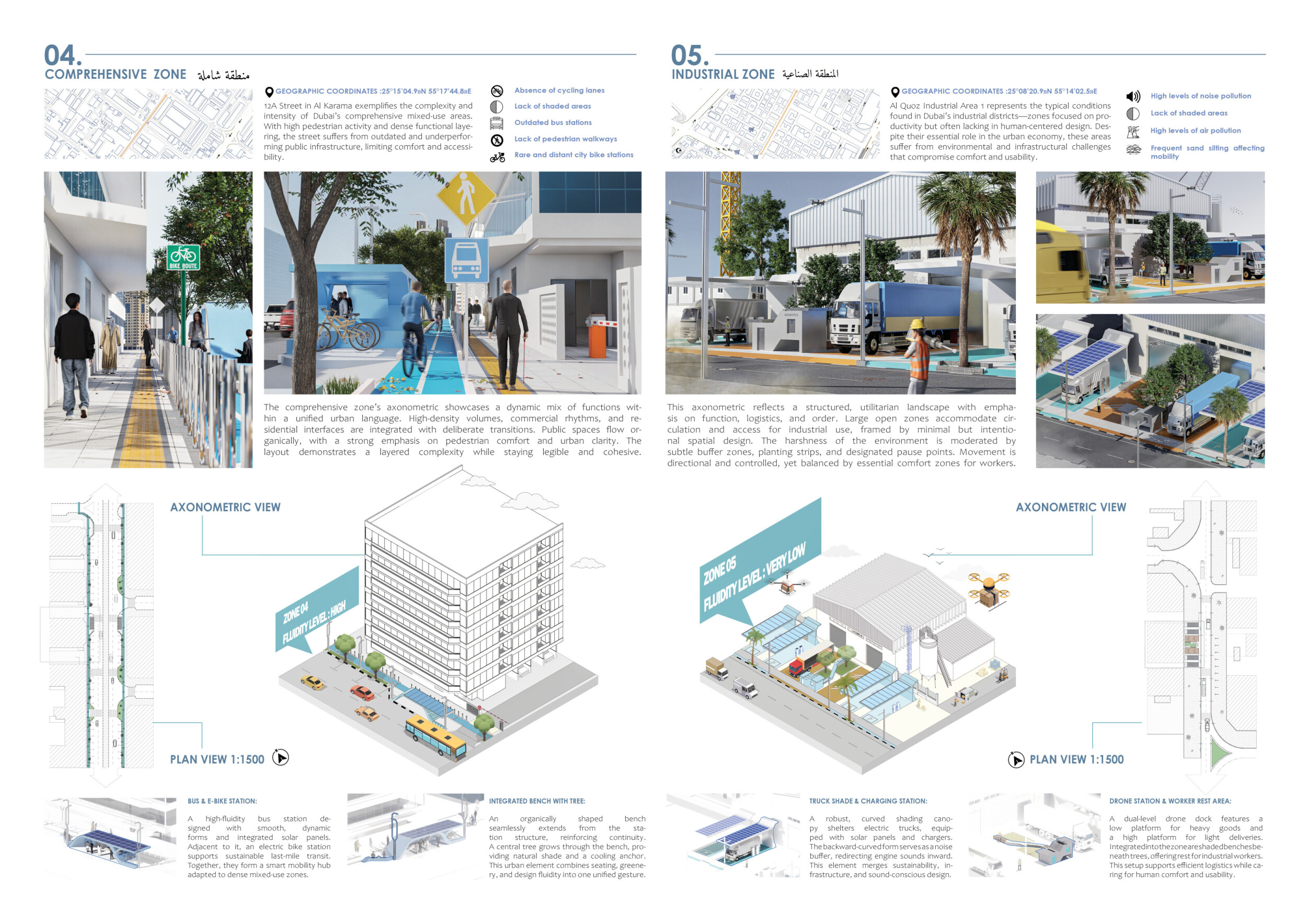
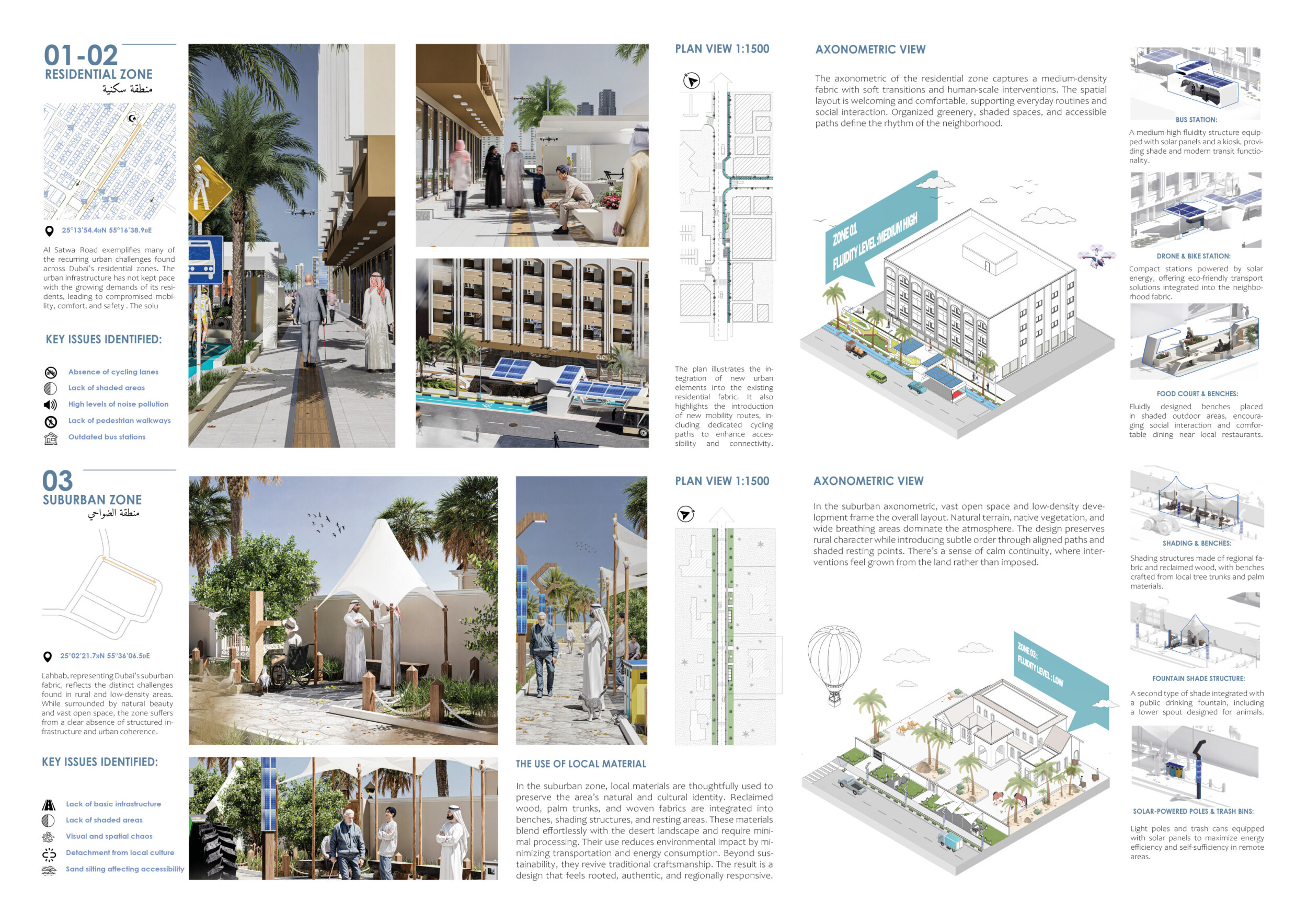
DUBAI IN MOTION
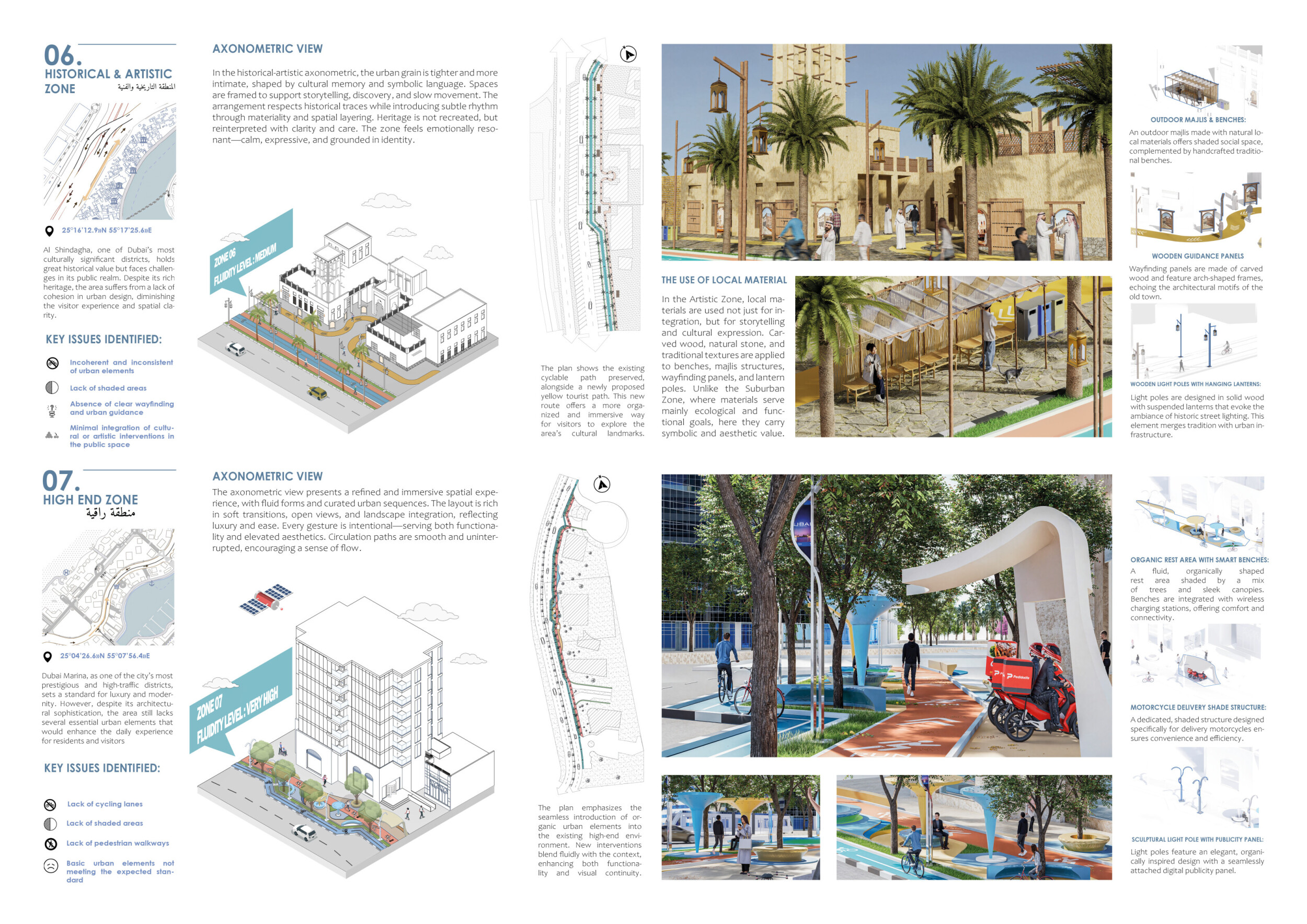
Traces of the Dune
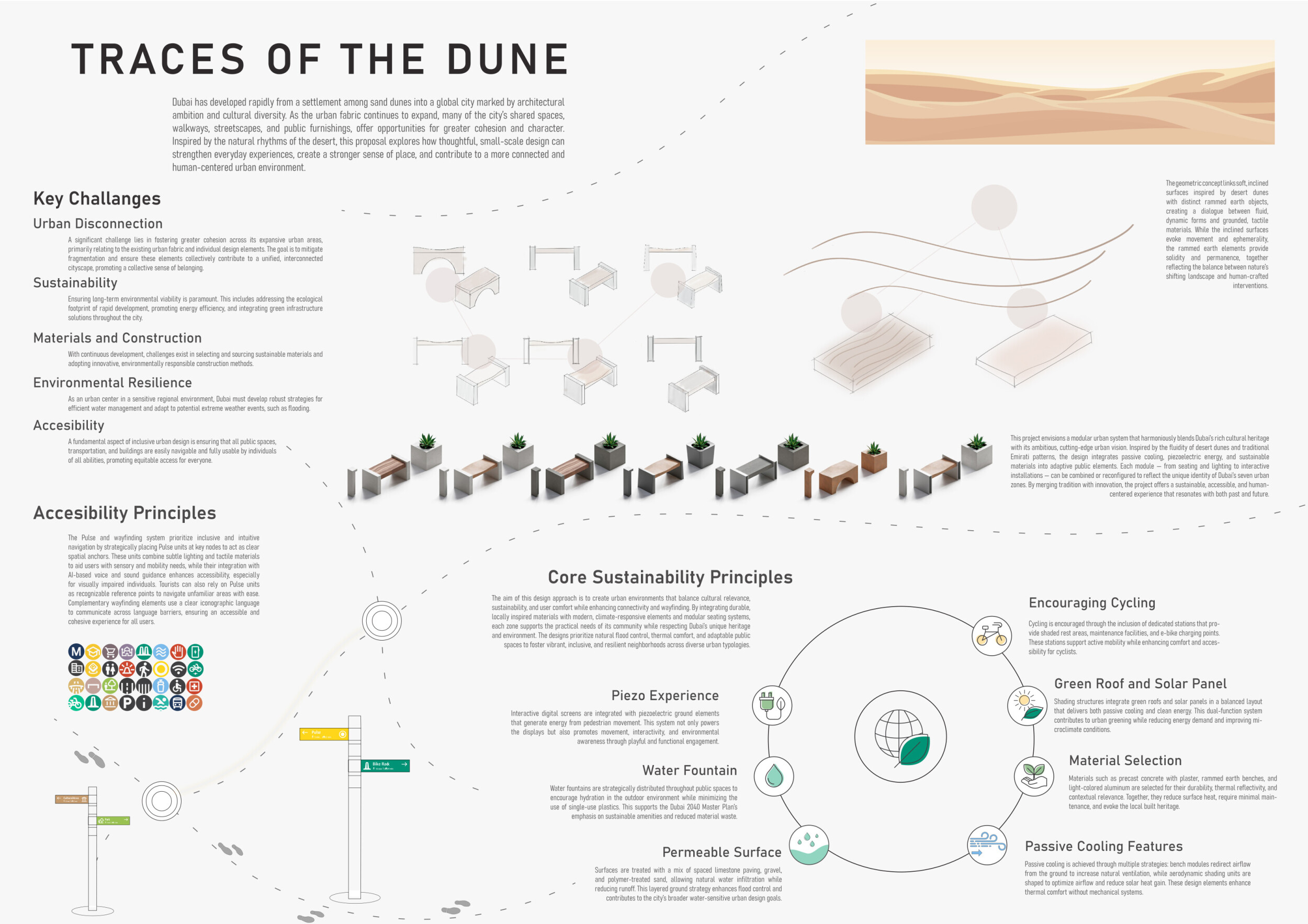
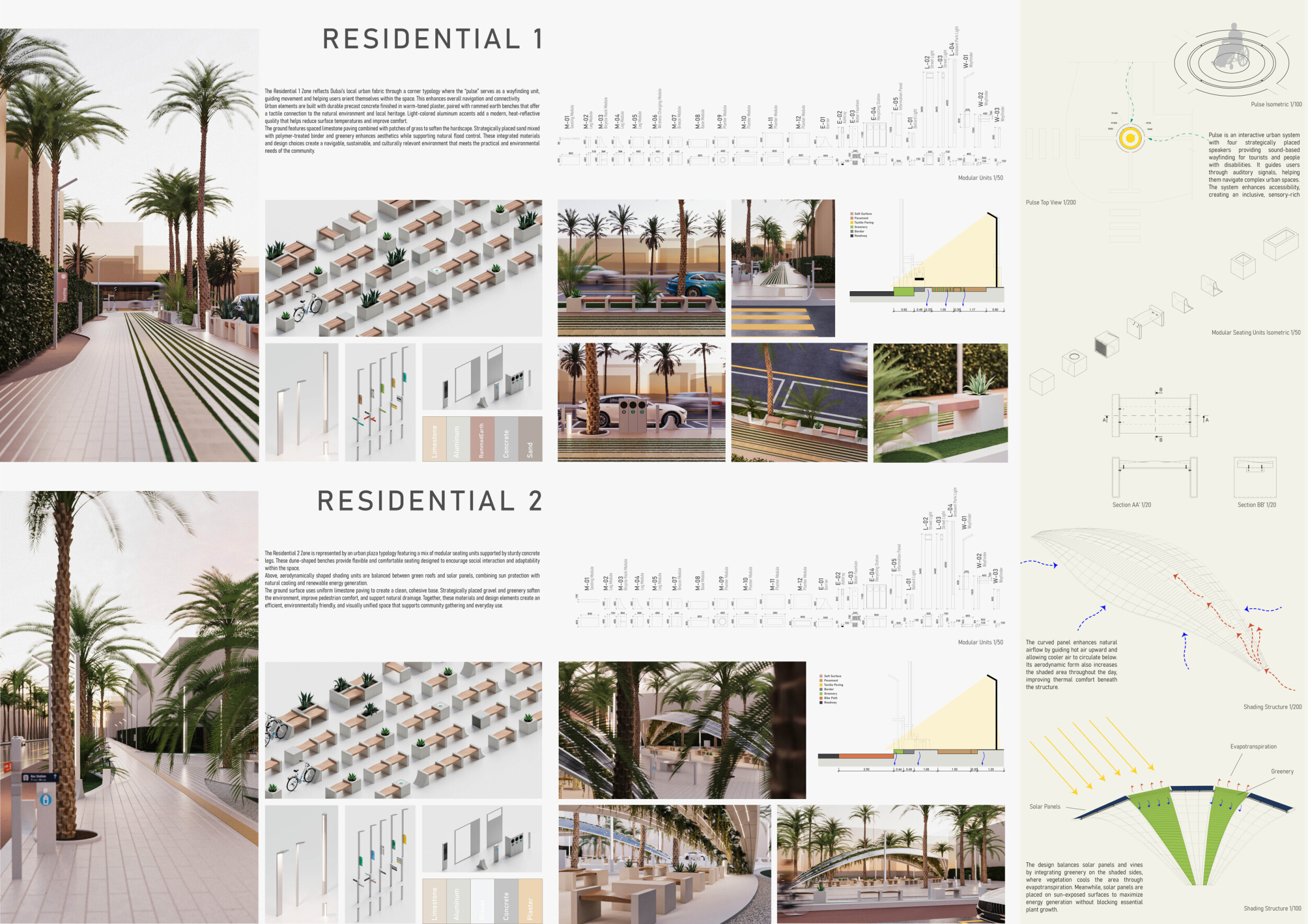
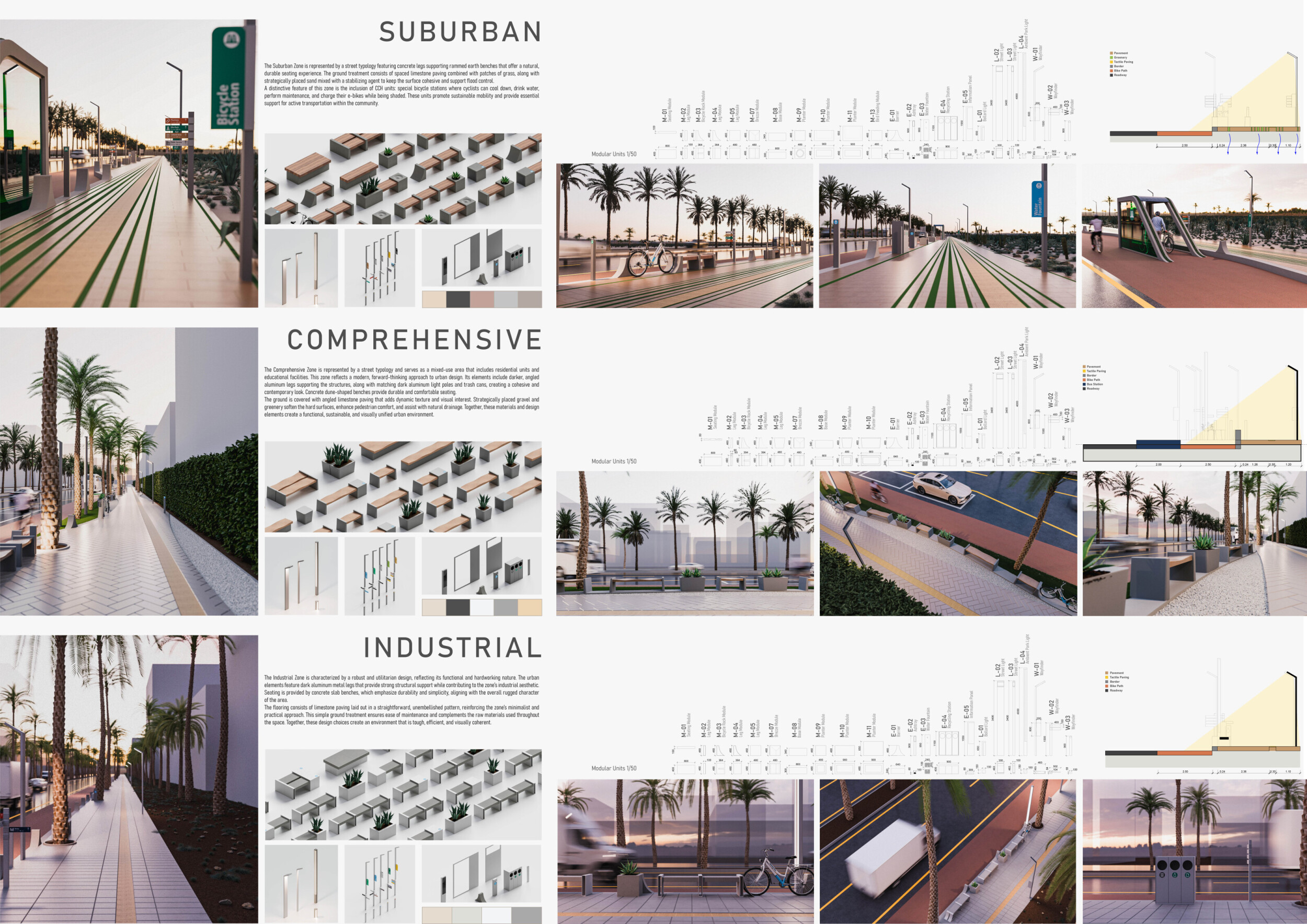
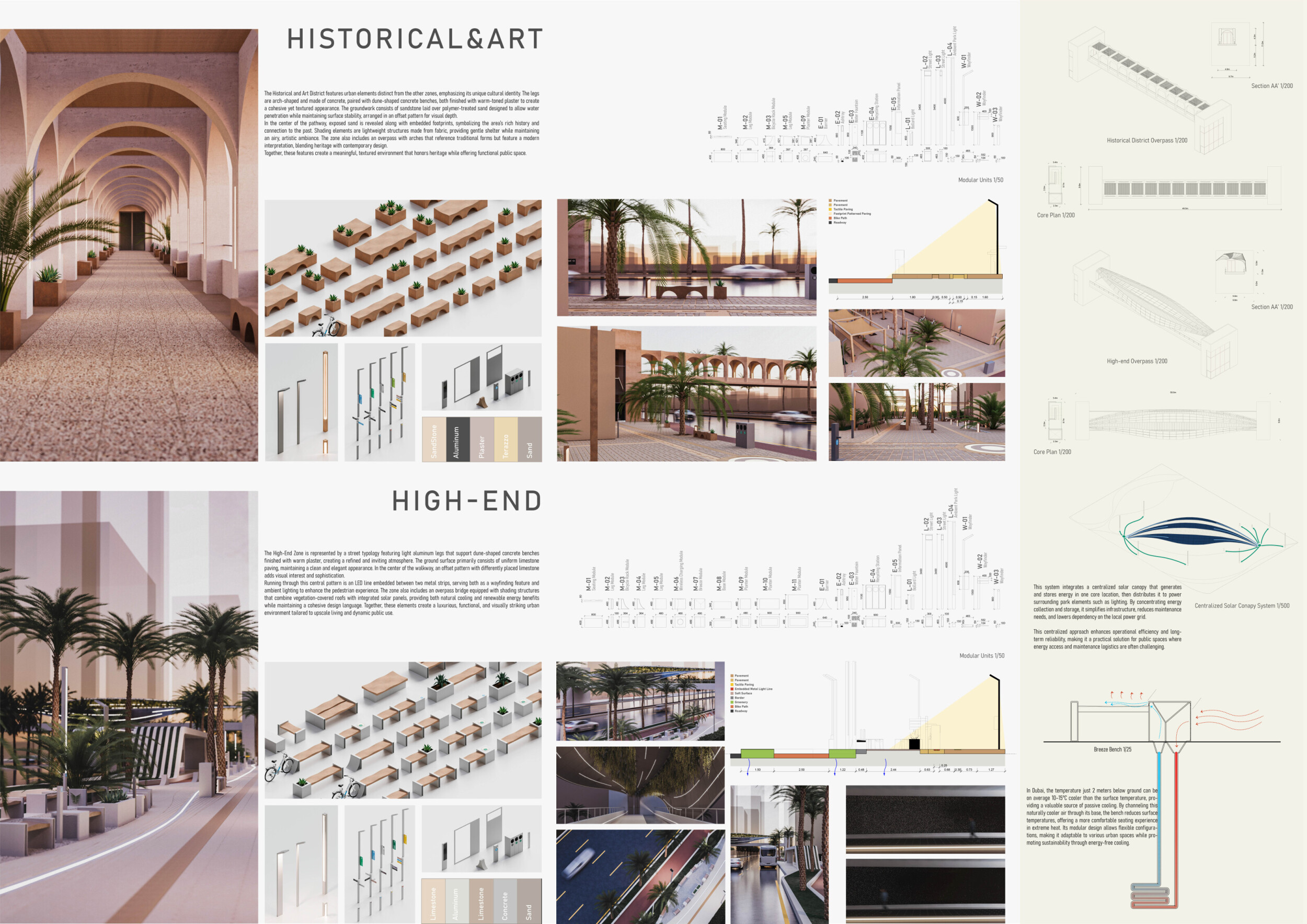
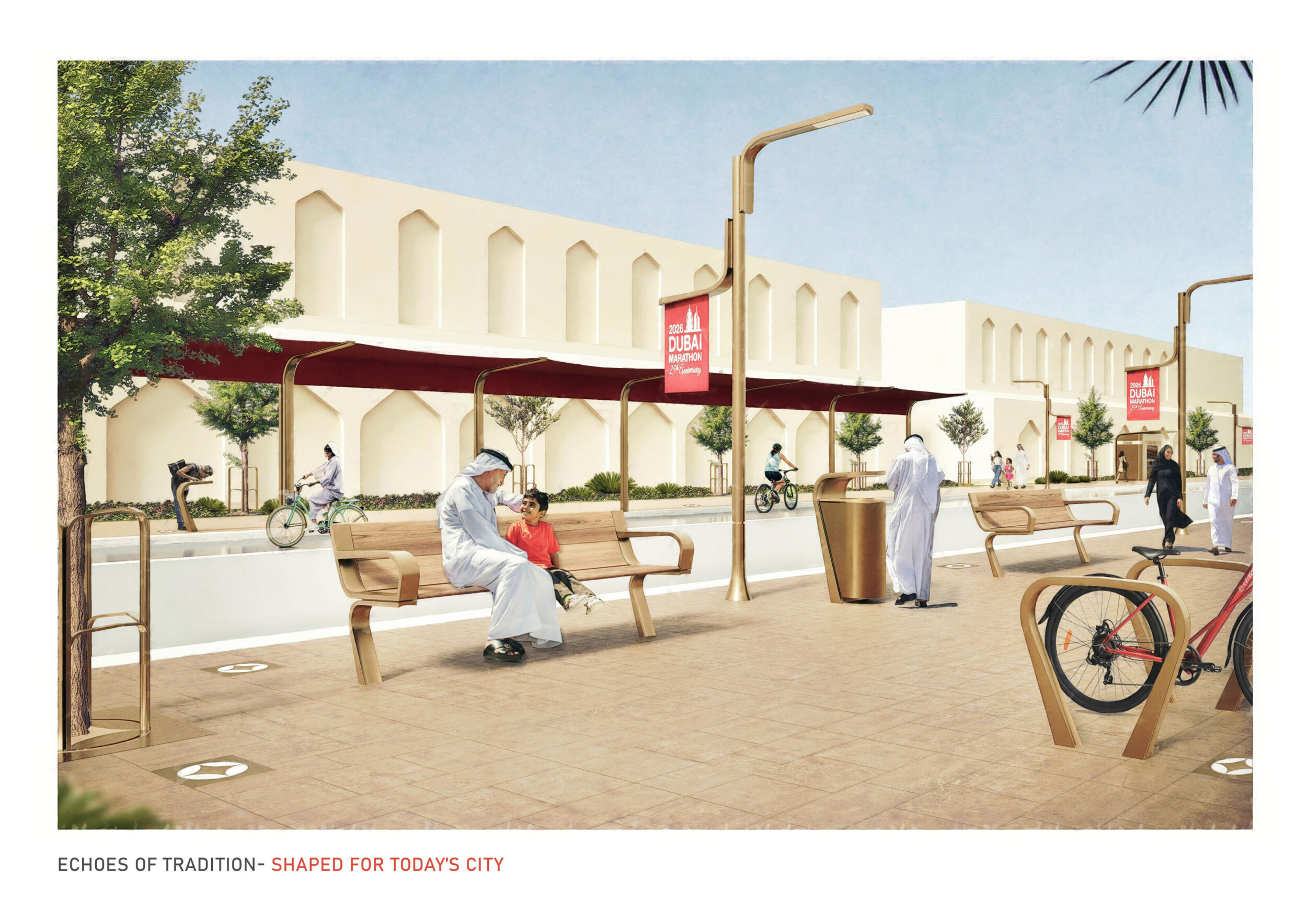
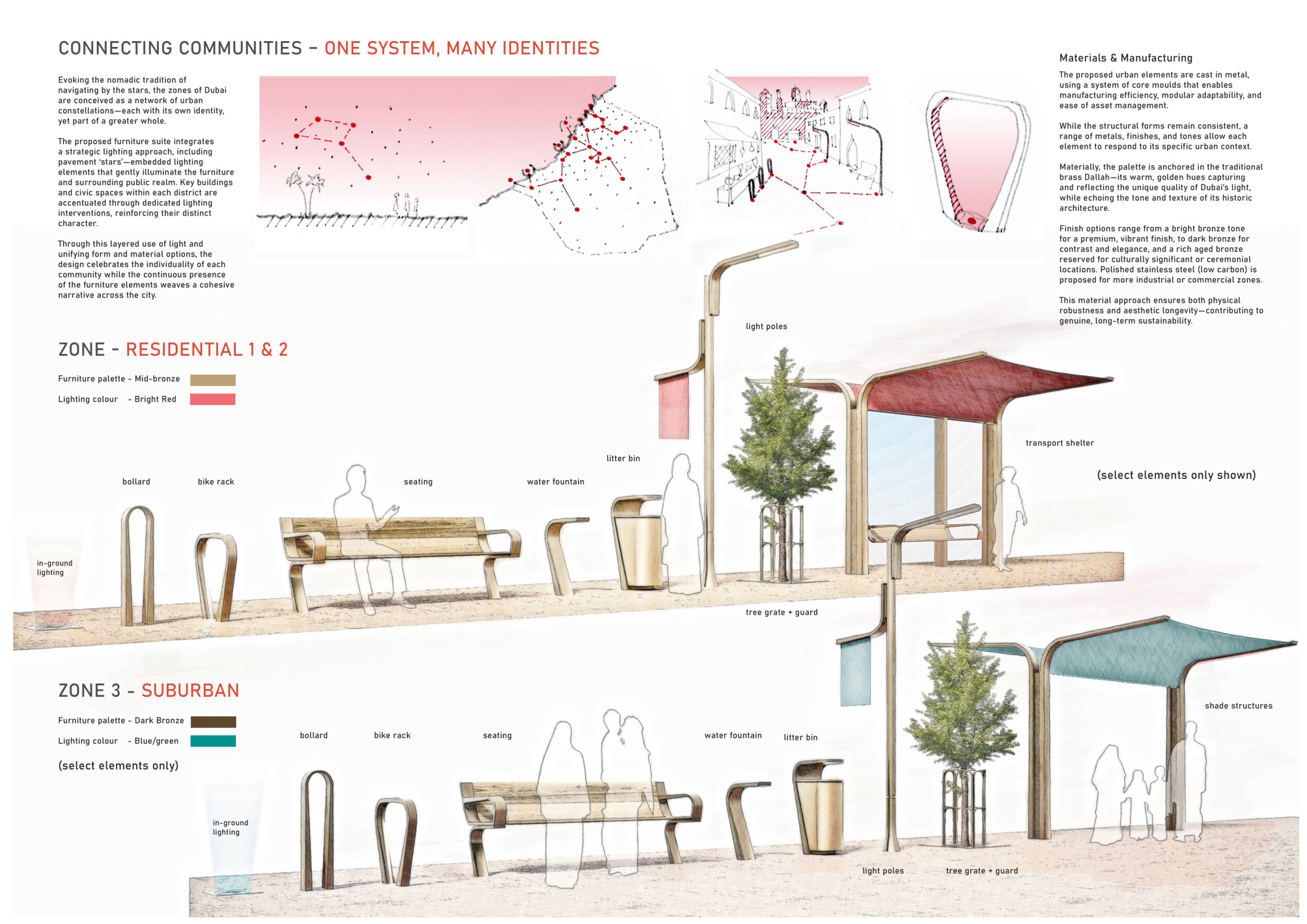
DUBAI URBAN ELEMENTS SUBMISSION; ECHOES OF TRADITION- SHAPED FOR TODAY’S CITY
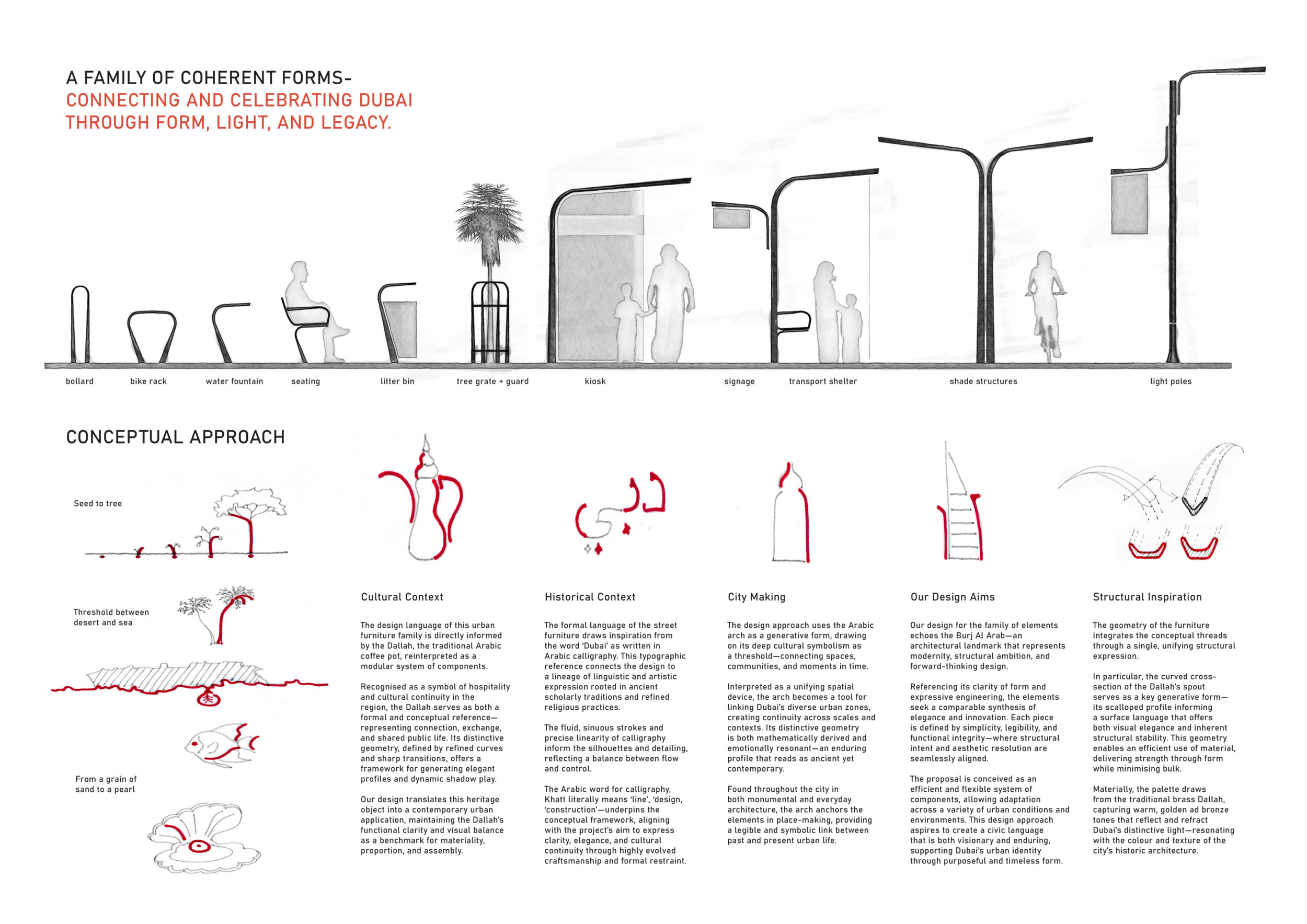
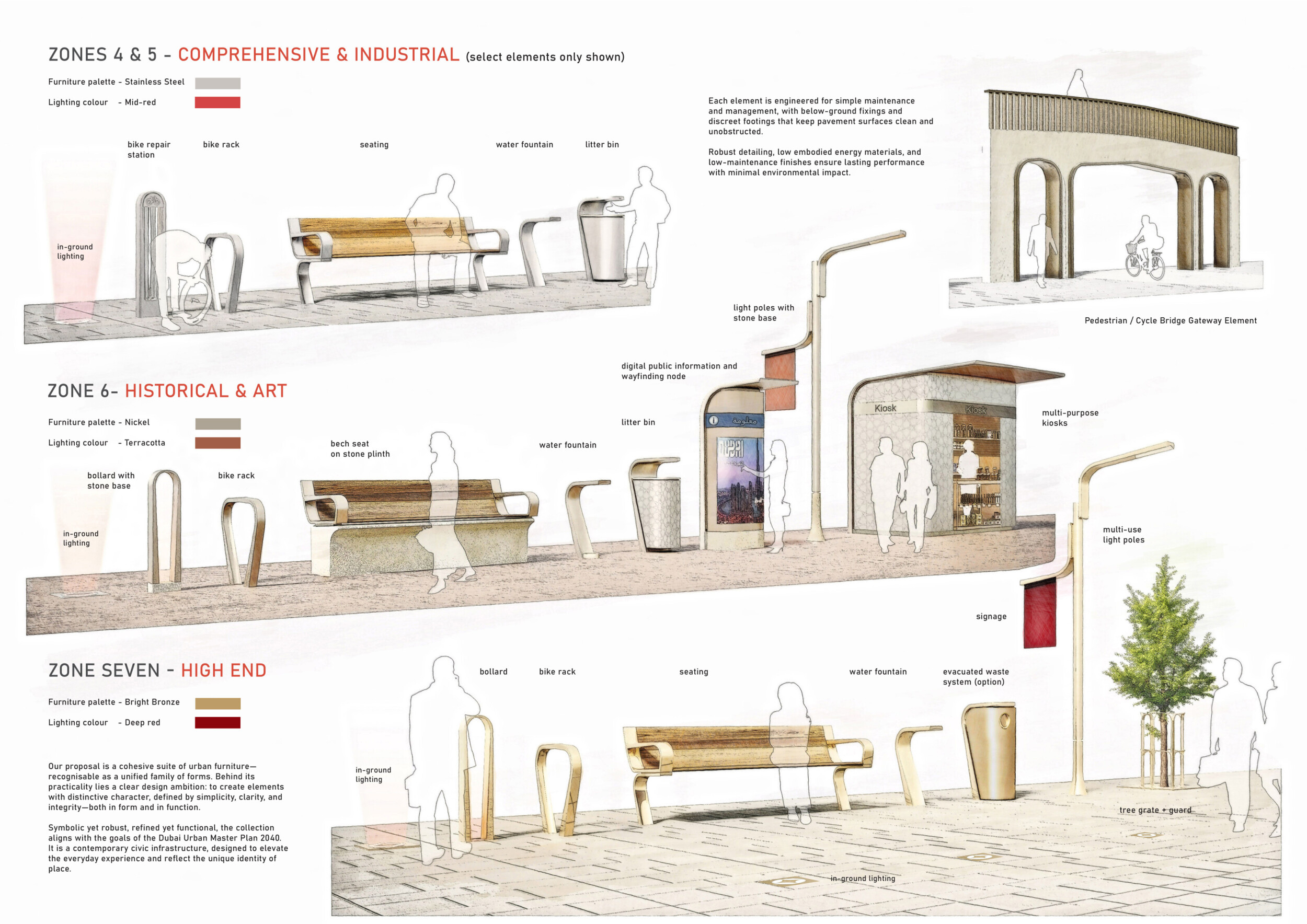
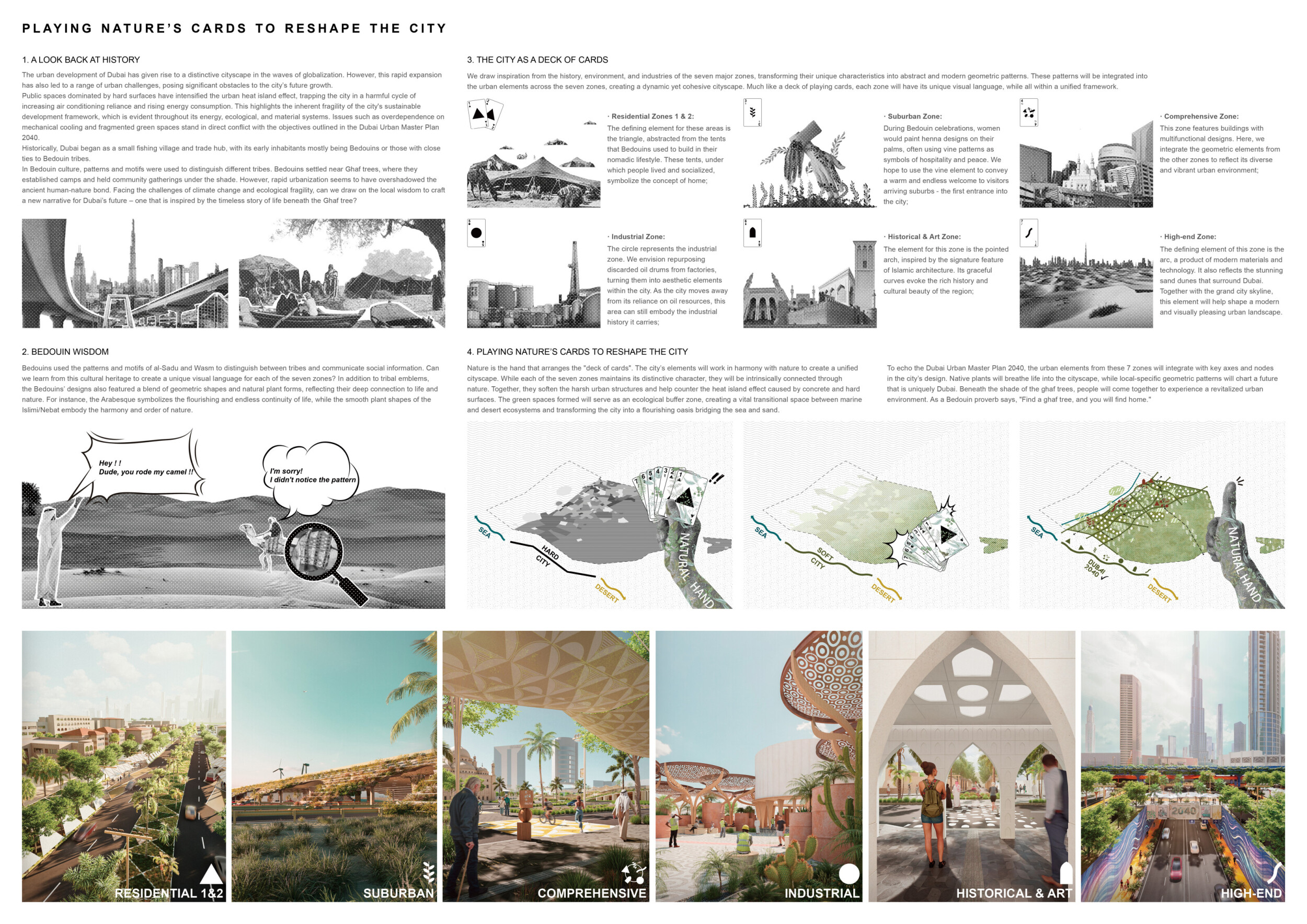
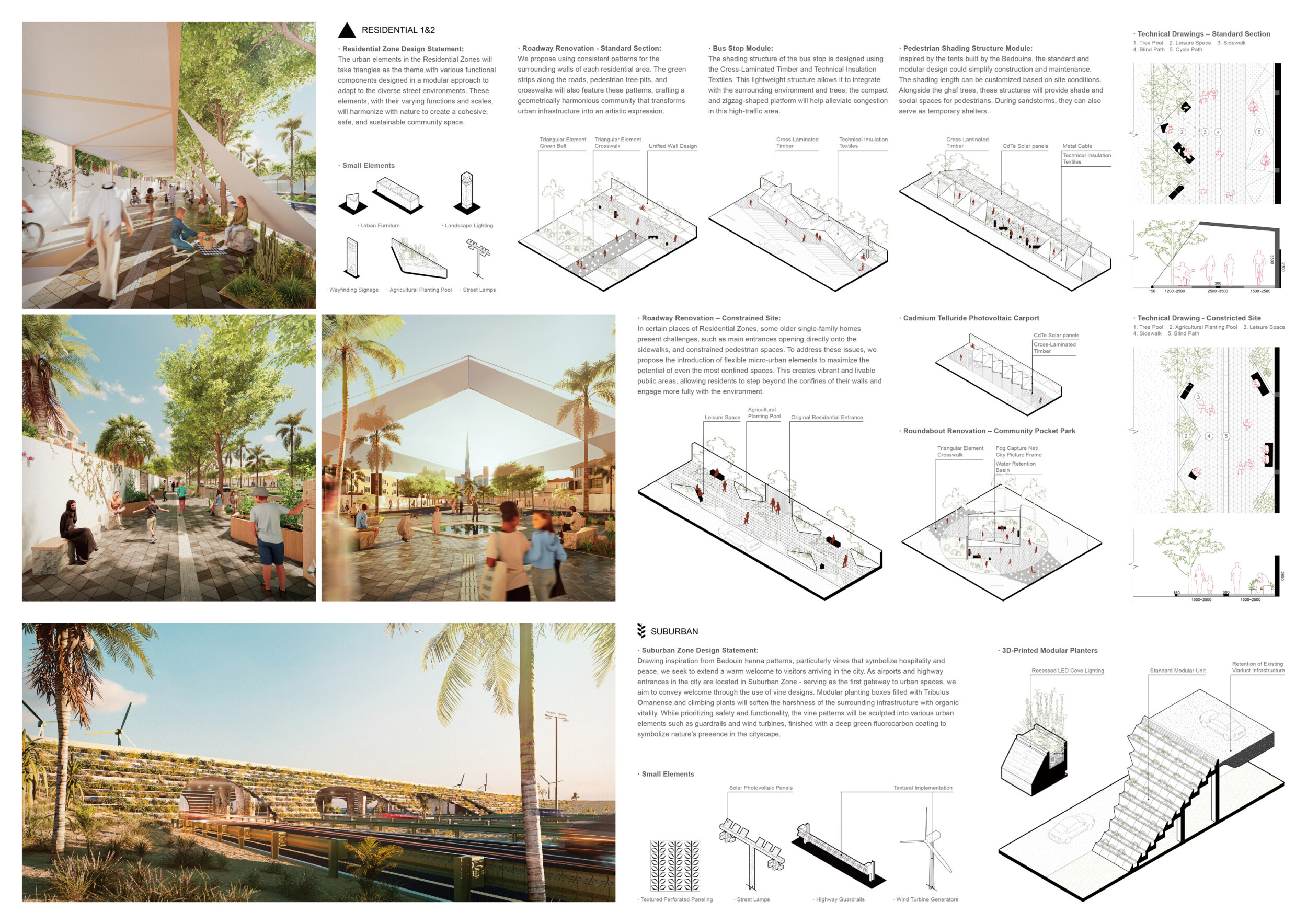
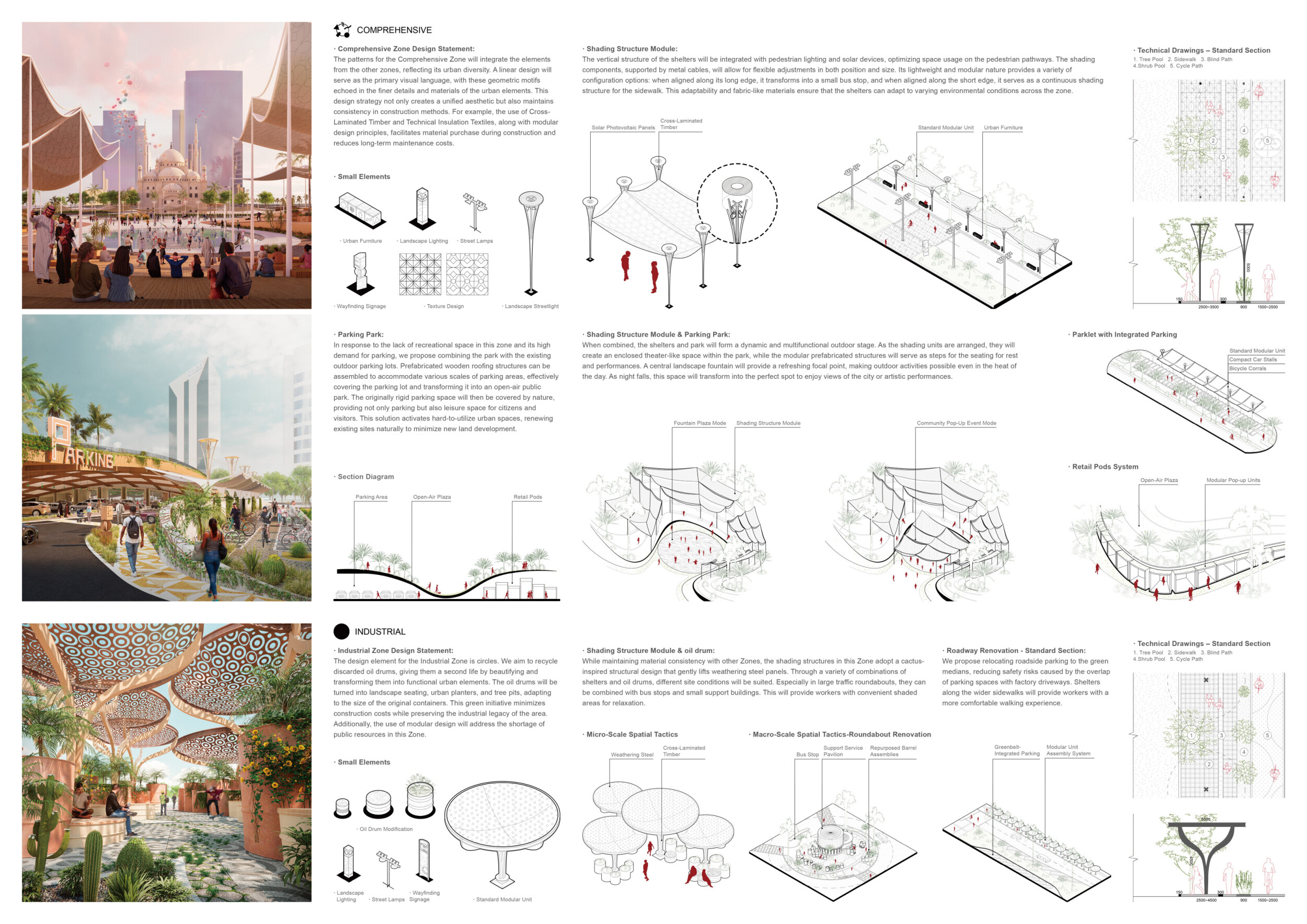
PLAYING NATURE’S CARDS TO RESHAPE THE CITY
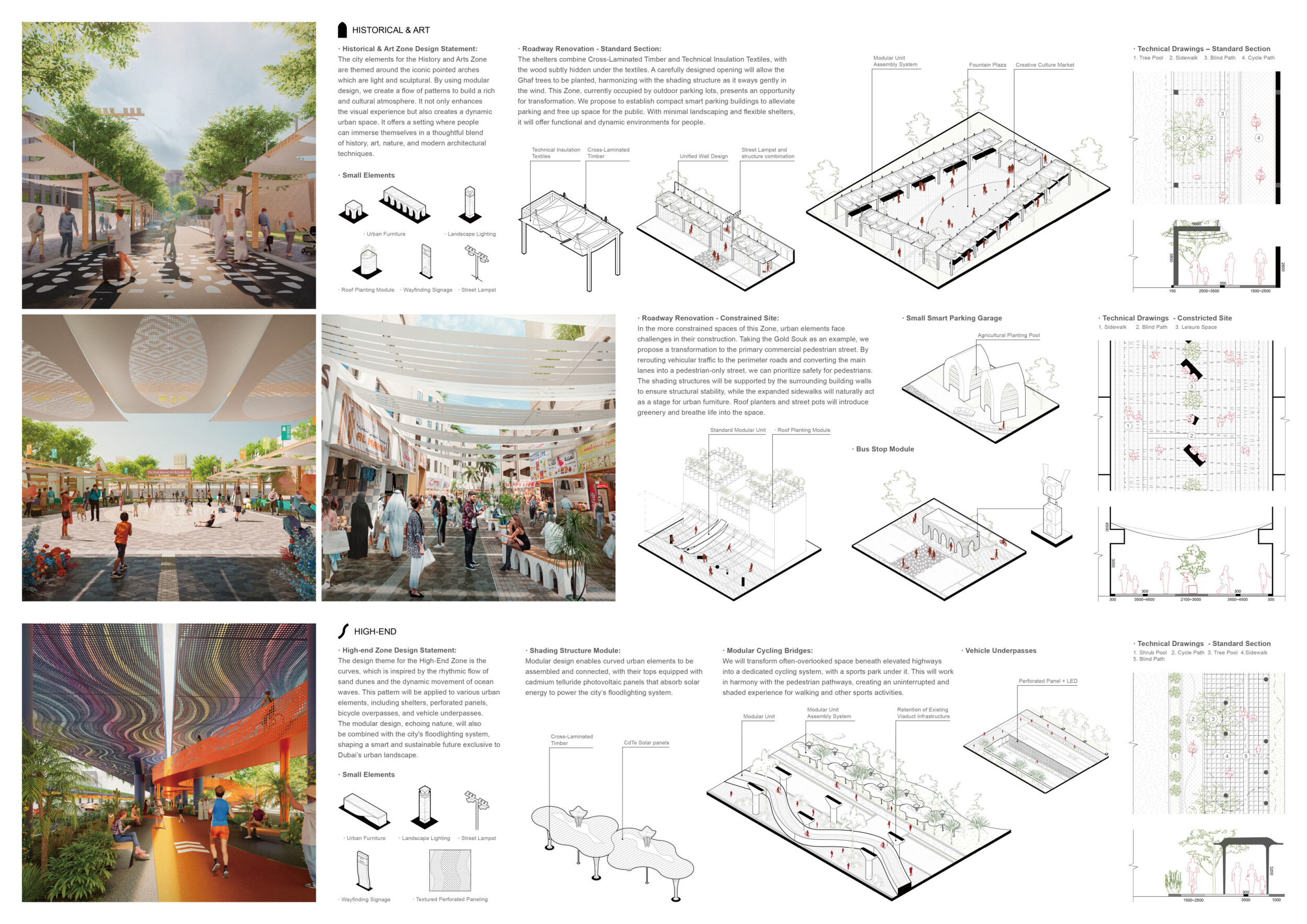
ONYX Sistem
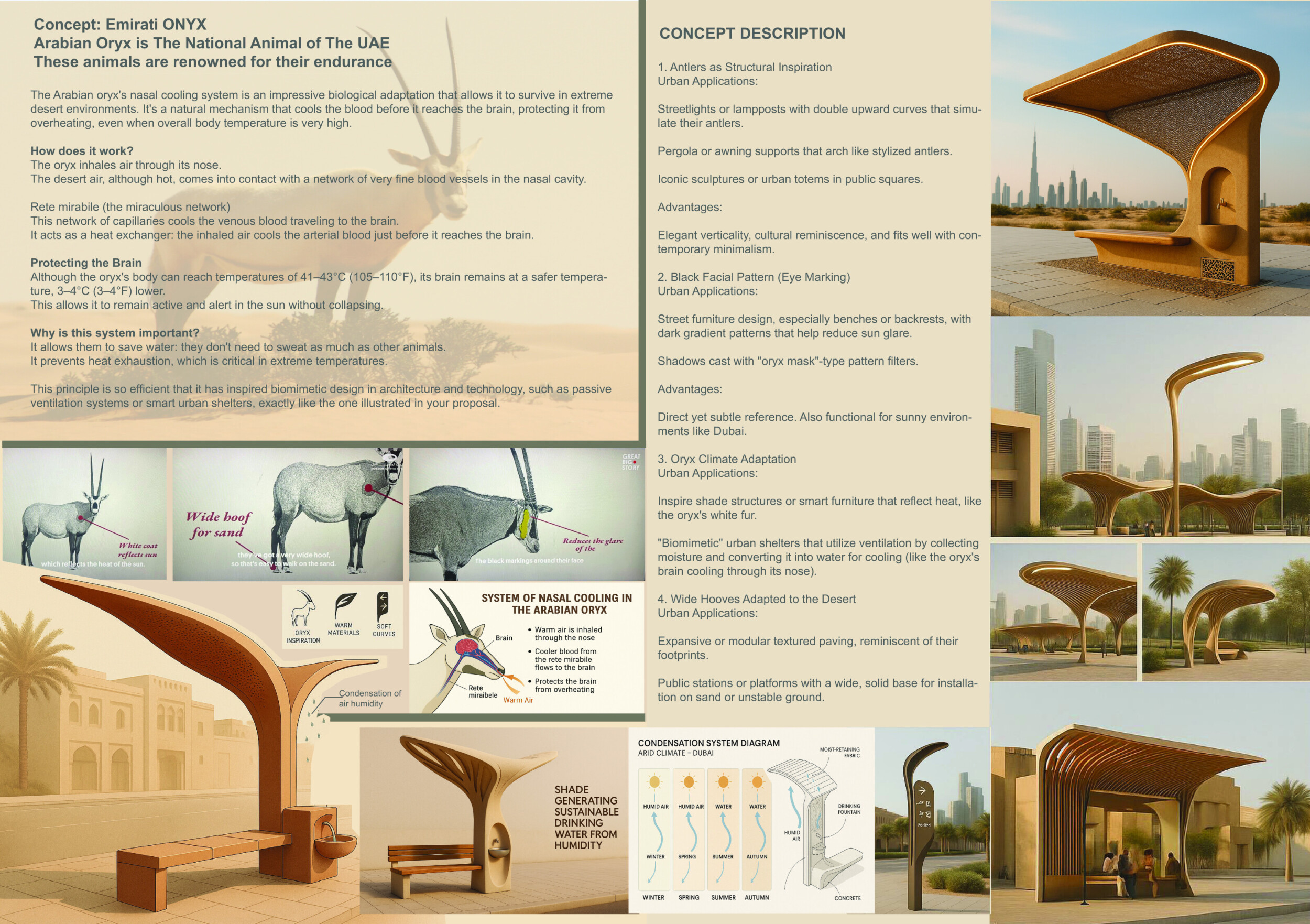
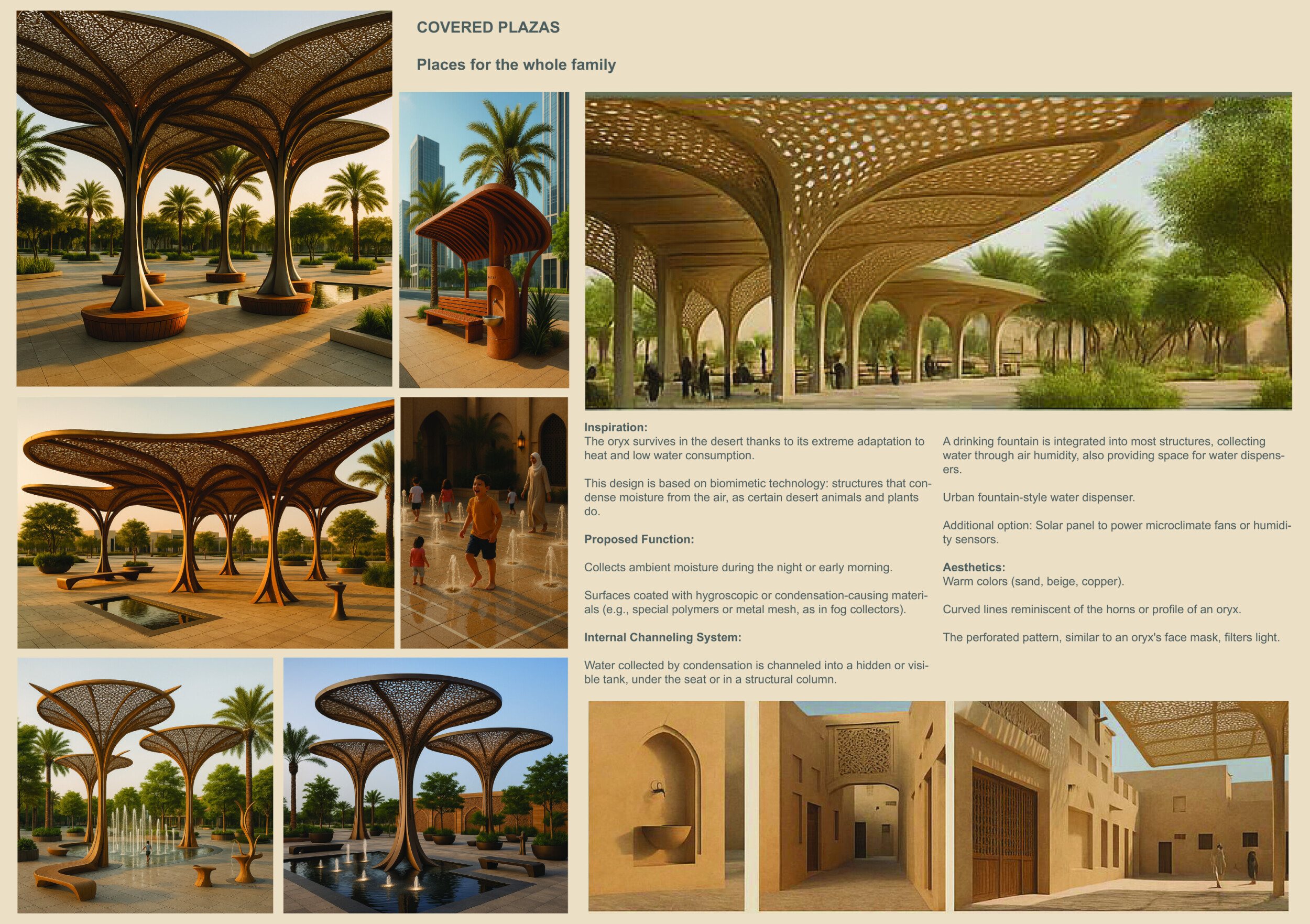
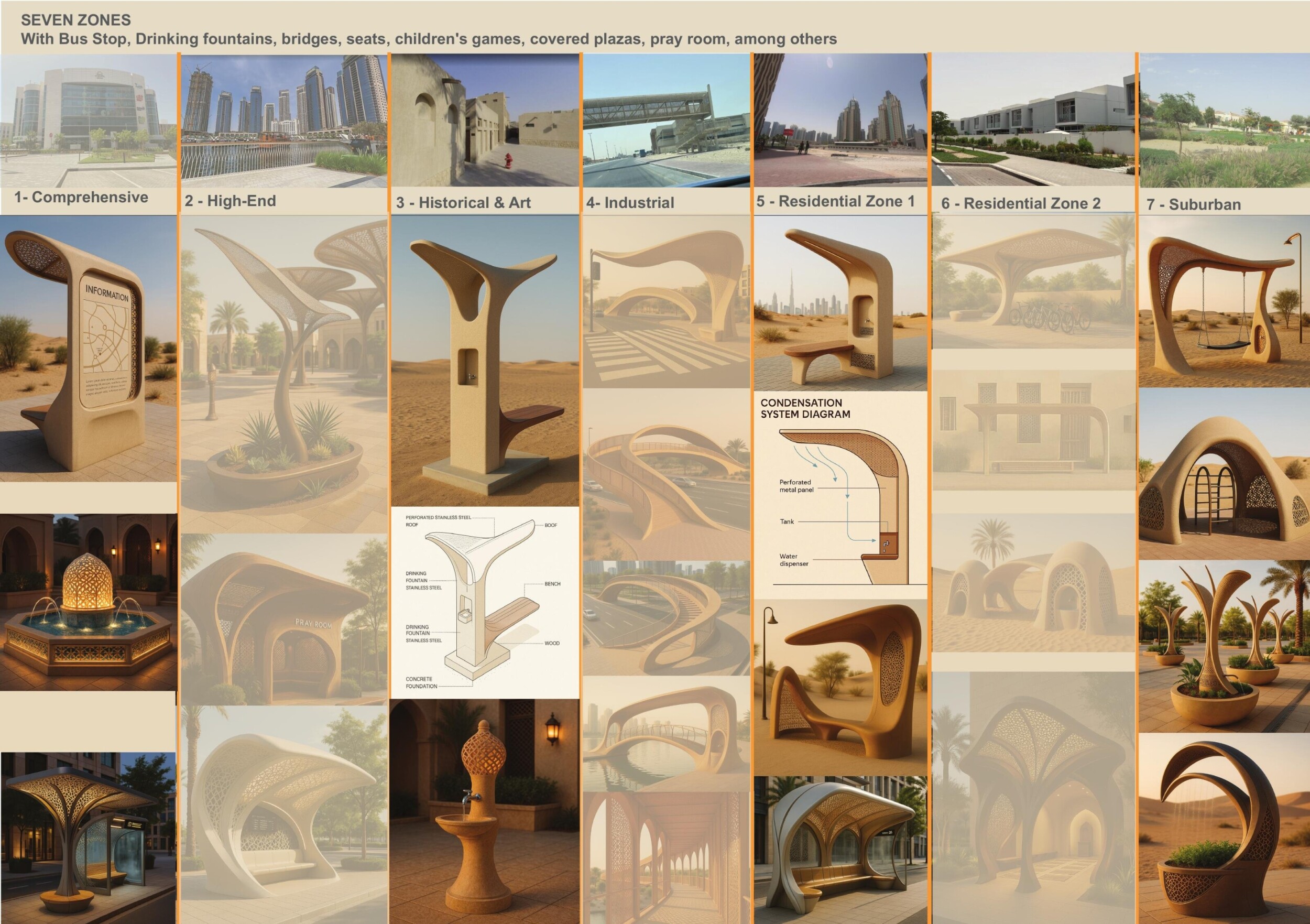
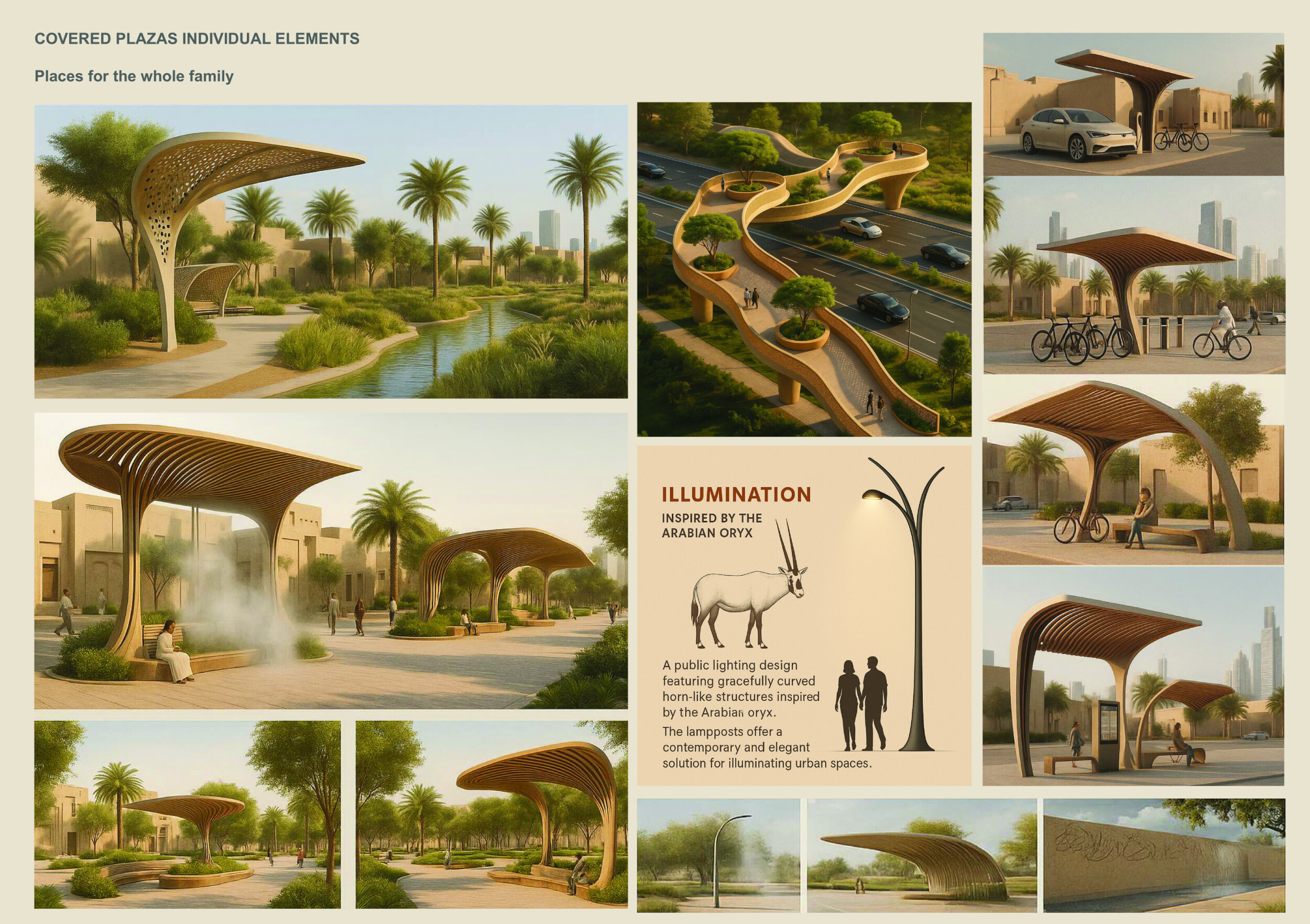

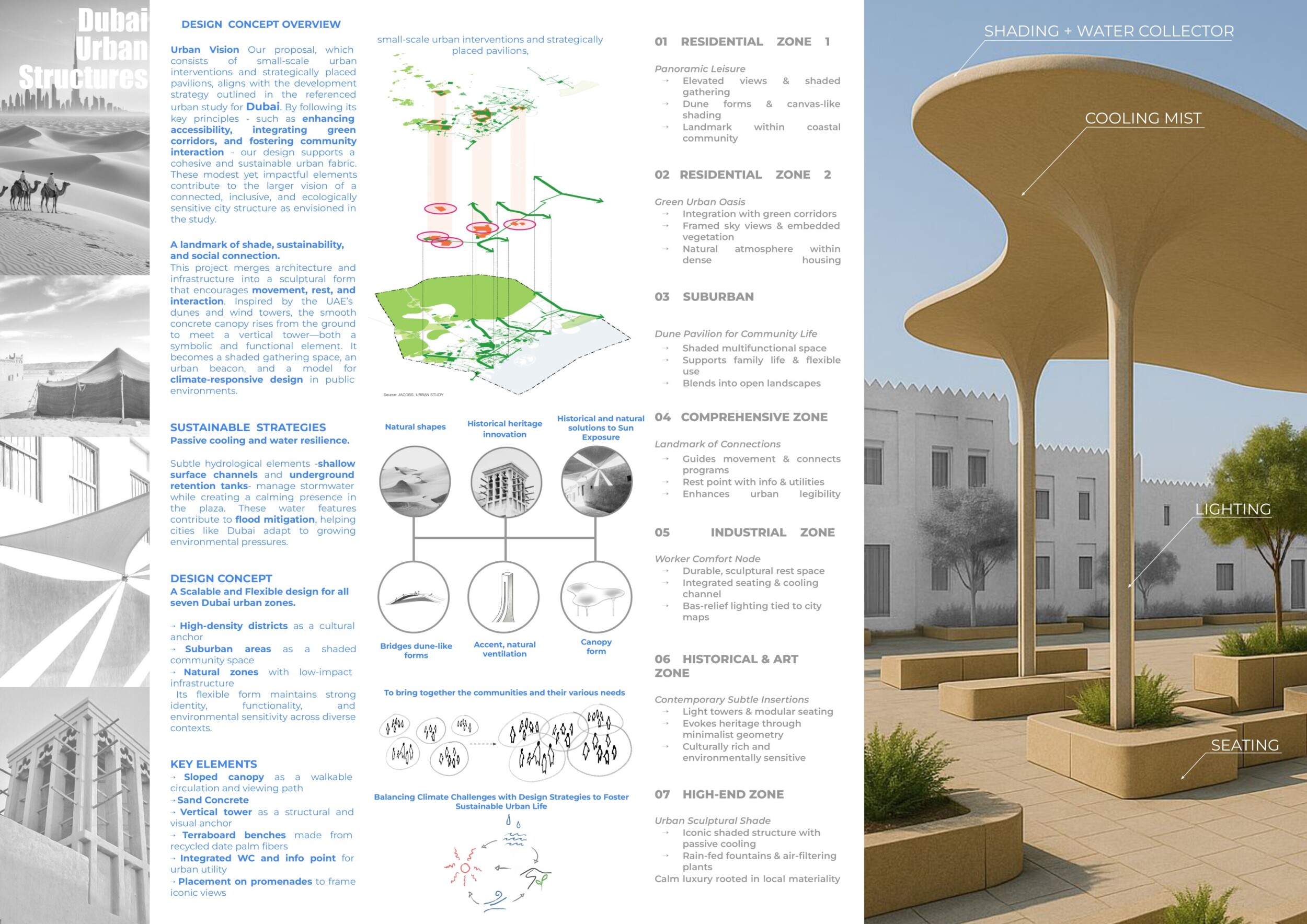
DUBAI URBAN STRUCTURES
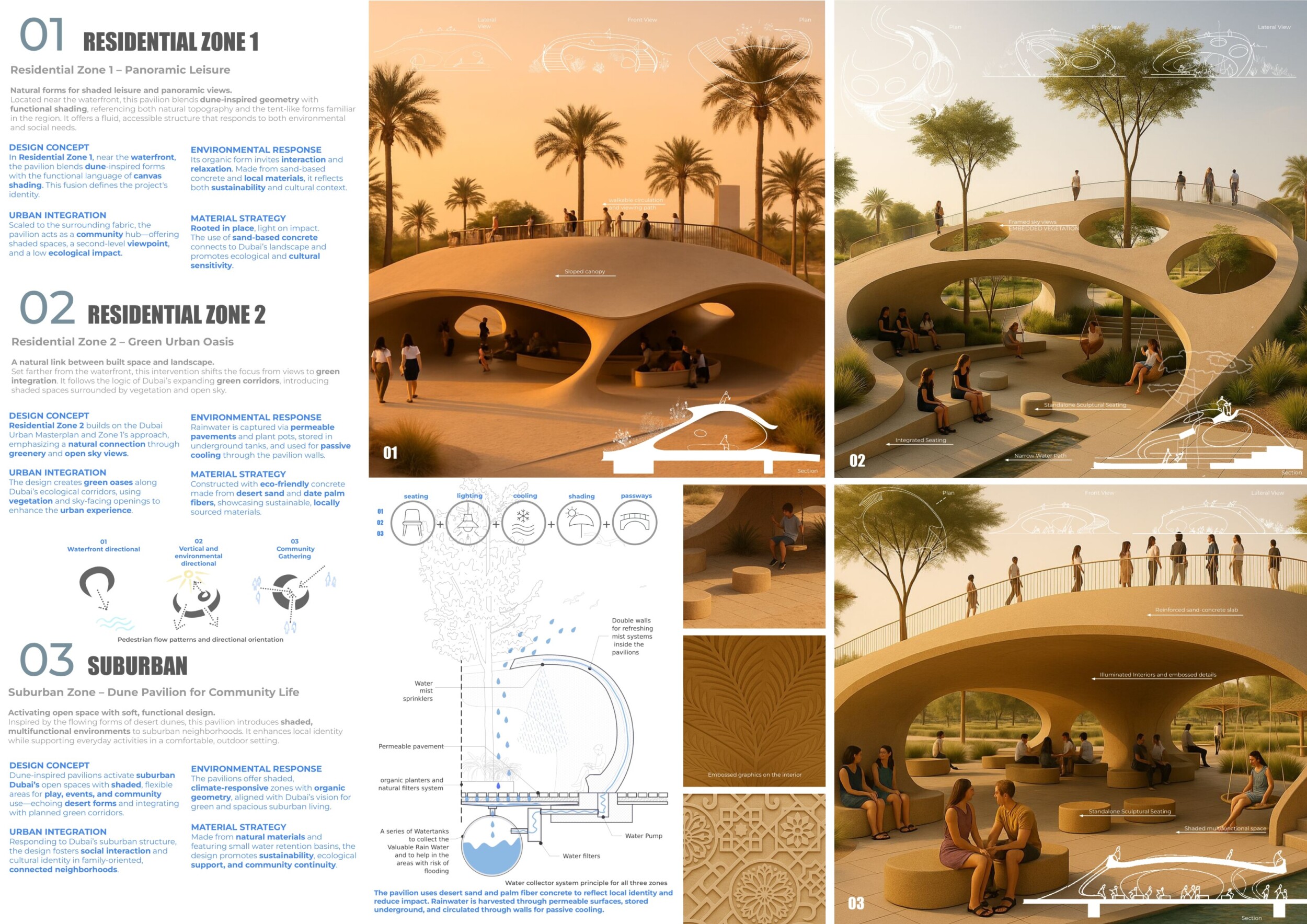
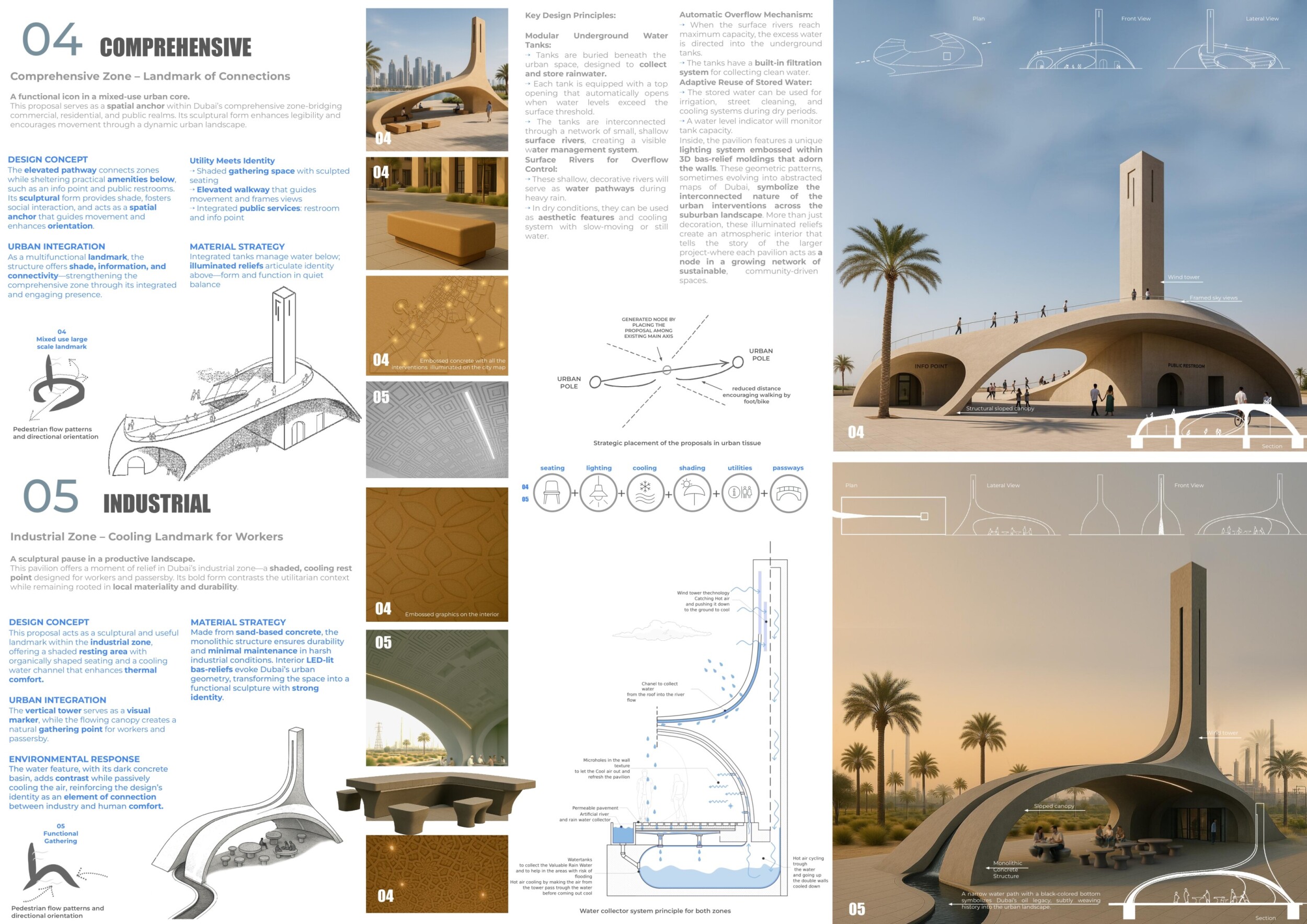
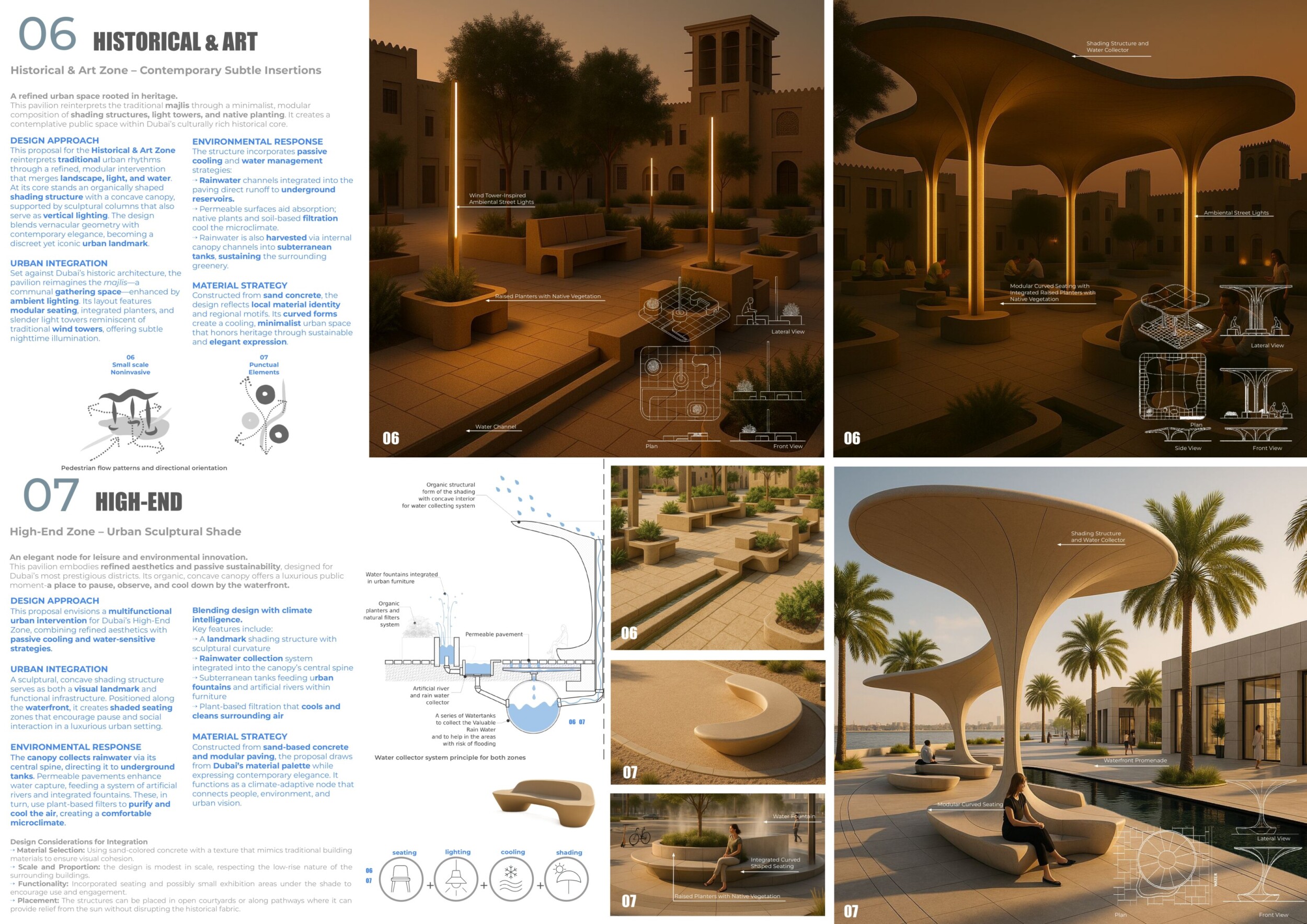
Oasis Circuit: A Regenerative Future for Dubai’s Public Realm
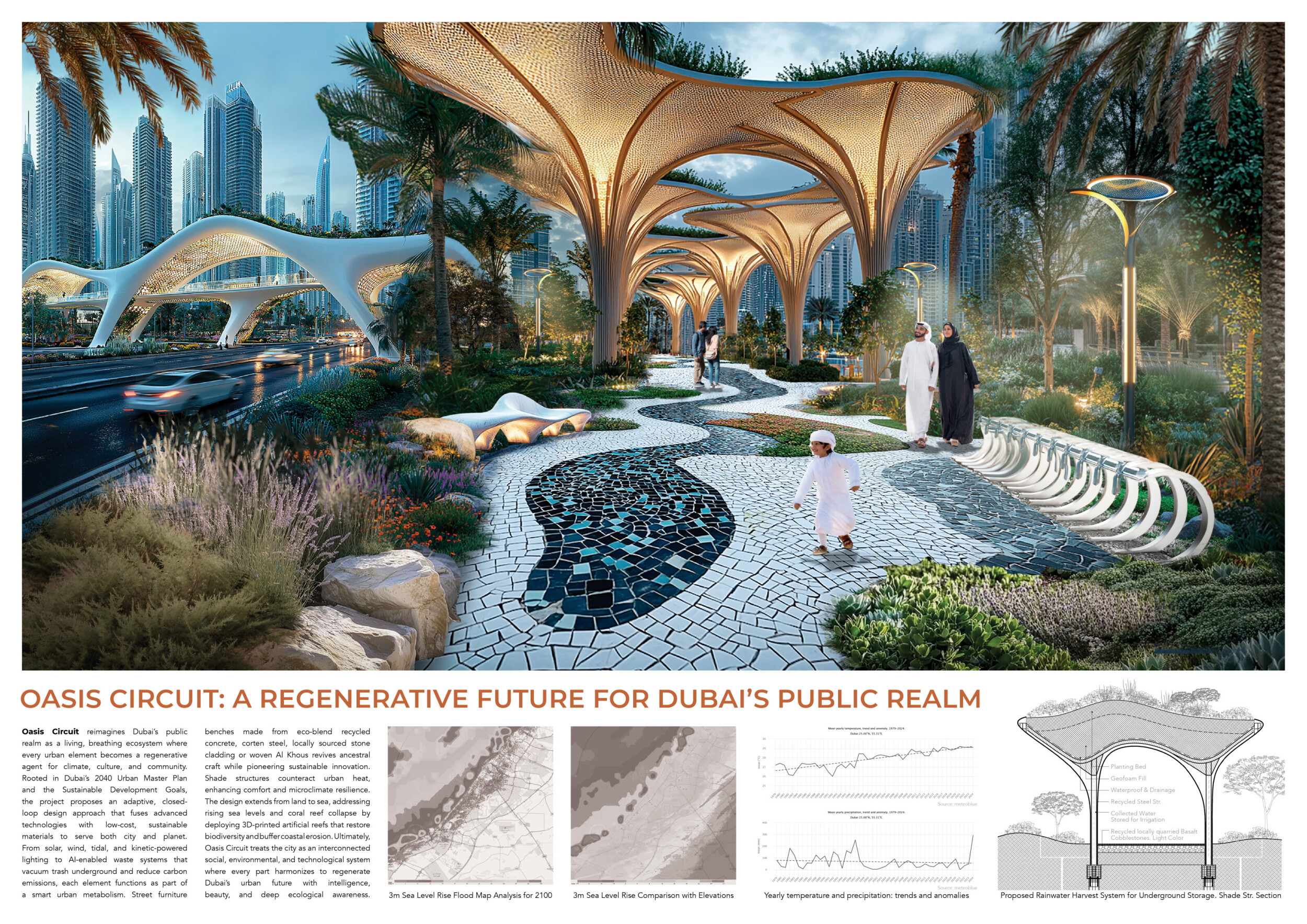
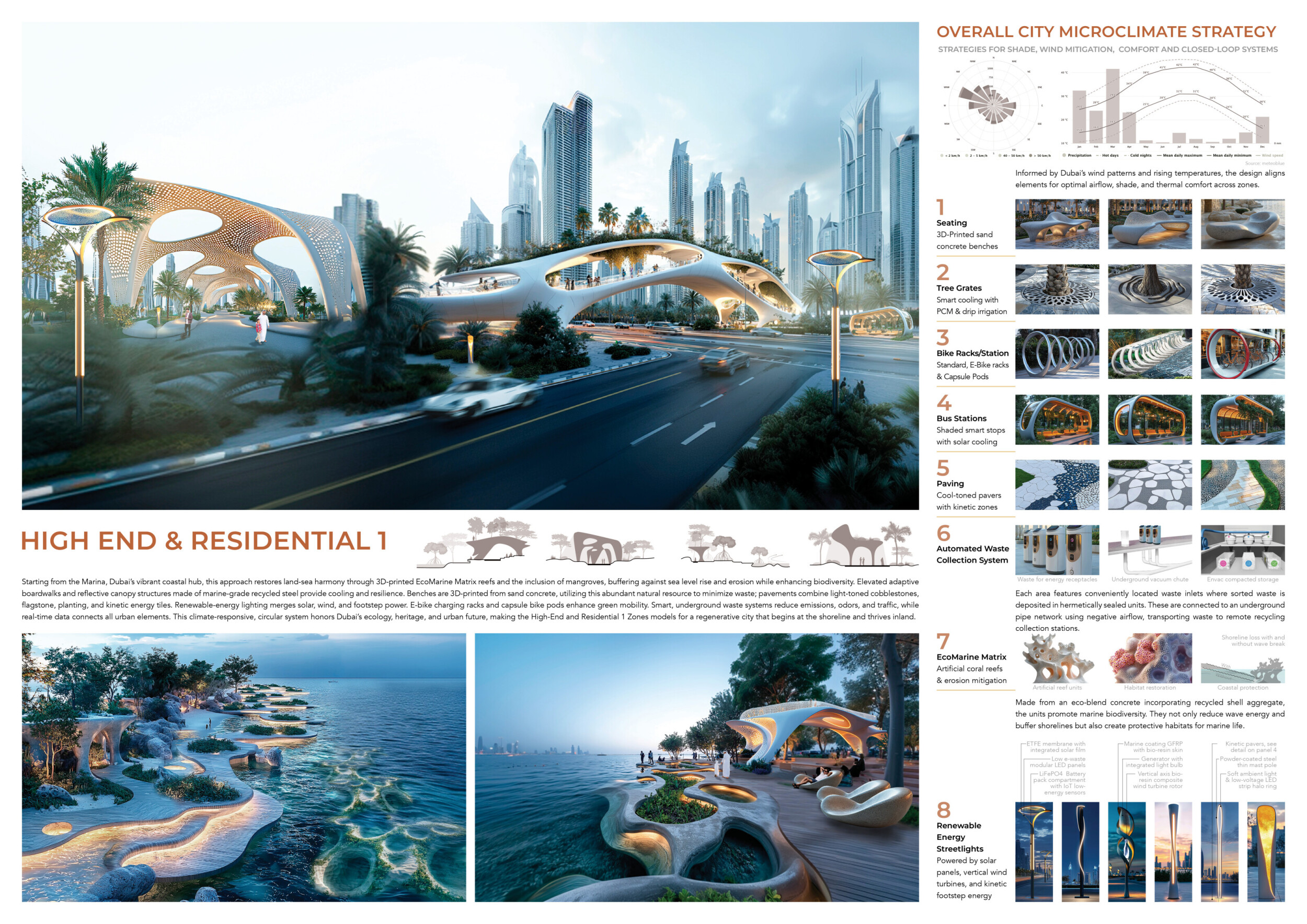
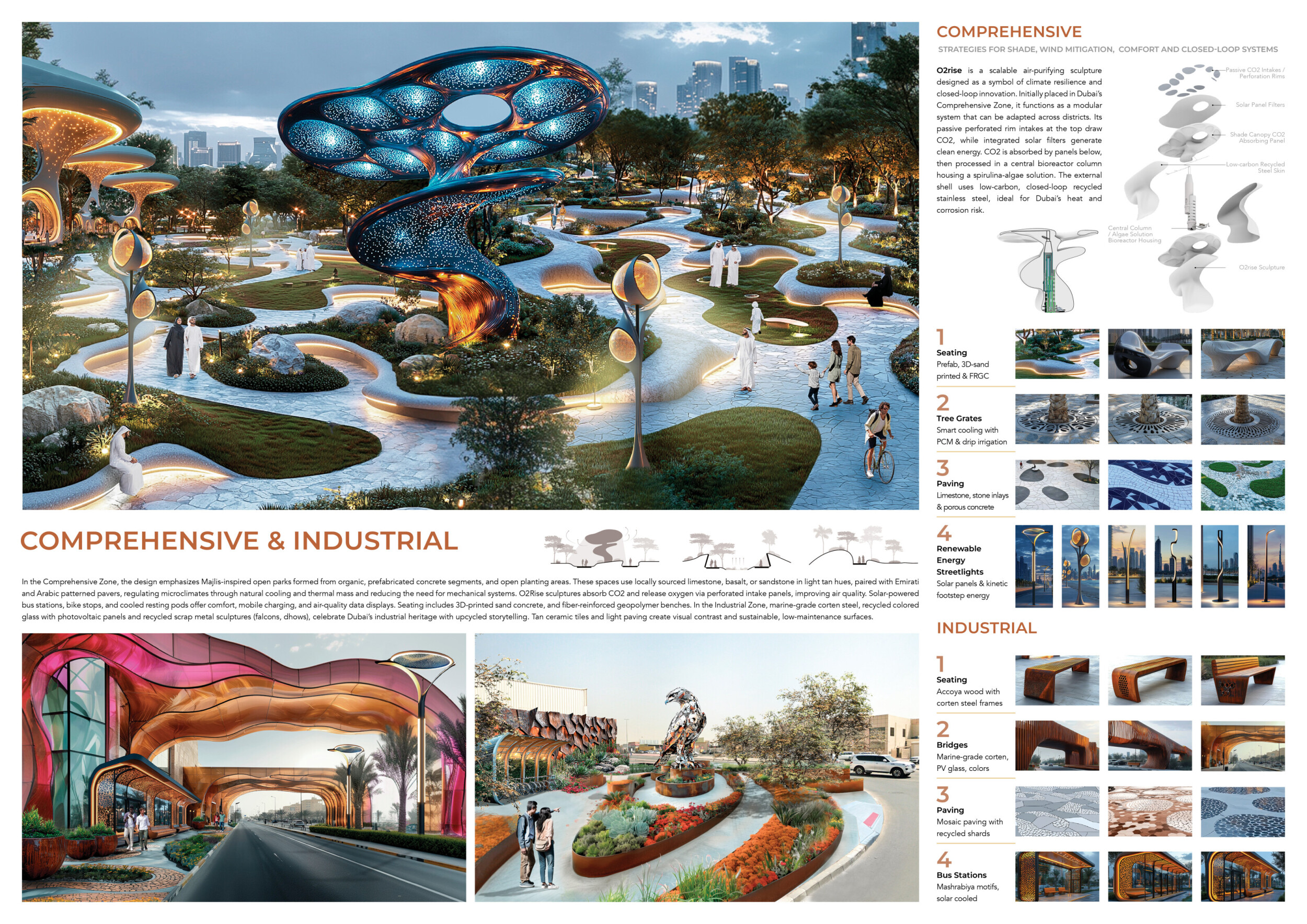

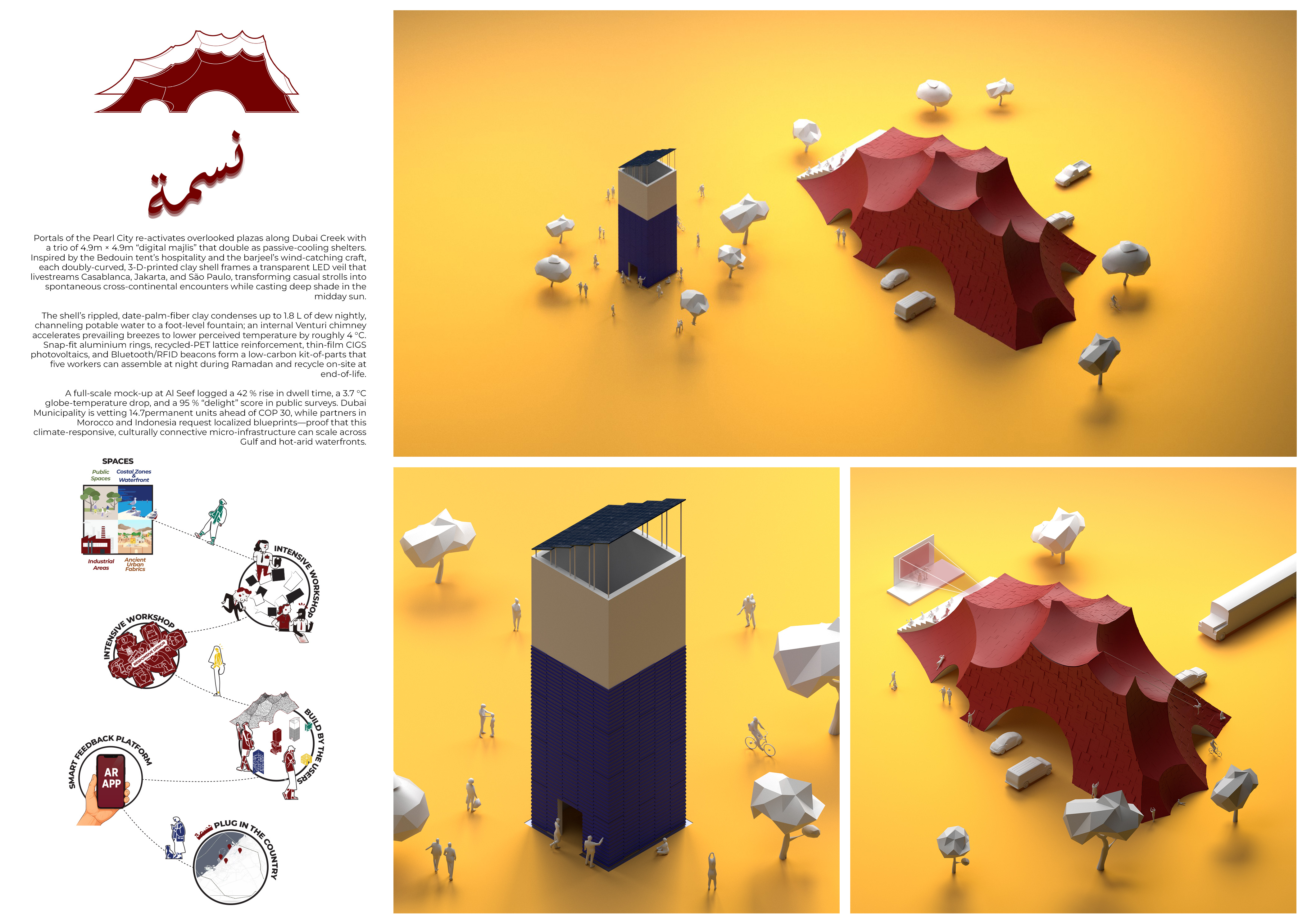
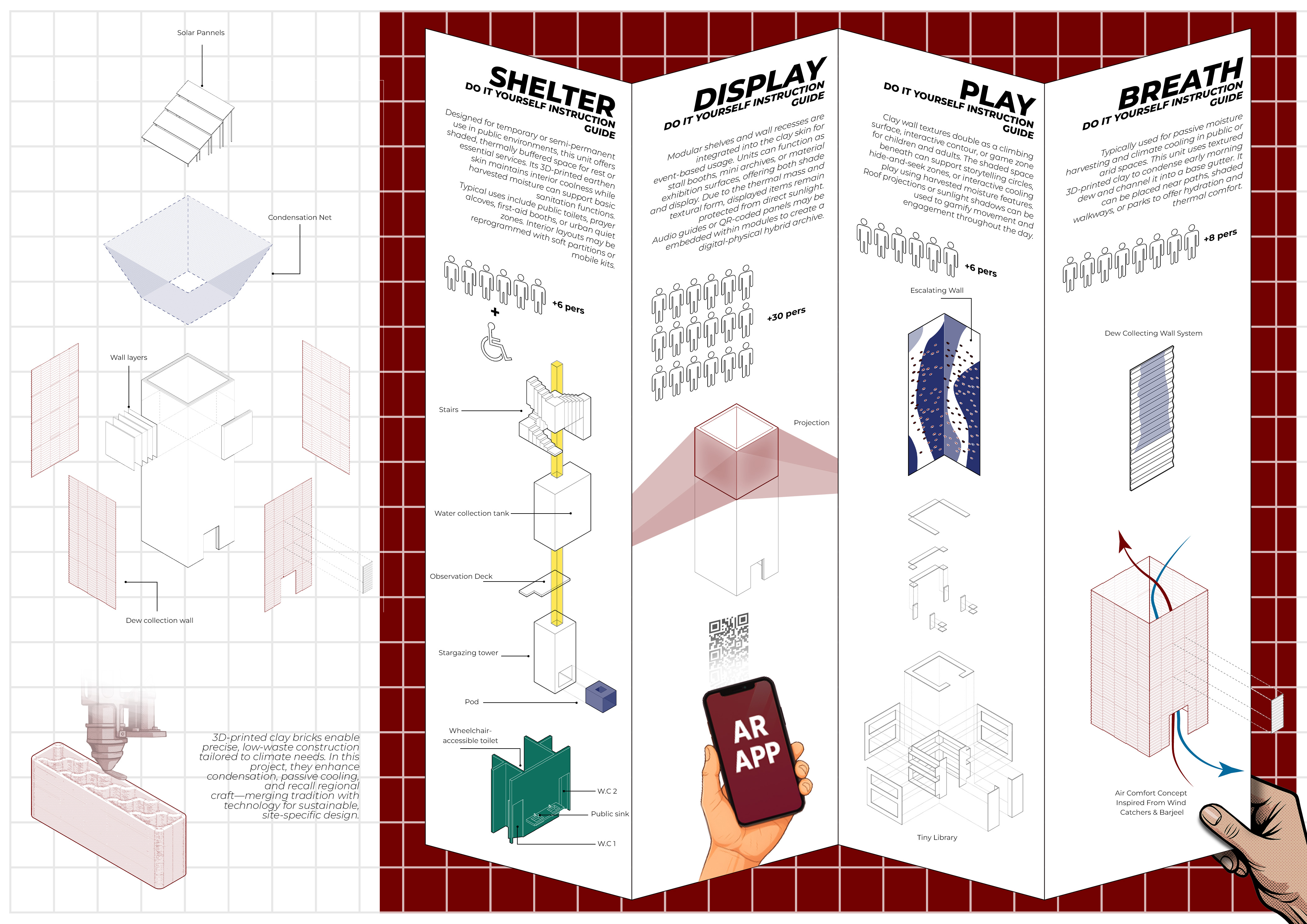
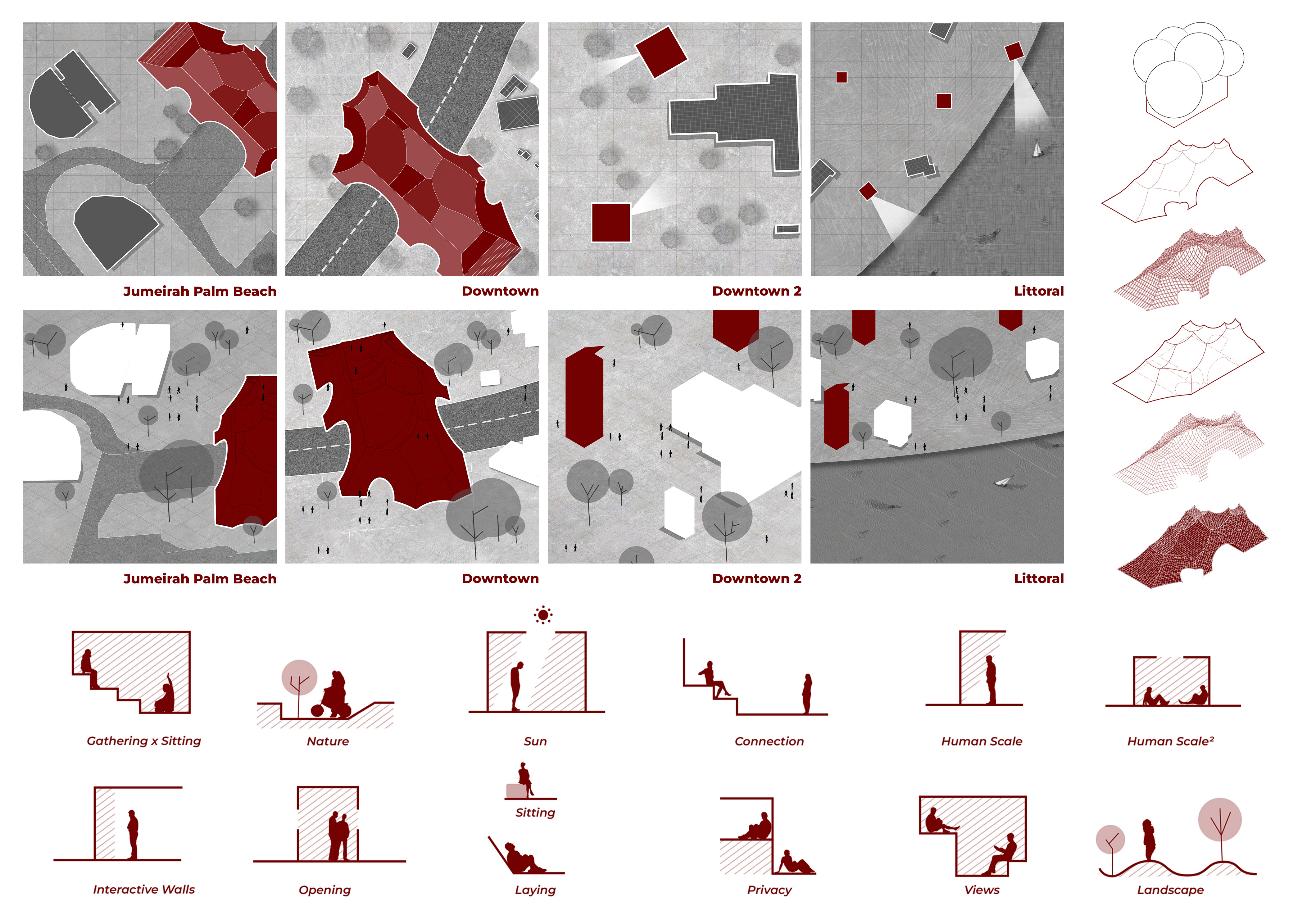
نسمة – Nasma
Juthoor
Dubai Urban Elements

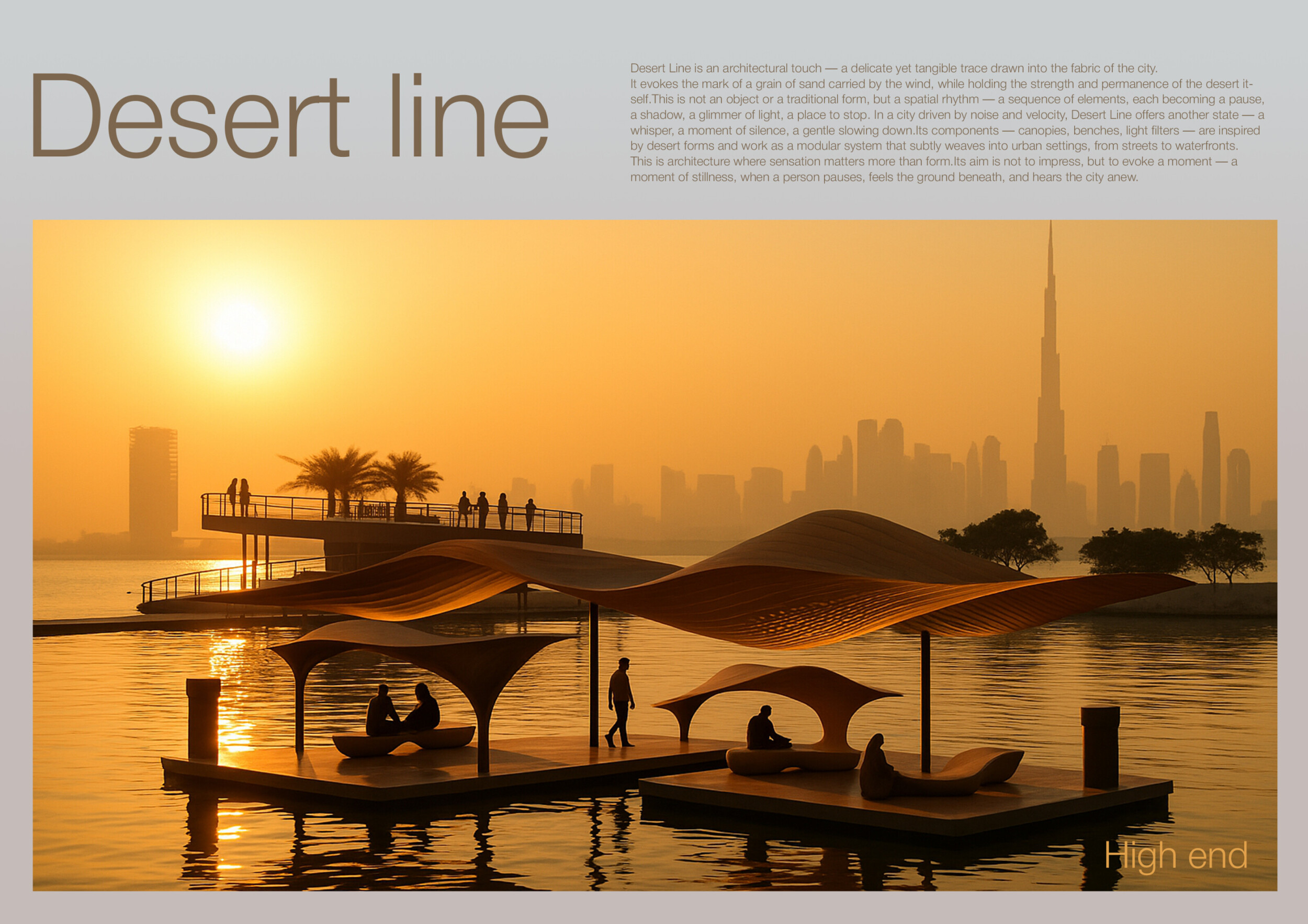
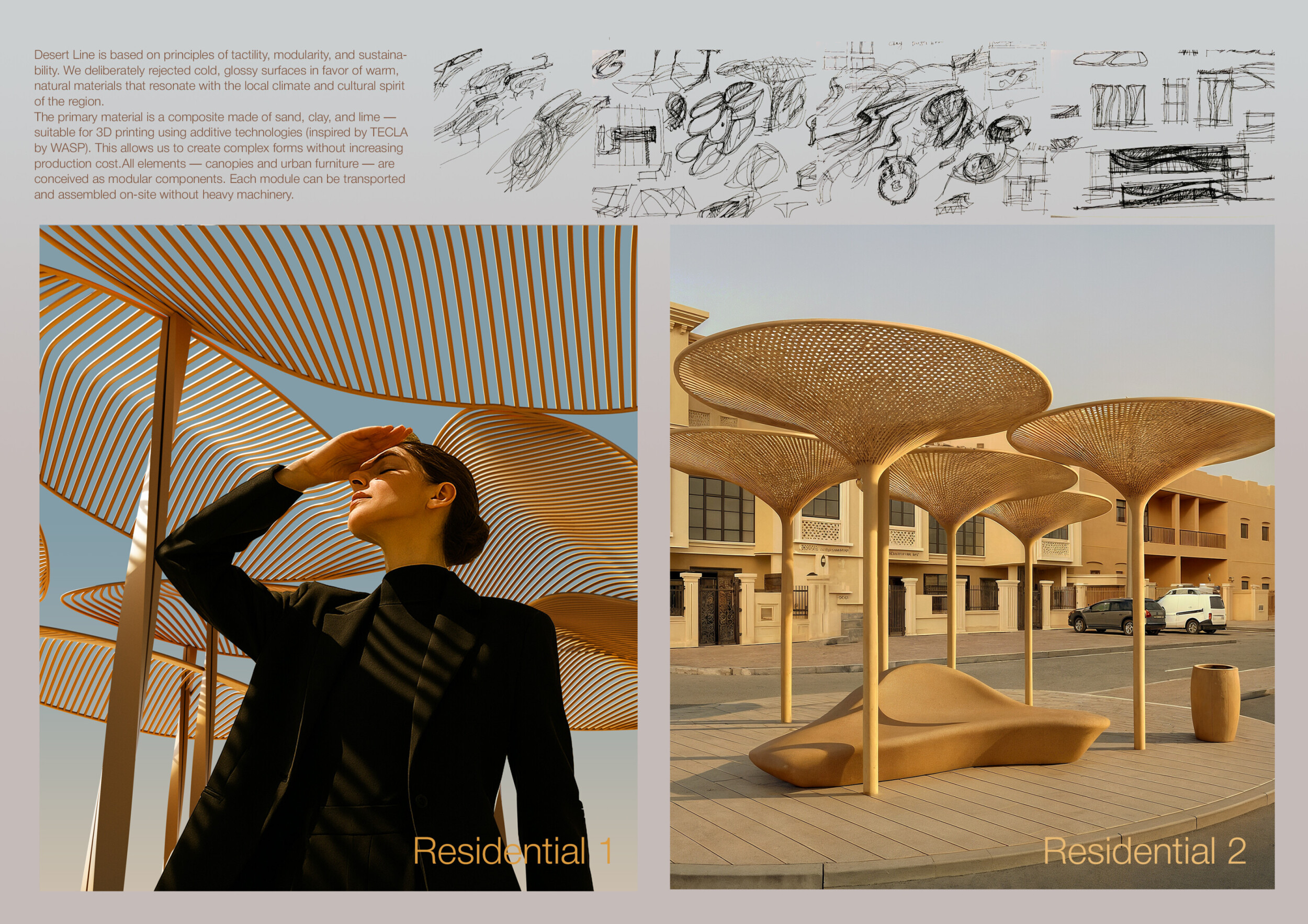
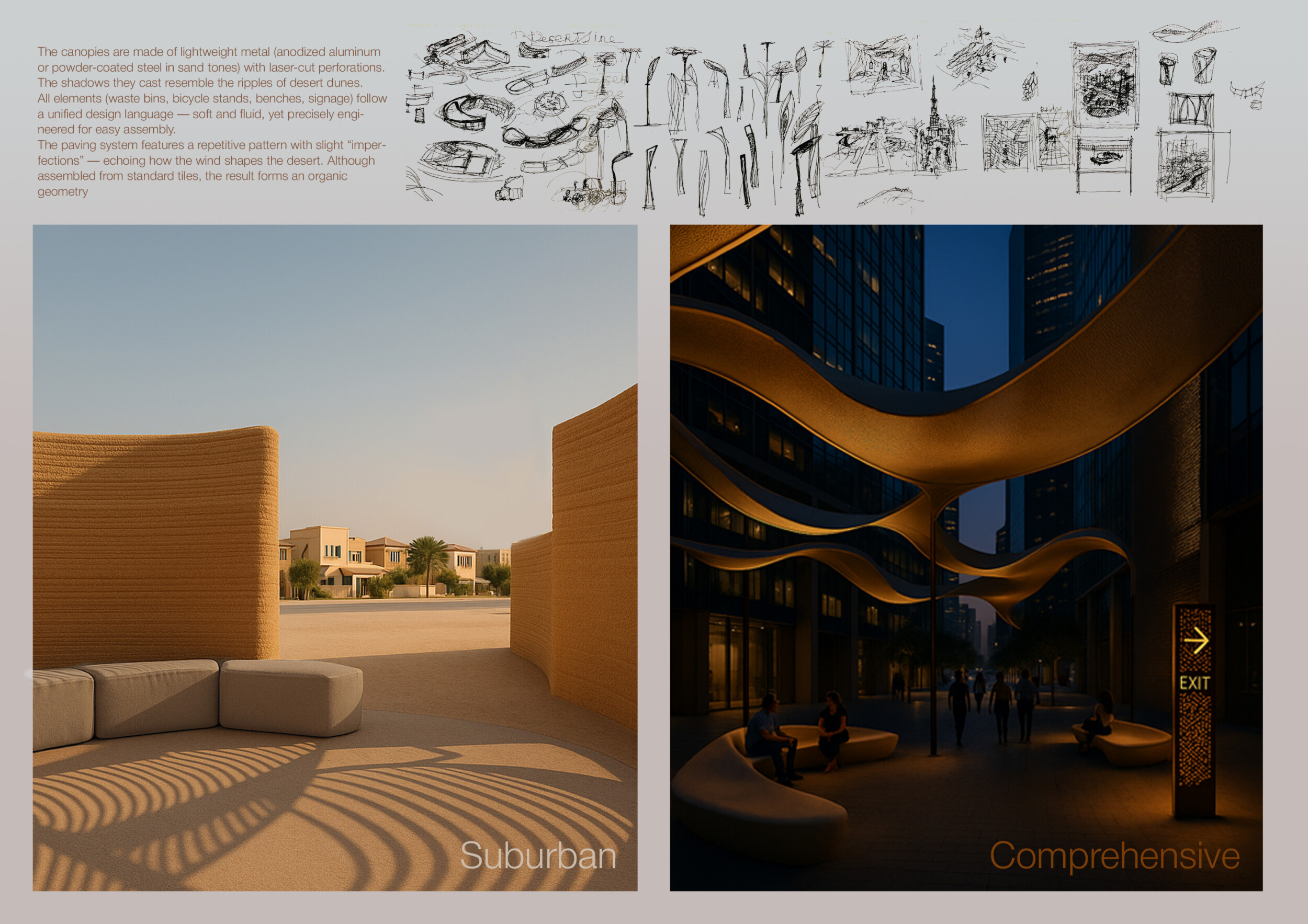
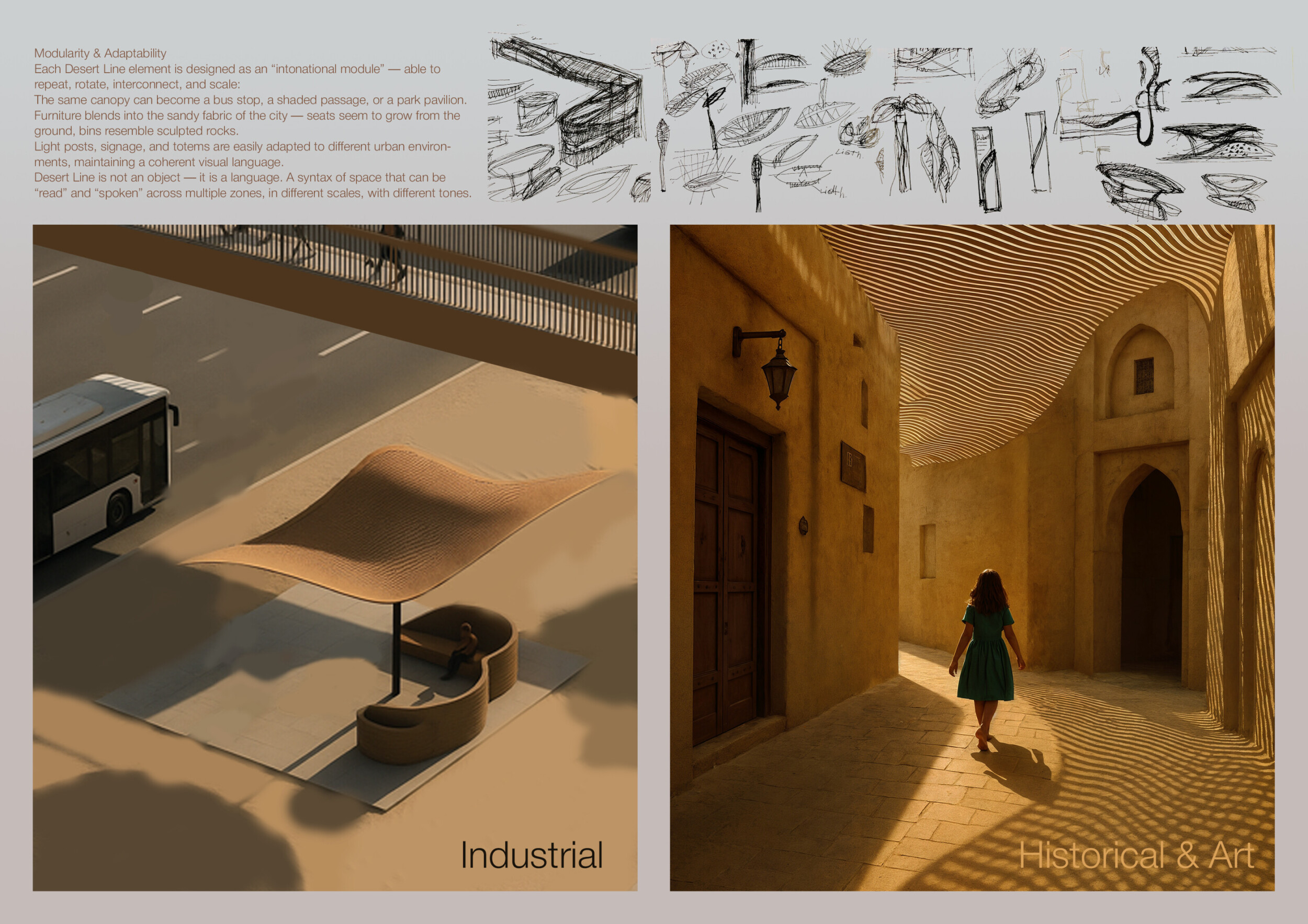
desert line

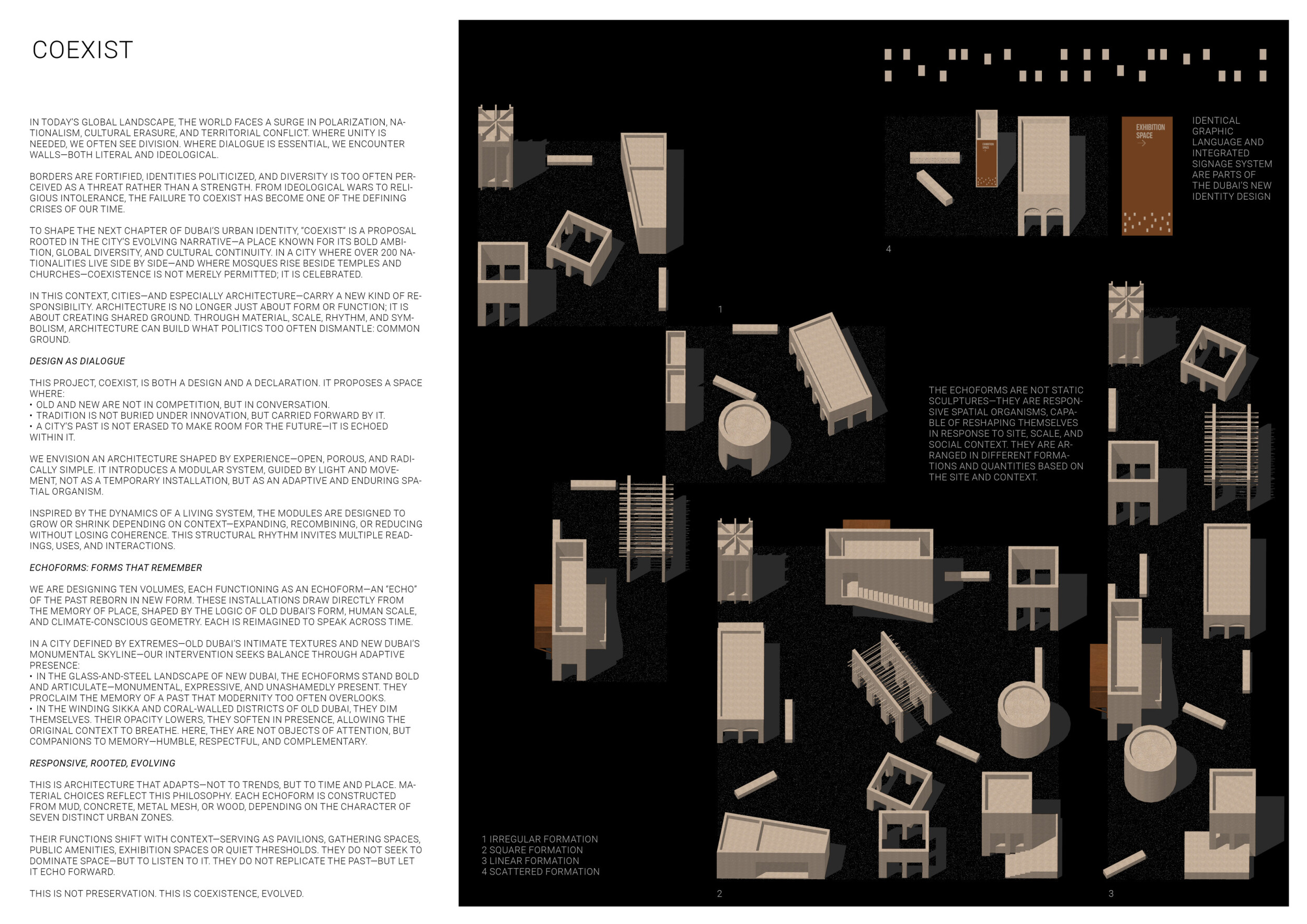
COEXIST
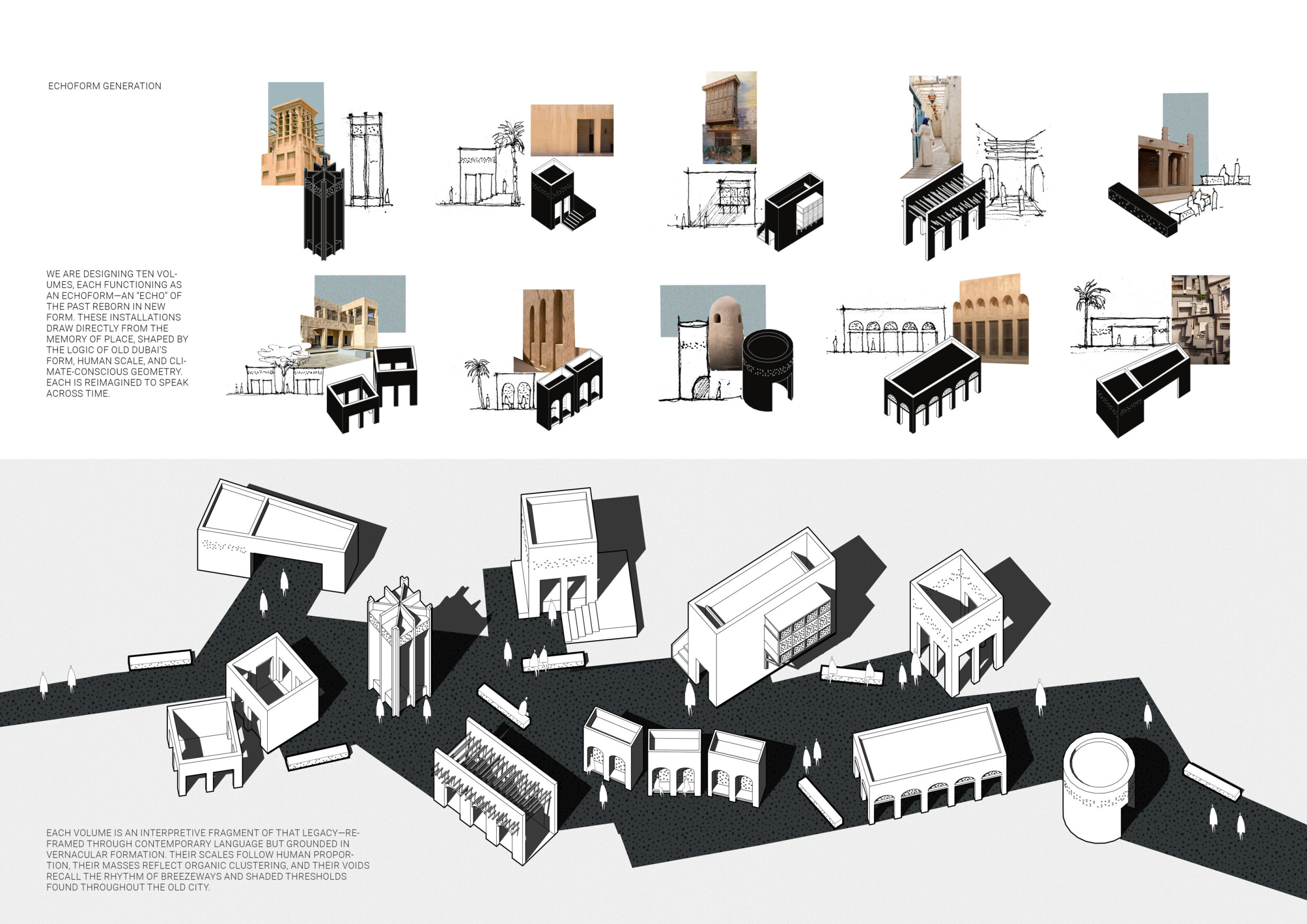
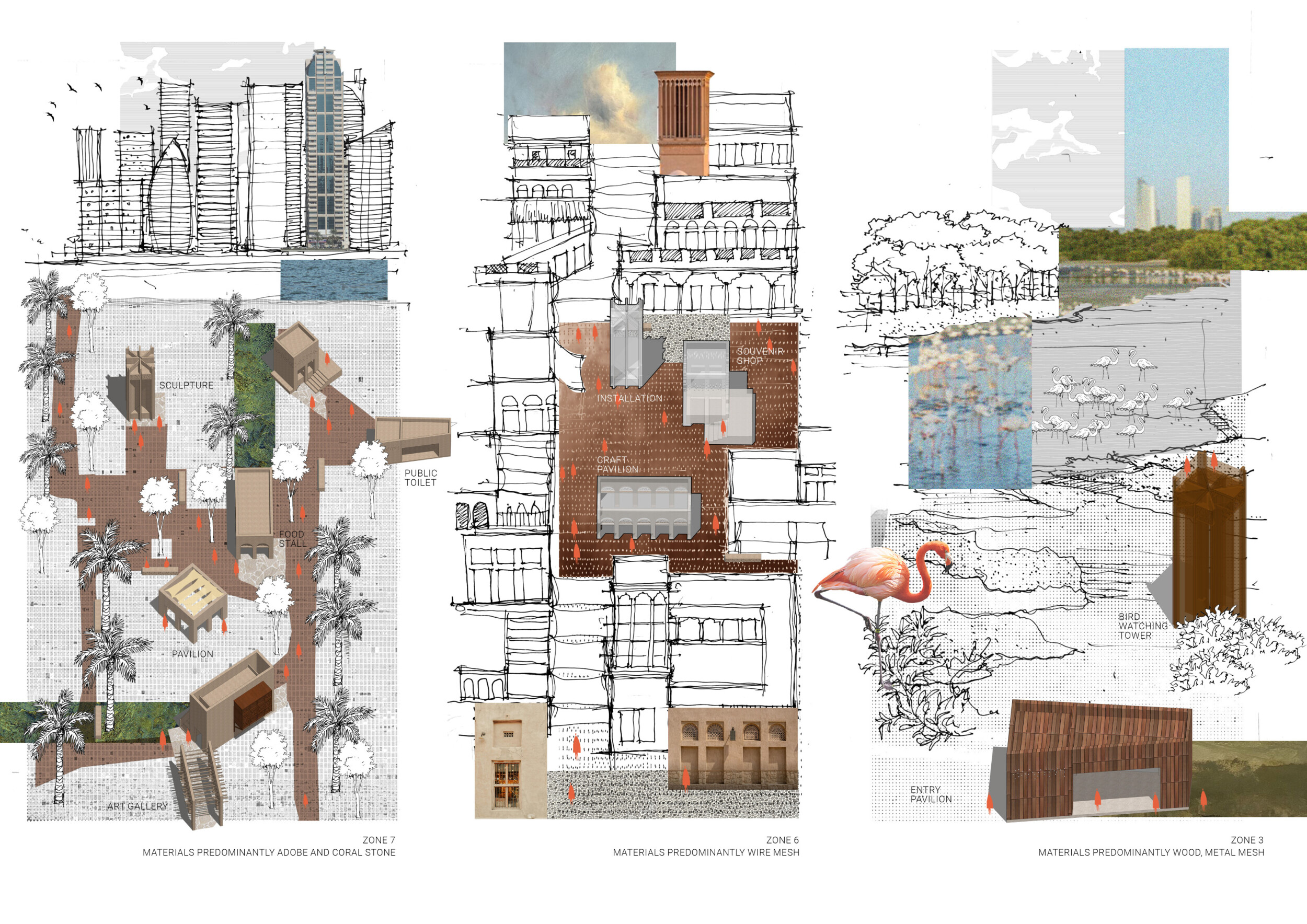
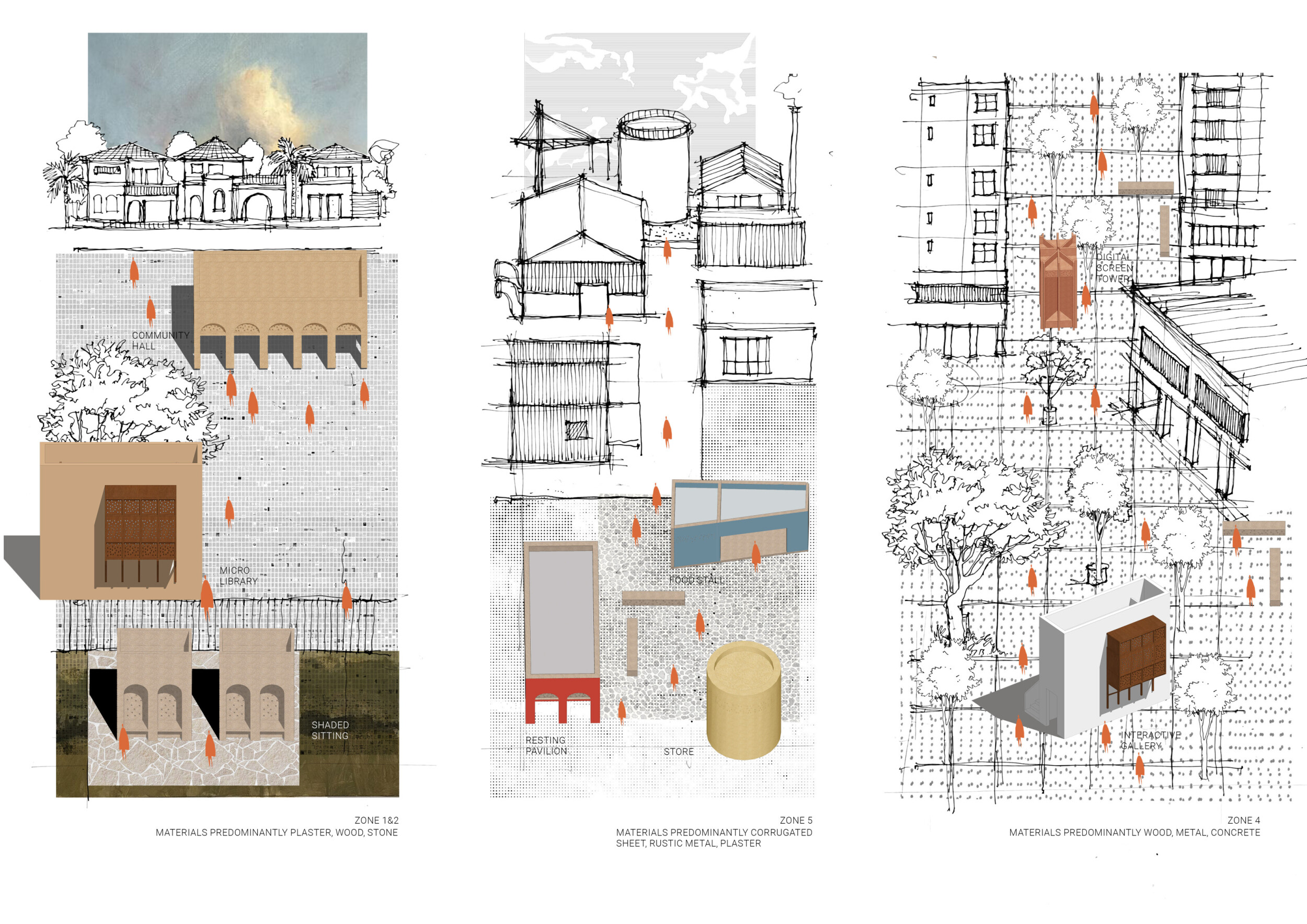

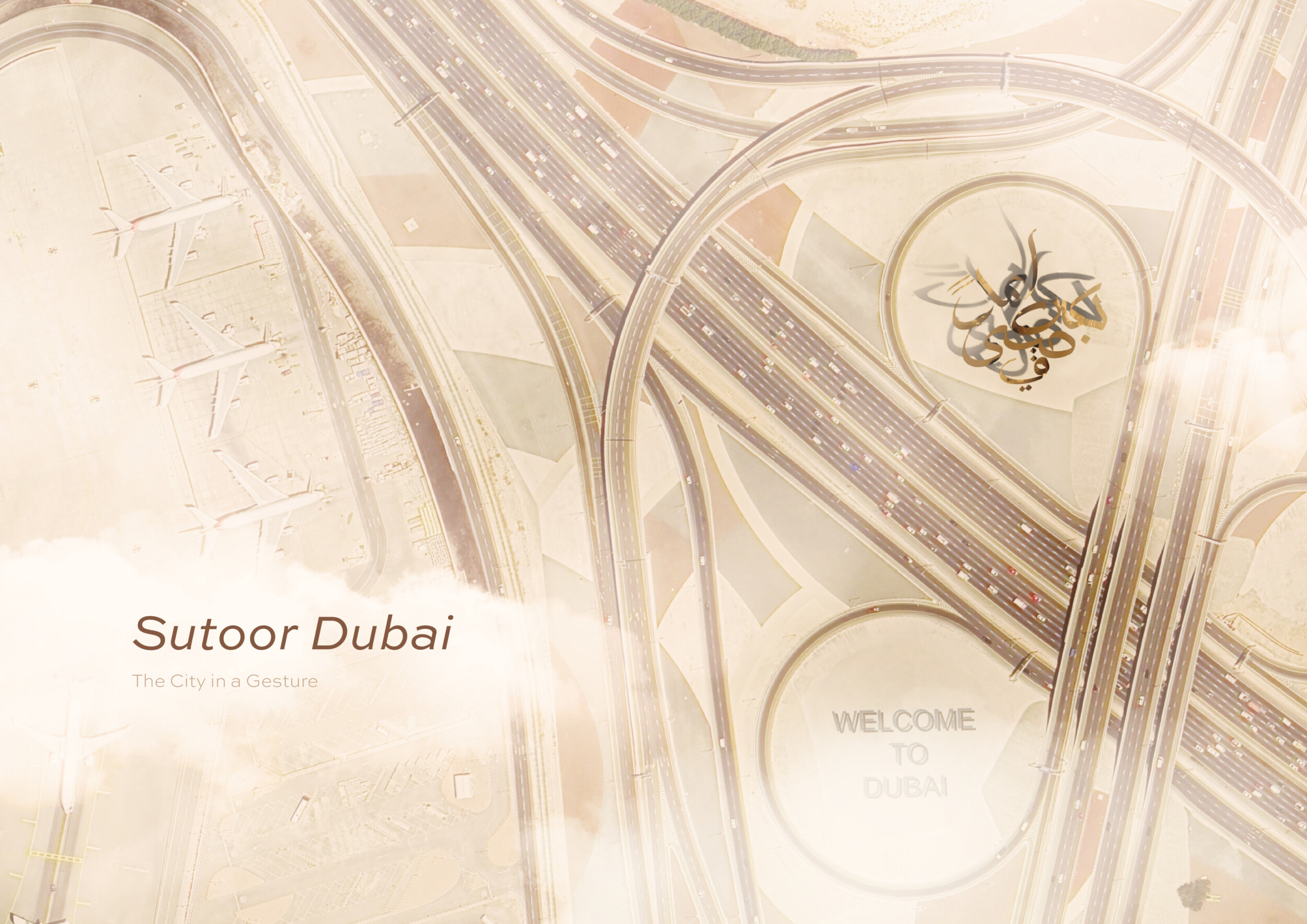
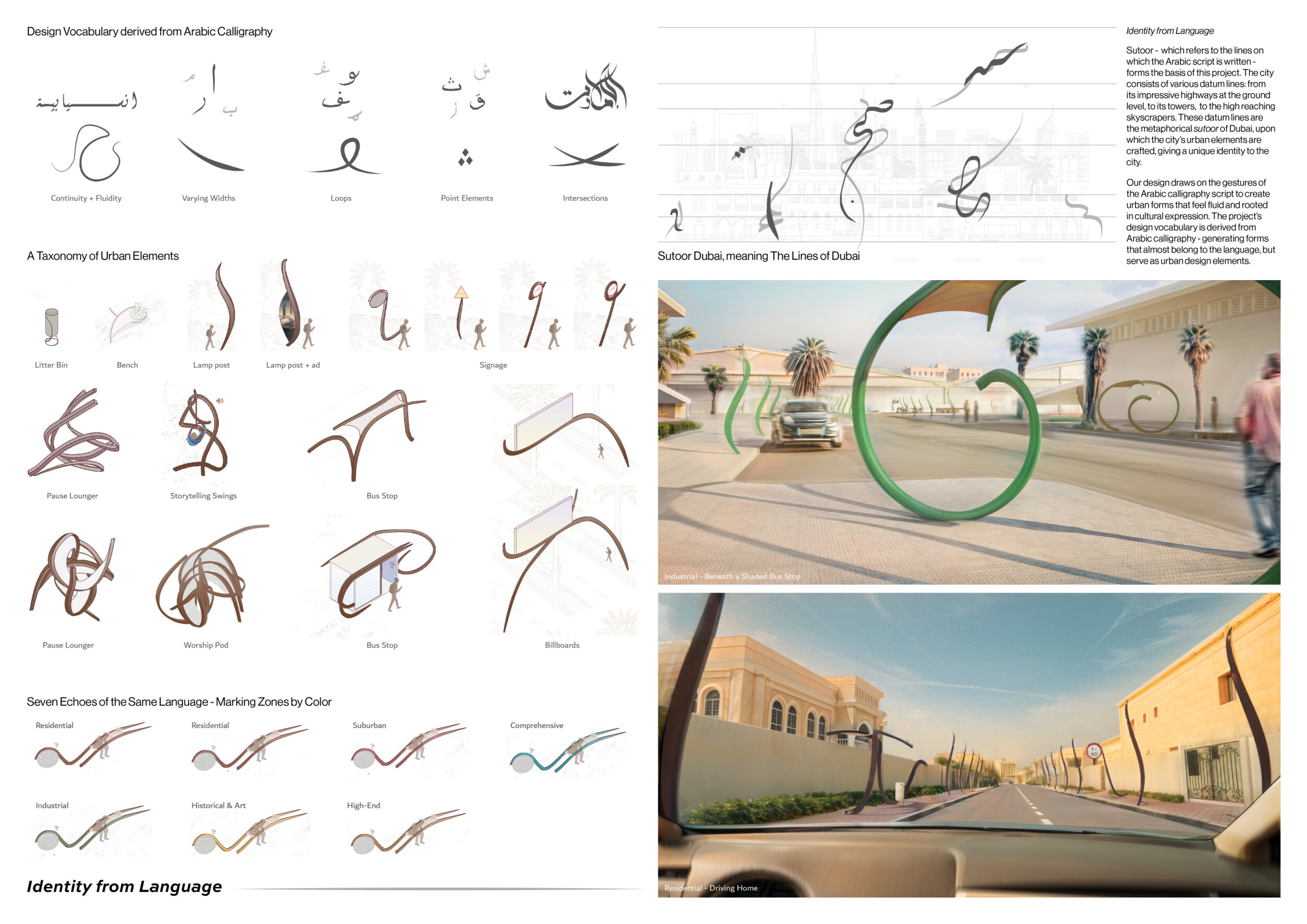
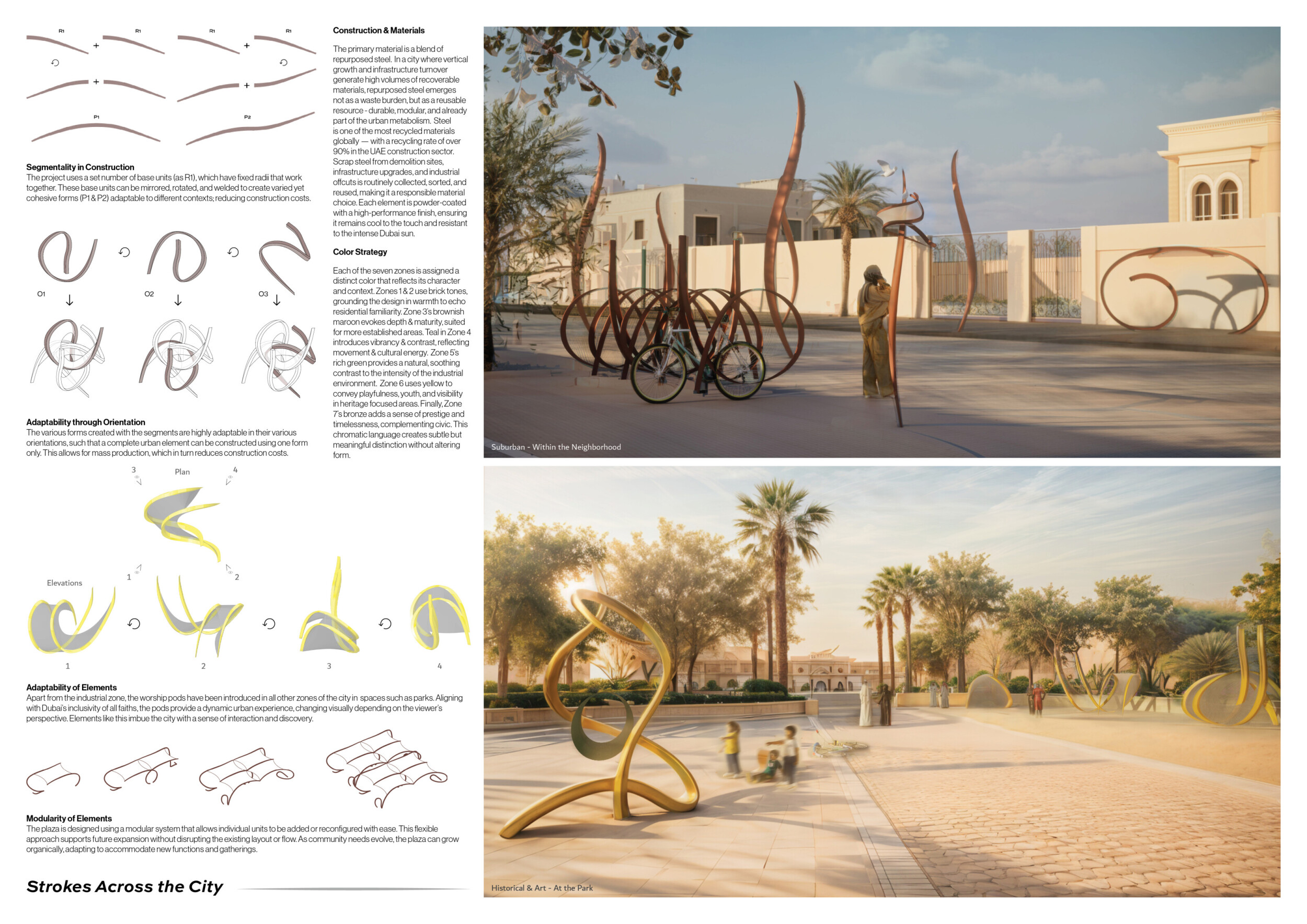
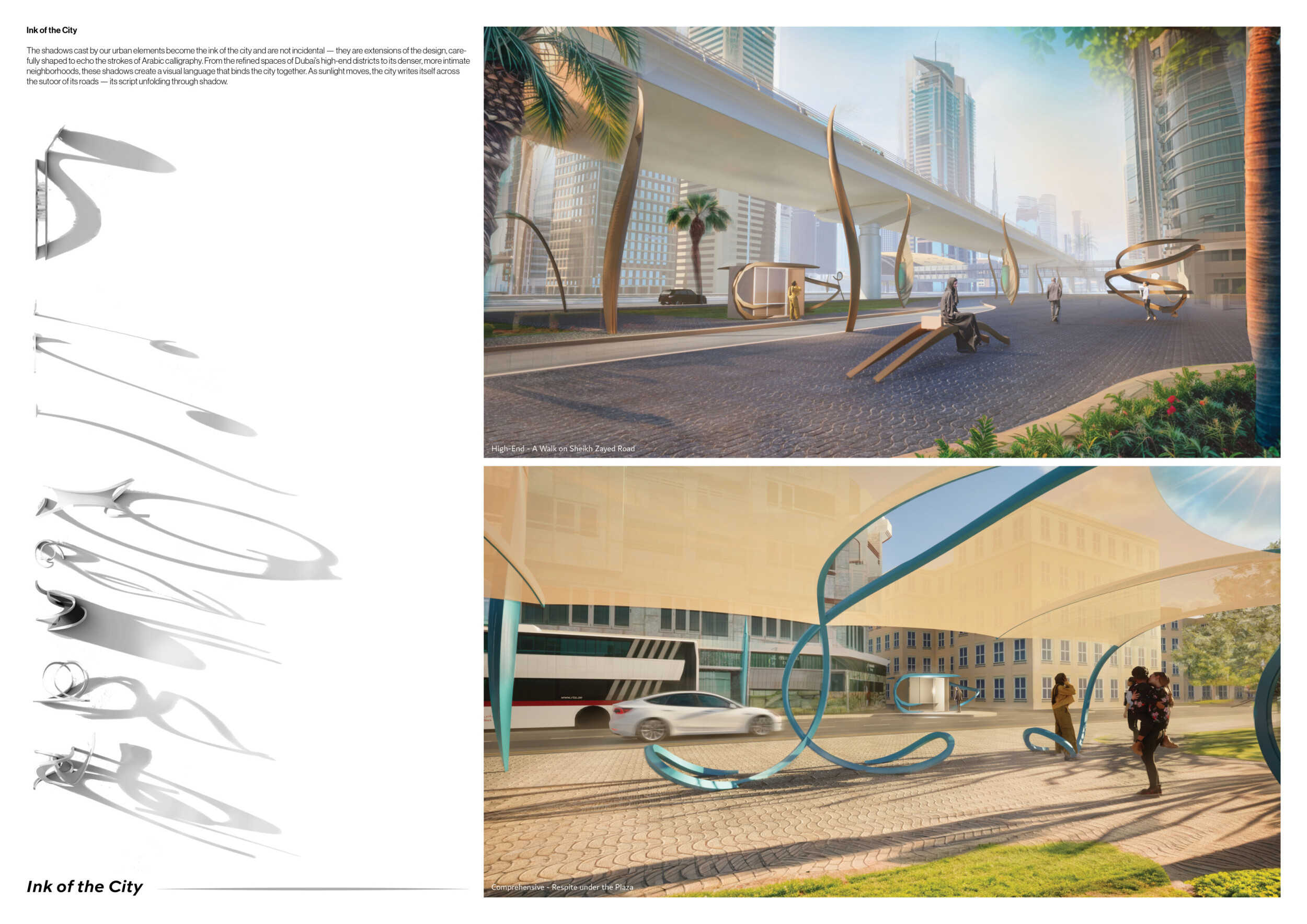
Sutoor Dubai
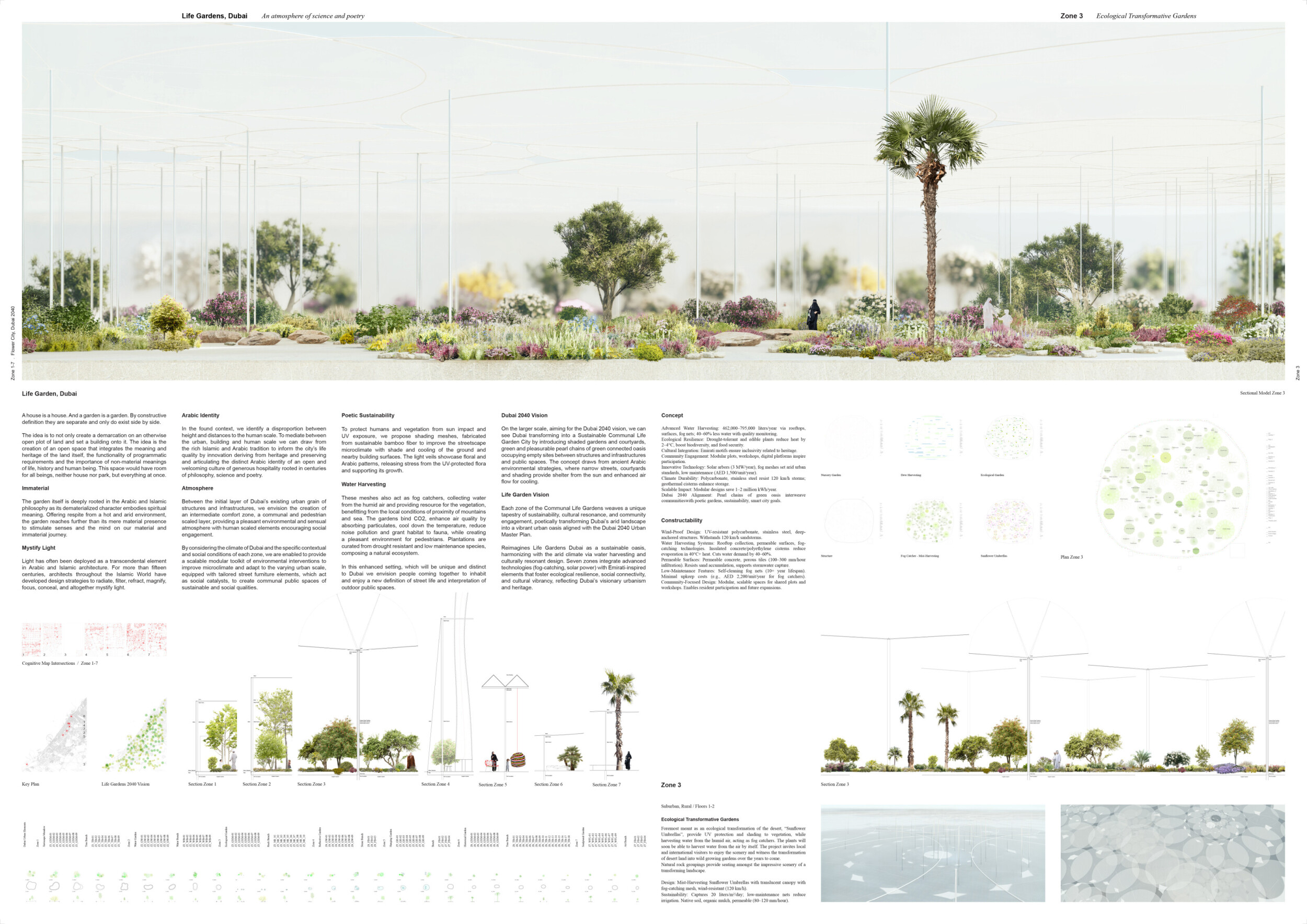
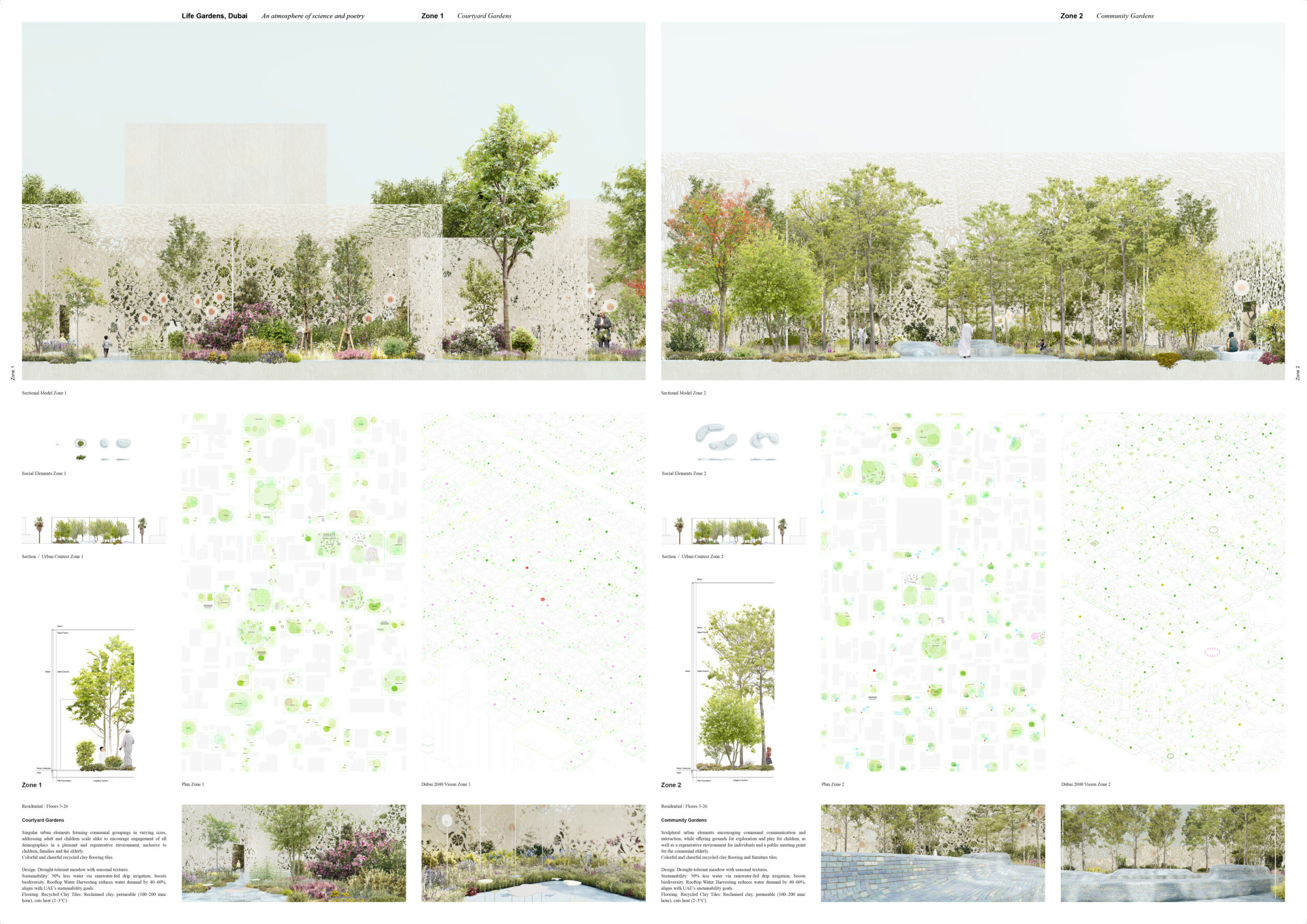
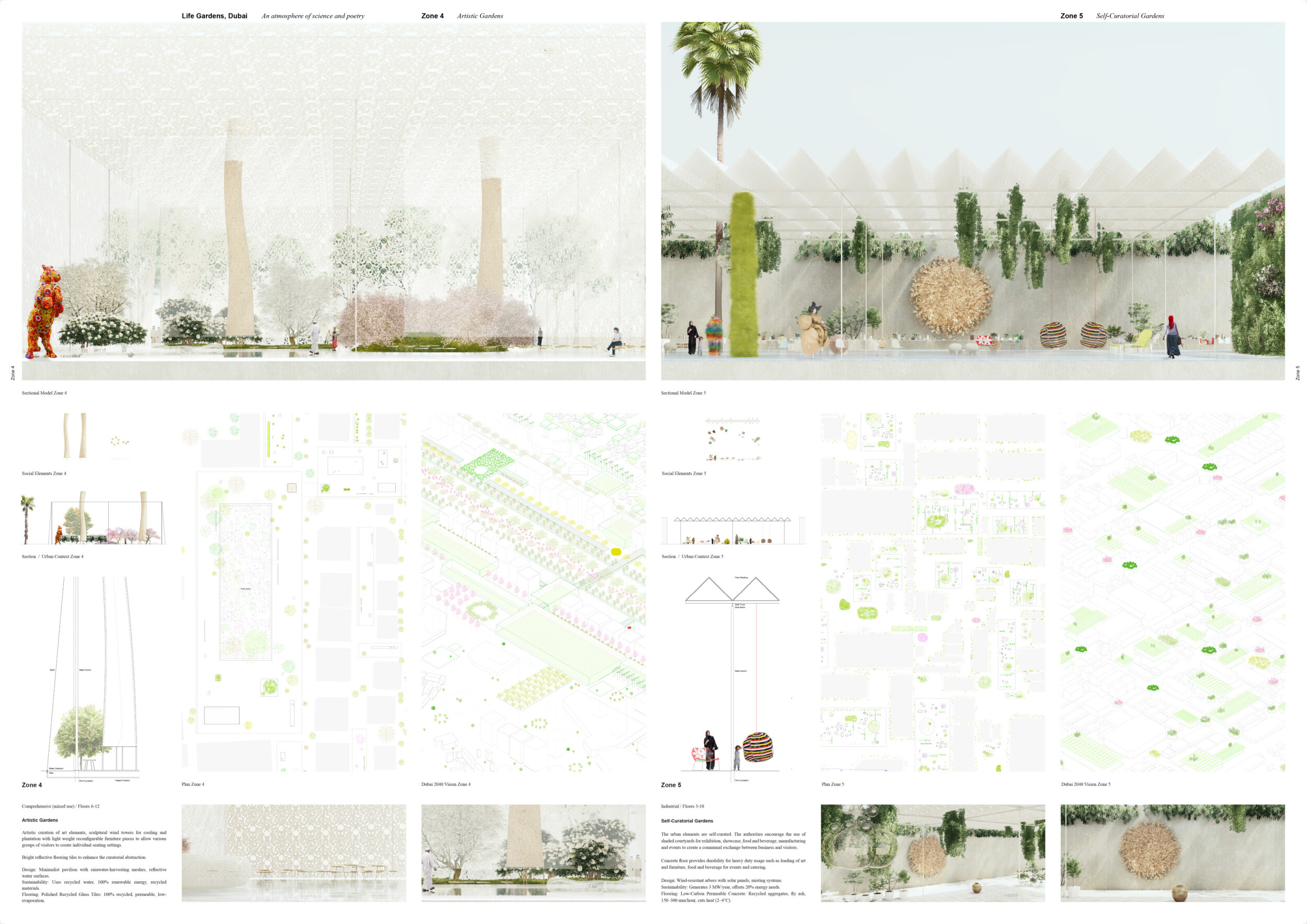
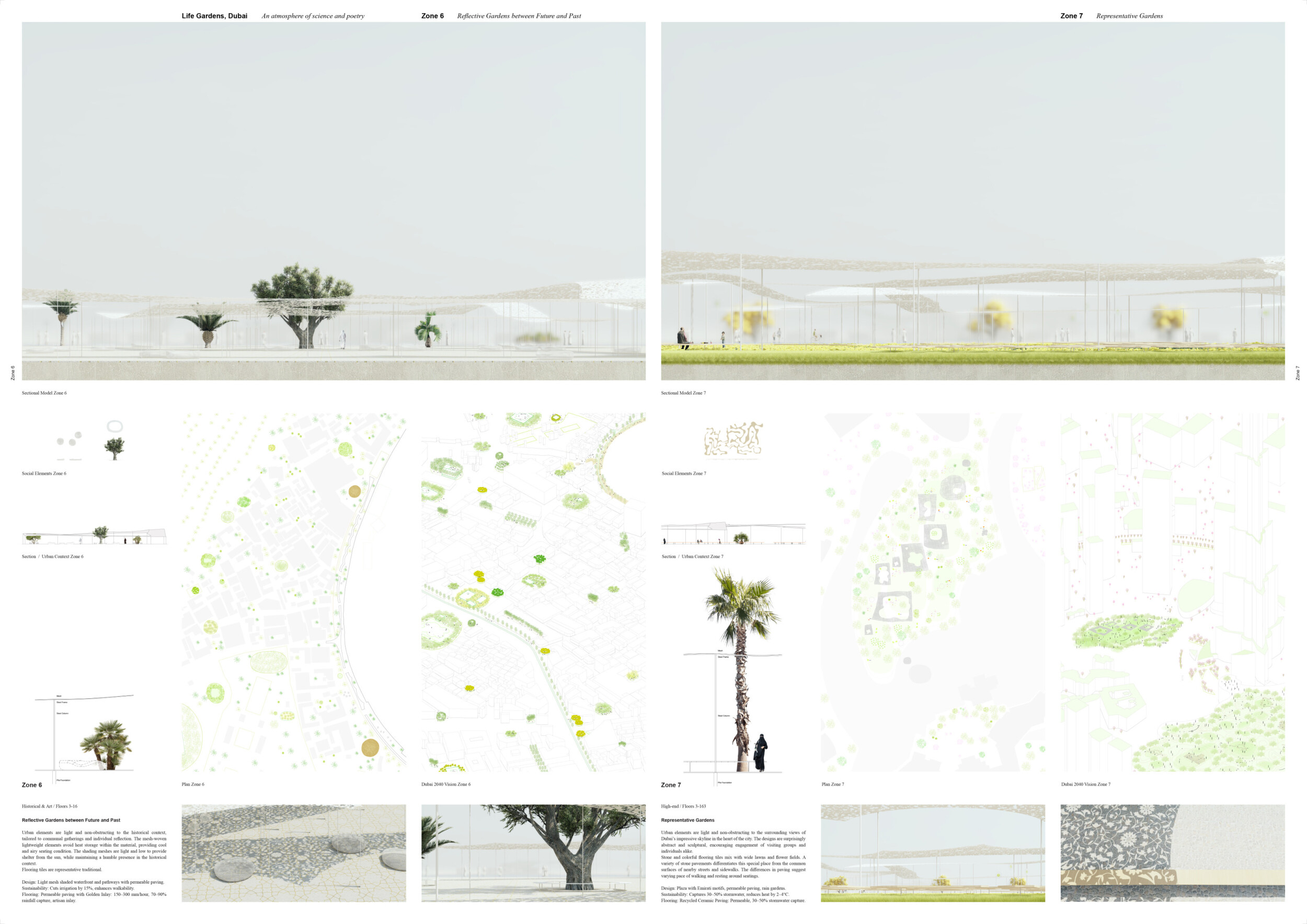
Life Gardens, Dubai
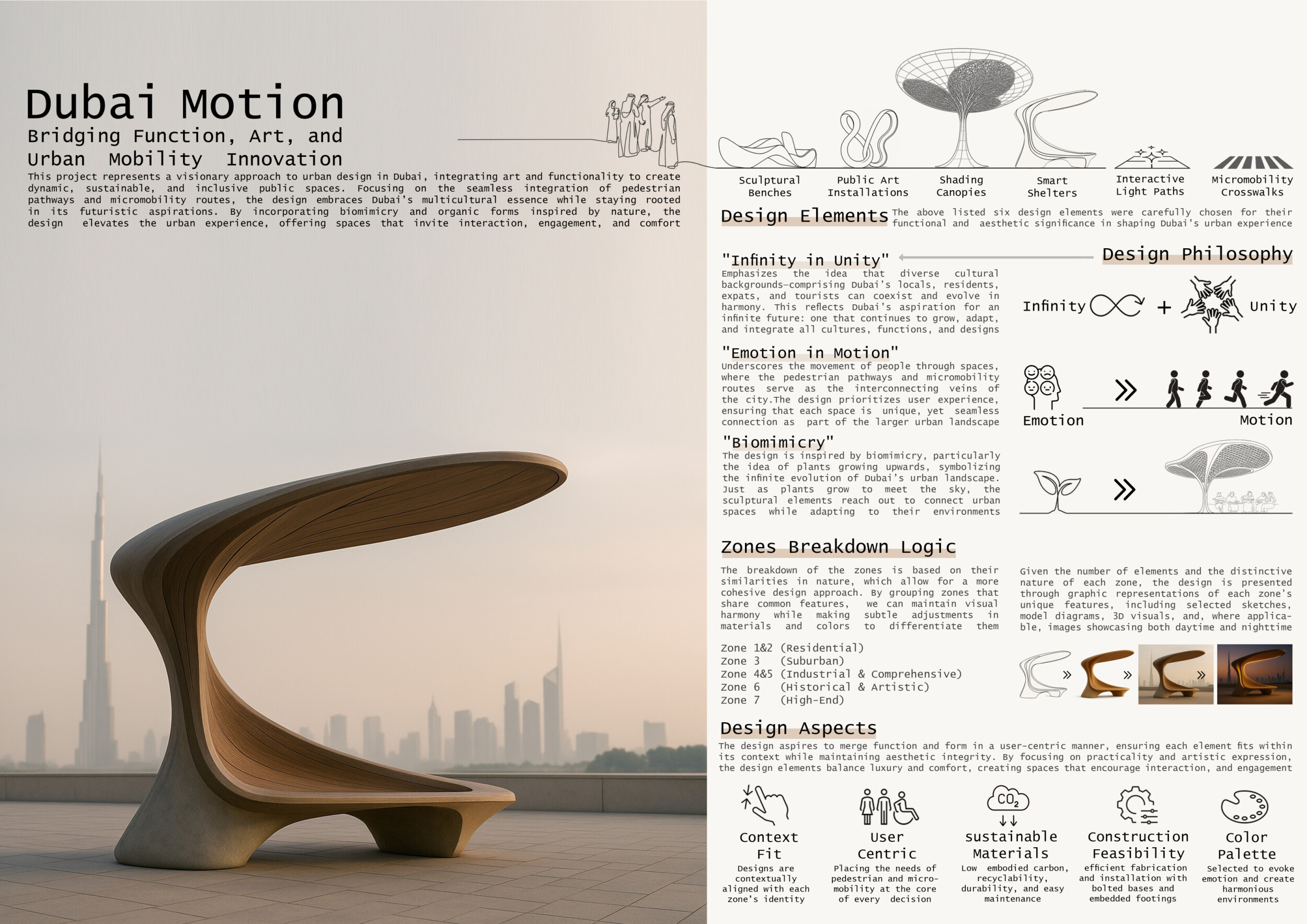
Dubai Motion
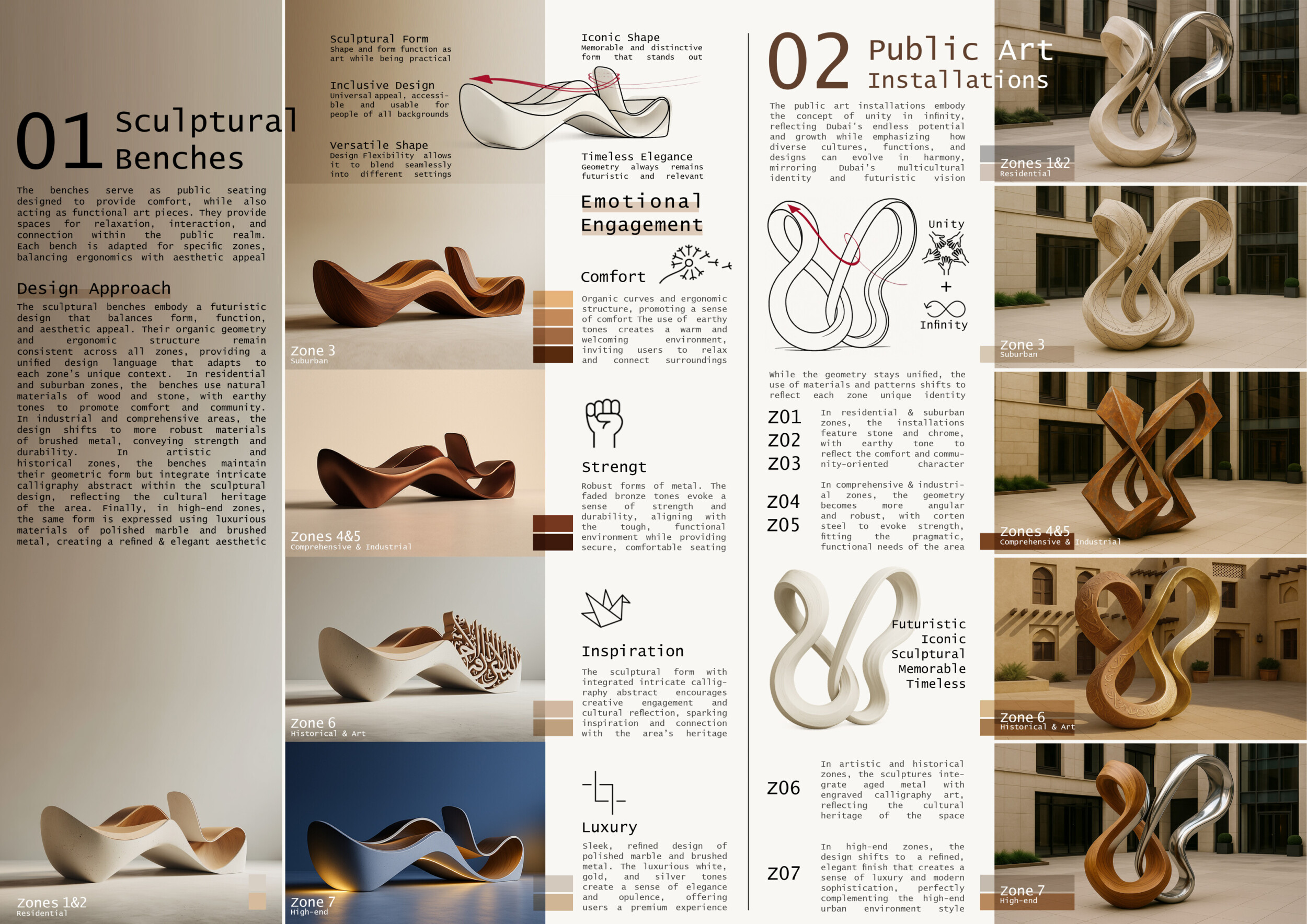
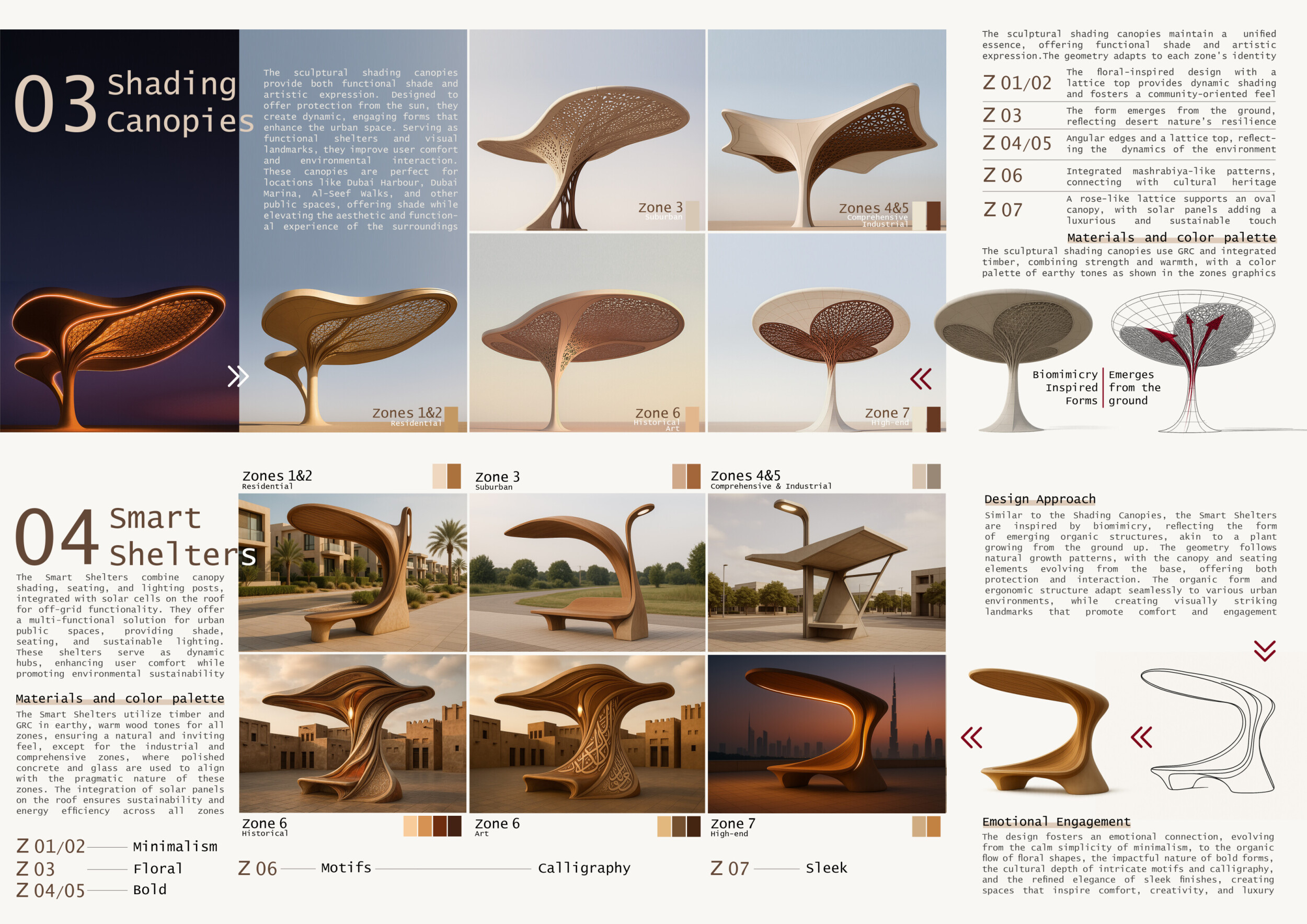
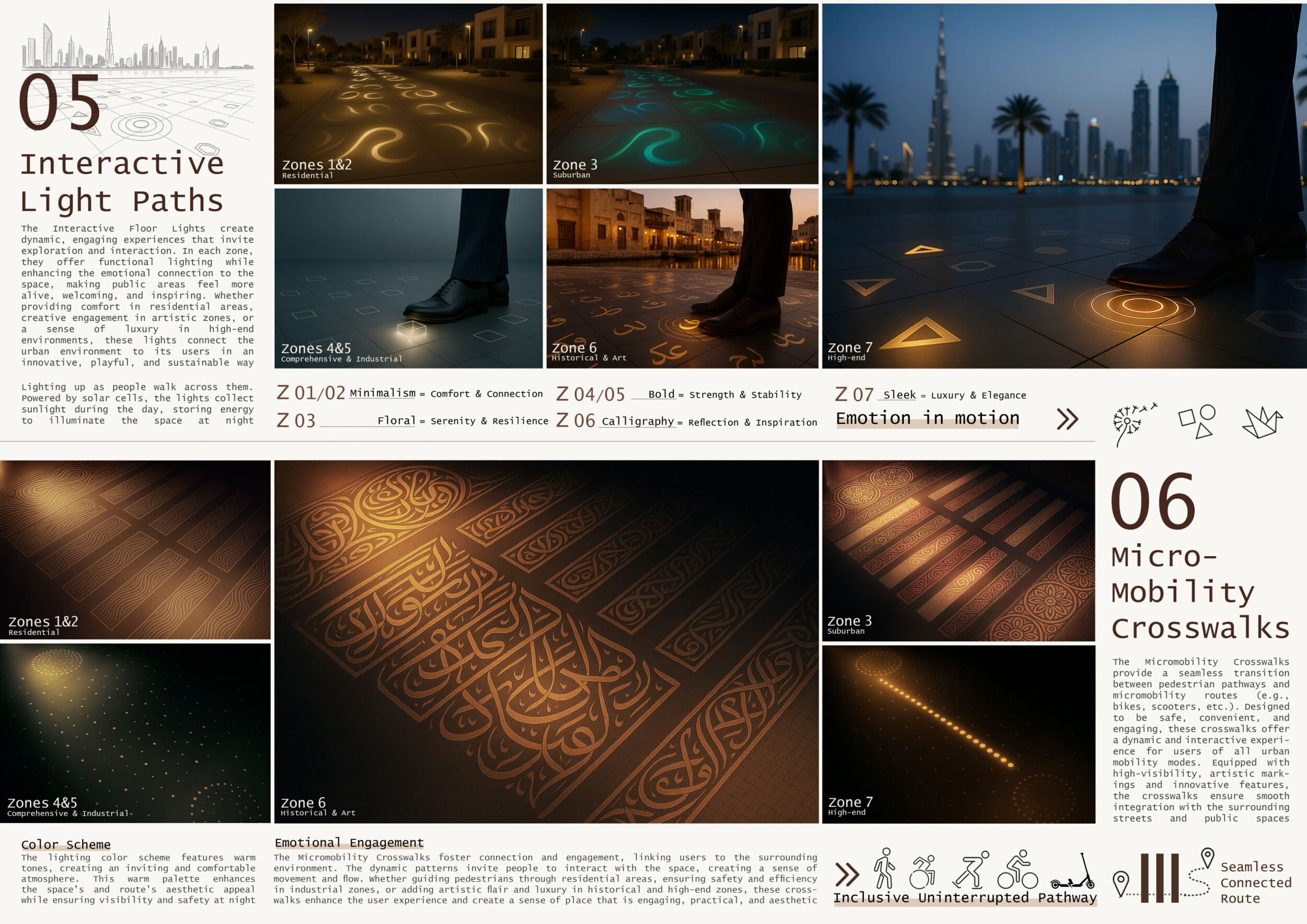
DubAI
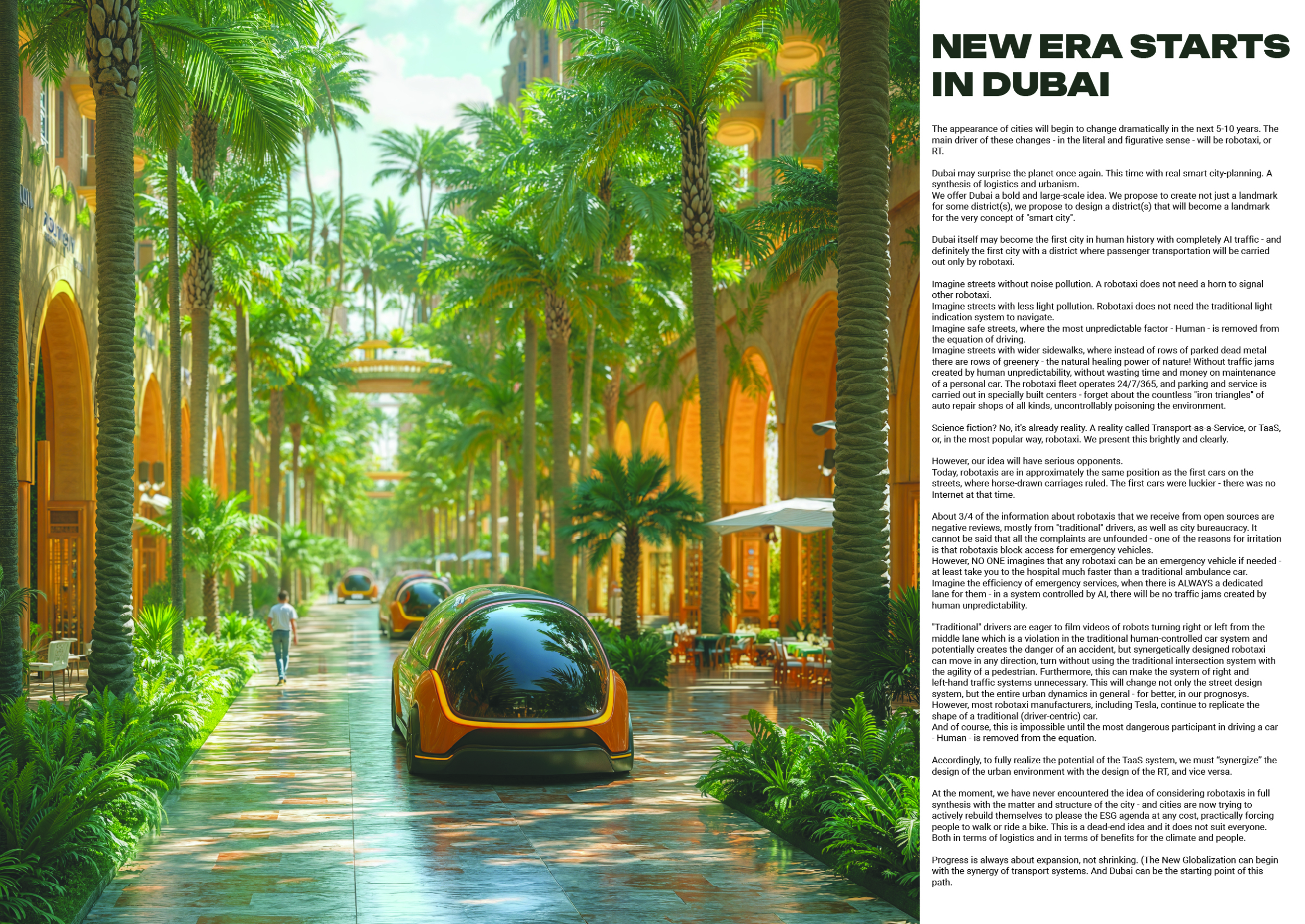
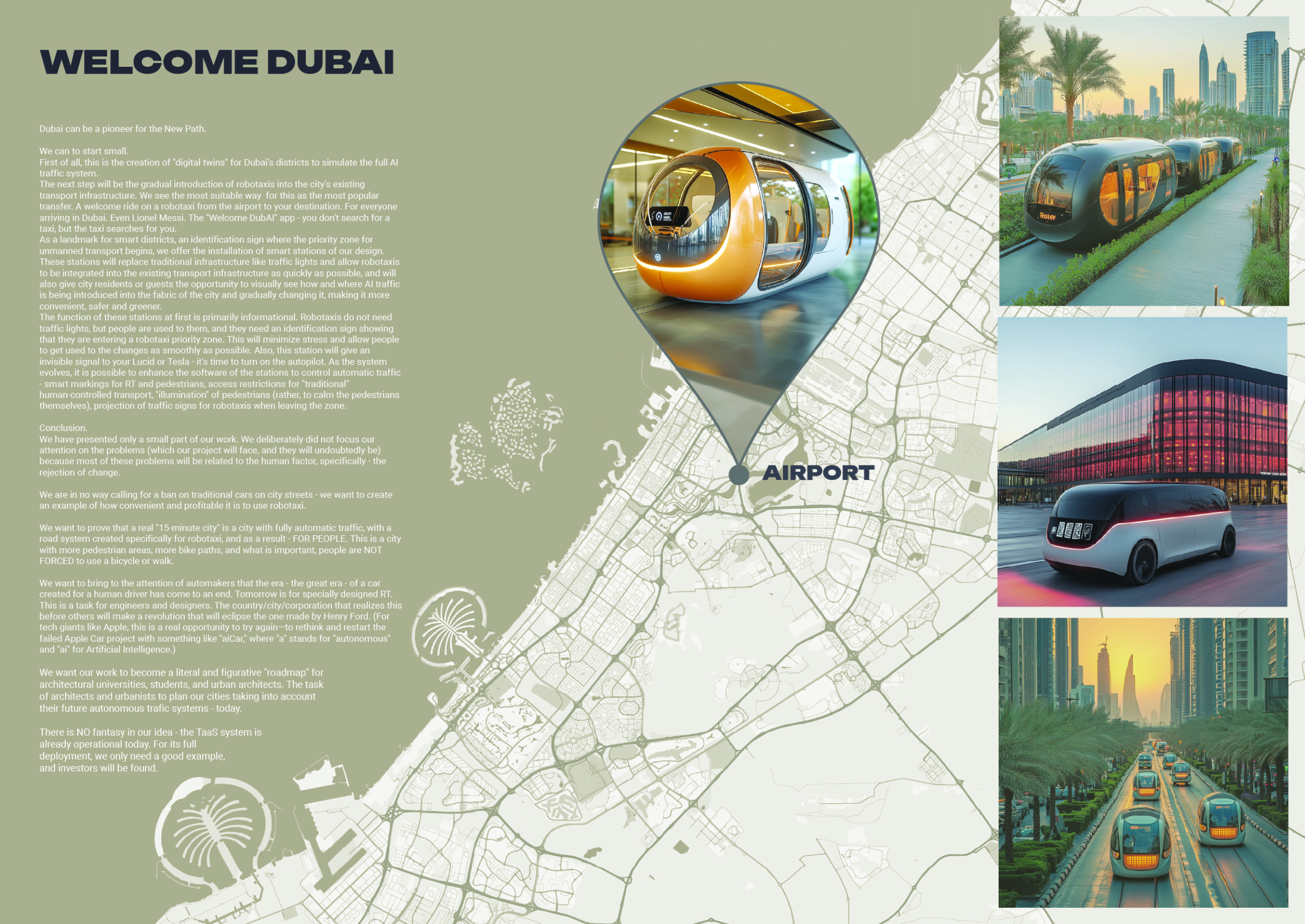
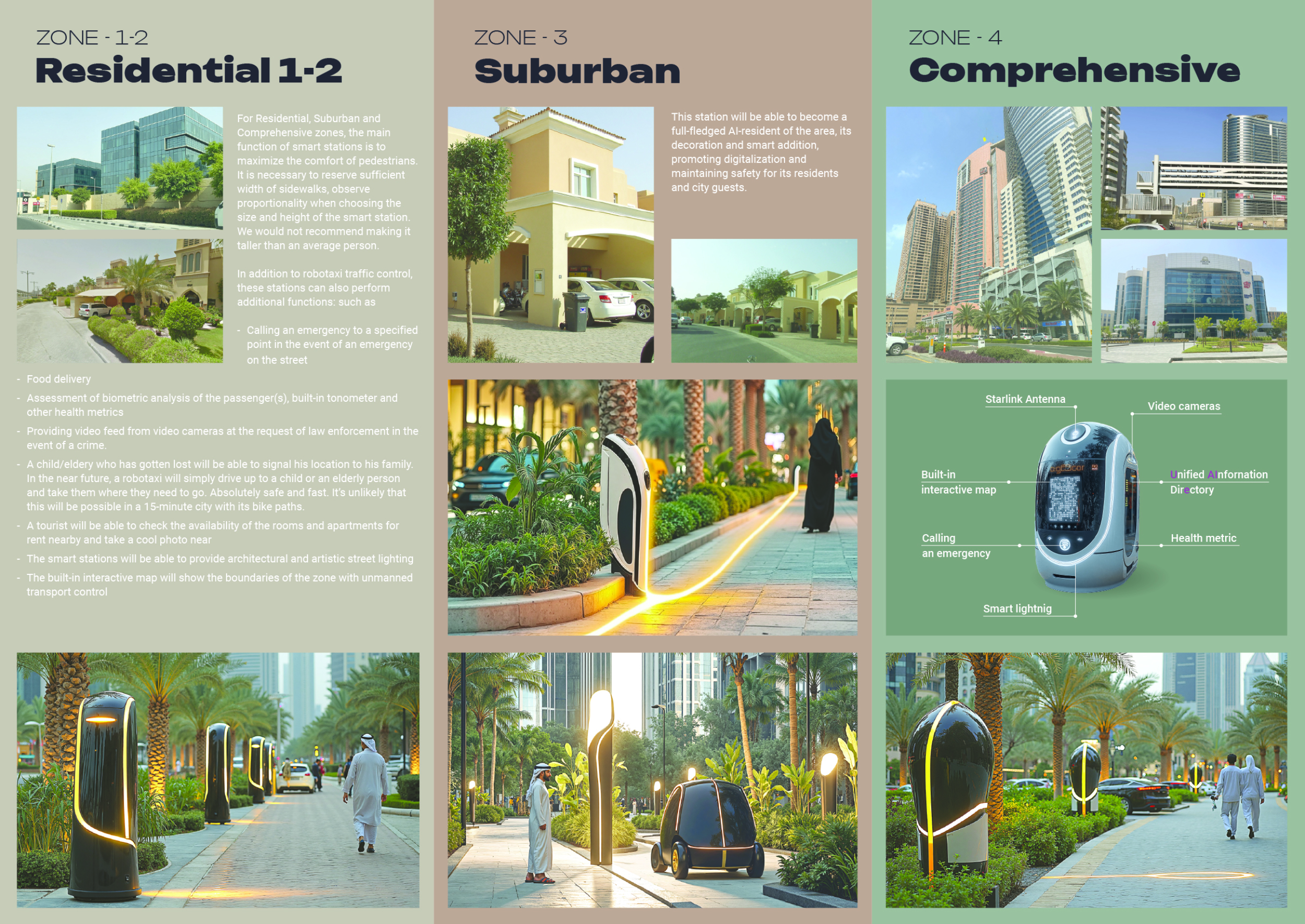
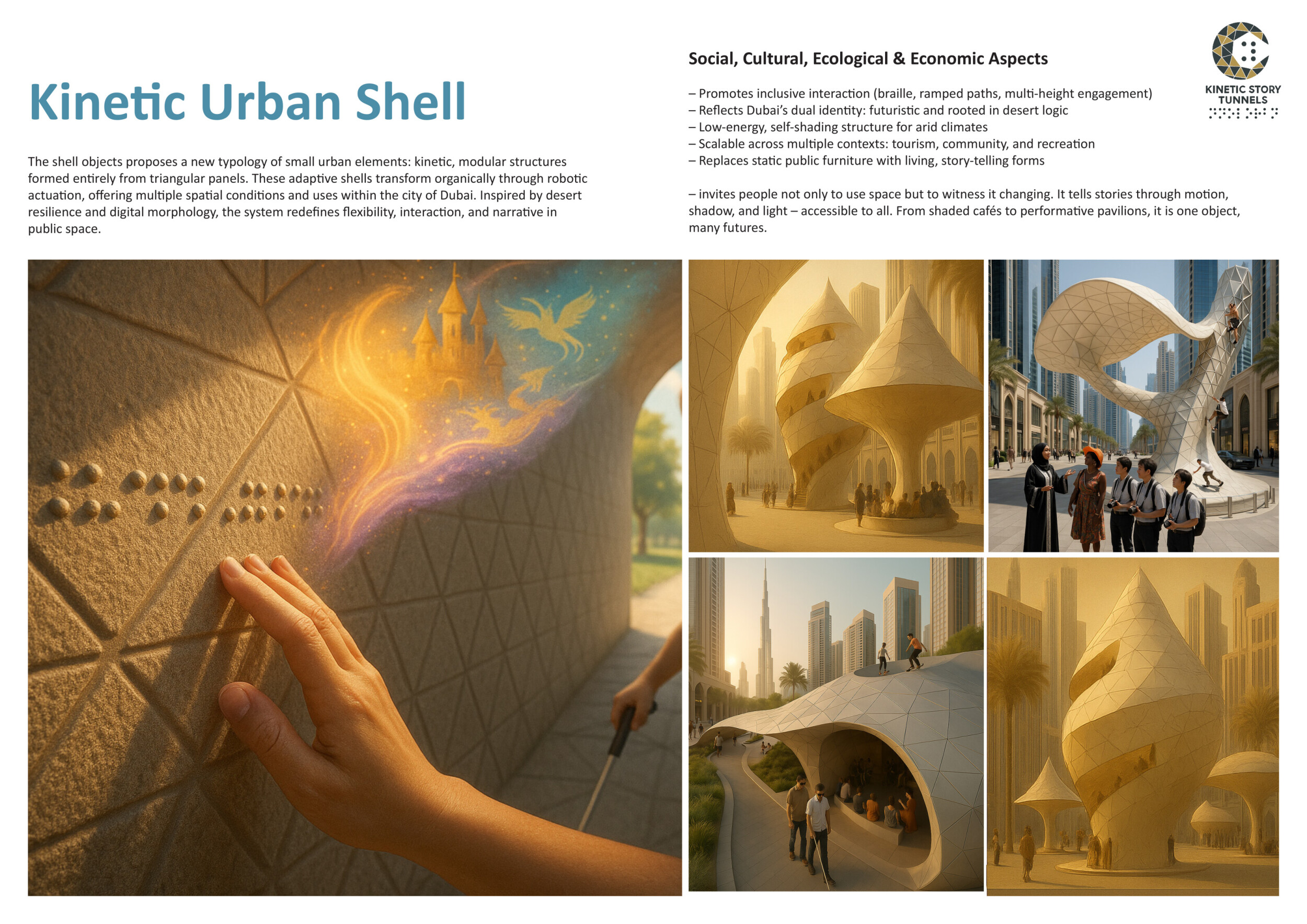
Kinetic Urban Shell
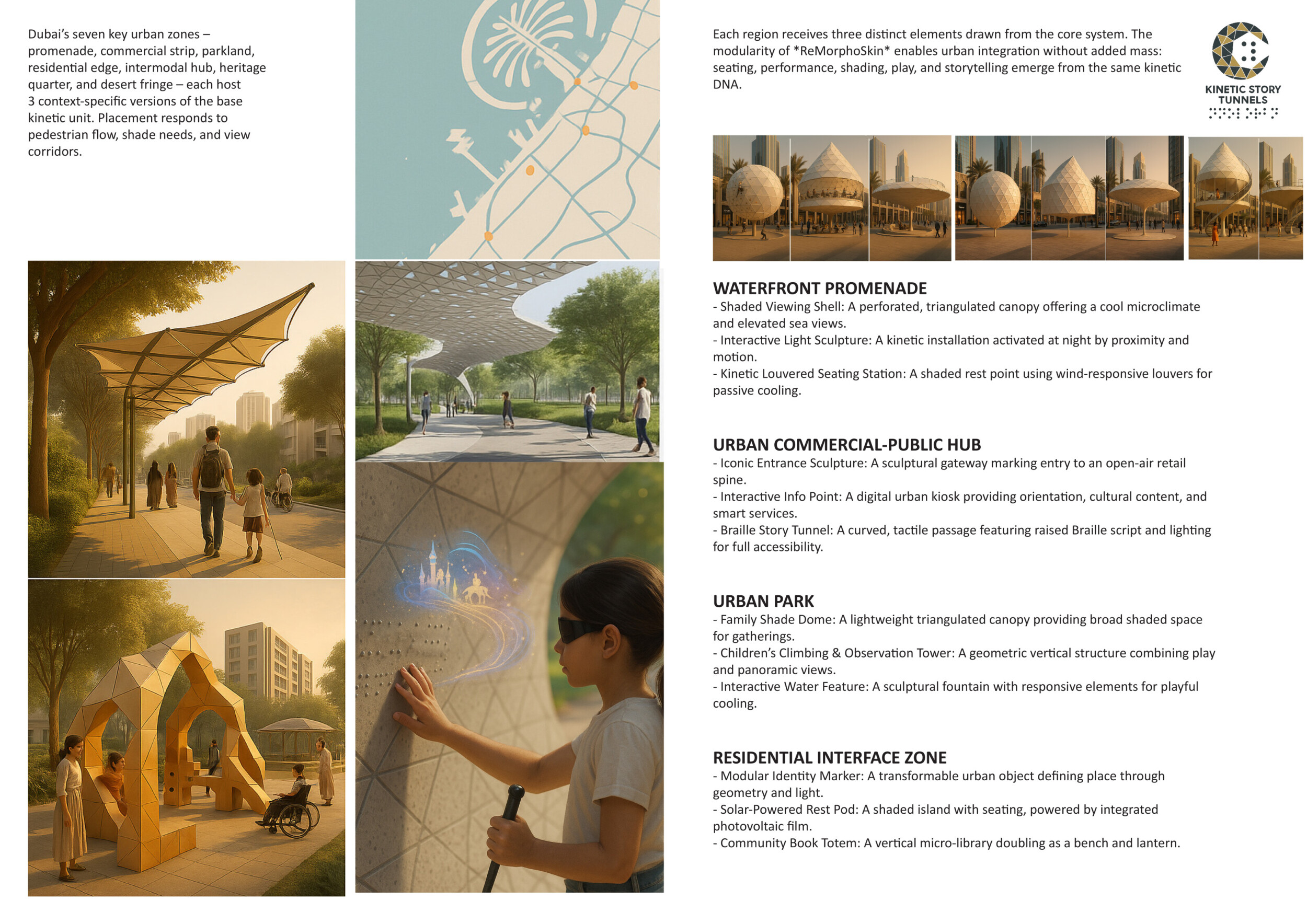
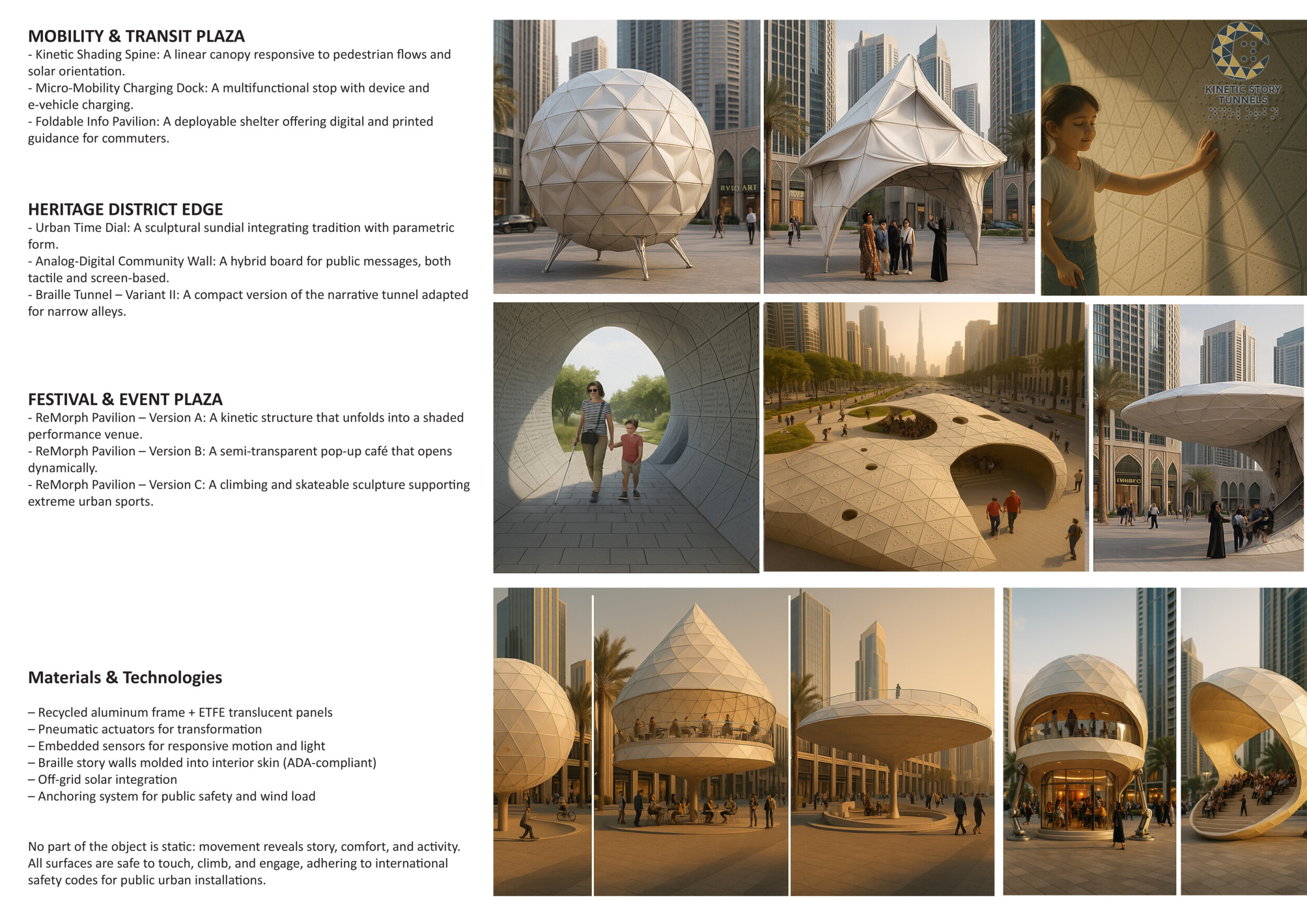
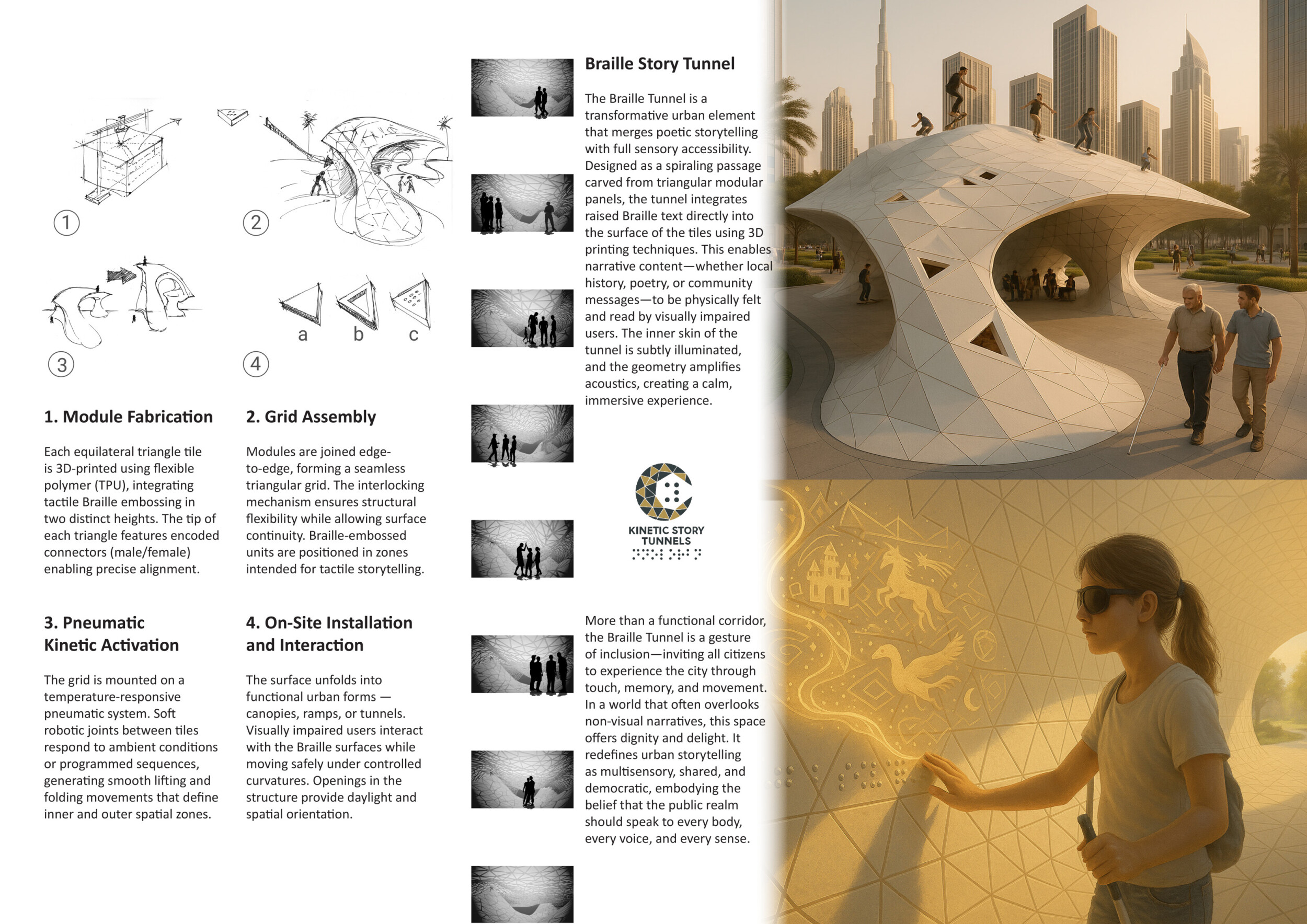

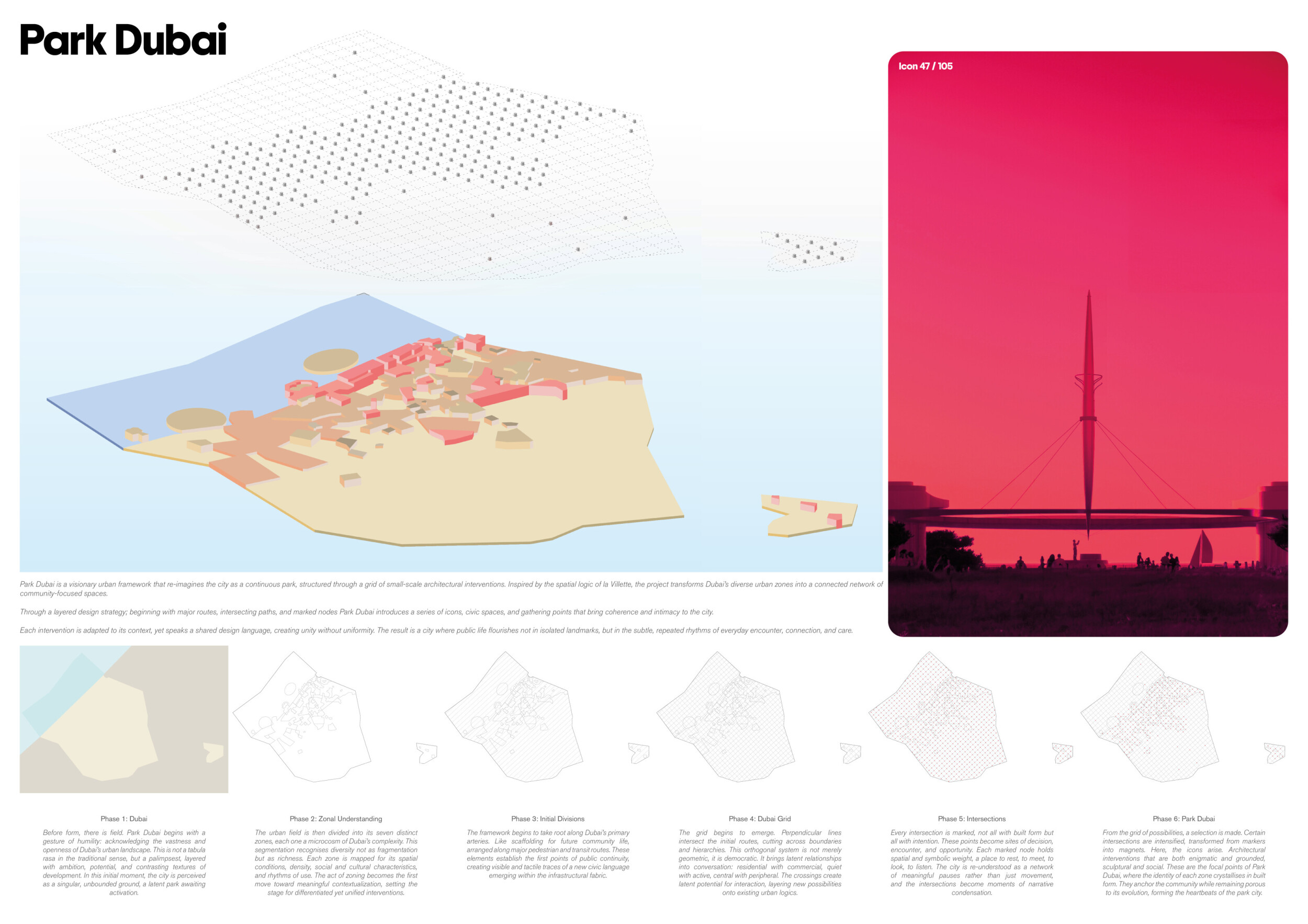
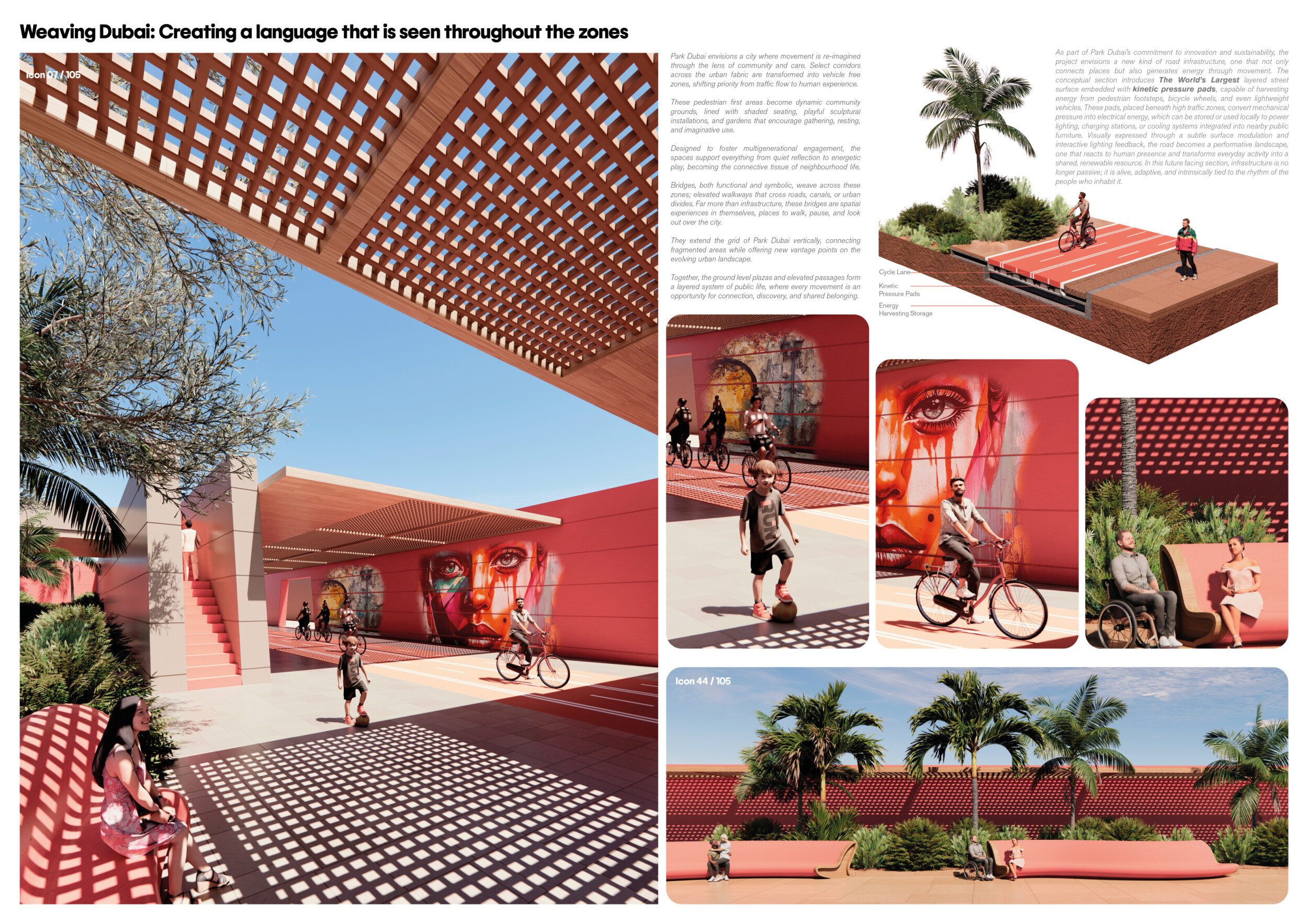
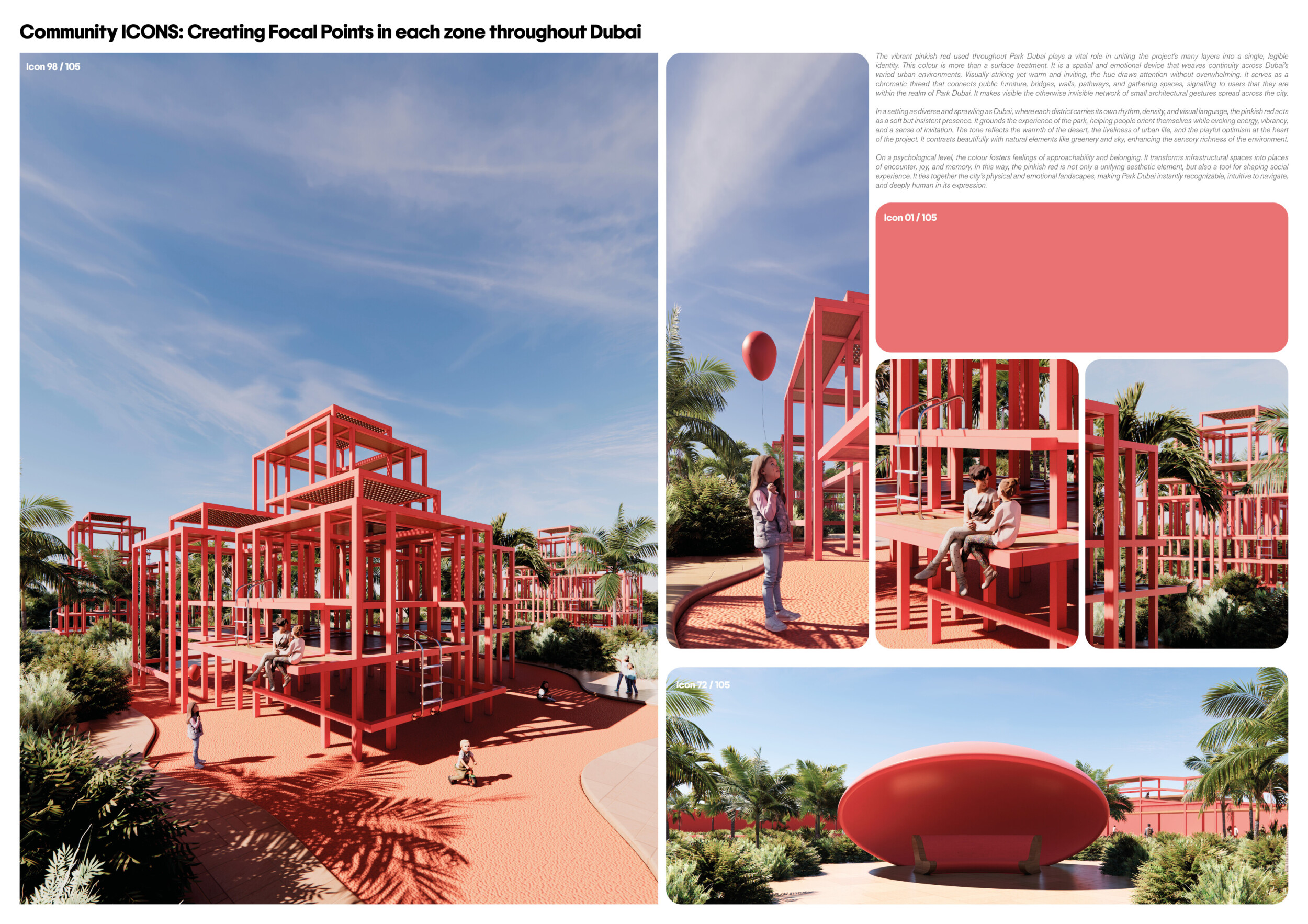
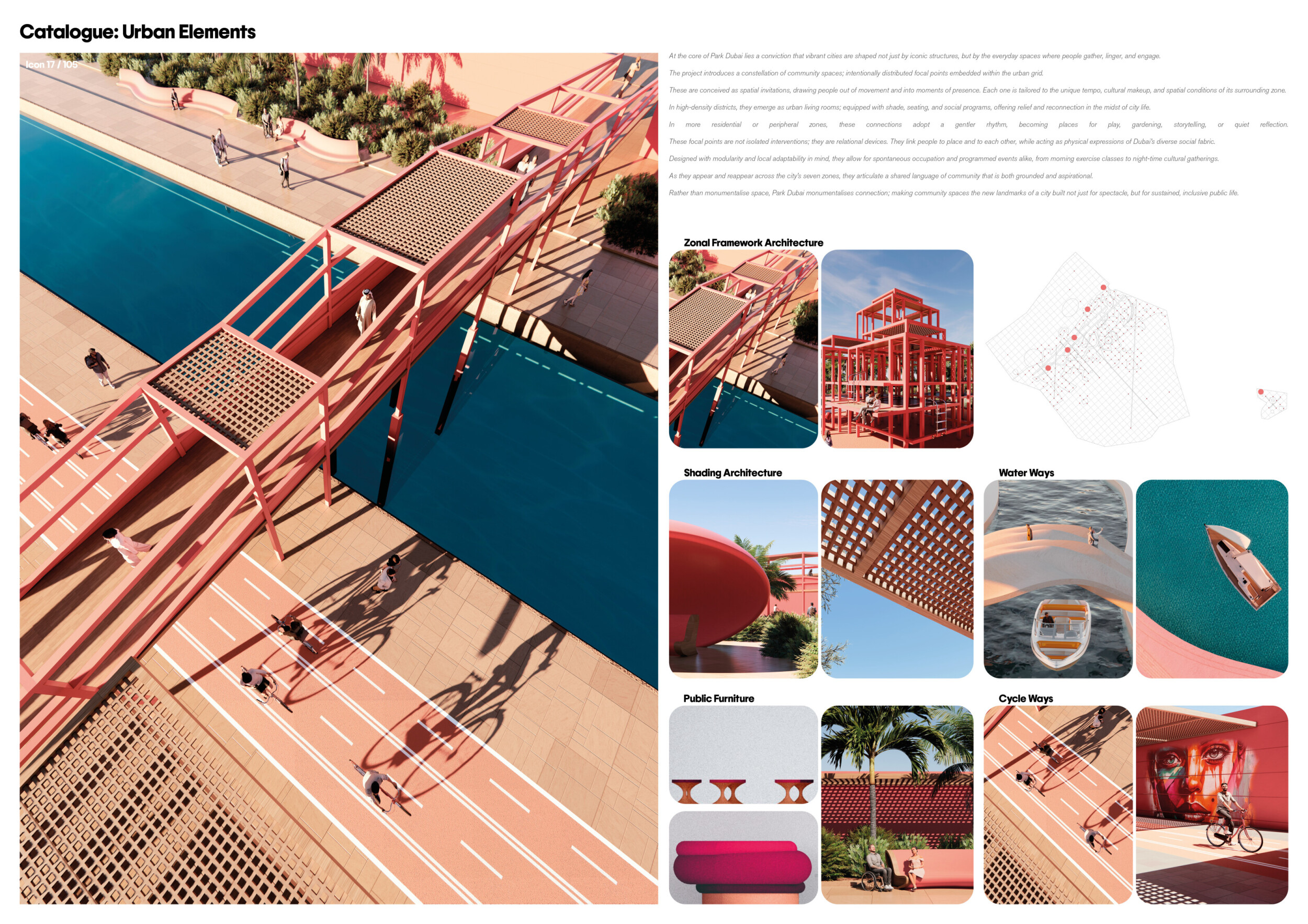
Park Dubai
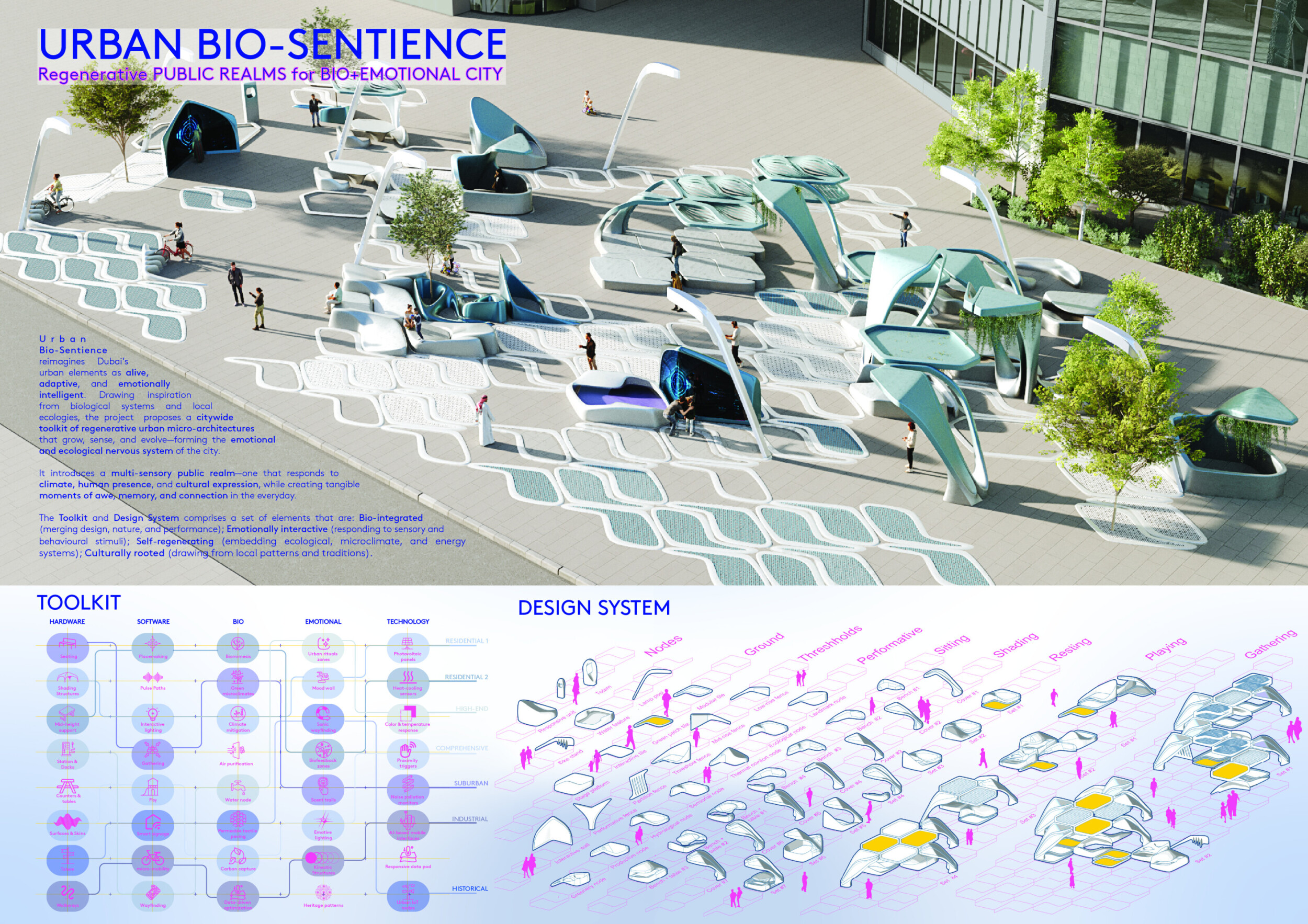
URBAN BIO-SENTIENCE: Regenerative public realms for BIO + EMOTIONAL City
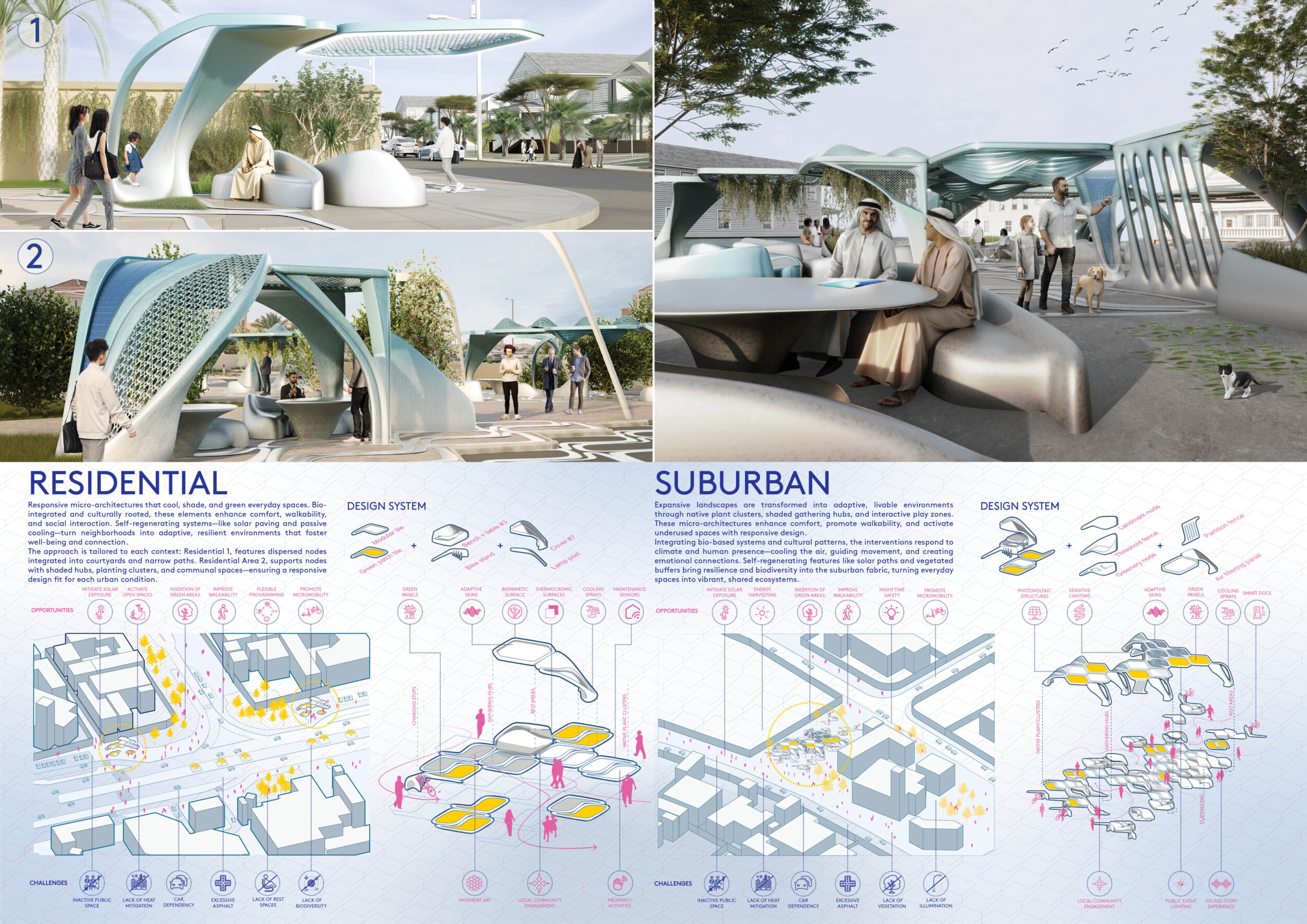
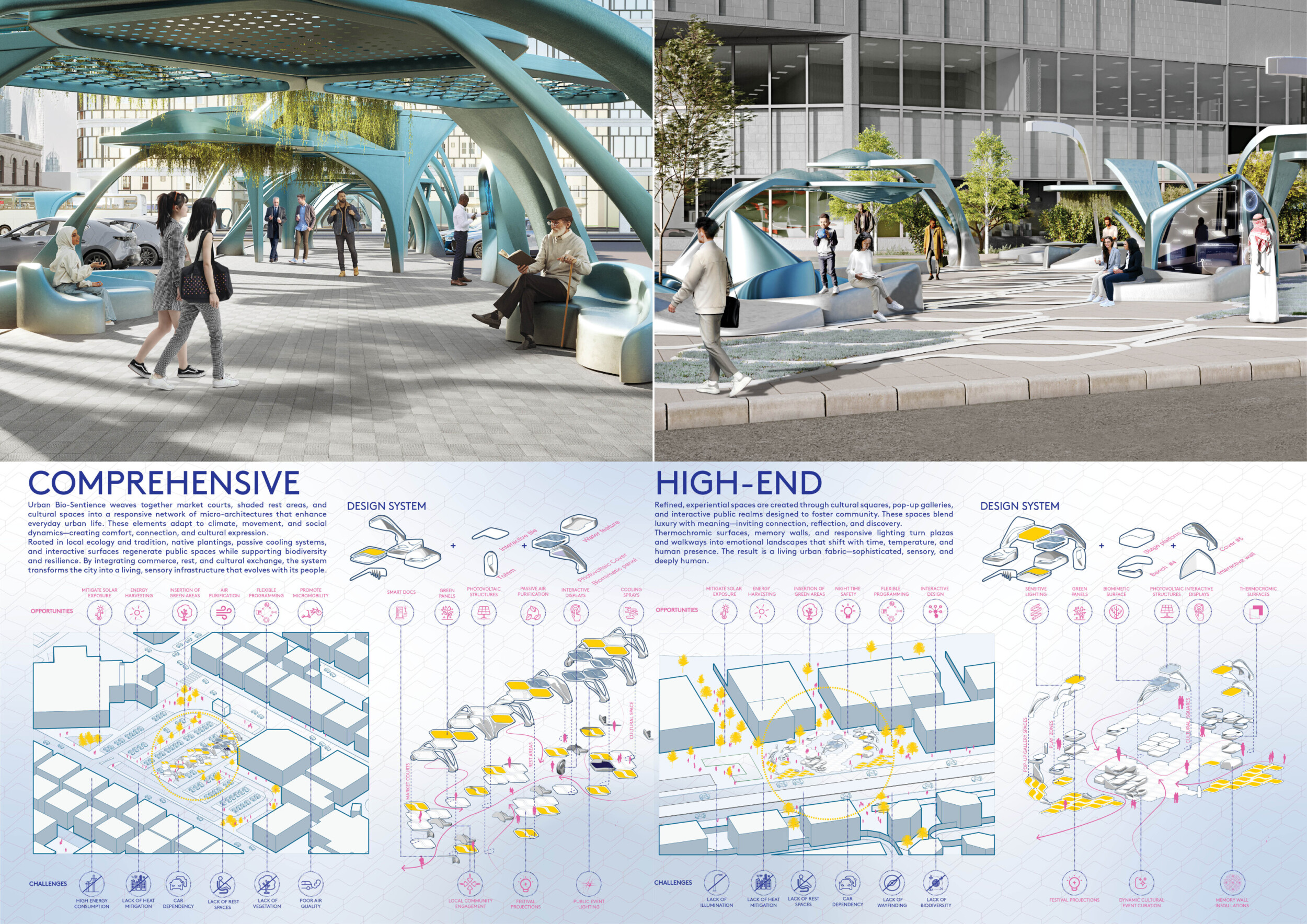
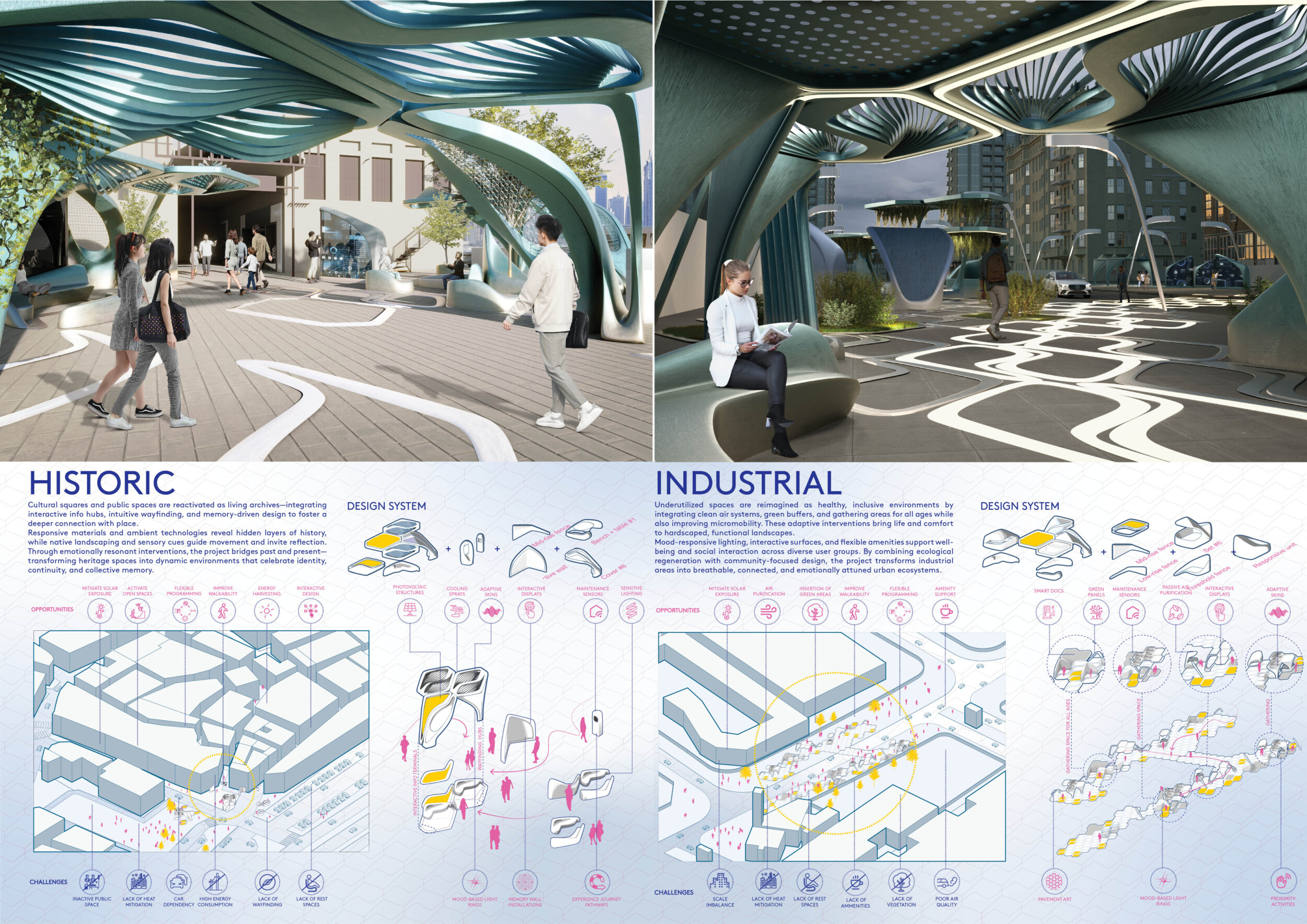
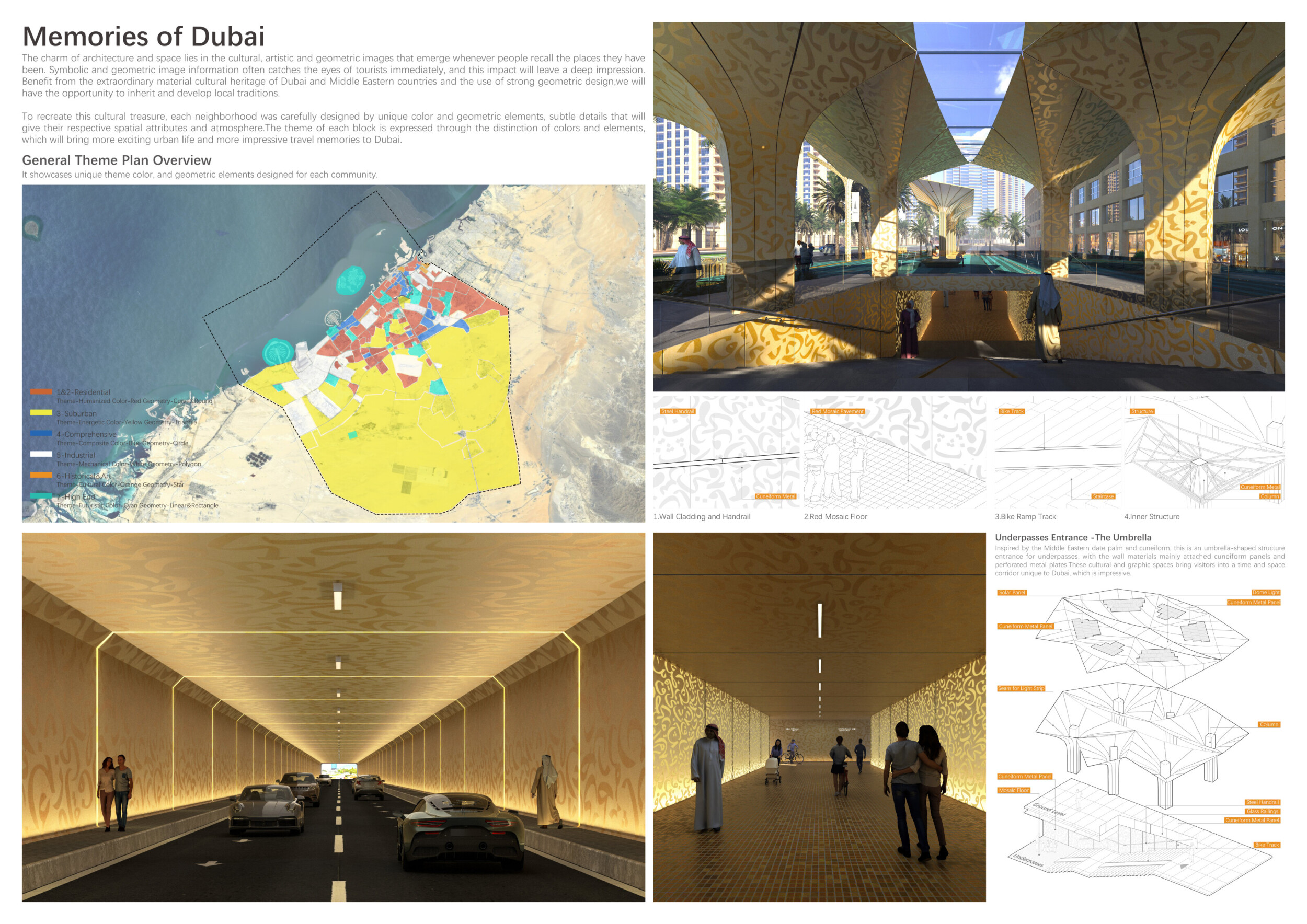
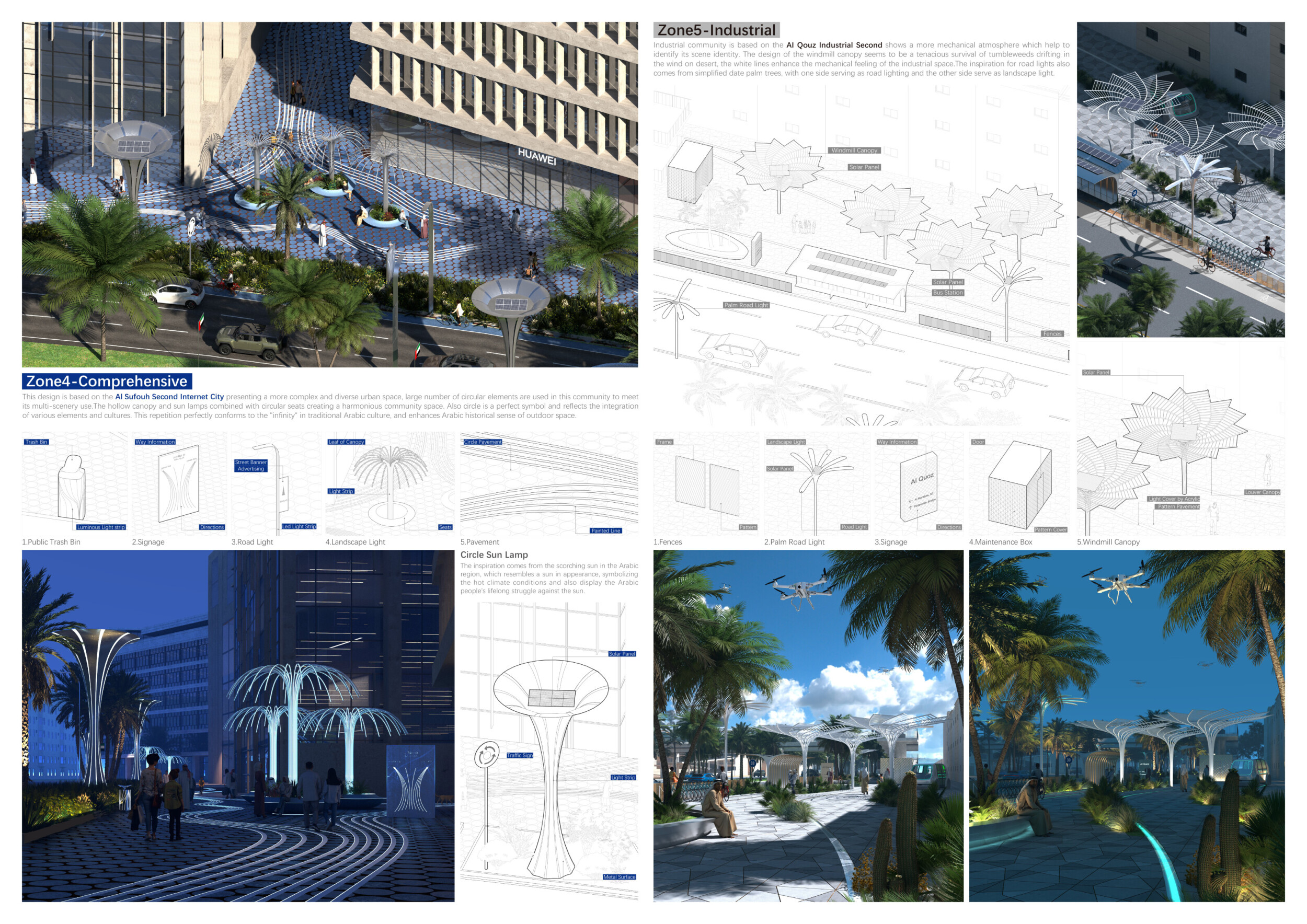
Memories of Dubai
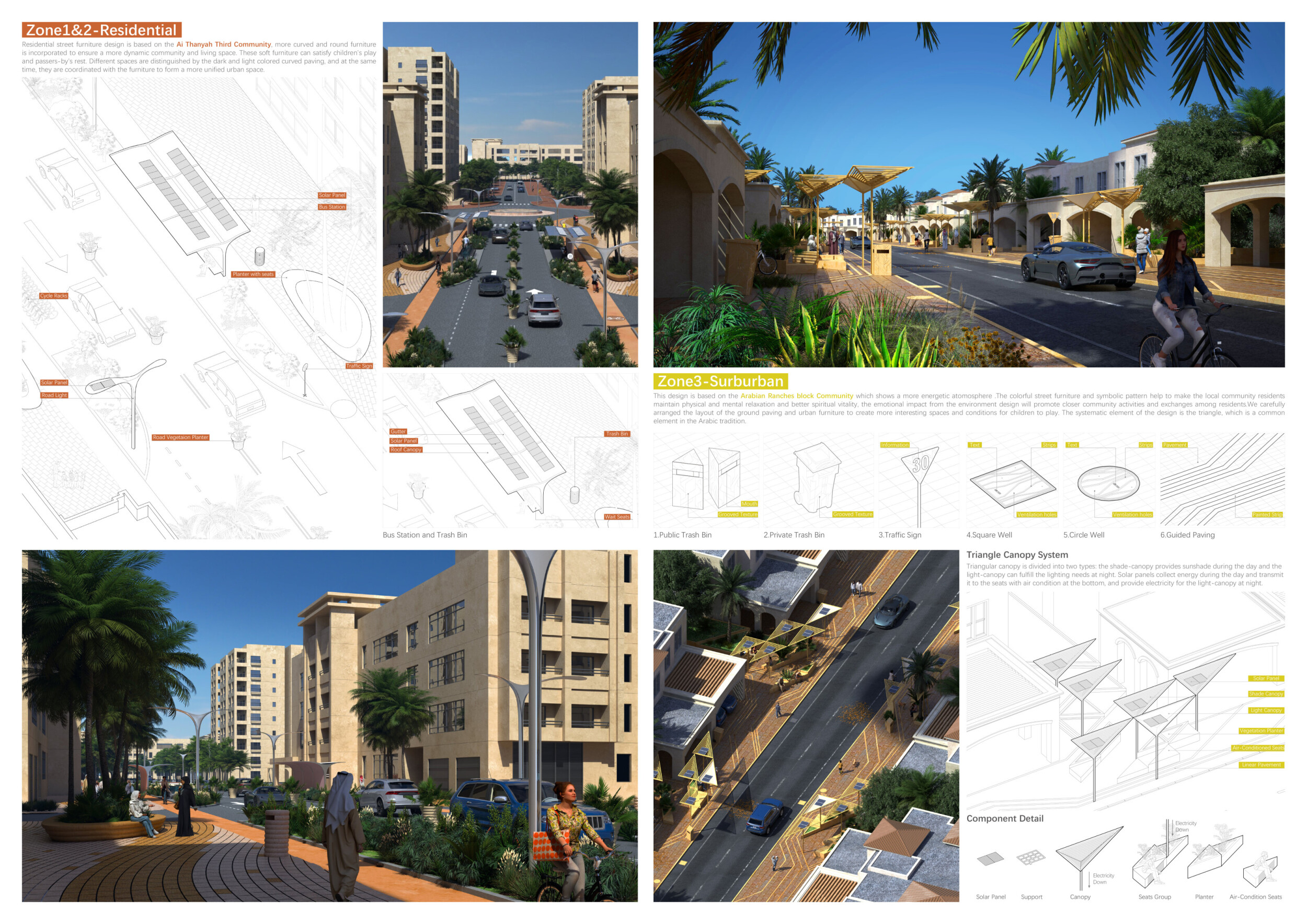
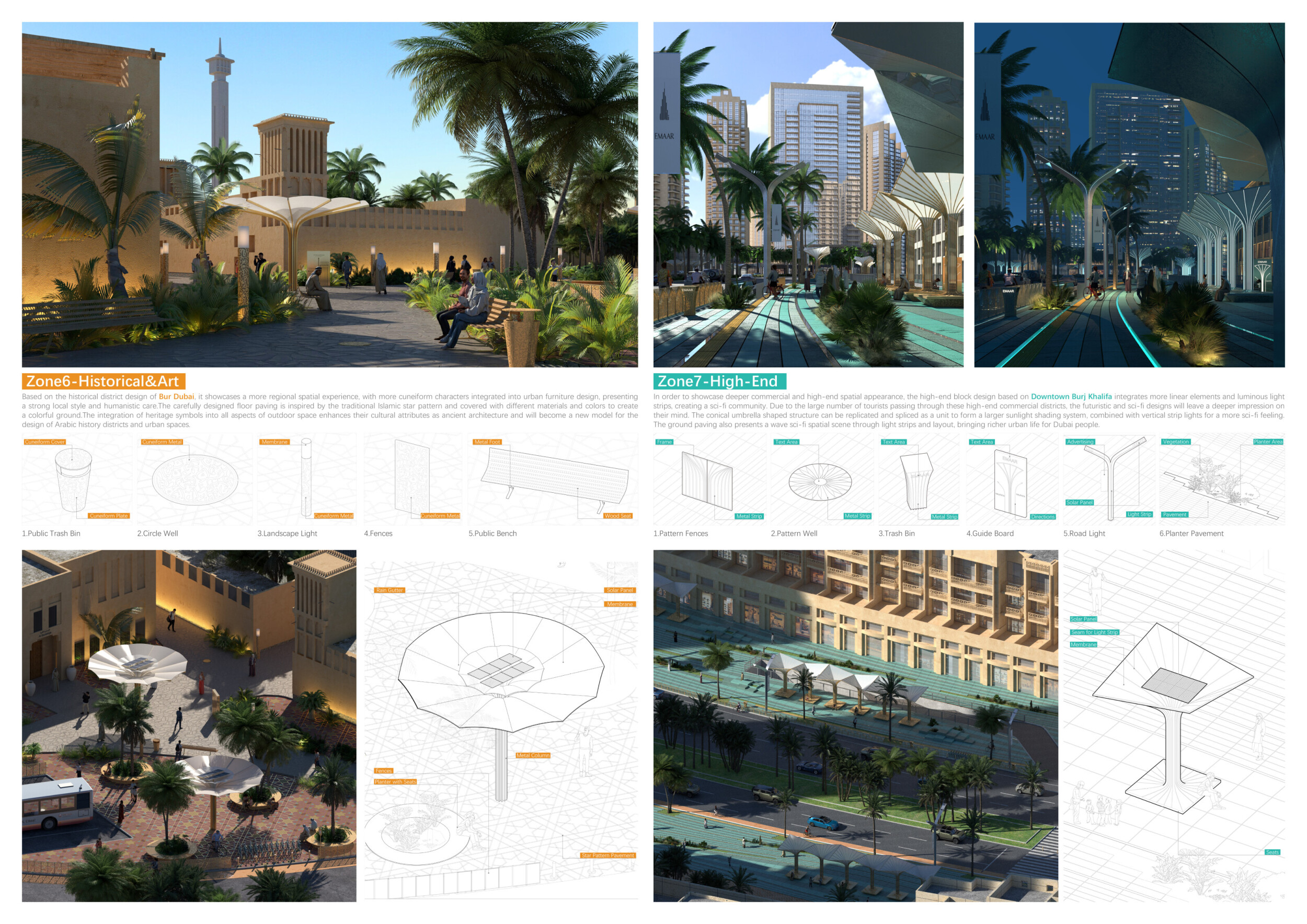
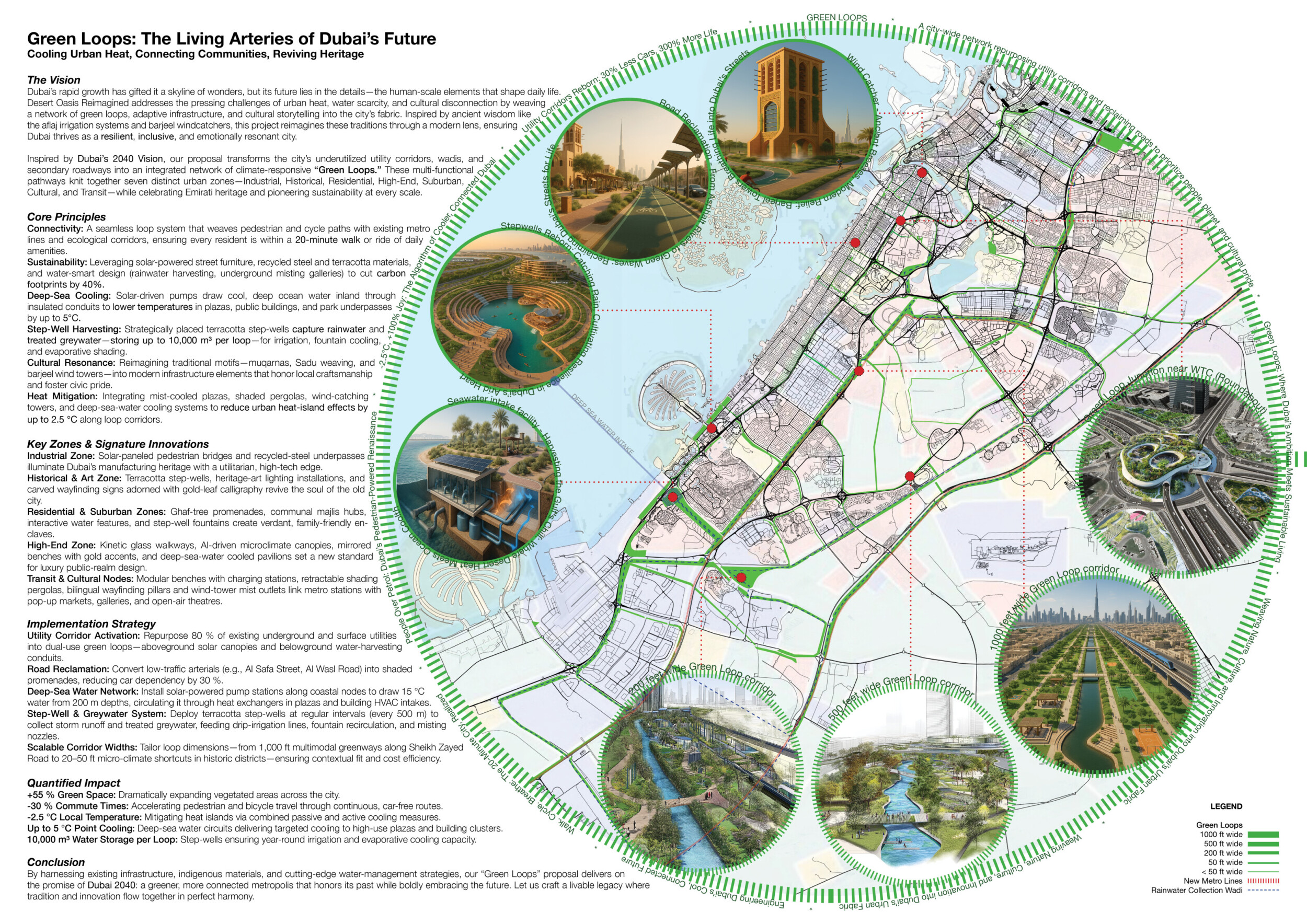
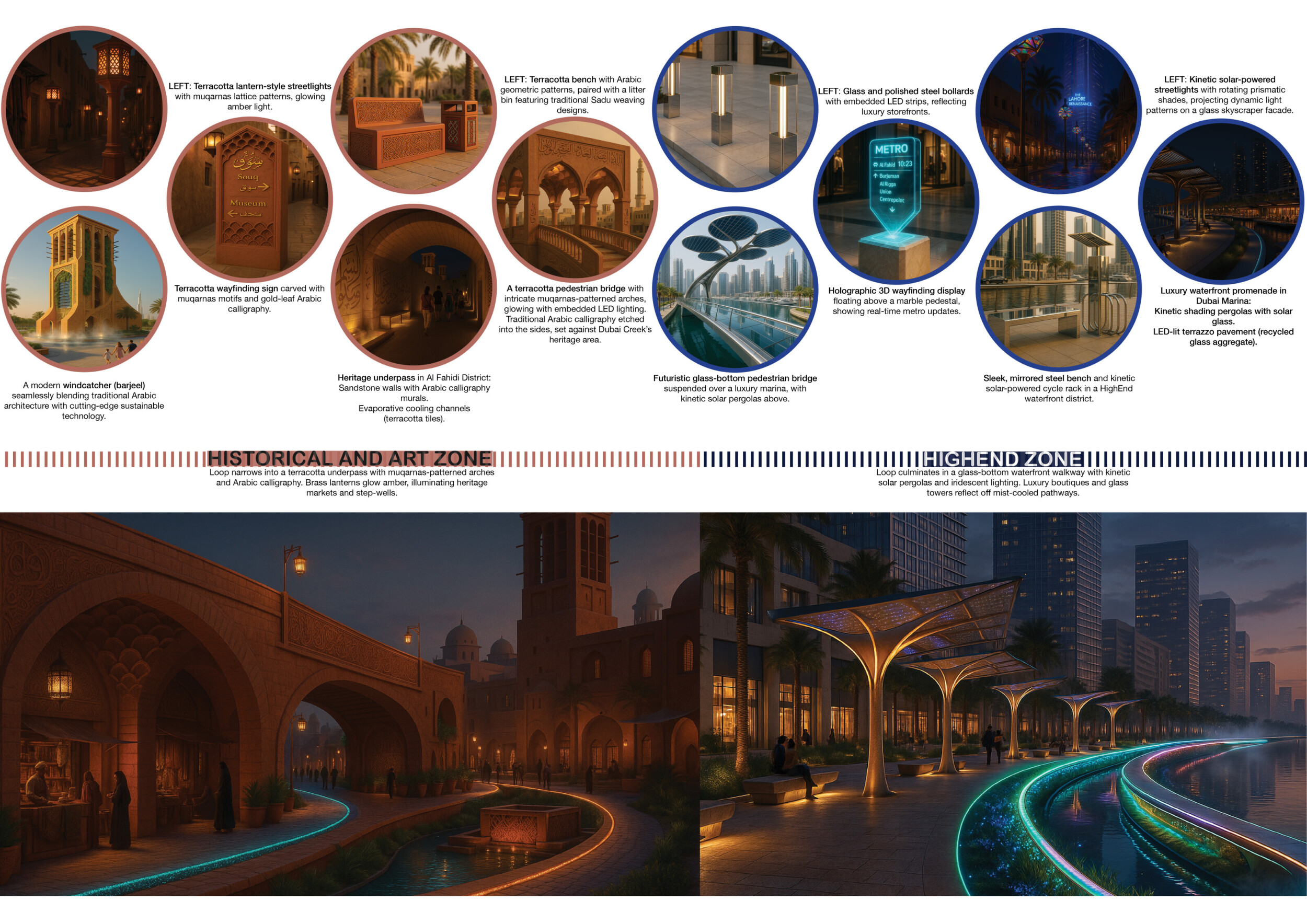
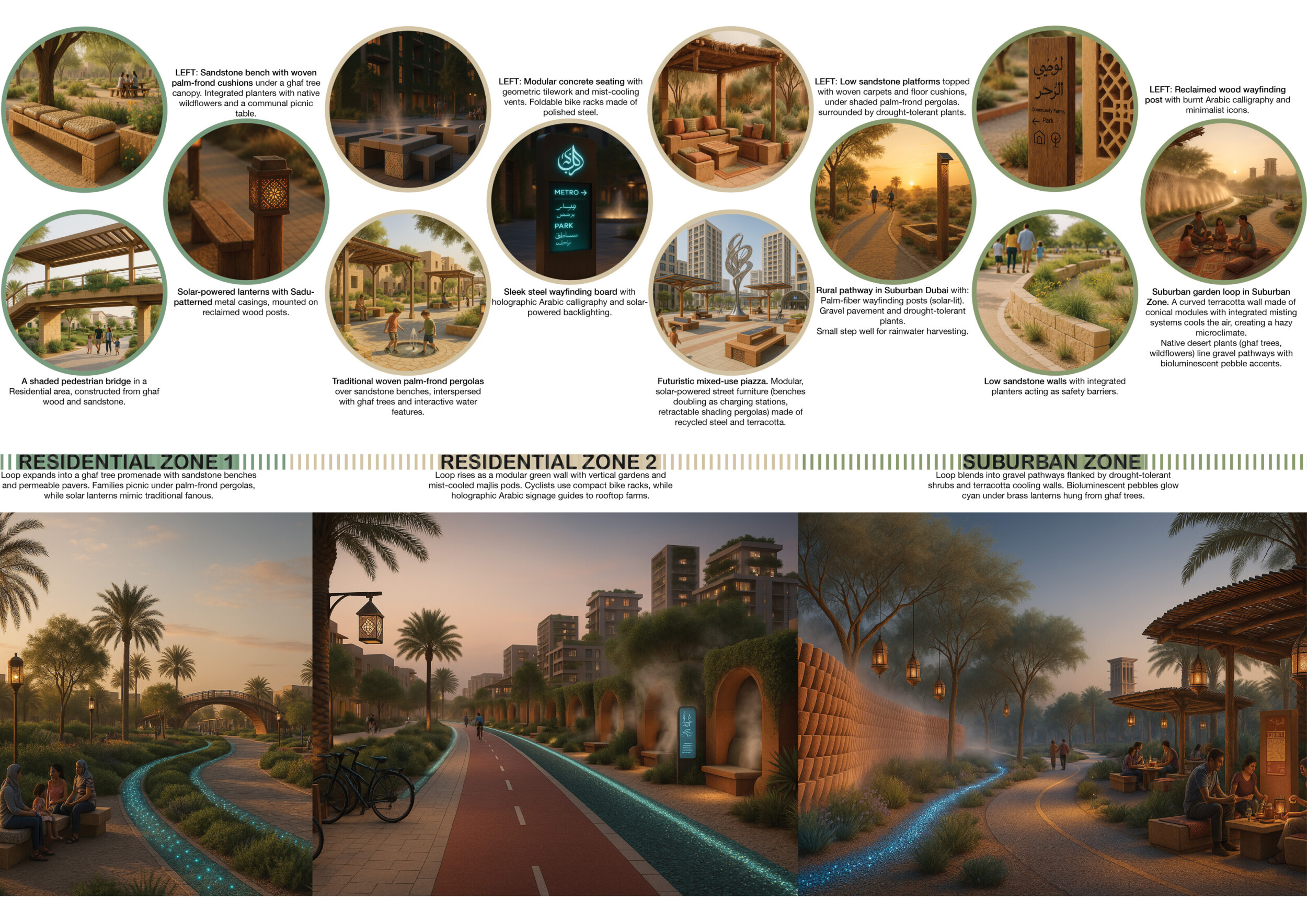
Green Loops: The Living Arteries of Dubai’s Future (Cooling Urban Heat, Connecting Communities, Reviving Heritage)
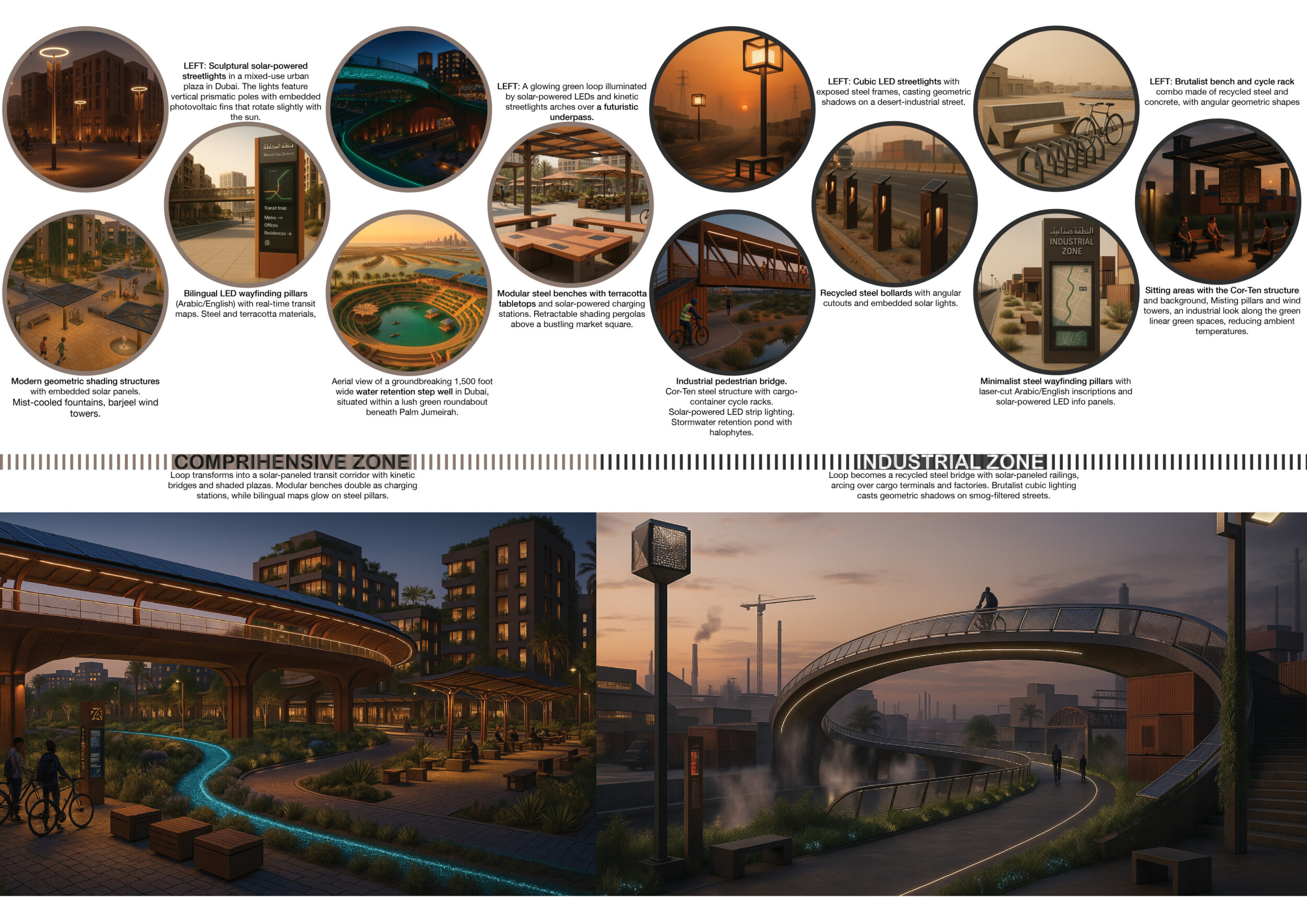
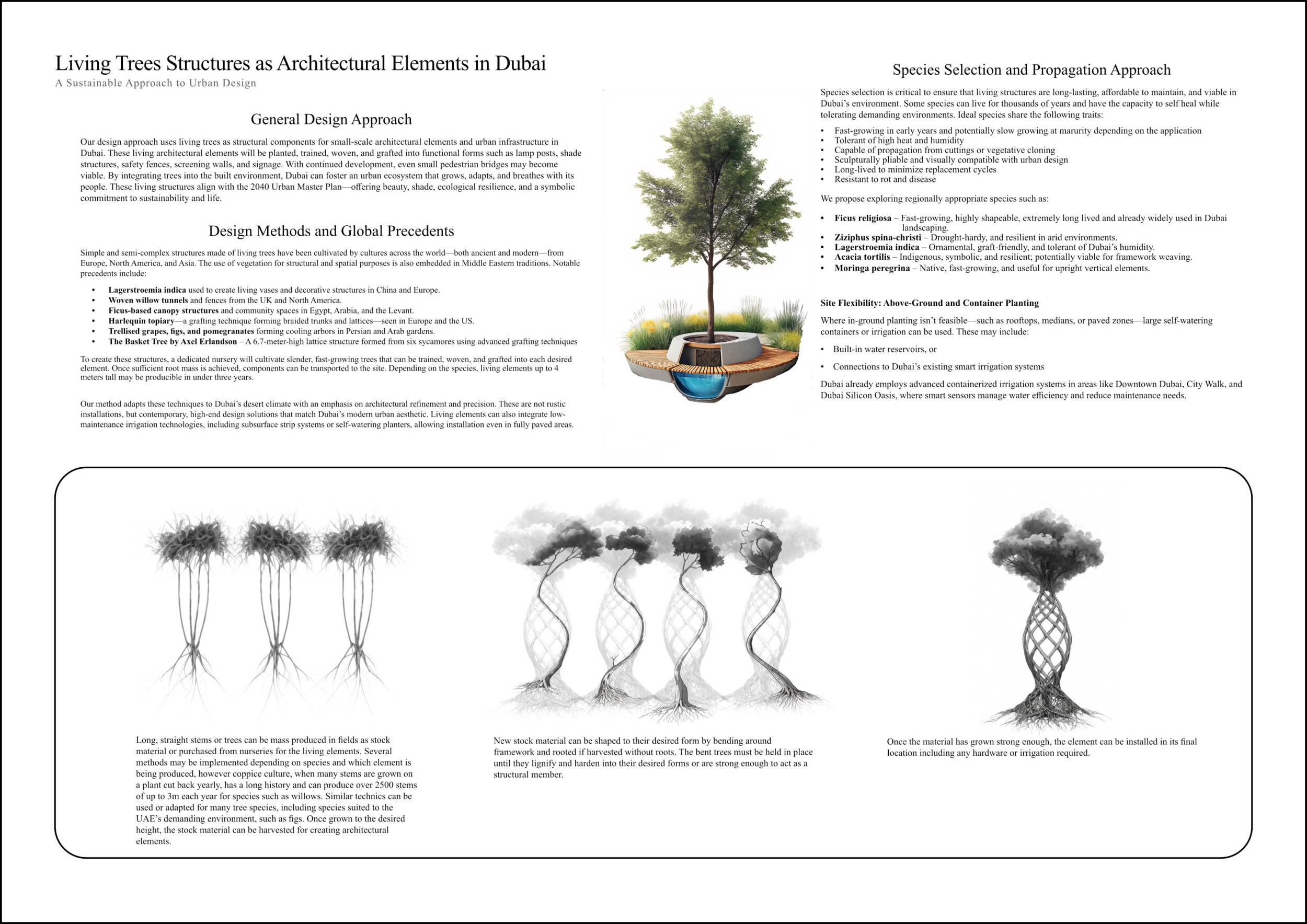
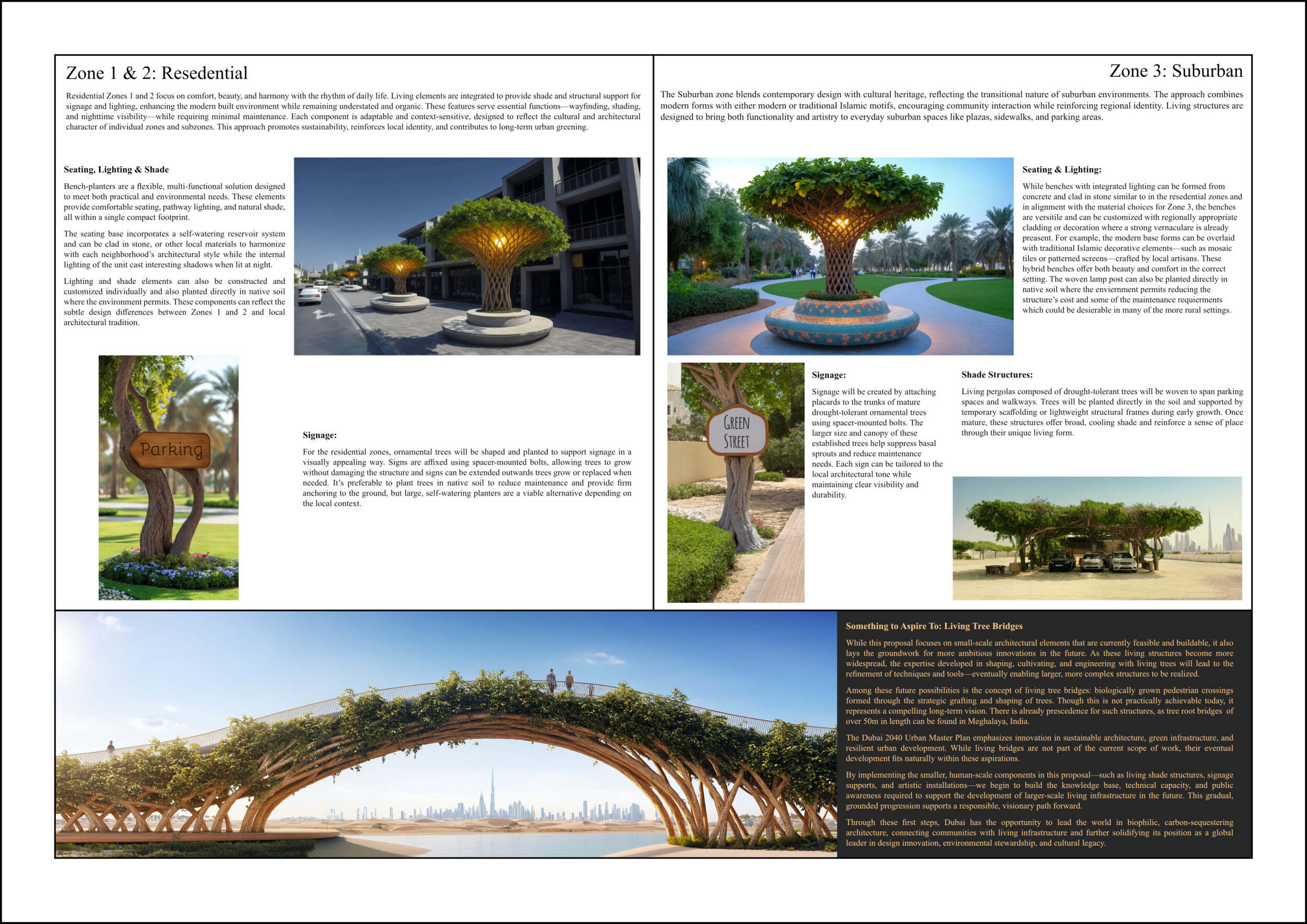
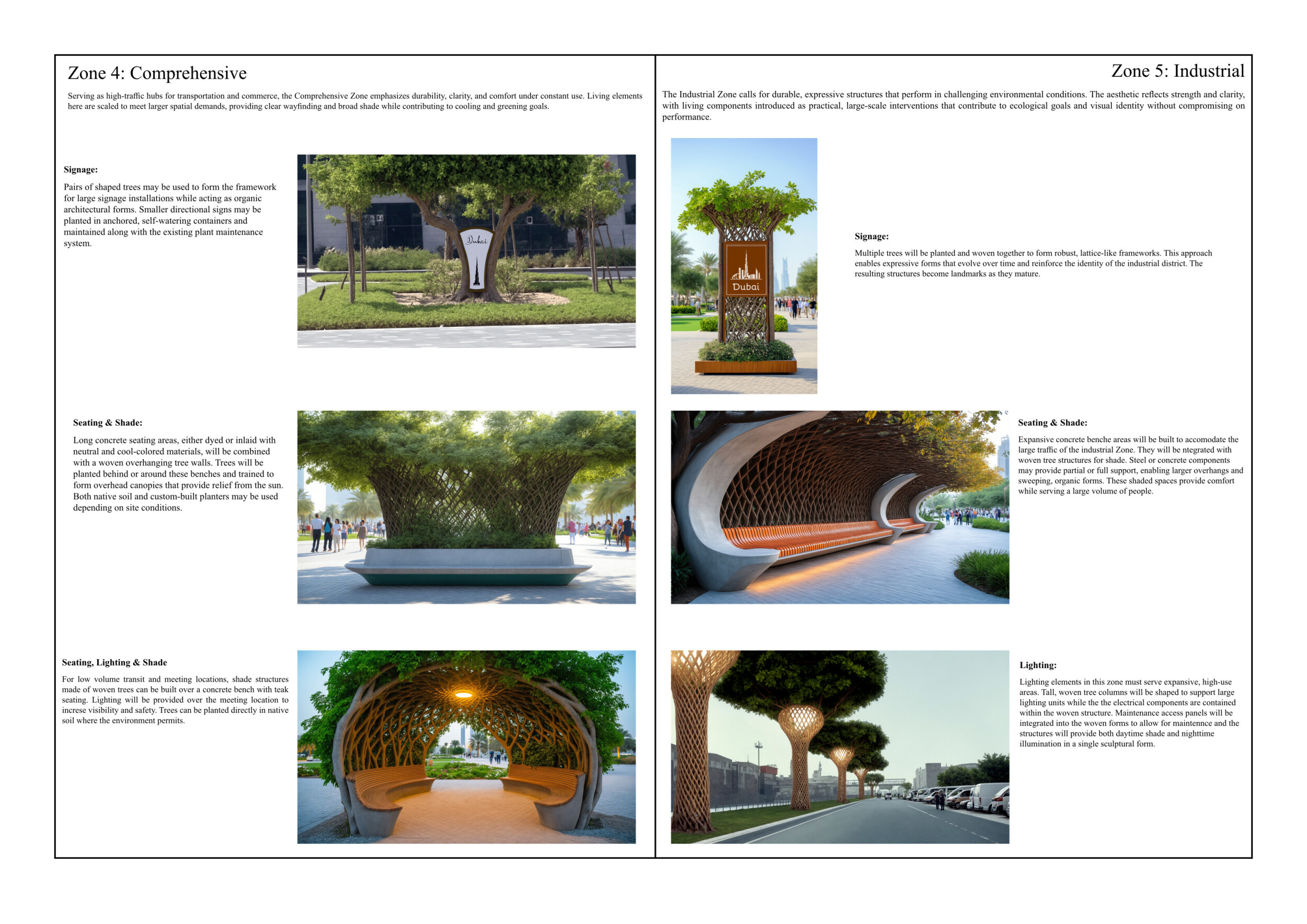
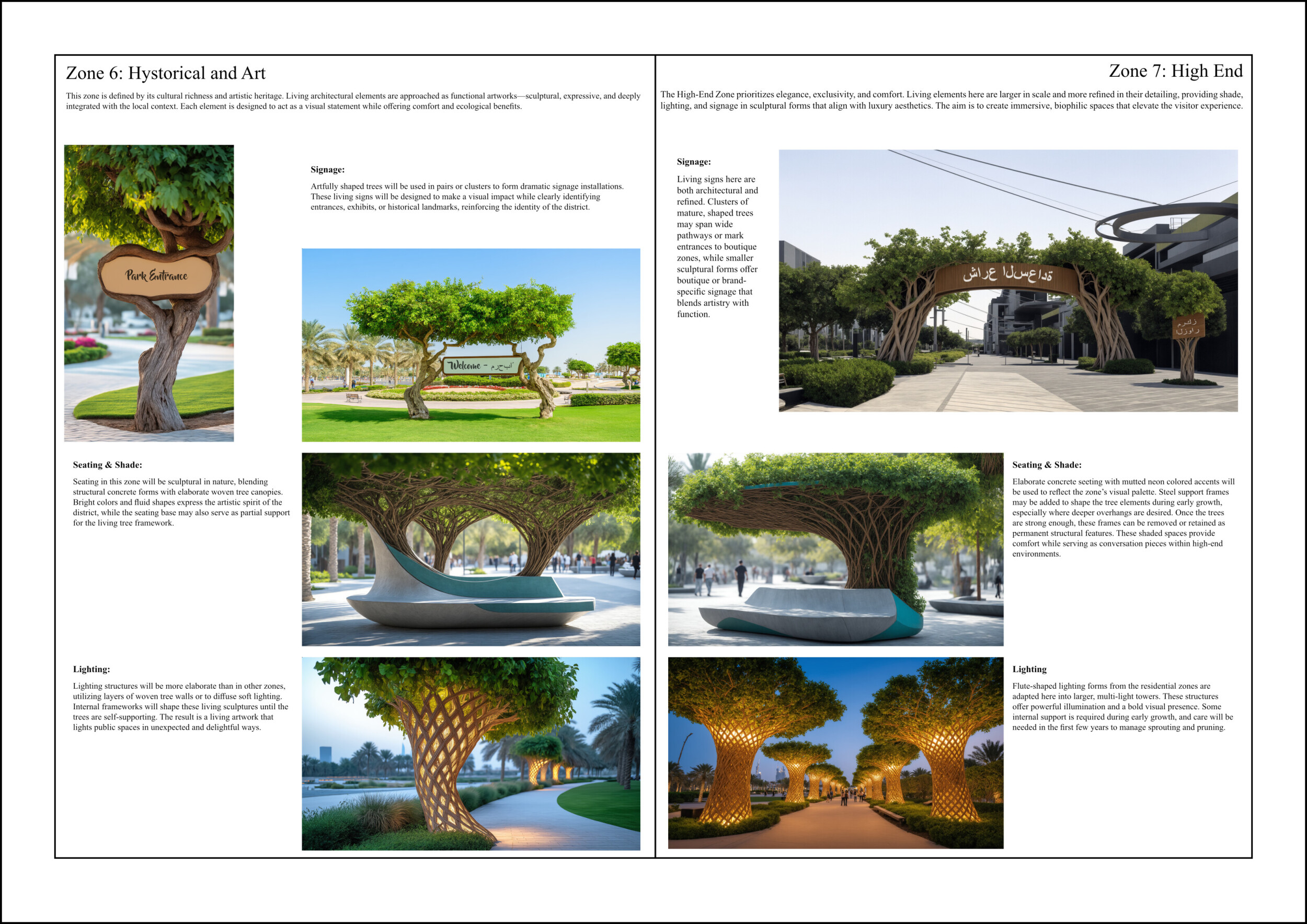
Living Trees Structures as Architectural Elements in Dubai

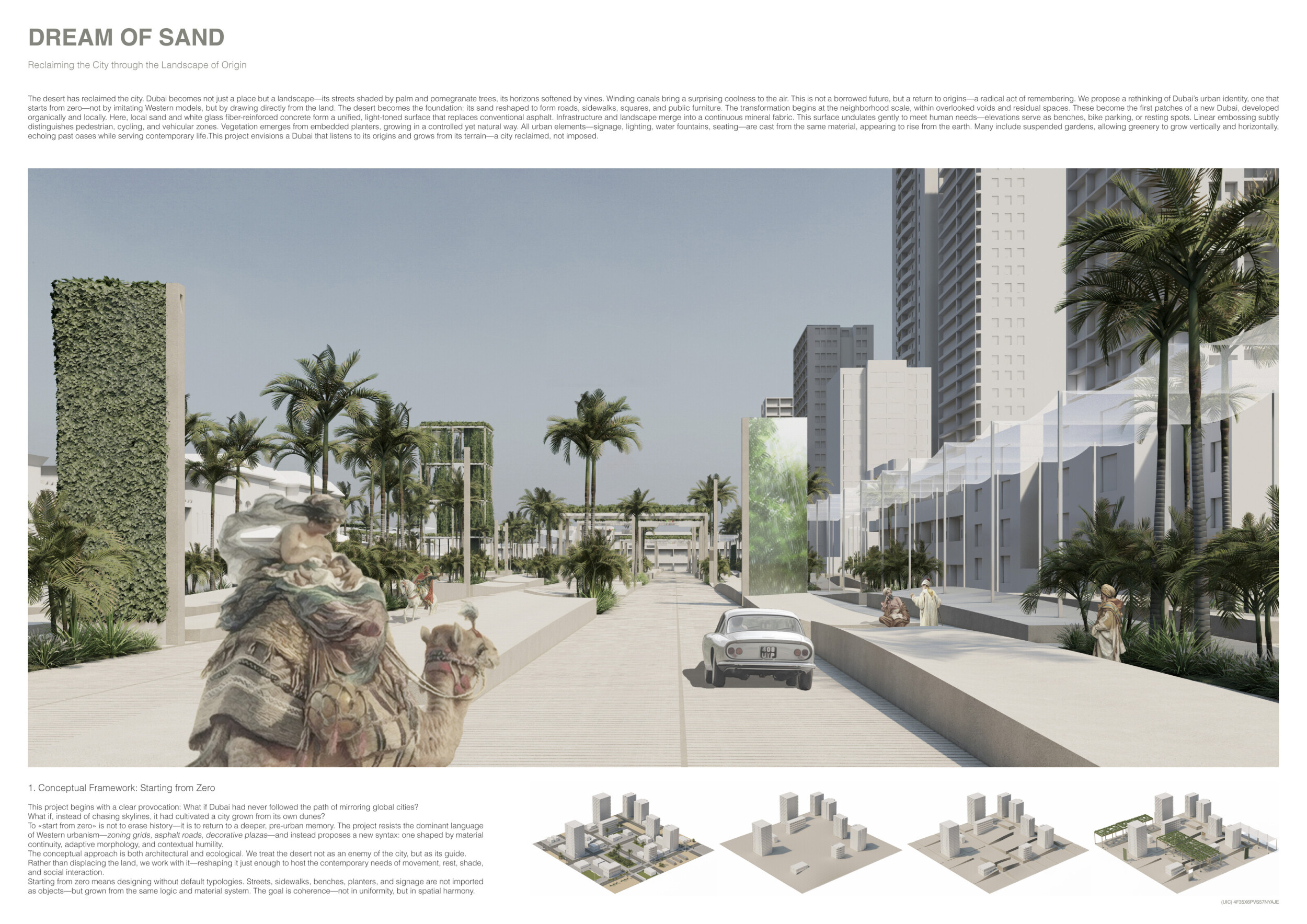
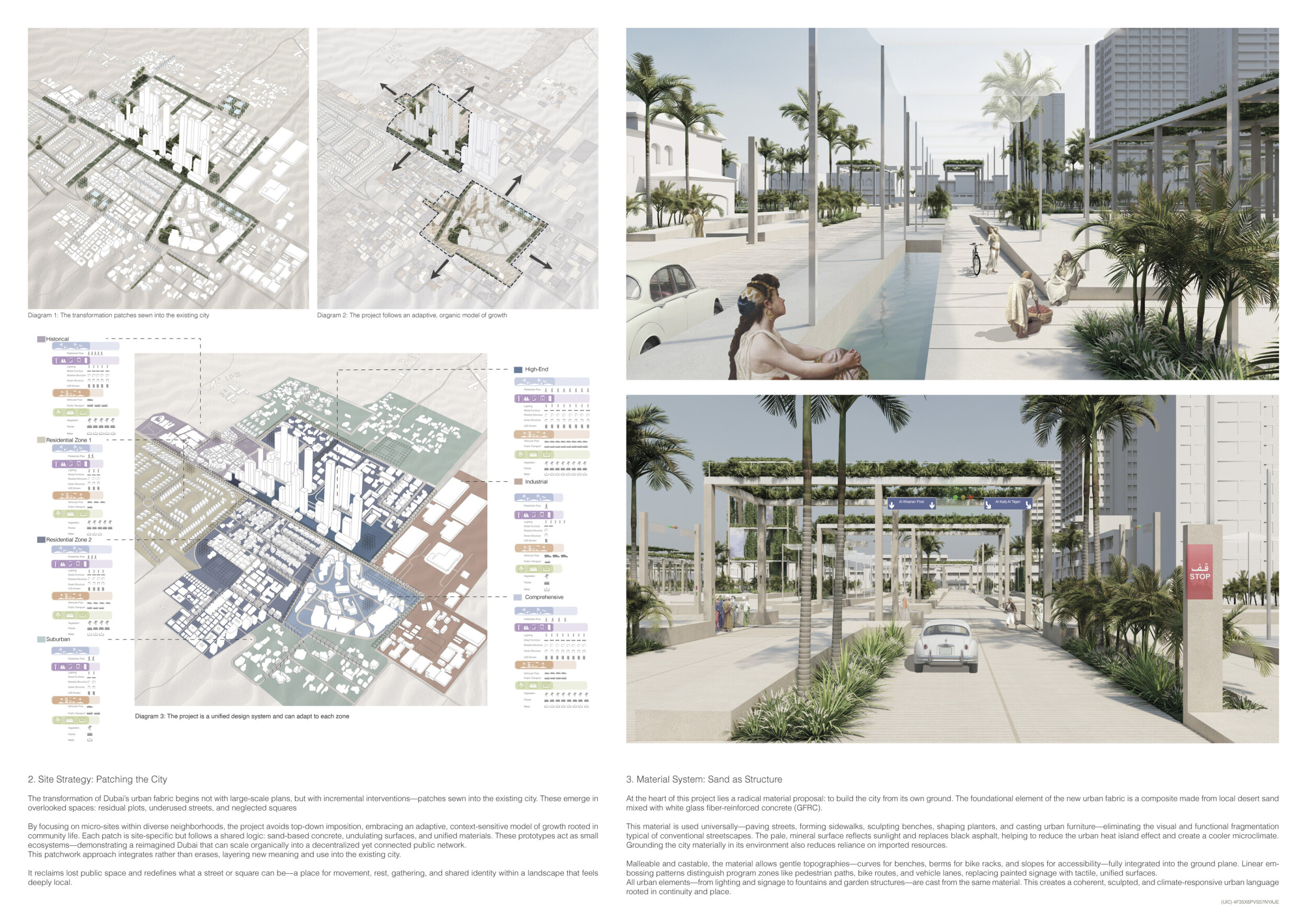
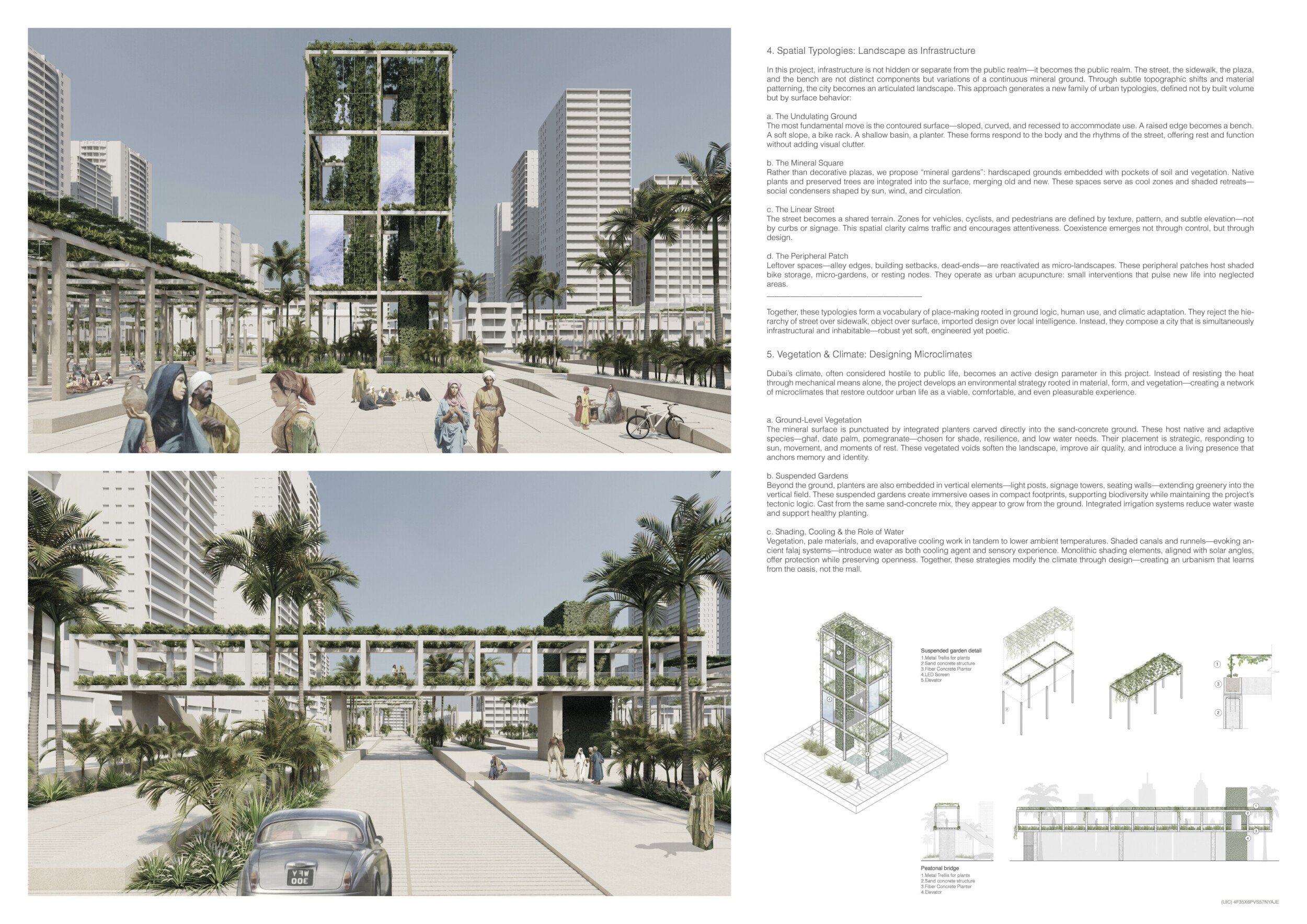
Dream of Sand
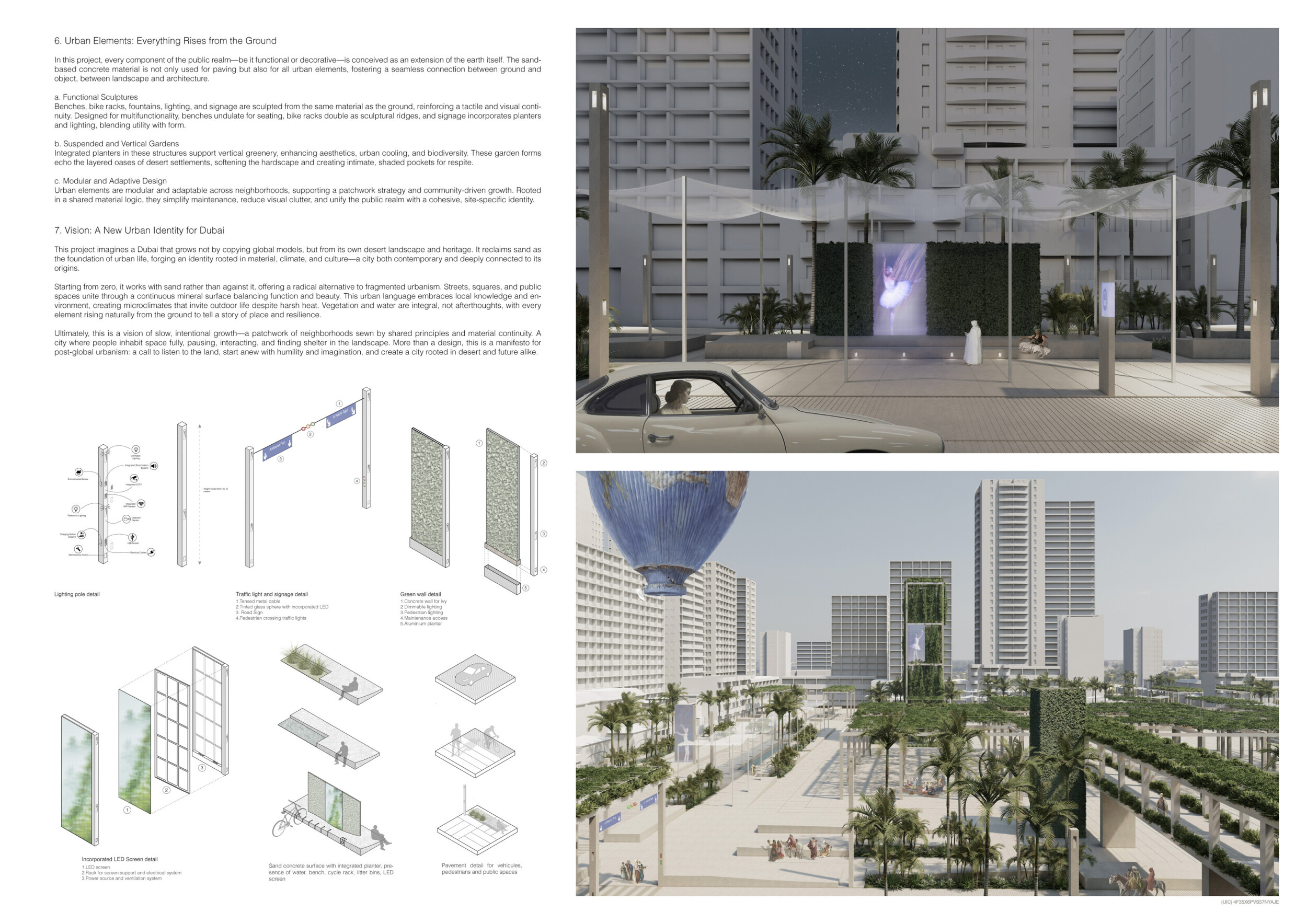
NOOR_The Calligraphic Light of Form
DIUS
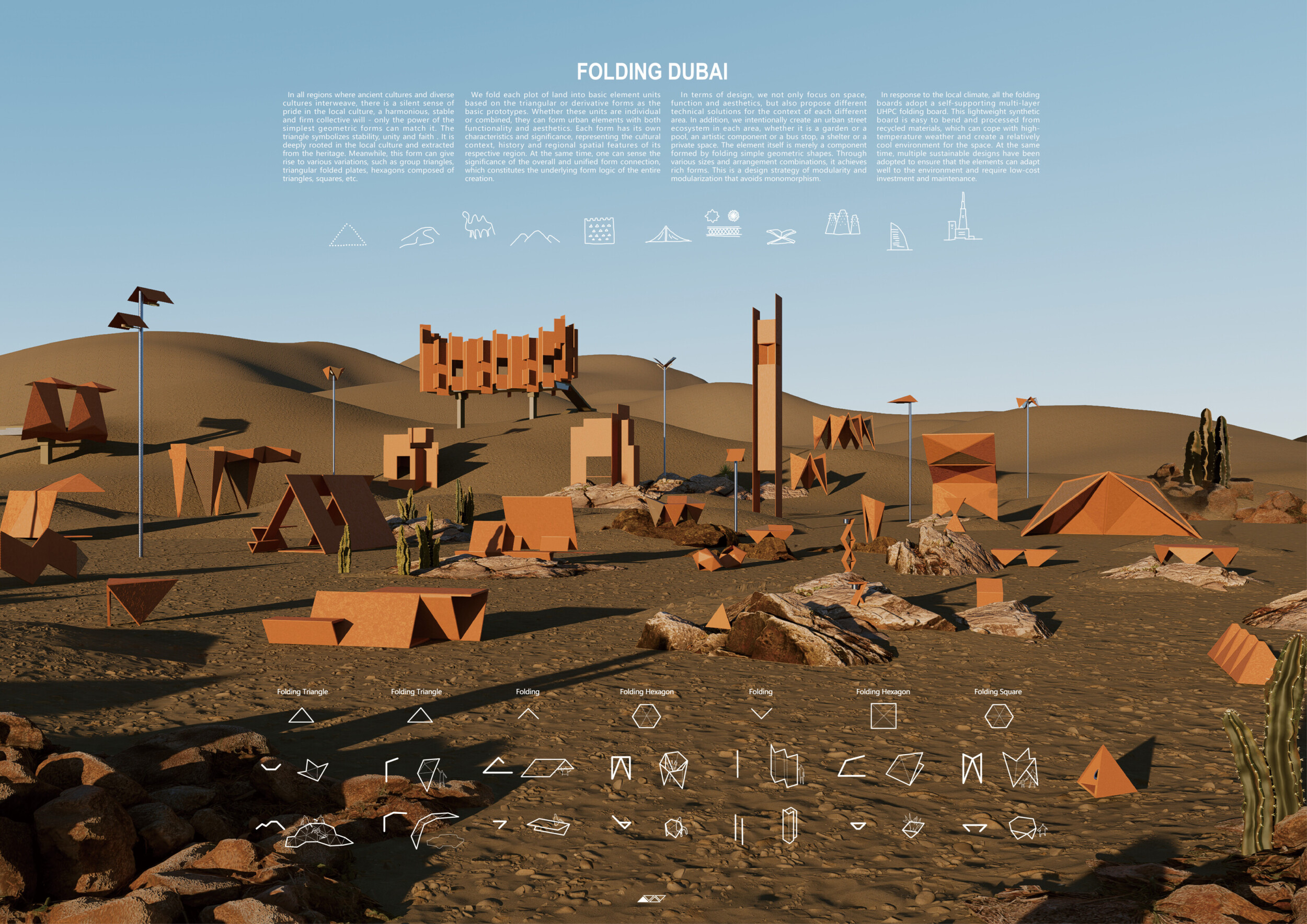
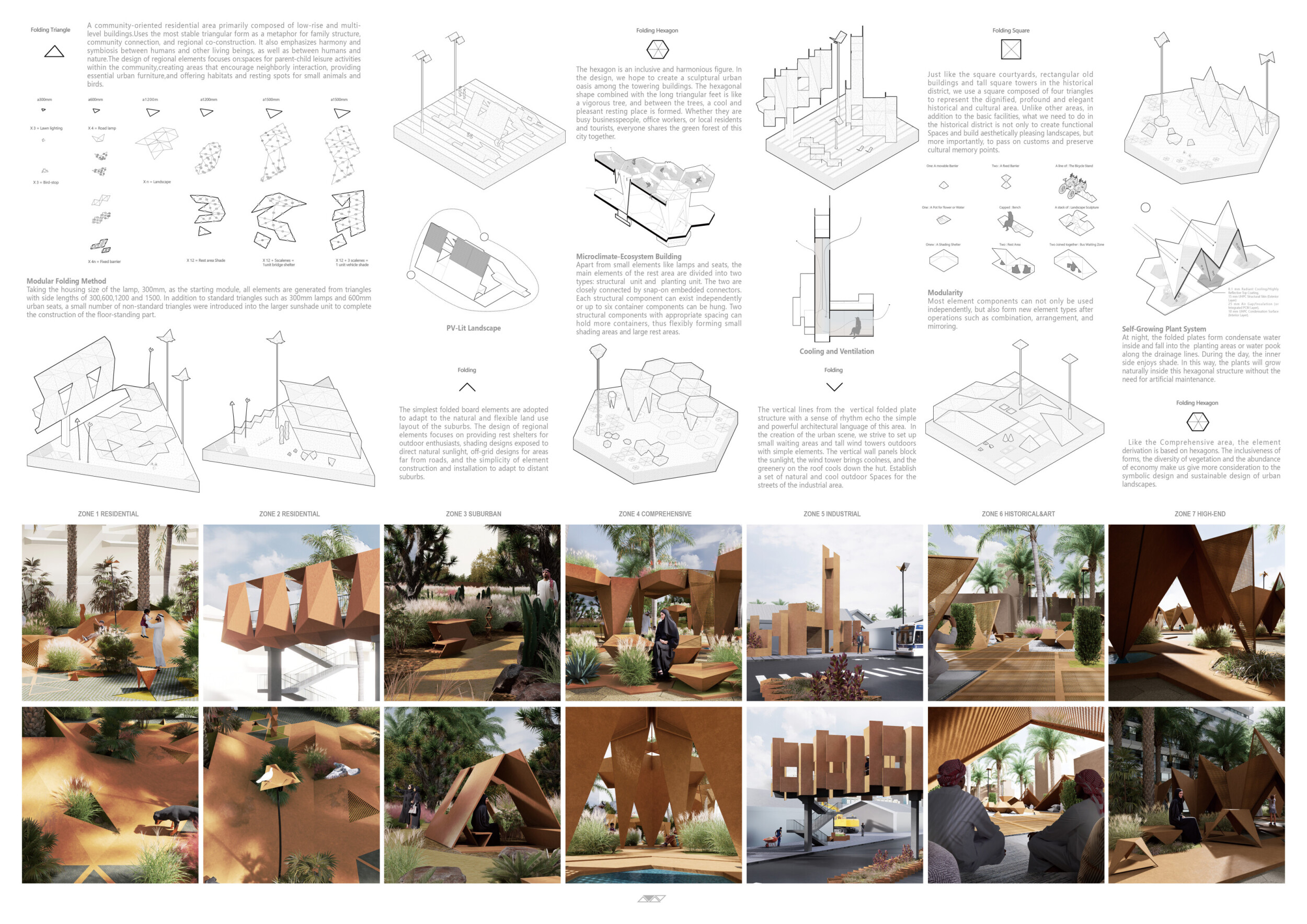
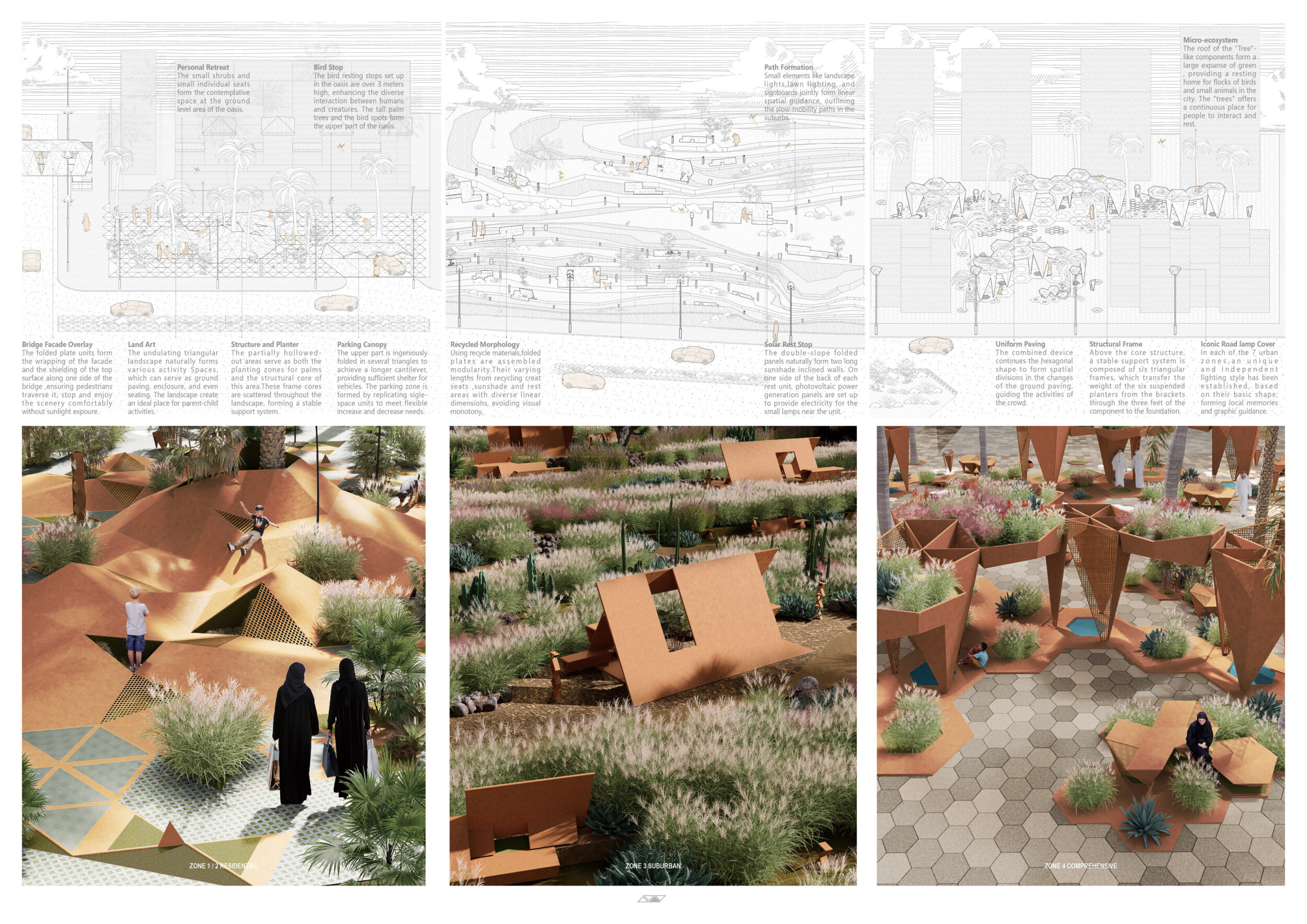
Folding Dubai
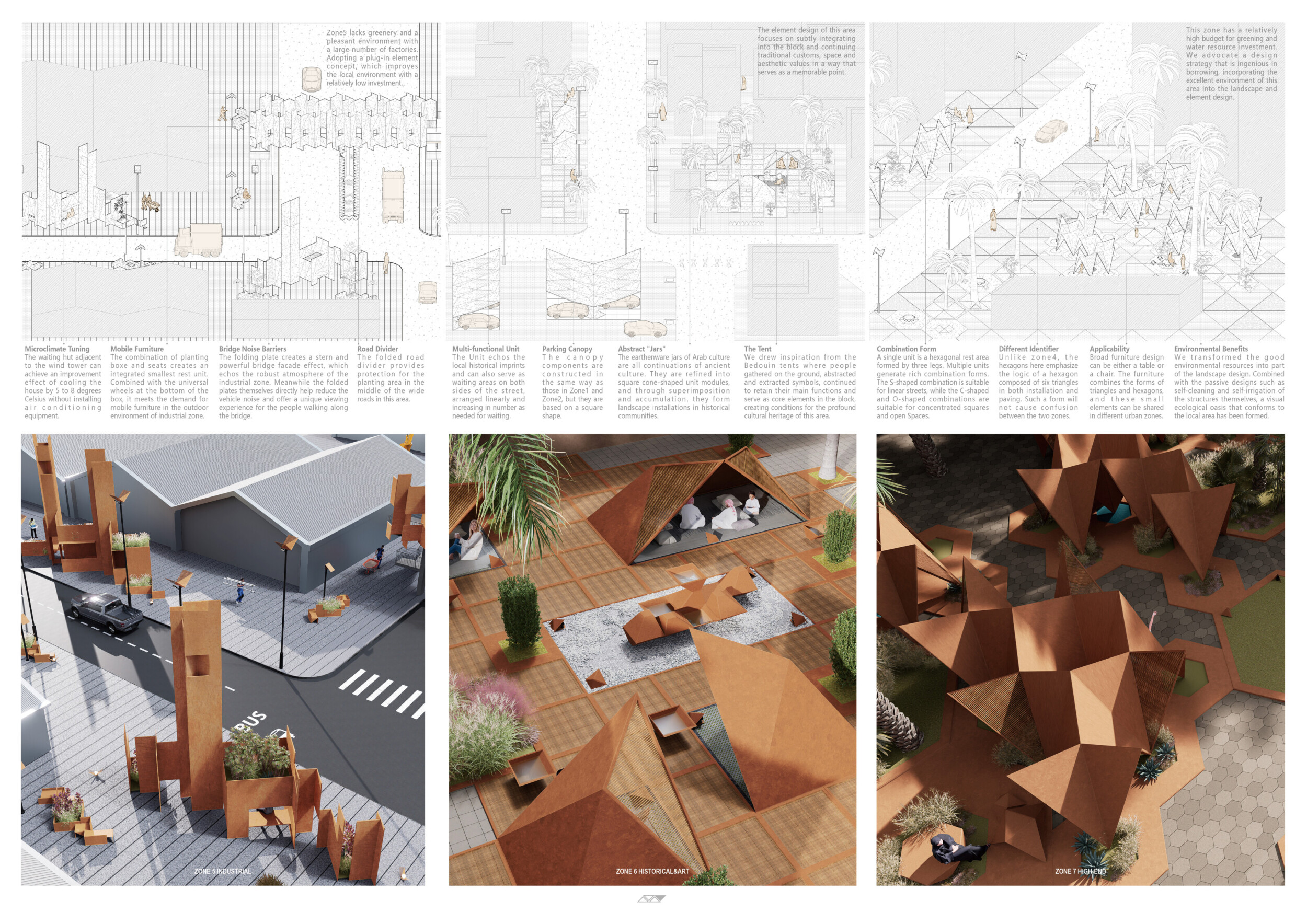
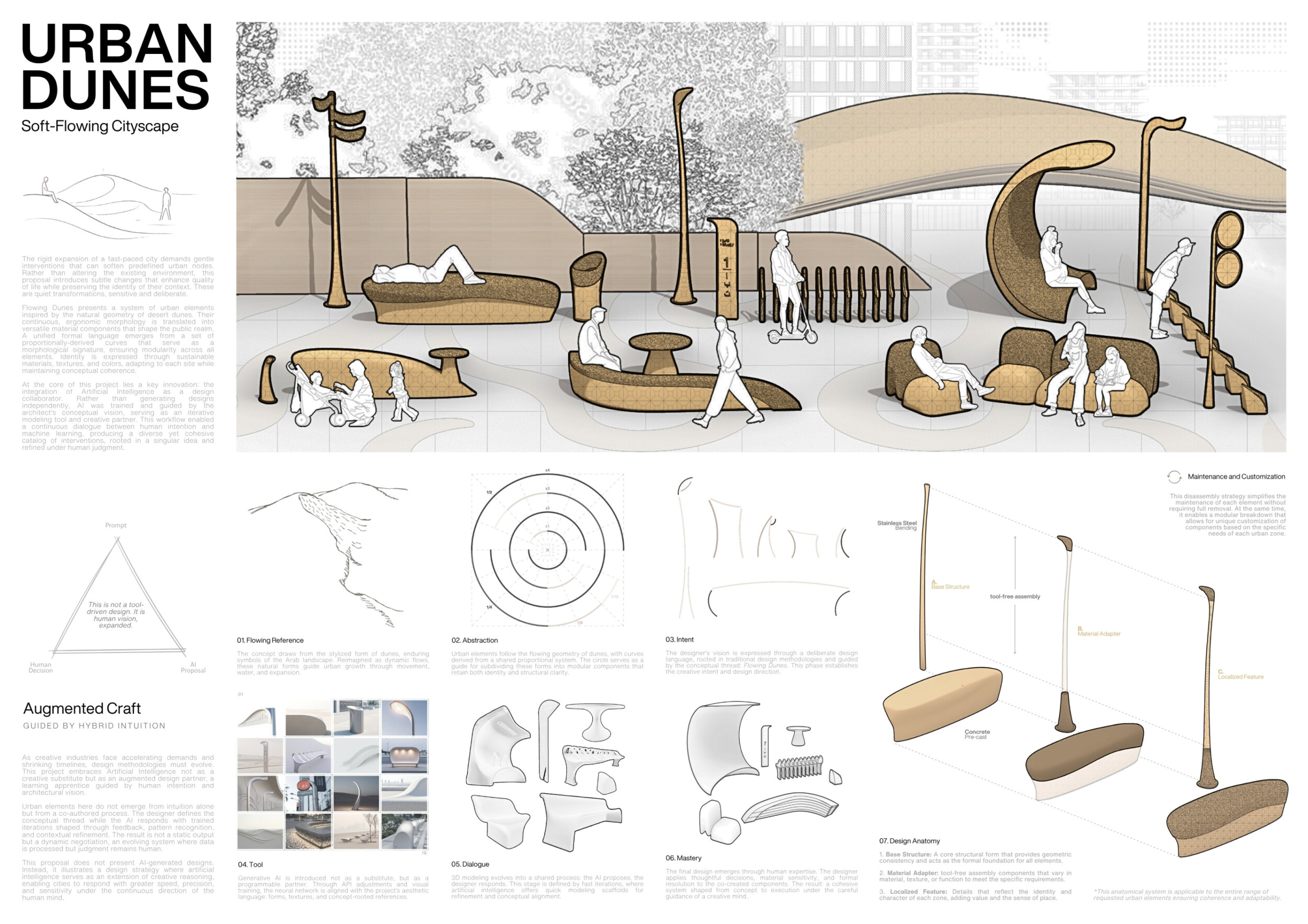
Urban Dunes, Soft-Flowing Cityscape
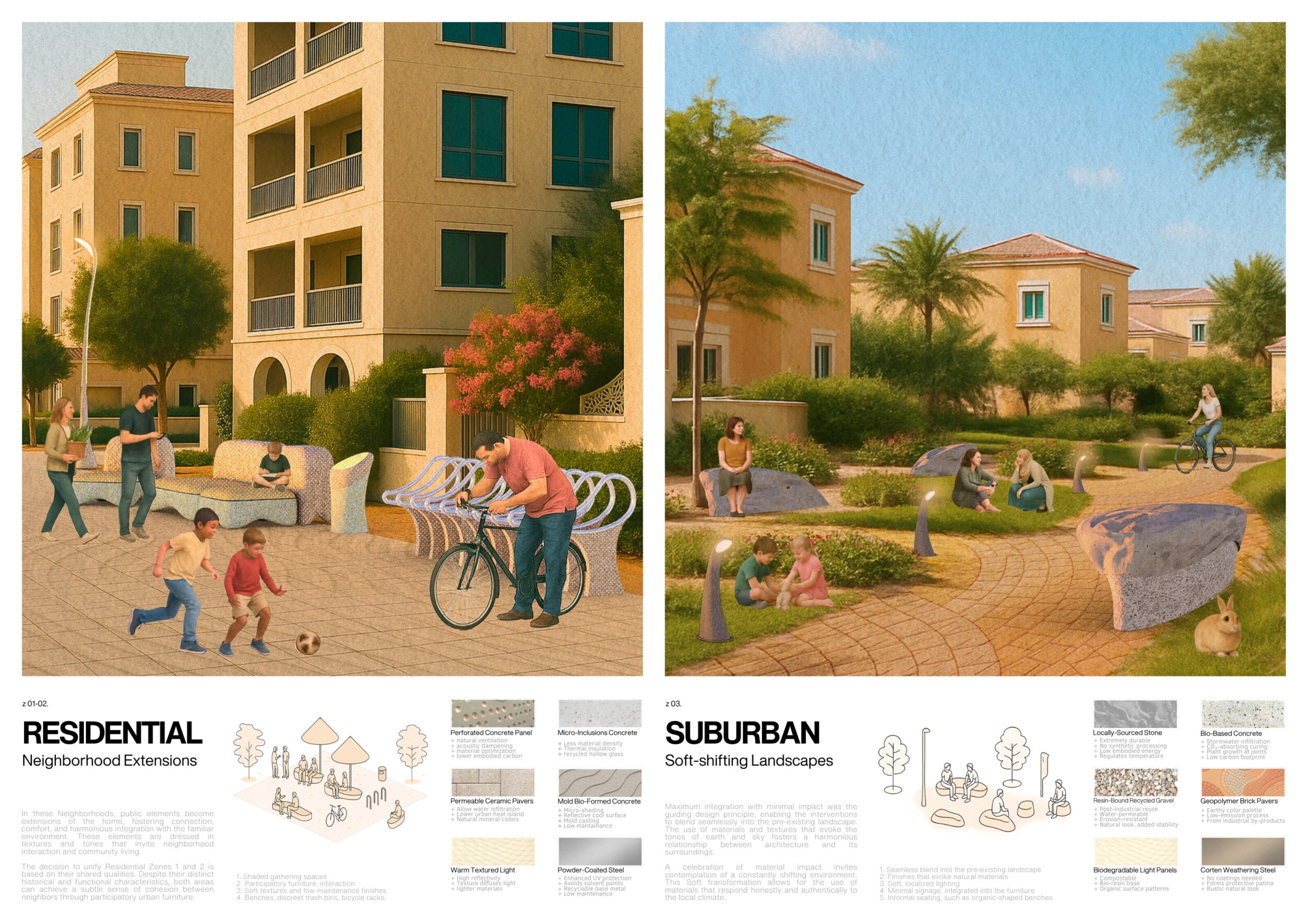
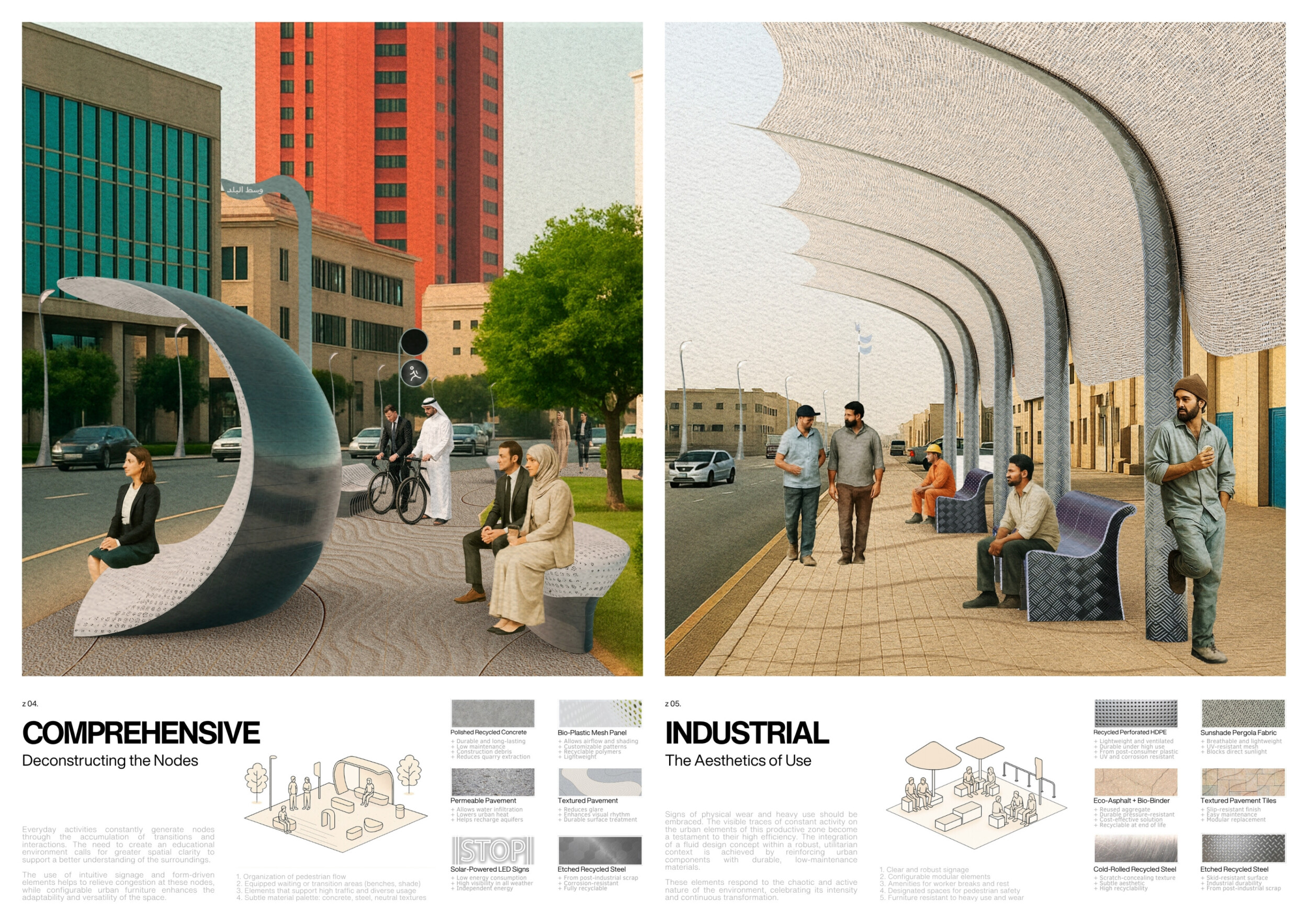
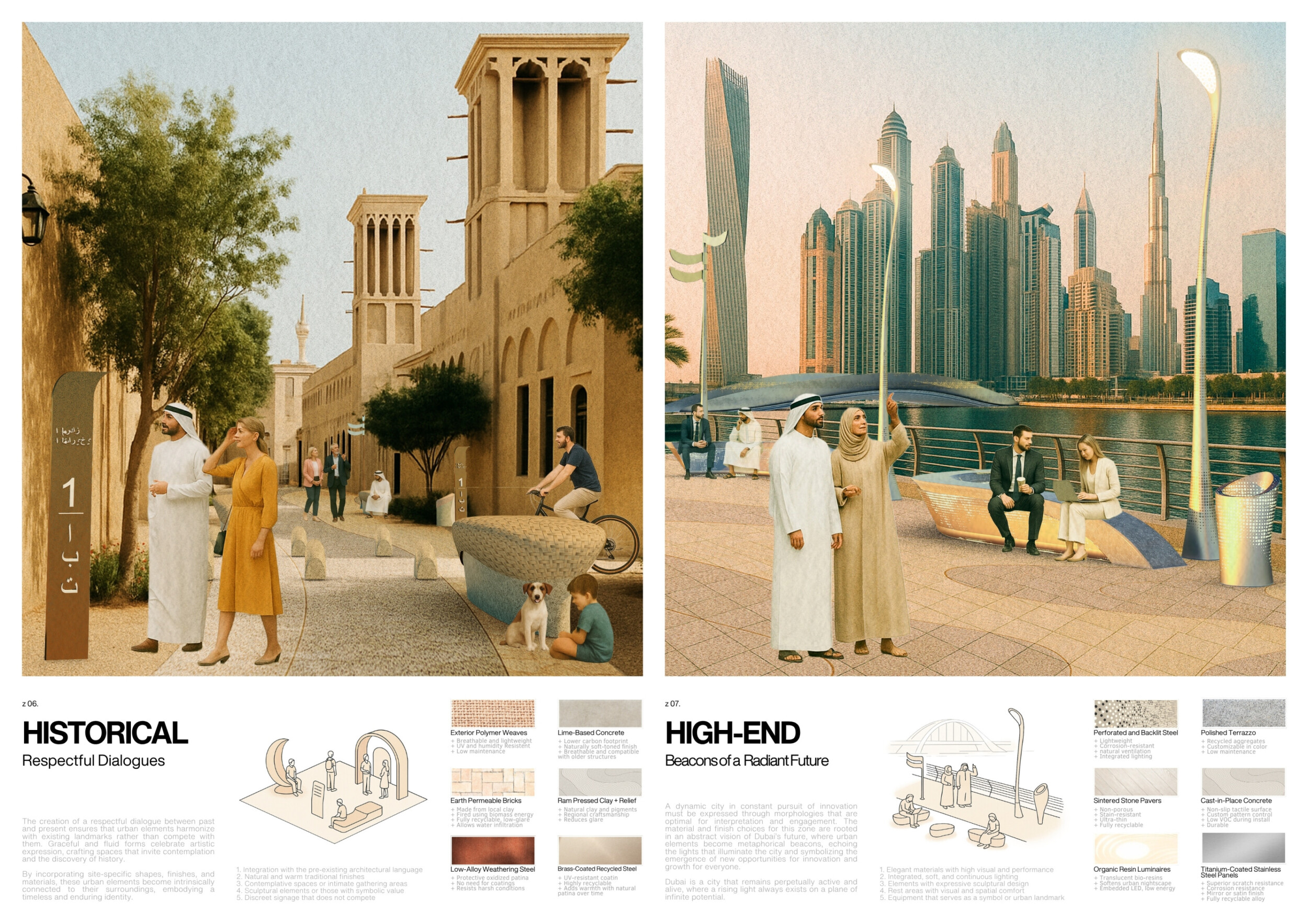

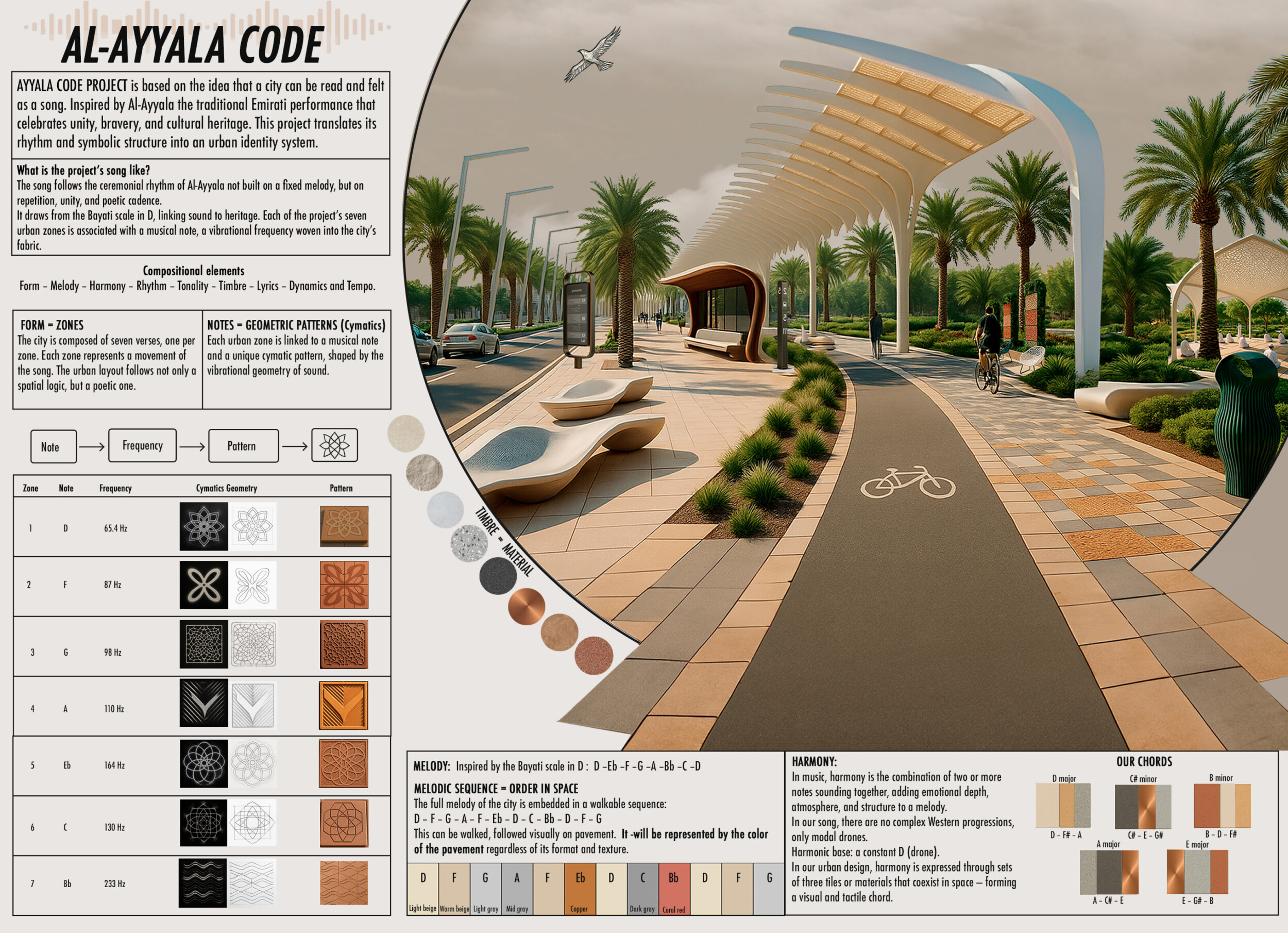
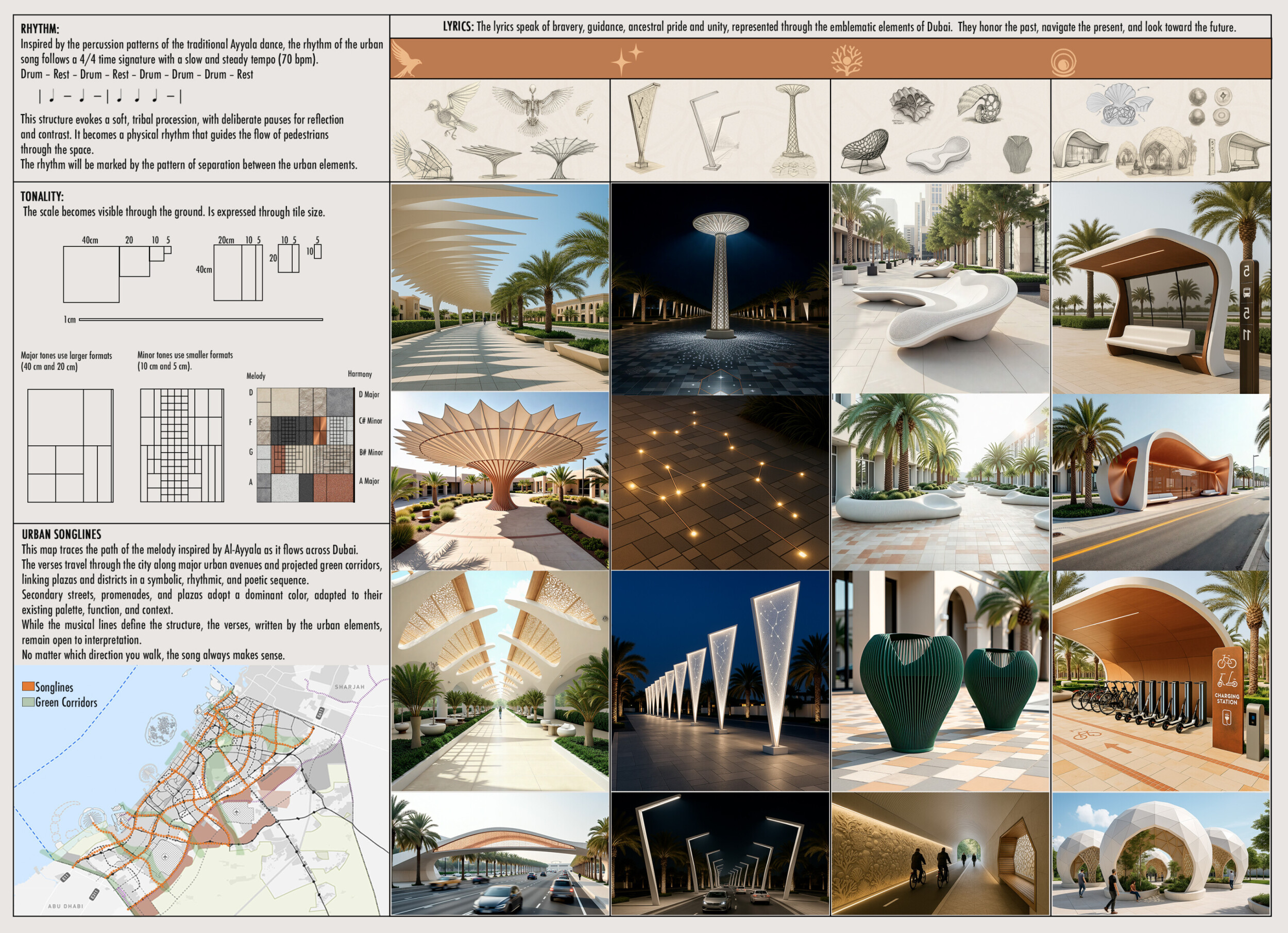
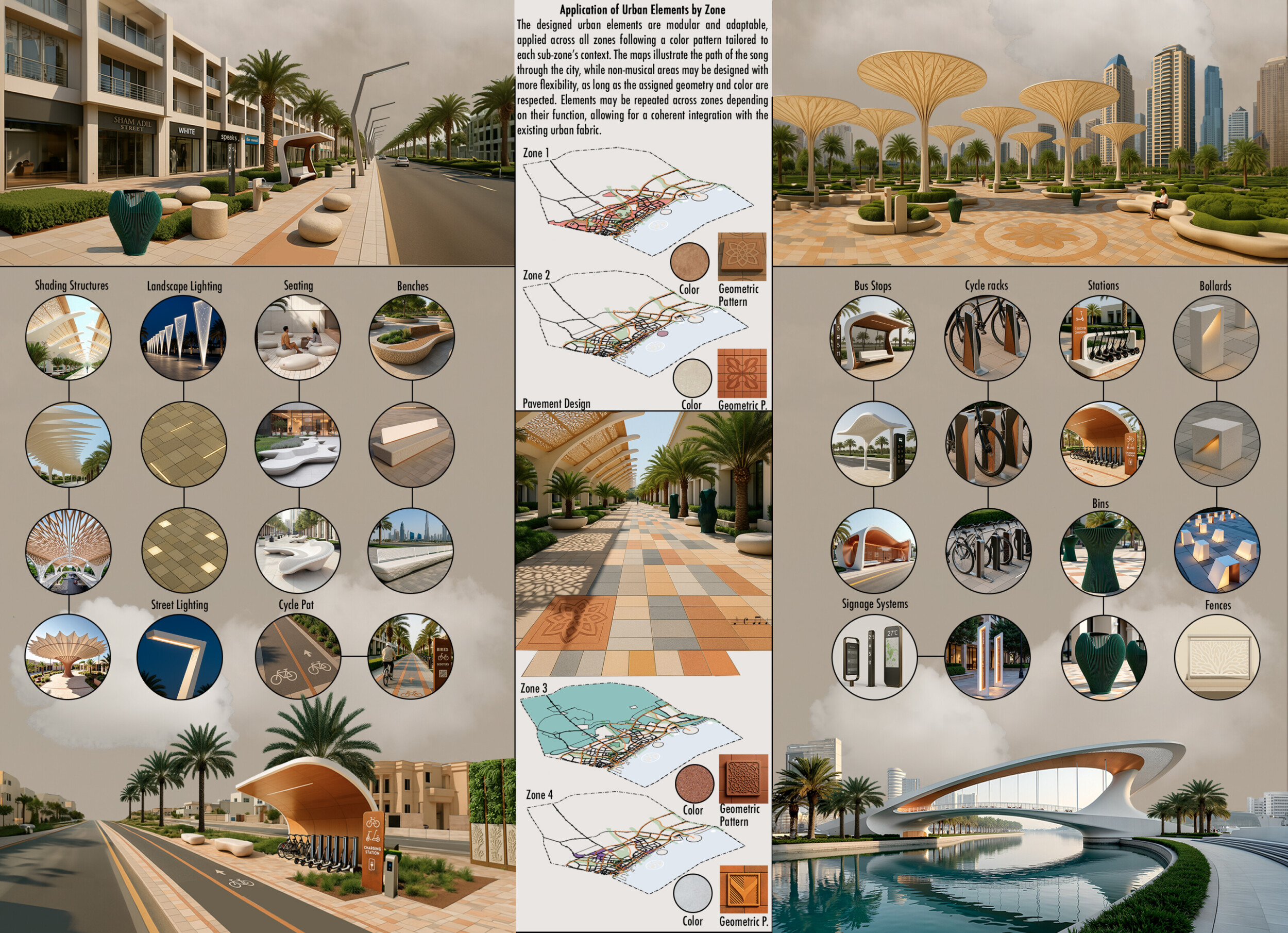
AL-AYYALA CODE
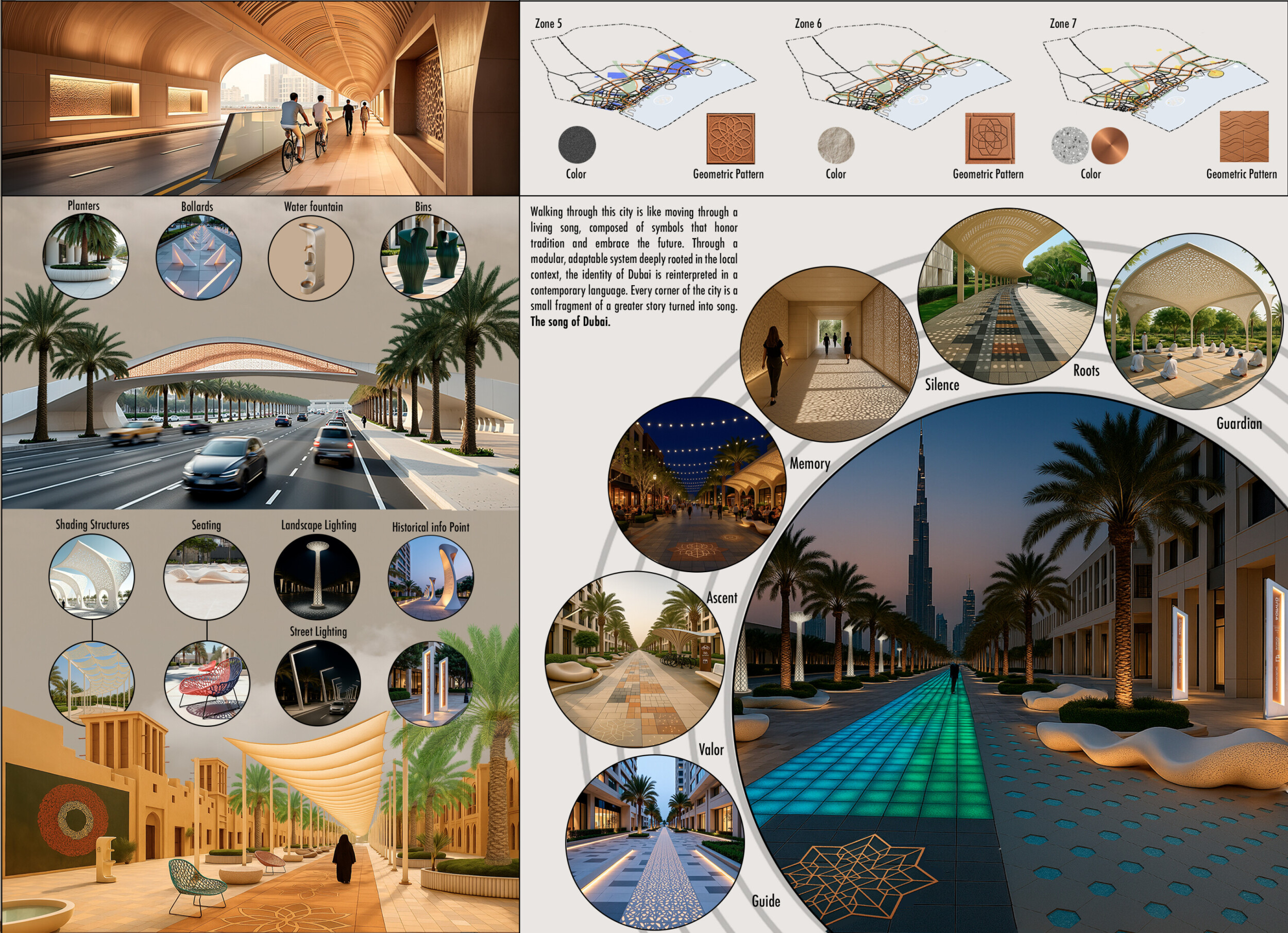
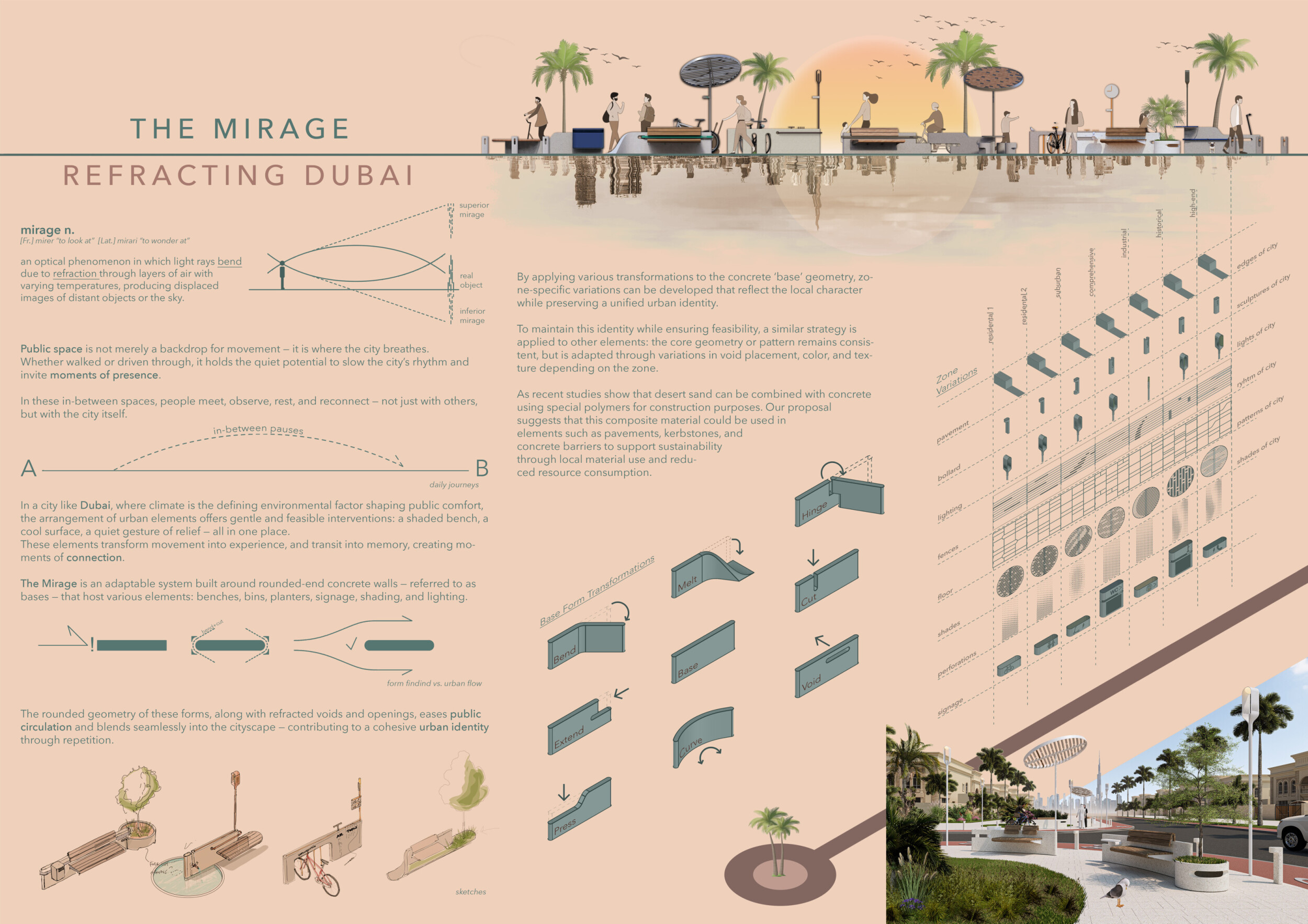
The Mirage
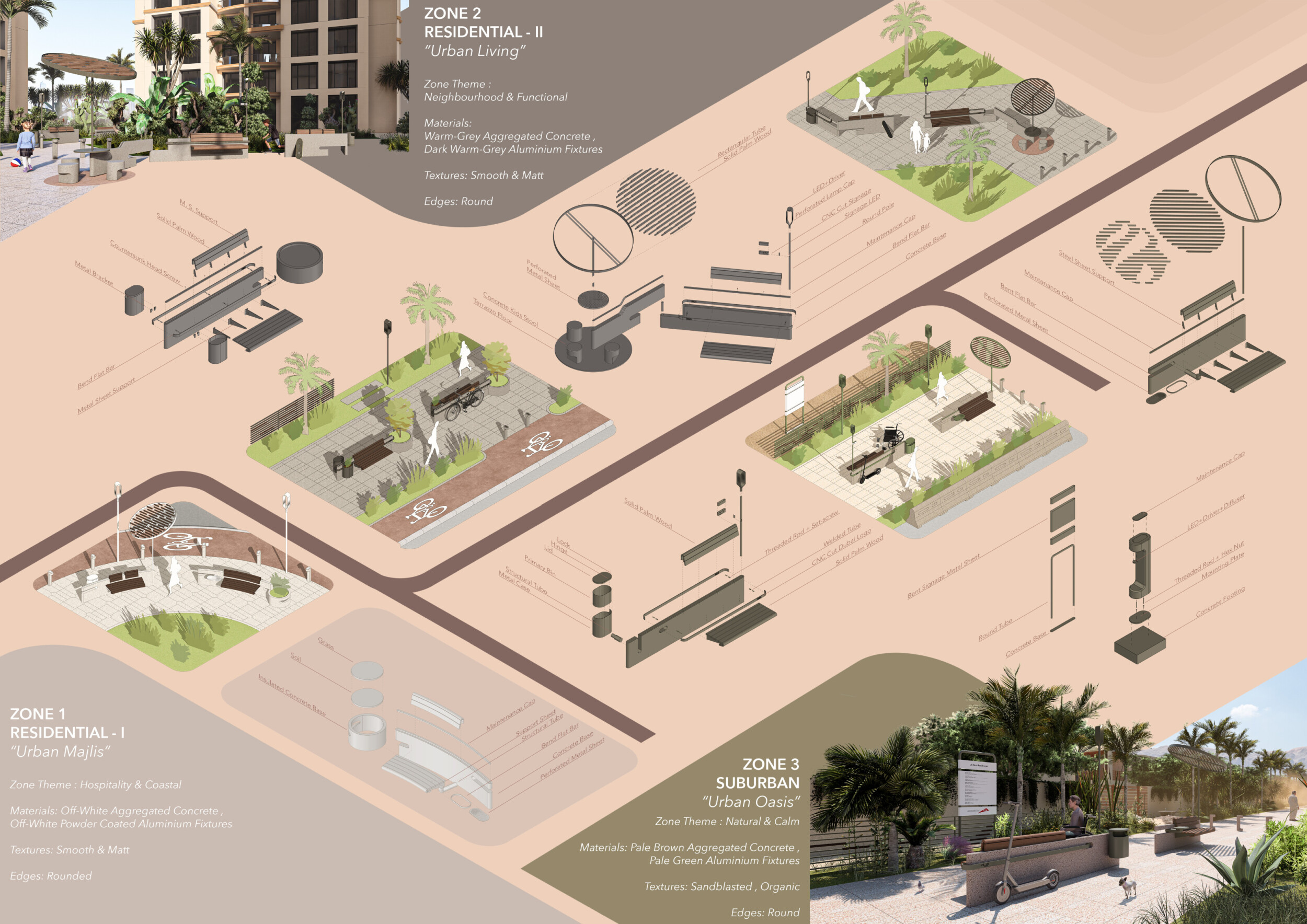
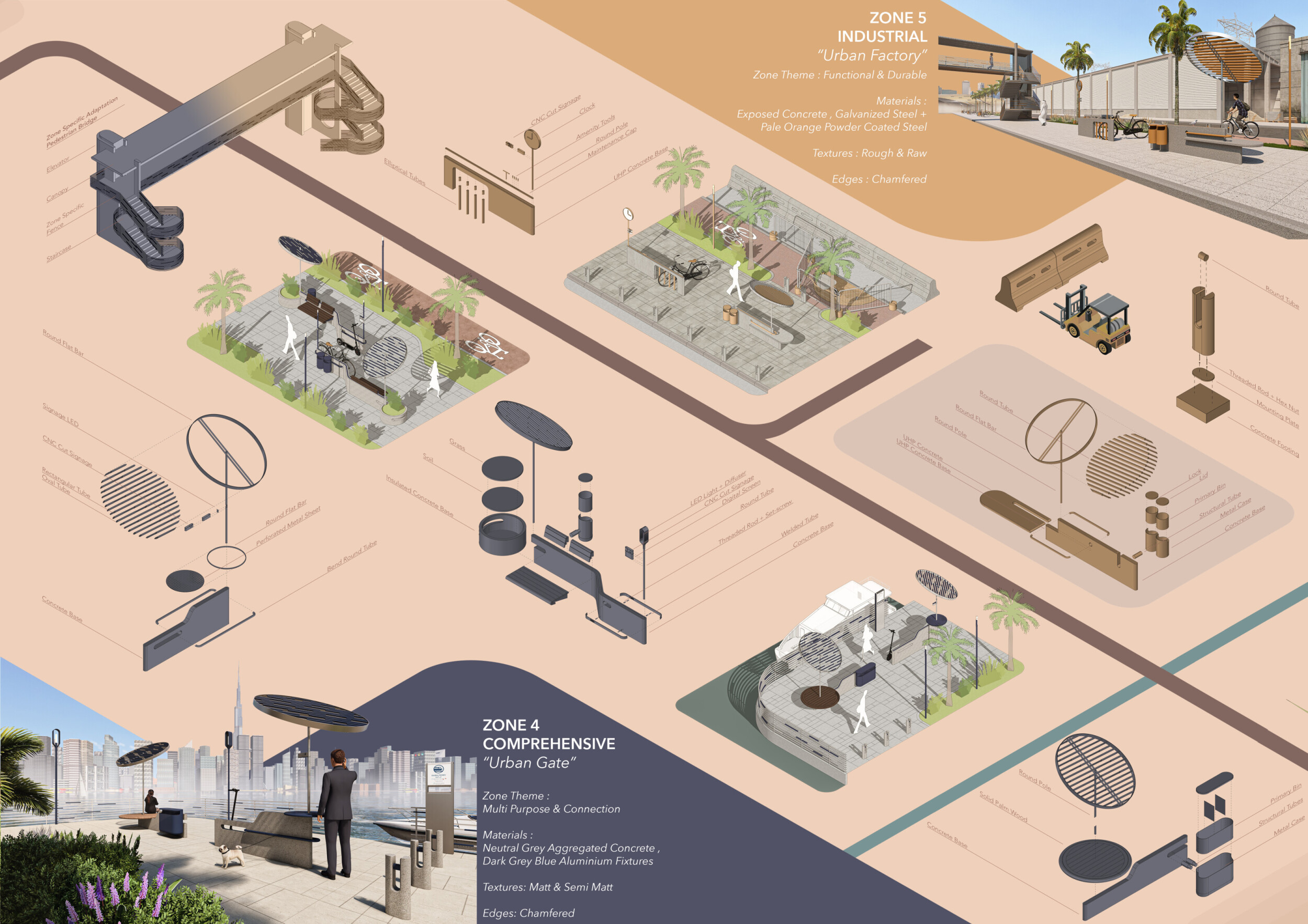
The Heritage Grid
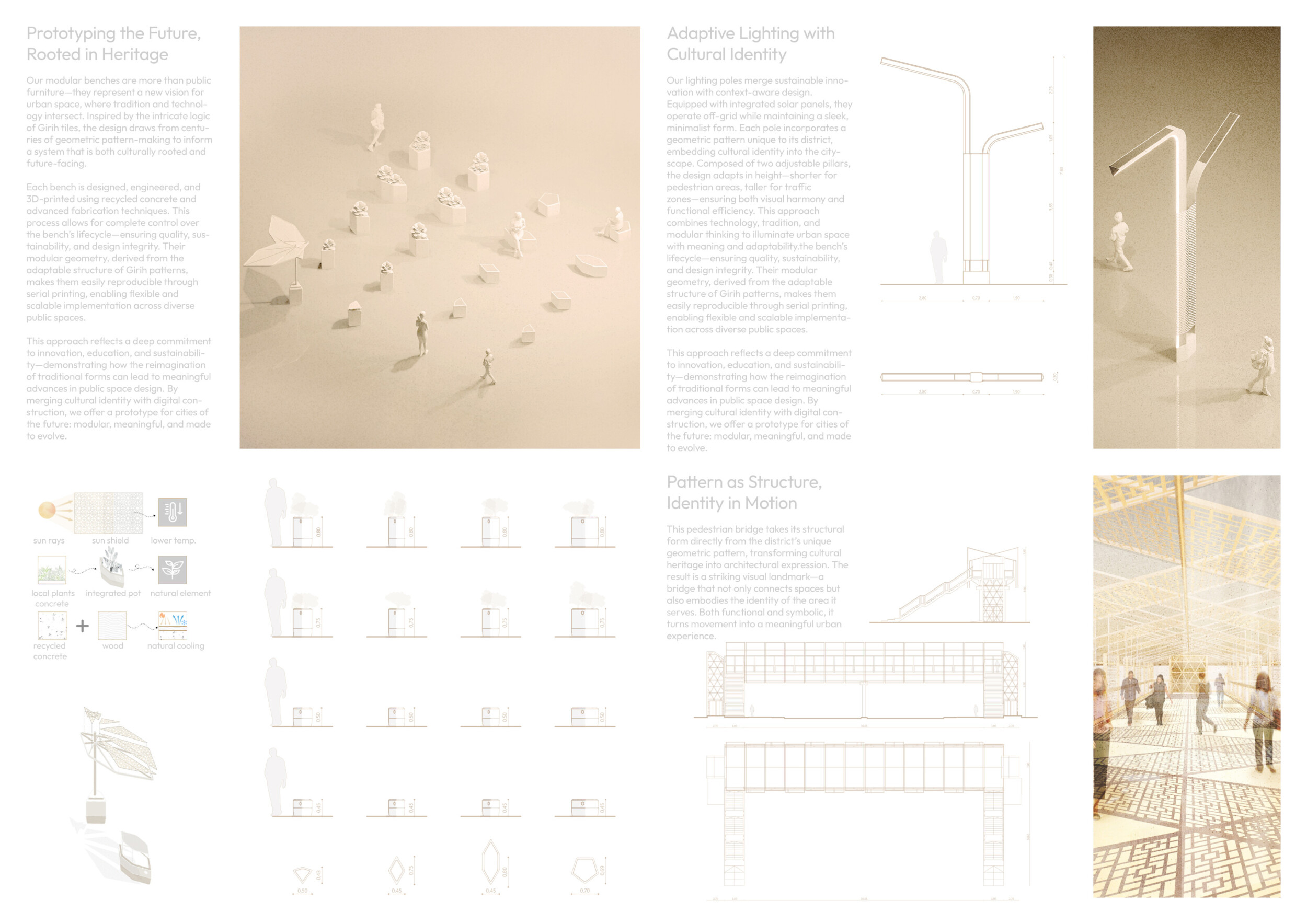
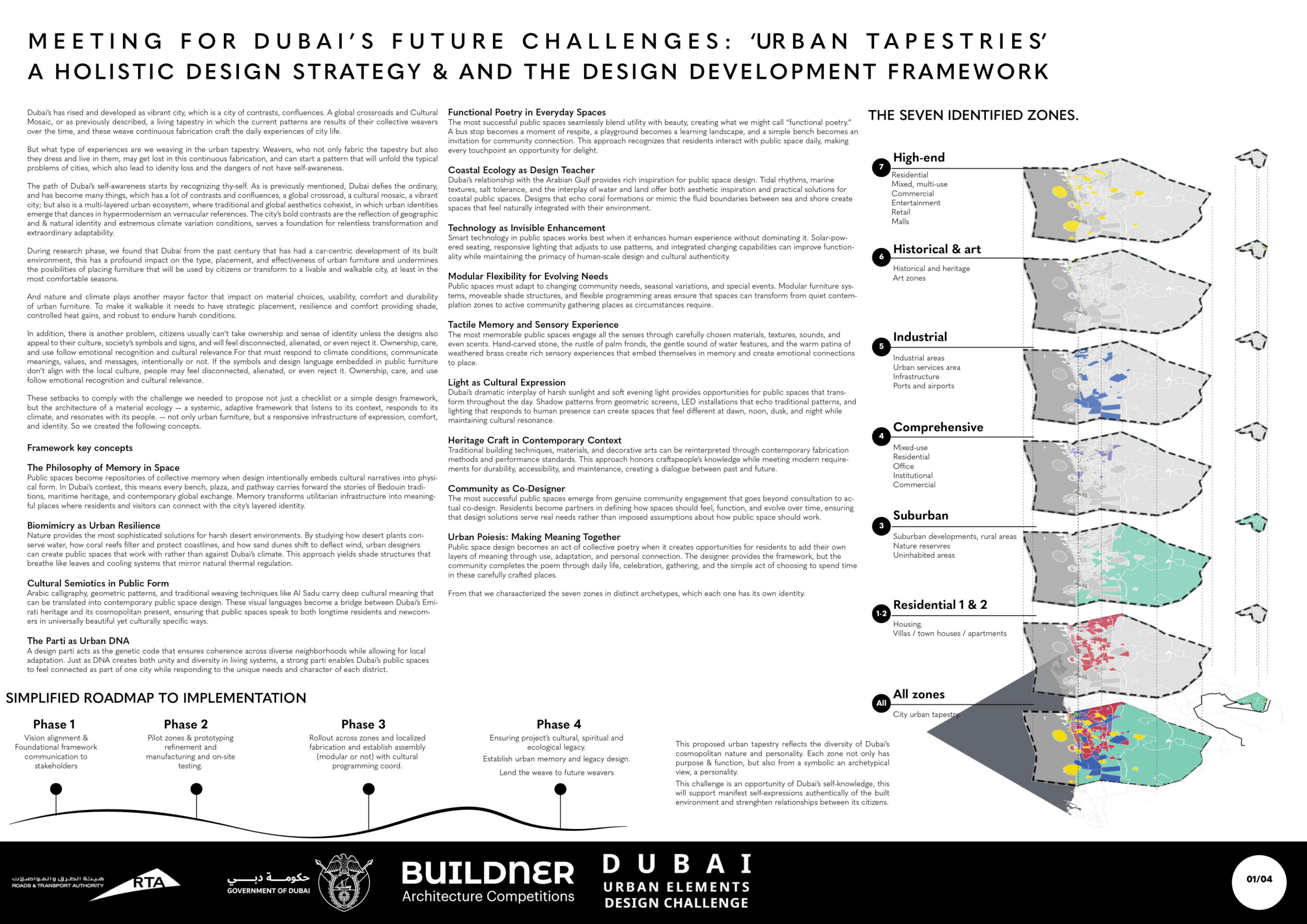
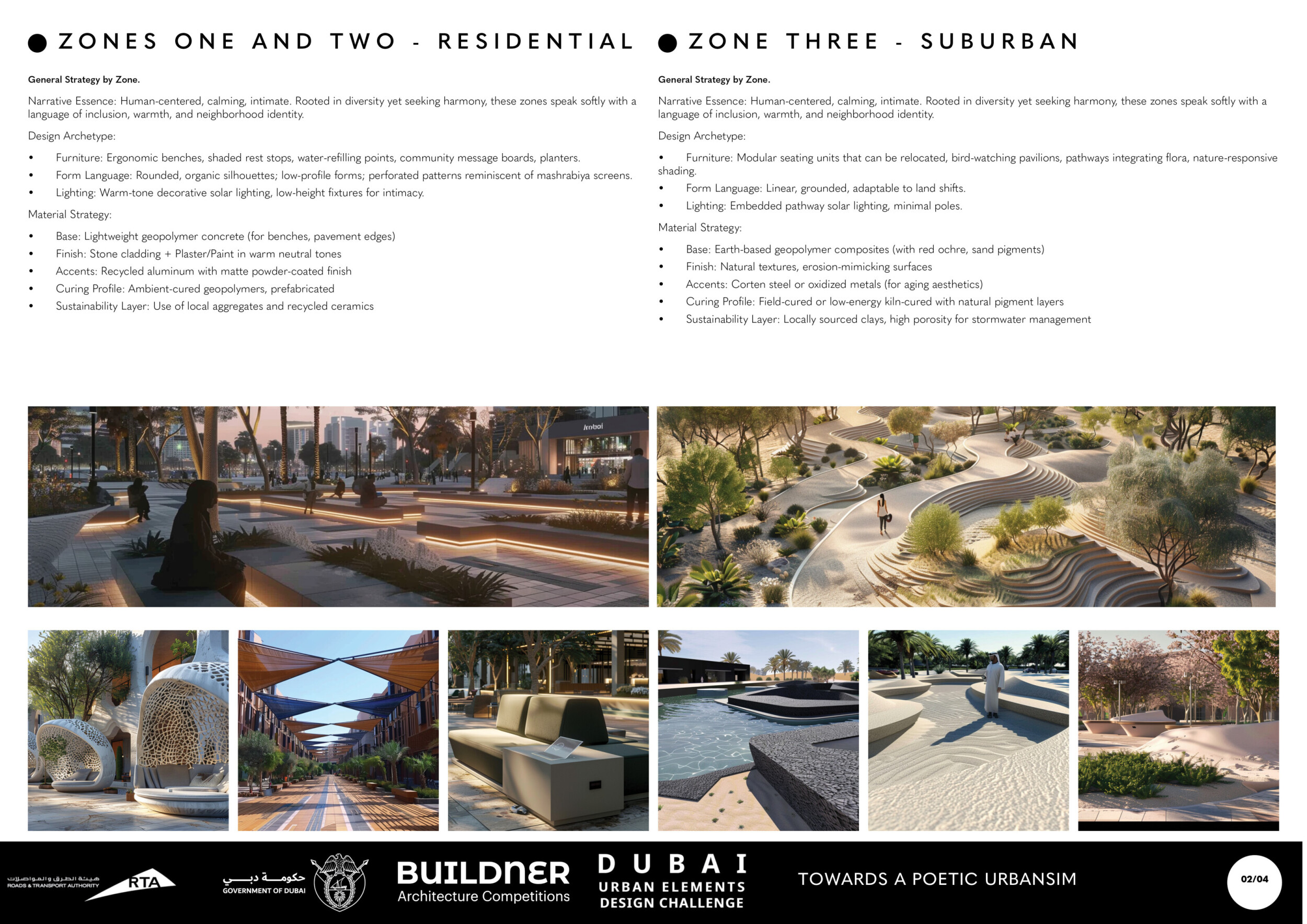
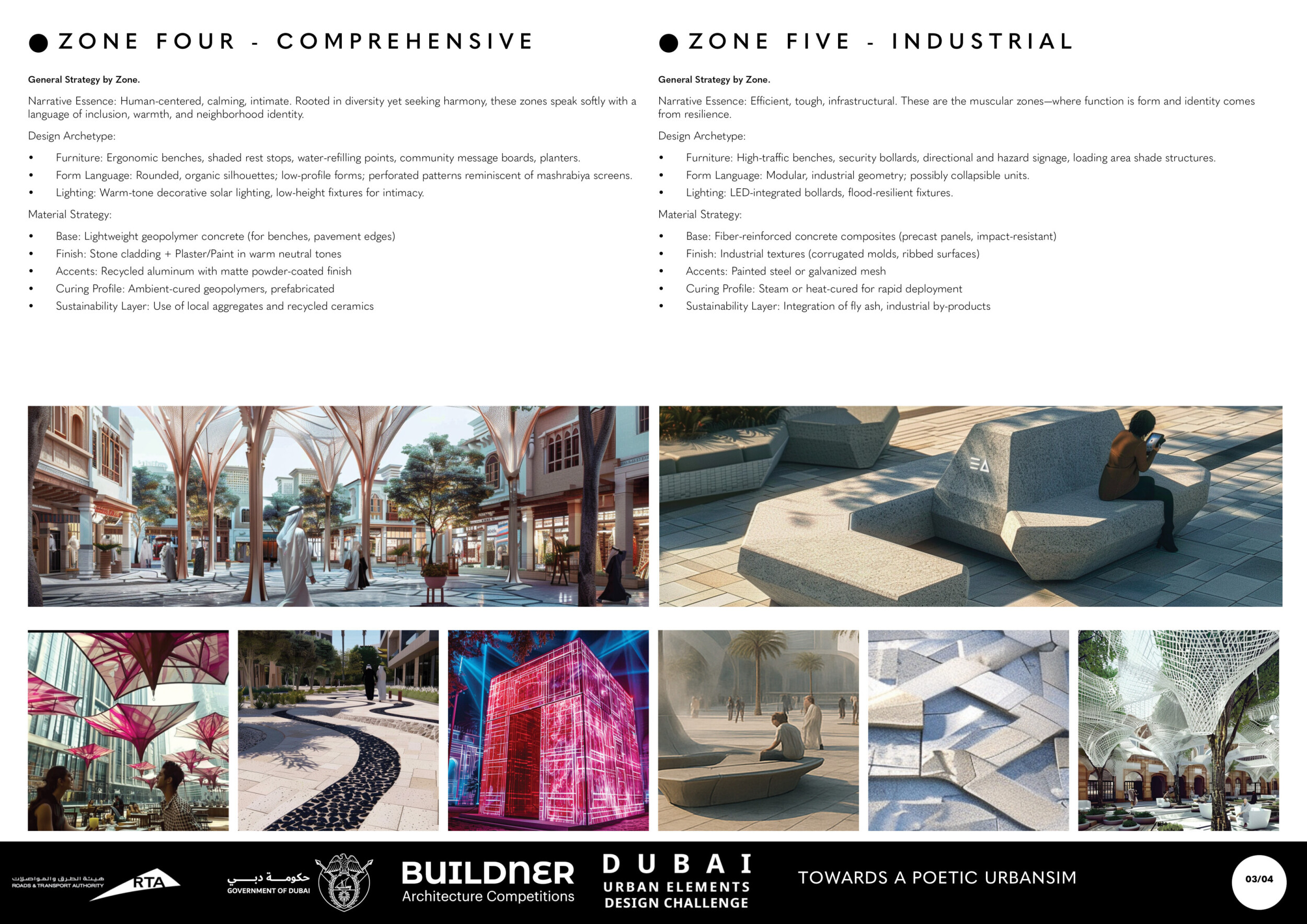
Towards a poetic urbanism: urban tapestries.
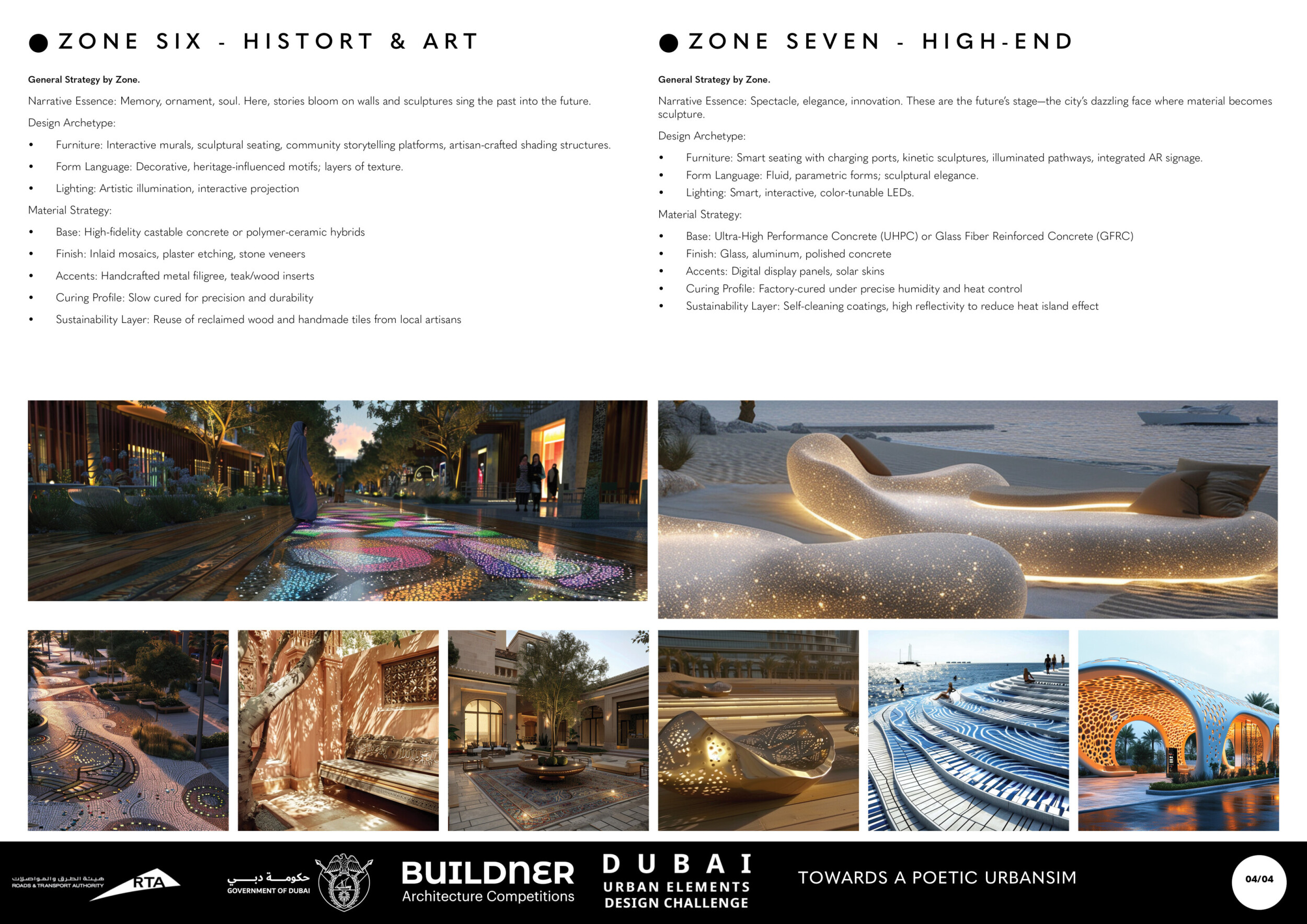
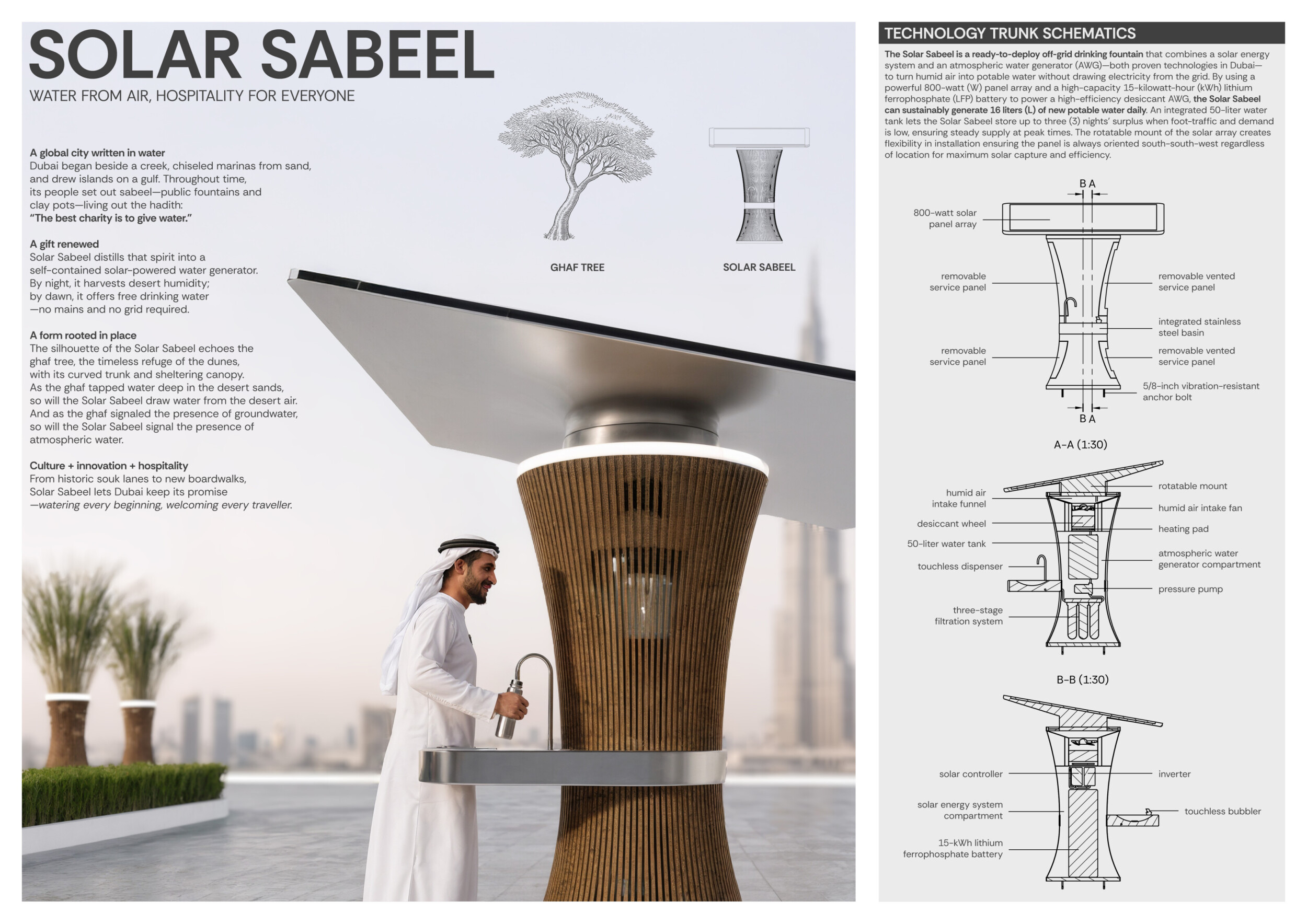
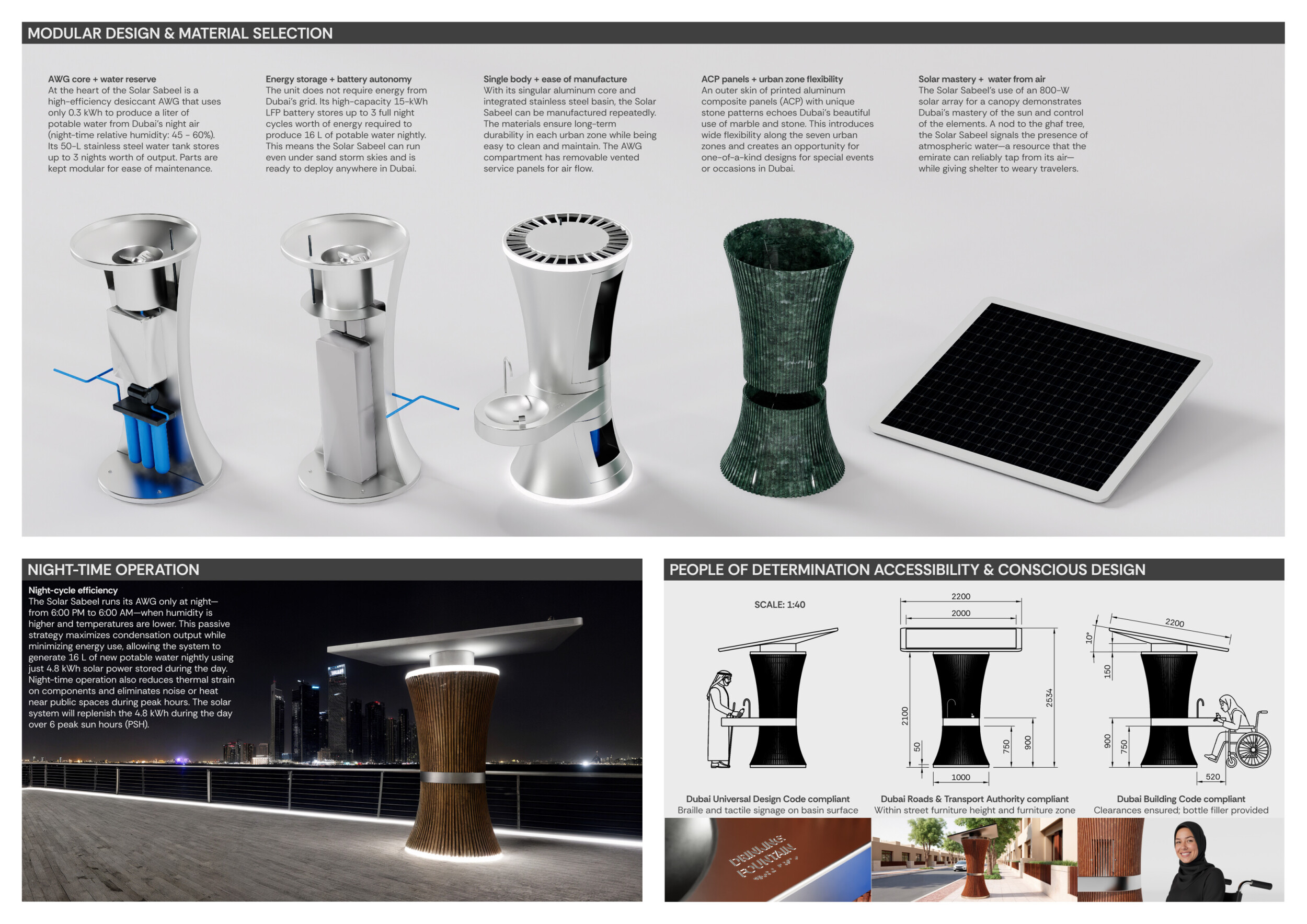
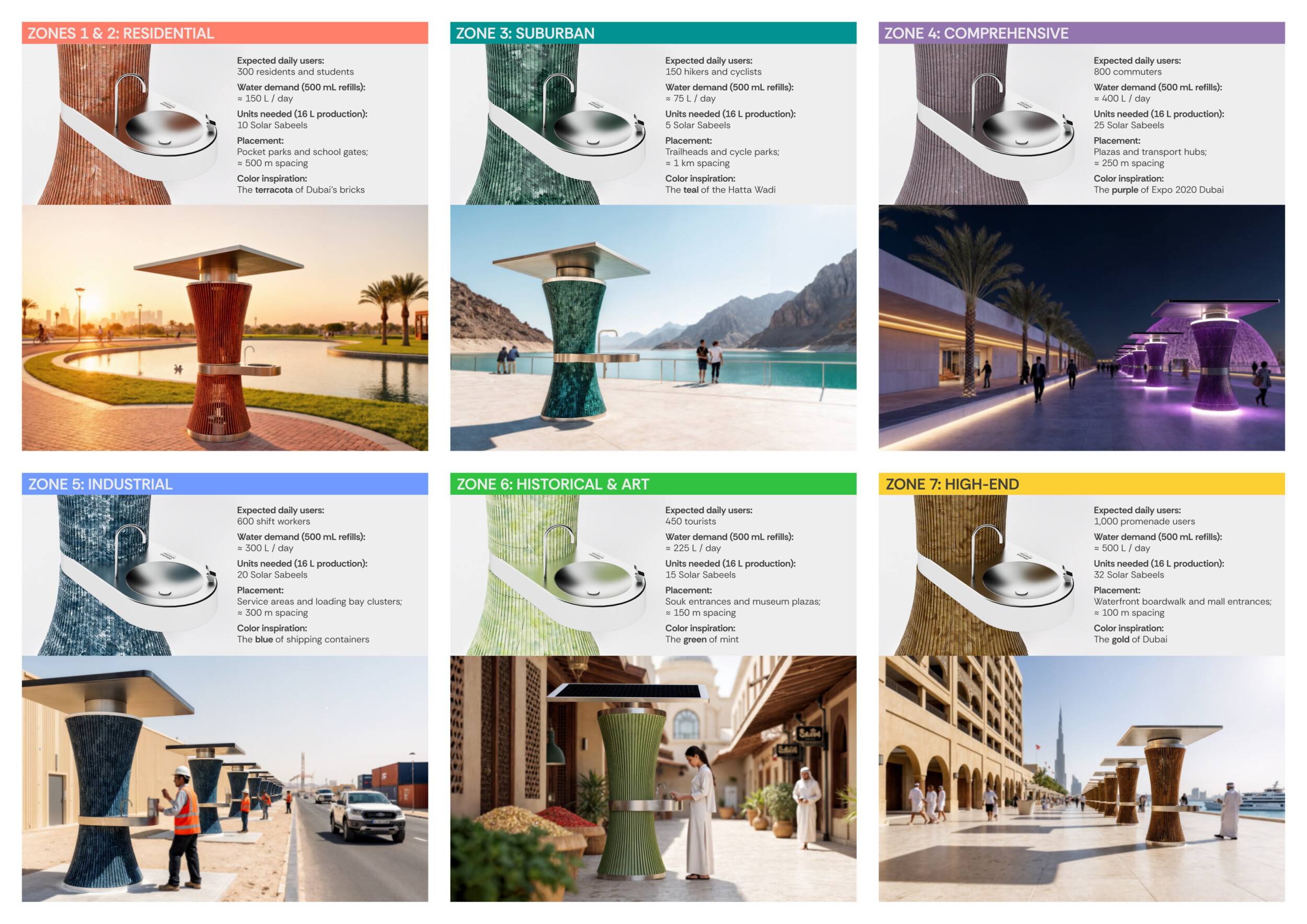
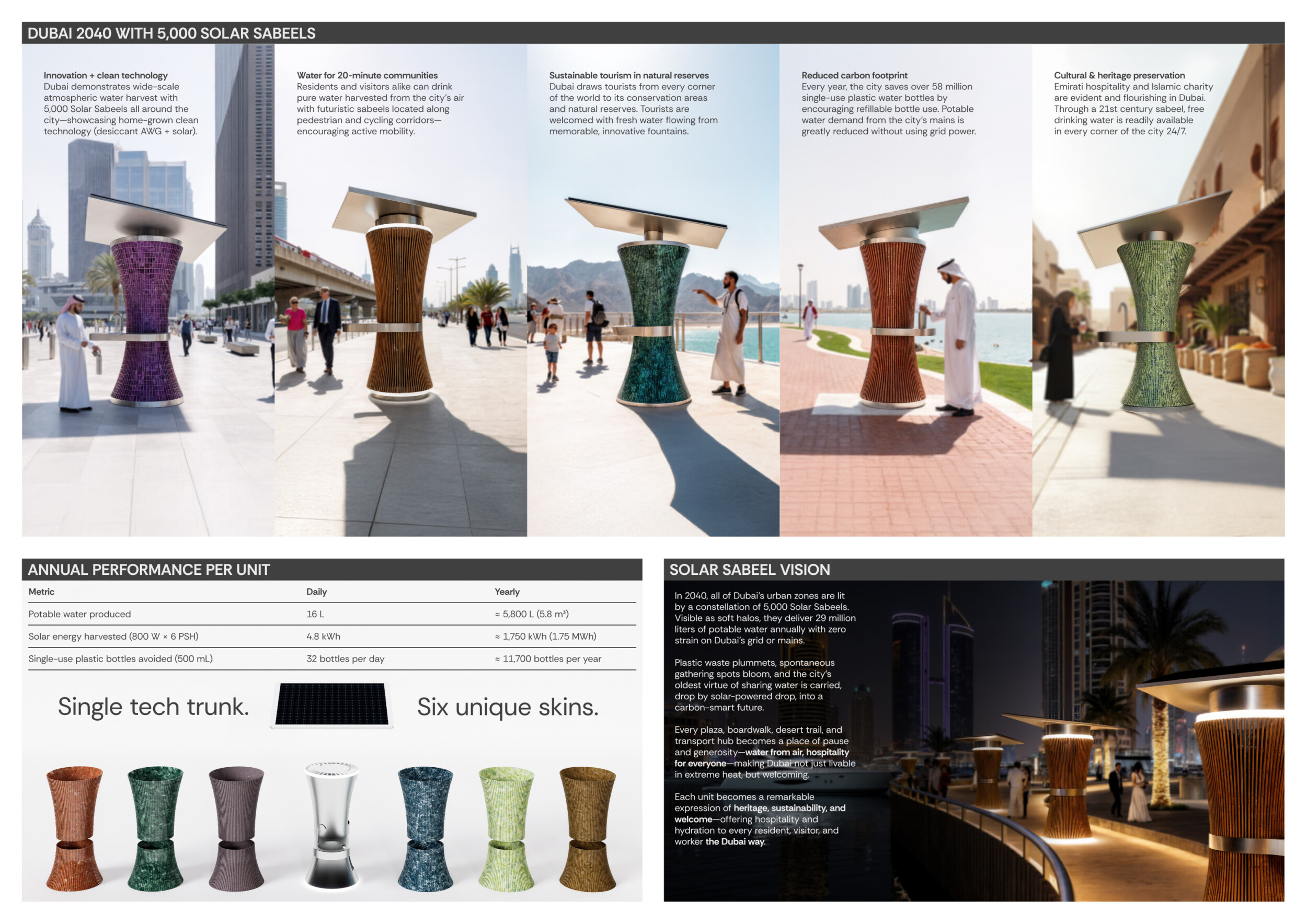
Solar Sabeel

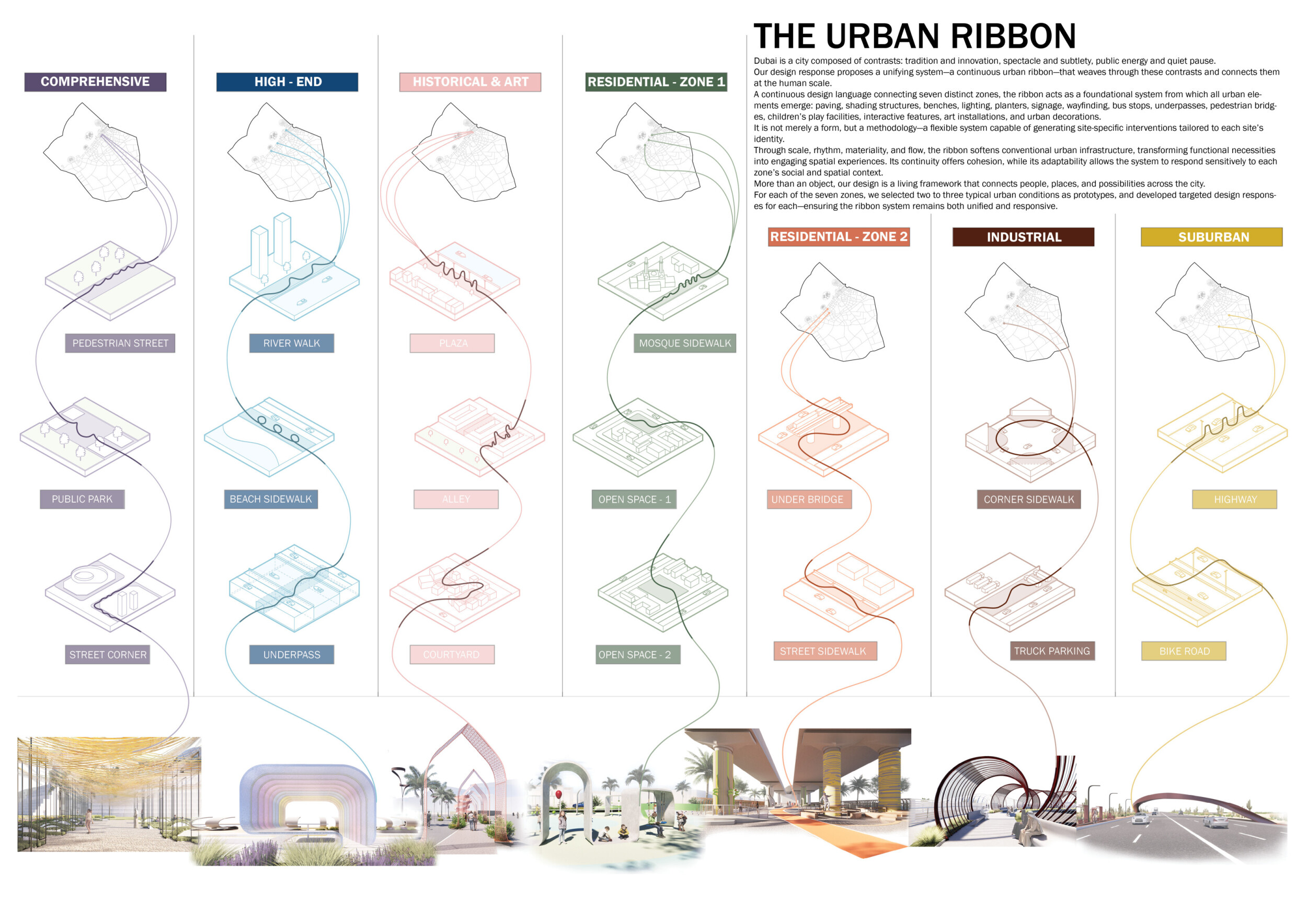
The Urban Ribbon
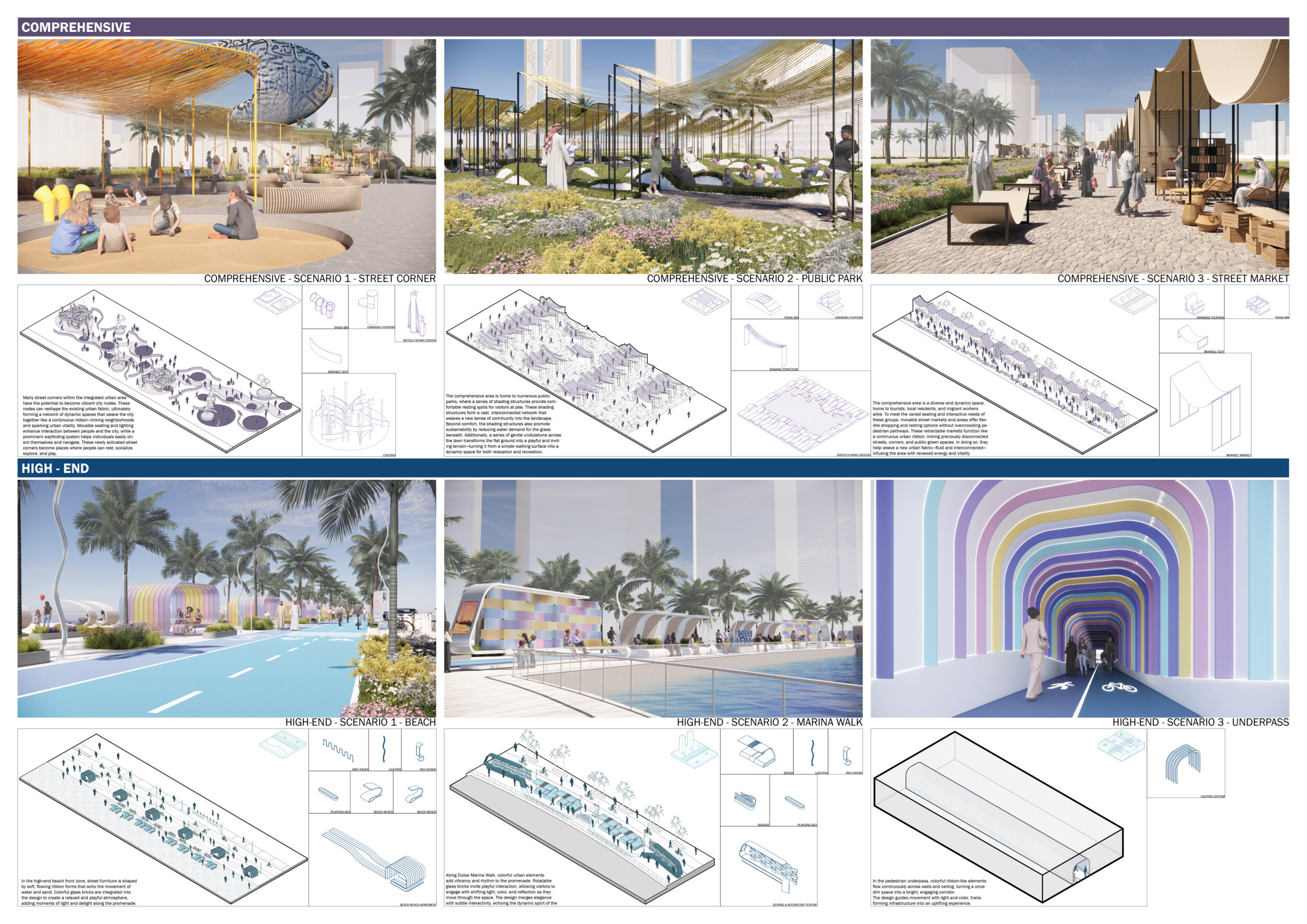
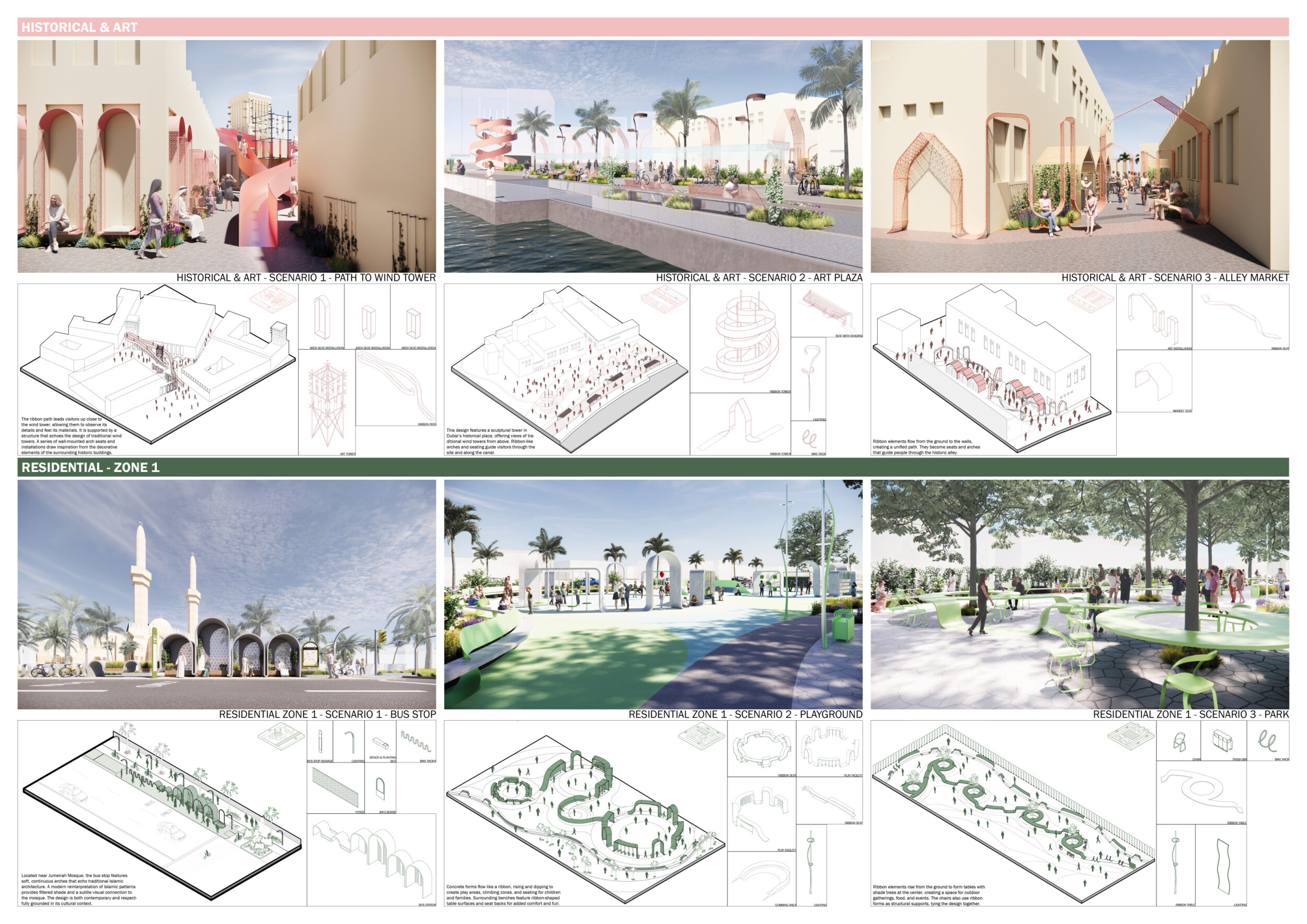
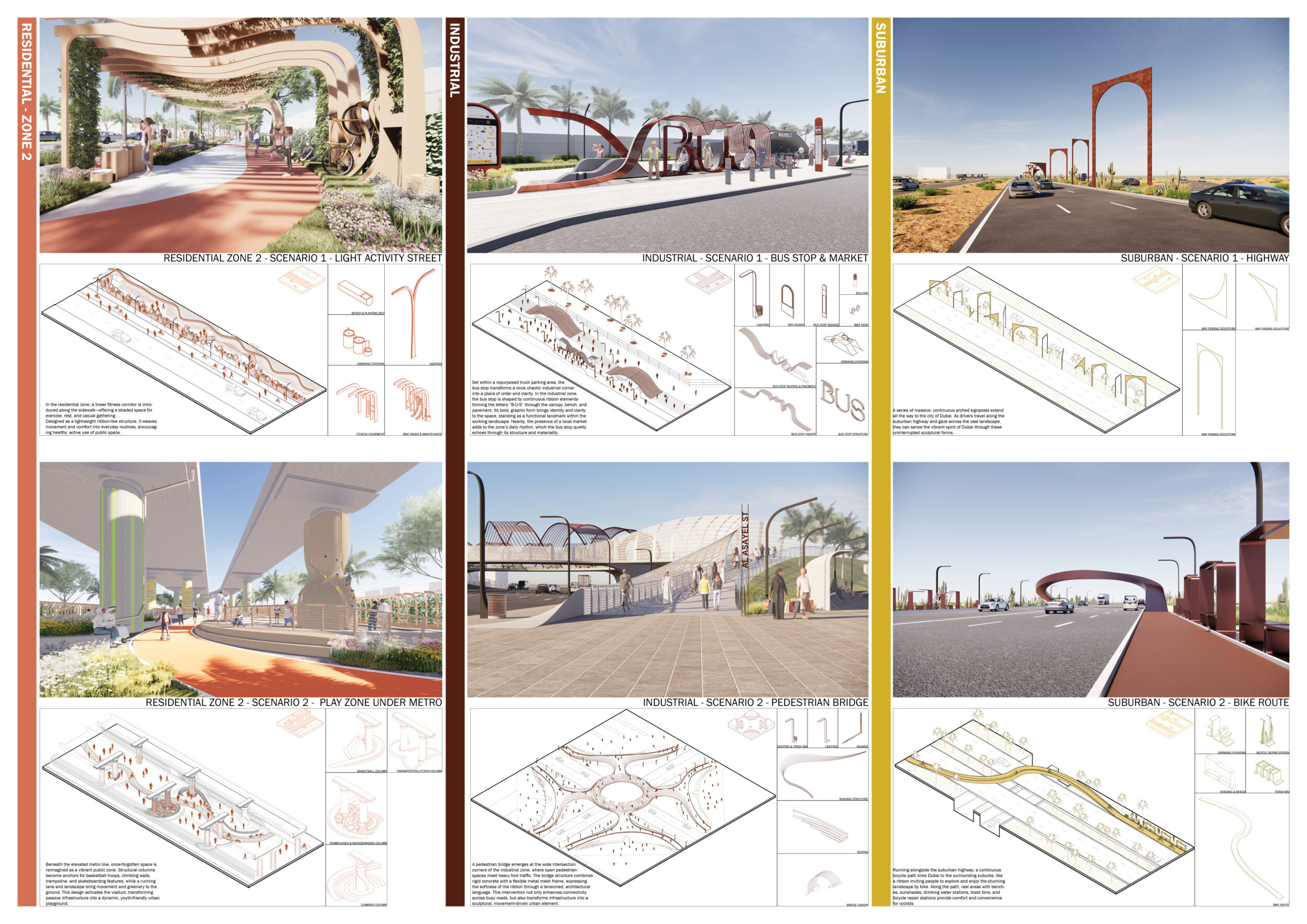
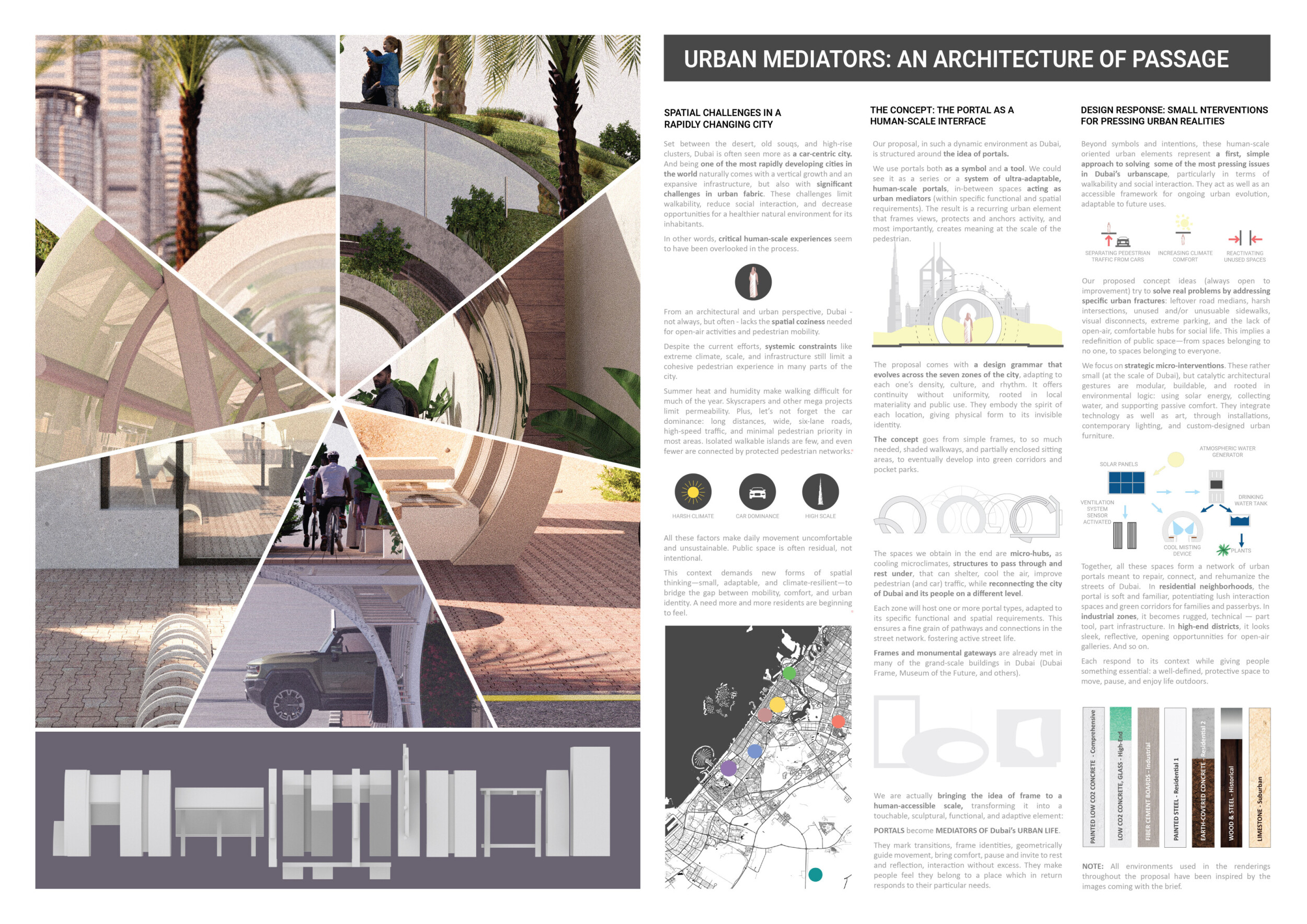
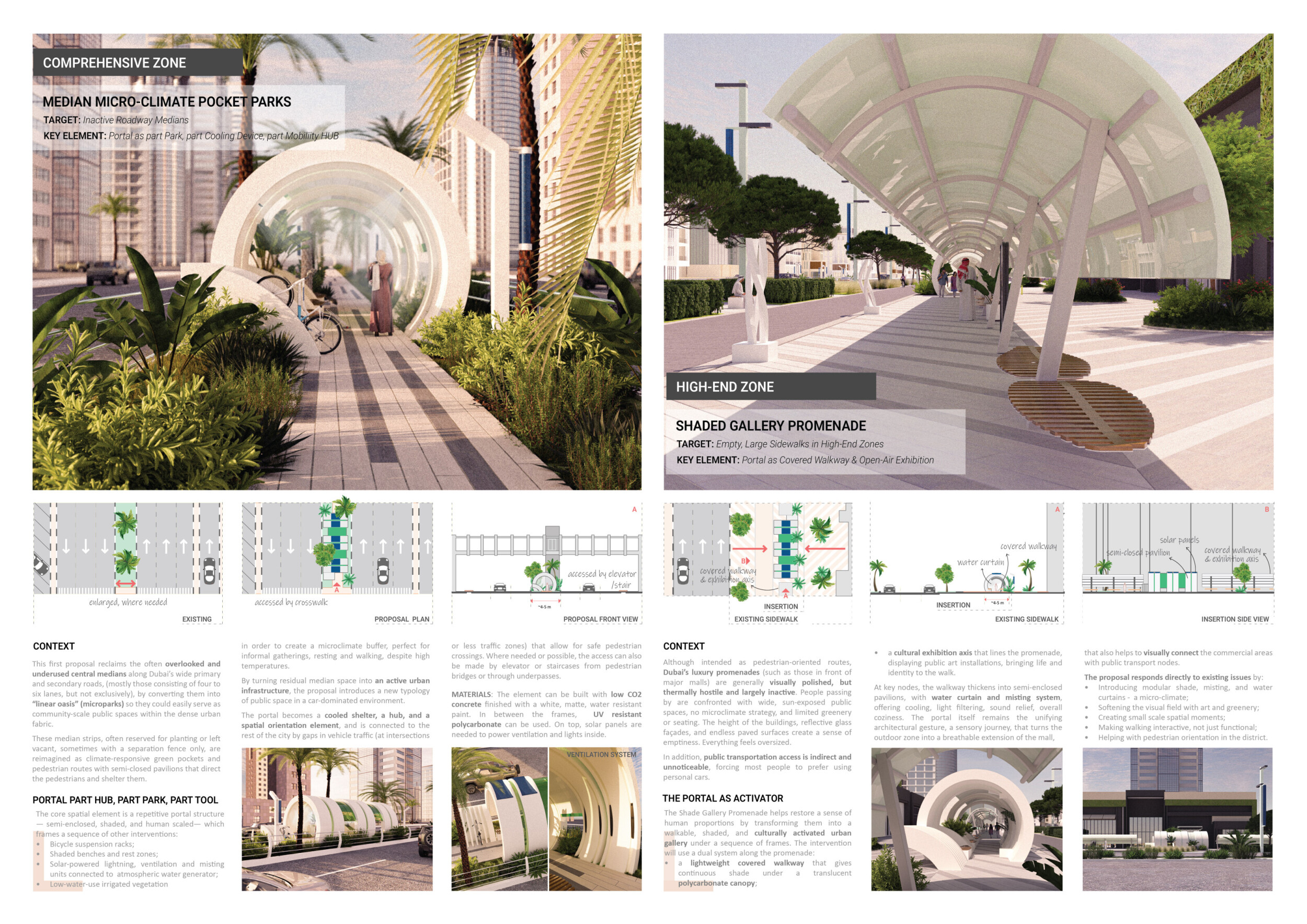
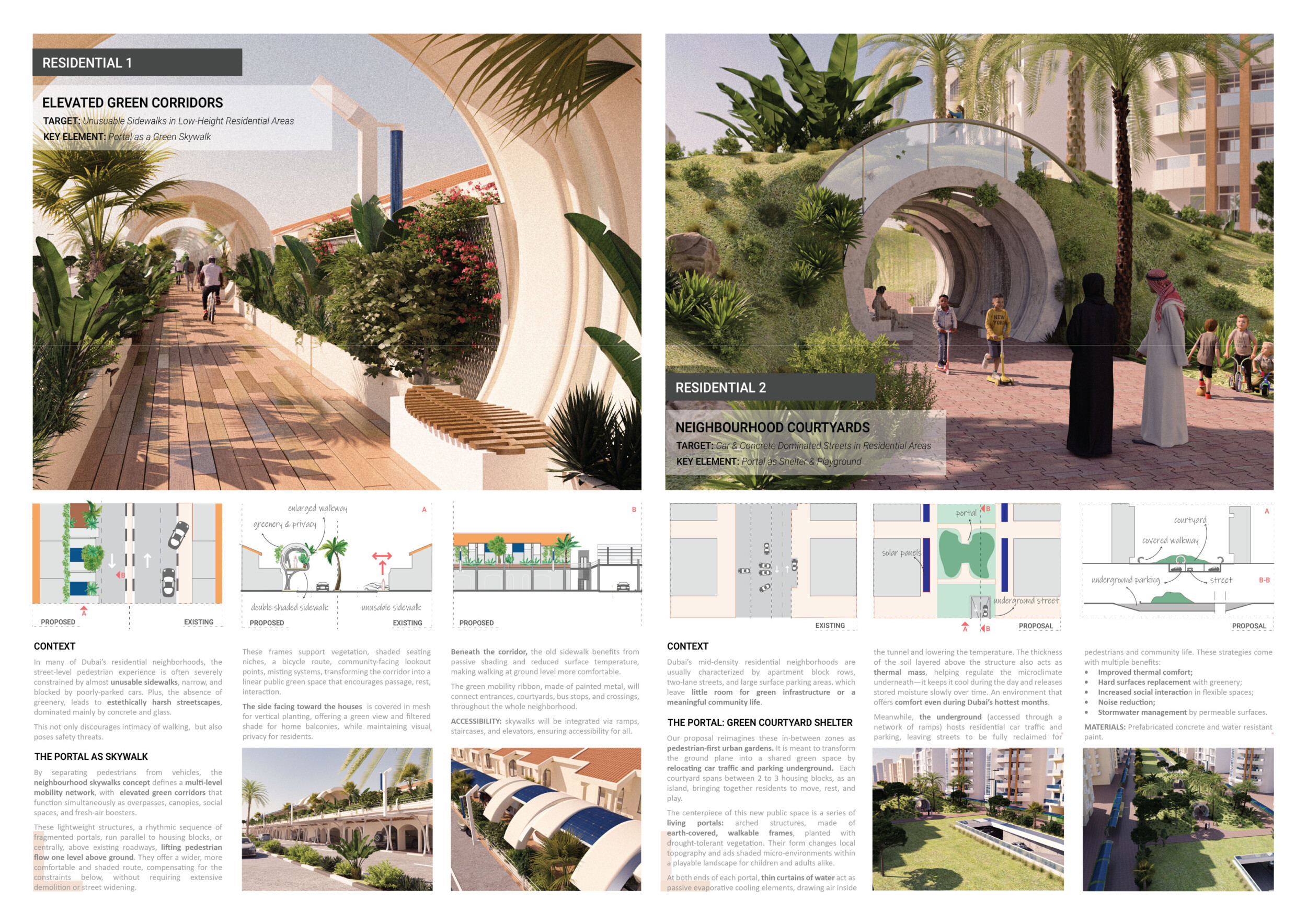
URBAN MEDIATORS: THE ARCHITECTURE OF PASSAGE
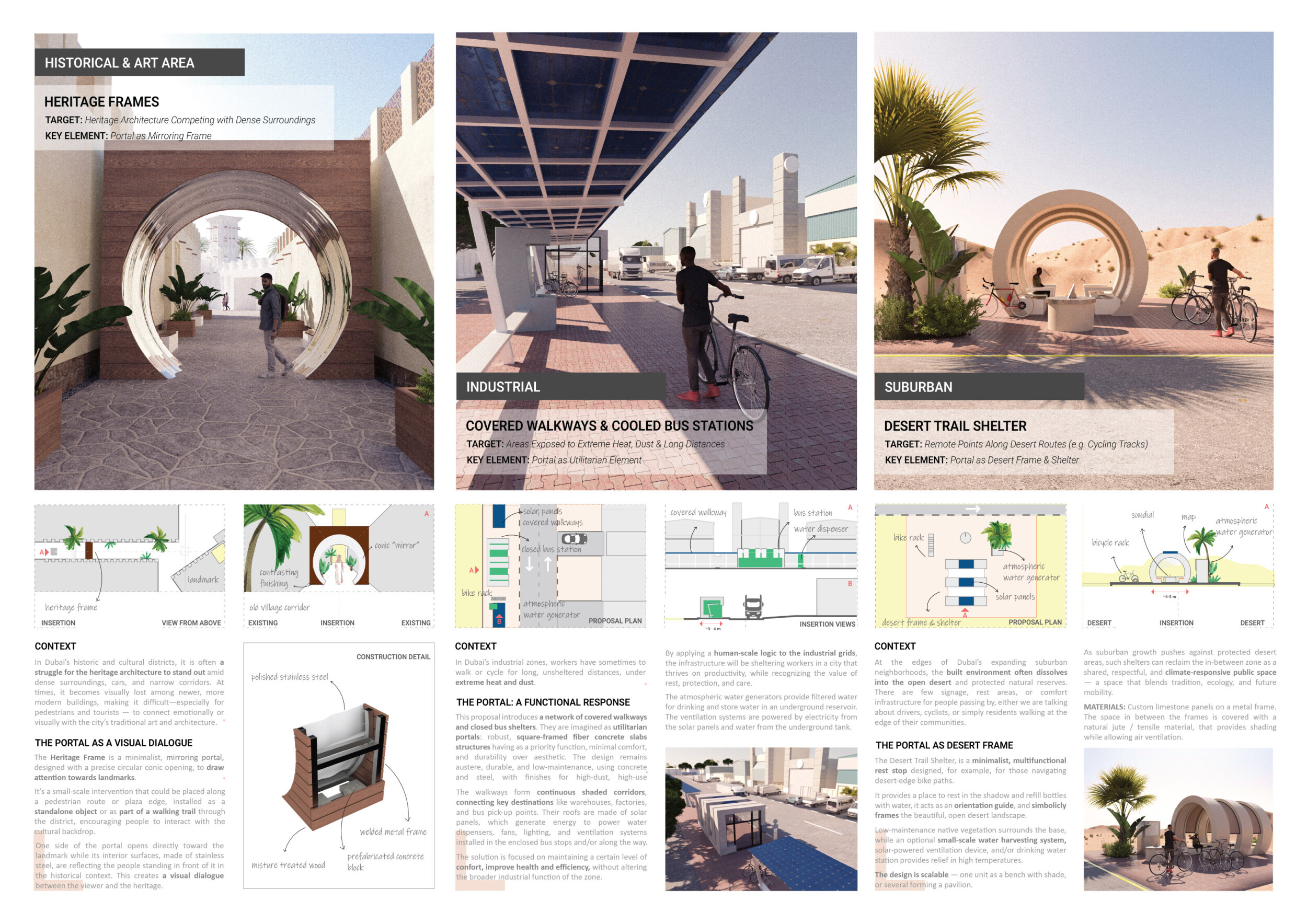
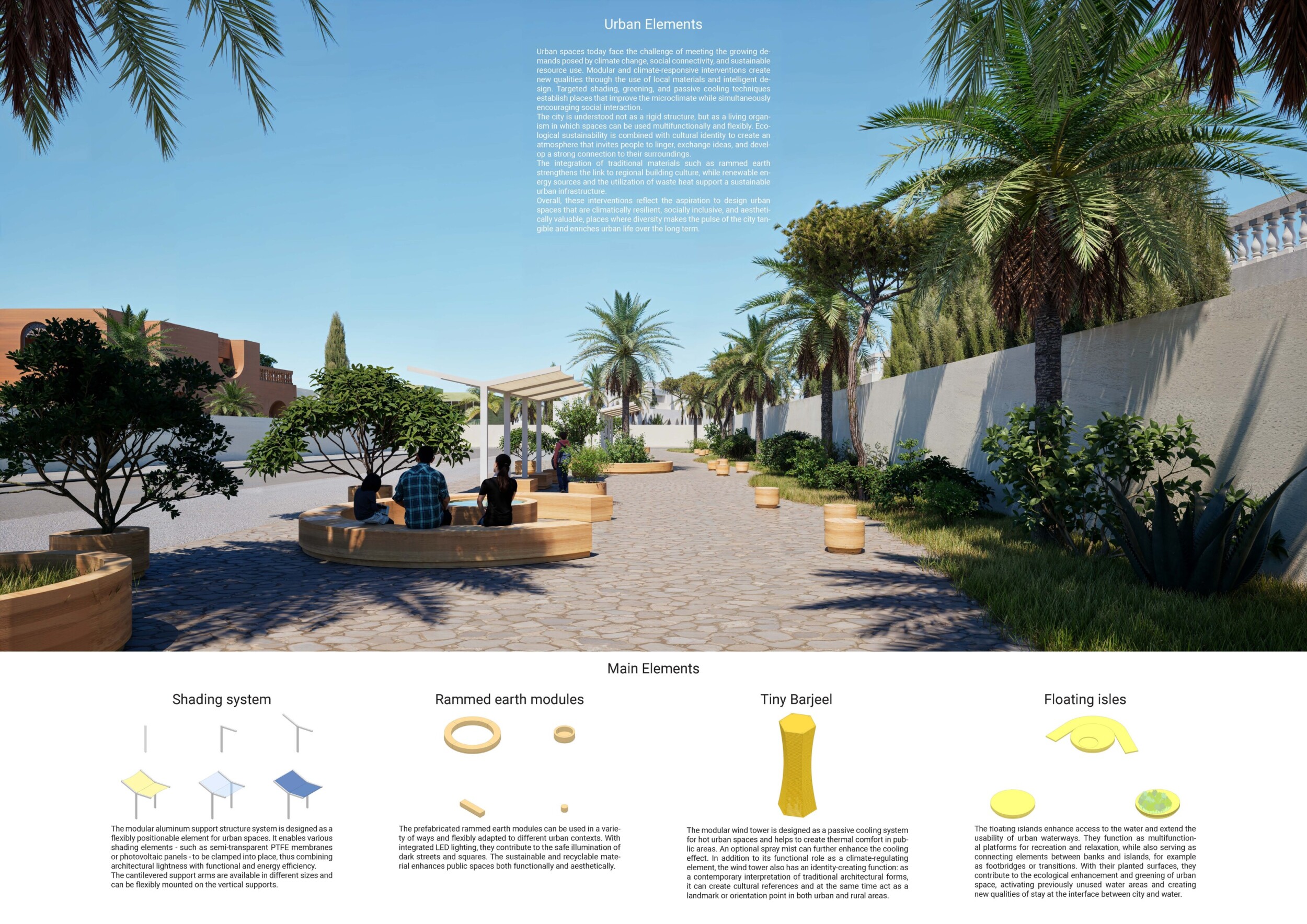
Urban Elements
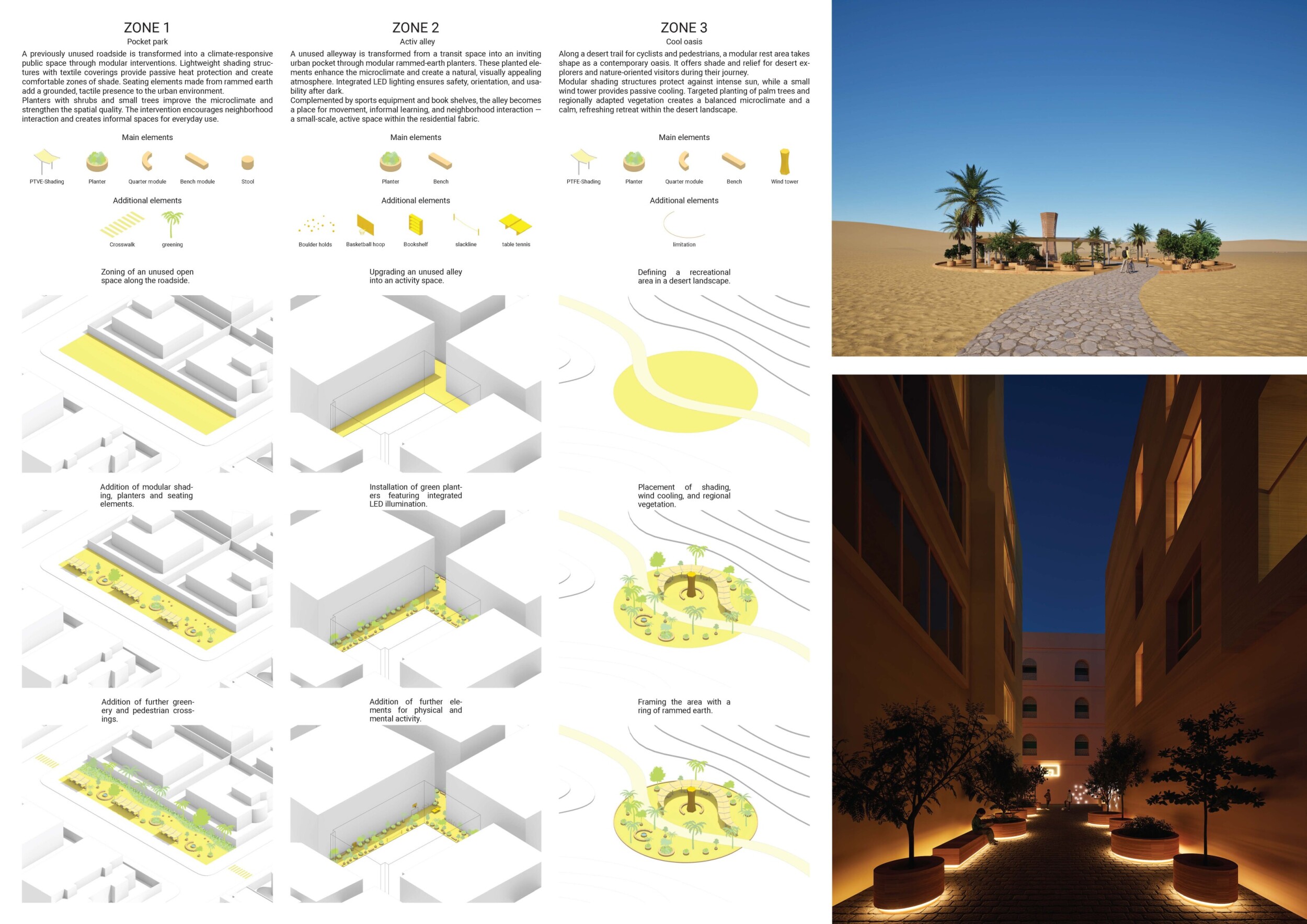
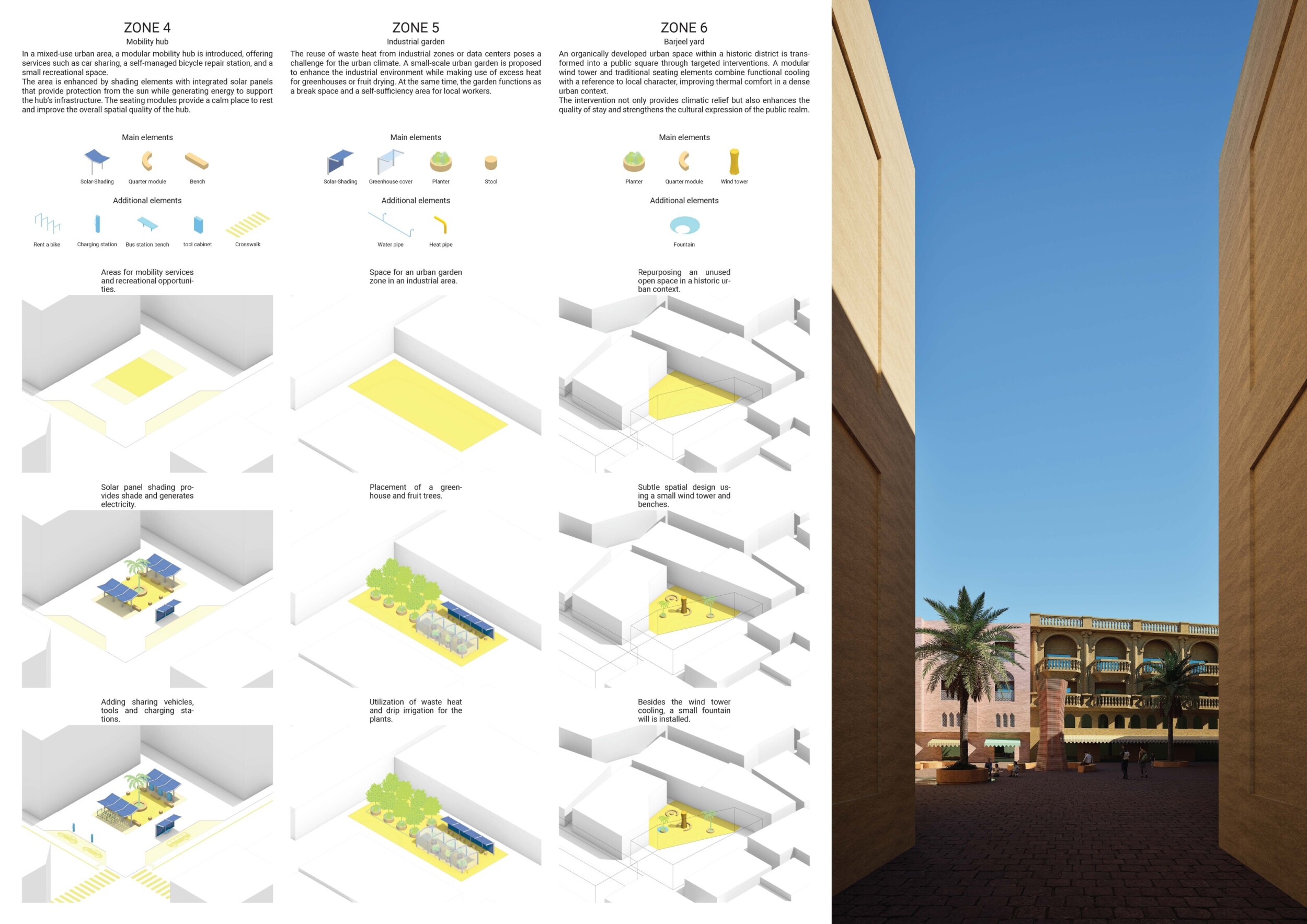
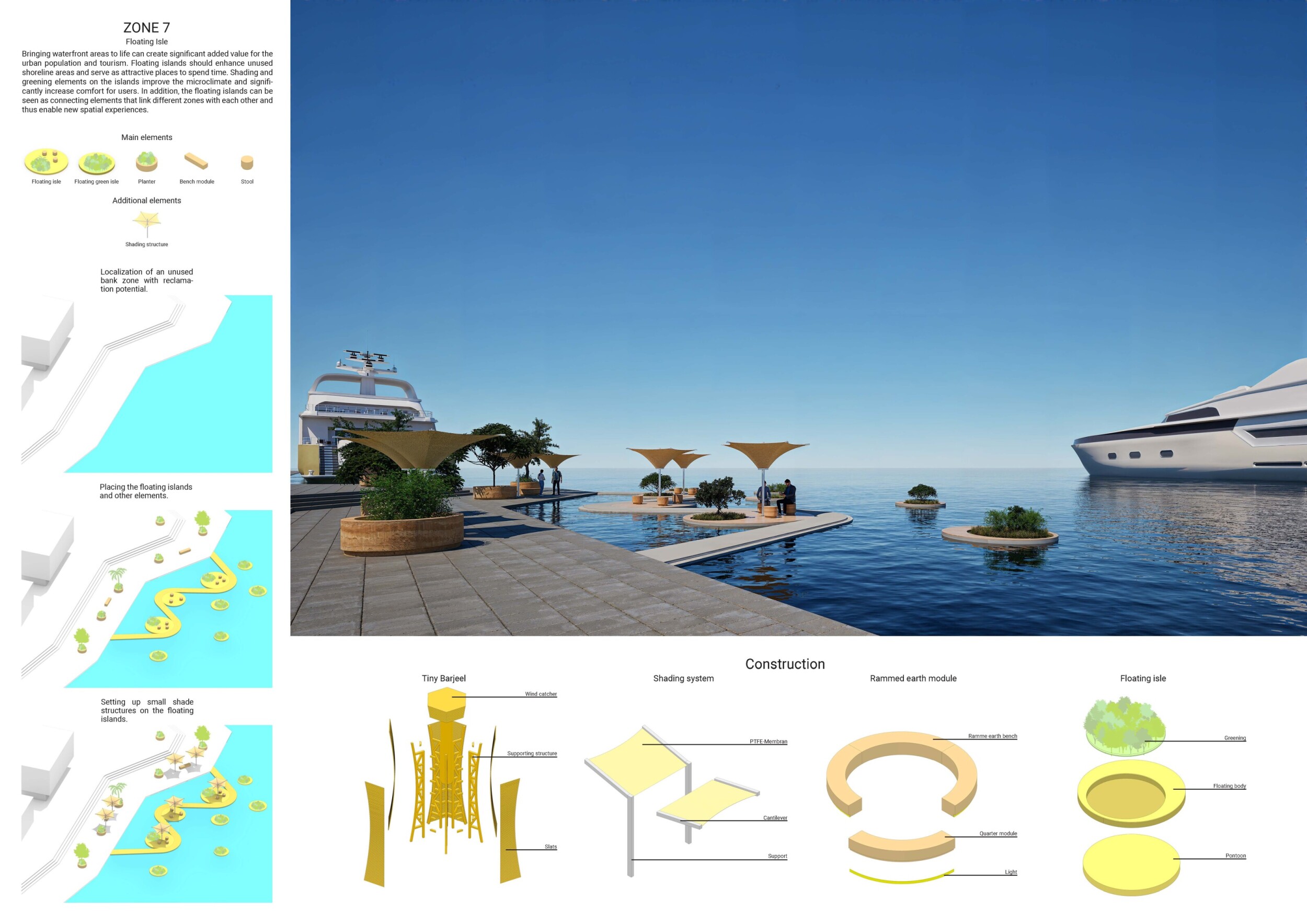
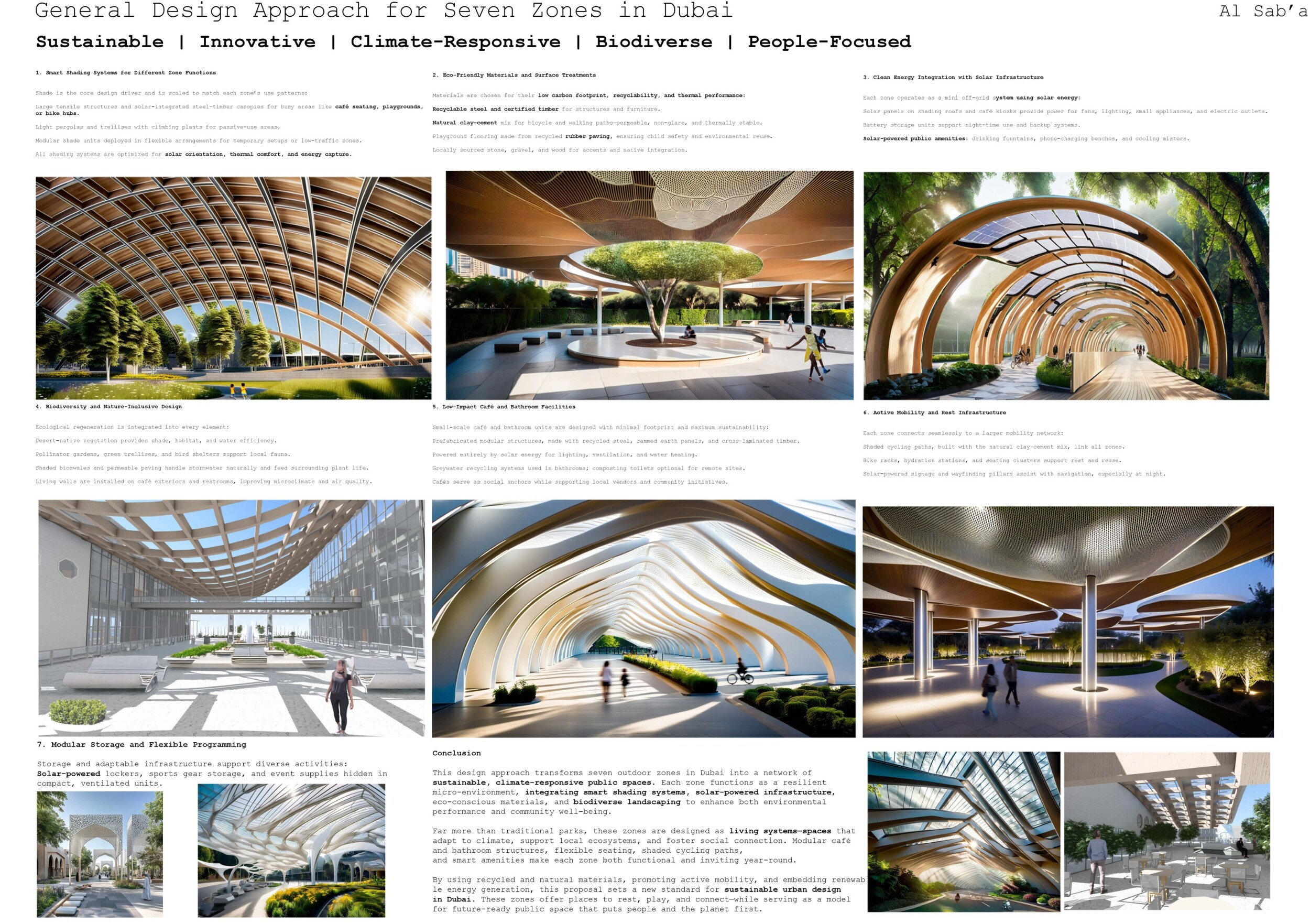
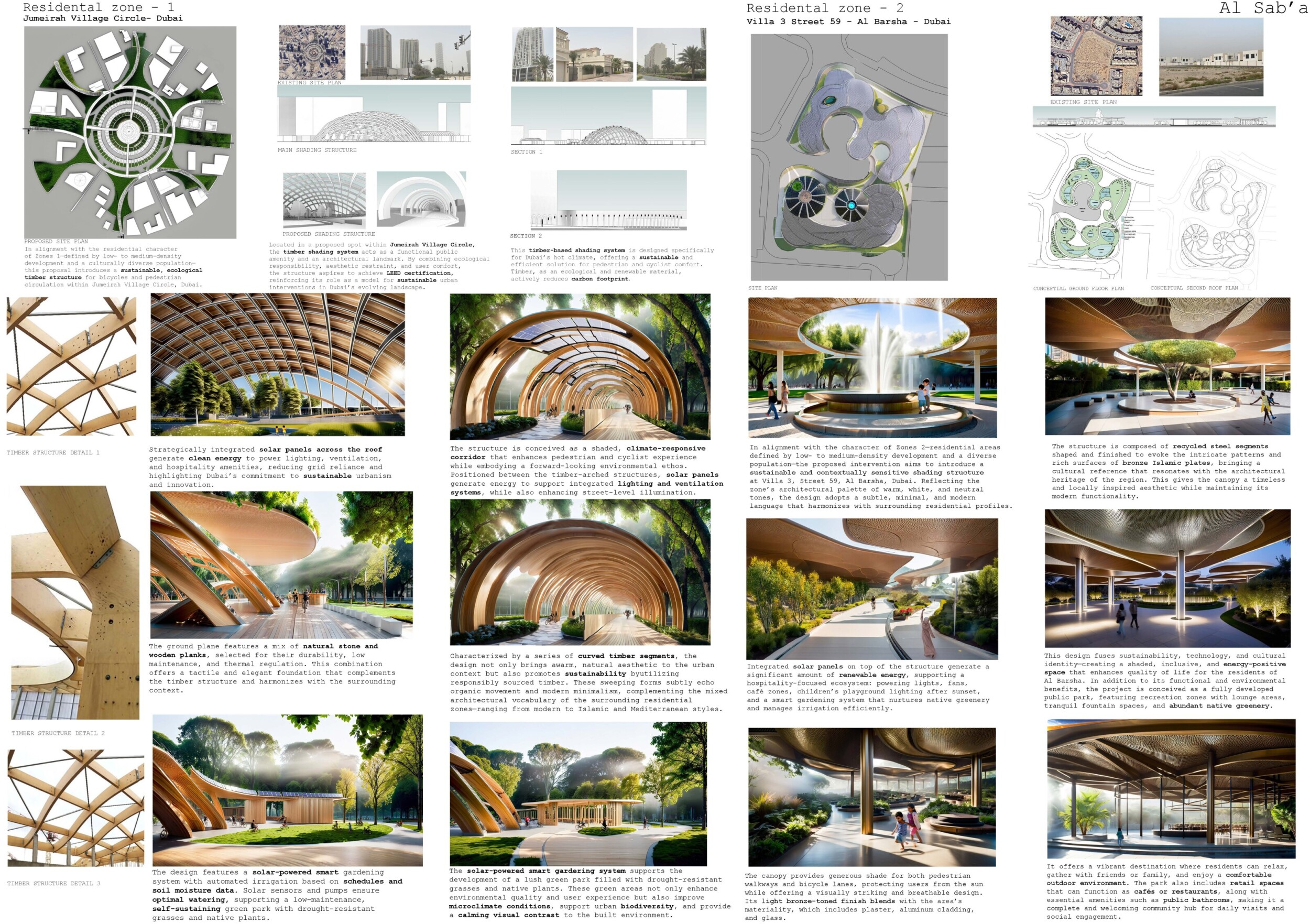
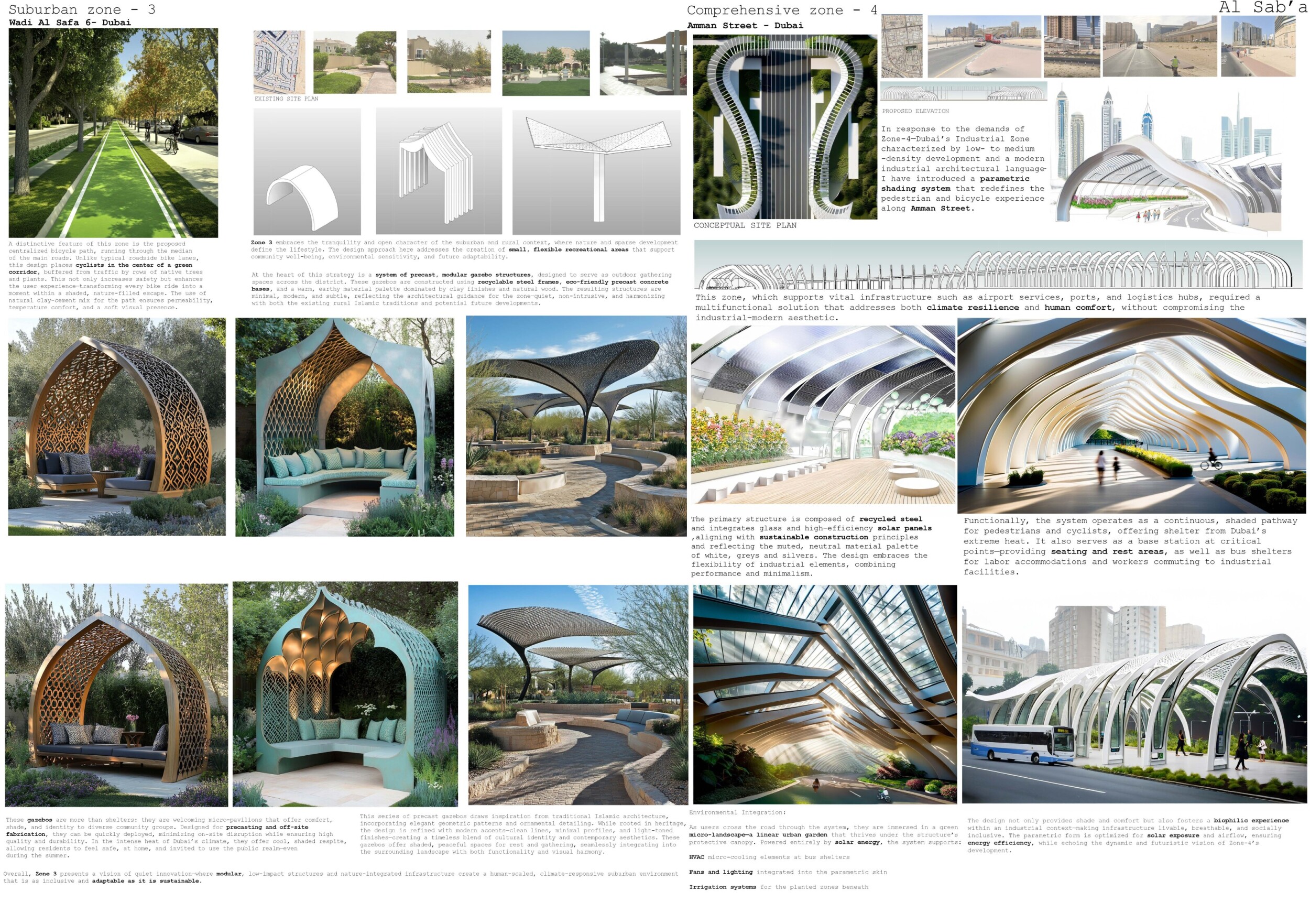
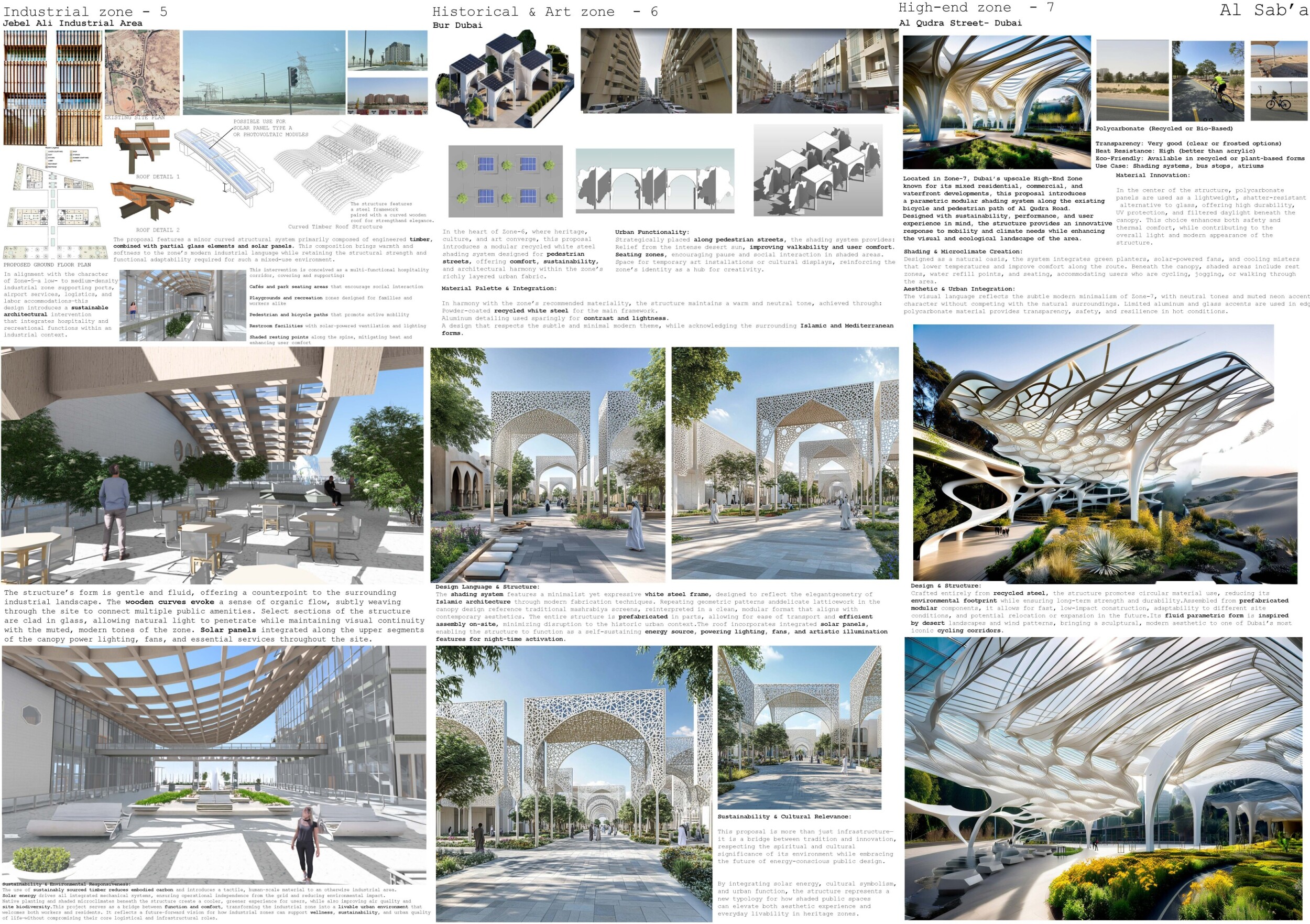
Al Sab’a
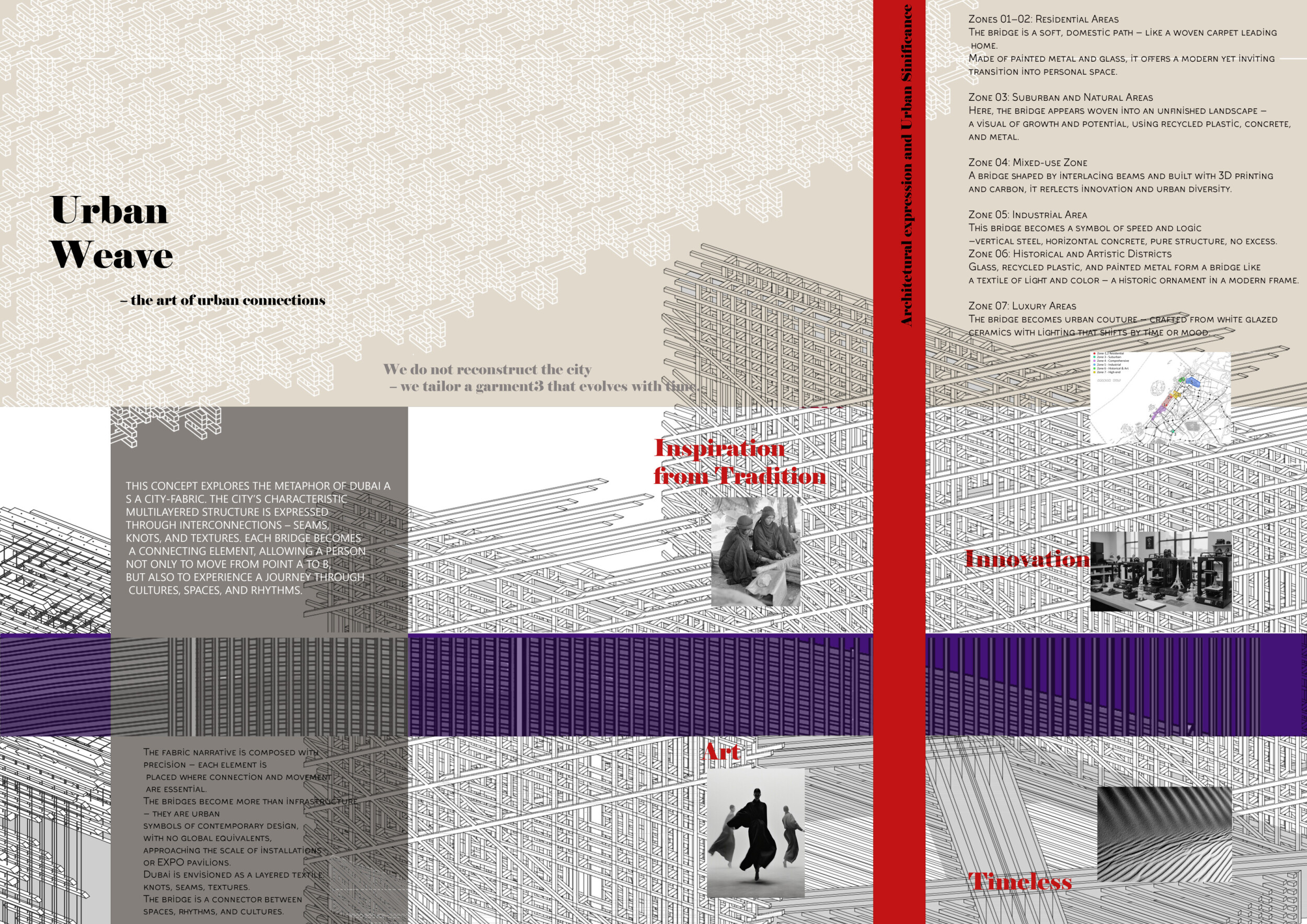
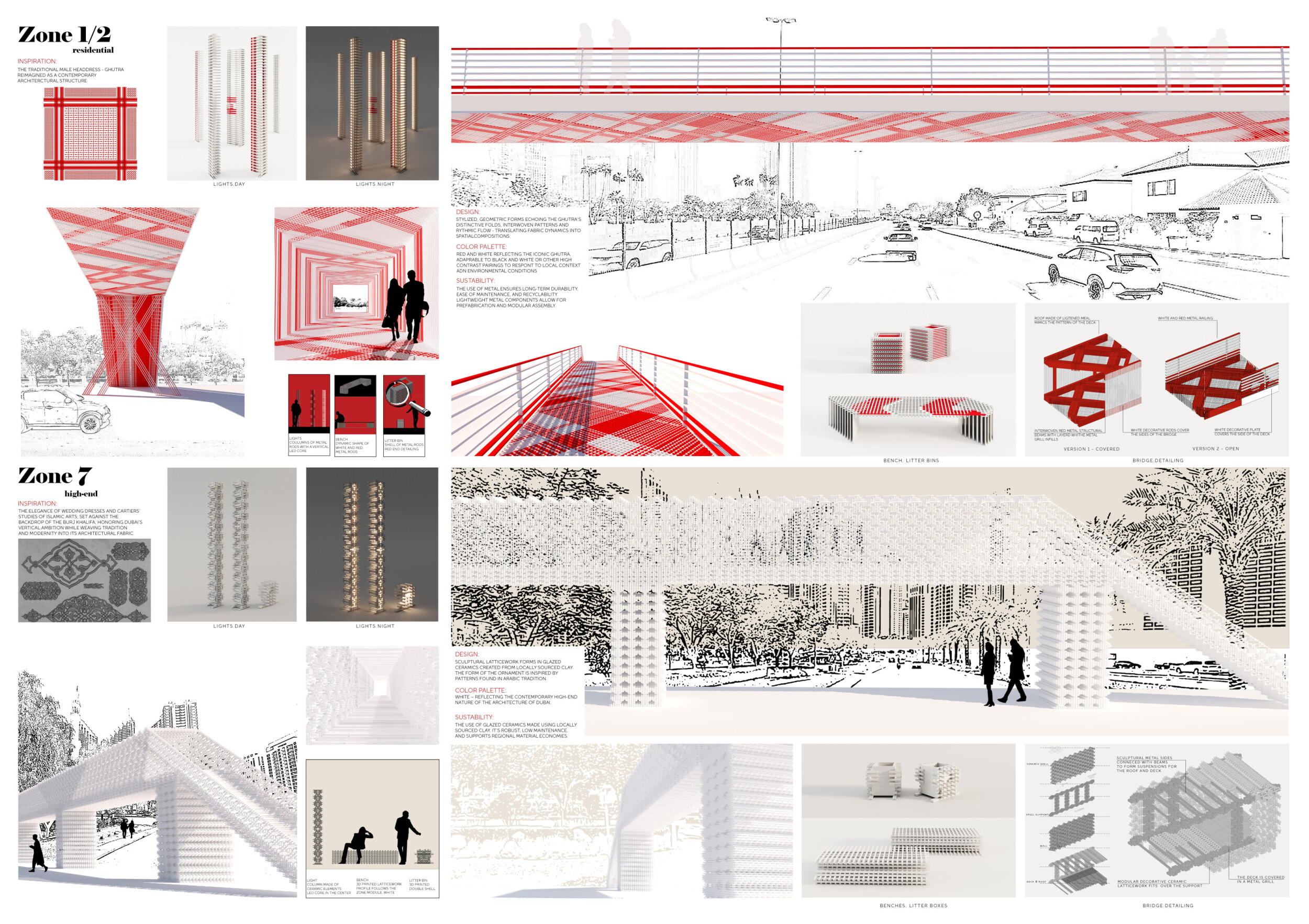
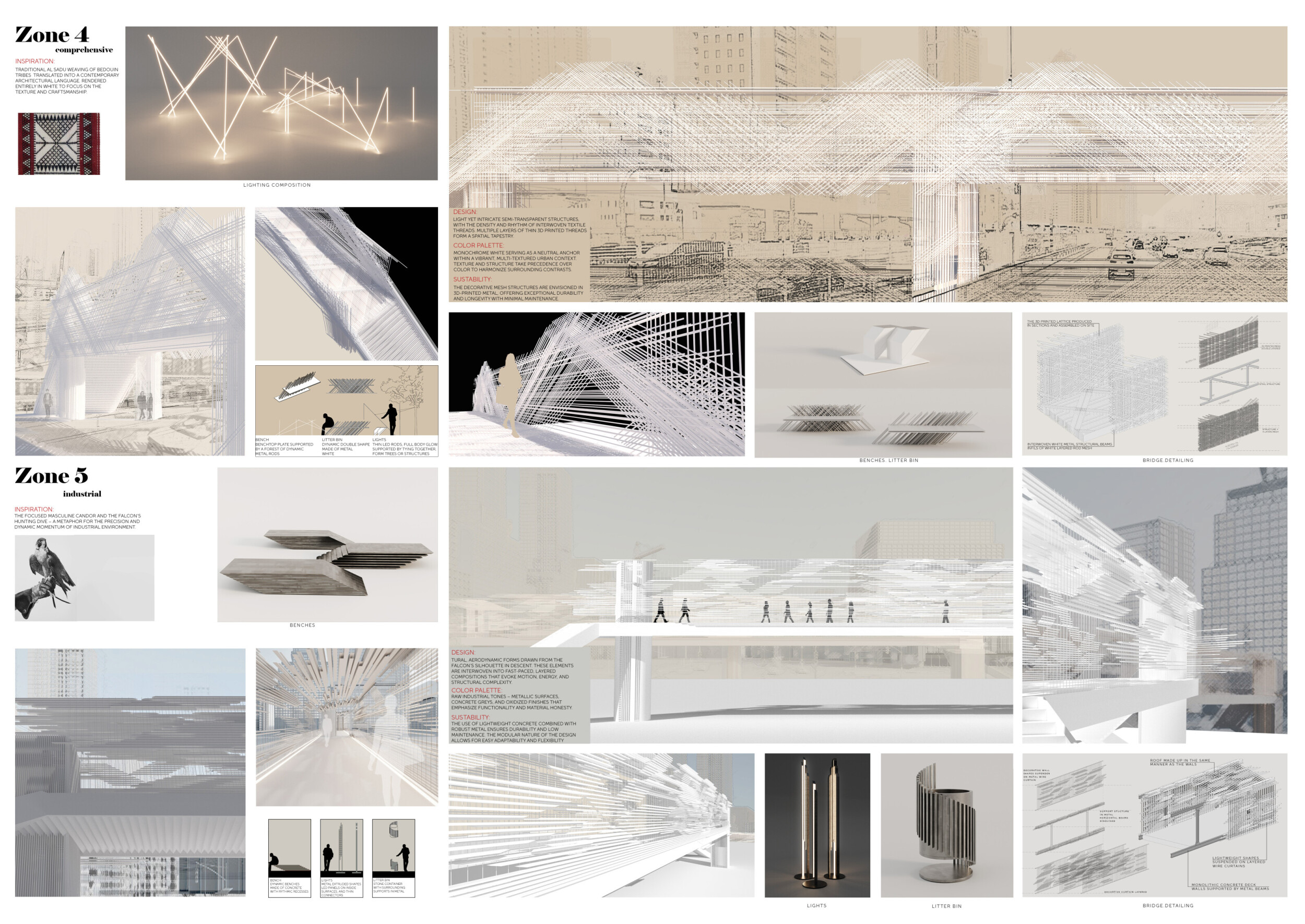
Urban Weave
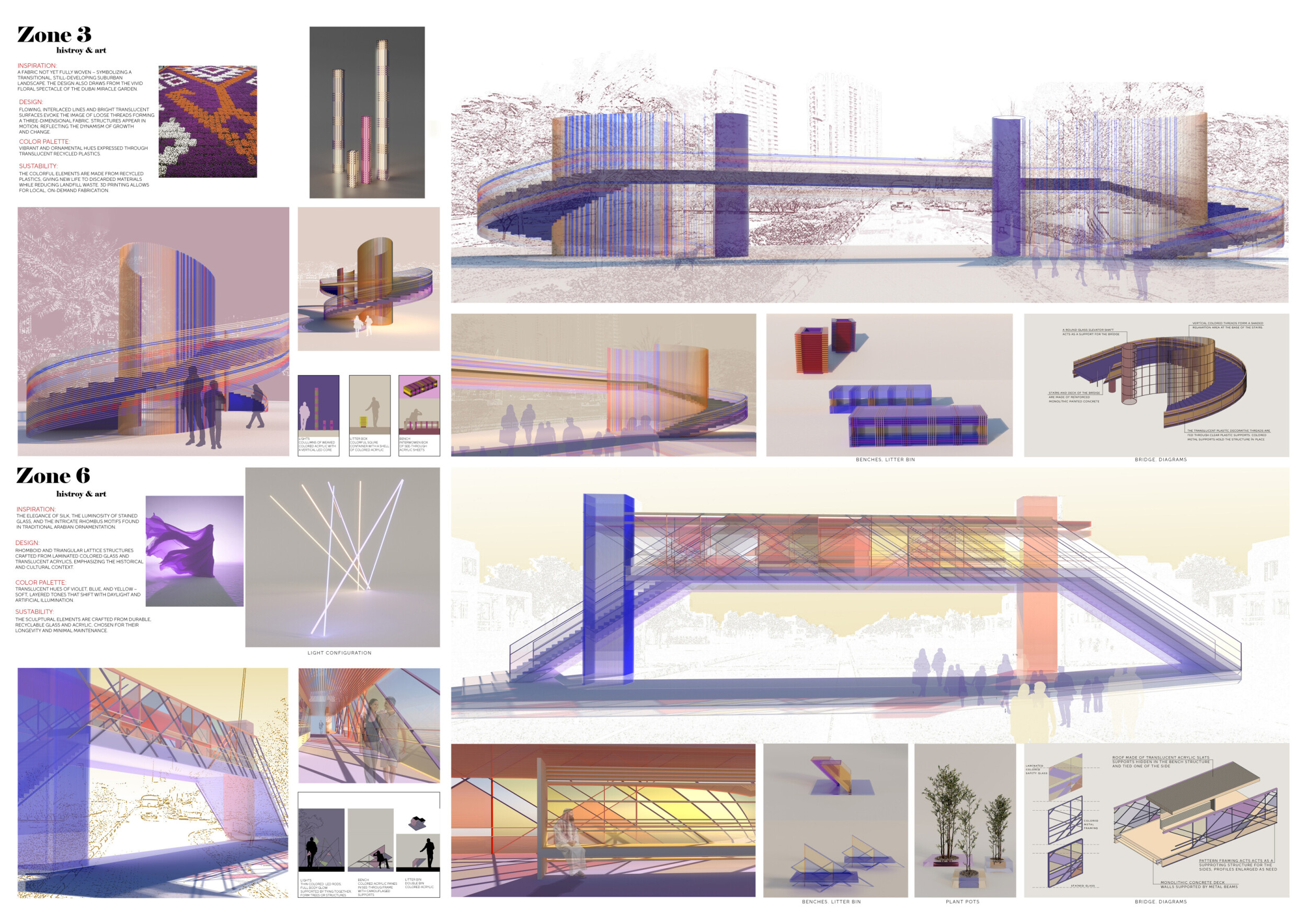

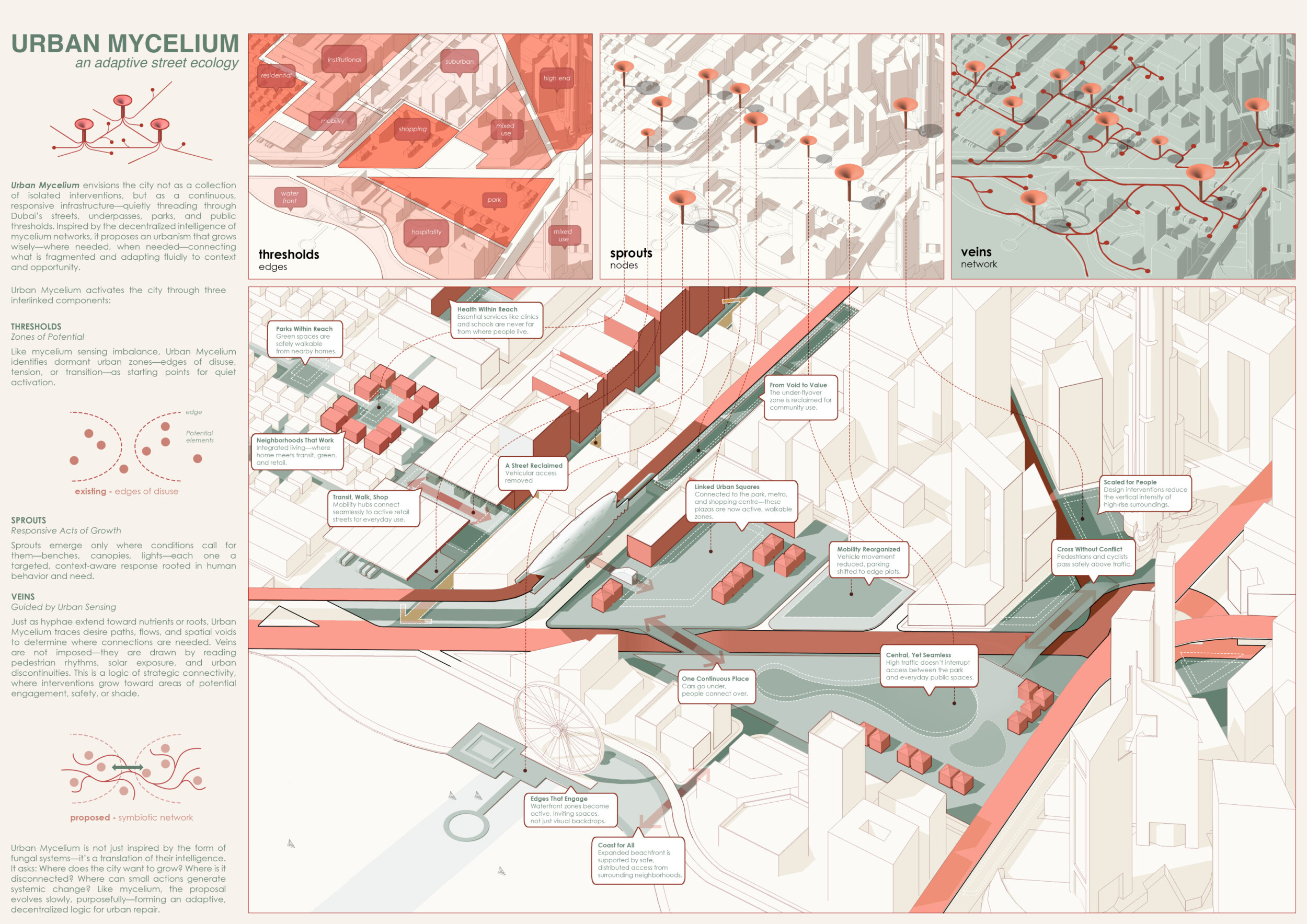
Urban Mycelium : An adaptive street ecology
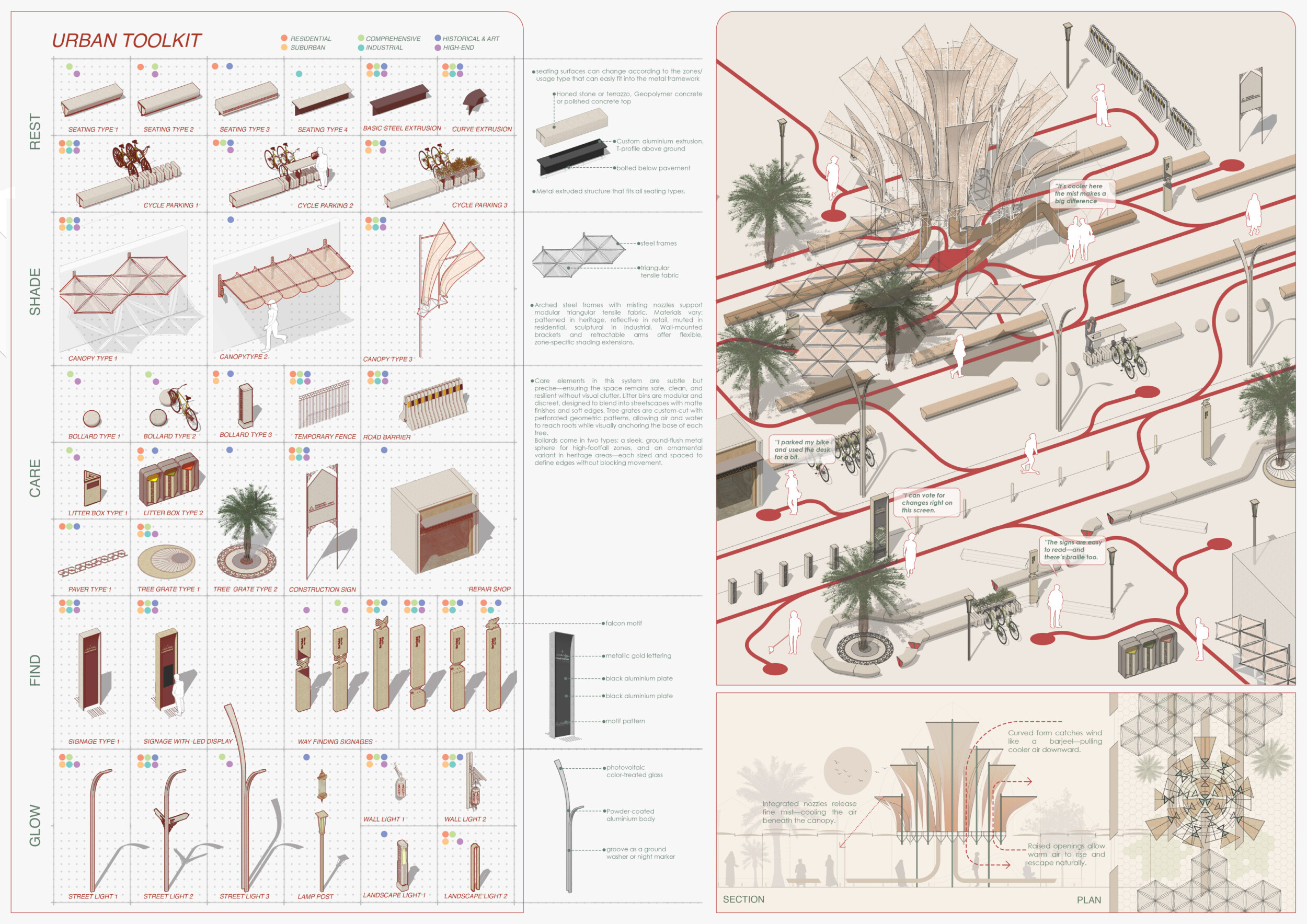
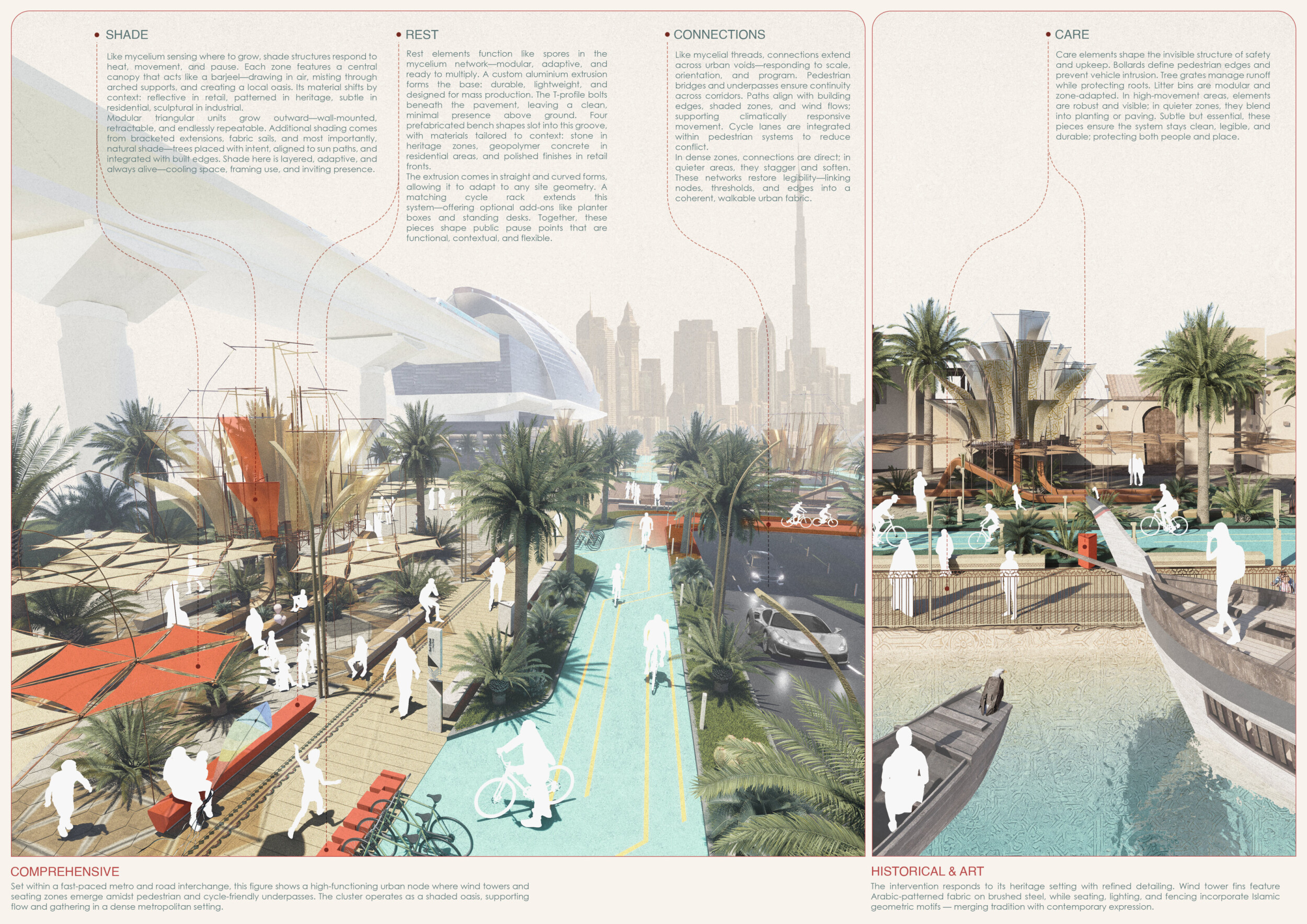
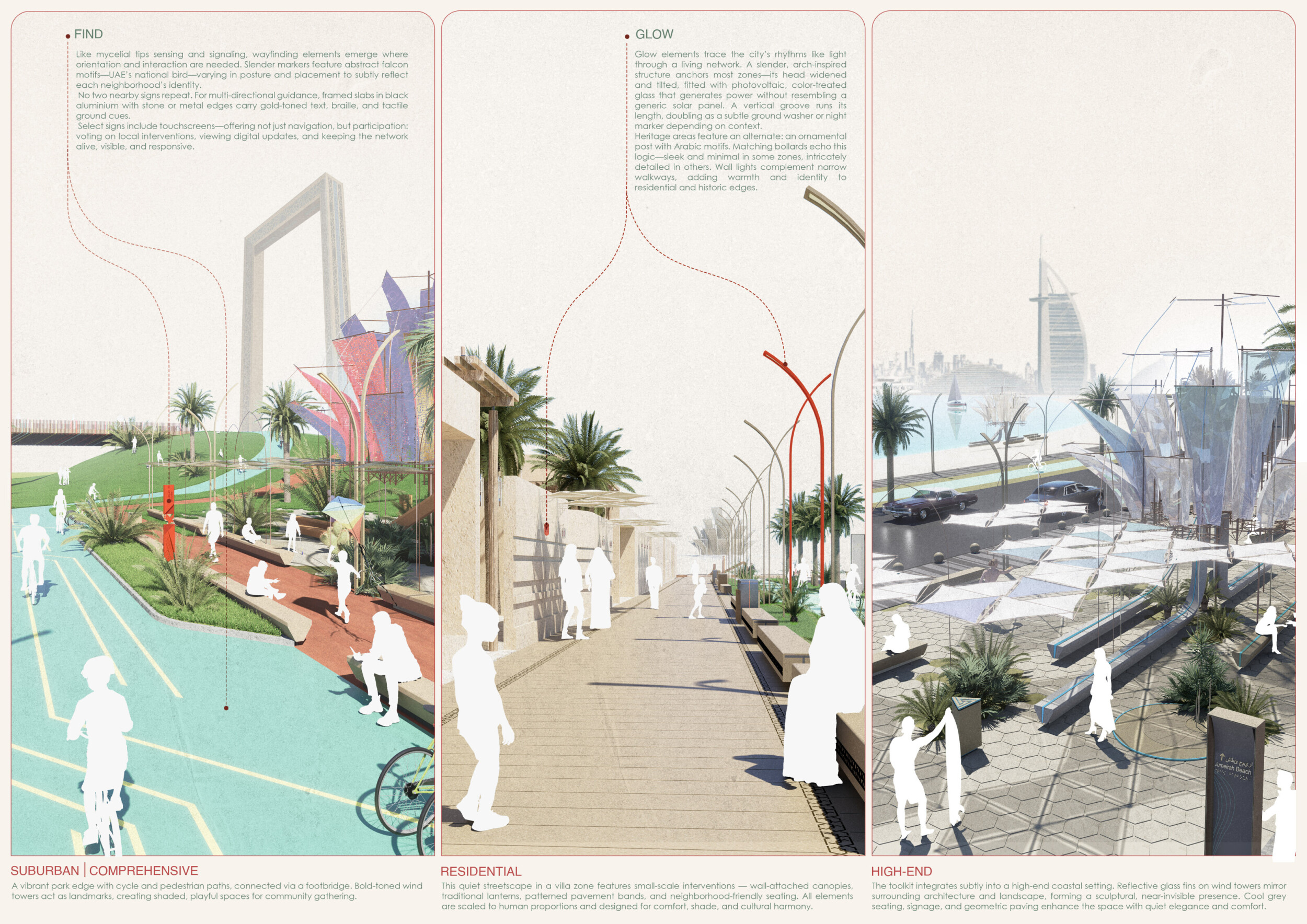
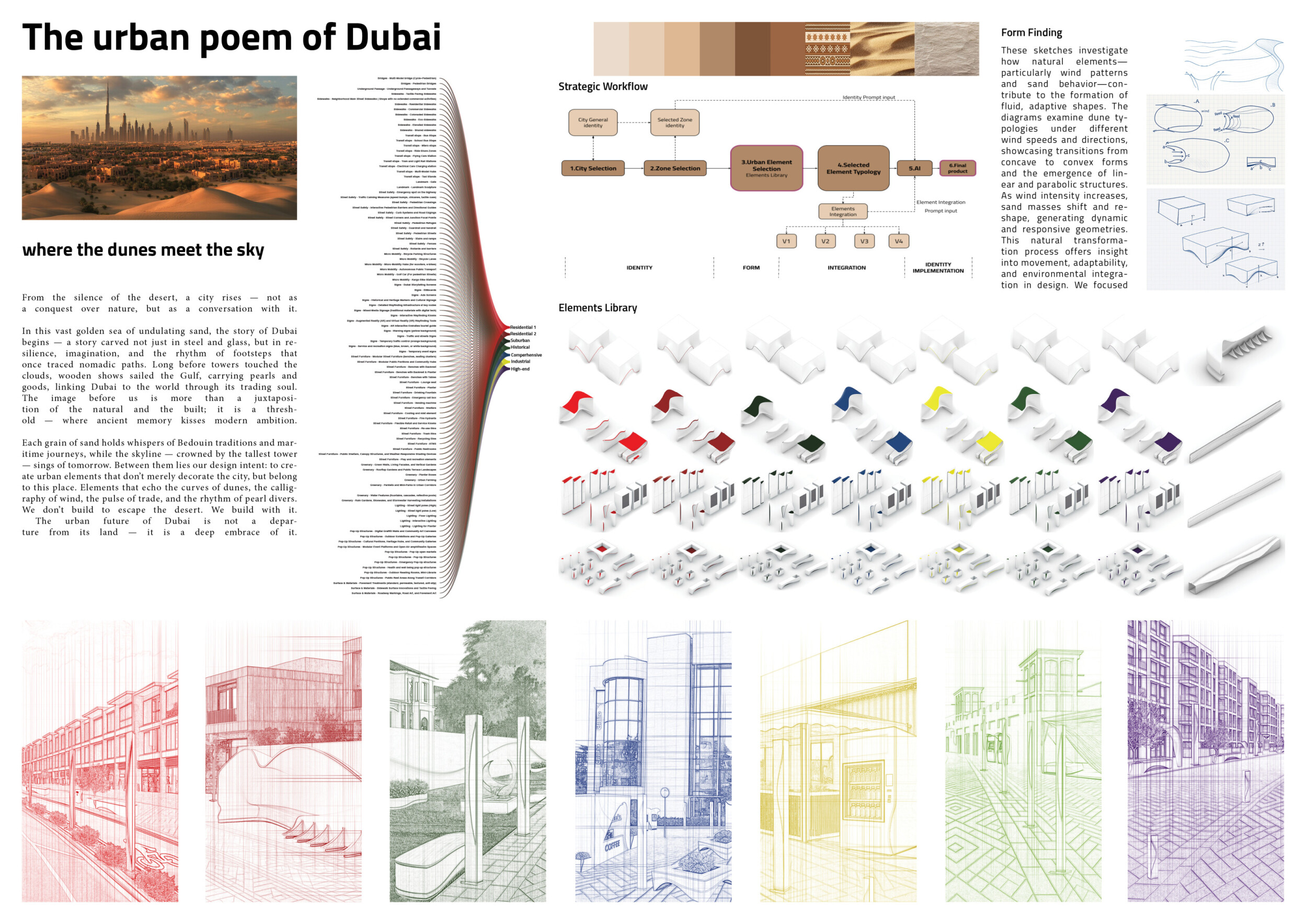
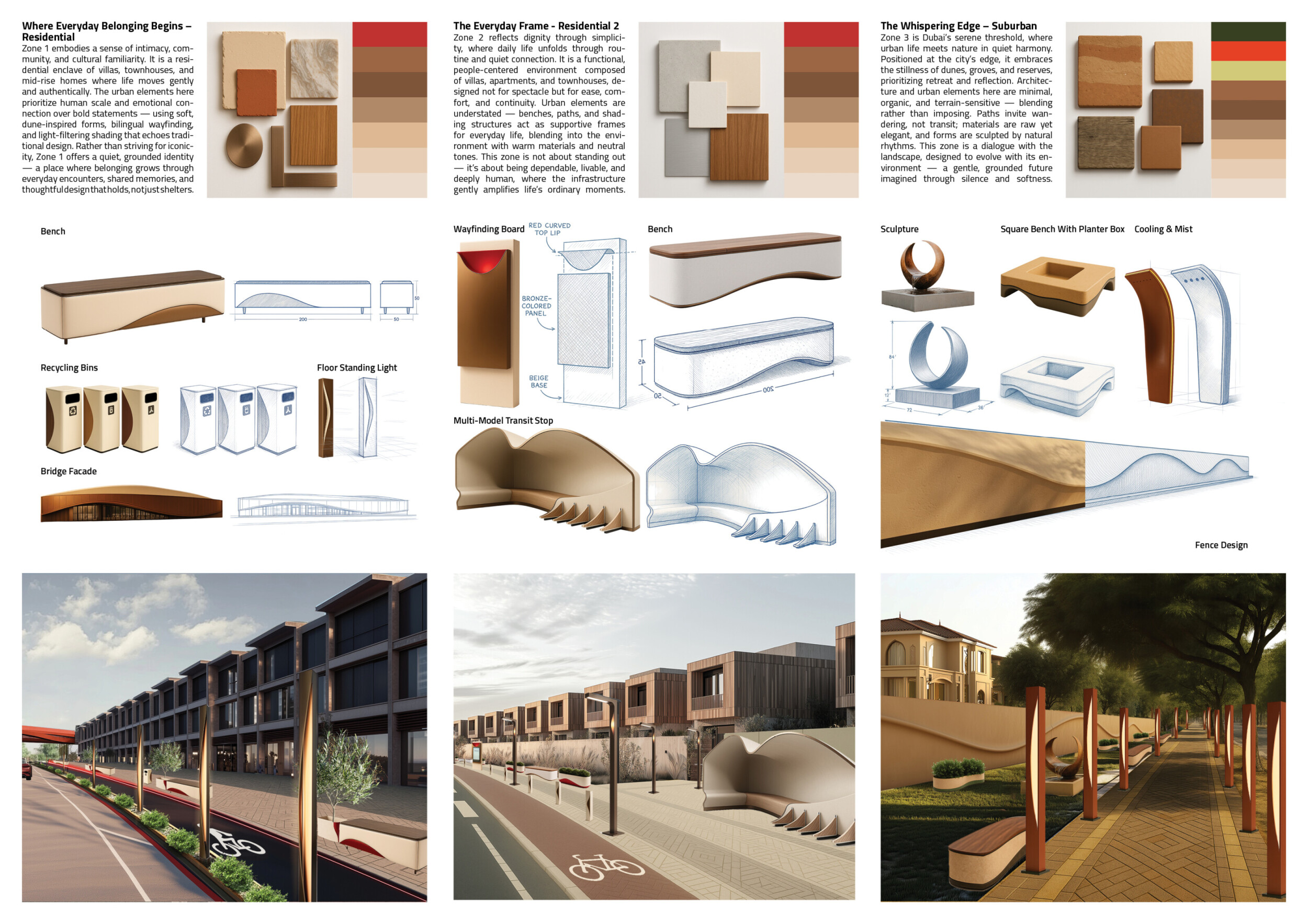
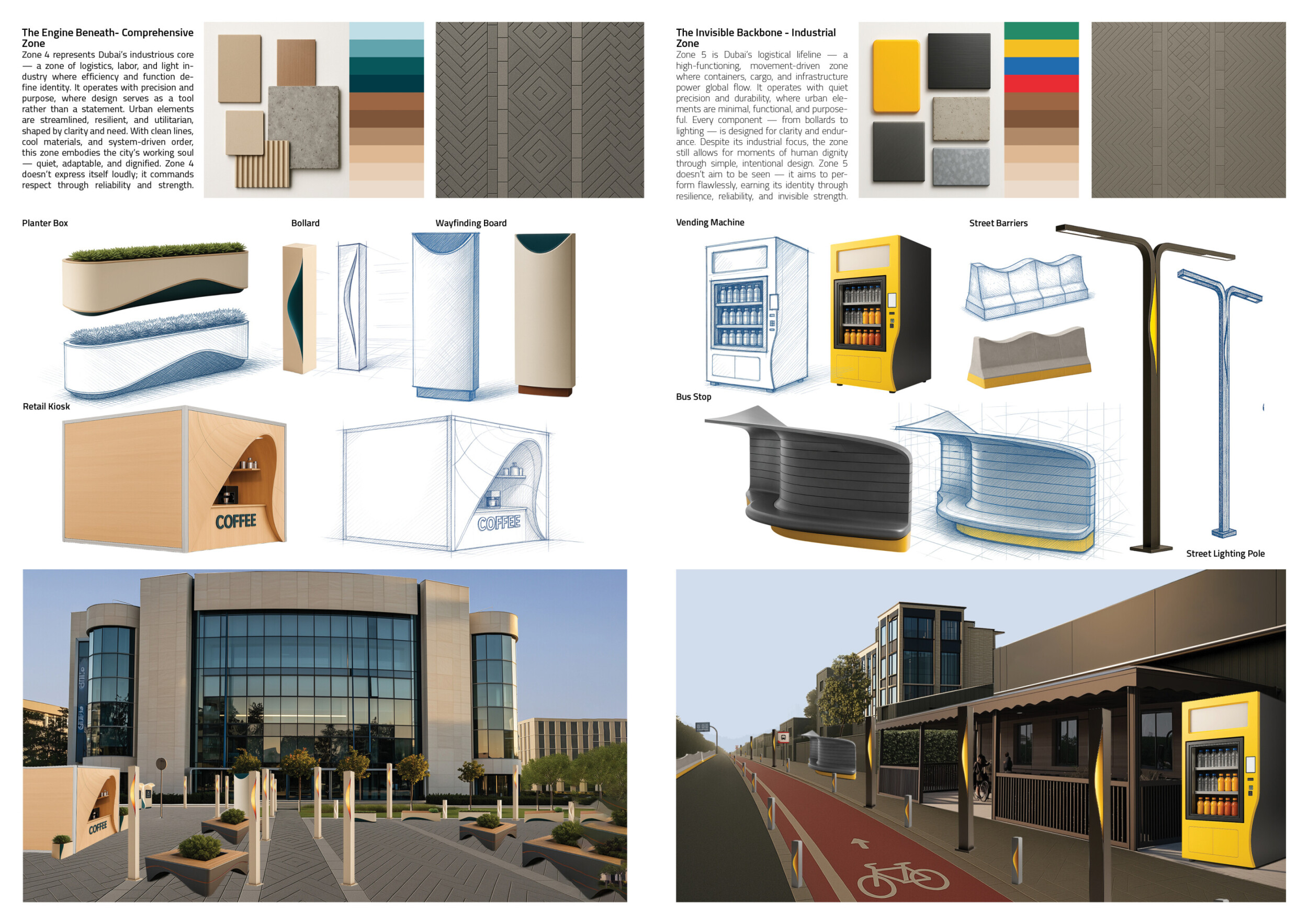
The Urban Poem of Dubai
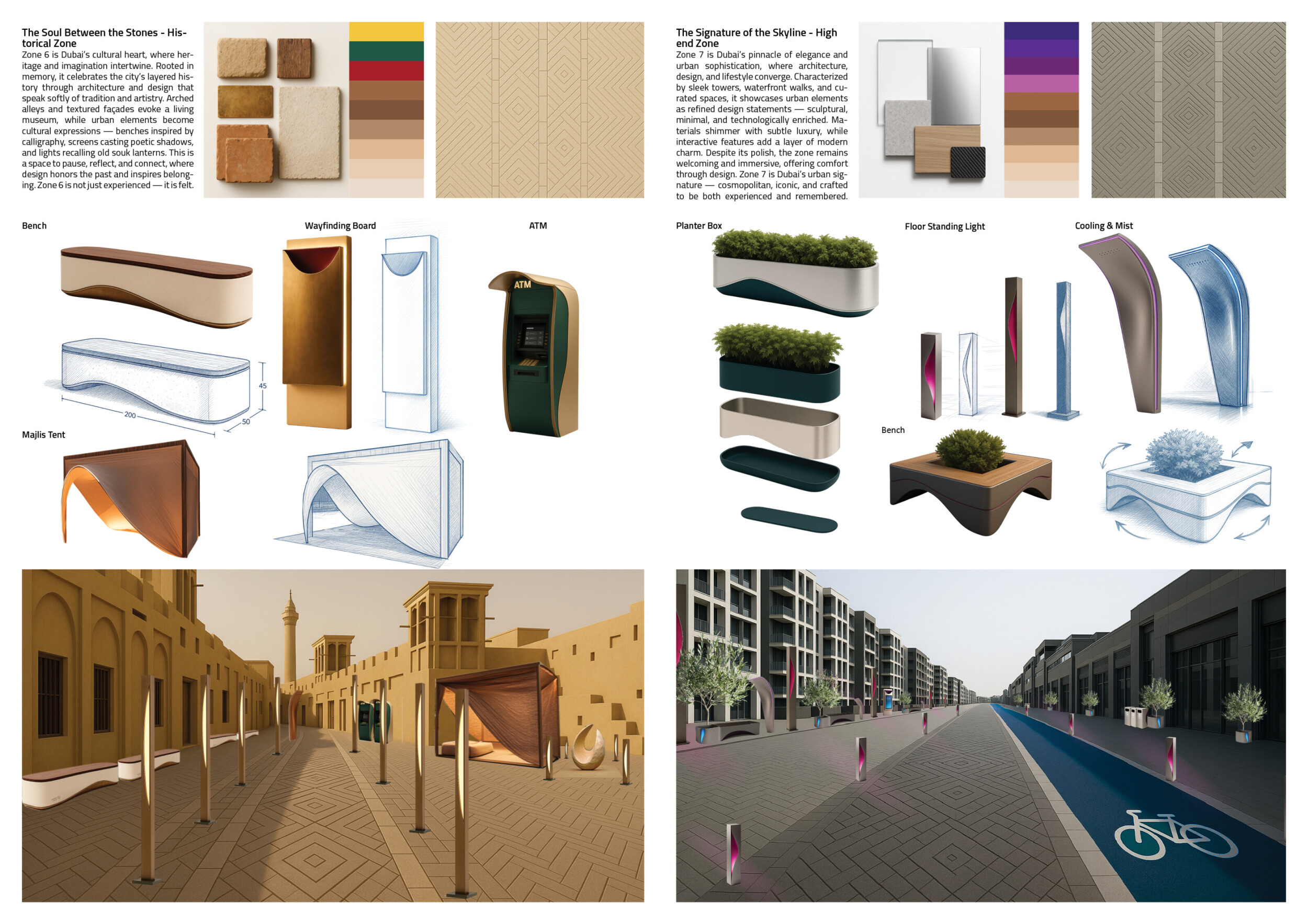
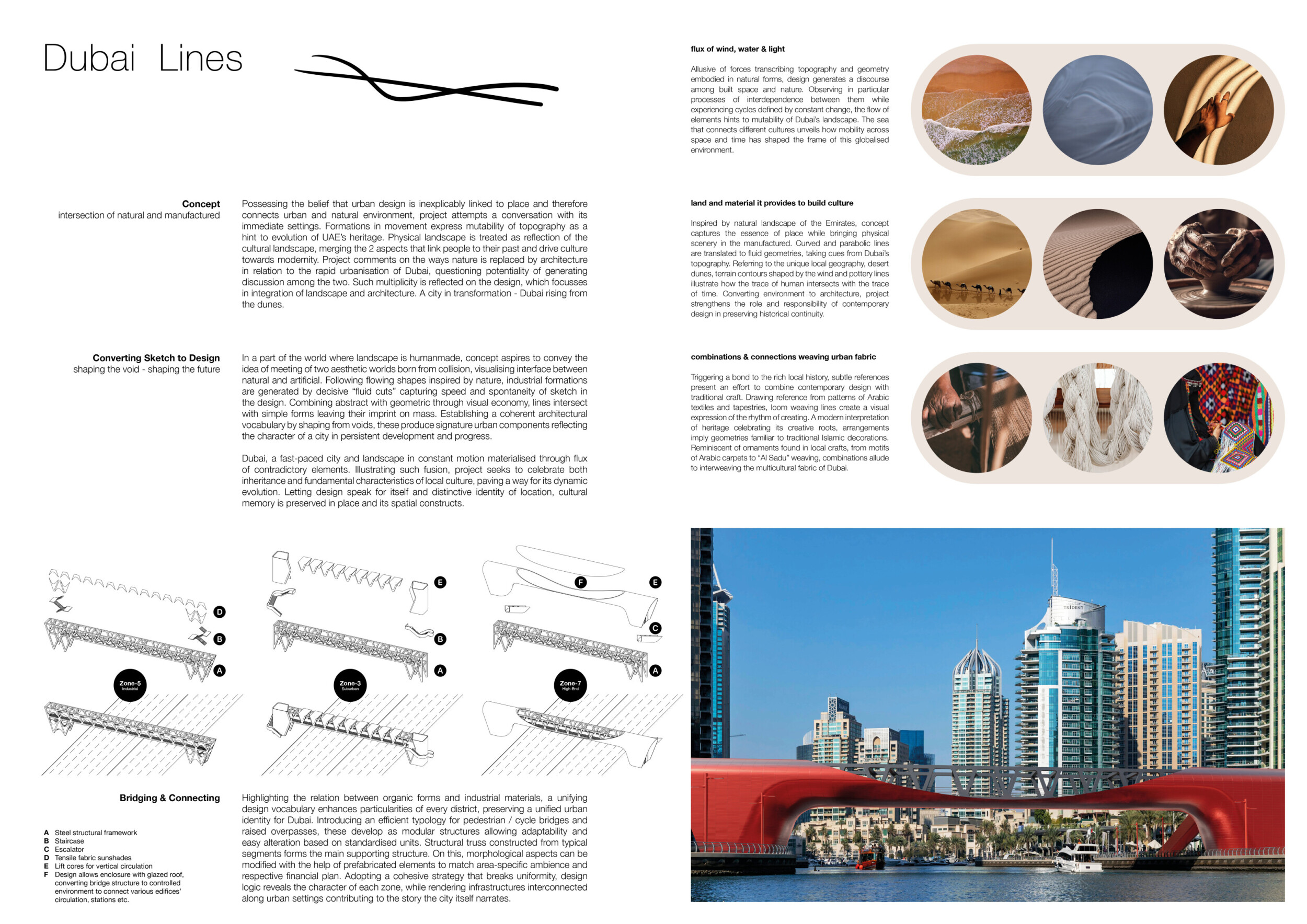
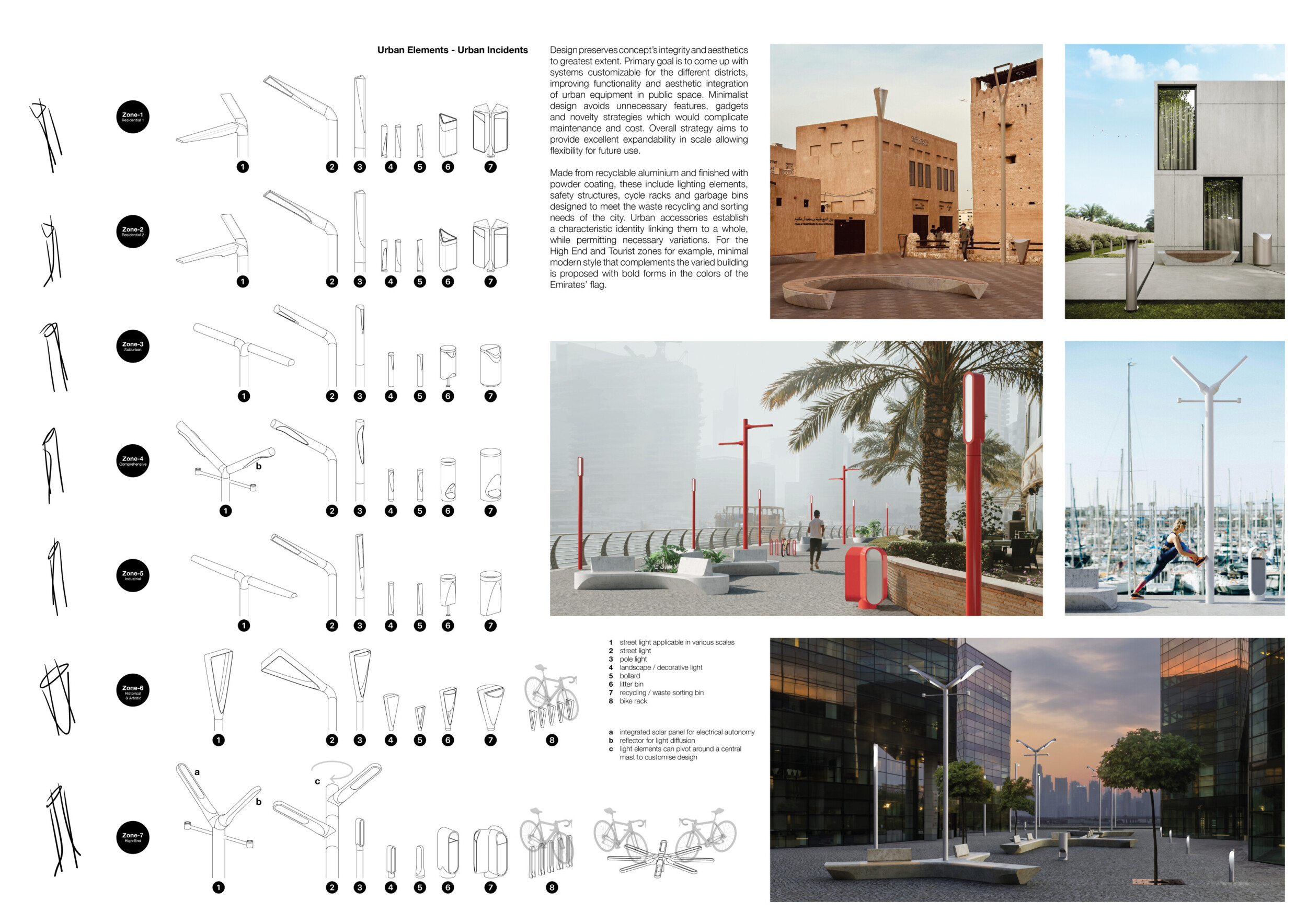
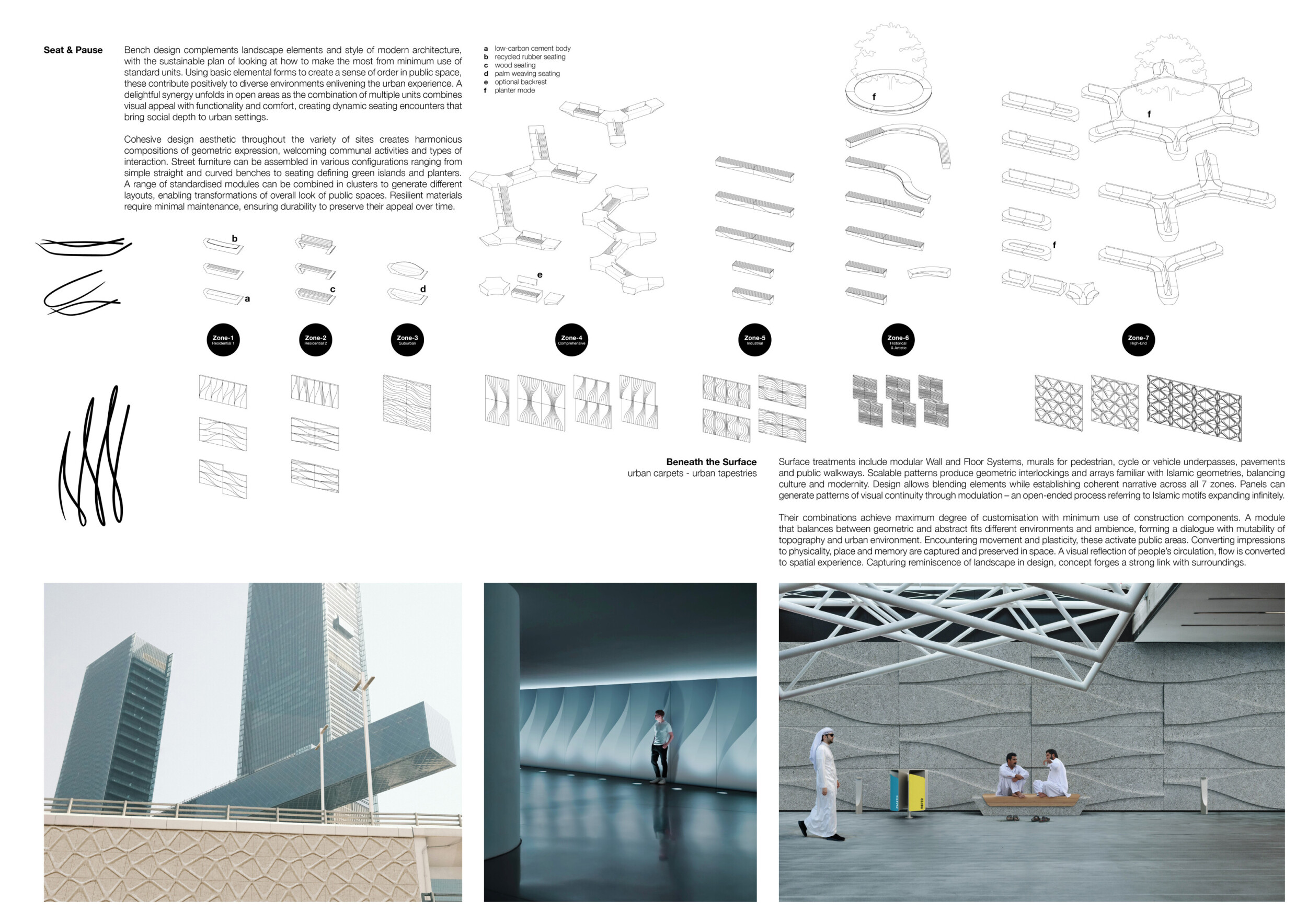
Dubai Lines
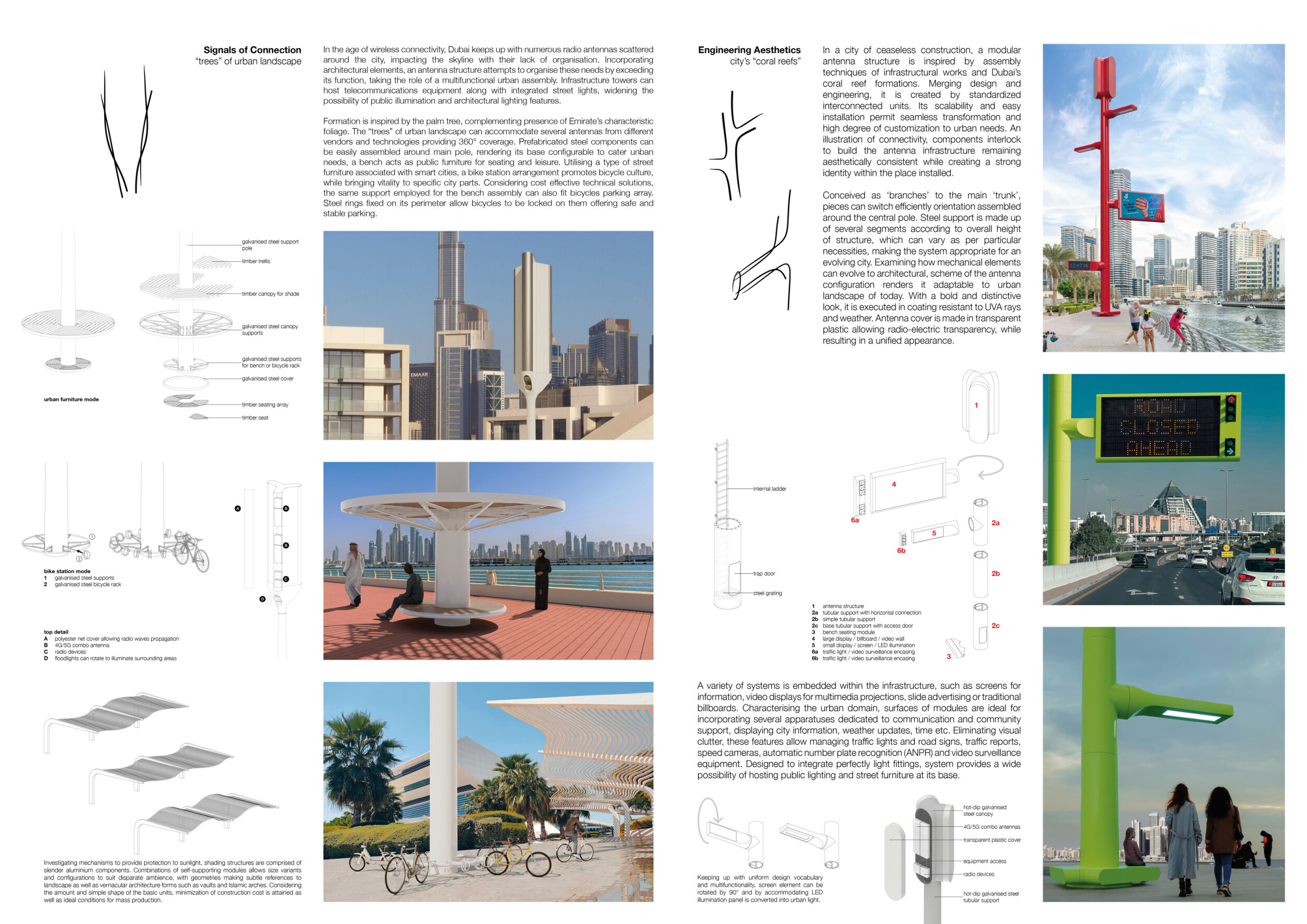

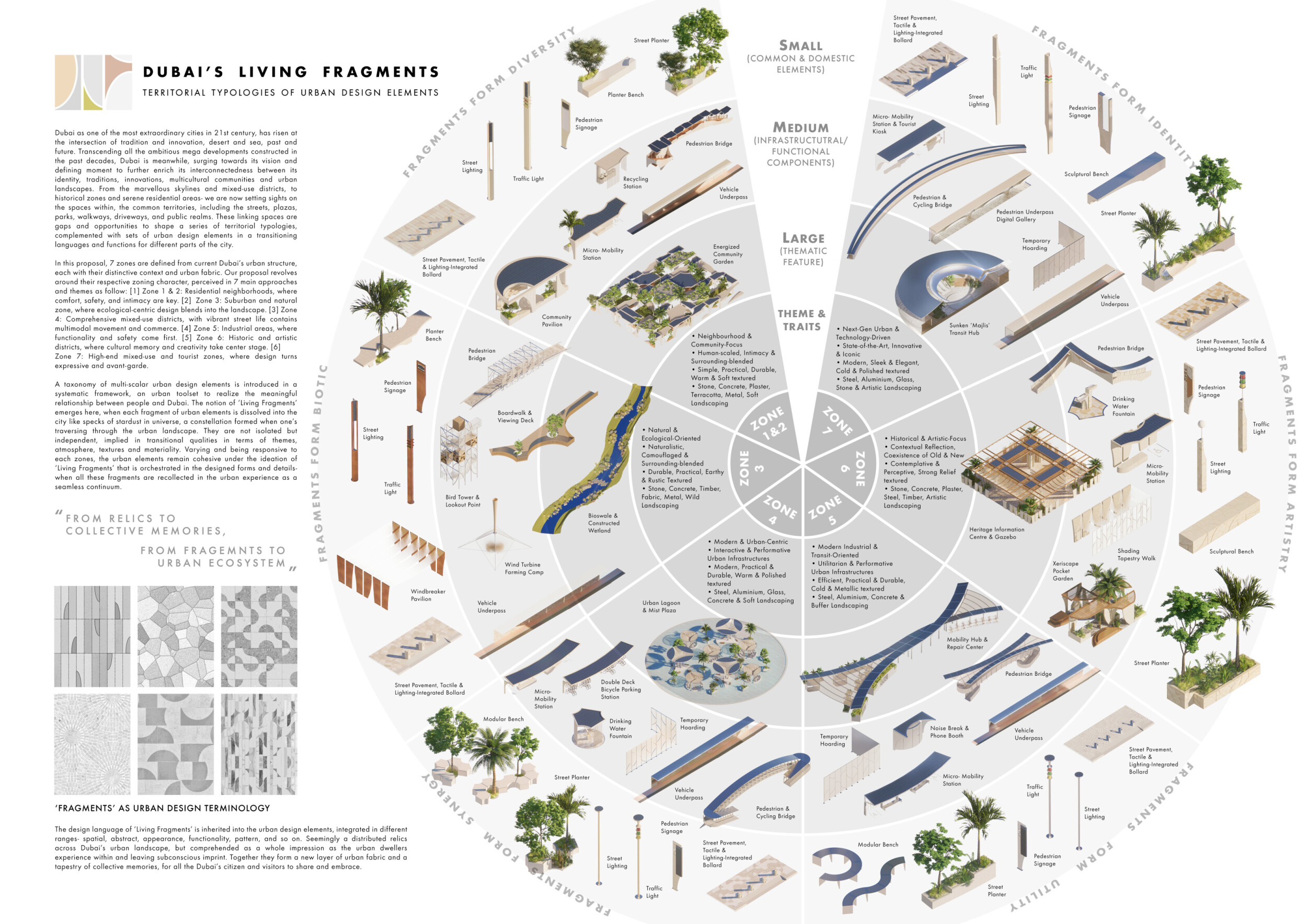
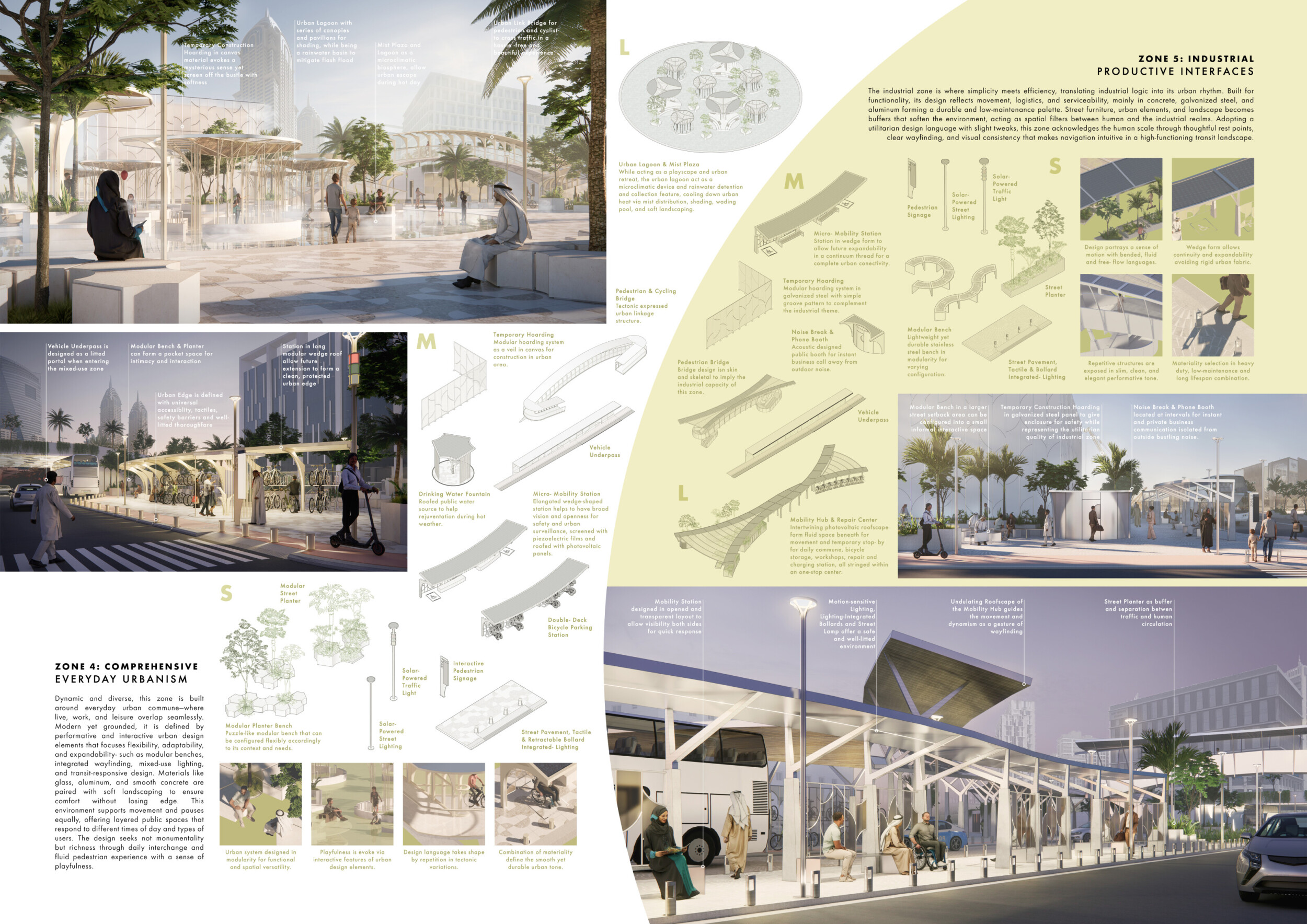
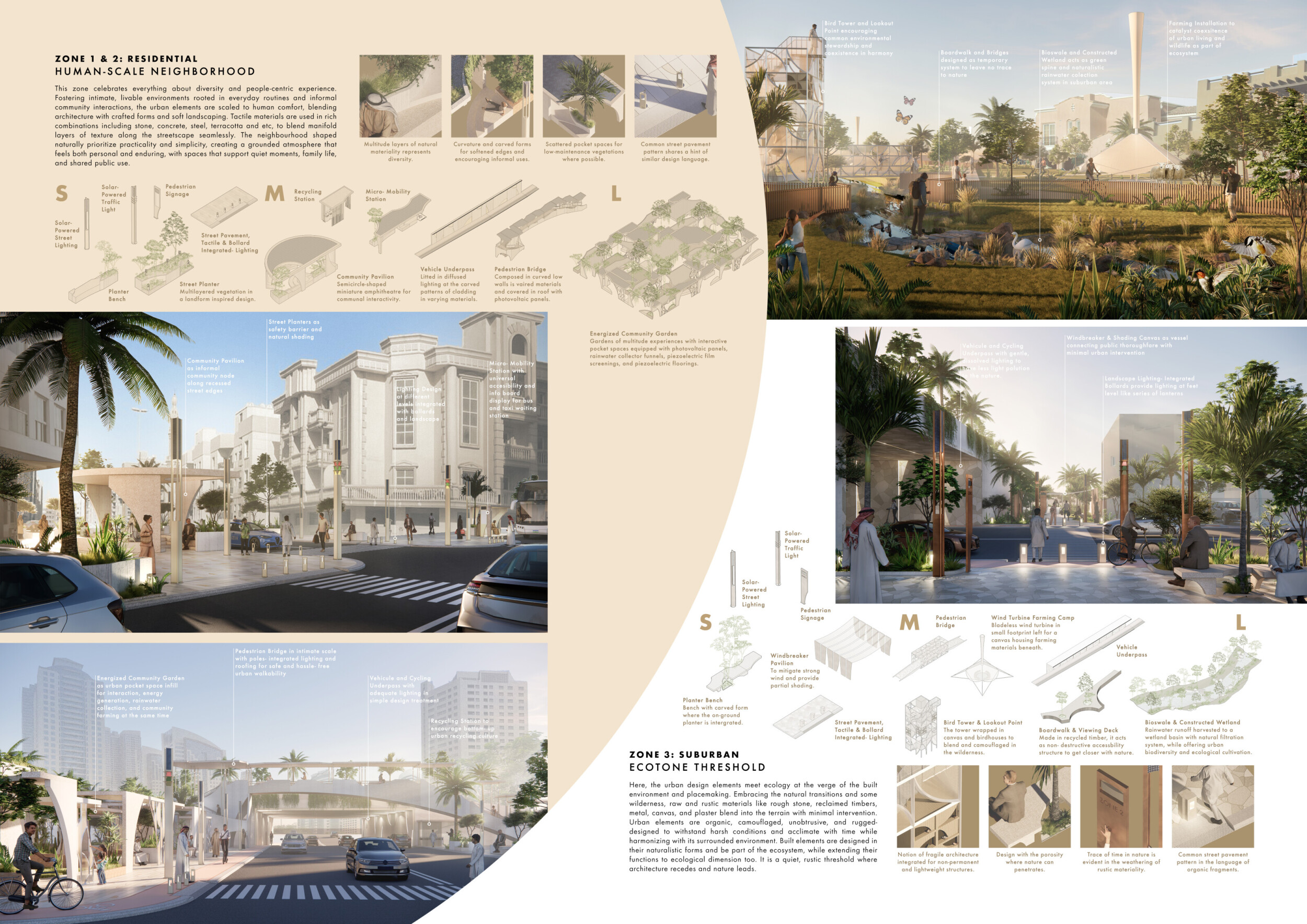
Dubai's Living Fragments
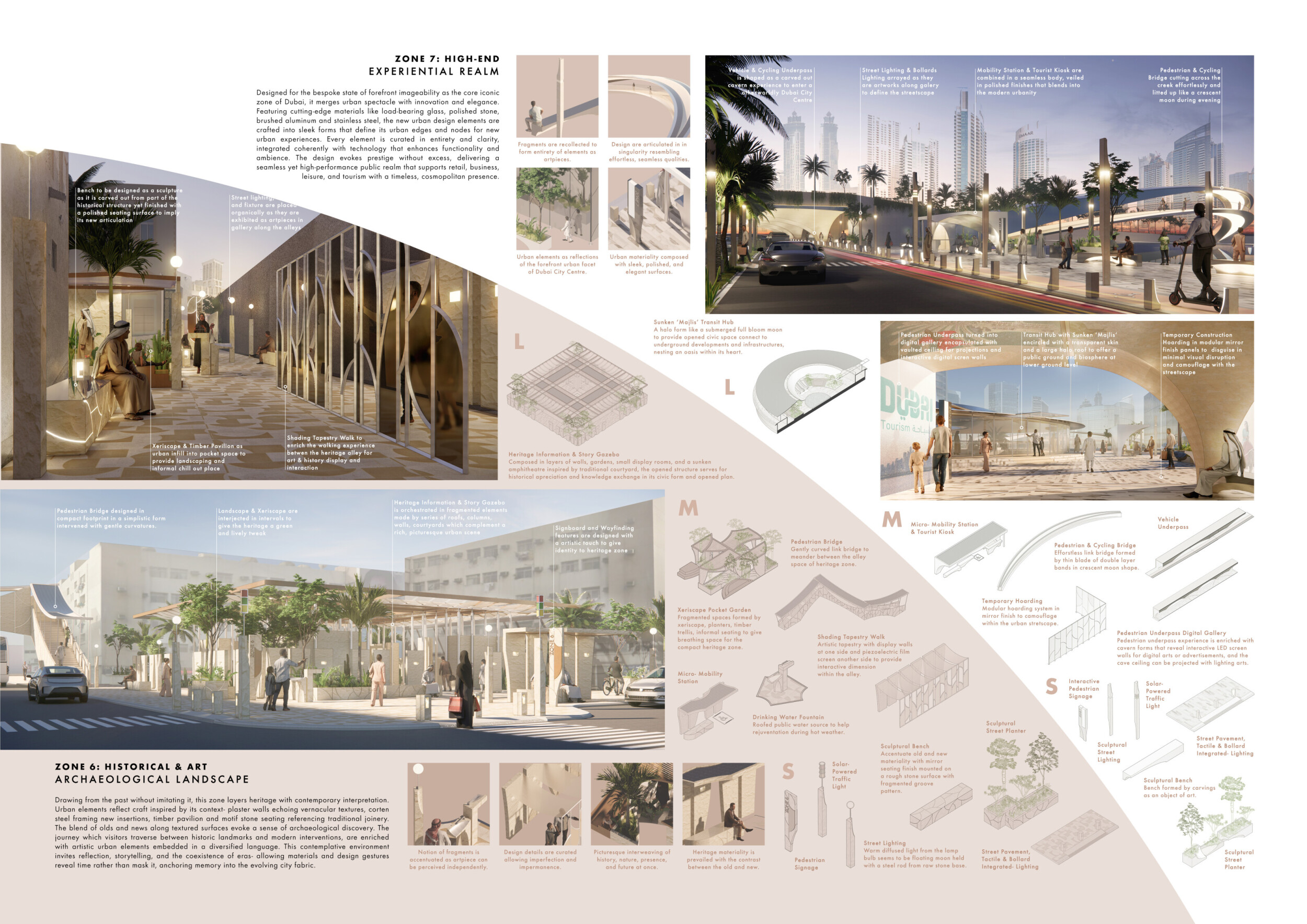
Pattern and Place: A Harmonious Design System for Dubai
The Brass Thread
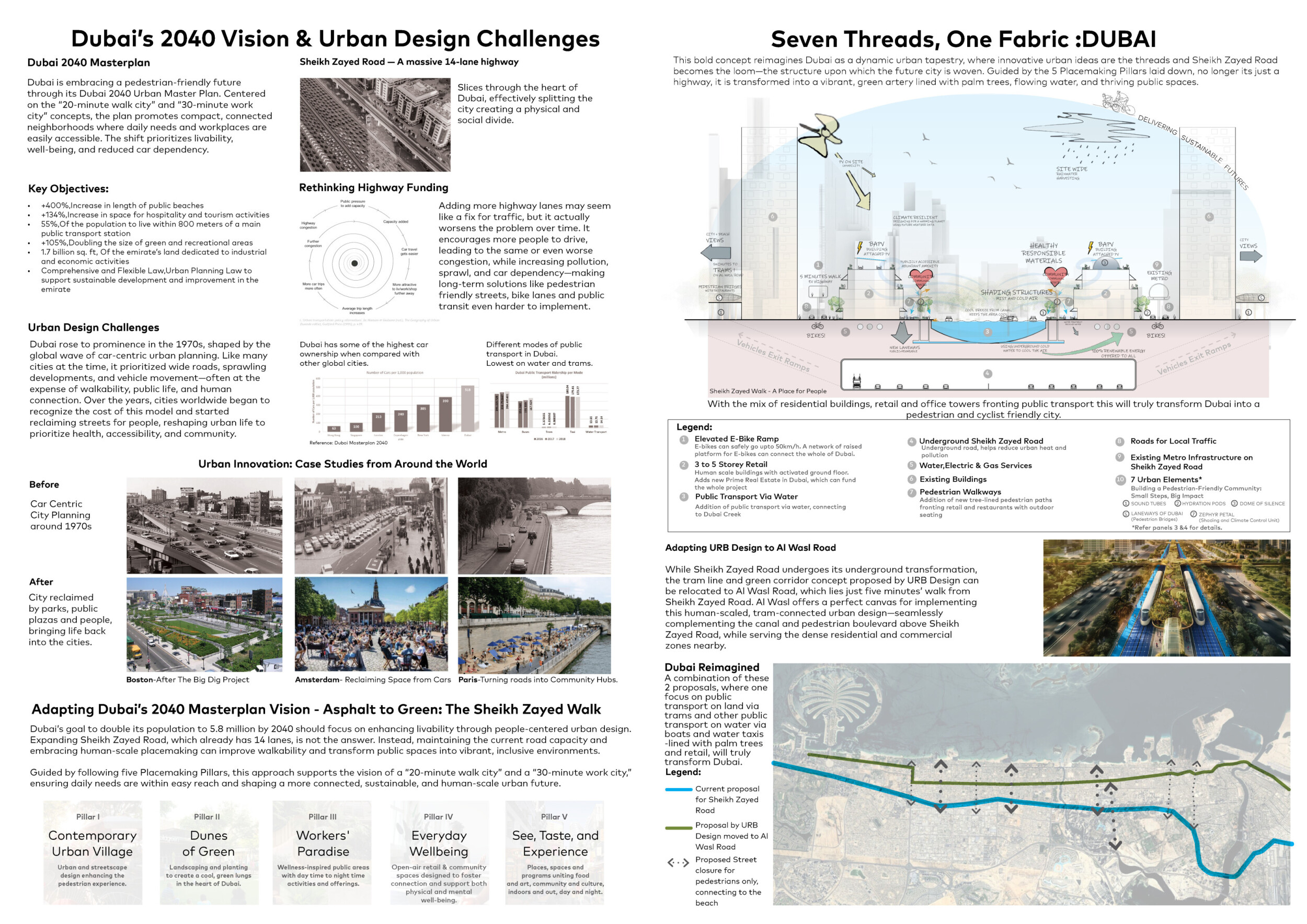
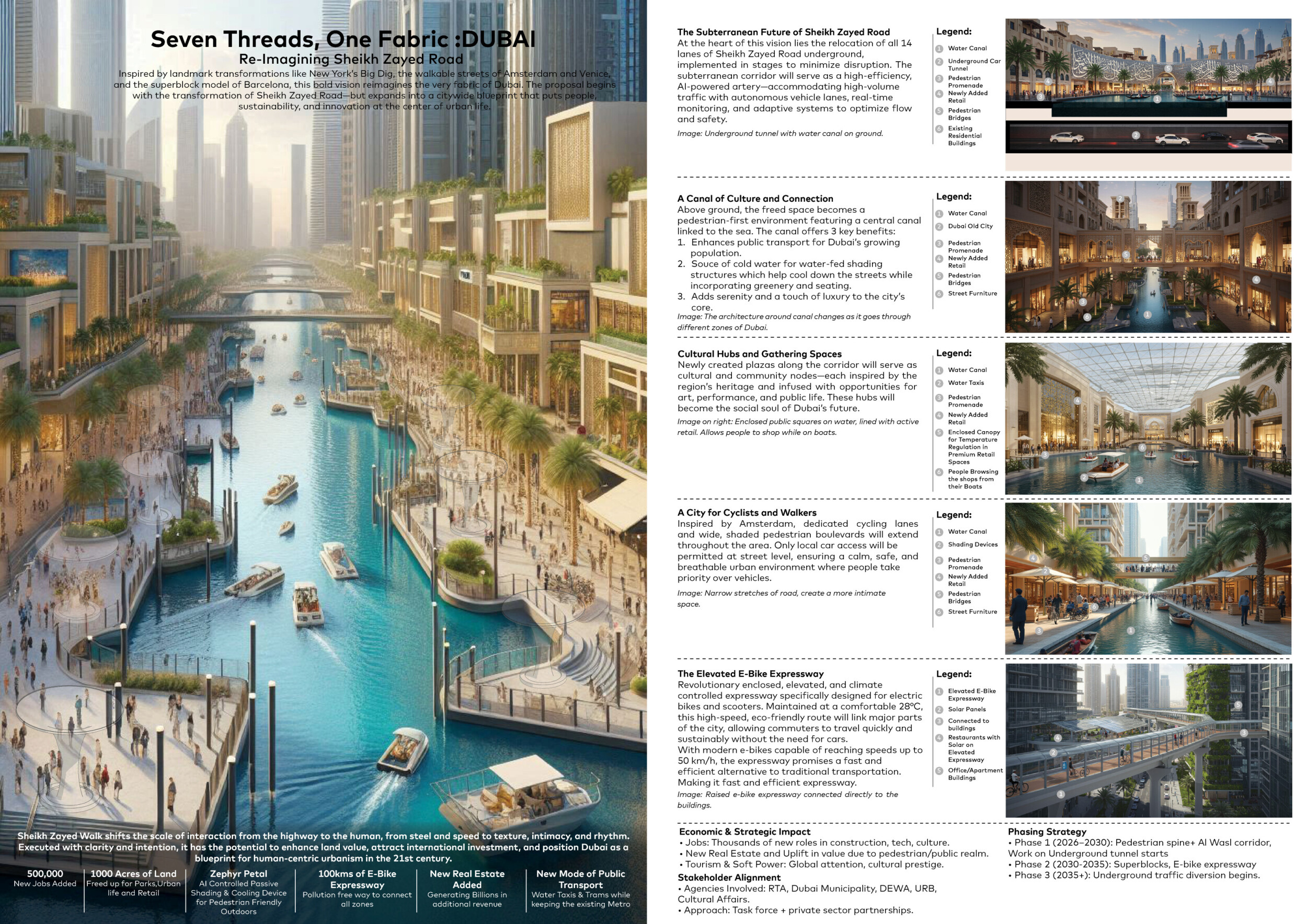
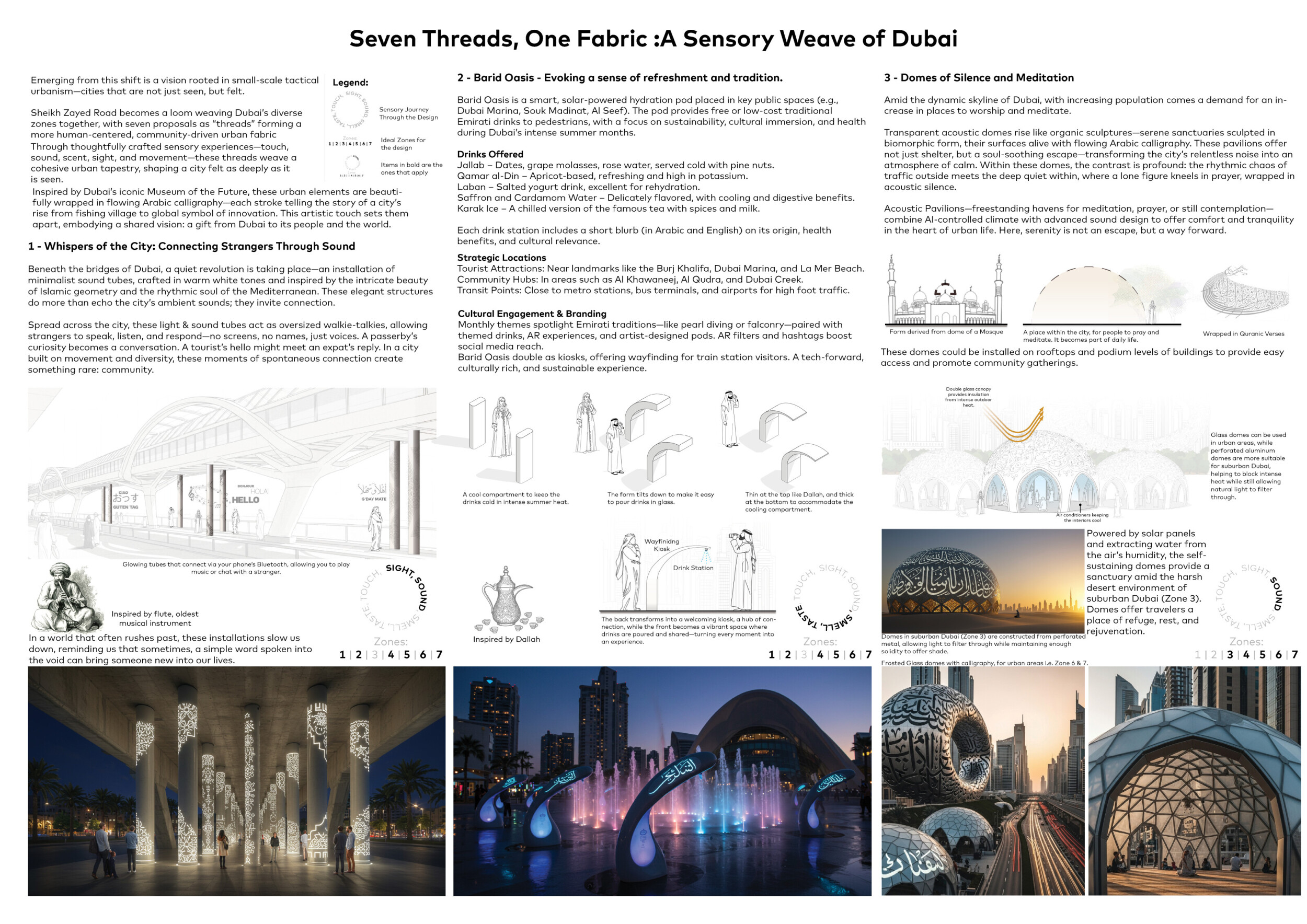
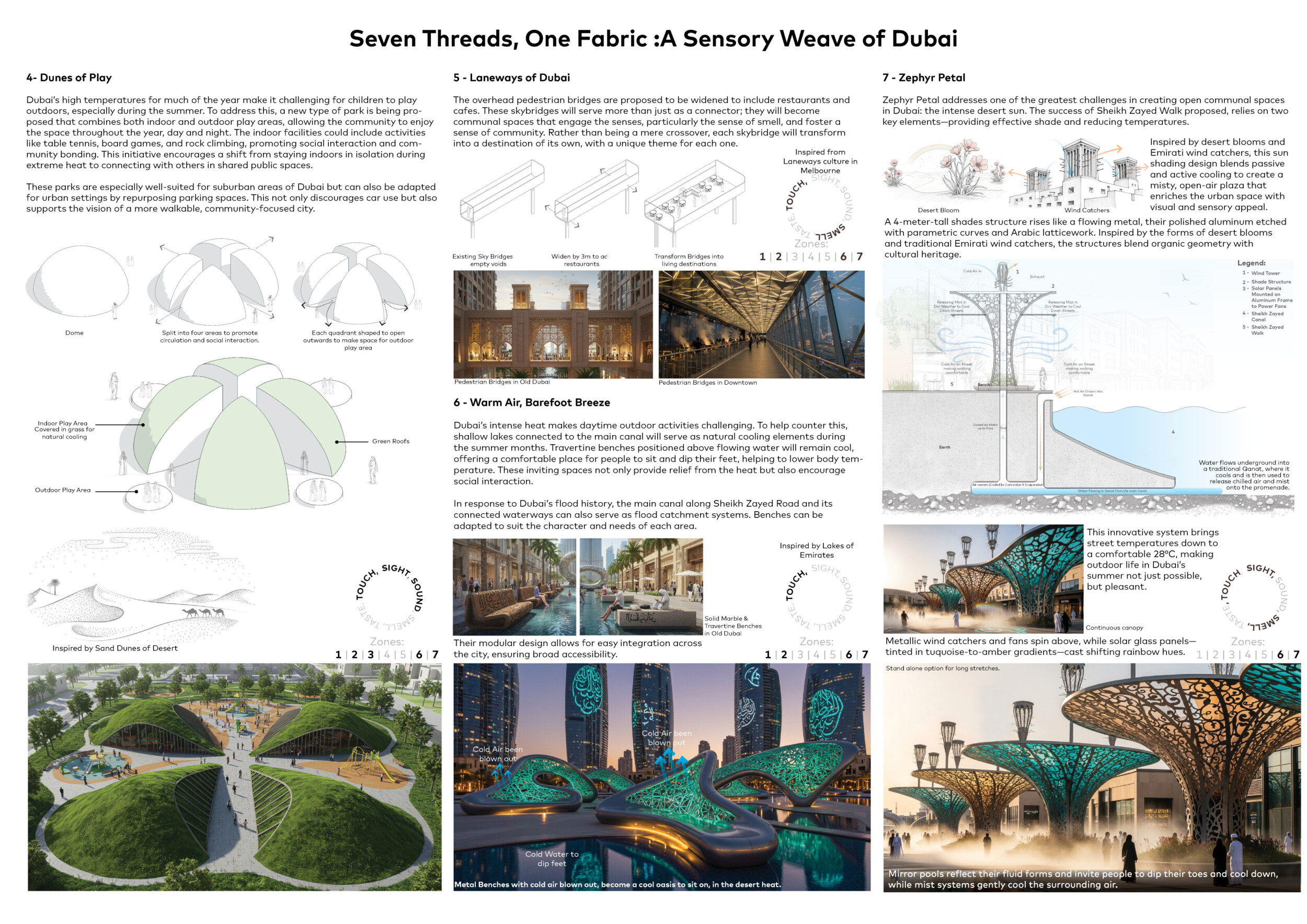
Seven Threads, One Fabric: Dubai