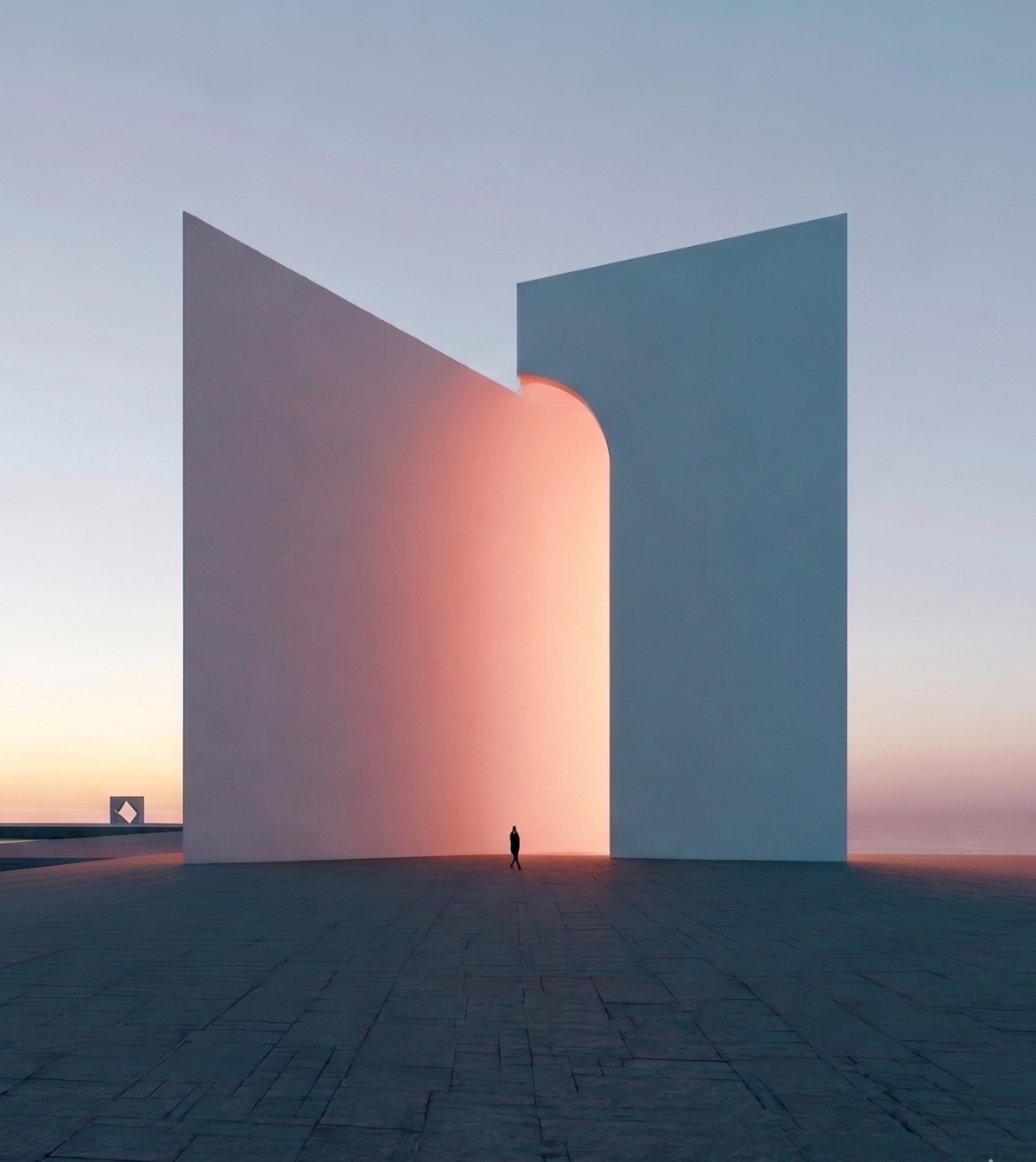
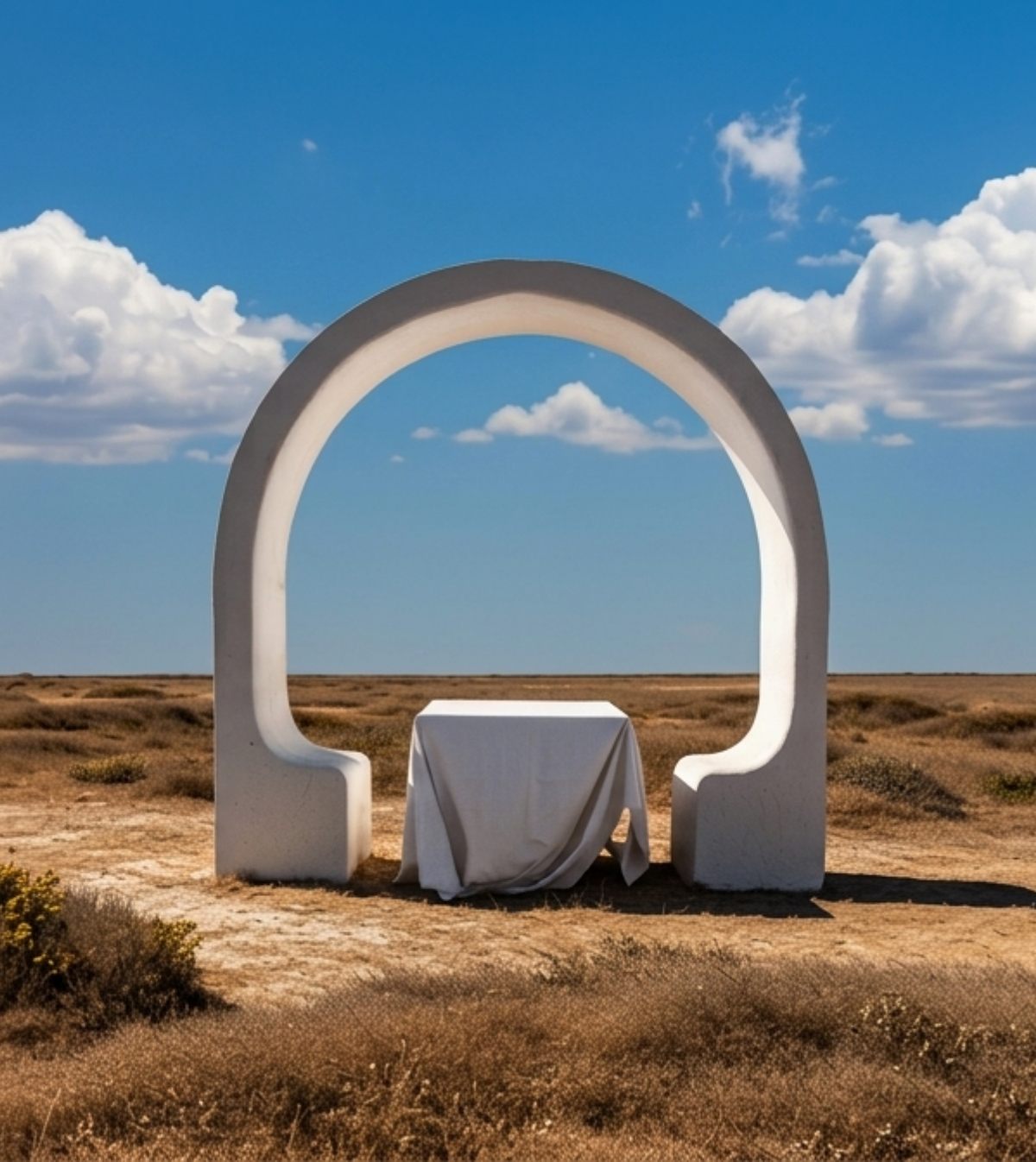
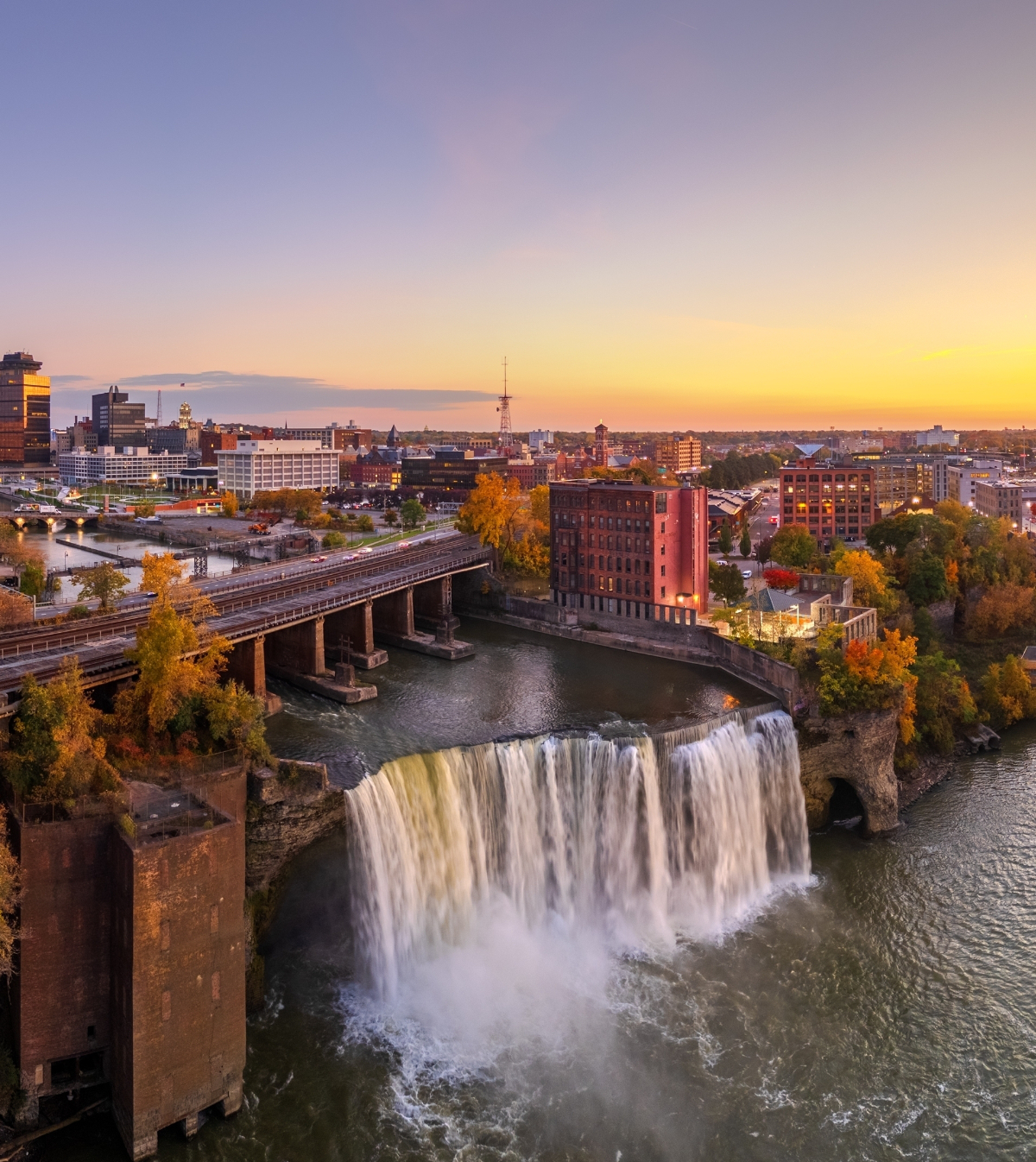
We’d like to take the opportunity to introduce the Honorable Mention winner of our Dubai Urban Elements Design Challenge – Henry Stuart Crothers from Australia!
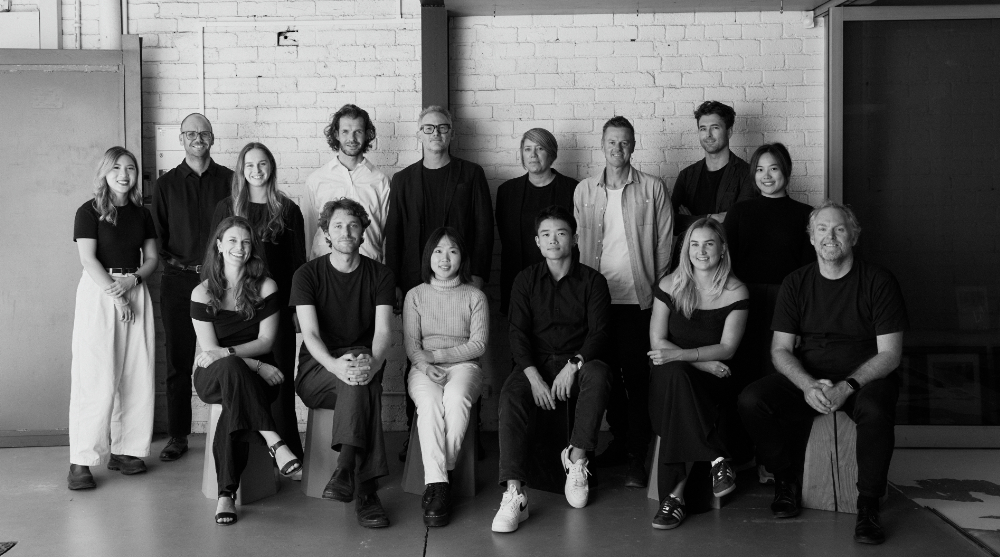
Henry Stuart Crothers and team
Please tell us about your company (when it was founded, where it is based, how many employees, etc) Alternatively, if you do not have a company, please give us some insights on your own professional/academia background.
LandLAB is a landscape and design-led studio working at the intersection of urbanism, landscape, and place. Our work is grounded in the interwoven ecologies of land, water, and people, using landscape as an organising framework for both form and process. We lead with a landscape-first approach (Land), combined with a collaborative, rigorous and design-led process (LAB). We translate complex environmental, cultural, and social challenges into innovative, sustainable, and implementable design outcomes. We lead projects with expertise, curiosity, and tenacity. We believe that design is not just a process but an opportunity for collaboration, innovation, and connection. We work closely with clients, communities, technical consultants, and creative partners to deliver authentic, environmentally responsible outcomes. We design for people, and are as interested in how a project works, performs and is assembled as we do about how it looks.
LandLAB’s projects and competitions have received multiple national and international design awards, including recognition from the New Zealand Institute of Landscape Architects (NZILA), New Zealand Institute of Architects (NZIA), Designers Institute of New Zealand (DINZ), Monocle Magazine, World Architecture News (WAN), World Landscape Architecture (WLA), Architizer, and the World Architecture Festival (WAF). Our work has been published in Phaidon’s Landscape Architecture 30:30, World Landscape Architecture Magazine, Monocle Magazine, Dezeen and Landezine.
Brief information about the projects that you/your company have been involved with. For instance, what scale have you focused on/preferred, any significant projects where the company/ individuals have been Involved?
Our expertise spans landscape-led urbanism, landscape architecture, ecology, and place making, with particular capability in complex urban environments. Our project experience ranges from city precincts, campuses, river edges and waterfronts, to transport infrastructure, activation strategies, and the detailed design of streets, parks and public open spaces. Our preferred scale is large enough to influence systems, yet human enough to shape daily life - where landscape performs as both working infrastructure and shared public realm that connects people to their environment.
Selected projects include:
Te Ara Tukutuku Headland Park, Auckland – a major coastal park and cultural landscape co-designed with first nations partners, recognised internationally for its integration of ecology, climate adaption and public life;
Wynyard Quarter Waterfront, Auckland – urban design, masterplanning and multiple public spaces including Tank;
Park, Amey Daldy Park and Westhaven Promenade for an emerging waterfront precinct;
Avon River Park, Christchurch – the regenerative transformation of an urban riverfront precinct that connects city and river through ecology, access and a re-imagined public realm.
What does architecture mean to you and what is the role of an architect in your society?
For us, landscape architecture is the shaping of relationships between people, place and environment. These fundamental systems should guide design decisions rather than be retrofitted afterward. Good design should help society live more sustainably, collectively and more intelligently with the land. We believe design must move toward a broader responsibility to shape the systems that support life. In an age of climate change and environmental stress, the role of the designer is no longer simply to design form, but to restore ecosystems, adapt to water and climate, engage communities, honour indigenous knowledge and create lasting public value. In this context the designer is not just a maker, but becomes a listener, translator and caretaker.
Why do you participate in architecture competitions?
Competitions offer a rare space for ideas to lead before constraints narrow the field. For us, competitions are laboratories for experimentation, opportunities to test new ideas and methods, platforms to collaborate across disciplines and ways to engage in global discourse. Competitions help advance the field, hone our practice and have some fun. They also enable smaller practices like ours to contribute meaningfully to important conversations.
What advice would you give to individuals who struggle to decide whether it would be beneficial for them to participate in architecture competitions?
Competitions are one of the few places where you can test ambitious or speculative thinking without constraint. Our advice is simple; treat competitions as learning, not winning. Even unsuccessful entries can sharpen ideas, build collaborations, clarify your design philosophy, expand your portfolio, and reveal new ideas and approaches.
Top 3 Reasons Why You Should Enter Architecture Competitions
Curious about the value of architecture competitions? Discover the transformative power they can have on your career - from igniting creativity and turning designs into reality, to gaining international recognition.
Learn more