We’d like to take the opportunity to introduce you to the 2nd prize winner of our Dubai Urban Elements Design Challenge competition – Mohammad Ayesh from Saudi Arabia!
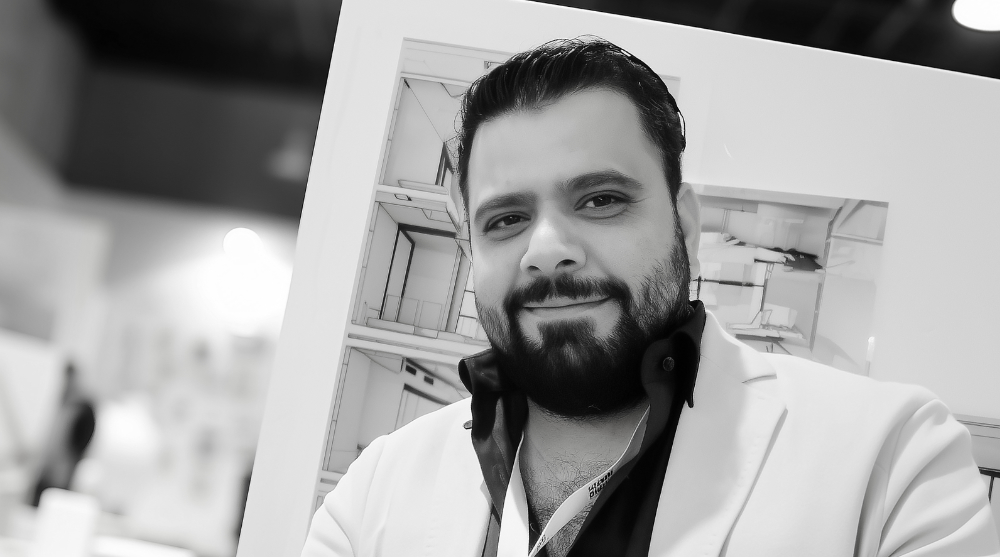
Mohammad Ayesh
Please tell us about your company (when it was founded, where it is based, how many employees, etc) Alternatively, if you do not have a company, please give us some insights on your own professional/academia background.
I am an independent designer, currently working on projects that blend architecture, environmental thinking, and social layers. What matters most to me is designing solutions that adapt to their context rather than imposing fixed patterns. I move between conceptual design, practical architecture, and research, and I believe that good architecture starts with a question—not a shape.
Brief information about the projects that you/your company have been involved with. For instance, what scale have you focused on/preferred, any significant projects where the company/ individuals have been Involved?
Most of my projects lie at the intersection of housing and public space, and I always try to integrate environmental and functional aspects in a simple, efficient way. I’ve worked on both small and large-scale proposals, from architectural elements like "The Architectural Tree", which addresses cooling and evaporation in outdoor spaces, to urban systems like TESSERA, which proposes a new way of designing homes as interconnected, adaptable units.
What does architecture mean to you and what is the role of an architect in your society?
Architecture to me is not just about buildings—it’s a way of thinking. It’s about reorganizing the relationship between people, place, and the resources around them. The architect’s role, as I see it, is to observe, listen, and respond before deciding how to design. An architect seeks balance between daily needs and bigger ideas. I believe we, as architects, should be the voice of people—not just a decorative front.
Why do you participate in architecture competitions?
Competitions give me the freedom to think without constraints. I can explore ideas that don’t have to be built immediately, challenge myself, and question my own assumptions. I see them as a chance to say, “This is how architecture could be,” even if the proposal is unconventional or difficult to realize. They provide a space for learning, dialogue, and experimentation.
What advice would you give to individuals who struggle to decide whether it would be beneficial for them to participate in architecture competitions?
Try it—even if you’re not sure of the outcome. The experience itself teaches you a lot. Competitions make you face yourself as a designer: how you think, what your priorities are, what you believe matters. And if you don’t win, that’s okay. Sometimes, you learn more from not winning. What matters is that you moved, that you tried.
Top 3 Reasons Why You Should Enter Architecture Competitions
Curious about the value of architecture competitions? Discover the transformative power they can have on your career - from igniting creativity and turning designs into reality, to gaining international recognition.
Learn more