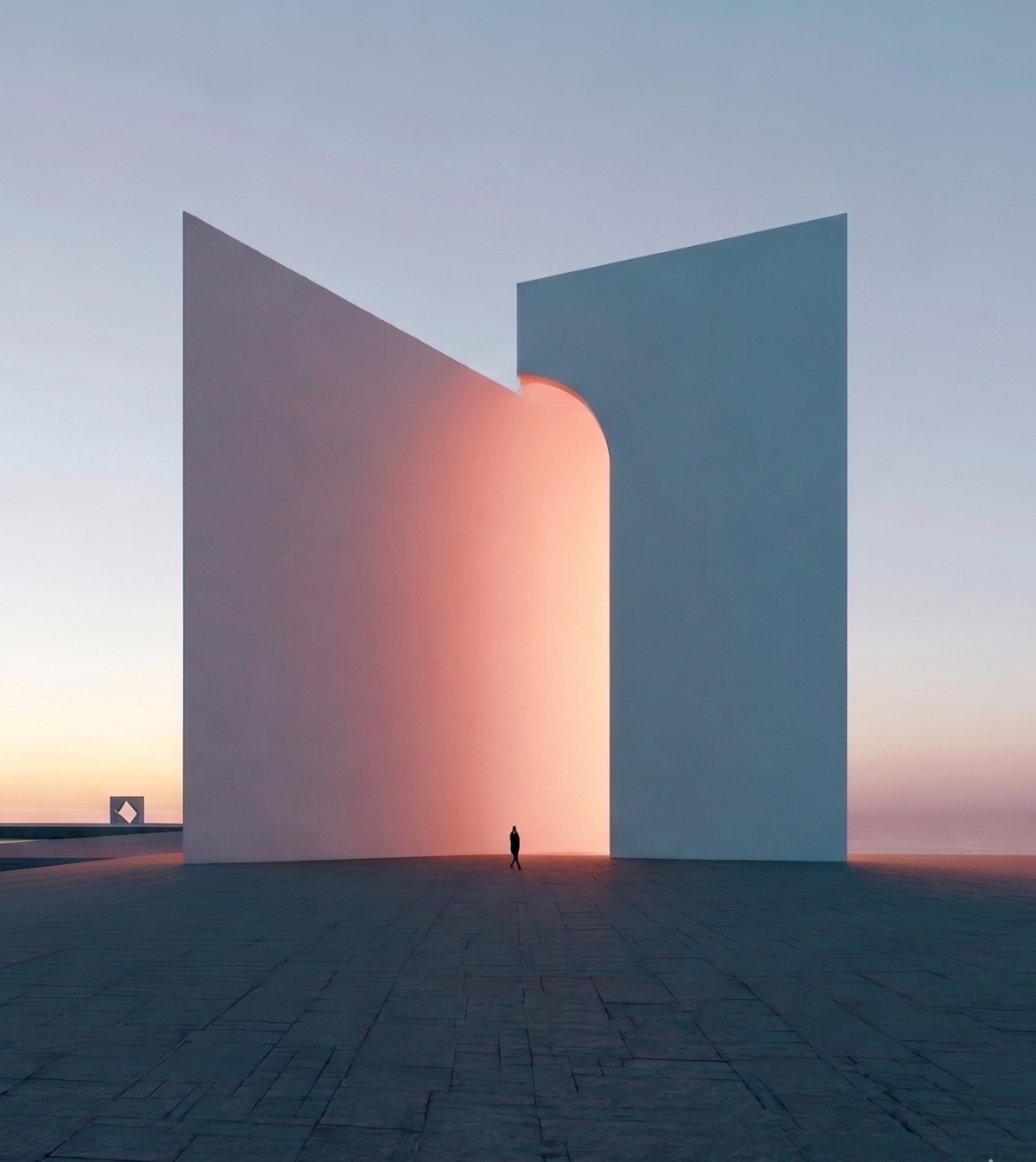
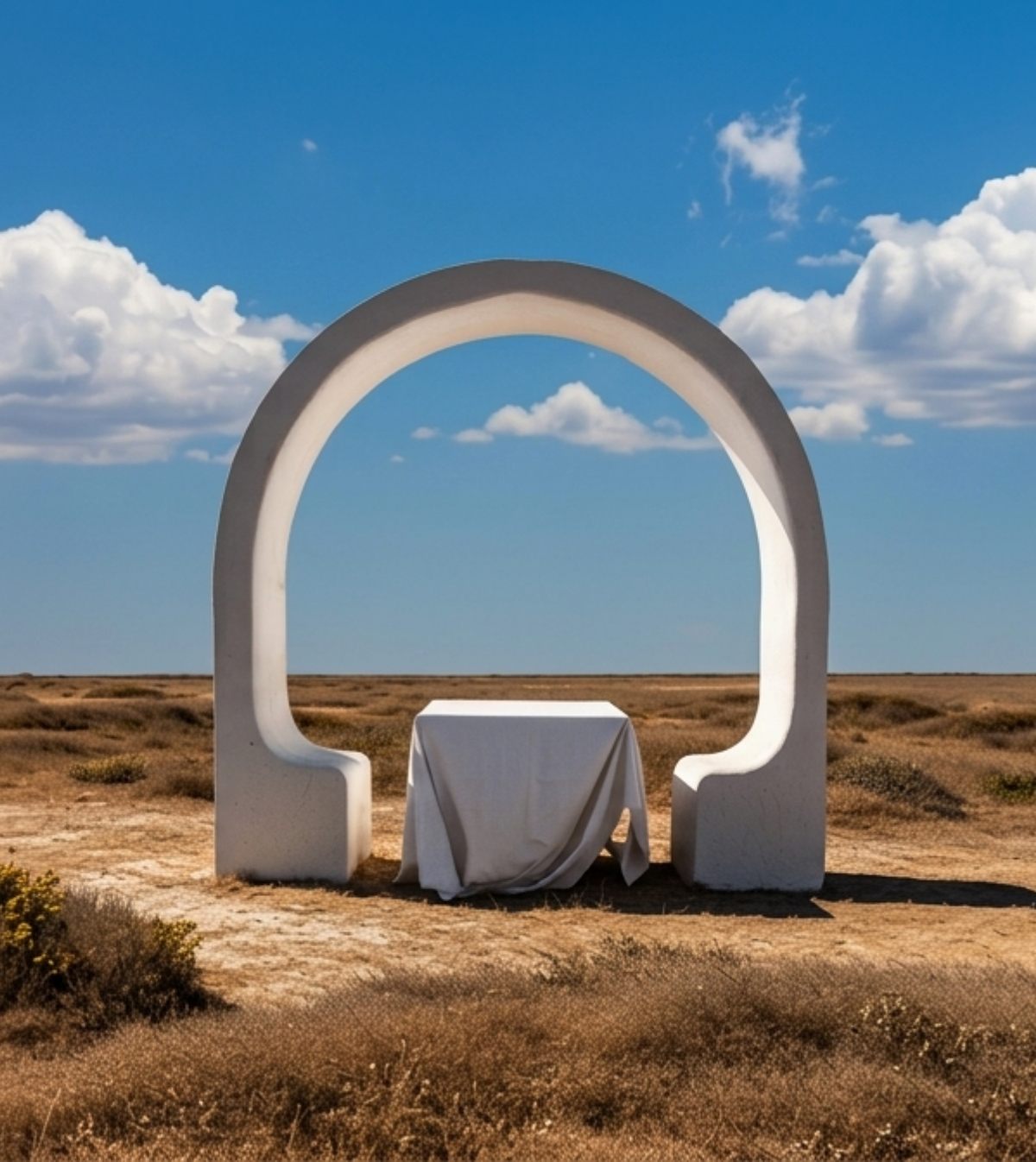
We’d like to take the opportunity to introduce you to the Sustainability Award winners of our Concrete Pavilion competition – Lain James Maxwell from Australia!
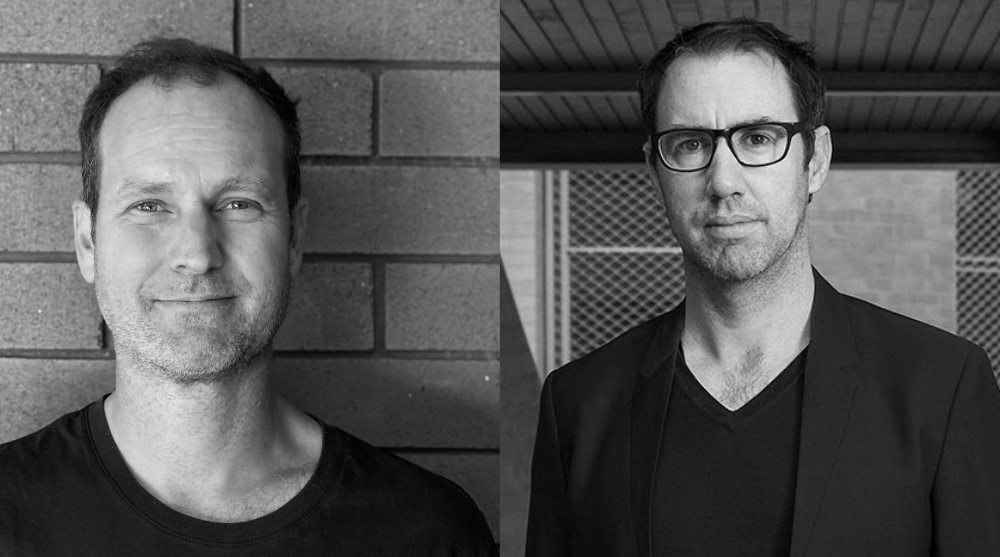
Lain James Maxwell
Please tell us about your company (when it was founded, where it is based, how many employees, etc) Alternatively, if you do not have a company, please give us some insights on your own professional/academia background.
Supermanoeuvre is an international award-winning architecture and innovation practice operating globally out of Sydney and Canberra, Australia. We work with government, private clients and communities to create memorable places, buildings and objects. At the forefront of design and fabrication technology, we invent new design-material systems to produce climate positive outcomes. Our studio directors Dave and Max, also hold academic positions at the University of Technology Sydney (UTS) and University of Canberra (UC). Through these positions they seek to create unique learning opportunities for students that bridge design research and practice.
apeapeape is a cross-disciplinary design collective based in New South Wales, co-directed by Tyler Smith (MArch), Georgia Pan (MArch) and Miles Agius (LArch). The practice was established to operate between architecture, landscape architecture and spatial research, with a deliberately small and flexible structure that expands through collaboration depending on project needs. Alongside project work, the directors remain active in academia and teaching, using both practice and education as parallel sites to test and advocate.
Brief information about the projects that you/your company have been involved with. For instance, what scale have you focused on/preferred, any significant projects where the company/ individuals have been Involved?
Supermanoeuvre is a research-led design practice. The studio was selected to represent Australia at the 2012 Venice Architecture Biennale and the 2008 and 2010 Beijing Architecture Biennales. Our research has been exhibited internationally including at Paris’ Centré Pompidou and New York's Storefront for Art and Architecture. The directors have lectured on the firm's work at such institutions as the Architectural Association, University College of London [Bartlett]; Columbia and Princeton Universities and their writings on architectural theory have been published in some of the discipline's most prestigious periodicals such as Log Journal for Architecture. Artefacts from their design process innovations are in the permanent collection of the FRAC Orléans, France, National Museum of Australia (NMA), Powerhouse Museum Sydney and the National Gallery of Victoria (NGV). supermanoeuvre is currently working on: an adaptive system of ‘micro-icons’ for public space in Hobart; a large-scale robotic 3d-printed fabric formwork system; a prefabricated micro-house and a disruptive design for offshore floating wind-turbines.
apeapeape is a cross-disciplinary design collective working across architecture, landscape and spatial practice. The studio operates at multiple scales, from small experimental installations and adaptive residential work through to public space, agricultural and community-based projects. Across this range, the practice maintains a consistent approach: to do as little as possible but as much as necessary, working to support relationships between human and more-than-human systems rather than imposing form. The studio’s work is research-led and often embedded within live contexts, particularly in peri-urban and productive landscapes. Notable projects include the ongoing research and spatial investigations at Wareamah (Cockatoo Island) and Goodmayes Orchard, which explore Country-centred methodologies and community-grounded design processes. In 2025, this body of work received a Special Commendation for Social Impact from the Australian Institute of Architects (NSW Chapter). In the same year, a studio director was awarded the Architects Medallion by the NSW Architects Registration Board, recognising the practice’s contribution to socially and environmentally responsive design.
What does architecture mean to you and what is the role of an architect in your society?
Supermanoeuvre - Architecture is our way of expressing our worldview. We are deeply committed to a decarbonised future and for us, challenging the status quo of the construction industry is how we exercise agency. In many ways we are very fortunate to pursue architecture in three different ways: practice, research and teaching. While they are intrinsically linked, each provides a platform to interact with diverse communities in different ways. Practice enables physical influence on the world, to make the everyday rituals of someone's day better. Whereas academia offers us opportunities to engage in debate; on the city, the built environment and of course its impacts on planetary systems. To lead change and serve society. However, it also allows us to work with the next generation, to mentor and inspire.
ApeApeApe - At its core, apeapeape. is about making space—literally and relationally—for better ways of being in the world. We see design as listening, unlearning, and co-creating, rejecting an output-driven mindset in favour of long-term, reciprocal relationships with place, people, and more-than-human systems. As a slow-growing, playful, and passion-driven collective, we explore alternative pathways for spatial design, ensuring our work is not just for communities but with them. Form follows Country, and our role is to listen, translate, and support into the spatial landscape rather than impose.
Our projects are never static, they evolve, adapt, and grow beyond us. Rooted in listening, reciprocity, and shared knowledge, we explore new ways of practicing that center Country, nurture relationships, and embody deep care.
Why do you participate in architecture competitions?
As practices that span professional projects and academic research, we see competitions as wonderful vehicles through which to test our more fundamental research endeavours. Further, competitions offer a model of peer-review that is specific to design-led research and as such they provide a valuable framework to measure impact. Finally, we also greatly appreciate the communities that participate in and share their knowledge via competitions. Advancing architectural practice demands both opportunity and forums of dissemination and for us competitions, even perhaps more so than conferences, facilitate both.
What advice would you give to individuals who struggle to decide whether it would be beneficial for them to participate in architecture competitions?
As a practice, architecture requires constant exercise. Ideas need to be iterated, tested and developed. Competitions provide one way of doing that. We would also argue that architects are trained to observe, listen, analyse and translate and as such are not great inventors of projects from scratch. Even the most speculative projects require a defined socio-cultural or material substrate through which to operate. Competition briefs and sites offer just that, a context to develop ideas that may only seek to serve their author.
Top 3 Reasons Why You Should Enter Architecture Competitions
Curious about the value of architecture competitions? Discover the transformative power they can have on your career - from igniting creativity and turning designs into reality, to gaining international recognition.
Learn more