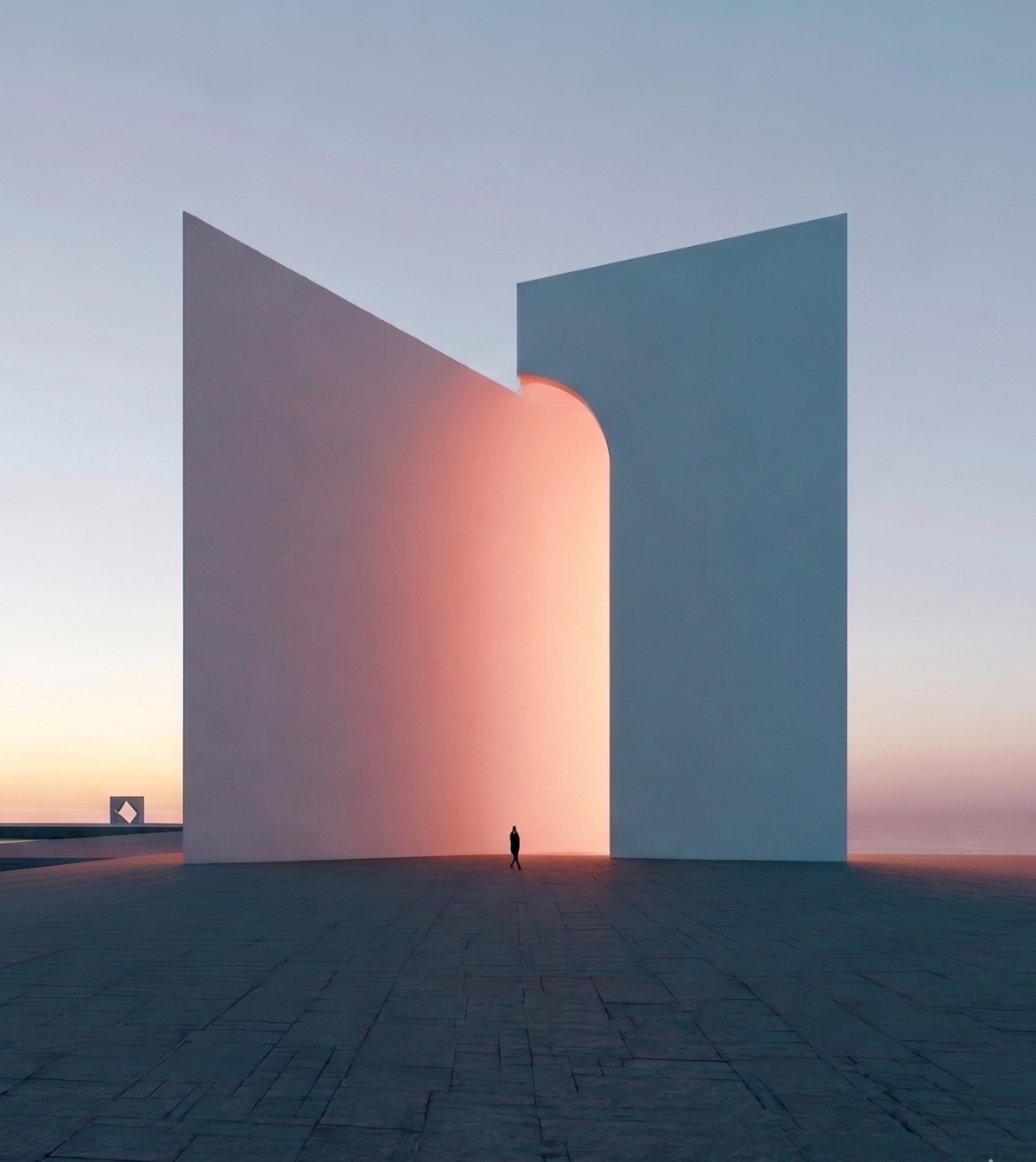
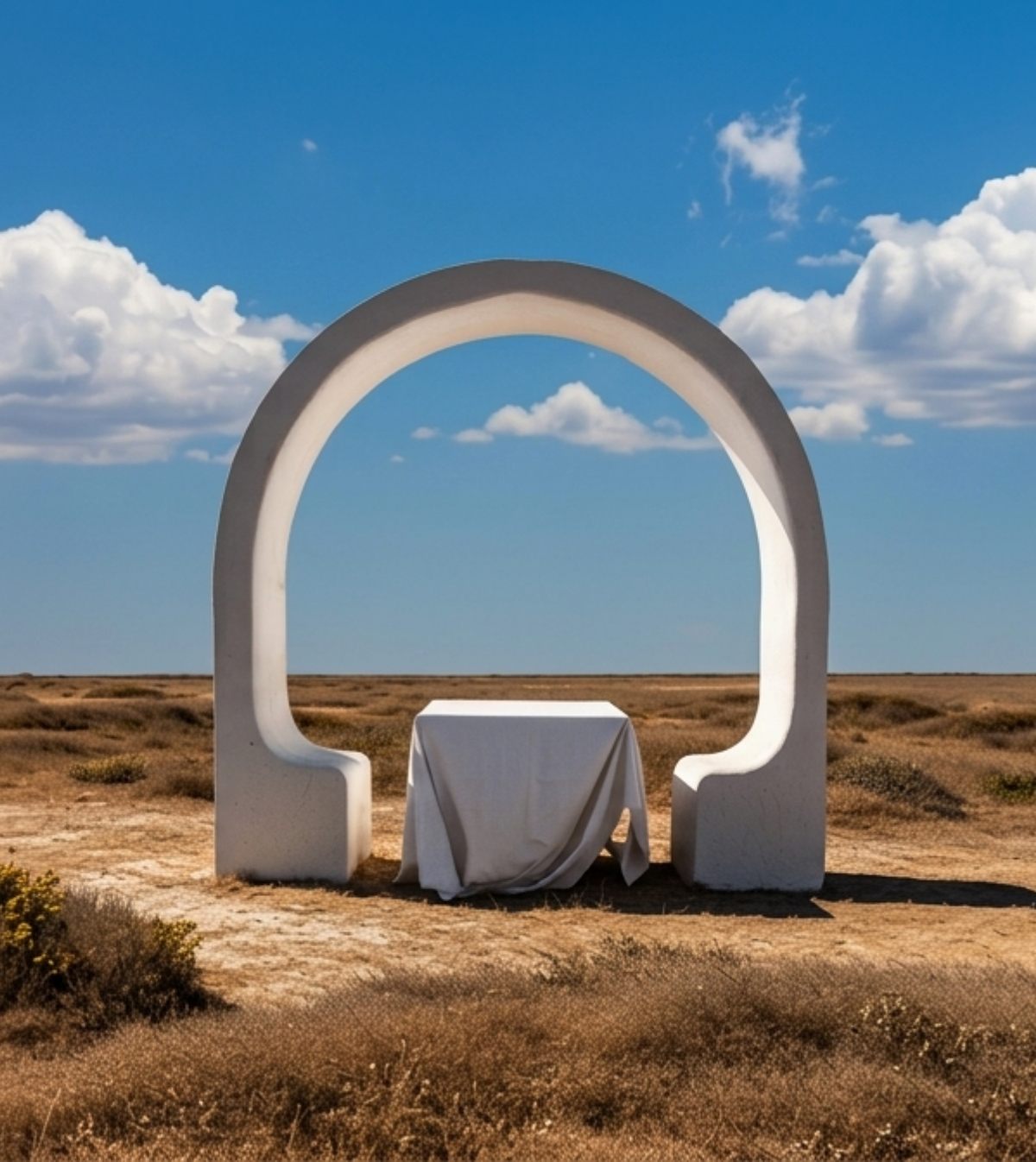
We’d like to take this opportunity to introduce the Honorable Mention winner of our Museum of Emotions / Edition #7 competition – Zeynep Nevbahar Bilgeman from Canada!
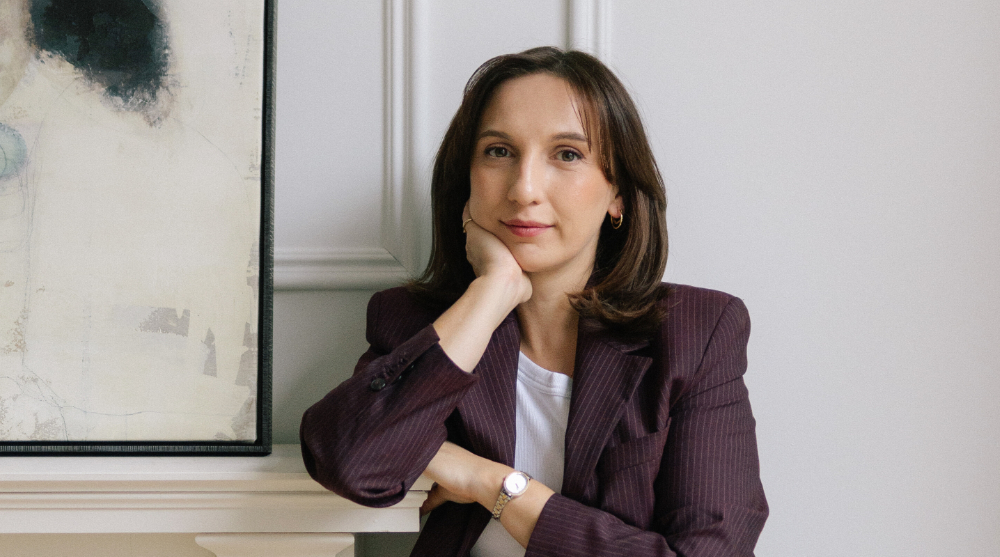
Zeynep Nevbahar Bilgeman
Please tell us about your company (when it was founded, where it is based, how many employees, etc) Alternatively, if you do not have a company, please give us some insights on your own professional/academia background.
Novus Project Studio was founded in 2024 and is based in Brantford, Ontario, Canada. It is an independent architectural and interior design practice focused on spatial clarity, design direction, and emotionally intelligent environments. The studio is led by me, Nevbahar Bilgeman, and operates as a boutique practice. I work closely with homeowners, as well as builders and consultants, guiding projects from early design strategy through spatial development and detailed execution. Depending on the scope, I collaborate with a trusted network of professionals while maintaining direct involvement in each project. The studio works across residential renovations, custom homes, and small- to mid-scale commercial projects. Many of my projects begin at moments of uncertainty, when clients are navigating major spatial or lifestyle transitions. My role is to bring structure, clarity, and confidence to that process. Novus Project Studio is rooted in the belief that architecture should be accessible, intentional, and grounded in how people truly live and experience space.
Brief information about the projects that you/your company have been involved with. For instance, what scale have you focused on/preferred, any significant projects where the company/ individuals have been Involved?
My work spans residential renovations, custom homes, and small to mid-scale commercial projects. I am particularly interested in projects where spatial reconfiguration and strategic design direction play a central role, whether transforming an existing home, developing a new residence, or shaping a focused commercial environment. In residential work, I often guide full-scope renovations and spatial planning interventions that require balancing architectural clarity with everyday functionality. Earlier in my career, I was also involved in larger multi-unit residential developments, which strengthened my understanding of coordination and construction at scale. Across all projects, regardless of size, I am interested in how spatial sequencing influences perception and emotional response
What does architecture mean to you and what is the role of an architect in your society?
Architecture is one of the most influential forms of design because it directly shapes how people feel, behave, and connect within their environments. At every scale, from public buildings to intimate residential spaces, it impacts both society and environmental psychology. I see the architect as a narrator of context. Every site carries cultural, environmental, and functional layers that must be interpreted with care. The architect’s role is to translate those layers into built form, balancing functionality, longevity, sustainability, and aesthetic clarity. Ultimately, architecture should serve society with responsibility and intention, creating spaces that are not only efficient and durable, but meaningful.
Why do you participate in architecture competitions?
As an architect, I am constantly observing, questioning, and generating ideas. My thinking does not stop at the boundaries of my active projects. There are always multiple “tabs” open in my mind (concepts, spatial questions, and speculative ideas) waiting to be explored. Architecture competitions give me the opportunity to fully develop one of those ideas. They allow me to step outside immediate client constraints and explore a concept to its conceptual and architectural depth. Even when the outcome remains unbuilt, the process itself is deeply fulfilling. Competitions create space for experimentation, reflection, and growth. They challenge me to think critically, communicate clearly, and refine ideas with intention. For me, participating in competitions is not separate from practice. It is an extension of it.
What advice would you give to individuals who struggle to decide whether it would be beneficial for them to participate in architecture competitions?
I would say that participation in architecture competitions is less about winning and more about growth. Competitions create a space where you can think independently, test ideas, and refine your voice as a designer without the immediate pressures of real-world constraints. If someone is hesitating, it is often because of self-doubt or time limitations. But even a single competition can sharpen your ability to communicate visually, think critically, and structure an idea from concept to presentation. You do not need to feel completely ready. In fact, competitions are one of the best ways to develop confidence. They challenge you to clarify your thinking and articulate what you stand for as a designer. Even if the project is never built, the intellectual and creative discipline you gain stays with you.
Top 3 Reasons Why You Should Enter Architecture Competitions
Curious about the value of architecture competitions? Discover the transformative power they can have on your career - from igniting creativity and turning designs into reality, to gaining international recognition.
Learn more