We’d like to take the opportunity to introduce you to the Honorable mention winners of our Hospice - Home for the Terminally ill #5 competition – Langxian Ye, Qingnan He and Jun Ning from United States!
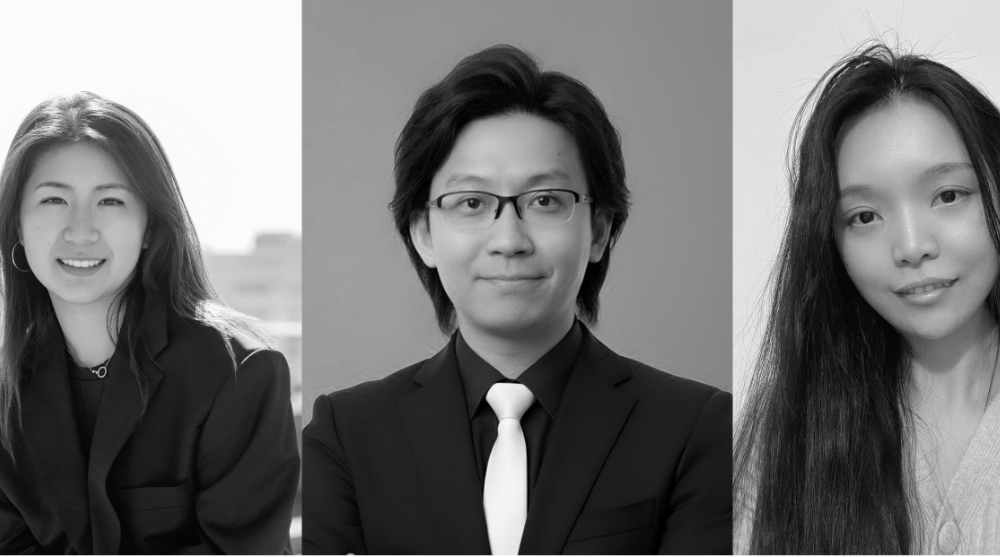
Langxian Ye, Qingnan He and Jun Ning
Please tell us about your company (when it was founded, where it is based, how many employees, etc) Alternatively, if you do not have a company, please give us some insights on your own professional/academia background.
We are a temporary design collective composed of University of Southern California and Cal Poly architecture graduates with professional roots in urban planning and educational design. Though our team is small, we specialize in resource-conscious project management, consistently meeting ambitious milestones through a collaborative, self-organized workflow.
Brief information about the projects that you/your company have been involved with. For instance, what scale have you focused on/preferred, any significant projects where the company/ individuals have been Involved?
Before forming the team, each of us possessed experience in designing projects independently or in teams, each with our own strengths and rich experience. Our backgrounds span public projects such as science laboratories, cultural museums, commercial centers, and educational resource centers. We transitioned from academic exploration to this project because it offered a unique opportunity to engage in discussions about architecture's "special mission"—the fusion of the public and private spheres. We believe this project is not merely a design task, but a necessary dialogue about how architecture has evolved across different eras.
What does architecture mean to you and what is the role of an architect in your society?
We view architectural design as a dynamic dialogue between culture, environment, and space—a process rooted in rigorous aesthetic selection. While architecture demands boundless imagination, it also requires the precision of a professional framework to translate vision into reality. Our approach treats design as an interdisciplinary science, weaving together material innovation and environmental psychology. Ultimately, architecture is never isolated; it reflects social trends and cultural history, shaping how individuals connect with their communities.
Why do you participate in architecture competitions?
We believe this competition presents an excellent opportunity to break through traditional project presentation models and explore entirely new concepts. Our team's uniqueness lies in the diverse backgrounds of its members and their shared overseas educational experience, enabling us to design from a unique global-local perspective. In this project, we strive to transcend traditional design themes by incorporating elements of Eastern philosophy to reveal profound tranquility and balance in today's fast-paced architectural environment.
What advice would you give to individuals who struggle to decide whether it would be beneficial for them to participate in architecture competitions?
For our team, the competition involved research, discussion, defining direction, and perseverance until completion. From the initial research phase to final implementation, we continuously revised and iterated in defining the project's direction. It tested everyone's patience, especially when dealing with problems outside their personal experience.
Top 3 Reasons Why You Should Enter Architecture Competitions
Curious about the value of architecture competitions? Discover the transformative power they can have on your career - from igniting creativity and turning designs into reality, to gaining international recognition.
Learn more