Get inspired!

17,725 architecture projects

Learn from past Buildner architecture competition participants through our extensive project library, curated over more than 15 years!

Sliding Doors and Shared Spaces in a Compact Microhome

Author:
Bing Wang
Sliding Doors and Shared Spaces in a Compact Microhome
Explore the full project presentation!
Subscribers only
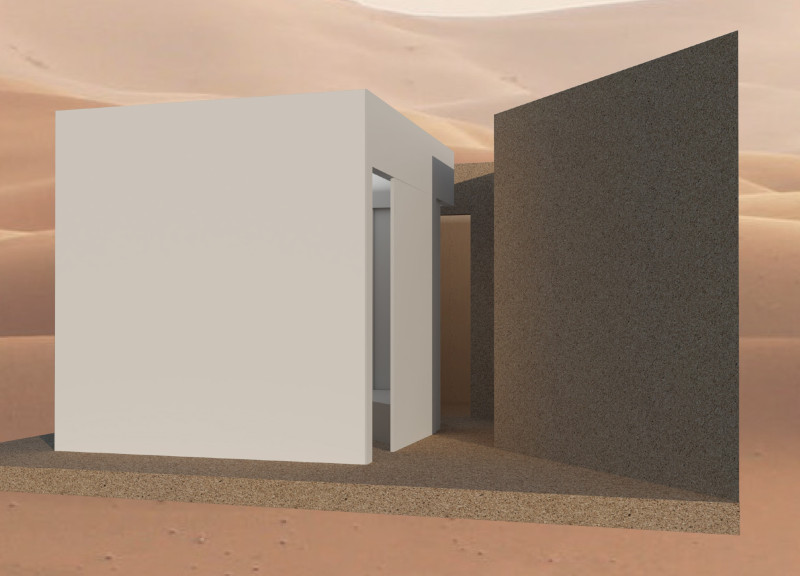
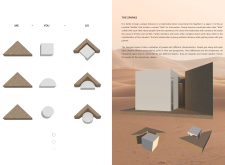
Sliding doors create flexible boundaries within a compact microhome, allowing for dynamic interactions in thoughtfully arranged living zones tailored for both privacy and social engagement.
5 key facts about this project
01
Sliding doors enhance adaptability, allowing occupants to tailor their living environment based on needs.
02
Distinct living zones promote both interaction and privacy within a compact footprint.
03
Under-bed storage solutions maximize space efficiency without compromising design.
04
A focus on flexible boundaries supports the emotional dynamics of shared living.
05
The arrangement prioritizes multifunctionality, seamlessly integrating work and leisure spaces.

The microhome design represents a practical approach to urban living, focusing on how space can be organized for both personal needs and social activities. In a setting where every square meter counts, the project addresses the challenge of providing a comfortable and adaptable living environment. The design concept revolves around the idea of creating separate areas that still feel connected, balancing privacy with interaction among occupants.

Spatial Organization

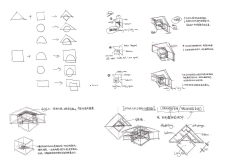
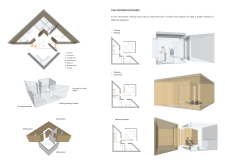
The layout is clearly defined into specific zones intended for different purposes. At the entrance, a welcoming flow leads into the living room, which serves as a shared space for relaxation and social gatherings. Adjacent to it, the cooking area is thoughtfully designed to facilitate engagement, making it easy for residents to come together while preparing meals. This encourages interaction without sacrificing efficiency.

Personal Retreats

Quiet areas are critical for a balanced living experience. The sleeping area is designed to offer a place of rest, ensuring that solitude can be enjoyed without detachment from the common spaces. The bathroom complements this by providing necessary privacy and functionality for daily routines. A dedicated workspace is also incorporated, allowing for productivity without disrupting the overall comfort of the household.

Flexible Boundaries

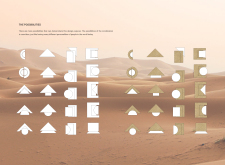
An important feature is the use of sliding doors, which are strategically placed to define personal space. These doors enable a shift between private use and social interaction, illustrating the concept of maintaining a proper distance. By being able to open or close these spaces, occupants can adapt their environment based on their needs, making the microhome versatile in function.

Storage Solutions

To address space limitations, efficient storage plays a crucial role in the design. Clever solutions such as compartments beneath the bed and folding work surfaces work together to minimize clutter. This thoughtful integration allows for a tidy living space, where every area serves a practical purpose while contributing to a calm atmosphere.

The microhome illustrates a well-considered balance between communal and private spaces. The arrangement reflects an understanding of everyday living, catering to both emotional needs and practical requirements. This careful design promotes an environment where individuals can thrive while interacting comfortably with others.


Noticed a mistake?
Highlight the text and click on
Noticed a mistake

Vancouver Tall Challenge: Building Higher Downtown

`
Competition organisers

The Vancouver Tall Challenge: Building Higher Downtown is an international architecture competition organized by Buildner in collaboration with the City of Vancouver and the University of British Columbia’s School of Architecture and Landscape Architecture (SALA). The competition invites architects, designers, planners, and creative thinkers to explore innovative approaches to tall buildings in Vancouver’s downtown core, focusing on sustainability, livability, urban density, public space, and the city’s strong connection to nature. As Vancouver continues to grow, participants are challenged to rethink how vertical development can enhance urban life and contribute to a more vibrant, inclusive, and resilient city identity.

The competition offers a total prize fund of $15,000 CAD, with winning proposals selected by an international jury of architects, planners, academics, and city-building professionals. Key dates include the final registration deadline on October 29, 2026, submission deadline on November 30, 2026, and winners announcement on January 26, 2027. Full competition details, requirements, and registration information are available at architecturecompetitions.com/VancouverTallChallenge

Vancouver Tall Challenge

Design the future of Vancouver’s skyline

Building higher downtown ideas COMPETITION
Prize Monetary award
Eligibility Open to all
Final registration deadline 29 October 2026

Open architecture competitions

  • Closest deadline first
  • Project competitions first
    Selected winning projects have the potential to be constructed
  • Ideas competitions
    Experimental competitions with the focus on pushing the boundaries of creativity
New York High Falls 
Riverfront Market

Design a New Riverfront Market in Rochester, New York

ideas COMPETITION
Prize Monetary award
Eligibility Open to all
Advance registration deadline 7 October 2026
Valli Wine 
Tasting Room

Design a wine tasting room in Italy

project COMPETITION
Prize Monetary award
Eligibility Open to all
Advance registration deadline 8 October 2026
The 
Quiet 
Tower

Design an observation tower in Latvia

project COMPETITION
Prize Monetary award
Eligibility Open to all
Advance registration deadline 15 October 2026
Vancouver 
Tall Challenge

Design the future of Vancouver’s skyline

Building higher downtown ideas COMPETITION
Prize Monetary award
Eligibility Open to all
Final registration deadline 29 October 2026
The Oak 
Moon 
Pavilion

Design a yoga pavilion in Italy

project COMPETITION
Prize Monetary award
Eligibility Open to all
Advance registration deadline 5 November 2026
Portugal Long Table 
Restaurant

Design a slow-living restaurant in Portugal

project COMPETITION
Prize Monetary award
Eligibility Open to all
Final registration deadline 9 December 2026

Recurring architecture competitions

Kinderspace

Design a kindergarten of tomorrow

Architecture for Children’s Development #4 ideas COMPETITION
Prize Monetary award
Eligibility Open to all
Final registration deadline 28 October 2026
Museum of 
Emotions

Use architecture to create different emotional states

Edition #9 ideas COMPETITION SILENT CONTEST For this competition, NO DESCRIPTION TEXT is allowed. The architecture ideas must be communicated strictly with visuals.
Prize Monetary award
Eligibility Open to all
Advance registration deadline 12 November 2026
The 
Architect's 
Chair

Take a seat and make a statement!

Stockholm Furniture Fair Edition #6 ideas COMPETITION
Prize Monetary award + Exhibition at Stockholm Furniture Fair
Eligibility Open to all
Final registration deadline 3 December 2026
new
Buildner's Unbuilt Award

Celebrating your unbuilt architecture visions with a 50,000€ prize

50,000€ Prize / 2027 ideas COMPETITION
Prize 50,000 €
Eligibility Open to all
Early bird registration deadline 4 February 2027

Media, partners and clients

To view this project in detail,
please log in with your
Architects’ Network Plus account.
Subscription instantly unlocks all the architecture projects plus other member-only benefits:
  • Access the 17,725 Concept Library
  • Professional tools including file transfer, email, portfolio management, and more
Register now
Already a member? Log in