
5 key facts about this project
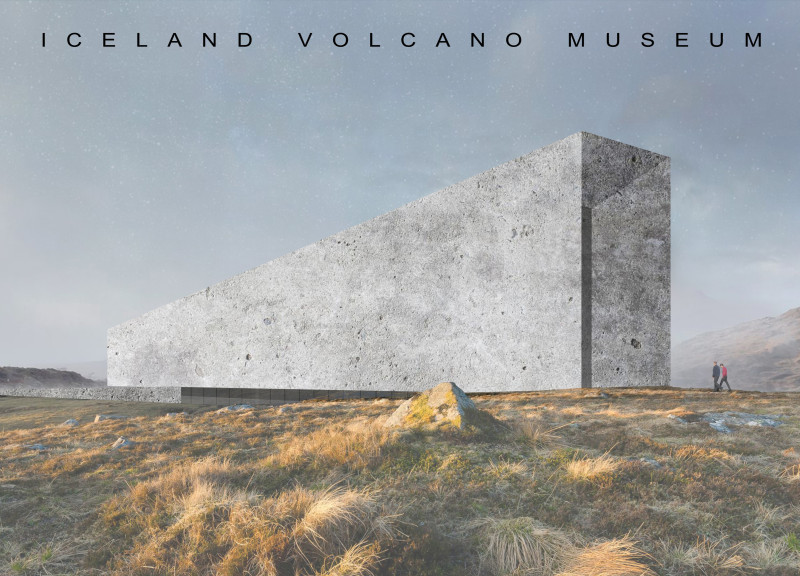
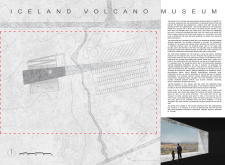
The Iceland Volcano Museum is located in the unique landscape of Iceland and serves as both an exhibition venue and an information center for Lake Myvatn. The design focuses on blending architectural elements with the surrounding natural environment, reflecting the geological features of the area. The overall concept is to create a connection between the building and its landscape, allowing the museum to serve its functional purpose while aligning visually with its setting.
Building Form and Layout
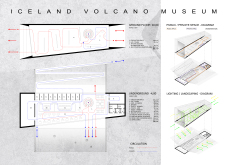
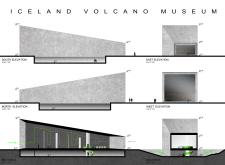
The museum consists of two main levels. The upper level houses an exhibition hall and the Myvatn information point, designed to provide an engaging experience around Iceland's natural phenomena. The lower level contains office spaces and a café, with openings that connect these areas to the outside landscape. This design choice enables a variety of functionalities while ensuring easy access for all visitors.
Materiality and Structural Considerations
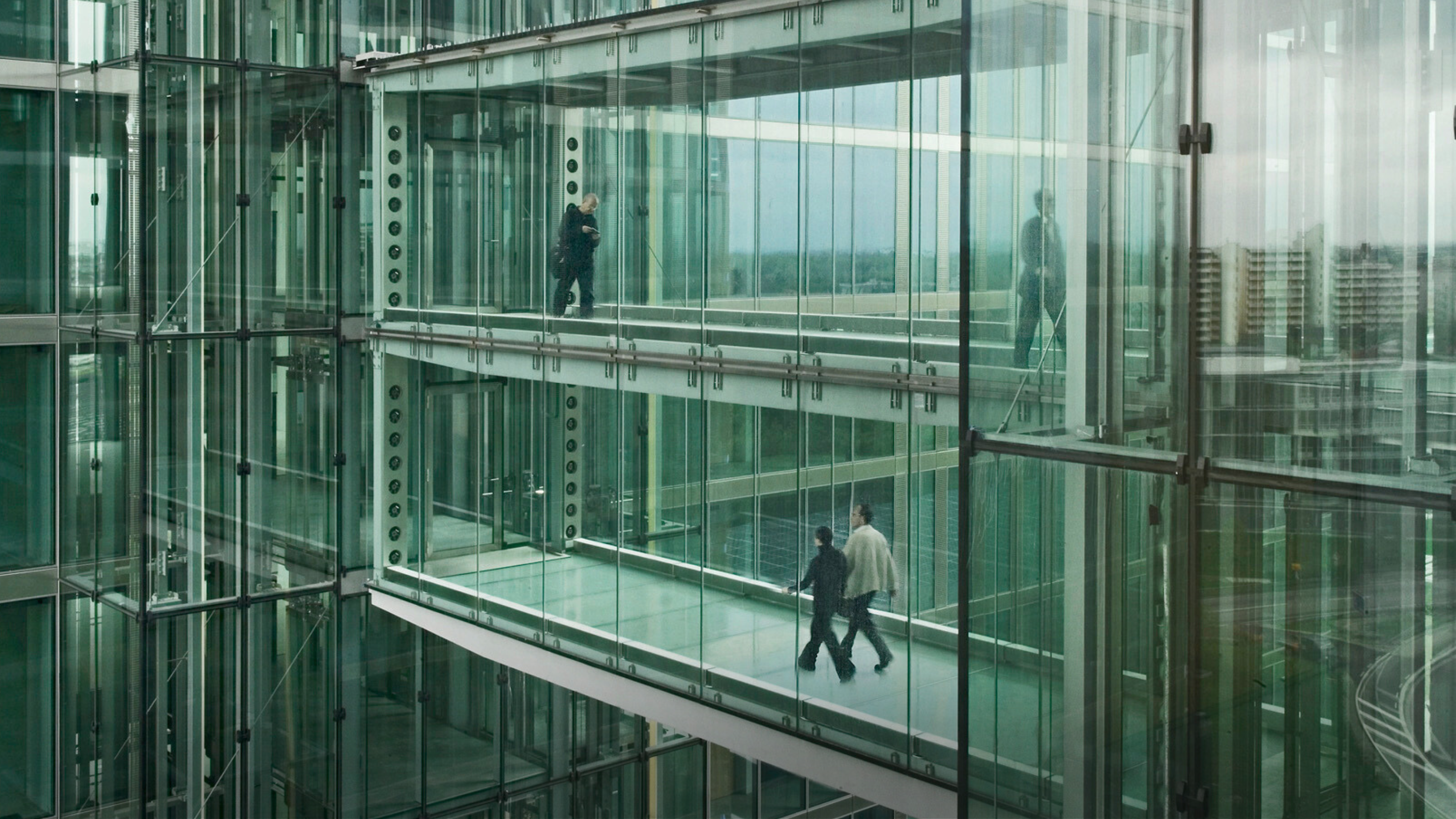
Glazing plays a significant role in the design, prominently used throughout both levels to frame views of the volcanic landscape and let natural light into the building. Reinforced concrete serves as the structural support, enhancing the durability of the museum against the challenging climate. This material choice works well with the overall design, allowing the building to fit into its surroundings while providing a strong foundation for the expansive glass walls.
Circulation and Visitor Experience
The design includes ramps and staircases that facilitate easy movement between different spaces, promoting a smooth flow for guests. Visitors can move effortlessly from the open foyer into the exhibition hall and then into the café, where they can enjoy views of the landscape. The layout encourages exploration and interaction, creating opportunities for guests to engage with both the exhibits and the natural surroundings outside.
Exhibition and Engagement Strategy
The exhibition space is designed to be immersive, employing interactive media and sensory experiences that highlight Iceland’s geology and ecology. This approach enriches the visitor experience, helping people understand and appreciate the region's natural features. Visitors encounter engaging narratives that emphasize the unique aspects of Iceland's terrain, ensuring that the connection to the landscape is a constant theme during their visit.
The design incorporates large glass openings that blur the line between inside and outside. These features invite light and views into the exhibition areas, fostering a continuous relationship between the museum's interior and Iceland’s remarkable scenery.