Get inspired!

17,725 architecture projects

Learn from past Buildner architecture competition participants through our extensive project library, curated over more than 15 years!

Geothermal Heating and Steel Structure in a Horse-Inspired Observation Tower

Author:
Jorge Arias
Geothermal Heating and Steel Structure in a Horse-Inspired Observation Tower
Explore the full project presentation!
Subscribers only
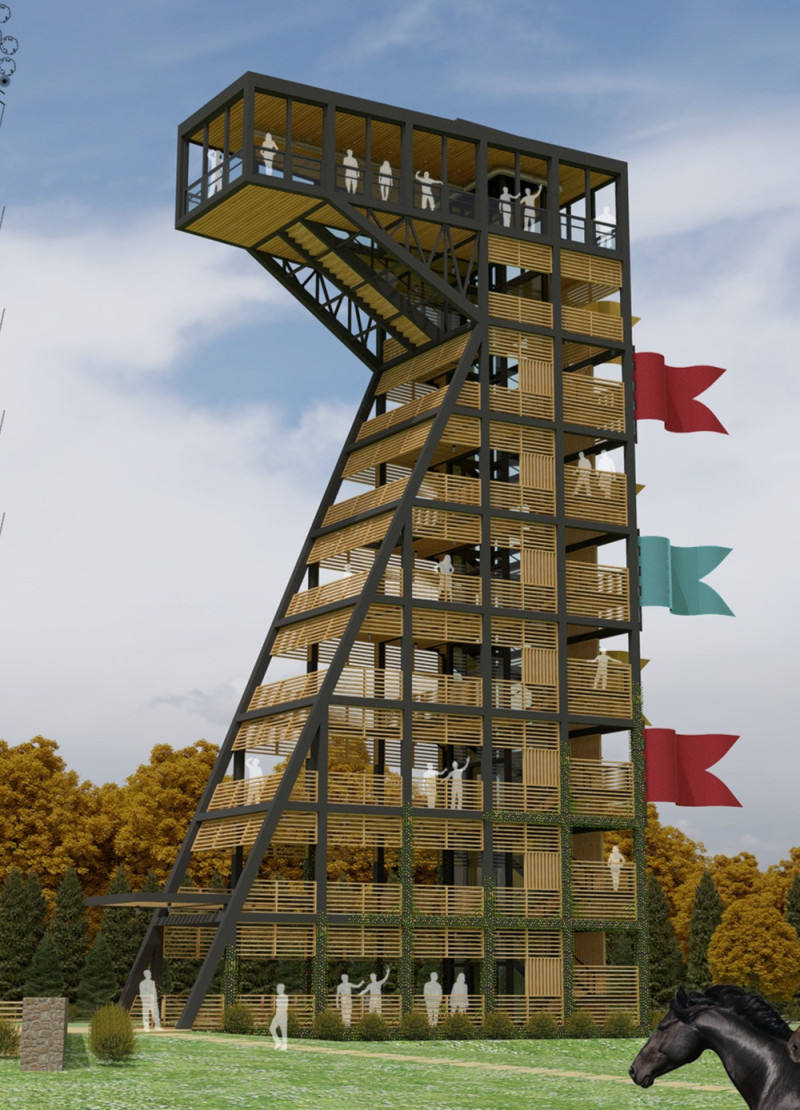
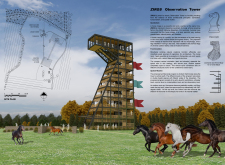
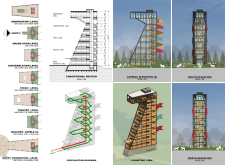
Inspired by the form of a horse, the observation tower integrates a steel structure and geothermal heating system to create a functional space for viewing the surrounding North Vidzeme Biosphere.
5 key facts about this project
01
The tower's design mimics the shape of a horse, reinforcing its symbolic connection to the site.
02
It utilizes a geothermal heating system for energy efficiency throughout the year.
03
Vertical circulation resembles a spinal cord, enhancing functional movement through the structure.
04
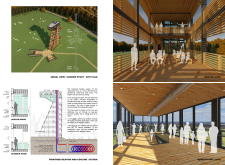
The observatory level features large sliding glass windows for panoramic viewing experiences.
05
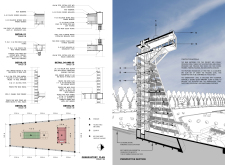
Local materials, including steel and treated pine wood, reflect the region's natural resources.

The ZIRGS Observation Tower is situated in Kurgi, a horse breeding farm located in the North Vidzeme Biosphere of Latvia. The design focuses on creating a viewpoint and educational space that interacts with the natural surroundings. It draws on the cultural significance of horses, embodying feelings of grace and freedom, while also allowing visitors to engage with the landscape in a meaningful way.

Symbolism

The name ZIRGS means "horse" in Latvian, bringing a cultural context to the design. The structure's form represents the beauty and movement associated with horses. Features such as flag installations add to its visual appeal and link the tower to historical castles and art museums. This connection fosters a sense of place and identity for the surrounding community and those who visit.

Functionalism

The design incorporates practical elements that enhance visitor experience. Inspired by a horse's neck and head, the tower maintains a strong foundation and a well-organized structure. Vertical circulation, consisting of stairs and an elevator, mimics a spinal cord, ensuring an easy flow between floors. This layout encourages interaction between the interior spaces and the rich natural environment outside.

Spatial Organization

The interior spaces are divided into various levels, each serving a specific purpose. The entry level features areas for exhibitions, while other levels contain a theater, picnic spots, a contemplation zone, and an observatory level. As visitors ascend, the spaces gradually become smaller, leading to a wide observation platform with expansive views of the biosphere. This arrangement enhances the visitor experience, inviting exploration and reflection on the relationship between human activity and nature.

Materials and Environmental Performance

The materials selected for the ZIRGS Observation Tower highlight a commitment to environmental responsibility and local resources. Locally produced steel tubing forms the main structure, providing durability. Treated pine wood is used for interior elements, creating visual coherence. The observatory level features sliding glass windows, allowing for natural ventilation and effective climate control, contributing to overall comfort for users.


The tower’s silhouette, resembling a horse, not only provides a unique visual identity but also creates a connection to the surrounding biosphere. It stands as a thoughtful integration of architecture and nature, enhancing the experience for all who visit.

Noticed a mistake?
Highlight the text and click on
Noticed a mistake

Vancouver Tall Challenge: Building Higher Downtown

`
Competition organisers

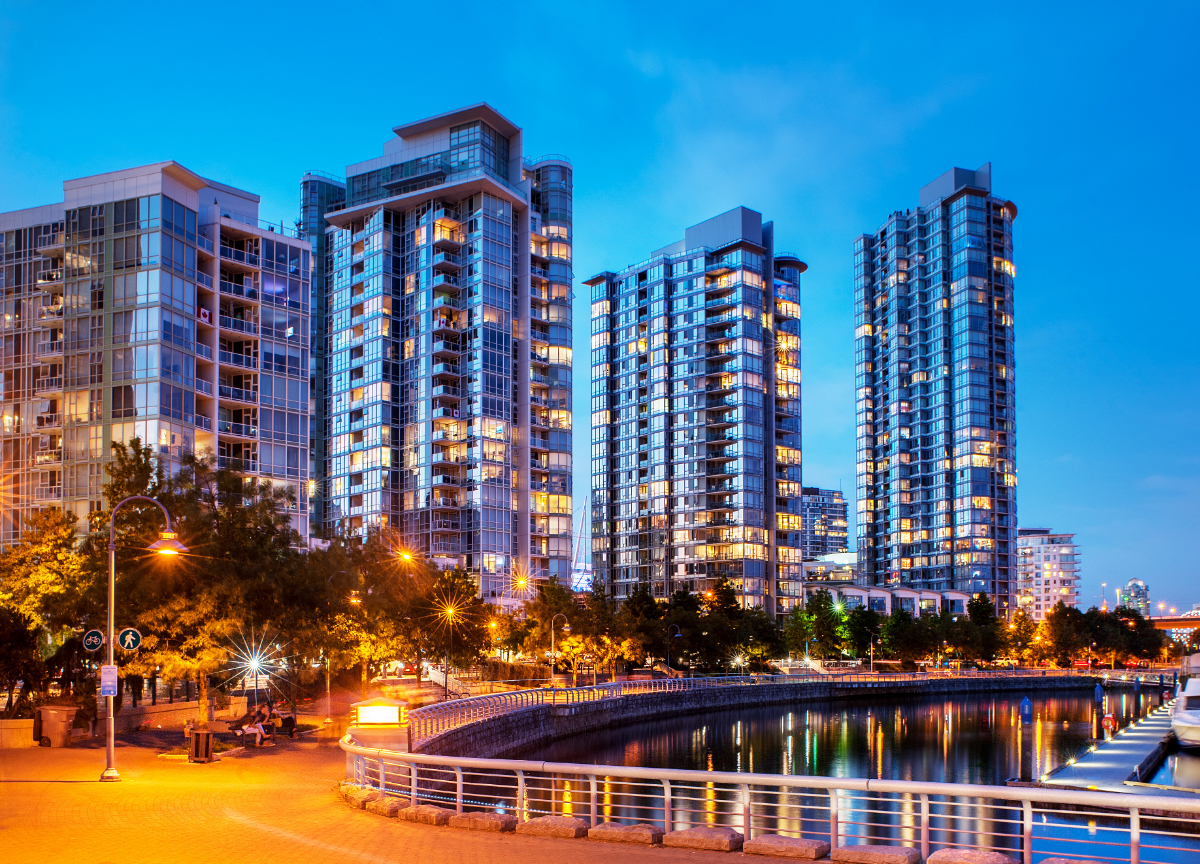
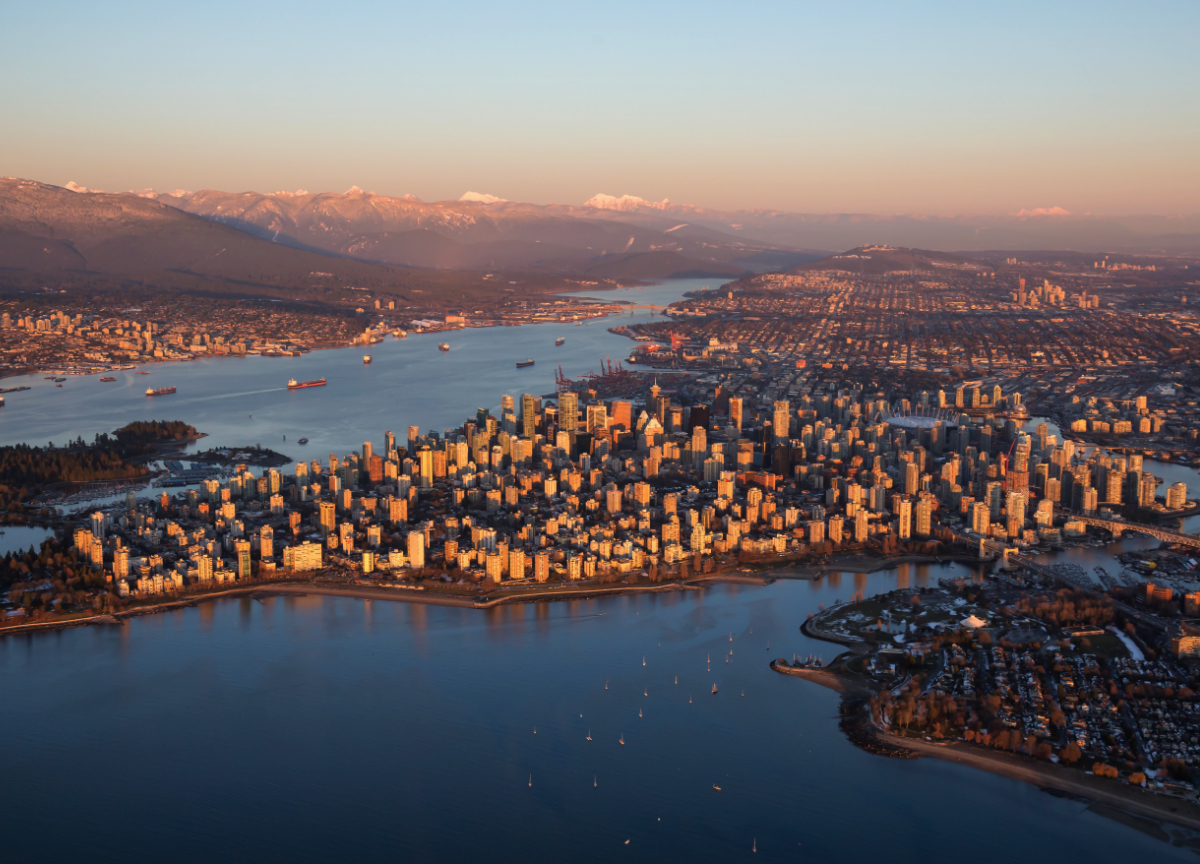
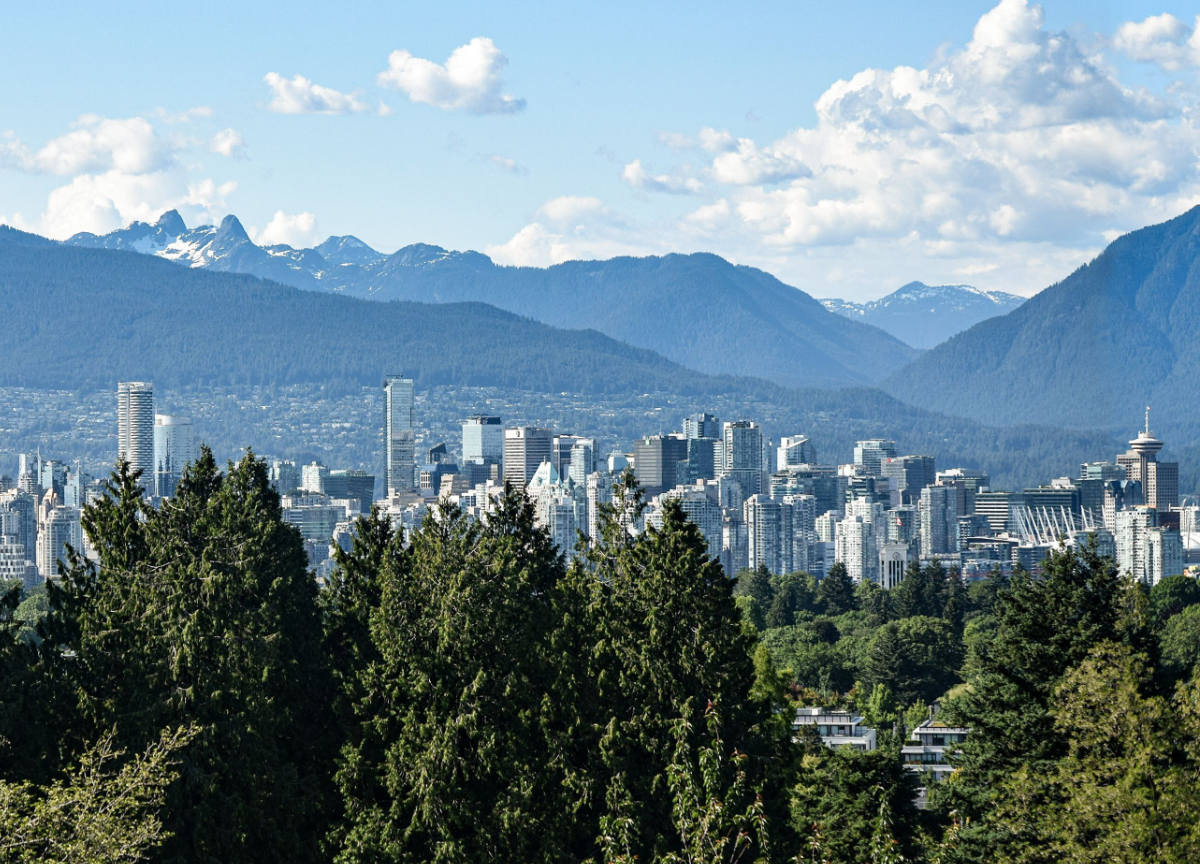
The Vancouver Tall Challenge: Building Higher Downtown is an international architecture competition organized by Buildner in collaboration with the City of Vancouver and the University of British Columbia’s School of Architecture and Landscape Architecture (SALA). The competition invites architects, designers, planners, and creative thinkers to explore innovative approaches to tall buildings in Vancouver’s downtown core, focusing on sustainability, livability, urban density, public space, and the city’s strong connection to nature. As Vancouver continues to grow, participants are challenged to rethink how vertical development can enhance urban life and contribute to a more vibrant, inclusive, and resilient city identity.

The competition offers a total prize fund of $15,000 CAD, with winning proposals selected by an international jury of architects, planners, academics, and city-building professionals. Key dates include the final registration deadline on October 29, 2026, submission deadline on November 30, 2026, and winners announcement on January 26, 2027. Full competition details, requirements, and registration information are available at architecturecompetitions.com/VancouverTallChallenge

Vancouver Tall Challenge

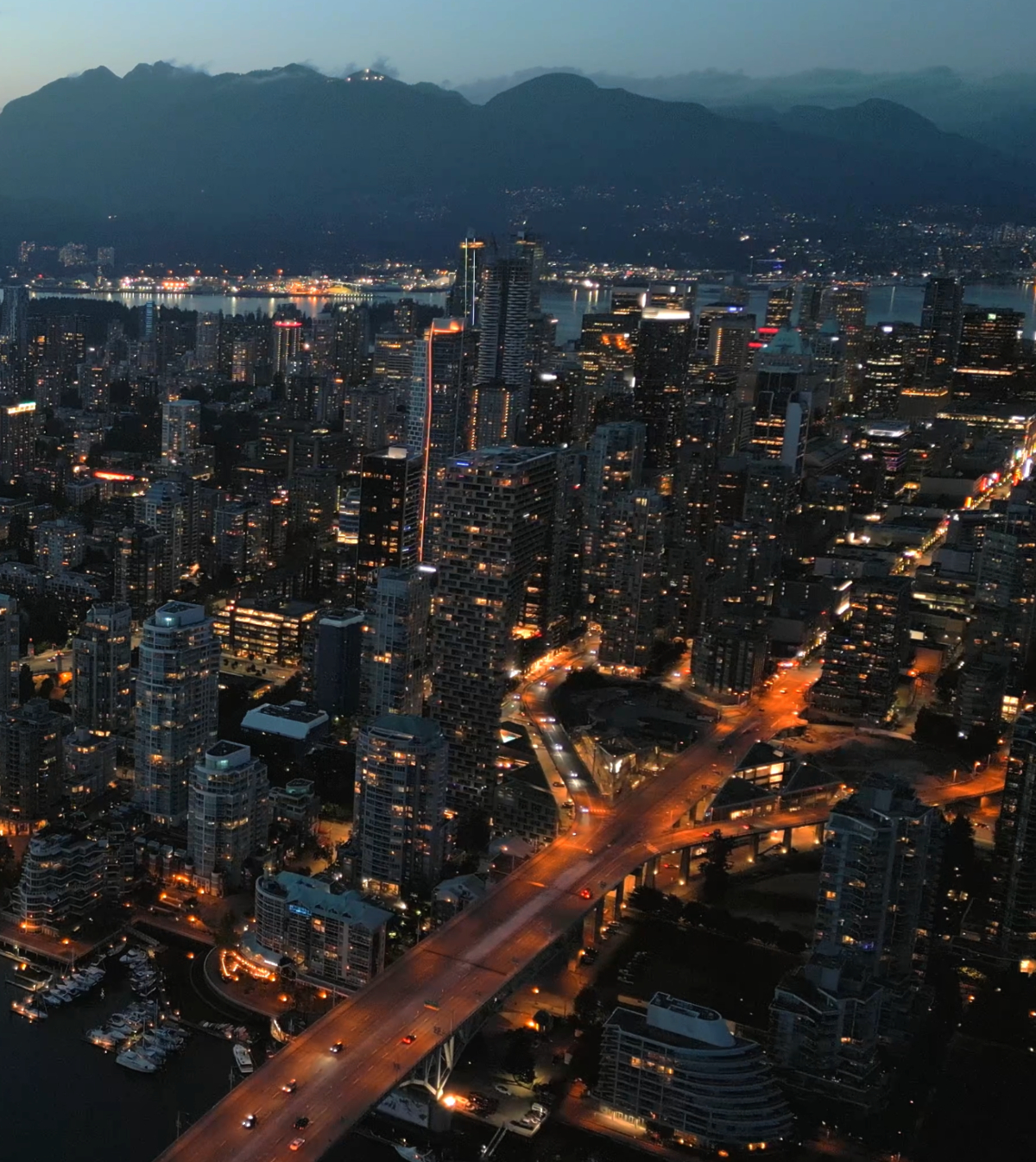
Design the future of Vancouver’s skyline

Building higher downtown ideas COMPETITION
Prize Monetary award
Eligibility Open to all
Final registration deadline 29 October 2026

Open architecture competitions

  • Closest deadline first
  • Project competitions first
    Selected winning projects have the potential to be constructed
  • Ideas competitions
    Experimental competitions with the focus on pushing the boundaries of creativity
New York High Falls 
Riverfront Market

Design a New Riverfront Market in Rochester, New York

ideas COMPETITION
Prize Monetary award
Eligibility Open to all
Advance registration deadline 7 October 2026
Valli Wine 
Tasting Room

Design a wine tasting room in Italy

project COMPETITION
Prize Monetary award
Eligibility Open to all
Advance registration deadline 8 October 2026
The 
Quiet 
Tower

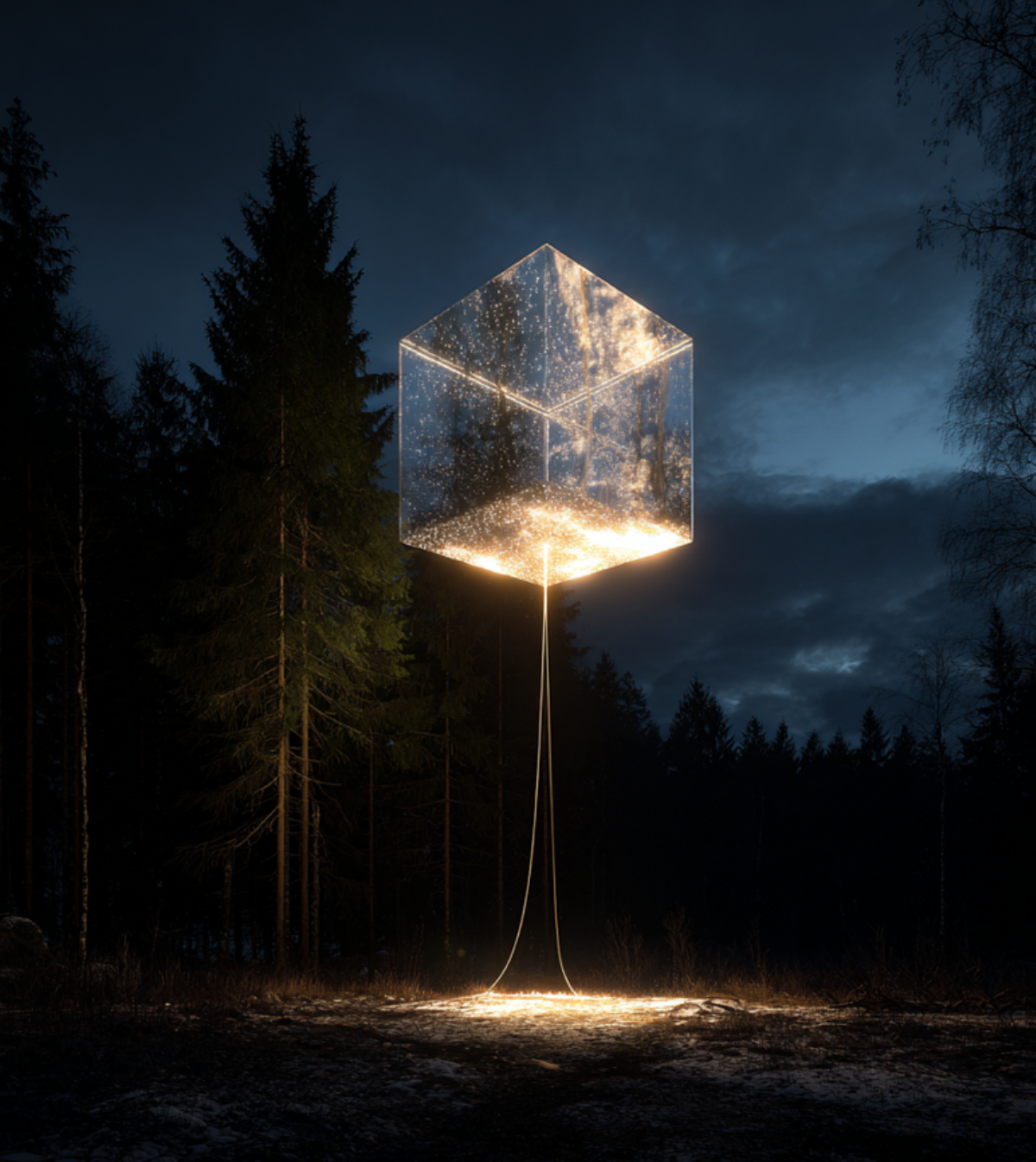
Design an observation tower in Latvia

project COMPETITION
Prize Monetary award
Eligibility Open to all
Advance registration deadline 15 October 2026
Vancouver 
Tall Challenge

Design the future of Vancouver’s skyline

Building higher downtown ideas COMPETITION
Prize Monetary award
Eligibility Open to all
Final registration deadline 29 October 2026
The Oak 
Moon 
Pavilion

Design a yoga pavilion in Italy

project COMPETITION
Prize Monetary award
Eligibility Open to all
Advance registration deadline 5 November 2026
Portugal Long Table 
Restaurant

Design a slow-living restaurant in Portugal

project COMPETITION
Prize Monetary award
Eligibility Open to all
Final registration deadline 9 December 2026

Recurring architecture competitions

Kinderspace

Design a kindergarten of tomorrow

Architecture for Children’s Development #4 ideas COMPETITION
Prize Monetary award
Eligibility Open to all
Final registration deadline 28 October 2026
Museum of 
Emotions

Use architecture to create different emotional states

Edition #9 ideas COMPETITION SILENT CONTEST For this competition, NO DESCRIPTION TEXT is allowed. The architecture ideas must be communicated strictly with visuals.
Prize Monetary award
Eligibility Open to all
Advance registration deadline 12 November 2026
The 
Architect's 
Chair

Take a seat and make a statement!

Stockholm Furniture Fair Edition #6 ideas COMPETITION
Prize Monetary award + Exhibition at Stockholm Furniture Fair
Eligibility Open to all
Final registration deadline 3 December 2026
new
Buildner's Unbuilt Award

Celebrating your unbuilt architecture visions with a 50,000€ prize

50,000€ Prize / 2027 ideas COMPETITION
Prize 50,000 €
Eligibility Open to all
Early bird registration deadline 4 February 2027

Media, partners and clients

To view this project in detail,
please log in with your
Architects’ Network Plus account.
Subscription instantly unlocks all the architecture projects plus other member-only benefits:
  • Access the 17,725 Concept Library
  • Professional tools including file transfer, email, portfolio management, and more
Register now
Already a member? Log in