Get inspired!

17,725 architecture projects

Learn from past Buildner architecture competition participants through our extensive project library, curated over more than 15 years!

Exposing Volcanic Layers with Tephra and Concrete in a Geological Observatory

Author:
Bart Bliek
Exposing Volcanic Layers with Tephra and Concrete in a Geological Observatory
Explore the full project presentation!
Subscribers only
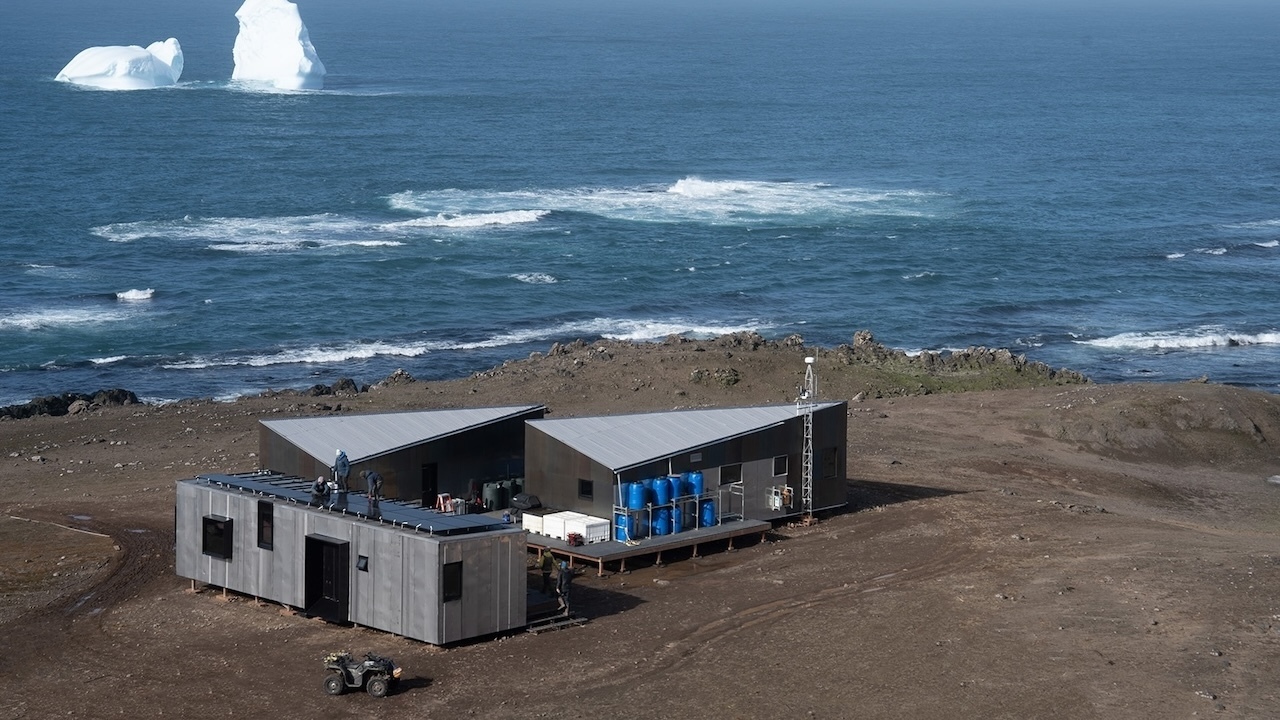
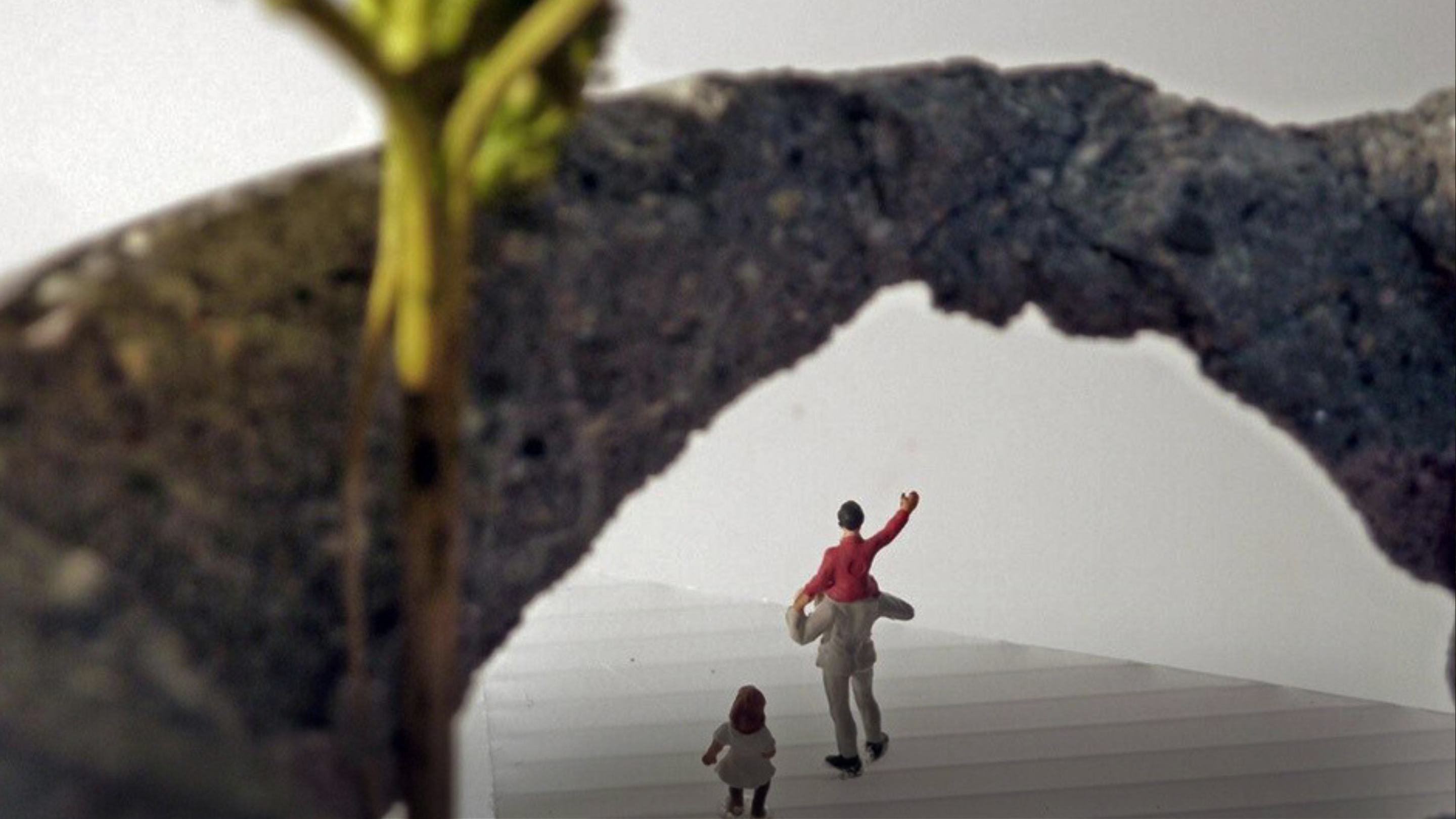
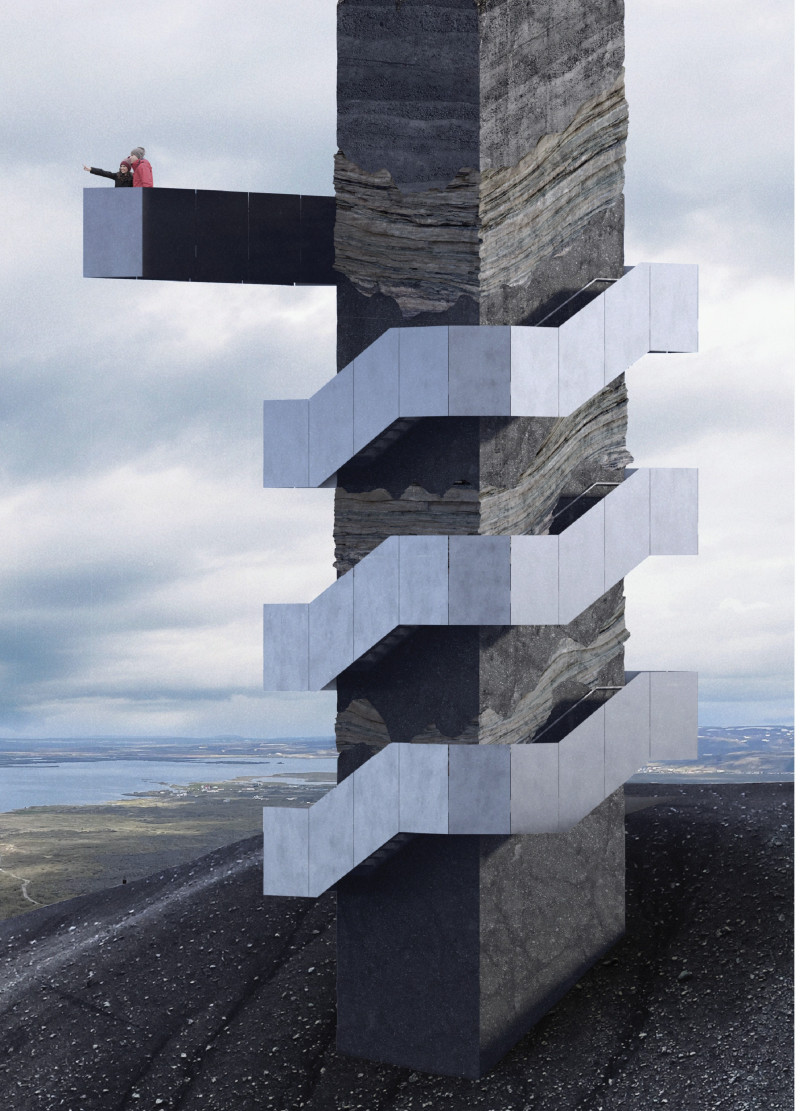
Constructed from locally sourced tephra and concrete, the observatory exposes volcanic layers while providing an educational platform for visitors to engage with the geological history of Hverfjall.
5 key facts about this project
01
Constructed with locally sourced tephra, integrating the structure with its geological context.
02
The observatory exposes multiple layers of volcanic deposits for direct public engagement.
03
A prefabricated approach minimizes construction impact on the surrounding landscape.
04
The design features a combination of organic shapes and precision-cut stainless steel elements.
05
Visitors can ascend the structure to obtain panoramic views of the Hverfjall crater.

The Hverfjall Geological Observatory is located in Iceland, specifically within the Hverfjall tuff ring. It aims to improve the experience for visitors by providing a large-scale stratigraph that allows direct interaction with the geological layers of the area. The design concept focuses on making complex geological information accessible through a three-dimensional structure. This not only serves an educational role but also fosters a stronger connection to the volcanic history that shapes the landscape.

Design Concept and Form

The observatory features an organic form that stands in contrast to a ribbon made of precision-cut stainless steel that wraps around it. This combination emphasizes the relationship between natural formations and human-made structures. The ribbon draws attention along the ridge and creates a visual link between the colors of the earth and the sky. This attention to form enhances the overall experience for visitors engaging with the site.

Geological Context

Understanding the geological background of Hverfjall is essential to the overall design. The volcanic activity comes from an eruptive fissure in the Kafra volcanic system. This has led to both pyroclastic deposits and solidified lava flows. By exposing these layers within the structure, the observatory allows visitors to connect more deeply with the earth's dynamic processes, helping them appreciate the forces that shape the environment.

Materials and Construction

The design incorporates prefabrication to streamline construction processes. The observatory will be built in segments and placed on a submerged concrete foundation pad to minimize impact on the surrounding area. Concrete, mixed with locally sourced tephra, is the primary building material, linking the structure to its geological surroundings. Furthermore, galvanized steel will be used for the staircase, providing durability, while stainless steel panels will be employed for cladding, ensuring resilience against the harsh conditions.

Attention to Detail

Every part of the observatory is designed to enhance the visitor's experience with the volcanic landscape. The careful layering of materials and the contrast between different forms reflect the relationship between human experience and natural forces. As visitors move through the structure, they engage with the geological story of Hverfjall, allowing for a meaningful connection with the land and its history.

Noticed a mistake?
Highlight the text and click on
Noticed a mistake

Vancouver Tall Challenge: Building Higher Downtown

`
Competition organisers

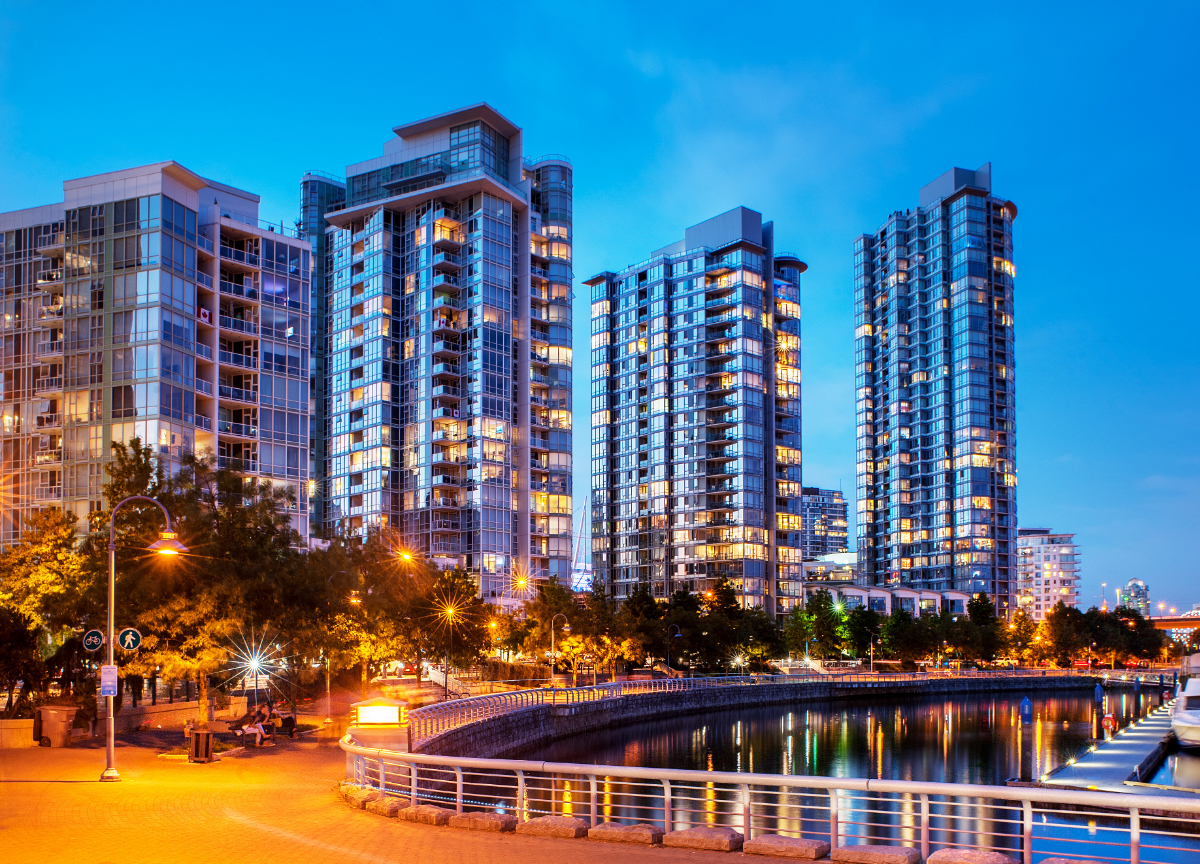
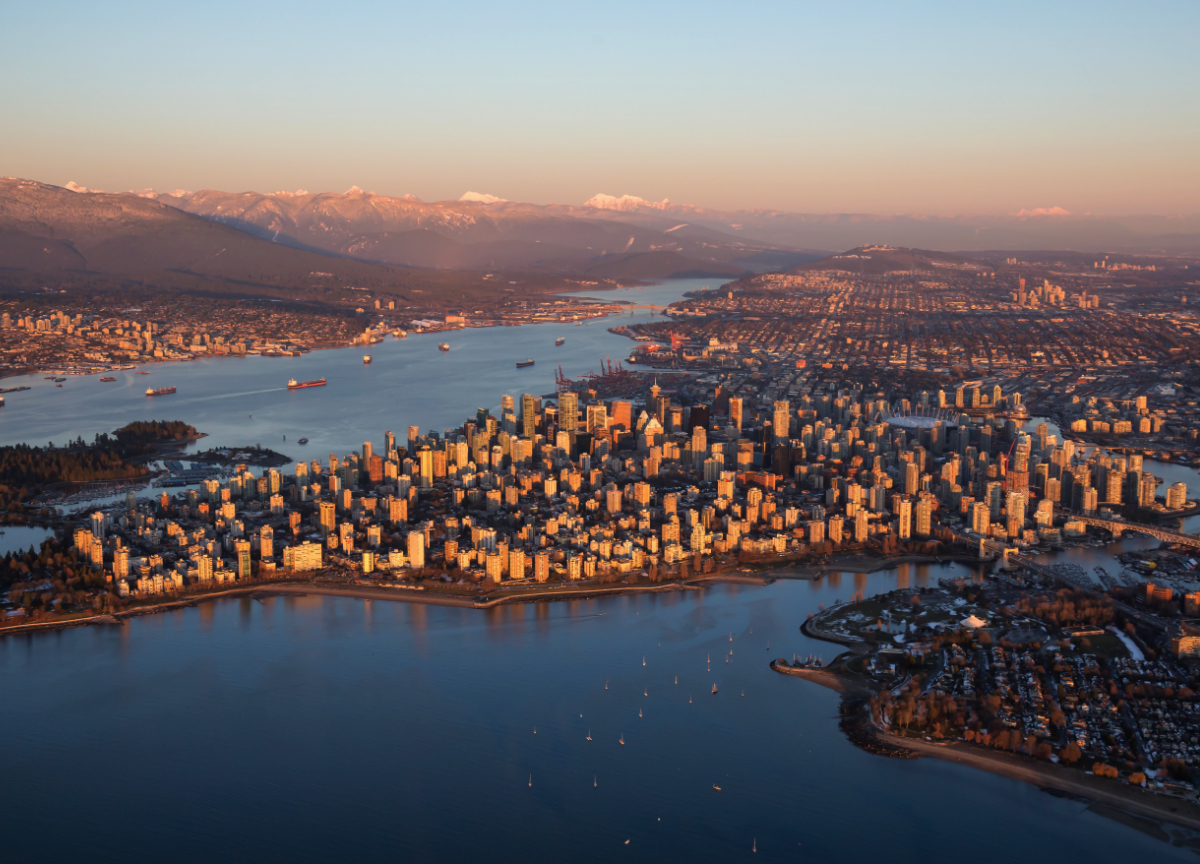
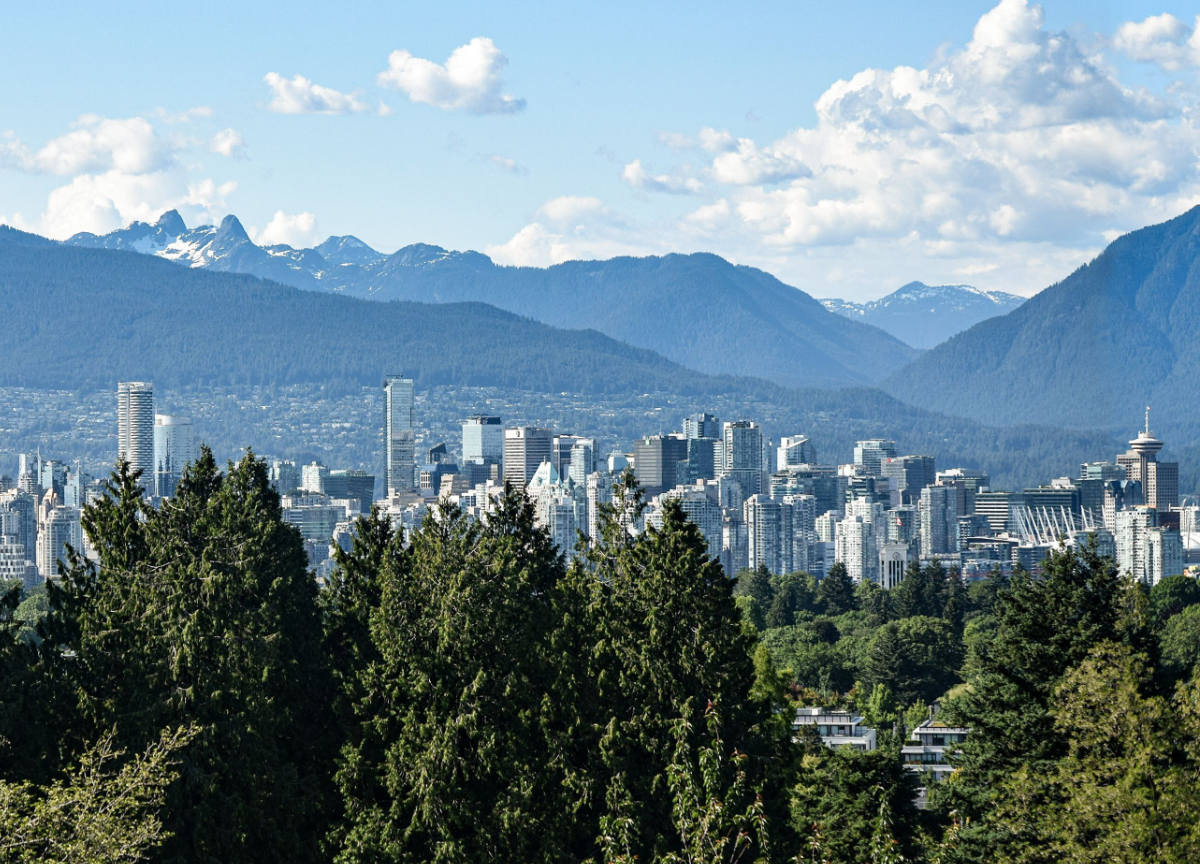
The Vancouver Tall Challenge: Building Higher Downtown is an international architecture competition organized by Buildner in collaboration with the City of Vancouver and the University of British Columbia’s School of Architecture and Landscape Architecture (SALA). The competition invites architects, designers, planners, and creative thinkers to explore innovative approaches to tall buildings in Vancouver’s downtown core, focusing on sustainability, livability, urban density, public space, and the city’s strong connection to nature. As Vancouver continues to grow, participants are challenged to rethink how vertical development can enhance urban life and contribute to a more vibrant, inclusive, and resilient city identity.

The competition offers a total prize fund of $15,000 CAD, with winning proposals selected by an international jury of architects, planners, academics, and city-building professionals. Key dates include the final registration deadline on October 29, 2026, submission deadline on November 30, 2026, and winners announcement on January 26, 2027. Full competition details, requirements, and registration information are available at architecturecompetitions.com/VancouverTallChallenge

Vancouver Tall Challenge

Design the future of Vancouver’s skyline

Building higher downtown ideas COMPETITION
Prize Monetary award
Eligibility Open to all
Final registration deadline 29 October 2026

Open architecture competitions

  • Closest deadline first
  • Project competitions first
    Selected winning projects have the potential to be constructed
  • Ideas competitions
    Experimental competitions with the focus on pushing the boundaries of creativity
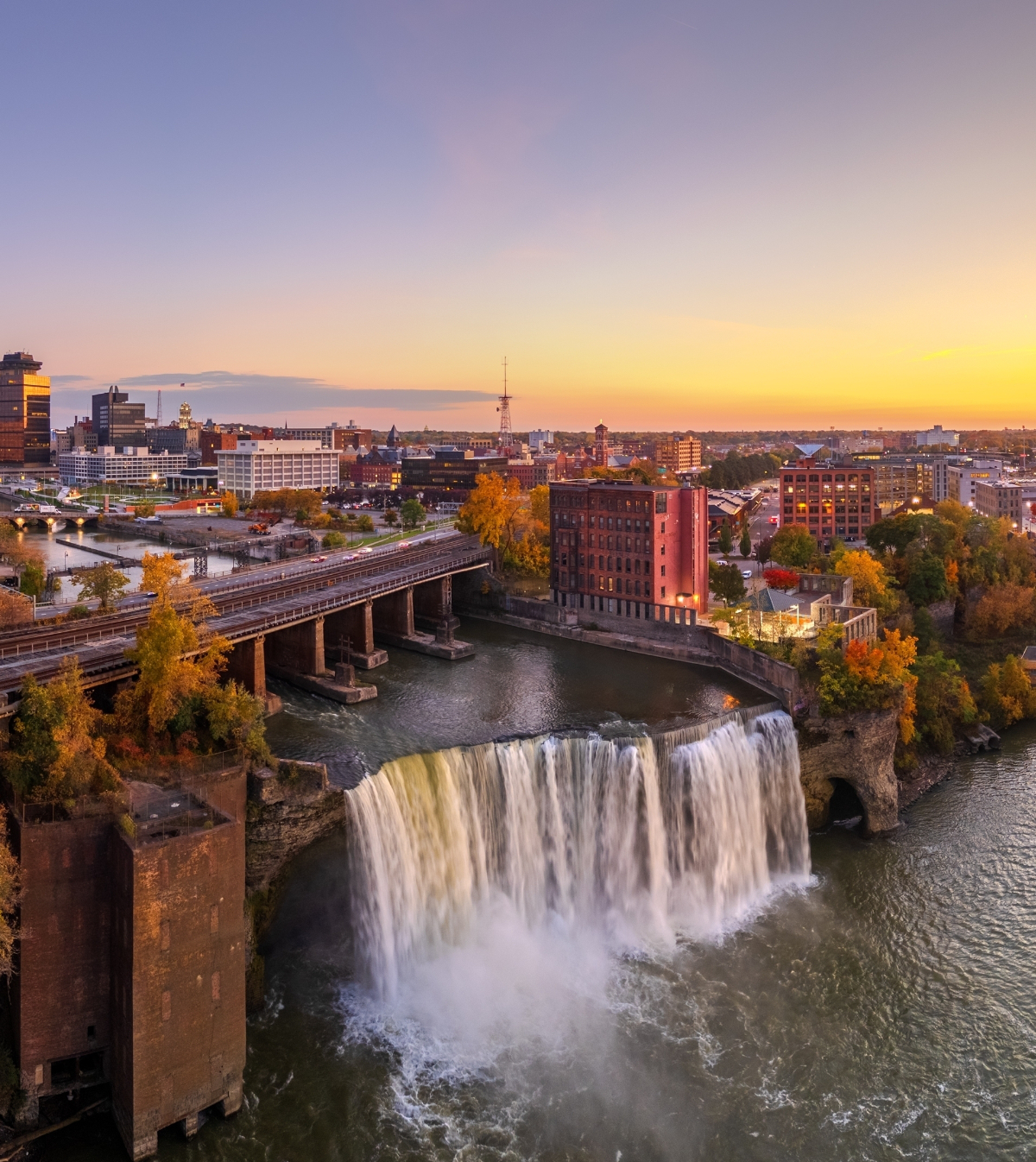
New York High Falls 
Riverfront Market

Design a New Riverfront Market in Rochester, New York

ideas COMPETITION
Prize Monetary award
Eligibility Open to all
Advance registration deadline 7 October 2026
Valli Wine 
Tasting Room

Design a wine tasting room in Italy

project COMPETITION
Prize Monetary award
Eligibility Open to all
Advance registration deadline 8 October 2026
The 
Quiet 
Tower

Design an observation tower in Latvia

project COMPETITION
Prize Monetary award
Eligibility Open to all
Advance registration deadline 15 October 2026
Vancouver 
Tall Challenge

Design the future of Vancouver’s skyline

Building higher downtown ideas COMPETITION
Prize Monetary award
Eligibility Open to all
Final registration deadline 29 October 2026
The Oak 
Moon 
Pavilion

Design a yoga pavilion in Italy

project COMPETITION
Prize Monetary award
Eligibility Open to all
Advance registration deadline 5 November 2026
Portugal Long Table 
Restaurant

Design a slow-living restaurant in Portugal

project COMPETITION
Prize Monetary award
Eligibility Open to all
Final registration deadline 9 December 2026

Recurring architecture competitions

Kinderspace

Design a kindergarten of tomorrow

Architecture for Children’s Development #4 ideas COMPETITION
Prize Monetary award
Eligibility Open to all
Final registration deadline 28 October 2026
Museum of 
Emotions

Use architecture to create different emotional states

Edition #9 ideas COMPETITION SILENT CONTEST For this competition, NO DESCRIPTION TEXT is allowed. The architecture ideas must be communicated strictly with visuals.
Prize Monetary award
Eligibility Open to all
Advance registration deadline 12 November 2026
The 
Architect's 
Chair

Take a seat and make a statement!

Stockholm Furniture Fair Edition #6 ideas COMPETITION
Prize Monetary award + Exhibition at Stockholm Furniture Fair
Eligibility Open to all
Final registration deadline 3 December 2026
new
Buildner's Unbuilt Award

Celebrating your unbuilt architecture visions with a 50,000€ prize

50,000€ Prize / 2027 ideas COMPETITION
Prize 50,000 €
Eligibility Open to all
Early bird registration deadline 4 February 2027

Media, partners and clients

To view this project in detail,
please log in with your
Architects’ Network Plus account.
Subscription instantly unlocks all the architecture projects plus other member-only benefits:
  • Access the 17,725 Concept Library
  • Professional tools including file transfer, email, portfolio management, and more
Register now
Already a member? Log in