
5 key facts about this project
### Overview
Located in [Geographical Location], the project is shaped by its specific environmental, cultural, and historical context, which informs both its design intent and execution. The objective is to create a building that harmonizes with its surroundings while addressing the functional needs of its users. This undertaking prioritizes interaction with the environment and the community, ensuring that the structure serves both aesthetic and practical purposes.
### Spatial Organization and Connectivity
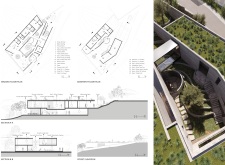
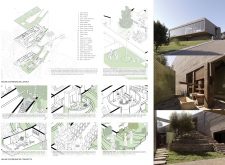
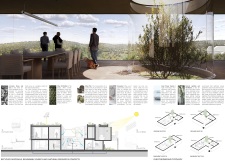
The design features a layout that fosters efficient use of space and encourages user interaction through strategically placed shared areas. These spaces are arranged to promote flexibility, allowing the building to adapt to varying needs. Thoughtful consideration of orientation enhances natural light access and ventilation, reducing reliance on artificial energy sources. The integration of communal spaces, such as courtyards or shared gardens, invites collaboration and enhances social connectivity among users, reinforcing the building's role as a community hub.
### Material Selection and Sustainability
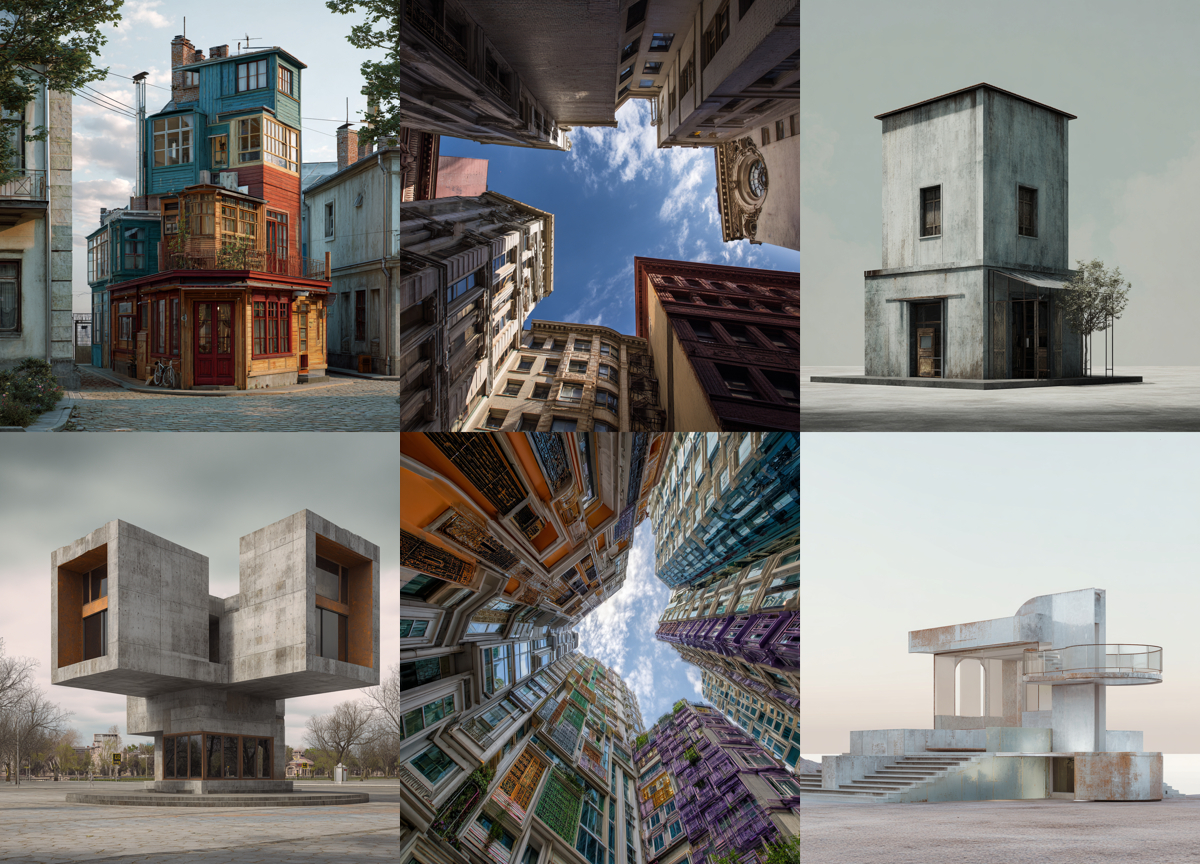
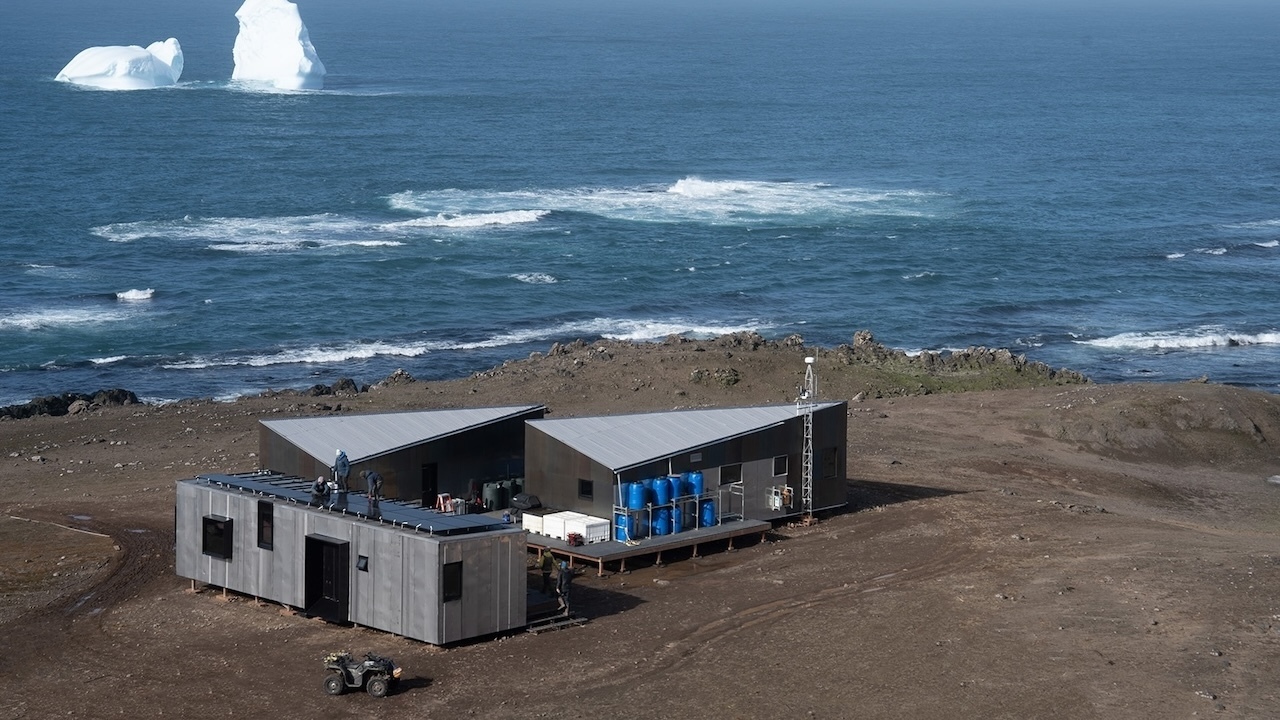
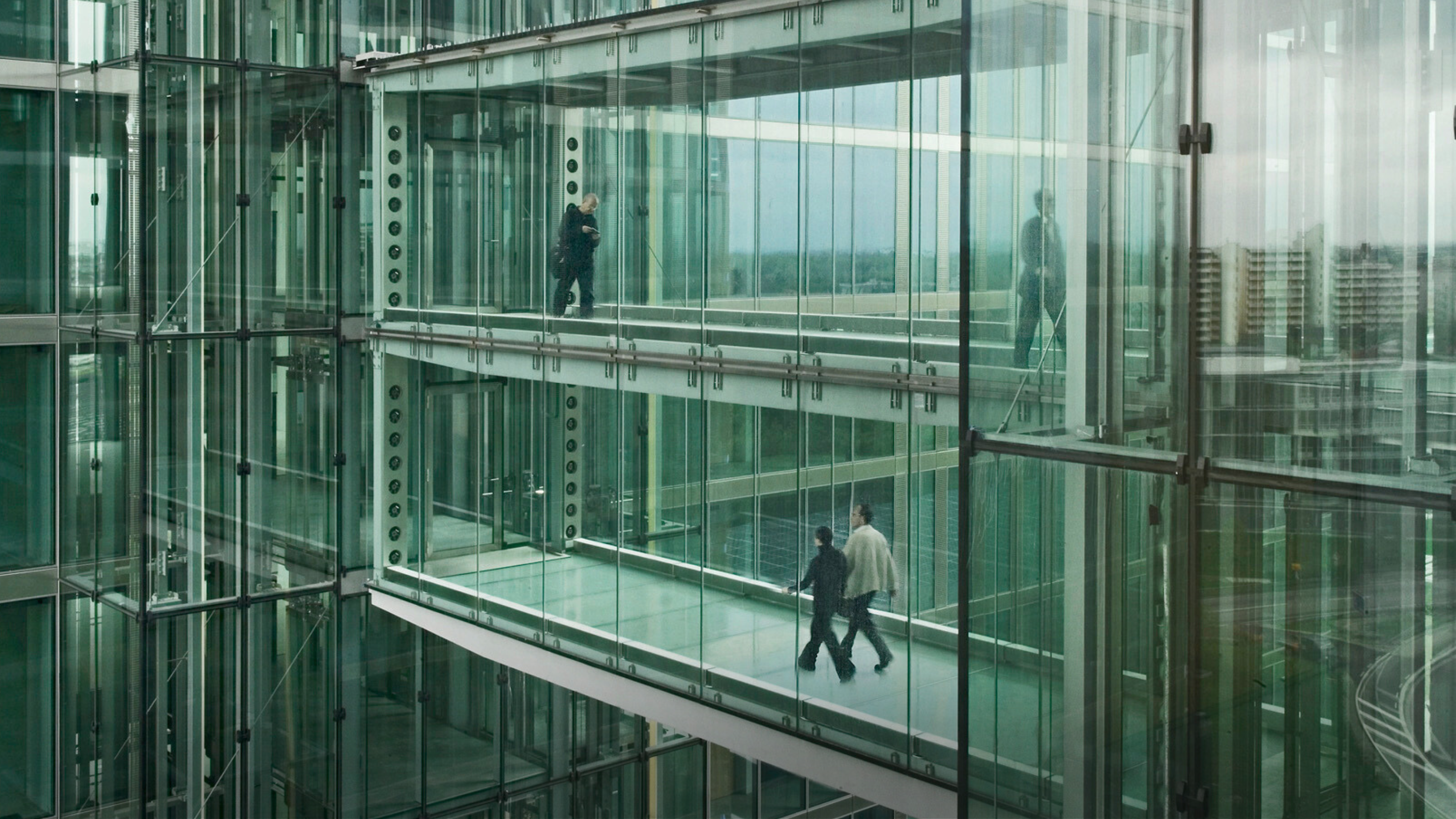
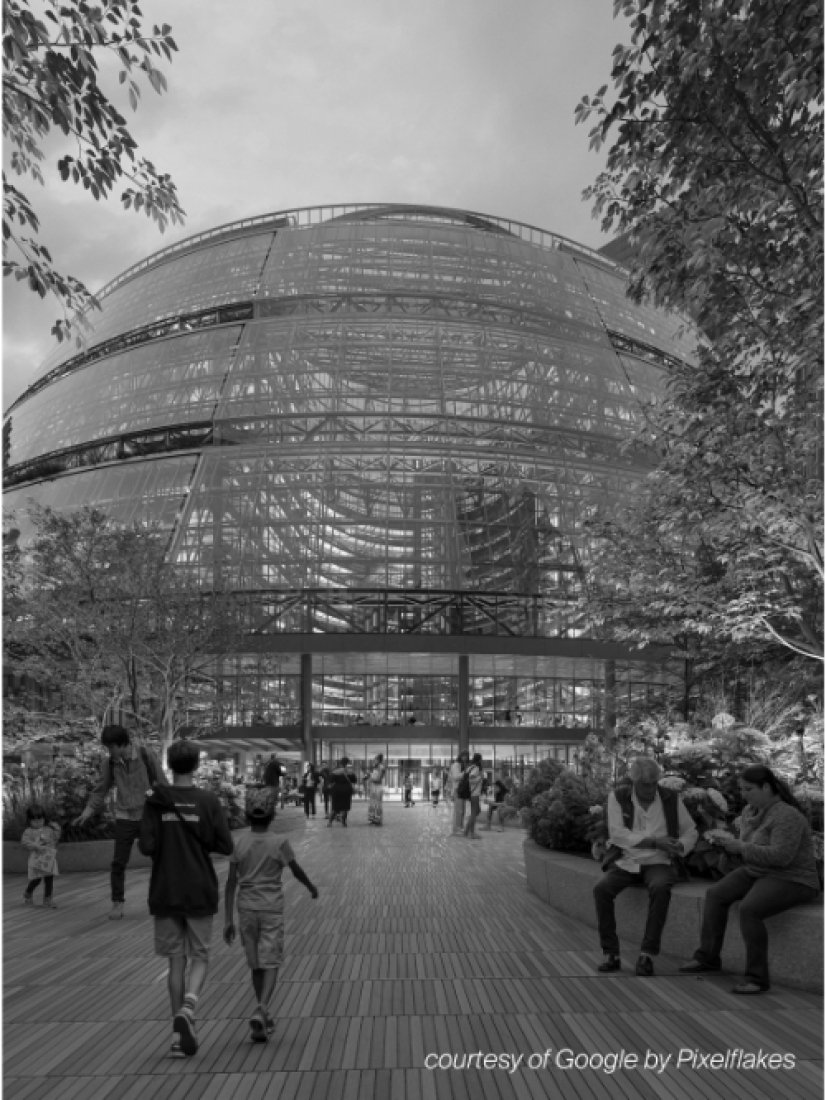
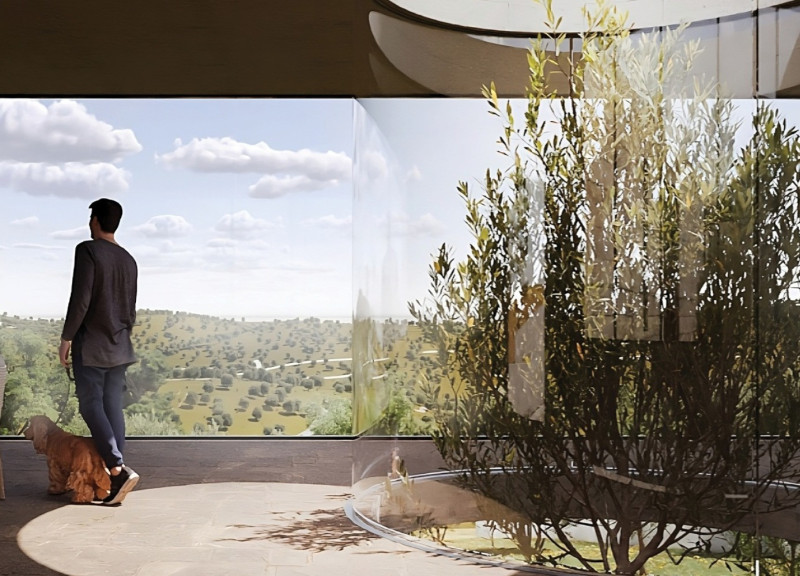
A diverse palette of materials has been employed to enhance both the aesthetic and functional elements of the design. Concrete serves as the primary structural material, offering durability and a modern appeal. Glass elements are utilized to create transparency and a visual connection to the outdoors while facilitating natural illumination throughout the interior. Wood adds a warm, organic quality to the spaces, contributing to sustainability efforts through its renewable nature. Complementary materials such as steel and brick are incorporated to reinforce structural integrity and reflect regional architectural traditions, respectively. Sustainable practices are further underscored by features such as solar panels and rainwater harvesting systems, aligning with contemporary sustainability objectives.