
5 key facts about this project
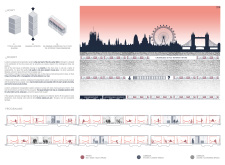
The London Underground Affordable Housing project seeks to address the pressing need for affordable living spaces in a crowded urban environment. By making use of the extensive underground transportation system, this initiative integrates residential units within existing infrastructure. The aim is to create a balanced living environment that combines housing, work, and leisure for those living and working in the city.
Conceptual Framework
At the core of the project is the innovative use of the underutilized spaces within the underground system. These areas, often overlooked, provide a unique opportunity for residential development. By utilizing spaces between train schedules, the design offers different housing options tailored for young professionals and the city’s growing population. The proposal embraces high-rise structures to maximize land use, promoting an urban model that encourages easy access to services and jobs.
Spatial Organization
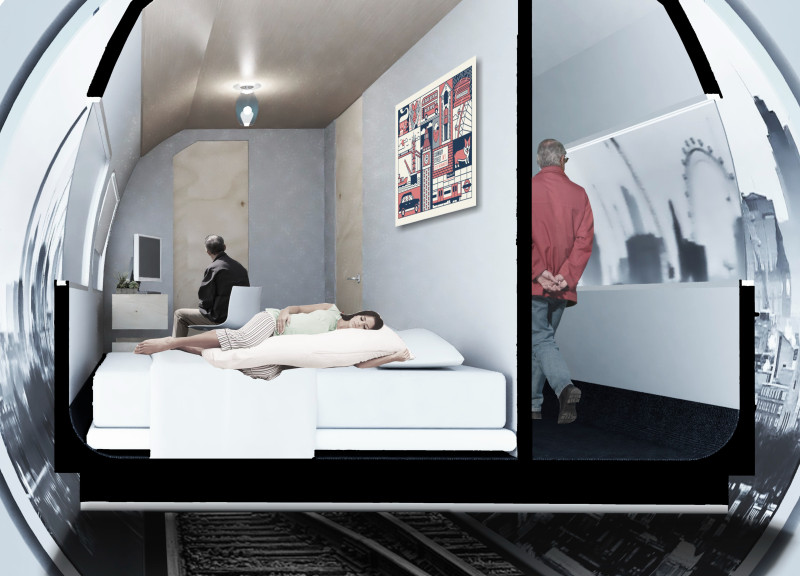
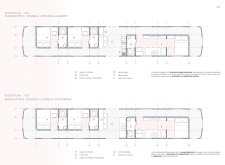
The organization of the residential units focuses on enhancing communal living while maintaining individual privacy. Private spaces such as bedrooms and bathrooms are designed alongside shared amenities like kitchens and lounges. This combination allows for a community atmosphere where residents can interact and engage while also having their own personal areas. The layout promotes not just living spaces but a sense of belonging, essential for urban life.
Mobility and Integration
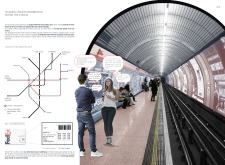
An important aspect of the design is how the housing units adapt to the dimensions of the existing train system. This integration into urban life takes advantage of the continuous train operations. The residential units are designed to move on a loop, stopping at various stations to ensure accessibility. This operational concept creates a unique addressing system, allowing residents to live conveniently while remaining connected to the wider city environment.
By linking housing with public transportation, the project emphasizes sustainable living in the urban context. Each unit is functional and reflects modern living, blending private life with the everyday rhythms of the city. This design offers a thoughtful way to reimagine how urban residents can thrive while living below the surface, maintaining an important connection to the city above.