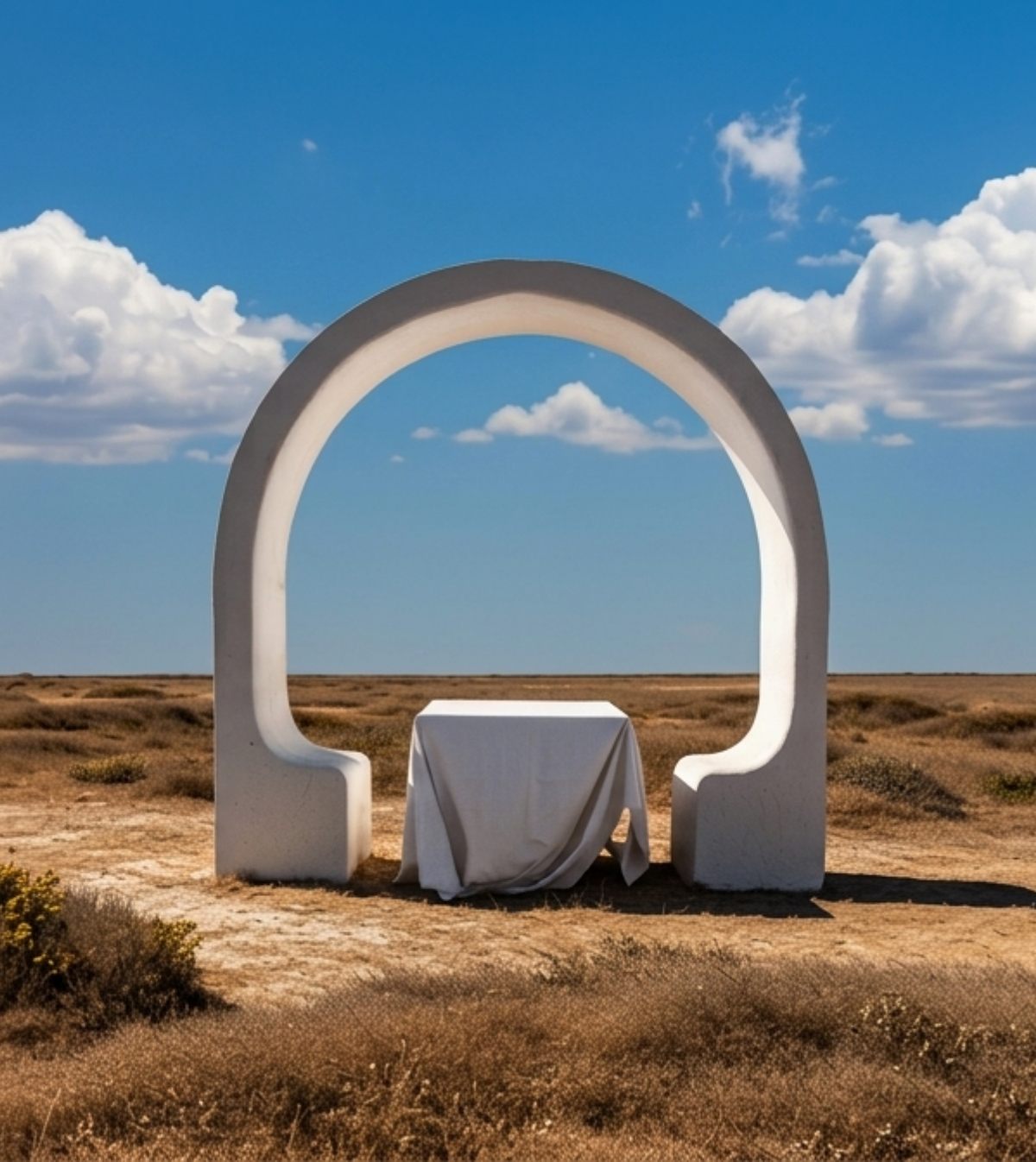
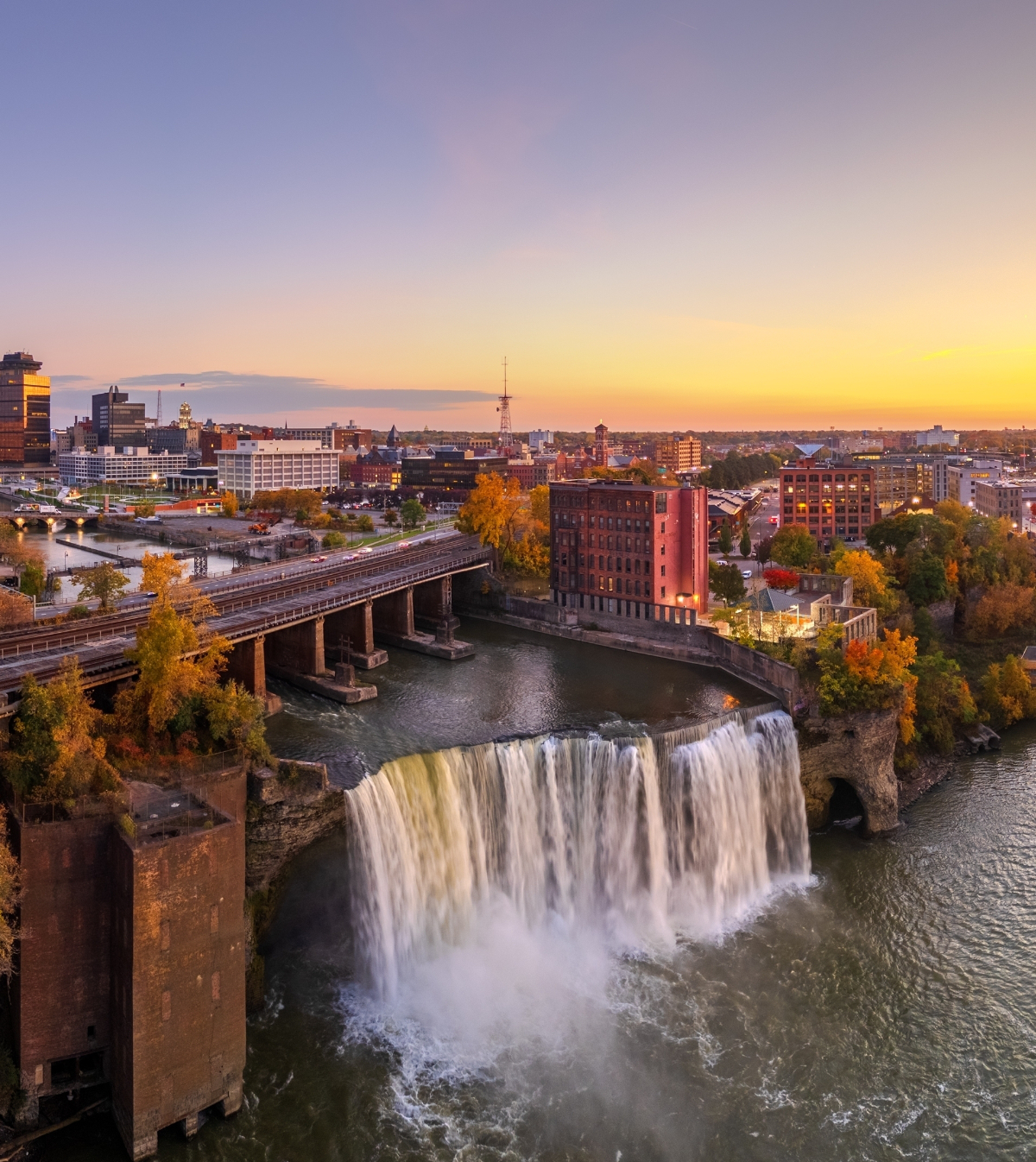
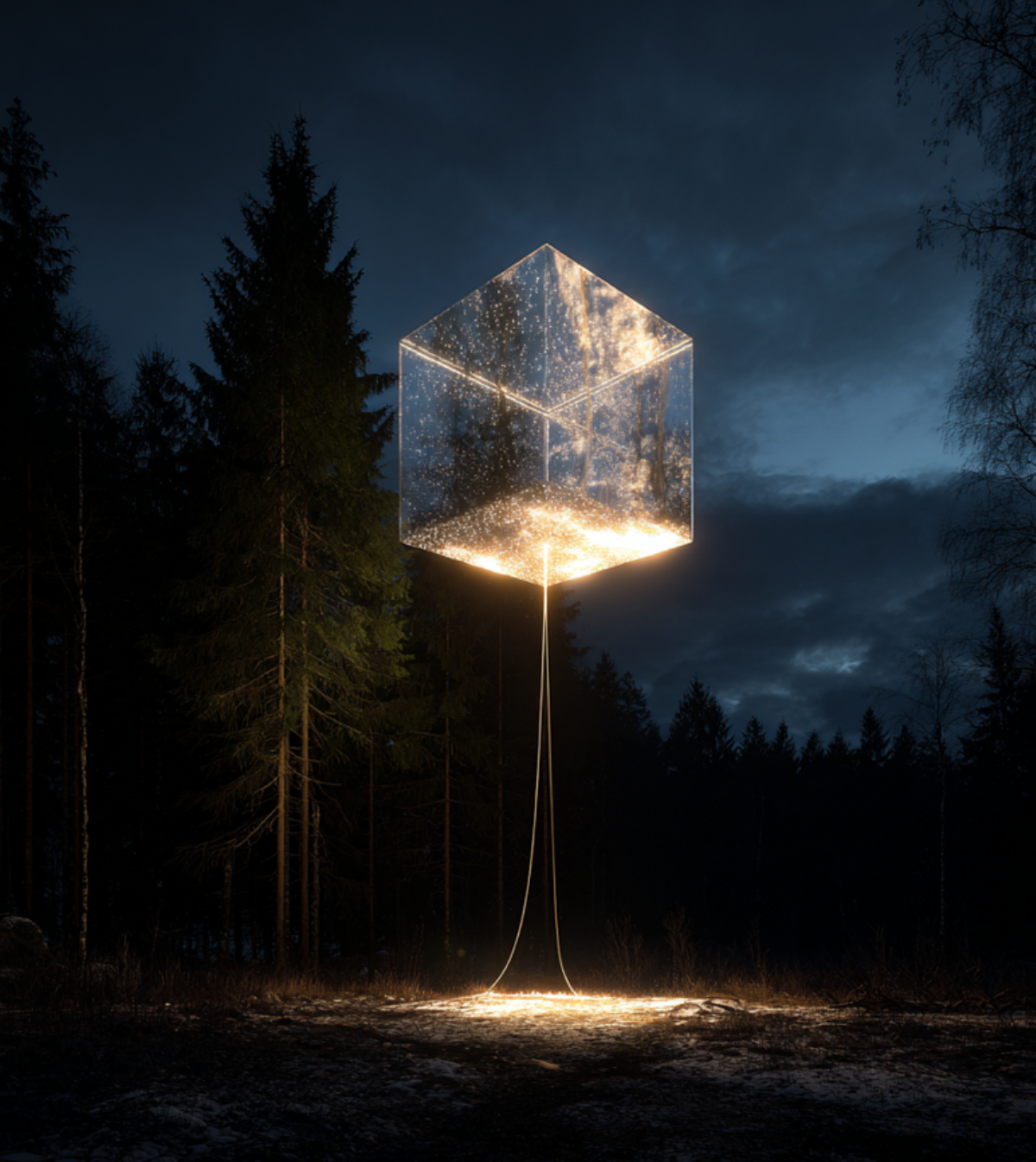
We’d like to take the opportunity to introduce the Honorable Mention winner of the The Last Nuclear Bomb Memorial #6 competition - Valentina Fesenko from Hungary!
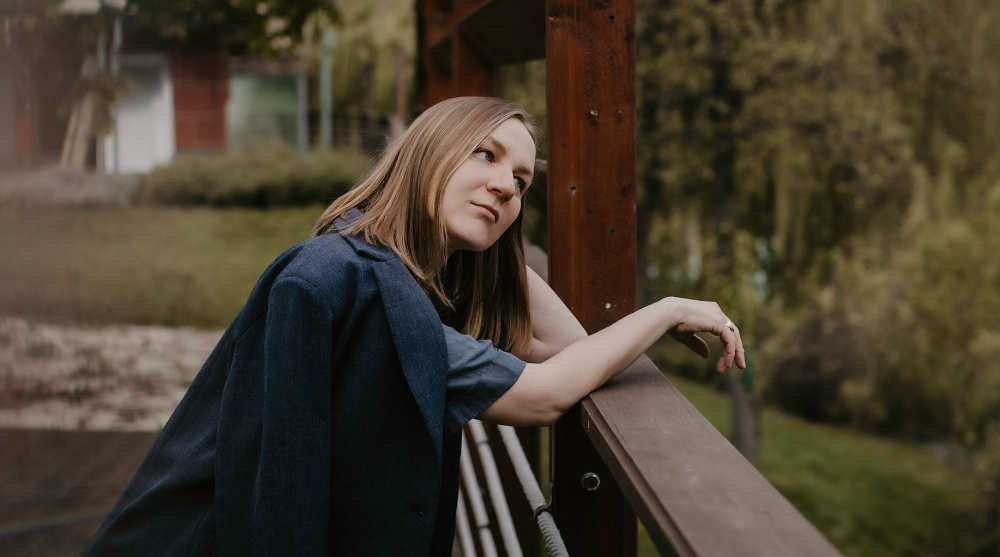
Valentina Fesenko
Please tell us about your company (when it was founded, where it is based, how many employees, etc) Alternatively, if you do not have a company, please give us some insights on your own professional/academia background.
I am an architect, a PhD/DLA student, and a teaching assistant at the Department of Urban Planning and Design of the Faculty of Architecture at Budapest University of Technology and Economics. My research topic: “Multisensory Experience of Public Spaces – Learning and Teaching a Shift in Architectural Focus”, where I explore how multisensory perception shapes the experience of public space and how this shift from a predominantly visual approach to a multisensory one can be learned, taught, and embedded in architectural education and design practice.
Brief information about the projects that you/your company have been involved with. For instance, what scale have you focused on/preferred, any significant projects where the company/ individuals have been Involved?
I have professional experience in several architectural practices, where I participated in all stages of the design process, working on projects of different scales, from small private houses to public spaces, public buildings, and medical facilities. Currently, I am seeking opportunities to apply my academic knowledge in real architectural practice, with a particular focus on designing healing environments and public spaces that positively contribute to human well-being, health, and public health through a multisensory and human-centered approach.
What does architecture mean to you and what is the role of an architect in your society?
For me, architecture is not only the design of physical form, but the shaping of lived experience. It is a way of creating environments that influence how people perceive, feel, move, recover, and relate to each other in everyday life. Architecture operates through the body and the senses, often before it is consciously perceived, and therefore has a profound impact on well-being and health. I see the role of the architect as a mediator between space, human experience, and society. Architects have the responsibility to move beyond a purely visual or object-oriented approach and to design environments that are inclusive, supportive, and attentive to multisensory experience. In this sense, architecture can actively contribute to healing environments, public health, and social resilience, particularly in public spaces and buildings that shape daily life. Through my work in practice, research, and teaching, I see architecture as a tool for learning, care, and long-term societal impact, where the architect’s role is not only to create form, but to enable healthier and more humane ways of inhabiting space.
Why do you participate in architecture competitions?
It provides a great opportunity to design architectural projects for building typologies that do not exist in my real-world work but that I deeply admire.
What advice would you give to individuals who struggle to decide whether it would be beneficial for them to participate in architecture competitions?
Participating in architecture competitions can be valuable if you aim to expand your skills, portfolio, or explore creative challenges outside your usual work.
Top 3 Reasons Why You Should Enter Architecture Competitions
Curious about the value of architecture competitions? Discover the transformative power they can have on your career - from igniting creativity and turning designs into reality, to gaining international recognition.
Learn more