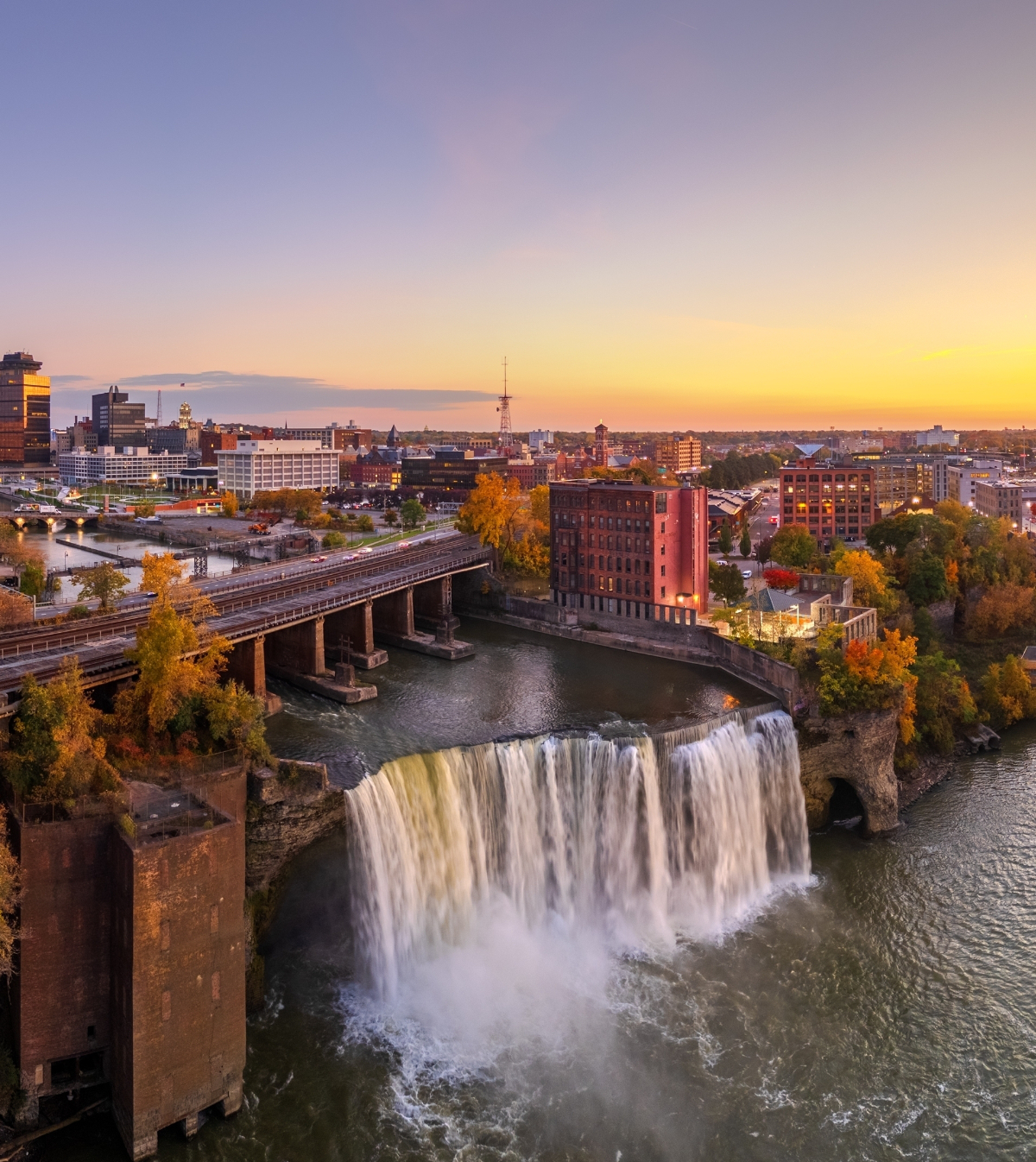
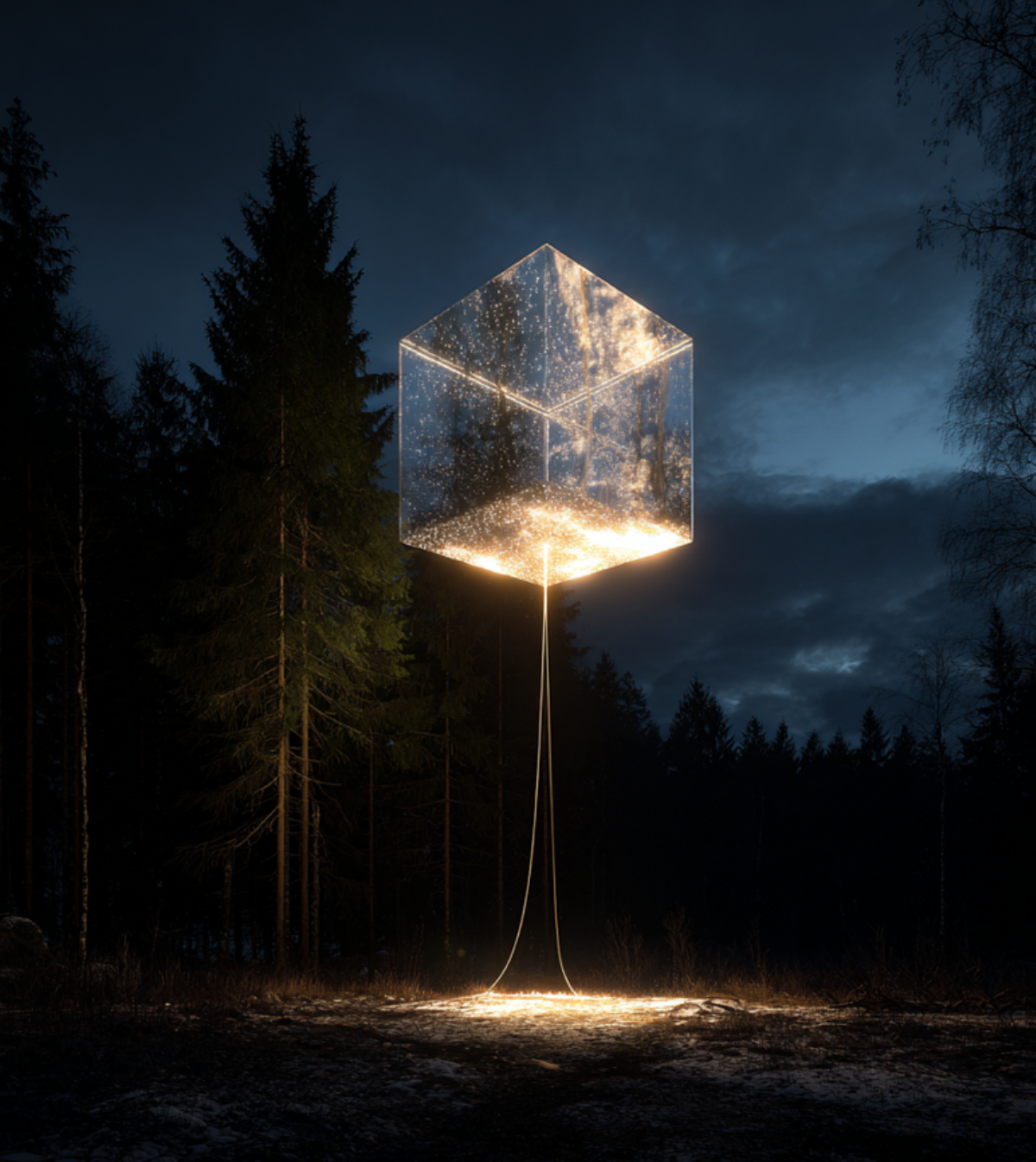
We’d like to take the opportunity to introduce the Honorable Mention winners of the The Last Nuclear Bomb Memorial #6 competition - Oleksii Zolochevskyi and Oleksandra Savchuk from Ukraine!
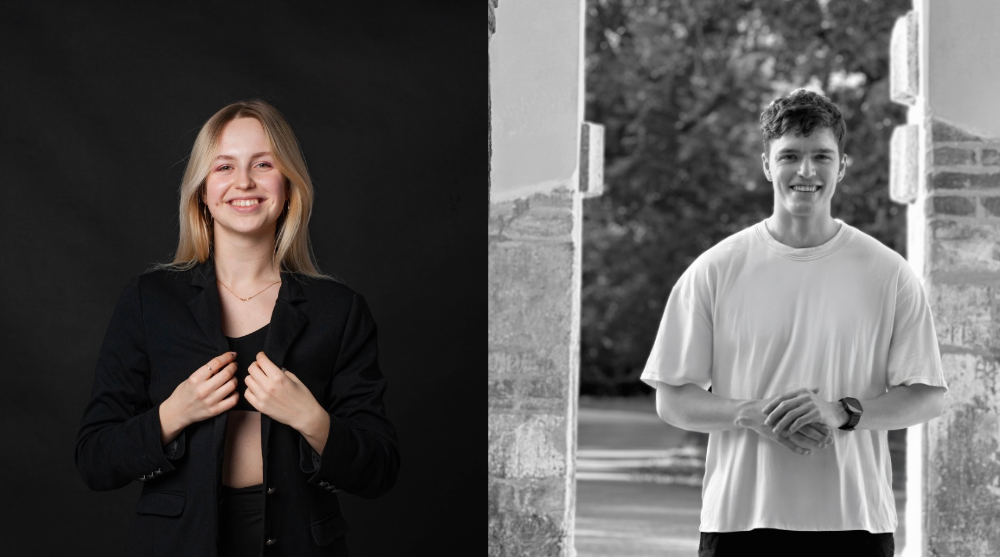
Oleksandra Savchuk and Oleksii Zolochevskyi
Please tell us about your company (when it was founded, where it is based, how many employees, etc) Alternatively, if you do not have a company, please give us some insights on your own professional/academia background.
Oleksii: I founded my company last year - APS (Architectural Production Studio) in Slovakia, focusing on architectural production and BIM workflows. We collaborate with international teams, mainly in Europe and the US, supporting American architects with production while running competitions as a parallel research and authorship practice.
Oleksandra: I am a landscape architect based in Ukraine. My professional background includes the renovation of neglected urban areas, as well as commercial and private landscape projects. Alongside practice, I teach landscape architecture through online courses, working with students and young professionals. My work focuses on integrating landscape into the architectural process from the early design stages.
Brief information about the projects that you/your company have been involved with. For instance, what scale have you focused on/preferred, any significant projects where the company/ individuals have been Involved?
Oleksii: My work includes residential, public, and mixed-use projects of different scales, from private houses to large commercial and public buildings. Professionally, I focus on BIM-based production, coordination, and documentation. In competitions, I work on conceptual and research-driven projects, often in international teams, testing architectural ideas beyond commercial constraints.
Oleksandra: I have worked on projects of different scales, ranging from private gardens to commercial and public spaces. A key focus of my work is revitalisation projects, where landscape design plays an active role in shaping spatial structure, movement, and use, rather than serving as a decorative element.
What does architecture mean to you and what is the role of an architect in your society?
Oleksii: Architecture, for me, is a language: you study it for a long time, and over time it becomes a tool that allows you to articulate ideas precisely and turn them into functioning spaces. My experience (both built projects and competition work) has helped me develop my own approach and better understand which decisions truly improve the built environment. I see the role of the architect as connecting meaning, function, and context, listening carefully to people, and creating spaces that deliver long-term value. I can confidently say that professional growth in architecture never ends. Even today, through projects, it is possible to tangibly change the environment around us and this demands both creativity and social responsibility.
Oleksandra: I see architecture and landscape as interdependent disciplines. Architecture creates structure, while landscape gives it time, context, and continuity. In contemporary society, especially in my country, the role of architects and landscape architects is to work collaboratively and responsibly, shaping environments that can adapt, heal, and evolve.
Why do you participate in architecture competitions?
I regularly participate in international architecture competitions on various platforms, which gives me leadership experience and the opportunity to work with different teams and design approaches. Last year, I took part in five competitions: four projects were published, three received awards, and one is currently awaiting results. Competitions help me broaden my professional horizons, meet new people, stay connected with colleagues, former classmates, and architect friends, and receive direct feedback and advice from jury members. For me, this is one of the most effective ways to continuously develop and test my ideas within a strong international context! I think competitions provide a space to test ideas beyond commercial constraints and to work in interdisciplinary teams. They allow me to rethink familiar approaches and to engage with international professional discourse.
What advice would you give to individuals who struggle to decide whether it would be beneficial for them to participate in architecture competitions?
Oleksii: Set a clear timeline from the very beginning. If you don’t, you risk getting stuck in front of your computer until the last minute... We uploaded this project two minutes before the deadline (literally), that level of stress is definitely avoidable:) Plan the whole process in advance and try to stick to it. We also used infinite whiteboards for brainstorming and structuring the project, which helped us keep control over ideas and tasks
Oleksandra: I would encourage participation as a form of professional growth. Competitions help develop critical thinking, expand perspective, and push designers beyond their comfort zones, regardless of the final result.
Top 3 Reasons Why You Should Enter Architecture Competitions
Curious about the value of architecture competitions? Discover the transformative power they can have on your career - from igniting creativity and turning designs into reality, to gaining international recognition.
Learn more