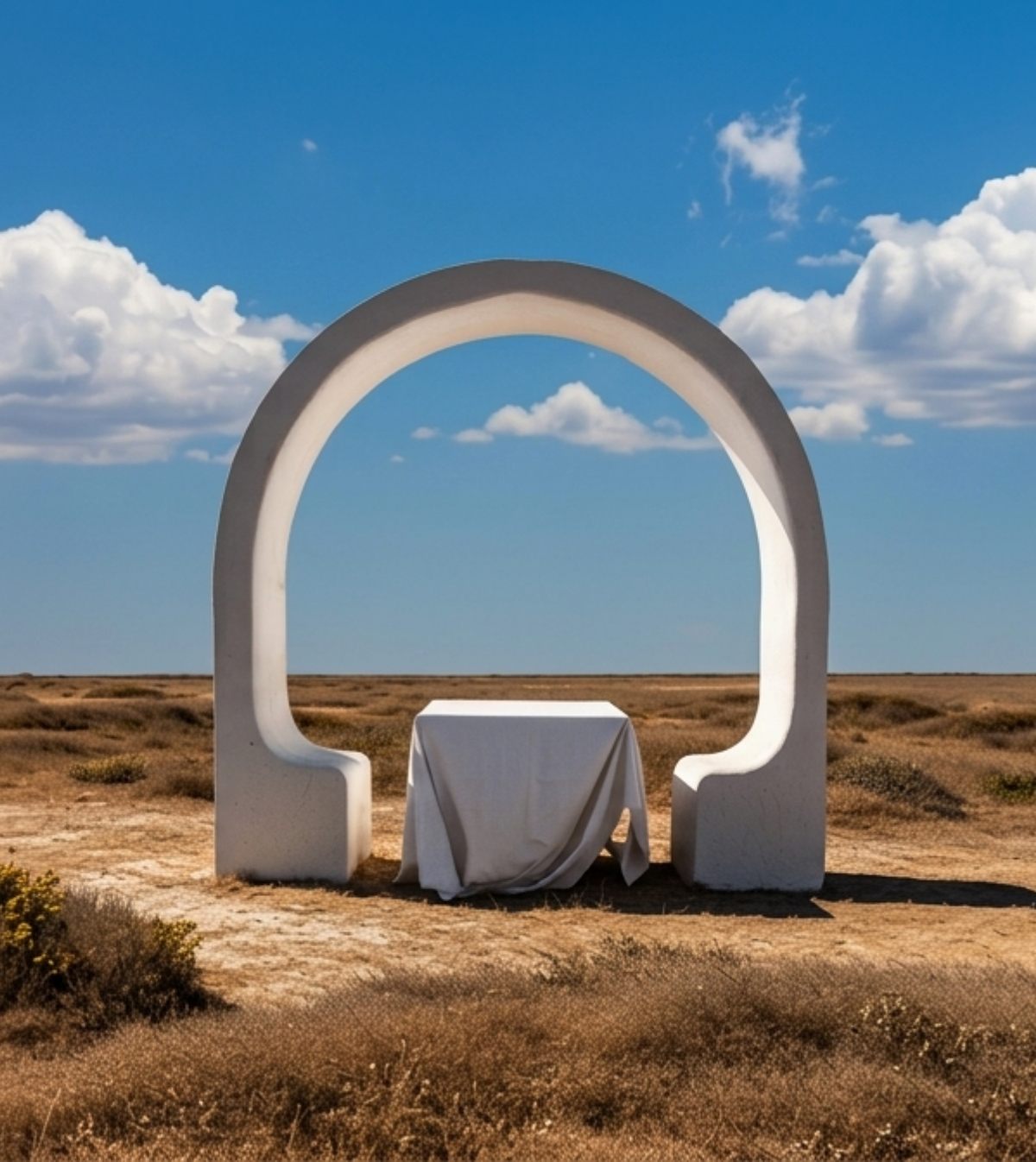
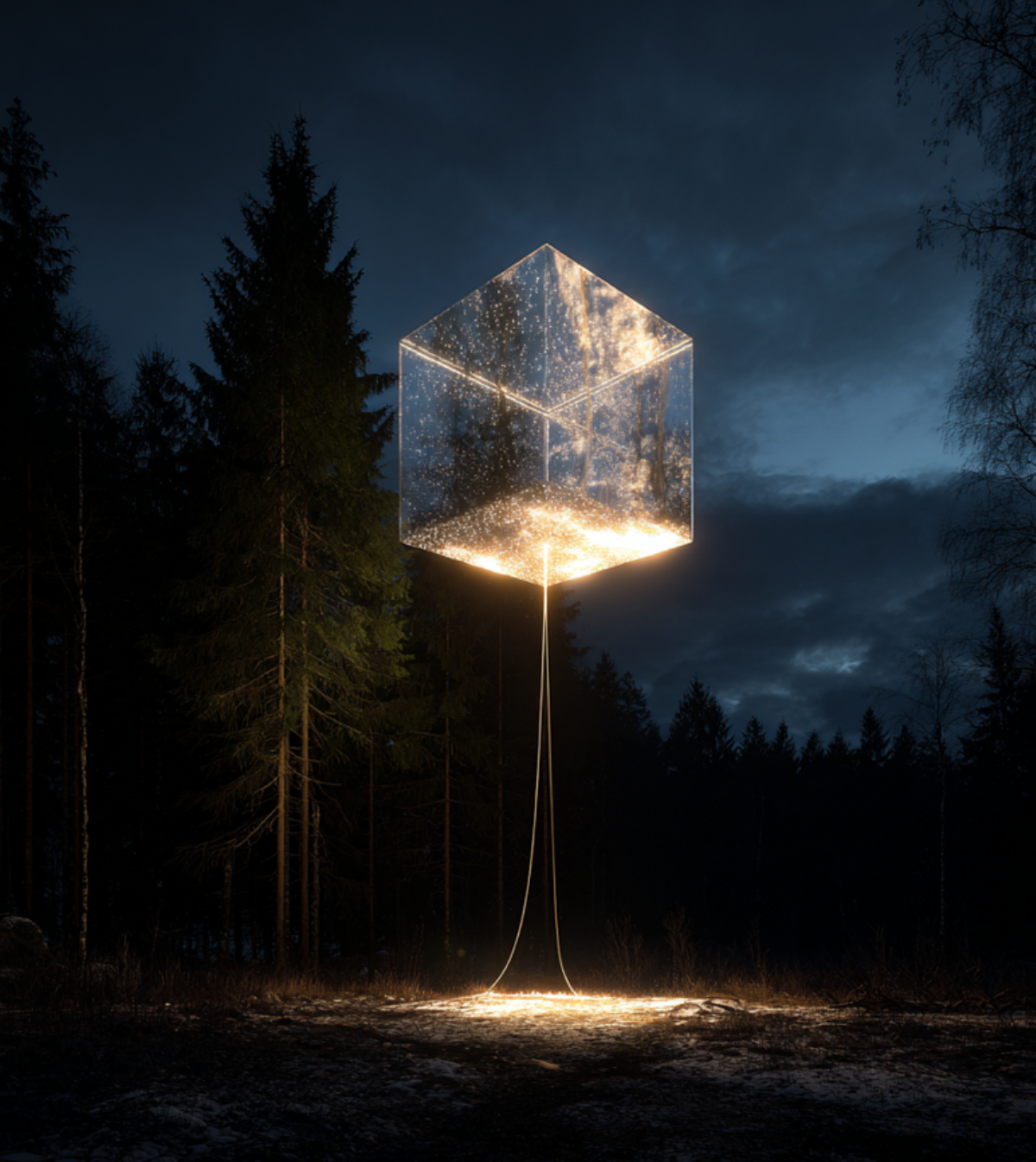
We’d like to take the opportunity to introduce the 3rd Prize winner of The Last Nuclear Bomb Memorial #6 competition – Frederic Gapinski from New Zealand!
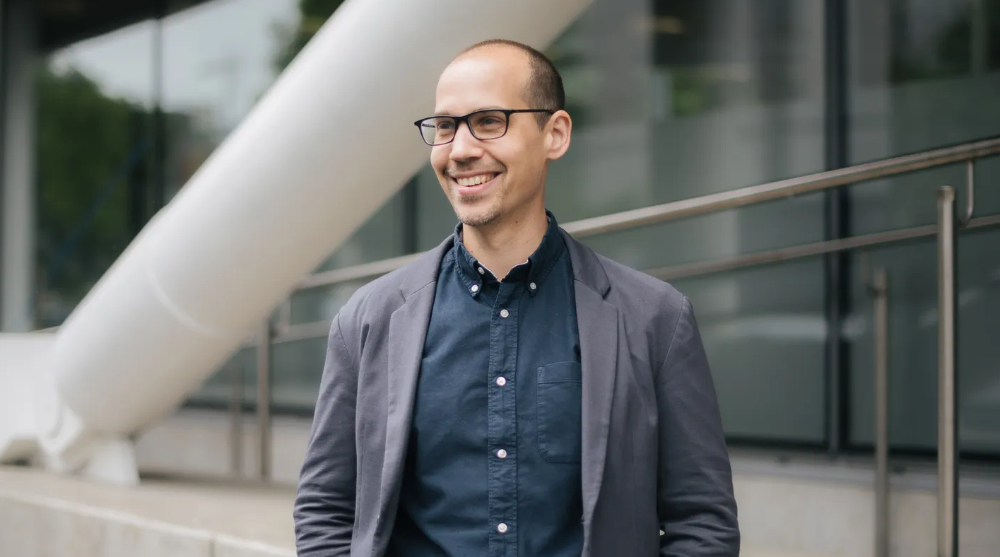
Frederic Gapinski
Please tell us about your company (when it was founded, where it is based, how many employees, etc) Alternatively, if you do not have a company, please give us some insights on your own professional/academia background.
I am an architect and urban planner currently working with Warren and Mahoney in Christchurch, New Zealand. Originally from Paris, I hold qualifications in both architecture and urban planning, which allows me to approach each project with a deep understanding of both the physical and social dimensions of place. At Warren and Mahoney, I work across a wide range of project scales - from civic and cultural buildings to large-scale urban regeneration and infrastructure masterplans - always guided by a sensitivity to context, materiality, and human experience.
Brief information about the projects that you/your company have been involved with. For instance, what scale have you focused on/preferred, any significant projects where the company/ individuals have been Involved?
Through my work in the Christchurch and Auckland studios, I have collaborated on significant projects across New Zealand and Australia. These include Blenheim Art Gallery and Library – Te Kahu o Waipuna, Novotel Christchurch Airport, and the New Dunedin Hospital, as well as the North East Link Infrastructure Project in Melbourne. Earlier in my career, I was involved in large urban initiatives such as The Union Eco-District in France. My work spans multiple scales - from detailed architectural design to strategic urban frameworks- with an emphasis on sustainability, resilience, and cultural identity. Collaboration is at the core of my approach, fostering meaningful dialogue across disciplines and geographies.
What does architecture mean to you and what is the role of an architect in your society?
Architecture, to me, is a way of shaping human experience through space and light. It is an act of listening - to the land, to history, and to people - before it is an act of building. The role of the architect in society is to translate collective needs and aspirations into built form, while also acting as a custodian of beauty, memory, and responsibility. In an era defined by environmental and social uncertainty, architecture must offer both clarity and hope - creating places that ground us, connect us, and reflect the values of our communities.
Why do you participate in architecture competitions?
Competitions are a platform for experimentation and reflection - an opportunity to step outside the boundaries of commercial constraints and to test ideas that address deeper cultural, social, or existential questions. They invite architects to think freely, to engage with global issues through design, and to share new perspectives on what architecture can be. For me, competitions are not only about recognition but about rehearsing the future, exploring concepts that may later find resonance in real projects.
What advice would you give to individuals who struggle to decide whether it would be beneficial for them to participate in architecture competitions?
My advice is to approach competitions as creative research, not as a test. Entering a competition should be seen as an opportunity to refine your voice, to take intellectual risks, and to learn from the process. Whether or not you win is secondary - the true reward lies in deepening your understanding of design and expanding your way of seeing. Every competition becomes a conversation with the world, and participating in that dialogue is always beneficial for growth as a designer and thinker.
Top 3 Reasons Why You Should Enter Architecture Competitions
Curious about the value of architecture competitions? Discover the transformative power they can have on your career - from igniting creativity and turning designs into reality, to gaining international recognition.
Learn more