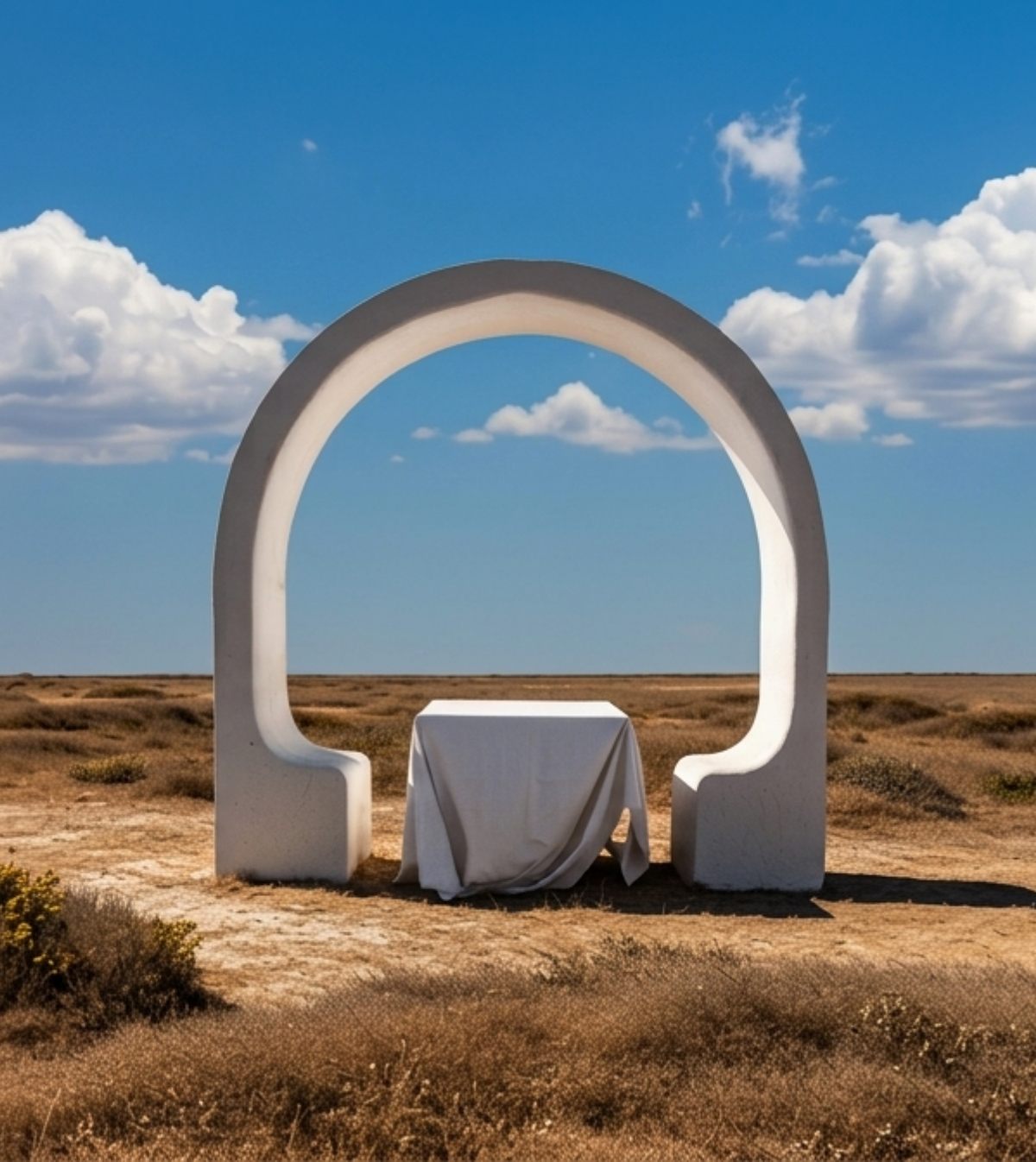
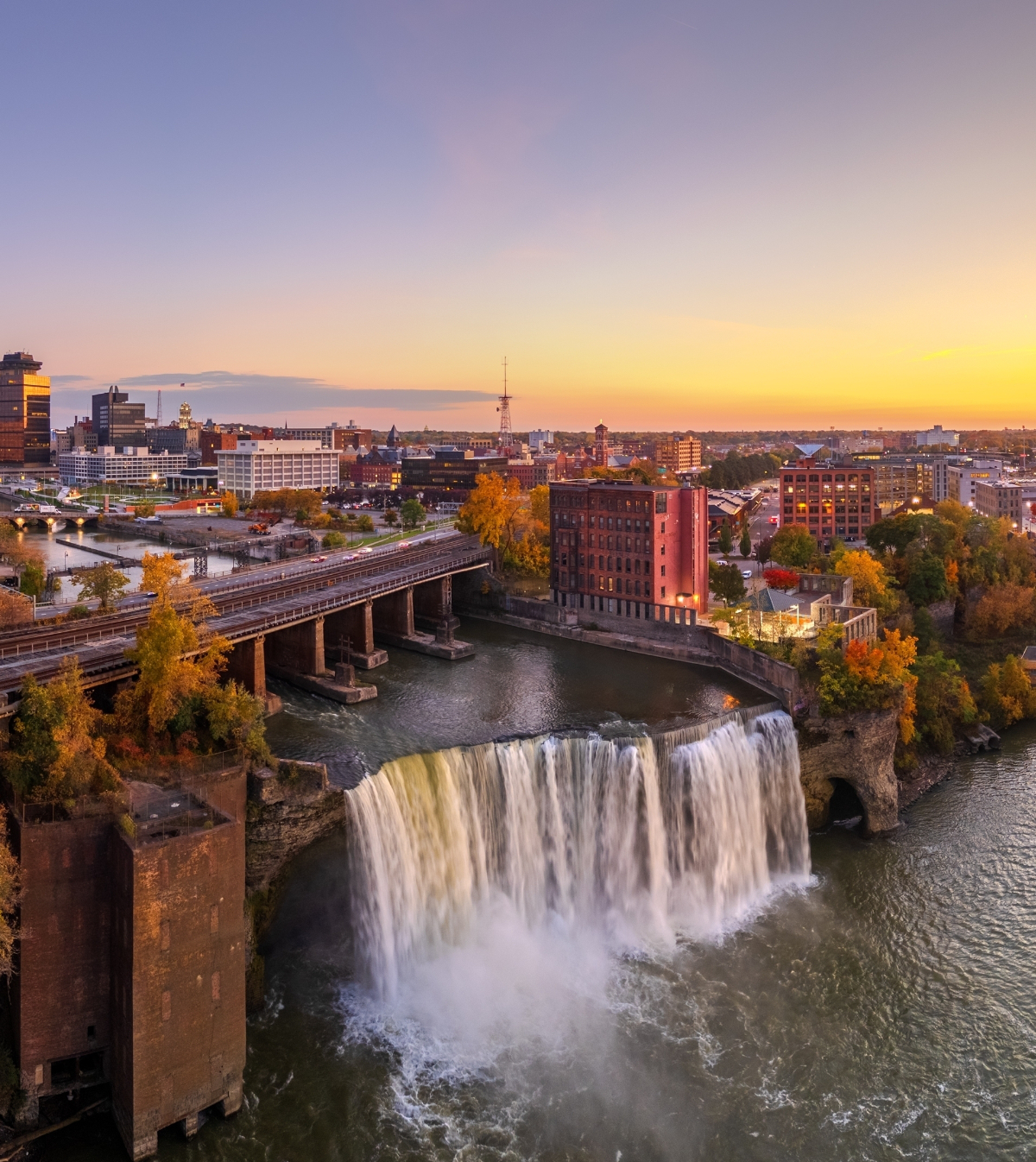
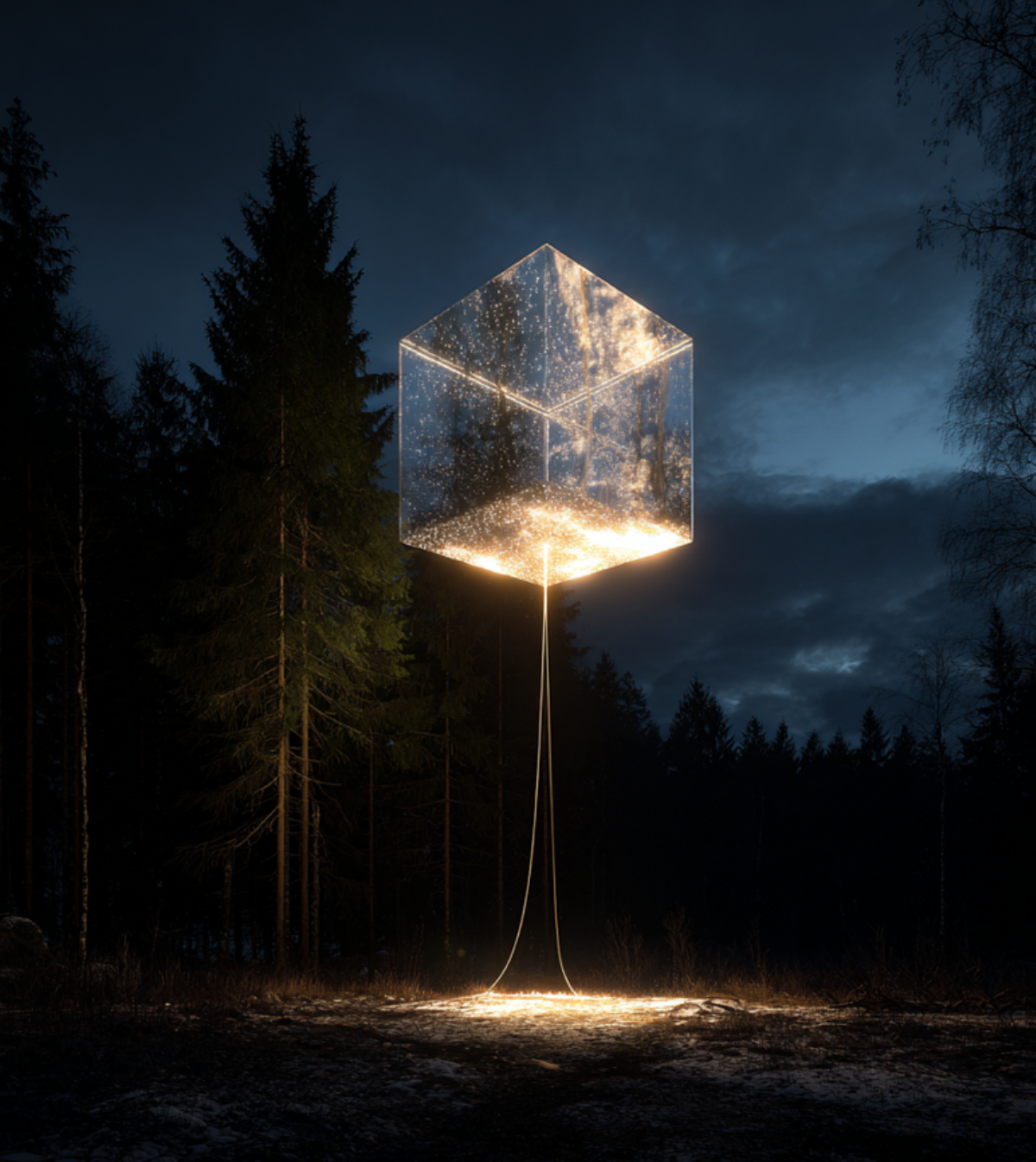
We’d like to take the opportunity to introduce the Honorable Mention winner of the The Last Nuclear Bomb Memorial #6 competition - Fang Guo from United States!
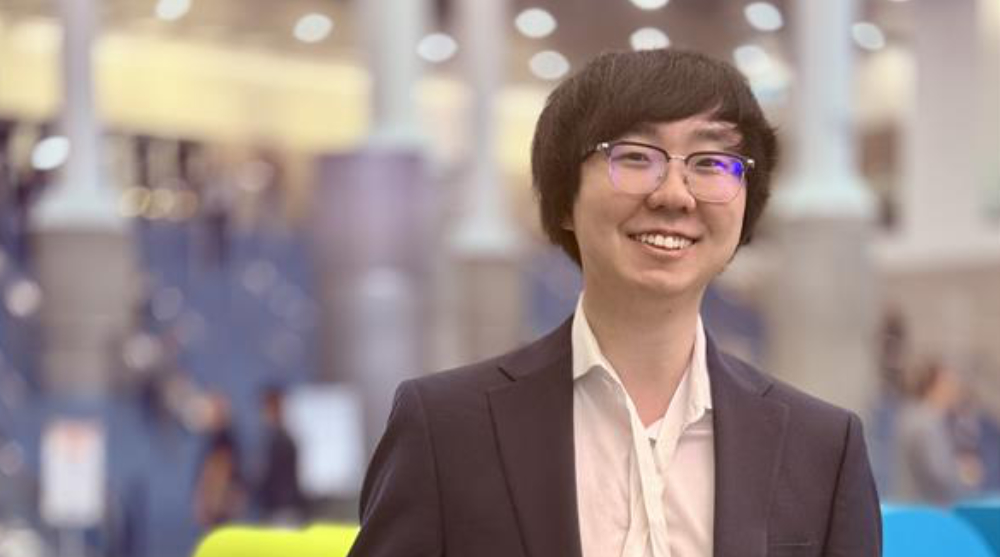
Fang Guo
Please tell us about your company (when it was founded, where it is based, how many employees, etc) Alternatively, if you do not have a company, please give us some insights on your own professional/academia background.
I am an architectural designer with an academic background in architecture and environmental design. My work and research focus on the intersection of spatial narrative, ecological regeneration, and speculative architecture. I am particularly interested in how architecture can operate beyond conventional permanence, acting instead as a temporary mediator between damaged landscapes and future ecological recovery. Through both professional practice and independent competition work, I explore architecture as a system that responds to time, climate, and environmental transformation, rather than a fixed object.
Brief information about the projects that you/your company have been involved with. For instance, what scale have you focused on/preferred, any significant projects where the company/ individuals have been Involved?
My work spans architectural design, conceptual installations, and speculative projects at multiple scales, from architectural objects to landscape-scale interventions. Many of the projects I have been involved in focus on environmentally sensitive sites, post-industrial or damaged landscapes, and questions of long-term sustainability. Rather than emphasizing iconic form alone, these projects often investigate material lifecycle, environmental impact, and how architecture can support ecological processes such as regeneration, adaptation, and gradual transformation over time.
What does architecture mean to you and what is the role of an architect in your society?
To me, architecture is not only about building space, but about shaping relationships between humans, nature, and time. In the context of climate change and environmental degradation, the role of the architect extends beyond creating functional or symbolic structures. Architects must act as interpreters of environmental systems and as responsible agents who consider long-term ecological consequences. Architecture can become a medium for healing damaged landscapes, for acknowledging past destruction, and for proposing alternative futures that prioritize coexistence rather than domination over nature.
Why do you participate in architecture competitions?
Architecture competitions provide a unique platform to question conventional practice and to explore ideas that may not yet have a place in commercial projects. They allow architects to engage with urgent global issues—such as sustainability, environmental trauma, and collective memory—without immediate constraints. For me, competitions are an opportunity to test speculative ideas about architecture’s role in ecological repair and to communicate these ideas through strong visual narratives that can reach a broader audience.
What advice would you give to individuals who struggle to decide whether it would be beneficial for them to participate in architecture competitions?
I would encourage them to see competitions not primarily as a pursuit of awards, but as a space for intellectual and ethical exploration. Competitions allow designers to clarify their own positions on critical issues such as sustainability, social responsibility, and environmental impact. Even when a project does not win, the process itself helps develop a clearer design voice and a deeper understanding of architecture’s potential to respond to real-world challenges.
Top 3 Reasons Why You Should Enter Architecture Competitions
Curious about the value of architecture competitions? Discover the transformative power they can have on your career - from igniting creativity and turning designs into reality, to gaining international recognition.
Learn more