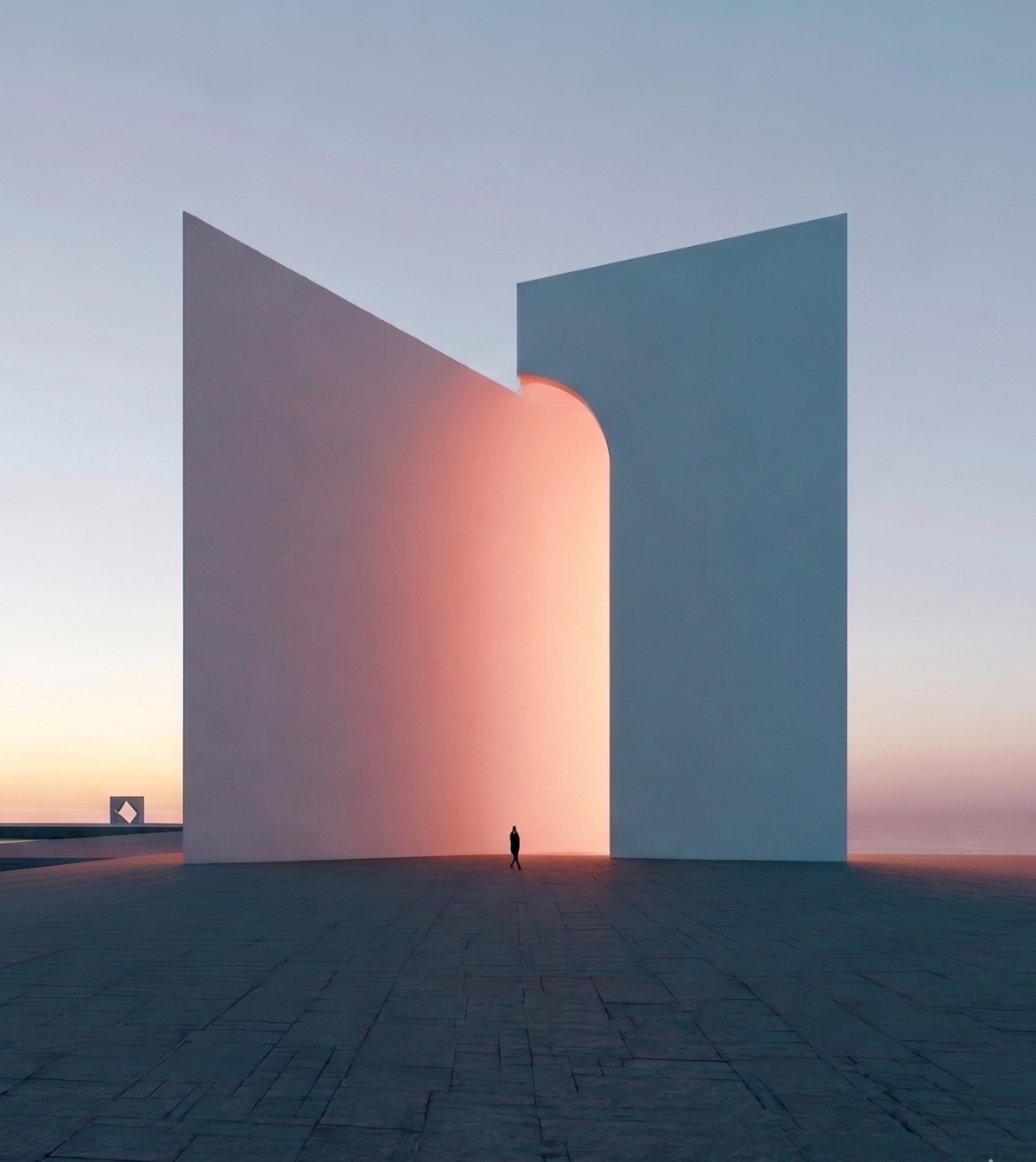
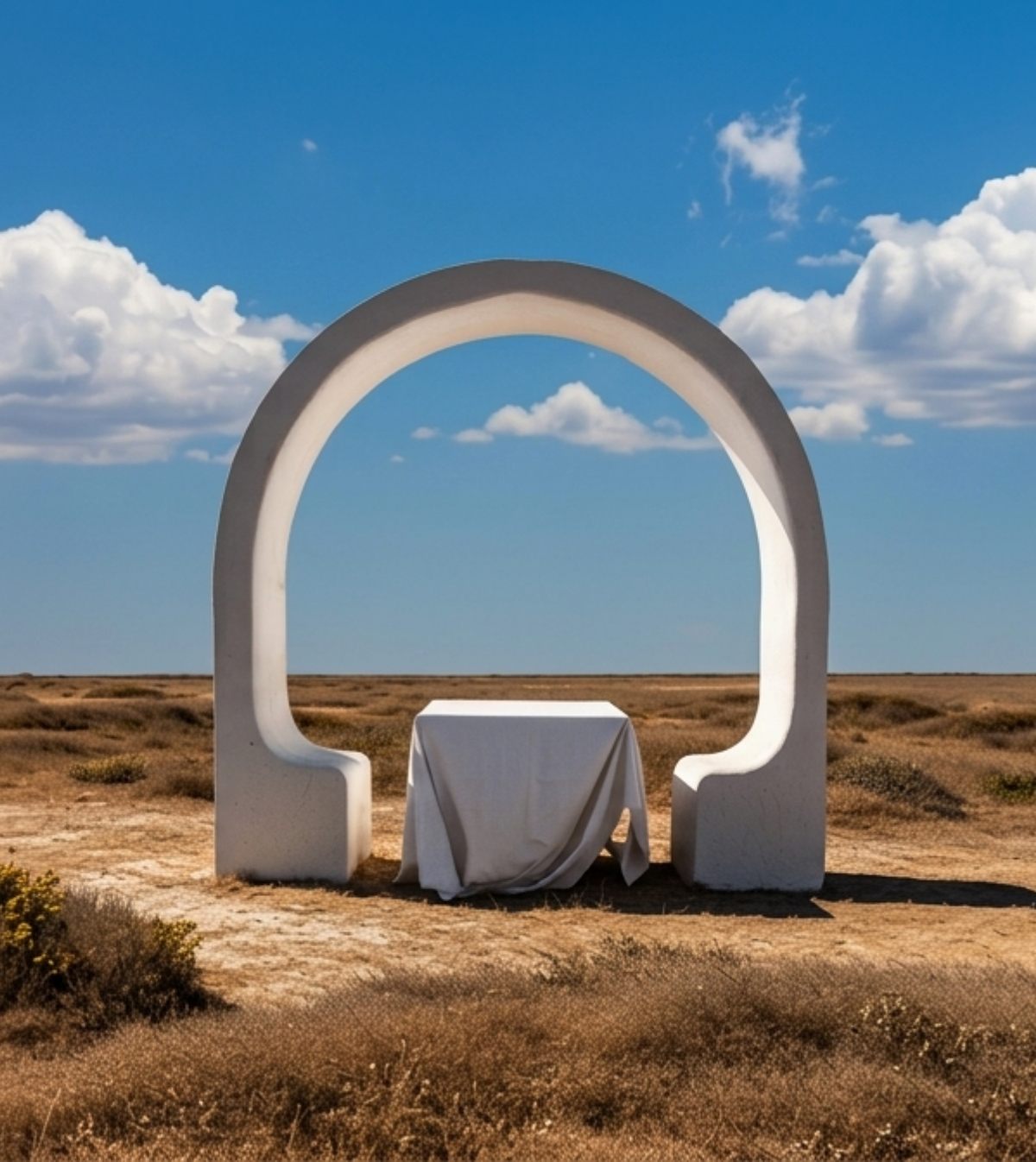
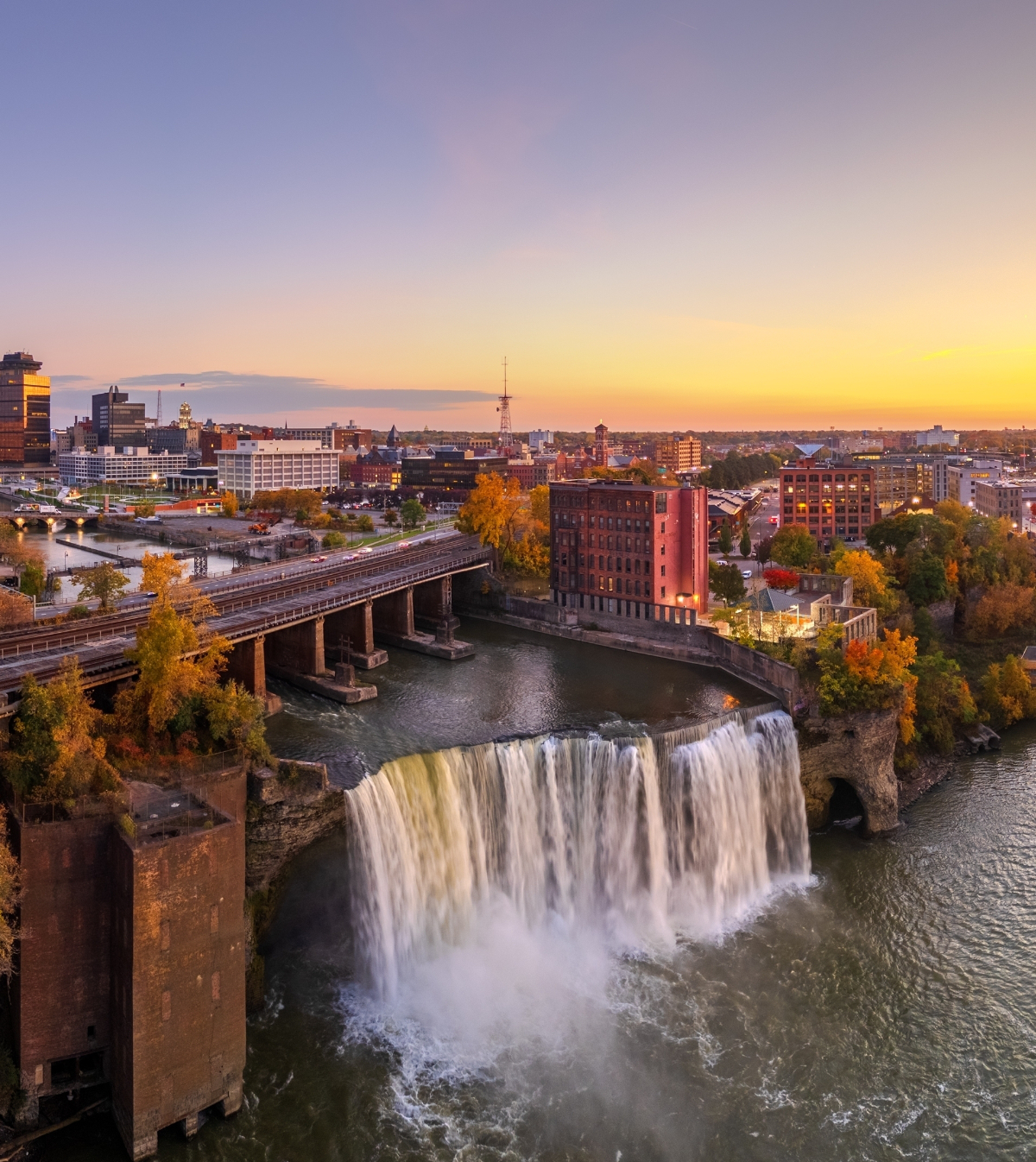
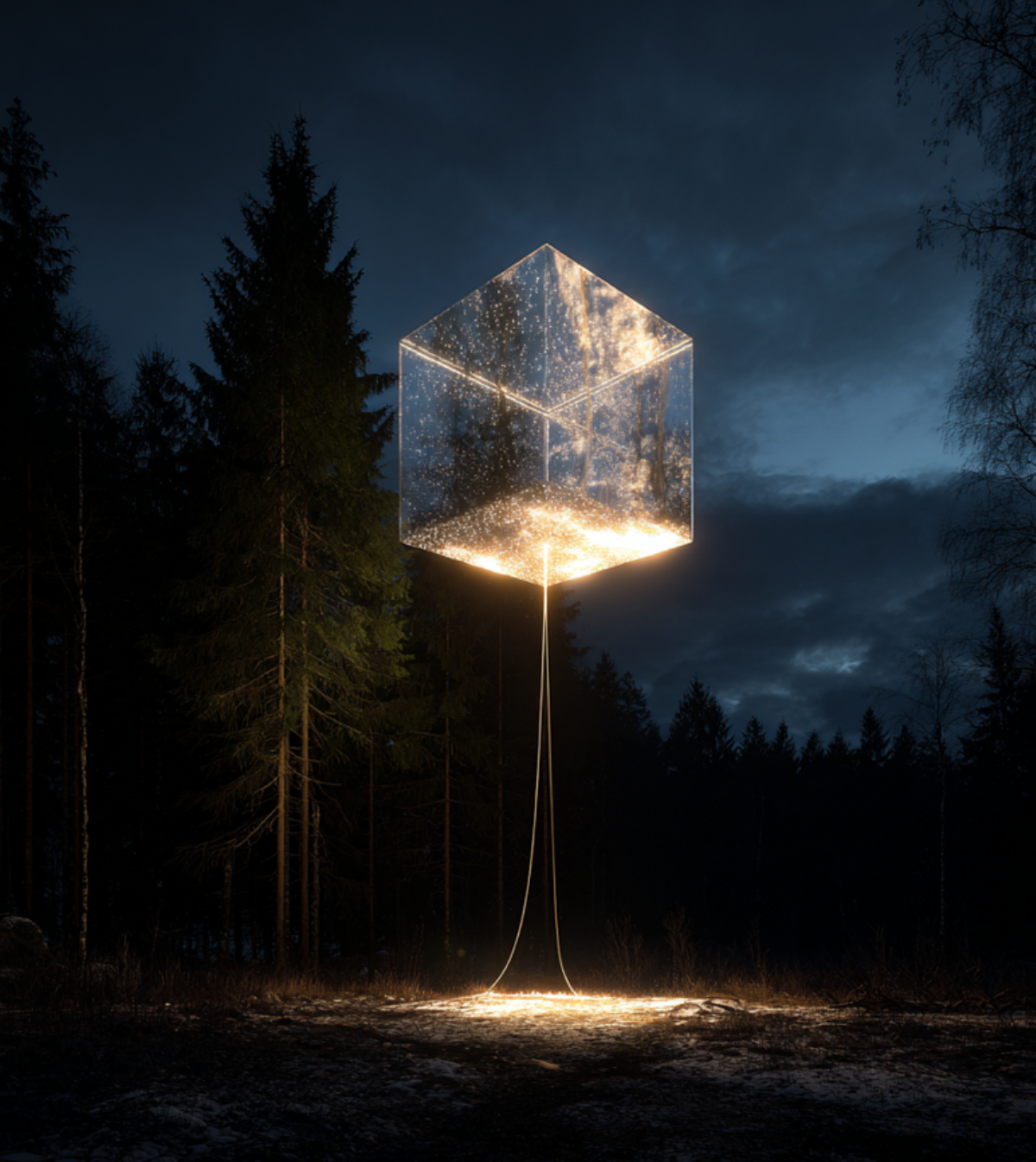
We’d like to take the opportunity to introduce the Honorable Mention winner of the The Last Nuclear Bomb Memorial #6 competition - Aleksa Milojevic from United States!
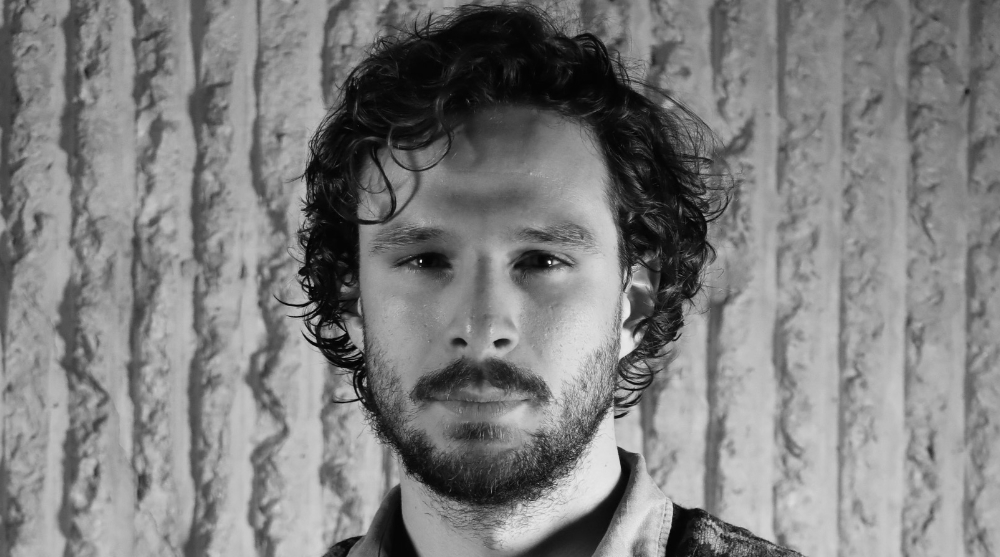
Aleksa Milojevic
Please tell us about your company (when it was founded, where it is based, how many employees, etc) Alternatively, if you do not have a company, please give us some insights on your own professional/academia background.
I’m a New York–based architectural designer, researcher, and filmmaker whose work examines contemporary urban conditions, spatial symbolism, and socio-cultural participation. I studied at TU Vienna; the University of Applied Arts Vienna under Kazuyo Sejima; AHO in Oslo; Tongji University in Shanghai; and the Yale School of Architecture, where I worked with Peter Eisenman and Frank Gehry. This background shapes a design approach that spans architecture, product-scale prototyping, and visual communication grounded in contextual research.
Brief information about the projects that you/your company have been involved with. For instance, what scale have you focused on/preferred, any significant projects where the company/ individuals have been Involved?
I’m currently involved in several projects: a cultural center in California inspired by the legacy of Eastern European epic poetry; a documentary film on rural development in Southern China; and a series of micro- gravity artifacts for astronauts, including a patent-pending mechanism. Much of my work has been done in dialogue with collaborators: with the creative group Half-Circus, with Matthew Wilde on the award-winning initiative Reconstructing the Commons, and with Amelia Gates on several projects across many scales. My work has been presented in both solo and group exhibitions at the Yale Center for Collaborative Arts and Media, the Guggenheim Museum Bilbao, Autostadt Wolfsburg, and the Busan International Architecture Festival. Together with my colleague Matthew Wilde, we are organizing an international exhibition, Reconstructing the Commons, scheduled to be presented in New York and Vienna.
What does architecture mean to you and what is the role of an architect in your society?
I see architecture as a civic practice rather than a private service. In a moment when space is increasingly commodified and controlled, the role of the architect is to reintroduce shared responsibility, access, and long- term stewardship into the built environment. My work treats architecture as an active framework—one that enables collective use, social exchange, and environmental accountability rather than fixed ownership or closed form. Within this understanding, the architect acts less as an isolated author and more as a coordinator of relationships between people, materials, and systems. Through collaborative design processes, reuse of existing structures, and attention to local ecologies and economies, my work seeks to produce spaces that remain adaptable over time and responsive to the communities that inhabit them. Architecture, in this sense, becomes a tool for sustaining collective life and negotiating common ground in an increasingly fragmented society.
Why do you participate in architecture competitions?
Architecture competitions serve as a critical platform for advancing architectural discourse and producing original work that contributes to the field. They enable exploration of ideas that may not be possible within commercial practice and allow architectural and societal ideas to reach an international audience.
What advice would you give to individuals who struggle to decide whether it would be beneficial for them to participate in architecture competitions?
For architects seeking to develop a distinguished body of work, competitions are a valuable tool for establishing expertise, visibility, and conceptual leadership. When approached strategically, competitions allow individuals to articulate a clear architectural position, demonstrate originality, and contribute meaningfully to contemporary architectural discourse.
Top 3 Reasons Why You Should Enter Architecture Competitions
Curious about the value of architecture competitions? Discover the transformative power they can have on your career - from igniting creativity and turning designs into reality, to gaining international recognition.
Learn more