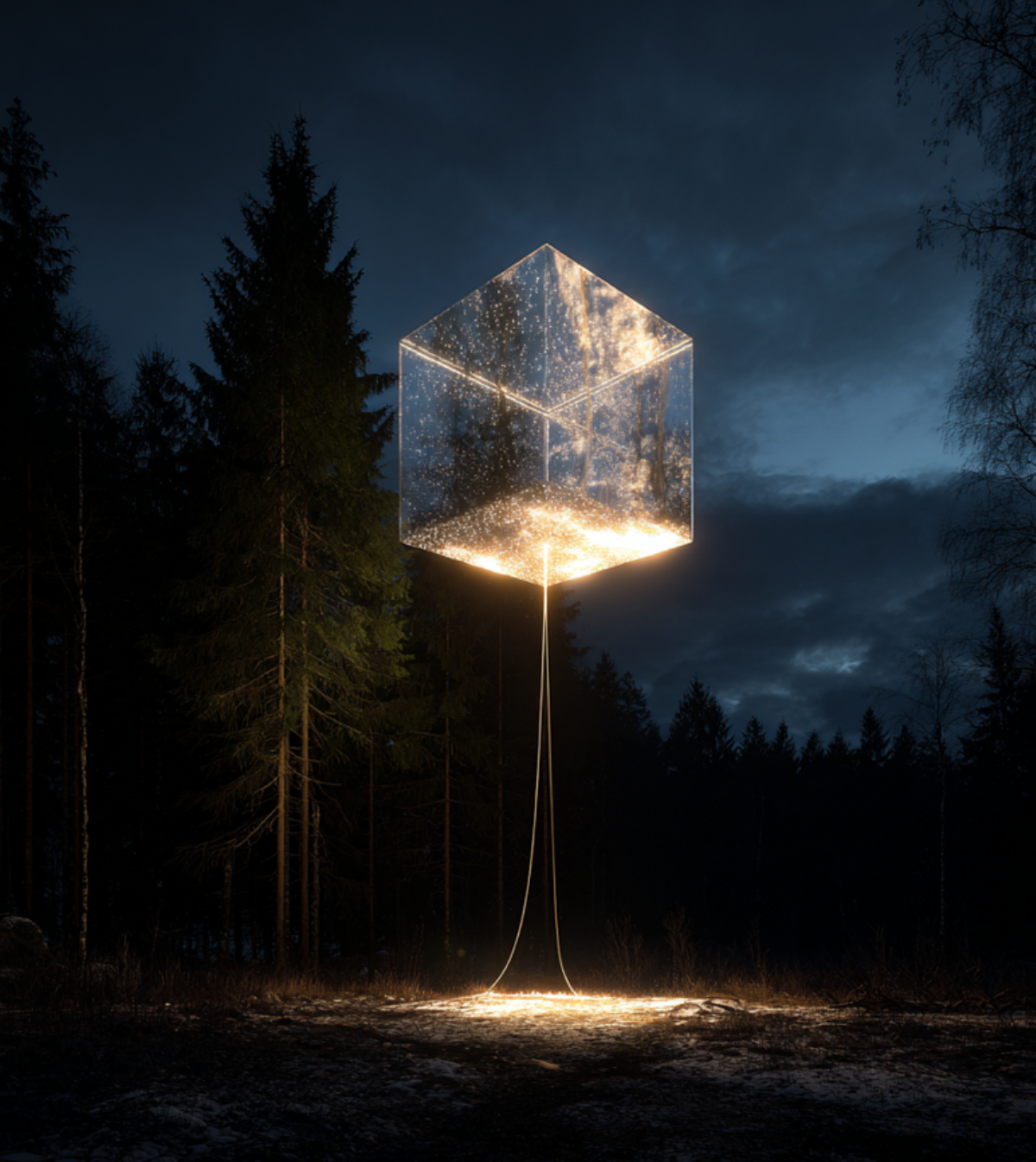
We’d like to take the opportunity to introduce the 2nd Prize winners of The Last Nuclear Bomb Memorial #6 competition – Andreea Mihaela Nicolae, Tabark H Felaih, Mara Ioana Constantin and Alexandra Stefana Fartais from Romania!
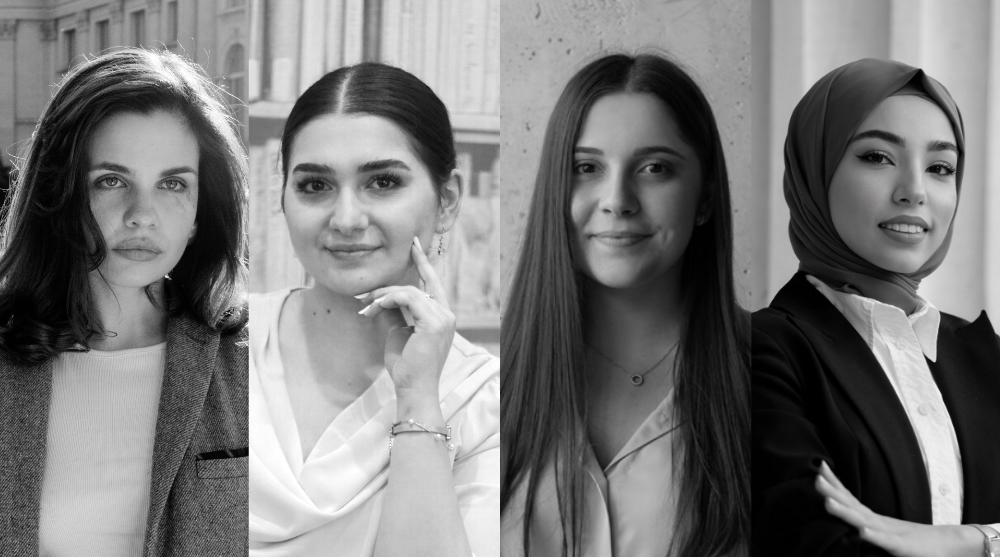
Alexandra Stefana Fartais, Andreea Mihaela Nicolae, Mara Ioana Constantin and Tabark H Felaih
Please tell us about your company (when it was founded, where it is based, how many employees, etc) Alternatively, if you do not have a company, please give us some insights on your own professional/academia background.
AECOM is a global infrastructure consulting firm operating worldwide, providing services across architecture, engineering, planning, and environmental consultancy. Working within AECOM allows us to engage with large-scale international projects and benefit from a multidisciplinary and global professional environment.
Tabark Felaih - I am an interior architect from Iraq based in Romania, currently working at AECOM. My professional journey has allowed me to work on large-scale international projects while collaborating with multidisciplinary teams across different countries. Alongside this experience, I have remained closely connected to smaller-scale work, including residential and interior design projects. Moving between these different scales has shaped the way I approach design, balancing technical precision with attention to atmosphere and human experience.
Alexandra Fartais - I am an architect based in Romania, currently in the process of shaping my professional identity. My work moves across different scales, from large and complex projects to small, more intimate interventions, driven by a genuine curiosity about how spaces are experienced in everyday life.I engage in competitions and exploratory projects as a way of continuously refining my approach and testing ideas beyond immediate practical demands. At this early stage of my career, I see each project as part of a longer process of learning and self-definition, through which I gradually clarify the values and sensibilities that will guide my practice over time.
Mara Constantin - I am an interior architect based in Romania, with a strong interest in sustainable, user-centered design. My background includes working on a wide range of projects, from large-scale developments to residential, hospitality, commercial, and cultural spaces. I am deeply interested in understanding the thinking behind architectural creation and approach design as a collaborative process that actively involves users, with a particular focus on participatory architecture and on developing multifunctional solutions that respond thoughtfully to real human needs. Driven by curiosity and empathy, I am continuously seeking to explore new ideas and expand my professional and academic knowledge, with the goal of contributing to meaningful and responsible design outcomes.
Andreea Nicolae - I am an architect based in Romania, currently working at AECOM Romania. I am at an early stage of my career, where much of my professional experience comes from working on large, technically complex projects within an international and multidisciplinary environment. Through my everyday work and through design competitions, I am gradually shaping my own approach to architecture, one that values reflection, sensitivity, and responsibility toward place. I see architecture as an ongoing process of learning, observation, and care, and I am motivated by the possibility of creating spaces that invite people to slow down and become more aware of their surroundings.
Brief information about the projects that you/your company have been involved with. For instance, what scale have you focused on/preferred, any significant projects where the company/ individuals have been Involved?
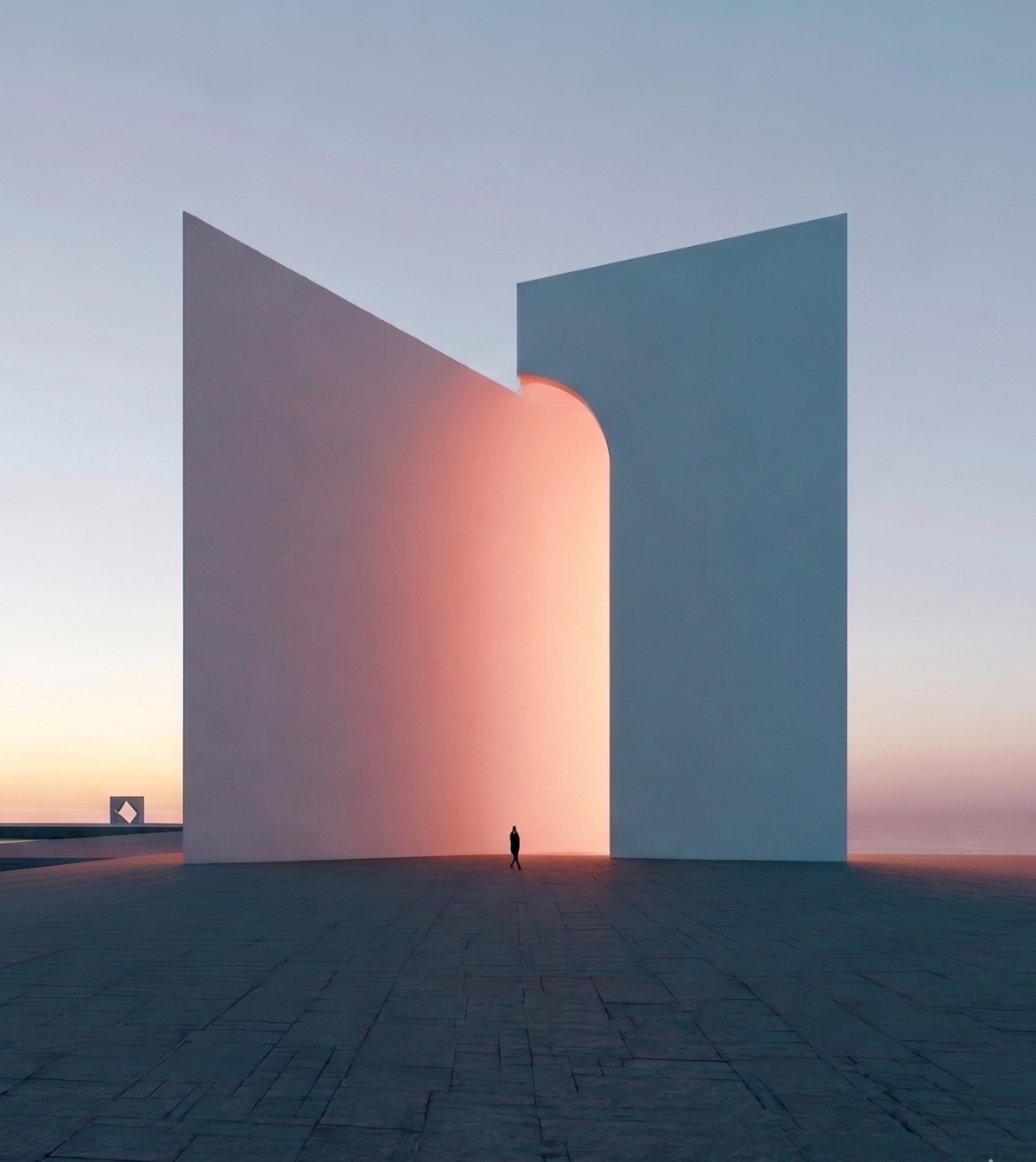
Our team has been involved in a wide range of projects, primarily at large and medium scales, including infrastructure, transportation hubs, mixed-use developments, healthcare facilities, and complex urban environments. The work often focuses on technical design development, coordination with multidisciplinary teams, and translating conceptual ideas into buildable solutions. At the same time, design competitions offer a parallel space of exploration. They allow us to step away from strictly functional briefs and engage with architecture as a medium for ideas, memory, and spatial storytelling. Below the Unseen emerged from this desire to explore architecture beyond immediate utility, using space itself as a narrative tool.
What does architecture mean to you and what is the role of an architect in your society?
For us, architecture is a way of making relationships visible between people and place, between history and the present, between what is seen and what remains hidden. It operates not only through form, but through atmosphere, movement, light, and absence. In society, the architect’s role goes beyond designing buildings. Architects shape how societies remember, inhabit, and understand their environments. Especially in projects that engage with collective memory, the architect carries a responsibility to act with restraint and empathy, allowing space to speak quietly rather than through explicit symbolism.
Why do you participate in architecture competitions?
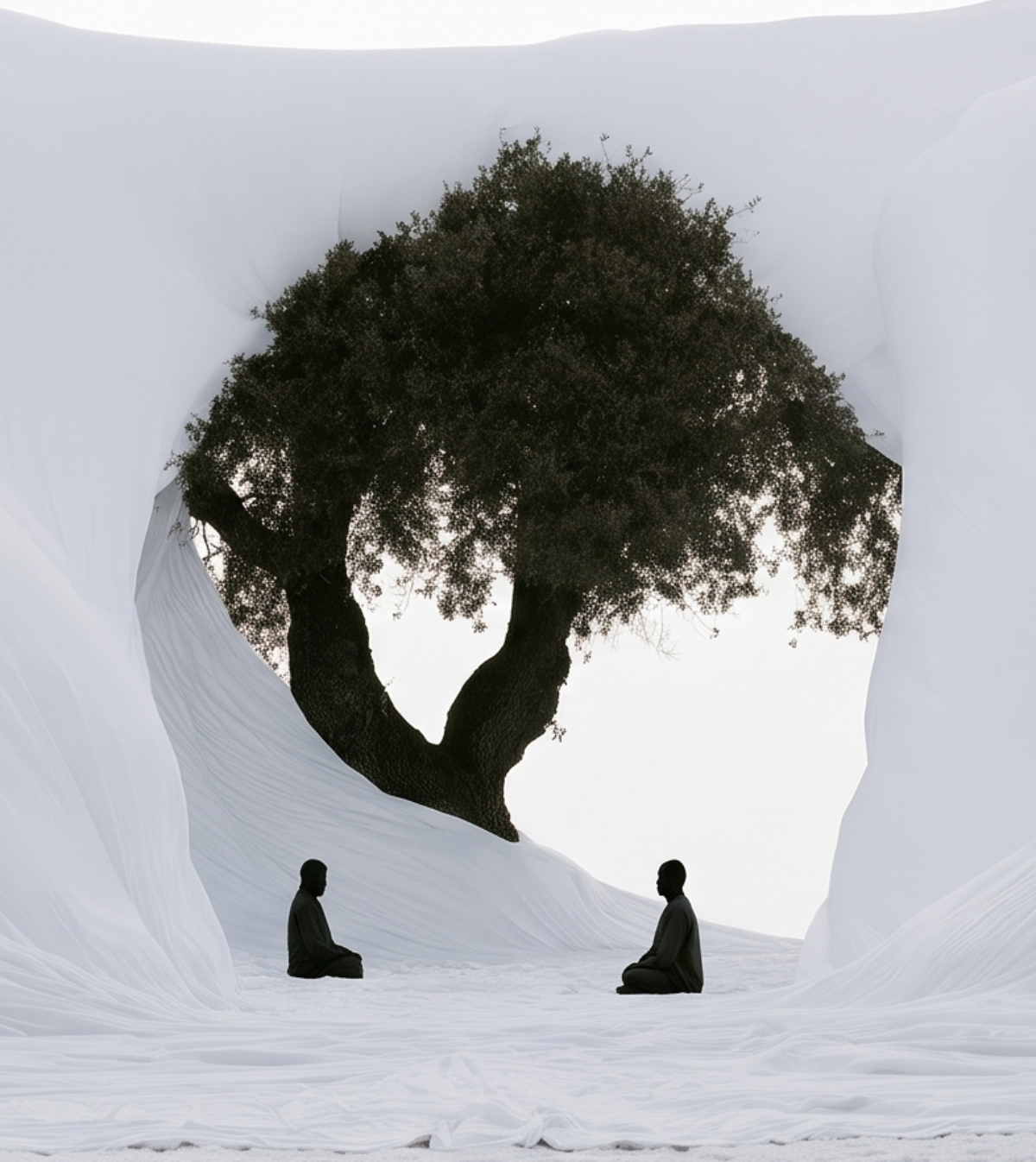
Architecture competitions provide a rare space for freedom and experimentation. They allow us to work without predefined answers and to approach architecture as a form of inquiry rather than a product. - For Below the Unseen, the competition format made it possible for us to address a difficult subject (memory, absence, and the long-term consequences of human actions) and allowed us to work with restraint, using light, depth, and reflection to construct an experience rather than a narrative. It offered the freedom to explore architecture as an act of witnessing, one that acknowledges the invisible consequences embedded in the ground and carried forward into the present. Competitions encourage collaboration, critical thinking, and the development of architectural narratives that might not emerge within the limits of everyday professional practice.
What advice would you give to individuals who struggle to decide whether it would be beneficial for them to participate in architecture competitions?
Participating in architecture competitions should not be seen only in terms of winning or results. The process itself is valuable. They offer a valuable opportunity to experiment, to collaborate, and to develop a personal position within the discipline. - For those who hesitate, we would encourage participation as a form of learning. Even when a project remains unbuilt, it contributes to one’s architectural thinking. Over time, these explorations help shape clarity, confidence, and a deeper understanding of what architecture can be.
Top 3 Reasons Why You Should Enter Architecture Competitions
Curious about the value of architecture competitions? Discover the transformative power they can have on your career - from igniting creativity and turning designs into reality, to gaining international recognition.
Learn more