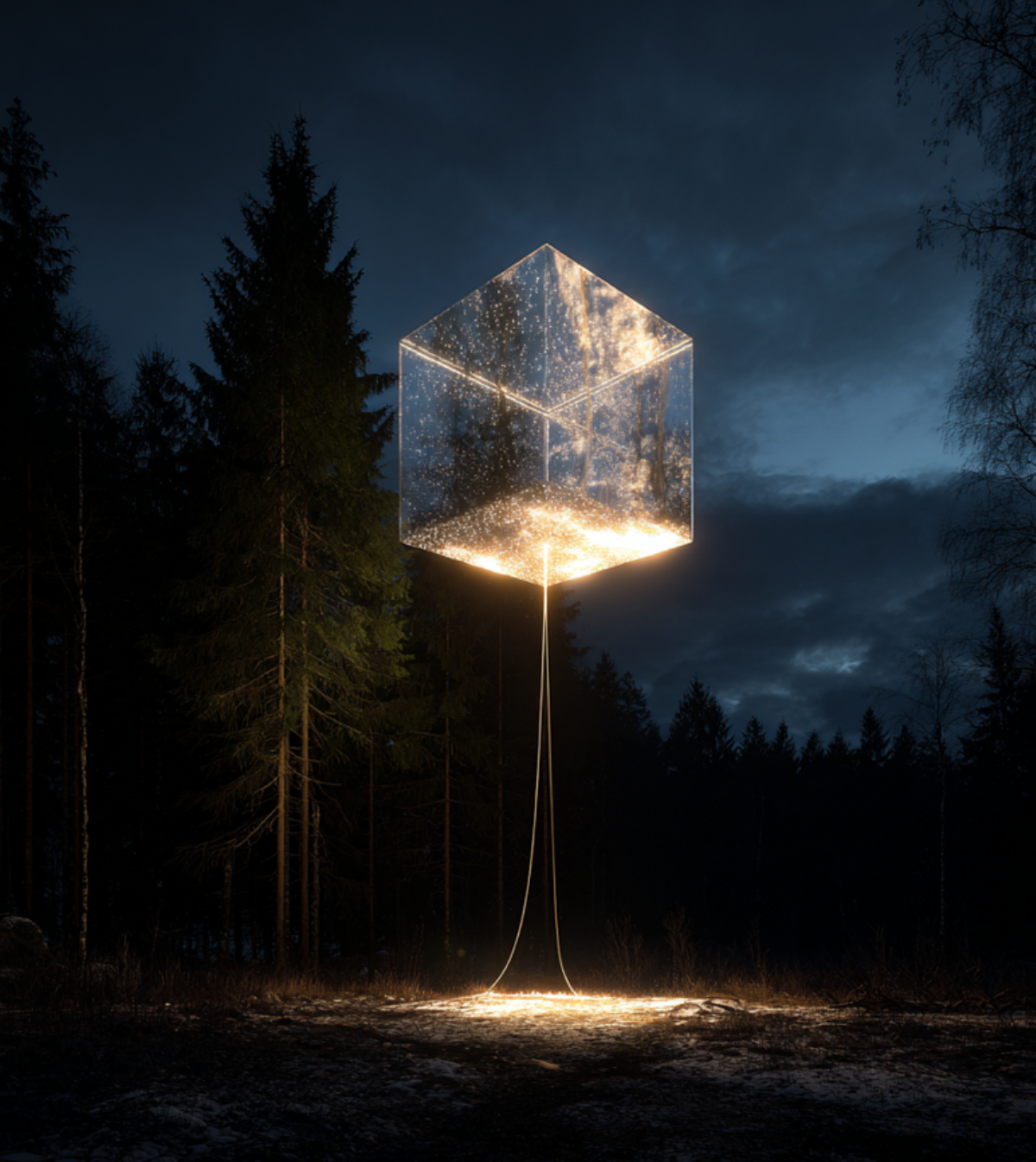
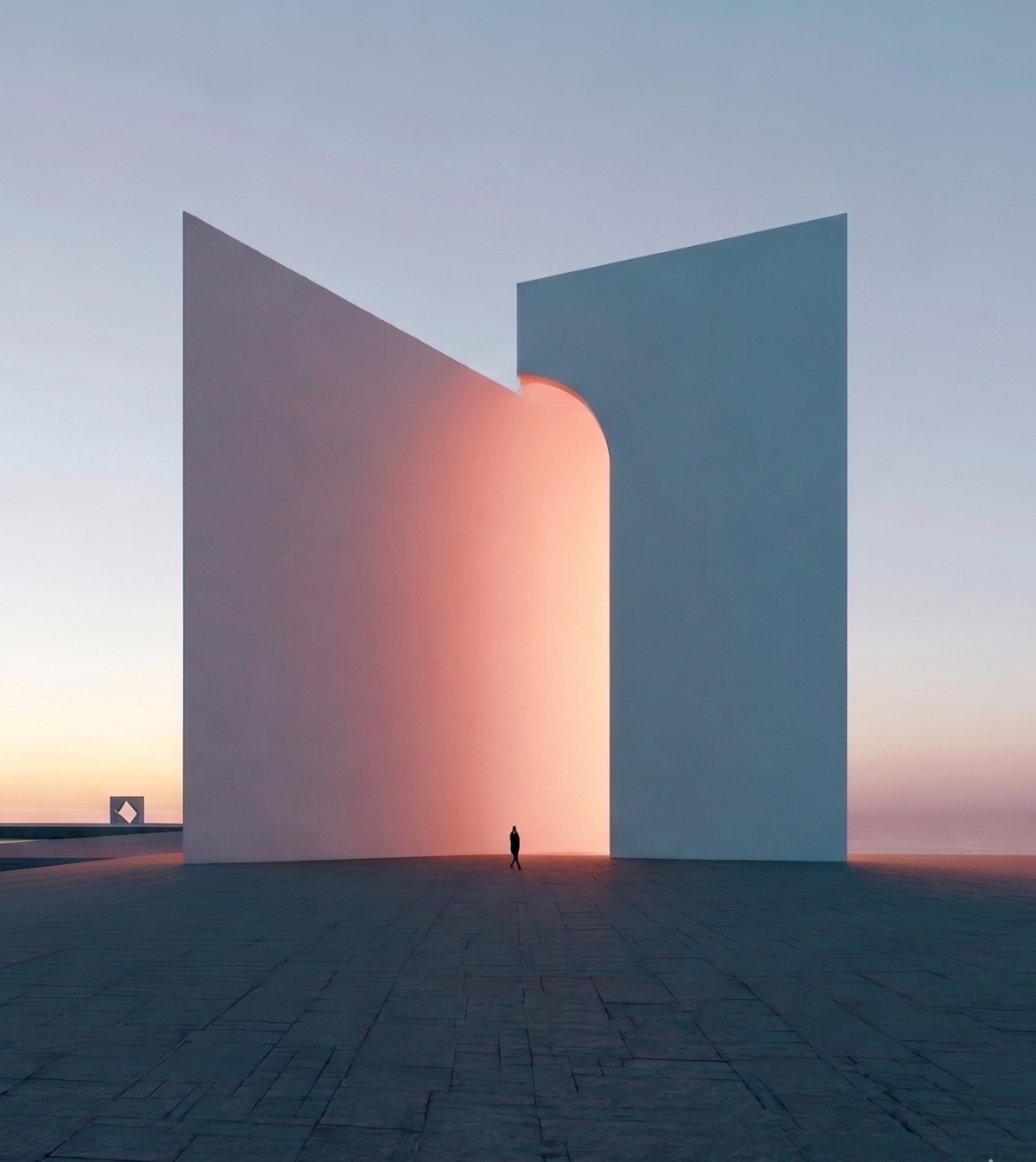
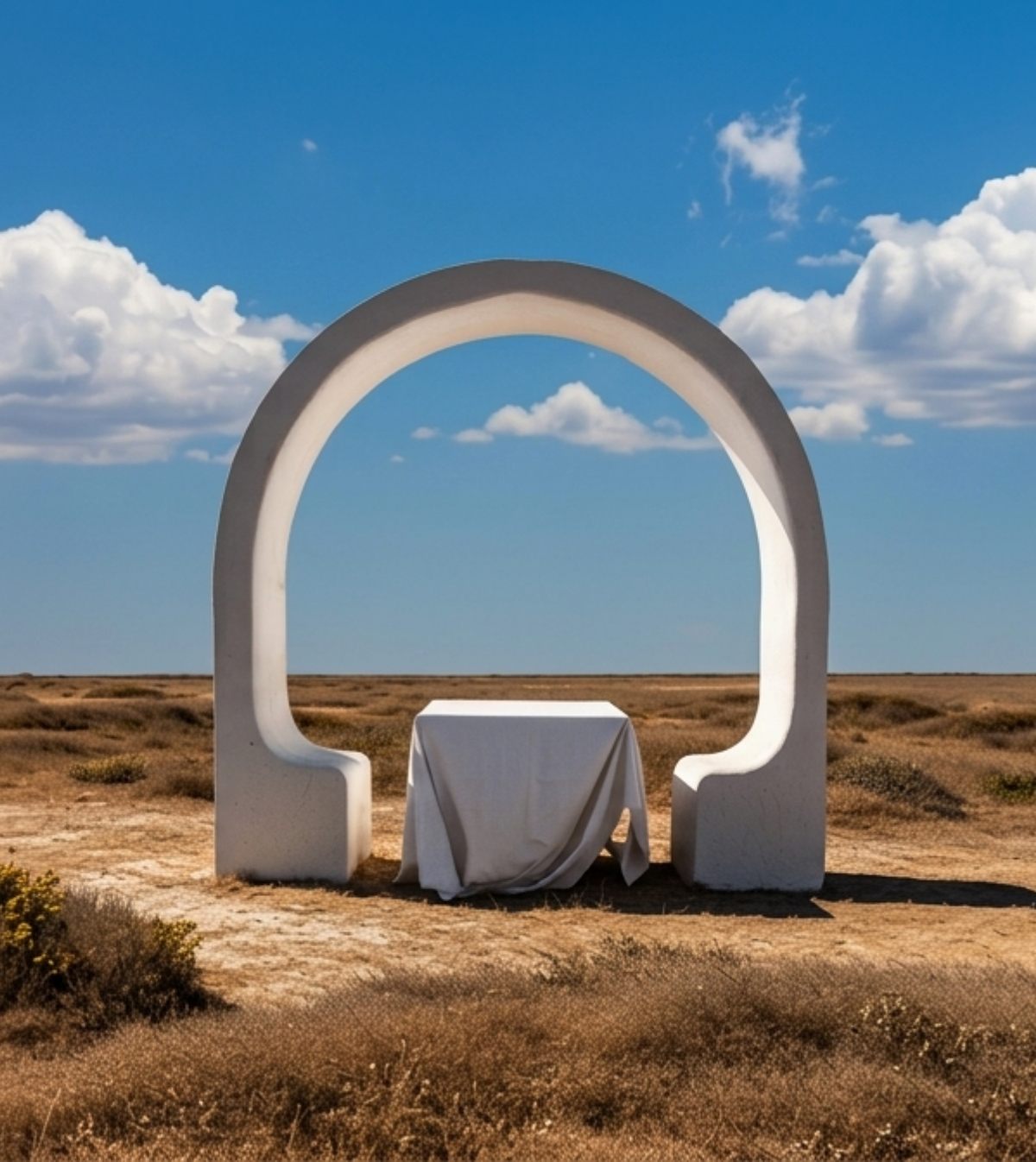
We’d like to take the opportunity to introduce the Honorable Mention winner of The Architect’s Chair / Edition #4 competition – Mehmet Duru from Turkey!
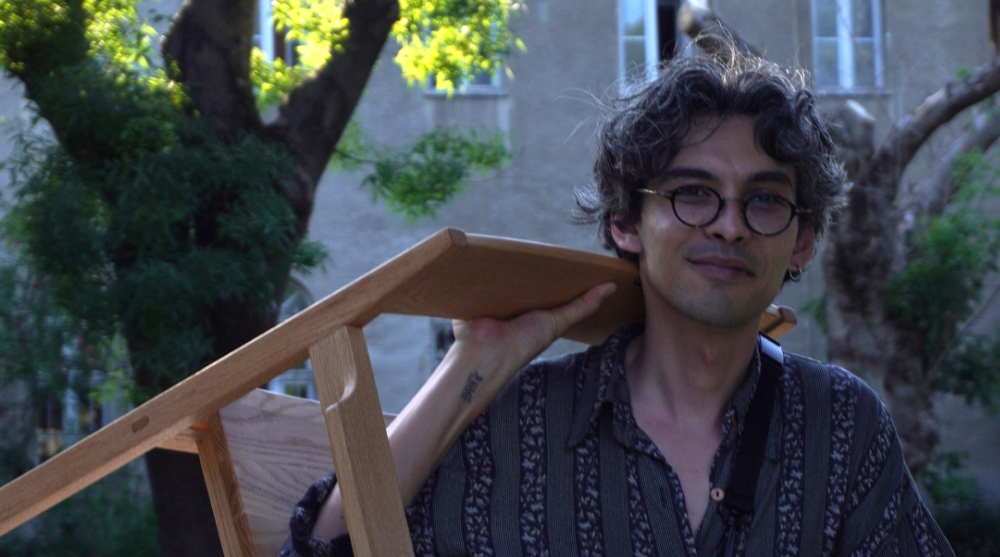
Mehmet Duru
Please tell us about your company (when it was founded, where it is based, how many employees, etc) Alternatively, if you do not have a company, please give us some insights on your own professional/academia background.
Studio Wanne is a small-scale architecture, interior, and furniture design practice that I co-founded in 2021 in Turkey. We currently work as two founding partners and collaborate with people from different disciplines on a project basis. Over the last seven years, I have worked on residential, office, and commercial interior projects. My academic and professional background has led me to a holistic approach that treats spatial design and furniture design as one continuous field.
Brief information about the projects that you/your company have been involved with. For instance, what scale have you focused on/preferred, any significant projects where the company/ individuals have been Involved?
As Studio Wanne, we have so far mainly focused on residential and small- to medium-scale commercial projects. Regardless of the scale, we adopt a way of working that places the human scale, the honest use of materials, and the relationship between space and everyday life at the centre, while carefully following drawing, technical detailing, and implementation processes.
What does architecture mean to you and what is the role of an architect in your society?
For me, architecture is a way of constructing a spatial narrative that carries the rhythm of people’s everyday lives and transforms together with time. Good architecture does more than produce form; it choreographs how materials age, how light moves throughout the day, how bodies experience space, and how a building relates to its surroundings. The role of the architect in society is to shape this story responsibly, responding both to individual needs and to the collective memory of the city. An architect is a mediator who uses resources carefully, proposes long-lasting and repairable structures, brings together different disciplines, and strengthens social dialogue through space.
Why do you participate in architecture competitions?
I see architectural competitions as fields where I can think more freely than in everyday practice. For me, they act as a laboratory for testing new typologies, developing more speculative ideas about material and structure, and challenging my own design approach. Competitions also allow me to see the work of international juries and other participants, which helps me place my own work within a broader context. In short, I choose to take part in competitions to develop myself professionally and to further clarify my portfolio, my way of thinking, and my design language.
What advice would you give to individuals who struggle to decide whether it would be beneficial for them to participate in architecture competitions?
I would encourage those who are considering entering competitions to view the process not only in terms of “winning” but as a space for learning and experimentation. Choosing competitions whose themes you are genuinely interested in and setting a clear time schedule for yourself can be a good first step. Especially at the beginning, starting with competitions at a more manageable scale and setting the expectation at “producing a good project and improving myself” helps to reduce pressure. After the submission, carefully reading the jury feedback and studying other projects also makes the experience very productive. Whatever the outcome, competitions sharpen the way you think and make a significant contribution to your design practice, so I would recommend that anyone who is unsure still tries it at least once.
Top 3 Reasons Why You Should Enter Architecture Competitions
Curious about the value of architecture competitions? Discover the transformative power they can have on your career - from igniting creativity and turning designs into reality, to gaining international recognition.
Learn more