We’d like to take the opportunity to introduce the Sustainability Award winner of The Architect’s Chair / Edition #4 competition – Andrada Calin from the United Kingdom!
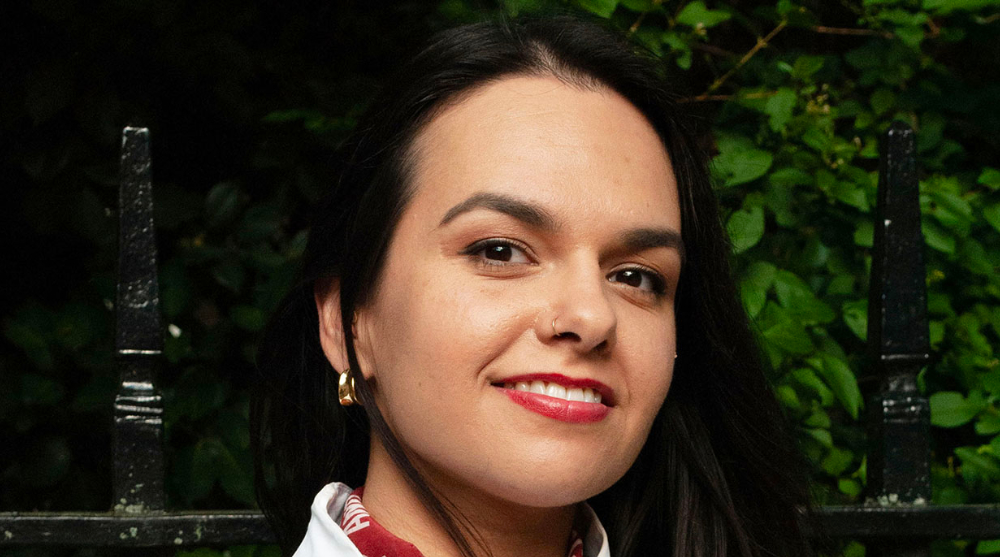
Andrada Calin
Please tell us about your company (when it was founded, where it is based, how many employees, etc) Alternatively, if you do not have a company, please give us some insights on your own professional/academia background.
I founded Andrada Calin Studio earlier this year, following a competition win for the London Festival of Architecture, as a decisive step toward defining my own design voice and advancing work at the intersection of architecture, urban design, public space and installation. After several years in private practice, it became clear that the depth of my skills and creative ambition could not be fully realised within conventional frameworks. Establishing my own studio allowed me to take ownership of my ideas, pursue more impactful and experimental work, and build a practice grounded in authorship, purpose and meaningful collaboration. With over seven years of professional experience—first as an architect delivering residential, commercial and infrastructure projects at Atkins, and now as an urban designer in the public sector at the London Borough of Hackney—I felt increasingly compelled to shape a practice that reflects my diverse background, personal values and commitment to socially and environmentally responsible design. Operating mainly in London, the studio is built with the intention to expand its horizons and engage with projects internationally, including opportunities in places personally meaningful to me, such as my hometown Bucharest. Through this wider reach, I aim to continue exploring sustainable material cycles—particularly the creative reuse of waste—while keeping authorship, collaboration and community-centred design at the core of the practice. My public-sector experience, which centres on improving design quality, delivering fairer and more resilient neighbourhoods, and engaging directly with local residents, deeply informs my work—especially in projects that elevate diverse voices and rethink how we use and share urban space. Alongside practice, I also teach architecture to young people, promoting accessible, environmentally conscious design and nurturing the next generation of creative thinkers.
Brief information about the projects that you/your company have been involved with. For instance, what scale have you focused on/preferred, any significant projects where the company/ individuals have been Involved?
My project work spans from small-scale installations and prototypes to large urban regeneration and masterplanning initiatives. Through my studio, I focus on competitions, public-realm interventions and material-driven experiments, often exploring waste reuse and sustainable fabrication. These small-scale projects aim not only to test ideas but also to raise awareness, spark conversation and tell stories about how we inhabit, value and care for our environments. Alongside this experimental work, I have delivered a variety of residential and community-oriented projects in both the private and public sectors. As an architect, I worked on housing schemes and coordinated multidisciplinary teams across design, procurement and construction. In the public sector, my role as an urban designer has involved shaping regeneration proposals, public realm projects and strategic masterplans, ensuring they promote inclusivity, sustainability and high design quality. I have also contributed to the development of design guidance and codes, supporting policy that influences the built environment at a broader scale. Across all these projects, I place strong emphasis on community engagement and co-design, working with residents, children and underrepresented groups to ensure that design outcomes reflect real needs and lived experiences. Together, these experiences demonstrate my commitment to delivering projects—whether a prototype, a streetscape intervention or a masterplan—that are socially responsive and genuinely useful to the communities they serve.
What does architecture mean to you and what is the role of an architect in your society?
To me, architecture is fundamentally about improving people’s lives—uplifting communities and shaping environments with dignity, beauty and purpose. Architects can be true change-makers, influencing not just buildings but how people experience their cities and shared spaces. Working across scales and within both public and private sectors has shown me how political, social and economic forces shape our built environment, and how architects can guide these forces when they genuinely listen and engage. I see the architect’s role as a facilitator, translating lived experiences into thoughtful spatial solutions rather than imposing top-down visions. Collaborative, co-designed approaches foster agency and belonging, offering people-centred alternatives to profit-driven regeneration. In this way, architecture carries a societal responsibility that goes beyond briefs, contributing to more equitable and resilient futures. My interdisciplinary work reinforces this belief: whether designing a building or an everyday object, we confront similar issues of overconsumption, waste and the social impact of design. Encouraging conscious, thoughtful choices is central to the role of any designer.
Why do you participate in architecture competitions?
I participate in architecture competitions because they challenge me to move beyond the familiar and keep evolving as a designer. The briefs are often far more provocative and ambitious than what I encounter in everyday practice, and that pushes me to think critically, explore new directions, and test ideas that wouldn’t surface otherwise. That level of creative freedom is incredibly energising—it allows me to take risks, stretch my capabilities, and refine my understanding of my own creative practice and the design ethos I want to build. Competitions also offer a valuable break from routine, but what I appreciate most is the collaborative energy they create. They allow me to work with different people—peers, mentors, and professionals from across the industry—each bringing unique strengths and perspectives. Collaborating in this way broadens my thinking, sharpens my process, and helps me build a strong network and meaningful connections that continue to influence my work long after the competition ends. And at the core of it, I do competitions because they bring me joy. They remind me of the curiosity and playfulness that first drew me to architecture and design—the thrill of problem-solving, the excitement of imagining possibilities, and the simple fun of creating something meaningful. They keep me inspired, grounded, and continuously growing.
What advice would you give to individuals who struggle to decide whether it would be beneficial for them to participate in architecture competitions?
My advice to anyone unsure about entering architecture competitions is to seriously consider giving it a try. Competitions offer a unique chance to experiment, push a brief further, and explore ideas you might not encounter in everyday practice. They’re a great testing ground for developing and presenting strong concepts, and the intensity of the process naturally sharpens your design and presentation skills. They also provide real professional value—boosting visibility, connecting different design disciplines, and giving you a platform to engage with wider architectural conversations. Over time, they can enrich your portfolio and help build your reputation. That said, it’s important to be realistic. Weigh the learning opportunities and exposure against the time and effort required. Starting with smaller competitions and seeking advice from mentors, peers, or collaborators can make the experience more manageable. Ultimately, competitions can be incredibly rewarding, but the decision should align with your goals, capacity, and aspirations as a designer.
Top 3 Reasons Why You Should Enter Architecture Competitions
Curious about the value of architecture competitions? Discover the transformative power they can have on your career - from igniting creativity and turning designs into reality, to gaining international recognition.
Learn more